


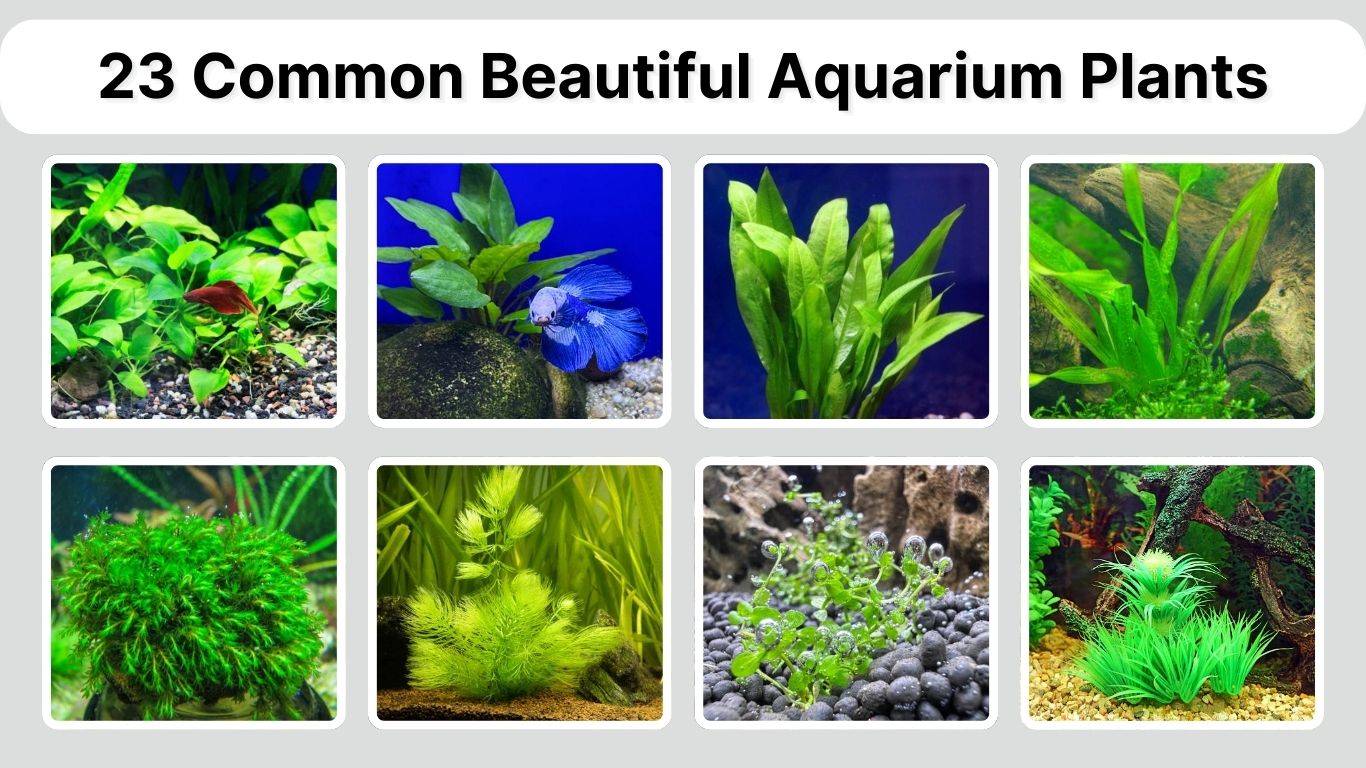
Aquarium plants play a vital role in creating a healthy, visually appealing, and natural underwater environment. They not only enhance the beauty of a fish tank but also improve water quality by absorbing excess nutrients and producing oxygen. From hardy beginner-friendly plants to decorative carpeting and red accent varieties, aquarium plants suit every tank size and experience level. Whether you are setting up a low-tech aquarium or a carefully designed aquascape, choosing the right plants helps reduce fish stress, control algae growth, and create a balanced, thriving aquatic ecosystem that closely resembles nature.
1. Anubias
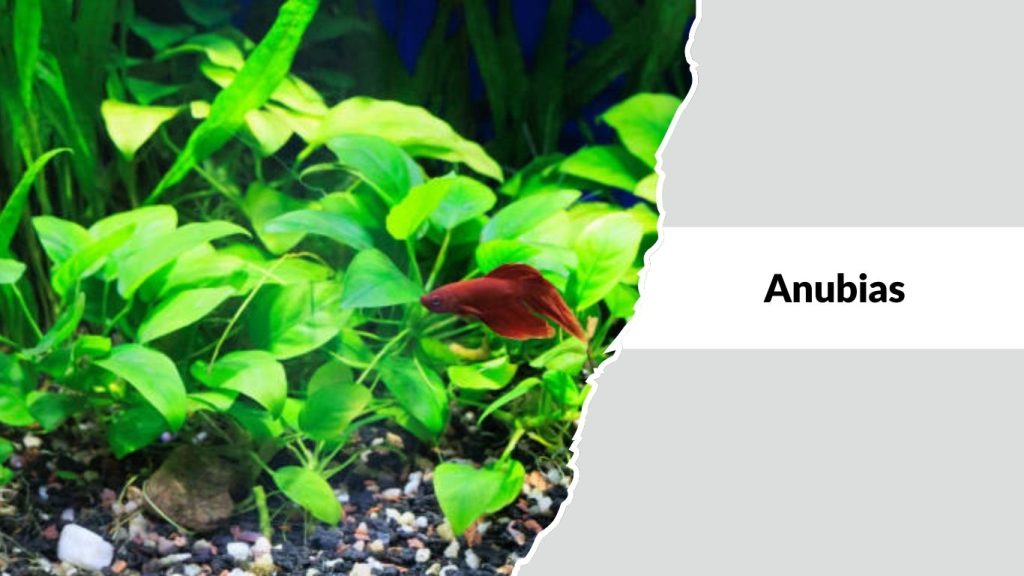
Anubias is a popular freshwater aquarium plant known for its thick green leaves, slow growth, and exceptional durability. Native to Africa, it adapts well to a wide range of aquarium conditions and is highly favored by beginners and experienced aquascapers for its low maintenance and timeless beauty.
Identification
- Scientific name: Anubias barteri (and related species)
- Leaf color: Deep green
- Leaf texture: Thick, leathery
- Growth type: Rhizome plant
- Growth speed: Slow
Care Requirements
Anubias is very hardy and tolerant of different water conditions. It does not require CO₂ supplementation or heavy fertilization, making it perfect for low-tech aquariums.
Lighting Needs
Low to moderate lighting is ideal. Strong lighting can encourage algae growth on its leaves, so gentle lighting helps keep the plant clean and healthy.
Placement in Aquarium
The rhizome should never be buried in substrate. Anubias grows best when attached to driftwood, rocks, or aquarium décor with the rhizome exposed.
Benefits for Aquariums
This plant offers shelter for fish and shrimp, enhances natural aquascapes, and contributes to a calm, balanced aquarium environment.
2. Java Fern
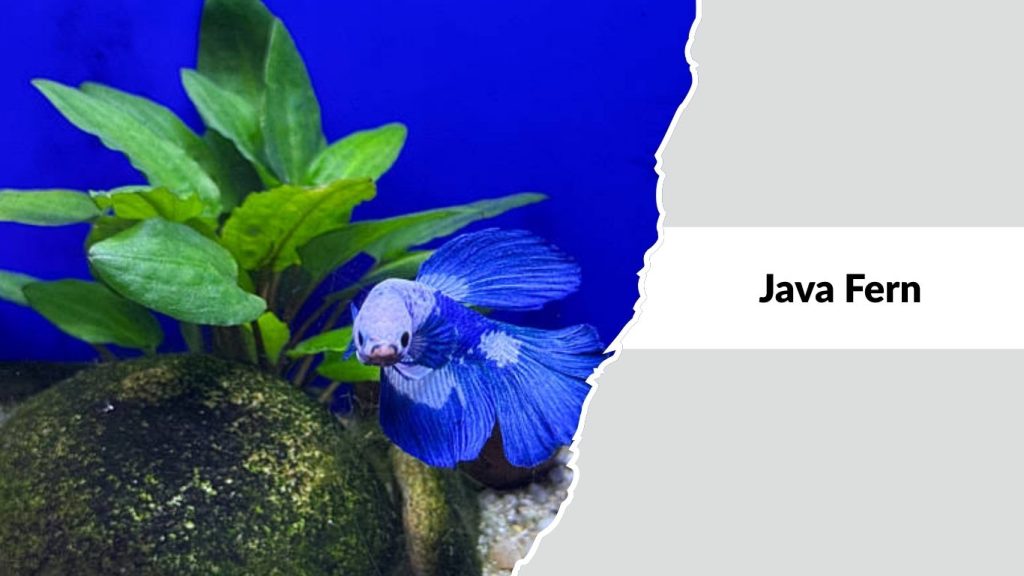
Java Fern is a classic freshwater aquarium plant admired for its graceful, flowing leaves and tough nature. Originating from Southeast Asia, it is one of the easiest plants to grow and is well suited for both beginner tanks and advanced aquascapes.
Identification
- Scientific name: Microsorum pteropus
- Leaf color: Medium to dark green
- Leaf shape: Long, narrow, slightly leathery
- Growth type: Rhizome plant
- Growth speed: Slow to moderate
Care Requirements
Java Fern is highly adaptable and grows well in most water conditions. It does not need CO₂ injection and performs well with minimal fertilization, making it ideal for low-tech aquariums.
Lighting Needs
Low to moderate lighting is sufficient. Excessive lighting may promote algae growth on the leaves, so softer light helps maintain its clean appearance.
Placement in Aquarium
Like Anubias, Java Fern’s rhizome should remain uncovered. It is best attached to driftwood, rocks, or decorations, where it naturally anchors itself over time.
Benefits for Aquariums
Java Fern provides excellent hiding spots for fish and fry, enhances the natural look of the tank, and helps create a stable and stress-free aquatic environment.
3. Amazon Sword
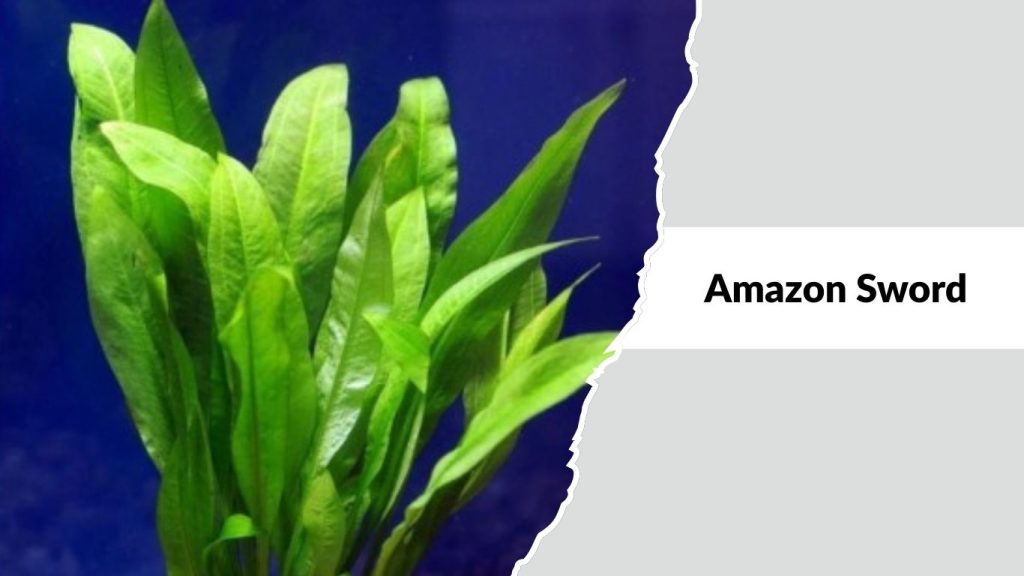
Amazon Sword is a striking freshwater aquarium plant known for its large, vibrant green leaves and strong presence in planted tanks. Native to the Amazon River basin, it is often used as a centerpiece plant due to its size and lush, tropical appearance.
Identification
- Scientific name: Echinodorus amazonicus
- Leaf color: Bright to dark green
- Leaf shape: Broad, sword-like
- Growth type: Rooted plant
- Growth speed: Moderate
Care Requirements
Amazon Sword prefers nutrient-rich substrate and benefits from regular root fertilization. While CO₂ is not mandatory, it can enhance growth and leaf size in well-maintained tanks.
Lighting Needs
Moderate lighting is ideal for healthy growth. Insufficient light may slow growth, while consistent lighting helps maintain strong, vibrant leaves.
Placement in Aquarium
This plant is best placed in the background or center of larger aquariums, where it has enough space to spread its leaves without shading smaller plants.
Benefits for Aquariums
Amazon Sword helps improve water quality by absorbing excess nutrients, provides shelter for fish, and adds a bold, natural focal point to the aquarium.
4. Vallisneria
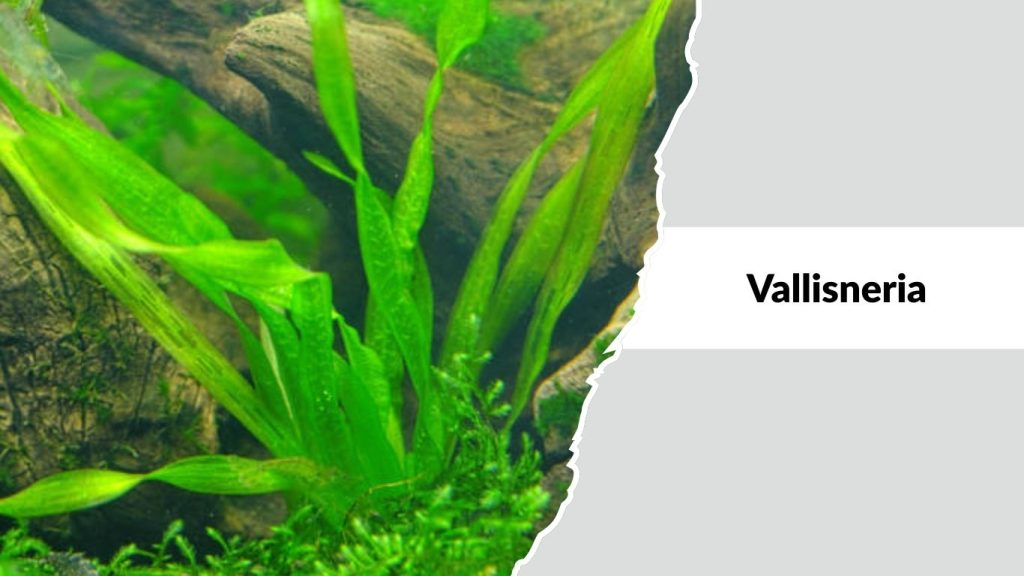
Vallisneria is a fast-growing freshwater aquarium plant recognized for its long, ribbon-like leaves that create a natural underwater grassland effect. Commonly found in rivers and lakes around the world, it is an excellent choice for adding movement and depth to an aquarium.
Identification
- Scientific name: Vallisneria spiralis (and related species)
- Leaf color: Light to medium green
- Leaf shape: Long, narrow, ribbon-like
- Growth type: Rooted plant
- Growth speed: Fast
Care Requirements
Vallisneria is easy to care for and adapts well to a wide range of water conditions. It benefits from nutrient-rich substrate but does not require CO₂ injection to thrive.
Lighting Needs
Moderate lighting promotes healthy and rapid growth. Too little light may slow growth, while stable lighting encourages strong leaf development.
Placement in Aquarium
This plant is best suited for the background of the aquarium, where its tall leaves can flow freely without blocking the view of other plants.
Benefits for Aquariums
Vallisneria provides excellent oxygenation, offers shelter for fish and fry, and helps create a natural, serene aquatic environment.
5. Java Moss
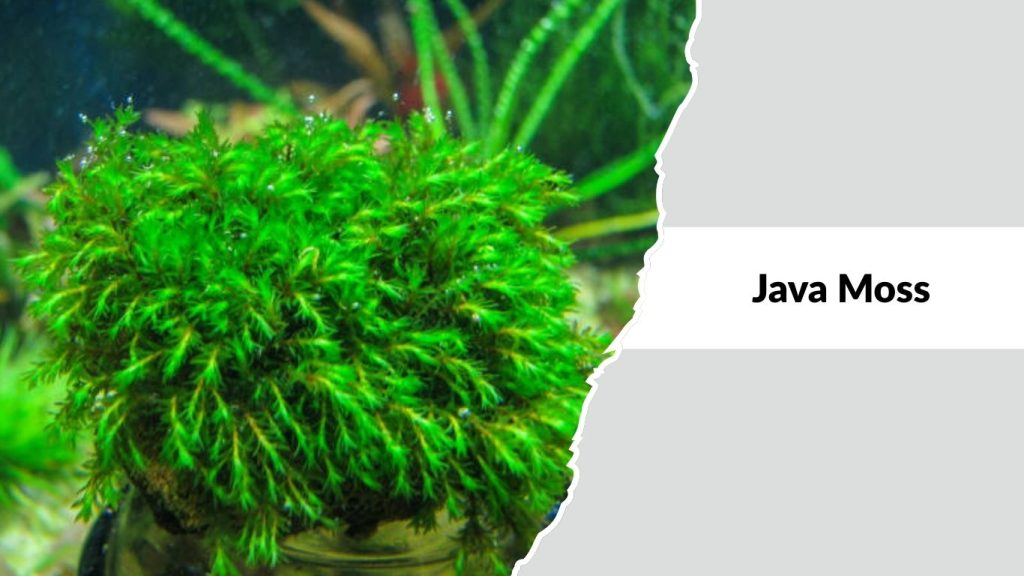
Java Moss is a versatile freshwater aquarium plant prized for its soft, dense texture and natural look. Native to Southeast Asia, it is widely used in aquascaping, breeding tanks, and shrimp aquariums because of its adaptability and ease of growth.
Identification
- Scientific name: Taxiphyllum barbieri
- Color: Bright to deep green
- Texture: Fine, feathery
- Growth type: Moss
- Growth speed: Moderate
Care Requirements
Java Moss is extremely hardy and can grow in a wide range of water conditions. It does not require CO₂ or special fertilizers, making it suitable for low-tech and beginner aquariums.
Lighting Needs
Low to moderate lighting is sufficient. Higher lighting can increase growth speed but may also encourage algae if not balanced properly.
Placement in Aquarium
This moss can be attached to rocks, driftwood, mesh, or decorations. It can also be left floating or used to create carpets, walls, and trees in aquascapes.
Benefits for Aquariums
Java Moss provides excellent hiding and breeding areas for shrimp and fry, improves water quality, and adds a natural, mature appearance to the aquarium.
6. Hornwort
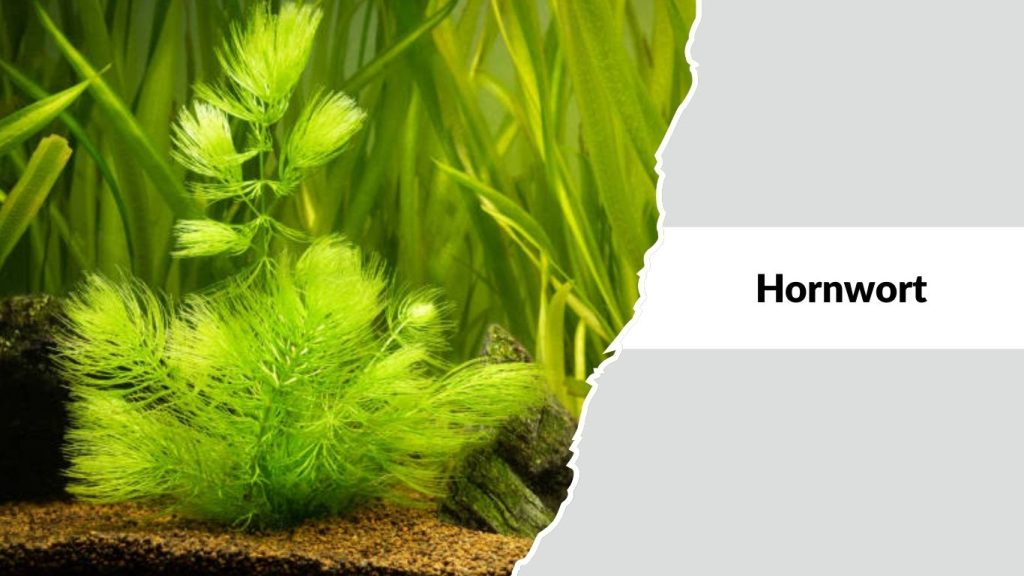
Hornwort is a hardy, fast-growing freshwater aquarium plant known for its feathery texture and excellent water-cleaning ability. It is commonly found in lakes and slow-moving rivers worldwide and is valued for its adaptability and rapid growth.
Identification
- Scientific name: Ceratophyllum demersum
- Color: Medium to dark green
- Leaf shape: Fine, needle-like whorls
- Growth type: Floating or anchored
- Growth speed: Fast
Care Requirements
Hornwort is very easy to maintain and tolerates a wide range of water conditions. It does not need CO₂ injection or substrate, making it ideal for low-tech aquariums.
Lighting Needs
Moderate to high lighting encourages dense and healthy growth. Under low light, it may shed older needles but usually continues growing.
Placement in Aquarium
Hornwort can be left floating or gently anchored in the substrate. Floating placement is often preferred, as it allows the plant to grow freely and absorb nutrients efficiently.
Benefits for Aquariums
This plant helps reduce excess nutrients, provides shelter for fry, and improves overall water clarity, making it an excellent natural filter for aquariums.
7. Water Wisteria
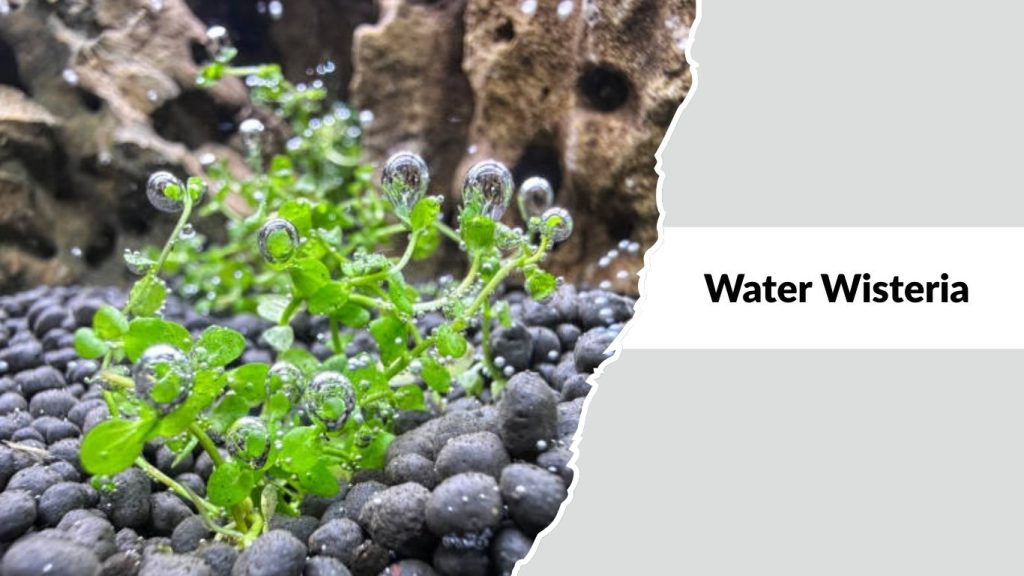
Water Wisteria is a beautiful freshwater aquarium plant known for its delicate, lace-like leaves and rapid growth. Native to South Asia, it is highly adaptable and often used to add texture and softness to planted aquariums.
Identification
- Scientific name: Hygrophila difformis
- Leaf color: Light to bright green
- Leaf shape: Deeply lobed, fern-like
- Growth type: Stem plant
- Growth speed: Fast
Care Requirements
Water Wisteria is easy to care for and thrives in a wide range of water conditions. It benefits from nutrient-rich water but does not require CO₂ injection to grow well.
Lighting Needs
Moderate lighting supports healthy growth and vibrant leaf formation. Higher light levels can enhance its bushy appearance when nutrients are sufficient.
Placement in Aquarium
This plant works well in the background or midground of the aquarium. Regular trimming helps maintain its shape and prevents it from overshadowing other plants.
Benefits for Aquariums
Water Wisteria absorbs excess nutrients, helps control algae, provides hiding spaces for fish, and contributes to a clean, balanced aquarium ecosystem.
8. Cryptocoryne
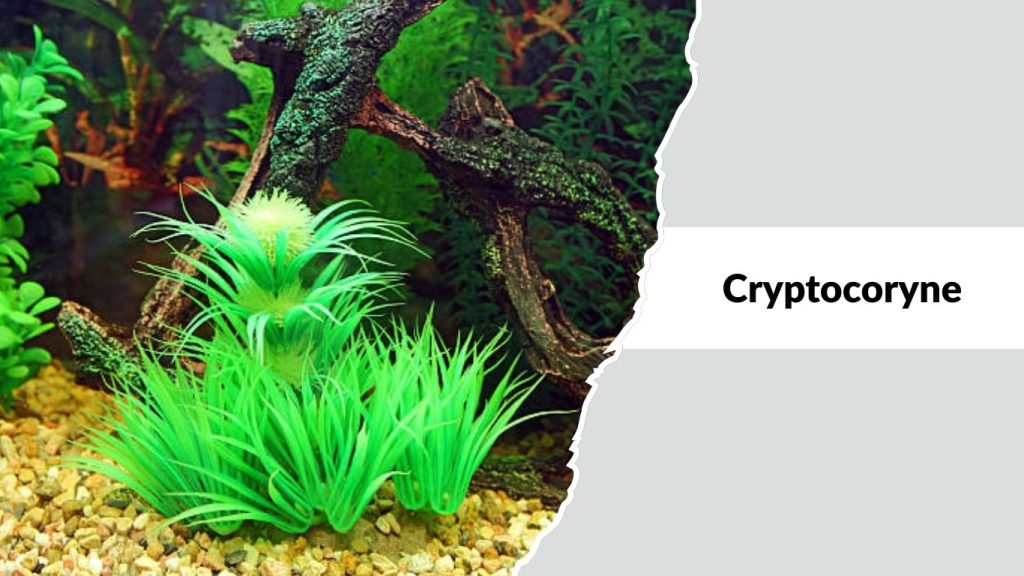
Cryptocoryne is a popular freshwater aquarium plant valued for its broad leaves, rich colors, and natural appearance. Native to Southeast Asia, it is available in many varieties, making it a favorite for creating lush and realistic aquascapes.
Identification
- Scientific name: Cryptocoryne wendtii (and related species)
- Leaf color: Green, brown, red, or bronze
- Leaf shape: Broad, slightly wavy
- Growth type: Rooted plant
- Growth speed: Slow to moderate
Care Requirements
Cryptocoryne prefers stable water conditions and nutrient-rich substrate. Sudden changes in water parameters may cause leaf melt, but the plant usually recovers over time.
Lighting Needs
Low to moderate lighting is ideal. Excessive lighting is not necessary and can sometimes encourage algae growth.
Placement in Aquarium
This plant is best placed in the foreground or midground, depending on the variety. It grows well when given space to establish strong roots.
Benefits for Aquariums
Cryptocoryne enhances aquascape depth, provides natural shelter for fish, and helps maintain water quality by absorbing nutrients gradually.
9. Dwarf Hairgrass
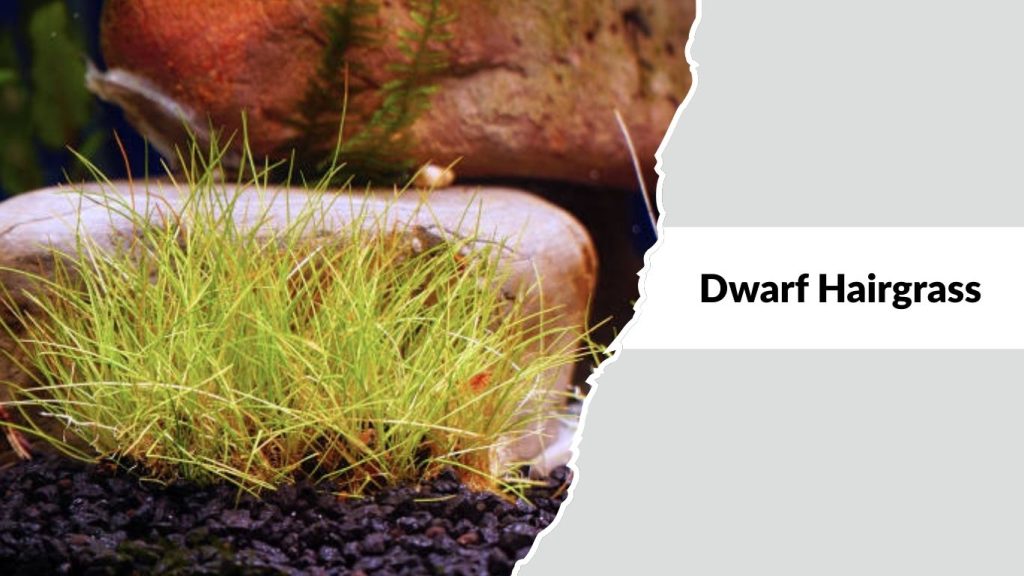
Dwarf Hairgrass is a popular carpeting freshwater aquarium plant known for its fine, grass-like appearance. It is commonly used to create lush green lawns in aquascaped tanks, giving a clean and natural foreground look.
Identification
- Scientific name: Eleocharis parvula
- Leaf color: Bright green
- Leaf shape: Thin, hair-like blades
- Growth type: Rooted carpeting plant
- Growth speed: Moderate
Care Requirements
Dwarf Hairgrass grows best in nutrient-rich substrate and benefits from CO₂ injection, though it can survive in low-tech setups with slower growth.
Lighting Needs
Moderate to high lighting is recommended to encourage dense, compact carpeting. Low light may cause taller, sparse growth.
Placement in Aquarium
This plant is ideal for the foreground of the aquarium. Planting small clumps helps it spread evenly and form a natural carpet over time.
Benefits for Aquariums
Dwarf Hairgrass improves tank aesthetics, provides grazing areas for shrimp, and helps oxygenate the substrate, supporting a healthy aquarium ecosystem.
10. Bacopa
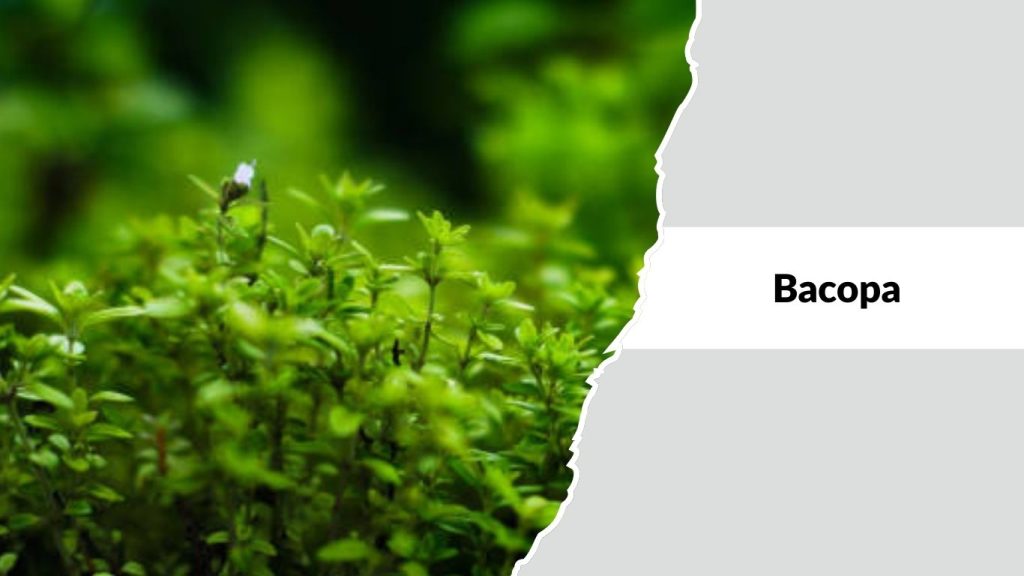
Bacopa is a hardy freshwater stem plant admired for its thick, rounded leaves and upright growth. Native to wetlands and shallow waters, it adds a fresh, clean look to aquariums and is well suited for both beginners and experienced aquarists.
Identification
- Scientific name: Bacopa caroliniana
- Leaf color: Light to medium green
- Leaf shape: Round to oval
- Growth type: Stem plant
- Growth speed: Moderate
Care Requirements
Bacopa is easy to maintain and tolerates a wide range of water conditions. It does not require CO₂ injection, though supplementation can promote denser growth.
Lighting Needs
Moderate lighting supports steady and healthy growth. Under higher light, Bacopa may develop more compact leaves and stronger stems.
Placement in Aquarium
This plant is best placed in the midground or background of the aquarium. Regular trimming encourages bushier growth and prevents it from becoming too tall.
Benefits for Aquariums
Bacopa helps absorb excess nutrients, improves water quality, and adds vertical structure and balance to planted aquariums.
11. Rotala
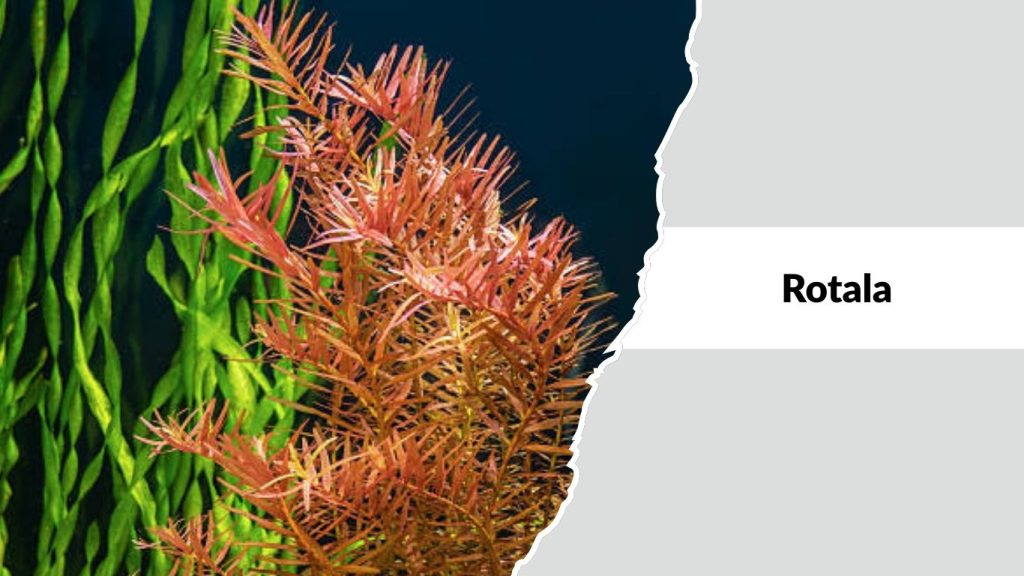
Rotala is a vibrant freshwater stem plant loved for its fine leaves and colorful tones that range from green to pink and red. Originating from Asia, it is commonly used in aquascaping to add contrast, depth, and movement to planted tanks.
Identification
- Scientific name: Rotala rotundifolia
- Leaf color: Green to pinkish-red
- Leaf shape: Small, narrow, oval
- Growth type: Stem plant
- Growth speed: Fast
Care Requirements
Rotala grows best in stable water conditions and benefits from regular fertilization. CO₂ injection is not mandatory but significantly enhances color intensity and compact growth.
Lighting Needs
Moderate to high lighting is required to bring out its vibrant colors. Lower lighting may result in greener leaves and leggier stems.
Placement in Aquarium
This plant is ideal for the background or midground of the aquarium. Frequent trimming helps maintain a dense, bushy appearance.
Benefits for Aquariums
Rotala absorbs excess nutrients, helps control algae, and adds dynamic color and texture to aquascapes.
12. Ludwigia
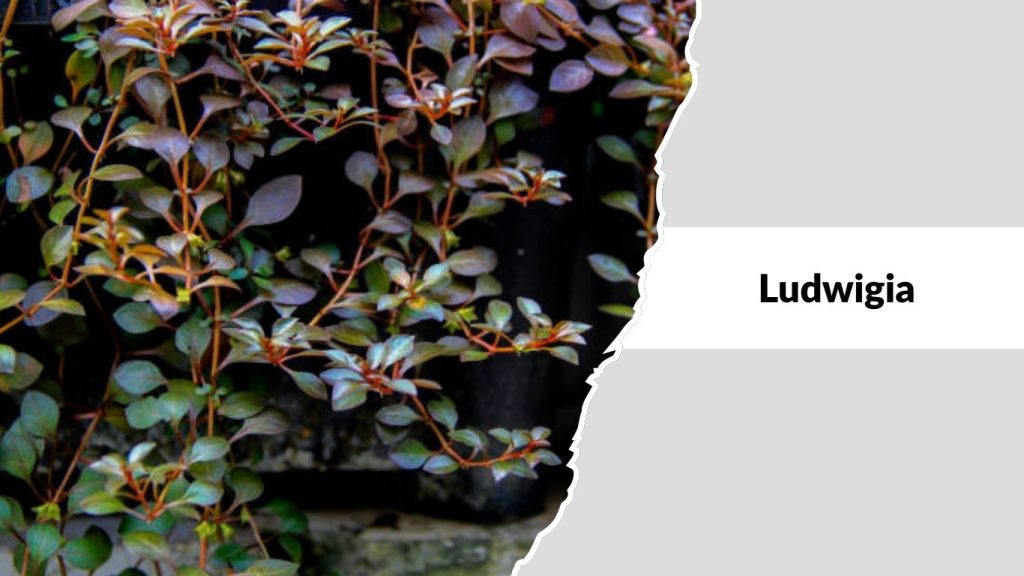
Ludwigia is a striking freshwater stem plant known for its bold red and green coloration. Native to the Americas, it is a favorite among aquascapers who want to add warmth and visual contrast to planted aquariums.
Identification
- Scientific name: Ludwigia repens
- Leaf color: Green on top, red to purple underneath
- Leaf shape: Oval to elongated
- Growth type: Stem plant
- Growth speed: Moderate
Care Requirements
Ludwigia adapts well to most aquarium conditions and benefits from nutrient-rich water. CO₂ injection is optional but enhances red coloration and overall plant health.
Lighting Needs
Moderate to high lighting is necessary to maintain strong red tones. Low light may cause the leaves to remain mostly green.
Placement in Aquarium
This plant is best placed in the midground or background. Regular pruning encourages bushier growth and prevents excessive vertical stretching.
Benefits for Aquariums
Ludwigia improves visual appeal, absorbs excess nutrients, and provides shelter for fish, contributing to a healthier and more colorful aquarium.
13. Cabomba
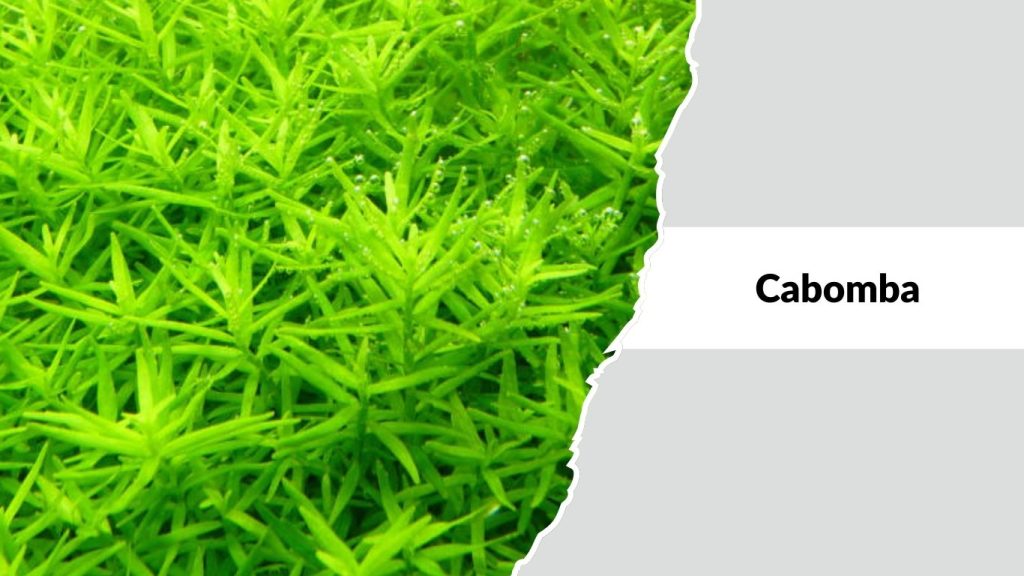
Cabomba is an elegant freshwater aquarium plant recognized for its soft, fan-shaped leaves and delicate appearance. Native to the Americas, it adds a light, airy texture to aquariums and moves beautifully with water flow.
Identification
- Scientific name: Cabomba caroliniana
- Leaf color: Bright to medium green
- Leaf shape: Finely divided, fan-like
- Growth type: Stem plant
- Growth speed: Fast
Care Requirements
Cabomba prefers clean water and stable conditions. It benefits from nutrient-rich water and may require CO₂ supplementation for best growth, especially in well-lit tanks.
Lighting Needs
Moderate to high lighting is essential to keep the plant healthy and prevent leaf drop. Insufficient light can cause the lower leaves to shed.
Placement in Aquarium
This plant is best placed in the background of the aquarium, where its tall, feathery stems can grow freely without shading other plants.
Benefits for Aquariums
Cabomba absorbs excess nutrients, provides hiding places for fish and fry, and enhances the natural beauty and depth of planted aquariums.
14. Water Sprite
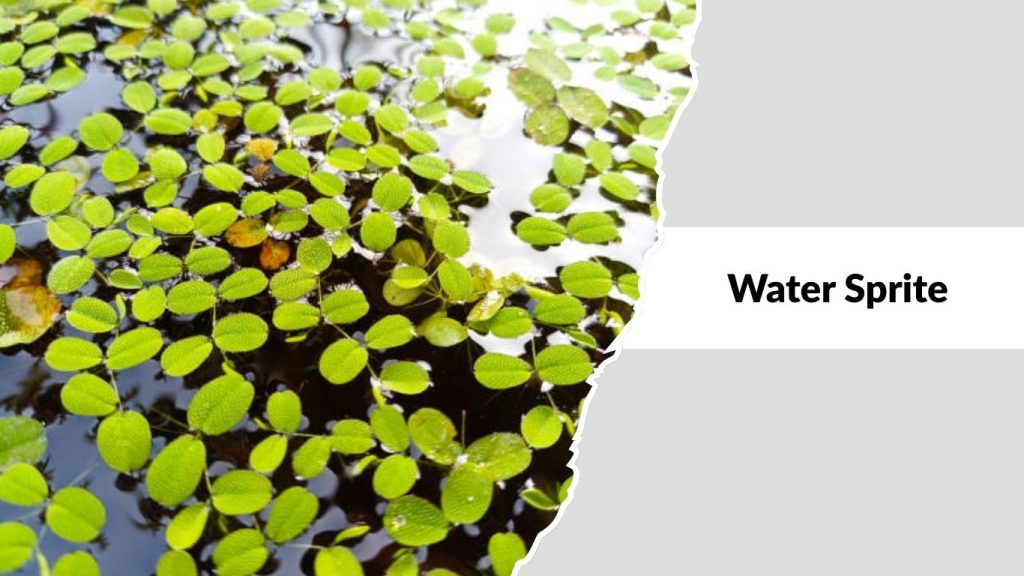
Water Sprite is a fast-growing freshwater aquarium plant valued for its bright green, finely divided leaves and versatility. Native to tropical regions, it can grow either rooted or floating, making it a flexible choice for many aquarium setups.
Identification
- Scientific name: Ceratopteris thalictroides
- Leaf color: Light to bright green
- Leaf shape: Finely divided, lace-like
- Growth type: Rooted or floating plant
- Growth speed: Fast
Care Requirements
Water Sprite is easy to care for and adapts well to different water conditions. It does not require CO₂ injection but benefits from regular nutrients in the water column.
Lighting Needs
Moderate lighting promotes healthy and rapid growth. Higher light levels can increase leaf density and overall fullness.
Placement in Aquarium
This plant can be placed in the background when rooted or left floating to provide shade. Floating growth is especially useful in breeding and fry tanks.
Benefits for Aquariums
Water Sprite helps reduce nitrates, offers excellent cover for fish and fry, and contributes to a clean and stable aquarium environment.
15. Hygrophila
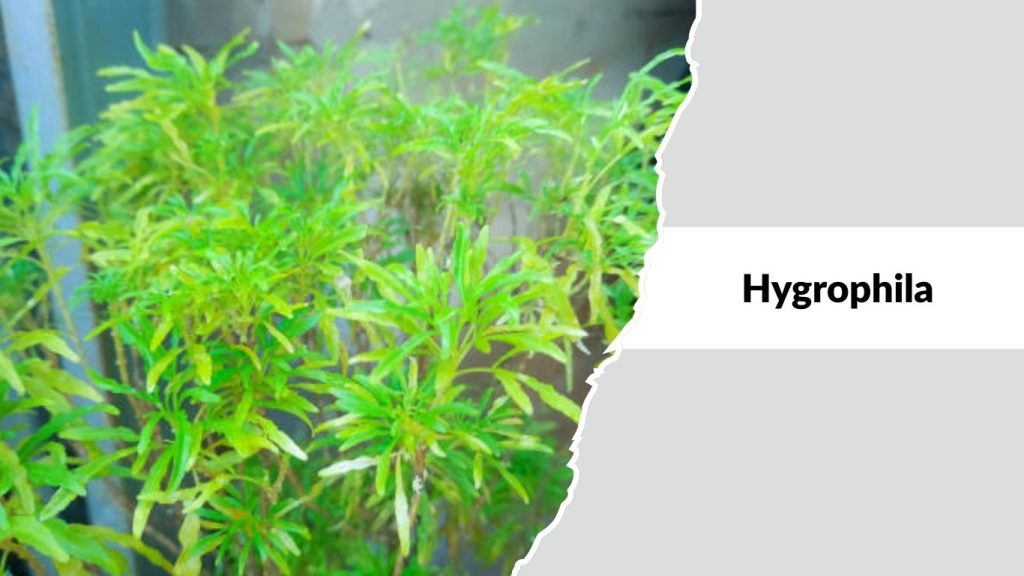
Hygrophila is a hardy and fast-growing freshwater aquarium plant known for its upright stems and lush green leaves. Native to Asia, it is widely used in planted tanks because of its adaptability and ability to quickly fill empty spaces.
Identification
- Scientific name: Hygrophila polysperma
- Leaf color: Light to medium green
- Leaf shape: Oval to lance-shaped
- Growth type: Stem plant
- Growth speed: Fast
Care Requirements
Hygrophila is very easy to grow and tolerates a wide range of water parameters. It does not require CO₂ injection, though added nutrients can enhance growth and leaf size.
Lighting Needs
Low to moderate lighting is sufficient, but higher light encourages denser and more compact growth.
Placement in Aquarium
This plant is best placed in the background of the aquarium. Regular trimming helps maintain shape and prevents it from overtaking other plants.
Benefits for Aquariums
Hygrophila absorbs excess nutrients, helps control algae, improves water quality, and provides shelter for fish and fry.
16. Bucephalandra
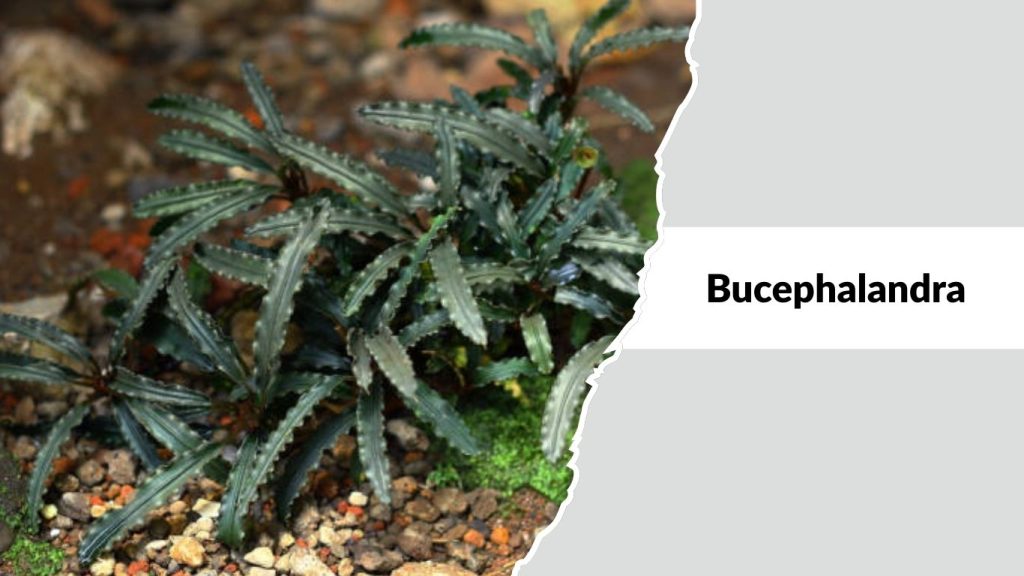
Bucephalandra is a premium freshwater aquarium plant admired for its compact size, slow growth, and richly textured leaves. Native to Borneo, it is highly valued in aquascaping for its unique colors and ability to thrive in low-light setups.
Identification
- Scientific name: Bucephalandra spp.
- Leaf color: Green, blue-green, reddish, or purple hues
- Leaf texture: Thick, slightly wavy
- Growth type: Rhizome plant
- Growth speed: Slow
Care Requirements
Bucephalandra prefers stable water conditions and clean tanks. It does not require CO₂ injection, though supplementation can enhance coloration and growth.
Lighting Needs
Low to moderate lighting is ideal. Excessive light may lead to algae growth on its slow-growing leaves.
Placement in Aquarium
This plant should be attached to rocks or driftwood, with the rhizome kept above the substrate. It works beautifully in the foreground or midground.
Benefits for Aquariums
Bucephalandra adds fine detail and color variation, provides shelter for small fish and shrimp, and enhances the overall elegance of aquascaped aquariums.
17. Monte Carlo
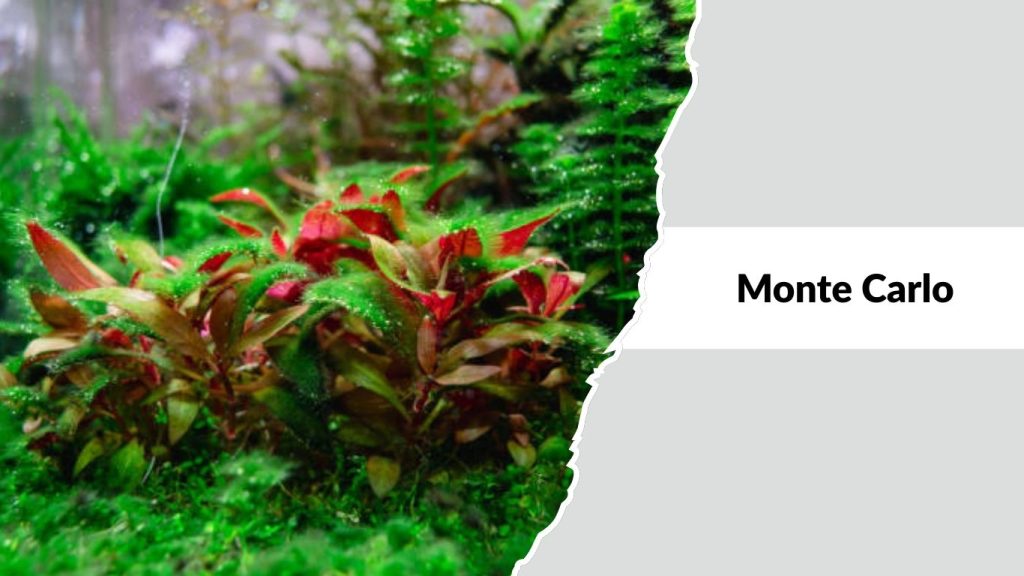
Monte Carlo is a popular freshwater carpeting plant known for its small, bright green leaves and creeping growth habit. Originating from South America, it is widely used in aquascaping to create lush, natural-looking foreground carpets.
Identification
- Scientific name: Micranthemum tweediei “Monte Carlo”
- Leaf color: Bright green
- Leaf shape: Small, round
- Growth type: Creeping carpeting plant
- Growth speed: Moderate to fast
Care Requirements
Monte Carlo grows best in nutrient-rich substrate and benefits from CO₂ injection, although it can survive in low-tech aquariums with slower growth.
Lighting Needs
Moderate to high lighting encourages compact, dense carpeting. Low light may cause the plant to grow taller instead of spreading horizontally.
Placement in Aquarium
This plant is ideal for the foreground. Planting small portions close together helps it spread evenly and form a thick carpet.
Benefits for Aquariums
Monte Carlo enhances aquascape depth, provides grazing areas for shrimp, and contributes to a clean, oxygen-rich aquarium environment.
18. Pennywort
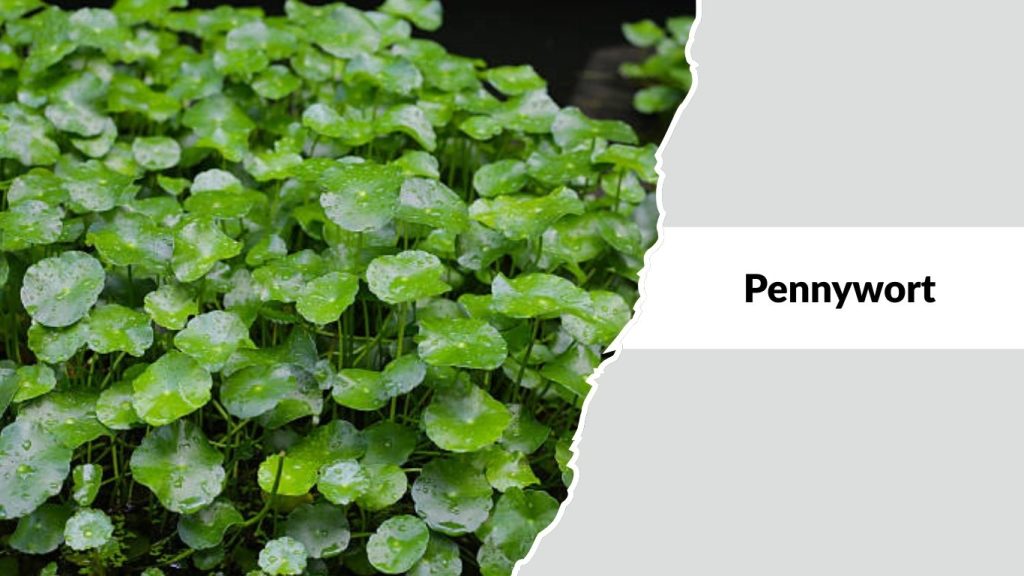
Pennywort is a versatile freshwater aquarium plant known for its round, coin-shaped leaves and rapid growth. Native to many parts of the world, it can grow rooted, floating, or even immersed, making it a flexible choice for creative aquascapes.
Identification
- Scientific name: Hydrocotyle spp.
- Leaf color: Bright to light green
- Leaf shape: Round, penny-like
- Growth type: Stem or creeping plant
- Growth speed: Fast
Care Requirements
Pennywort is easy to grow and adapts well to different water conditions. It does not require CO₂ injection, though additional nutrients support faster and healthier growth.
Lighting Needs
Moderate lighting promotes compact and vibrant growth. Under higher light, the leaves grow closer together and appear fuller.
Placement in Aquarium
This plant works well in the foreground, midground, or as a floating plant. Regular trimming helps control its fast growth.
Benefits for Aquariums
Pennywort absorbs excess nutrients, helps reduce algae, provides shelter for fish, and adds a playful, natural look to aquariums.
19. Red Tiger Lotus
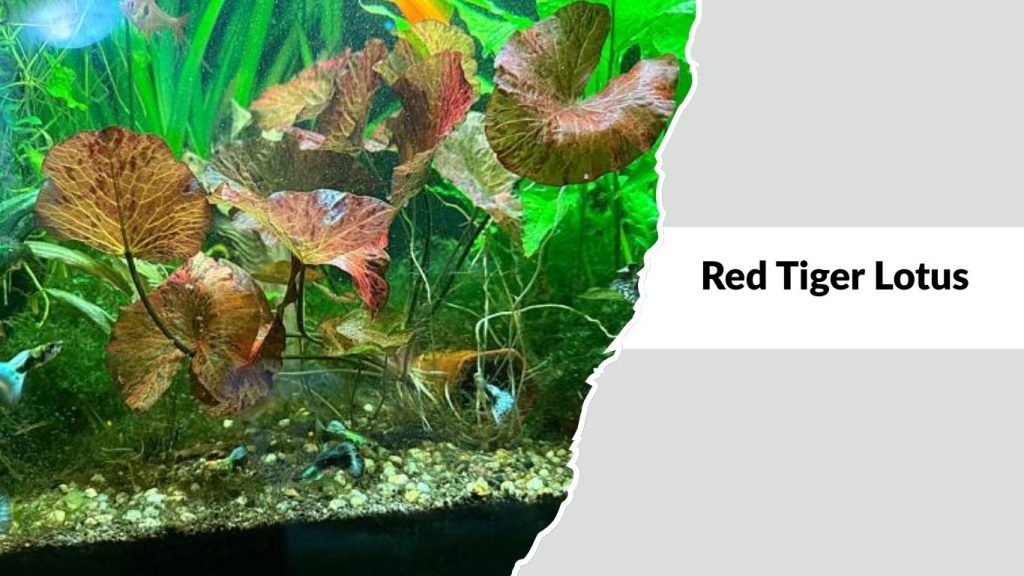
Red Tiger Lotus is a stunning freshwater aquarium plant known for its large, dramatic leaves and deep red coloration. Native to Africa, it is often used as a focal point plant due to its bold appearance and rapid leaf growth.
Identification
- Scientific name: Nymphaea zenkeri
- Leaf color: Red to reddish-brown with spots
- Leaf shape: Broad, heart-shaped
- Growth type: Bulb plant
- Growth speed: Fast
Care Requirements
Red Tiger Lotus grows well in nutrient-rich substrate and benefits from root fertilizers. CO₂ injection is optional but can enhance overall growth and coloration.
Lighting Needs
Moderate to high lighting helps maintain rich red colors. Low lighting may result in greener leaves and slower growth.
Placement in Aquarium
This plant is best placed in the midground or background, where it has space to spread. Trimming surface-reaching leaves helps keep growth compact.
Benefits for Aquariums
Red Tiger Lotus adds a dramatic centerpiece, provides shade and shelter for fish, and helps absorb excess nutrients from the water.
20. Anacharis
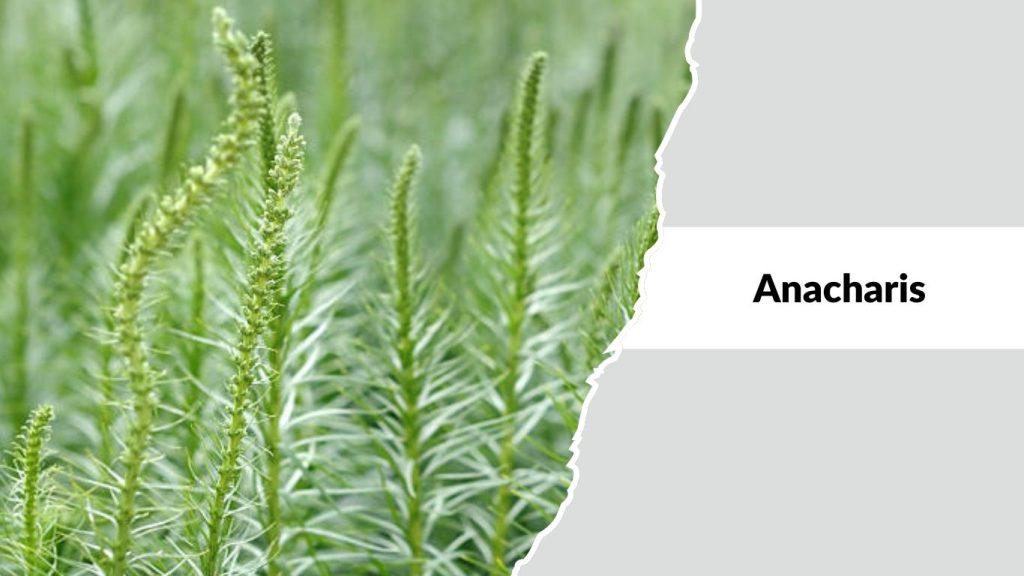
Anacharis is a classic freshwater aquarium plant known for its rapid growth and excellent oxygenating ability. Native to North America, it is widely used in beginner tanks and ponds due to its hardiness and water-purifying properties.
Identification
- Scientific name: Egeria densa
- Leaf color: Bright to deep green
- Leaf shape: Narrow, whorled
- Growth type: Stem plant
- Growth speed: Fast
Care Requirements
Anacharis is very easy to care for and thrives in a wide range of water conditions. It does not require CO₂ injection and grows well with minimal fertilization.
Lighting Needs
Moderate lighting supports healthy growth. Under low light, growth may slow but the plant usually remains stable.
Placement in Aquarium
This plant can be rooted in the substrate or left floating. Floating growth often results in faster nutrient absorption and fuller appearance.
Benefits for Aquariums
Anacharis improves water quality, produces oxygen, provides hiding spots for fish, and helps control algae through nutrient competition.
21. Guppy Grass
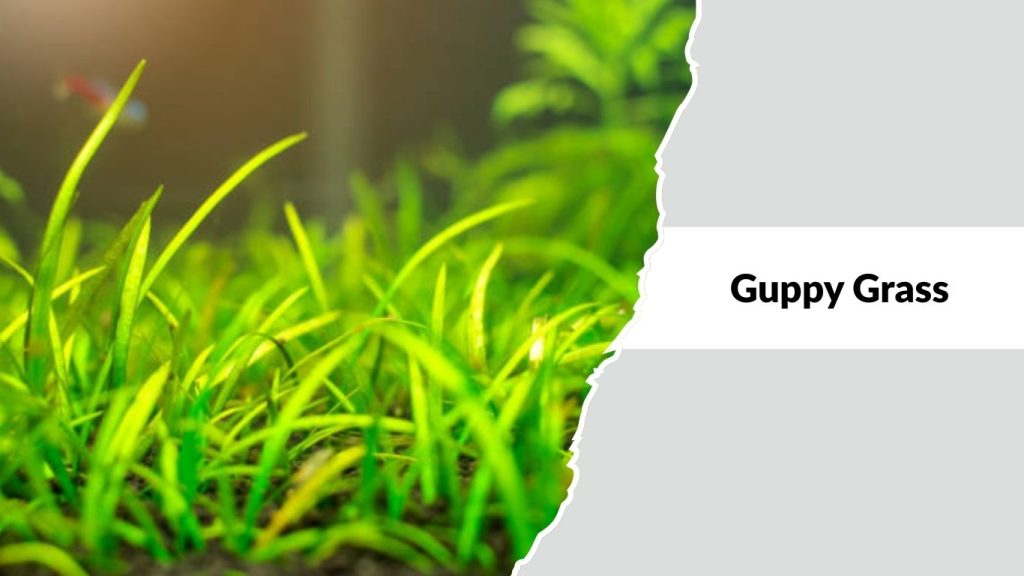
Guppy Grass is a fast-growing freshwater aquarium plant valued for its fine texture and ability to provide excellent cover. Native to tropical regions, it is especially popular in breeding tanks and shrimp aquariums.
Identification
- Scientific name: Najas guadalupensis
- Leaf color: Bright to medium green
- Leaf shape: Thin, needle-like
- Growth type: Stem plant
- Growth speed: Very fast
Care Requirements
Guppy Grass is extremely easy to grow and tolerates a wide range of water parameters. It does not require CO₂ injection or substrate to thrive.
Lighting Needs
Low to moderate lighting is sufficient, though higher light can increase growth speed and density.
Placement in Aquarium
This plant can be left floating or loosely anchored in the substrate. Floating placement is ideal for fry and shrimp tanks.
Benefits for Aquariums
Guppy Grass offers excellent hiding spaces, absorbs excess nutrients, improves water quality, and supports breeding success in aquariums.
22. Pearl Weed
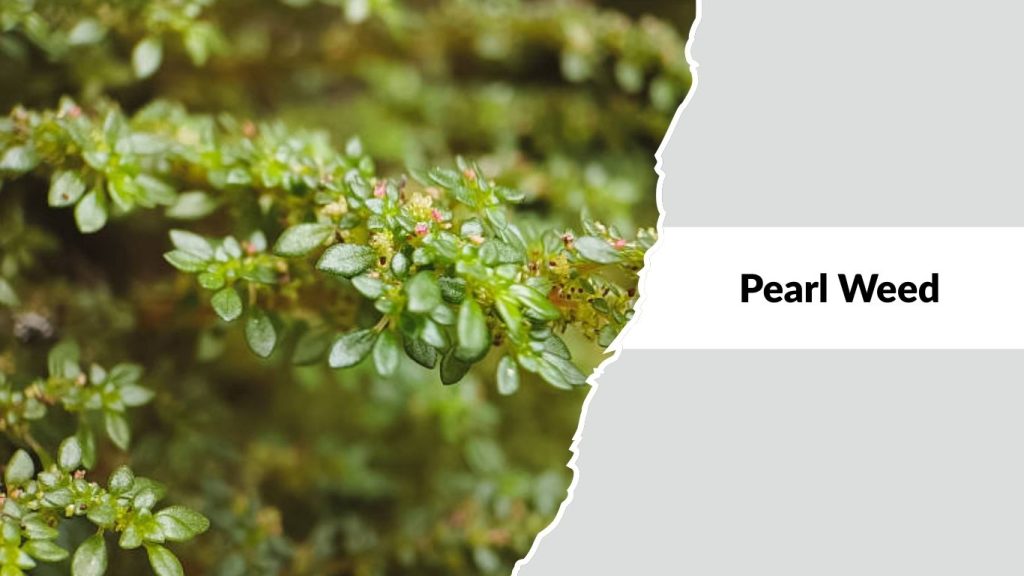
Pearl Weed is a popular freshwater aquarium plant known for its tiny, bright green leaves and dense growth pattern. Originating from Cuba, it is widely used in aquascaping for creating lush carpets and detailed midground structures.
Identification
- Scientific name: Hemianthus micranthemoides
- Leaf color: Bright green
- Leaf shape: Small, oval
- Growth type: Stem plant
- Growth speed: Fast
Care Requirements
Pearl Weed grows well in stable water conditions and responds positively to regular fertilization. CO₂ injection is optional but encourages denser and more compact growth.
Lighting Needs
Moderate to high lighting is required to maintain its compact form. Low lighting may cause elongated, less dense growth.
Placement in Aquarium
This plant can be used in the foreground or midground. Frequent trimming helps shape it into carpets, bushes, or fine details in aquascapes.
Benefits for Aquariums
Pearl Weed improves tank aesthetics, absorbs excess nutrients, helps control algae, and provides shelter for small fish and shrimp.
23. Banana Plant
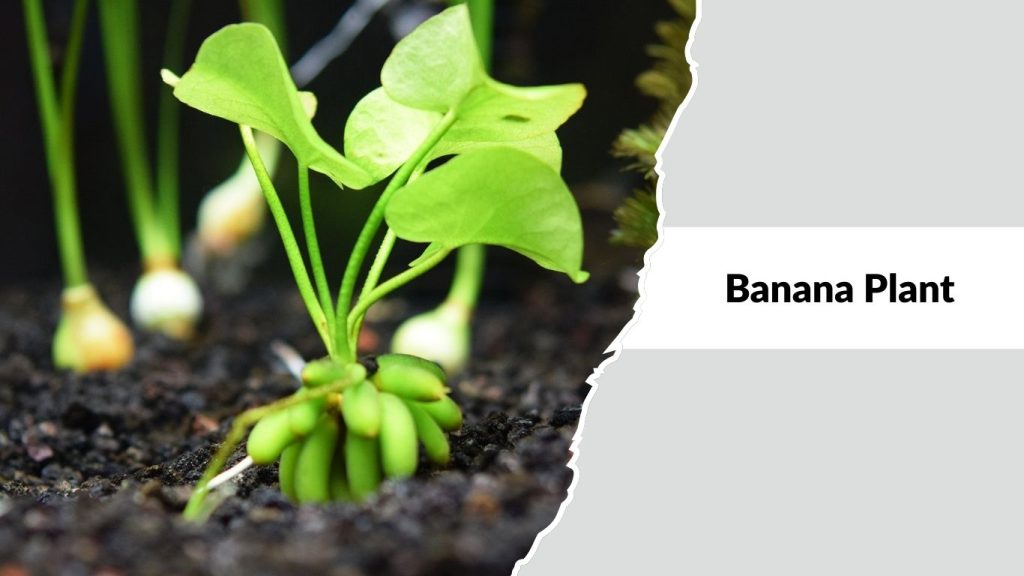
Banana Plant is a unique freshwater aquarium plant known for its distinctive banana-shaped tubers that store nutrients. Native to North America, it adds an unusual and eye-catching element to planted aquariums.
Identification
- Scientific name: Nymphoides aquatica
- Leaf color: Bright to medium green
- Leaf shape: Round to heart-shaped
- Growth type: Tuber plant
- Growth speed: Moderate
Care Requirements
Banana Plant is relatively easy to care for and prefers nutrient-rich substrate. It does not require CO₂ injection, though stable water conditions support healthy growth.
Lighting Needs
Moderate lighting encourages steady leaf development. Excessive lighting may lead to rapid surface growth.
Placement in Aquarium
This plant is best placed in the midground, with the banana-shaped tubers partially exposed above the substrate to prevent rot.
Benefits for Aquariums
Banana Plant adds visual interest, provides shade and shelter for fish, and helps absorb excess nutrients, contributing to a balanced aquarium ecosystem.
FAQs
Are these aquarium plants suitable for beginners?
Yes, many of the plants listed, such as Anubias, Java Fern, Java Moss, Anacharis, and Guppy Grass, are beginner-friendly. They are hardy, adaptable, and do not require advanced equipment like CO₂ systems.
Do all aquarium plants need CO₂ injection?
No, CO₂ injection is optional for most aquarium plants. While plants like Monte Carlo and Dwarf Hairgrass grow better with CO₂, many others thrive well in low-tech setups without it.
What lighting is best for most aquarium plants?
Most common aquarium plants do well under low to moderate lighting. High lighting is usually only necessary for red plants or carpeting plants to maintain compact growth and strong coloration.
Can aquarium plants grow without substrate?
Yes, some plants such as Anubias, Java Fern, Bucephalandra, and Java Moss do not need substrate. These plants grow best when attached to rocks or driftwood.
How do aquarium plants benefit fish?
Aquarium plants provide shelter, reduce stress, improve water quality by absorbing excess nutrients, produce oxygen, and create a more natural environment for fish and shrimp.
How often should aquarium plants be trimmed?
Fast-growing plants may need trimming every 1–2 weeks, while slow-growing plants require minimal maintenance. Regular trimming helps maintain shape and prevents overcrowding.
Do aquarium plants help control algae?
Yes, healthy plants compete with algae for nutrients and light, which helps reduce algae growth and maintain a balanced aquarium.