
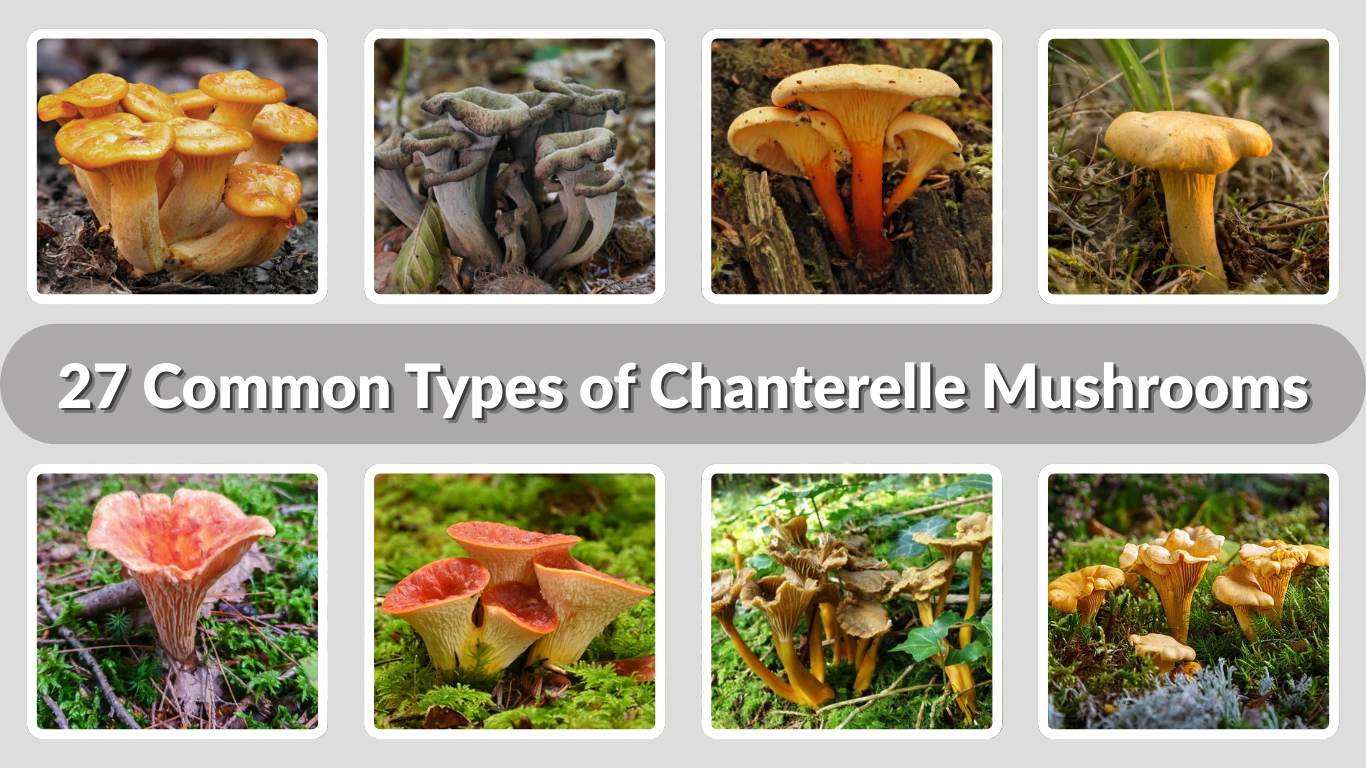
Chanterelle mushrooms are among the most popular and easily recognized wild mushrooms in the world. Known for their bright colors, wavy caps, and pleasant fruity aroma, they are highly valued by both foragers and chefs. These mushrooms grow naturally in forested areas and form close relationships with trees. With many regional varieties, chanterelles appear in different shapes, sizes, and colors across the globe.
1. Golden Chanterelle
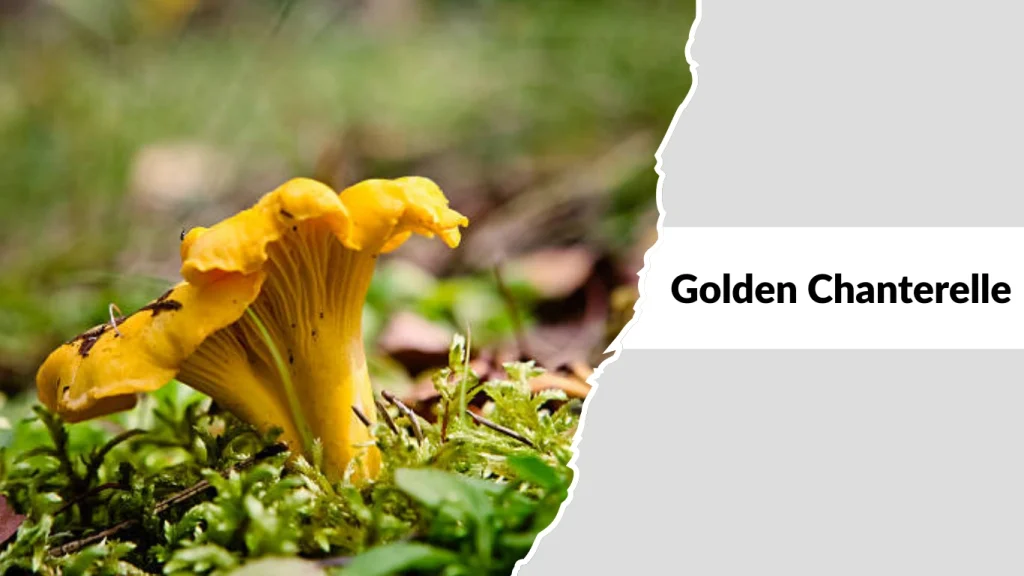
The Golden Chanterelle is one of the most well-known and widely foraged wild mushrooms in the world. Famous for its bright golden-yellow color and rich, fruity aroma, it is highly prized in culinary traditions across Europe, North America, and Asia. This mushroom typically grows in forested areas, forming symbiotic relationships with trees, and appears during warm, moist seasons.
Identification
- Bright golden to yellow-orange cap with a wavy, irregular edge
- Funnel-shaped or shallowly depressed cap as it matures
- Thick, blunt, forked false gills running down the stem
- Solid, pale yellow to white flesh
- Fruity scent often compared to apricots
Habitat
Golden Chanterelles grow on the ground in hardwood and mixed forests rather than on wood. They are commonly found near oak, beech, pine, and birch trees. These mushrooms prefer well-drained soil and often appear singly or scattered, sometimes forming loose groups after rainfall.
Edibility
This mushroom is considered an excellent edible species and is safe to eat when properly identified. Its firm texture and mild peppery flavor make it suitable for sautéing, roasting, soups, and sauces. Because of its popularity, it is frequently sold fresh or dried in local and international markets.
Seasonal Growth
Golden Chanterelles usually fruit from late spring through early autumn, depending on climate and region. Peak growth often occurs after periods of steady rain combined with warm temperatures, making summer the most productive season for foragers in many areas.
2. Smooth Chanterelle
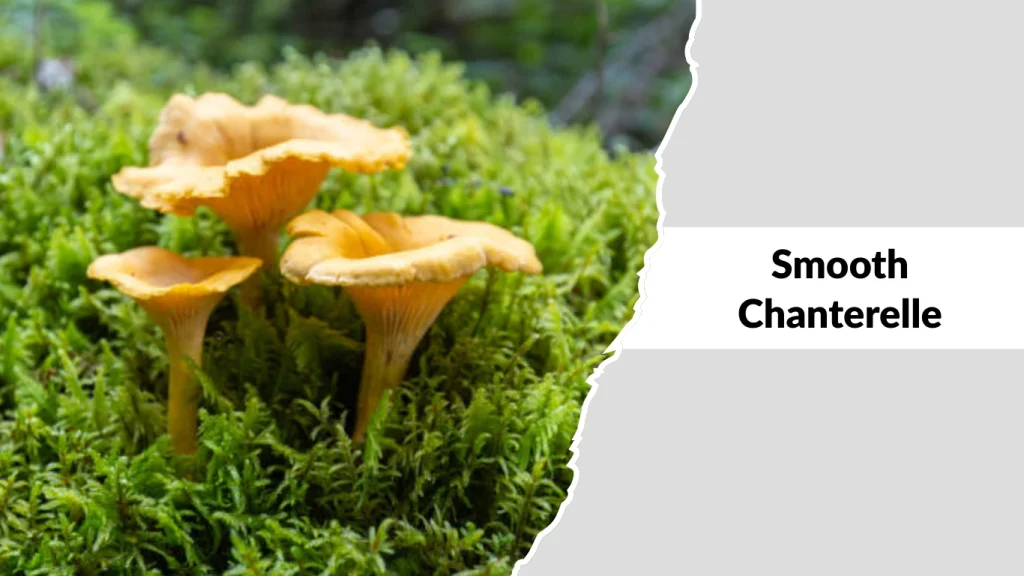
The Smooth Chanterelle is a closely related variety of chanterelle mushrooms known for its simpler surface texture and slightly subtler appearance compared to the golden chanterelle. It is still highly valued for eating and is commonly found in forest ecosystems where chanterelles naturally grow. Its overall shape and growth habit make it recognizable to experienced foragers.
Identification
- Smooth to slightly wrinkled cap surface
- Yellow to pale yellow coloration
- Funnel-shaped or shallowly depressed cap
- False gills that are shallow and less forked
- Solid, firm flesh with a mild aroma
Habitat
Smooth Chanterelles grow on the forest floor in association with hardwood and conifer trees. They prefer moist, well-drained soil and are often found scattered or in small groups rather than dense clusters.
Edibility
This species is edible and considered good quality, though slightly milder in flavor than the golden chanterelle. It is commonly used in sautéed dishes, pasta, and light sauces where its delicate taste can be appreciated.
Seasonal Growth
They typically appear during the warmer months, especially after rainfall. Depending on location, smooth chanterelles may be found from early summer through early autumn.
3. Red Chanterelle
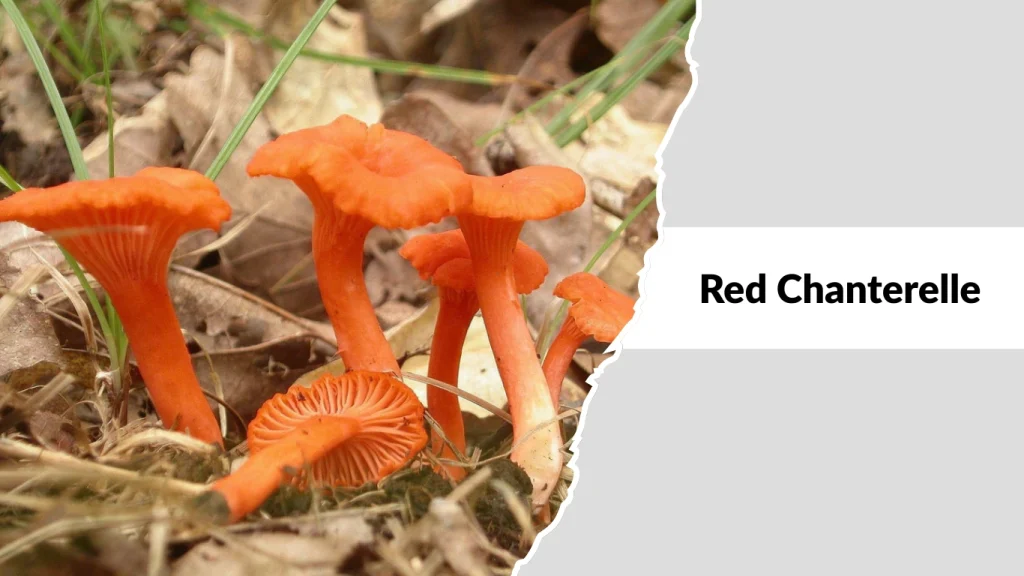
The Red Chanterelle is a smaller and more colorful member of the chanterelle group, easily recognized by its reddish to pinkish tones. Although it is less common than the golden chanterelle, it is still valued by mushroom foragers for its delicate flavor and attractive appearance. This species often blends into leaf litter, making careful observation important when searching for it.
Identification
- Small cap with red, pink, or rosy coloration
- Shallow funnel-shaped or slightly depressed cap
- Smooth to lightly wrinkled surface
- Faint, blunt false gills on the underside
- Thin but solid flesh with a mild scent
Habitat
Red Chanterelles grow on the forest floor, usually in mixed or hardwood forests. They are commonly found among moss, leaf litter, or near decaying organic matter, often appearing singly or in small, scattered groups.
Edibility
This chanterelle is edible and safe when correctly identified. Its flavor is mild and slightly earthy, making it best suited for gentle cooking methods such as light sautéing or adding to mixed mushroom dishes rather than as a main ingredient.
Seasonal Growth
Red Chanterelles typically fruit from late summer into early autumn. They favor warm, humid conditions and often appear after steady rainfall, especially in shaded forest areas.
4. Cinnabar Chanterelle
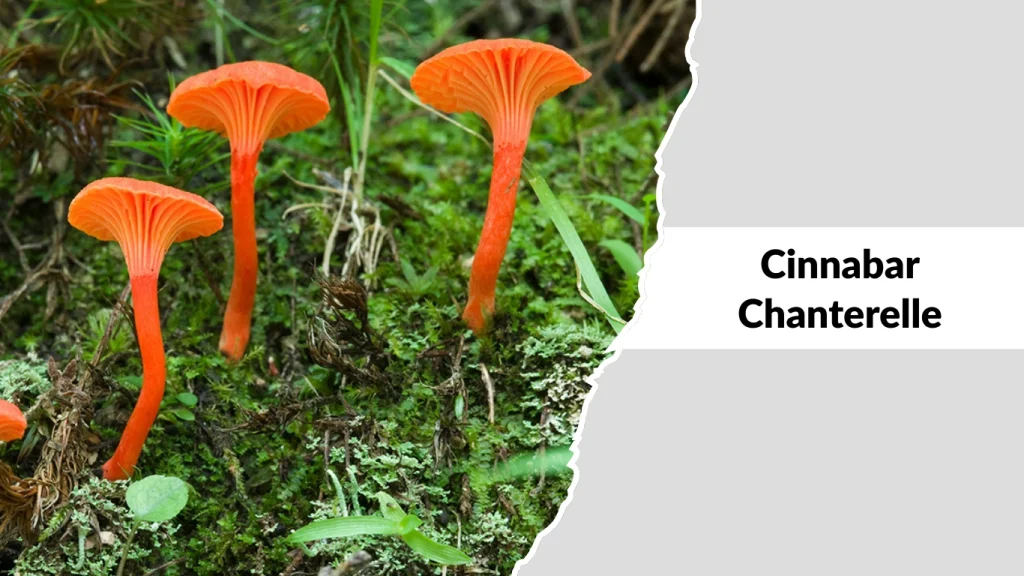
The Cinnabar Chanterelle is a small but striking chanterelle species, known for its vivid red to scarlet coloration. Despite its size, it is highly noticeable on the forest floor and is appreciated by foragers for both its beauty and edible value. This mushroom is more delicate than larger chanterelles but still shares the classic chanterelle shape and growth pattern.
Identification
- Bright red to cinnabar-red cap and stem
- Small, shallowly funnel-shaped cap
- Smooth to slightly wrinkled cap surface
- Blunt, shallow false gills on the underside
- Thin yet solid flesh
Habitat
Cinnabar Chanterelles grow on the ground in hardwood and mixed forests. They are often found in damp, mossy areas, along forest paths, or among leaf litter. This species typically appears scattered rather than in dense clusters.
Edibility
This mushroom is edible and considered good quality, though its small size limits the quantity collected. It is often used as a colorful addition to mixed mushroom dishes, soups, or light sautés, where its appearance adds visual appeal.
Seasonal Growth
Cinnabar Chanterelles usually fruit from late spring through summer and into early autumn. They thrive in warm, moist conditions and are most commonly seen after periods of consistent rainfall.
5. Yellowfoot Chanterelle
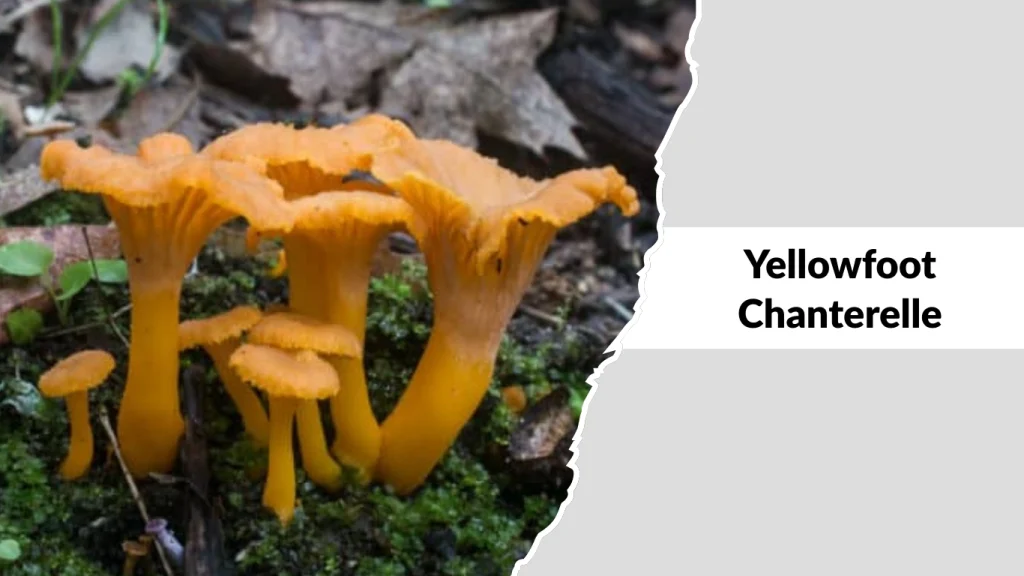
The Yellowfoot Chanterelle is a slender and graceful chanterelle type, easily recognized by its hollow stem and darker cap color. It is closely related to trumpet chanterelles and is well known among foragers for its pleasant flavor and soft texture. Although more delicate than golden chanterelles, it is still a popular edible mushroom.
Identification
- Brownish to gray-brown cap with a thin, wavy edge
- Bright yellow to yellow-orange hollow stem
- Shallow, vein-like false gills or nearly smooth underside
- Thin, fragile flesh
- Funnel-shaped mature cap
Habitat
Yellowfoot Chanterelles grow on the forest floor in moist woodland areas. They are often found in mossy ground, near decaying leaves, and among conifer or mixed forests. This species commonly appears in loose groups rather than singly.
Edibility
This mushroom is edible and well regarded for its mild, slightly fruity flavor. It is often dried or used fresh in soups, sauces, and egg-based dishes. Because of its thin flesh, it cooks quickly and blends well with other mushrooms.
Seasonal Growth
Yellowfoot Chanterelles typically fruit from late summer through autumn. They prefer cool, damp conditions and are frequently found after prolonged rainfall during the fall season.
6. White Chanterelle
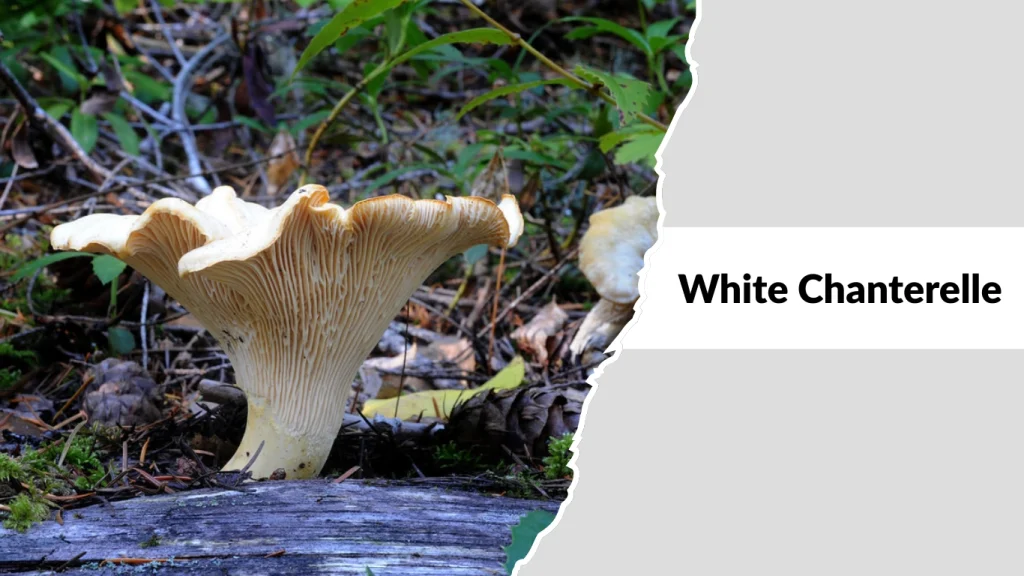
The White Chanterelle is a pale-colored chanterelle variety that stands out for its creamy white to ivory appearance. It is less brightly colored than other chanterelles but is still highly valued for its firm texture and rich flavor. This mushroom is often considered a choice edible and is carefully sought after by experienced foragers.
Identification
- White to pale cream-colored cap
- Broad, smooth cap with wavy or irregular margins
- Thick, blunt false gills running down the stem
- Solid, dense flesh
- Mild fruity or earthy aroma
Habitat
White Chanterelles grow on the ground in hardwood and mixed forests. They are commonly associated with oak, pine, and fir trees and prefer well-drained soil. These mushrooms are usually found singly or in small, scattered groups rather than dense clusters.
Edibility
This species is edible and highly regarded for its meaty texture and slightly nutty flavor. It is well suited for sautéing, grilling, and creamy dishes, as it holds its shape well during cooking.
Seasonal Growth
White Chanterelles generally appear from early summer through autumn. Their fruiting is most abundant after periods of rainfall combined with warm daytime temperatures.
7. Blue Chanterelle
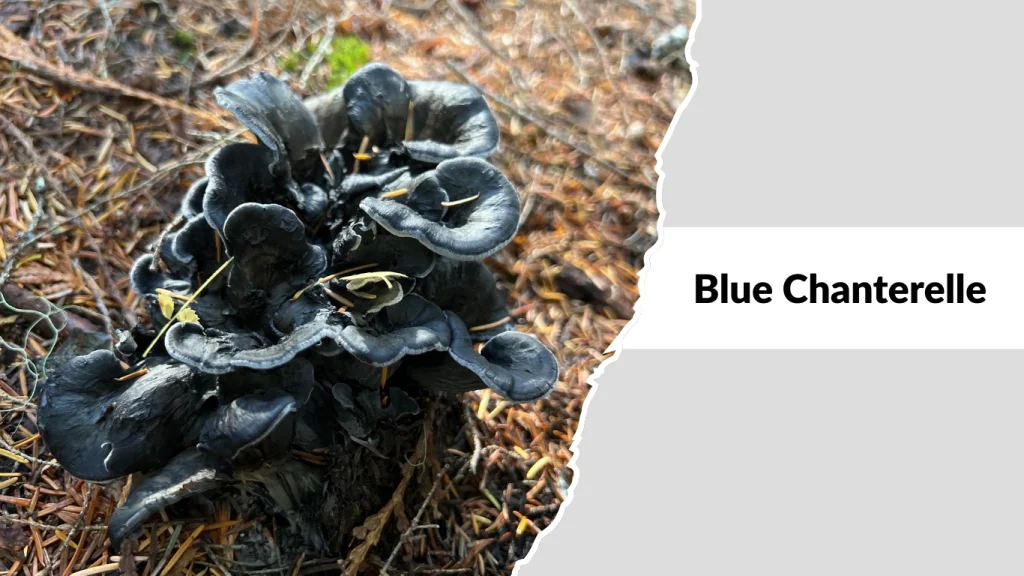
The Blue Chanterelle is an unusual and eye-catching chanterelle type, best known for its deep bluish to slate-colored tones. It is less commonly encountered than yellow or red chanterelles and is often sought by foragers who enjoy discovering rare-looking mushrooms. Despite its darker color, it shares the classic chanterelle form and growth habits.
Identification
- Blue-gray to dark slate-colored cap
- Smooth to slightly wrinkled cap surface
- Shallow, blunt false gills or vein-like ridges
- Firm flesh that may darken with age
- Funnel-shaped or depressed mature cap
Habitat
Blue Chanterelles grow on the forest floor in moist woodland environments. They are usually found in mixed or hardwood forests, often near leaf litter or mossy ground. This species tends to appear scattered rather than in dense clusters.
Edibility
This mushroom is edible and considered safe when properly identified. Its flavor is mild and earthy, making it suitable for sautéing or mixing with other wild mushrooms rather than using alone as a dominant ingredient.
Seasonal Growth
Blue Chanterelles typically fruit from summer through early autumn. They favor humid conditions and are most likely to appear after steady rainfall in shaded forest areas.
8. Pacific Golden Chanterelle
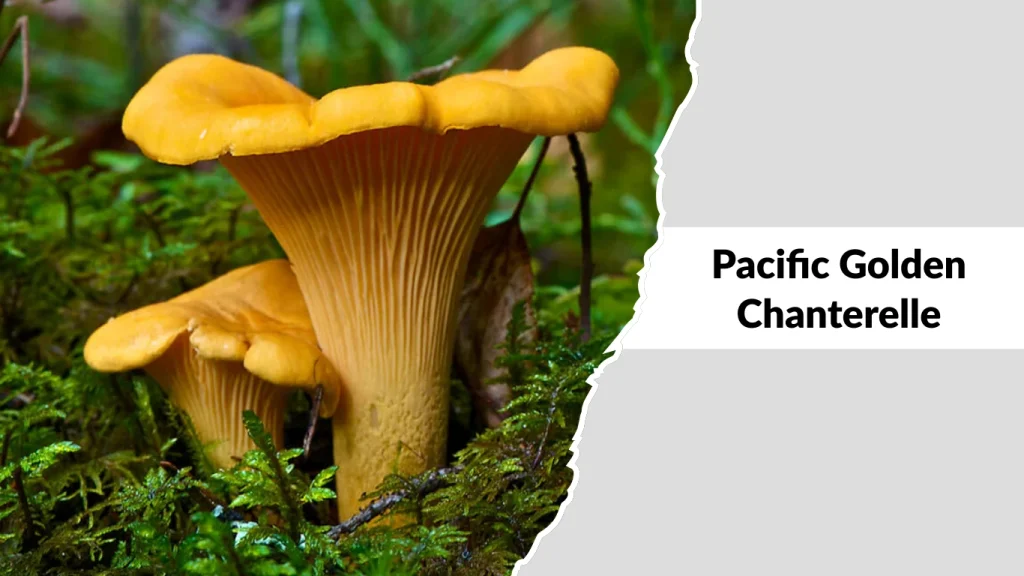
The Pacific Golden Chanterelle is a regional variety of chanterelle commonly found along the western coastal forests. It is closely related to the classic golden chanterelle but is often larger and more robust. This mushroom is highly valued both commercially and recreationally for its rich flavor and dependable seasonal appearance.
Identification
- Bright yellow to golden-orange cap
- Broad, thick cap with wavy or lobed margins
- Deep, forked false gills running down the stem
- Solid, dense flesh
- Thick, sturdy stem matching the cap color
Habitat
Pacific Golden Chanterelles grow on the ground in coastal coniferous forests. They are commonly associated with Douglas fir, hemlock, and spruce trees and prefer moist, well-drained soil rich in organic matter.
Edibility
This species is edible and considered excellent in quality. Its firm texture and strong flavor make it ideal for sautéing, roasting, and preserving. It is frequently harvested in large quantities during peak season.
Seasonal Growth
Pacific Golden Chanterelles usually fruit from late summer through autumn. In coastal regions, they may appear later in the year due to cooler temperatures and extended moisture.
9. Appalachian Chanterelle
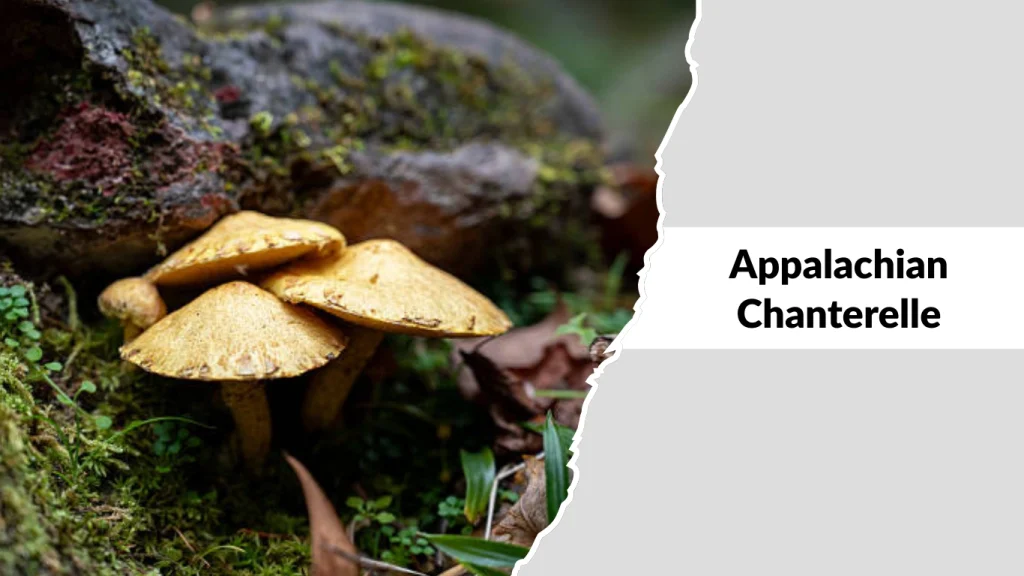
The Appalachian Chanterelle is a regional chanterelle variety native to the eastern mountain forests. It is similar in appearance to the golden chanterelle but often shows subtle differences in color and growth pattern. This mushroom is valued by local foragers and plays an important role in forest ecosystems.
Identification
- Yellow to yellow-orange cap with uneven edges
- Funnel-shaped or slightly depressed mature cap
- Blunt, forked false gills extending down the stem
- Firm, pale yellow flesh
- Mild fruity or earthy aroma
Habitat
Appalachian Chanterelles grow on the forest floor in hardwood and mixed forests of mountainous regions. They are commonly associated with oak, hickory, and beech trees and prefer moist soil rich in leaf litter.
Edibility
This chanterelle is edible and considered good quality. Its flavor is mild and pleasant, making it suitable for sautéing, soups, and sauces. As with all wild mushrooms, careful identification is essential before consumption.
Seasonal Growth
Appalachian Chanterelles typically fruit from mid-summer through early autumn. They are most abundant after periods of rainfall combined with warm, humid conditions common in mountainous forests.
10. Rainbow Chanterelle
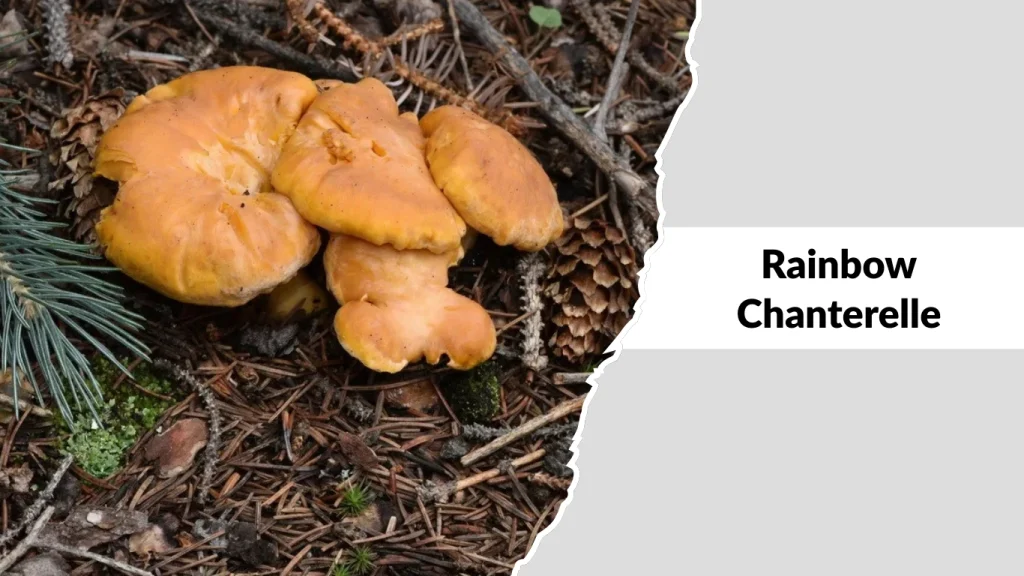
The Rainbow Chanterelle is a visually striking chanterelle type named for its multicolored appearance, which may show shades of yellow, orange, pink, or red. Though less commonly encountered, it attracts attention due to its unique coloration and classic chanterelle form. This mushroom is usually found in undisturbed forest habitats.
Identification
- Multicolored cap with blends of yellow, orange, and reddish tones
- Smooth to lightly wrinkled cap surface
- Shallow, blunt false gills
- Funnel-shaped mature cap
- Firm flesh with mild aroma
Habitat
Rainbow Chanterelles grow on the forest floor in hardwood and mixed forests. They are often found among leaf litter or moss, particularly in shaded and moist areas with rich organic soil.
Edibility
This species is edible and safe when correctly identified. Its flavor is mild and comparable to other chanterelles, making it suitable for general cooking uses such as sautéing or adding to mixed mushroom dishes.
Seasonal Growth
Rainbow Chanterelles usually fruit from summer through early autumn. They appear most frequently after rainfall during warm and humid conditions.
11. Frost’s Chanterelle
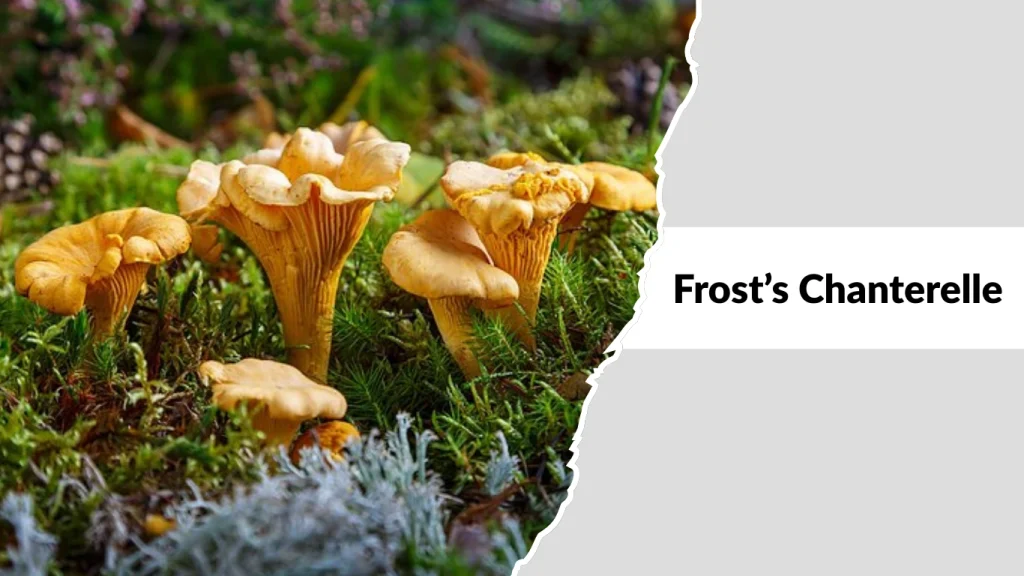
The Frost’s Chanterelle is a less common chanterelle variety, recognized for its subtle coloration and refined structure. It is typically encountered by experienced foragers who explore mature forests. While not as brightly colored as some chanterelles, it still shares the classic shape and ecological role of this mushroom group.
Identification
- Pale yellow to light orange cap
- Smooth to slightly wavy cap margins
- Blunt, forked false gills extending down the stem
- Firm, solid flesh
- Mild, earthy aroma
Habitat
Frost’s Chanterelles grow on the forest floor in hardwood and mixed woodlands. They are often associated with mature trees and rich leaf litter, favoring moist but well-drained soil conditions.
Edibility
This chanterelle is edible and considered good quality when properly identified. Its flavor is gentle and slightly earthy, making it suitable for sautéing, soups, and combination dishes with other wild mushrooms.
Seasonal Growth
Frost’s Chanterelles typically appear from late summer into autumn. They are most commonly found after periods of rainfall, especially during cooler weather toward the end of the growing season.
12. Trumpet Chanterelle
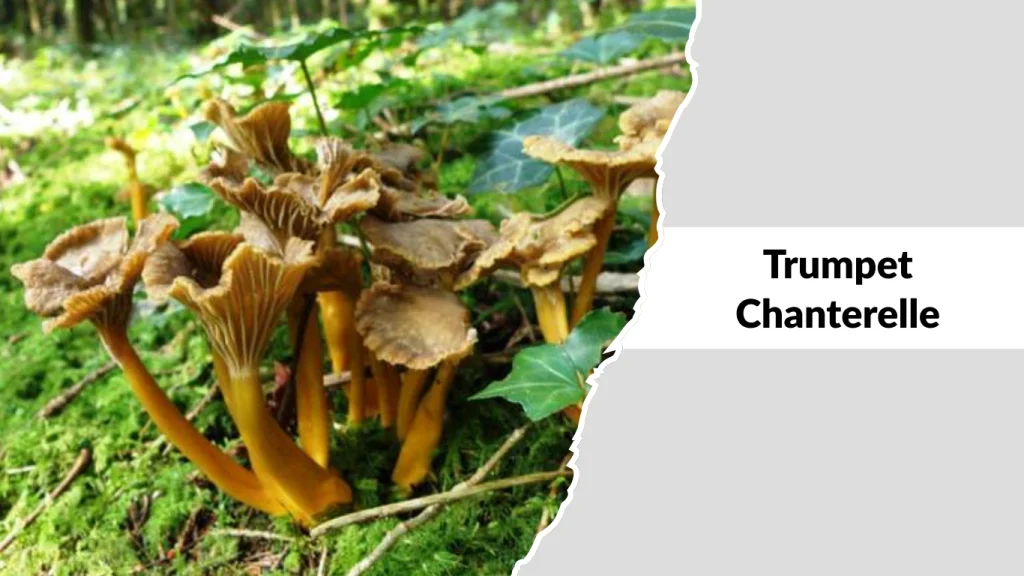
The Trumpet Chanterelle is a slender, hollow-stemmed chanterelle type known for its dark cap and trumpet-like shape. It is closely related to yellowfoot chanterelles and is widely appreciated for its rich, smoky flavor. This mushroom is commonly harvested in large numbers due to its tendency to grow in clusters.
Identification
- Dark brown to grayish cap with a thin, wavy edge
- Deeply funnel-shaped, trumpet-like cap
- Hollow stem, usually yellow to orange
- Smooth to lightly veined underside
- Thin but resilient flesh
Habitat
Trumpet Chanterelles grow on the forest floor in moist woodland environments. They are commonly found in mossy areas of coniferous and mixed forests, often appearing in dense or scattered groups.
Edibility
This species is edible and considered excellent in quality. It is highly versatile in cooking, often dried for long-term storage or used fresh in soups, risottos, and sauces where its flavor concentrates well.
Seasonal Growth
Trumpet Chanterelles usually fruit from late summer through autumn. In cooler climates, they may continue to appear well into late fall, especially during extended wet periods.
13. Winter Chanterelle
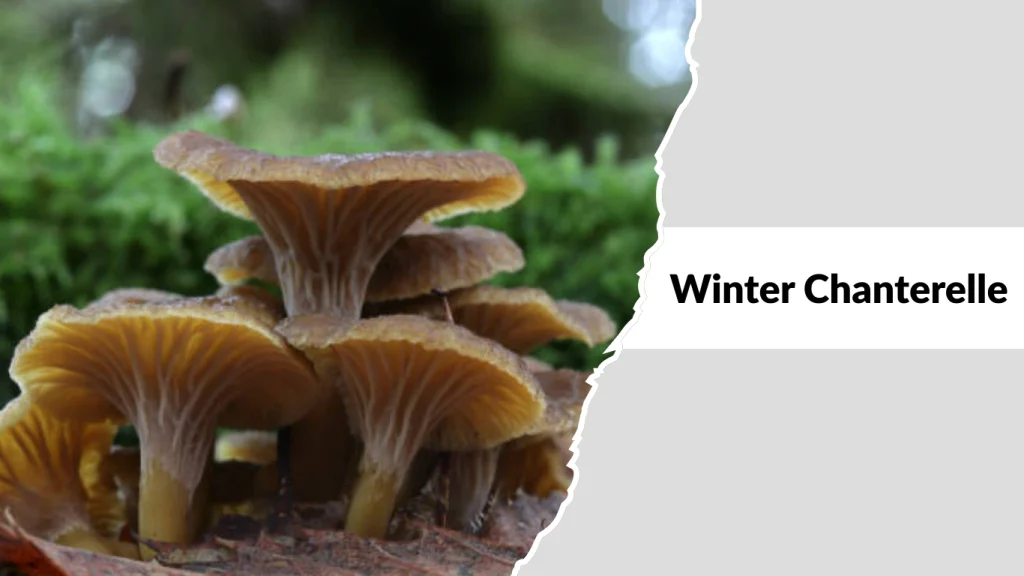
The Winter Chanterelle is a cold-tolerant chanterelle species that often fruits later in the year when many other mushrooms have disappeared. It is closely related to trumpet and yellowfoot chanterelles and is valued for extending the foraging season. Its modest size and darker tones help it blend into forest floors during cooler months.
Identification
- Brownish to gray-brown funnel-shaped cap
- Thin, wavy cap margins
- Yellow to orange hollow stem
- Smooth or lightly veined underside
- Thin, flexible flesh
Habitat
Winter Chanterelles grow on the forest floor in damp woodland areas. They are commonly found in coniferous and mixed forests, especially in mossy ground and leaf litter where moisture is retained.
Edibility
This mushroom is edible and considered good quality. Its flavor is mild but pleasant, making it suitable for soups, stews, and sauces. It is also commonly dried, which intensifies its taste.
Seasonal Growth
Winter Chanterelles typically appear from late autumn into early winter. In milder climates, they may continue fruiting even after light frosts, giving them their common name.
14. Tubby Chanterelle
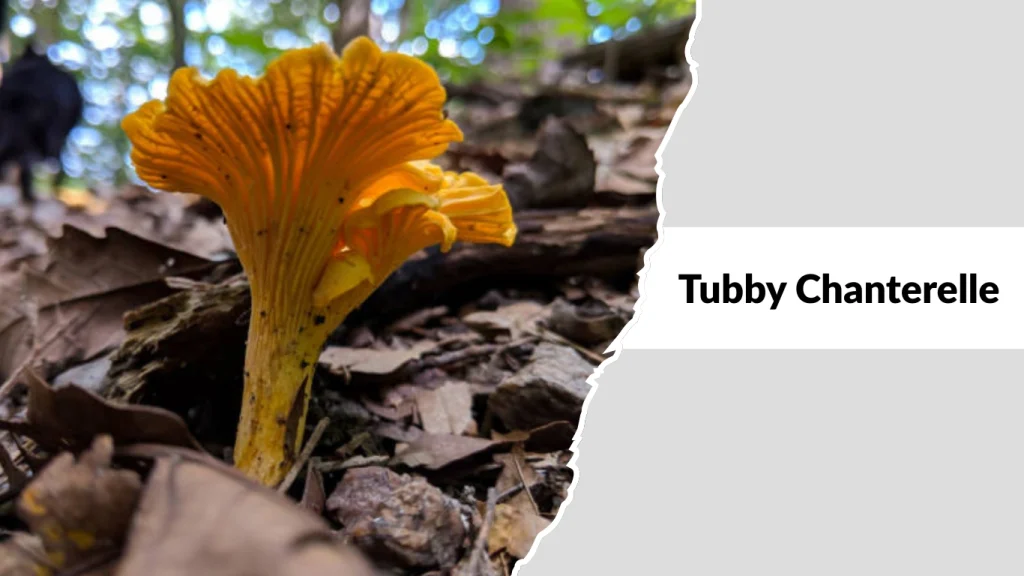
The Tubby Chanterelle is named for its thicker stem and more rounded appearance compared to slender chanterelle varieties. It is less commonly discussed but still recognized by foragers as part of the broader chanterelle group. Its sturdy build gives it a distinctive look among forest-floor mushrooms.
Identification
- Short, thick, solid stem
- Rounded to slightly depressed cap
- Yellow to yellow-orange coloration
- Blunt, shallow false gills
- Firm, dense flesh
Habitat
Tubby Chanterelles grow on the ground in hardwood and mixed forests. They prefer moist, well-drained soil and are often found among leaf litter, appearing singly or in small groups.
Edibility
This species is edible and considered acceptable in quality. Its firm texture makes it suitable for sautéing and roasting, though its flavor is usually milder than that of more well-known chanterelles.
Seasonal Growth
Tubby Chanterelles typically fruit from mid-summer through early autumn. They are most commonly found after rainfall during warm, humid weather conditions.
15. Woolly Chanterelle
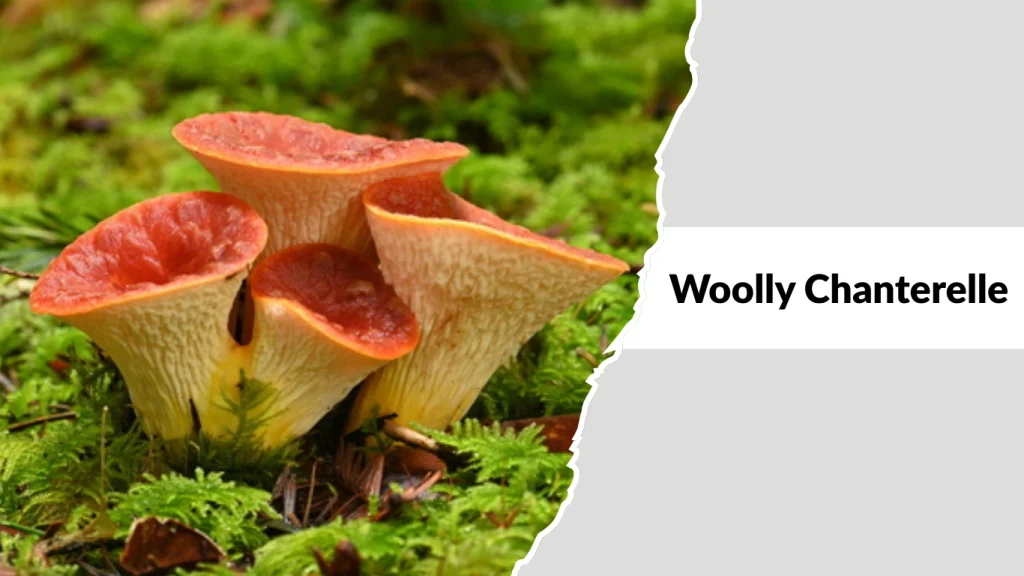
The Woolly Chanterelle is a distinctive chanterelle type recognized by its textured surface and robust form. It gets its common name from the slightly fibrous or fuzzy appearance found on parts of the cap or stem. Though not as widespread as golden chanterelles, it remains an interesting find for experienced mushroom hunters.
Identification
- Yellow to orange cap with a slightly rough or fibrous surface
- Wavy, irregular cap margins
- Blunt, forked false gills
- Thick, solid stem
- Firm flesh with mild aroma
Habitat
Woolly Chanterelles grow on the forest floor in hardwood and mixed forests. They are usually found in moist areas with rich organic matter, often among leaf litter or near tree roots.
Edibility
This mushroom is edible and generally considered good when correctly identified. Its texture is slightly firmer than smooth chanterelles, making it suitable for longer cooking methods such as sautéing or simmering in sauces.
Seasonal Growth
Woolly Chanterelles typically appear from summer through early autumn. They favor warm, moist conditions and are most often found after periods of consistent rainfall.
16. Bay Chanterelle
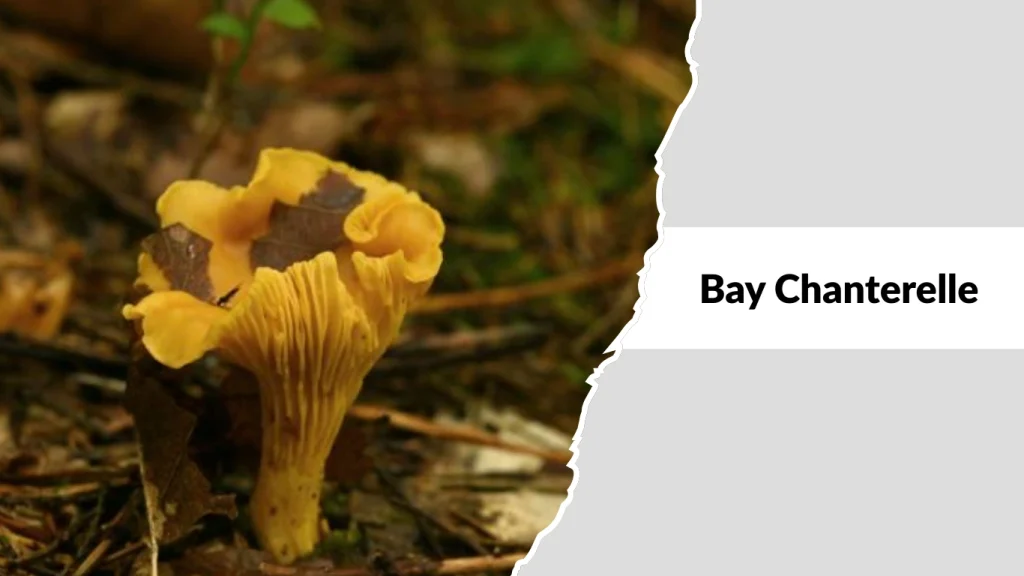
The Bay Chanterelle is a regional chanterelle variety commonly found in coastal and nearby inland forests. It resembles the golden chanterelle in shape but often shows deeper yellow to orange tones and a slightly sturdier form. This mushroom is well regarded by local foragers and is part of seasonal wild mushroom harvests.
Identification
- Deep yellow to orange cap
- Wavy or lobed cap margins
- Thick, blunt false gills extending down the stem
- Solid, firm flesh
- Mild fruity or earthy scent
Habitat
Bay Chanterelles grow on the forest floor in coastal hardwood and mixed forests. They are commonly associated with oak and conifer species and prefer moist soil rich in decaying leaf litter.
Edibility
This chanterelle is edible and considered good quality. Its flavor is mild yet pleasant, making it suitable for sautéing, roasting, and adding to soups or pasta dishes.
Seasonal Growth
Bay Chanterelles typically fruit from late summer through autumn. They are most abundant after rainfall and in areas where moisture is consistently present.
17. Flame Chanterelle
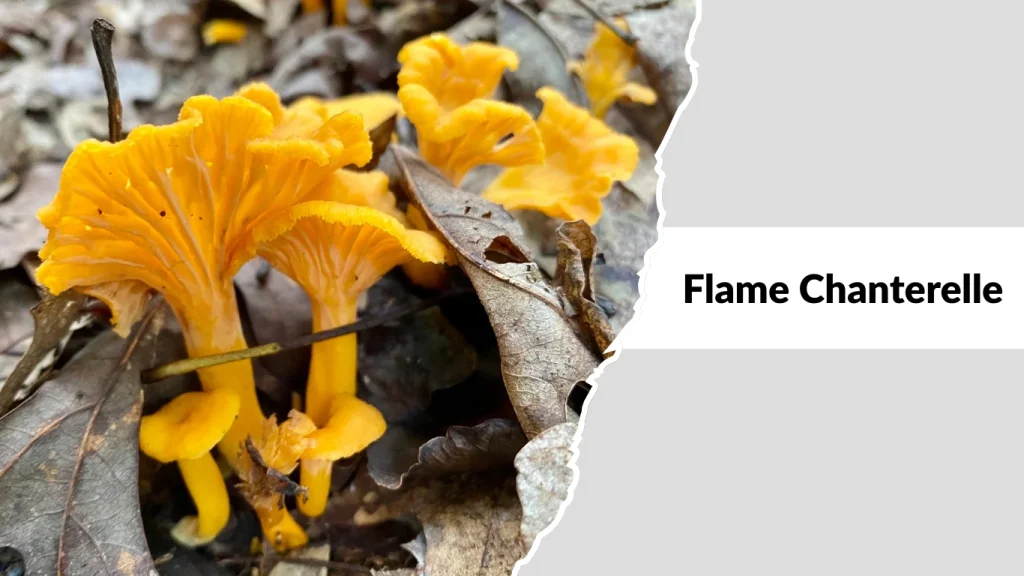
The Flame Chanterelle is named for its vivid orange to reddish-orange coloration, which gives it a fiery appearance on the forest floor. Though less commonly encountered, it attracts attention due to its bright color and classic chanterelle form. It is usually found in undisturbed woodland habitats.
Identification
- Bright orange to flame-red cap
- Smooth to lightly wrinkled cap surface
- Funnel-shaped mature cap
- Blunt, shallow false gills
- Firm flesh with mild aroma
Habitat
Flame Chanterelles grow on the ground in hardwood and mixed forests. They are often found among leaf litter or mossy areas where the soil remains moist for extended periods.
Edibility
This species is edible and safe when properly identified. Its flavor is mild and similar to other chanterelles, making it suitable for sautéing or mixing with other edible mushrooms.
Seasonal Growth
Flame Chanterelles usually fruit from summer through early autumn. They tend to appear after rainfall during warm, humid weather conditions.
18. Olive Chanterelle
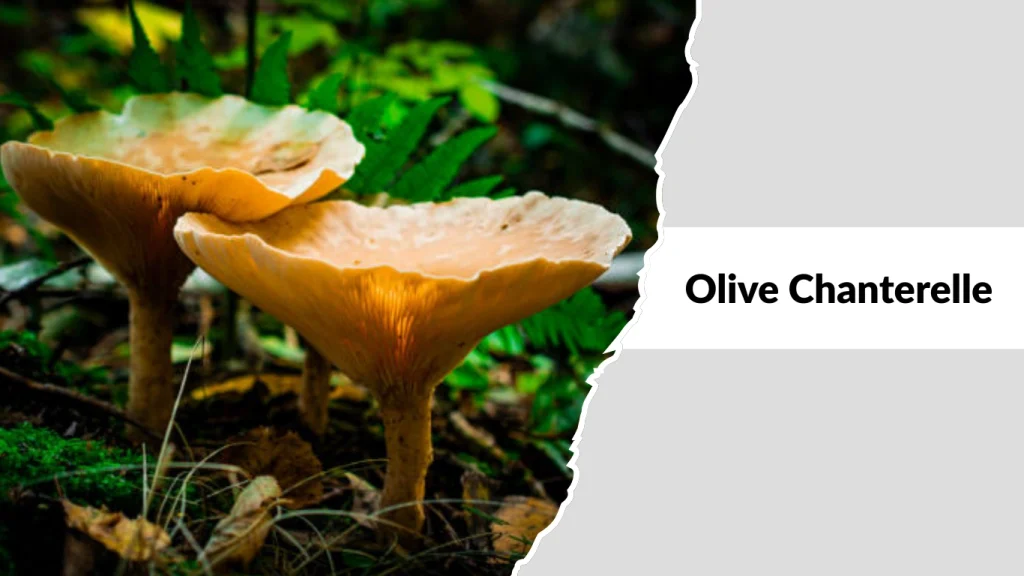
The Olive Chanterelle is a darker-colored chanterelle type, recognized for its olive to greenish-brown tones. It is less common than brightly colored chanterelles and is often overlooked on the forest floor. Despite its muted appearance, it maintains the typical chanterelle structure and growth pattern.
Identification
- Olive-brown to greenish cap
- Smooth to slightly wrinkled cap surface
- Shallow, blunt false gills
- Funnel-shaped mature cap
- Firm, solid flesh
Habitat
Olive Chanterelles grow on the forest floor in hardwood and mixed forests. They are commonly found in shaded, damp areas with rich organic matter, often blending into leaf litter.
Edibility
This chanterelle is edible and considered acceptable in quality. Its flavor is mild and earthy, making it suitable for sautéing or combining with more flavorful mushrooms.
Seasonal Growth
Olive Chanterelles typically appear from mid-summer through early autumn. They favor moist conditions and are most commonly found after periods of rainfall.
19. Ashen Chanterelle
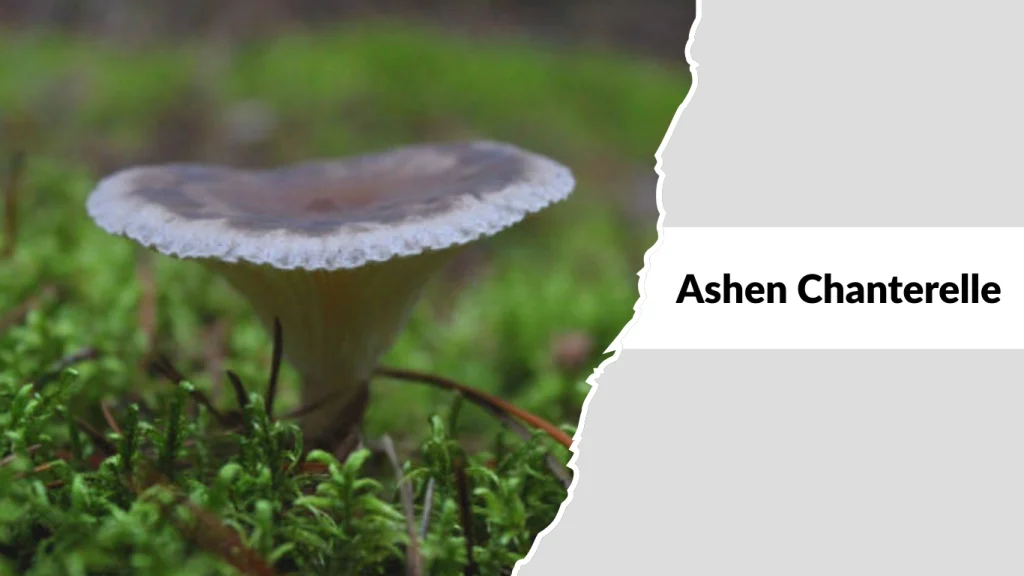
The Ashen chanterelle is a darker, gray-toned chanterelle often confused with trumpet chanterelles due to its muted color. It is subtle in appearance but valued by foragers who recognize its distinctive shape and texture. This mushroom blends easily into forest floors, making careful searching necessary.
Identification
- Gray to ash-colored cap
- Funnel-shaped or deeply depressed cap
- Smooth to lightly veined underside
- Thin but sturdy flesh
- Hollow or partially hollow stem
Habitat
Ashen Chanterelles grow on the forest floor in moist hardwood and mixed forests. They are frequently found in mossy areas or among decaying leaves, often appearing in scattered groups.
Edibility
This species is edible and considered good quality. Its flavor is mild to slightly smoky, making it suitable for soups, sauces, and drying for later use.
Seasonal Growth
Ashen Chanterelles typically fruit from late summer through autumn. They are most abundant after steady rainfall, especially during cooler parts of the season.
20. Scarlet Chanterelle
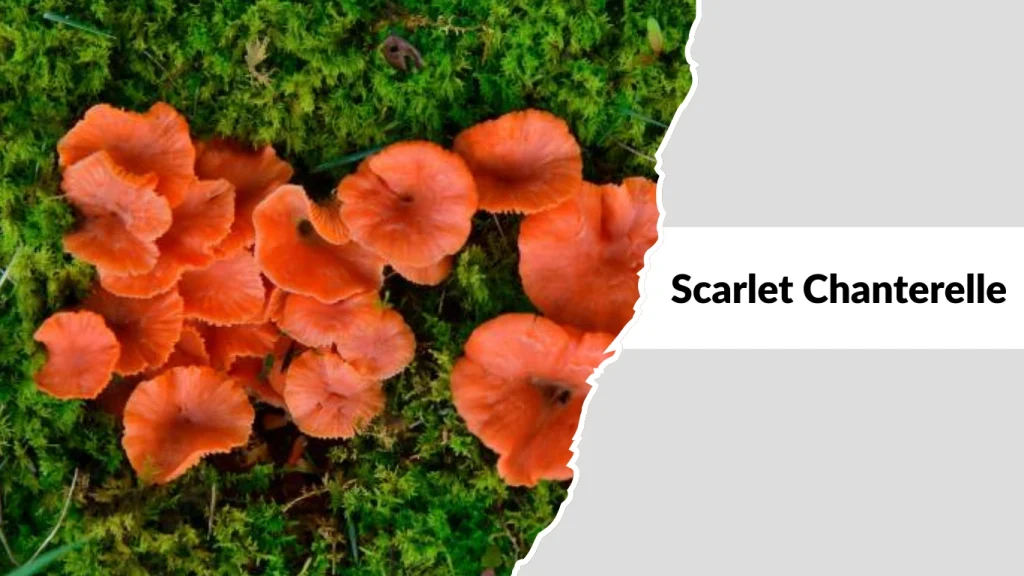
The Scarlet Chanterelle is a small but striking chanterelle variety known for its vivid scarlet to deep red coloration. Its bright color makes it stand out against leaf litter, though its small size means it can still be overlooked. This mushroom is admired more for its appearance than for large harvests.
Identification
- Bright scarlet to deep red cap
- Small, shallowly funnel-shaped cap
- Smooth to lightly wrinkled surface
- Blunt, shallow false gills
- Thin but solid flesh
Habitat
Scarlet Chanterelles grow on the forest floor in hardwood and mixed forests. They are commonly found in moist, shaded areas, often among moss or decaying leaves.
Edibility
This chanterelle is edible and safe when properly identified. Its flavor is mild and delicate, making it best used as an accent in mixed mushroom dishes rather than as a main ingredient.
Seasonal Growth
Scarlet Chanterelles usually fruit from summer through early autumn. They favor warm, humid conditions and often appear after rainfall.
21. Dusky Chanterelle
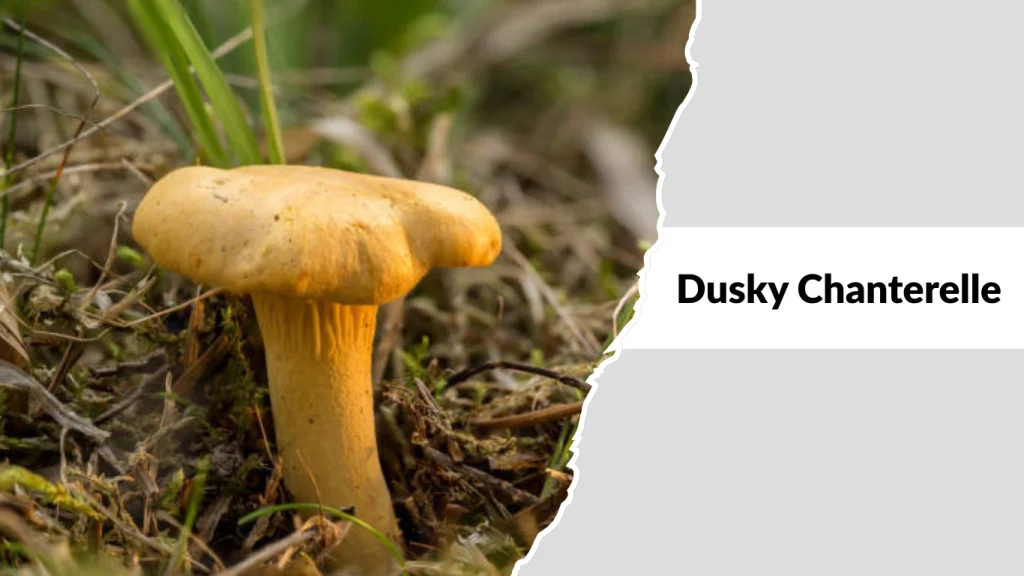
The Dusky Chanterelle is characterized by its subdued, dark-toned coloration and understated appearance. It is less visually striking than golden chanterelles but is still appreciated by knowledgeable foragers. Its muted colors allow it to blend easily into forest environments.
Identification
- Dark brown to grayish cap
- Smooth to slightly wrinkled cap surface
- Funnel-shaped mature cap
- Shallow, blunt false gills
- Firm flesh with mild aroma
Habitat
Dusky Chanterelles grow on the forest floor in hardwood and mixed forests. They are often found in shaded, moist areas rich in leaf litter and organic debris.
Edibility
This mushroom is edible and considered acceptable in quality. Its flavor is mild and earthy, making it suitable for sautéing, soups, and blending with other wild mushrooms.
Seasonal Growth
Dusky Chanterelles typically fruit from late summer through autumn. They appear most often after rainfall, especially during cooler, humid conditions.
22. Orange Chanterelle
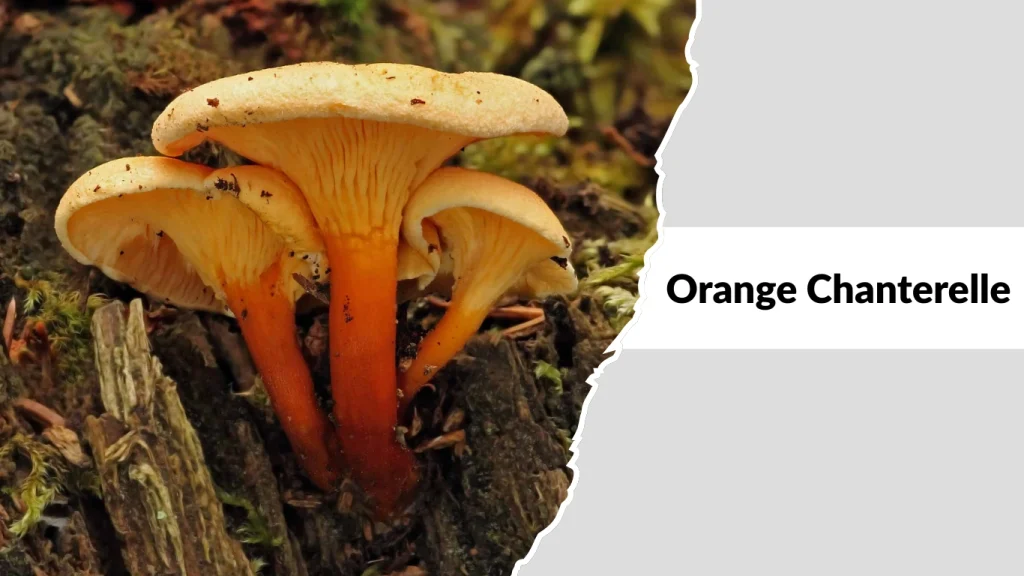
The Orange Chanterelle is known for its bright orange coloration and classic chanterelle shape. It is often confused with look-alike species, so careful identification is important. When correctly identified, it is appreciated for its pleasant aroma and familiar chanterelle form.
Identification
- Bright orange cap
- Wavy or irregular cap margins
- Blunt, forked false gills
- Funnel-shaped mature cap
- Firm, solid flesh
Habitat
Orange Chanterelles grow on the forest floor in hardwood and mixed forests. They are commonly found among leaf litter and moss in moist, shaded areas.
Edibility
This species is edible when properly identified. Its flavor is mild to slightly peppery and works well in sautéed dishes and mixed mushroom recipes.
Seasonal Growth
Orange Chanterelles typically appear from summer through early autumn, especially after rainfall and during warm, humid conditions.
23. Pale Chanterelle
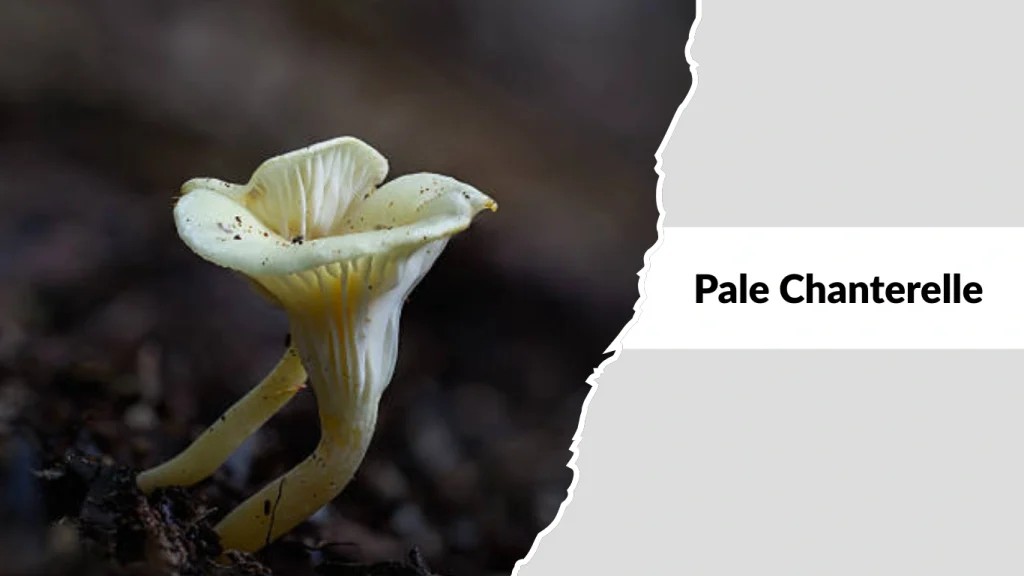
The Pale Chanterelle is a lightly colored chanterelle variety known for its soft cream to light yellow tones. Its subtle appearance makes it less noticeable than brighter chanterelles, but it still shares the same general shape and growth habits. This mushroom is usually found by careful foragers who pay close attention to forest-floor details.
Identification
- Pale cream to light yellow cap
- Smooth to gently wavy cap surface
- Blunt, shallow false gills
- Funnel-shaped or slightly depressed cap
- Firm, solid flesh
Habitat
Pale Chanterelles grow on the ground in hardwood and mixed forests. They are often found in moist, shaded areas with rich organic soil, commonly among leaf litter or near tree roots.
Edibility
This chanterelle is edible and considered good quality. Its flavor is mild and delicate, making it suitable for light sautéing, soups, and dishes where subtle mushroom taste is preferred.
Seasonal Growth
Pale Chanterelles typically fruit from mid-summer through early autumn. They are most commonly found after rainfall during warm and humid weather conditions.
24. Craterellus Chanterelle
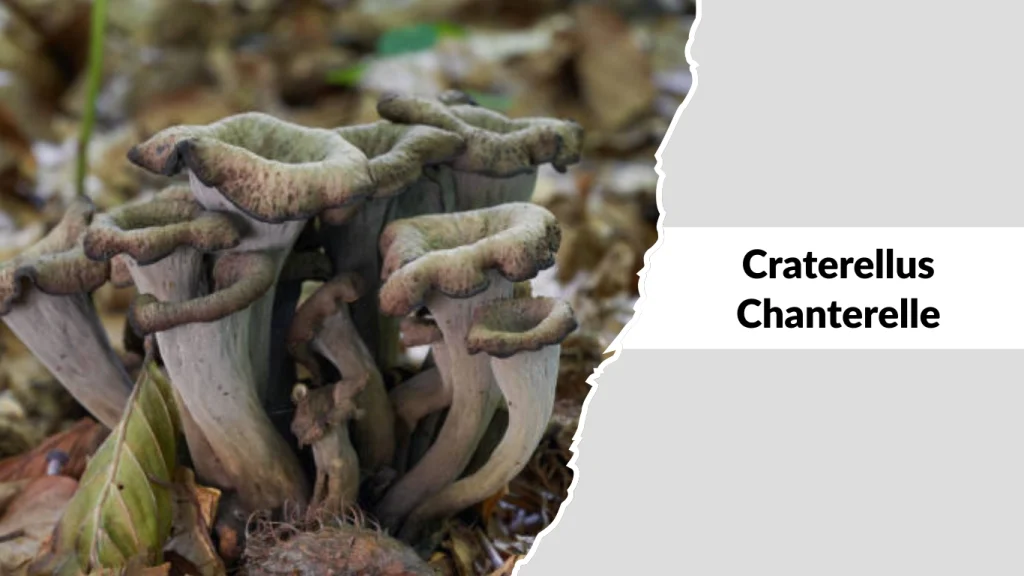
The Craterellus Chanterelle belongs to a closely related group within the chanterelle family and is known for its funnel-shaped form and thinner flesh. It is often grouped with trumpet-type chanterelles and is valued for its aromatic qualities rather than size.
Identification
- Deeply funnel-shaped cap
- Thin, smooth to lightly veined underside
- Gray, brown, or yellowish coloration
- Slender, often hollow stem
- Delicate but flexible flesh
Habitat
Craterellus Chanterelles grow on the forest floor in moist hardwood and mixed forests. They are commonly found in mossy areas and leaf litter, often appearing in scattered groups.
Edibility
This mushroom is edible and considered good quality. Its flavor becomes stronger when dried, making it popular for soups, sauces, and seasoning blends.
Seasonal Growth
Craterellus Chanterelles usually fruit from late summer through autumn and may persist into cooler months in damp forest conditions.
25. Himalayan Chanterelle
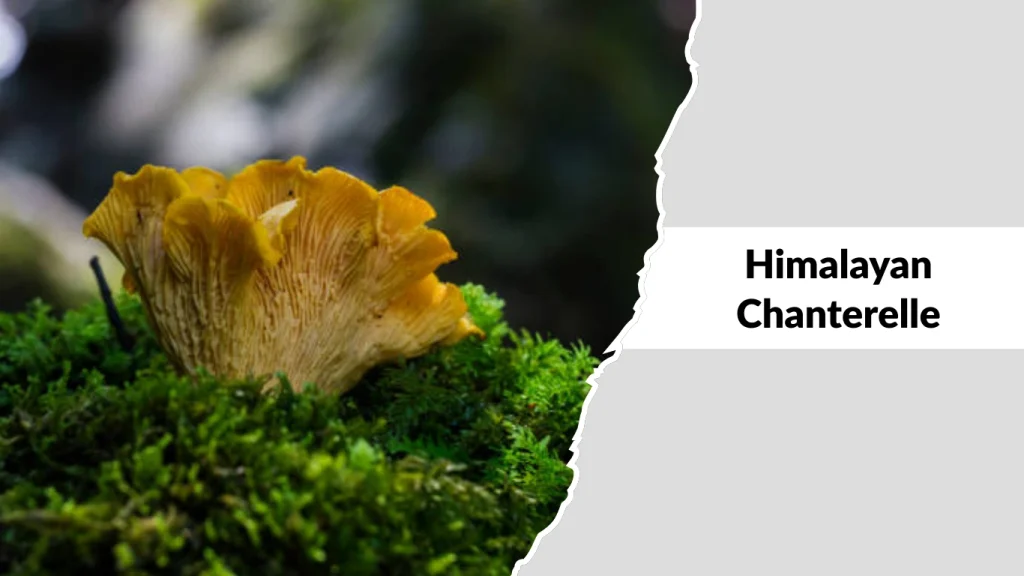
The Himalayan Chanterelle is a regional chanterelle variety found in high-altitude forest regions. It is adapted to cooler climates and mountainous terrain, making it distinct from lowland chanterelle species. This mushroom is valued locally where it naturally occurs.
Identification
- Yellow to golden-orange cap
- Slightly wavy or irregular cap margins
- Blunt, forked false gills
- Solid, firm stem
- Dense flesh with mild aroma
Habitat
Himalayan Chanterelles grow on the forest floor in mountainous hardwood and coniferous forests. They are commonly associated with alpine tree species and prefer cool, moist soil conditions.
Edibility
This species is edible and considered good quality when properly identified. It is often used in regional cooking, typically sautéed or added to stews and soups.
Seasonal Growth
Himalayan Chanterelles usually fruit during the warmer months of mountain summers, often appearing after monsoon rains when moisture levels are high.
26. Asian Golden Chanterelle
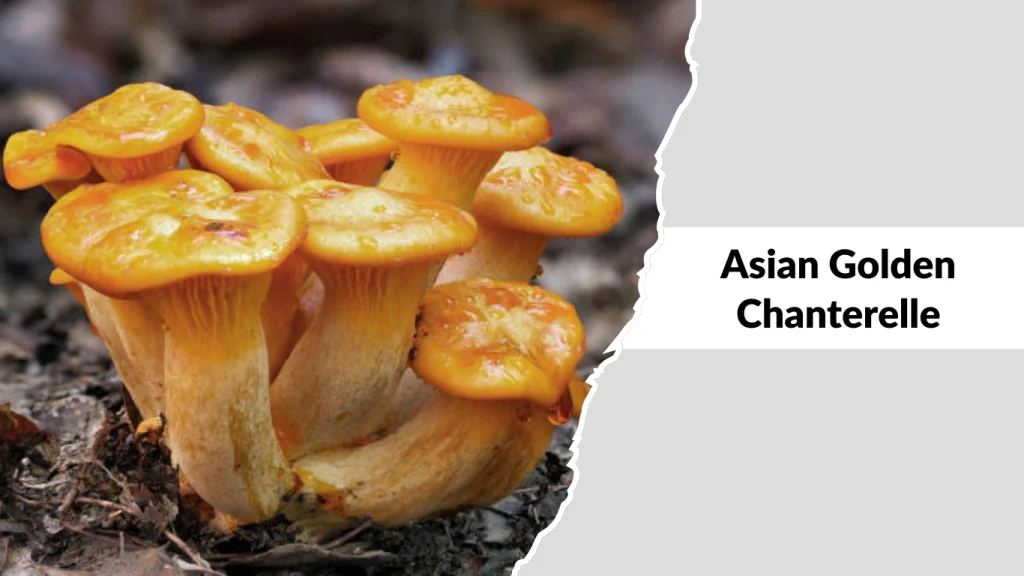
The Asian Golden Chanterelle is a widely distributed chanterelle type found across various parts of Asia. It closely resembles the classic golden chanterelle but may vary slightly in size, color intensity, and growth habit depending on region. This mushroom is commonly collected for local consumption and markets.
Identification
- Golden yellow to deep yellow cap
- Wavy, irregular cap margins
- Blunt, forked false gills running down the stem
- Solid, firm flesh
- Mild fruity or earthy aroma
Habitat
Asian Golden Chanterelles grow on the forest floor in hardwood and mixed forests. They are often associated with oak, pine, and other native tree species and prefer moist, well-drained soil.
Edibility
This chanterelle is edible and considered good to excellent in quality. It is commonly used in stir-fries, soups, and traditional regional dishes.
Seasonal Growth
Asian Golden Chanterelles typically fruit from summer through early autumn, especially after periods of rainfall and warm temperatures.
27. European Golden Chanterelle
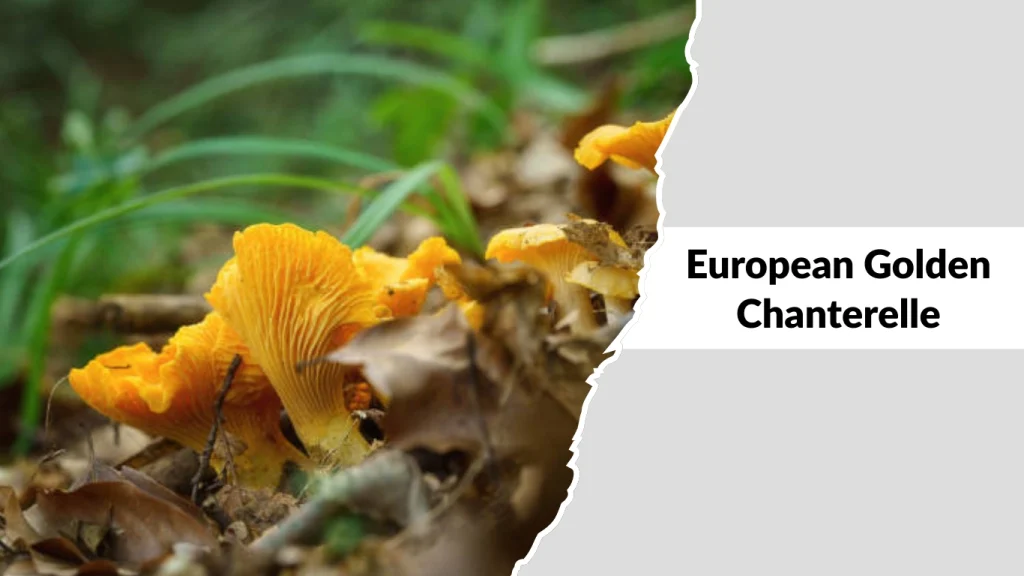
The European Golden Chanterelle is the classic chanterelle species most commonly associated with European forests. It is widely regarded as one of the finest wild edible mushrooms due to its rich flavor and firm texture. This mushroom has been foraged for centuries and remains a staple in traditional European cuisine.
Identification
- Bright golden-yellow cap
- Wavy, irregular cap margins
- Thick, blunt, forked false gills
- Solid, dense flesh
- Distinct fruity, apricot-like aroma
Habitat
European Golden Chanterelles grow on the forest floor in hardwood and mixed forests. They are commonly associated with oak, beech, and pine trees and prefer well-drained, slightly acidic soil.
Edibility
This species is edible and considered excellent in quality. It is widely used in sautéed dishes, sauces, and soups, and is often preserved by drying or pickling.
Seasonal Growth
European Golden Chanterelles typically fruit from late spring through autumn, with peak harvests occurring during warm, rainy periods.
FAQs
What are chanterelle mushrooms commonly used for?
Chanterelle mushrooms are widely used in cooking because of their mild, slightly peppery flavor and pleasant aroma. They are commonly sautéed with butter, added to soups and sauces, mixed into pasta and rice dishes, or used as a topping for meats and vegetables in many cuisines.
How can chanterelles be identified safely in the wild?
Chanterelles are identified by their wavy caps, blunt forked false gills, and fruity smell. They grow on the ground rather than on wood. Careful identification is important because some toxic mushrooms resemble chanterelles, so foragers should verify multiple features before harvesting.
Are all chanterelle mushrooms edible?
Most true chanterelle species are edible, but not all mushrooms called “chanterelle” are safe. Some look-alike species are toxic. Proper identification using shape, gill structure, smell, and habitat is essential before consuming any wild mushroom.
When is the best season to find chanterelle mushrooms?
Chanterelle mushrooms typically appear from late spring through autumn, depending on climate and region. They are most commonly found after rainfall combined with warm temperatures, especially in moist forest environments with healthy tree growth.
Can chanterelle mushrooms be stored for later use?
Yes, chanterelles can be stored in several ways. Fresh chanterelles keep well in the refrigerator for a short time. They can also be dried, frozen after cooking, or preserved in oil or butter to extend their usability.