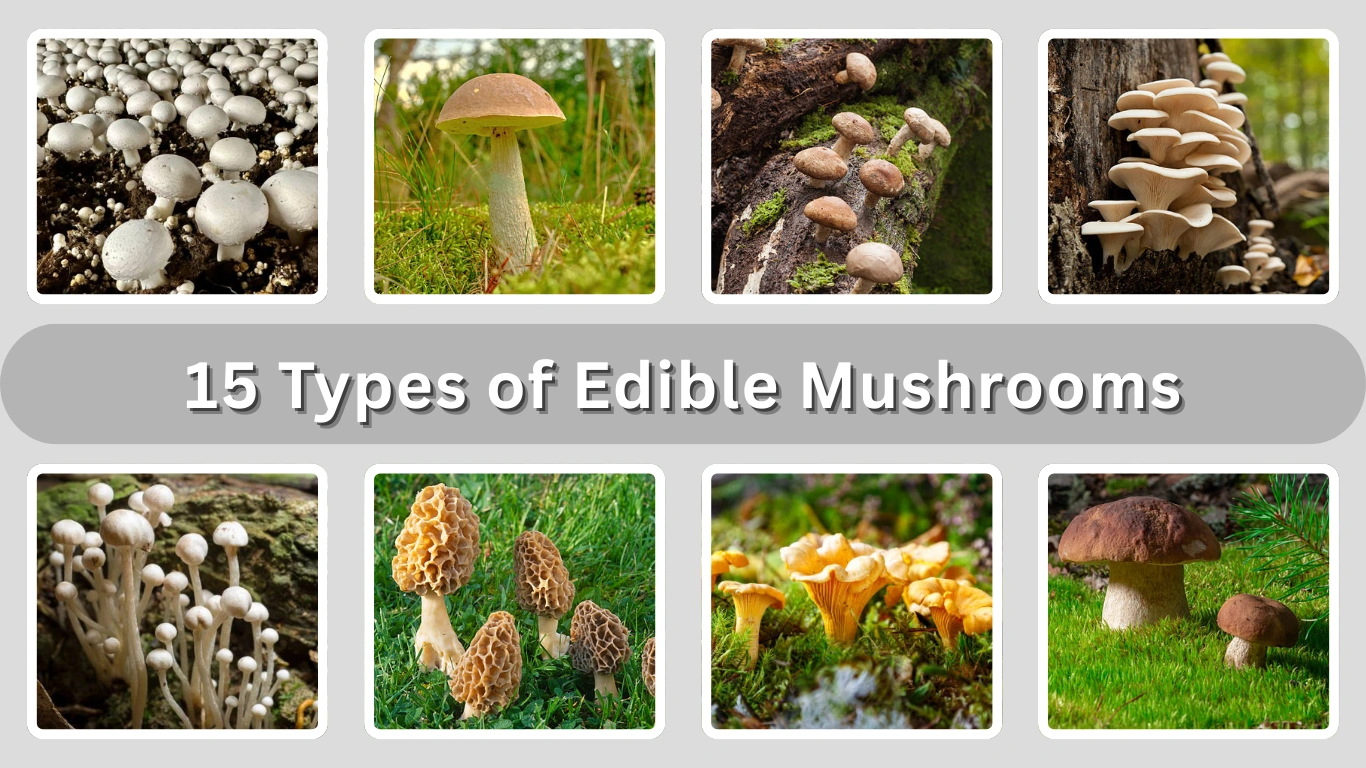






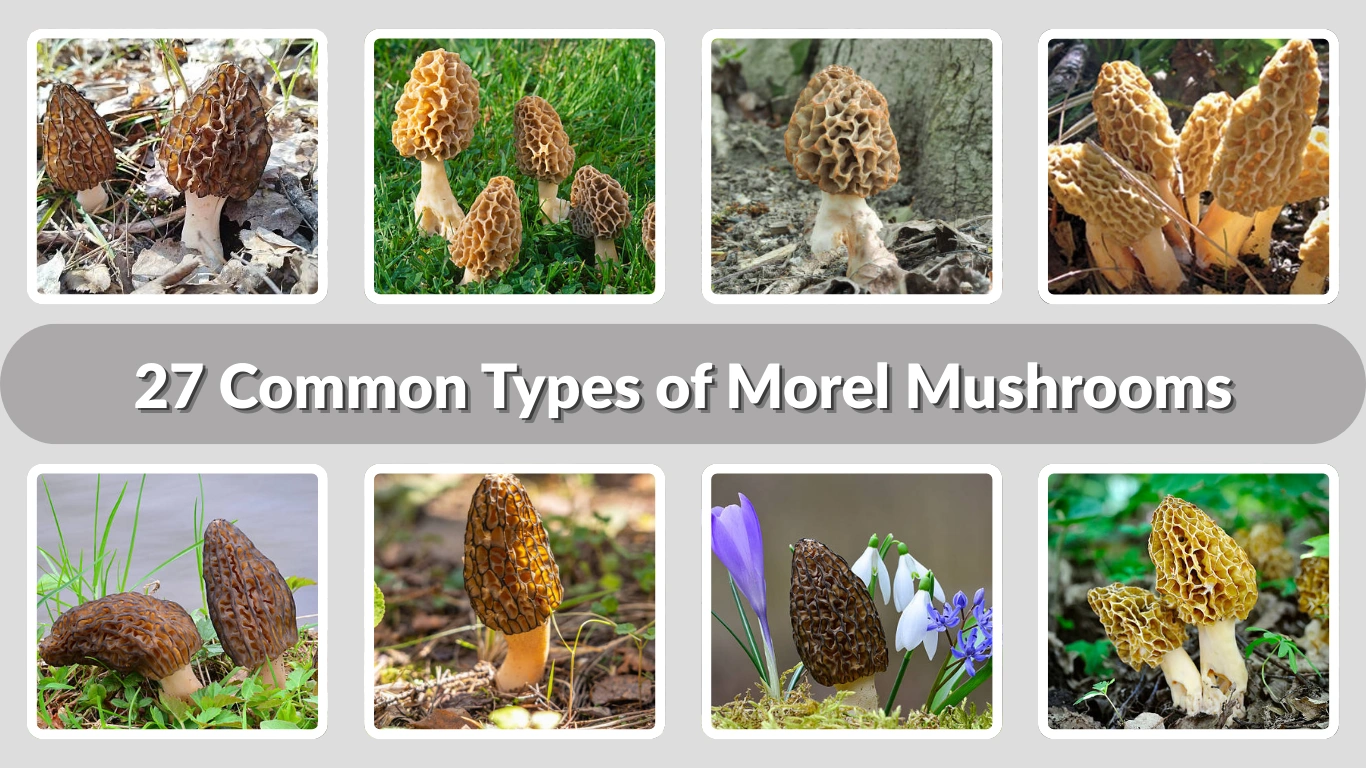
Morel mushrooms are among the most sought-after wild fungi in the world, prized for their distinctive honeycomb caps, hollow structure, and rich, earthy flavor. They appear mainly in spring and grow in a variety of habitats, from forests and orchards to riverbanks and grasslands. With many recognized types, morels vary in size, color, and growing conditions, making proper identification important for safe foraging and cooking.
1. Black Morel Mushroom
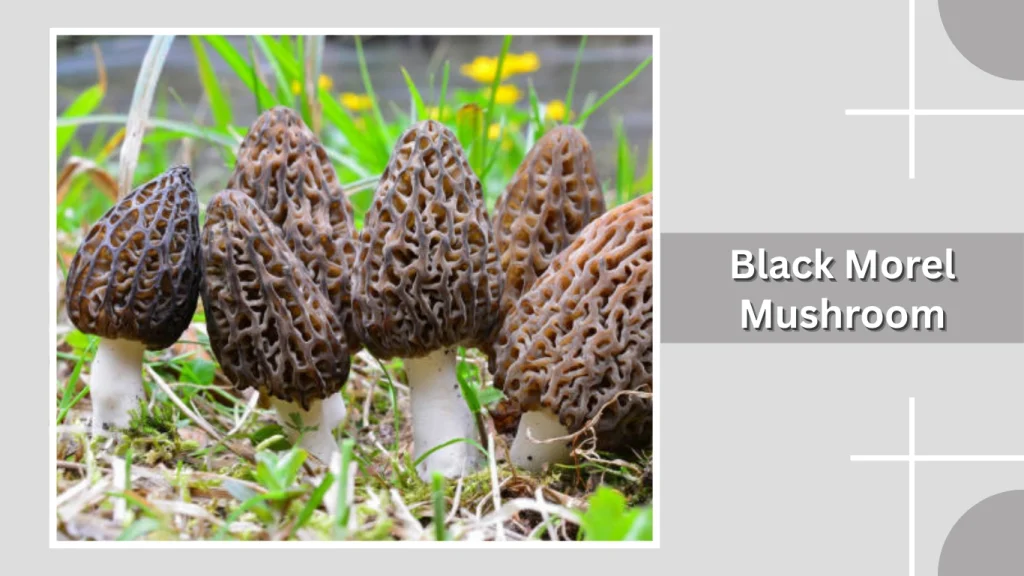
Black Morel mushrooms are one of the most well-known and highly prized types of morels. They are among the earliest morels to appear in spring and are especially valued for their rich, earthy flavor and meaty texture. Black morels typically grow in forested areas and are often associated with hardwood trees or disturbed soils such as burn sites. Their dark ridged caps make them easier to distinguish from other morel varieties.
Identification
- Cone-shaped cap with deep vertical ridges
- Dark brown to nearly black ridges with lighter pits
- Cap is fully attached to the stem
- Hollow interior from tip to base
- Stem is pale cream to off-white
Habitat
Black morels are commonly found in hardwood forests, mixed woodlands, and recently burned forest areas. They often grow near trees such as elm, ash, poplar, and oak. In burn zones, they may appear in large numbers during the first one or two years after a fire. They prefer well-drained soil and are most abundant in early spring when daytime temperatures begin to rise.
Flavor Profile
Black morels have a bold, nutty, and earthy flavor that is stronger than many other morel types. Their honeycomb-like cap absorbs butter, oil, and sauces very well, intensifying their taste during cooking. The texture is firm and meaty, making them highly desirable for gourmet dishes.
Culinary Use
Black morels are commonly sautéed, pan-fried, or added to sauces, pasta, risotto, and meat dishes. They are often cooked simply with butter and salt to highlight their natural flavor. Like all true morels, black morels must be thoroughly cooked before eating, as raw morels can cause digestive discomfort.
2. Yellow Morel Mushroom
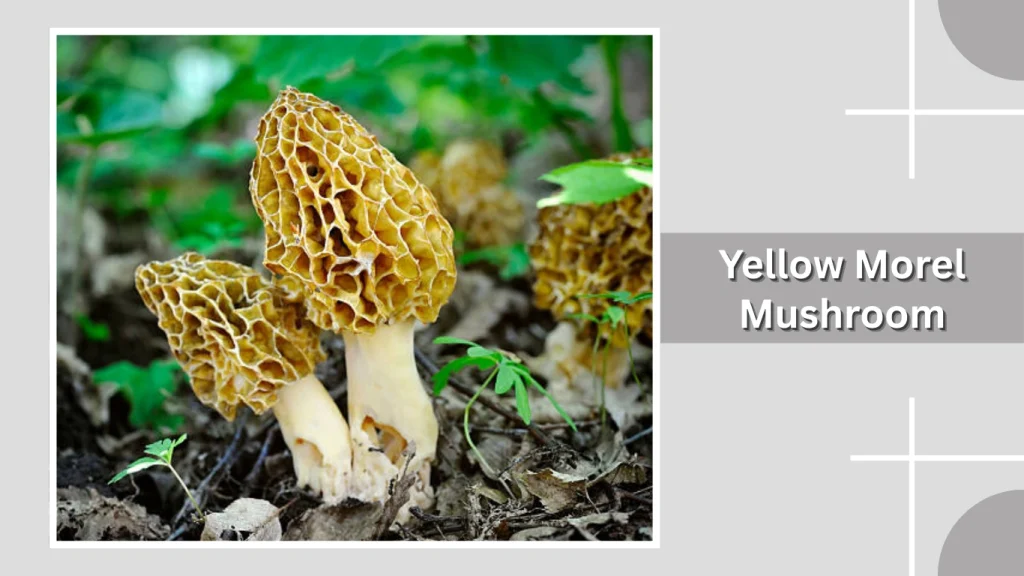
Yellow Morel mushrooms are one of the most widely recognized and commonly harvested types of morels. They usually appear slightly later in the season than black morels and are known for their lighter color, larger size, and pleasant, balanced flavor. Yellow morels are highly valued by foragers and chefs alike and are often considered a classic spring mushroom.
Identification
- Oval to cone-shaped cap with rounded ridges
- Yellow to tan ridges with lighter pits
- Cap is fully attached to the stem
- Completely hollow from cap to stem base
- Stem is thick, pale, and slightly wrinkled
Habitat
Yellow morels grow in hardwood forests, orchards, river bottoms, and wooded edges. They are commonly found near elm, ash, sycamore, tulip poplar, and apple trees. These mushrooms prefer moist soil and moderate spring temperatures. They often appear after black morels and may continue fruiting for several weeks as the season progresses.
Flavor Profile
Yellow morels have a mild, nutty, and earthy flavor that is slightly sweeter than black morels. Their texture is tender yet meaty, making them suitable for a wide range of dishes. They absorb flavors well while still maintaining their distinctive morel taste.
Culinary Use
Yellow morels are commonly sautéed, stuffed, breaded, or added to pasta, rice, and cream-based sauces. They pair well with butter, garlic, herbs, eggs, and meats. As with all morels, they must always be cooked thoroughly before consumption to ensure safety.
3. Common Morel Mushroom
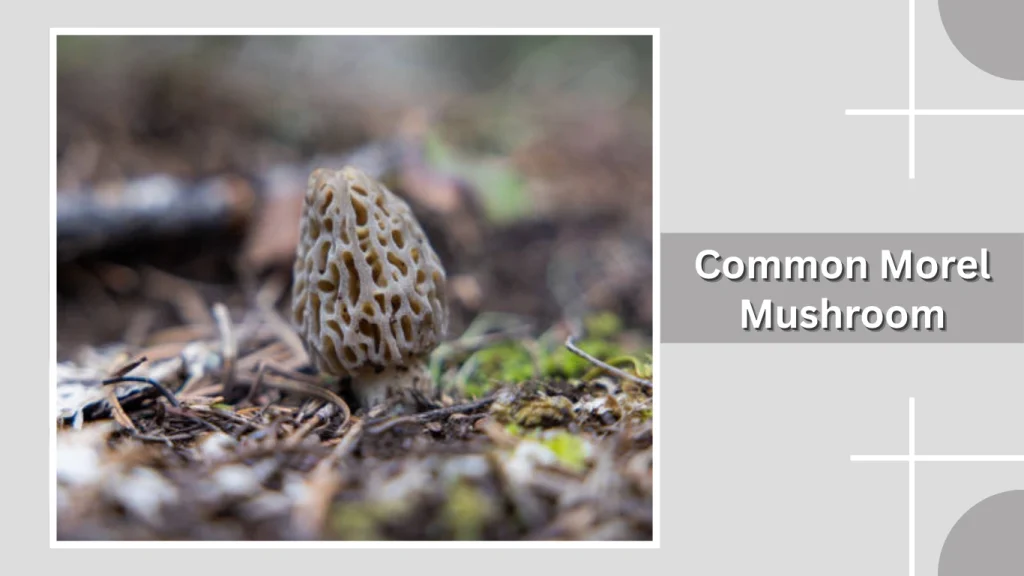
Common Morel mushrooms are among the most frequently encountered true morels and are widely appreciated for their classic morel appearance, reliable edibility, and rich flavor. They are often considered the standard reference when people think of morel mushrooms. Common morels appear in spring and are found across many regions, making them a favorite target for both beginner and experienced foragers.
Identification
- Cone to egg-shaped cap with a clear honeycomb pattern
- Light brown to tan ridges with pale pits
- Cap is fully attached to the stem
- Hollow interior from top to bottom
- Thick, off-white to cream-colored stem
Habitat
Common morels grow in a variety of environments, including hardwood forests, riverbanks, old orchards, and woodland edges. They are frequently associated with elm, ash, maple, and poplar trees. These mushrooms prefer moist, well-drained soil and mild spring temperatures. They often fruit after seasonal rains and can appear singly or in small groups.
Flavor Profile
The flavor of common morels is rich, earthy, and nutty with a balanced intensity. They are less bold than black morels but more pronounced than some lighter varieties. Their spongy caps absorb oils and sauces easily, enhancing their overall taste during cooking.
Culinary Use
Common morels are highly versatile in the kitchen. They are commonly sautéed, pan-fried, or used in pasta, rice dishes, soups, and sauces. They also work well stuffed or battered and fried. Like all true morels, common morels must be thoroughly cooked before eating to avoid digestive issues.
4. True Morel Mushroom
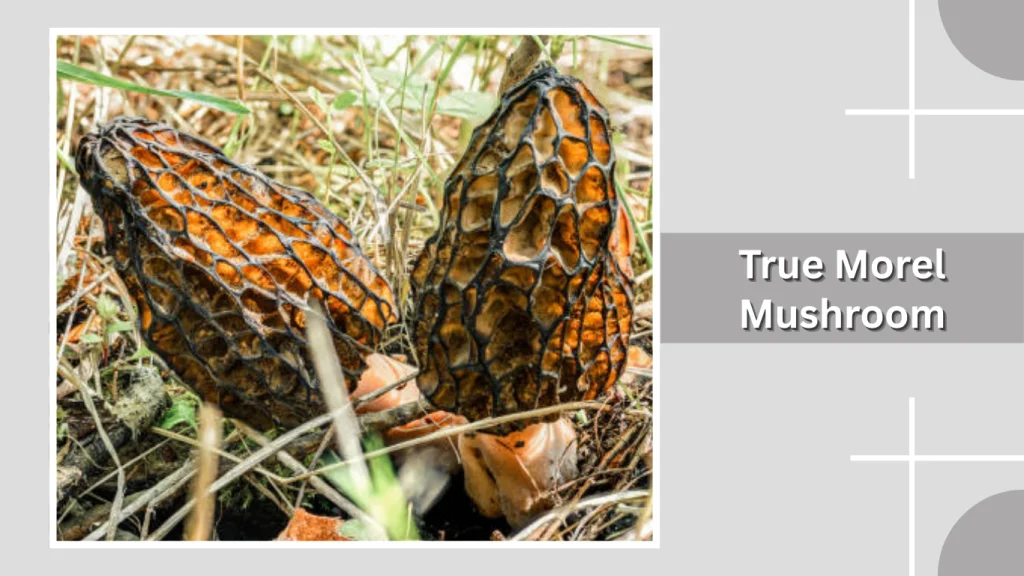
True Morel mushrooms refer to genuine morels belonging to the Morchella genus, distinguishing them from false morels that can be toxic. They are highly prized for their distinctive honeycomb caps, hollow interiors, and excellent culinary qualities. True morels appear in spring and are sought after worldwide for both foraging and gourmet cooking.
Identification
- Honeycomb-like cap with deep pits and raised ridges
- Cap is completely attached to the stem
- Hollow interior from the tip of the cap to the stem base
- Ridges range from tan to dark brown
- Stem is pale, thick, and smooth
Habitat
True morels grow in diverse environments including hardwood forests, mixed woodlands, old orchards, riverbanks, and disturbed soils. They are often found near elm, ash, poplar, oak, and apple trees. Moist soil, moderate spring temperatures, and recent rainfall encourage fruiting. Some species also thrive in areas affected by fire or logging.
Flavor Profile
True morels have a rich, earthy, nutty flavor that intensifies when cooked. Their sponge-like structure absorbs butter, cream, and sauces extremely well. The texture is meaty yet tender, making them a favorite among chefs and mushroom enthusiasts.
Culinary Use
True morels are used in a wide range of dishes, including sautés, sauces, pasta, risotto, and meat preparations. They are often cooked simply to highlight their natural flavor. Proper cooking is essential, as raw morels can cause digestive discomfort.
5. Half-Free Morel Mushroom
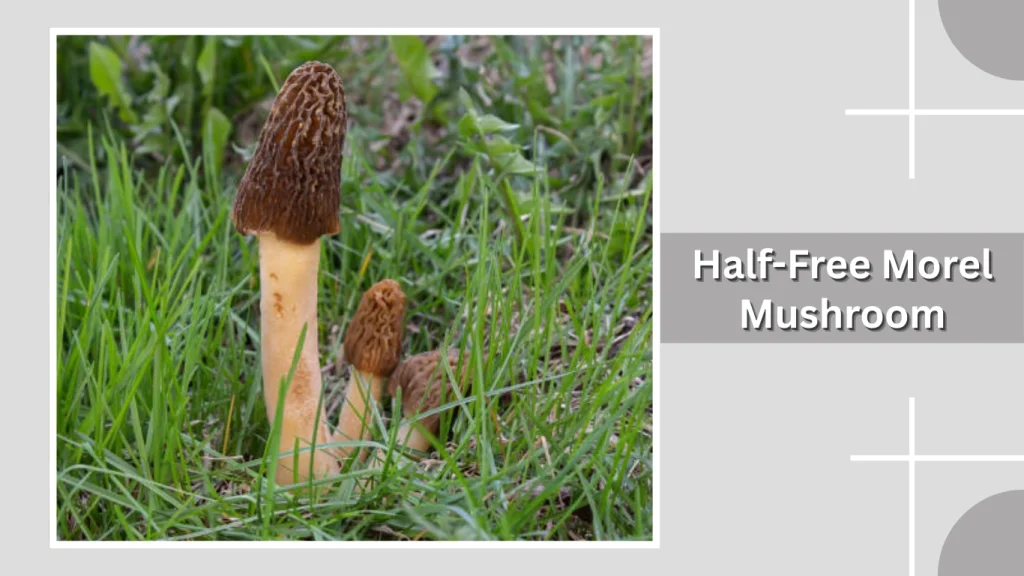
Half-Free Morel mushrooms are a distinctive type of true morel recognized by the way their caps attach only halfway down the stem. This unique structure makes them easier to identify compared to other morel varieties. They appear in spring and are commonly found in wooded areas, especially near hardwood trees. Half-free morels are edible and appreciated for their pleasant flavor, though they are usually smaller and less meaty than some other morels.
Identification
- Cap attached about halfway down the stem
- Upper cap hangs freely away from the stem
- Cap surface has elongated pits and ridges
- Hollow interior throughout
- Slender, elongated stem
Habitat
Half-free morels grow in hardwood forests and woodland edges, often near elm, ash, and maple trees. They prefer moist soil and cool to mild spring temperatures. These mushrooms usually appear earlier in the morel season and may grow singly or in small groups scattered across the forest floor.
Flavor Profile
The flavor of half-free morels is mild to moderately earthy with subtle nutty notes. They are less intense than black or yellow morels but still offer the characteristic morel taste. Their thinner flesh cooks quickly and absorbs seasoning well.
Culinary Use
Half-free morels are commonly sautéed, added to soups, or mixed into egg dishes and light sauces. Due to their smaller size, they are often cooked whole. As with all true morels, they must be thoroughly cooked before eating to ensure safety and proper digestion.
6. Thick-Stemmed Morel Mushroom
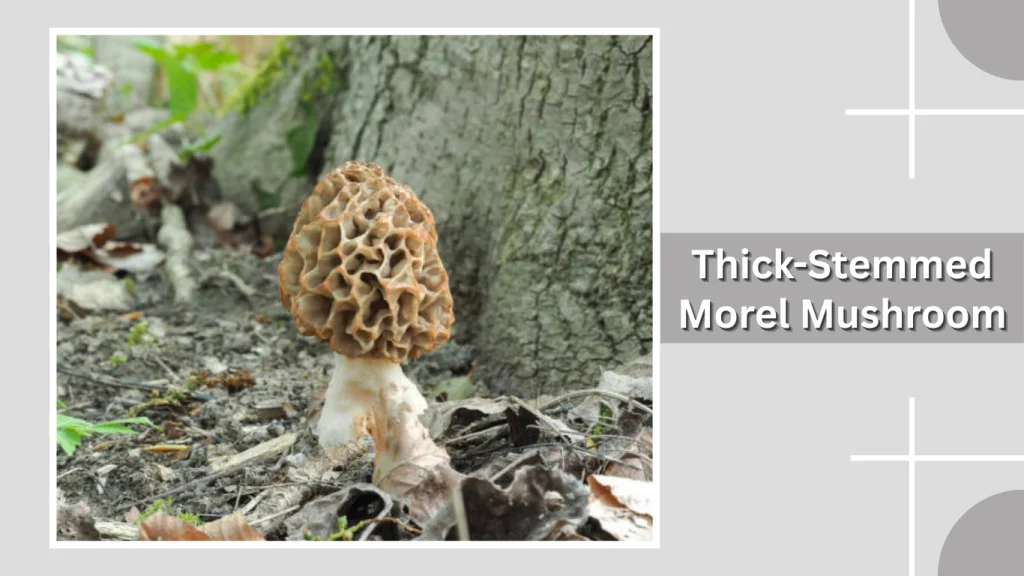
Thick-Stemmed Morel mushrooms are known for their stout, robust stems and relatively compact caps. This variety is valued for its meaty texture and substantial bite, making it especially popular for hearty recipes. Thick-stemmed morels appear during the spring season and are often found in rich woodland soils where moisture and organic matter are abundant.
Identification
- Short to medium-height mushroom with a thick, sturdy stem
- Cap is oval to cone-shaped with deep pits
- Ridges are light to medium brown
- Cap fully attached to the stem
- Hollow interior throughout
Habitat
Thick-stemmed morels grow in hardwood forests, river bottoms, and fertile woodland soils. They are commonly associated with trees such as elm, ash, oak, and poplar. These mushrooms prefer moist ground and moderate spring temperatures. They may appear singly or in small clusters and often fruit after periods of rainfall.
Flavor Profile
The flavor of thick-stemmed morels is rich, earthy, and nutty. Their dense flesh provides a satisfying, meaty texture that holds up well during cooking. They absorb butter and sauces effectively, enhancing their natural taste without becoming mushy.
Culinary Use
Thick-stemmed morels are ideal for sautéing, grilling, and stuffing due to their solid structure. They are also excellent in pasta dishes, risottos, and creamy sauces. Like all morels, they must always be cooked thoroughly before consumption to avoid digestive issues.
7. Gray Morel Mushroom
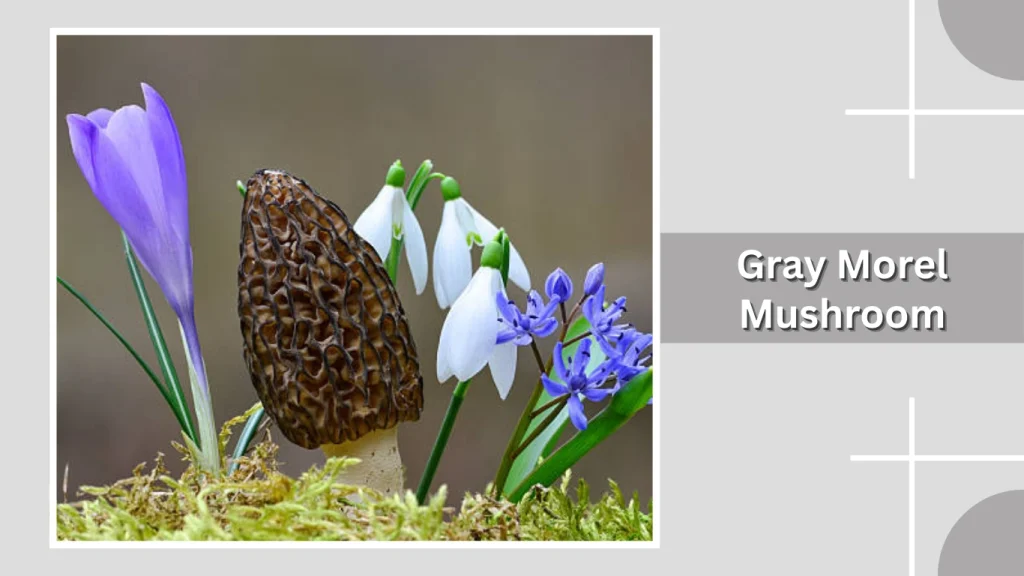
Gray Morel mushrooms are an early-season morel variety that often appear between black and yellow morels. Their grayish tones and irregular cap shapes can vary depending on age and growing conditions. Gray morels are valued for their classic morel flavor and are commonly foraged in spring woodlands.
Identification
- Cap color ranges from gray to gray-brown
- Irregular honeycomb pattern with shallow pits
- Cap fully attached to the stem
- Hollow interior from cap to base
- Stem is pale, thick, and slightly wrinkled
Habitat
Gray morels grow in hardwood forests, wooded slopes, and mixed woodland areas. They are often found near elm, ash, poplar, and maple trees. These mushrooms favor moist soil and cool spring temperatures and usually appear after early spring rains, sometimes growing in small scattered groups.
Flavor Profile
Gray morels have a balanced earthy and nutty flavor that is milder than black morels but richer than some lighter varieties. Their texture is tender yet meaty, making them versatile for many recipes without overpowering other ingredients.
Culinary Use
Gray morels are commonly sautéed, pan-fried, or used in soups, sauces, and pasta dishes. They absorb seasonings well and cook evenly due to their moderate thickness. As with all true morels, gray morels must always be thoroughly cooked before eating.
8. White Morel Mushroom
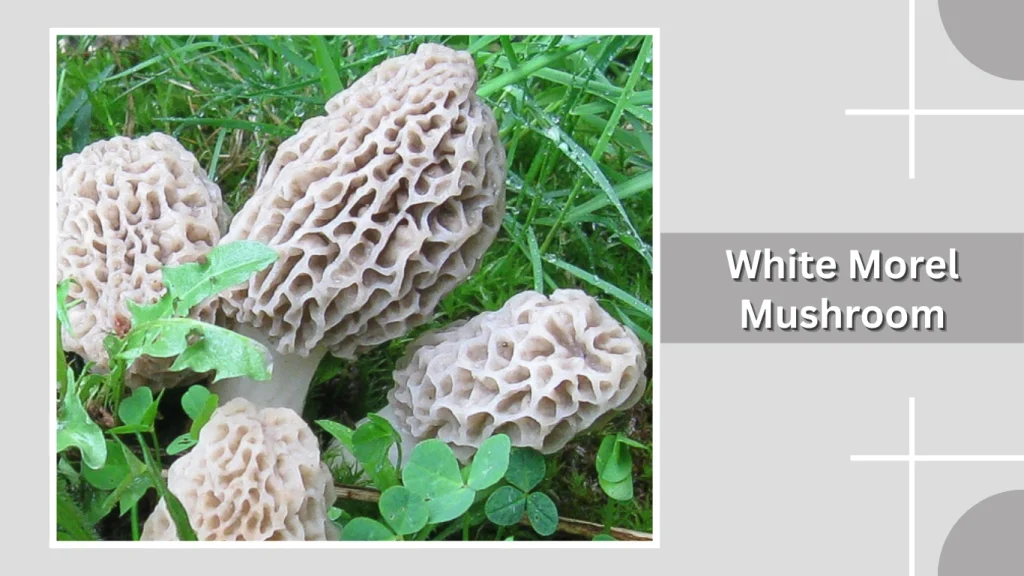
White Morel mushrooms are a lighter-colored form of true morels, often appearing pale cream to light tan compared to darker varieties. They are appreciated for their delicate appearance, mild flavor, and tender texture. White morels usually fruit later in the morel season and are commonly found in similar habitats to yellow morels.
Identification
- Pale cream to light tan cap color
- Rounded ridges with shallow pits
- Cap fully attached to the stem
- Hollow interior from top to base
- Thick, light-colored stem
Habitat
White morels grow in hardwood forests, riverbanks, old orchards, and wooded lowlands. They are often associated with elm, ash, sycamore, and poplar trees. These mushrooms prefer moist soil and warmer spring temperatures and usually appear toward the middle or later part of the morel season.
Flavor Profile
White morels have a mild, subtly nutty, and earthy flavor. Their taste is gentler than black or gray morels, making them suitable for dishes where a lighter mushroom flavor is desired. The texture is tender and absorbs butter and sauces easily.
Culinary Use
White morels are commonly sautéed, lightly fried, or added to pasta, rice, and cream-based dishes. They pair well with herbs, eggs, and mild seasonings. Like all true morels, white morels must always be thoroughly cooked before consumption.
9. Early Morel Mushroom
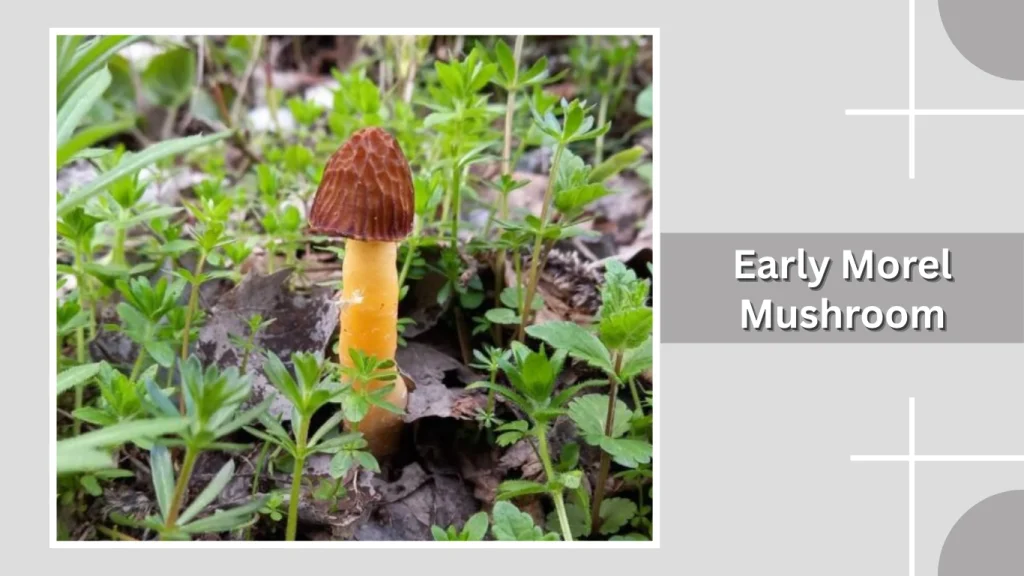
Early Morel mushrooms are among the first morels to appear at the start of the spring season. They are usually smaller and darker than later-fruiting varieties, but they are highly prized because they signal the beginning of morel season. Early morels are often found when soil temperatures are still cool and other mushrooms have not yet emerged.
Identification
- Small to medium-sized fruiting body
- Dark gray to brown cap color
- Deep pits with narrow ridges
- Cap fully attached to the stem
- Hollow interior throughout
Habitat
Early morels grow in hardwood forests, wooded hillsides, and well-drained slopes. They are commonly associated with elm, ash, poplar, and south-facing areas that warm up first in spring. These mushrooms often appear shortly after snowmelt and prefer moist soil combined with cool nighttime temperatures.
Flavor Profile
Early morels have a strong, earthy, and nutty flavor similar to black morels. Despite their smaller size, they deliver a concentrated taste. Their texture is firm and slightly chewy, making them suitable for simple cooking methods that highlight their natural flavor.
Culinary Use
Early morels are typically sautéed in butter, lightly fried, or added to eggs and simple pasta dishes. Because they are smaller, they cook quickly and should be monitored closely. As with all morels, early morels must always be thoroughly cooked before eating.
10. Late Morel Mushroom
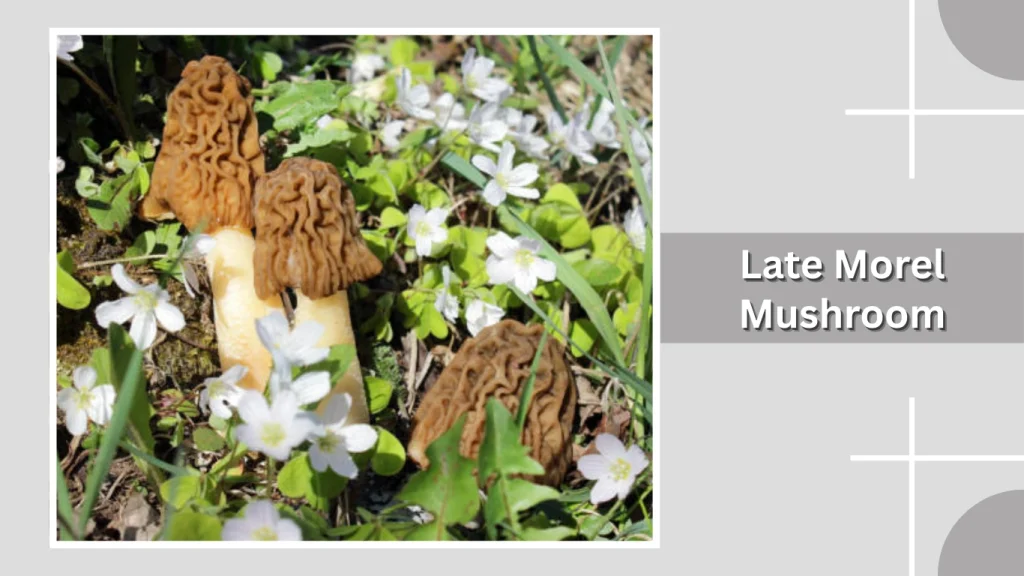
Late Morel mushrooms appear toward the end of the morel season, often when temperatures are warmer and other spring fungi are also emerging. They are usually larger, lighter in color, and more widely distributed than early morels. Late morels are appreciated for their size, mild flavor, and extended availability, which allows for continued harvesting after early varieties have finished fruiting.
Identification
- Medium to large fruiting body
- Light tan to yellow-brown cap color
- Broad pits with rounded ridges
- Cap fully attached to the stem
- Hollow interior from cap to base
Habitat
Late morels grow in hardwood forests, riverbanks, old orchards, and wooded lowlands. They are often found near elm, ash, sycamore, poplar, and apple trees. These mushrooms prefer warmer spring conditions and moist soil, typically appearing after earlier morel varieties have declined.
Flavor Profile
Late morels have a mild, nutty, and earthy flavor that is less intense than early or black morels. Their texture is tender and meaty, making them versatile for many types of recipes without overpowering other ingredients.
Culinary Use
Late morels are commonly sautéed, grilled, or used in pasta, rice, soups, and creamy sauces. Their larger size makes them suitable for stuffing or slicing into thick pieces. Like all true morels, late morels must always be thoroughly cooked before consumption.
11. Western Morel Mushroom
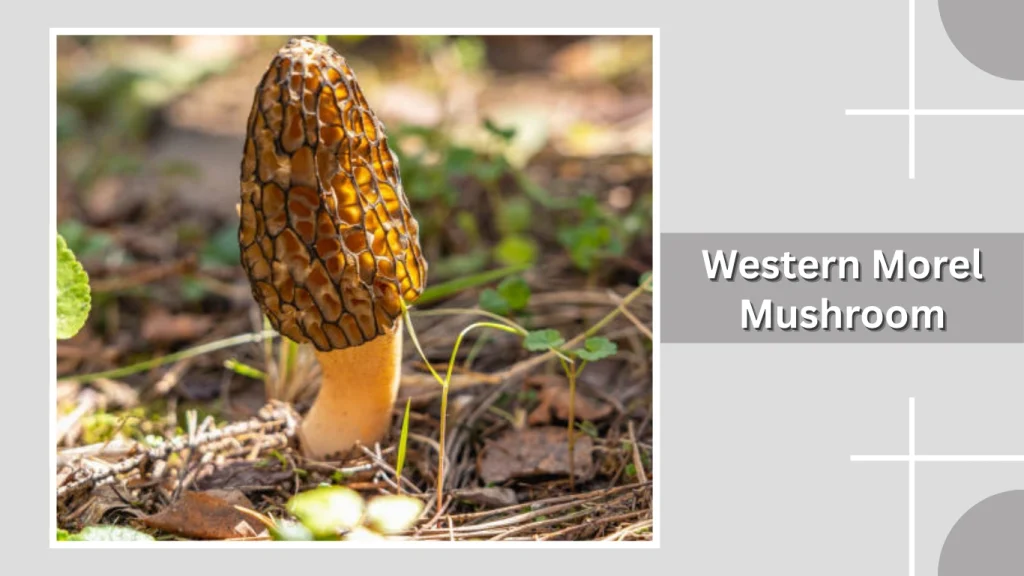
Western Morel mushrooms are a group of morel varieties commonly found across western regions, especially in mountainous and forested areas. They are well known for their adaptability to different environments, including forests affected by wildfires. Western morels vary in size and color but consistently share the classic honeycomb cap and hollow structure of true morels.
Identification
- Cone-shaped to elongated cap
- Cap color ranges from tan to dark brown
- Deep pits with pronounced ridges
- Cap fully attached to the stem
- Hollow interior throughout
Habitat
Western morels grow in coniferous and mixed forests, often at higher elevations. They are frequently associated with pine, fir, spruce, and Douglas fir trees. These mushrooms are especially abundant in burn areas one to two years after wildfires. Moist soil, snowmelt, and warming spring temperatures encourage their growth.
Flavor Profile
Western morels have a rich, earthy, and nutty flavor similar to other true morels. Their texture is firm and meaty, holding up well in a variety of cooking methods. Flavor intensity may vary depending on soil and forest conditions.
Culinary Use
Western morels are commonly sautéed, dried for later use, or incorporated into pasta, risotto, and meat dishes. They are also popular for preserving due to their abundance in some seasons. As with all morels, they must be thoroughly cooked before eating.
12. Eastern Morel Mushroom
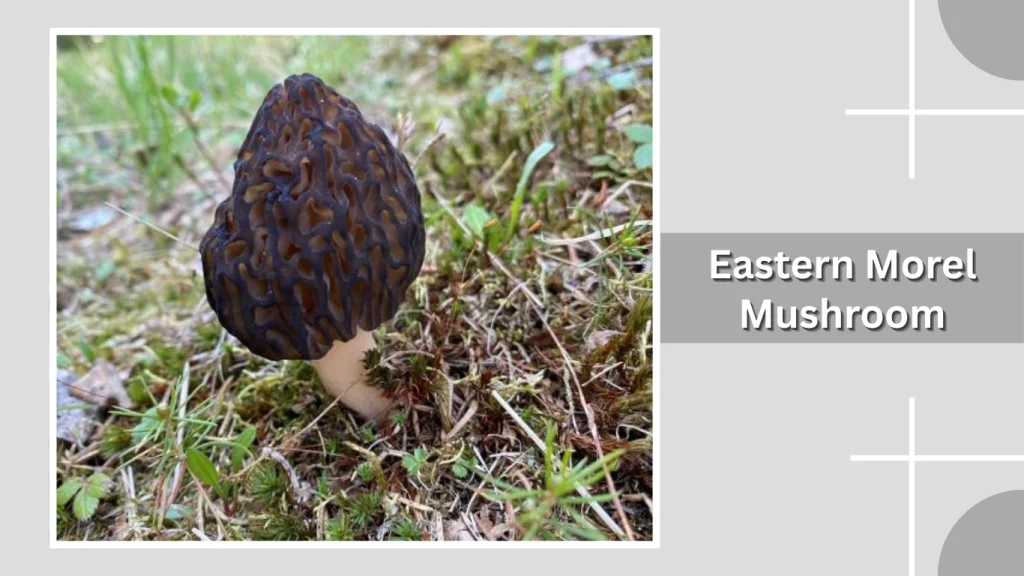
Eastern Morel mushrooms are commonly found in eastern and central regions and are among the most familiar morels to foragers. They closely resemble classic yellow and common morels and are valued for their reliable appearance and pleasant flavor. Eastern morels usually emerge in mid to late spring and are often found in large numbers under the right conditions.
Identification
- Oval to cone-shaped cap with a clear honeycomb pattern
- Yellow to tan ridges with lighter pits
- Cap fully attached to the stem
- Completely hollow interior
- Thick, pale stem with a smooth to slightly wrinkled surface
Habitat
Eastern morels grow primarily in hardwood forests, wooded riverbanks, and old orchards. They are commonly associated with elm, ash, maple, tulip poplar, and apple trees. These mushrooms prefer moist soil, moderate spring temperatures, and areas with good leaf litter. They often fruit after steady spring rains and may appear in clusters.
Flavor Profile
Eastern morels have a balanced earthy and nutty flavor that is neither too strong nor too mild. Their taste is classic and widely appreciated, making them suitable for a broad range of recipes. The texture is tender yet meaty when cooked.
Culinary Use
Eastern morels are commonly sautéed, pan-fried, or added to pasta, rice, soups, and sauces. They pair well with butter, garlic, herbs, eggs, and meats. As with all true morels, they must always be thoroughly cooked before consumption to ensure safety.
13. Burn-Site Morel Mushroom
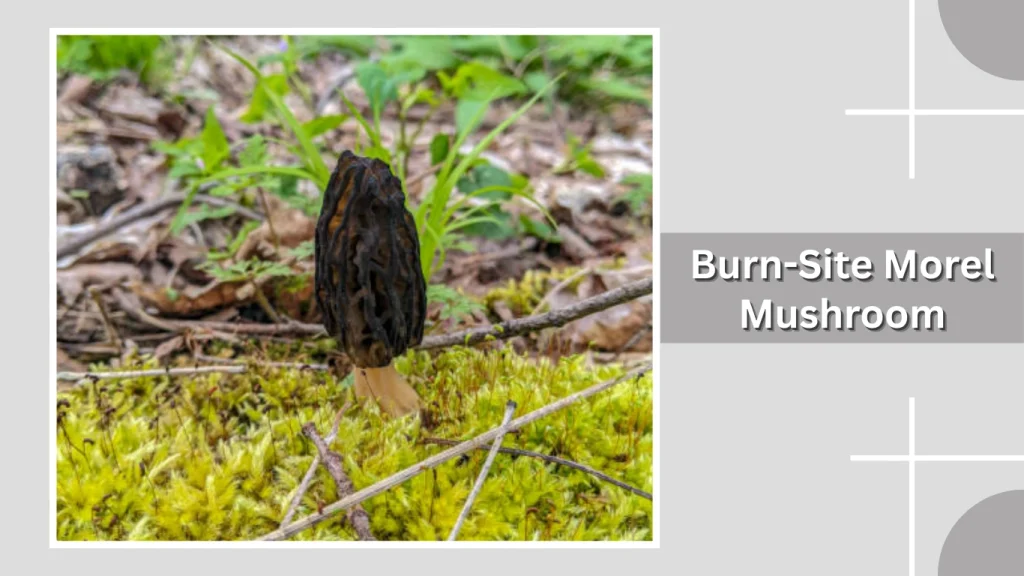
Burn-Site Morel mushrooms are a special group of morels that fruit prolifically in areas affected by wildfires. They often appear in large numbers one to two years after a burn, making them highly sought after by foragers. These morels can vary in size and color but share the classic hollow structure and honeycomb cap of true morels.
Identification
- Cone-shaped to elongated cap
- Cap color ranges from tan to dark brown or black
- Deep pits with sharp, raised ridges
- Cap fully attached to the stem
- Hollow interior from tip to base
Habitat
Burn-site morels grow in recently burned forests, especially where ash-rich soil and reduced competition favor fungal growth. They are commonly found in coniferous and mixed forests and may appear in dense clusters across large areas. Fruiting typically occurs in the first and second spring following a wildfire.
Flavor Profile
Burn-site morels have a rich, earthy, and slightly smoky flavor influenced by the mineral-rich soil. Their texture is firm and meaty, making them highly desirable for cooking and preservation.
Culinary Use
Burn-site morels are commonly sautéed, dried, or used in sauces, pasta, and rice dishes. Because they are often abundant, they are frequently preserved for later use. As with all true morels, they must always be thoroughly cooked before eating.
14. Round Morel Mushroom
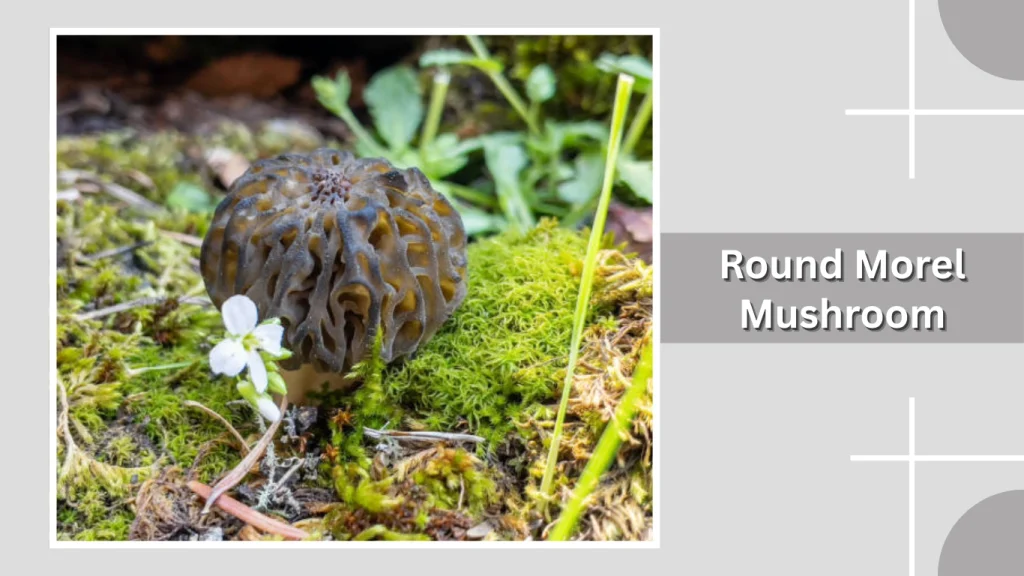
Round Morel mushrooms are named for their shorter, more rounded caps compared to the elongated shape of many other morels. They are considered a true morel and share the same hollow interior and honeycomb surface. Round morels are appreciated for their compact shape, tender texture, and classic morel flavor, making them easy to cook whole or slice evenly.
Identification
- Short, rounded to oval cap shape
- Honeycomb-like pits with soft, rounded ridges
- Cap fully attached to the stem
- Completely hollow inside
- Thick, pale stem
Habitat
Round morels grow in hardwood forests, woodland edges, and river bottoms. They are often associated with elm, ash, poplar, and maple trees. These mushrooms prefer moist, well-drained soil and moderate spring temperatures. They may appear singly or in small scattered groups during the mid morel season.
Flavor Profile
Round morels have a mild to moderately rich earthy and nutty flavor. Their compact structure gives them a tender yet meaty texture when cooked. They absorb butter, oils, and sauces well without losing their shape.
Culinary Use
Round morels are commonly sautéed, lightly fried, or added to pasta, rice, and egg dishes. Their shape makes them suitable for stuffing or cooking whole. Like all true morels, they must always be thoroughly cooked before consumption.
15. Narrow-Capped Morel Mushroom
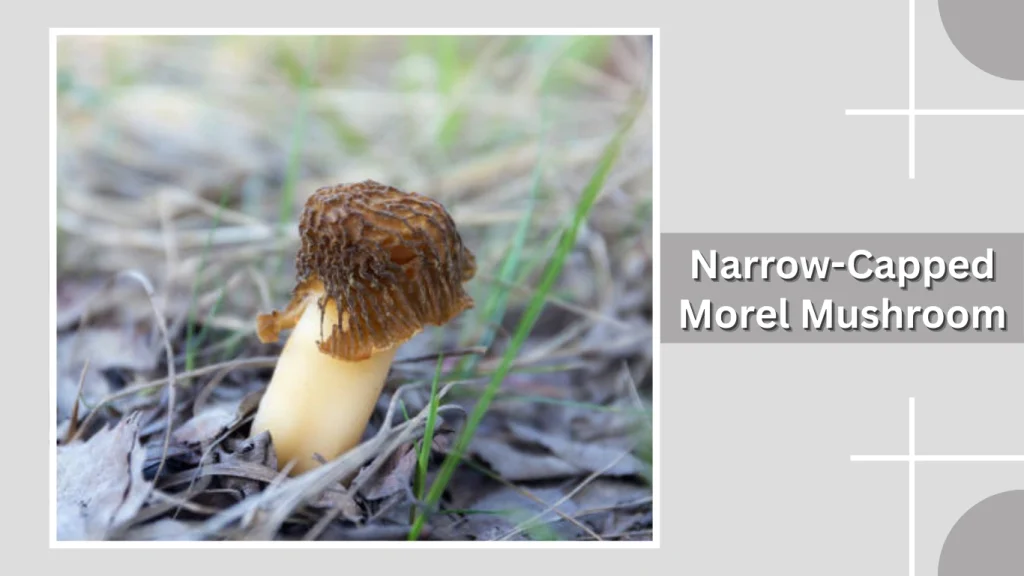
Narrow-Capped Morel mushrooms are recognized by their tall, slender caps that are more elongated than those of many other morel varieties. This shape gives them a distinctive appearance while still retaining the classic honeycomb texture of true morels. They are valued for their firm texture, reliable edibility, and rich flavor.
Identification
- Tall, narrow, cone-shaped cap
- Deep vertical pits with thin ridges
- Cap fully attached to the stem
- Hollow interior from cap to base
- Slender, pale stem
Habitat
Narrow-capped morels grow in hardwood and mixed forests, often in well-drained soil. They are commonly associated with elm, ash, poplar, and maple trees. These mushrooms prefer cool to mild spring temperatures and may appear slightly earlier or alongside other mid-season morels.
Flavor Profile
The flavor of narrow-capped morels is earthy and nutty with a slightly concentrated taste due to their dense structure. Their texture is firm and meaty, holding up well during sautéing and other cooking methods.
Culinary Use
Narrow-capped morels are commonly sautéed, pan-fried, or sliced for use in sauces, pasta, and rice dishes. Their elongated shape makes them easy to cut evenly. As with all true morels, they must always be thoroughly cooked before eating.
16. Blonde Morel Mushroom
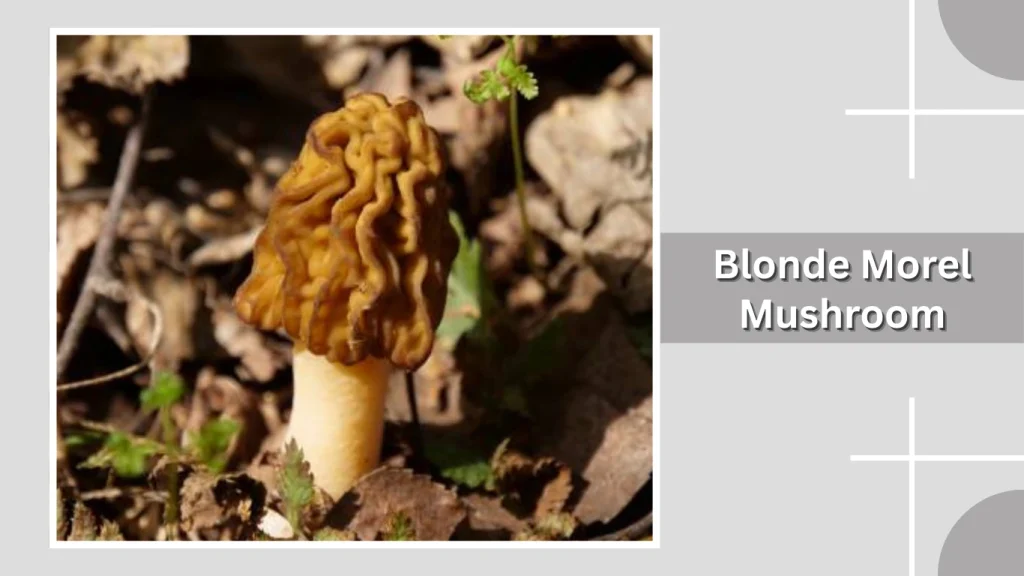
Blonde Morel mushrooms are a lighter-colored variety of true morels, often overlapping in appearance with yellow or white morels. They are popular among foragers due to their larger size, gentle flavor, and attractive pale caps. Blonde morels usually appear in the middle to later part of the morel season and are easy to spot against forest leaf litter.
Identification
- Light tan to pale yellow cap
- Rounded ridges with shallow pits
- Cap fully attached to the stem
- Completely hollow interior
- Thick, cream-colored stem
Habitat
Blonde morels grow in hardwood forests, riverbanks, old orchards, and woodland edges. They are commonly found near elm, ash, sycamore, tulip poplar, and apple trees. These mushrooms prefer moist soil and warmer spring temperatures and often appear after steady rainfall.
Flavor Profile
Blonde morels have a mild, slightly sweet, and nutty flavor. Their taste is less intense than darker morels, making them suitable for lighter dishes. The texture is tender and absorbs butter, oils, and sauces very well.
Culinary Use
Blonde morels are commonly sautéed, lightly fried, or used in pasta, risotto, soups, and creamy sauces. Their larger size makes them suitable for stuffing or slicing. Like all true morels, they must always be thoroughly cooked before consumption.
17. Mountain Morel Mushroom
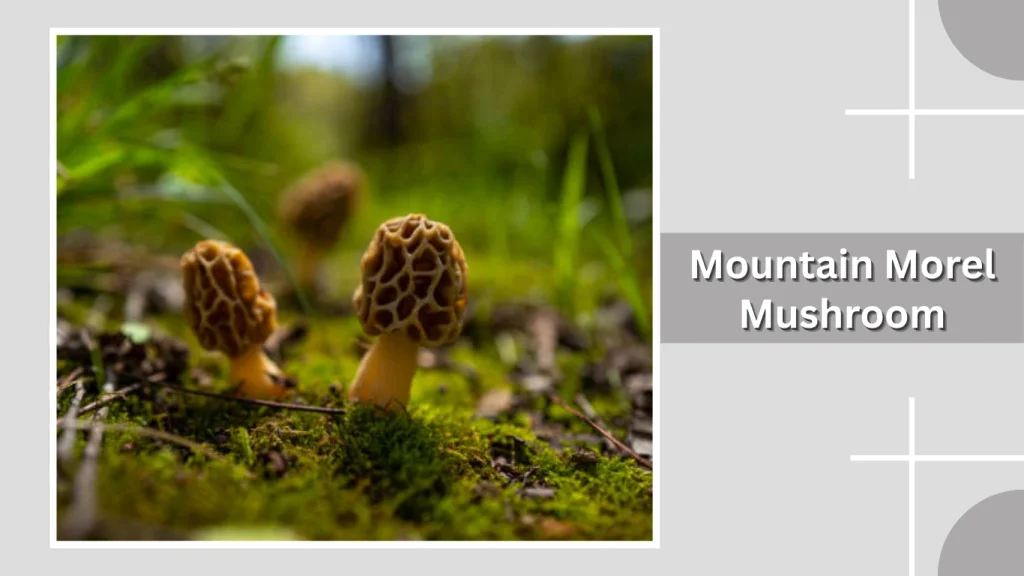
Mountain Morel mushrooms are found in higher-elevation regions and mountainous forests, where cooler temperatures and snowmelt create ideal growing conditions. They are considered true morels and share the characteristic honeycomb cap and hollow interior. Mountain morels are valued for their firm texture and rich flavor, often appearing slightly later due to colder climates.
Identification
- Cone-shaped to elongated cap
- Cap color ranges from tan to dark brown
- Deep pits with well-defined ridges
- Cap fully attached to the stem
- Hollow interior throughout
Habitat
Mountain morels grow in coniferous and mixed forests at higher elevations. They are often associated with pine, fir, spruce, and Douglas fir trees. These mushrooms typically appear after snowmelt in late spring or early summer and may be found along slopes, forest edges, and moist mountain soils.
Flavor Profile
Mountain morels have a rich, earthy, and nutty flavor similar to other true morels. Their texture is firm and meaty, holding up well during sautéing and longer cooking methods. Flavor intensity may vary depending on altitude and soil composition.
Culinary Use
Mountain morels are commonly sautéed, dried for later use, or incorporated into pasta, risotto, soups, and meat dishes. Due to their sturdy structure, they are well suited for preservation. As with all morels, they must always be thoroughly cooked before eating.
18. Hardwood Morel Mushroom
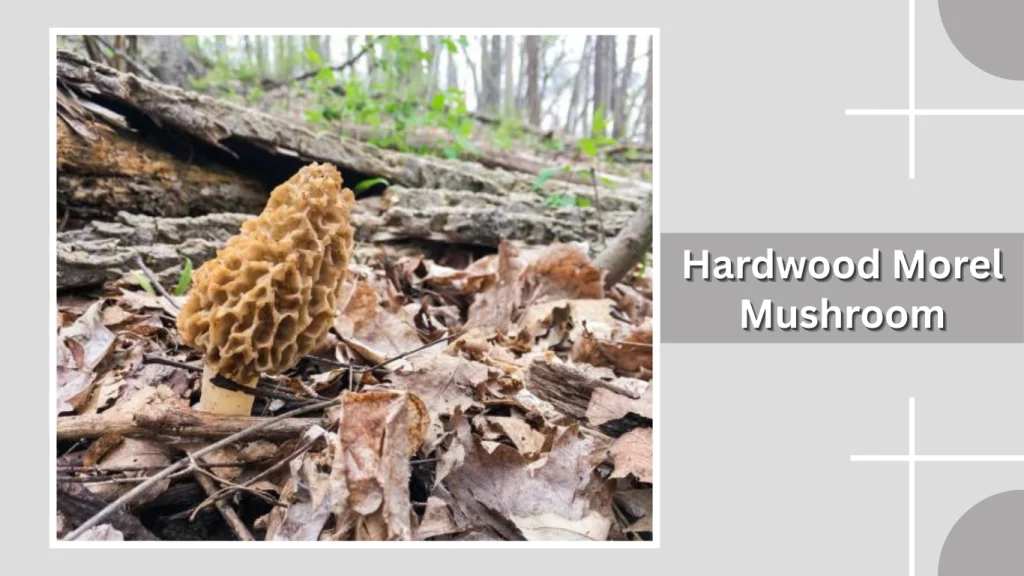
Hardwood Morel mushrooms are a type of true morel commonly found in deciduous forests dominated by hardwood trees. They are among the most frequently foraged morels due to their predictable association with certain tree species. Hardwood morels are valued for their classic appearance, reliable edibility, and well-balanced flavor.
Identification
- Oval to cone-shaped cap with a honeycomb pattern
- Light brown to yellowish ridges with pale pits
- Cap fully attached to the stem
- Completely hollow interior
- Thick, pale stem
Habitat
Hardwood morels grow in deciduous forests and wooded areas with rich leaf litter. They are often found near elm, ash, oak, maple, and poplar trees. These mushrooms prefer moist, well-drained soil and moderate spring temperatures. Fruiting commonly follows rainfall and warming weather.
Flavor Profile
Hardwood morels have a balanced earthy and nutty flavor that is neither too strong nor too mild. Their texture is tender yet meaty, making them suitable for a wide variety of dishes.
Culinary Use
Hardwood morels are commonly sautéed, pan-fried, or used in pasta, rice, soups, and sauces. They pair well with butter, garlic, herbs, and meats. Like all true morels, they must always be thoroughly cooked before consumption.
19. Landscape Morel Mushroom

Landscape Morel mushrooms are a type of morel that commonly appear in urban and suburban settings rather than deep forests. They are often found in landscaped areas such as gardens, parks, lawns, and mulched beds. These morels are considered true morels and are known for their adaptability to disturbed and human-managed environments.
Identification
- Oval to cone-shaped cap with a honeycomb pattern
- Light tan to yellow-brown ridges
- Cap fully attached to the stem
- Hollow interior throughout
- Smooth, pale stem
Habitat
Landscape morels grow in landscaped areas with wood mulch, compost, and disturbed soil. They are frequently found around ornamental trees, shrubs, and garden beds. These mushrooms often appear in spring after rainfall and warming temperatures, sometimes emerging in large numbers in the same location year after year.
Flavor Profile
Landscape morels have a mild to moderately rich earthy and nutty flavor. Their taste is similar to common or yellow morels, though sometimes slightly milder due to fast growth in nutrient-rich soil. Their texture remains tender and meaty when cooked.
Culinary Use
Landscape morels are commonly sautéed, pan-fried, or added to pasta, rice, and egg dishes. Because they grow in urban areas, it is important to ensure they are harvested from locations free of pesticides and contaminants. As with all true morels, they must always be thoroughly cooked before eating.
20. Giant Morel Mushroom
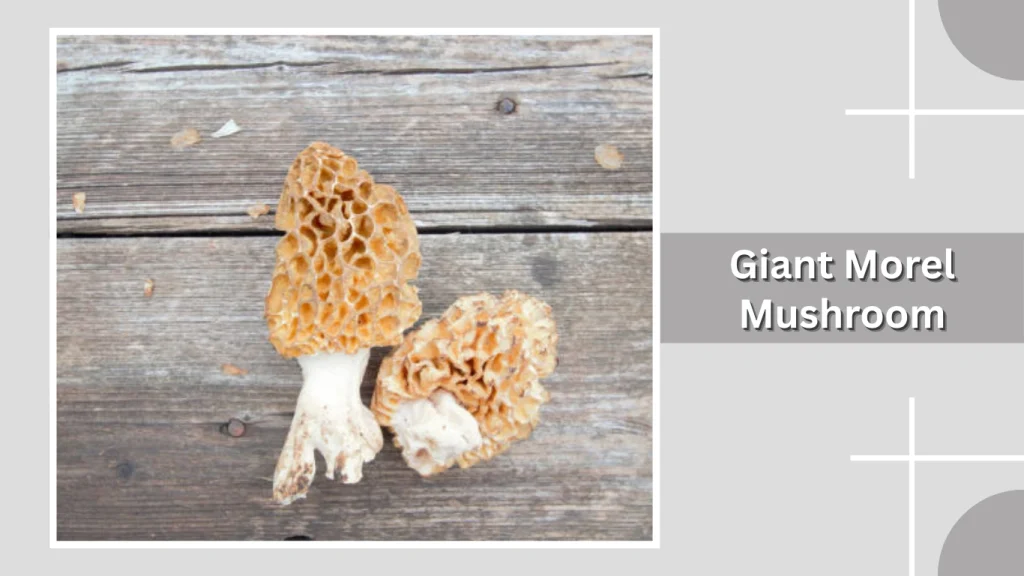
Giant Morel mushrooms are known for their unusually large size compared to most other morel varieties. They are a form of true morel and can grow significantly taller and wider, making them especially prized by foragers. Their impressive appearance, combined with classic morel flavor, makes them a standout during peak morel season.
Identification
- Very large cap and stem compared to common morels
- Broad, elongated cap with deep honeycomb pits
- Cap fully attached to the stem
- Completely hollow interior
- Thick, sturdy stem capable of supporting the large cap
Habitat
Giant morels grow in hardwood forests, river bottoms, and fertile lowland areas. They are often associated with elm, ash, sycamore, and poplar trees. These mushrooms prefer rich, moist soil and moderate to warm spring temperatures. They usually appear in the mid to late morel season and may grow singly or in small groups.
Flavor Profile
Giant morels have a rich, earthy, and nutty flavor similar to other true morels. Their larger size gives them a thick, meaty texture that holds up very well during cooking. They absorb butter, oils, and sauces deeply, enhancing their overall taste.
Culinary Use
Giant morels are ideal for stuffing, grilling, or slicing into thick pieces for sautéing. They are also excellent in pasta, risotto, and creamy sauces. Due to their size, they should be cut open and cleaned thoroughly before cooking. As with all morels, they must always be fully cooked before consumption.
21. Small Gray Morel Mushroom
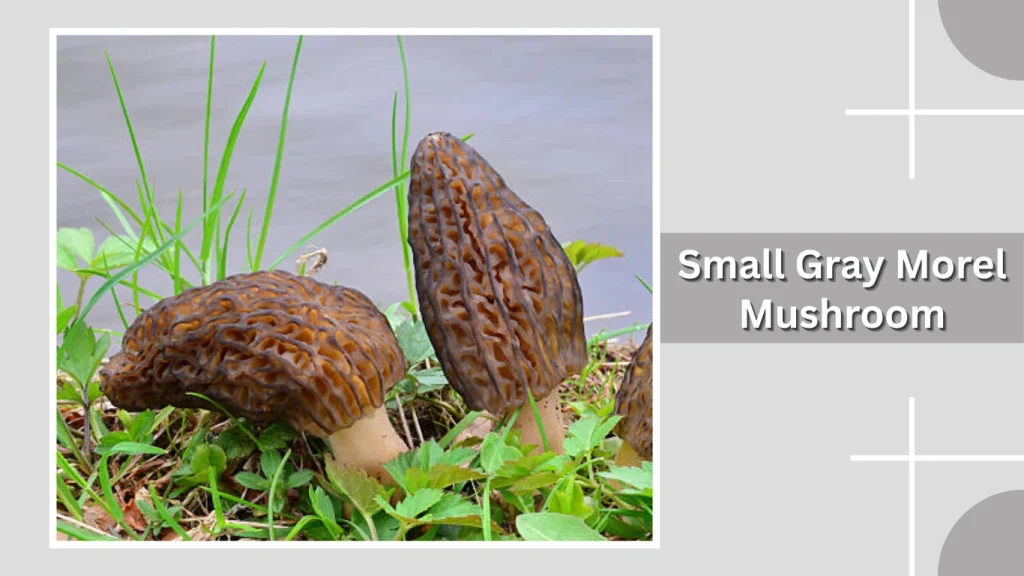
Small Gray Morel mushrooms are a smaller-sized morel variety that share many characteristics with larger gray morels but fruit earlier or under less ideal conditions. They are appreciated for their concentrated flavor and tender texture despite their modest size. These mushrooms are often found scattered rather than in large clusters.
Identification
- Small to medium size compared to other morels
- Gray to gray-brown cap color
- Fine honeycomb pattern with shallow pits
- Cap fully attached to the stem
- Hollow interior throughout
Habitat
Small gray morels grow in hardwood forests, wooded slopes, and mixed woodland areas. They are commonly associated with elm, ash, poplar, and maple trees. These mushrooms prefer moist soil and cool spring temperatures and may appear early in the season or after brief warm spells.
Flavor Profile
Small gray morels have a rich, earthy, and nutty flavor that is slightly more concentrated due to their smaller size. Their texture is tender yet meaty, making them suitable for quick cooking methods.
Culinary Use
Small gray morels are commonly sautéed, pan-fried, or added whole to soups, sauces, and egg dishes. They cook quickly and absorb seasonings well. As with all true morels, they must always be thoroughly cooked before eating to ensure safety.
22. Ridged Morel Mushroom
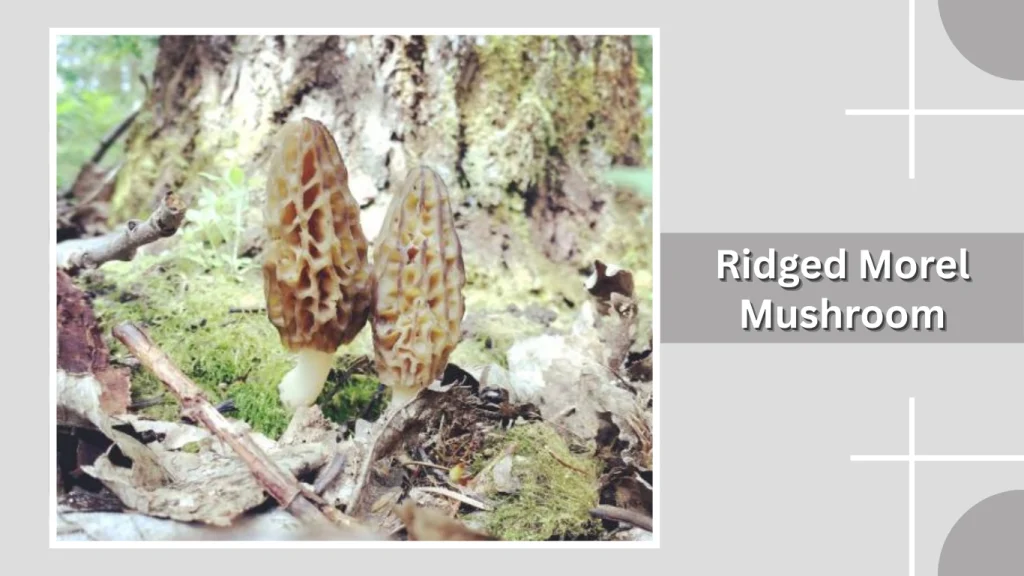
Ridged Morel mushrooms are named for their sharply defined, raised ridges that give the cap a bold, textured appearance. These pronounced ridges make them easy to recognize among other morel types. Ridged morels are true morels and are valued for their firm structure and classic morel flavor.
Identification
- Deep, sharply raised ridges on the cap
- Well-defined honeycomb pattern
- Cap fully attached to the stem
- Hollow interior from cap to base
- Pale to light brown stem
Habitat
Ridged morels grow in hardwood forests, mixed woodlands, and river bottoms. They are often associated with elm, ash, oak, and poplar trees. These mushrooms prefer moist soil and moderate spring temperatures and commonly appear during the mid morel season after consistent rainfall.
Flavor Profile
Ridged morels have a rich, earthy, and nutty flavor typical of true morels. Their firm ridges give them a slightly meatier texture, allowing them to hold up well during cooking while absorbing oils and sauces.
Culinary Use
Ridged morels are commonly sautéed, pan-fried, or used in pasta, rice, and sauce-based dishes. Their sturdy structure makes them suitable for stuffing or grilling. As with all true morels, they must always be thoroughly cooked before consumption.
23. Prairie Morel Mushroom
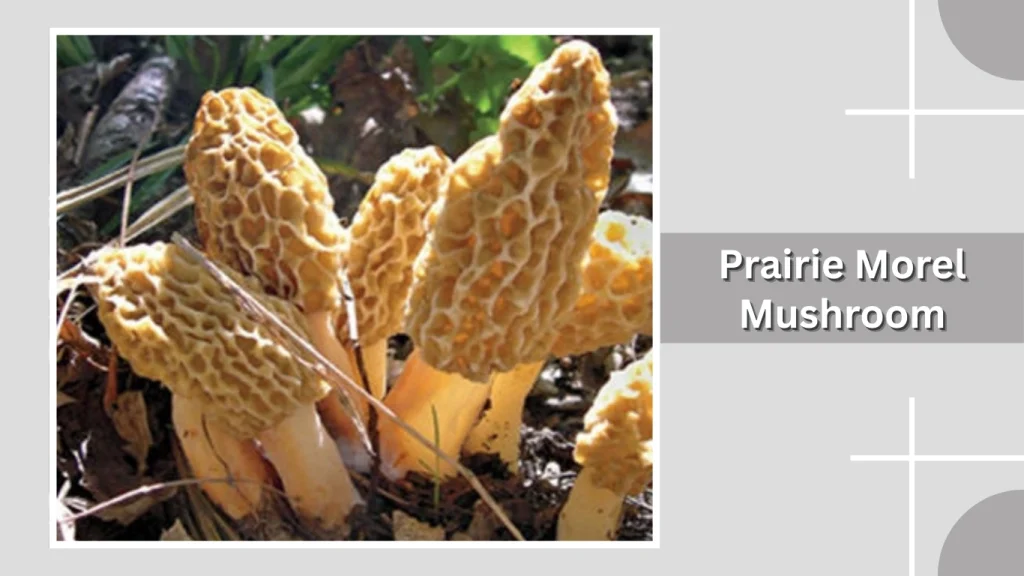
Prairie Morel mushrooms are true morels commonly found in open grasslands and prairie regions rather than dense forests. They are well adapted to flatter landscapes and are often discovered in areas with rich soil and scattered trees. Prairie morels are valued for their classic morel flavor and dependable appearance during spring.
Identification
- Medium-sized, oval to cone-shaped cap
- Tan to yellow-brown ridges with lighter pits
- Cap fully attached to the stem
- Hollow interior throughout
- Pale, sturdy stem
Habitat
Prairie morels grow in grasslands, pasture edges, riverbanks, and open fields with nearby trees. They are often associated with cottonwood, elm, ash, and old shelterbelt trees. These mushrooms prefer moist soil and mild spring temperatures and usually appear after rainfall in early to mid morel season.
Flavor Profile
Prairie morels have a mild to moderately rich earthy and nutty flavor. Their taste is balanced and pleasant, making them suitable for a wide range of dishes without overpowering other ingredients. The texture is tender yet meaty when cooked.
Culinary Use
Prairie morels are commonly sautéed, pan-fried, or added to pasta, rice, soups, and egg dishes. They absorb butter and seasonings well and cook evenly. Like all true morels, prairie morels must always be thoroughly cooked before eating.
24. Orchard Morel Mushroom
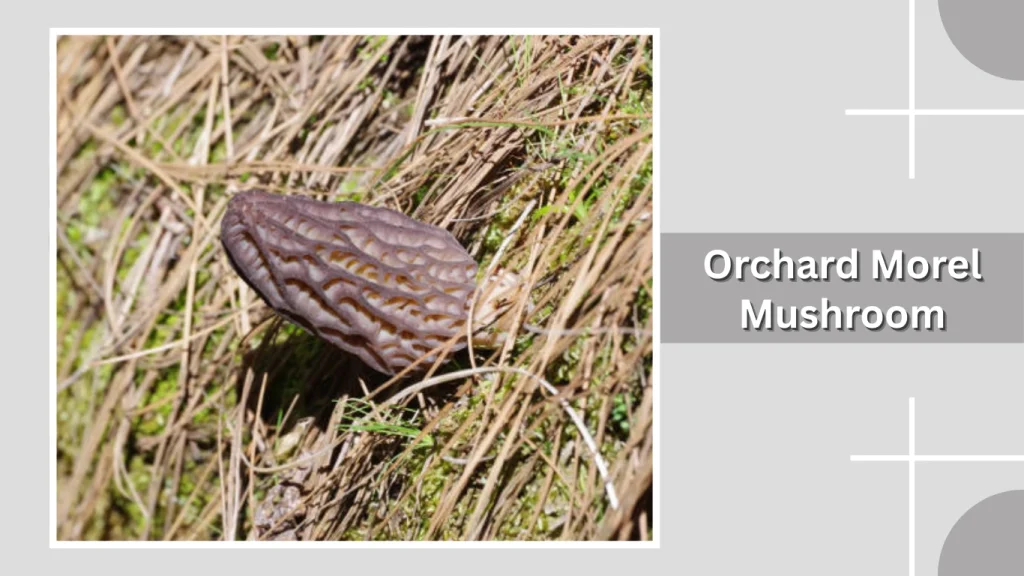
Orchard Morel mushrooms are a type of true morel frequently found in old orchards and areas with fruit trees. They are especially associated with aging or dying apple trees, making abandoned orchards prime locations for foragers. Orchard morels are appreciated for their classic shape, reliable appearance, and pleasant flavor.
Identification
- Oval to cone-shaped cap with a honeycomb pattern
- Light tan to yellow-brown ridges
- Cap fully attached to the stem
- Completely hollow interior
- Thick, pale stem
Habitat
Orchard morels grow in old apple orchards, abandoned farms, and areas with decaying fruit tree roots. They prefer well-drained soil rich in organic matter and usually appear in spring after rainfall. These mushrooms often return to the same locations year after year.
Flavor Profile
Orchard morels have a mild to moderately rich earthy and nutty flavor. Their taste is similar to yellow and common morels, with a smooth, balanced profile that works well in many recipes. The texture is tender yet meaty when cooked.
Culinary Use
Orchard morels are commonly sautéed, pan-fried, or used in pasta, rice, sauces, and egg dishes. They pair well with butter, garlic, herbs, and light seasonings. As with all true morels, orchard morels must always be thoroughly cooked before consumption.
25. Riverbank Morel Mushroom
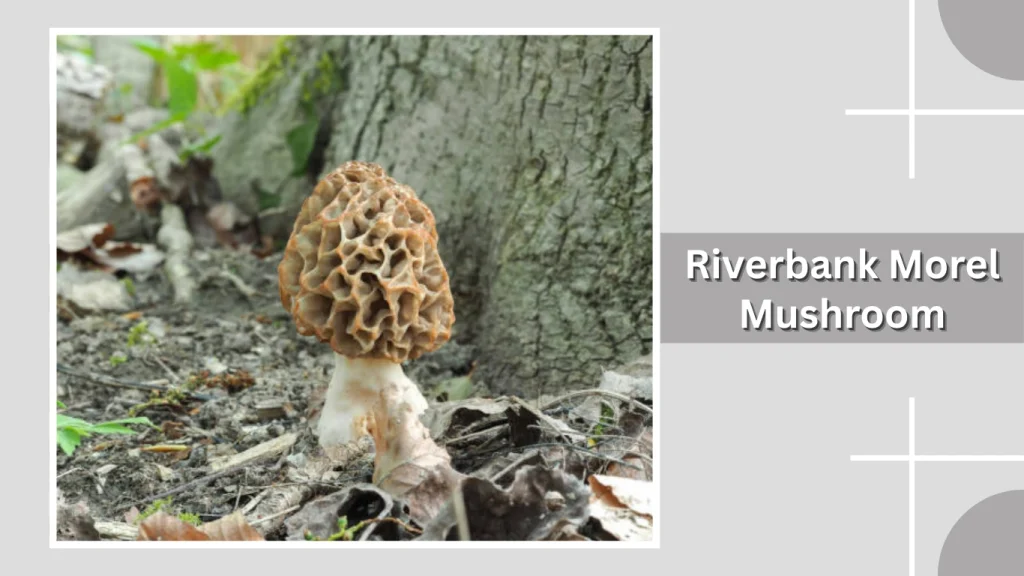
Riverbank Morel mushrooms are a true morel variety commonly found along rivers, streams, and floodplains. They thrive in moist environments with nutrient-rich soil deposited by seasonal flooding. Riverbank morels are valued for their healthy growth, classic morel structure, and dependable spring appearance.
Identification
- Medium to large size with an oval to cone-shaped cap
- Light brown to yellowish ridges with pale pits
- Cap fully attached to the stem
- Hollow interior from cap to base
- Thick, pale stem
Habitat
Riverbank morels grow along riverbanks, stream edges, floodplains, and low-lying wooded areas. They are often associated with cottonwood, elm, ash, and sycamore trees. These mushrooms prefer moist soil and moderate spring temperatures and commonly appear after periods of rainfall or receding floodwaters.
Flavor Profile
Riverbank morels have a mild to moderately rich earthy and nutty flavor. Their taste is clean and balanced, making them suitable for a wide variety of dishes. The texture is tender yet meaty and holds up well during cooking.
Culinary Use
Riverbank morels are commonly sautéed, pan-fried, or used in soups, pasta, rice, and creamy sauces. They absorb butter and seasonings effectively. As with all true morels, riverbank morels must always be thoroughly cooked before consumption.
26. Forest Morel Mushroom
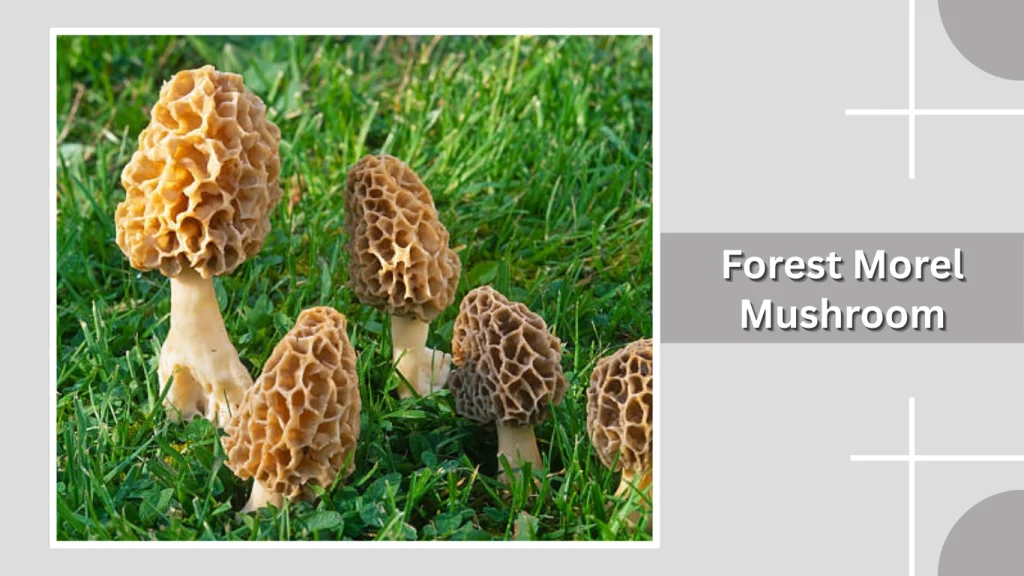
Forest Morel mushrooms are classic true morels commonly found throughout wooded environments. They represent the traditional habitat most people associate with morel hunting. Forest morels are highly valued for their consistent appearance, rich flavor, and abundance during peak spring conditions.
Identification
- Oval to cone-shaped cap with a distinct honeycomb pattern
- Tan to brown ridges with lighter pits
- Cap fully attached to the stem
- Completely hollow interior
- Thick, pale to off-white stem
Habitat
Forest morels grow in deciduous and mixed forests with rich leaf litter. They are often found near elm, ash, oak, maple, and poplar trees. These mushrooms prefer moist, well-drained soil and moderate spring temperatures. They commonly appear after spring rains and may grow singly or in scattered groups.
Flavor Profile
Forest morels have a rich, earthy, and nutty flavor that represents the classic morel taste. Their texture is tender yet meaty, making them ideal for many cooking styles. They absorb butter, oils, and sauces very well without becoming soggy.
Culinary Use
Forest morels are commonly sautéed, pan-fried, or added to pasta, rice, soups, and sauces. They also work well in omelets and meat dishes. Like all true morels, forest morels must always be thoroughly cooked before eating to ensure safety.
27. Spring Morel Mushroom
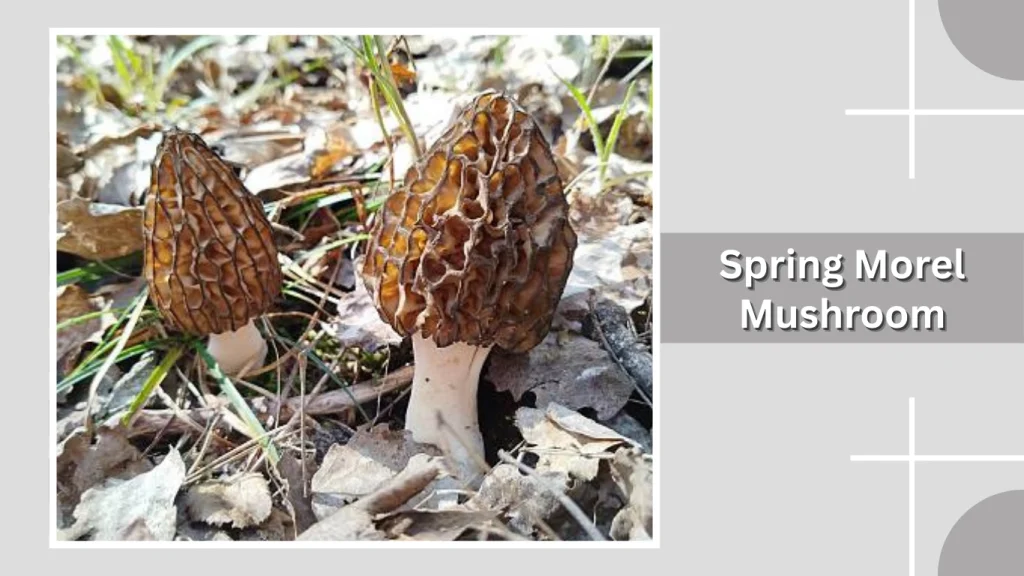
Spring Morel mushrooms are the final category in this list and represent the seasonal group of morels that appear during spring. They include various true morel types that fruit as soil temperatures rise and moisture becomes consistent. Spring morels are highly anticipated by foragers and are considered one of the most prized seasonal wild mushrooms.
Identification
- Oval to cone-shaped cap with a honeycomb pattern
- Cap color ranges from tan to yellow or brown
- Cap fully attached to the stem
- Hollow interior throughout
- Pale, sturdy stem
Habitat
Spring morels grow in a wide range of environments, including hardwood forests, orchards, riverbanks, grasslands, and burn areas. They are often associated with elm, ash, poplar, apple, and cottonwood trees. Moist soil, warming temperatures, and spring rainfall are key factors for their growth.
Flavor Profile
Spring morels have a rich, earthy, and nutty flavor that defines the morel mushroom experience. Their taste can vary slightly depending on habitat and soil conditions, but the overall flavor remains highly desirable. The texture is tender and meaty when cooked.
Culinary Use
Spring morels are commonly sautéed, pan-fried, or used in pasta, rice, soups, and sauces. They are also excellent for drying and preserving for later use. As with all true morels, spring morels must always be thoroughly cooked before consumption.
FAQs
What makes morel mushrooms different from other mushrooms?
Morel mushrooms are unique because of their honeycomb-like caps and completely hollow interior. Unlike many mushrooms, their spongy structure absorbs flavors extremely well. They are also seasonal, appearing mainly in spring, which makes them highly prized and more expensive than many common mushrooms.
Are all morel mushrooms safe to eat?
Only true morels from the Morchella genus are safe to eat when properly cooked. False morels can be toxic and should be avoided. Even true morels must never be eaten raw, as they contain compounds that can cause digestive issues if not fully cooked.
When is the best time to find morel mushrooms?
Morel mushrooms typically appear in spring, when soil temperatures warm and moisture levels are high. The exact timing depends on climate, location, and elevation. Early spring brings black and gray morels, while yellow and blonde morels appear later in the season.
How should morel mushrooms be cleaned before cooking?
Morels should be sliced lengthwise and gently rinsed to remove dirt, insects, and debris trapped in the pits. A brief soak in salted water can help remove insects, but they should not be soaked too long to avoid losing flavor and texture.
Why are morel mushrooms considered a delicacy?
Morels are considered a delicacy due to their rich, nutty flavor, meaty texture, and limited seasonal availability. They cannot be easily mass-produced like cultivated mushrooms, which makes them rare. Their strong culinary reputation also adds to their high market value.