





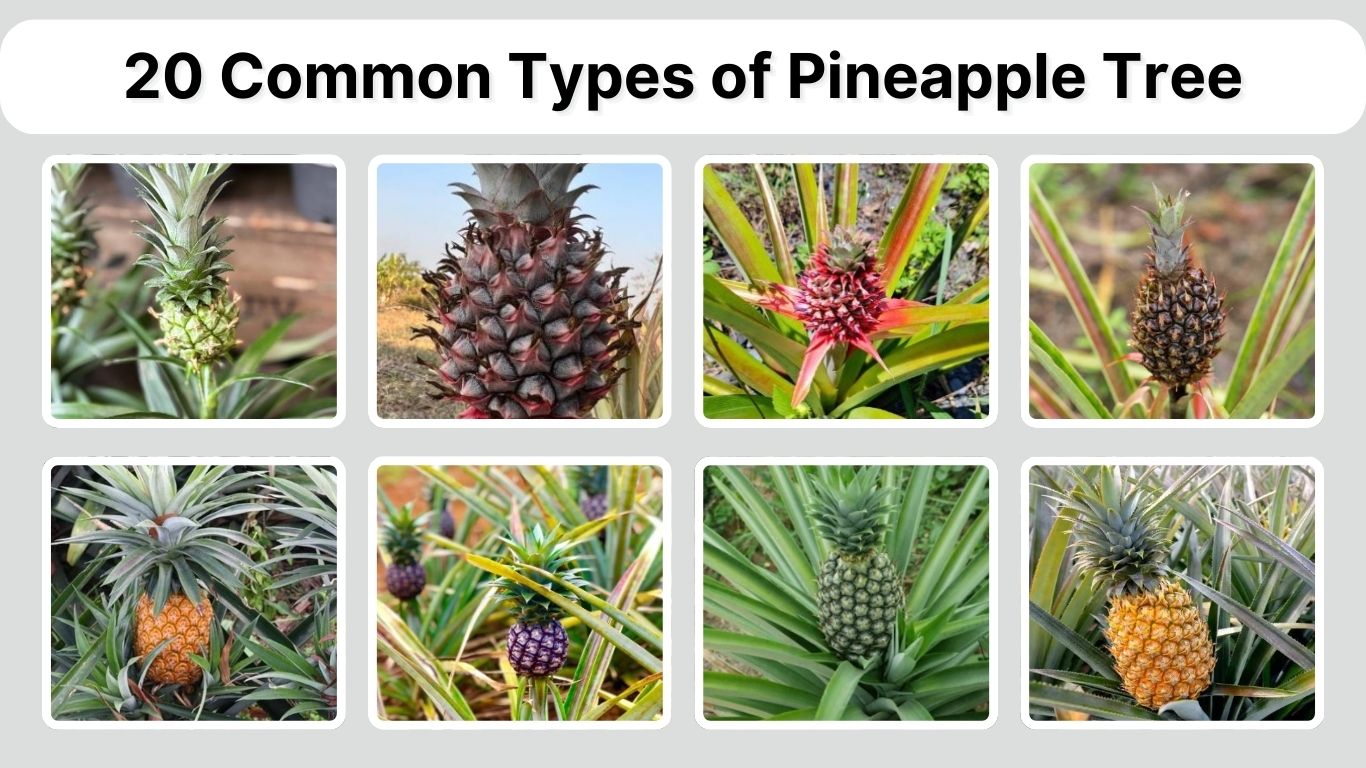
Pineapples are one of the most popular tropical fruits in the world, loved for their sweet flavor, juicy flesh, and refreshing aroma. Although many people call them “pineapple trees,” pineapples actually grow on short, spiky plants close to the ground. There are many different pineapple types, each with its own taste, size, color, and texture. Some varieties are grown mainly for global markets, while others are prized locally for their exceptional sweetness and aroma.
1. Smooth Cayenne Pineapple

Smooth Cayenne is one of the most widely grown pineapple types, known for its large, cylindrical fruit and balanced sweet-tart flavor. It’s commonly used for fresh eating and canning because it has juicy, pale-yellow flesh and a fairly uniform shape that ships well.
Identification
- Fruit shape: Cylindrical to slightly barrel-shaped
- Skin color (ripe): Golden-yellow with shallow “eyes”
- Flesh: Pale yellow, very juicy
- Flavor: Sweet with mild acidity
- Spines: Mostly spineless leaves (or very few)
Taste Profile
Smooth Cayenne has a classic pineapple taste—sweet, juicy, and slightly tangy. The acidity is noticeable but not sharp, which makes it popular for juice, desserts, and canning.
Growing Habit
This variety typically grows as a strong, upright plant with long, arching leaves. It’s valued in farming because the fruit size is consistent and the plants perform well in warm, tropical conditions.
Common Uses
Smooth Cayenne is used for fresh slices, pineapple juice, jams, and canned pineapple rings. Its uniform size and juicy flesh make it a top choice for processing industries worldwide.
2. Queen Pineapple

Queen pineapple is a popular traditional variety known for its smaller size, bright aroma, and very sweet flavor. It’s widely grown in tropical regions and is especially loved for fresh eating because of its firm texture and rich, honey-like taste.
Identification
- Fruit shape: Small to medium, conical
- Skin color (ripe): Deep golden yellow
- Flesh: Bright yellow, firm and crisp
- Flavor: Very sweet, low acidity
- Spines: Spiny leaf edges
Taste Profile
Queen pineapple is sweeter and more aromatic than many commercial types. The low acidity gives it a dessert-like flavor, making it excellent for eating raw.
Growing Habit
Queen plants are more compact than Smooth Cayenne and produce smaller but highly flavorful fruits. They adapt well to home gardens and small farms in warm climates.
Common Uses
This variety is mainly used for fresh consumption, fruit salads, desserts, and local markets where flavor is preferred over large fruit size.
3. Red Spanish Pineapple
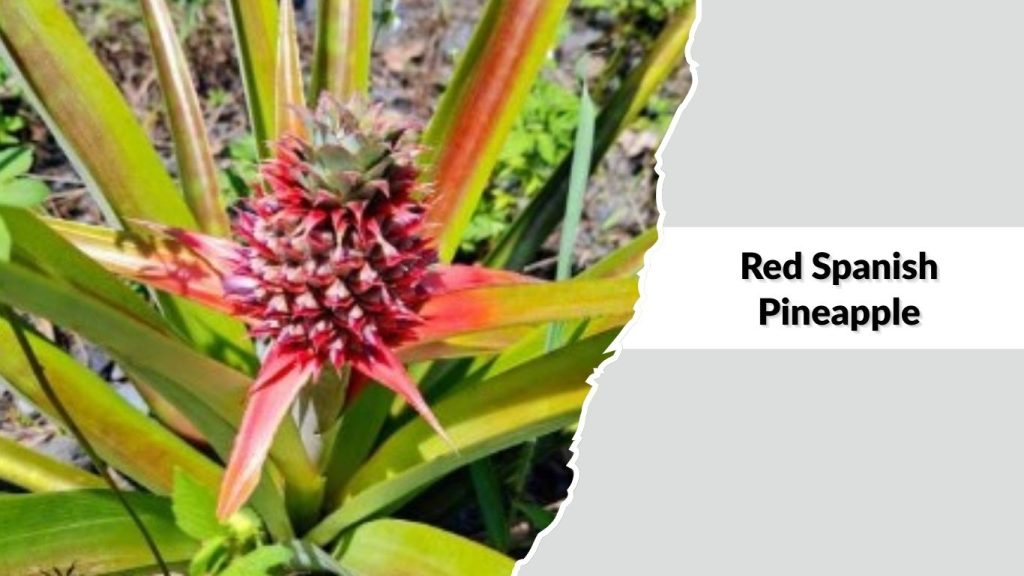
Red Spanish pineapple is a hardy, traditional variety recognized for its reddish-orange skin, strong aroma, and fibrous flesh. It’s commonly grown in the Caribbean and parts of Central America, where it’s valued for its disease resistance and long shelf life.
Identification
- Fruit shape: Round to slightly oval
- Skin color (ripe): Reddish-orange to deep orange
- Flesh: Pale yellow, firm, slightly fibrous
- Flavor: Mildly sweet with noticeable acidity
- Spines: Spiny leaves
Taste Profile
Red Spanish has a more tangy taste compared to dessert-type pineapples. The flavor is refreshing but less sugary, which makes it suitable for processing and cooking.
Growing Habit
This variety grows on tough, vigorous plants that tolerate pests and rough handling well. Because of its firm skin and structure, it ships better than many softer pineapple types.
Common Uses
Red Spanish is widely used for juicing, cooking, and canning. It’s also popular in local markets where durability and storage life are important.
4. Abacaxi Pineapple
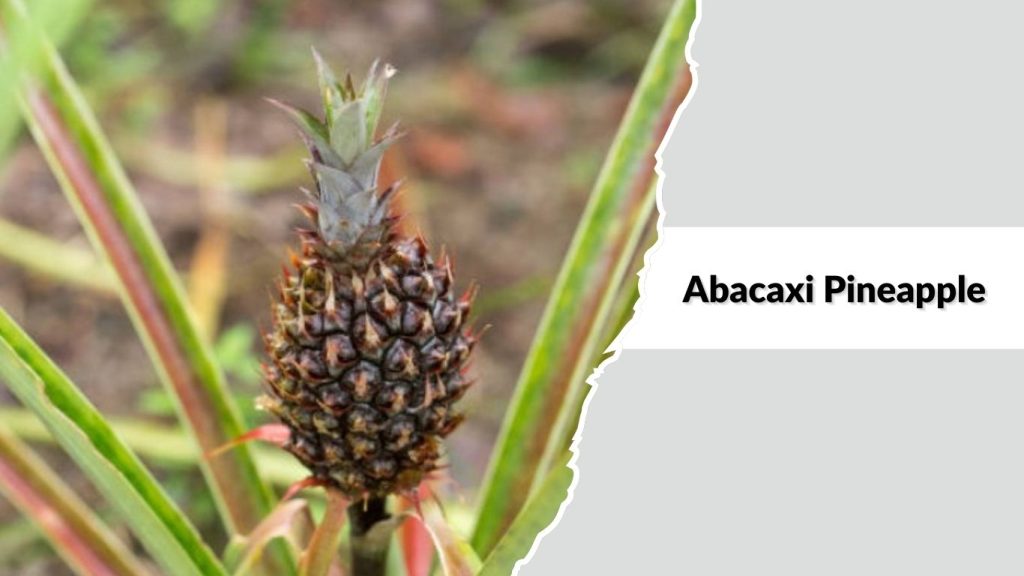
Abacaxi pineapple is a prized South American variety known for its exceptional sweetness, soft flesh, and strong tropical aroma. It’s often considered one of the best-tasting pineapples, though it’s less common commercially because the fruit bruises easily.
Identification
- Fruit shape: Tall, slightly conical
- Skin color (ripe): Light yellow to golden
- Flesh: White to pale yellow, very tender
- Flavor: Extremely sweet, low acidity
- Spines: Long, spiny leaves
Taste Profile
Abacaxi is famous for its honey-like sweetness and delicate texture. The low acid content makes it gentle on the palate and perfect for fresh eating.
Growing Habit
The plants are vigorous but the fruits are softer and more delicate than many export varieties. They perform best in warm, humid tropical regions.
Common Uses
Abacaxi is mainly eaten fresh, used in fruit bowls, juices, and traditional desserts where premium flavor is more important than long storage life.
5. Pernambuco Pineapple
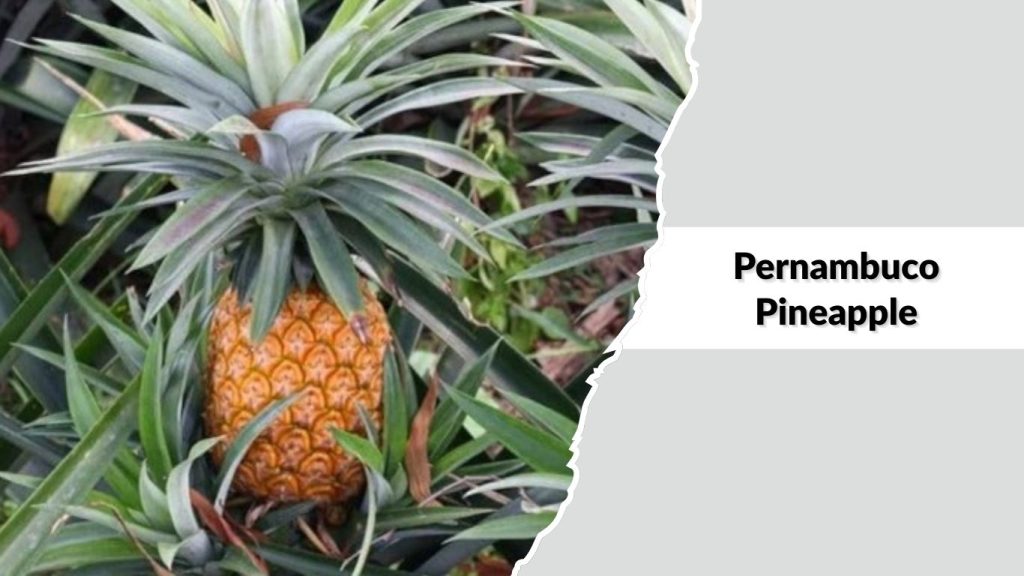
Pernambuco pineapple is a traditional Brazilian variety admired for its juicy flesh, strong fragrance, and very sweet taste. It is closely related to Abacaxi types and is often grown for local markets because of its superior flavor and soft texture.
Identification
- Fruit shape: Elongated to conical
- Skin color (ripe): Light yellow to golden
- Flesh: White to pale yellow, very juicy
- Flavor: Very sweet, low acidity
- Spines: Spiny leaves
Taste Profile
Pernambuco has a rich, sugary flavor with a pleasant tropical aroma. Its sweetness is higher than many commercial pineapples, making it especially popular for fresh consumption.
Growing Habit
Plants are moderately vigorous and prefer warm, well-drained tropical environments. The fruit is more delicate than export varieties, so it’s usually sold locally.
Common Uses
This pineapple is mainly used fresh, in juices, smoothies, and traditional sweets, where its natural sweetness can shine without heavy processing.
6. Sugarloaf Pineapple
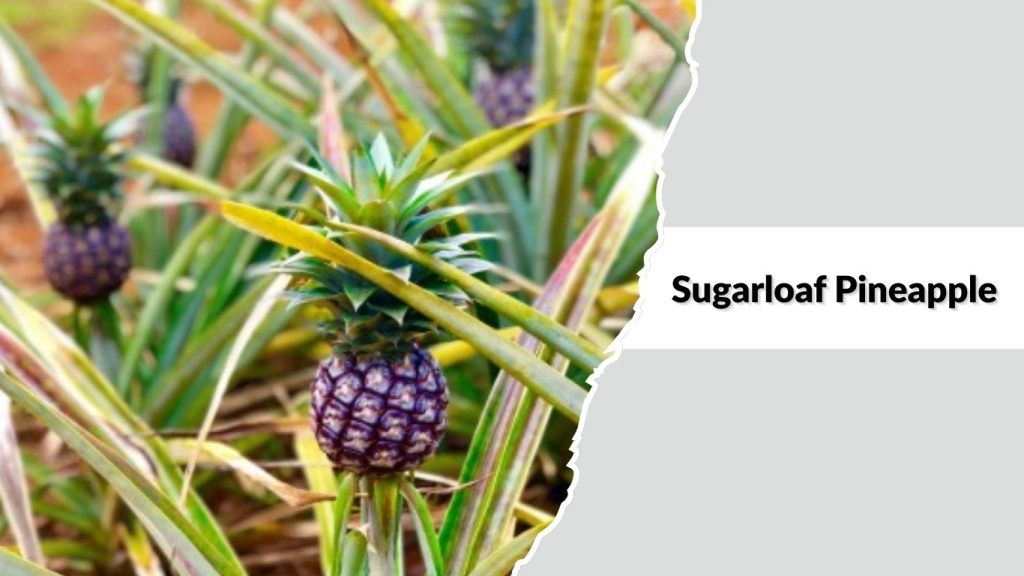
Sugarloaf pineapple is a highly prized variety known for its almost pure sweetness, very low acidity, and white, melt-in-the-mouth flesh. It is especially popular in parts of West Africa and among pineapple lovers who prefer a very mild, candy-like flavor.
Identification
- Fruit shape: Tall, cylindrical to conical
- Skin color (ripe): Light green to pale yellow
- Flesh: White, extremely juicy and soft
- Flavor: Intensely sweet, very low acid
- Spines: Mostly smooth leaves, few spines
Taste Profile
Sugarloaf tastes sweeter than most pineapples, with almost no sharp tang. The flavor is clean and sugary, often compared to sugarcane or honey.
Growing Habit
The plants grow vigorously in warm, humid climates and produce medium to large fruits. Because the flesh is very soft, the fruits are more delicate during transport.
Common Uses
Sugarloaf pineapple is best eaten fresh, used in fresh juices, smoothies, and desserts where a very sweet, low-acid pineapple is desired.
7. Kona Sugarloaf Pineapple
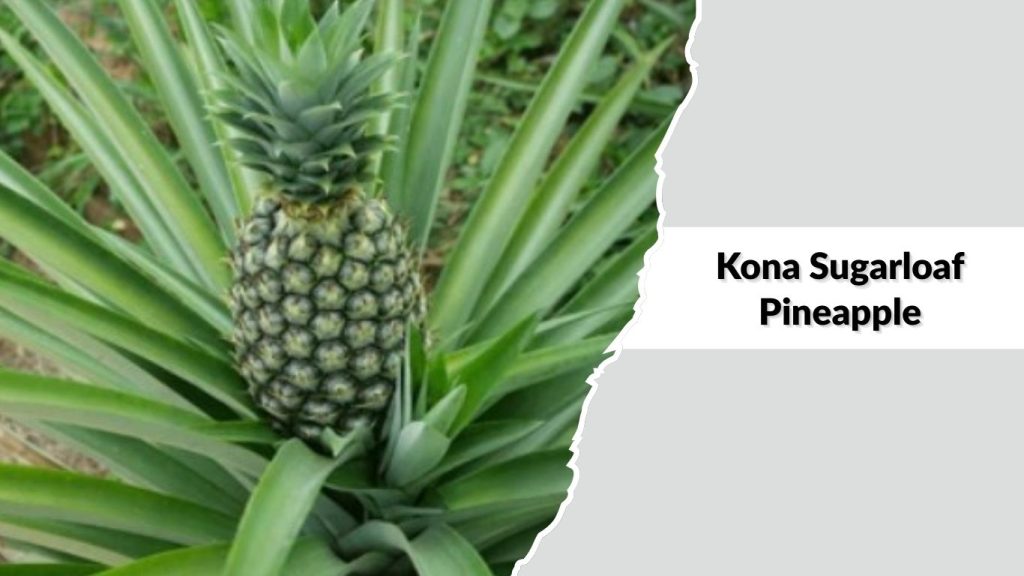
Kona Sugarloaf is a premium Hawaiian variety famous for its snow-white flesh, ultra-sweet flavor, and extremely low acidity. It’s often considered a gourmet pineapple and is mostly sold fresh rather than used for large-scale processing.
Identification
- Fruit shape: Cylindrical, slightly tapered
- Skin color (ripe): Light green to soft yellow
- Flesh: Pure white, very juicy and tender
- Flavor: Exceptionally sweet, almost no tang
- Spines: Mostly smooth leaves
Taste Profile
Kona Sugarloaf has a candy-like sweetness with a mild, smooth finish. The lack of sharp acid makes it easy to eat fresh and very appealing to people who find normal pineapples too tart.
Growing Habit
This variety grows best in warm island climates with good air circulation and well-drained soil. Plants are moderately vigorous and produce medium-sized, high-quality fruit.
Common Uses
Kona Sugarloaf is mainly eaten fresh, used in fruit platters, premium desserts, and fresh juices where pure sweetness is the main attraction.
8. MD-2 (Golden) Pineapple
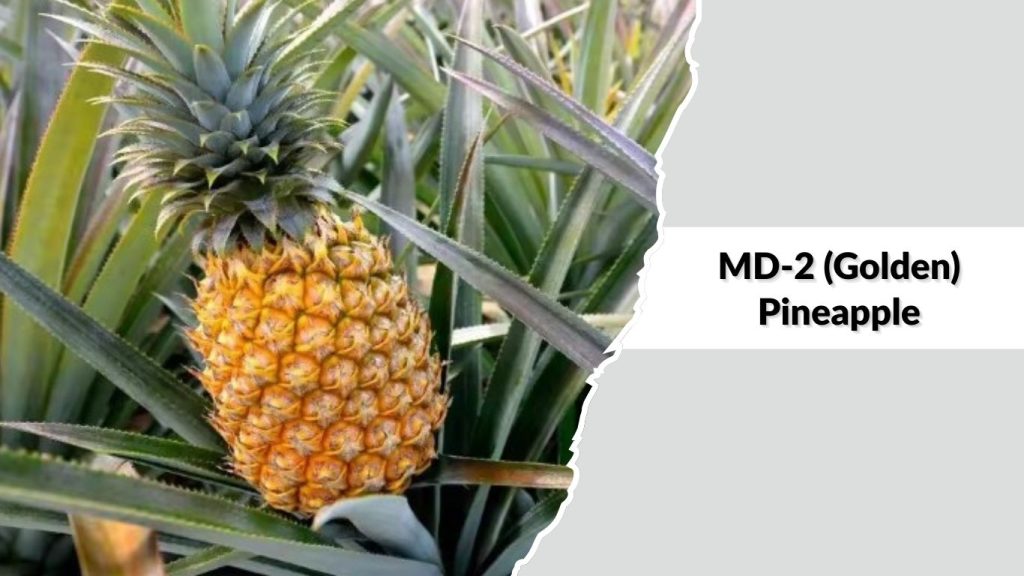
MD-2, often called Golden Pineapple, is the most popular commercial pineapple in the world today. It’s known for its bright golden color, uniform shape, long shelf life, and consistently sweet flavor with low acidity.
Identification
- Fruit shape: Cylindrical and very uniform
- Skin color (ripe): Bright golden yellow
- Flesh: Deep yellow, dense and juicy
- Flavor: Sweet with mild acidity
- Spines: Mostly spineless leaves
Taste Profile
MD-2 offers a reliable balance of sweetness and light tang. Compared to older commercial types, it is sweeter, less acidic, and more aromatic.
Growing Habit
Plants are bred for commercial farming, producing consistent fruit size and color. They grow well in tropical lowlands and are resistant to many common pineapple diseases.
Common Uses
MD-2 is widely used for fresh fruit markets, supermarkets, fruit trays, and juice production due to its attractive appearance and long storage life.
9. Victoria Pineapple
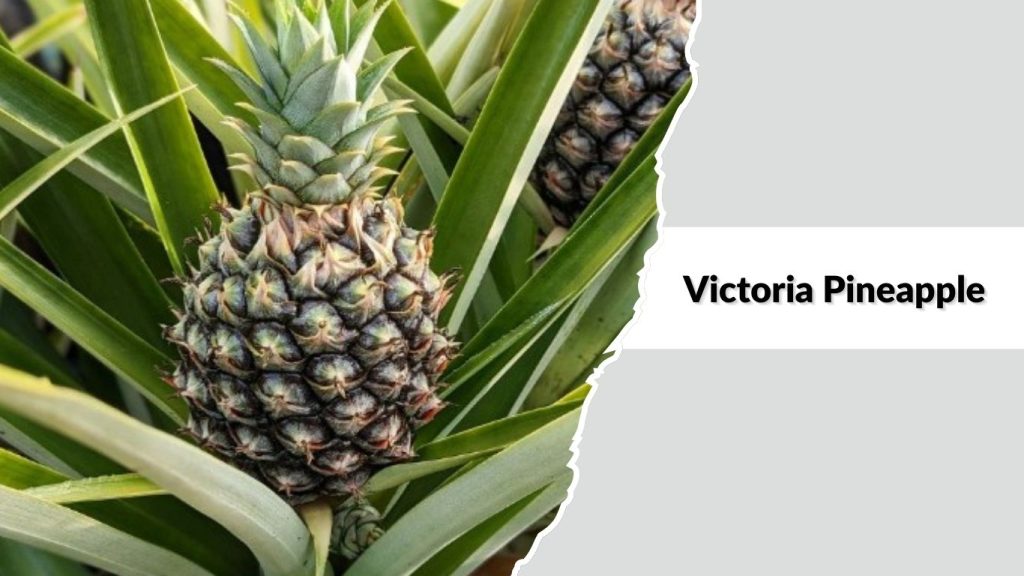
Victoria pineapple is a small, premium variety famous for its intense sweetness, rich aroma, and tender, golden flesh. It is especially popular in Réunion Island and parts of the Indian Ocean region, where it’s considered a gourmet fruit.
Identification
- Fruit shape: Small, round to slightly conical
- Skin color (ripe): Bright golden orange
- Flesh: Deep yellow, fine-textured
- Flavor: Very sweet, low acidity
- Spines: Spiny leaves
Taste Profile
Victoria pineapple has a concentrated pineapple flavor—very sweet with a pleasant, tropical fragrance. Its low acidity makes it smooth and enjoyable to eat fresh.
Growing Habit
This variety grows on compact plants and produces smaller fruits, but with very high sugar content. It thrives in warm, humid island climates.
Common Uses
Victoria pineapple is mainly eaten fresh, used in desserts, fruit cups, and premium fruit platters where flavor is more important than size.
10. Natal Queen Pineapple
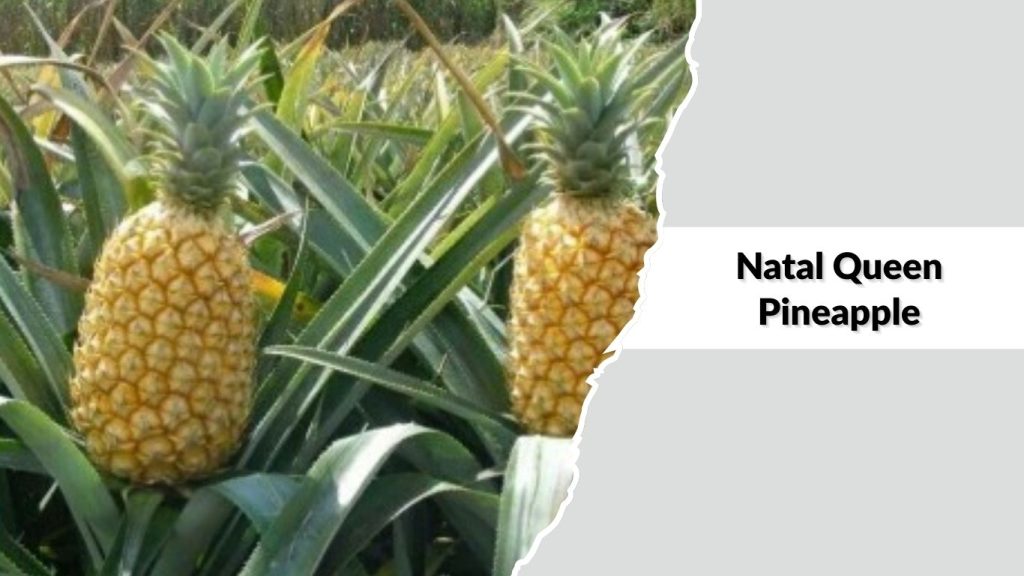
Natal Queen is a classic dessert pineapple variety known for its firm texture, bright golden flesh, and rich sweetness. It is widely grown in South Africa and other warm regions, where it’s valued for fresh markets because of its strong aroma and excellent eating quality.
Identification
- Fruit shape: Small to medium, conical
- Skin color (ripe): Golden yellow
- Flesh: Bright yellow, firm and crisp
- Flavor: Sweet, aromatic, low acidity
- Spines: Spiny leaf margins
Taste Profile
Natal Queen has a pleasantly sweet, fragrant flavor with only mild tang. The firm flesh makes it feel crisp when eaten fresh, unlike softer processing varieties.
Growing Habit
Plants are relatively compact and hardy, producing smaller but high-quality fruits. They perform well in warm, sunny climates with good drainage.
Common Uses
This pineapple is mostly eaten fresh, used in fruit salads, desserts, and local fresh-fruit markets where taste and aroma are top priorities.
11. Ripley Queen Pineapple

Ripley Queen is a selection from the Queen group, valued for its attractive color, strong fragrance, and very sweet, firm flesh. It’s often grown for fresh markets where smaller, highly flavorful pineapples are preferred.
Identification
- Fruit shape: Small to medium, conical
- Skin color (ripe): Deep golden yellow
- Flesh: Bright yellow, firm and juicy
- Flavor: Very sweet, low acidity
- Spines: Spiny leaves
Taste Profile
Ripley Queen delivers a rich, dessert-like sweetness with a noticeable pineapple aroma. The low acid level makes it smooth and pleasant to eat fresh.
Growing Habit
The plants are compact and well-suited to warm climates. Fruits are smaller than commercial export types but are highly valued for their superior taste.
Common Uses
This variety is mainly used for fresh eating, fruit platters, home gardens, and specialty markets that focus on flavor over fruit size.
12. Singapore Spanish Pineapple
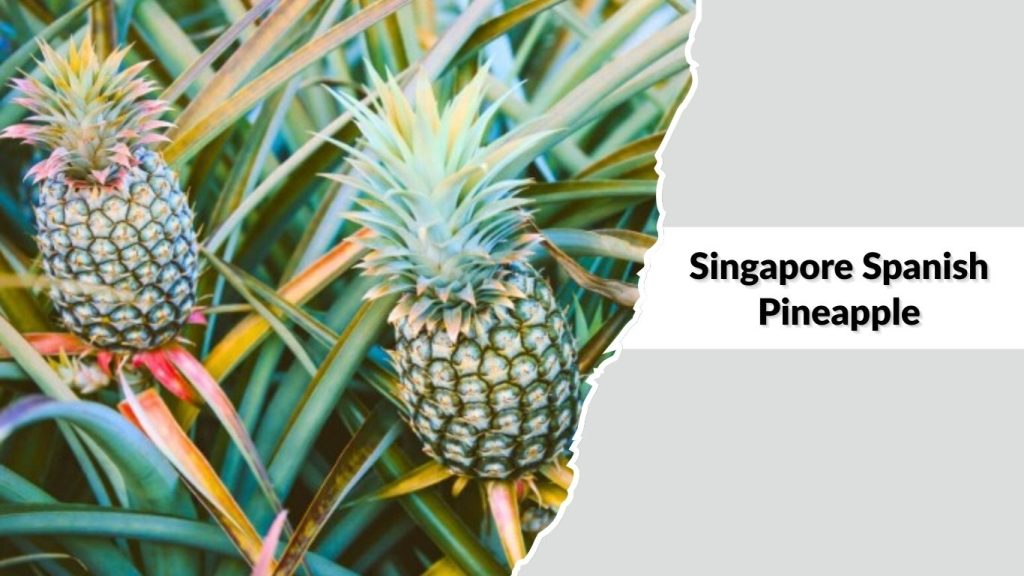
Singapore Spanish is a hardy pineapple variety known for its round shape, reddish-gold skin, and firm flesh. It is commonly grown in Southeast Asia and is appreciated for its disease resistance and ability to tolerate handling and transport.
Identification
- Fruit shape: Round to slightly oval
- Skin color (ripe): Reddish-gold to orange
- Flesh: Pale yellow, firm, slightly fibrous
- Flavor: Mildly sweet with noticeable acidity
- Spines: Spiny leaves
Taste Profile
This pineapple has a more tangy and refreshing taste compared to dessert varieties. The sweetness is moderate, balanced by a sharper acidic bite.
Growing Habit
Singapore Spanish plants are vigorous and tough, making them suitable for tropical lowlands with heavy rainfall. They are often chosen for their reliability rather than premium sweetness.
Common Uses
It is mainly used for juicing, cooking, and processing, as well as for local fresh markets where durability is important.
13. Monte Lirio Pineapple
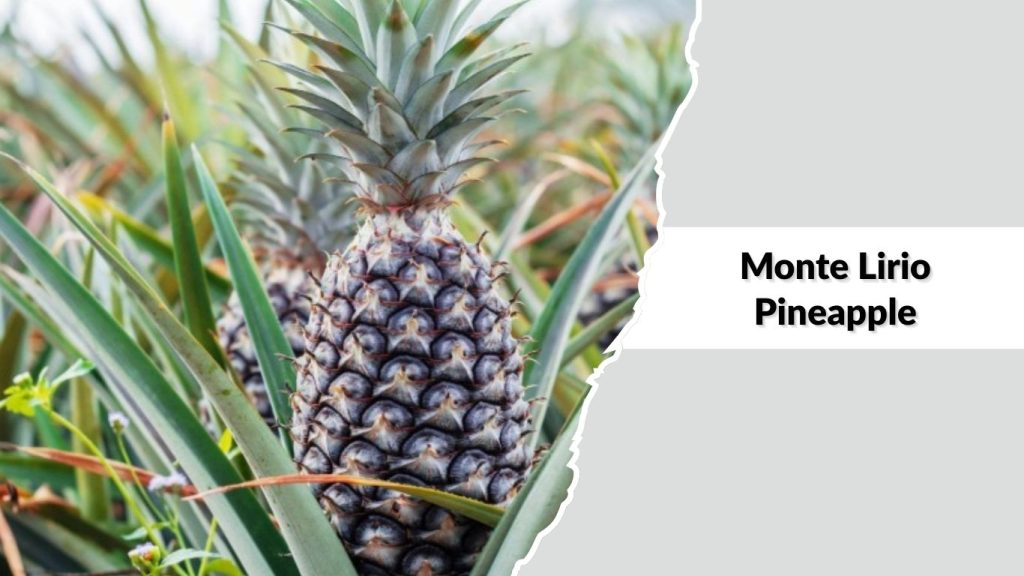
Monte Lirio pineapple is a traditional Central American variety valued for its juicy flesh, balanced sweetness, and pleasant tropical aroma. It’s often grown on small farms and home gardens for local consumption.
Identification
- Fruit shape: Medium-sized, cylindrical to slightly conical
- Skin color (ripe): Yellow to golden
- Flesh: Yellow, juicy, moderately firm
- Flavor: Sweet with mild acidity
- Spines: Spiny leaves
Taste Profile
Monte Lirio offers a classic pineapple flavor—sweet, refreshing, and lightly tangy. It’s not as sugary as dessert types but is well balanced and aromatic.
Growing Habit
The plants are moderately vigorous and adapt well to warm, tropical conditions. Fruits are medium-sized and suited more to local markets than long-distance shipping.
Common Uses
This variety is used for fresh eating, juices, and home-style cooking, making it popular in household gardens and small-scale farms.
14. Pernambuco Eleuthera Pineapple
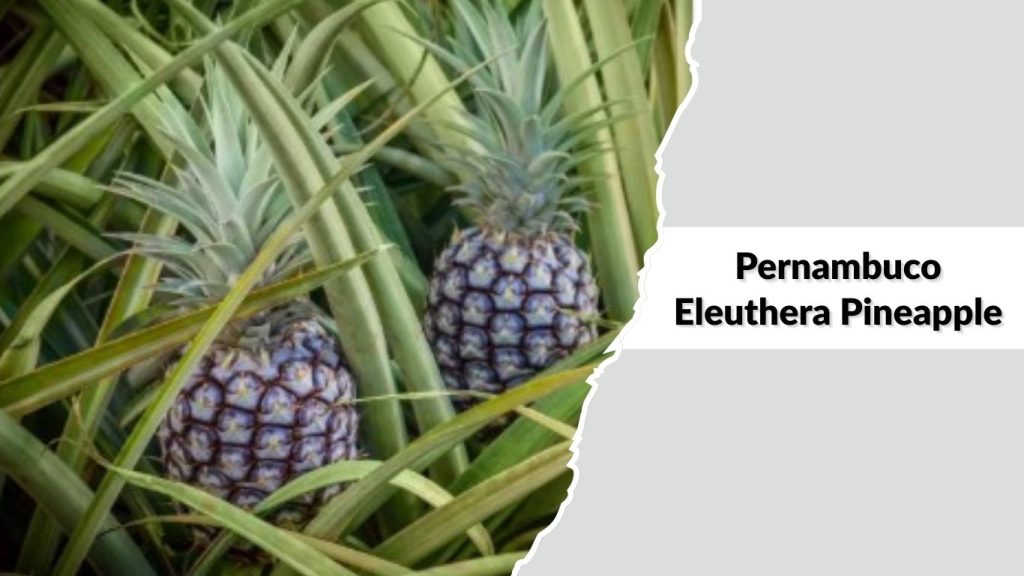
Pernambuco Eleuthera is a regional pineapple type related to the Pernambuco/Abacaxi group, known for its fragrant aroma, soft flesh, and very sweet, low-acid taste. It is mainly grown in limited areas and valued locally for fresh eating.
Identification
- Fruit shape: Elongated, slightly conical
- Skin color (ripe): Light yellow to golden
- Flesh: White to pale yellow, very juicy
- Flavor: Very sweet, low acidity
- Spines: Spiny leaves
Taste Profile
This pineapple has a gentle, honey-like sweetness with almost no sharp tang. The aroma is strong and tropical, making it very appealing when fully ripe.
Growing Habit
Plants prefer warm, humid climates and well-drained soil. Fruits are delicate, so they are usually sold close to where they are grown.
Common Uses
Pernambuco Eleuthera is mostly eaten fresh, used in juices, fruit bowls, and traditional desserts where premium sweetness is desired.
15. Brecheche Pineapple
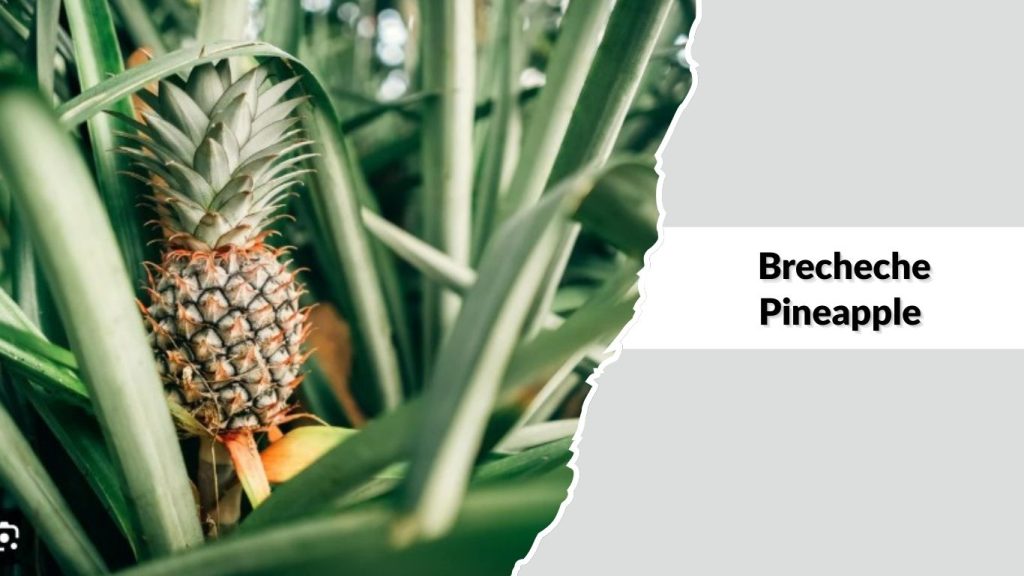
Brecheche pineapple is a lesser-known traditional variety appreciated for its juicy flesh, pleasant aroma, and balanced sweet-tart flavor. It is mainly grown on a small scale and used locally rather than in large commercial export systems.
Identification
- Fruit shape: Medium-sized, round to slightly conical
- Skin color (ripe): Yellow to golden with shallow eyes
- Flesh: Yellow, juicy, moderately firm
- Flavor: Sweet with mild acidity
- Spines: Spiny leaves
Taste Profile
Brecheche has a classic pineapple taste with a noticeable sweetness followed by a light tang. The flavor is refreshing and aromatic.
Growing Habit
The plants are moderately vigorous and grow well in warm tropical regions. Fruits are not as uniform as modern hybrids, but they are valued for flavor.
Common Uses
This variety is used for fresh eating, juices, and home-style recipes, especially in regions where traditional pineapple types are preferred.
16. Hilo Pineapple
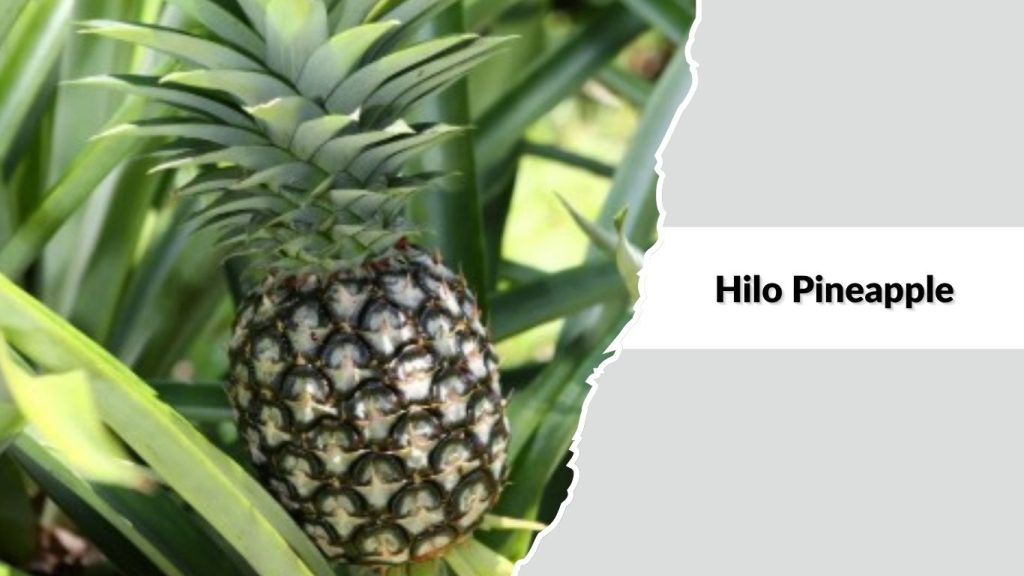
Hilo pineapple is a Hawaiian-associated variety known for its pleasant sweetness, good juiciness, and attractive golden color when ripe. It has been grown both for local markets and small-scale commercial production.
Identification
- Fruit shape: Medium-sized, cylindrical
- Skin color (ripe): Golden yellow
- Flesh: Yellow, juicy, moderately firm
- Flavor: Sweet with mild acidity
- Spines: Few to moderate spines
Taste Profile
Hilo pineapple offers a well-balanced flavor—sweet, juicy, and lightly tangy. It’s smoother than older processing types but not as intensely sweet as Sugarloaf or Queen varieties.
Growing Habit
Plants grow vigorously in warm, tropical environments and produce fairly uniform fruit. They are adaptable and perform well in well-drained soils.
Common Uses
This pineapple is suitable for fresh eating, slicing, juices, and light processing, making it versatile for home and local market use.
17. Roxo de Tefé Pineapple
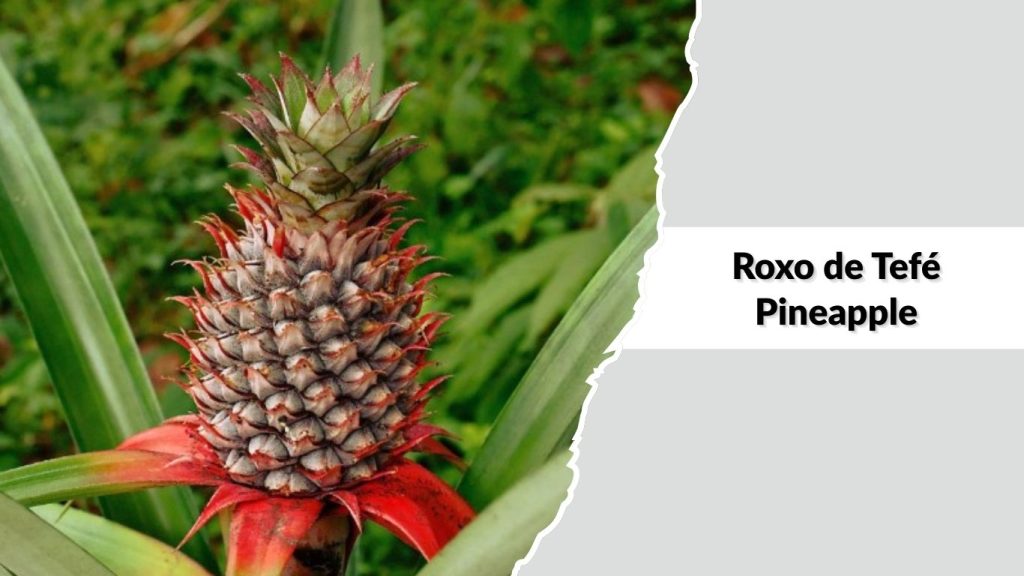
Roxo de Tefé is a rare Amazonian pineapple variety recognized for its reddish skin tones, fragrant aroma, and sweet, juicy flesh. It is traditionally grown in parts of Brazil and valued for its unique appearance and rich flavor.
Identification
- Fruit shape: Small to medium, round to slightly conical
- Skin color (ripe): Reddish to purple-tinged yellow
- Flesh: Pale yellow, juicy
- Flavor: Sweet with mild acidity
- Spines: Spiny leaves
Taste Profile
Roxo de Tefé has a pleasantly sweet taste with a light tang and strong tropical fragrance. The flavor is smoother than many wild or traditional pineapples.
Growing Habit
This variety grows well in hot, humid rainforest climates. Plants are vigorous, but fruits are usually smaller and more delicate than modern commercial types.
Common Uses
It is mainly eaten fresh and used in local juices, desserts, and traditional dishes where its aroma and sweetness can be fully enjoyed.
18. Pernambuco Giant Pineapple
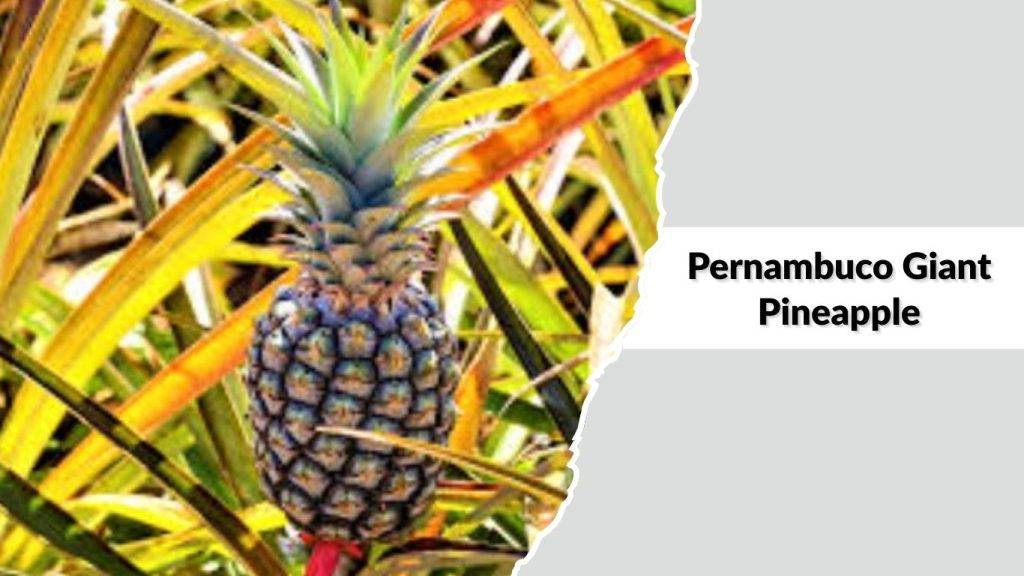
Pernambuco Giant is a large-fruited form from the Pernambuco/Abacaxi group, known for its impressive size, juicy flesh, and rich sweetness. It is often grown in tropical regions where big, flavorful pineapples are favored for fresh markets.
Identification
- Fruit shape: Very large, elongated to conical
- Skin color (ripe): Light yellow to golden
- Flesh: White to pale yellow, very juicy
- Flavor: Very sweet, low acidity
- Spines: Spiny leaves
Taste Profile
This pineapple delivers a strong sweetness with a soft, aromatic flavor. Despite its large size, the flesh remains tender and juicy.
Growing Habit
Plants are vigorous and require warm temperatures and good soil fertility to support the heavy fruits. Because of the fruit’s size and softness, careful handling is important.
Common Uses
Pernambuco Giant is mostly used fresh, in juices, and in large fruit displays or local markets where fruit size and sweetness attract buyers.
19. White Pineapple
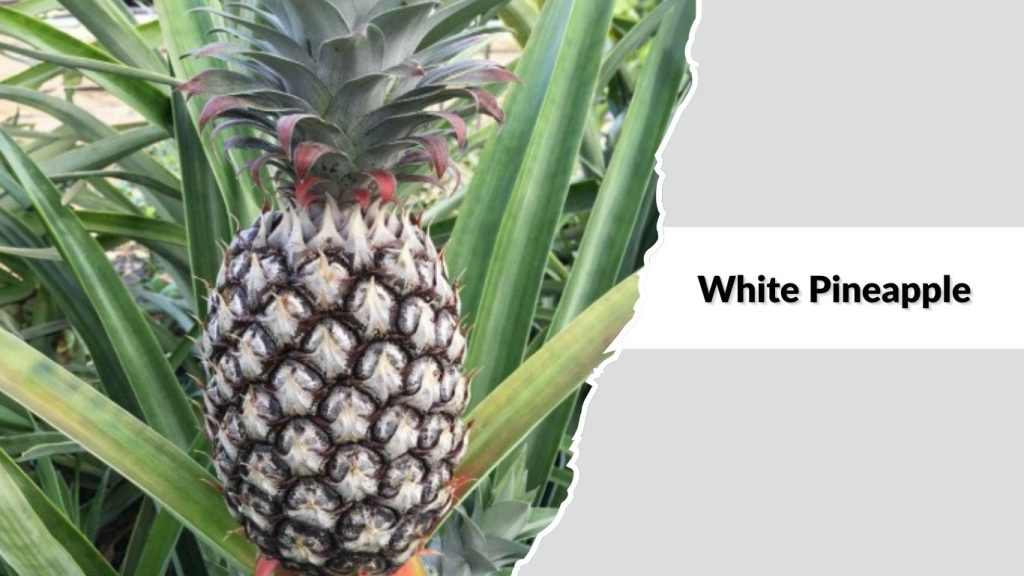
White pineapple is a general name used for several pale-fleshed pineapple types, especially from the Sugarloaf and Abacaxi groups. It is famous for its white, translucent flesh, intense sweetness, and very low acidity.
Identification
- Fruit shape: Cylindrical to slightly conical
- Skin color (ripe): Light green to pale yellow
- Flesh: White, extremely juicy and soft
- Flavor: Very sweet, almost no tang
- Spines: Few to moderate spines
Taste Profile
White pineapple tastes exceptionally sweet and smooth, with little to no sharp acid bite. Many people describe the flavor as honey-like and very refreshing.
Growing Habit
These pineapples grow best in warm tropical climates and produce medium to large fruits. The soft flesh makes them more delicate than export varieties.
Common Uses
White pineapple is mainly eaten fresh, used in premium fruit salads, fresh juices, and desserts where a mild, super-sweet pineapple is desired.
20. Cabezona Pineapple
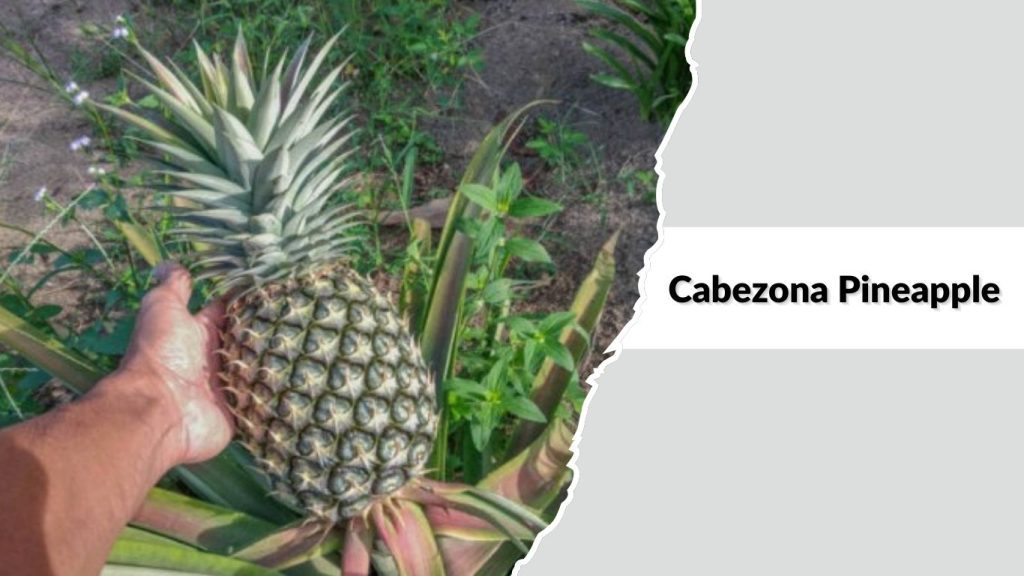
Cabezona pineapple is a distinctive variety known for its very large crown, thick rind, and aromatic, mildly sweet flesh. It has traditionally been grown in parts of Central America and Mexico and is often recognized by its bold appearance.
Identification
- Fruit shape: Large, round to slightly oval
- Skin color (ripe): Yellow to orange
- Flesh: Yellow, moderately juicy, firm
- Flavor: Mildly sweet with gentle acidity
- Spines: Spiny leaves and crown
Taste Profile
Cabezona has a lighter sweetness compared to dessert pineapples, with a noticeable refreshing tang. The aroma is pleasant, and the flesh is firm.
Growing Habit
Plants are vigorous and produce fruits with a very prominent crown. They grow well in hot tropical climates and are fairly hardy.
Common Uses
This pineapple is used for fresh eating, cooking, and local market sales, especially where traditional and visually striking varieties are appreciated.
FAQs
What is the most common type of pineapple in the world?
The most common pineapple type worldwide is MD-2, also known as Golden Pineapple. It dominates global markets because of its bright golden color, uniform shape, sweet taste, and long shelf life. Most supermarket pineapples today belong to this commercial variety.
Which pineapple is the sweetest variety?
Sugarloaf and Kona Sugarloaf pineapples are considered among the sweetest types. They have white flesh, very low acidity, and a candy-like flavor. These varieties are popular for fresh eating because they lack the sharp tang found in many standard pineapples.
Are there white-fleshed pineapples?
Yes, several pineapple varieties have white flesh, including Sugarloaf, Kona Sugarloaf, Abacaxi, and White Pineapple types. These pineapples are usually very sweet, extremely juicy, and low in acid, making them gentle on the stomach and ideal for fresh consumption.
Which pineapple types are best for fresh eating?
Queen, Victoria, Sugarloaf, Abacaxi, and Kona Sugarloaf are excellent for fresh eating. They are prized for their sweetness, aroma, and tender texture. These varieties are often grown for local or premium markets rather than long-distance commercial shipping.
Are all pineapples grown on trees?
No, pineapples do not grow on trees. They grow on low, ground-level plants with long, spiky leaves. Each plant produces a single fruit in the center. The term “pineapple tree” is commonly used, but it is not botanically accurate.