





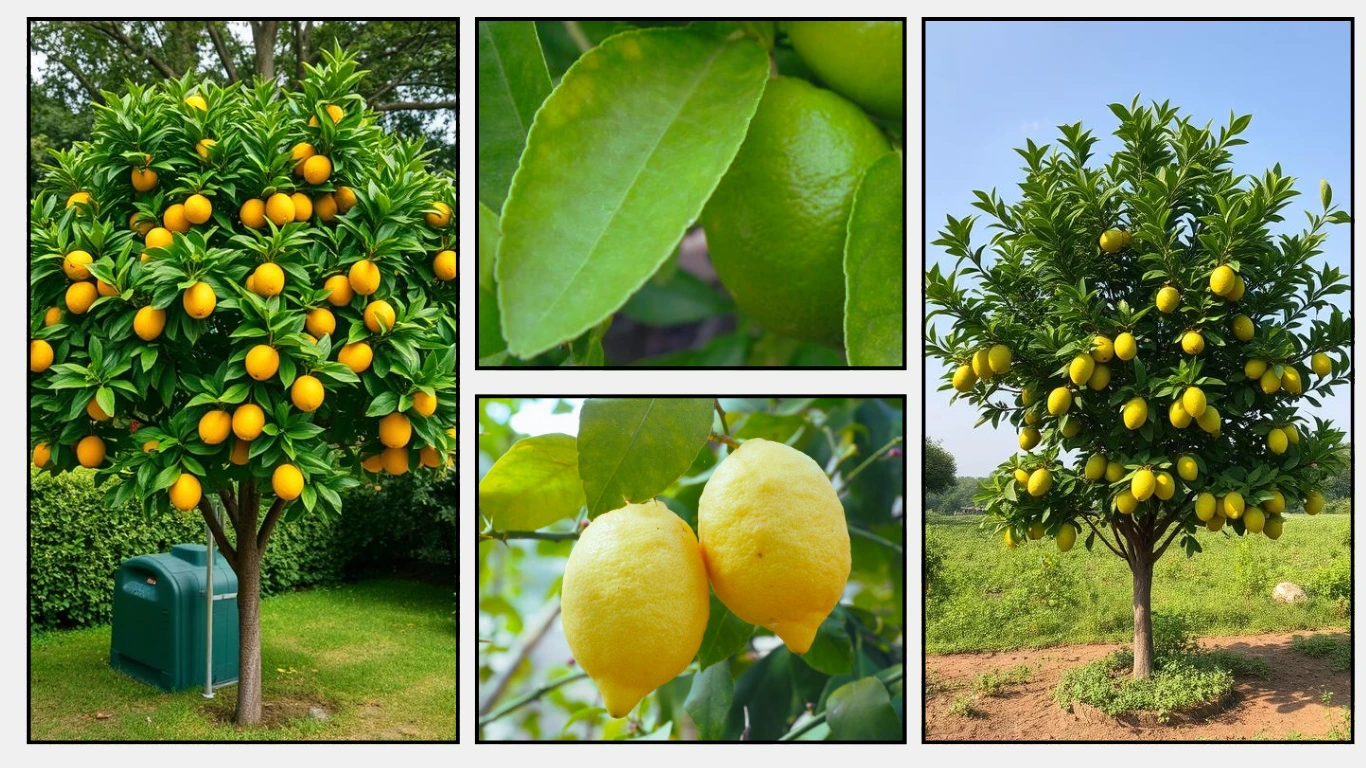
Lemon trees are not only a beautiful addition to any garden but also a practical one, offering refreshing fruits packed with vitamin C. With so many varieties available, choosing the right lemon tree for your climate, space, and taste can make all the difference.
This guide covers 20 types of lemon trees with essential information on how to identify them, grow them successfully, and when to expect harvest. Whether you’re a home gardener or planning a small orchard, this list will help you choose the perfect lemon tree.
1. Eureka Lemon Tree
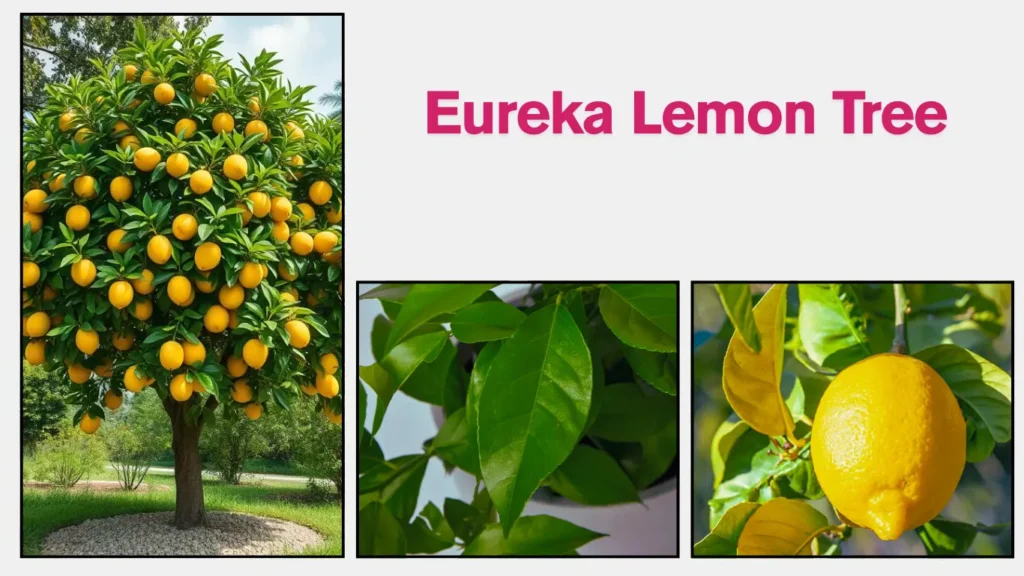
The Eureka lemon tree is one of the most widely grown lemon trees, perfect for both home gardens and commercial orchards. This tree is well-loved for its nearly year-round fruit production and its ability to thrive in warm climates. It’s a reliable choice for anyone looking to grow a consistent source of fresh, tangy lemons.
Identification
Eureka lemon trees produce medium-sized fruits with bright yellow, slightly textured rinds. The tree itself is almost thornless, featuring glossy green leaves and occasional white flowers with a hint of purple. The lemons are typically oval with a small pointed end and juicy, acidic flesh inside.
Growing and Storage Tips
This lemon tree grows best in full sun and well-drained soil. It’s ideal for USDA zones 9 to 11. Regular watering is essential, especially in dry seasons, and feeding the tree with a citrus-specific fertilizer three times a year helps boost growth. Light pruning keeps the tree healthy. Store harvested lemons at room temperature for a week or refrigerate for longer freshness.
Harvest Time
While Eureka lemon trees can produce fruit all year, the main harvest period occurs from late winter to early summer.
2. Lisbon Lemon Tree

The Lisbon lemon tree is another popular variety known for its vigorous growth and high fruit production. It’s very similar to the Eureka lemon tree but tends to be more cold-tolerant. This hardy lemon tree is a favorite among growers in both backyard and commercial settings.
Identification
Lisbon lemon trees produce medium to large lemons with a bright yellow, smooth rind. The tree itself is thornier than the Eureka variety and grows dense, upright branches. Its leaves are dark green, and its white flowers bloom heavily in spring.
Growing and Storage Tips
This tree thrives in full sun and well-drained, slightly acidic soil. Suitable for USDA zones 9 to 10, the Lisbon lemon tree handles cooler temperatures better than many other varieties. Regular watering and citrus fertilizer will support strong fruiting. Keep the canopy open with selective pruning. Harvested lemons can be stored at room temperature or refrigerated for longer shelf life.
Harvest Time
The Lisbon lemon tree usually has its main harvest from winter to early spring, though it may produce some fruit year-round.
3. Meyer Lemon Tree
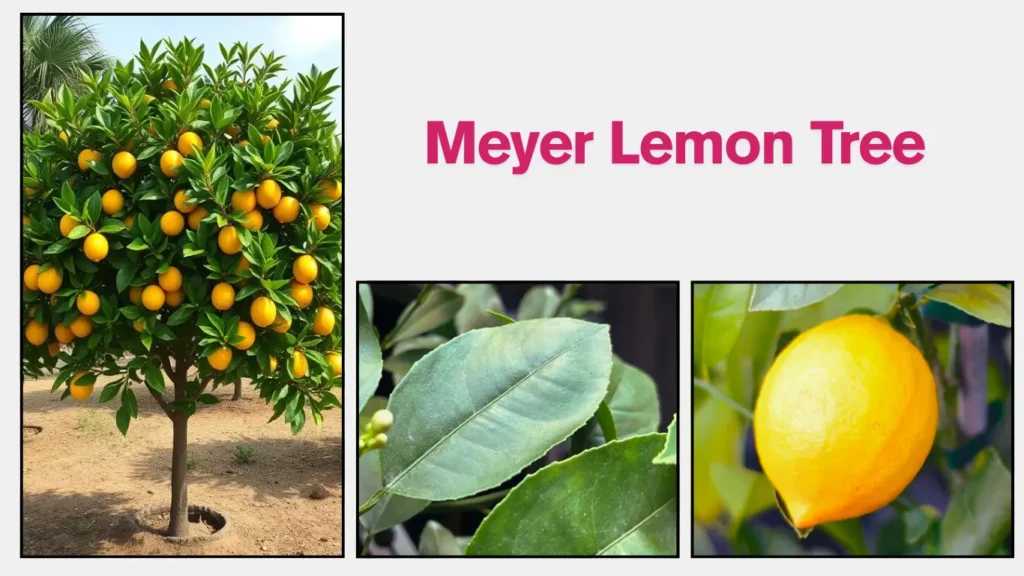
The Meyer lemon tree is a hybrid between a lemon and a mandarin orange, making it sweeter and less acidic than most lemons. This small, ornamental tree is ideal for container gardening and adds beauty as well as flavor to any garden space.
Identification
Meyer lemon trees produce rounder, thinner-skinned fruits with a deep yellow to orange tint. The tree is compact with glossy dark leaves and fragrant white blossoms. Its lemons are very juicy and have a distinct floral aroma.
Growing and Storage Tips
Perfect for USDA zones 8 to 11, Meyer lemon trees can also be grown indoors in colder climates. Place the tree in full sun and protect it from frost. Water deeply but infrequently, and feed with a balanced citrus fertilizer. Fruits should be picked when fully yellow. Store them in a cool, dry place or refrigerate.
Harvest Time
The Meyer lemon tree typically bears fruit from fall through early spring, often producing multiple flushes throughout the year.
4. Ponderosa Lemon Tree

The Ponderosa lemon tree is known for its unusually large fruits, often resembling small grapefruits. Although not as commercially common, it’s a fun and rewarding variety for home gardeners who want a bold, eye-catching lemon tree.
Identification
Ponderosa lemons are very large with thick, bumpy rinds and a deep yellow color when ripe. The tree has sharp thorns, wide leaves, and attractive, fragrant blossoms. The fruit’s interior is juicy and highly acidic.
Growing and Storage Tips
This tree prefers warm, sunny climates and does best in USDA zones 9 to 11. It can be grown in containers or directly in the ground. Water regularly and apply citrus fertilizer to encourage flowering and fruiting. Prune to manage its size and shape. Because of their size, harvested fruits are best stored in the refrigerator.
Harvest Time
Ponderosa lemon trees usually produce fruit year-round, with heavier yields during spring and early summer.
5. Genoa Lemon Tree

The Genoa lemon tree is an Italian variety that’s similar to Eureka but more compact and cold-hardy. It’s a great choice for smaller gardens or container growing, especially in areas with mild winters.
Identification
Genoa lemons are medium-sized with a smooth, bright yellow rind and a juicy, tangy interior. The tree is bushier and shorter than most lemon trees, with dark green leaves and fragrant white flowers.
Growing and Storage Tips
Plant the Genoa lemon tree in full sun and protect it from frost. It prefers well-draining soil and benefits from regular feeding with citrus fertilizer. Because of its compact size, it’s ideal for patios or smaller garden spaces. Store ripe fruits in a cool area or the refrigerator.
Harvest Time
The Genoa lemon tree produces fruit mainly in late winter through spring, with some extended fruiting into summer.
6. Femminello St. Teresa Lemon Tree (Sorrento)

The Femminello St. Teresa lemon tree, also known as the Sorrento lemon tree, is famous for its use in Italian cuisine—especially in making limoncello. This Italian native is prized for its intense aroma and flavorful juice.
Identification
The lemons are medium to large, elongated, with a thick and highly fragrant rind. The tree has few thorns and produces beautiful blossoms that are pink-tinged when budding. It’s a highly productive variety known for its aromatic oils.
Growing and Storage Tips
Grow this lemon tree in a sunny, sheltered location with well-drained soil. It thrives in USDA zones 9 to 11 and appreciates regular watering and citrus fertilizing. Because of its culinary value, you’ll want to pick fruits at full ripeness and use or store them promptly in a cool place or fridge.
Harvest Time
Femminello St. Teresa lemon trees usually bear fruit from late winter through early summer, with a possible second bloom later in the year.
7. Villafranca Lemon Tree
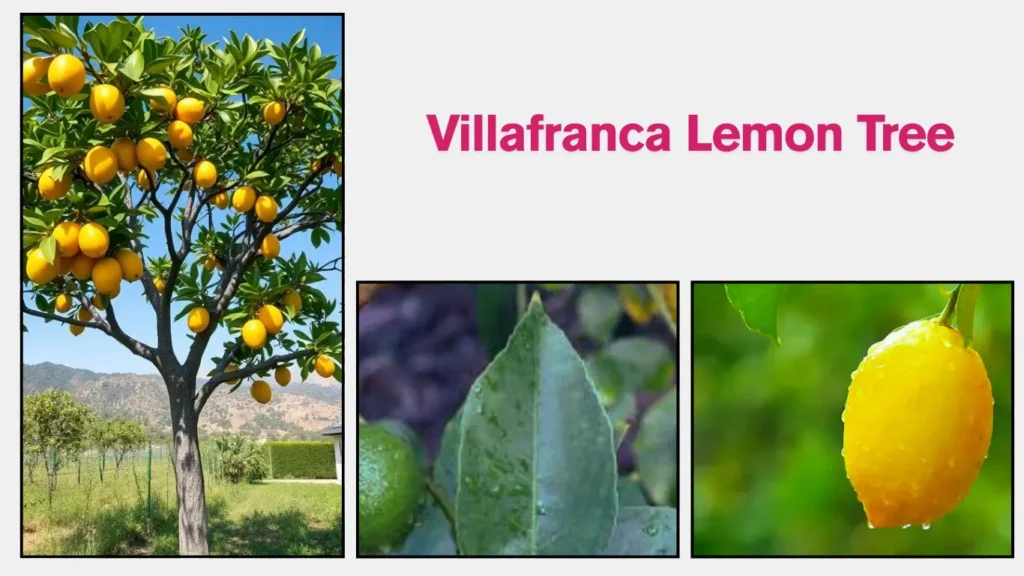
The Villafranca lemon tree is a vigorous and productive variety, closely related to the Lisbon lemon. It originated in Sicily and became popular in the United States in the late 1800s. This lemon tree is a strong grower and ideal for home gardeners in warmer regions.
Identification
Villafranca lemons are medium-sized with a smooth, bright yellow rind and an acidic, juicy interior. The tree has a dense canopy with upright branches and a few thorns. It produces white flowers that bloom mostly in spring.
Growing and Storage Tips
Plant the Villafranca lemon tree in full sun with well-draining soil. It performs best in USDA zones 9 to 10. Water regularly and feed with citrus fertilizer three times a year. Light pruning helps maintain its shape and encourages airflow. Store harvested fruits in a cool spot or refrigerate to keep them fresh longer.
Harvest Time
The main fruiting season is winter through early spring, though some fruiting may continue throughout the year in warmer climates.
8. Interdonato Lemon Tree

The Interdonato lemon tree is an early-ripening variety originally from Italy. It’s known for its large size, mild flavor, and lower acidity. This makes it ideal for those who prefer a less tangy lemon in their recipes.
Identification
Interdonato lemons are elongated and medium to large in size with a pale yellow, smooth rind. The tree has light green foliage, sparse thorns, and delicate white flowers. Its fruit contains fewer seeds and has a milder, slightly sweet taste.
Growing and Storage Tips
This lemon tree thrives in warm, Mediterranean-like climates and grows well in USDA zones 9 to 11. Plant in a sunny spot with well-drained soil. Fertilize with a balanced citrus mix and water consistently. Its fruits can be stored at room temperature for a few days or in the fridge for extended use.
Harvest Time
The Interdonato lemon tree starts producing early in the season, with its main harvest taking place in late fall to early winter.
9. Bearss Lemon Tree
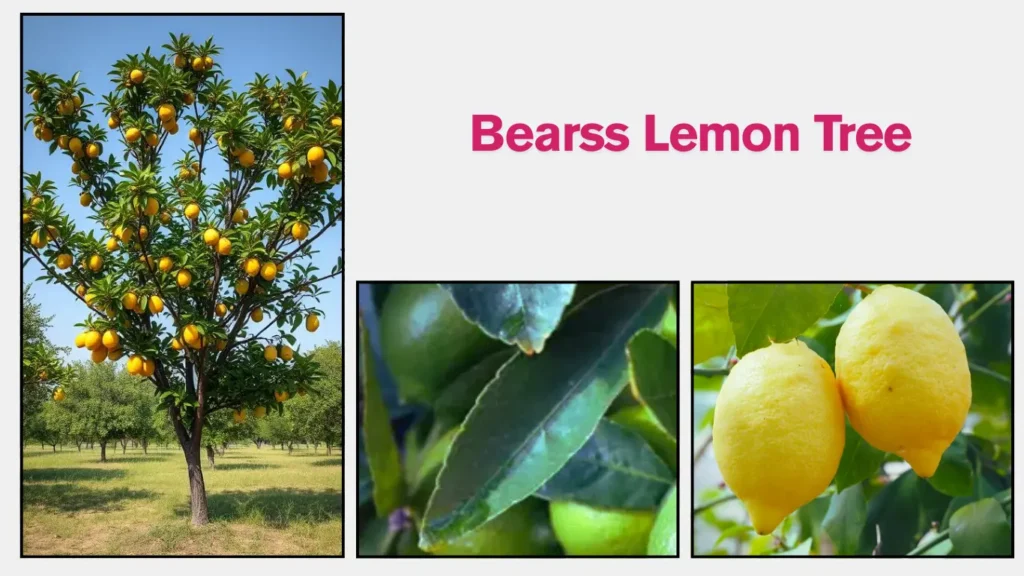
The Bearss lemon tree, also called the Bearss Seedless Lemon, is a hardy variety developed in Florida. It’s known for its seedless fruit, vigorous growth, and strong lemony flavor, making it perfect for culinary use.
Identification
Bearss lemons are medium-sized with a smooth yellow rind and no seeds. The tree is fast-growing and can become quite large if not pruned regularly. Its foliage is dense, and the tree produces fragrant white blossoms.
Growing and Storage Tips
Grow the Bearss lemon tree in USDA zones 9 to 11. It prefers full sun and fertile, well-drained soil. Water deeply and allow the soil to dry slightly between watering. Prune to manage height and encourage airflow. Store lemons in a cool, dark place or refrigerate for up to a few weeks.
Harvest Time
Bearss lemon trees typically produce fruit in winter and early spring, though they can bear multiple crops per year in optimal conditions.
10. Yen Ben Lemon Tree

The Yen Ben lemon tree is a smooth-skinned lemon variety from Australia, favored for its clean appearance and tart juice. It’s a popular commercial variety but also works well in home gardens.
Identification
Yen Ben lemons are medium-sized with thin, smooth skin and a classic oblong shape. The tree is upright and thornless with lush green leaves. It produces small, fragrant white flowers and uniform, juicy fruits.
Growing and Storage Tips
This tree does best in USDA zones 9 to 11. It prefers a sunny position and well-drained soil. Water regularly and fertilize every few months with citrus food. The tree’s shape makes it easy to maintain and harvest. Store ripe lemons in the refrigerator to extend their freshness.
Harvest Time
Yen Ben lemon trees bear fruit mainly from late winter through spring, with consistent production if properly maintained.
11. Primofiori Lemon Tree

The Primofiori lemon tree, also known as the Spanish Fino lemon tree, is an early-producing variety prized for its thin skin and high juice content. It is one of the most widely cultivated lemon trees in Spain and is gaining popularity in other warm climates.
Identification
Primofiori lemons are small to medium in size with a smooth yellow rind and a very juicy, acidic interior. The tree is moderately sized with a rounded canopy, green foliage, and white, aromatic flowers.
Growing and Storage Tips
Plant this lemon tree in full sun and well-drained soil in USDA zones 9 to 11. It’s relatively low-maintenance and responds well to consistent watering and citrus fertilizing. Prune as needed to shape the tree and remove dead branches. Harvested lemons keep well in cool storage or the refrigerator.
Harvest Time
Primofiori lemon trees begin producing in late fall and continue through winter, making them one of the earliest lemon trees to harvest.
12. Verna Lemon Tree
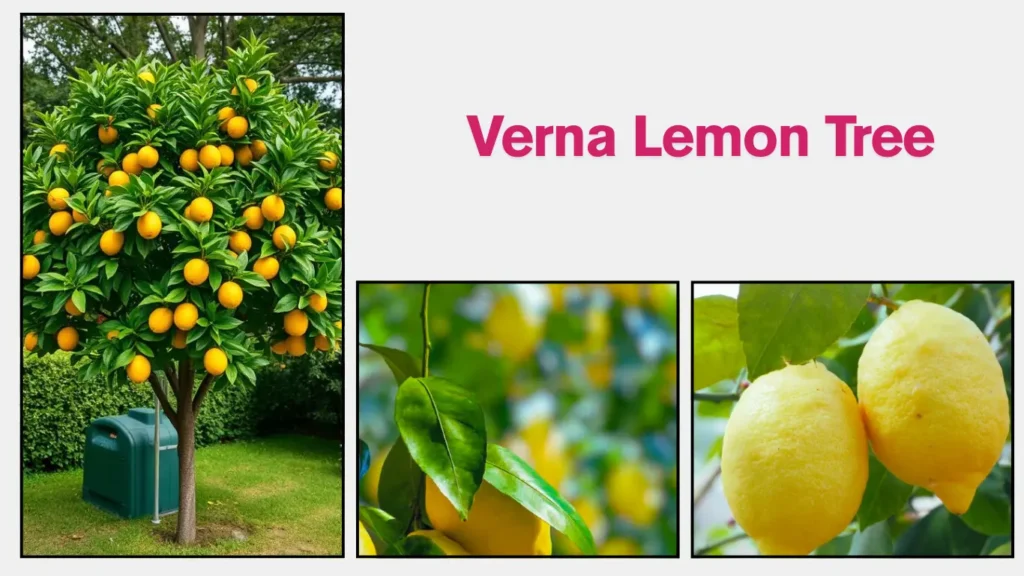
The Verna lemon tree is a popular Spanish variety known for producing large, juicy fruits with few seeds. It’s highly valued for its extended harvest period and ability to yield fruit during warmer months when other lemon trees slow down.
Identification
Verna lemons are large, oblong, and bright yellow with a slightly bumpy rind. The tree itself is vigorous, with an open canopy and glossy green leaves. It blooms multiple times a year and produces fruits with a high juice content.
Growing and Storage Tips
This tree thrives in USDA zones 9 to 11, preferring full sun and well-drained soil. It benefits from regular watering and fertilizing during the growing season. Prune lightly to keep the canopy open and allow better airflow. Store harvested lemons in a cool, shaded area or refrigerate for extended shelf life.
Harvest Time
Verna lemon trees have two main harvests: a winter crop and a summer crop, making them ideal for year-round lemon production.
13. Buddha’s Hand Lemon Tree

The Buddha’s Hand lemon tree stands out for its uniquely shaped fruit, which resembles a hand with fingers. Though it contains little to no juice, the fruit is prized for its intense fragrance and ornamental appeal.
Identification
The fruit is bright yellow and segmented into finger-like projections. The tree has a medium growth habit with glossy leaves and aromatic flowers. It produces a strong citrus scent, making it a favorite for zesting and decorative uses.
Growing and Storage Tips
Grow this lemon tree in USDA zones 9 to 11 or indoors in a large container in cooler areas. It needs full sun and well-drained soil. Water moderately and use a citrus fertilizer during the growing season. The fruit can be stored in a cool room and used for zest, fragrance, or as a centerpiece.
Harvest Time
Buddha’s Hand lemon trees produce fruit in late fall through winter, with some variation depending on climate.
14. Dorshapo Lemon Tree

The Dorshapo lemon tree is a sweet lemon variety developed in the early 1900s in Florida. It’s ideal for those who want a less acidic lemon with a mild, pleasant flavor, perfect for fresh eating and mild lemonades.
Identification
Dorshapo lemons resemble Eureka lemons in size and shape but are pale yellow to greenish-yellow when ripe. The tree has a medium to large growth habit, glossy leaves, and white blossoms. The fruit contains fewer seeds and less acid than traditional lemons.
Growing and Storage Tips
Best grown in USDA zones 9 to 11, this lemon tree prefers sunny, warm areas and fertile, well-drained soil. Water regularly and fertilize three times a year. Store the fruit in a refrigerator or use fresh for the best taste.
Harvest Time
The Dorshapo lemon tree produces most of its fruit from late winter to early summer.
15. Avgonimata Lemon Tree

The Avgonimata lemon tree is a rare and traditional Greek variety, appreciated for its aromatic rind and flavorful juice. It’s not commonly found outside of Greece, but it’s a treasure for citrus collectors and home gardeners.
Identification
Avgonimata lemons are medium-sized and slightly rounded with a thick, textured yellow rind. The tree is medium in size with a rounded shape, dense foliage, and fragrant flowers. The lemons are juicy with a bright, sharp flavor.
Growing and Storage Tips
Grow the Avgonimata lemon tree in USDA zones 9 to 11. It needs full sun, consistent watering, and a well-drained location. Fertilize every few months during the growing season. Prune lightly to shape the tree. Store the lemons in a cool place or refrigerate them for longer use.
Harvest Time
This tree typically produces fruit in late winter through spring, depending on the local climate.
16. Kagzi Kalan Lemon Tree

The Kagzi Kalan lemon tree is a widely grown variety in India, prized for its thin-skinned, juicy fruits and heavy yields. It’s ideal for tropical to subtropical climates and is often used in home gardens and small farms.
Identification
Kagzi Kalan lemons are medium-sized, round to slightly oval, with a smooth, thin yellow rind. The tree is bushy, thorny, and very productive. Its fruits are highly juicy and acidic, commonly used in cooking and beverages.
Growing and Storage Tips
This tree prefers full sun and fertile, well-drained soil in USDA zones 10 to 12. Water frequently in hot weather, and feed with a citrus fertilizer regularly. Prune to control growth and improve air circulation. The fruits are best consumed fresh but can also be stored in the refrigerator.
Harvest Time
Kagzi Kalan lemon trees bear fruit almost year-round, with peak production in late spring to early summer.
17. Assam Lemon Tree

The Assam lemon tree, also known as Gol Nemu or Kaji Nemu in India, is a traditional variety native to the northeastern state of Assam. It’s highly valued for its intense fragrance, high juice content, and use in regional cuisines.
Identification
Assam lemons are elongated and large, with a smooth, glossy yellow rind. The tree grows upright with medium to dense foliage and has minimal thorns. Its fruit is rich in vitamin C and known for its strong, citrusy aroma.
Growing and Storage Tips
This lemon tree grows best in tropical to subtropical climates, ideally USDA zones 10 to 12. It thrives in rich, well-drained soil with regular watering and feeding. Prune to shape and to improve sunlight penetration. Freshly harvested lemons are best stored in a cool spot or refrigerated.
Harvest Time
Assam lemon trees typically produce fruit from late spring to early fall, with the possibility of multiple harvests in warm conditions.
18. Sanbokan Lemon Tree

The Sanbokan lemon tree is a Japanese citrus variety often considered a hybrid between a lemon and an orange. It produces sweet-sour fruit and is appreciated both for its flavor and ornamental appeal.
Identification
Sanbokan lemons are rounder than typical lemons, with a slightly flattened bottom and thick, bumpy rind. The tree is medium-sized, with shiny green leaves and small white blossoms. The fruit has a sweet-tart flavor that’s less acidic than a typical lemon.
Growing and Storage Tips
Grow this lemon tree in full sun and well-drained soil, in USDA zones 9 to 11. It benefits from regular watering and monthly citrus fertilizer during active growth. Prune lightly for shape and health. Once picked, the fruits can be stored at room temperature or in the fridge.
Harvest Time
Sanbokan lemon trees typically produce fruit in late winter through early spring.
19. Jhambiri Lemon Tree
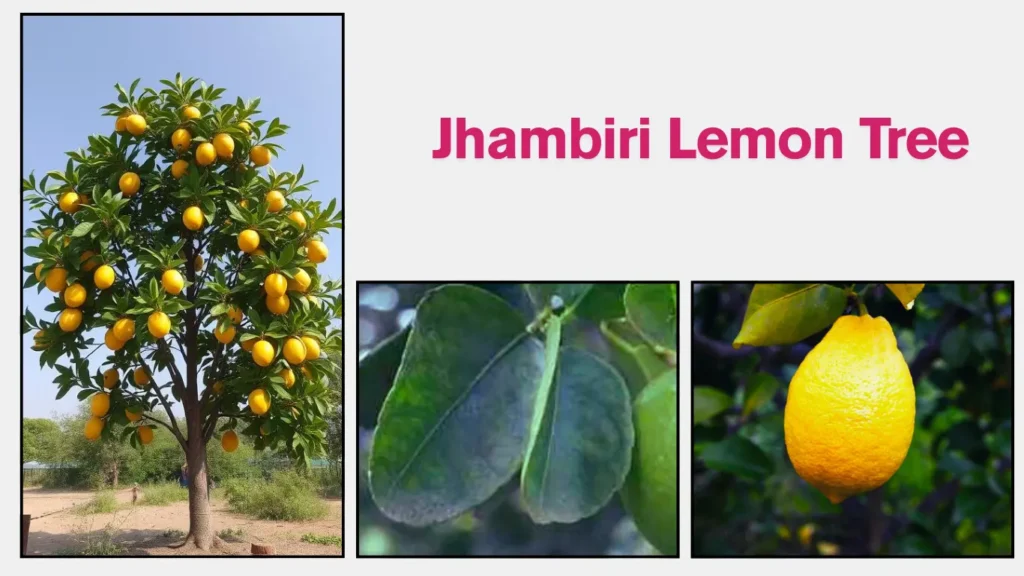
The Jhambiri lemon tree is a rugged and hardy variety widely grown in South Asia. It’s also called rough lemon due to its thick, rough rind and is often used as rootstock. However, its fruits are still consumed and valued for their tartness.
Identification
Jhambiri lemons are medium to large with a thick, rough yellow rind and very tart, juicy pulp. The tree is vigorous, tall, and densely branched, with many thorns. It blooms heavily in spring.
Growing and Storage Tips
This lemon tree is extremely drought-tolerant and grows well in USDA zones 10 to 12. It prefers full sun and loamy, well-drained soil. Water moderately and fertilize with citrus feed to support healthy fruiting. The fruit can be used fresh or stored in a cool place after harvesting.
Harvest Time
The Jhambiri lemon tree typically bears fruit in late spring and early summer, depending on the climate.
20. Amalfi Lemon Tree
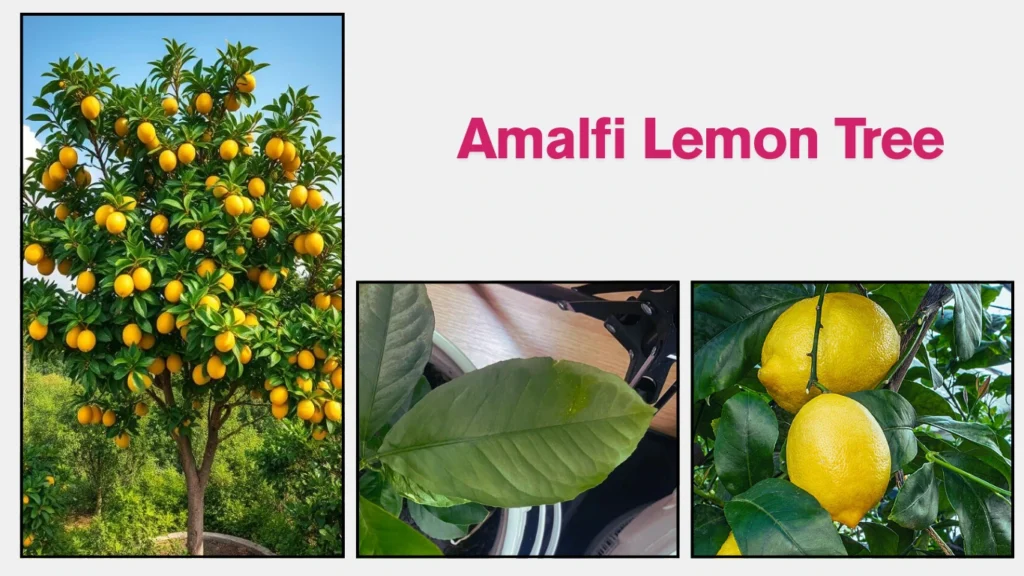
The Amalfi lemon tree comes from Italy’s Amalfi Coast and is famous for its large, aromatic fruit used in the production of limoncello. This tree is a treasure in Mediterranean gardens and grows best in mild, coastal climates.
Identification
Amalfi lemons are large, elongated, and have a thick, bumpy yellow rind full of fragrant oils. The tree is medium-sized with a rounded canopy and glossy, dark green leaves. It produces fragrant flowers and heavy fruit clusters.
Growing and Storage Tips
Best grown in USDA zones 9 to 11, this tree needs full sun and well-drained soil. Water regularly and feed with citrus fertilizer every few months. It thrives in coastal climates but can be grown in containers inland. Fruits are best stored in the refrigerator or used immediately for zesting and juice.
Harvest Time
Amalfi lemon trees produce fruit mainly in winter and early spring, but in ideal conditions, they may produce multiple crops annually.
Summary
Lemon trees come in a wide variety of types, each with its own flavor, size, and growing needs. From the classic Eureka and Lisbon to unique varieties like Buddha’s Hand and Amalfi, there’s a lemon tree for every garden and climate. This guide explores 20 popular lemon tree types with tips on identification, care, and harvest time—helping gardeners choose the best variety for their space and taste preferences.