





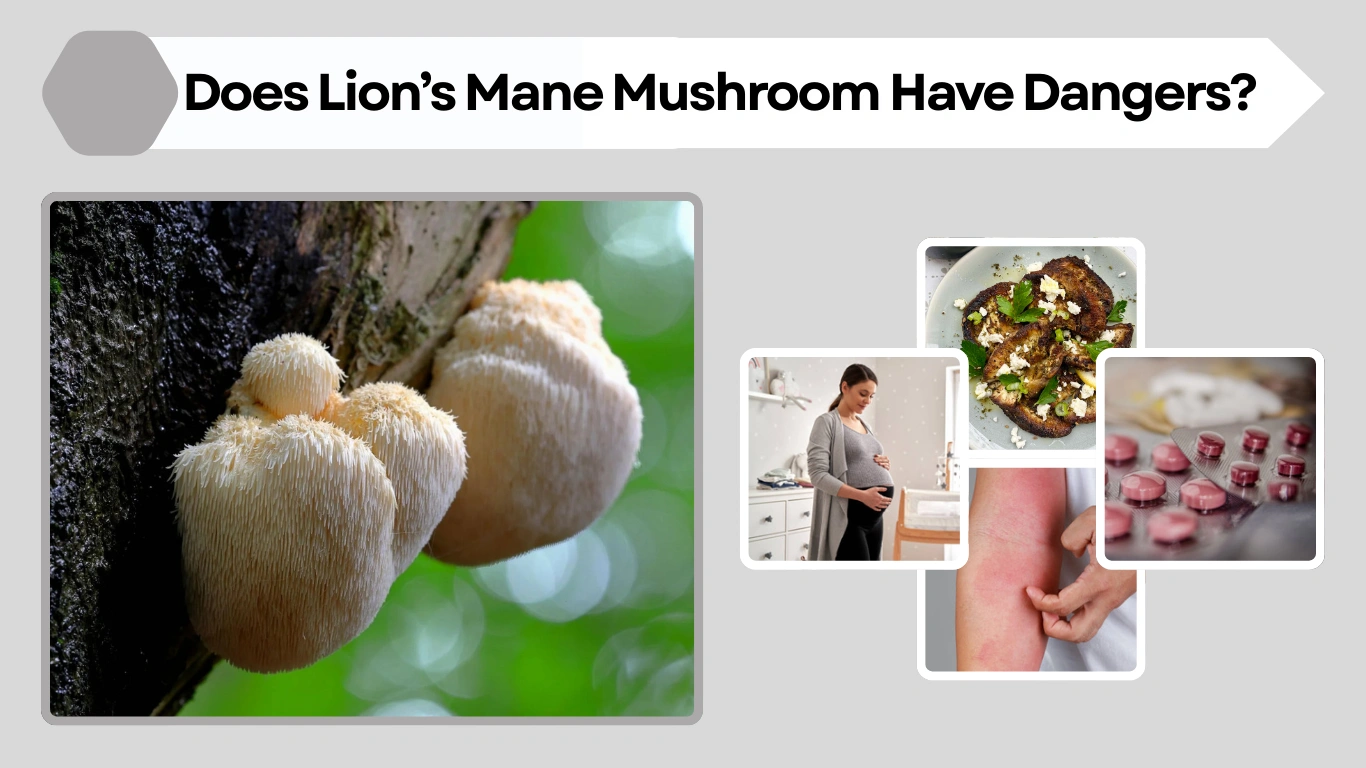
Lion’s mane mushroom has become increasingly popular as both a food and a dietary supplement, especially among people interested in brain health and cognitive support. With this rise in popularity, questions about potential dangers and side effects have also increased. While lion’s mane is generally considered safe for many people, it is not completely risk-free in every situation. This article examines possible dangers, side effects, and safety concerns, helping readers understand when lion’s mane may be beneficial and when caution is necessary.
What Is Lion’s Mane Mushroom Commonly Used For?
Food vs Supplement Use
Lion’s mane mushroom is consumed in two main ways: as a whole food and as a supplement. In cooking, it is valued for its mild flavor and unique texture, often used as a meat alternative in sautéed or roasted dishes. In this form, lion’s mane is typically eaten in moderate amounts as part of a meal.
Supplement use is more concentrated. Powders, capsules, and extracts are designed to deliver higher levels of specific compounds found in the mushroom. These products are often taken daily and sometimes at doses much higher than what would be consumed through food. This difference in concentration is one reason safety questions arise more often with supplements than with culinary use.
Why Safety Questions Are Increasing
Interest in lion’s mane has grown due to claims related to memory, focus, nerve health, and mental clarity. As more people self-prescribe supplements without professional guidance, concerns about misuse, overuse, and individual sensitivity have become more common. Safety discussions are less about lion’s mane being inherently dangerous and more about how, how much, and who is using it.
Is Lion’s Mane Mushroom Generally Safe?

For most healthy adults, lion’s mane mushroom is generally considered safe when consumed in moderate amounts. Traditional culinary use has a long history, and adverse effects from food-based consumption appear to be uncommon. Problems are more likely to occur with high-dose supplements, long-term use, or in people with specific health conditions.
It is also important to note that large-scale, long-term human studies on lion’s mane supplements are limited. While early research and traditional use suggest potential benefits, the lack of extensive long-term data means safety cannot be guaranteed for every individual or usage pattern.
Potential Dangers and Side Effects of Lion’s Mane Mushroom
Digestive Side Effects
One of the most commonly reported side effects of lion’s mane mushroom is digestive discomfort. This may include bloating, nausea, stomach pain, or changes in bowel habits. These symptoms are more frequently reported with supplement use than with food consumption.
Digestive side effects often occur when someone starts taking lion’s mane at a high dose or introduces it suddenly. Many people find that reducing the dose or discontinuing use resolves symptoms quickly. Cooking the mushroom thoroughly or choosing food-based forms may reduce digestive sensitivity.
Allergic Reactions
Although rare, allergic reactions to lion’s mane mushroom are possible. Individuals with known mushroom allergies may be at higher risk. Symptoms of an allergic reaction can include skin rashes, itching, swelling of the face or throat, dizziness, or difficulty breathing.
Any signs of an allergic response should be taken seriously. If symptoms occur, lion’s mane should be discontinued immediately, and medical attention should be sought if reactions are severe.
Nervous System Sensitivity
Some users report unusual sensations such as tingling, heightened sensitivity, or changes in perception after using lion’s mane supplements. These effects are not well documented in clinical research but may be linked to the mushroom’s interaction with nerve-related pathways.
For some individuals, these sensations may feel uncomfortable or concerning, even if not harmful. Sensitivity varies widely, and such effects may indicate that lion’s mane is not suitable for that person or that the dosage is too high.
Immune System Overstimulation
Lion’s mane is sometimes described as supporting immune activity. While this may sound beneficial, immune stimulation is not always desirable. Individuals with autoimmune conditions or immune system disorders may experience flare-ups or worsening symptoms if immune activity is altered.
This potential immune-modulating effect is one reason people with autoimmune diseases are often advised to consult a healthcare professional before using lion’s mane supplements.
Medication Interactions to Be Aware Of

Blood-Thinning Medications
Lion’s mane may have mild effects on blood clotting, based on limited evidence and user reports. For individuals taking blood-thinning medications, this raises a potential concern. Combining supplements without guidance could theoretically increase bleeding risk.
Because research in this area is limited, caution and professional consultation are strongly advised for anyone on anticoagulant or antiplatelet medications.
Neurological or Psychiatric Medications
Lion’s mane mushroom is often discussed in relation to brain and nerve health, which raises concerns for individuals taking neurological or psychiatric medications. These medications are carefully balanced to regulate brain chemistry, mood, or nerve signaling. Adding supplements that may influence similar pathways could potentially alter how medications work or how a person feels.
Although strong evidence of direct interactions is limited, caution is recommended. People using antidepressants, anti-anxiety medications, or treatments for neurological conditions should consult a healthcare professional before adding lion’s mane to their routine.
Immunosuppressive Drugs
Because lion’s mane may influence immune activity, individuals taking immunosuppressive drugs should be particularly careful. These medications are often prescribed after organ transplants or for autoimmune conditions, where immune suppression is intentional and necessary. Any supplement that may counteract this effect could interfere with treatment goals.
Who Should Avoid or Be Cautious With Lion’s Mane
Certain groups face a higher risk of adverse effects and should approach lion’s mane mushroom with caution or avoid it altogether. Pregnant and breastfeeding individuals are often advised to avoid medicinal mushroom supplements due to limited safety data. While culinary use in small amounts may be less concerning, supplements are generally discouraged without medical approval.
People with known mushroom allergies should avoid lion’s mane entirely, as allergic reactions can be unpredictable and potentially serious. Individuals with autoimmune disorders, neurological conditions, or those managing chronic illnesses should also seek professional advice before using lion’s mane, particularly in supplement form.
Anyone taking long-term prescription medications should not assume that natural supplements are automatically safe. Interactions may not be obvious but can still be clinically significant.
Risks of Low-Quality or Contaminated Supplements

Common Supplement Quality Issues
One of the most overlooked dangers associated with lion’s mane mushroom comes from poor-quality supplements rather than the mushroom itself. Some products contain fillers, grain-based mycelium instead of the actual mushroom fruiting body, or inconsistent dosages. Others may be contaminated with heavy metals, pesticides, or harmful microbes due to inadequate testing and sourcing.
Mislabeling is another concern, as product labels may not accurately reflect ingredient concentration or purity.
How Poor Quality Increases Risk
Low-quality supplements increase the likelihood of side effects and reduce any potential benefits. Consumers may unknowingly take higher or lower doses than intended or ingest unwanted substances. This can lead to digestive distress, allergic responses, or false assumptions about safety.
Choosing reputable brands and avoiding unverified products is one of the most effective ways to reduce risk.
How to Reduce Risk When Using Lion’s Mane
Start Low and Monitor Response
Introducing lion’s mane gradually allows individuals to observe how their body responds. Starting with a low dose and avoiding multiple new supplements at the same time helps identify potential side effects early. If unusual symptoms appear, discontinuing use promptly is recommended.
Choose Food-First When Possible
Using lion’s mane as a food rather than a supplement generally carries a lower risk. Culinary consumption involves smaller, more natural amounts and avoids concentrated extracts. For many people, this approach provides a safer way to experience potential benefits.
Select Reputable Products
For those who choose supplements, selecting products with third-party testing, transparent sourcing, and clear labeling is essential. Reputable manufacturers provide detailed information about ingredient origin and quality control, reducing the risk of contamination or misrepresentation.
FAQs
Is lion’s mane mushroom dangerous?
Lion’s mane mushroom is not inherently dangerous for most healthy adults when used responsibly. Risks depend on dosage, form, individual health status, and product quality.
Can lion’s mane cause nerve damage?
There is no strong evidence that lion’s mane causes nerve damage. However, some individuals report unusual sensations, which may indicate sensitivity or intolerance rather than harm.
Are lion’s mane supplements riskier than food?
Yes, supplements generally carry a higher risk due to concentration, dosage variability, and quality concerns. Food-based consumption is typically safer.
What side effects should I watch for?
Possible side effects include digestive discomfort, allergic reactions, unusual neurological sensations, or immune-related issues. Any persistent or severe symptoms warrant discontinuation and medical advice.
Should I stop lion’s mane if I feel unusual symptoms?
Yes. If you experience symptoms, stop using lion’s mane and consult a healthcare professional, especially if symptoms persist or worsen.