





Saffron is widely known as a luxury spice, but for thousands of years it has also been valued as a natural wellness ingredient. Ancient medical systems used saffron for mood balance, digestion, and vitality. Modern research has renewed interest in this golden-red spice because it contains powerful bioactive compounds. From emotional well-being to skin and heart support, saffron is studied for a wide range of health-related roles. Understanding its potential benefits helps explain why saffron remains one of the most respected natural ingredients in the world.
What Makes Saffron a Powerful Health Ingredient
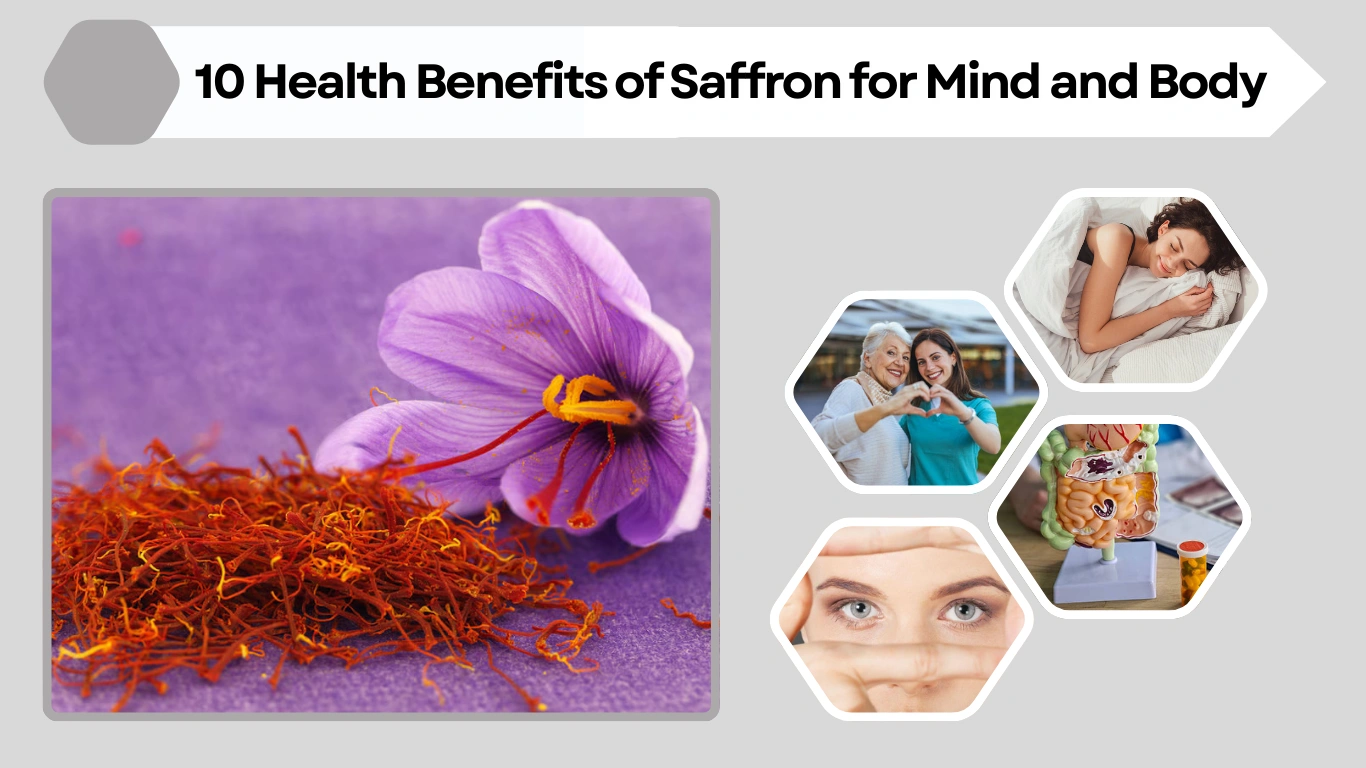
Saffron comes from the dried stigmas of the flower Crocus sativus. These tiny red threads contain concentrated natural compounds that give saffron its deep color, distinctive aroma, and unique taste.
Among these compounds are antioxidants that help protect cells from oxidative stress. Because oxidative damage is linked to many chronic conditions, saffron has attracted attention as a supportive wellness ingredient.
Saffron also has a long history in traditional medicine systems such as Ayurveda, Persian medicine, and Chinese herbal practices. This combination of ancient use and modern scientific interest makes saffron one of the most researched spices in the world.
Key Nutritional and Active Compounds in Saffron

Crocin and crocetin
These pigments give saffron its bright golden-red color. They are known for strong antioxidant activity and are studied for their role in cellular protection, vision support, and general wellness.
Safranal
Safranal is responsible for saffron’s aroma. It has been associated with nervous system activity and is often studied in relation to mood, relaxation, and stress response.
Picrocrocin and supporting compounds
Picrocrocin contributes to saffron’s flavor and works alongside other natural chemicals. Together, these compounds create the complex biological activity that makes saffron unique.
Health Benefit 1: Supports Mood and Emotional Well-Being
Traditional emotional uses
Historically, saffron was used in tonics and teas to uplift mood and support emotional balance. Ancient healers believed saffron could encourage calmness and positivity.
Modern research perspective
Modern studies are exploring saffron’s influence on neurotransmitters and emotional regulation. Because of this, saffron is now found in many wellness products focused on mental well-being.
Health Benefit 2: Helps Manage Stress and Relaxation

Saffron has traditionally been used as a calming agent. It was added to warm drinks and herbal blends designed to reduce restlessness and promote relaxation.
Its natural compounds are being studied for how they interact with the nervous system. This has increased interest in saffron as a gentle, plant-based option in stress-support formulas.
Many people now use saffron teas and supplements as part of relaxation routines, especially in the evening.
Health Benefit 3: May Improve Sleep Quality
Saffron’s calming reputation has also connected it to sleep support. Traditional remedies often included saffron in nighttime drinks to encourage restful sleep.
Modern interest focuses on saffron’s potential to support relaxation and mood balance, both of which influence sleep patterns.
Because sleep and emotional health are closely linked, saffron continues to appear in natural sleep-support blends.
Health Benefit 4: Supports Brain Function and Memory
Cognitive performance interest
Saffron has long been associated with learning and mental clarity. Historical texts describe its use in preparations meant to support focus and memory.
Antioxidant role in brain health
The antioxidants in saffron are studied for their potential to protect brain cells from oxidative damage. This has led to interest in saffron as a supportive ingredient for long-term cognitive wellness.
Health Benefit 5: Promotes Eye Health

Saffron has been traditionally used to support vision. Ancient medical systems recommended saffron preparations for eye comfort and clarity.
Today, saffron’s antioxidant pigments are studied for their role in eye health, particularly in relation to retinal support.
Because the eyes are highly sensitive to oxidative stress, saffron remains a subject of ongoing scientific research in this area.
Health Benefit 6: Supports Heart and Circulation
Cardiovascular wellness
Saffron contains compounds associated with antioxidant and anti-inflammatory activity. These properties are important for overall heart and blood vessel health.
Traditional heart-support uses
Historically, saffron was used in herbal mixtures meant to support circulation and vitality. This traditional role continues to influence modern wellness formulations.
Health Benefit 7: Aids Digestive Health
Saffron has been traditionally used to support digestion and appetite balance. In ancient medicine, saffron-infused drinks were often given to soothe the stomach and promote comfortable digestion.
Saffron’s natural compounds are studied for their antioxidant and anti-inflammatory activity, which may support digestive tissues. This has made saffron a popular ingredient in herbal teas and tonics aimed at digestive comfort.
Because emotional health and digestion are closely connected, saffron’s calming properties may also indirectly support gut wellness.
Health Benefit 8: Supports Immune System Function
Saffron contains antioxidants that help protect cells from oxidative stress. This protective action plays a role in overall immune health.
Traditional medicine systems used saffron to strengthen the body and support resilience. It was often included in remedies intended to help the body recover from fatigue.
Today, saffron appears in wellness supplements focused on immune support, general vitality, and seasonal health.
Health Benefit 9: Enhances Skin Health
Traditional beauty remedies
For centuries, saffron has been used in beauty treatments. It was mixed into pastes, oils, and baths to support clear-looking, radiant skin.
Modern cosmetic and nutritional use
Modern skincare brands use saffron extracts in creams and serums. Nutritional use of saffron is also linked to antioxidant support, which is important for skin aging and overall appearance.
Health Benefit 10: May Support Hormonal and Reproductive Health
Saffron has a long history of use in traditional systems related to reproductive wellness and vitality. It was often included in tonics for both men and women.
Modern interest focuses on saffron’s potential influence on mood, circulation, and antioxidant balance, all of which are connected to hormonal health.
Because of this, saffron is commonly found in wellness products aimed at overall reproductive and hormonal support.
How to Use Saffron for Health Benefits
Culinary use
The simplest way to use saffron is in food and drinks. Adding a few soaked threads to warm milk, tea, rice, or soups allows saffron’s compounds to release naturally.
Herbal and supplement forms
Saffron is available as teas, capsules, and liquid extracts. These forms are commonly used in wellness routines for convenience and consistent intake.
Lifestyle integration
Some people include saffron in morning drinks, evening teas, or meditation rituals. Small, regular use is generally preferred over large amounts.
Safety, Dosage, and Precautions
Saffron is safe in normal culinary amounts. Only a few threads are needed per serving. Using excessive quantities is unnecessary and may cause side effects.
Concentrated supplements should be taken with care. Very high doses of saffron extracts can be harmful. Pregnant individuals and those with medical conditions should consult a professional before using supplements.
Saffron should always be stored in airtight containers away from heat and light to preserve potency and purity.
Common Myths About Saffron’s Health Benefits
There are many exaggerated claims about saffron. Understanding myths helps people use it wisely.
- “More saffron means better results” – Small amounts are effective.
- “All saffron is medicinal grade” – Quality varies widely.
- “Saffron replaces medication” – It is a supportive ingredient, not a cure.
- “Powder is always pure saffron” – Threads are harder to fake.
- “Saffron has no side effects” – Excessive intake can cause problems.
FAQs
What are the main health benefits of saffron?
Saffron is associated with mood support, relaxation, sleep quality, cognitive interest, eye health, heart wellness, digestion, immune support, skin health, and general vitality. Its wide range of natural compounds makes it one of the most versatile wellness spices.
Can saffron help mental health?
Saffron has a long history of use for emotional balance. Modern research continues to explore its potential role in mood regulation, stress management, and relaxation, which is why saffron appears in many mental-wellness products.
Is saffron safe to take every day?
Yes, saffron is safe when used daily in small culinary amounts. Concentrated supplements should be used according to product instructions and professional guidance.
How should saffron be taken for health purposes?
Saffron can be used in food, warm drinks, herbal teas, or supplement form. Soaking threads before use helps release active compounds.
Are there any risks of using saffron?
Excessive doses may cause side effects such as dizziness or nausea. Pregnant individuals and those with health conditions should seek medical advice before using saffron supplements.