




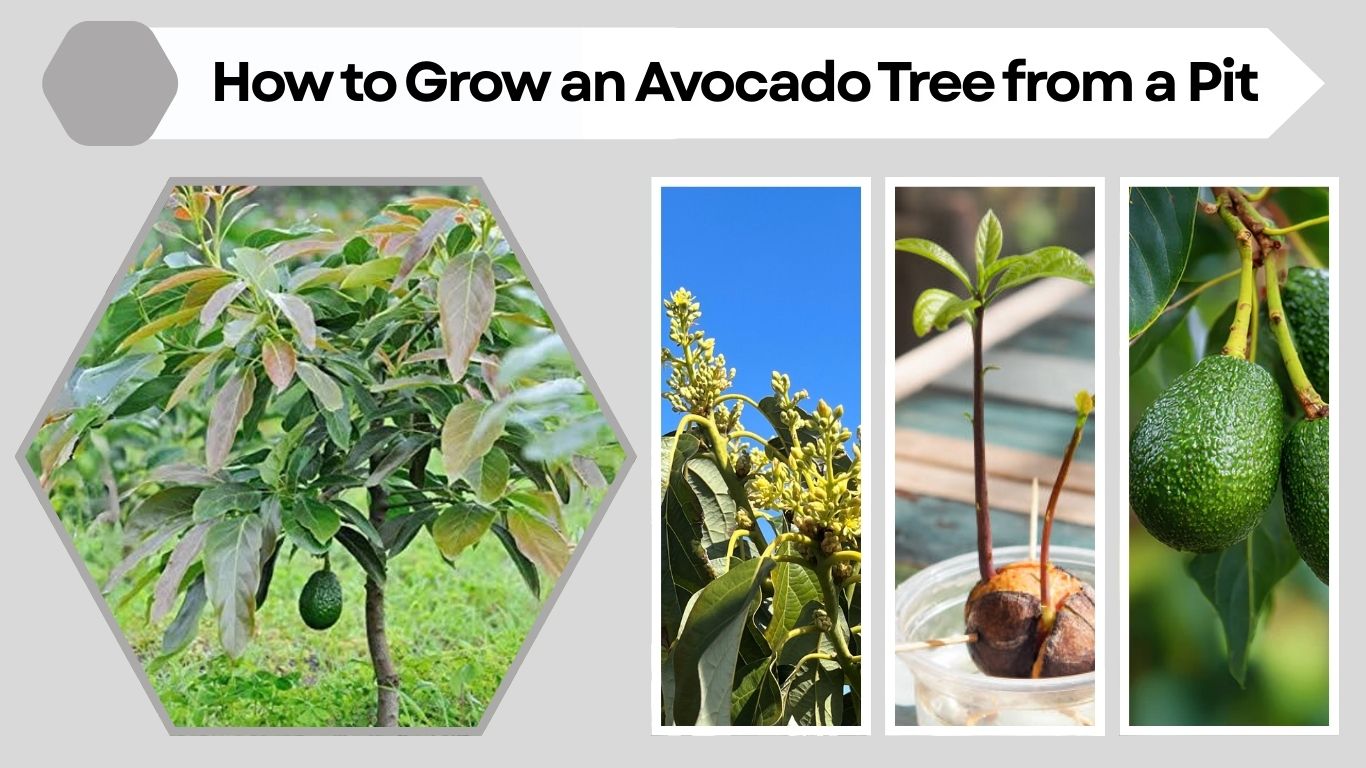
Growing an avocado tree from a pit is a fun and surprisingly simple project that turns kitchen waste into a beautiful houseplant. While it takes patience and the right care, watching a seed sprout roots and leaves is rewarding for beginners and experienced gardeners alike. Although avocado trees grown from pits don’t always produce fruit, they make attractive indoor or outdoor plants and are a great way to learn about plant growth. In this guide, you’ll learn how to prepare an avocado pit, germinate it successfully, and understand what to expect during the early stages of growth.
What You Need to Grow an Avocado Tree from a Pit
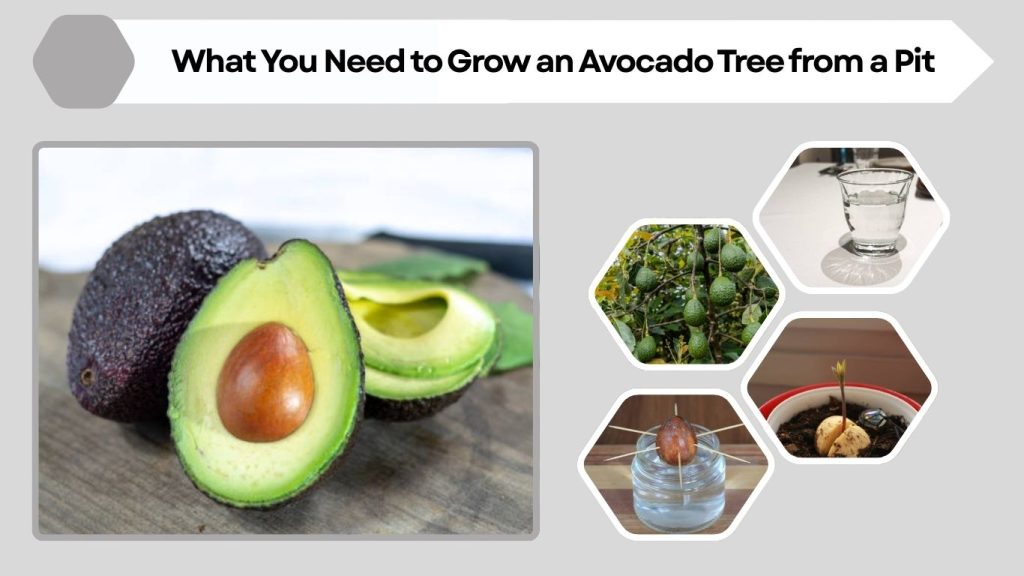
Before you begin, gather a few basic supplies. Most of these are items you already have at home, which makes this project especially beginner-friendly.
You will need:
- A ripe avocado
- The avocado pit (seed)
- Toothpicks or a small pot
- Fresh water
- Well-draining potting soil (if planting in soil)
- A warm, bright location
Using a ripe avocado is important because immature seeds often fail to sprout. Once you have everything ready, you can move on to preparing the pit for planting.
Choosing and Preparing the Avocado Pit
How to Select a Healthy Avocado Pit
The best avocado pits come from fully ripe, undamaged avocados. When cutting open the fruit, remove the pit carefully to avoid cracking or slicing it. A healthy pit should feel firm, look plump, and have an even color. Avoid pits that are shriveled, cracked, or moldy, as they are less likely to germinate.
Store-bought avocados work just fine, but keep in mind that some varieties may take longer to sprout than others. Patience is key during this process.
How to Clean and Identify the Avocado Seed
Once you remove the pit, gently rinse it under lukewarm water to remove any remaining fruit flesh. Be careful not to scrub too hard, as this can damage the seed.
An avocado pit has a top and a bottom, which is important for proper germination. The slightly pointed end is the top, where the stem will emerge. The flatter, broader end is the bottom, where the roots will grow. Some growers choose to peel off the thin brown outer skin to speed up sprouting, but this step is optional and not required for success.
How to Germinate an Avocado Pit
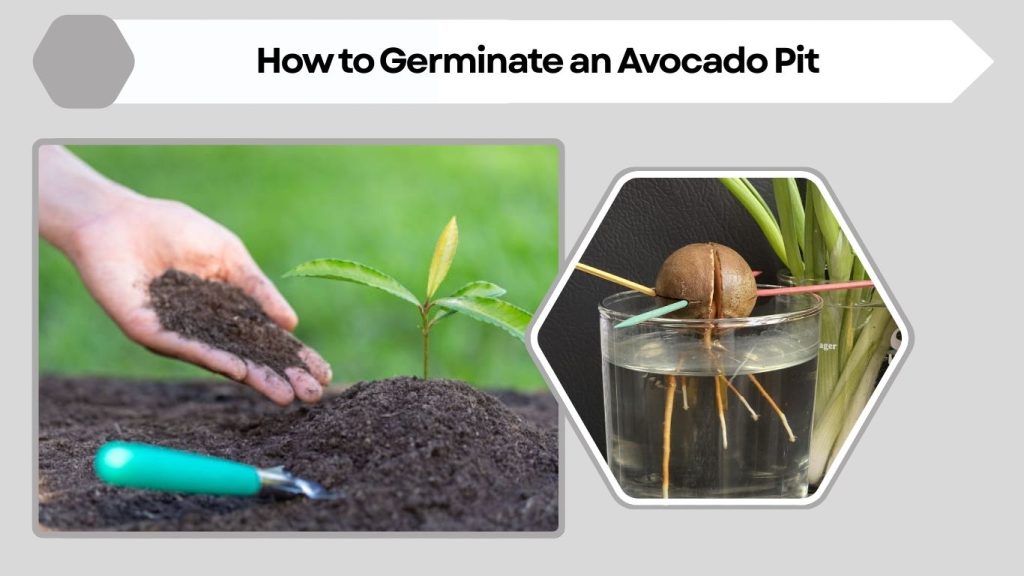
There are two popular methods for germinating an avocado pit: growing it in water or planting it directly in soil. Both methods work well, and the choice depends on personal preference.
Growing an Avocado Pit in Water (Toothpick Method)
The water method is popular because it allows you to watch the roots and stem develop. To start, insert three or four toothpicks evenly around the middle of the pit. These toothpicks will support the seed on the rim of a glass or jar.
Place the pit over a glass of water with the bottom end submerged about one inch. Make sure the pointed top stays dry. Set the glass in a warm location with bright, indirect sunlight. Change the water every few days to prevent bacteria or mold growth.
Within a few weeks, the pit will begin to crack. A root will grow downward first, followed by a stem emerging from the top. If nothing happens after several weeks, don’t panic—some pits take longer to sprout.
Growing an Avocado Pit Directly in Soil
If you prefer a more natural approach, you can plant the avocado pit directly in soil. Use a pot with drainage holes and fill it with loose, well-draining potting mix. Plant the pit with the bottom half buried in the soil and the top half exposed.
Water the soil lightly and place the pot in a warm, bright area. Keep the soil consistently moist but never soggy. While you won’t see the roots developing as you would with the water method, this approach reduces transplant shock later on.
Avocado Seed Germination Timeline
Avocado germination is slow, and understanding the timeline helps set realistic expectations. During the first one to two weeks, the pit absorbs moisture and begins internal growth. After two to four weeks, the seed typically splits open, and a root starts growing downward.
Between four and eight weeks, a stem emerges from the top of the pit, followed by small leaves. Some seeds may sprout faster, while others take up to two months or more. Temperature, light, and seed freshness all affect how quickly the pit germinates.
Transplanting the Avocado Seedling into Soil
Once your avocado pit has sprouted a healthy stem and roots, it’s time to move it into soil if you started with the water method. Transplanting at the right time helps the plant establish strong roots and continue growing without stress.
When to Transplant an Avocado Pit
The best time to transplant is when the stem reaches about 6–8 inches tall and the roots are thick and well-developed. If the roots become too long in water, they can tangle or weaken, making transplanting more difficult. At this stage, the seedling is strong enough to adapt to soil.
How to Transplant Without Damaging the Roots
Choose a pot with drainage holes and fill it with well-draining potting soil. Make a small hole in the center and gently place the seedling into the soil, covering the roots completely while leaving the top half of the pit exposed. Press the soil lightly around the plant and water it thoroughly.
After transplanting, place the pot in a bright location with indirect sunlight for a few days. This allows the plant to adjust and reduces the risk of transplant shock.
How to Care for a Young Avocado Tree
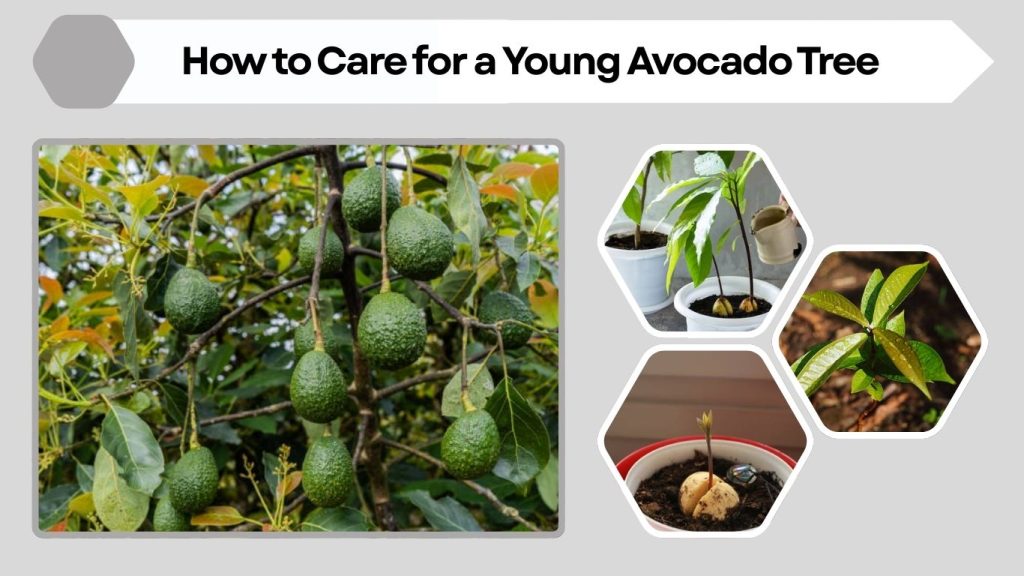
Proper care during the early stages ensures healthy growth and strong foliage. Avocado trees are sensitive to overwatering and poor drainage, so balance is essential.
Watering an Avocado Plant Correctly
Water the avocado plant when the top inch of soil feels dry. Overwatering can lead to root rot, while underwatering may cause leaf droop or browning. Always empty excess water from the saucer beneath the pot to prevent soggy soil.
Sunlight and Temperature Requirements
Avocado plants thrive in bright, indirect sunlight. Indoors, place the plant near a sunny window, ideally one that receives morning light. Outdoors, avocado trees prefer full sun but should be introduced gradually to avoid sunburn.
Warm temperatures between 60°F and 85°F (16°C–29°C) are ideal. Young avocado plants are sensitive to cold and should be protected from frost.
Best Soil and Fertilizer for Avocado Trees
Use loose, well-draining soil with a slightly acidic to neutral pH. Once the plant is a few months old, you can begin fertilizing lightly with a balanced fertilizer. Avoid over-fertilizing, as avocado trees are sensitive to salt buildup.
Growing Avocado Trees Indoors vs Outdoors
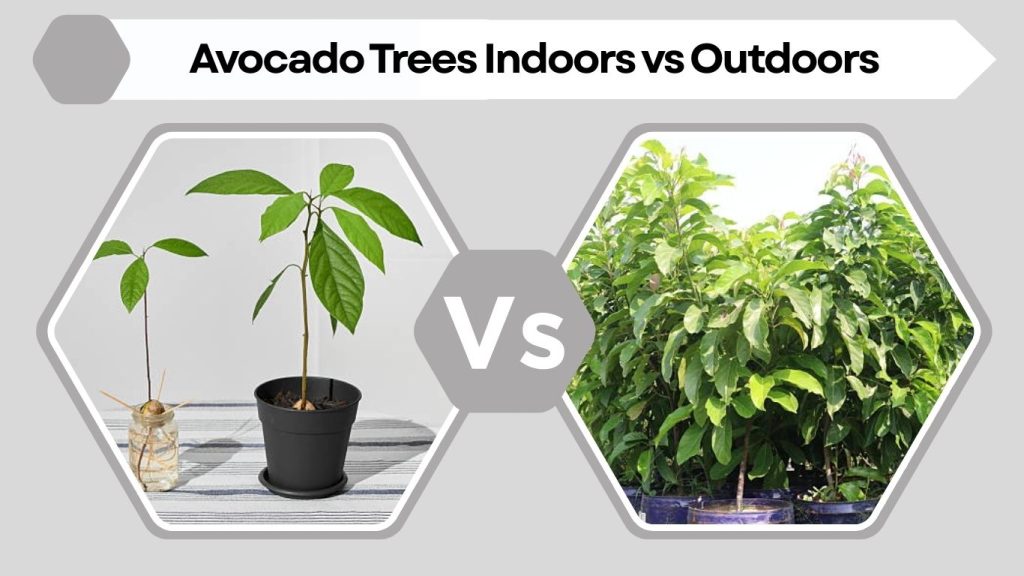
Growing an avocado tree indoors allows better control over temperature and pests, making it ideal for colder climates. However, indoor plants may grow more slowly due to limited sunlight.
Outdoor avocado trees grow faster and stronger in warm climates but require protection from extreme temperatures and wind. If you plan to move your plant outside, do so gradually to help it adapt.
Common Problems When Growing an Avocado Tree from a Pit
Avocado Pit Not Sprouting
If your pit doesn’t sprout after several weeks, it may not be viable. Cold temperatures, old seeds, or improper moisture levels are common causes. Trying multiple pits at once increases your chances of success.
Brown or Drooping Leaves
Brown leaf tips often indicate overwatering, salt buildup, or low humidity. Drooping leaves may be a sign of underwatering or temperature stress. Adjust watering habits and check drainage.
Mold or Rot on the Seed
Mold can develop if water is not changed regularly or if the soil stays too wet. Remove mold promptly and improve airflow. If the seed becomes soft or foul-smelling, it is best to discard it.
Will an Avocado Tree Grown from a Pit Produce Fruit?
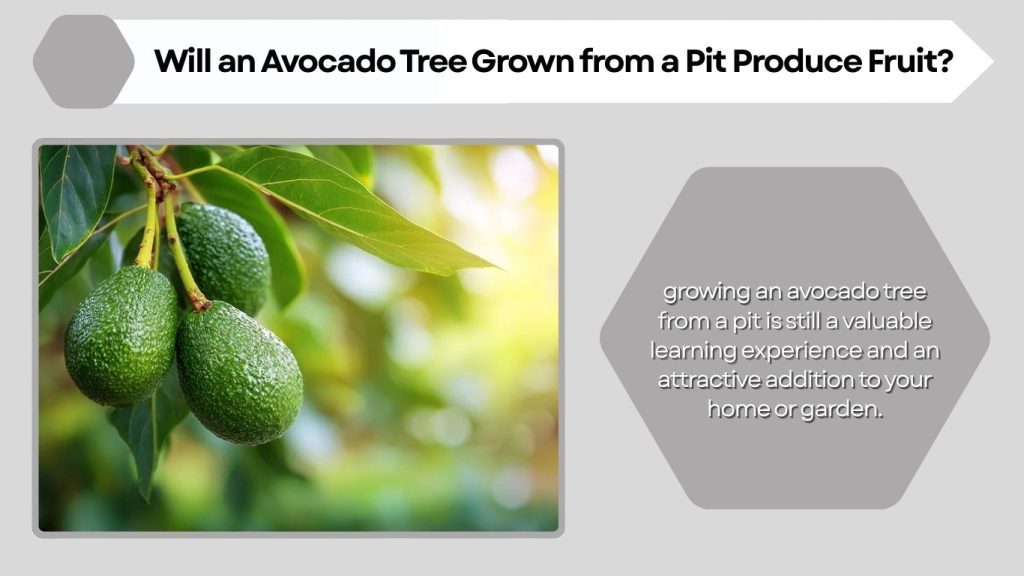
Avocado trees grown from pits may take 5–13 years to produce fruit, and some may never fruit at all. Even when they do, the avocados may differ in taste and size from the original fruit. Commercial avocado trees are typically grafted to ensure consistent fruit quality.
Despite this, growing an avocado tree from a pit is still a valuable learning experience and an attractive addition to your home or garden.
How Long Does It Take to Grow an Avocado Tree?
In the short term, you’ll see roots and stems within weeks. Within a few months, the plant develops leaves and begins to resemble a small tree. Long-term growth depends on climate, care, and growing conditions, with full maturity taking several years.
Conclusion
Growing an avocado tree from a pit is a rewarding project that requires patience, care, and realistic expectations. While fruit production isn’t guaranteed, the process offers an enjoyable way to learn about plant growth and nurture a unique plant from seed. With the right conditions and consistent care, your avocado tree can thrive and become a lasting part of your home or garden.
FAQs
How long does it take to grow an avocado tree from a pit?
An avocado pit usually begins to sprout within 2–8 weeks, depending on temperature, light, and seed freshness. Growing the pit into a small tree takes a few months, while reaching full maturity can take several years. If the tree produces fruit, it may take anywhere from 5 to 13 years.
Can you grow an avocado tree from a store-bought avocado?
Yes, you can grow an avocado tree from a store-bought avocado. Most grocery store avocados produce viable seeds. However, trees grown from these pits may not produce fruit or may produce avocados that differ in taste and size from the original fruit.
Should I grow an avocado pit in water or soil?
Both methods work well. Growing an avocado pit in water allows you to see the roots and stem develop, which many beginners enjoy. Planting directly in soil is more natural and reduces transplant shock later. The best method depends on personal preference.
Why is my avocado pit not sprouting?
Common reasons include an old or damaged seed, cold temperatures, insufficient moisture, or lack of patience. Some avocado pits take longer than others to sprout. Using a fresh pit and keeping it warm can improve success.
How much sunlight does an avocado plant need?
Avocado plants need bright, indirect sunlight indoors and full sun outdoors once established. A sunny window or well-lit area works best for indoor plants. Gradually introduce outdoor sunlight to prevent leaf burn.