





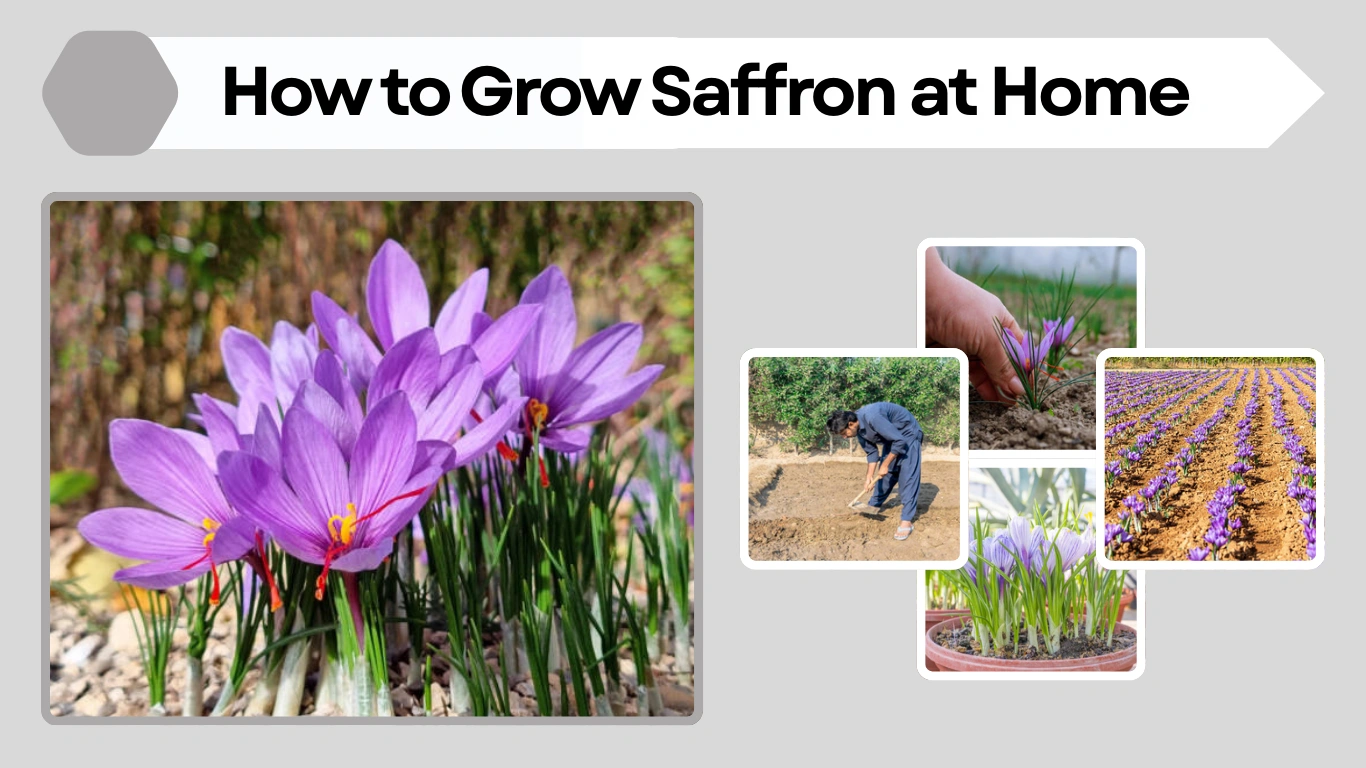
Saffron is known as the world’s most expensive spice, yet it comes from a small purple flower that almost anyone can grow at home. With the right soil, light, and care, saffron crocus plants can thrive in gardens, pots, or balconies. Growing saffron yourself not only saves money but also guarantees purity and freshness. This guide explains everything from understanding the saffron plant to preparing soil and planting corms, helping beginners successfully start their own saffron garden.
What Is Saffron and Why It’s Grown at Home
Saffron comes from the dried red stigmas of the flower Crocus sativus. Each flower produces only three delicate threads, which is why saffron is so valuable. Thousands of flowers are needed to make just a small amount of spice, and harvesting must be done by hand.
Many people grow saffron at home because it requires little space and can be cultivated in pots. It is a low-maintenance plant once established, and it multiplies naturally over time. Home gardeners also enjoy the beauty of its purple blooms and the satisfaction of producing a premium spice themselves.
Another reason saffron is ideal for home growing is its adaptability. As long as the soil drains well and the plant receives enough sunlight, saffron crocus can thrive in a wide range of climates, including warm and moderately cold regions.
Saffron Plant Overview and Growth Cycle
Botanical background of saffron crocus
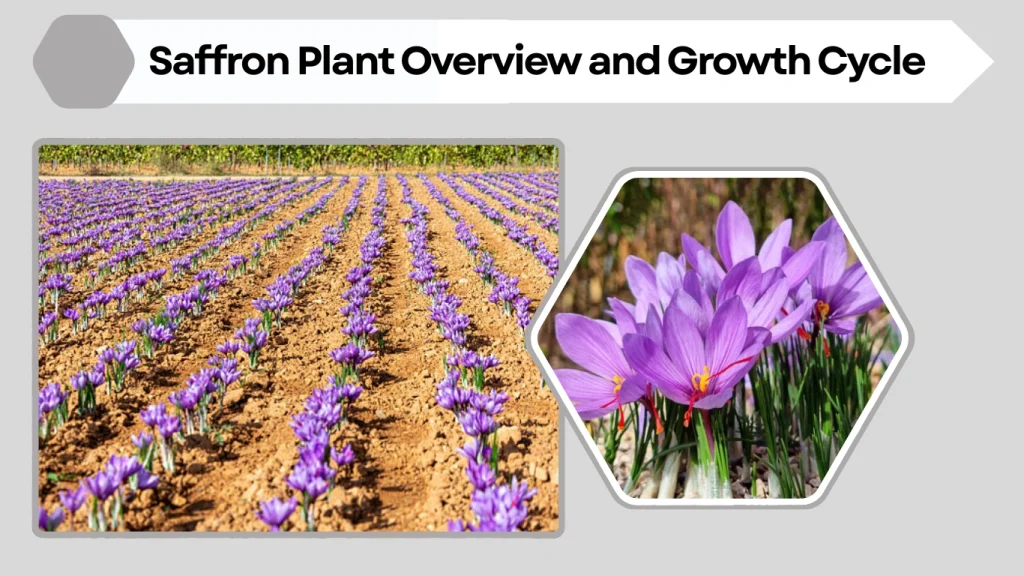
Saffron is a sterile flowering plant that grows from a bulb-like structure called a corm. It does not produce seeds and can only be propagated by replanting new corms that form around the original one. The plant belongs to the iris family and produces narrow, grass-like leaves along with violet-purple flowers.
Seasonal growth stages
Saffron follows a unique growth pattern. It is usually planted in late summer or early autumn. Shoots appear as temperatures cool, followed by flowering in autumn. After blooming, the plant focuses on leaf growth through winter. By late spring, the leaves yellow and die back, and the plant enters dormancy during summer.
How long saffron takes to grow
Most saffron plants flower about six to ten weeks after planting, depending on climate and conditions. The flowering period is short, often lasting only two to three weeks each year. During this time, harvesting must be done daily because flowers open and fade quickly.
Climate and Light Requirements
Saffron grows best in regions with hot, dry summers and cool to mild winters. Ideal temperatures range from about 15°C to 25°C during active growth, with cooler nights encouraging flower formation. The plant can tolerate light frost but struggles in areas with heavy rainfall or constantly wet soil.
Sunlight is essential for strong growth and flowering. Saffron needs at least six to eight hours of direct sunlight daily. A bright balcony, rooftop, or south-facing garden bed is ideal. When grown indoors, plants should be placed near a sunny window or under strong grow lights.
Good air circulation also plays an important role. Stagnant, humid conditions increase the risk of fungal disease, so saffron should be grown in open, well-ventilated areas whenever possible.
Best Soil and Bed Preparation for Saffron
Ideal soil structure
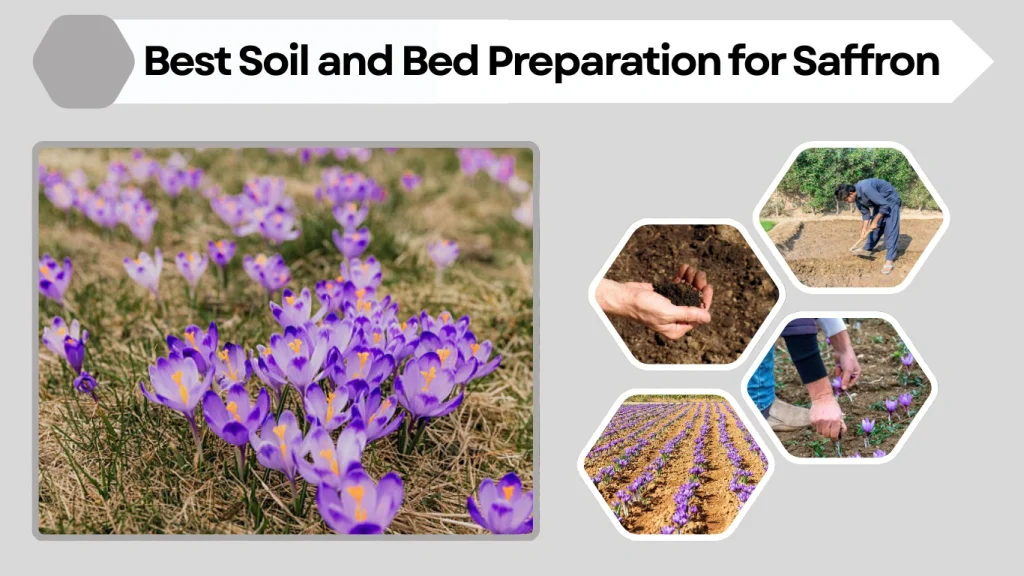
Saffron requires loose, light, and well-draining soil. Sandy loam is ideal because it allows water to drain quickly while still holding enough nutrients for growth. Heavy clay soil should be amended with sand, compost, or coco peat to improve drainage.
Soil pH and nutrients
Slightly neutral to mildly alkaline soil is best for saffron. Adding well-rotted compost or aged manure before planting helps enrich the soil. Avoid fresh manure, as it can burn young corms and encourage rot.
Why drainage matters most
Poor drainage is the most common reason saffron fails. Standing water around the corms causes fungal infections and bulb rot. Raised beds or pots with drainage holes are strongly recommended, especially in rainy regions.
How to Plant Saffron Bulbs (Corms)
Saffron is grown from corms, not seeds. Planting them correctly sets the foundation for healthy flowering and long-term production.
- Best time to plant saffron: Late summer to early autumn, before temperatures drop sharply.
- How to choose healthy corms: Select firm, mold-free corms with no soft spots or damage.
- Correct planting depth: Plant corms about 3–5 inches deep to protect them from heat and cold.
- Spacing between bulbs: Keep 3–4 inches between corms to allow new ones to form.
- Initial watering method: Water lightly after planting, then avoid frequent watering until shoots appear.
- Mulching and surface care: Apply a thin layer of dry mulch to stabilize soil temperature and reduce weeds.
Growing Saffron in Pots and Containers
Choosing the right pot
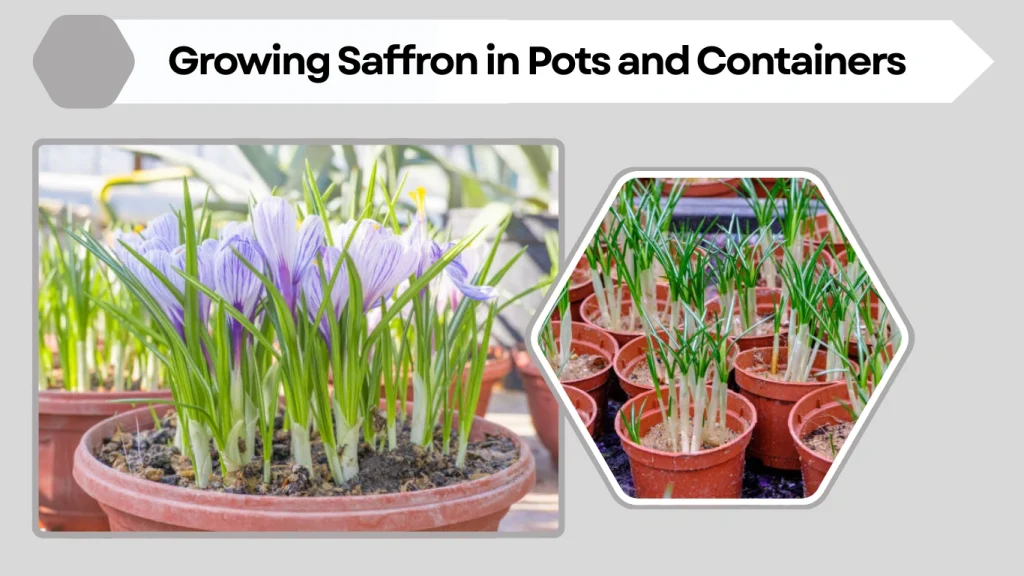
Saffron grows very well in containers, making it ideal for home gardens, rooftops, and balconies. Choose a pot that is at least 8–10 inches deep, with several drainage holes at the bottom. Terracotta or clay pots are excellent because they allow excess moisture to escape and help prevent fungal problems.
Indoor placement and balcony setups
Place pots in a location that receives at least six hours of direct sunlight each day. South- or west-facing balconies are perfect. Indoors, set containers near a bright window or under full-spectrum grow lights. Good airflow is important, so avoid closed rooms with high humidity.
Soil layering for containers
Start with a thin layer of gravel or broken pottery pieces at the bottom of the pot. Fill the rest with a loose, sandy potting mix blended with compost. This layered setup improves drainage and protects the corms from sitting in water.
Watering and Fertilizing Saffron Plants
Saffron prefers moderate watering. After the initial planting, water lightly, then wait until green shoots appear. During active growth in autumn and winter, water only when the topsoil feels dry. Overwatering is more dangerous than underwatering and is the leading cause of corm rot.
Fertilization should be gentle and minimal. Adding compost to the soil at planting time usually provides enough nutrients for the first season. During leaf growth, a light feeding of organic fertilizer or diluted liquid compost once a month can support stronger corm development.
Once the leaves begin to yellow in late spring, stop watering almost entirely. This dry resting period is essential. It allows the corms to mature and prepare for the next flowering season.
Seasonal Saffron Plant Care
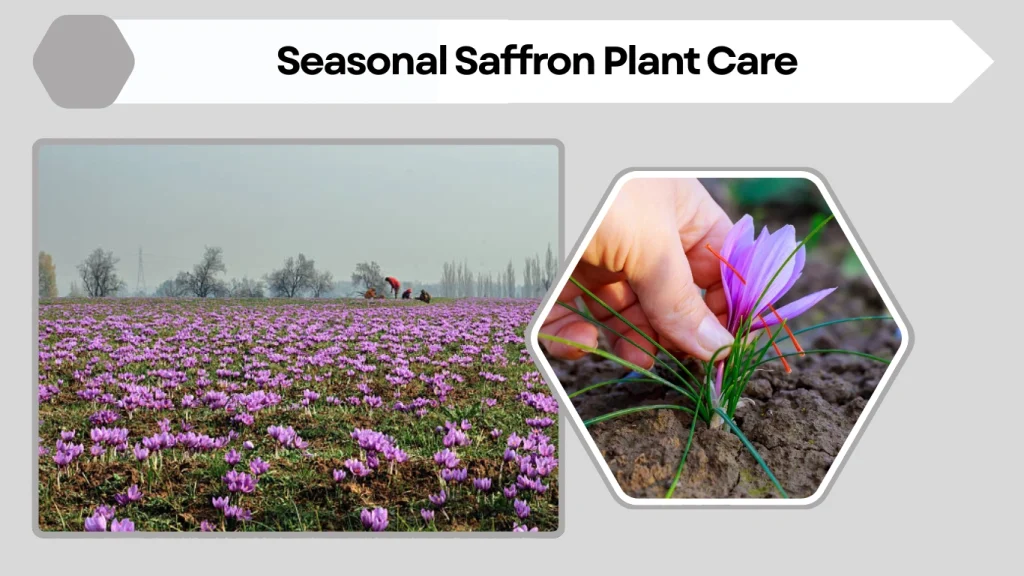
Managing sunlight and airflow
Saffron needs consistent sunlight during its growing season. Keep plants in open, bright areas and rotate pots occasionally so all sides receive light. Proper airflow helps prevent mold and fungal infections, especially during cool, damp weather.
Weed control and soil upkeep
Remove weeds regularly, as they compete for nutrients and water. Lightly loosen the soil surface once in a while to improve oxygen flow. Avoid deep digging, which can damage developing corms.
Supporting healthy flowering
Healthy flowers depend on strong corm development. This means allowing leaves to remain after flowering until they dry naturally. Cutting green leaves too early reduces next year’s blooms because the plant stores energy in the corm during this phase.
Common Problems When Growing Saffron
Saffron is generally hardy, but some problems can reduce flowering or damage corms if not managed properly.
- Bulb rot: Caused by poor drainage and overwatering. Always use well-draining soil.
- Poor flowering: Often due to immature corms, too much shade, or cutting leaves early.
- Pest damage: Rodents and insects may attack corms; pots and raised beds offer protection.
- Frost injury: Heavy frost can damage flowers; light mulch helps in colder regions.
- Excess moisture: Long rainy periods increase disease risk; shelter pots when necessary.
- Weak soil nutrition: Very poor soil can limit corm multiplication and bloom size.
When and How to Harvest Saffron
Identifying ready flowers
Saffron flowers are ready for harvest as soon as they fully open. Each flower contains three bright red stigmas rising from the center. Harvesting should be done daily during the flowering period because blooms last only one to two days.
Best time of day to harvest
Early morning is the best time to harvest saffron, just after the flowers open. At this time, the stigmas are fresh, aromatic, and less exposed to heat. Gently pluck the entire flower or carefully remove the threads by hand.
How to remove saffron threads
Open the flower and pull out the three red stigmas using clean fingers or tweezers. Separate them from the yellow parts and place them on a clean plate or paper towel, ready for drying.
Drying and Storing Saffron at Home
After harvesting, saffron threads must be dried immediately. Spread them thinly on paper in a warm, dark, well-ventilated area. They can also be dried using very low heat in an oven or dehydrator. Proper drying intensifies aroma and preserves quality.
Once fully dry, store saffron in an airtight glass container. Keep it away from light, heat, and moisture. Properly stored saffron can retain flavor and color for two to three years, becoming even more aromatic over time.
Avoid plastic containers, as they can trap moisture and reduce quality. Always label the jar with the harvest date for easy tracking.
How Much Saffron Can You Grow at Home
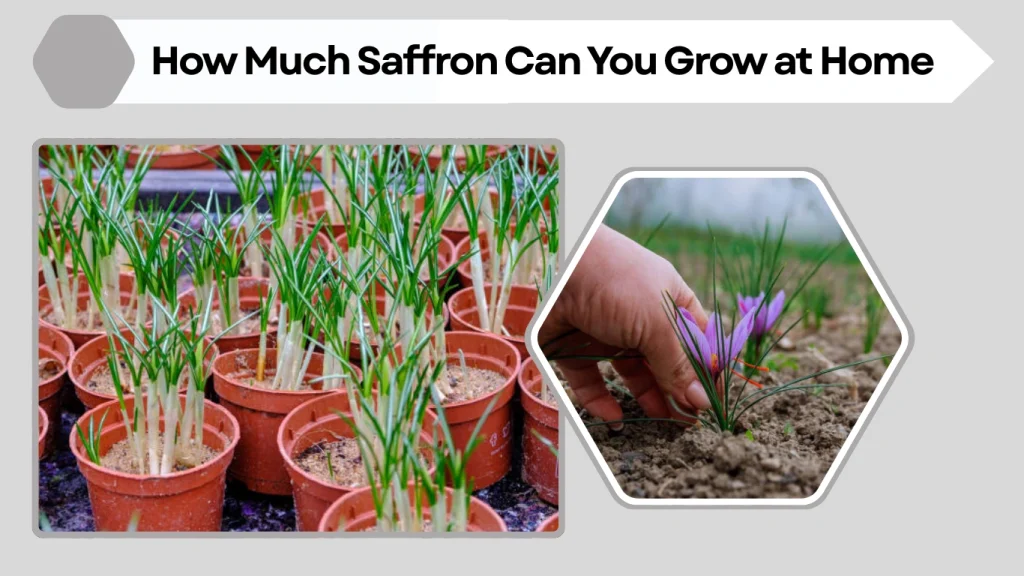
Yield expectations per plant
Each saffron flower produces only three threads, and about 150–170 flowers are needed to make one gram of dried saffron. A small home setup of 20–30 corms can still provide a meaningful personal supply.
Increasing saffron production naturally
After each season, one corm usually produces several new ones. These can be separated during the summer dormancy period and replanted, gradually expanding your saffron garden without buying more bulbs.
Replanting and long-term cultivation
Every three to four years, lift and divide crowded corms. This prevents overcrowding, improves flowering, and keeps plants healthy over the long term.
Cost, Effort, and Long-Term Benefits
Starting saffron requires a small investment in quality corms, soil, and containers. Ongoing care is minimal, involving occasional watering, light feeding, and seasonal maintenance.
The long-term value is significant. Saffron multiplies naturally, making each year more productive. Beyond cost savings, growing saffron offers unmatched freshness, purity, and the satisfaction of harvesting one of the world’s most prized spices at home.
FAQs
Can saffron be grown indoors successfully?
Yes, saffron can be grown indoors if it receives strong sunlight or quality grow lights. Place pots near bright windows, ensure good airflow, and use well-draining soil. Indoor saffron often performs very well when moisture is carefully controlled.
How long does saffron take to grow after planting?
Saffron usually flowers about six to ten weeks after planting, depending on climate and conditions. The leaves then grow through winter and spring, helping the corm store energy for the next year’s flowering season.
How many flowers make one gram of saffron?
On average, it takes about 150 to 170 saffron flowers to produce one gram of dried saffron threads. This low yield explains saffron’s high value and the importance of careful harvesting and drying.
Is saffron hard to grow at home?
Saffron is not difficult to grow if drainage and sunlight needs are met. It requires less care than many vegetables and thrives in pots, making it suitable for beginners with limited gardening space.
Does saffron regrow every year?
Yes, saffron is a perennial plant. The corm goes dormant in summer and regrows each autumn. Over time, it produces new corms, allowing your saffron supply to increase naturally.