





Shiitake mushrooms are one of the most popular gourmet mushrooms in the world, valued for their rich umami flavor, health benefits, and versatility in cooking. The good news is that you don’t need a farm or special equipment to grow them. With the right materials and a bit of patience, shiitake mushrooms can be grown successfully at home, either outdoors on logs or indoors using substrate blocks. This step-by-step guide walks beginners through the entire process, from choosing a growing method to preparing for the first harvest.
Understanding Shiitake Mushrooms
What Makes Shiitake Unique
Shiitake mushrooms originated in East Asia and have been cultivated for centuries for both culinary and medicinal purposes. They are known for their meaty texture, savory taste, and ability to enhance soups, stir-fries, and sauces. Beyond flavor, shiitake mushrooms contain compounds that support immune health and provide essential nutrients such as B vitamins, copper, and fiber.
Unlike fast-growing mushrooms, shiitake develop slowly, which contributes to their dense texture and deeper flavor. This slower growth also means growers must be patient, but the payoff is higher-quality mushrooms and repeated harvests over time.
Growing Requirements at a Glance
Shiitake mushrooms thrive in cool to moderate temperatures, generally between 55°F and 75°F (13°C–24°C). They require high humidity, indirect light, and good airflow during fruiting. Depending on the method used, the time to the first harvest can range from a few weeks to several months.
Choosing the Right Growing Method
Log Method (Traditional & Outdoor)
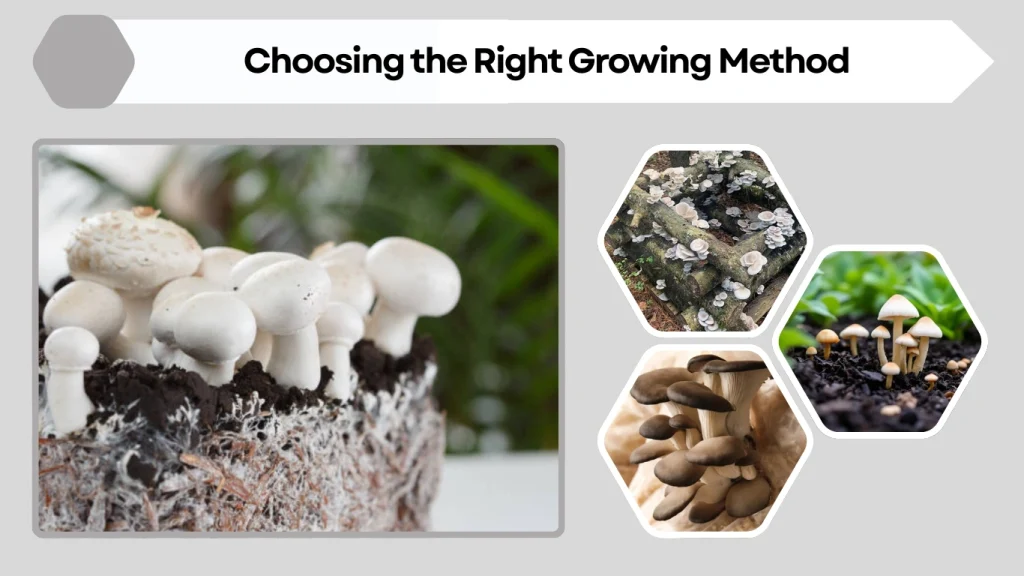
The log method is the most traditional way to grow shiitake mushrooms. Hardwood logs such as oak, maple, beech, or sweetgum are inoculated with shiitake spawn and placed outdoors in a shaded area. Over time, the mushroom mycelium colonizes the wood and produces mushrooms naturally.
This method is low maintenance and long-lasting, with logs producing mushrooms for several years. However, it requires patience, as the first harvest may take 6 to 12 months after inoculation.
Sawdust or Substrate Blocks (Indoor Friendly)
Substrate blocks are compressed growing mediums made from sawdust and nutrients that have already been sterilized and inoculated with shiitake spawn. They are ideal for indoor growing and produce mushrooms much faster than logs, often within 2 to 3 months.
While substrate blocks have a shorter lifespan than logs, they are easier for beginners and allow for year-round indoor cultivation.
Which Method Is Best for You?
If you have outdoor space and prefer a long-term, low-effort approach, logs are an excellent choice. If you want faster results or plan to grow indoors, substrate blocks are more practical. Your climate, available space, and patience level should guide your decision.
Tools and Materials You’ll Need
Essential Supplies
To grow shiitake mushrooms, you will need shiitake spawn (either plug spawn for logs or sawdust spawn for blocks), a suitable growing medium, and basic tools. For log growing, this includes a drill, hammer, and food-grade wax for sealing. For substrate blocks, minimal tools are required beyond a clean workspace and a spray bottle.
Optional but Helpful Items
A hygrometer can help monitor humidity, while a growing tent or humidity dome can make indoor growing easier. Gloves and sanitation supplies are also useful for preventing contamination during handling.
Preparing Your Growing Medium
Preparing Logs
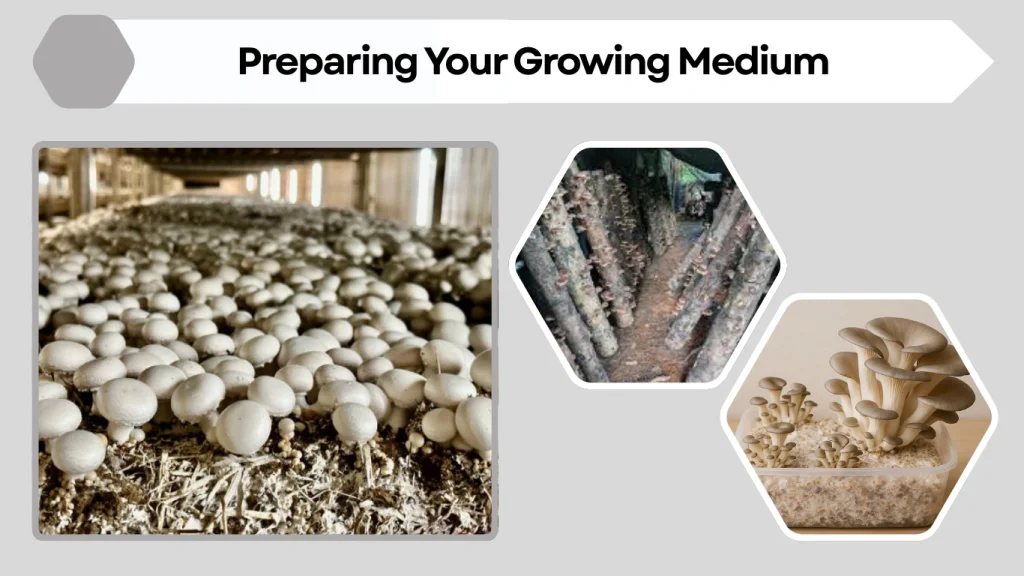
Logs should be freshly cut hardwood, ideally harvested while the tree is dormant. Logs should be 3 to 6 inches in diameter and about 3 to 4 feet long. After cutting, allow the logs to rest for at least two weeks so natural antifungal compounds break down, making them more receptive to mushroom growth.
Preparing Substrate Blocks
Substrate blocks can be purchased ready to fruit or inoculated at home if you have sterilized materials. Handle blocks carefully, keep them sealed until use, and always work in a clean environment to reduce the risk of contamination.
Inoculating with Shiitake Spawn
Step-by-Step: Inoculating Logs
The log inoculation process begins by drilling evenly spaced holes along the log in a diamond pattern. Shiitake spawn is inserted into each hole and sealed with melted wax to protect it from pests and drying out. Once inoculated, logs are labeled and stacked in a shaded, well-ventilated area.
Step-by-Step: Inoculating Substrate Blocks
For substrate blocks, inoculation is often already done by the supplier. If inoculating yourself, the spawn is mixed into the substrate under sterile conditions and sealed inside grow bags. Proper handling is critical to prevent mold or bacterial contamination.
Incubation and Colonization Phase
Ideal Conditions During Incubation
During incubation, shiitake mycelium spreads throughout the log or substrate. This phase requires stable temperatures, moderate humidity, and minimal light. Logs should be kept off the ground, while blocks should remain sealed until fully colonized.
How Long Colonization Takes
Colonization can take several months for logs and several weeks for substrate blocks. Healthy mycelium appears white and firm. Any green, black, or foul-smelling growth indicates contamination and should be addressed immediately.
Initiating Fruiting
How to Trigger Mushroom Growth
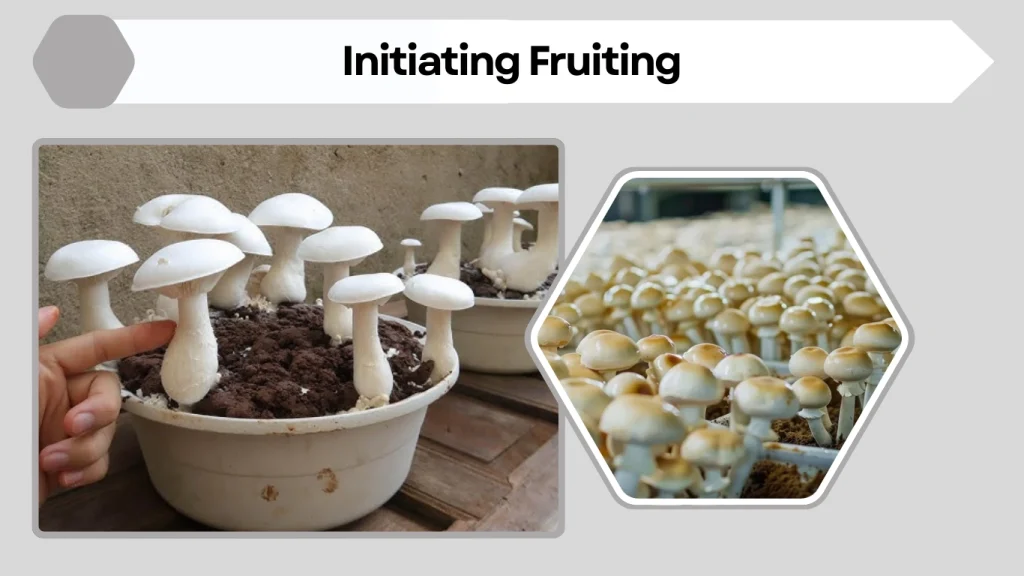
Once the shiitake mycelium has fully colonized the log or substrate block, the next step is initiating fruiting. In nature, shiitake mushrooms begin to grow after environmental changes such as rainfall or temperature drops. Growers can mimic these conditions using a process called cold shocking.
For logs, this involves soaking them in cold, non-chlorinated water for 12 to 24 hours. After soaking, the logs are removed and placed upright or leaned against a support in a shaded, humid area. Substrate blocks can be cold shocked by refrigerating them for 12 to 24 hours, depending on supplier instructions.
Fruiting Conditions
After a cold shock, high humidity is essential. Aim for humidity levels between 80% and 95%. Indirect light is required, but avoid direct sunlight, which can dry out the growing surface. Fresh air exchange is also critical, as stagnant air can lead to poor mushroom formation or long stems with small caps.
Within 7 to 14 days, small mushroom pins should begin to appear, signaling the start of the fruiting phase.
Harvesting Shiitake Mushrooms
When to Harvest
Shiitake mushrooms should be harvested when the caps are about 70% to 90% open. At this stage, the edges of the caps are still slightly curled under, and the mushrooms are firm and flavorful. Waiting too long can result in flatter caps and reduced shelf life.
Harvest timing directly affects taste and texture, so checking your mushrooms daily during fruiting is recommended.
How to Harvest Properly
Use a clean, sharp knife or scissors to cut the mushroom at the base of the stem. Avoid pulling or twisting, as this can damage the growing surface and reduce future yields. Handle harvested mushrooms gently to prevent bruising, and refrigerate them promptly if not used immediately.
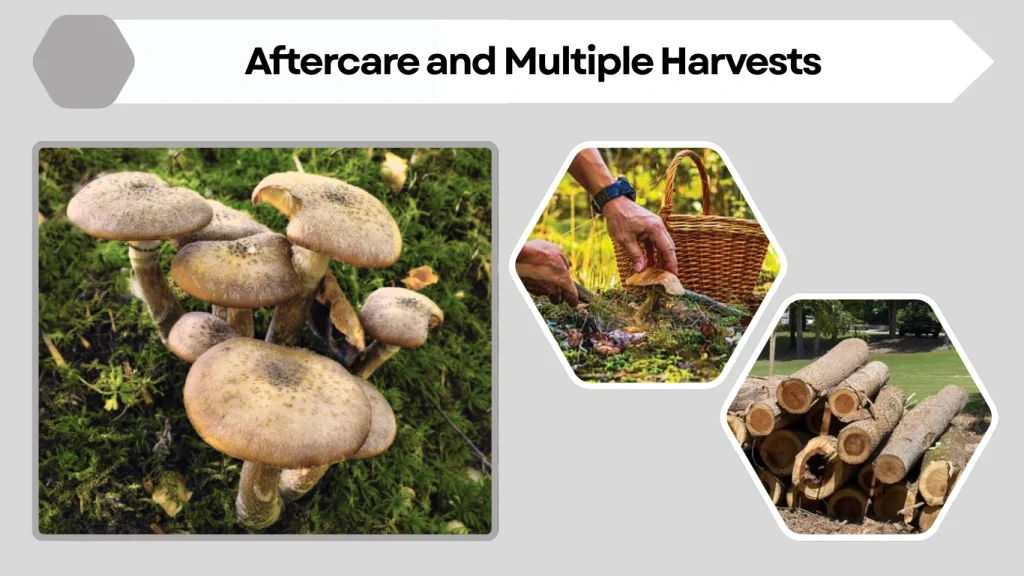
Aftercare and Multiple Harvests
Resting Periods Between Flushes
After harvesting, shiitake logs and substrate blocks require a rest period before producing another flush. This resting phase allows the mycelium to recover and store energy for future growth. Logs typically need 6 to 8 weeks of rest, while substrate blocks may require 1 to 3 weeks.
During this time, maintain moderate moisture levels but avoid soaking again until the next fruiting cycle.
Expected Yield Over Time
A single hardwood log can produce shiitake mushrooms for 3 to 5 years, yielding multiple flushes annually. Substrate blocks have a shorter lifespan, usually producing 2 to 4 flushes before nutrients are depleted. While logs are slower initially, they offer better long-term productivity and sustainability.
Common Problems and How to Fix Them
Slow or No Growth
Slow growth is often caused by incorrect temperatures or low humidity. Ensure environmental conditions remain within the ideal range and avoid placing logs or blocks in overly dry or hot locations. Inconsistent moisture is another common issue, particularly for outdoor logs.
Mold and Contamination
Green, black, or slimy growth indicates contamination. This is more common with substrate blocks than logs. If contamination appears early or spreads quickly, the affected block should be discarded to prevent spores from spreading. Maintaining cleanliness and proper airflow reduces the risk significantly.
Small or Deformed Mushrooms
Misshapen or undersized mushrooms are usually caused by low humidity or insufficient fresh air. Increase misting frequency and improve ventilation while avoiding strong drafts. Balanced conditions are key to producing full-sized, healthy shiitake mushrooms.
FAQs
How long does it take to grow shiitake mushrooms?
The timeline depends on the growing method. Substrate blocks can produce mushrooms in as little as 6 to 10 weeks, while logs may take 6 to 12 months before the first harvest.
Can shiitake mushrooms be grown indoors year-round?
Yes, shiitake mushrooms grow very well indoors using substrate blocks. With proper humidity, airflow, and light control, indoor growing allows for year-round production.
What is the easiest method for beginners?
Substrate blocks are generally the easiest option for beginners. They require fewer tools, less waiting time, and minimal technical knowledge compared to log cultivation.
How many times can one log produce mushrooms?
A healthy hardwood log can produce shiitake mushrooms two to three times per year for several years, depending on care and environmental conditions.
Are homegrown shiitake mushrooms safe to eat?
Yes, homegrown shiitake mushrooms are safe to eat when grown properly. Always discard mushrooms that show signs of mold, rot, or foul odor.