






Lion’s mane mushroom has gained significant attention in recent years due to its unique appearance and growing reputation as a functional food. Traditionally used in East Asian cuisines and wellness practices, this mushroom is now commonly discussed for its potential role in supporting brain health, nerve function, and overall well-being. This article explores the nutritional profile of lion’s mane mushroom, its possible health benefits, and important side effects to consider. A balanced understanding helps readers make informed decisions about incorporating it into their diet or routine.
What Is a Lion’s Mane Mushroom?
Appearance and Characteristics
Lion’s mane mushroom is easily recognized by its white, shaggy, cascading spines that resemble a lion’s mane or a pom-pom. Unlike cap-and-stem mushrooms, it grows in a rounded, clustered form. When cooked, lion’s mane has a tender, slightly chewy texture and a mild flavor often compared to seafood, particularly crab or lobster.
It is consumed both as a whole food and in supplement form. Fresh and dried mushrooms are commonly used in cooking, while powders, capsules, and extracts are popular in the wellness market.
Natural Habitat and Cultivation
In nature, lion’s mane mushroom grows on hardwood trees, particularly beech and oak, in temperate forests. Today, it is widely cultivated under controlled conditions to ensure consistency and availability. Cultivated lion’s mane is commonly sold fresh, dried, or processed into concentrated extracts, making it accessible year-round.
Nutritional Profile of Lion’s Mane Mushroom
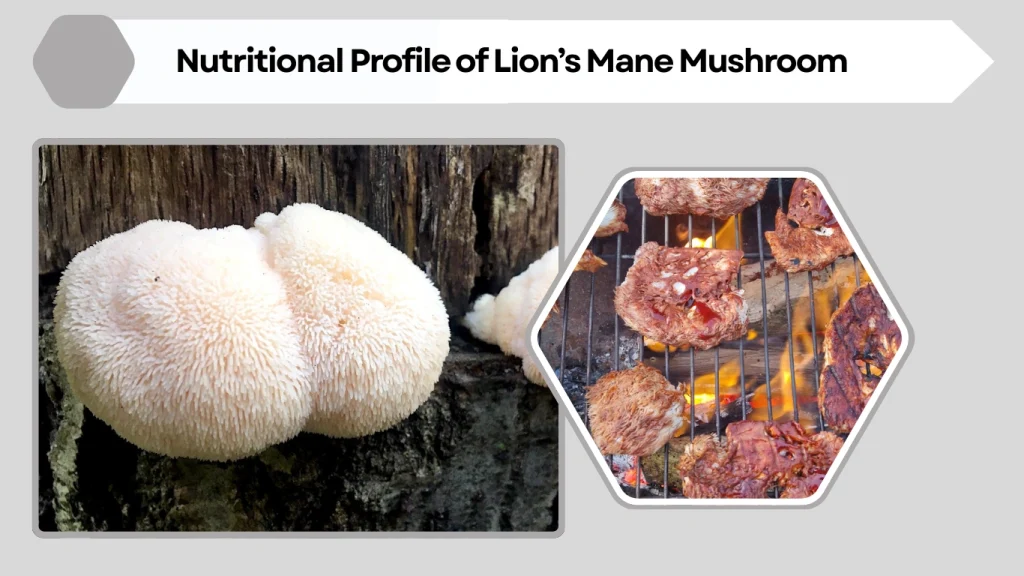
Key Nutrients
Lion’s mane mushroom offers a modest but meaningful nutritional profile. It contains dietary fiber, which supports digestive health, along with small amounts of protein. The mushroom also provides minerals such as potassium, zinc, and iron, which contribute to normal cellular and metabolic functions.
In addition to standard nutrients, lion’s mane contains unique bioactive compounds that distinguish it from many other edible mushrooms. These compounds are the primary reason it is often classified as a functional mushroom rather than just a culinary ingredient.
Low-Calorie and Functional Food Properties
Lion’s mane mushroom is naturally low in calories and fat, making it suitable for a variety of dietary patterns. Its functional food status refers to its potential to offer health-supporting properties beyond basic nutrition. Whole mushrooms and extracts differ in concentration, with extracts typically providing higher levels of specific compounds, while whole mushrooms contribute fiber and a broader nutrient spectrum.
Health Benefits of Lion’s Mane Mushroom

Cognitive and Brain Health Support
Lion’s mane mushroom is most widely known for its association with cognitive and brain health. Certain compounds found in the mushroom have been studied for their potential role in supporting nerve growth and communication. This has led to interest in lion’s mane as part of a wellness-focused diet aimed at maintaining memory, focus, and mental clarity.
While research is ongoing, early findings suggest lion’s mane may support normal cognitive function, particularly when consumed consistently over time. It is important to note that lion’s mane is not a treatment for neurological conditions, but rather a dietary component that may contribute to overall brain health.
May Support Nerve Health
In addition to cognitive support, lion’s mane has drawn attention for its potential relationship with nerve health. Compounds in the mushroom are being studied for their role in nerve regeneration and maintenance. This has generated interest among individuals focused on long-term nervous system wellness.
Traditional use and modern research both point to lion’s mane as a mushroom of interest in this area, though conclusions remain cautious and further studies are needed.
Potential Mental Well-Being Benefits
Some users report improvements in mood and stress resilience when using lion’s mane mushroom. These effects may be linked to the close relationship between brain health, nerve signaling, and emotional balance. Diets rich in whole, nutrient-dense foods are commonly associated with improved mental well-being, and lion’s mane fits within this broader dietary pattern.
Scientific evidence in this area is still emerging, and individual responses may vary.
Immune System Support
Like many mushrooms, lion’s mane contains antioxidants that help protect cells from oxidative stress. Antioxidants play a role in supporting immune balance and overall wellness. Including lion’s mane as part of a varied, plant-rich diet may contribute to maintaining normal immune function, though it should not be viewed as a substitute for medical care.
Lion’s Mane Mushroom and Energy Levels
Lion’s mane mushroom is sometimes described as supporting natural energy levels without acting as a stimulant. Unlike caffeine, it does not produce immediate stimulation or crashes. Instead, its perceived energy-supporting effects may stem from improved mental clarity, reduced fatigue, and overall wellness support.
For individuals seeking sustained energy through nutrition rather than stimulants, lion’s mane may be an appealing option. However, responses differ, and benefits often appear gradually rather than immediately.
Culinary Uses and Supplement Forms
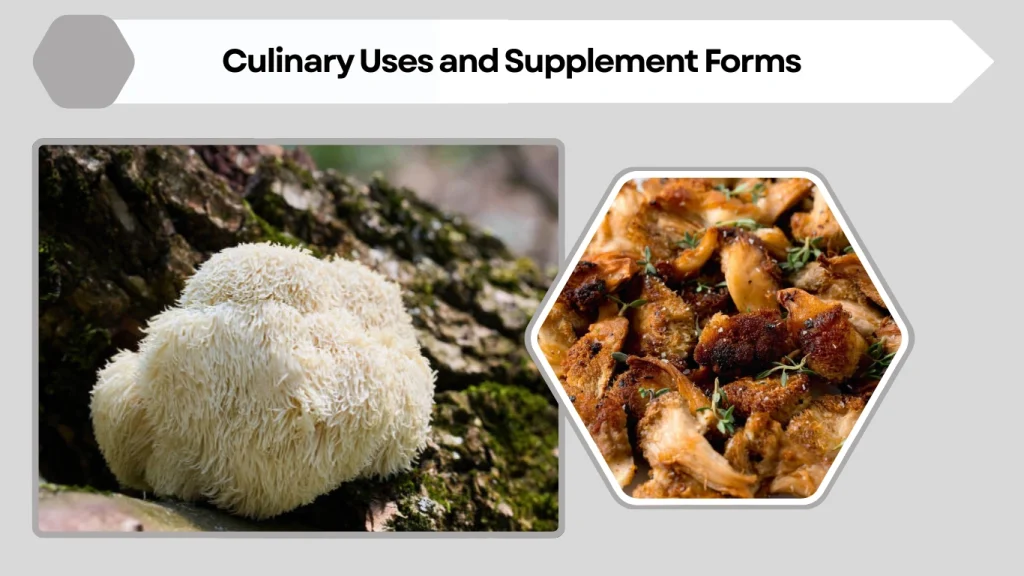
Cooking with Lion’s Mane Mushroom
Lion’s mane mushroom is highly regarded in the kitchen due to its unique texture and mild, savory flavor. When cooked, it is often compared to crab or lobster, making it a popular plant-based alternative in many recipes. Common cooking methods include sautéing, roasting, grilling, and pan-searing. It absorbs seasonings well and pairs nicely with garlic, herbs, and light sauces.
Fresh lion’s mane is typically torn into pieces rather than sliced, helping preserve its natural texture. Cooking not only enhances flavor but also improves digestibility, making it the preferred method of consumption for most people.
Capsules, Powders, and Extracts
In addition to culinary use, lion’s mane mushroom is widely available in supplement form. Capsules, powders, and liquid extracts are commonly used by individuals seeking convenience or more concentrated intake. Extracts often focus on isolating specific compounds, while whole-mushroom powders retain fiber and a broader nutrient profile.
When choosing supplements, quality matters. Products sourced from fruiting bodies rather than mycelium grown on grain are often preferred, as they typically contain fewer fillers and more active compounds.
Possible Side Effects of Lion’s Mane Mushroom
Digestive Issues
Some individuals may experience mild digestive symptoms when consuming lion’s mane mushroom, particularly when trying it for the first time. These symptoms can include bloating, nausea, or stomach discomfort. Such effects are usually temporary and may be reduced by starting with small amounts and gradually increasing intake.
Cooking the mushroom thoroughly or reducing supplement dosage often helps minimize digestive sensitivity.
Allergic Reactions
Although uncommon, allergic reactions to lion’s mane mushroom are possible. Symptoms may include skin rashes, itching, breathing difficulty, or swelling. Individuals with known mushroom allergies should avoid lion’s mane or consult a healthcare professional before use.
Any severe or persistent reaction should be treated as a medical concern.
Interactions and Sensitivities
Lion’s mane may interact with certain medications, particularly those affecting nerve function, blood clotting, or immune activity. While evidence is limited, caution is advised for individuals taking prescription medications or managing chronic conditions. Personal sensitivity varies, and not everyone responds the same way.
Who Should Be Cautious When Using Lion’s Mane

Certain groups should approach lion’s mane mushroom with added caution. Pregnant or breastfeeding individuals are generally advised to avoid medicinal mushroom supplements unless approved by a healthcare provider. People with mushroom allergies should not consume lion’s mane in any form.
Those taking medications related to neurological function, immune suppression, or blood thinning should consult a healthcare professional before regular use. Individuals with underlying medical conditions should also seek guidance to ensure lion’s mane fits safely into their routine.
How to Use Lion’s Mane Safely
Choosing Quality Products
Selecting high-quality lion’s mane products is essential for safety and effectiveness. Look for products that provide transparent labeling, third-party testing, and clear sourcing information. Avoid supplements with unnecessary fillers, artificial additives, or vague ingredient descriptions.
Whole-food forms, such as fresh or dried mushrooms, are often preferred for culinary use, while extracts should be chosen carefully for consistency and purity.
Recommended Intake and Timing
There is no universal dosage for lion’s mane mushroom. General guidance suggests starting with a low amount to assess tolerance, especially when using supplements. Consistent, moderate use is typically favored over high doses. Some people choose to take lion’s mane earlier in the day, while others prefer spreading intake across meals.
Listening to your body and avoiding excessive use helps reduce the risk of side effects.
FAQs
What are the main benefits of lion’s mane mushroom?
Lion’s mane mushroom is commonly associated with cognitive support, nerve health interest, immune balance, and digestive wellness. These benefits are linked to its unique compounds and overall nutrient profile.
Can lion’s mane mushroom cause side effects?
Yes, possible side effects include digestive discomfort, allergic reactions, or individual sensitivities. These effects are usually mild but can vary from person to person.
How long does it take to notice benefits?
Some individuals report subtle effects within weeks, while others may take longer. Benefits are often associated with consistent use rather than immediate results.
Is lion’s mane safe for daily use?
For most healthy adults, lion’s mane is generally considered suitable for regular use in moderate amounts. Those with medical conditions should consult a professional first.
Can lion’s mane be eaten as food instead of supplements?
Yes, lion’s mane can be consumed as a whole food. Cooking it offers nutritional value and may be preferable for individuals who want a food-based approach rather than supplements.