



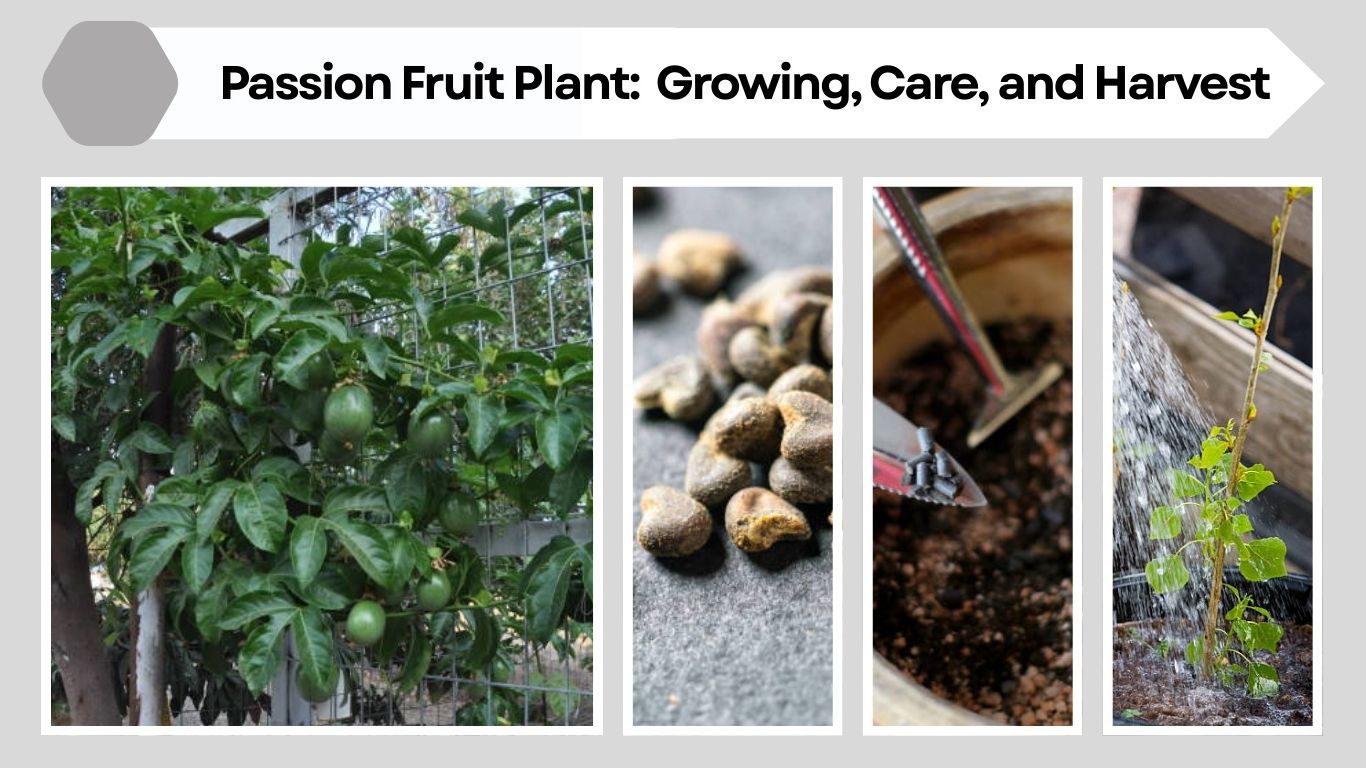
The passion fruit plant is a fast-growing tropical vine known for its exotic flowers and delicious, nutrient-rich fruit. Popular among home gardeners and commercial growers alike, this plant is relatively easy to grow when given the right conditions. With proper sunlight, soil, and care, a single vine can produce an abundant harvest for many years. In this guide, you’ll learn what a passion fruit plant is, its key characteristics, ideal growing conditions, and how to plant it successfully for healthy growth and high fruit production.
What Is a Passion Fruit Plant?
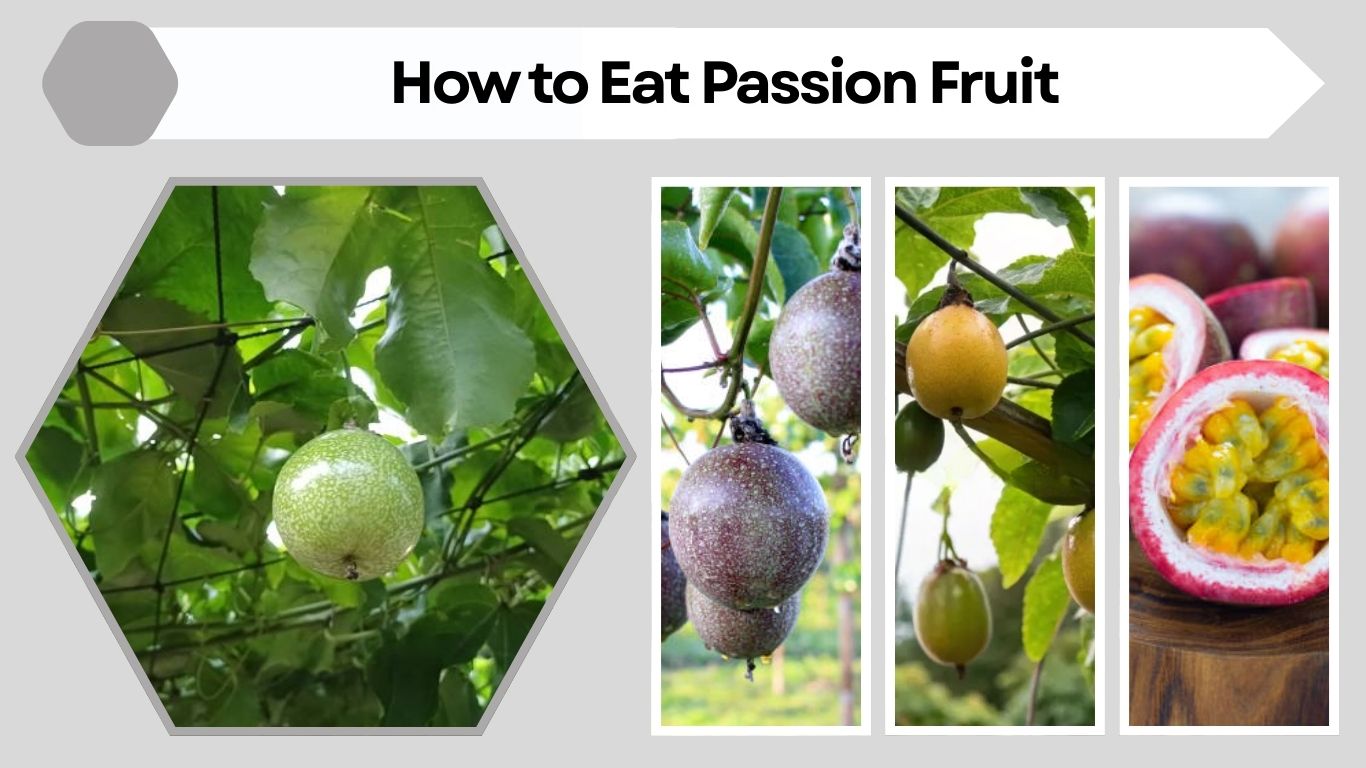
The passion fruit plant is a climbing vine scientifically known as Passiflora edulis. It belongs to the Passifloraceae family and is native to South America, particularly Brazil, Paraguay, and Argentina. Today, it is grown widely in tropical and subtropical regions around the world for its flavorful fruit.
This plant is best known for its vigorous growth and striking flowers. Passion fruit vines use tendrils to climb fences, trellises, and pergolas, making them both productive and decorative. Depending on the variety and growing conditions, the plant can start producing fruit within one to two years.
Purple vs Yellow Passion Fruit
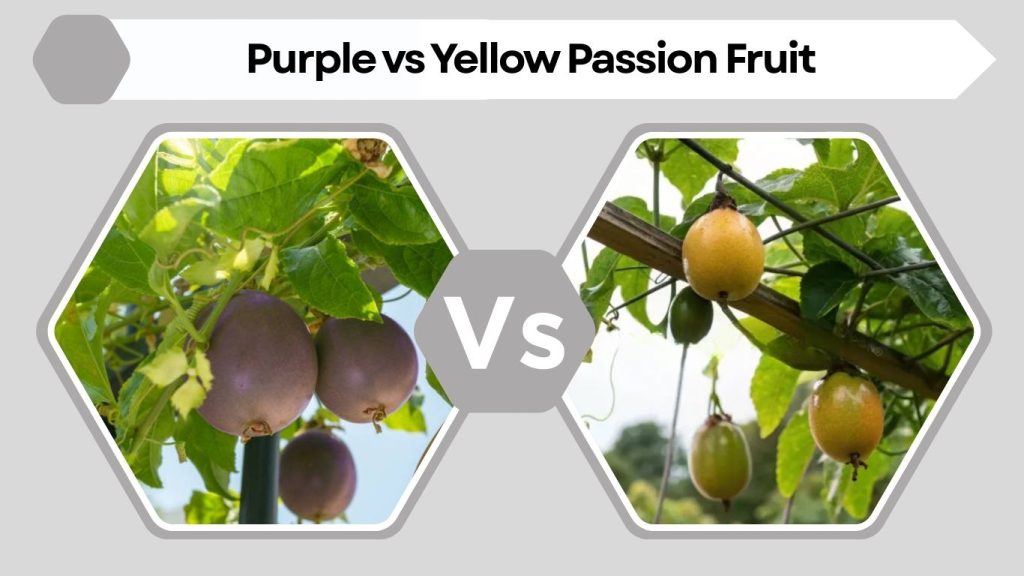
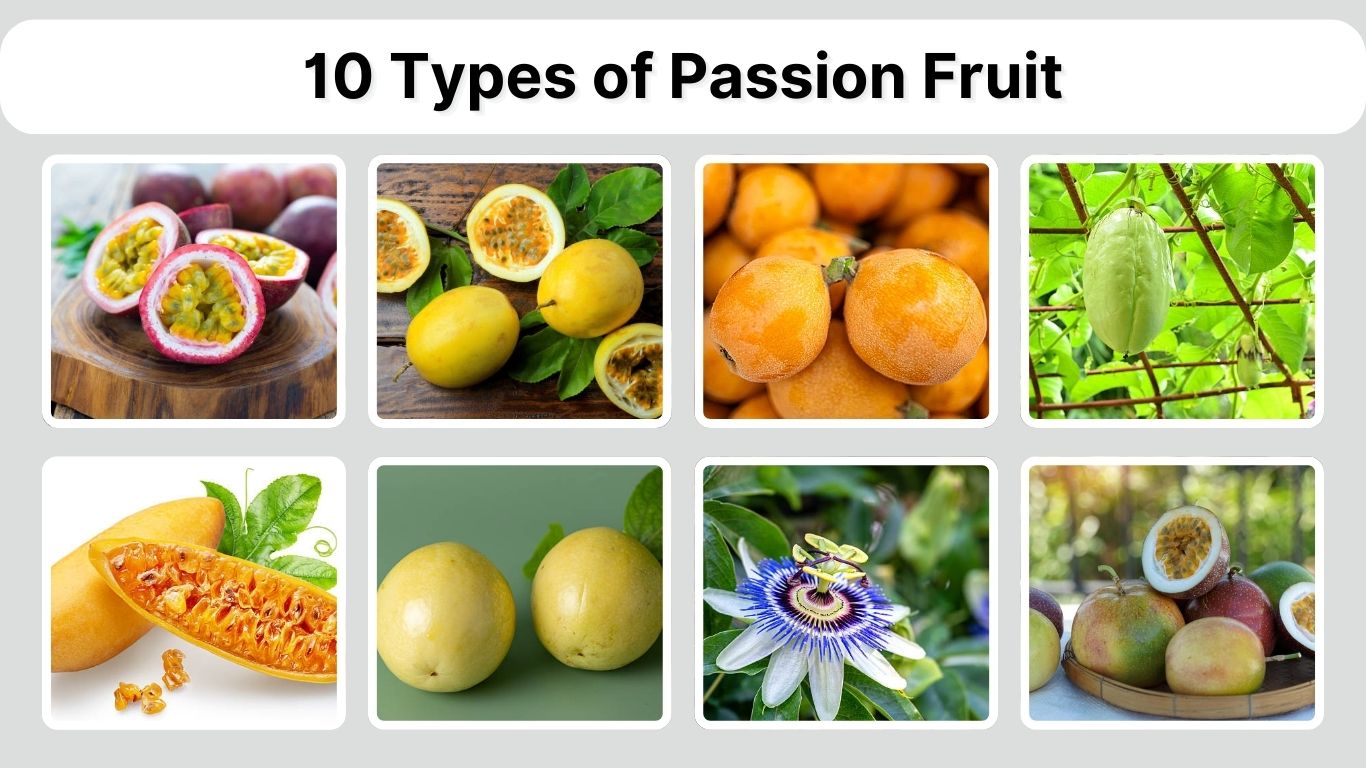
There are two main types of passion fruit plants commonly grown:
- Purple passion fruit (Passiflora edulis) produces smaller fruits with a rich, sweet-tart flavor and is better suited for cooler subtropical climates.
- Yellow passion fruit (Passiflora edulis flavicarpa) produces larger fruits, has a more acidic taste, and thrives in warmer tropical regions.
Both varieties are excellent choices, but climate plays a key role in deciding which one will perform best.
Passion Fruit Plant Characteristics
The passion fruit plant is a perennial vine that grows rapidly under favorable conditions. It can reach lengths of 15 to 20 feet or more within a single growing season.
The leaves are dark green, glossy, and deeply lobed, giving the plant a lush appearance. The vine produces coiling tendrils that help it attach to nearby supports. One of its most attractive features is the flower—large, fragrant, and complex, with white, purple, and blue tones arranged in a unique circular pattern.
After successful pollination, the flowers develop into round or oval fruits. When ripe, passion fruits have a tough outer rind and a juicy interior filled with aromatic pulp and edible seeds. The fruit is rich in vitamin C, fiber, and antioxidants, making it both delicious and nutritious.
Ideal Growing Conditions for Passion Fruit
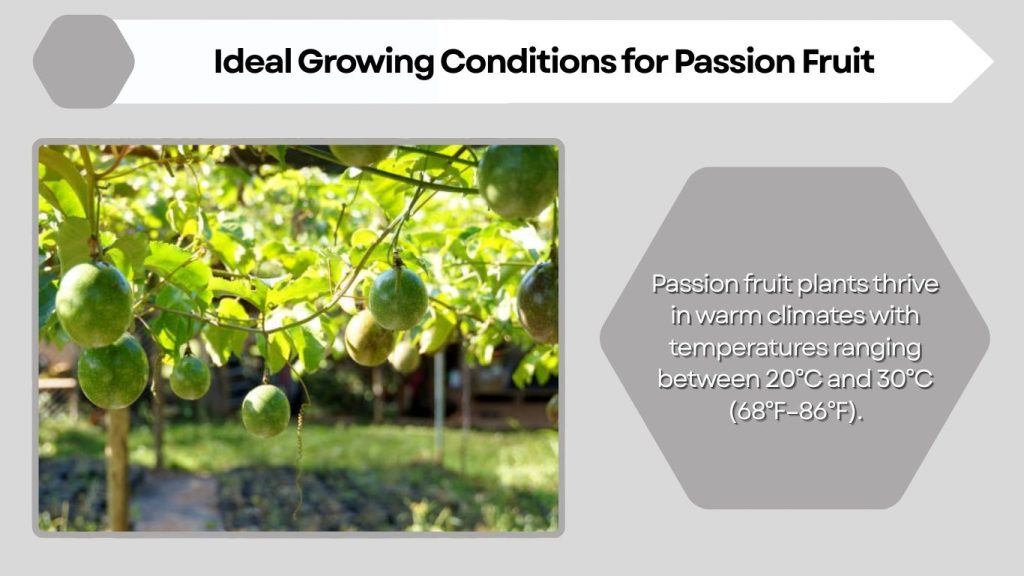
Providing the right growing environment is essential for a healthy and productive passion fruit plant.
Passion fruit plants thrive in warm climates with temperatures ranging between 20°C and 30°C (68°F–86°F). They do not tolerate frost well, so protection is necessary in cooler regions.
Full sunlight is crucial for flowering and fruiting. The plant should receive at least 6–8 hours of direct sunlight daily. While it can tolerate partial shade, too little sunlight often results in excessive leaf growth with few flowers.
The ideal soil for passion fruit is well-draining, fertile, and slightly acidic, with a pH between 6.0 and 6.5. Poor drainage can lead to root rot, one of the most common problems affecting passion fruit vines.
Best Location for Planting
Choose a location that offers:
- Plenty of sunlight
- Good air circulation
- Protection from strong winds
Planting near a fence, wall, or pergola is ideal, as the vine needs strong support to climb. Avoid low-lying areas where water tends to accumulate.
How to Plant a Passion Fruit Plant
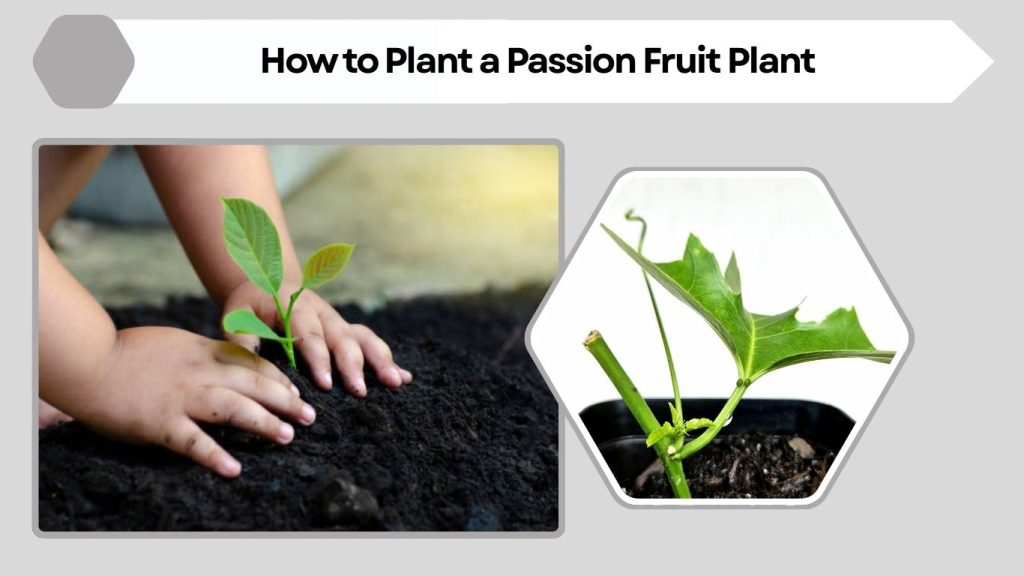
The best time to plant passion fruit is during spring or early summer when temperatures are warm and stable. Before planting, loosen the soil and mix in organic compost to improve fertility and drainage.
You can grow passion fruit either from seeds or cuttings, depending on availability and preference.
Growing Passion Fruit from Seeds
Seeds should be taken from fully ripe fruits. Clean them thoroughly and allow them to dry for a day before planting. Sow seeds about half an inch deep in moist, well-draining soil. Germination can take anywhere from 2 to 4 weeks, and young seedlings should be protected from harsh sunlight and cold.
Growing Passion Fruit from Cuttings
Growing from cuttings is faster and ensures the new plant matches the parent vine. Select a healthy cutting with at least two nodes, plant it in moist soil, and keep it in a warm, shaded area until roots develop. Once established, it can be transplanted to its final location.
Passion Fruit Plant Care and Maintenance
Proper care is essential for keeping a passion fruit plant healthy and productive. Although the vine grows vigorously, consistent maintenance helps improve flowering and fruit quality.
Passion fruit plants require regular watering, especially during hot and dry periods. The soil should remain moist but never waterlogged. Deep watering two to three times a week is usually sufficient, though container-grown plants may need more frequent watering.
Fertilizing is also important for strong growth and fruit production. A balanced fertilizer applied every four to six weeks during the growing season supports healthy vines. Adding compost or well-rotted manure helps improve soil structure and provides slow-release nutrients.
Best Fertilizers for Passion Fruit Plants
Organic fertilizers such as compost, vermicompost, and aged manure are excellent choices for long-term soil health. For faster results, a balanced NPK fertilizer (such as 10-10-10 or 12-12-12) can be used. Avoid excessive nitrogen, as it encourages leaf growth at the expense of flowers and fruit.
Pruning and Training the Vine
Pruning keeps the vine manageable and improves airflow and light penetration. Remove dead, weak, or tangled branches at the end of the fruiting season. Training the main vine along a trellis or pergola helps distribute growth evenly and makes harvesting easier.
Flowering, Pollination, and Fruiting
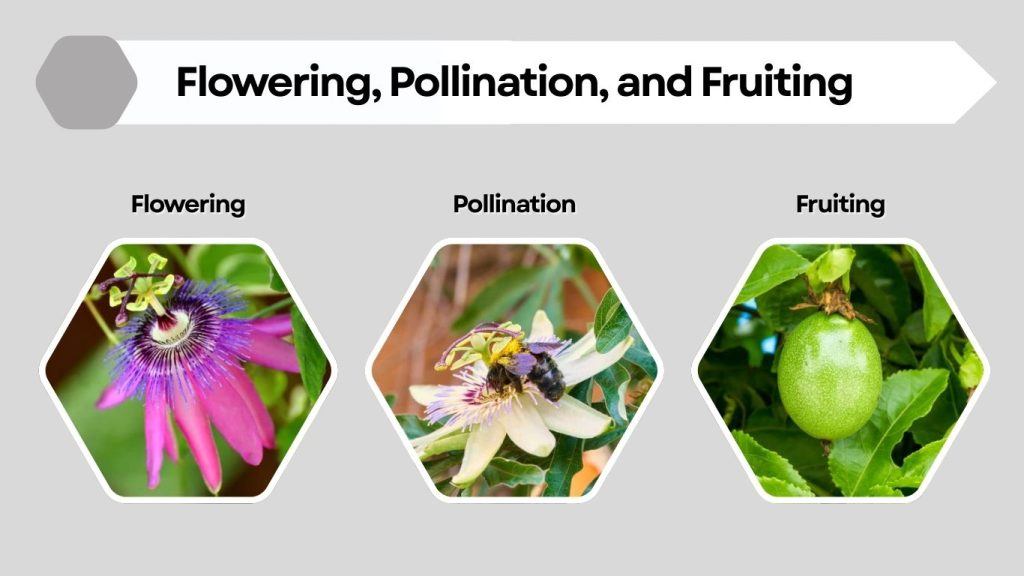
Passion fruit plants usually begin flowering within 6 to 12 months after planting, depending on growing conditions. The flowers are short-lived, typically opening for just one day, making pollination a crucial step for fruit development.
How Passion Fruit Is Pollinated
Pollination is mainly done by bees, especially carpenter bees. In areas with low bee activity, hand pollination can significantly improve fruit set. This involves transferring pollen from the anthers to the stigma using a small brush or cotton swab during the morning when flowers are fully open.
Common Fruiting Problems
A common issue is flowers dropping without forming fruit. This may be caused by poor pollination, nutrient imbalance, excessive heat, or lack of sunlight. Ensuring proper care and encouraging pollinators can help resolve this problem.
Common Problems and Solutions
Like any plant, passion fruit vines can face pest and disease issues if conditions are unfavorable.
Pests and Their Control
Common pests include aphids, mites, fruit flies, and caterpillars. These insects can damage leaves, flowers, and fruits. Regular inspection, neem oil sprays, and encouraging beneficial insects help keep pest populations under control.
Diseases and Prevention
Fungal diseases such as root rot and leaf spot often occur in poorly drained soil. Viral diseases can cause distorted leaves and reduced yields. To prevent problems, ensure good drainage, avoid overwatering, and remove infected plant parts promptly.
Harvesting Passion Fruit
Passion fruit plants typically start producing fruit within one to two years. Fruits are ready to harvest when they develop full color and either fall naturally from the vine or detach easily when gently twisted.
Harvesting regularly encourages continued fruit production. Handle fruits carefully to avoid damaging the rind, as bruising can reduce storage life. Fresh passion fruit can be stored at room temperature for a few days or refrigerated for longer freshness.
Growing Passion Fruit in Pots
Growing passion fruit in containers is a great option for gardeners with limited space. Choose a large pot with good drainage holes, as the plant develops an extensive root system.
Use a high-quality potting mix enriched with compost. Place the pot in a sunny location and provide a sturdy support structure for the vine. Container-grown plants require more frequent watering and feeding compared to those grown in the ground.
Benefits and Uses of Passion Fruit
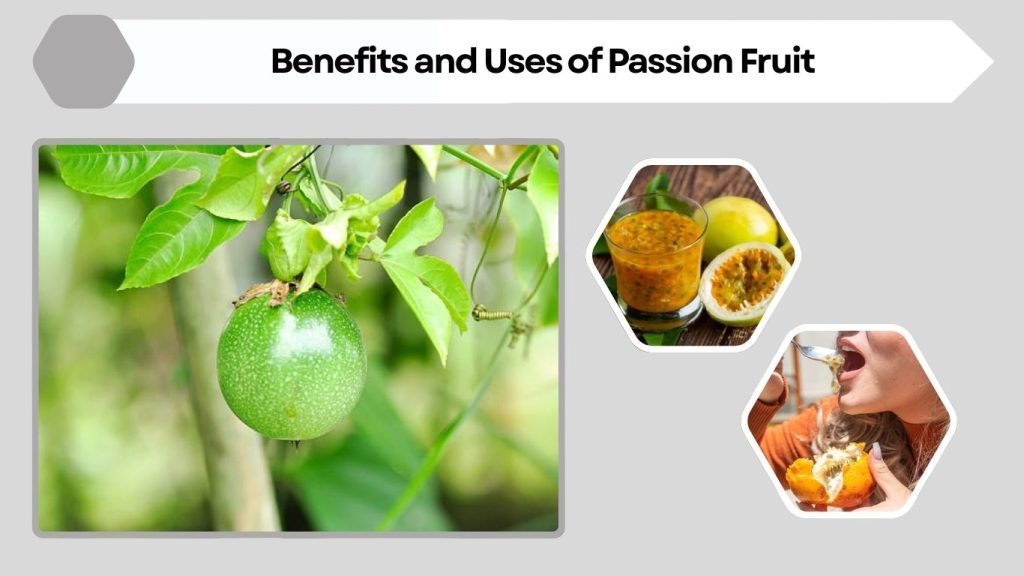
Passion fruit is highly nutritious and packed with vitamins, minerals, and antioxidants. It supports digestion, boosts immunity, and adds a refreshing flavor to various dishes.
The fruit is commonly used in juices, smoothies, desserts, jams, and sauces. Beyond its edible value, the passion fruit plant is also prized for its ornamental appeal, making it a beautiful addition to home gardens.
FAQs
How long does a passion fruit plant take to bear fruit?
Most passion fruit plants start producing fruit within 12 to 18 months under ideal growing conditions.
Can passion fruit grow in cold climates?
Passion fruit prefers warm climates but can grow in cooler regions if protected from frost.
How often should a passion fruit plant be watered?
Water deeply two to three times a week, adjusting based on weather and soil conditions.
Why is my passion fruit plant flowering but not fruiting?
This is usually due to poor pollination, nutrient imbalance, or insufficient sunlight.
Does a passion fruit plant need full sun?
Yes, full sun is essential for healthy growth and maximum fruit production.
Conclusion
Growing a passion fruit plant is both rewarding and enjoyable, especially when the vine is given proper care and support. With the right climate, sunlight, and maintenance, the plant produces beautiful flowers and flavorful fruits year after year. Whether grown in the ground or in a container, passion fruit is an excellent choice for gardeners looking to combine beauty with productivity.