




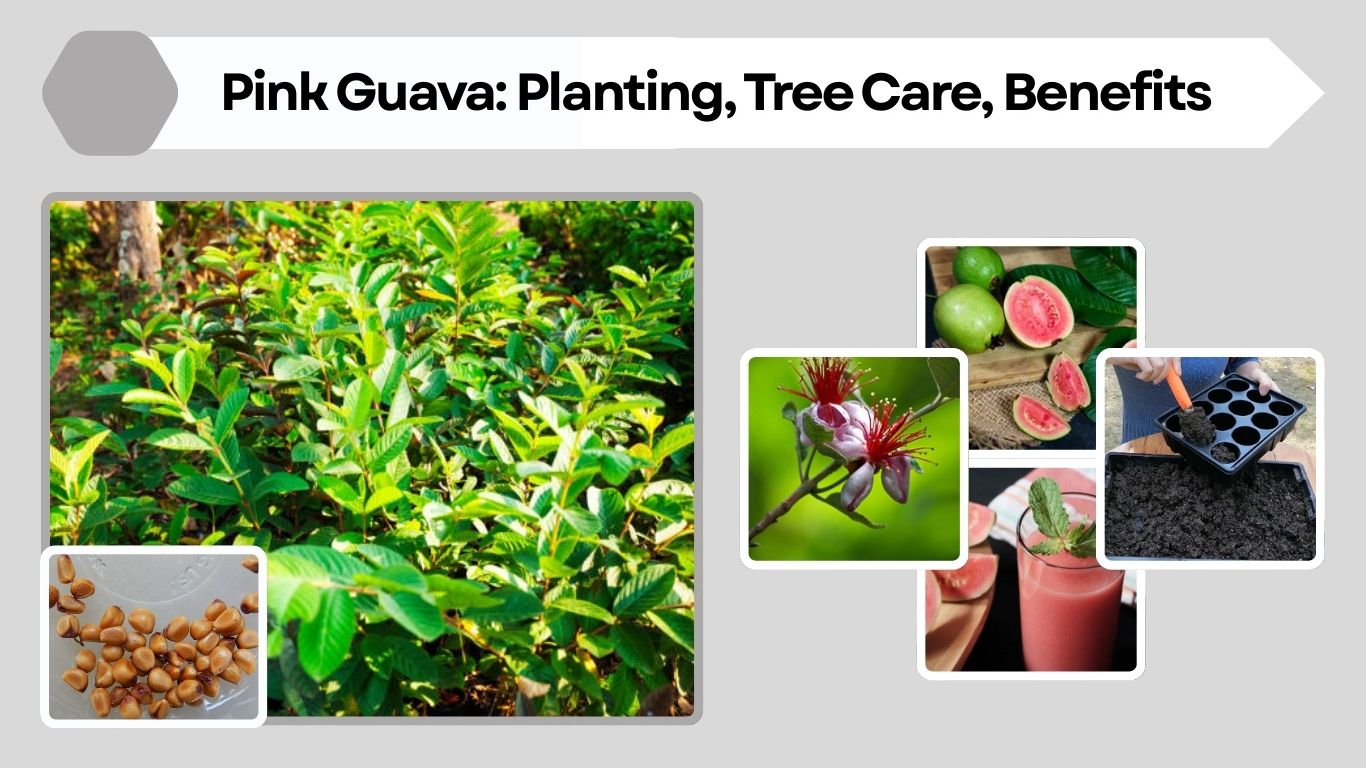
The pink guava strain is a popular tropical fruit plant known for its sweet flavor, vibrant pink flesh, and impressive health benefits. Widely grown in home gardens and farms, pink guava is valued for its fast growth, high yield, and low maintenance needs. This article explores the pink guava strain in detail, covering its plant and tree characteristics, leaves, flowers, fruit features, and step-by-step planting guidance. Whether you are a beginner gardener or an experienced grower, this guide will help you understand and grow pink guava successfully.
What Is the Pink Guava Strain?
Pink guava strain refers to varieties of Psidium guajava that produce fruits with pink to deep red flesh. Unlike white guava, pink guava is generally sweeter, more aromatic, and richer in antioxidants. It is widely cultivated in tropical and subtropical regions, including South Asia, Southeast Asia, Central America, and parts of Africa.
Pink guava is consumed fresh and used in juices, desserts, and processed foods due to its attractive color and flavor. Many farmers prefer this strain because of its strong market demand and good shelf life compared to other guava types.
Pink Guava Plant and Tree Overview
Growth Habit and Size
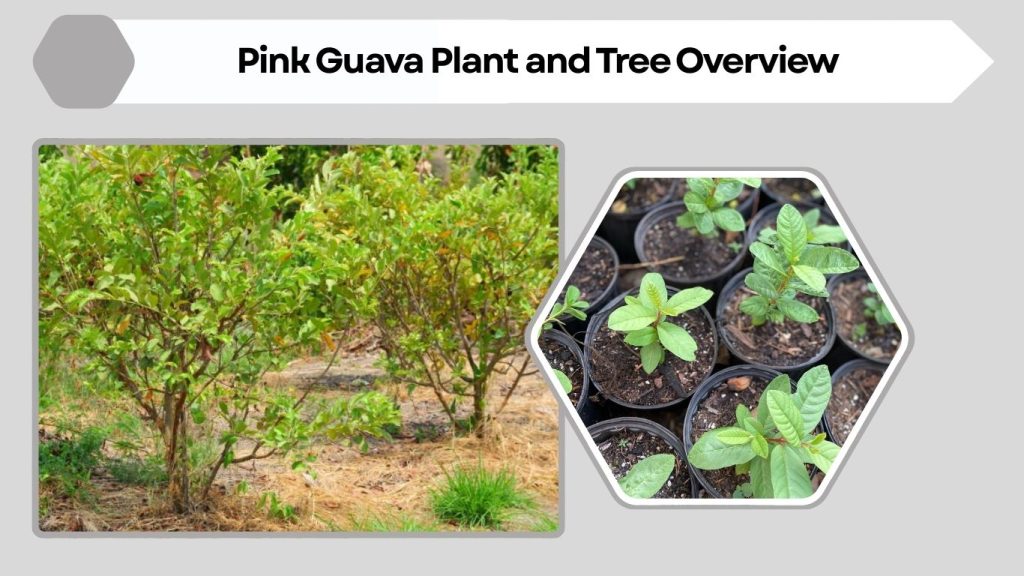
Pink guava grows as a small tree or large shrub, depending on pruning and growing conditions. Under normal care, the tree reaches a height of 10 to 20 feet, making it suitable for both backyard gardens and orchards. The canopy spreads moderately, allowing easy sunlight penetration and air circulation.
The plant grows quickly and may start producing fruit within 2 to 4 years, especially if grown from grafted saplings rather than seeds.
Climate and Growing Conditions
Pink guava thrives in tropical and subtropical climates. It prefers warm temperatures between 20°C and 35°C and can tolerate short periods of drought once established. While the plant can survive mild cold, frost can damage young trees and reduce fruit production.
Full sunlight is essential for healthy growth and better fruit quality. At least 6–8 hours of direct sunlight per day is recommended.
Pink Guava Tree Characteristics
Trunk, Bark, and Branch Structure
The trunk of the pink guava tree is usually slender with smooth, pale brown to gray bark that may peel slightly as the tree matures. Branches spread widely and grow low, which makes harvesting easier compared to taller fruit trees.
Regular pruning helps maintain a strong structure and encourages the growth of fruit-bearing branches.
Root System
Pink guava has a shallow but widespread root system. Because of this, the tree benefits from mulching to retain soil moisture and regulate temperature. The shallow roots also mean the tree should be planted away from buildings or underground pipes.
Leaves, Flowers, and Fruit Description
Pink Guava Leaves
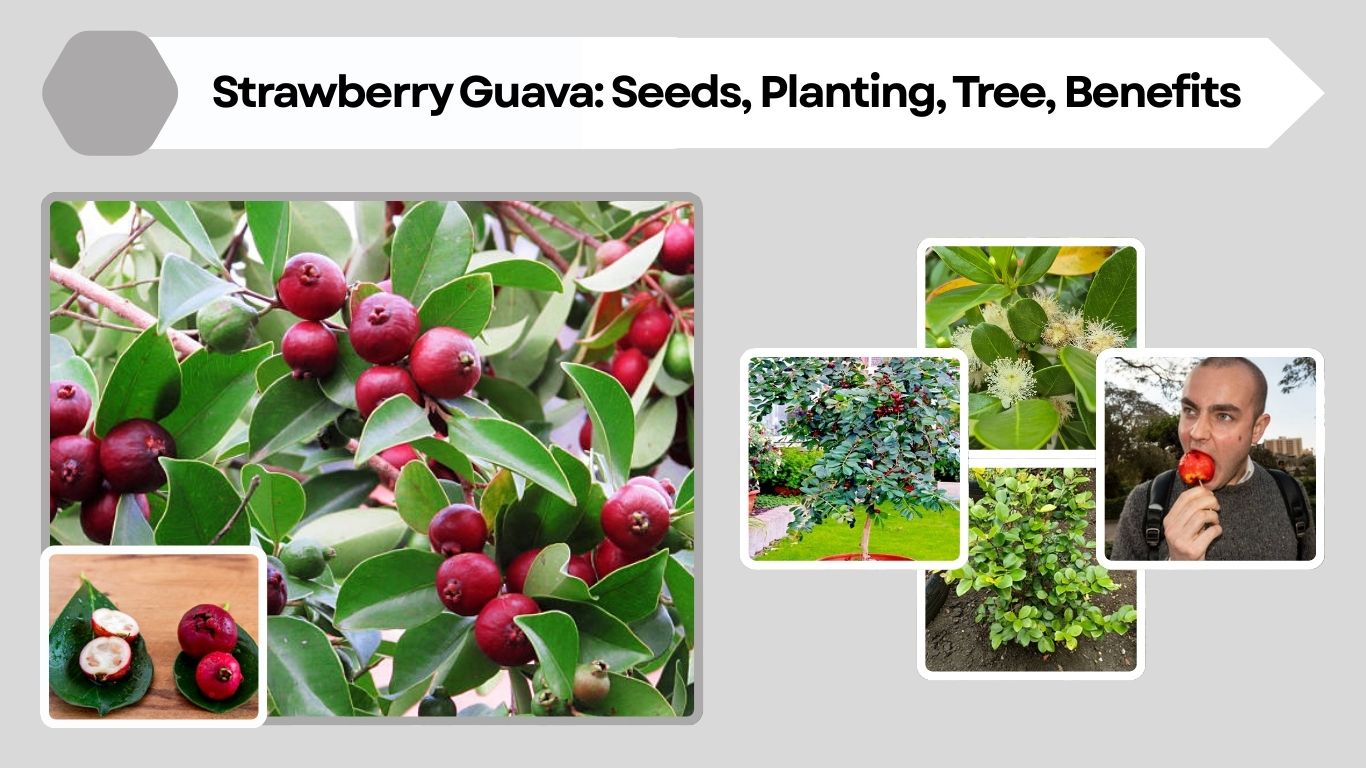
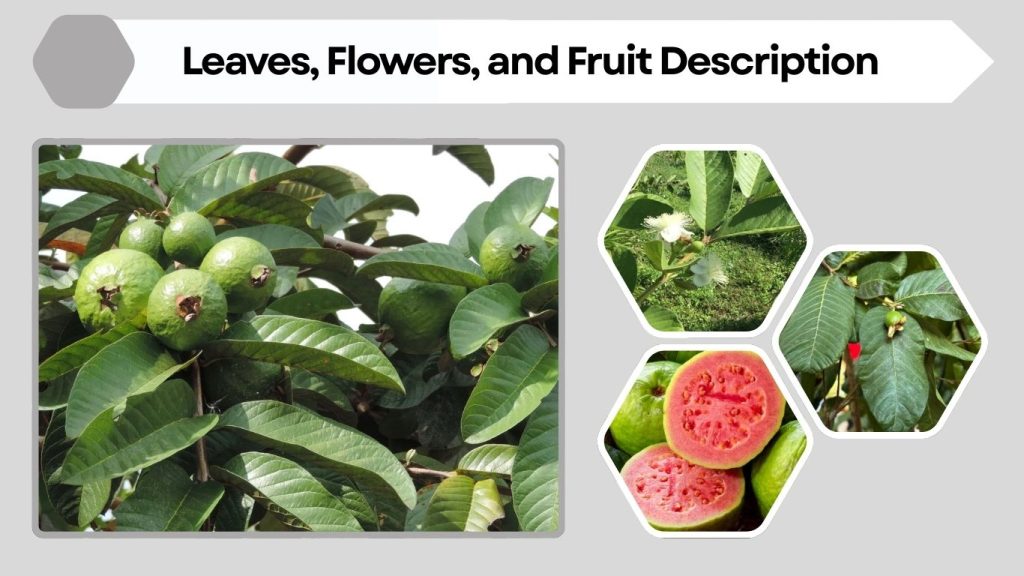
The leaves of the pink guava tree are oval-shaped with prominent veins and a slightly leathery texture. They are dark green on the upper surface and lighter underneath. New leaves often appear lighter in color and darken as they mature.
Leaves play an important role in identifying guava trees, as their vein pattern is quite distinctive.
Flowers and Pollination
Pink guava produces small, white flowers with numerous yellowish stamens. These flowers are mildly fragrant and usually appear singly or in small clusters. Flowering can occur once or multiple times a year, depending on climate and care.
The flowers are self-pollinating, but bees and other insects help improve fruit set and yield.
Pink Guava Fruit Characteristics
The fruit is round to oval with green or yellowish skin when ripe. Inside, the flesh ranges from light pink to deep salmon color. Pink guava has a sweet, mildly tangy taste and a strong aroma. The fruit contains small, edible seeds concentrated near the center.
How to Plant Pink Guava Successfully
Best Location and Sunlight
Choose a location that receives full sunlight throughout the day. Avoid low-lying areas where water may accumulate, as poor drainage can lead to root diseases.
Soil Preparation
Pink guava grows best in well-drained, loamy soil rich in organic matter. The ideal soil pH ranges from 5.5 to 7.5. Before planting, loosen the soil and mix in compost or well-rotted manure to improve fertility.
Planting Methods
Pink guava can be grown from seeds, but grafted or nursery-raised plants are recommended for faster fruiting and better quality. Dig a hole twice as wide as the root ball, place the plant carefully, and fill it with soil while gently pressing to remove air pockets.
Water thoroughly after planting to help the roots settle.
Pink Guava Tree Care Guide
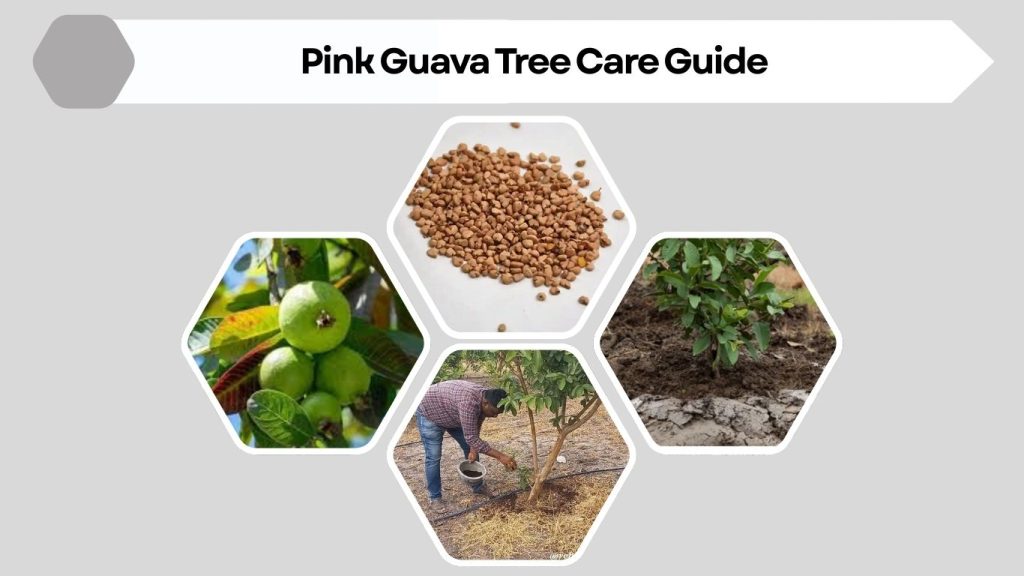
Watering Requirements
Proper watering is essential for healthy pink guava growth and fruit development. Young plants require regular watering, especially during the first year, to help establish strong roots. Water deeply two to three times per week, depending on weather conditions.
Once the tree matures, it becomes more drought-tolerant. However, consistent moisture during flowering and fruiting stages improves fruit size and sweetness. Overwatering should be avoided, as it can lead to root rot and fungal diseases.
Fertilization Schedule
Pink guava responds well to balanced nutrition. Organic compost or well-rotted manure can be applied two to three times a year to improve soil health. For faster growth and higher yields, a balanced fertilizer containing nitrogen, phosphorus, and potassium may be used.
Young trees benefit from lighter, more frequent feeding, while mature trees require fertilization before flowering and after harvest.
Pruning and Maintenance
Pruning helps maintain the shape of the pink guava tree and encourages new fruiting branches. The best time to prune is after harvesting. Remove dead, diseased, or overcrowded branches to improve airflow and sunlight penetration.
Light annual pruning also keeps the tree at a manageable height, making harvesting easier and improving overall productivity.
Common Pests and Diseases
Pink guava trees may be affected by pests such as fruit flies, aphids, and mealybugs. Regular inspection and early intervention help prevent serious infestations. Organic solutions like neem oil sprays are often effective.
Common diseases include anthracnose and leaf spot, usually caused by excessive moisture or poor air circulation. Proper pruning, clean soil practices, and avoiding waterlogged conditions reduce disease risks.
Harvesting and Yield of Pink Guava
Pink guava trees typically begin bearing fruit within two to four years, especially when grown from grafted plants. Fruits are ready for harvest when the skin changes from dark green to light green or yellow and gives slightly when pressed.
Harvesting is done by hand to avoid damaging the fruit or branches. A healthy mature tree can produce 50 to 100 kilograms of fruit per year under good growing conditions.
Health and Nutritional Benefits of Pink Guava
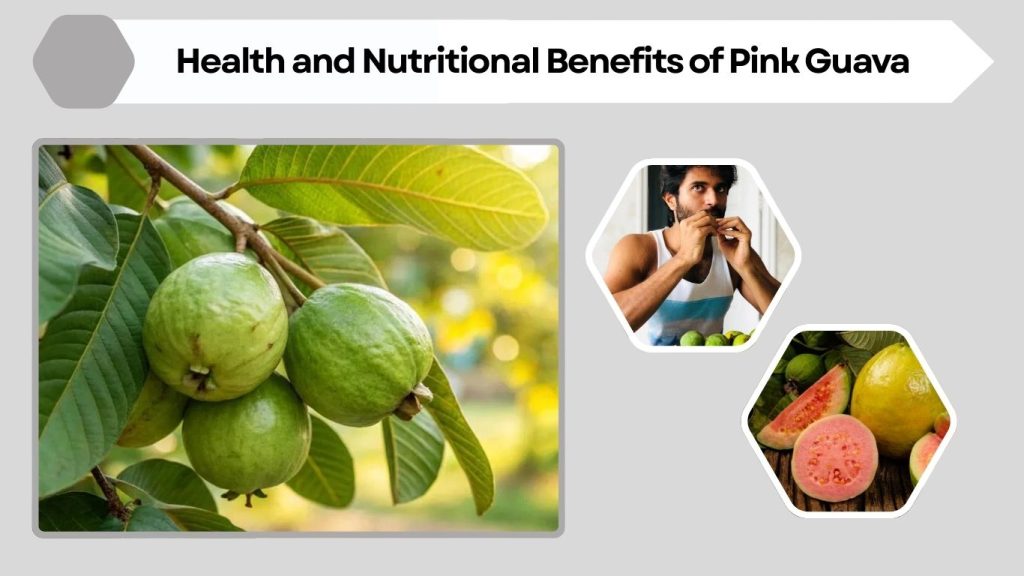
Nutritional Value
Pink guava is rich in vitamin C, vitamin A, potassium, and dietary fiber. It also contains powerful antioxidants such as lycopene, which gives the fruit its pink color.
Health Benefits
Regular consumption of pink guava supports immune health, improves digestion, and promotes heart health. Its high fiber content helps regulate blood sugar levels, while antioxidants contribute to skin health and overall wellness.
Culinary and Practical Uses of Pink Guava
Pink guava is widely enjoyed fresh due to its sweet taste and soft texture. It is also used in juices, smoothies, jams, jellies, desserts, and sauces. Because of its vibrant color, pink guava is especially popular in beverages and processed food products.
Pink Guava vs White Guava
Pink guava differs from white guava mainly in flesh color, flavor, and antioxidant content. Pink guava is generally sweeter and richer in lycopene, while white guava has a milder taste and lighter flesh. Both varieties are nutritious, but pink guava is often preferred for fresh consumption and juice production.
Pink Guava Identification Guide
Pink guava can be identified by its oval leaves with prominent veins, smooth light-colored bark, and round or oval fruits with pink flesh. The strong aroma and sweet taste further distinguish it from other guava varieties.
Conclusion
The pink guava strain is a rewarding fruit plant that combines ease of cultivation with excellent nutritional and economic value. With proper planting, regular care, and timely harvesting, pink guava trees can thrive in home gardens and orchards alike. Its sweet flavor, attractive pink flesh, and numerous health benefits make it a favorite among growers and consumers. By following the guidelines outlined in this article, you can successfully grow and enjoy pink guava for years to come.
FAQs
How long does a pink guava tree take to produce fruit?
A pink guava tree usually starts producing fruit within 2 to 4 years after planting. Grafted or nursery-grown plants tend to bear fruit earlier than trees grown from seeds, sometimes as early as the second year under good care.
Can pink guava be grown in pots or containers?
Yes, pink guava can be grown in large containers. Choose a pot that is at least 18–24 inches deep with proper drainage. Regular pruning, adequate sunlight, and consistent watering are essential for healthy growth and fruiting in containers.
How often should a pink guava tree be watered?
Young pink guava plants need watering 2–3 times per week, depending on climate and soil conditions. Mature trees require less frequent watering but should receive consistent moisture during flowering and fruit development for better yield.
Is pink guava sweeter than white guava?
In most cases, pink guava is sweeter and more aromatic than white guava. It also contains higher levels of lycopene, which gives it the pink color and adds to its nutritional value.
What is the best fertilizer for pink guava trees?
Pink guava trees respond well to organic compost, farmyard manure, and balanced NPK fertilizers. Applying fertilizer before flowering and after harvesting helps promote healthy growth and higher fruit production.
Is pink guava good for health and digestion?
Yes, pink guava is rich in fiber, vitamin C, and antioxidants, which support digestion, boost immunity, and promote heart health. Regular consumption may also help regulate blood sugar levels when eaten in moderation.