





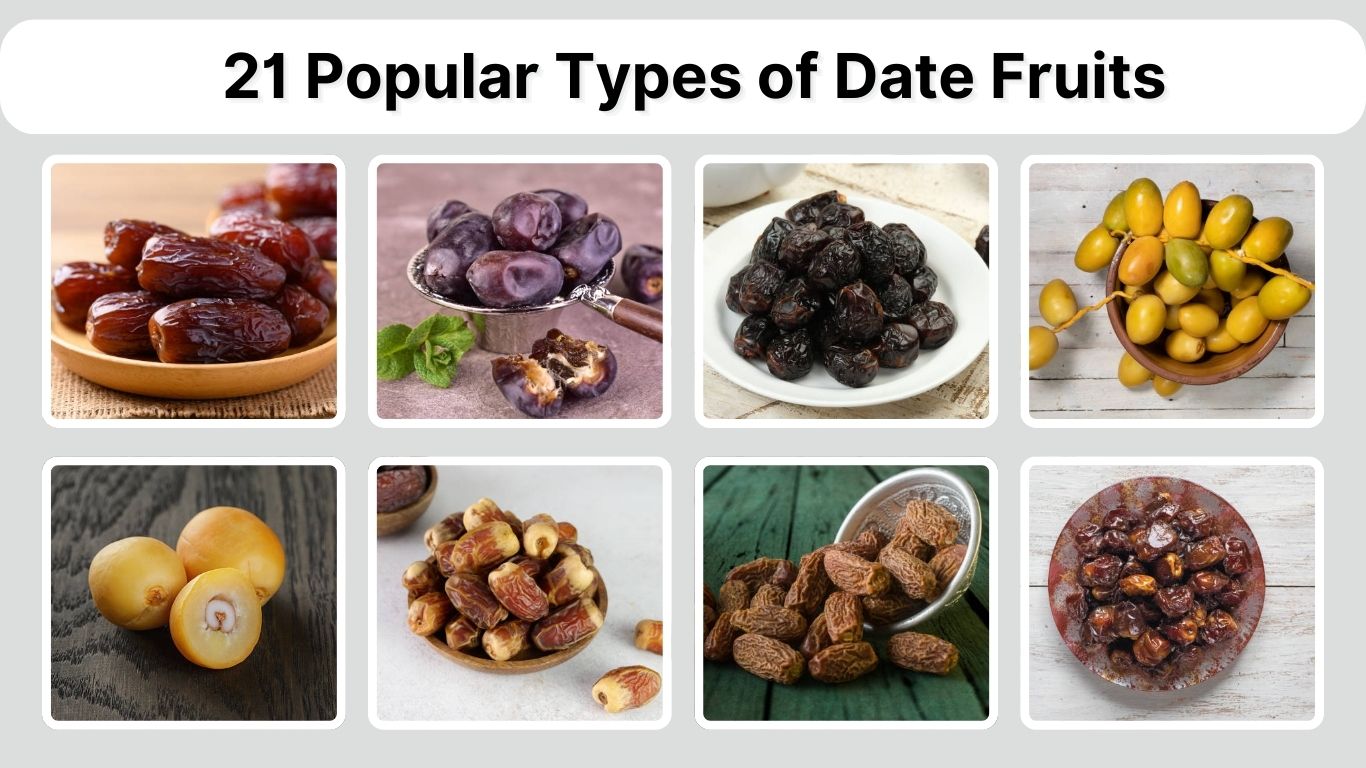
Dates are one of the oldest cultivated fruits, valued for their natural sweetness, rich nutrition, and cultural importance across many regions. Grown mainly in hot and arid climates, date fruits come in a wide variety of shapes, textures, colors, and flavors—from soft and juicy to dry and firm. Each type of date has its own unique characteristics, health benefits, and growing regions. In this article, we explore 21 popular types of date fruits, highlighting their identification, benefits, growing seasons, and where they are commonly found.
1. Medjool Dates
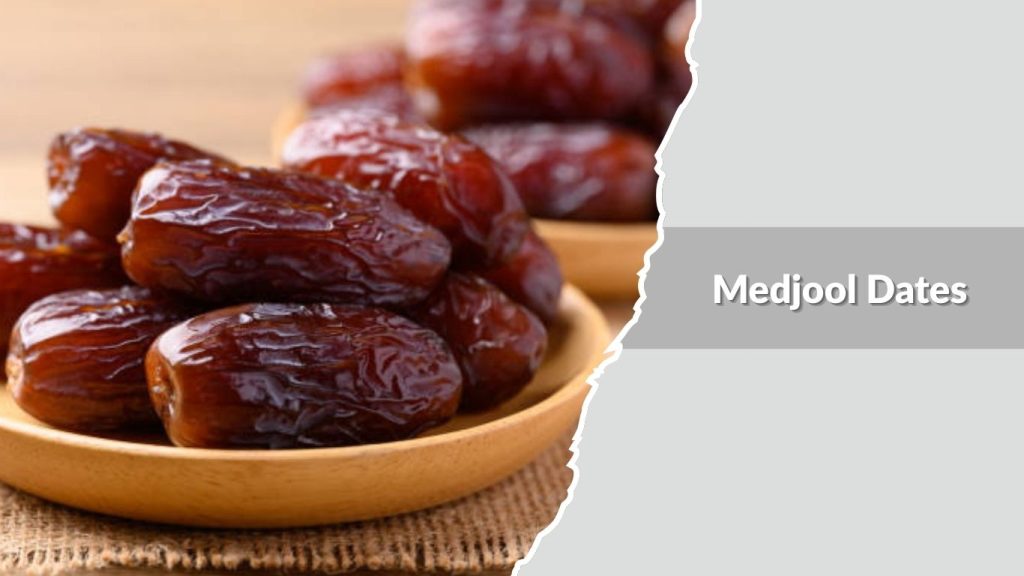
Medjool dates are one of the most popular and widely consumed date varieties in the world. Known for their large size, soft texture, and rich caramel-like sweetness, they are often called the “king of dates.” Medjool dates are enjoyed fresh or dried and are commonly used as a natural sweetener in both traditional and modern recipes.
Identification
- Large to extra-large size
- Oval to oblong shape
- Deep amber to dark brown color
- Soft, chewy, and moist flesh
- Naturally very sweet taste
Benefits
Medjool dates are rich in natural sugars, fiber, and essential minerals like potassium, magnesium, and iron. They support digestion, provide quick energy, help maintain heart health, and are beneficial for overall muscle and nerve function.
When They Grow
Medjool dates typically grow on date palm trees in hot, arid climates. The fruit develops during the summer months and is usually harvested from late summer to early fall when it reaches full ripeness.
Where They Are Found
Originally from Morocco, Medjool dates are now widely cultivated in countries such as Saudi Arabia, Jordan, Israel, the United States (especially California and Arizona), and parts of North Africa.
2. Deglet Noor Dates
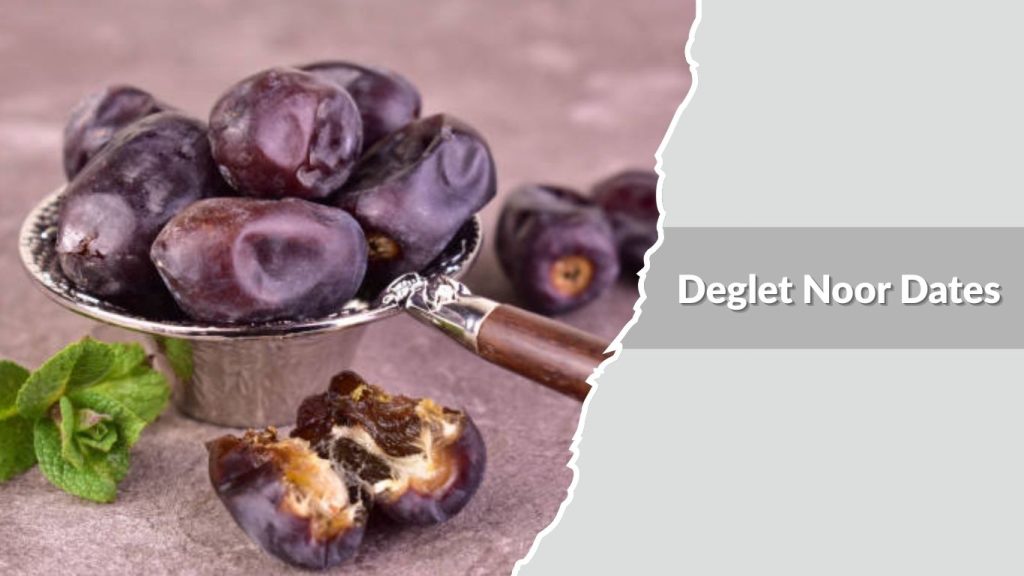
Deglet Noor dates are one of the most widely exported and commonly consumed date varieties in the world. Often called the “date of light,” they are known for their semi-dry texture and delicate sweetness. Compared to Medjool dates, Deglet Noor dates are smaller and firmer, making them ideal for cooking, baking, and industrial food processing. Their balanced flavor and versatility have made them a staple in many households and commercial kitchens.
Identification
- Medium-sized fruit
- Elongated oval shape
- Light golden to amber-brown color
- Semi-dry and firm texture
- Mildly sweet, nutty flavor
Benefits
Deglet Noor dates are a good source of dietary fiber, which supports healthy digestion and helps prevent constipation. They contain essential minerals such as potassium, calcium, and magnesium that contribute to bone strength and heart health. Their natural sugars provide steady energy, making them suitable for daily consumption without being overly rich or heavy.
When They Grow
Deglet Noor dates grow in hot desert climates and require long, dry summers to mature properly. The fruit usually develops during late spring and summer, with harvesting taking place from early to mid-autumn, depending on the growing region and climate conditions.
Where They Are Found
Deglet Noor dates originated in North Africa, particularly Tunisia and Algeria. Today, they are widely cultivated in Tunisia, Algeria, Libya, the United States (California), and parts of the Middle East, where they are valued for both local use and export.
3. Ajwa Dates
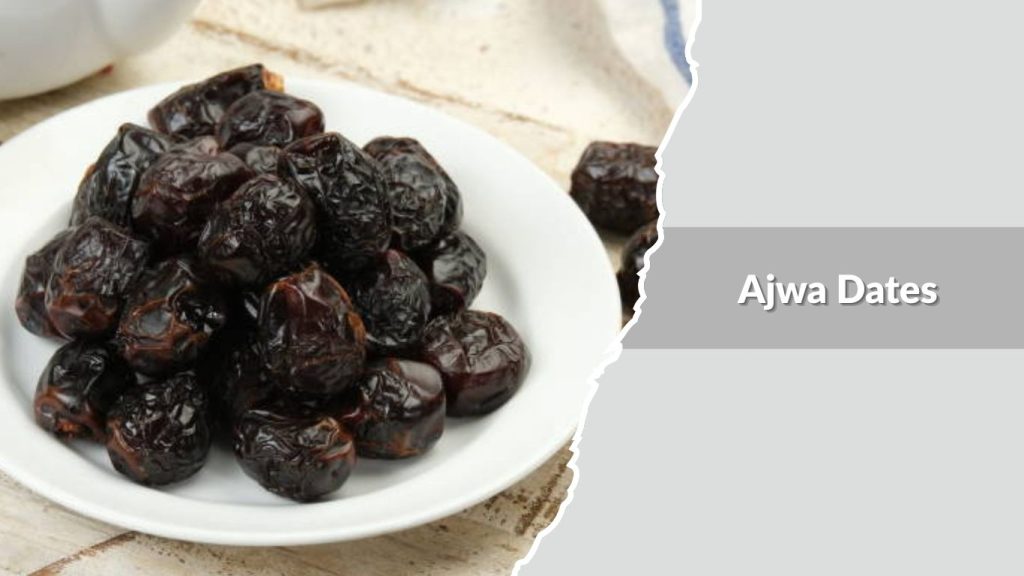
Ajwa dates are one of the most revered and culturally significant date varieties, especially in the Islamic world. They are known for their soft texture, dark color, and unique flavor that combines mild sweetness with subtle earthy notes. Ajwa dates hold special religious importance and are often consumed for both spiritual and health-related reasons.
Identification
- Small to medium size
- Round to oval shape
- Deep dark brown to almost black color
- Soft and slightly dry texture
- Mildly sweet with a hint of bitterness
Benefits
Ajwa dates are rich in antioxidants, fiber, and essential minerals such as iron and potassium. They are believed to support heart health, improve digestion, and boost overall immunity. Traditionally, Ajwa dates are consumed for their perceived protective and healing properties, making them popular for daily intake in small quantities.
When They Grow
Ajwa dates grow in extremely hot and dry environments. The fruit matures during the summer season, and harvesting generally occurs between August and September, once the dates reach full ripeness and their characteristic dark color.
Where They Are Found
Ajwa dates are primarily grown in Madinah, Saudi Arabia, where the soil and climate contribute to their unique characteristics. While limited cultivation exists elsewhere, authentic Ajwa dates are most strongly associated with this region and are often exported worldwide.
4. Barhi Dates
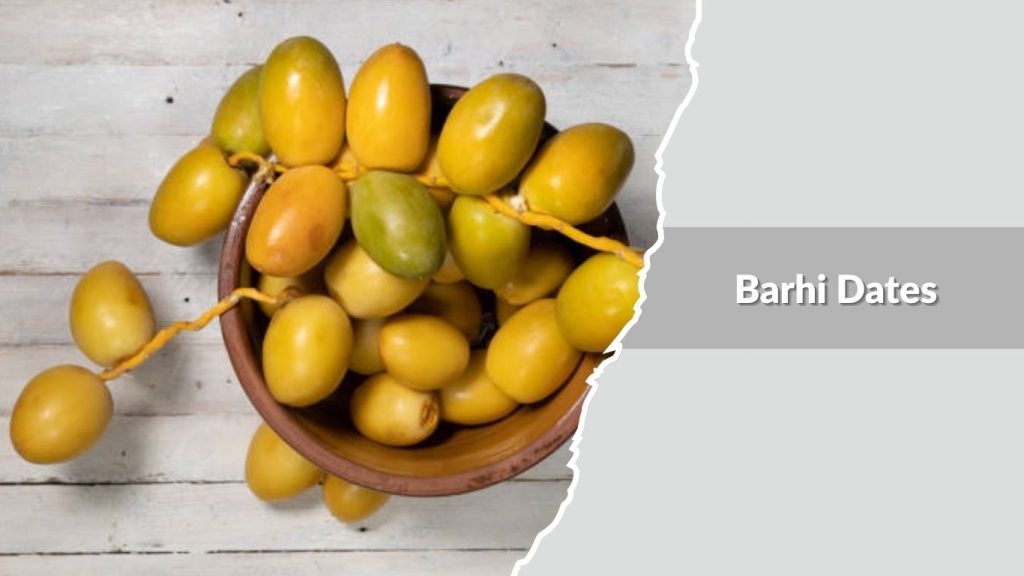
Barhi dates are well known for their unique consumption style, as they are often eaten fresh rather than fully dried. Unlike most date varieties, Barhi dates are enjoyed at the yellow, crunchy stage as well as when fully ripe. They have a rich, sweet flavor that becomes more intense as the fruit softens. Because of their short shelf life in the fresh stage, Barhi dates are considered a premium and seasonal delicacy.
Identification
- Medium to large size
- Round to oval shape
- Bright yellow when fresh, light brown when ripe
- Crunchy when unripe, soft when fully ripe
- Very sweet, honey-like flavor
Benefits
Barhi dates are high in natural sugars that provide quick energy. They contain dietary fiber that supports digestion and helps maintain gut health. Barhi dates also supply important vitamins and minerals such as potassium and vitamin B-complex, which contribute to muscle function and overall energy metabolism.
When They Grow
Barhi dates grow in hot, dry climates and begin developing in late spring. They are typically harvested in early to mid-summer, especially when consumed at the yellow, fresh stage. Fully ripe Barhi dates are harvested slightly later in the season.
Where They Are Found
Barhi dates are believed to have originated in Iraq and are now cultivated in Saudi Arabia, Kuwait, Iraq, and the United States, particularly in California. They are especially popular in Middle Eastern markets due to their fresh-eating quality.
5. Zahidi Dates
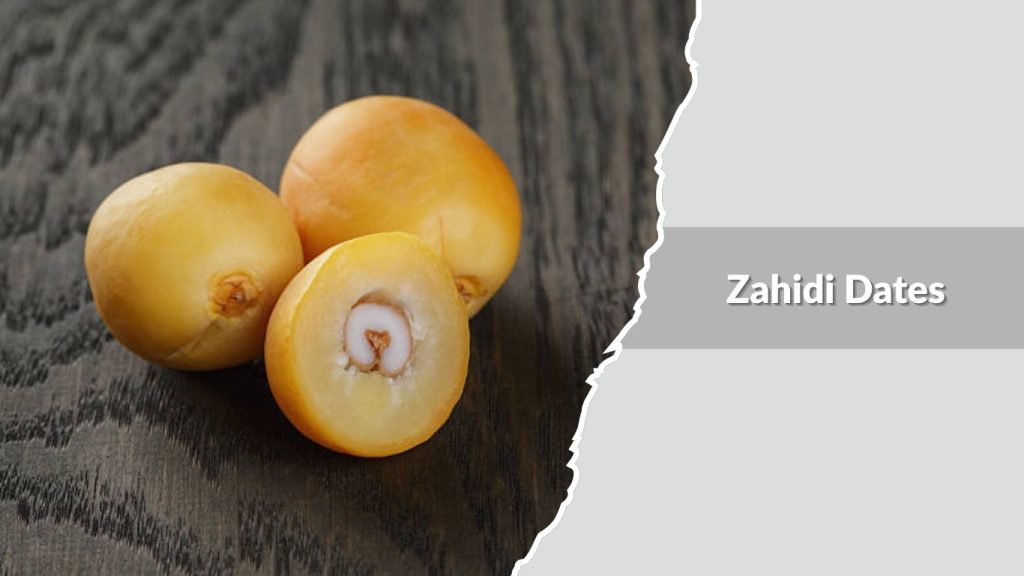
Zahidi dates are a semi-dry variety valued for their firm texture and mildly sweet flavor. They are less sugary than many other date types, making them a preferred choice for people who enjoy a more balanced sweetness. Zahidi dates are commonly used in cooking, baking, and date-based products such as syrups and pastes due to their low moisture content and long shelf life.
Identification
- Medium-sized fruit
- Oval to elongated shape
- Light golden to yellow-brown color
- Firm and semi-dry texture
- Mildly sweet, nutty taste
Benefits
Zahidi dates are rich in fiber, which aids digestion and supports weight management by promoting a feeling of fullness. They contain minerals such as potassium, magnesium, and iron that help support heart health and maintain healthy blood circulation. Their moderate sugar content makes them suitable for regular consumption.
When They Grow
Zahidi dates require long, hot summers and minimal rainfall to grow properly. The fruit matures during late summer, and harvesting usually takes place in early autumn when the dates reach their firm, semi-dry stage.
Where They Are Found
Zahidi dates originated in Iraq and are now widely grown in Iraq, Iran, Saudi Arabia, and the United States. They are commonly exported and used in both traditional dishes and commercial food production.
6. Safawi Dates
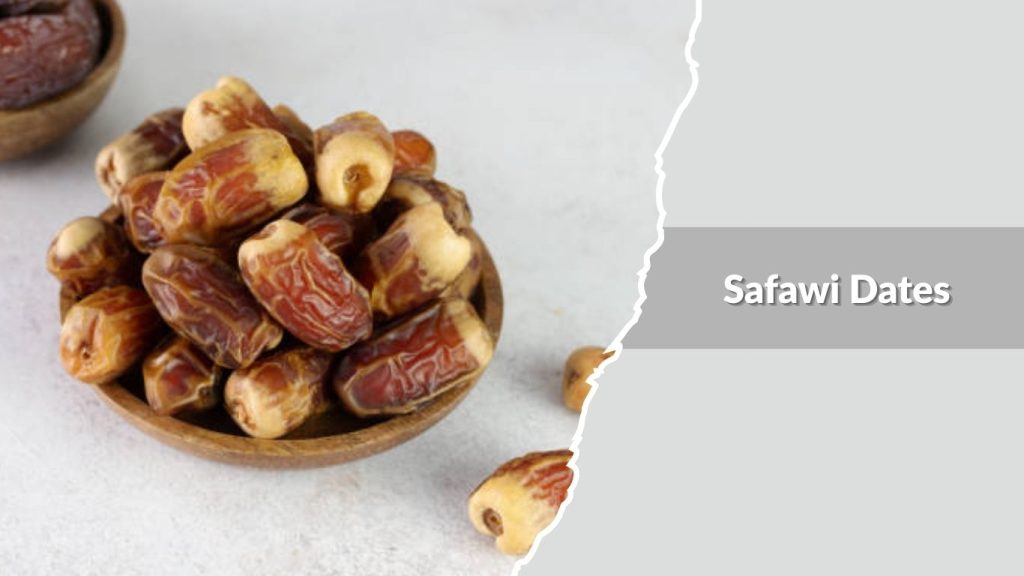
Safawi dates are a dark, soft variety known for their deep sweetness and slightly chewy texture. They are often compared to Ajwa dates but are larger and have a more pronounced sweet taste. Safawi dates are popular for daily consumption due to their rich flavor and nutritional value, making them a common choice in Middle Eastern households.
Identification
- Medium to large size
- Oval shape
- Dark brown to almost black color
- Soft, slightly chewy texture
- Rich and moderately sweet flavor
Benefits
Safawi dates are high in dietary fiber, which helps improve digestion and prevent constipation. They are a good source of iron, supporting healthy blood circulation, and potassium, which helps regulate blood pressure. Regular consumption may also contribute to increased energy levels and overall vitality.
When They Grow
Safawi dates grow in hot desert climates with long summers. The fruit matures during the summer months and is typically harvested from late August to September when it reaches full ripeness.
Where They Are Found
Safawi dates are mainly cultivated in Saudi Arabia, especially in the Madinah region. They are also grown in smaller quantities in nearby Middle Eastern countries and exported worldwide.
7. Khudri Dates
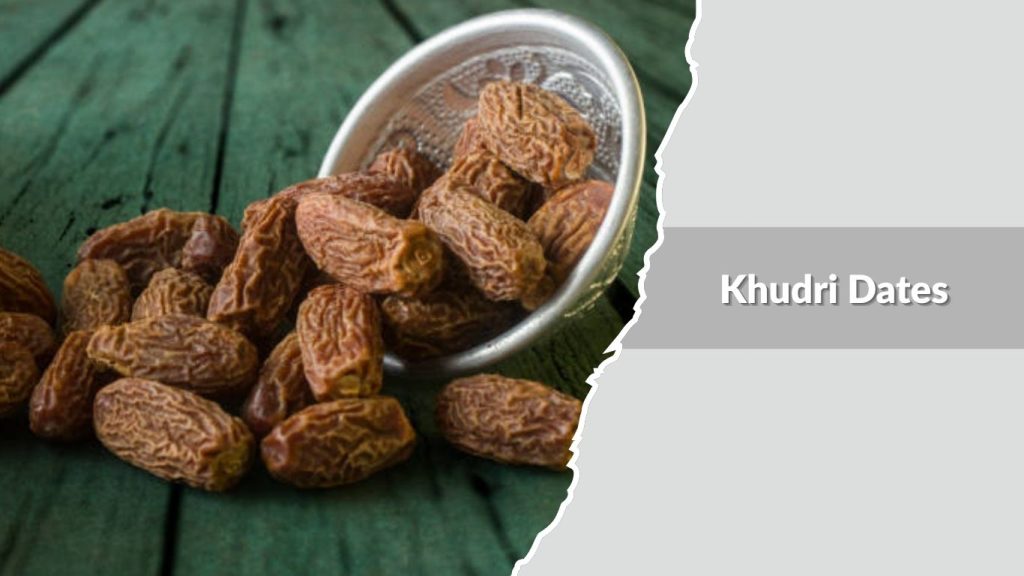
Khudri dates are one of the most commonly available and affordable date varieties. They are known for their slightly wrinkled skin, chewy texture, and balanced sweetness. Because of their long shelf life and widespread availability, Khudri dates are often used for everyday eating and large-scale distribution.
Identification
- Medium to large size
- Oval shape with wrinkled skin
- Dark brown color
- Chewy and moderately soft texture
- Mild to moderately sweet taste
Benefits
Khudri dates provide a good amount of natural carbohydrates, offering sustained energy throughout the day. They are rich in fiber, which supports digestive health, and contain essential minerals like potassium and magnesium that help maintain muscle and nerve function.
When They Grow
Khudri dates thrive in hot, arid environments and develop during late spring and summer. Harvesting usually takes place in late summer to early autumn when the dates have fully ripened.
Where They Are Found
Khudri dates are widely grown in Saudi Arabia and are also cultivated in other Middle Eastern countries. Due to their durability and affordability, they are one of the most commonly exported date varieties.
8. Halawy Dates
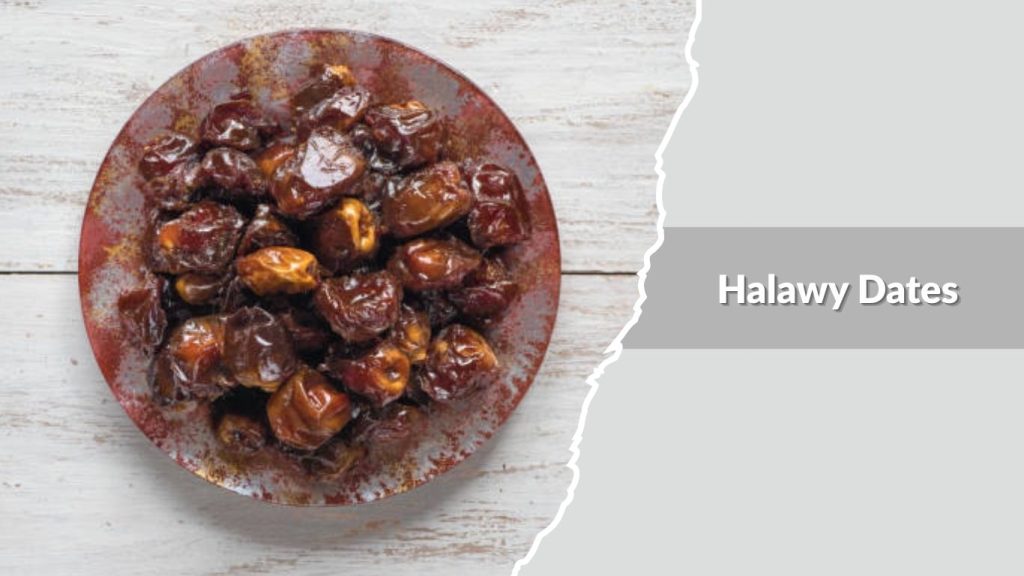
Halawy dates are known for their soft texture and rich, caramel-like sweetness. Their name comes from the Arabic word “halawa,” meaning sweet, which perfectly describes their flavor profile. Halawy dates are especially popular as a dessert date and are often eaten on their own without any additional preparation. Their smooth texture makes them suitable for people of all ages, including children and the elderly.
Identification
- Medium-sized fruit
- Oval shape
- Light brown to amber color
- Very soft and tender texture
- Intensely sweet, caramel-like taste
Benefits
Halawy dates are an excellent source of quick energy due to their high natural sugar content. They contain dietary fiber that aids digestion and helps maintain gut health. In addition, Halawy dates provide essential minerals such as potassium and copper, which support heart health and red blood cell formation.
When They Grow
Halawy dates grow best in hot, dry climates with plenty of sunlight. The fruit develops during the summer season and is usually harvested from late summer to early autumn once it becomes fully soft and sweet.
Where They Are Found
Halawy dates originated in Iraq and are now cultivated in Iraq, Saudi Arabia, Iran, and the United States, particularly in California. They are commonly found in Middle Eastern and international markets.
9. Mabroom Dates
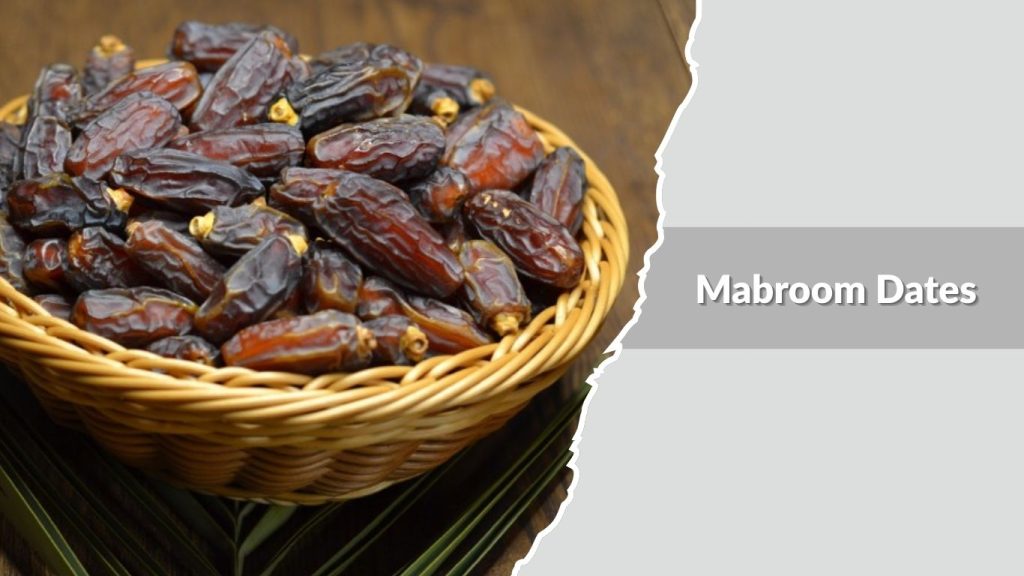
Mabroom dates are a premium variety recognized for their long, slender shape and distinctive chewy texture. Unlike very soft dates, Mabroom dates are less sticky and have a refined sweetness, making them a favorite among people who prefer dates that are not overly sugary. They are often enjoyed as a luxury snack and served to guests on special occasions.
Identification
- Medium to large size
- Long and slender shape
- Reddish-brown to dark brown color
- Firm and chewy texture
- Mildly sweet, rich flavor
Benefits
Mabroom dates are rich in dietary fiber, which helps support healthy digestion and regulate blood sugar levels. They contain important minerals such as potassium, magnesium, and iron that contribute to heart health, muscle function, and improved energy levels.
When They Grow
Mabroom dates require hot temperatures and dry conditions to grow properly. The fruit matures during the summer months and is typically harvested in late summer when it reaches its characteristic firm yet chewy stage.
Where They Are Found
Mabroom dates are primarily grown in Saudi Arabia, particularly in the Madinah region. They are also exported to many countries and are considered one of the high-quality date varieties from the region.
10. Thoory Dates
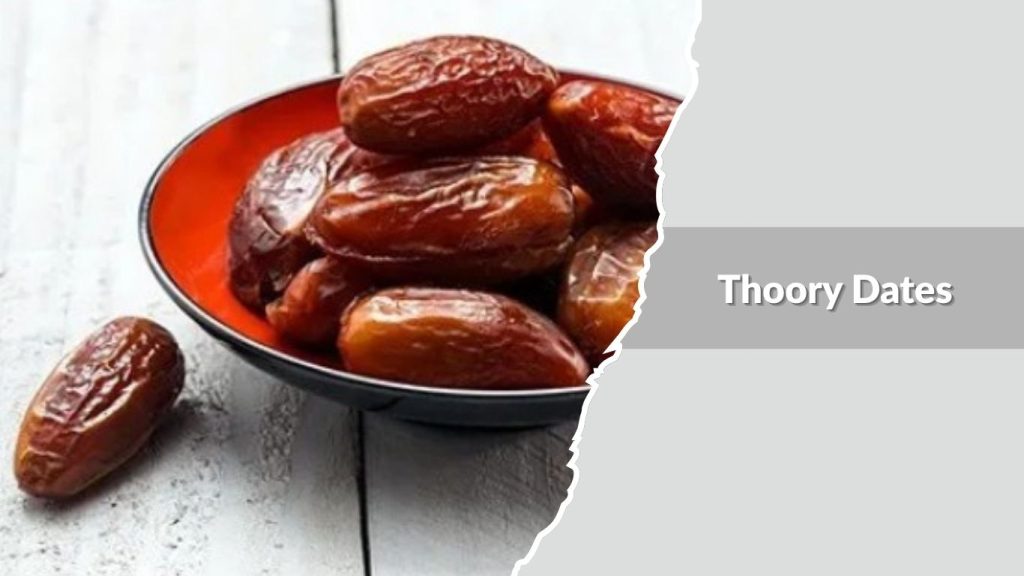
Thoory dates, often called “bread dates,” are known for their dry texture and firm flesh. They are less sweet than many other date varieties, making them a good choice for people who prefer a mild flavor. Due to their low moisture content, Thoory dates have a long shelf life and are commonly used in cooking, baking, and grinding into date powder.
Identification
- Medium-sized fruit
- Elongated oval shape
- Light brown to tan color
- Dry and firm texture
- Mildly sweet, slightly nutty taste
Benefits
Thoory dates are high in dietary fiber, which supports digestion and promotes a feeling of fullness. They contain essential minerals such as potassium and magnesium that help maintain heart health and muscle function. Their lower sugar content makes them suitable for regular consumption.
When They Grow
Thoory dates grow in hot, arid regions and require long, dry summers. The fruit matures during summer, with harvesting typically taking place in early autumn when the dates become fully dry.
Where They Are Found
Thoory dates originated in Algeria and are still widely cultivated there. They are also grown in Tunisia and the United States, especially in California, where they are valued for their durability and storage quality.
11. Dayri Dates
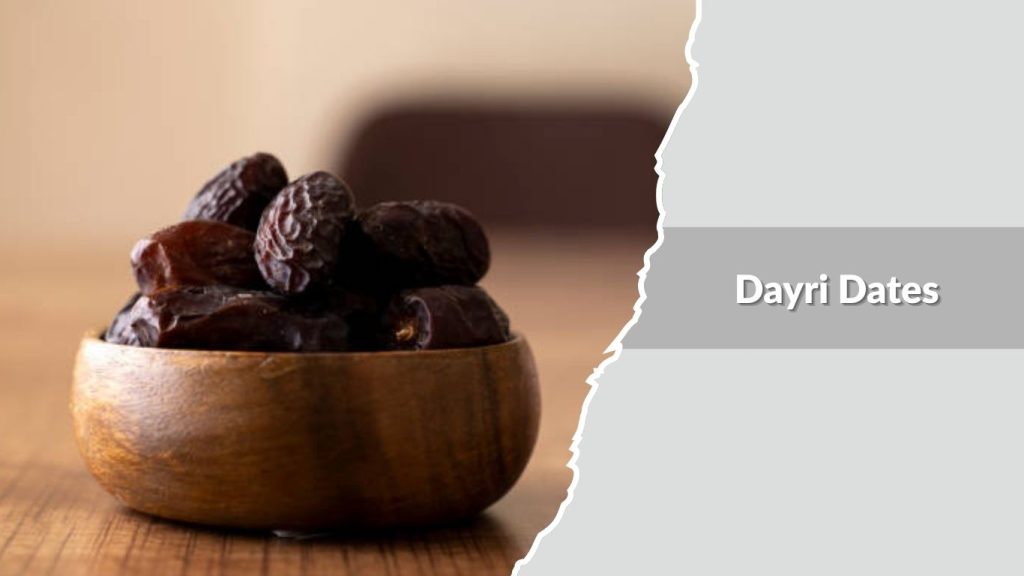
Dayri dates are known for their dark color, soft texture, and rich sweetness. They are juicier than many other date varieties and are often enjoyed as a natural dessert. Their appealing flavor and softness make them popular for fresh consumption as well as for use in traditional Middle Eastern dishes.
Identification
- Medium-sized fruit
- Oval shape
- Dark brown to black color
- Soft and juicy texture
- Rich, sweet flavor
Benefits
Dayri dates provide quick energy due to their natural sugars and are a good source of dietary fiber for digestive health. They also contain important minerals such as iron and potassium, which support blood health and help regulate blood pressure.
When They Grow
Dayri dates develop in hot climates and ripen during the summer season. Harvesting usually occurs from late summer to early autumn, once the fruit reaches its soft and juicy stage.
Where They Are Found
Dayri dates are mainly grown in Iraq and nearby regions of the Middle East. They are also cultivated in smaller quantities in other date-producing countries and exported to international markets.
12. Sukkari Dates
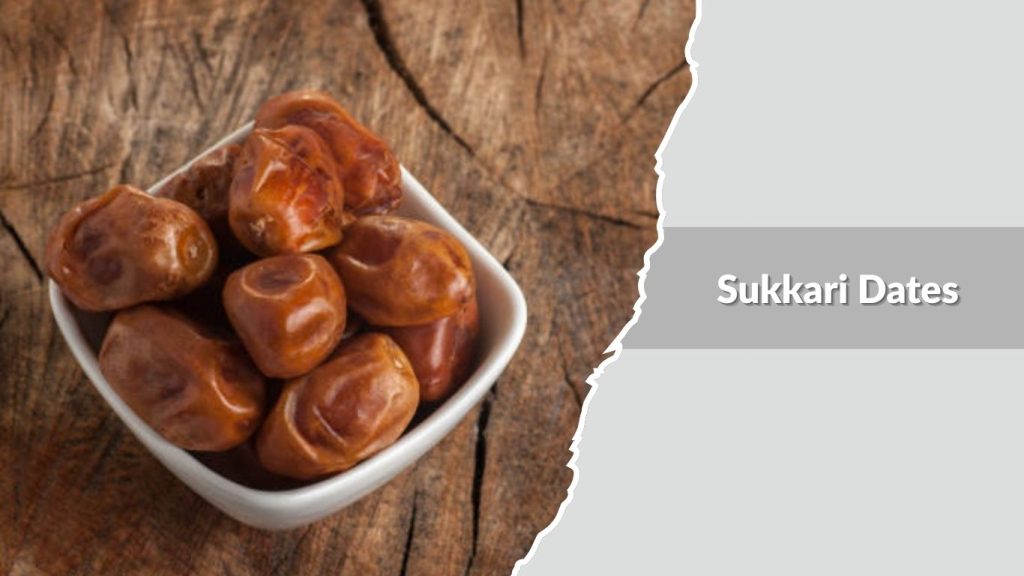
Sukkari dates are famous for their exceptionally sweet taste and soft, melt-in-the-mouth texture. Their name comes from the Arabic word “sukkar,” meaning sugar, which reflects their natural sweetness. These dates are often enjoyed as a dessert and are especially popular during special occasions and religious gatherings. Sukkari dates can be eaten at different ripening stages, from slightly crunchy to fully soft.
Identification
- Medium to large size
- Round to oval shape
- Golden yellow to light brown color
- Very soft or slightly crunchy when semi-ripe
- Extremely sweet flavor
Benefits
Sukkari dates are a rich source of natural sugars that provide instant energy. They contain dietary fiber that supports digestion and helps maintain gut health. Sukkari dates also provide minerals such as potassium and calcium, which are important for bone strength and heart function.
When They Grow
Sukkari dates grow in hot, dry climates and develop during the summer months. They are usually harvested from late summer to early autumn, depending on the desired ripeness stage for consumption.
Where They Are Found
Sukkari dates are primarily grown in Saudi Arabia, especially in the Al-Qassim region. They are widely consumed locally and exported to many countries due to their popularity and distinctive sweetness.
13. Kimia Dates
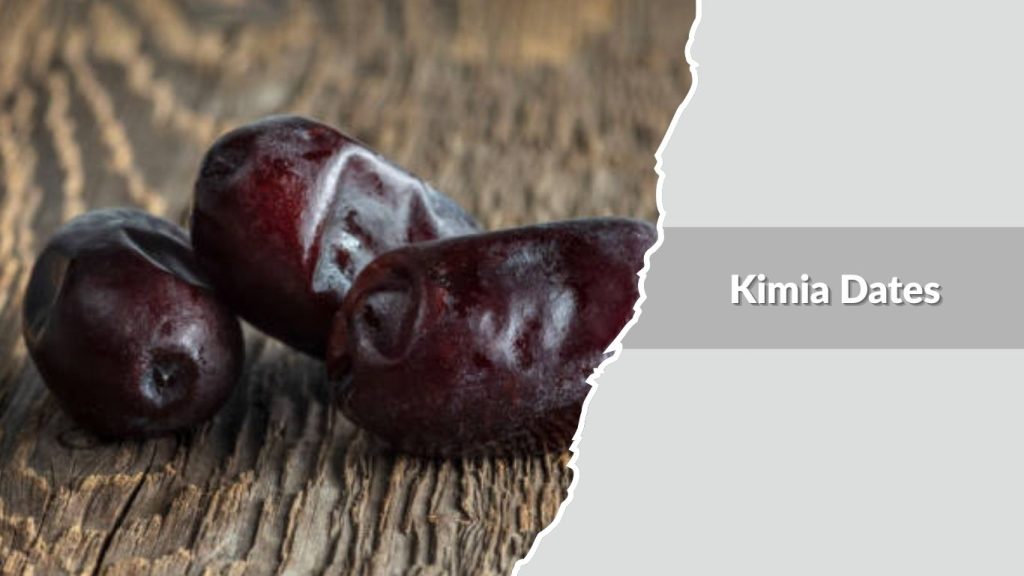
Kimia dates are well known for their dark color, soft texture, and rich sweetness. They are often enjoyed fresh and are highly valued for their juicy flesh. Kimia dates are commonly used as a natural snack and are also popular during the month of Ramadan due to their energy-boosting properties.
Identification
- Medium-sized fruit
- Oval shape
- Dark brown to black color
- Very soft and juicy texture
- Sweet, rich taste
Benefits
Kimia dates are high in fiber, which aids digestion and supports intestinal health. They contain essential minerals such as iron, magnesium, and potassium that help improve blood health, support muscle function, and maintain overall energy levels.
When They Grow
Kimia dates thrive in warm climates with long summers. The fruit matures during the summer season, and harvesting usually takes place in late summer when the dates become fully soft and sweet.
Where They Are Found
Kimia dates are mainly cultivated in Iran and are also grown in other parts of the Middle East. They are widely exported and appreciated for their soft texture and rich flavor.
14. Mazafati Dates
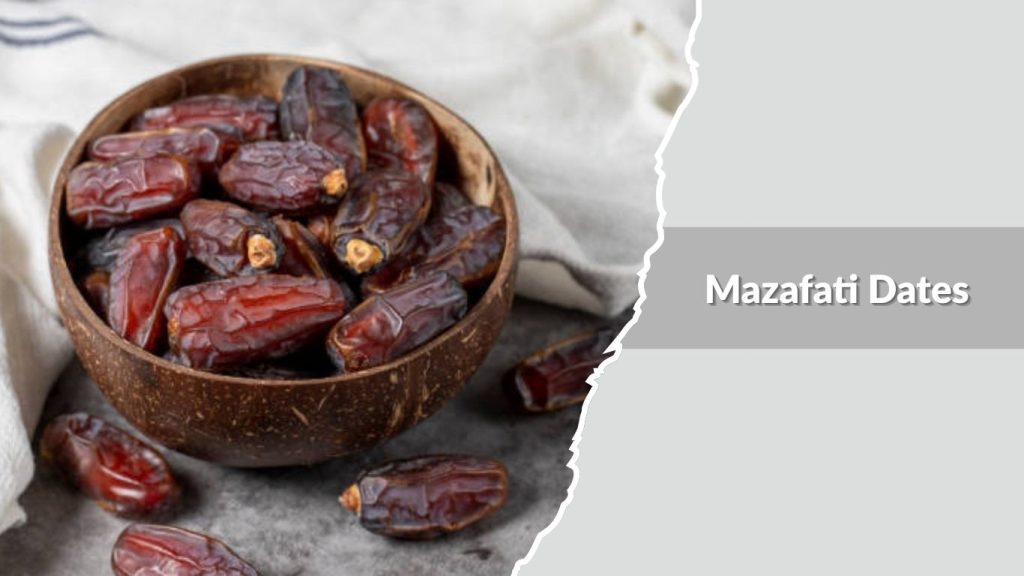
Mazafati dates are one of the most popular soft date varieties, especially valued for their moist texture and deep, rich sweetness. They are often enjoyed fresh and are known for their dark color and tender flesh. Because of their high moisture content, Mazafati dates are usually stored and transported under refrigeration to maintain quality.
Identification
- Medium-sized fruit
- Oval shape
- Dark brown to black color
- Very soft, moist texture
- Rich and naturally sweet taste
Benefits
Mazafati dates are an excellent source of natural energy due to their high glucose and fructose content. They contain dietary fiber that supports digestion and helps prevent constipation. In addition, Mazafati dates provide minerals such as potassium and magnesium, which contribute to heart health and muscle function.
When They Grow
Mazafati dates grow in hot climates with dry air and plenty of sunlight. The fruit matures during the summer months and is typically harvested in late summer when it reaches full softness and sweetness.
Where They Are Found
Mazafati dates are primarily grown in Bam, Iran, a region famous for producing this variety. They are also exported worldwide and are especially popular in Asian and Middle Eastern markets.
15. Rabbi Dates
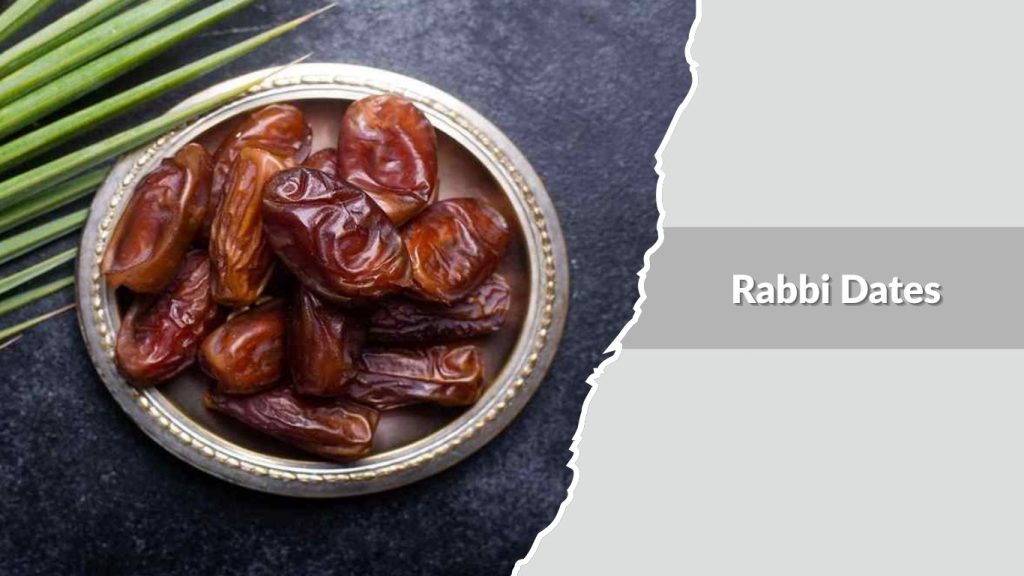
Rabbi dates are a semi-dry variety known for their balanced sweetness and slightly chewy texture. They are commonly consumed both fresh and dried and are valued for their long shelf life. Rabbi dates are often used in everyday diets as well as in traditional recipes due to their pleasant taste and versatility.
Identification
- Medium-sized fruit
- Elongated oval shape
- Dark brown color
- Semi-dry, slightly chewy texture
- Mild to moderately sweet flavor
Benefits
Rabbi dates are rich in dietary fiber, which helps improve digestion and supports gut health. They contain essential minerals such as potassium and iron that contribute to healthy blood circulation and help maintain normal blood pressure.
When They Grow
Rabbi dates require hot temperatures and dry conditions to grow properly. The fruit matures during the summer season, and harvesting usually occurs from late summer to early autumn.
Where They Are Found
Rabbi dates are mainly cultivated in Iran and Pakistan, where they are widely consumed locally and exported to international markets.
16. Sagai Dates
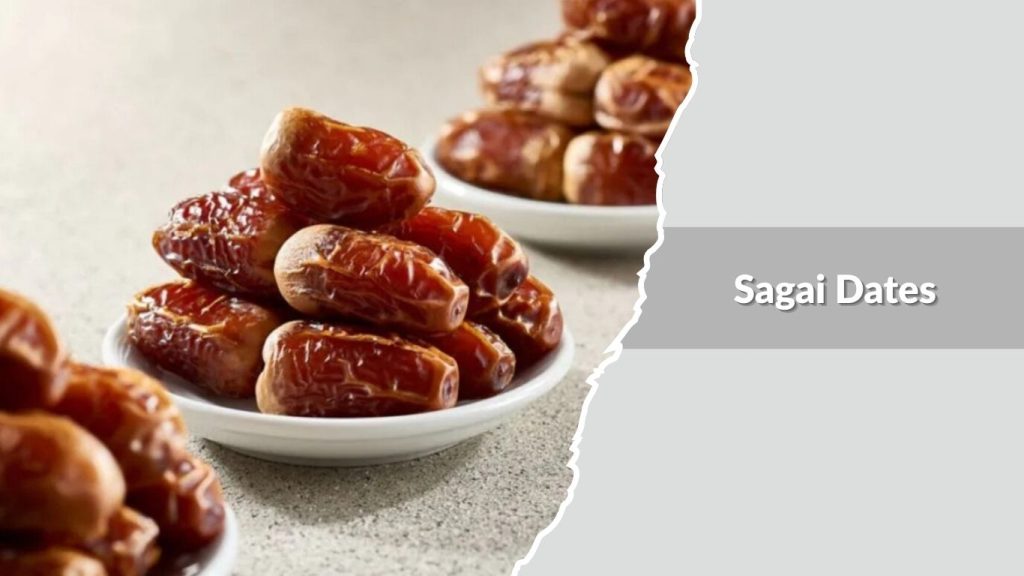
Sagai dates are easily recognized by their unique two-tone color and crisp outer texture. They offer a pleasant balance of sweetness and dryness, making them popular among people who prefer dates that are not overly soft. Sagai dates are often served to guests and are commonly enjoyed with Arabic coffee due to their refined taste.
Identification
- Medium-sized fruit
- Elongated oval shape
- Light golden top with darker brown base
- Slightly crisp outer skin with soft inside
- Mild to moderately sweet flavor
Benefits
Sagai dates contain natural sugars that provide steady energy without being overpowering. They are a good source of dietary fiber, which supports digestive health, and minerals such as potassium and magnesium that help maintain heart and muscle function.
When They Grow
Sagai dates grow in hot, dry climates and develop during the summer months. Harvesting usually takes place in late summer once the dates reach their characteristic two-tone appearance.
Where They Are Found
Sagai dates are primarily grown in Saudi Arabia, especially in the Al-Qassim region. They are widely consumed locally and exported due to their distinctive look and taste.
17. Khalas Dates
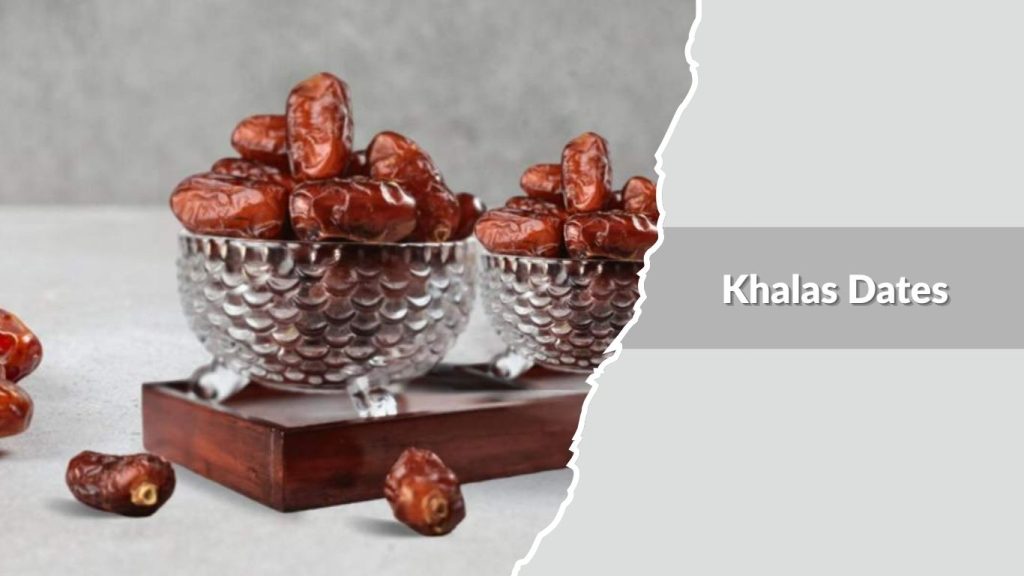
Khalas dates are one of the most popular and widely consumed date varieties in the Gulf region. They are known for their soft, smooth texture and balanced sweetness that is neither too mild nor too strong. Khalas dates are commonly eaten on a daily basis and are also used in traditional hospitality.
Identification
- Medium-sized fruit
- Oval shape
- Golden brown to amber color
- Soft and smooth texture
- Pleasantly sweet, caramel-like flavor
Benefits
Khalas dates are rich in fiber, which helps support digestion and regulate bowel movements. They provide essential minerals such as potassium and calcium that contribute to heart health, bone strength, and muscle function. Their natural sugars make them an excellent source of energy.
When They Grow
Khalas dates require long, hot summers to mature properly. The fruit develops during the summer and is usually harvested from late summer to early autumn when fully ripe.
Where They Are Found
Khalas dates are mainly cultivated in Saudi Arabia, the United Arab Emirates, and Oman. They are one of the most commonly exported date varieties from the Gulf region.
18. Fard Dates
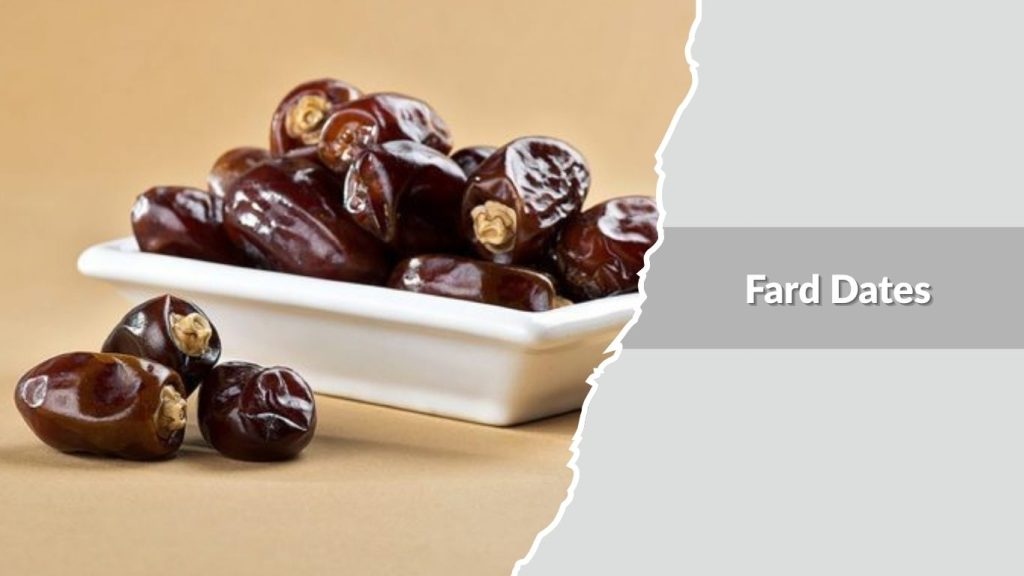
Fard dates are a dark-colored, semi-dry variety known for their firm texture and rich, slightly molasses-like flavor. They are less sticky than soft dates, which makes them easy to store and transport. Fard dates are commonly eaten as an everyday snack and are also used in traditional dishes in the regions where they are grown.
Identification
- Medium-sized fruit
- Oval to elongated shape
- Dark brown to nearly black color
- Firm, semi-dry texture
- Moderately sweet, deep flavor
Benefits
Fard dates are a good source of dietary fiber, helping to improve digestion and maintain gut health. They contain essential minerals such as potassium and iron, which support heart health and healthy blood circulation. Their steady energy release makes them suitable for regular consumption.
When They Grow
Fard dates grow in hot, arid climates and develop throughout the summer season. Harvesting usually takes place in late summer to early autumn when the dates reach their firm, mature stage.
Where They Are Found
Fard dates are primarily grown in Oman and are also cultivated in parts of the United Arab Emirates. They are widely consumed locally and exported to neighboring regions.
19. Khunaizi Dates
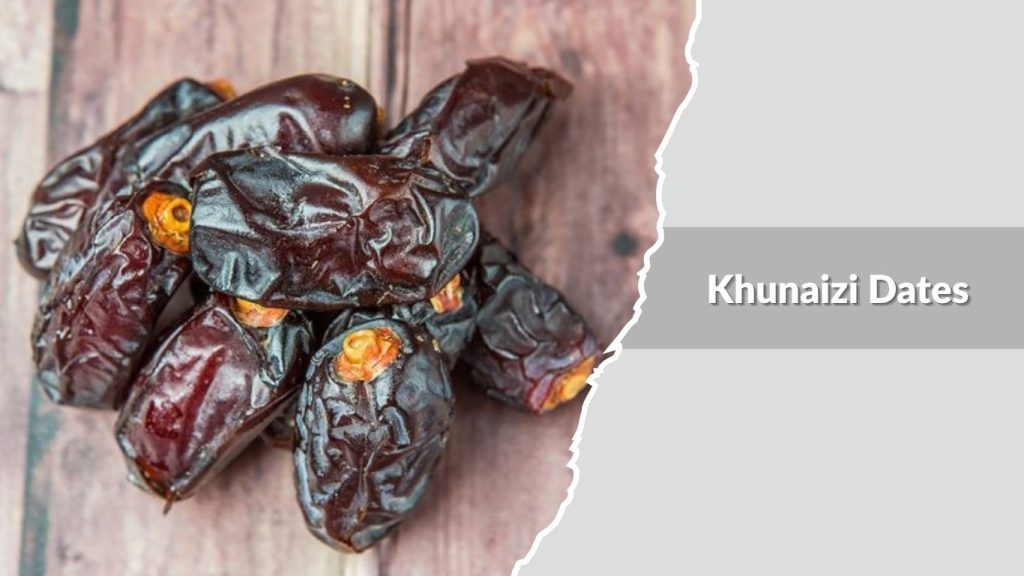
Khunaizi dates are known for their soft texture and rich, berry-like sweetness. They have a distinctive dark red to purplish-brown color that sets them apart from many other date varieties. Khunaizi dates are often enjoyed fresh and are popular for their juicy flesh and pleasant flavor.
Identification
- Medium-sized fruit
- Oval shape
- Dark red to purplish-brown color
- Soft and juicy texture
- Sweet flavor with slight fruity notes
Benefits
Khunaizi dates provide quick energy due to their natural sugar content. They are rich in dietary fiber, which supports digestion, and contain minerals such as potassium and magnesium that help regulate blood pressure and muscle function.
When They Grow
Khunaizi dates thrive in hot climates and mature during the summer months. They are typically harvested in late summer when the fruit becomes fully soft and sweet.
Where They Are Found
Khunaizi dates are mainly cultivated in Saudi Arabia and Bahrain. They are popular in local markets and are also exported in smaller quantities to other regions.
20. Lulu Dates
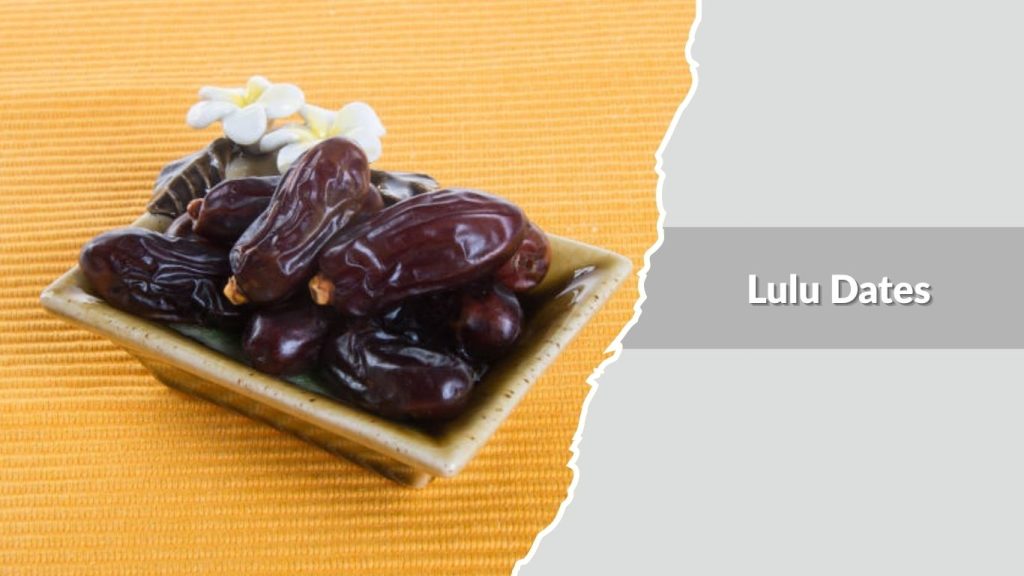
Lulu dates are a lesser-known but nutritious variety appreciated for their mild sweetness and firm texture. They are often consumed as an everyday date and are valued for their simplicity and long shelf life. Lulu dates are suitable for people who prefer dates that are not overly sweet and can be easily included in a balanced diet.
Identification
- Medium-sized fruit
- Oval shape
- Light brown to dark brown color
- Firm to semi-dry texture
- Mildly sweet taste
Benefits
Lulu dates are a good source of dietary fiber, which helps support digestion and maintain bowel regularity. They contain essential minerals such as potassium and magnesium that contribute to heart health and proper muscle function. Their moderate sugar content provides steady energy without excessive sweetness.
When They Grow
Lulu dates grow in hot, dry climates and develop during the summer season. Harvesting usually occurs in late summer to early autumn when the dates reach full maturity.
Where They Are Found
Lulu dates are mainly grown in the Middle East, particularly in Saudi Arabia and the United Arab Emirates. They are commonly found in local markets and consumed domestically.
21. Anbara Dates
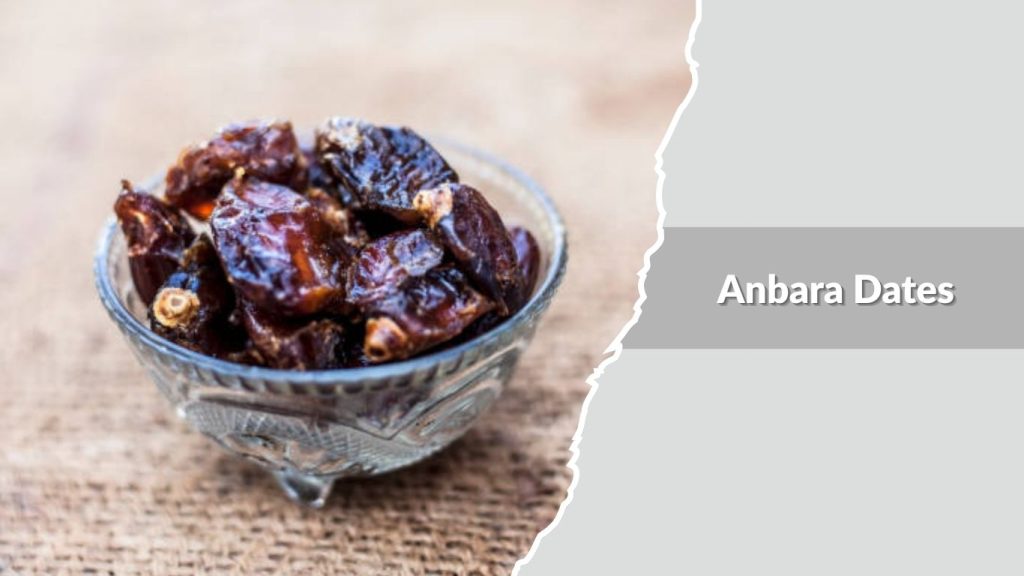
Anbara dates are a premium variety known for their large size and thick flesh. They are highly valued for their rich taste and lower sweetness compared to other soft dates. Anbara dates are often considered a luxury product and are commonly served to guests during special occasions and religious gatherings.
Identification
- Large to extra-large size
- Oval shape
- Dark brown color
- Thick, fleshy texture
- Mildly sweet, rich flavor
Benefits
Anbara dates are rich in dietary fiber, which aids digestion and supports gut health. They contain important minerals such as potassium and iron that help improve blood health and maintain normal blood pressure. Their balanced sweetness makes them suitable for regular consumption.
When They Grow
Anbara dates require hot temperatures and dry conditions to grow successfully. The fruit matures during the summer months and is usually harvested in late summer when fully developed.
Where They Are Found
Anbara dates are primarily grown in Madinah, Saudi Arabia. They are exported worldwide and are considered one of the most prestigious date varieties from the region.