





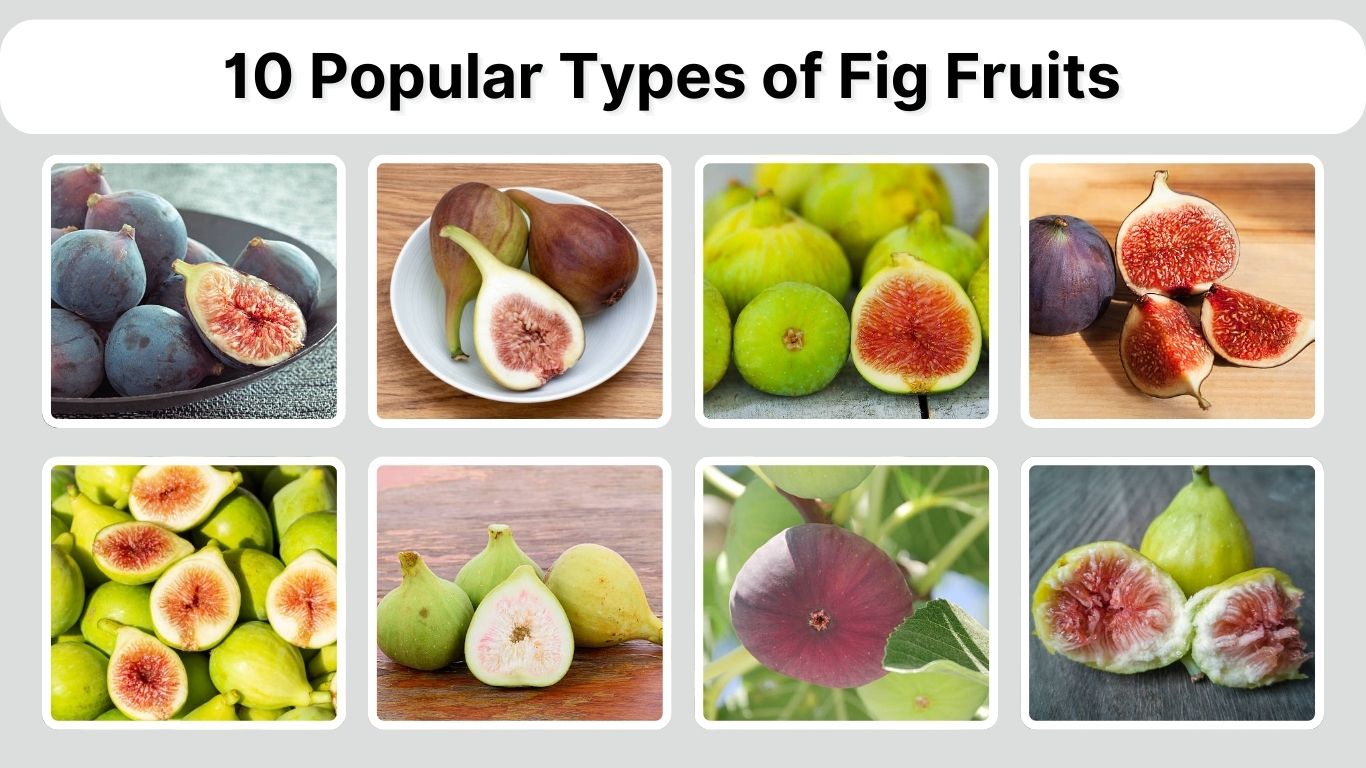
Figs are one of the oldest cultivated fruits in the world, valued for their natural sweetness, soft texture, and impressive nutritional benefits. Grown in warm and temperate regions, fig fruits come in many varieties, each differing in color, size, flavor, and usage. Some figs are best enjoyed fresh, while others are ideal for drying, baking, or making preserves. In this article, we explore ten popular types of fig fruit, highlighting their unique characteristics to help you better understand and appreciate this delicious and versatile fruit.
1. Black Mission Fig
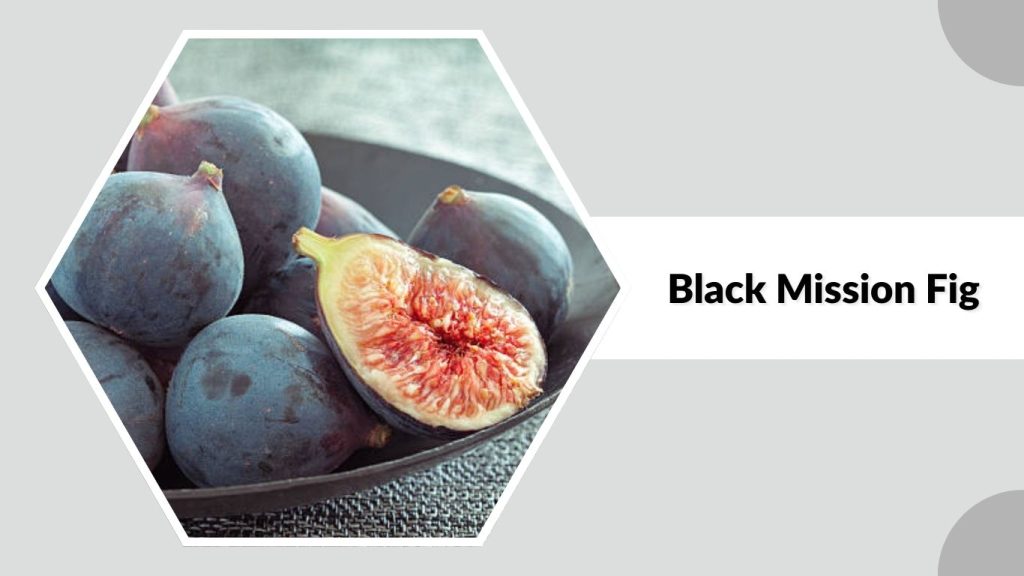
The Black Mission fig is one of the most popular and widely grown fig varieties in the world. It is known for its dark skin, rich flavor, and versatility in both fresh eating and cooking.
Identification
- Dark purple to almost black skin
- Small to medium-sized fruit
- Pinkish-red flesh inside
- Pear-shaped with a short neck
Taste and Texture
Black Mission figs have a very sweet, rich flavor with berry-like notes. The flesh is soft, juicy, and slightly chewy due to the small edible seeds.
Growing Conditions
This variety thrives in warm, dry climates and prefers full sun. It is drought-tolerant once established and grows well in well-drained soil.
Uses
Black Mission figs are enjoyed fresh, dried, or cooked. They are commonly used in desserts, jams, salads, and baked goods.
2. Brown Turkey Fig
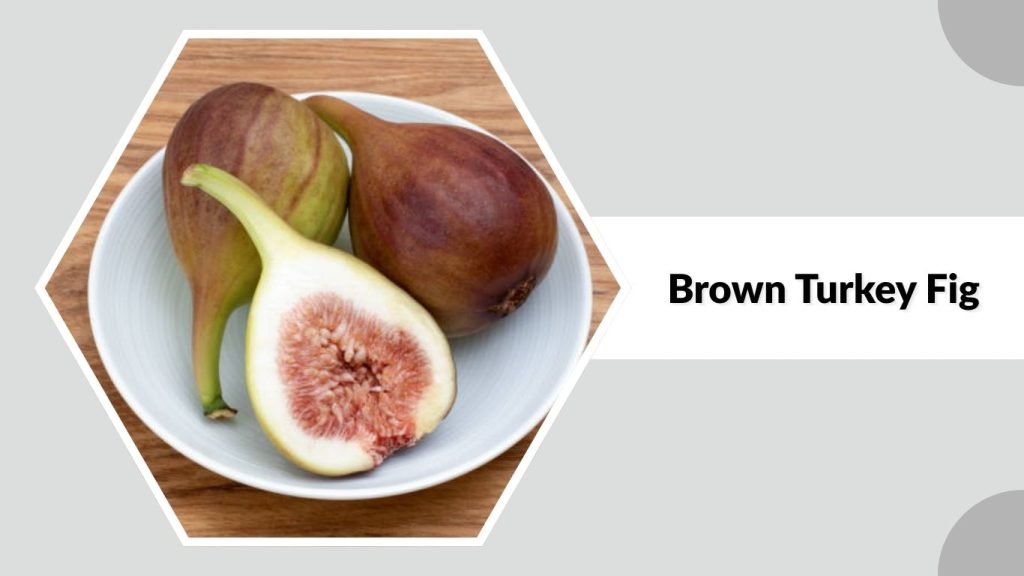
The Brown Turkey fig is a hardy and reliable fig variety, widely grown in home gardens and orchards. It is especially valued for its adaptability, consistent fruit production, and mild, pleasant sweetness. This variety is popular in both temperate and warm regions, making it a favorite among beginner and experienced growers alike.
Identification
- Medium to large-sized fruit
- Brown to purplish-brown skin
- Amber to pinkish flesh
- Rounded to pear-shaped form
- Thin skin with soft texture
Taste and Texture
Brown Turkey figs have a mildly sweet flavor that is less intense than some darker varieties. The flesh is tender, moist, and smooth, with fewer seeds, giving it a less chewy texture. This makes it appealing to those who prefer a gentle sweetness rather than a rich, jam-like taste.
Growing Conditions
This fig variety is known for its cold tolerance compared to many other figs. It grows well in full sun but can also tolerate partial shade. Brown Turkey figs prefer well-drained soil and moderate watering. The tree is fast-growing and often produces two crops per year in suitable climates.
Uses
Brown Turkey figs are versatile and commonly eaten fresh. They are also suitable for drying, making preserves, and adding to salads, desserts, and baked dishes. Due to their mild flavor, they pair well with cheeses, nuts, and honey.
3. Kadota Fig
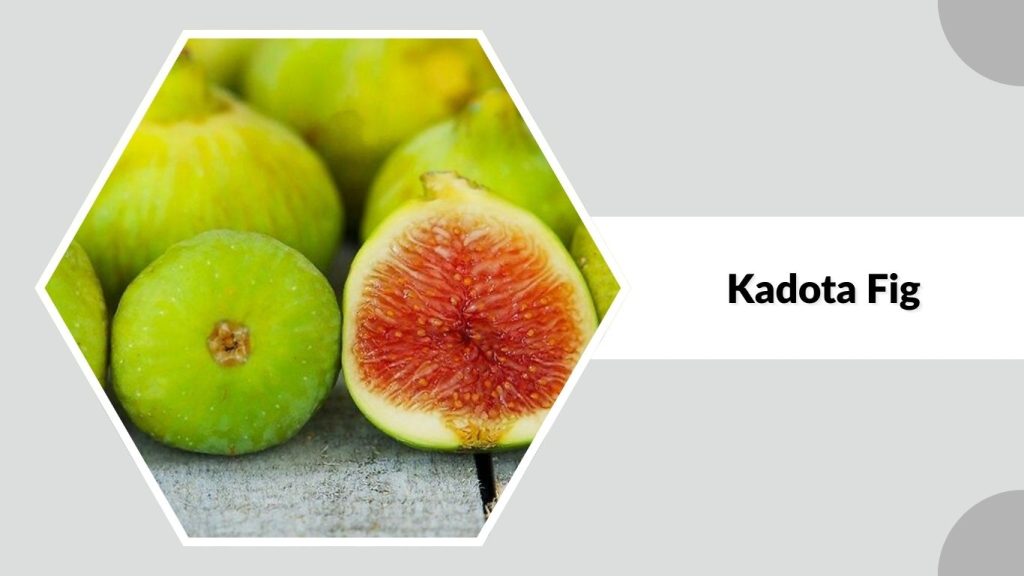
The Kadota fig is a well-known green fig variety prized for its mild sweetness and smooth texture. Unlike darker figs, Kadota figs have a lighter flavor profile, making them especially popular for drying and commercial processing. This variety is productive and long-lived, often grown in orchards as well as home gardens.
Identification
- Green to yellow-green skin
- Medium to large fruit size
- Amber or light pink flesh
- Thick skin with minimal cracking
- Rounded to slightly pear-shaped fruit
Taste and Texture
Kadota figs offer a gently sweet, honey-like flavor rather than a rich berry taste. The flesh is smooth, less seedy, and moderately juicy, giving it a clean and delicate mouthfeel. Because of its mildness, it appeals to those who prefer subtle sweetness over intense flavors.
Growing Conditions
Kadota fig trees perform best in warm, sunny climates with long growing seasons. They require well-drained soil and regular watering, especially during fruit development. While they are less cold-hardy than some varieties, mature trees can tolerate brief cool periods. Kadota figs usually produce one main crop per year.
Uses
This fig variety is widely used for drying and canning due to its firm skin and consistent quality. Kadota figs are also enjoyed fresh and are commonly used in jams, preserves, and baked goods. Their mild flavor pairs well with nuts, cheeses, and citrus-based recipes.
4. Calimyrna Fig

The Calimyrna fig is a large, premium fig variety best known for its exceptional size, nutty flavor, and golden interior. It is a type of Smyrna fig and is especially famous for high-quality dried figs. This variety is valued for its rich taste and attractive appearance, making it a standout among fig cultivars.
Identification
- Large-sized fruit
- Greenish-yellow skin
- Golden amber flesh
- Flattened, round shape
- Thick skin with pronounced ridges
Taste and Texture
Calimyrna figs have a rich, nutty, and mildly sweet flavor with complex honey undertones. The flesh is dense yet tender, filled with crunchy edible seeds that add a pleasant texture. When dried, the sweetness becomes more concentrated, enhancing its depth of flavor.
Growing Conditions
This fig variety requires warm climates and a long growing season to fully mature. Calimyrna figs need full sun and well-drained soil for optimal growth. Unlike common figs, they require pollination by fig wasps to produce fruit, which limits where they can be successfully cultivated.
Uses
Calimyrna figs are most commonly dried and sold commercially due to their superior quality. They are also used in baking, confectionery, cereals, and gourmet desserts. Fresh Calimyrna figs can be eaten raw or paired with cheeses and nuts for an elegant dish.
5. Adriatic Fig

The Adriatic fig is a light-skinned fig variety admired for its striking appearance and intensely sweet flavor. It is especially popular in Mediterranean regions and is often associated with high-quality dried figs and premium desserts. This variety is known for its vibrant interior and refreshing taste.
Identification
- Light green to yellow skin
- Medium-sized fruit
- Bright pink to strawberry-red flesh
- Thin skin with soft texture
- Round to slightly oval shape
Taste and Texture
Adriatic figs are exceptionally sweet with a clean, fruity flavor that has subtle berry notes. The flesh is juicy, soft, and tender with small edible seeds that add a gentle crunch. Compared to darker figs, the sweetness is brighter and less earthy.
Growing Conditions
Adriatic fig trees grow best in warm, dry climates with plenty of sunlight. They prefer well-drained soil and regular but moderate watering. This variety is less tolerant of cold temperatures, so it performs best in Mediterranean-like environments. Trees are productive and often yield high-quality fruit.
Uses
Adriatic figs are enjoyed fresh and are especially prized for drying because their sweetness intensifies. They are commonly used in fig bars, jams, pastries, and desserts. Their vivid interior also makes them visually appealing for salads, cheese boards, and gourmet presentations.
6. Celeste Fig
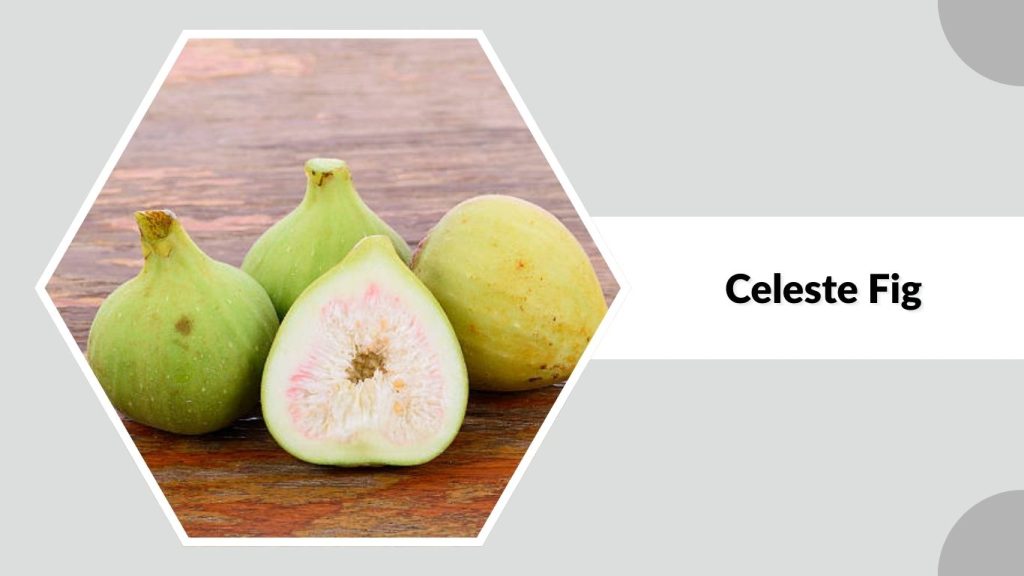
The Celeste fig, often called the “Sugar Fig,” is a small but highly flavorful variety known for its intense sweetness and reliability. It is a favorite among home gardeners due to its cold tolerance, compact growth, and resistance to splitting in humid conditions.
Identification
- Small to medium-sized fruit
- Light brown to violet skin
- Pink to amber flesh
- Rounded shape with a short neck
- Smooth skin with a closed eye
Taste and Texture
Celeste figs are very sweet with a honey-like flavor and mild caramel notes. The flesh is soft, smooth, and moderately juicy, with very small seeds that create a fine texture. Despite their smaller size, they deliver a concentrated sweetness.
Growing Conditions
Celeste fig trees are well-suited to both warm and moderately cool climates. They prefer full sun but can tolerate partial shade. This variety is drought-tolerant once established and performs well in well-drained soil. Celeste typically produces one heavy crop early in the season.
Uses
Celeste figs are excellent for fresh eating due to their sweetness and thin skin. They are also suitable for making jams, preserves, and baked goods. Because of their closed eye and firm texture, they are less prone to spoilage and transport well.
7. Smyrna Fig

The Smyrna fig is a traditional and historically important fig variety known for its large size and rich, complex flavor. It is one of the classic fig types cultivated for centuries and is especially valued for producing premium-quality dried figs. Many well-known commercial figs belong to this group.
Identification
- Large-sized fruit
- Yellow-green skin
- Amber to golden flesh
- Flattened to round shape
- Thick skin with a slightly open eye
Taste and Texture
Smyrna figs have a deep, nutty sweetness with honeyed undertones. The flesh is firm yet tender, containing many crunchy edible seeds that add a pleasant texture. When dried, the flavor becomes more concentrated and aromatic.
Growing Conditions
Smyrna fig trees require warm climates and long, hot summers to mature properly. Unlike common figs, they need pollination by fig wasps to set fruit, which restricts cultivation to regions where the wasp is present. Well-drained soil and full sun are essential for healthy growth.
Uses
Smyrna figs are most commonly dried and sold commercially due to their superior flavor and size. They are used in baking, cereals, snacks, and confectionery products. Fresh Smyrna figs can also be eaten raw or paired with nuts and cheeses for gourmet dishes.
8. Alma Fig

The Alma fig is a high-quality fig variety developed for excellent flavor and adaptability. It is especially popular in regions with hot summers and is known for producing sweet, flavorful fruit with good resistance to spoilage. This variety is valued for both home growing and small-scale production.
Identification
- Medium to large fruit
- Light brown to golden skin
- Amber to light pink flesh
- Rounded shape with a slight neck
- Thick skin with a small eye
Taste and Texture
Alma figs have a rich, sweet flavor with honey and nut-like undertones. The flesh is firm yet juicy, with small edible seeds that add mild crunch. The balanced sweetness makes it enjoyable both fresh and processed.
Growing Conditions
Alma fig trees perform best in warm climates with long growing seasons. They prefer full sun and well-drained soil and are relatively drought-tolerant once established. This variety is known for its resistance to fruit souring, even in humid conditions, and typically produces one reliable main crop.
Uses
Alma figs are excellent for fresh eating and drying. They are commonly used in preserves, jams, baked goods, and desserts. Their firm texture and resistance to spoilage also make them suitable for storage and transport.
9. Tiger Fig

The Tiger fig, also known as Panachée or Tiger Stripe fig, is a unique and visually striking variety famous for its striped skin and sweet, berry-like flavor. It is often grown as a specialty fig due to its ornamental appeal as well as its high-quality fruit.
Identification
- Medium-sized fruit
- Yellow-green skin with green stripes
- Deep red to strawberry-colored flesh
- Elongated, pear-like shape
- Thin skin with a small eye
Taste and Texture
Tiger figs have a rich, sweet flavor with pronounced berry and honey notes. The flesh is soft, juicy, and tender, with small edible seeds that add a light crunch. The sweetness is well-balanced, making it one of the most flavorful fig varieties.
Growing Conditions
Tiger fig trees grow best in warm, sunny climates with mild winters. They require well-drained soil and consistent watering during the growing season. This variety is moderately drought-tolerant once established but is less cold-hardy than some common figs. It usually produces one main crop per year.
Uses
Tiger figs are excellent for fresh eating and are often featured on cheese boards and in gourmet desserts. They can also be used in salads, jams, and preserves. Their striking appearance makes them especially popular for decorative culinary presentations.
10. White Fig

The White fig is a general name used for light-colored fig varieties known for their mild sweetness and delicate flavor. These figs are popular in many regions due to their attractive appearance, gentle taste, and versatility in both fresh and dried forms.
Identification
- Pale green to yellowish skin
- Medium-sized fruit
- Light amber to pink flesh
- Rounded to pear-shaped form
- Thin, tender skin
Taste and Texture
White figs have a mild, honey-like sweetness with subtle floral notes. The flesh is soft, smooth, and moderately juicy, with small edible seeds that provide a fine texture. Their flavor is lighter compared to dark-skinned fig varieties.
Growing Conditions
White fig trees grow well in warm, sunny climates and prefer well-drained soil. They require regular watering during fruit development but are relatively drought-tolerant once established. This variety performs best in areas with long, warm summers and mild winters.
Uses
White figs are enjoyed fresh and are also suitable for drying and preserving. They are commonly used in jams, desserts, baked goods, and salads. Their mild flavor pairs well with cheeses, nuts, and light syrups.