





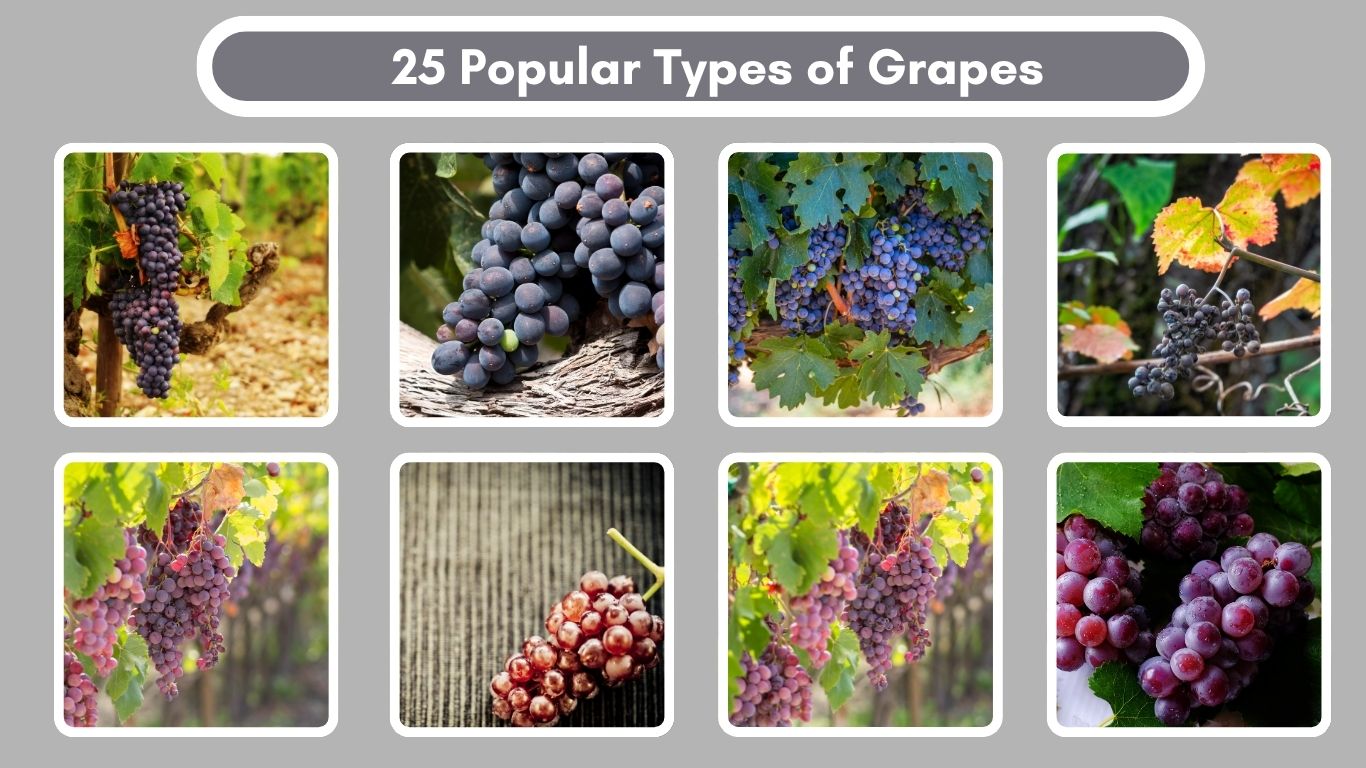
Grapes come in a stunning range of colors, shapes, and flavors—each variety with its own story and use. From classic table grapes like Thompson Seedless and Red Globe to wine favorites like Pinot Noir and Tempranillo, grapes are grown worldwide for fresh eating, juicing, raisins, and winemaking. In this guide, you’ll discover 25 popular grape types, complete with identification tips, growth insights, and their unique benefits. Whether you’re a fruit enthusiast or a curious gardener, this list will deepen your appreciation for the rich world of grapes.
1. Concord Grape
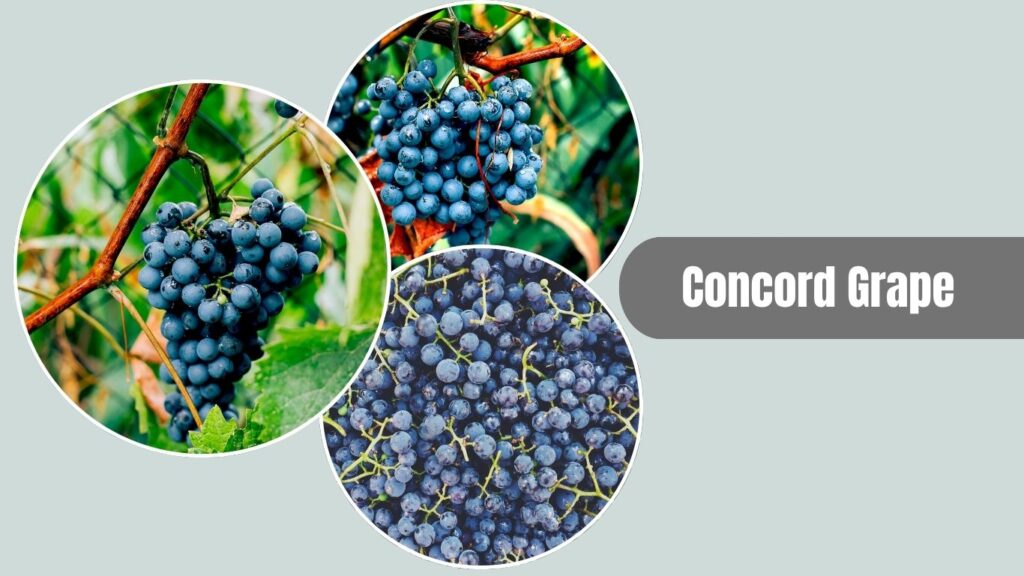
Concord grapes are a classic American variety known for their rich, sweet flavor and distinctive deep purple skin. Originally developed in Concord, Massachusetts, these grapes are widely used in juices, jellies, and grape-flavored snacks. They are beloved for their strong aroma and nostalgic taste.
Identification
- Color: Deep blue to purple
- Shape: Round and medium-sized
- Skin: Thick, slip-skin (separates easily from the pulp)
- Seeds: Contains seeds
- Taste: Sweet, bold flavor with a slightly tart finish
Growth and Seasonality
Concord grapes thrive in temperate climates with plenty of sunshine and well-drained soil. They are usually harvested in late summer to early fall, particularly from August to September in the U.S.
Uses and Benefits
These grapes are mainly used for making juice, jelly, and baked goods. They are high in antioxidants like resveratrol and flavonoids, which support heart health and may help reduce inflammation.
2. Thompson Seedless Grape

Thompson Seedless is one of the most widely grown grape varieties in the world. Known for its sweet taste and lack of seeds, it’s a favorite for both fresh eating and raisin production. The grapes are small to medium-sized and have a pale green to golden hue when ripe.
Identification
- Color: Pale green to golden
- Shape: Oval and medium-sized
- Skin: Thin and smooth
- Seeds: Seedless
- Taste: Mildly sweet and juicy
Growth and Seasonality
Thompson Seedless grapes require a warm, dry climate for optimal production and are commonly grown in California. They are typically harvested from late July to early September.
Uses and Benefits
They are widely used for fresh consumption, drying into raisins, and juicing. They are also rich in natural sugars, dietary fiber, and small amounts of vitamins C and K.
3. Crimson Seedless Grape
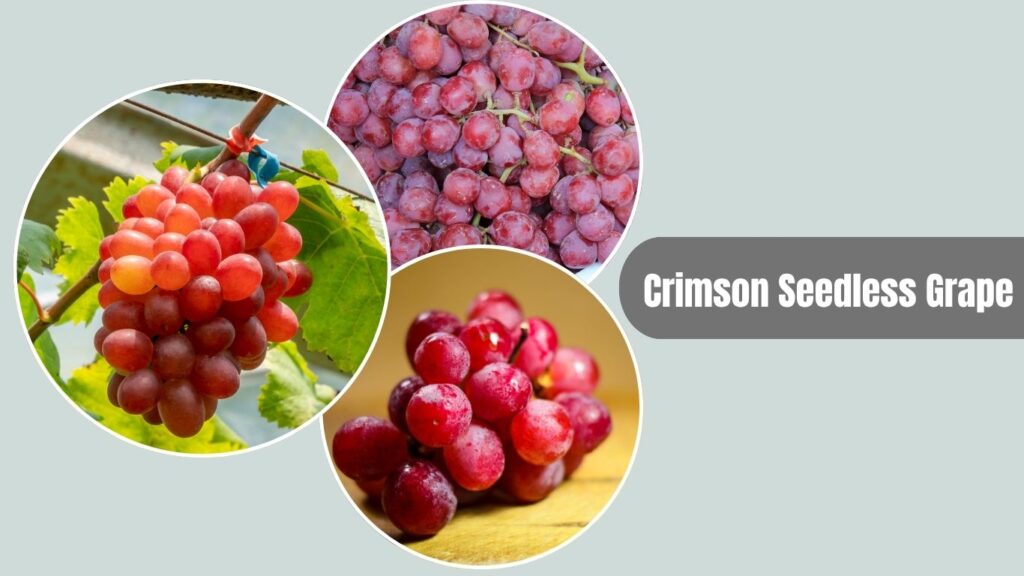
Crimson Seedless grapes are a popular red variety known for their crisp texture and balanced sweetness. These grapes are visually appealing with their vibrant red color and are a staple in supermarkets around the world.
Identification
- Color: Bright red to crimson
- Shape: Oblong and medium-sized
- Skin: Thin but firm
- Seeds: Seedless
- Taste: Sweet with a slight tang
Growth and Seasonality
Crimson Seedless grapes thrive in warm climates and require a long growing season. They are usually harvested from mid-August to October.
Uses and Benefits
Best enjoyed fresh, these grapes are also used in fruit salads and snack packs. They contain antioxidants and are a good source of hydration, making them a healthy, low-calorie snack.
4. Red Globe Grape
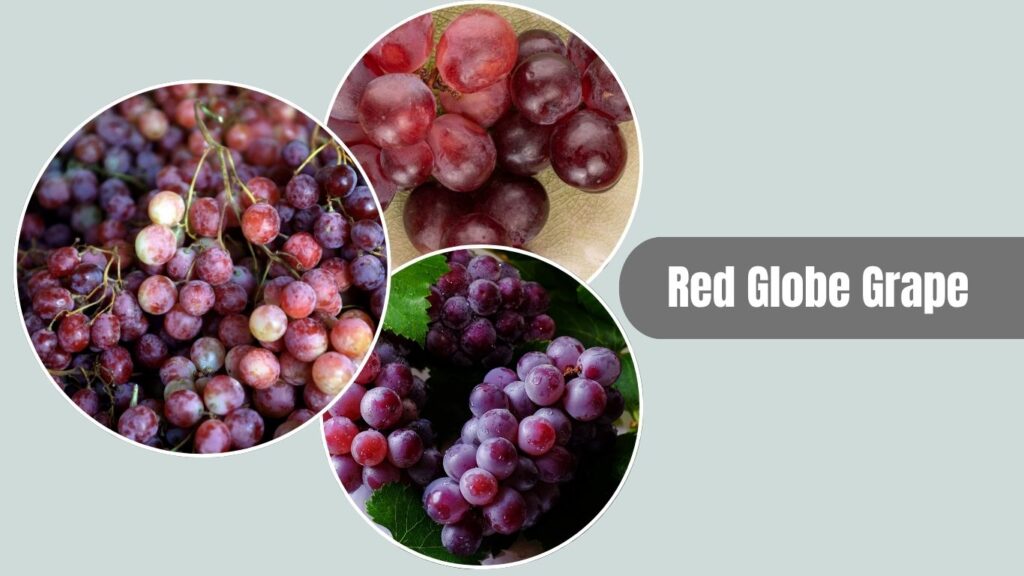
Red Globe grapes are large, round, and juicy grapes known for their attractive appearance and crunchy texture. Originally from California, they are now cultivated in many countries and are favored for their long shelf life and visual appeal.
Identification
- Color: Light to deep red
- Shape: Large and round
- Skin: Thick and firm
- Seeds: Contains seeds
- Taste: Mildly sweet with a hint of tartness
Growth and Seasonality
Red Globe grapes grow best in warm, sunny regions with fertile soil. They are typically harvested from late summer through early fall.
Uses and Benefits
These grapes are mostly consumed fresh and are often used for decorative fruit platters. They’re high in vitamins A and C and provide fiber and antioxidants for digestive and immune health.
5. Moon Drops Grape
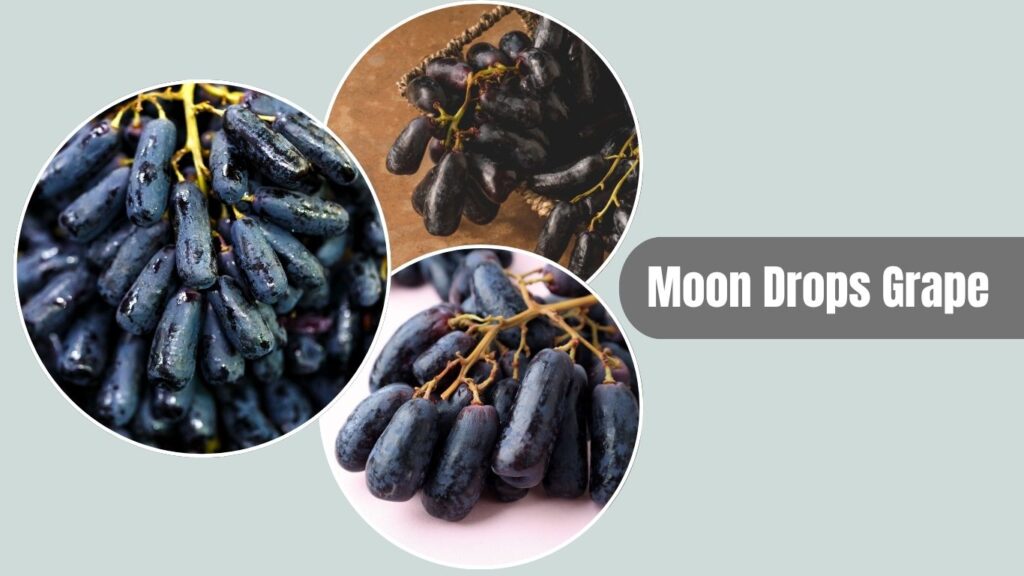
Moon Drops grapes are a unique and modern variety known for their elongated, tubular shape and deep purple to almost black color. They are crunchy, juicy, and very sweet, making them a novelty favorite among fruit lovers.
Identification
- Color: Deep purple to nearly black
- Shape: Long and cylindrical
- Skin: Firm and smooth
- Seeds: Seedless
- Taste: Intensely sweet and crisp
Growth and Seasonality
Moon Drops are grown primarily in the U.S. under special licensing and require a warm climate and careful cultivation. Their season generally runs from mid-August to late September.
Uses and Benefits
Perfect for snacking, these grapes are also a hit in fruit platters due to their unusual shape. They’re high in natural sugars, antioxidants, and water content, making them both delicious and hydrating.
6. Cotton Candy Grape

Cotton Candy grapes are a hybrid variety famous for their surprising flavor that mimics the taste of real cotton candy. Developed through natural crossbreeding, these green grapes are exceptionally sweet and seedless, making them a favorite for kids and adults alike.
Identification
- Color: Light green
- Shape: Oval and medium-sized
- Skin: Thin and smooth
- Seeds: Seedless
- Taste: Extremely sweet with a cotton candy flavor
Growth and Seasonality
These grapes are grown mainly in California under licensed production. They require precise growing conditions and are usually harvested from mid-August to early September.
Uses and Benefits
Primarily enjoyed as a fresh snack, Cotton Candy grapes are also used in desserts and fruit trays. They are rich in natural sugars, antioxidants, and provide a fun, guilt-free treat.
7. Kyoho Grape
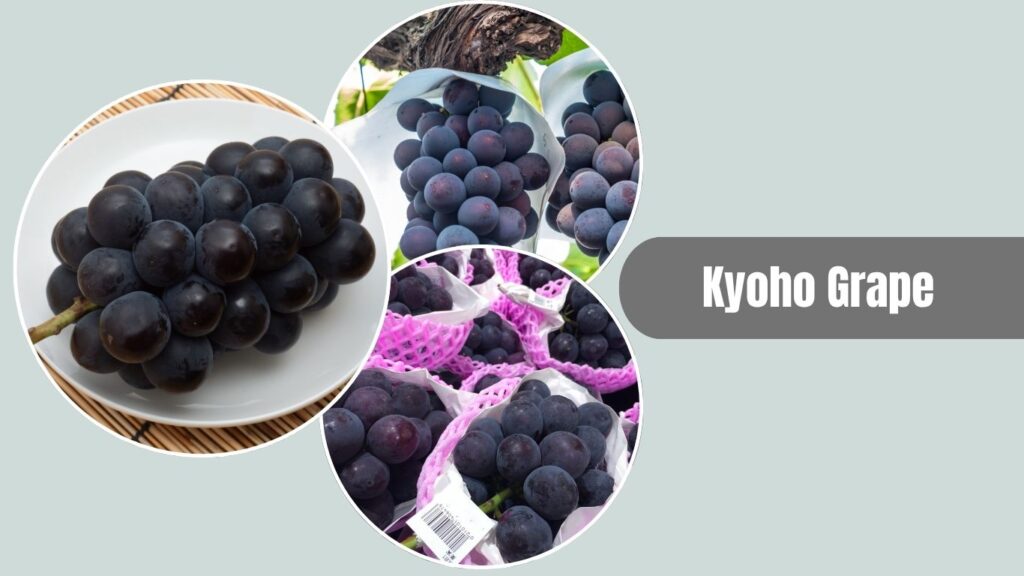
Kyoho grapes are a large, dark purple variety originally developed in Japan. Known for their juicy flesh and wine-like flavor, they are often enjoyed chilled as a dessert fruit. The grapes have a thick, slip-skin and are usually eaten by peeling.
Identification
- Color: Dark purple to almost black
- Shape: Large and round
- Skin: Thick, slip-skin
- Seeds: Contains seeds
- Taste: Sweet with a rich, wine-like flavor
Growth and Seasonality
Kyoho grapes require a temperate climate with well-drained soil. They are mainly harvested in late summer, especially in Japan, China, and Korea.
Uses and Benefits
Often served chilled or peeled as a luxury fruit, Kyoho grapes are also used in making juice and jelly. They are rich in vitamin C and polyphenols, which support immune function and skin health.
8. Muscat Grape

Muscat grapes are one of the oldest known grape families, prized for their strong floral aroma and sweet, musky flavor. They come in several color variations, including green, yellow, pink, and black, and are used in both fresh and wine forms.
Identification
- Color: Varies – green, golden, pink, or dark purple
- Shape: Round to oval
- Skin: Thin and smooth
- Seeds: Usually contains seeds
- Taste: Sweet, floral, and aromatic
Growth and Seasonality
Muscat grapes are grown in warm, sunny climates across Europe, the U.S., and the Middle East. Harvest season typically spans from mid-summer to early fall.
Uses and Benefits
These grapes are popular for fresh eating, dessert wines, and raisins. They are rich in antioxidants and are often used in gourmet dishes and fine winemaking.
9. Muscadine Grape
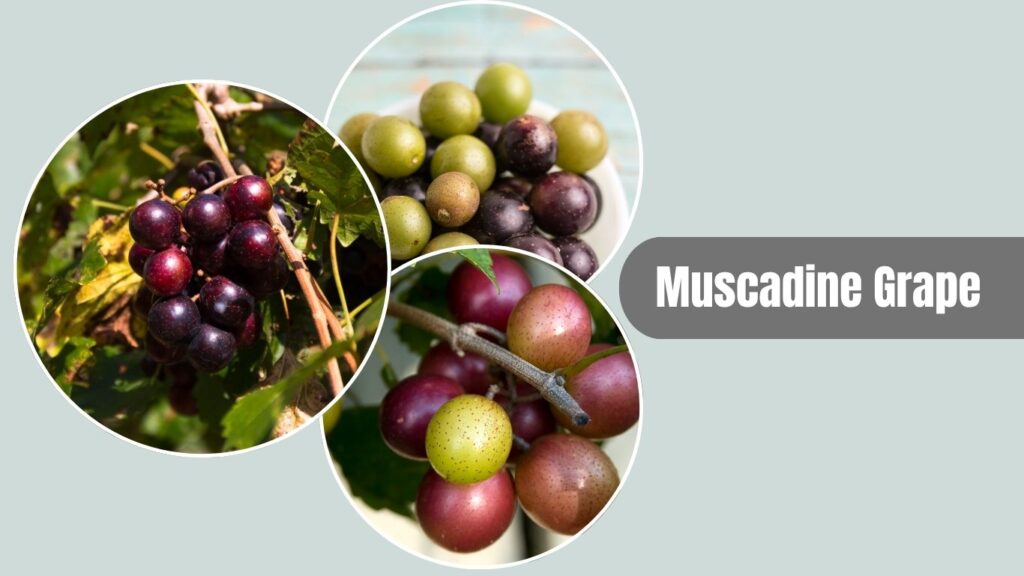
Muscadine grapes are native to the southeastern United States and are known for their thick skin and bold, earthy flavor. They come in shades of bronze, purple, and black, and thrive in humid climates.
Identification
- Color: Bronze, dark purple, or black
- Shape: Round and large
- Skin: Very thick and tough
- Seeds: Contains seeds
- Taste: Earthy, sweet, and sometimes musky
Growth and Seasonality
Muscadine grapes grow well in hot, humid environments and are harvested from August to October in the southern U.S.
Uses and Benefits
Often used in jams, wines, and juices, Muscadine grapes are incredibly high in antioxidants, fiber, and ellagic acid, which may support heart and cancer health.
10. Zinfandel Grape
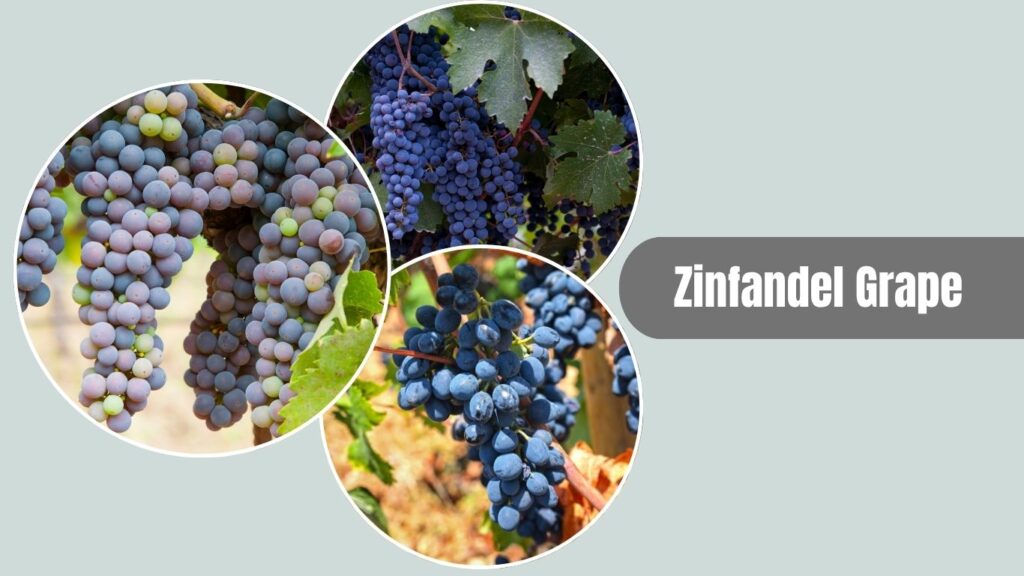
Zinfandel grapes are best known for their use in winemaking, especially in producing robust red and blush wines. Originally from Europe but now widely grown in California, they are cherished for their bold flavor and high sugar content.
Identification
- Color: Dark purple to almost black
- Shape: Small and round
- Skin: Thin and delicate
- Seeds: Contains seeds
- Taste: Sweet with spicy, berry-like notes
Growth and Seasonality
Zinfandel grapes prefer warm, dry climates with long growing seasons. In California, they are typically harvested from September through October.
Uses and Benefits
Primarily used in red wine and rosé production, Zinfandel grapes can also be made into jams and sauces. Their antioxidant content supports heart health and may aid in reducing inflammation.
11. Chardonnay Grape
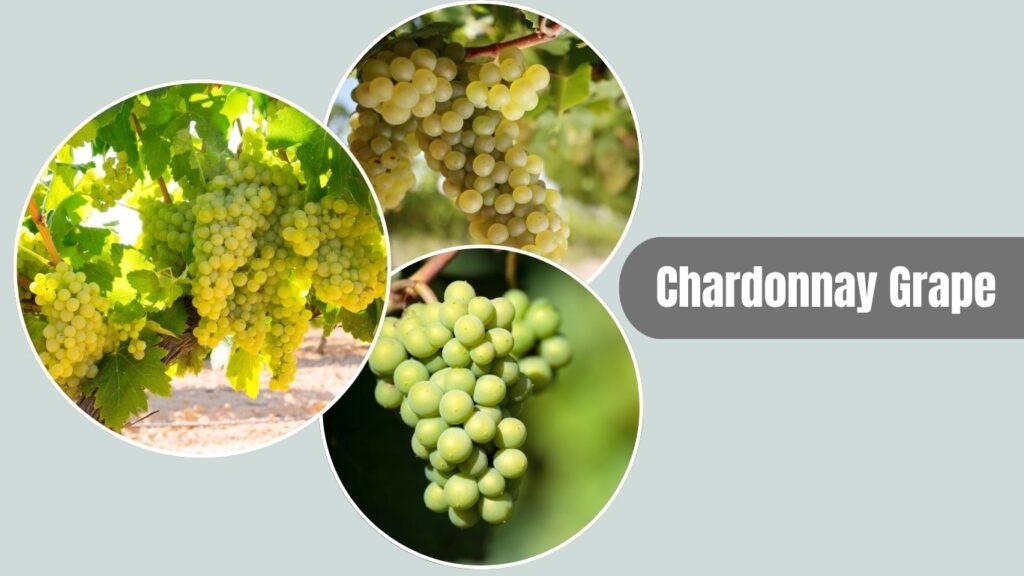
Chardonnay grapes are one of the most popular white wine grapes in the world. They are known for their versatility in producing everything from crisp, unoaked wines to rich, buttery styles depending on climate and winemaking techniques.
Identification
- Color: Pale green to golden yellow
- Shape: Small to medium, round
- Skin: Thin and smooth
- Seeds: Contains seeds
- Taste: Neutral to slightly fruity, often described as apple or citrus-like
Growth and Seasonality
Chardonnay grapes grow in a variety of climates, from cool to warm. They are usually harvested from late August to early October.
Uses and Benefits
Best known for making white wine, Chardonnay grapes are also used in Champagne and sparkling wines. They contain polyphenols and resveratrol, supporting cardiovascular health.
12. Cabernet Sauvignon Grape
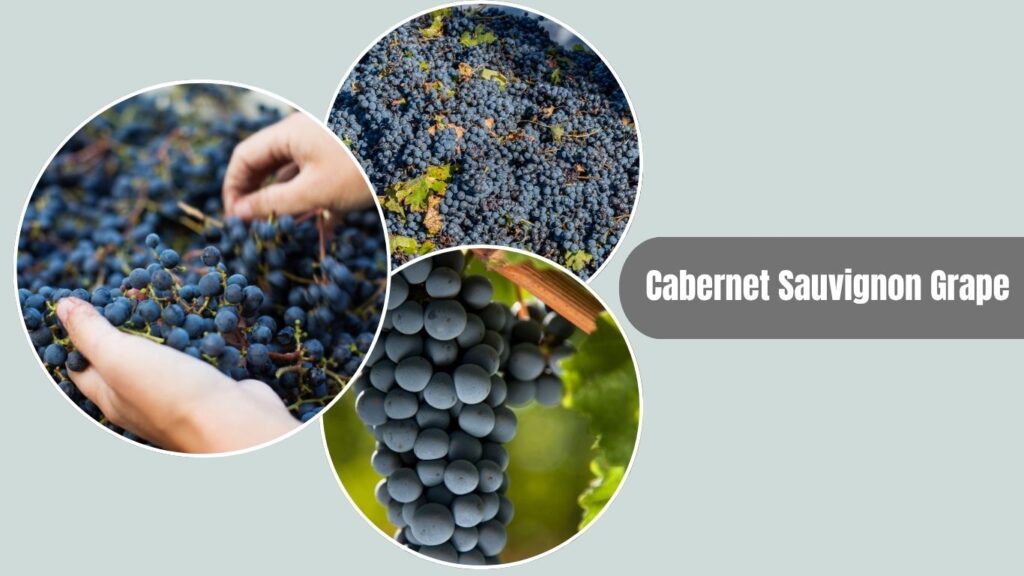
Cabernet Sauvignon is one of the most famous and widely planted wine grapes in the world. Known for its deep color, firm tannins, and bold flavors, it’s a cornerstone of red wine production globally.
Identification
- Color: Deep blue to black
- Shape: Small and round
- Skin: Thick and tough
- Seeds: Contains seeds
- Taste: Bold, dry, with notes of blackcurrant, pepper, and oak
Growth and Seasonality
Cabernet Sauvignon thrives in warm climates with well-drained soil. It is typically harvested in late September to mid-October, depending on the region.
Uses and Benefits
Exclusively used for winemaking, especially aged red wines. Rich in antioxidants and tannins, it’s often linked to improved heart health when consumed moderately.
13. Merlot Grape
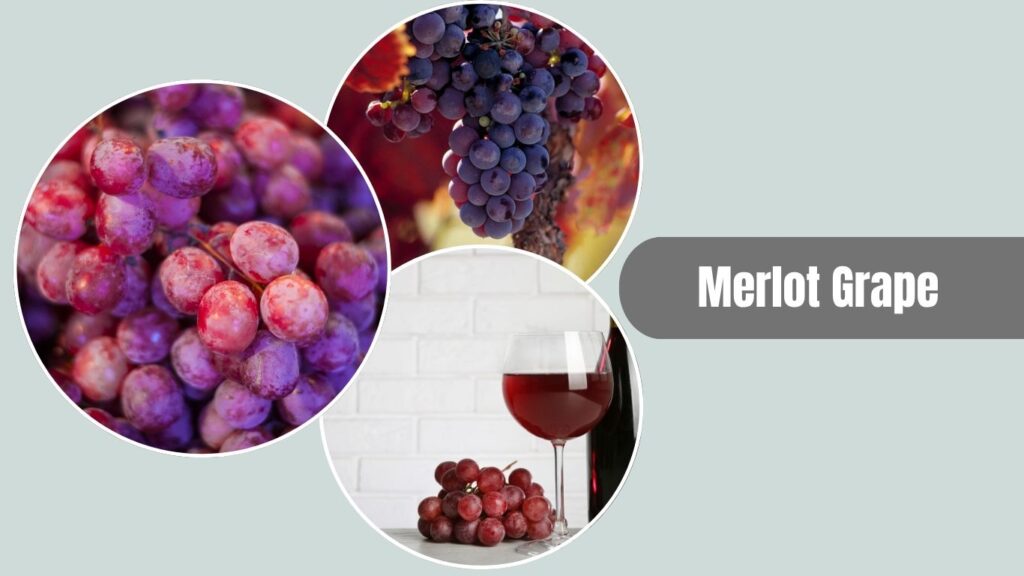
Merlot is a popular red wine grape known for its smooth, mellow character. It ripens earlier than many other red grapes and produces wines that are soft, fruity, and easy to enjoy.
Identification
- Color: Dark blue to purple
- Shape: Medium-sized and round
- Skin: Medium-thick
- Seeds: Contains seeds
- Taste: Smooth, with plum, cherry, and herbal notes
Growth and Seasonality
Merlot grapes adapt well to a variety of climates and soils. They are usually harvested from early to mid-September.
Uses and Benefits
Mainly used in winemaking for single-varietal wines or blends. The grapes are high in polyphenols, which may help reduce inflammation and support blood pressure regulation.
14. Pinot Noir Grape
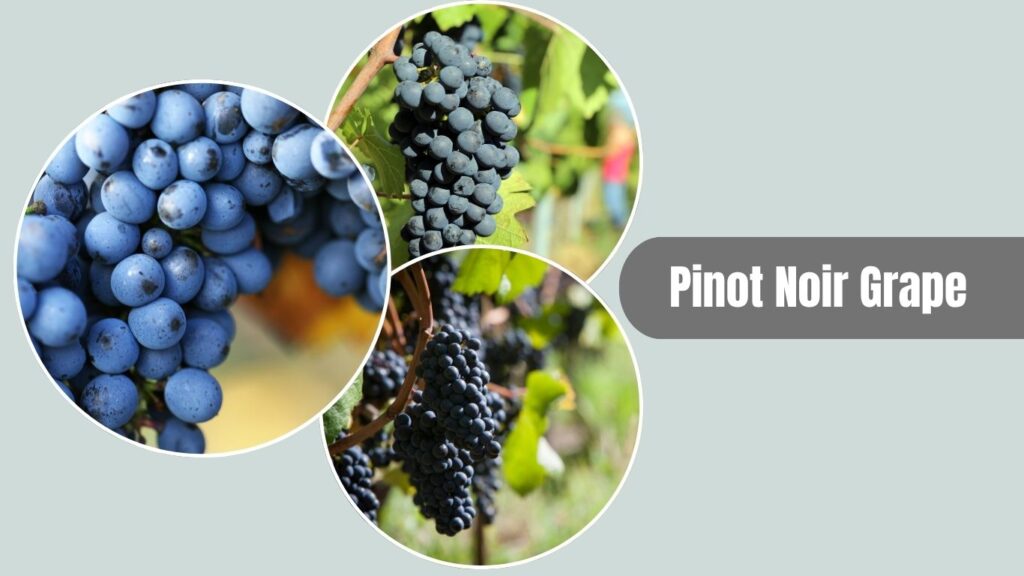
Pinot Noir is a delicate and highly prized red wine grape known for its complexity and finesse. It produces light to medium-bodied wines with elegant flavors and aromas, often considered the “heartbreak grape” due to its sensitivity in cultivation.
Identification
- Color: Deep purple to black
- Shape: Small and round
- Skin: Thin and fragile
- Seeds: Contains seeds
- Taste: Light, smooth, with notes of cherry, raspberry, and earthy undertones
Growth and Seasonality
Pinot Noir requires cool climates and careful management. It’s generally harvested between late August and early October, depending on the growing region.
Uses and Benefits
Mostly used in high-quality red wines and sparkling wines. It contains antioxidants like anthocyanins and resveratrol, supporting heart and brain health.
15. Sultana Grape
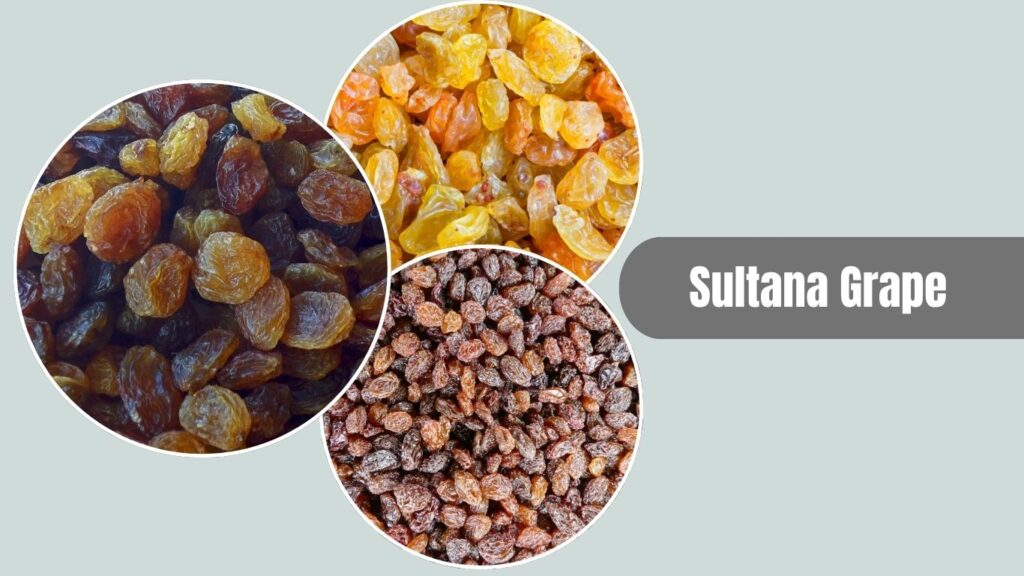
Sultana grapes, also known as Sultanina or Thompson Seedless, are light green seedless grapes primarily used for raisins and fresh eating. They’re prized for their sweetness, thin skin, and ability to dry well.
Identification
- Color: Light green
- Shape: Oval and medium-sized
- Skin: Thin and tender
- Seeds: Seedless
- Taste: Mildly sweet and juicy
Growth and Seasonality
Sultanas grow in warm, dry climates and are harvested from mid to late summer, especially in regions like California, Turkey, and Australia.
Uses and Benefits
Widely used for making raisins, juices, and snacks. They are a great source of natural sugars, fiber, and iron, making them a healthy energy-boosting food.
16. Flame Seedless Grape
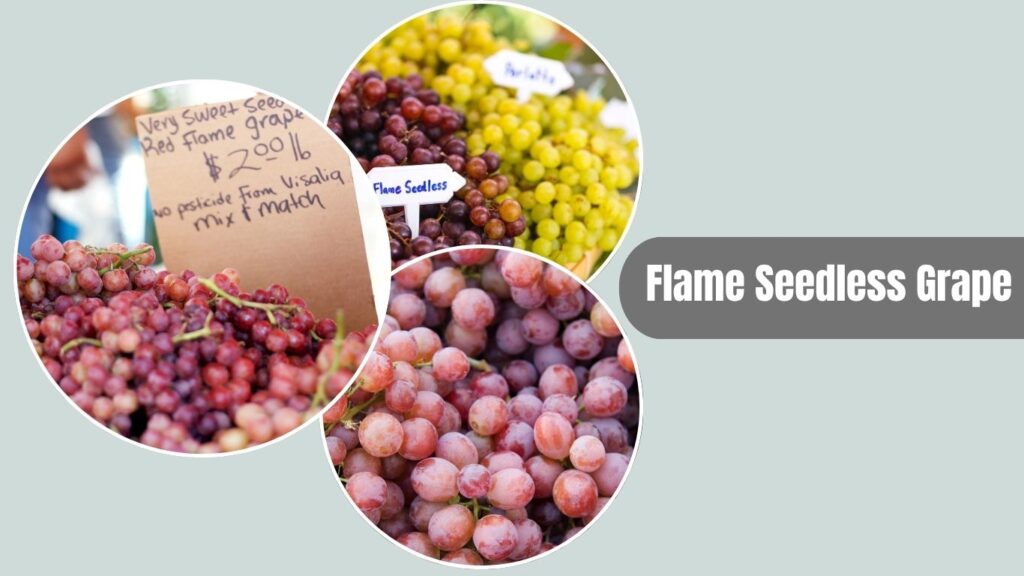
Flame Seedless grapes are a popular red table grape variety known for their vibrant color, crisp texture, and sweet flavor. They are widely available in supermarkets and are a favorite for snacking.
Identification
- Color: Bright red
- Shape: Round to slightly oval
- Skin: Thin but firm
- Seeds: Seedless
- Taste: Sweet with a mild tartness
Growth and Seasonality
These grapes are grown in warm climates like California and are typically harvested from mid-July to September.
Uses and Benefits
Primarily enjoyed fresh, Flame Seedless grapes are also used in fruit salads and lunchbox snacks. They provide hydration, antioxidants, and small amounts of vitamin C and potassium.
17. Autumn Royal Grape
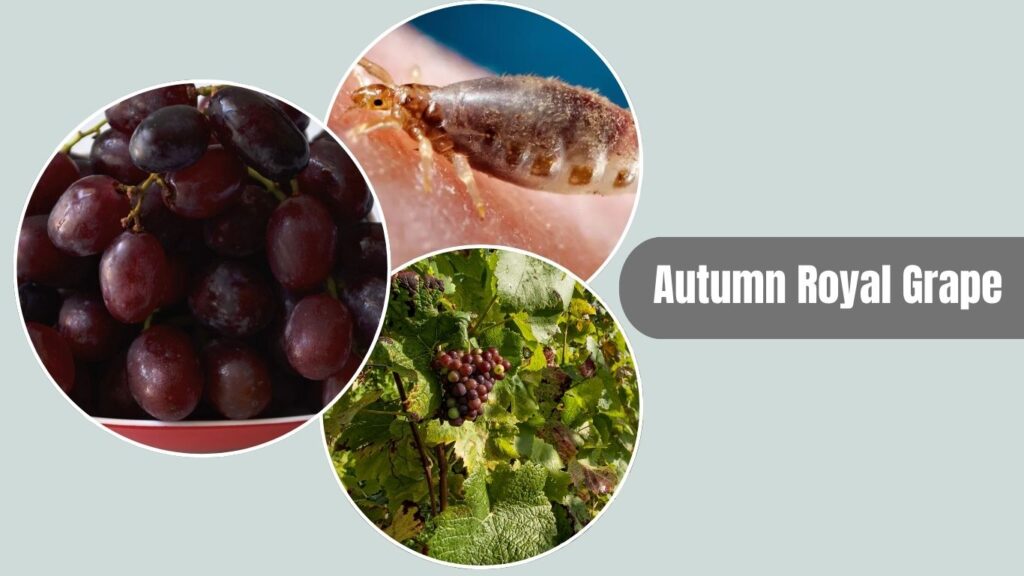
Autumn Royal is a seedless black grape variety prized for its large size, rich flavor, and crisp bite. It’s known for its long shelf life and striking appearance.
Identification
- Color: Deep black to dark purple
- Shape: Large and oval
- Skin: Thick and glossy
- Seeds: Seedless
- Taste: Sweet, with a hint of plum and floral tones
Growth and Seasonality
Autumn Royal grapes are grown in California and are harvested late in the season, typically from September to October.
Uses and Benefits
These grapes are best eaten fresh and are also used in gourmet dishes and displays. They’re rich in fiber, antioxidants, and natural sugars, supporting digestion and immune health.
18. Ruby Roman Grape
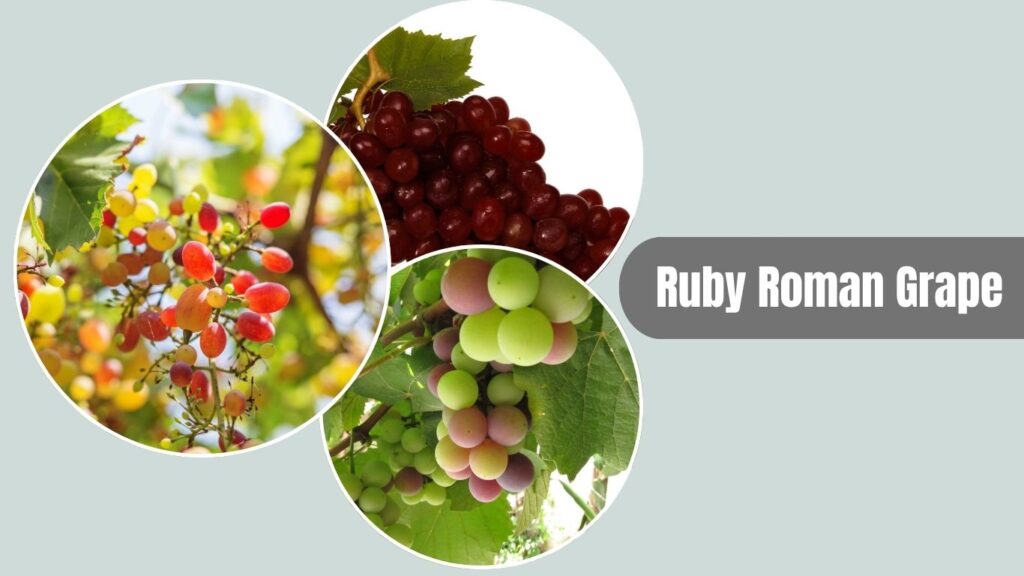
Ruby Roman grapes are a luxurious and extremely rare variety developed in Japan. They are famous for their large size, rich red color, and premium price. Each grape is carefully cultivated, making them a symbol of quality and perfection.
Identification
- Color: Bright ruby red
- Shape: Large and round
- Skin: Thick and smooth
- Seeds: Usually seedless (depending on grading)
- Taste: Exceptionally sweet, juicy, and low in acidity
Growth and Seasonality
Grown exclusively in Ishikawa Prefecture, Japan, Ruby Roman grapes are cultivated under strict quality control and are harvested from late July through early September.
Uses and Benefits
Often given as high-end gifts or enjoyed as a luxury dessert. These grapes are packed with natural sugars, antioxidants, and vitamins, offering both flavor and health benefits.
19. Niagara Grape
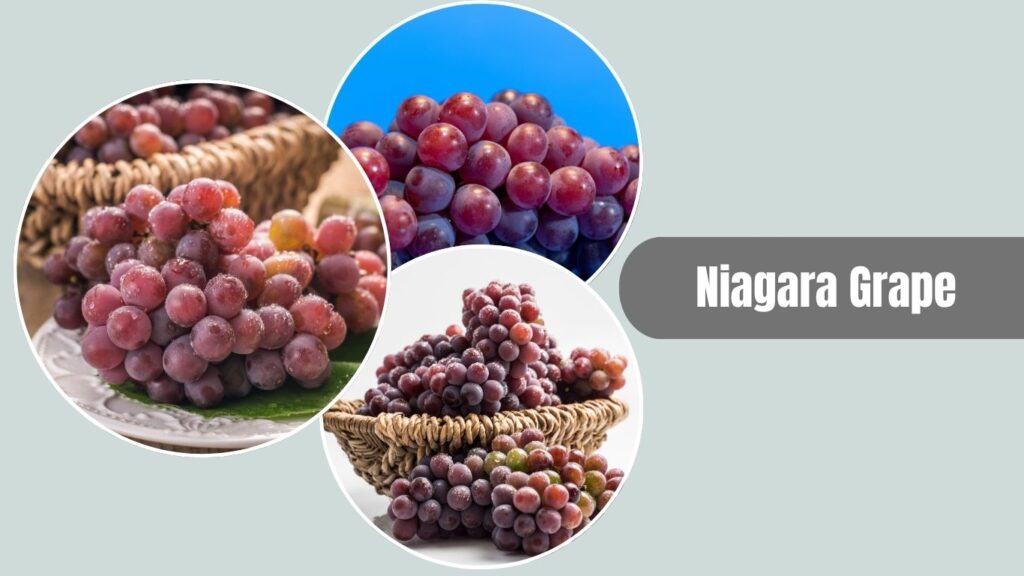
Niagara grapes are a white grape variety developed in the United States and known for their intense aroma and sweet, tangy flavor. They are a favorite for making grape juice and jams.
Identification
- Color: Pale green to golden yellow
- Shape: Round and medium-sized
- Skin: Thin and slightly waxy
- Seeds: Contains seeds
- Taste: Sweet and musky with a slight tang
Growth and Seasonality
Niagara grapes grow well in cooler regions like the northeastern U.S. and are typically harvested from late August to early October.
Uses and Benefits
These grapes are used for fresh eating, juice production, and homemade preserves. They contain vitamin C, potassium, and polyphenols that support immune and heart health.
20. Catawba Grape
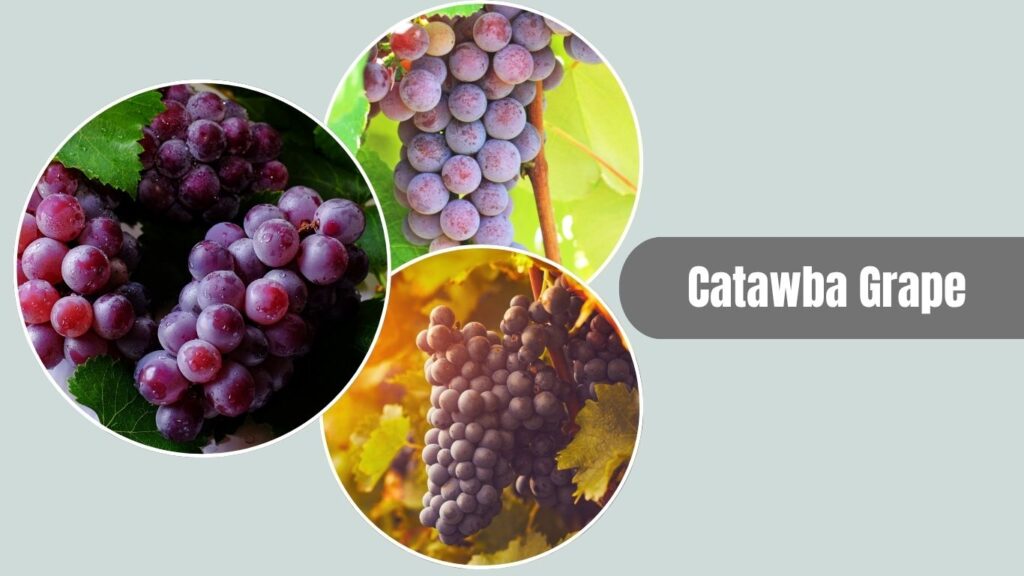
Catawba grapes are an American variety known for their pinkish-red hue and musky, sweet flavor. Popular in the 19th century, they are still used today for making juice, jams, and sweet wines.
Identification
- Color: Pink to light red
- Shape: Medium and round
- Skin: Medium-thick with a slightly waxy surface
- Seeds: Contains seeds
- Taste: Sweet and musky with a tangy finish
Growth and Seasonality
Catawba grapes grow well in the eastern U.S. and prefer cooler climates. They are usually harvested from mid-September to October.
Uses and Benefits
Commonly used for juice, jelly, and rosé-style wines. Catawba grapes are rich in antioxidants and vitamin C, supporting skin health and immune defense.
21. Black Corinth Grape
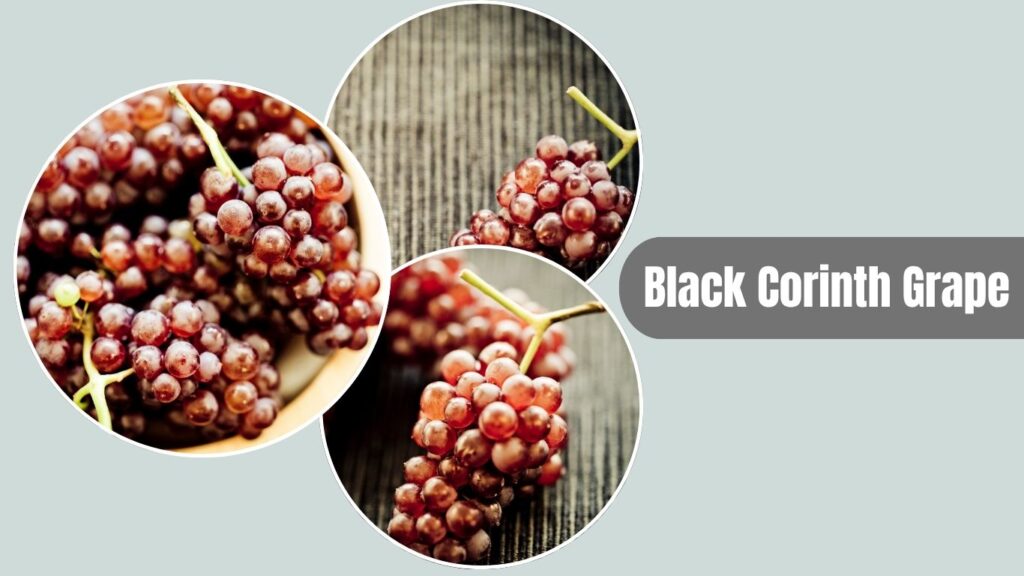
Black Corinth grapes, also known as Zante currants, are tiny seedless black grapes often dried into miniature raisins. They have an intense sweetness and are widely used in baking and culinary applications.
Identification
- Color: Deep black
- Shape: Very small and round
- Skin: Thin and smooth
- Seeds: Seedless
- Taste: Very sweet with concentrated flavor
Growth and Seasonality
These grapes are mostly grown in Mediterranean climates and are harvested from late August through early September.
Uses and Benefits
Primarily used to make dried currants for baking, cereals, and snacks. They are rich in iron, antioxidants, and natural sugars, supporting energy and heart health.
22. Italia Grape
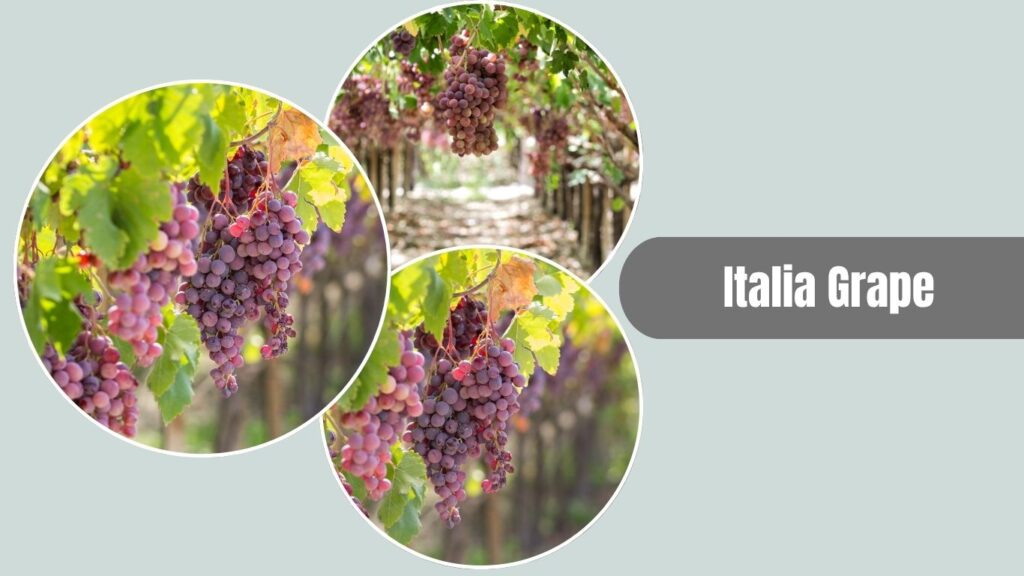
Italia grapes, also known as Italia Muscat, are large, juicy white grapes with a fragrant aroma. They are popular for fresh eating and are easily recognized by their pale golden color and sweet, musky flavor.
Identification
- Color: Pale green to golden yellow
- Shape: Large and oval
- Skin: Firm and glossy
- Seeds: Contains seeds
- Taste: Sweet with a light muscat flavor
Growth and Seasonality
These grapes thrive in warm, sunny regions like Italy, Egypt, and parts of South America. They are typically harvested from August to October.
Uses and Benefits
Mostly consumed fresh, Italia grapes are also used in fruit salads and for decorative purposes. They provide vitamin C, hydration, and antioxidant support.
23. Isabella Grape
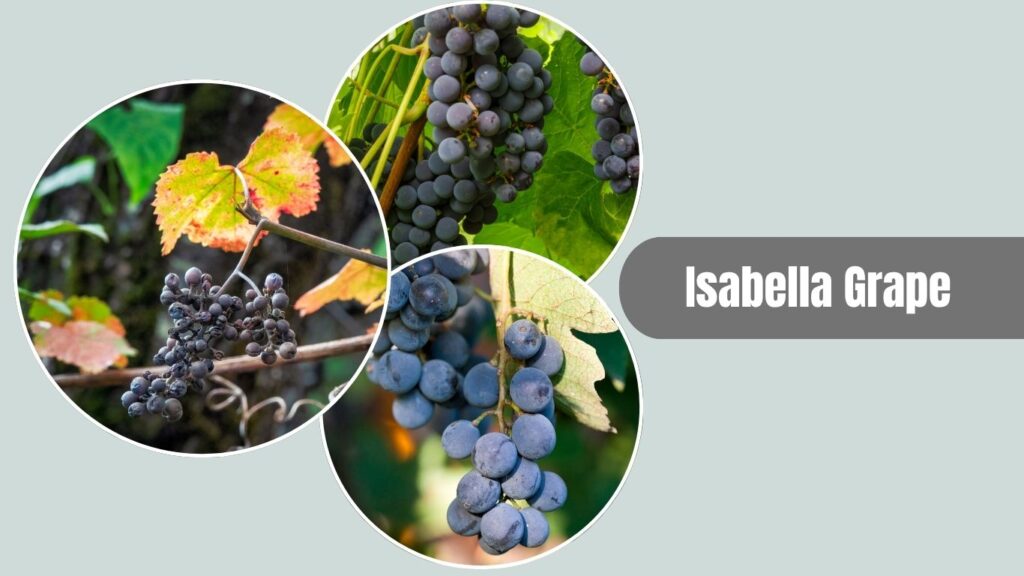
Isabella grapes are a hybrid variety valued for their deep color and strong, fruity aroma. They are mainly used in wine, juice, and jam production and are especially popular in South America and Eastern Europe.
Identification
- Color: Dark purple to black
- Shape: Medium-sized and round
- Skin: Thick and slip-skin
- Seeds: Contains seeds
- Taste: Sweet, fruity, with a slightly musky aftertaste
Growth and Seasonality
Isabella grapes grow well in humid climates and are harvested from late summer to early fall, depending on the region.
Uses and Benefits
Used in wines, juices, and homemade preserves. They are rich in polyphenols and anthocyanins, supporting cardiovascular and cellular health.
24. Tempranillo Grape
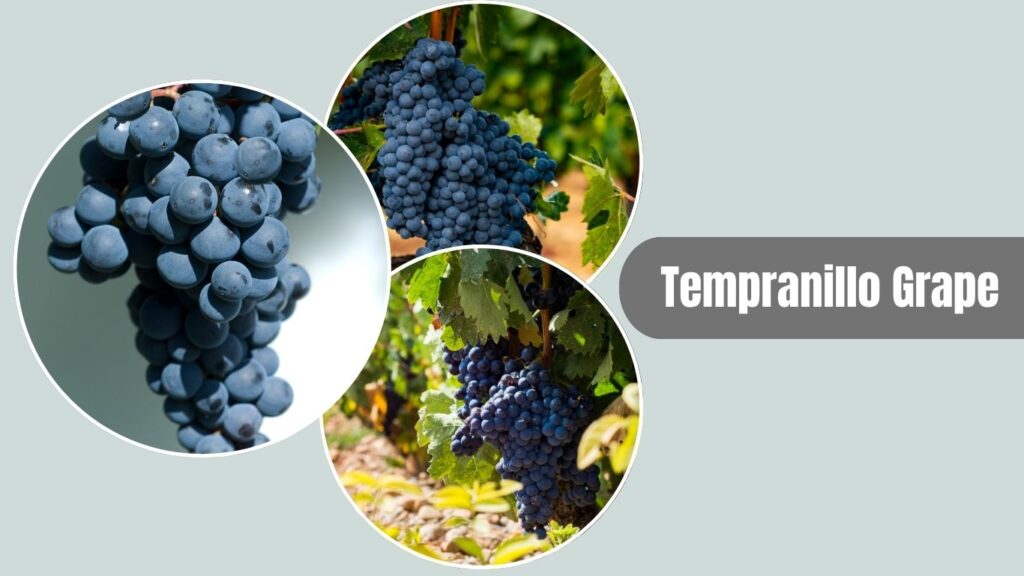
Tempranillo is a classic Spanish grape variety known for producing full-bodied red wines. It is valued for its balance of fruitiness and earthy depth, and it plays a central role in many famous Spanish wines, especially Rioja.
Identification
- Color: Deep blue to black
- Shape: Medium-sized and round
- Skin: Thick and firm
- Seeds: Contains seeds
- Taste: Mildly fruity with hints of cherry, tobacco, and leather
Growth and Seasonality
Tempranillo grows best in regions with hot days and cool nights. In Spain, it is typically harvested early, from late August to early October.
Uses and Benefits
Primarily used for winemaking, Tempranillo grapes are rich in resveratrol and flavonoids, which may help reduce inflammation and support heart health.
25. Syrah Grape
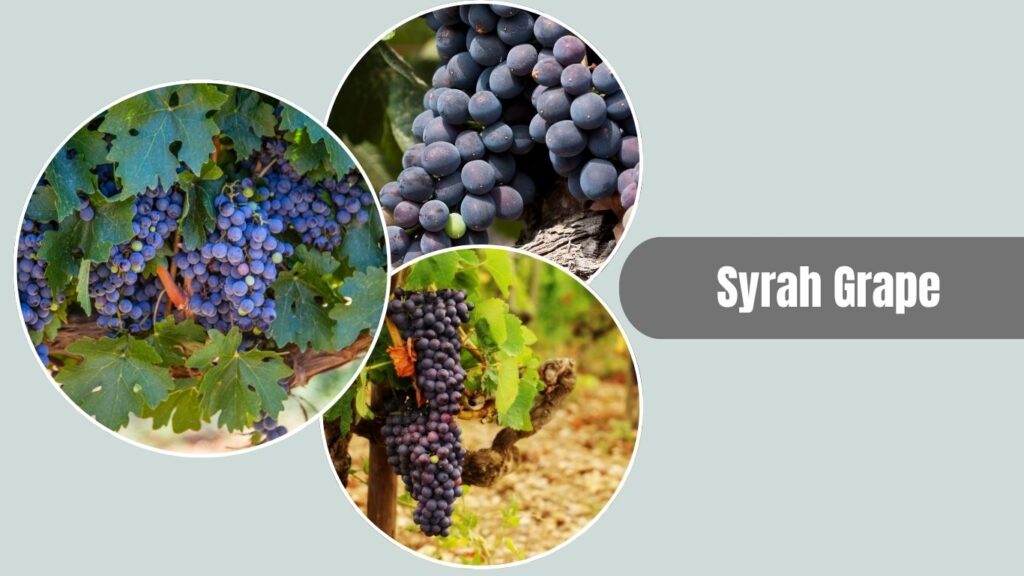
Syrah, also known as Shiraz in some regions, is a dark-skinned grape variety used to make rich, bold red wines. It’s popular in both Old World and New World wine regions and is known for its intense flavor and aging potential.
Identification
- Color: Very dark purple to black
- Shape: Small and round
- Skin: Thick and tannin-rich
- Seeds: Contains seeds
- Taste: Spicy and bold with flavors of blackberry, pepper, and smoke
Growth and Seasonality
Syrah grows best in warm climates and well-drained soils. Harvest season typically ranges from September to October.
Uses and Benefits
Mainly used for producing powerful red wines. Syrah grapes offer antioxidants like tannins and anthocyanins, which contribute to heart and brain health when consumed in moderation.