





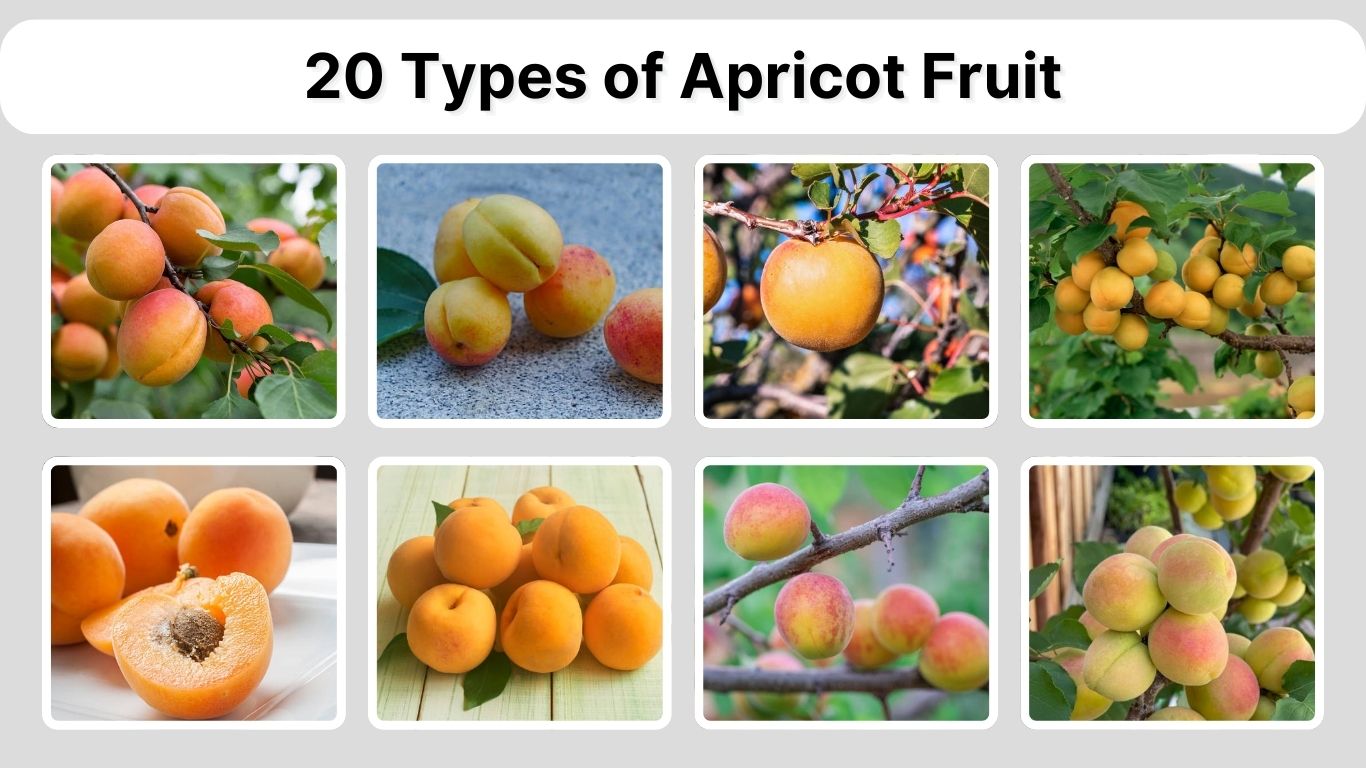
Apricots are beloved for their sweet flavor, vibrant color, and versatility in both fresh and cooked dishes. With dozens of varieties grown around the world, each type of apricot offers unique characteristics in taste, size, appearance, and growing requirements. From early-season harvests to late-ripening selections, understanding different apricot varieties helps gardeners, growers, and food lovers choose the best fruit for their climate and culinary needs.
1. Moorpark Apricot

The Moorpark Apricot is one of the most famous and traditionally grown apricot varieties in the world. Known for its rich flavor, large size, and aromatic flesh, it has long been considered a benchmark for apricot quality, especially in fresh eating and preserves.
Identification
- Large, round to slightly oval fruit
- Golden-orange skin with occasional red blush
- Deep orange, juicy flesh
- Freestone pit
- Thin, tender skin
Flavor Profile
Moorpark Apricot is prized for its exceptionally sweet yet balanced flavor, combining honey-like sweetness with a mild tang. Its flesh is dense, juicy, and highly aromatic, making it stand out among classic apricot varieties.
Growing Conditions
This apricot thrives in warm, temperate climates with full sun exposure. It prefers well-drained soil and requires adequate chilling hours in winter, making it best suited for regions with distinct seasonal changes.
Culinary Uses
Moorpark Apricot is excellent for fresh consumption but truly shines in jams, preserves, drying, and baking. Its intense flavor holds up well during cooking, which is why it remains a favorite for traditional apricot recipes.
2. Tilton Apricot
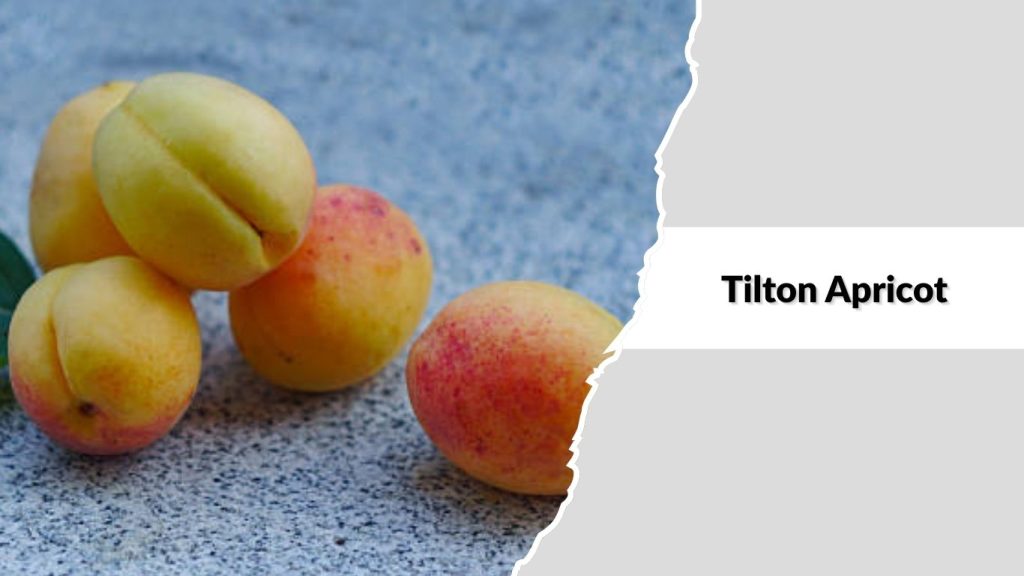
The Tilton Apricot is a well-known commercial and home-garden variety valued for its reliability, productivity, and excellent flavor. It is especially popular in regions where late spring frosts are a concern, thanks to its relatively late blooming habit.
Identification
- Medium to large-sized fruit
- Oval to slightly heart-shaped
- Bright orange skin with light red blush
- Firm, orange flesh
- Freestone pit
Flavor Profile
Tilton Apricot offers a balanced taste with moderate sweetness and noticeable tartness. The flavor becomes richer when fully ripe, making it appealing for both fresh eating and cooking applications where a tangy note is desirable.
Growing Conditions
This variety adapts well to a range of temperate climates and is known for cold hardiness. Tilton Apricot performs best in full sun with well-drained soil and requires moderate winter chilling. The tree is vigorous and consistently productive.
Culinary Uses
Tilton Apricot is widely used for canning, drying, and baking due to its firm texture and strong flavor retention. It is also enjoyed fresh and is a favorite choice for jams and preserves because it maintains color and taste after processing.
3. Blenheim Apricot
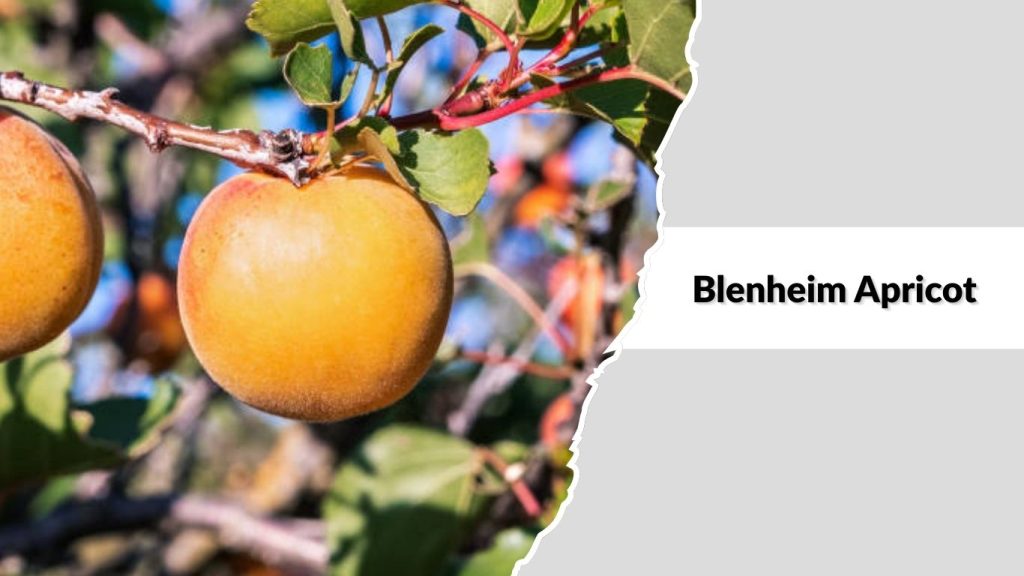
The Blenheim Apricot, also known as Royal Blenheim, is one of the most highly regarded apricot varieties for flavor quality. Often considered a premium heritage apricot, it is especially popular in regions with mild coastal climates and among growers who value taste over long shelf life.
Identification
- Medium-sized fruit
- Round to slightly oval shape
- Golden-orange skin with a light red blush
- Soft, deep orange flesh
- Freestone pit
Flavor Profile
Blenheim Apricot is celebrated for its intensely rich, sweet flavor with subtle tart undertones. The flesh is tender, juicy, and highly aromatic, delivering a classic apricot taste that many consider superior to modern commercial varieties.
Growing Conditions
This variety thrives best in mild, temperate climates and performs exceptionally well in coastal regions. It prefers full sun, well-drained soil, and moderate winter chilling. While not as hardy as some modern cultivars, it rewards proper care with outstanding fruit quality.
Culinary Uses
Blenheim Apricot excels in fresh eating and is especially prized for drying, jams, and preserves. Its concentrated flavor intensifies when dried or cooked, making it a favorite for gourmet and artisanal apricot products.
4. Goldcot Apricot
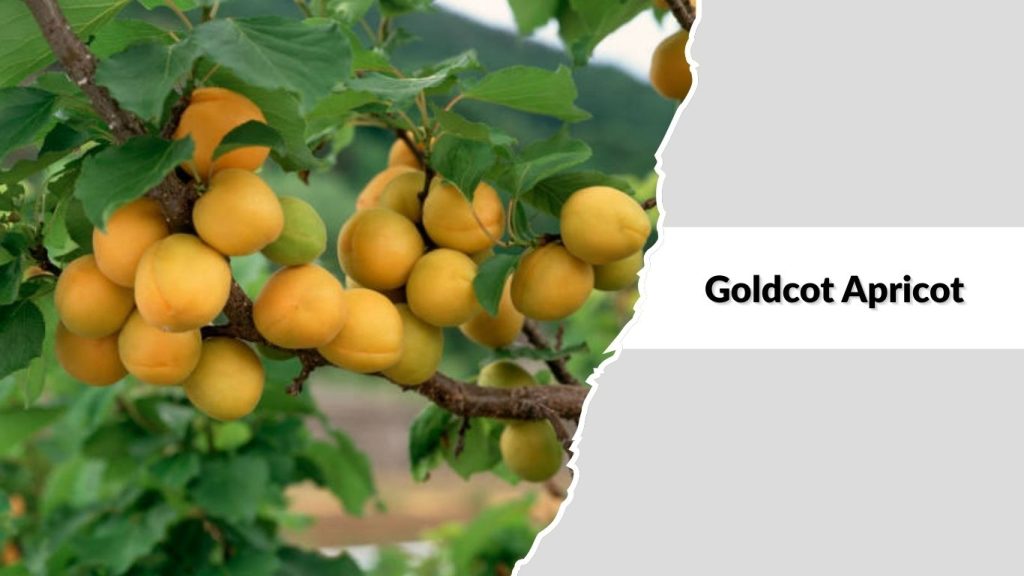
The Goldcot Apricot is a hardy and dependable variety developed for cooler climates and areas prone to late frosts. It is widely appreciated for its consistent yields, disease resistance, and adaptability, making it a popular choice for both commercial growers and home orchards.
Identification
- Medium to large-sized fruit
- Round to slightly oval shape
- Bright golden-orange skin
- Firm, orange flesh
- Freestone pit
Flavor Profile
Goldcot Apricot has a mild to moderately sweet flavor with low acidity. While not as intensely aromatic as some heritage varieties, it offers a pleasant, clean taste that appeals to a wide range of consumers.
Growing Conditions
This variety is known for its excellent cold hardiness and late blooming, which helps protect blossoms from spring frosts. Goldcot Apricot thrives in full sun and well-drained soil, with moderate chilling requirements. The tree is vigorous, productive, and relatively easy to maintain.
Culinary Uses
Goldcot Apricot is versatile in the kitchen and suitable for fresh eating, canning, drying, and baking. Its firm flesh holds its shape well during cooking, making it a reliable option for preserves and processed apricot products.
5. Harcot Apricot
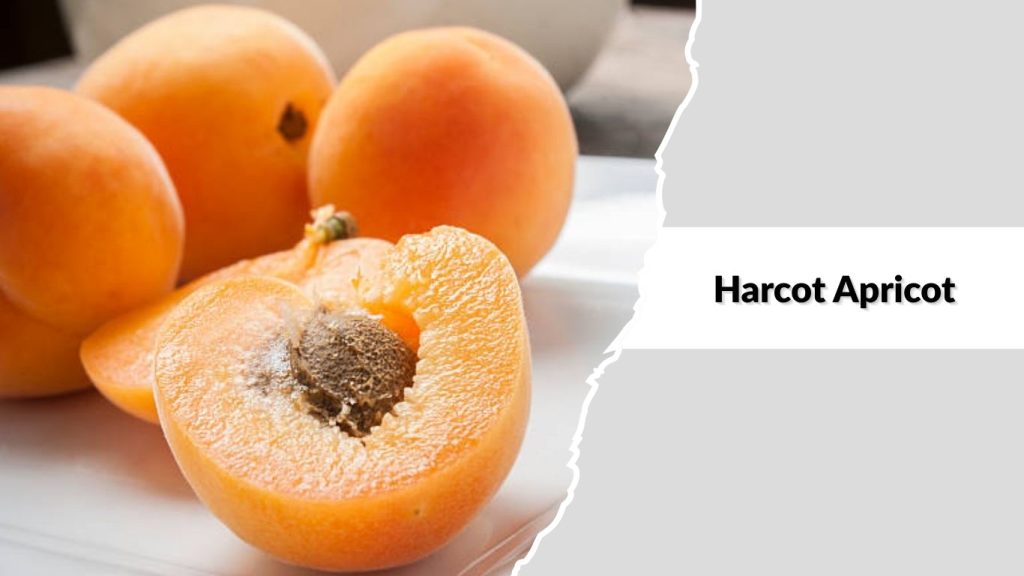
The Harcot Apricot is a modern apricot variety developed for improved disease resistance, productivity, and attractive fruit appearance. It is especially valued in cooler growing regions and has become a popular choice among commercial growers and home gardeners alike.
Identification
- Medium to large-sized fruit
- Round to slightly oblong shape
- Bright orange skin with a red blush
- Firm, deep orange flesh
- Freestone pit
Flavor Profile
Harcot Apricot delivers a pleasant balance of sweetness and mild acidity. Its flavor is smooth and moderately rich, making it enjoyable for fresh consumption while still holding up well in cooked dishes.
Growing Conditions
This variety is cold-hardy and blooms later than many traditional apricots, reducing the risk of frost damage. Harcot Apricot grows best in full sun with well-drained soil and requires moderate winter chilling. The tree is vigorous, productive, and shows good resistance to common apricot diseases.
Culinary Uses
Harcot Apricot is well suited for fresh eating, canning, baking, and drying. Its firm texture and attractive color make it especially useful for desserts and preserves, where visual appeal and consistency are important.
6. Perfection Apricot
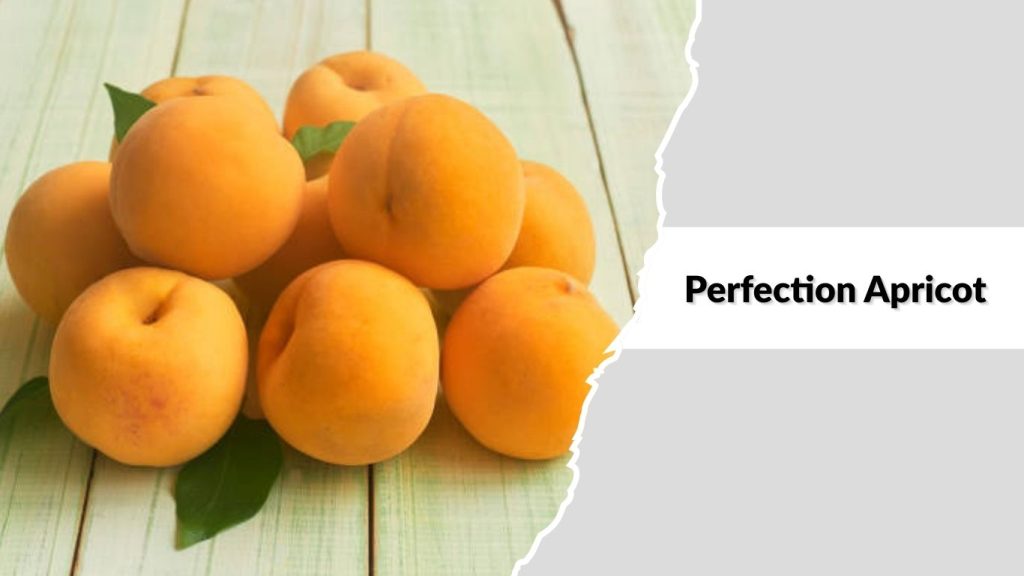
The Perfection Apricot is a classic apricot variety admired for its large fruit size, attractive appearance, and dependable performance. It has long been grown in traditional orchards and remains popular among gardeners who want a balance of beauty, flavor, and versatility.
Identification
- Large-sized fruit
- Round to slightly oval shape
- Golden-orange skin with a soft red blush
- Firm, bright orange flesh
- Freestone pit
Flavor Profile
Perfection Apricot offers a mild to moderately sweet flavor with gentle acidity. While not overpowering, its taste is smooth and well-balanced, making it suitable for a wide range of palates.
Growing Conditions
This variety performs best in warm, temperate climates with plenty of sunlight. It prefers well-drained soil and requires moderate winter chilling. The tree is moderately vigorous and produces consistent crops when protected from late frosts.
Culinary Uses
Perfection Apricot is ideal for fresh eating, canning, baking, and drying. Its firm flesh and attractive color allow it to maintain quality during cooking, making it a dependable choice for jams, desserts, and preserved apricot products.
7. Castlebrite Apricot
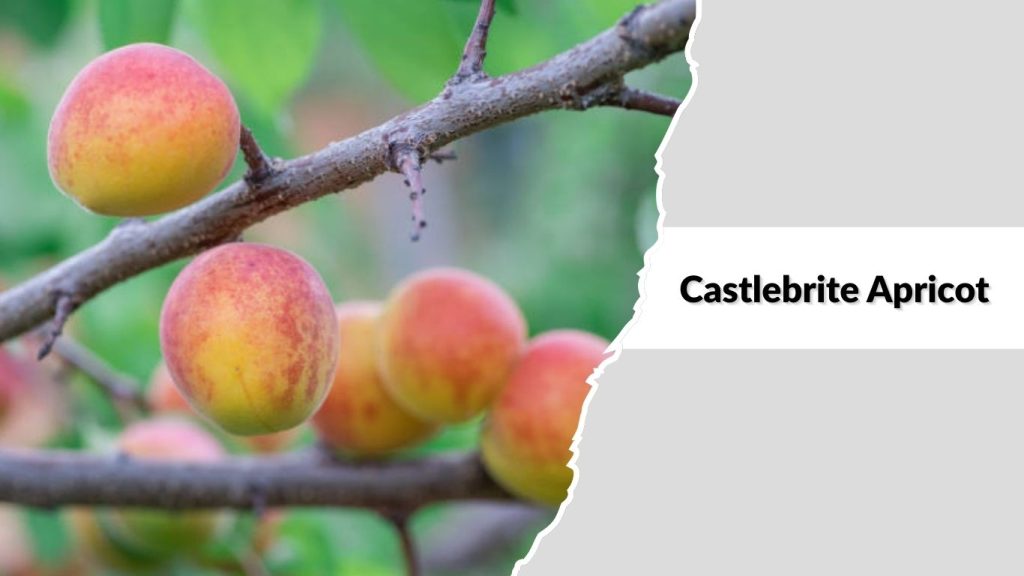
The Castlebrite Apricot is a popular early-season variety known for its excellent flavor and ability to produce fruit sooner than many traditional apricots. It is widely grown in regions with mild winters and is valued for both home gardens and small orchards.
Identification
- Medium-sized fruit
- Round to slightly oval shape
- Bright orange skin with light red blush
- Juicy, orange flesh
- Freestone pit
Flavor Profile
Castlebrite Apricot is appreciated for its sweet, rich flavor with a subtle tart finish. When fully ripe, the flesh becomes very juicy and aromatic, making it especially enjoyable for fresh consumption.
Growing Conditions
This variety performs best in mild to warm climates and requires fewer chilling hours than many apricot types. Castlebrite Apricot prefers full sun and well-drained soil. The tree blooms relatively early, so frost protection may be needed in cooler areas.
Culinary Uses
Castlebrite Apricot is excellent for fresh eating and works well in desserts, jams, and light cooking. Because it ripens early, it is often one of the first apricots of the season available for kitchen use.
8. Tomcot Apricot
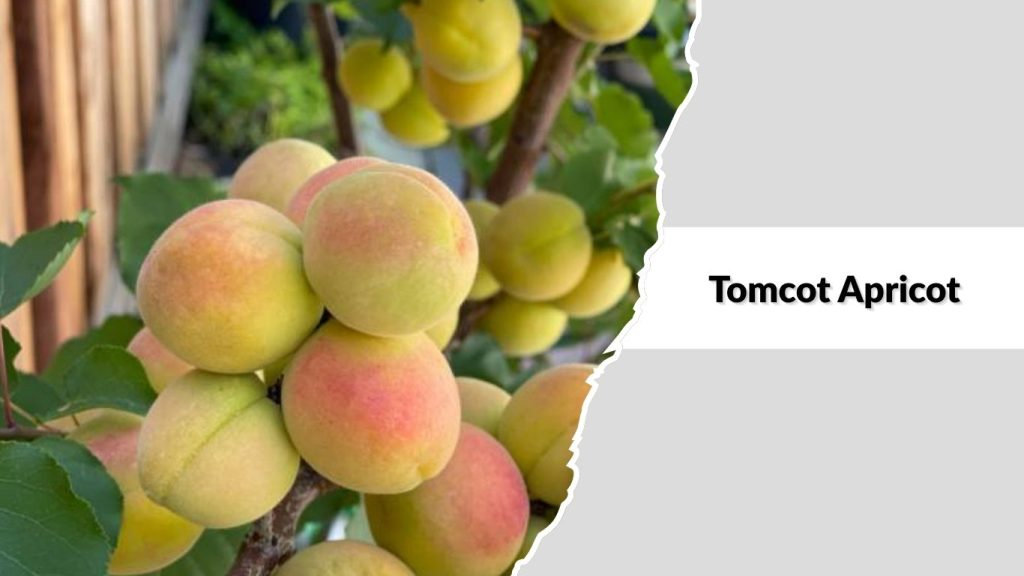
The Tomcot Apricot is an early-ripening variety known for its large fruit size, attractive color, and high productivity. It is widely grown in commercial orchards due to its uniform ripening and strong market appeal.
Identification
- Large-sized fruit
- Round to slightly oblong shape
- Bright orange skin with red blush
- Firm, deep orange flesh
- Freestone pit
Flavor Profile
Tomcot Apricot has a sweet, mildly tangy flavor that improves as the fruit fully ripens on the tree. Its flesh is juicy yet firm, offering a pleasant eating experience with a clean apricot taste.
Growing Conditions
This variety thrives in warm, temperate climates and requires moderate winter chilling. Tomcot Apricot grows best in full sun with well-drained soil. The tree is vigorous, productive, and blooms early, so frost protection may be beneficial in cooler regions.
Culinary Uses
Tomcot Apricot is suitable for fresh eating, baking, and canning. Its firm texture allows it to hold shape during cooking, while its early harvest makes it a popular choice for early-season apricot dishes and preserves.
9. Katy Apricot
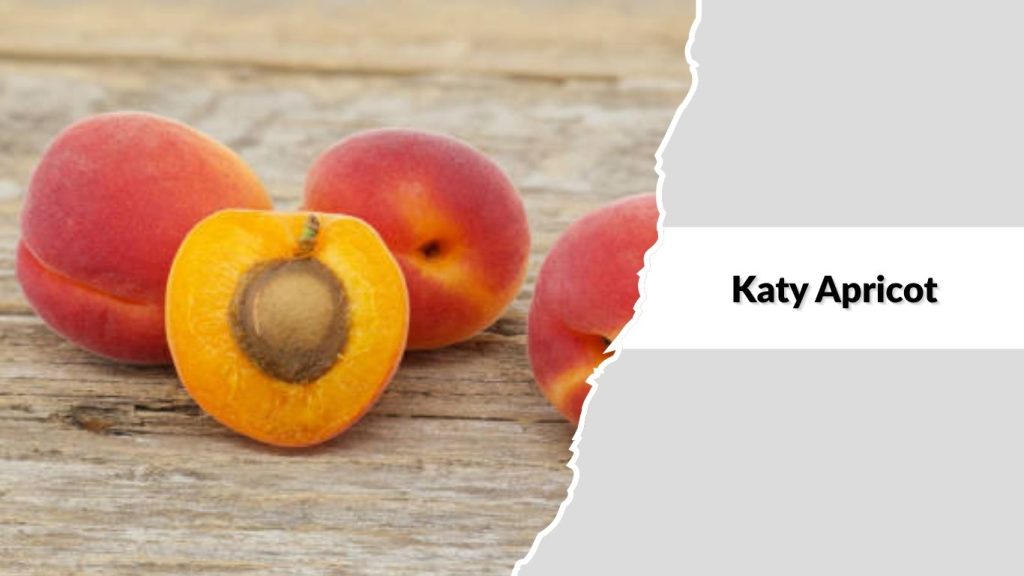
The Katy Apricot is an early-season variety prized for its low chilling requirement and reliable production in warm climates. It is especially popular in regions with mild winters where many traditional apricot varieties struggle to set fruit.
Identification
- Medium to large-sized fruit
- Round to slightly oval shape
- Bright yellow-orange skin with light red blush
- Juicy, orange flesh
- Freestone pit
Flavor Profile
Katy Apricot has a sweet, mild flavor with low acidity. While its taste is gentle rather than intense, it is very pleasant when eaten fresh, especially at peak ripeness.
Growing Conditions
This variety performs best in warm climates and requires very low winter chilling. Katy Apricot thrives in full sun and well-drained soil. The tree blooms early and is known for consistent fruit set even in areas with limited winter cold.
Culinary Uses
Katy Apricot is best suited for fresh eating and light cooking. It can also be used in jams and desserts, though its softer texture makes it less ideal for long cooking or drying compared to firmer varieties.
10. Rival Apricot
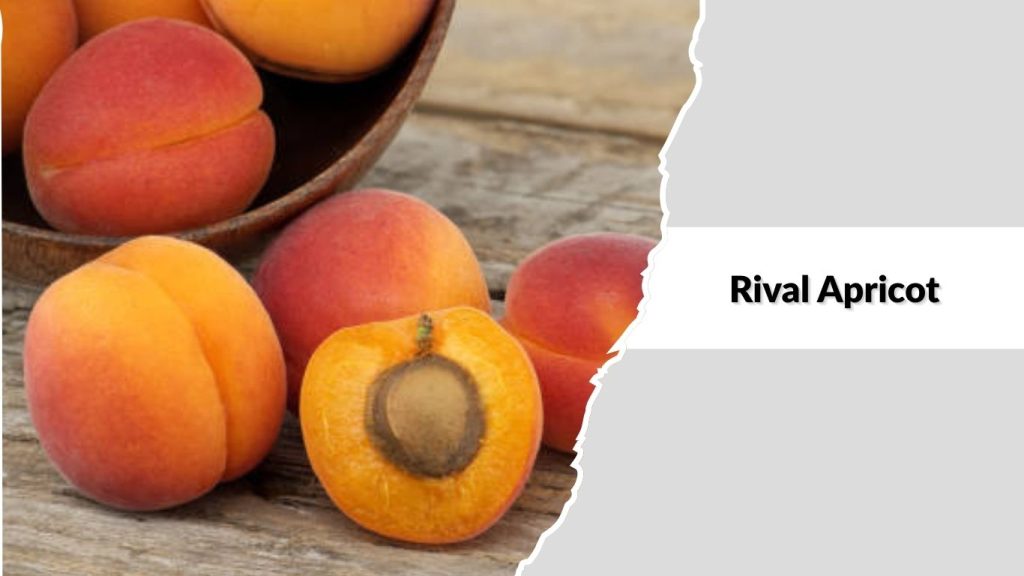
The Rival Apricot is a cold-hardy variety developed for regions with challenging spring weather. It is valued for its dependable yields, attractive fruit, and ability to withstand cooler growing conditions better than many traditional apricots.
Identification
- Medium-sized fruit
- Round to slightly oval shape
- Bright orange skin with red blush
- Firm, orange flesh
- Freestone pit
Flavor Profile
Rival Apricot offers a balanced flavor with moderate sweetness and mild acidity. The taste is pleasant and clean, making it suitable for both fresh eating and culinary use without being overly tart.
Growing Conditions
This variety blooms later than many apricots, helping to reduce the risk of frost damage. Rival Apricot thrives in full sun and well-drained soil and requires moderate winter chilling. The tree is vigorous, productive, and well adapted to cooler climates.
Culinary Uses
Rival Apricot is versatile and works well for fresh consumption, canning, baking, and drying. Its firm flesh and stable flavor make it a reliable option for both home kitchens and commercial processing.
11. Puget Gold Apricot
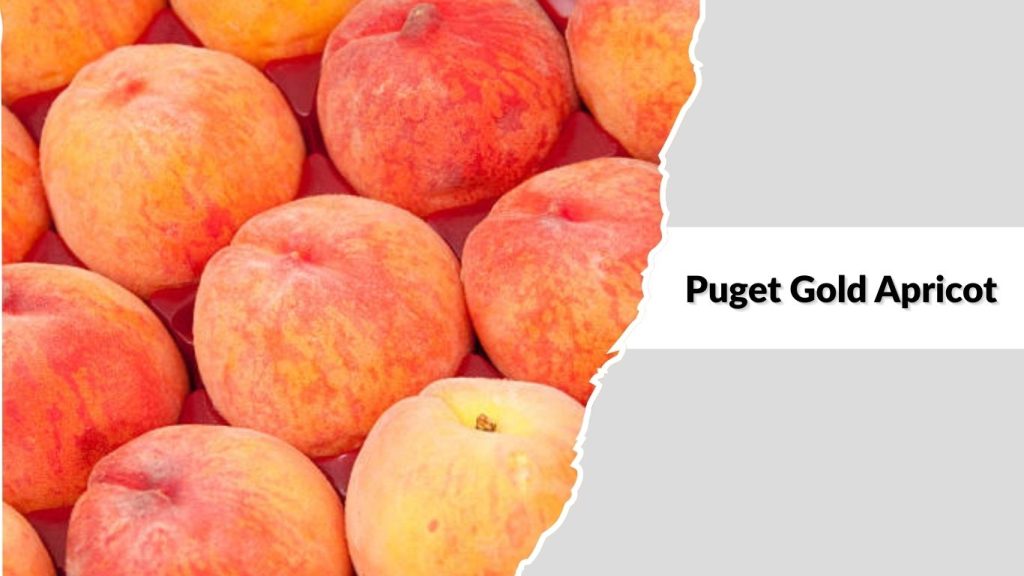
The Puget Gold Apricot is a variety specifically developed for cooler, wetter climates, particularly in the Pacific Northwest. It is appreciated for its cold tolerance, reliable fruiting, and pleasant flavor, making it a dependable choice in regions where apricot growing can be challenging.
Identification
- Medium-sized fruit
- Round to slightly oval shape
- Golden-orange skin
- Firm, orange flesh
- Freestone pit
Flavor Profile
Puget Gold Apricot has a mild, slightly sweet flavor with gentle acidity. While not as intensely rich as some traditional varieties, it offers a smooth and enjoyable taste when fully ripe.
Growing Conditions
This variety thrives in cooler climates and shows good resistance to moisture-related issues. Puget Gold Apricot prefers full sun and well-drained soil and requires moderate winter chilling. The tree blooms later, reducing the risk of spring frost damage.
Culinary Uses
Puget Gold Apricot is suitable for fresh eating, baking, and preserving. Its firm texture allows it to perform well in cooking applications, and it is often used for jams and home-processed apricot products.
12. Harglow Apricot
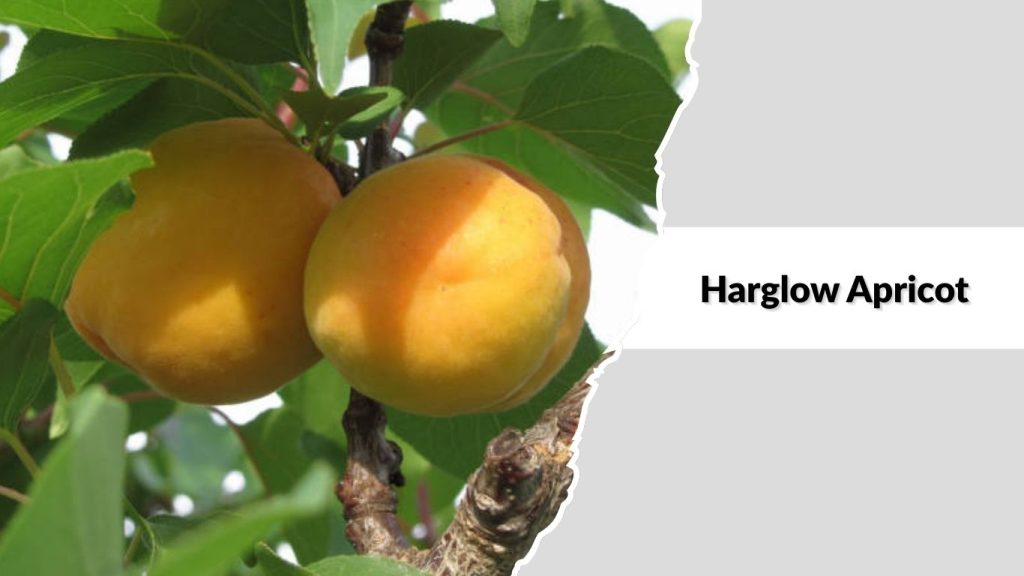
The Harglow Apricot is a hardy and disease-resistant variety developed for improved performance in cooler climates. It is especially valued for its resistance to common apricot diseases and its ability to produce consistent crops under less-than-ideal conditions.
Identification
- Medium-sized fruit
- Round to slightly oval shape
- Bright orange skin with light red blush
- Firm, deep orange flesh
- Freestone pit
Flavor Profile
Harglow Apricot has a sweet, mildly tangy flavor that becomes more pronounced when fully ripe. Its flesh is firm yet juicy, offering a balanced and pleasant apricot taste suitable for many uses.
Growing Conditions
This variety blooms late, helping protect flowers from spring frosts. Harglow Apricot grows best in full sun with well-drained soil and requires moderate winter chilling. The tree is vigorous, productive, and shows strong resistance to bacterial spot and other common issues.
Culinary Uses
Harglow Apricot is excellent for fresh eating, canning, baking, and drying. Its firm texture and good flavor retention make it especially useful for preserves and processed apricot products.
13. OrangeRed Apricot
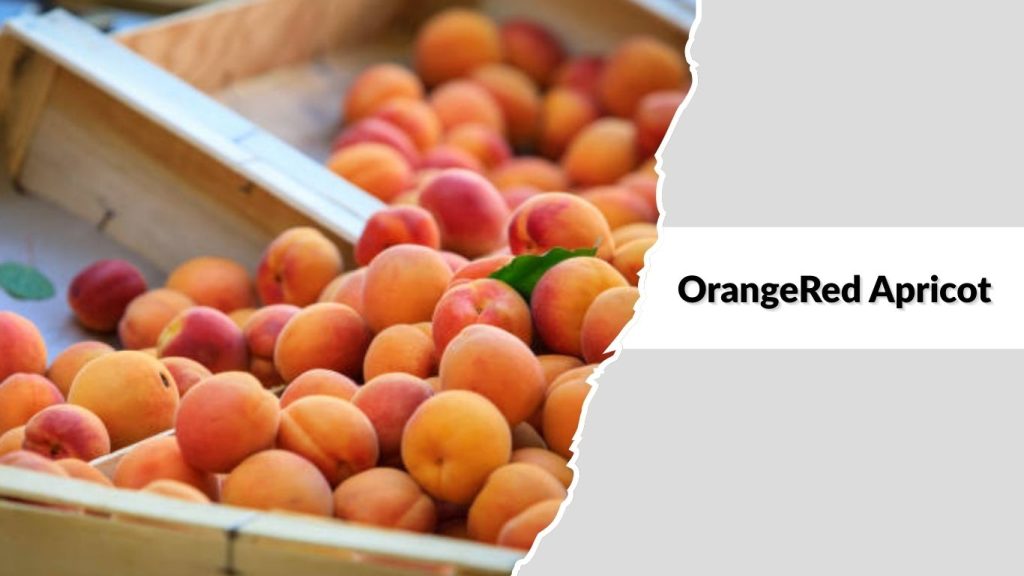
The OrangeRed Apricot is a visually striking variety known for its bright color, large size, and excellent eating quality. It is popular in both commercial orchards and home gardens for its attractive appearance and dependable performance.
Identification
- Large-sized fruit
- Round to slightly oval shape
- Deep orange skin with red blush
- Firm, orange flesh
- Freestone pit
Flavor Profile
OrangeRed Apricot offers a rich, sweet flavor with mild acidity. Its flesh is juicy and aromatic, providing a well-rounded apricot taste that is especially enjoyable when eaten fresh.
Growing Conditions
This variety thrives in warm to temperate climates and requires moderate winter chilling. OrangeRed Apricot prefers full sun and well-drained soil. The tree blooms mid-season and produces heavy, consistent crops under proper growing conditions.
Culinary Uses
OrangeRed Apricot is ideal for fresh eating, baking, and canning. Its firm texture and vibrant color make it a favorite for desserts, preserves, and visually appealing apricot-based dishes.
14. Chinese Apricot
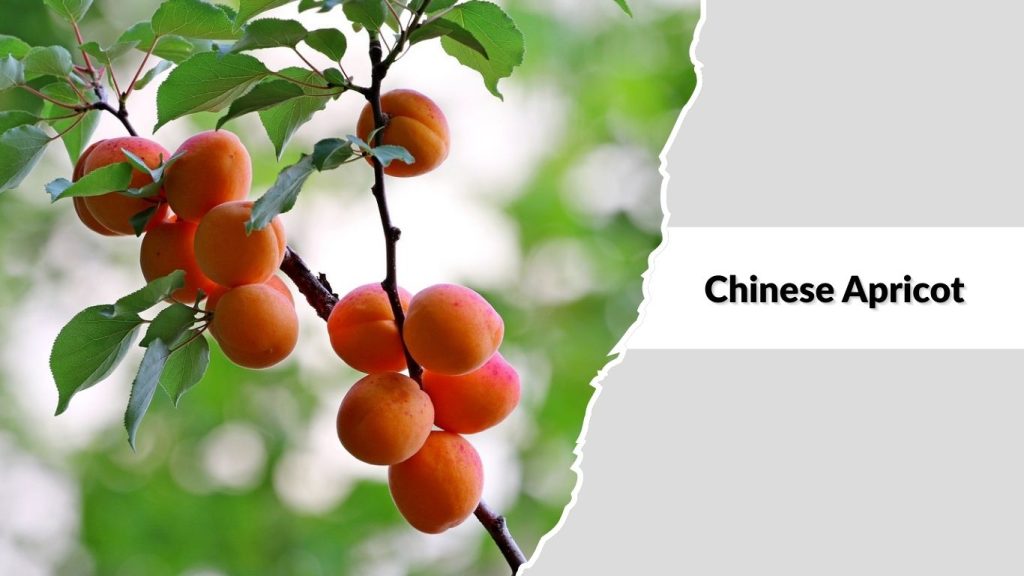
The Chinese Apricot is a traditional apricot variety with a long history of cultivation in East Asia. It is valued not only for its fruit but also for its ornamental blossoms and cultural significance. This variety is often more adaptable and resilient than many modern cultivars.
Identification
- Small to medium-sized fruit
- Round shape
- Pale yellow to light orange skin
- Soft, light orange flesh
- Clingstone or semi-freestone pit
Flavor Profile
Chinese Apricot has a mildly sweet to slightly tart flavor. The taste is more subtle compared to commercial varieties, with a gentle acidity that makes it refreshing rather than intensely sweet.
Growing Conditions
This variety is highly adaptable and can tolerate a range of climates, including cooler and moderately dry regions. Chinese Apricot prefers full sun and well-drained soil and generally requires moderate winter chilling. The tree is hardy, long-lived, and often resistant to environmental stress.
Culinary Uses
Chinese Apricot is commonly used in traditional cooking, preserves, and dried fruit products. It is also used in sauces and medicinal preparations, where its mild flavor and natural acidity are especially valued.
15. Royal Apricot
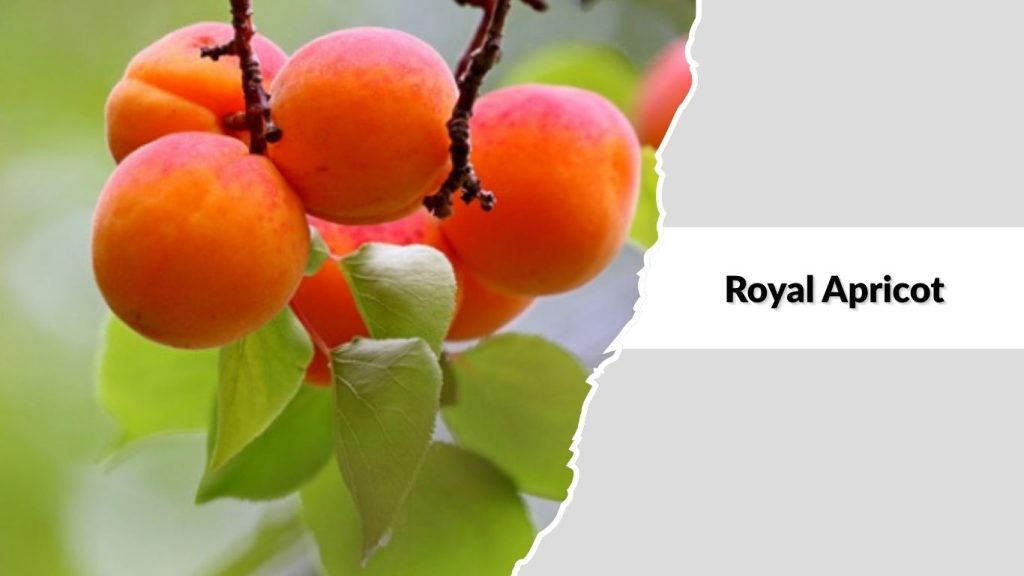
The Royal Apricot is a classic heritage variety widely known for its exceptional flavor and traditional apricot aroma. It has been cultivated for generations and is often considered a benchmark variety for taste, especially in regions with favorable growing conditions.
Identification
- Medium-sized fruit
- Round to slightly oval shape
- Golden-orange skin with light red blush
- Tender, deep orange flesh
- Freestone pit
Flavor Profile
Royal Apricot is prized for its rich, sweet flavor with balanced acidity. The flesh is juicy and highly aromatic, delivering a deep, classic apricot taste that stands out among many modern cultivars.
Growing Conditions
This variety thrives in warm, temperate climates with plenty of sunlight. Royal Apricot prefers well-drained soil and requires moderate winter chilling. The tree blooms mid-season and produces high-quality fruit when protected from late frosts.
Culinary Uses
Royal Apricot excels in fresh eating, drying, and preserving. Its intense flavor becomes even more concentrated when dried or cooked, making it a favorite for jams, desserts, and traditional apricot recipes.
16. Autumn Royal Apricot
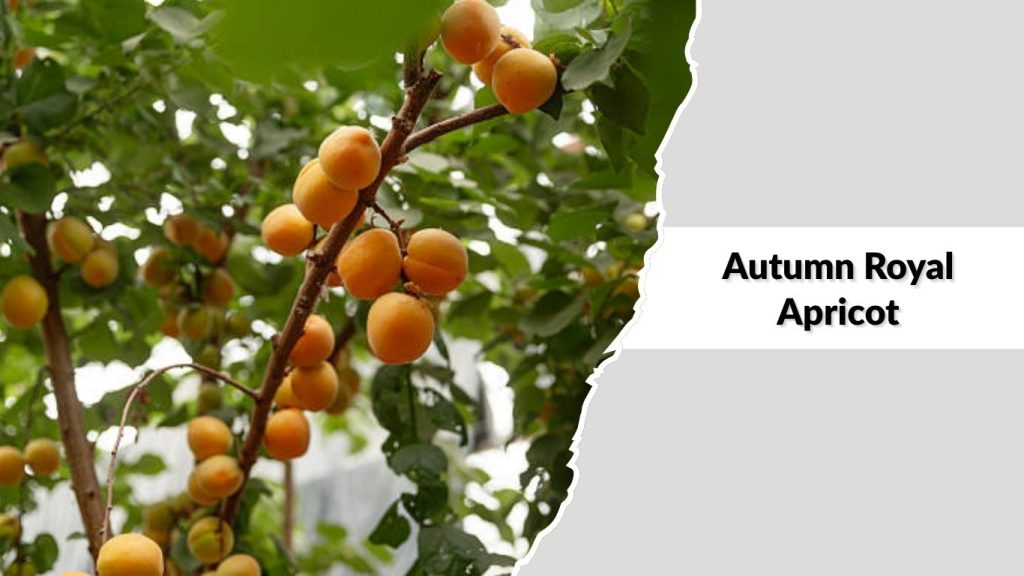
The Autumn Royal Apricot is a late-season variety valued for extending the apricot harvest beyond the typical summer window. It is known for its large fruit size, attractive appearance, and reliable productivity when many other apricot varieties have finished fruiting.
Identification
- Large-sized fruit
- Round to slightly oblong shape
- Deep orange skin with red blush
- Firm, orange flesh
- Freestone pit
Flavor Profile
Autumn Royal Apricot has a sweet, mild flavor with low acidity. While not as intensely aromatic as early-season varieties, it offers a pleasant and smooth taste when fully ripened.
Growing Conditions
This variety performs best in warm, temperate climates with long growing seasons. Autumn Royal Apricot prefers full sun and well-drained soil and requires moderate winter chilling. The tree blooms later and ripens late, helping avoid early-season frost risks.
Culinary Uses
Autumn Royal Apricot is suitable for fresh eating, baking, and preserving. Its late harvest makes it especially valuable for extending fresh apricot availability and for use in late-season desserts and preserves.
17. Early Golden Apricot
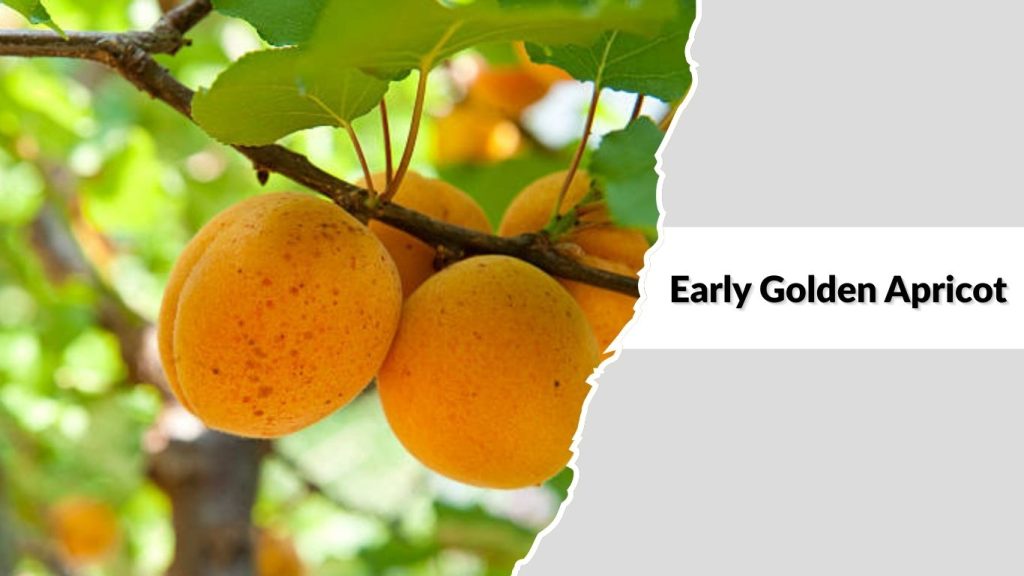
The Early Golden Apricot is an early-ripening variety appreciated for bringing fresh apricots to the table at the very start of the season. It is valued for its dependable harvest, attractive color, and classic apricot flavor.
Identification
- Medium-sized fruit
- Round to slightly oval shape
- Bright golden-yellow to light orange skin
- Soft, golden flesh
- Freestone pit
Flavor Profile
Early Golden Apricot has a mildly sweet flavor with gentle acidity. Its taste is light and refreshing, making it enjoyable when eaten fresh soon after harvest.
Growing Conditions
This variety thrives in warm to temperate climates and requires moderate winter chilling. Early Golden Apricot prefers full sun and well-drained soil. The tree blooms early, so frost protection may be needed in cooler regions.
Culinary Uses
Early Golden Apricot is best suited for fresh eating and light cooking. It can also be used in jams and desserts, especially when a delicate apricot flavor is desired early in the season.
18. Scout Apricot
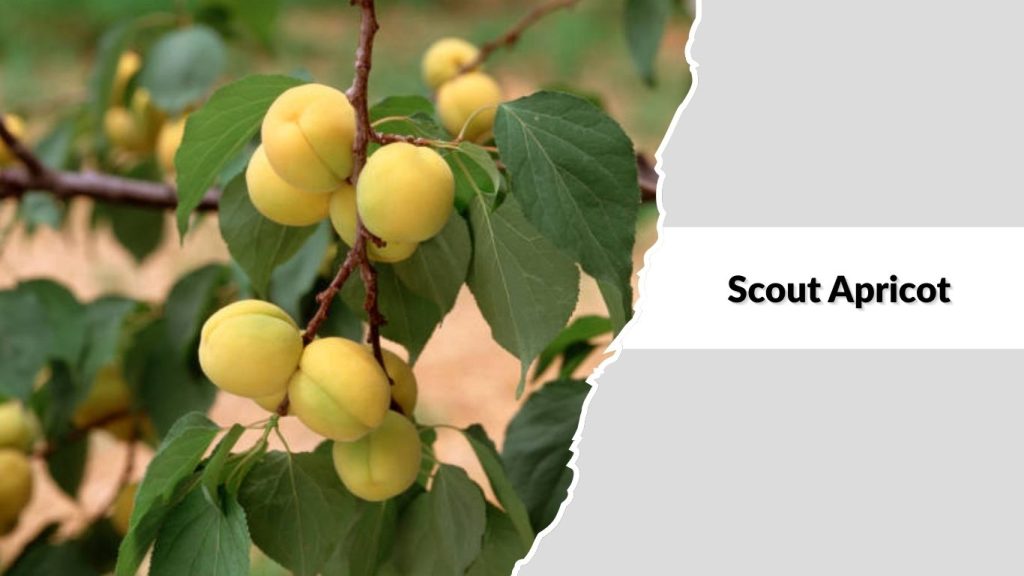
The Scout Apricot is a cold-hardy variety developed for regions with harsh winters and unpredictable spring weather. It is valued for its resilience, consistent fruiting, and adaptability to cooler growing conditions.
Identification
- Medium-sized fruit
- Round to slightly oval shape
- Golden-orange skin
- Firm, orange flesh
- Freestone pit
Flavor Profile
Scout Apricot has a mild to moderately sweet flavor with subtle acidity. While not as richly aromatic as some heritage varieties, it provides a clean and pleasant apricot taste suitable for many uses.
Growing Conditions
This variety is extremely cold-tolerant and blooms later than many apricots, helping to reduce frost damage. Scout Apricot grows best in full sun with well-drained soil and requires moderate winter chilling. The tree is hardy and productive even in challenging climates.
Culinary Uses
Scout Apricot is versatile and can be enjoyed fresh, canned, baked, or dried. Its firm texture and reliable flavor make it a practical choice for both home use and processing in cooler regions.
19. Flaming Gold Apricot
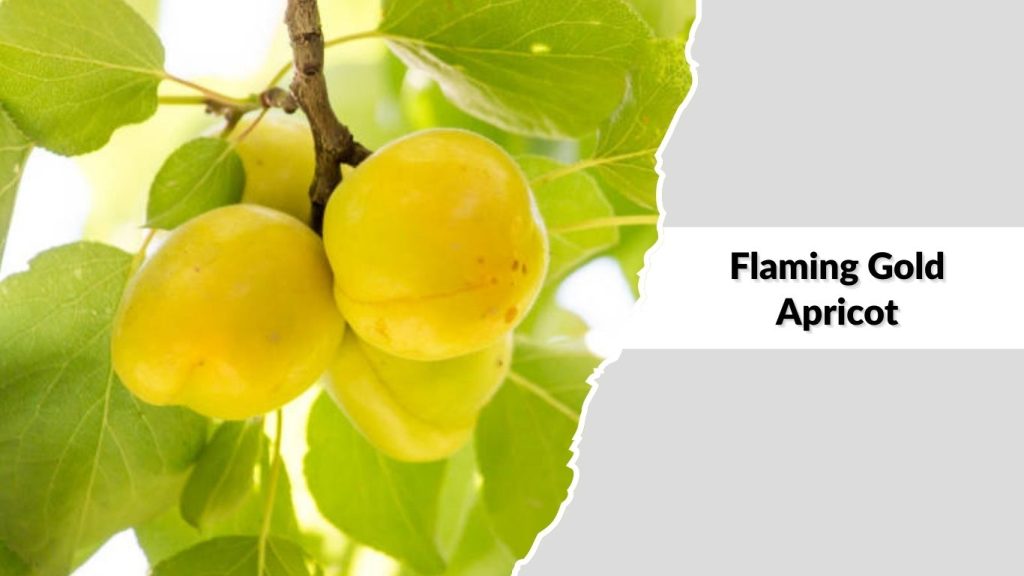
The Flaming Gold Apricot is a visually attractive variety known for its vibrant color and dependable productivity. It is commonly grown in warmer apricot-producing regions and appreciated for its consistent yields and appealing fruit appearance.
Identification
- Medium to large-sized fruit
- Round to slightly oval shape
- Bright golden-orange skin
- Firm, orange flesh
- Freestone pit
Flavor Profile
Flaming Gold Apricot has a mildly sweet flavor with low acidity. The taste is smooth and pleasant, making it suitable for fresh eating and a variety of culinary applications.
Growing Conditions
This variety performs best in warm, dry climates with plenty of sunlight. Flaming Gold Apricot prefers well-drained soil and requires moderate winter chilling. The tree blooms mid-season and is known for reliable fruit set.
Culinary Uses
Flaming Gold Apricot is suitable for fresh consumption, canning, baking, and drying. Its firm flesh and attractive color make it a practical choice for preserves, desserts, and processed apricot products.
20. Goldstrike Apricot
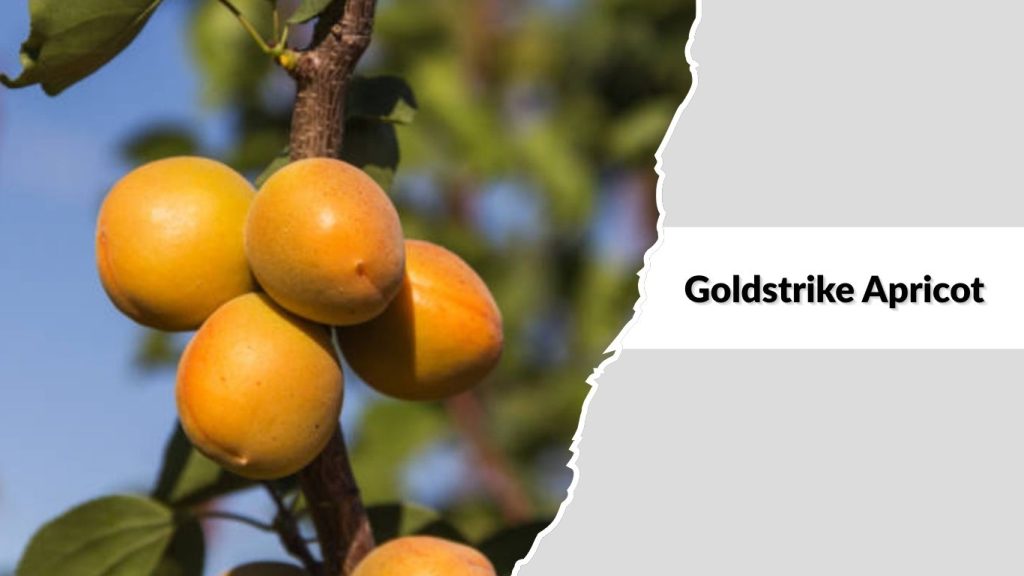
The Goldstrike Apricot is a modern apricot variety developed for commercial production, valued for its uniform fruit, attractive color, and reliable yields. It is especially popular in regions focused on fresh-market apricot sales.
Identification
- Medium to large-sized fruit
- Round to slightly oval shape
- Bright orange skin with light red blush
- Firm, orange flesh
- Freestone pit
Flavor Profile
Goldstrike Apricot has a sweet, mild flavor with low to moderate acidity. Its taste is clean and smooth, appealing to a broad range of consumers, particularly for fresh eating.
Growing Conditions
This variety thrives in warm to temperate climates and requires moderate winter chilling. Goldstrike Apricot prefers full sun and well-drained soil. The tree blooms mid-season and is productive under proper orchard management.
Culinary Uses
Goldstrike Apricot is best suited for fresh consumption but also works well in baking and light cooking. Its firm texture and appealing appearance make it a strong choice for fresh markets and home gardens alike.
FAQs
What is the best apricot variety for fresh eating?
Apricot varieties such as Moorpark, Blenheim, and Royal Apricot are considered excellent for fresh eating due to their rich flavor, juiciness, and strong natural aroma when fully ripe.
Which apricot varieties grow best in cold climates?
Cold-hardy varieties like Goldcot, Harglow, Scout, and Rival Apricot perform well in cooler regions. These types often bloom later, helping reduce the risk of damage from late spring frosts.
Are there apricot varieties suitable for warm climates?
Yes, varieties such as Katy, Castlebrite, and Flaming Gold Apricot are well suited for warm climates. They typically require fewer chilling hours and can produce reliable harvests in mild-winter regions.
Which apricot types are best for drying and preserving?
Blenheim, Moorpark, and Royal Apricot are especially popular for drying and preserving. Their intense flavor becomes more concentrated during processing, making them ideal for jams, dried apricots, and preserves.
How long does an apricot tree take to produce fruit?
Most apricot trees begin producing fruit within 2 to 4 years after planting. Full productivity is usually reached after several seasons, depending on the variety, climate, and growing conditions.