



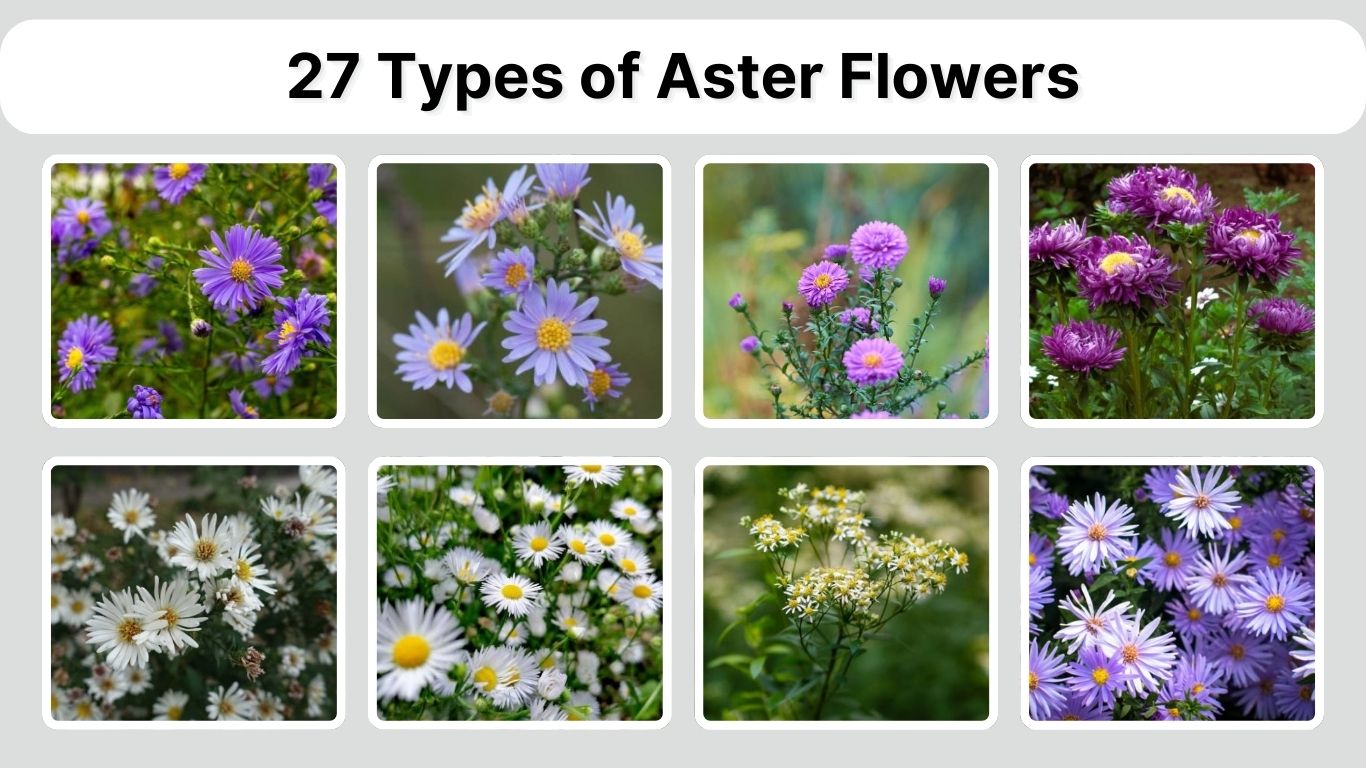
Asters are vibrant, daisy-like perennials cherished for their colorful blooms and ability to attract pollinators. With petals ranging from purple, lavender, and blue to crisp white, they add beauty to gardens, meadows, and borders from late summer through fall. Known for their upright, bushy stems and low-maintenance nature, Asters thrive in a variety of soils and light conditions. Their versatility, striking flowers, and ecological benefits make them a favorite choice for gardeners seeking long-lasting, visually appealing blooms.
1. New England Aster
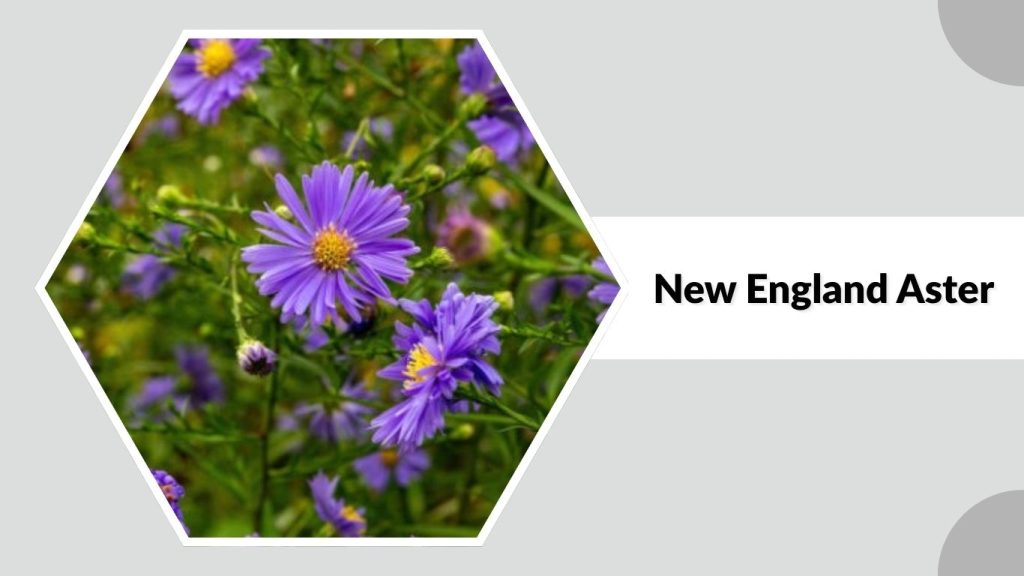
New England Aster is a vibrant perennial flower native to North America, known for its striking purple to pink petals and bright yellow centers. Blooming in late summer to fall, it attracts pollinators like bees and butterflies. Its tall, upright stems and bushy foliage make it a popular choice for gardens and naturalized landscapes. Hardy and low-maintenance, this aster adds vivid color when many other flowers are fading.
Identification
- Purple to pink petals with yellow centers
- Upright, bushy stems reaching 3–6 feet
- Lance-shaped, hairy leaves
- Blooms from August to October
Habitat & Growth
Native to meadows, prairies, and open woods, it thrives in full sun to partial shade. Prefers well-drained soil and can tolerate drought once established.
Flowering & Pollination
Produces dense clusters of daisy-like flowers that attract bees, butterflies, and other pollinators. Flowering typically occurs in late summer through fall.
Care & Maintenance
Requires minimal care: occasional watering, deadheading to encourage more blooms, and cutting back in late fall or early spring to maintain healthy growth.
2. New York Aster
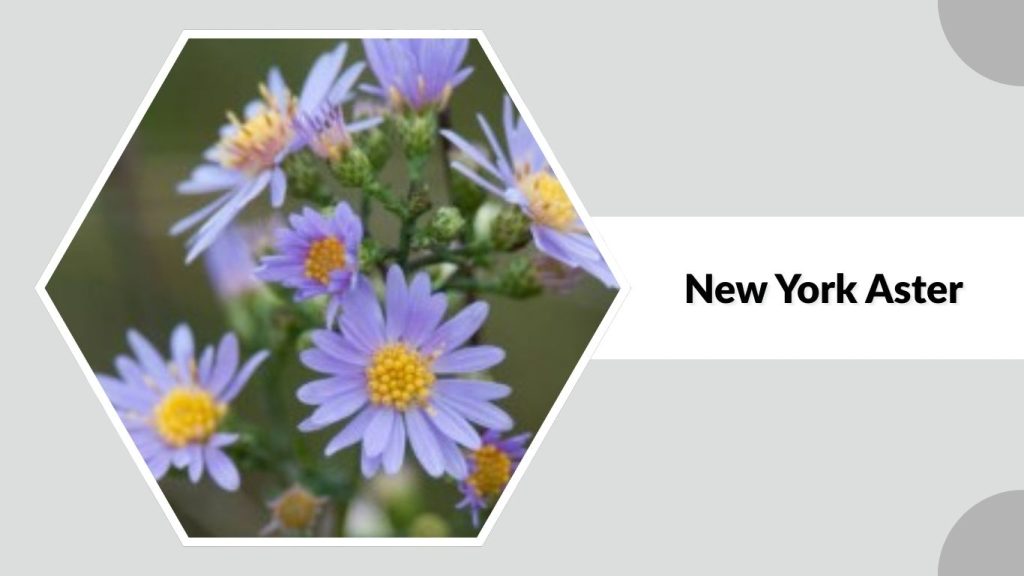
New York Aster is a hardy perennial known for its vibrant violet to purple flowers and bright yellow centers. It blooms in late summer to fall, providing a splash of color in gardens and natural landscapes. This aster is appreciated for attracting pollinators and for its tolerance to various soil types, making it a versatile choice for gardeners.
Identification
- Violet to purple petals with yellow centers
- Upright stems, typically 2–4 feet tall
- Narrow, lance-shaped leaves
- Blooms from August to October
Habitat & Growth
Thrives in meadows, fields, and open woods. Prefers full sun and well-drained soil, but tolerates partial shade.
Flowering & Pollination
Produces clusters of daisy-like flowers that attract bees, butterflies, and other pollinators. Peak bloom is in late summer through fall.
Care & Maintenance
Low-maintenance plant: water moderately, deadhead spent flowers, and cut back after the growing season to promote healthy growth.
3. Alpine Aster
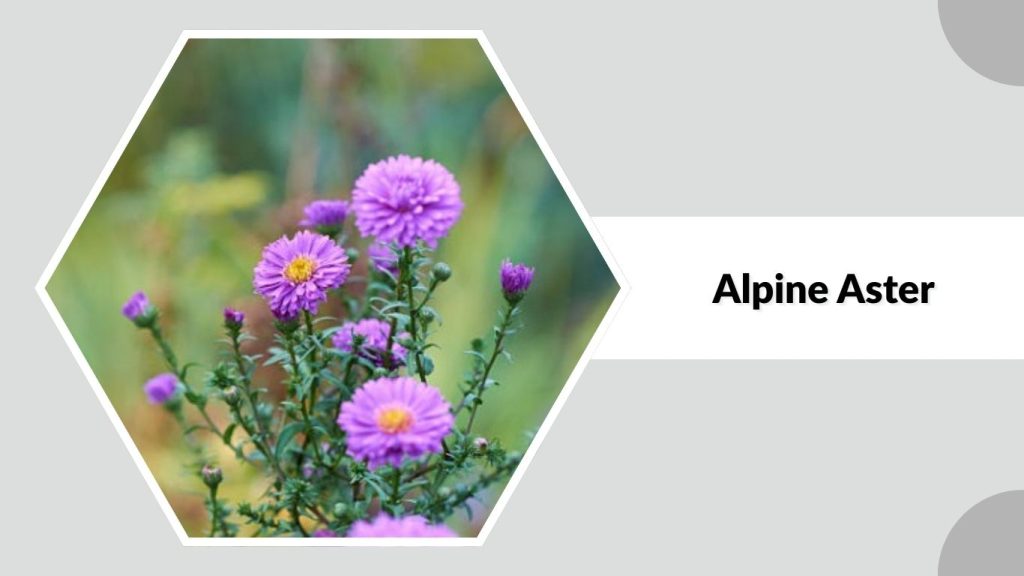
Alpine Aster is a charming perennial that thrives in mountainous and rocky regions. Known for its delicate purple to lavender petals with a bright yellow center, it blooms from late spring to early summer. Its compact size and low-growing habit make it ideal for rock gardens, borders, and alpine landscapes. This hardy aster adds early-season color and attracts pollinators like bees and butterflies.
Identification
- Purple to lavender petals with yellow centers
- Low-growing, compact stems (6–12 inches tall)
- Narrow, slightly hairy leaves
- Blooms from May to July
Habitat & Growth
Native to alpine and subalpine regions, it prefers full sun and well-drained, sandy or rocky soil. Drought-tolerant once established.
Flowering & Pollination
Produces small daisy-like flowers that attract bees and butterflies. Early summer bloom provides color before many other perennials flower.
Care & Maintenance
Requires minimal care: occasional watering, ensure good drainage, and remove spent flowers to encourage continuous blooming.
4. China Aster
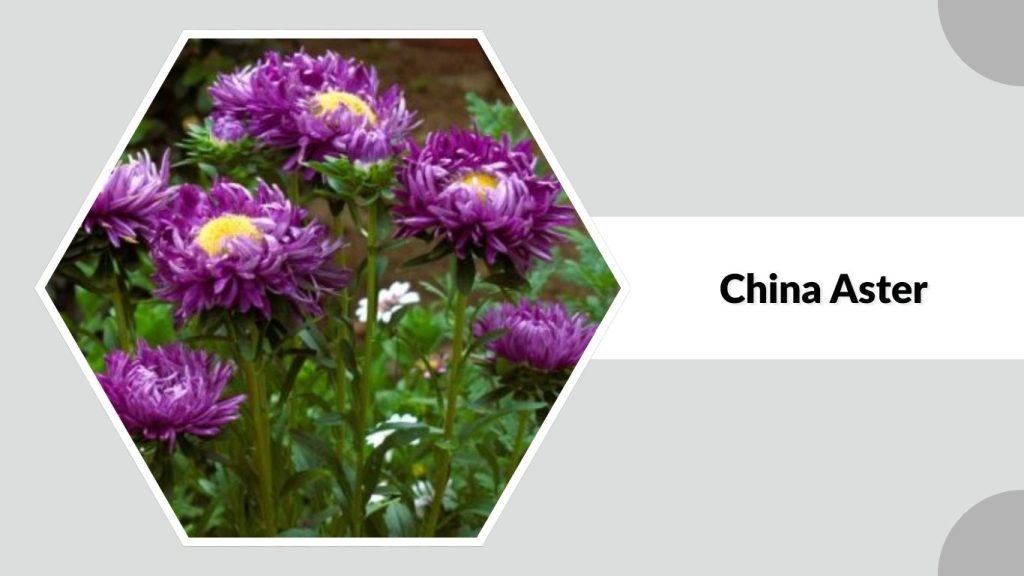
China Aster is a popular ornamental flower celebrated for its wide range of colors, including pink, purple, red, and white. Blooming from summer to fall, it produces dense, daisy-like or pompom-shaped flowers that brighten gardens and floral arrangements. Easy to grow from seeds, China Aster is often used in borders, beds, and container gardens, attracting pollinators and adding vibrant visual appeal.
Identification
- Petals in shades of pink, purple, red, or white
- Daisy-like or pompom-shaped flowers
- Erect stems, 1–3 feet tall
- Blooms from July to October
Habitat & Growth
Thrives in full sun with well-drained soil. Prefers moderate watering and can be grown in garden beds or containers.
Flowering & Pollination
Produces abundant blooms that attract butterflies and bees. Flowers appear in clusters, offering long-lasting color throughout the growing season.
Care & Maintenance
Deadhead regularly to encourage new blooms, water moderately, and provide support for taller varieties to prevent flopping.
5. Heath Aster
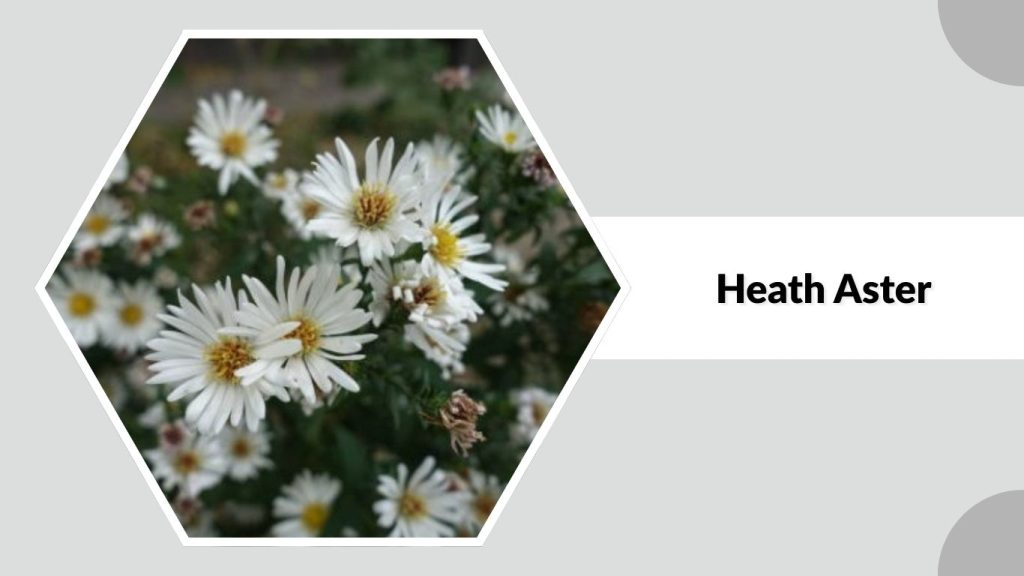
Heath Aster is a perennial flower known for its soft lavender to purple petals and vibrant yellow centers. Blooming in late summer to early fall, it is valued for its ability to attract pollinators like bees and butterflies. With its bushy, upright growth habit, Heath Aster adds texture and color to garden borders, meadows, and naturalized landscapes, making it a versatile choice for gardeners seeking low-maintenance perennials.
Identification
- Lavender to purple petals with yellow centers
- Bushy, upright stems, typically 2–3 feet tall
- Narrow, lance-shaped leaves
- Blooms from August to September
Habitat & Growth
Native to fields, prairies, and open woods, it thrives in full sun to partial shade and prefers well-drained soil.
Flowering & Pollination
Produces clusters of daisy-like flowers that attract bees, butterflies, and other pollinators. Peak bloom occurs in late summer.
Care & Maintenance
Requires minimal care: moderate watering, occasional deadheading, and cutting back in late fall to maintain healthy growth.
6. Smooth Aster
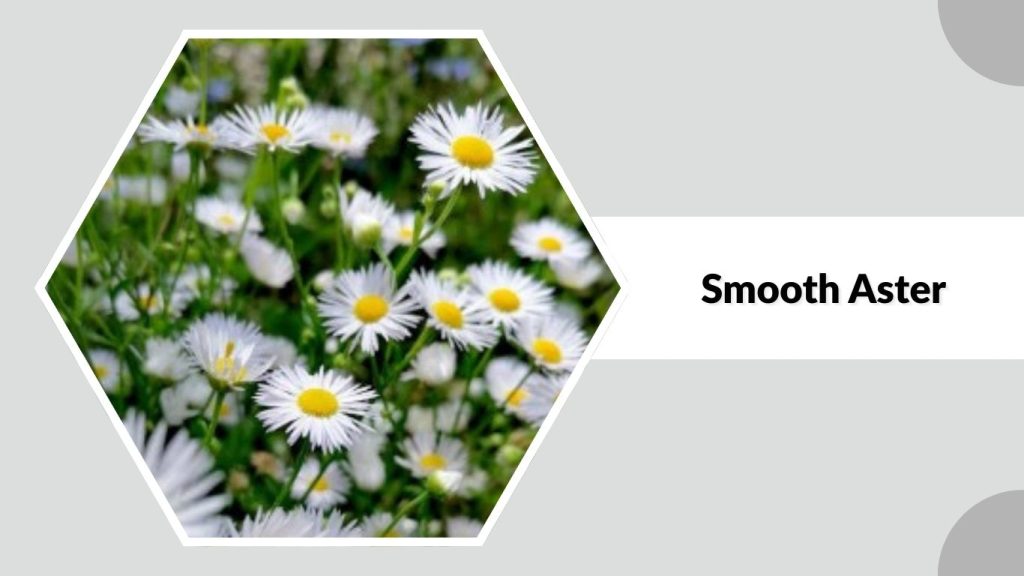
Smooth Aster is a perennial known for its striking lavender to blue-purple flowers with bright yellow centers. Blooming in late summer to fall, it is appreciated for its tall, upright stems and graceful, smooth foliage. This aster attracts a variety of pollinators and adds vibrant color to garden borders, meadows, and naturalized areas, making it a reliable and low-maintenance perennial for gardeners.
Identification
- Lavender to blue-purple petals with yellow centers
- Smooth, upright stems reaching 2–4 feet
- Lance-shaped, smooth leaves
- Blooms from August to October
Habitat & Growth
Native to fields, roadsides, and open woods. Prefers full sun and well-drained soil but tolerates partial shade.
Flowering & Pollination
Produces clusters of daisy-like flowers that attract bees, butterflies, and other pollinators. Flowers appear in late summer through fall.
Care & Maintenance
Requires minimal care: water moderately, deadhead spent blooms, and cut back stems after flowering to encourage healthy growth.
7. Wood Aster
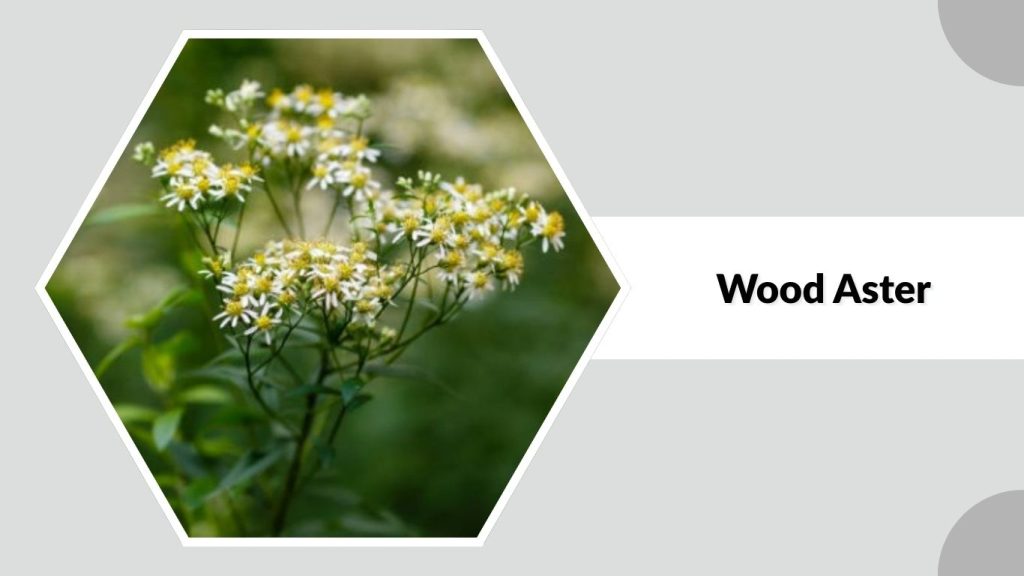
Wood Aster is a hardy perennial commonly found in woodland edges and shaded gardens. It features delicate lavender to pale purple petals surrounding bright yellow centers, blooming in late summer to early fall. Its graceful, upright stems and bushy foliage make it ideal for naturalized garden settings, meadows, and shaded borders. Wood Aster is also valued for attracting pollinators, adding both color and ecological benefits to the landscape.
Identification
- Lavender to pale purple petals with yellow centers
- Upright stems, typically 1.5–3 feet tall
- Coarsely toothed, lance-shaped leaves
- Blooms from August to October
Habitat & Growth
Thrives in partial shade to full sun and prefers moist, well-drained soil. Commonly found along woodland edges, meadows, and naturalized areas.
Flowering & Pollination
Produces clusters of daisy-like flowers that attract bees, butterflies, and other pollinators. Flowers bloom in late summer and early fall.
Care & Maintenance
Low-maintenance plant: moderate watering, occasional deadheading to encourage continuous blooms, and cut back after flowering to maintain health.
8. Sky Blue Aster
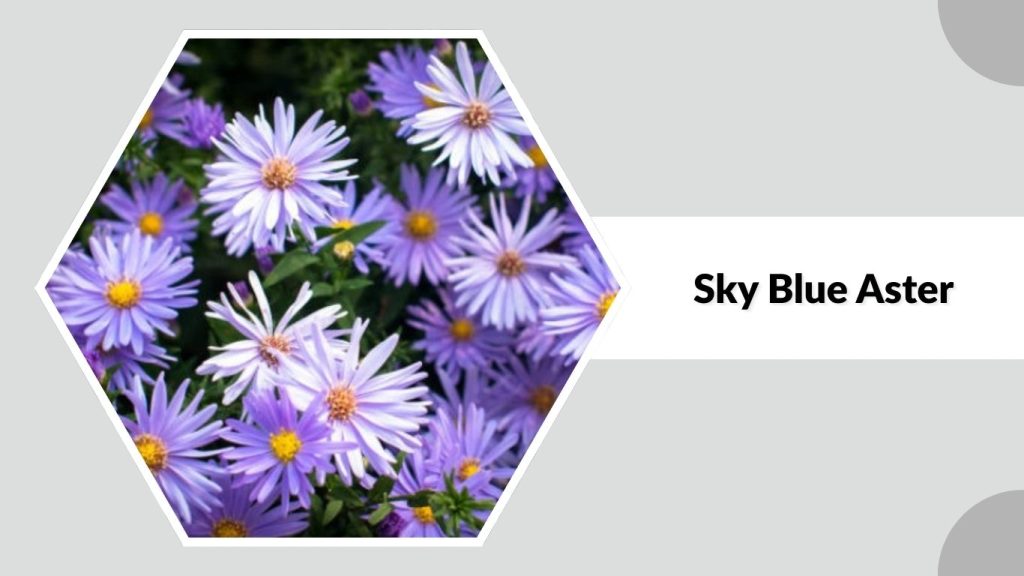
Sky Blue Aster is a perennial flower admired for its delicate light blue to lavender petals and bright yellow centers. Blooming from late summer to fall, it adds a soft splash of color to gardens, meadows, and borders. Its upright stems and fine-textured foliage make it an excellent choice for naturalized landscapes, while its flowers attract bees, butterflies, and other pollinators, enhancing garden biodiversity.
Identification
- Light blue to lavender petals with yellow centers
- Upright, slender stems, 1–3 feet tall
- Narrow, lance-shaped leaves
- Blooms from August to October
Habitat & Growth
Native to prairies, open woods, and meadows. Thrives in full sun to partial shade with well-drained soil.
Flowering & Pollination
Clusters of daisy-like flowers attract pollinators throughout late summer and fall, providing both beauty and ecological benefits.
Care & Maintenance
Moderate watering is sufficient; deadhead spent flowers to encourage prolonged blooming, and cut back stems after the growing season.
9. Purple Dome Aster
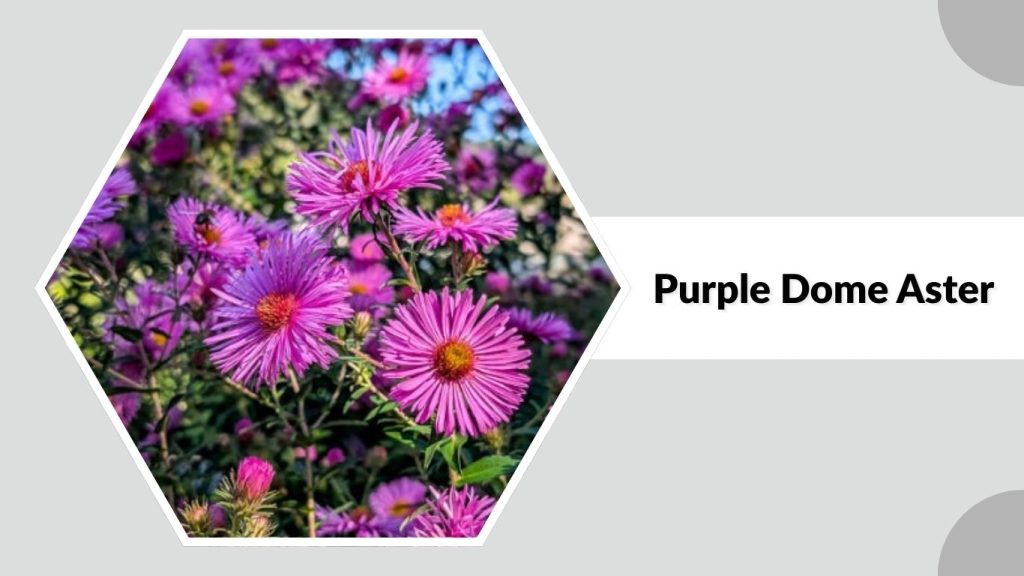
Purple Dome Aster is a compact perennial known for its vibrant purple flowers and bright yellow centers. Its rounded, mounded shape makes it perfect for garden borders, containers, and rock gardens. Blooming in late summer to fall, this aster is valued for attracting bees and butterflies, adding both color and pollinator-friendly benefits to landscapes. Its dense foliage and tidy growth habit make it a low-maintenance favorite among gardeners.
Identification
- Vibrant purple petals with yellow centers
- Compact, mounded growth, 1–2 feet tall
- Narrow, lance-shaped leaves
- Blooms from August to October
Habitat & Growth
Thrives in full sun and well-drained soil. Prefers moderate watering and tolerates a variety of garden soils.
Flowering & Pollination
Produces dense clusters of daisy-like flowers that attract bees, butterflies, and other pollinators. Peak bloom occurs in late summer and fall.
Care & Maintenance
Requires minimal care: deadhead spent flowers to prolong blooming, water moderately, and cut back after flowering to maintain shape and health.
10. Stokes’ Aster
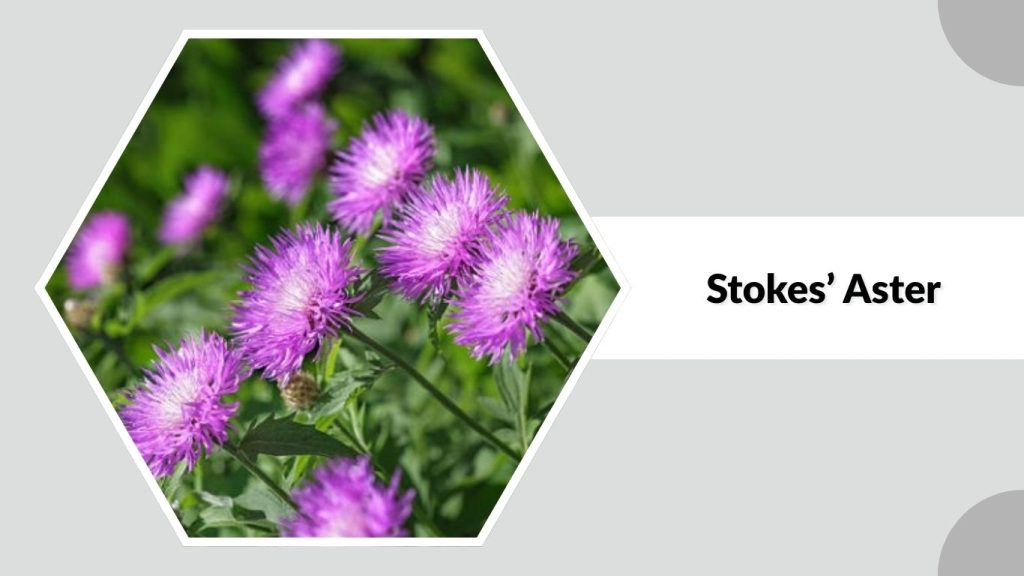
Stokes’ Aster is a perennial admired for its vibrant blue to purple petals with bright yellow centers. Blooming from late summer to fall, it features tall, upright stems and bushy foliage, making it ideal for borders, meadows, and naturalized gardens. This aster is highly attractive to pollinators like bees and butterflies, adding ecological value as well as visual appeal to any garden setting.
Identification
- Blue to purple petals with yellow centers
- Upright, bushy stems reaching 2–4 feet
- Lance-shaped, slightly hairy leaves
- Blooms from August to October
Habitat & Growth
Native to meadows, open woods, and prairies. Prefers full sun to partial shade and well-drained soil.
Flowering & Pollination
Clusters of daisy-like flowers attract bees, butterflies, and other pollinators. Peak flowering occurs in late summer.
Care & Maintenance
Low-maintenance plant: water moderately, deadhead spent blooms to encourage continuous flowering, and cut back stems after flowering for healthy growth.
11. Italian Aster
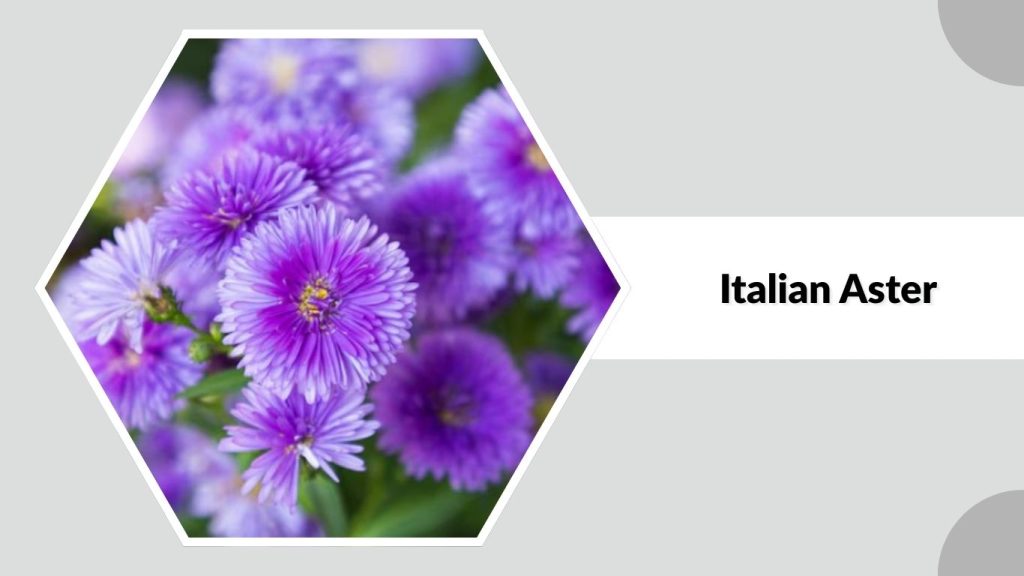
Italian Aster is a colorful perennial prized for its bright purple, pink, or blue petals surrounding a vivid yellow center. Blooming from late summer to fall, it produces dense clusters of daisy-like flowers that bring vibrant color to borders, beds, and containers. Its upright, clumping growth habit makes it easy to manage in gardens, and it attracts pollinators such as bees and butterflies.
Identification
- Bright purple, pink, or blue petals with yellow centers
- Upright, clumping stems, 1.5–3 feet tall
- Lance-shaped leaves, slightly toothed
- Blooms from August to October
Habitat & Growth
Thrives in full sun to partial shade. Prefers well-drained soil and moderate watering. Performs well in garden beds, borders, and containers.
Flowering & Pollination
Produces dense clusters of flowers that attract bees, butterflies, and other pollinators. Flowering peaks in late summer through fall.
Care & Maintenance
Requires moderate care: deadhead spent flowers, water regularly, and cut back after blooming to maintain healthy growth.
12. Tatarian Aster
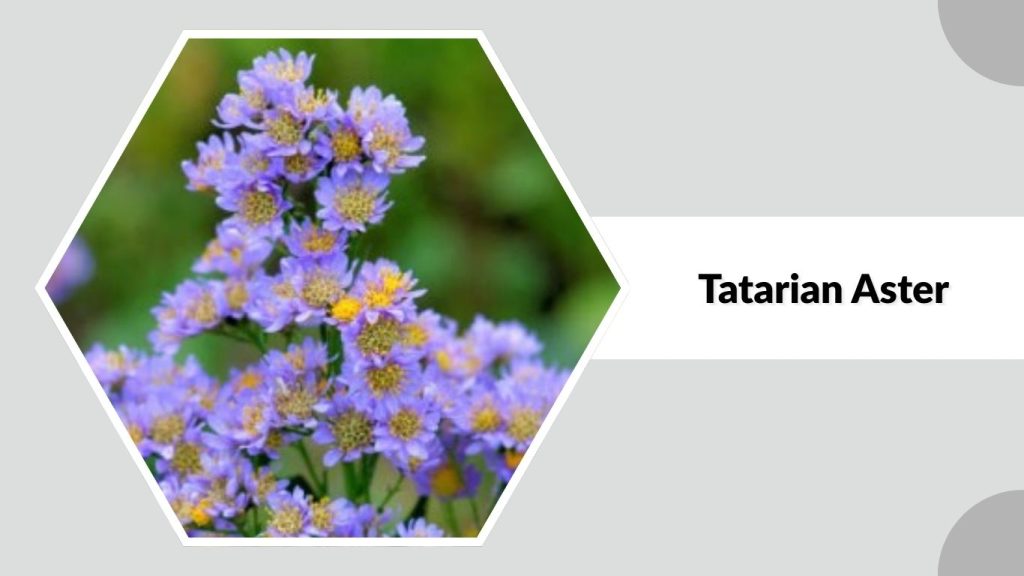
Tatarian Aster is a hardy perennial known for its vibrant pink to purple petals and bright yellow centers. Blooming in late summer to fall, it produces tall, upright stems that add vertical interest to garden borders and meadows. This aster is highly attractive to pollinators like bees and butterflies and is valued for its low-maintenance nature and ability to thrive in a variety of soil conditions.
Identification
- Pink to purple petals with yellow centers
- Upright stems, typically 2–4 feet tall
- Lance-shaped, slightly hairy leaves
- Blooms from August to October
Habitat & Growth
Native to fields, meadows, and open woodlands. Thrives in full sun to partial shade and prefers well-drained soil.
Flowering & Pollination
Clusters of daisy-like flowers attract bees, butterflies, and other pollinators. Flowering occurs from late summer through fall.
Care & Maintenance
Low-maintenance plant: water moderately, deadhead spent flowers to encourage continuous blooms, and cut back after flowering to maintain healthy growth.
13. Calico Aster
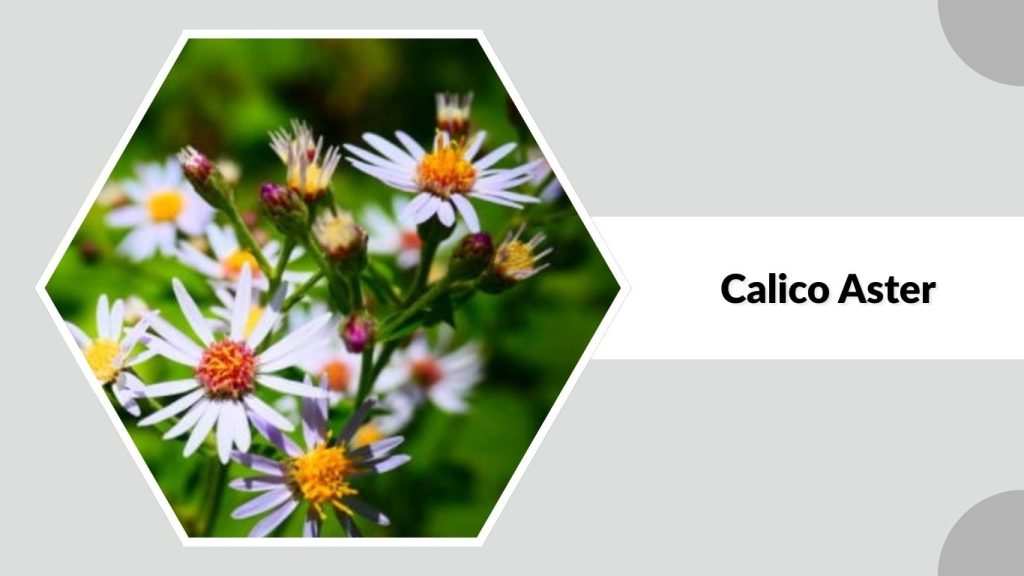
Calico Aster is a perennial flower celebrated for its vibrant pink to lavender petals with a contrasting yellow center. Blooming from late summer to fall, it adds a cheerful splash of color to garden borders, meadows, and naturalized areas. Its bushy, upright stems provide a graceful structure, and the flowers attract pollinators such as bees and butterflies, enhancing both the beauty and ecological value of the garden.
Identification
- Pink to lavender petals with yellow centers
- Upright, bushy stems, 2–3 feet tall
- Narrow, lance-shaped leaves
- Blooms from August to October
Habitat & Growth
Thrives in meadows, prairies, and open woodlands. Prefers full sun to partial shade with well-drained soil.
Flowering & Pollination
Produces clusters of daisy-like flowers that attract bees, butterflies, and other pollinators. Peak bloom is in late summer through fall.
Care & Maintenance
Requires minimal care: water moderately, deadhead spent flowers to encourage more blooms, and cut back after flowering to maintain plant health.
14. Aromatic Aster
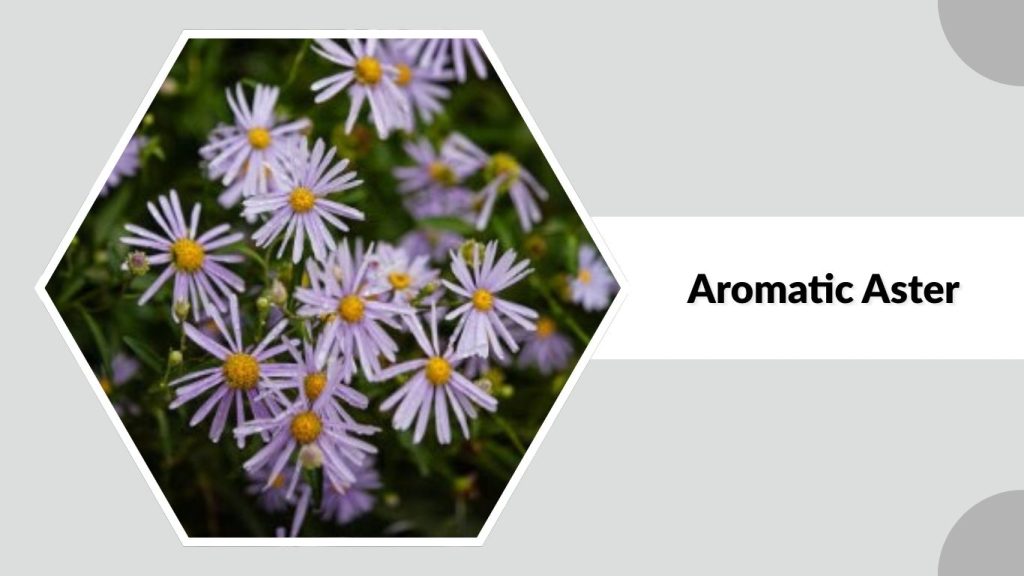
Aromatic Aster is a perennial known for its fragrant, lavender to purple petals and bright yellow centers. Blooming from late summer to early fall, it adds both beauty and scent to gardens, borders, and naturalized areas. Its bushy, upright growth habit and aromatic foliage make it a popular choice for attracting pollinators like bees and butterflies while enhancing the sensory appeal of outdoor spaces.
Identification
- Lavender to purple petals with yellow centers
- Bushy, upright stems, 2–4 feet tall
- Narrow, lance-shaped aromatic leaves
- Blooms from August to September
Habitat & Growth
Native to fields, meadows, and open woodlands. Prefers full sun to partial shade and well-drained soil.
Flowering & Pollination
Produces clusters of daisy-like flowers that attract bees, butterflies, and other pollinators. Peak flowering occurs in late summer.
Care & Maintenance
Low-maintenance plant: water moderately, deadhead spent flowers to encourage prolonged blooming, and cut back after flowering to maintain health.
15. Showy Aster
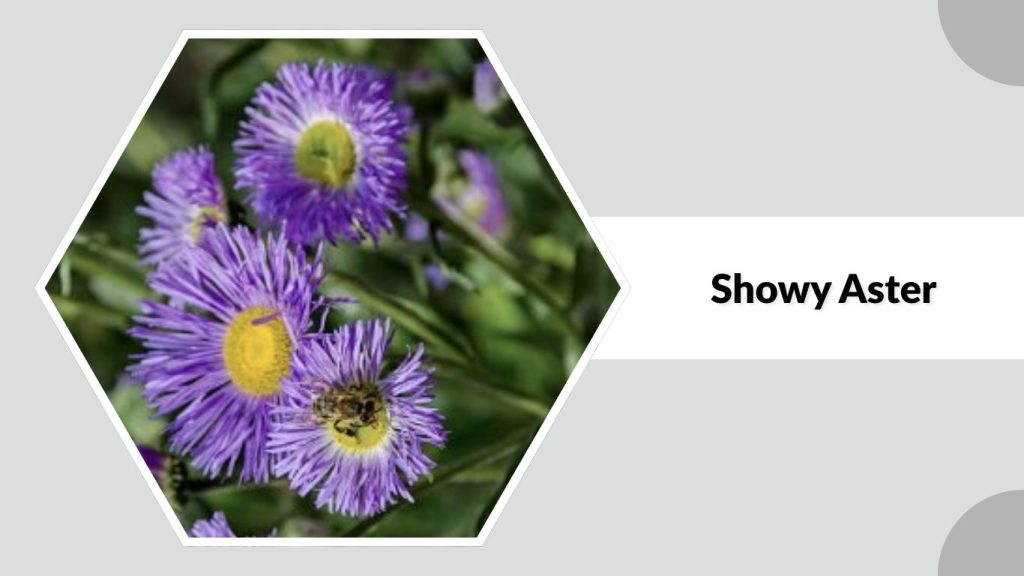
Showy Aster is a striking perennial known for its bright purple to violet petals and vibrant yellow centers. Blooming from late summer to fall, it adds bold color to garden borders, meadows, and naturalized landscapes. Its upright, bushy stems create a full and attractive appearance, while the flowers attract pollinators like bees and butterflies, making it both visually appealing and ecologically beneficial.
Identification
- Bright purple to violet petals with yellow centers
- Upright, bushy stems, 2–4 feet tall
- Lance-shaped leaves
- Blooms from August to October
Habitat & Growth
Thrives in meadows, fields, and open woodlands. Prefers full sun and well-drained soil but tolerates partial shade.
Flowering & Pollination
Clusters of daisy-like flowers attract bees, butterflies, and other pollinators. Peak bloom occurs in late summer and early fall.
Care & Maintenance
Requires moderate care: deadhead spent flowers to encourage more blooms, water as needed, and cut back after flowering to maintain healthy growth.
16. Bigleaf Aster
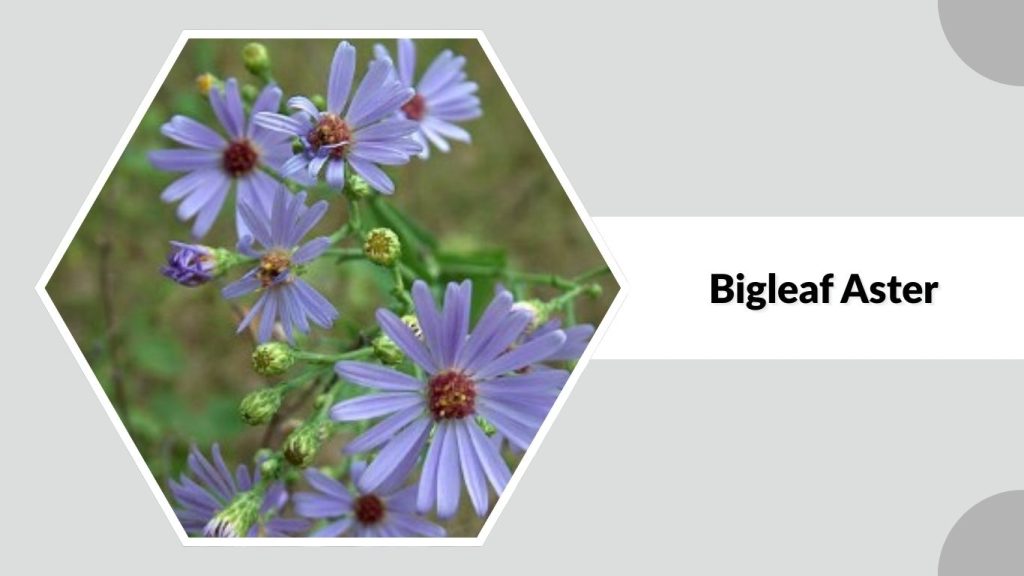
Bigleaf Aster is a perennial renowned for its large, showy purple to violet flowers with bright yellow centers. Blooming from late summer to fall, it adds striking color and texture to garden borders, woodland edges, and meadows. Its broad, lush leaves provide a strong contrast to the vibrant blooms, while the flowers attract pollinators such as bees and butterflies, enhancing both garden aesthetics and ecological diversity.
Identification
- Purple to violet petals with yellow centers
- Broad, upright stems, 2–4 feet tall
- Large, ovate leaves with coarse texture
- Blooms from August to October
Habitat & Growth
Native to woodland edges, meadows, and open fields. Prefers full sun to partial shade and moist, well-drained soil.
Flowering & Pollination
Produces clusters of daisy-like flowers that attract bees, butterflies, and other pollinators. Flowering peaks in late summer through early fall.
Care & Maintenance
Moderate care is required: water regularly, deadhead spent blooms to prolong flowering, and cut back after the season to maintain plant health.
17. Blue Wood Aster
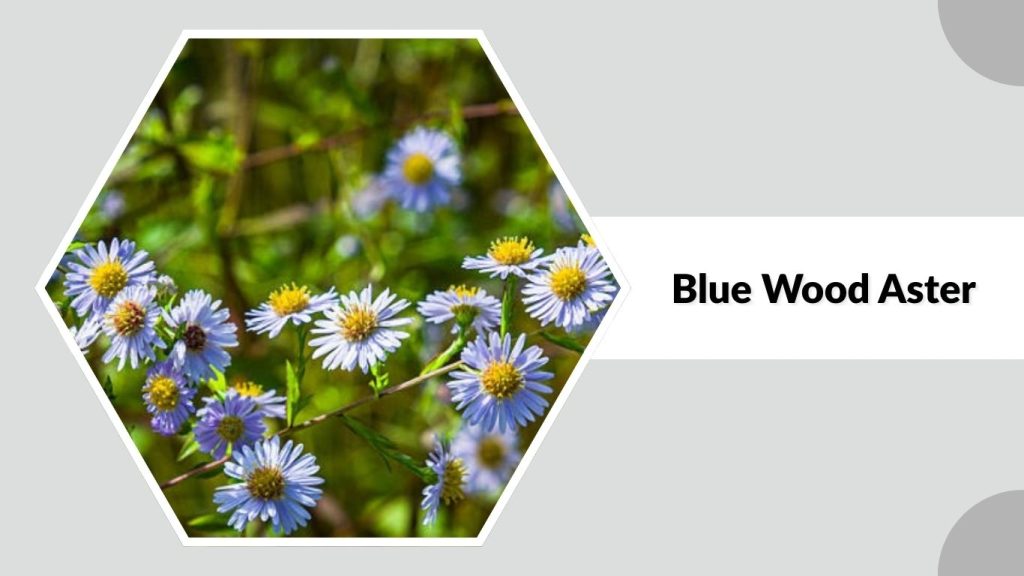
Blue Wood Aster is a perennial admired for its delicate blue to lavender petals surrounding bright yellow centers. Blooming in late summer to fall, it adds a soft splash of color to woodland gardens, borders, and naturalized areas. Its slender, upright stems and fine-textured foliage make it ideal for naturalized landscapes, and the flowers attract pollinators such as bees and butterflies, enhancing garden biodiversity.
Identification
- Blue to lavender petals with yellow centers
- Slender, upright stems, 1–3 feet tall
- Narrow, lance-shaped leaves
- Blooms from August to October
Habitat & Growth
Thrives in open woods, meadows, and shaded garden areas. Prefers partial shade to full sun and well-drained soil.
Flowering & Pollination
Produces clusters of daisy-like flowers that attract bees, butterflies, and other pollinators. Peak bloom occurs in late summer through fall.
Care & Maintenance
Requires minimal care: moderate watering, deadhead spent flowers to encourage continued blooming, and cut back after flowering to maintain plant health.
18. White Wood Aster
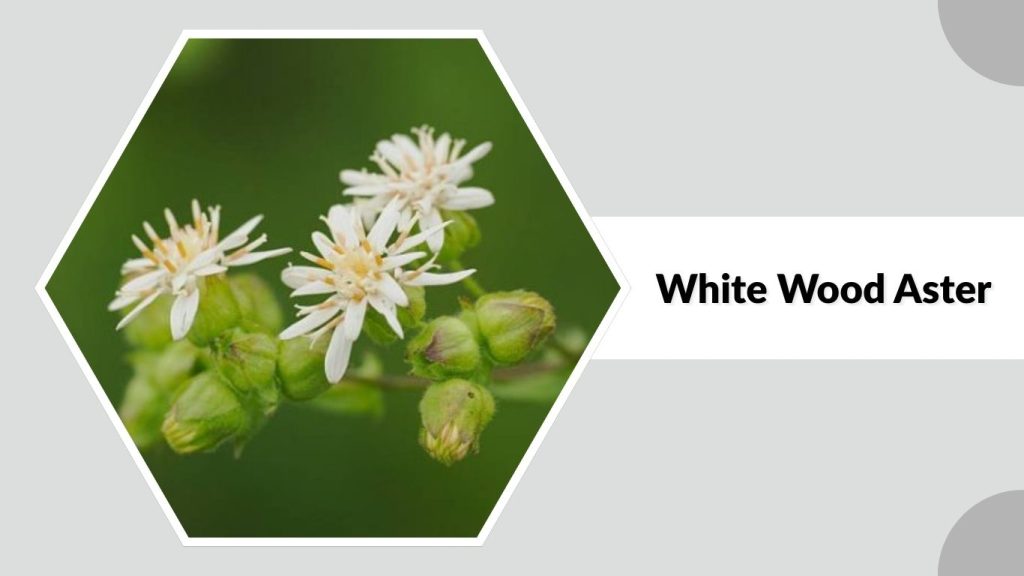
White Wood Aster is a perennial flower known for its crisp white petals surrounding bright yellow centers. Blooming from late summer to early fall, it adds a fresh, elegant look to woodland gardens, borders, and naturalized areas. Its upright, bushy stems and delicate foliage make it a favorite for shade gardens, while its flowers attract pollinators like bees and butterflies, supporting both beauty and biodiversity in the garden.
Identification
- White petals with yellow centers
- Upright, bushy stems, 1.5–3 feet tall
- Lance-shaped, slightly hairy leaves
- Blooms from August to October
Habitat & Growth
Native to woodland edges and shaded meadows. Prefers partial shade to full sun and moist, well-drained soil.
Flowering & Pollination
Produces clusters of daisy-like flowers that attract bees, butterflies, and other pollinators. Flowering peaks in late summer through early fall.
Care & Maintenance
Low-maintenance plant: water moderately, deadhead spent blooms to encourage continuous flowering, and cut back stems after the season for healthy growth.
19. Heart-leaved Aster
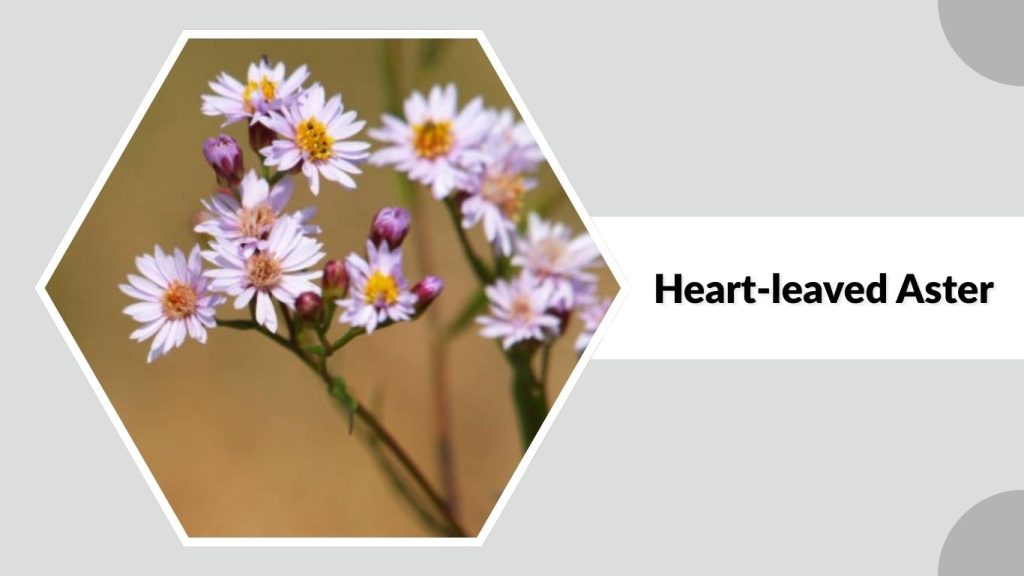
Heart-leaved Aster is a perennial recognized for its charming purple to lavender petals and bright yellow centers. Blooming in late summer to fall, it features heart-shaped leaves that provide a distinctive texture to garden beds and naturalized landscapes. Its upright stems and bushy growth make it ideal for borders and woodland gardens, while its flowers attract pollinators such as bees and butterflies, enhancing both visual appeal and ecological value.
Identification
- Purple to lavender petals with yellow centers
- Upright, bushy stems, 2–3 feet tall
- Distinctive heart-shaped leaves
- Blooms from August to October
Habitat & Growth
Thrives in meadows, woodland edges, and open fields. Prefers full sun to partial shade with well-drained soil.
Flowering & Pollination
Produces clusters of daisy-like flowers that attract bees, butterflies, and other pollinators. Peak bloom occurs in late summer.
Care & Maintenance
Requires minimal care: water moderately, deadhead spent flowers to encourage prolonged blooming, and cut back after flowering to maintain plant health.
20. Lindley’s Aster
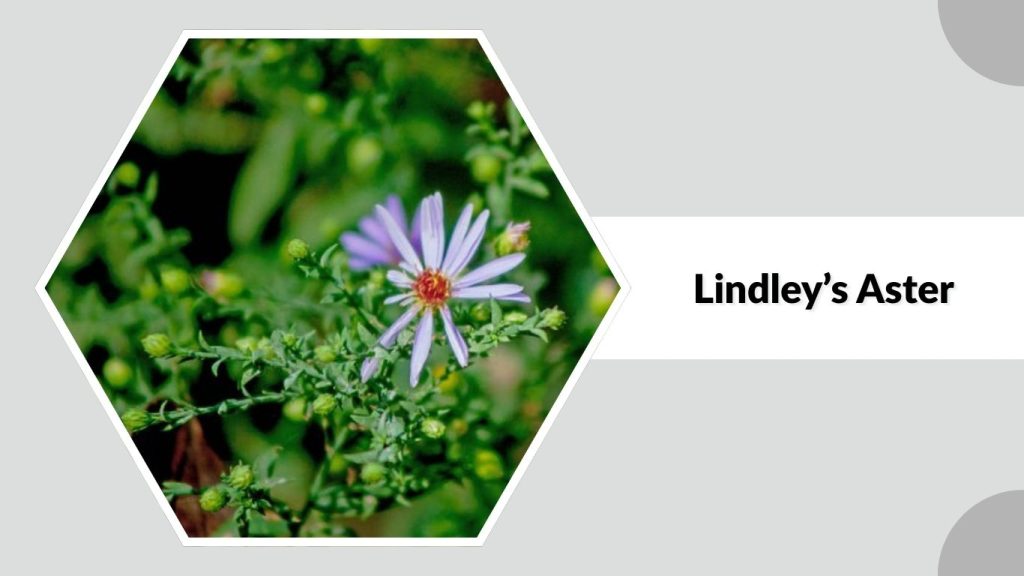
Lindley’s Aster is a perennial admired for its soft purple to violet petals and vibrant yellow centers. Blooming from late summer to fall, it adds a gentle splash of color to garden borders, meadows, and naturalized areas. Its upright, slender stems and bushy foliage make it an excellent choice for attracting pollinators like bees and butterflies, while providing texture and visual interest in both formal and naturalized garden settings.
Identification
- Purple to violet petals with yellow centers
- Upright, slender stems, 2–3 feet tall
- Narrow, lance-shaped leaves
- Blooms from August to October
Habitat & Growth
Native to meadows, prairies, and woodland edges. Thrives in full sun to partial shade and prefers well-drained soil.
Flowering & Pollination
Produces clusters of daisy-like flowers that attract bees, butterflies, and other pollinators. Peak flowering occurs in late summer through fall.
Care & Maintenance
Low-maintenance plant: moderate watering, deadhead spent flowers to encourage continuous blooms, and cut back after flowering to maintain healthy growth.
21. Michaelmas Daisy
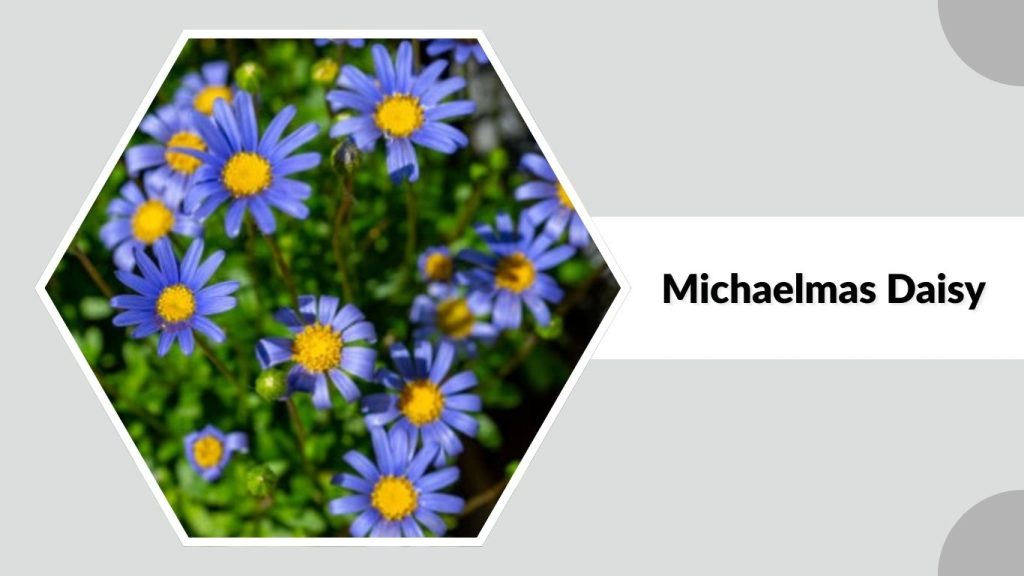
Michaelmas Daisy is a perennial flower celebrated for its vibrant purple to violet petals and bright yellow centers. Blooming from late summer to fall, it adds a burst of color to garden borders, meadows, and naturalized landscapes. Its tall, upright stems and bushy foliage provide structure and texture, while its flowers attract pollinators such as bees and butterflies, making it both visually appealing and ecologically beneficial.
Identification
- Purple to violet petals with yellow centers
- Upright, bushy stems, 2–5 feet tall
- Lance-shaped leaves
- Blooms from August to October
Habitat & Growth
Thrives in meadows, fields, and woodland edges. Prefers full sun to partial shade and well-drained soil.
Flowering & Pollination
Clusters of daisy-like flowers attract bees, butterflies, and other pollinators. Peak bloom occurs in late summer through early fall.
Care & Maintenance
Requires minimal care: water moderately, deadhead spent flowers to encourage more blooms, and cut back after flowering to maintain plant health.
22. Frost Aster
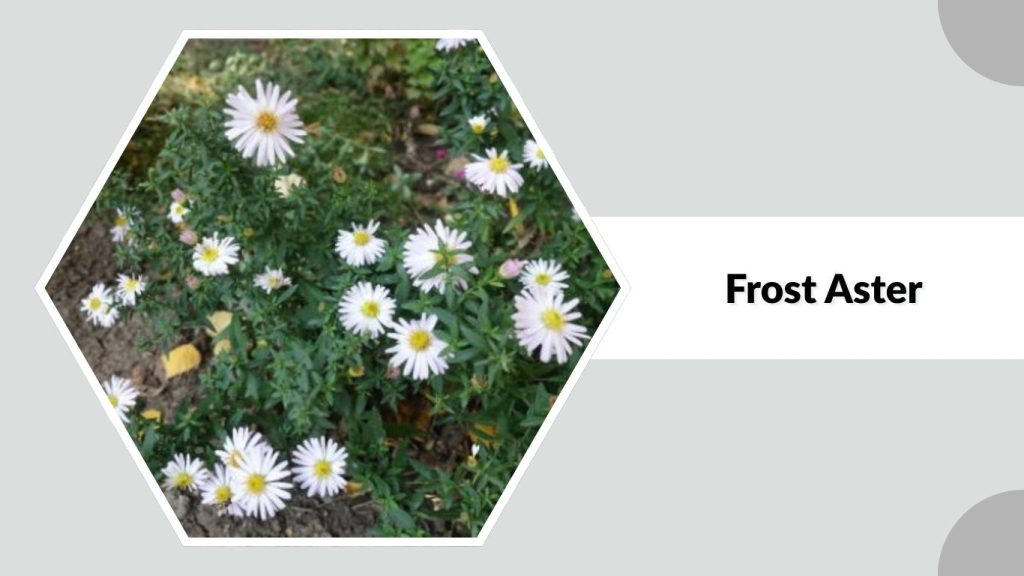
Frost Aster is a perennial admired for its delicate lavender to light purple petals with bright yellow centers. Blooming in late summer to fall, it brings soft, cool-toned color to garden borders, meadows, and naturalized areas. Its upright, slender stems and fine-textured foliage make it an excellent choice for attracting pollinators like bees and butterflies, while adding early-season visual interest before cooler weather sets in.
Identification
- Lavender to light purple petals with yellow centers
- Upright, slender stems, 1–3 feet tall
- Narrow, lance-shaped leaves
- Blooms from August to October
Habitat & Growth
Native to meadows, fields, and open woodlands. Prefers full sun to partial shade and well-drained soil.
Flowering & Pollination
Clusters of daisy-like flowers attract bees, butterflies, and other pollinators. Peak bloom occurs in late summer through fall.
Care & Maintenance
Low-maintenance plant: water moderately, deadhead spent blooms to prolong flowering, and cut back stems after flowering to maintain plant health.
23. Silky Aster
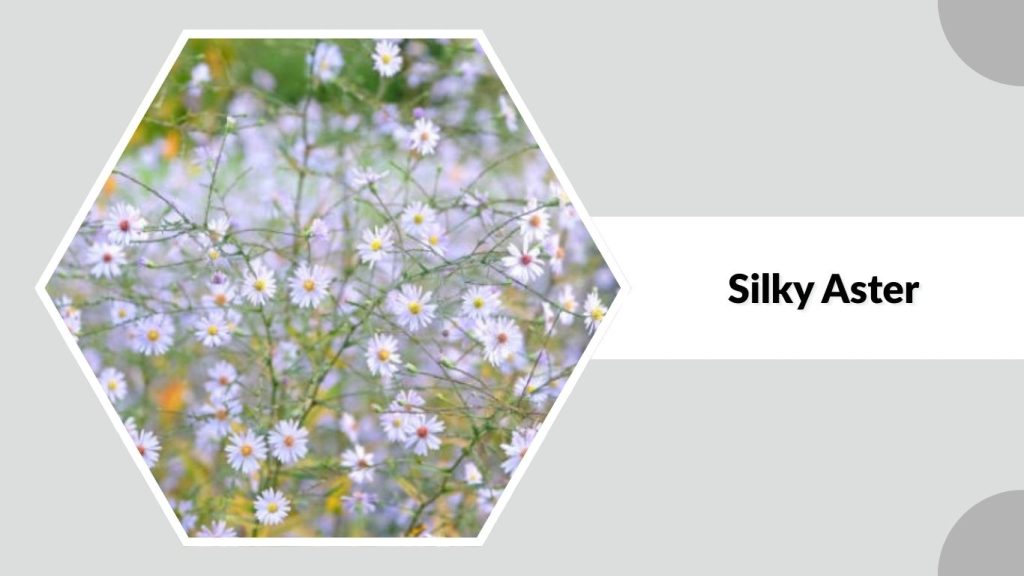
Silky Aster is a perennial known for its soft lavender to purple petals and bright yellow centers. Blooming from late summer to fall, it features silky, fine-textured foliage that adds elegance to garden borders, meadows, and naturalized landscapes. Its upright, slender stems and graceful growth habit make it ideal for attracting pollinators such as bees and butterflies, enhancing both visual appeal and ecological value.
Identification
- Lavender to purple petals with yellow centers
- Upright, slender stems, 1–3 feet tall
- Silky, narrow, lance-shaped leaves
- Blooms from August to October
Habitat & Growth
Thrives in meadows, fields, and open woodlands. Prefers full sun to partial shade and well-drained soil.
Flowering & Pollination
Produces clusters of daisy-like flowers that attract bees, butterflies, and other pollinators. Peak bloom occurs in late summer through fall.
Care & Maintenance
Requires minimal care: moderate watering, deadhead spent flowers to encourage continuous blooms, and cut back after flowering to maintain plant health.
24. Cliff Aster
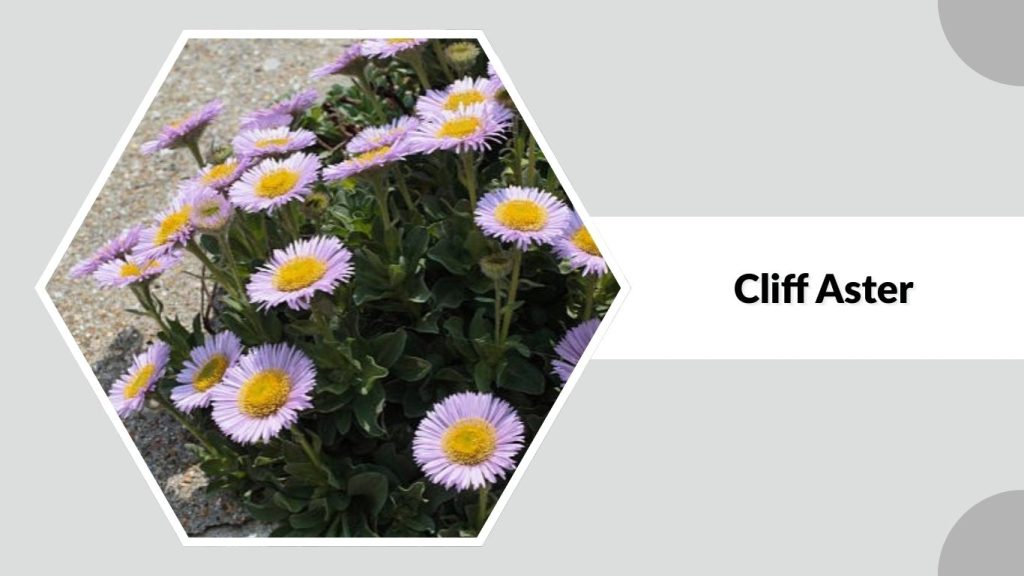
Cliff Aster is a perennial flower known for its striking purple to violet petals and bright yellow centers. Blooming from late summer to fall, it thrives in rocky or well-drained garden areas, making it ideal for rock gardens, slopes, and naturalized landscapes. Its upright stems and bushy foliage attract pollinators such as bees and butterflies, adding both visual interest and ecological value to the garden.
Identification
- Purple to violet petals with yellow centers
- Upright, bushy stems, 1.5–3 feet tall
- Narrow, lance-shaped leaves
- Blooms from August to October
Habitat & Growth
Native to rocky slopes, cliffs, and open meadows. Prefers full sun to partial shade and well-drained soil.
Flowering & Pollination
Produces clusters of daisy-like flowers that attract bees, butterflies, and other pollinators. Peak flowering occurs in late summer.
Care & Maintenance
Low-maintenance plant: water moderately, deadhead spent blooms to encourage prolonged flowering, and cut back stems after the growing season.
25. Wavy-leaf Aster
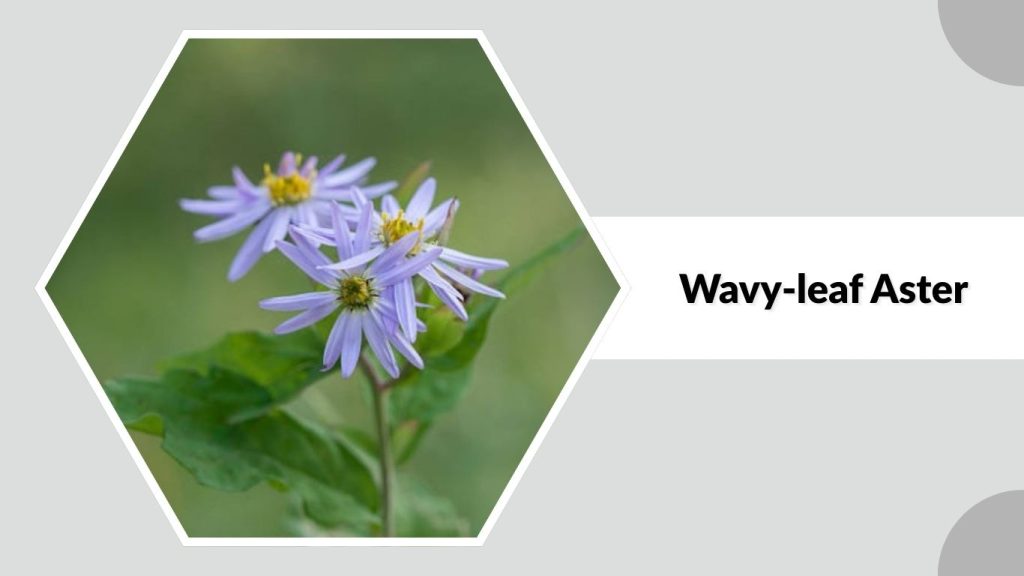
Wavy-leaf Aster is a perennial admired for its purple to lavender petals and bright yellow centers. Blooming from late summer to fall, it is named for its uniquely wavy-edged leaves, which add texture and interest to garden borders and naturalized areas. Its upright stems and bushy growth attract pollinators like bees and butterflies, making it both visually appealing and beneficial for local ecosystems.
Identification
- Purple to lavender petals with yellow centers
- Upright, bushy stems, 2–3 feet tall
- Distinctive wavy-edged, lance-shaped leaves
- Blooms from August to October
Habitat & Growth
Thrives in meadows, fields, and woodland edges. Prefers full sun to partial shade and well-drained soil.
Flowering & Pollination
Produces clusters of daisy-like flowers that attract bees, butterflies, and other pollinators. Peak bloom occurs in late summer through fall.
Care & Maintenance
Requires minimal care: moderate watering, deadhead spent blooms to prolong flowering, and cut back after flowering to maintain healthy growth.
26. Upland White Aster
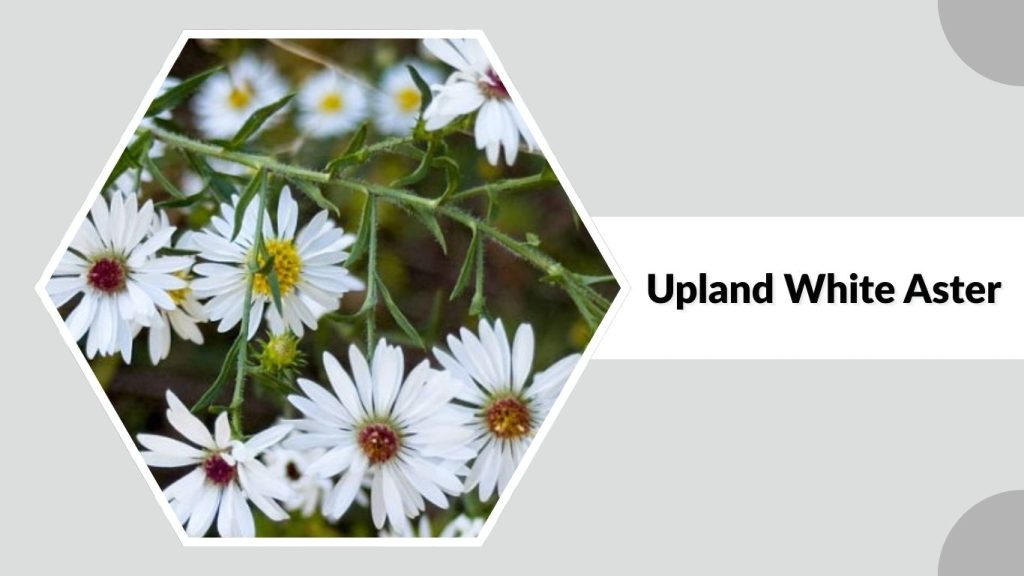
Upland White Aster is a perennial flower known for its crisp white petals surrounding bright yellow centers. Blooming from late summer to fall, it brightens garden borders, meadows, and naturalized areas with a clean, elegant appearance. Its upright, bushy stems and slender foliage provide structure, while its flowers attract pollinators such as bees and butterflies, enhancing both visual appeal and ecological value in gardens.
Identification
- White petals with yellow centers
- Upright, bushy stems, 2–3 feet tall
- Narrow, lance-shaped leaves
- Blooms from August to October
Habitat & Growth
Native to fields, meadows, and open woodlands. Prefers full sun to partial shade and well-drained soil.
Flowering & Pollination
Produces clusters of daisy-like flowers that attract bees, butterflies, and other pollinators. Peak bloom occurs in late summer through fall.
Care & Maintenance
Low-maintenance plant: water moderately, deadhead spent flowers to encourage continuous blooming, and cut back after flowering to maintain healthy growth.
27. Bushy Aster
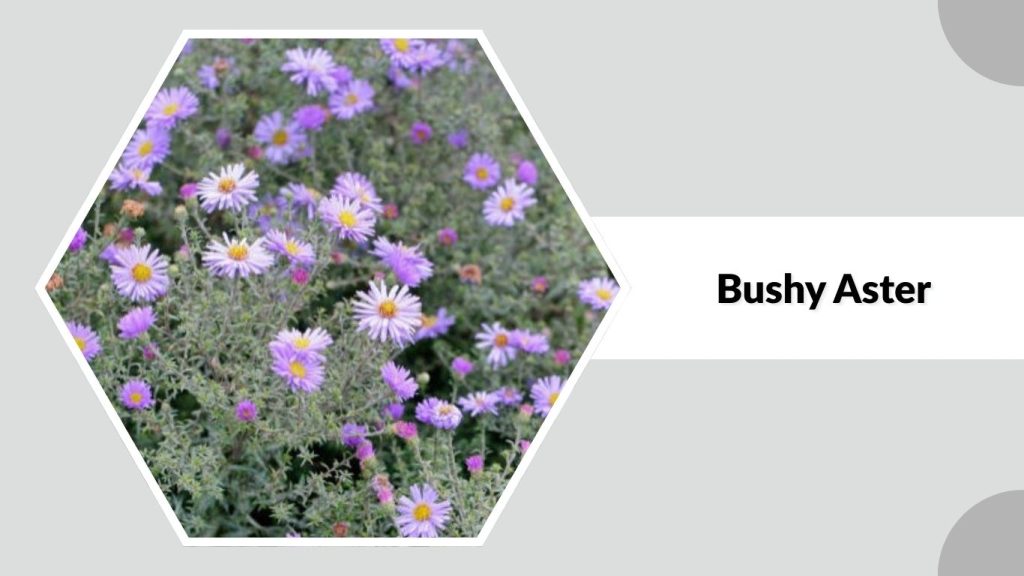
Bushy Aster is a perennial admired for its vibrant purple to violet petals and bright yellow centers. Blooming from late summer to fall, it features dense, bushy stems that create a full and attractive appearance in garden borders, meadows, and naturalized landscapes. Its flowers attract pollinators such as bees and butterflies, adding both beauty and ecological benefits to any garden setting.
Identification
- Purple to violet petals with yellow centers
- Dense, bushy stems, 2–4 feet tall
- Narrow, lance-shaped leaves
- Blooms from August to October
Habitat & Growth
Thrives in meadows, fields, and woodland edges. Prefers full sun to partial shade with well-drained soil.
Flowering & Pollination
Clusters of daisy-like flowers attract bees, butterflies, and other pollinators. Peak bloom occurs in late summer through fall.
Care & Maintenance
Requires minimal care: moderate watering, deadhead spent flowers to encourage continuous blooms, and cut back after flowering to maintain plant health.
FAQs
What is the best time to plant Aster flowers?
The best time to plant Aster flowers is in spring after the last frost or in early fall. This allows the plants to establish roots before extreme temperatures and ensures vibrant blooms in late summer and fall.
How do I care for Aster flowers in my garden?
Asters are low-maintenance plants. Provide full sun to partial shade, well-drained soil, moderate watering, and occasional deadheading to encourage prolonged blooming. Cutting back after flowering helps maintain healthy growth.
Are Aster flowers attractive to pollinators?
Yes, Aster flowers attract bees, butterflies, and other pollinators. Their bright petals and abundant nectar make them an excellent addition to pollinator-friendly gardens.
Can Aster flowers grow in containers?
Absolutely. Many Aster varieties thrive in containers. Use well-drained soil, place in full sun, water moderately, and ensure the container has drainage holes to prevent root rot.
What are common problems with growing Aster flowers?
Common issues include powdery mildew, root rot, and aphid infestations. Proper spacing, good air circulation, well-drained soil, and monitoring for pests help prevent most problems.