




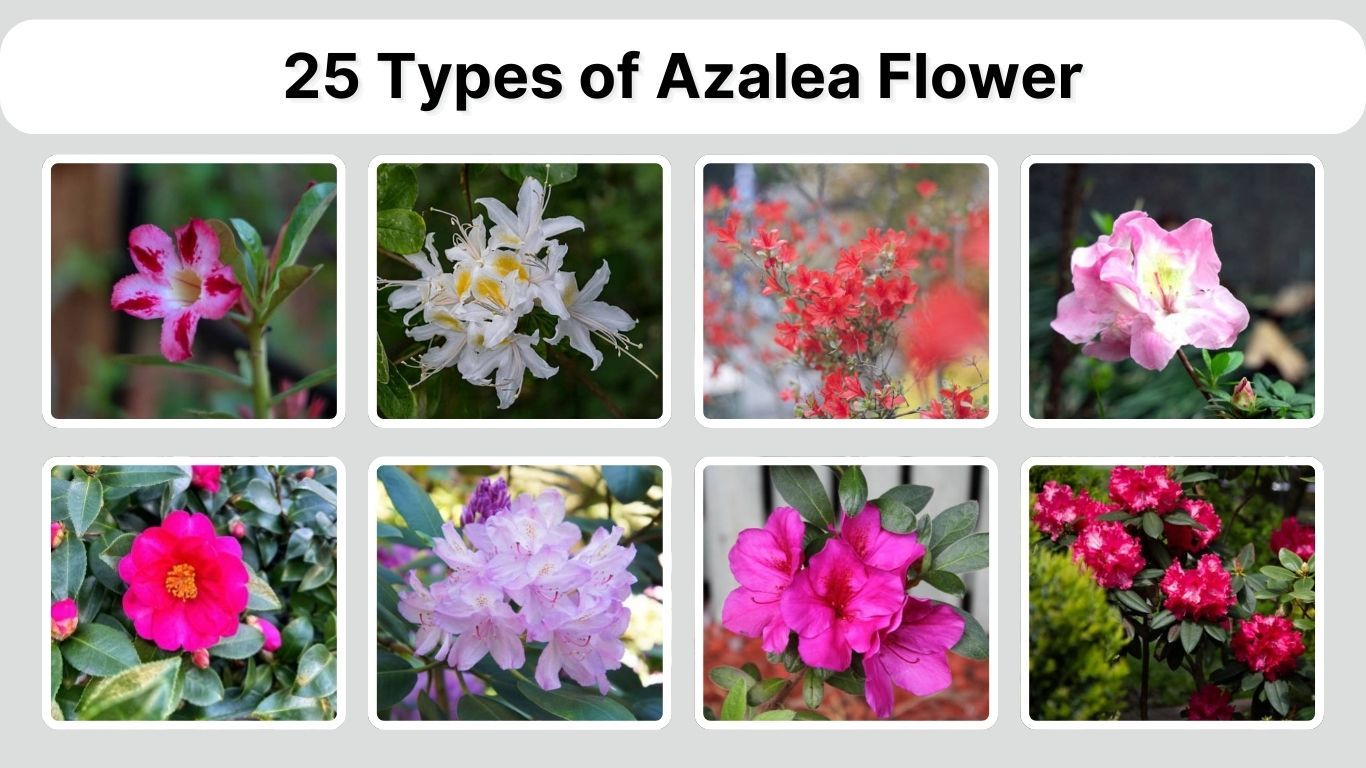
Azaleas are among the most cherished flowering shrubs, celebrated for their vibrant colors, diverse varieties, and ornamental appeal. With over 25 popular types, from Indian Azalea to Purple Splendor, these plants brighten gardens, borders, and patios with their stunning blooms. Ranging from compact evergreens to hardy deciduous species, azaleas adapt to various climates and garden settings. Their long flowering seasons, fragrant flowers, and ease of care make them a favorite choice for both novice and experienced gardeners seeking color and elegance.
1. Indian Azalea

Indian Azalea is a vibrant and popular type of azalea known for its bright blooms and adaptability in gardens. This evergreen shrub thrives in subtropical climates and is often used in landscaping for hedges, borders, or decorative pots. Its lush foliage and striking flowers make it a favorite among gardeners looking to add color throughout the year.
Identification
- Medium-sized evergreen shrub with dense foliage
- Leaves are glossy green and elliptical
- Flowers are funnel-shaped, usually in shades of pink, red, or white
- Blooms appear in clusters, typically in spring
Habitat
Indian Azaleas prefer well-drained, acidic soils and partial shade. They are commonly found in southern regions and subtropical gardens, thriving in areas with moderate humidity and protection from harsh winds.
Flowering and Growth
The flowering season of Indian Azalea usually begins in early spring and can last several weeks. Regular pruning helps maintain a compact shape, encourages more blooms, and enhances the overall aesthetic of the plant.
Care Tips
Watering should be consistent but avoid waterlogging. Fertilizing with an acid-loving plant fertilizer promotes healthy foliage and abundant flowers. Mulching helps retain soil moisture and protect roots during temperature fluctuations.
2. Southern Indica Azalea

Southern Indica Azalea is a popular hybrid azalea known for its large, vibrant flowers and ability to bloom multiple times a year. It is widely cultivated in southern regions and is appreciated for its hardiness, colorful displays, and suitability for landscaping, garden beds, and container planting.
Identification
- Large evergreen shrub with dense, dark green foliage
- Leaves are oval-shaped and slightly glossy
- Flowers are funnel-shaped, appearing in clusters with colors ranging from pink, red, white, to purple
- Blooms multiple times annually, often in spring and autumn
Habitat
This azalea thrives in well-drained, acidic soils with partial shade. It is commonly found in southern gardens, parks, and residential landscapes, preferring areas with mild winters and warm summers.
Flowering and Growth
Southern Indica Azalea blooms profusely in clusters, creating eye-catching color displays. Pruning after flowering encourages bushy growth and more blooms in subsequent cycles.
Care Tips
Ensure consistent watering, particularly during dry periods. Fertilize with acid-loving plant fertilizer to maintain vibrant flowers. Mulching helps retain soil moisture and protects roots from temperature extremes.
3. Kurume Azalea
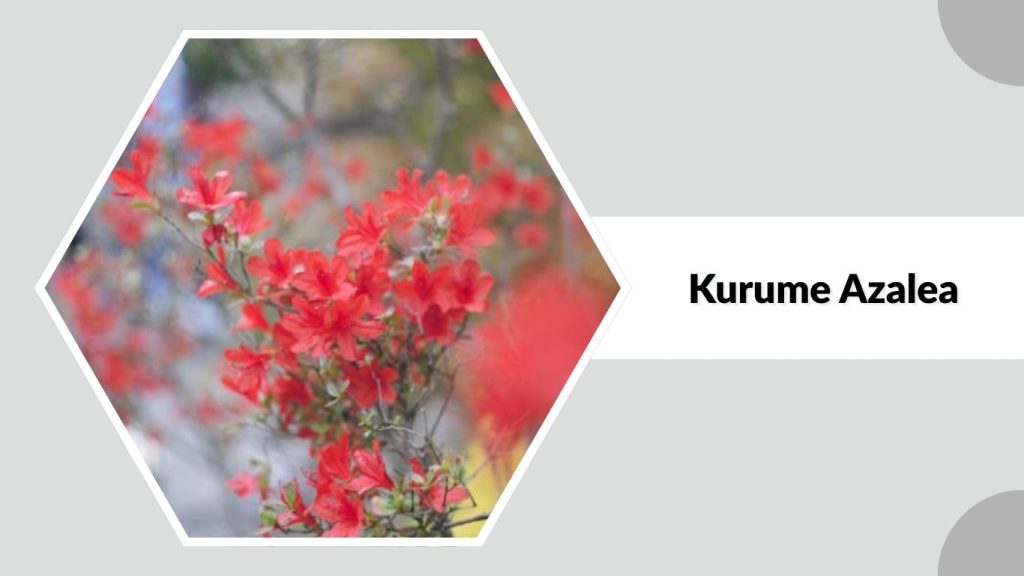
Kurume Azalea is a compact and highly ornamental azalea native to Japan, prized for its profuse blooms and vibrant colors. It is ideal for small gardens, borders, and bonsai cultivation. Kurume Azaleas are especially popular in temperate regions due to their early spring flowering and ability to thrive in shaded areas.
Identification
- Small to medium evergreen shrub, typically 2–4 feet tall
- Leaves are small, elliptical, and dark green
- Flowers are bell-shaped or funnel-shaped, appearing in clusters with colors including pink, red, white, and purple
- Blooms heavily in early spring, creating a dense floral display
Habitat
Kurume Azaleas prefer acidic, well-drained soil and partial to full shade. They flourish in temperate climates and are often planted in shaded garden beds, rockeries, and bonsai arrangements.
Flowering and Growth
The flowering season usually starts in late winter or early spring. Pruning after flowering encourages compact growth and promotes abundant blooms the following year.
Care Tips
Water regularly to maintain moist soil without waterlogging. Apply acid-loving fertilizer in spring and early summer. Mulching helps preserve soil moisture and insulates roots during colder months.
4. Satsuki Azalea
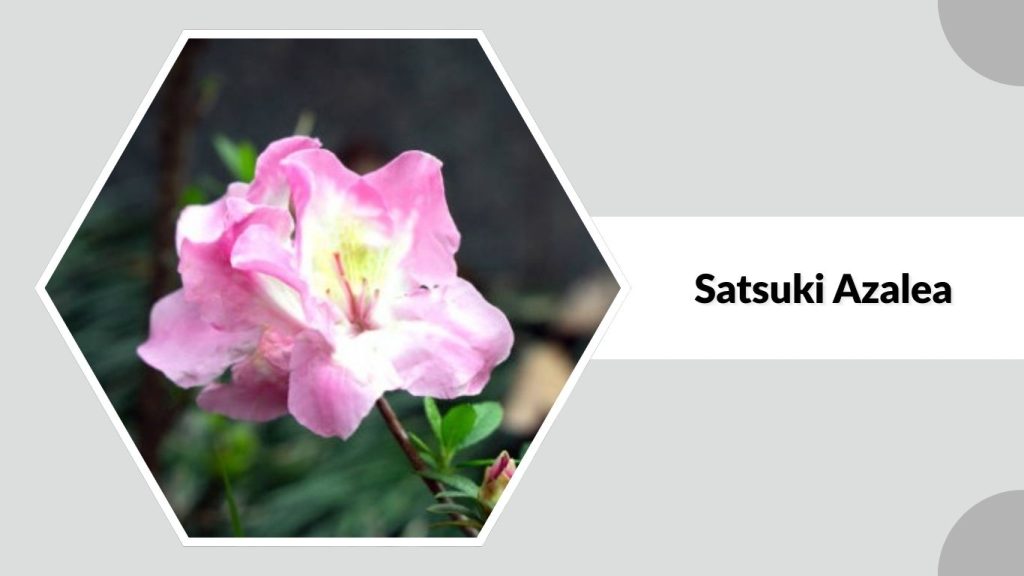
Satsuki Azalea is a highly prized Japanese azalea known for its stunning, multi-colored flowers and long blooming period. Unlike other azaleas, Satsuki blooms late in spring, often from May to June, and is frequently used in bonsai, container gardening, and traditional Japanese landscapes. Its versatility and ornamental beauty make it a favorite among azalea enthusiasts.
Identification
- Small to medium evergreen shrub, typically 1–3 feet tall
- Leaves are small, dark green, and slightly glossy
- Flowers are funnel-shaped, often bi-colored or spotted, with shades of pink, red, purple, and white
- Blooms later than most azaleas, with a long flowering period
Habitat
Satsuki Azaleas thrive in well-drained, acidic soils with partial to full shade. They are commonly grown in temperate climates, gardens, bonsai displays, and shaded patios where they are protected from strong winds and harsh sun.
Flowering and Growth
The flowering season lasts several weeks in late spring to early summer. Regular pruning after blooming maintains a compact shape and encourages more abundant flowers in the next season.
Care Tips
Keep the soil consistently moist but avoid waterlogging. Use acid-loving plant fertilizer during the growing season. Mulching protects roots, maintains soil moisture, and helps regulate temperature.
5. Girard’s Azalea
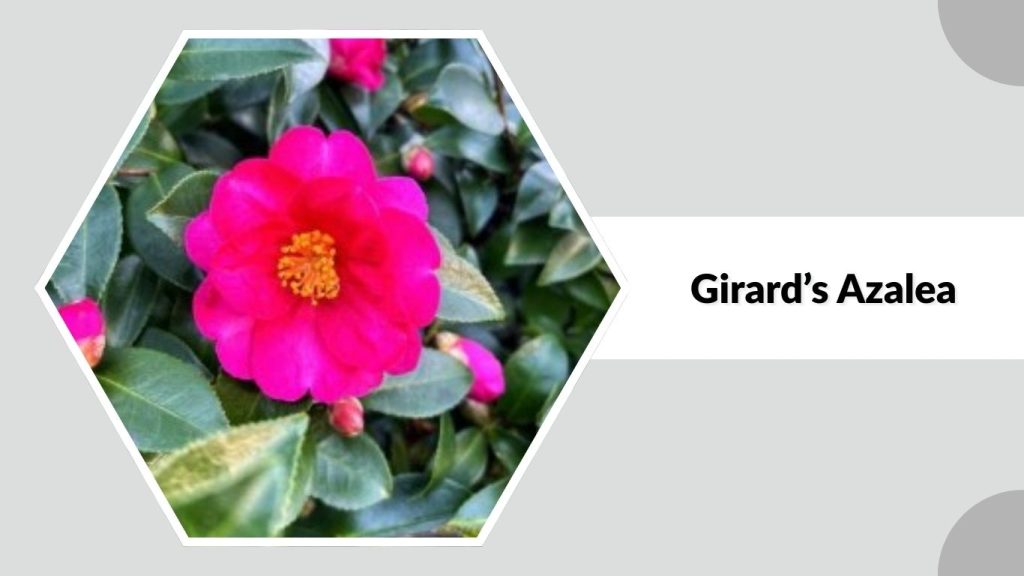
Girard’s Azalea is a hardy and colorful azalea variety native to the southeastern United States. Known for its large, vibrant blooms, it is a favorite for garden borders, hedges, and landscape design. This azalea tolerates a range of soil types and can adapt well to various garden conditions, making it popular among gardeners seeking low-maintenance ornamental shrubs.
Identification
- Medium-sized deciduous shrub, typically 3–6 feet tall
- Leaves are ovate, medium green, and turn reddish in fall
- Flowers are funnel-shaped, appearing in clusters with bright shades of pink, red, white, and orange
- Blooms profusely in spring, creating a striking display
Habitat
Girard’s Azalea prefers well-drained, acidic soils with partial sunlight. It is commonly found in woodlands, gardens, and parks in southeastern regions, thriving in areas with moderate rainfall and protection from strong winds.
Flowering and Growth
The flowering season occurs in mid to late spring. Regular pruning after blooming promotes bushy growth, better air circulation, and more abundant flower production in the following season.
Care Tips
Water consistently during dry periods but avoid overwatering. Fertilize with acid-loving plant fertilizer to encourage vibrant blooms. Mulching around the base helps retain soil moisture and protects roots from temperature fluctuations.
6. Mollis Azalea
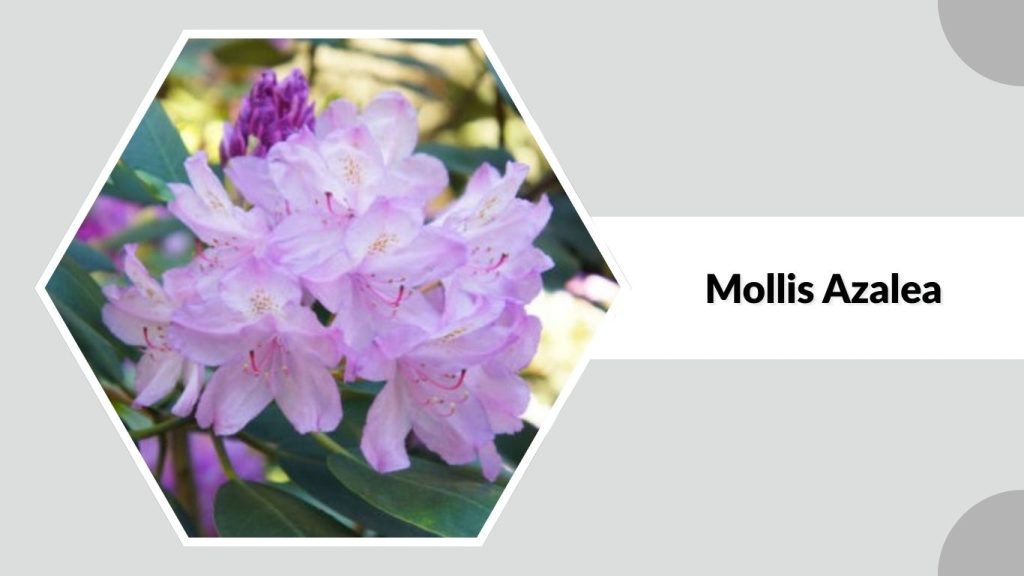
Mollis Azalea is a deciduous azalea known for its striking, early spring blooms and rich fragrance. It produces large, colorful flowers that brighten gardens before many other plants start flowering. This variety is often used in woodland gardens, borders, and naturalized landscapes due to its adaptability and ornamental appeal.
Identification
- Medium to large deciduous shrub, typically 3–5 feet tall
- Leaves are oblong, medium green, and may have a slightly wrinkled texture
- Flowers are funnel-shaped, appearing in clusters with vibrant colors like yellow, orange, pink, and red
- Blooms early in spring, often before the leaves fully develop
Habitat
Mollis Azaleas prefer acidic, well-drained soil and partial shade. They thrive in woodland settings, garden borders, and areas with moderate humidity, benefiting from protection against strong winds and harsh afternoon sun.
Flowering and Growth
The flowering season begins in early spring and lasts several weeks. Light pruning after flowering encourages denser growth and enhances flower production for the next season.
Care Tips
Maintain evenly moist soil without waterlogging. Fertilize with an acid-loving plant fertilizer during the growing season. Mulching preserves soil moisture, suppresses weeds, and insulates the roots during colder months.
7. Encore Azalea
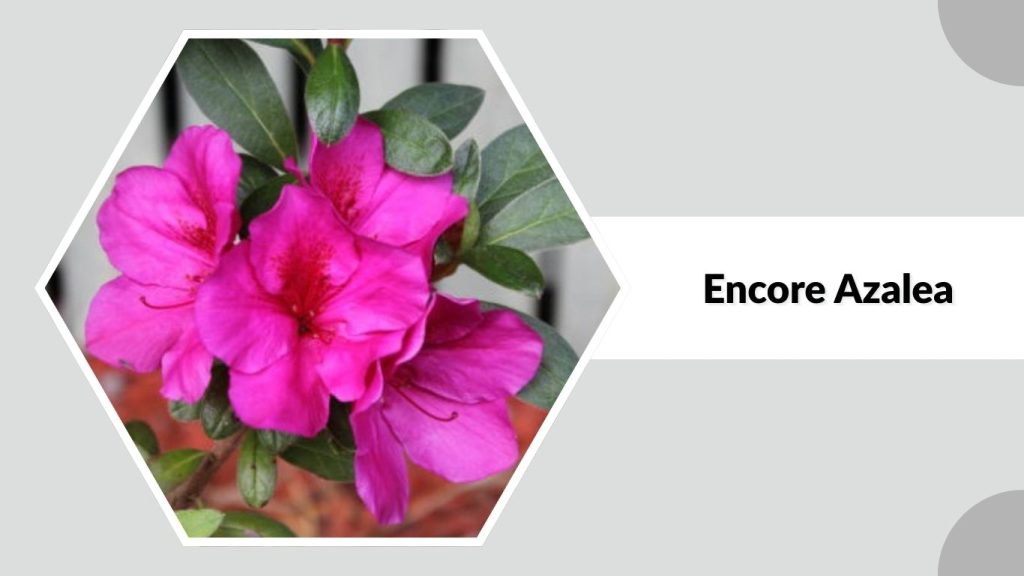
Encore Azalea is a versatile and popular evergreen azalea known for its ability to bloom multiple times a year, providing continuous color from spring to fall. This hardy shrub is ideal for gardens, borders, and container planting, and it is especially appreciated for its low maintenance and resilience in various climates.
Identification
- Medium evergreen shrub, typically 3–4 feet tall
- Leaves are dark green, glossy, and elliptical
- Flowers are funnel-shaped, appearing in clusters with shades of pink, red, white, and purple
- Blooms multiple times annually, often in spring, summer, and fall
Habitat
Encore Azaleas thrive in well-drained, acidic soils with partial shade. They are commonly planted in gardens, residential landscapes, and urban settings where they can receive some protection from harsh afternoon sun.
Flowering and Growth
This azalea blooms repeatedly throughout the year, with peak flowering periods in spring and fall. Pruning after flowering maintains shape, promotes bushy growth, and enhances overall flower production.
Care Tips
Water regularly to keep soil consistently moist but avoid waterlogging. Apply fertilizer for acid-loving plants during the growing season. Mulching helps conserve soil moisture, regulate temperature, and protect roots.
8. Western Azalea
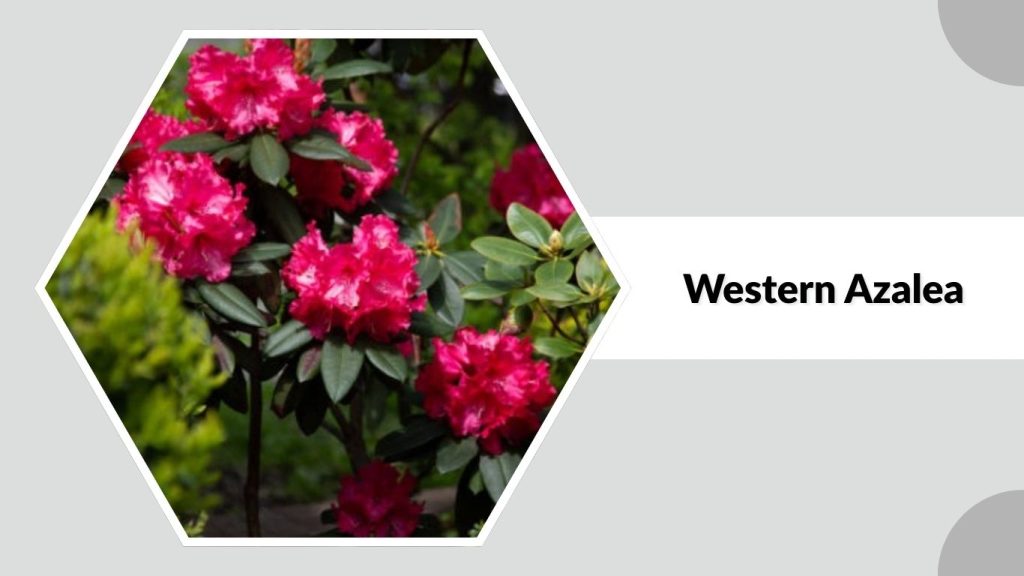
Western Azalea is a deciduous azalea native to western North America, known for its fragrant and showy flowers. It thrives in natural landscapes, woodland gardens, and shaded areas, making it a favorite for gardeners who want a hardy, low-maintenance shrub with early summer blooms.
Identification
- Medium-sized deciduous shrub, typically 3–6 feet tall
- Leaves are oval, light to medium green, and slightly hairy
- Flowers are funnel-shaped, appearing in clusters with shades of pink, white, and occasionally yellow
- Blooms in late spring to early summer, often with a light fragrance
Habitat
Western Azaleas prefer well-drained, acidic soils and partial shade. They are commonly found along streams, woodland edges, and garden landscapes in temperate climates with cool summers and moderate rainfall.
Flowering and Growth
The flowering season occurs in late spring to early summer. Light pruning after flowering promotes bushier growth and more prolific blooms in the following year.
Care Tips
Water consistently during dry periods, ensuring soil stays moist but not soggy. Fertilize with an acid-loving plant fertilizer in spring. Mulching helps retain soil moisture, suppress weeds, and protect roots from extreme temperatures.
9. Ghent Azalea
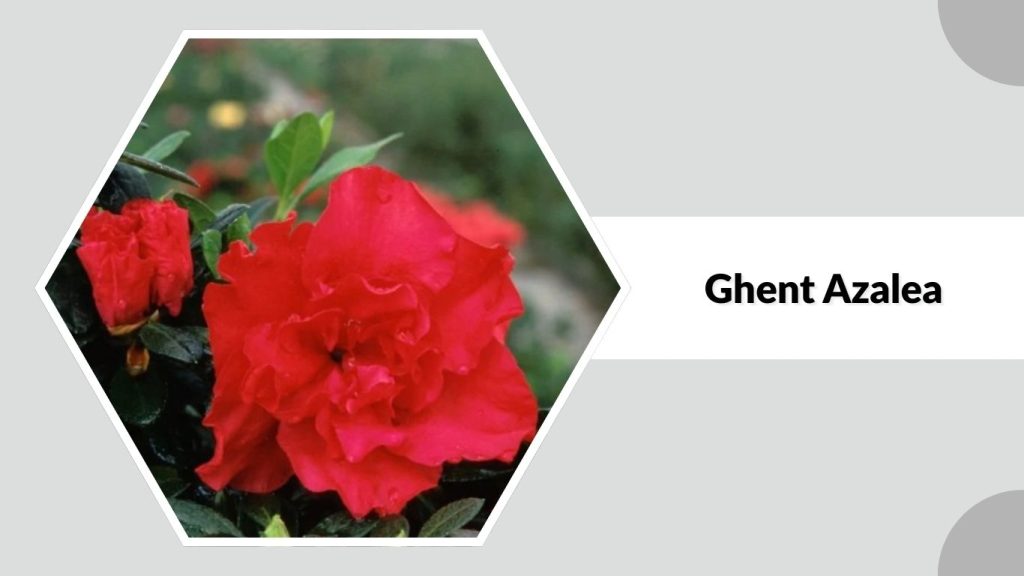
Ghent Azalea is a hybrid deciduous azalea known for its spectacular spring blooms and wide range of vibrant colors. It is often used in gardens, parks, and landscapes to create dramatic displays, and is appreciated for its large flowers, dense foliage, and ability to thrive in temperate climates.
Identification
- Medium to large deciduous shrub, typically 3–6 feet tall
- Leaves are ovate, medium green, and slightly glossy
- Flowers are funnel-shaped, appearing in clusters with shades of pink, red, purple, orange, and white
- Blooms in mid to late spring, producing a dense, colorful display
Habitat
Ghent Azaleas prefer well-drained, acidic soils with partial sunlight. They thrive in temperate gardens, woodland edges, and landscaped areas with moderate moisture and protection from strong winds.
Flowering and Growth
The flowering season occurs in mid to late spring, often lasting several weeks. Pruning after flowering encourages compact growth, better air circulation, and more prolific blooms the next year.
Care Tips
Water regularly to maintain moist soil without overwatering. Apply fertilizer suitable for acid-loving plants during the growing season. Mulching preserves soil moisture, suppresses weeds, and insulates the roots against temperature fluctuations.
10. Formosa Azalea
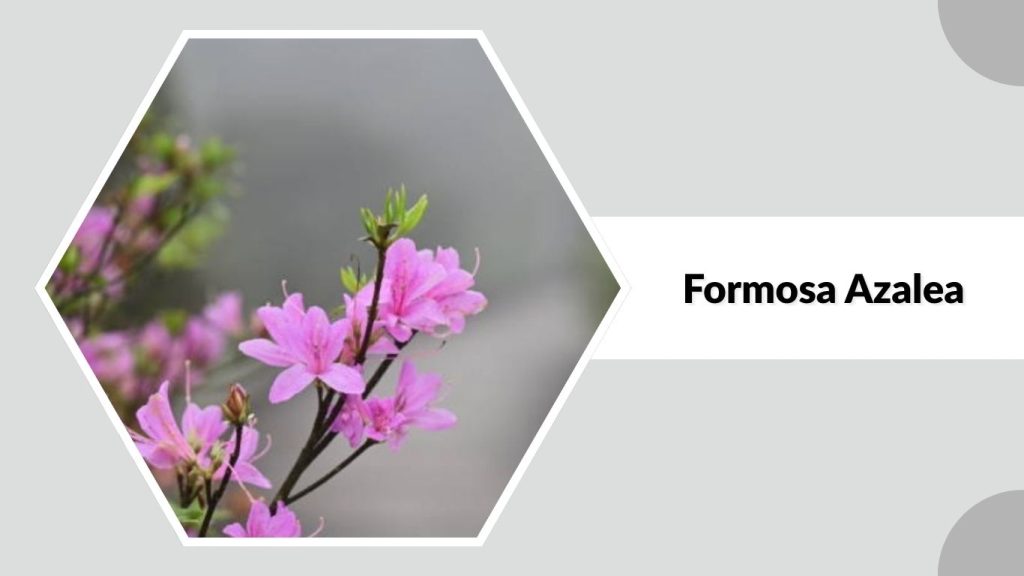
Formosa Azalea is a deciduous azalea celebrated for its large, bright, and fragrant flowers. Native to the southeastern United States, it is ideal for garden borders, woodland settings, and naturalized landscapes. Its vibrant spring blooms and hardy nature make it a favorite among gardeners seeking showy, low-maintenance shrubs.
Identification
- Medium to large deciduous shrub, typically 4–6 feet tall
- Leaves are oblong, medium green, and slightly hairy
- Flowers are funnel-shaped, appearing in clusters with bright shades of red, pink, orange, and white
- Blooms in mid to late spring, often with a pleasant fragrance
Habitat
Formosa Azaleas thrive in well-drained, acidic soils with partial shade. They are commonly planted in woodland gardens, borders, and residential landscapes in temperate climates with moderate rainfall.
Flowering and Growth
The flowering season occurs in mid to late spring, producing a profusion of colorful blooms. Light pruning after flowering encourages denser growth and enhances flower production for the next season.
Care Tips
Keep soil consistently moist but avoid waterlogging. Fertilize with an acid-loving plant fertilizer during the growing season. Mulching helps retain soil moisture, protect roots, and suppress weeds.
11. Deciduous Azalea
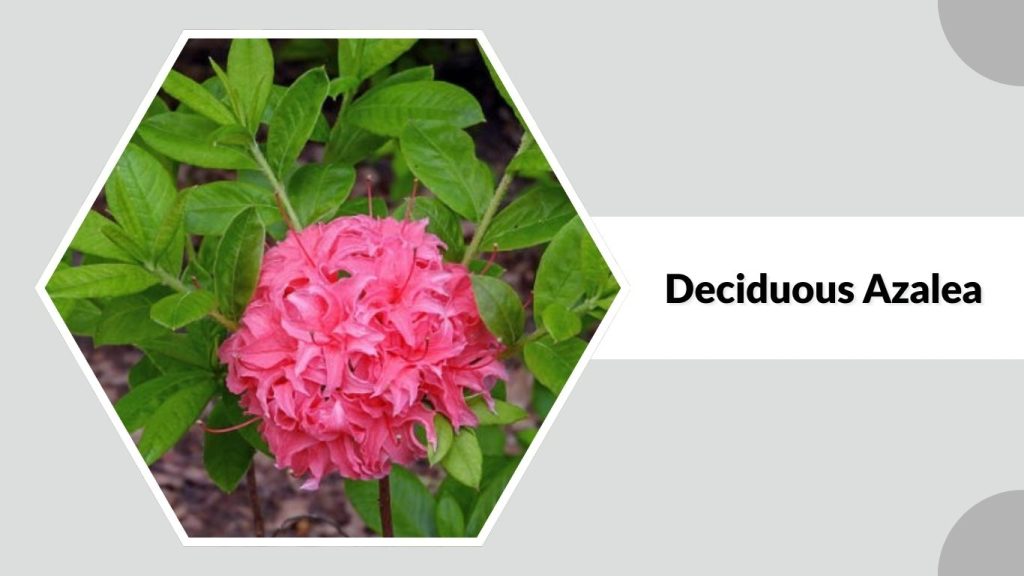
Deciduous Azalea is a broad category of azaleas that shed their leaves annually, known for vibrant spring blooms and adaptability in various garden settings. These azaleas are ideal for woodland gardens, naturalized landscapes, and borders, offering striking color displays before the foliage fully develops.
Identification
- Medium to large deciduous shrub, typically 3–6 feet tall
- Leaves are oval to oblong, medium green, turning yellow or red in fall
- Flowers are funnel-shaped, appearing in clusters with shades of pink, red, orange, yellow, and white
- Blooms in early to mid-spring before or alongside new leaf growth
Habitat
Deciduous Azaleas prefer well-drained, acidic soils with partial sunlight. They thrive in woodland gardens, slopes, and garden borders in temperate regions, benefiting from protection against strong winds and harsh afternoon sun.
Flowering and Growth
The flowering season occurs in early to mid-spring, often lasting several weeks. Light pruning after blooming encourages compact growth, better air circulation, and more prolific blooms the following year.
Care Tips
Water consistently to maintain moist but not waterlogged soil. Fertilize with acid-loving plant fertilizer during the growing season. Mulching preserves soil moisture, regulates temperature, and protects roots during colder months.
12. Rhododendron Kaempferi
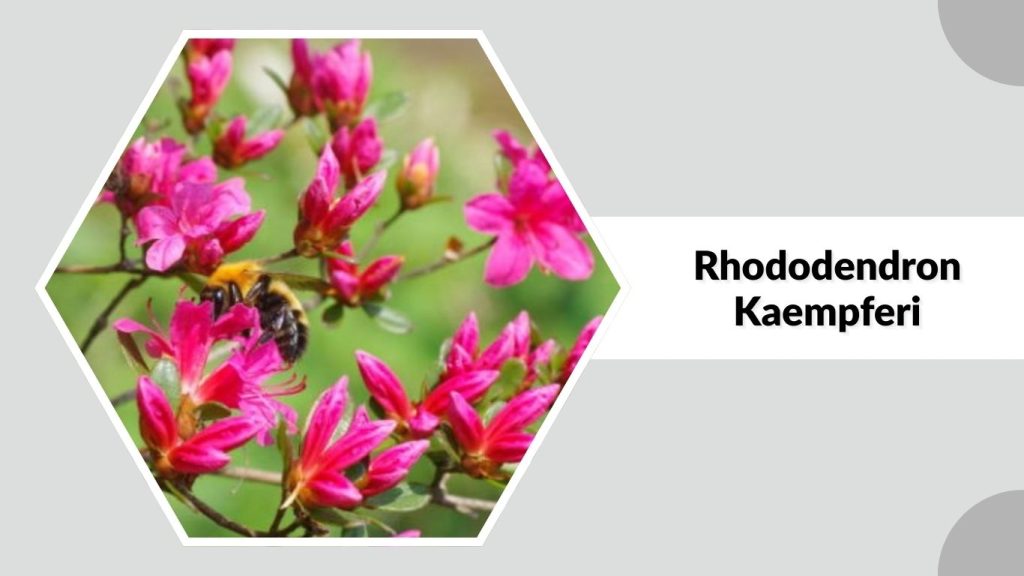
Rhododendron Kaempferi, also known as the Japanese azalea, is a deciduous azalea celebrated for its bright, bell-shaped flowers and compact growth. Native to Japan, it is often used in gardens, bonsai, and ornamental landscapes due to its vibrant spring blooms and elegant foliage.
Identification
- Small to medium deciduous shrub, typically 2–4 feet tall
- Leaves are small, elliptical, and dark green
- Flowers are funnel-shaped or bell-shaped, appearing in clusters with colors like pink, red, purple, and white
- Blooms in late spring, producing a dense floral display
Habitat
Rhododendron Kaempferi thrives in well-drained, acidic soils with partial to full shade. It grows well in temperate climates, woodland gardens, patios, and container plantings, benefiting from protection against harsh sunlight and strong winds.
Flowering and Growth
The flowering season occurs in late spring and lasts several weeks. Pruning after flowering helps maintain a compact shape, encourages bushy growth, and promotes abundant flowers in the following year.
Care Tips
Water consistently to keep the soil moist but avoid waterlogging. Fertilize with acid-loving plant fertilizer during the growing season. Mulching helps retain moisture, suppress weeds, and protect the roots from temperature extremes.
13. Northern Lights Azalea
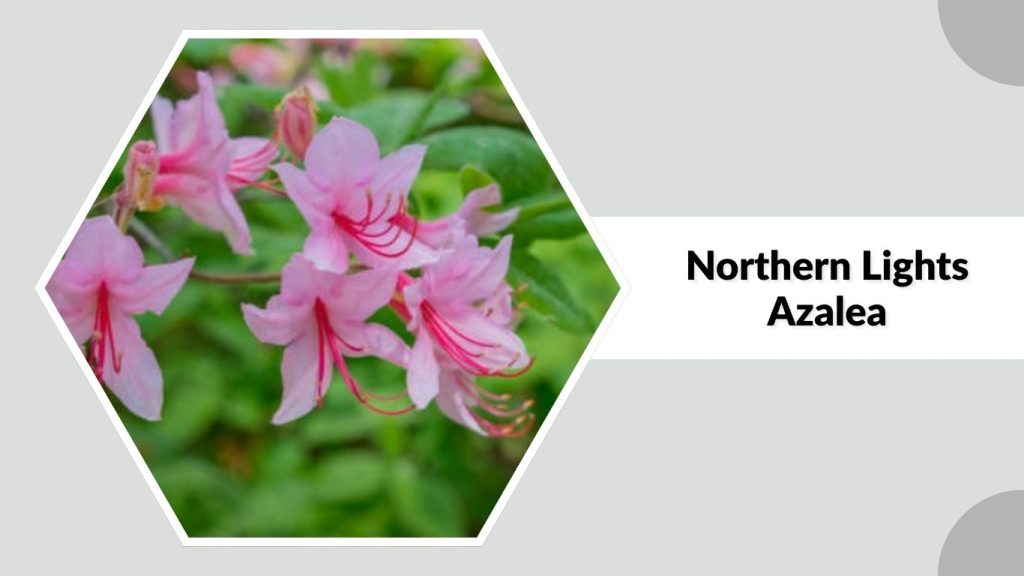
Northern Lights Azalea is a hardy hybrid azalea known for its cold tolerance and vibrant blooms. It is ideal for gardens in cooler climates, providing a reliable splash of color in spring and adding ornamental value to borders, hedges, and landscaped areas.
Identification
- Medium evergreen shrub, typically 3–4 feet tall
- Leaves are small, dark green, and slightly glossy
- Flowers are funnel-shaped, appearing in clusters with colors like pink, red, lavender, and white
- Blooms in mid to late spring, often with a compact and bushy growth habit
Habitat
Northern Lights Azaleas thrive in well-drained, acidic soils with partial shade. They perform well in temperate to cold climates, tolerating frost and light snow, and are commonly planted in gardens, parks, and residential landscapes.
Flowering and Growth
The flowering season occurs in mid to late spring, lasting several weeks. Pruning after blooming encourages dense foliage and more prolific flower production the following season.
Care Tips
Maintain consistent moisture in the soil without overwatering. Fertilize with acid-loving plant fertilizer in spring and early summer. Mulching preserves soil moisture, regulates temperature, and protects the roots during colder months.
14. Flame Azalea
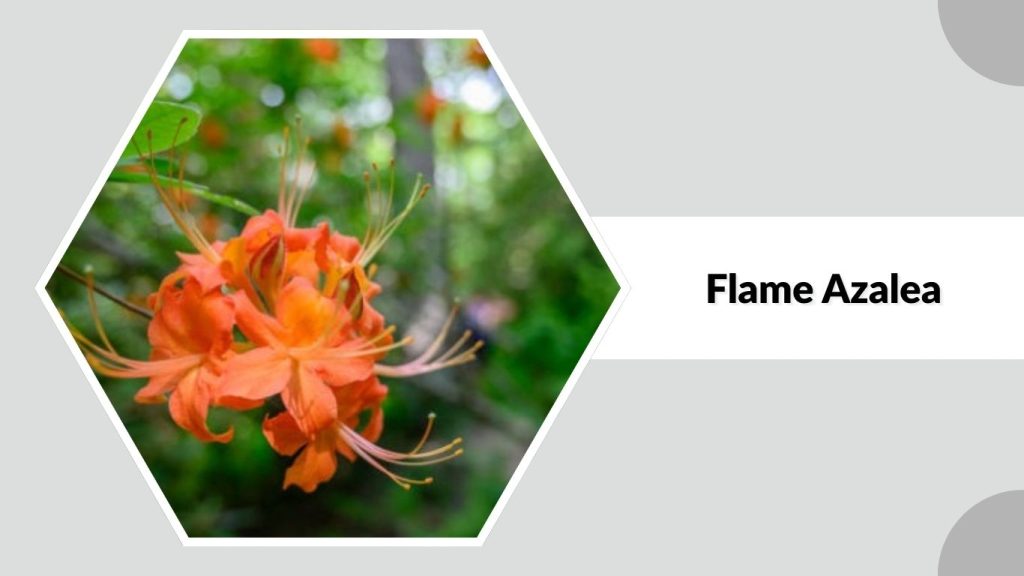
Flame Azalea is a striking deciduous azalea native to the Appalachian Mountains, famous for its vibrant, fiery-colored blooms. It is widely used in woodland gardens, naturalized landscapes, and borders due to its ornamental appeal and adaptability to various garden conditions.
Identification
- Medium to large deciduous shrub, typically 4–6 feet tall
- Leaves are elliptical, medium green, and slightly glossy
- Flowers are funnel-shaped, appearing in clusters with shades of orange, red, yellow, and occasionally pink
- Blooms in late spring, creating a vivid, eye-catching display
Habitat
Flame Azaleas thrive in acidic, well-drained soils with partial sunlight. They are commonly found in woodlands, slopes, and garden landscapes in temperate climates, preferring protection from harsh afternoon sun and strong winds.
Flowering and Growth
The flowering season occurs in late spring, lasting several weeks. Pruning after flowering promotes bushier growth, better air circulation, and more abundant blooms in the next season.
Care Tips
Water consistently to maintain moist but not waterlogged soil. Fertilize with acid-loving plant fertilizer during the growing season. Mulching helps retain moisture, regulate temperature, and protect roots from environmental stress.
15. Autumn Embers Azalea
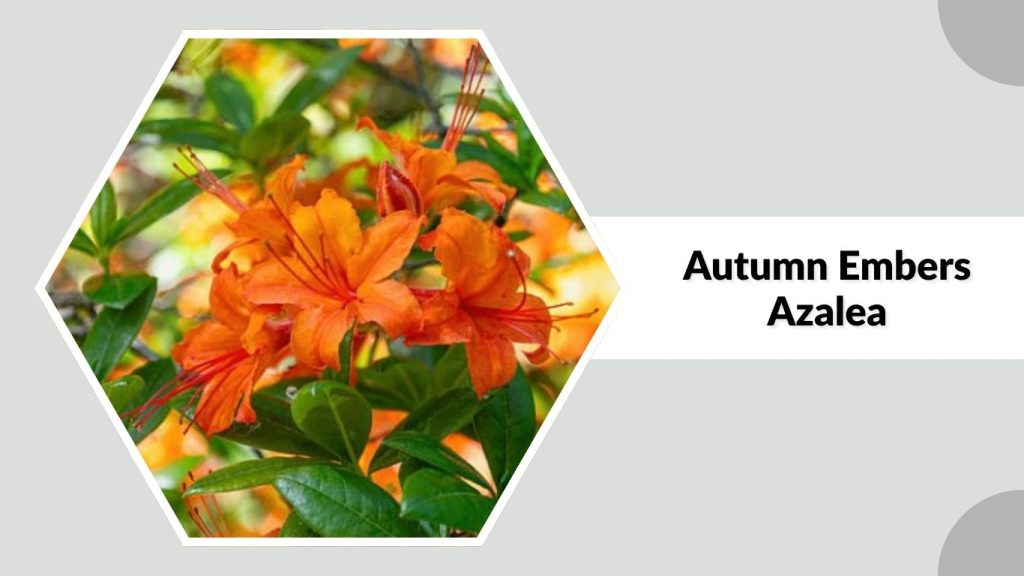
Autumn Embers Azalea is a unique azalea variety prized for its ability to bloom in both spring and fall, providing extended color in gardens and landscapes. Its compact size, vibrant flowers, and adaptability make it ideal for borders, containers, and ornamental garden beds.
Identification
- Medium evergreen shrub, typically 3–4 feet tall
- Leaves are glossy, dark green, and elliptical
- Flowers are funnel-shaped, appearing in clusters with shades of red, pink, orange, and white
- Blooms twice a year, in spring and again in autumn
Habitat
Autumn Embers Azaleas thrive in well-drained, acidic soils with partial shade. They are commonly grown in temperate gardens, patios, and landscaped areas, performing well in regions with moderate rainfall and protection from strong winds.
Flowering and Growth
The flowering season occurs in spring and autumn, lasting several weeks each time. Light pruning after blooming maintains a compact shape and encourages denser growth and more flowers in subsequent cycles.
Care Tips
Water consistently, ensuring the soil stays moist but not waterlogged. Fertilize with acid-loving plant fertilizer during the growing season. Mulching helps conserve soil moisture, regulate temperature, and protect roots.
16. Hinodegiri Azalea
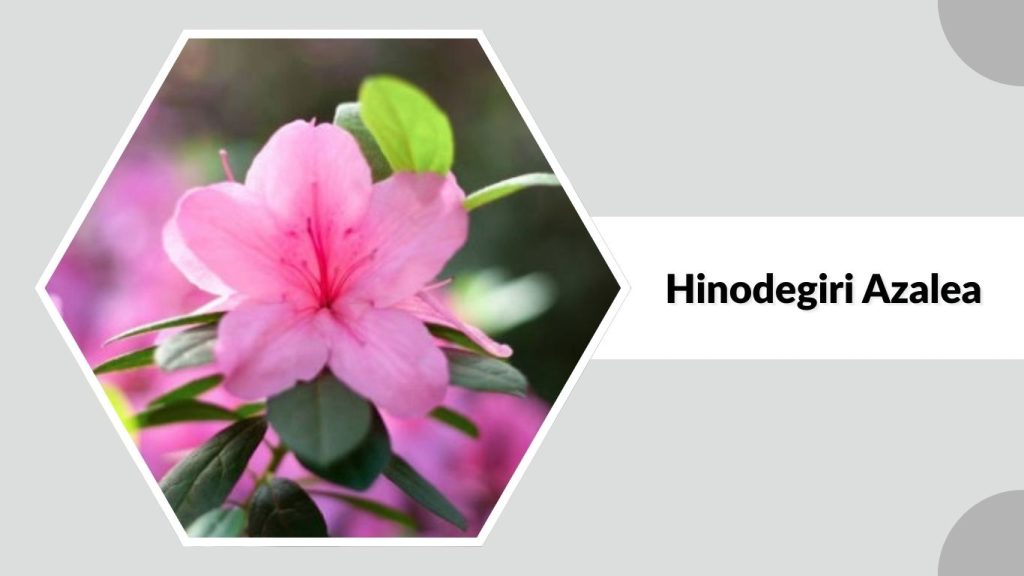
Hinodegiri Azalea is a Japanese hybrid azalea celebrated for its vibrant red flowers and compact, bushy growth. It is widely used in gardens, bonsai, and container planting due to its ornamental appeal, long blooming season, and adaptability to temperate climates.
Identification
- Small to medium evergreen shrub, typically 2–3 feet tall
- Leaves are small, dark green, and slightly glossy
- Flowers are funnel-shaped, appearing in clusters with bright red shades
- Blooms in late spring and can continue intermittently throughout summer
Habitat
Hinodegiri Azaleas prefer well-drained, acidic soils with partial shade. They thrive in temperate gardens, bonsai arrangements, and patios, benefiting from protection against harsh sunlight and strong winds.
Flowering and Growth
The flowering season occurs in late spring and may continue sporadically into summer. Pruning after flowering helps maintain a compact, bushy shape and encourages more prolific blooms the following season.
Care Tips
Keep soil consistently moist but avoid waterlogging. Fertilize with acid-loving plant fertilizer during the growing season. Mulching helps retain moisture, regulate soil temperature, and protect roots from environmental stress.
17. Hino Crimson Azalea
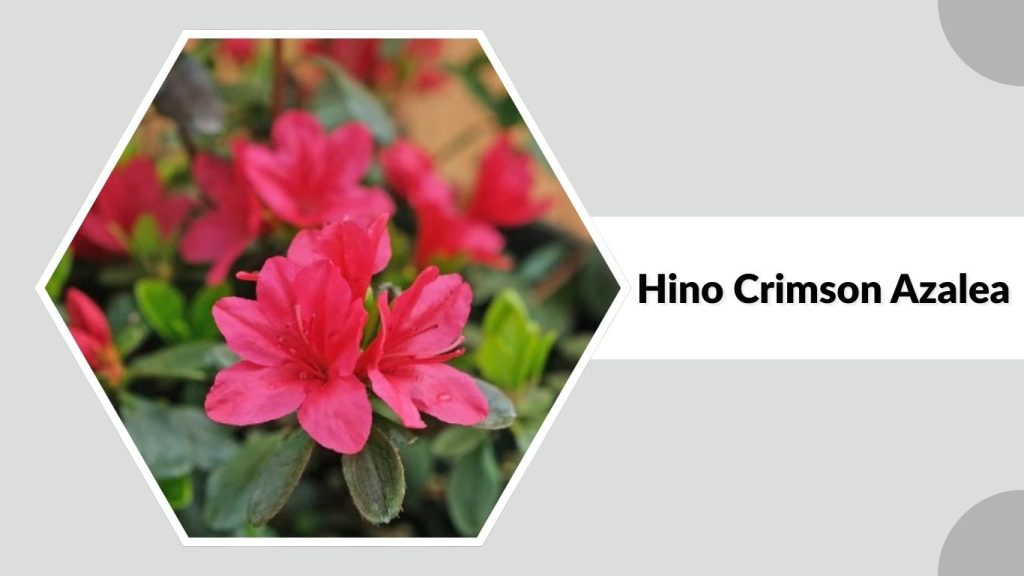
Hino Crimson Azalea is a compact and ornamental evergreen azalea known for its deep crimson flowers and dense foliage. Native to Japan, it is commonly used in gardens, borders, and bonsai, prized for its vibrant blooms and long flowering season.
Identification
- Small to medium evergreen shrub, typically 2–3 feet tall
- Leaves are small, dark green, and glossy
- Flowers are funnel-shaped, appearing in clusters with vivid crimson shades
- Blooms in late spring and may continue intermittently into early summer
Habitat
Hino Crimson Azaleas thrive in well-drained, acidic soils with partial shade. They grow well in temperate climates, shaded garden beds, patios, and bonsai arrangements, benefiting from protection against harsh winds and strong sunlight.
Flowering and Growth
The flowering season occurs in late spring, lasting several weeks. Regular pruning after flowering maintains a compact shape, promotes bushy growth, and encourages more blooms in the following year.
Care Tips
Water consistently to keep the soil moist but not soggy. Fertilize with acid-loving plant fertilizer during the growing season. Mulching helps retain soil moisture, regulate temperature, and protect roots from environmental stress.
18. Red Ruffles Azalea
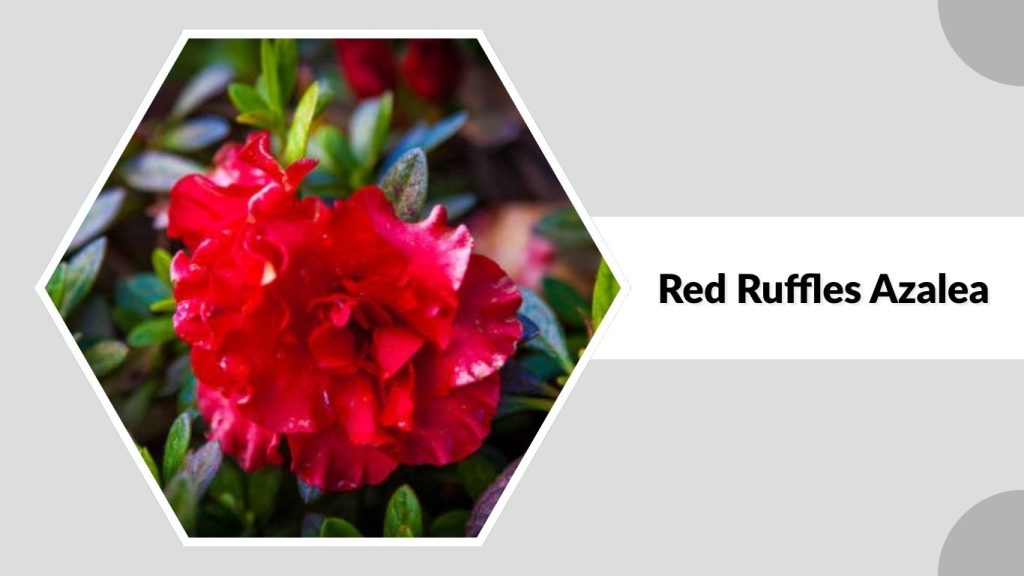
Red Ruffles Azalea is a striking evergreen azalea valued for its ruffled, vibrant red flowers and compact growth habit. It is ideal for gardens, borders, and container planting, adding a bold splash of color and ornamental appeal to landscapes.
Identification
- Small to medium evergreen shrub, typically 2–4 feet tall
- Leaves are glossy, dark green, and elliptical
- Flowers are funnel-shaped with ruffled edges, appearing in clusters with bright red shades
- Blooms in late spring and may continue intermittently into early summer
Habitat
Red Ruffles Azaleas prefer well-drained, acidic soils with partial shade. They thrive in temperate gardens, patios, and landscaped areas, performing best with protection from harsh sunlight and strong winds.
Flowering and Growth
The flowering season occurs in late spring, lasting several weeks. Light pruning after blooming encourages a bushy shape, denser foliage, and more abundant blooms in the following season.
Care Tips
Water regularly to maintain moist soil without waterlogging. Fertilize with acid-loving plant fertilizer during the growing season. Mulching helps retain soil moisture, suppress weeds, and protect roots from temperature extremes.
19. Pink Ruffles Azalea
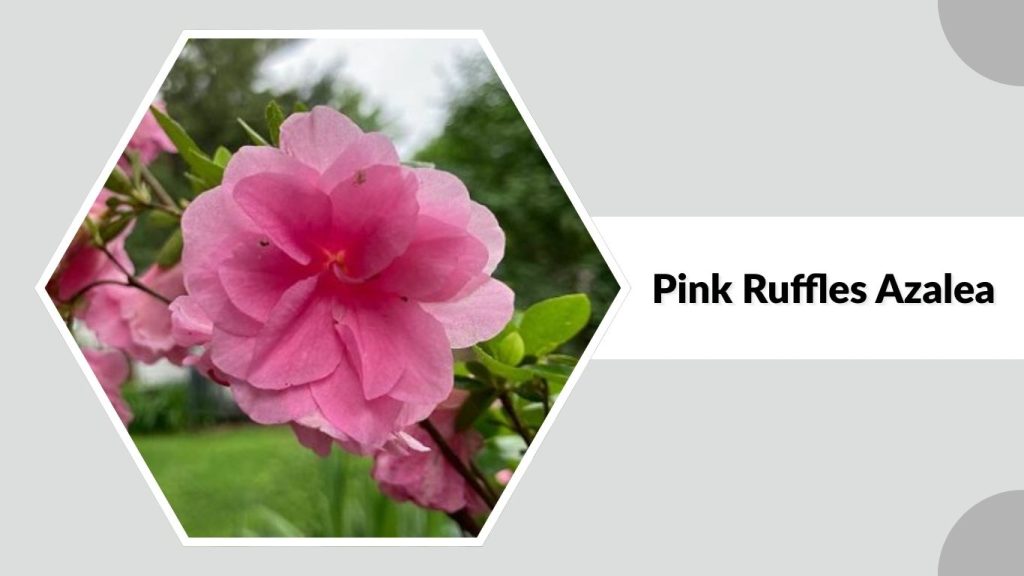
Pink Ruffles Azalea is an ornamental evergreen azalea known for its delicate pink, ruffled flowers and compact, bushy growth. It is widely used in gardens, borders, and container planting for its long-lasting blooms and vibrant spring color.
Identification
- Small to medium evergreen shrub, typically 2–4 feet tall
- Leaves are glossy, dark green, and elliptical
- Flowers are funnel-shaped with ruffled edges, appearing in clusters with soft pink shades
- Blooms in late spring and may continue intermittently into early summer
Habitat
Pink Ruffles Azaleas thrive in well-drained, acidic soils with partial shade. They are commonly grown in temperate gardens, patios, and landscaped areas, benefiting from protection against harsh winds and strong sunlight.
Flowering and Growth
The flowering season occurs in late spring, lasting several weeks. Pruning after flowering maintains a compact, bushy shape and encourages more prolific blooms in the next season.
Care Tips
Maintain consistent soil moisture without overwatering. Fertilize with acid-loving plant fertilizer during the growing season. Mulching helps conserve moisture, regulate soil temperature, and protect roots from environmental stress.
20. Rosebud Azalea
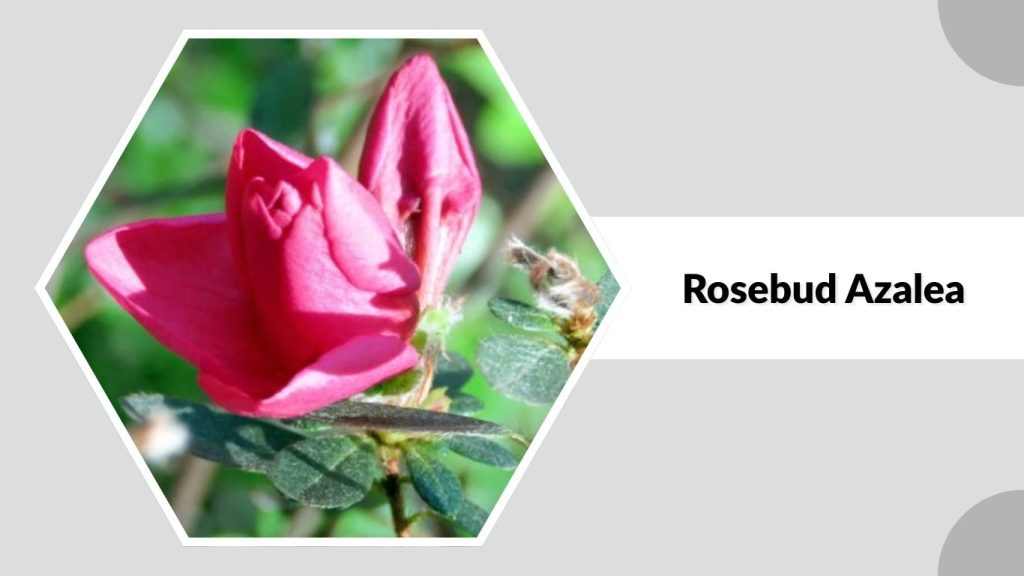
Rosebud Azalea is a charming evergreen azalea admired for its soft pink, rosebud-shaped flowers and compact growth. It is ideal for small gardens, borders, and container planting, adding elegance and color with its long-lasting blooms.
Identification
- Small to medium evergreen shrub, typically 2–3 feet tall
- Leaves are glossy, dark green, and elliptical
- Flowers are funnel-shaped, rosebud-like, appearing in clusters with shades of soft pink
- Blooms in late spring and may continue intermittently into early summer
Habitat
Rosebud Azaleas thrive in well-drained, acidic soils with partial shade. They are commonly grown in temperate gardens, patios, and container plantings, preferring protection from harsh afternoon sun and strong winds.
Flowering and Growth
The flowering season occurs in late spring, producing a dense display of rosebud-shaped flowers. Light pruning after blooming maintains a compact shape and encourages more prolific blooms in the next season.
Care Tips
Water regularly to keep soil consistently moist but not soggy. Fertilize with acid-loving plant fertilizer during the growing season. Mulching helps retain moisture, protect roots, and regulate soil temperature.
21. White Lights Azalea
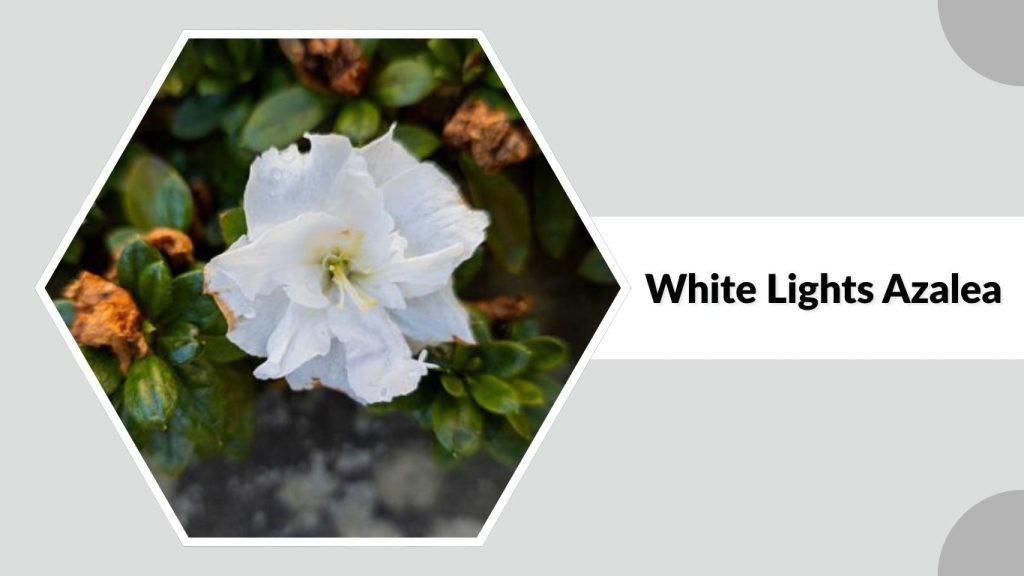
White Lights Azalea is an elegant evergreen azalea known for its pure white, fragrant flowers and compact growth habit. Its bright blooms make it ideal for borders, garden beds, and container planting, providing a classic and sophisticated look to any landscape.
Identification
- Small to medium evergreen shrub, typically 2–4 feet tall
- Leaves are glossy, dark green, and elliptical
- Flowers are funnel-shaped, appearing in clusters with pure white shades
- Blooms in late spring and may continue intermittently into early summer
Habitat
White Lights Azaleas thrive in well-drained, acidic soils with partial shade. They are commonly grown in temperate gardens, patios, and landscaped areas, performing best with protection from harsh winds and strong sunlight.
Flowering and Growth
The flowering season occurs in late spring, producing a dense display of bright white blooms. Pruning after flowering encourages a compact, bushy shape and promotes more prolific flowering the following season.
Care Tips
Maintain consistent soil moisture without waterlogging. Fertilize with acid-loving plant fertilizer during the growing season. Mulching helps conserve moisture, regulate soil temperature, and protect roots from environmental stress.
22. Southern Charm Azalea
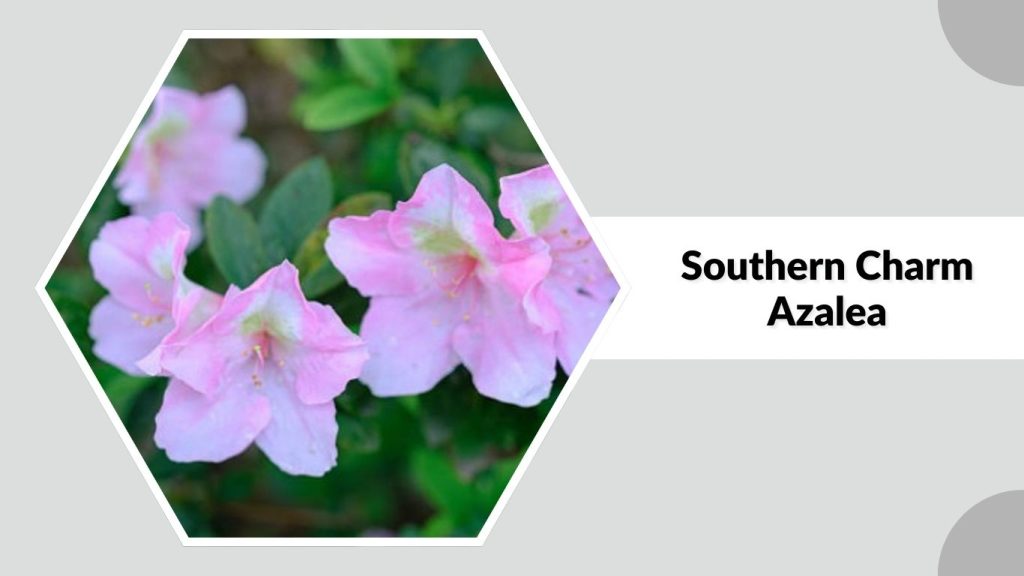
Southern Charm Azalea is a vibrant evergreen azalea prized for its profuse pink to coral-colored blooms and long flowering season. Its compact growth and ornamental appeal make it ideal for garden borders, patios, and container planting, adding charm and color throughout the year.
Identification
- Medium evergreen shrub, typically 3–4 feet tall
- Leaves are glossy, dark green, and elliptical
- Flowers are funnel-shaped, appearing in clusters with shades of pink, coral, and salmon
- Blooms multiple times a year, often in spring and autumn
Habitat
Southern Charm Azaleas thrive in well-drained, acidic soils with partial shade. They are commonly grown in temperate gardens, landscaped areas, and patios, performing best with protection from harsh winds and strong afternoon sun.
Flowering and Growth
The flowering season occurs in spring and may continue intermittently in autumn. Pruning after flowering maintains a compact shape, encourages bushy growth, and enhances flower production for the next season.
Care Tips
Water regularly to keep soil consistently moist but not soggy. Fertilize with acid-loving plant fertilizer during the growing season. Mulching helps retain soil moisture, regulate temperature, and protect roots from environmental stress.
23. Golden Lights Azalea
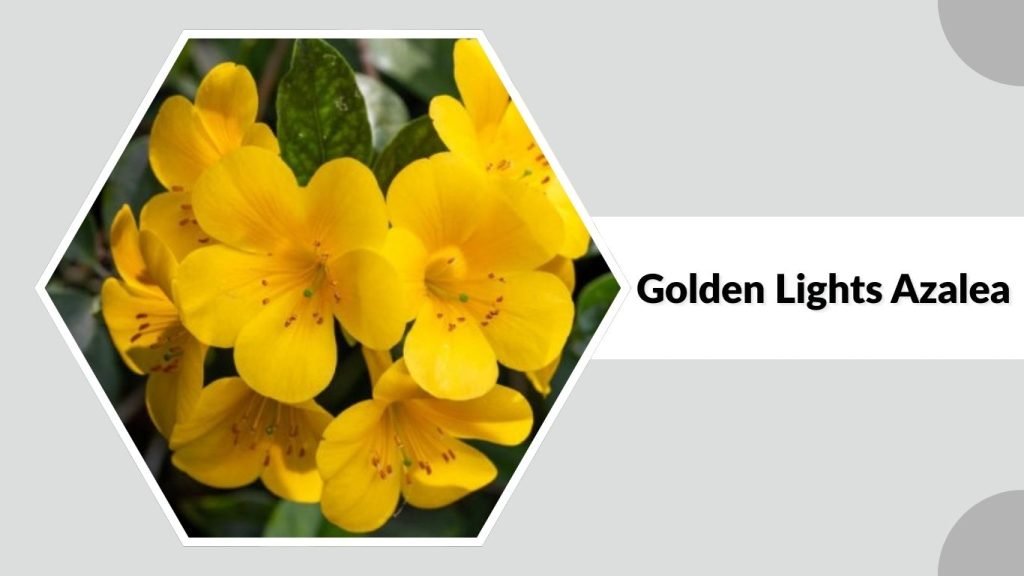
Golden Lights Azalea is an ornamental evergreen azalea known for its bright yellow flowers and compact growth. Its cheerful blooms make it a standout in gardens, borders, and container plantings, providing vibrant color and visual interest during the flowering season.
Identification
- Small to medium evergreen shrub, typically 2–4 feet tall
- Leaves are glossy, dark green, and elliptical
- Flowers are funnel-shaped, appearing in clusters with bright yellow shades
- Blooms in late spring and may continue intermittently into early summer
Habitat
Golden Lights Azaleas thrive in well-drained, acidic soils with partial shade. They are commonly grown in temperate gardens, patios, and landscaped areas, performing best with protection from harsh winds and direct afternoon sun.
Flowering and Growth
The flowering season occurs in late spring, producing a dense display of golden blooms. Light pruning after flowering maintains a compact, bushy shape and encourages more prolific flowering in the next season.
Care Tips
Water consistently to keep soil moist but not waterlogged. Fertilize with acid-loving plant fertilizer during the growing season. Mulching helps conserve soil moisture, regulate soil temperature, and protect roots from environmental stress.
24. Snow Azalea
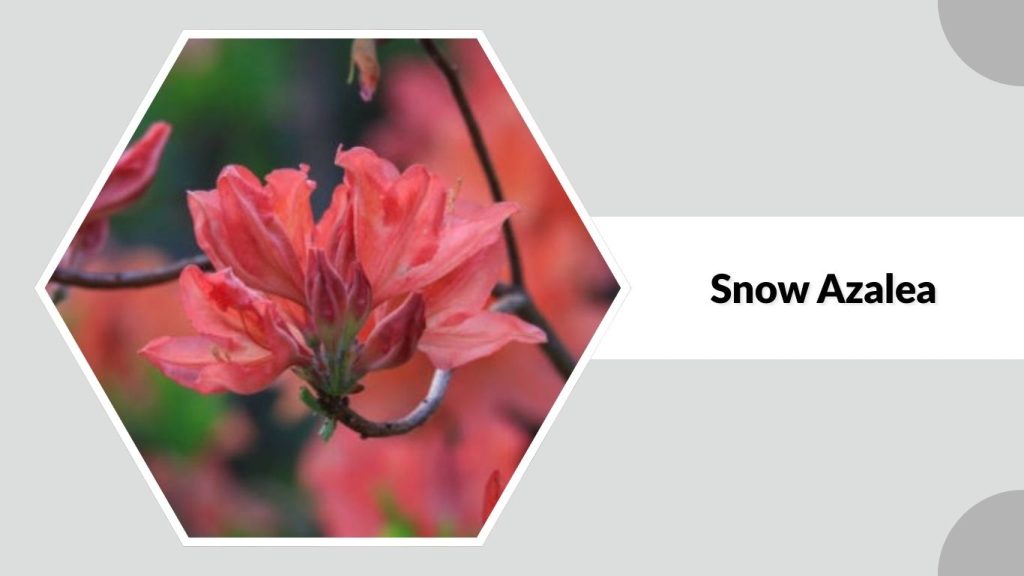
Snow Azalea is a beautiful evergreen azalea known for its pure white blooms and elegant appearance. Its compact growth and long-lasting flowers make it perfect for borders, garden beds, and container planting, adding a serene and classic touch to any landscape.
Identification
- Small to medium evergreen shrub, typically 2–4 feet tall
- Leaves are glossy, dark green, and elliptical
- Flowers are funnel-shaped, appearing in clusters with pure white shades
- Blooms in late spring and may continue intermittently into early summer
Habitat
Snow Azaleas thrive in well-drained, acidic soils with partial shade. They are commonly planted in temperate gardens, patios, and landscaped areas, preferring protection from harsh afternoon sun and strong winds.
Flowering and Growth
The flowering season occurs in late spring, producing a dense display of white blooms. Pruning after flowering maintains a compact, bushy shape and encourages more prolific flowering the following season.
Care Tips
Water regularly to keep soil consistently moist but not soggy. Fertilize with acid-loving plant fertilizer during the growing season. Mulching helps retain soil moisture, regulate temperature, and protect roots from environmental stress.
25. Purple Splendor Azalea
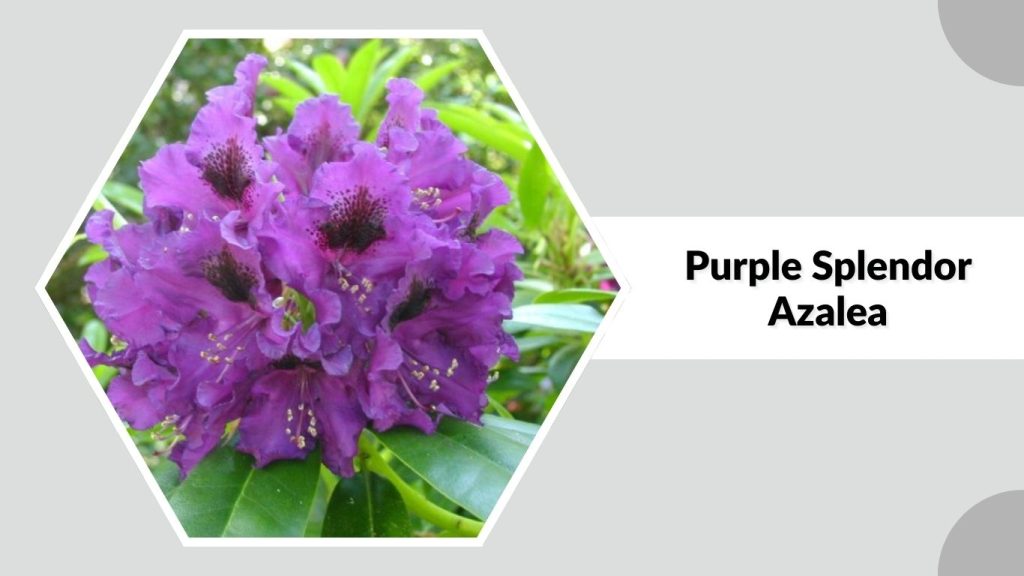
Purple Splendor Azalea is an ornamental evergreen azalea admired for its vibrant purple blooms and dense, bushy foliage. It is ideal for gardens, borders, and container planting, providing a striking splash of color and enhancing the aesthetic appeal of landscapes.
Identification
- Small to medium evergreen shrub, typically 2–4 feet tall
- Leaves are glossy, dark green, and elliptical
- Flowers are funnel-shaped, appearing in clusters with deep purple shades
- Blooms in late spring and may continue intermittently into early summer
Habitat
Purple Splendor Azaleas thrive in well-drained, acidic soils with partial shade. They perform well in temperate gardens, patios, and landscaped areas, benefiting from protection against harsh winds and strong afternoon sun.
Flowering and Growth
The flowering season occurs in late spring, producing dense clusters of purple blooms. Light pruning after flowering maintains a compact, bushy shape and encourages more prolific flowering in subsequent seasons.
Care Tips
Maintain consistent soil moisture without overwatering. Fertilize with acid-loving plant fertilizer during the growing season. Mulching helps retain soil moisture, regulate temperature, and protect roots from environmental stress.
FAQs
What is the best soil for Azalea plants?
Azaleas thrive in well-drained, acidic soils with a pH between 5.5 and 6.5. Adding organic matter like compost or peat moss improves soil structure, retains moisture, and provides essential nutrients, ensuring healthy foliage and abundant blooms.
How often should Azaleas be watered?
Azaleas require consistent watering, especially during dry periods. Keep the soil evenly moist but avoid waterlogging, as excessive moisture can damage roots and reduce flowering. Mulching helps maintain soil moisture.
When do Azaleas typically bloom?
Most azalea varieties bloom in spring, with some evergreen and hybrid types flowering again in summer or autumn. Blooming periods may vary based on the species and climate.
How can I prune Azaleas properly?
Prune azaleas lightly after flowering to maintain shape, encourage bushy growth, and promote more blooms next season. Avoid heavy pruning in late summer or fall, as this can remove next year’s flower buds.
Are Azaleas suitable for container planting?
Yes, many azalea varieties thrive in containers. Ensure the pot has good drainage, use acidic potting soil, and provide partial shade. Regular watering and fertilization will keep container-grown azaleas healthy and blooming.