





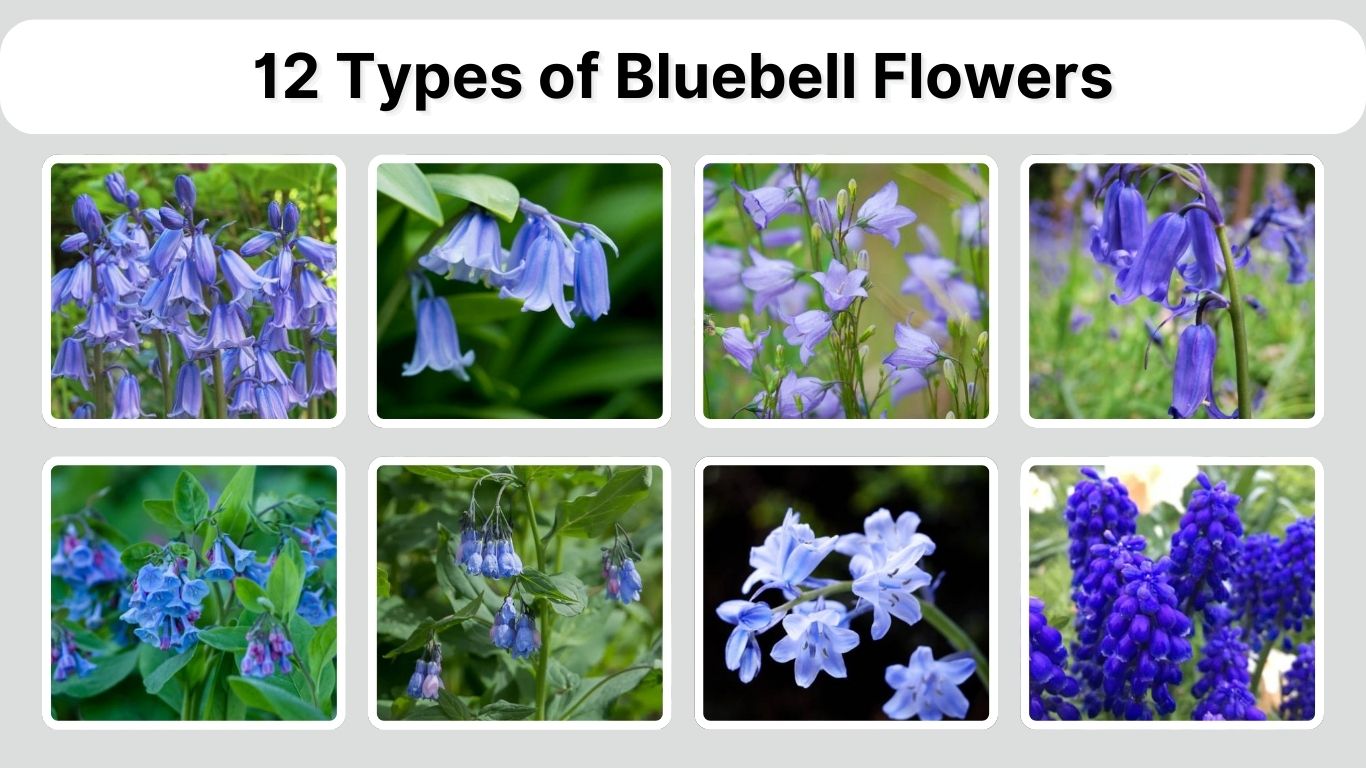
Bluebells are charming spring-blooming flowers known for their bell-shaped blooms and vibrant shades of blue, violet, and sometimes white. They are native to Europe and North America, with species like English Bluebell, Spanish Bluebell, and Virginia Bluebell creating stunning woodland carpets and garden displays. Bluebells not only add visual beauty but also support pollinators like bees and butterflies. From delicate Harebells to robust Giant Bluebells, each type has unique features, habitats, and blooming patterns that make them a favorite among gardeners and nature enthusiasts alike.
1. English Bluebell

English Bluebells are iconic woodland flowers native to the UK, known for their deep blue, bell-shaped blooms that carpet forest floors in spring. They thrive in shaded areas and are highly fragrant, attracting bees and other pollinators. Their delicate drooping flowers make them a symbol of the British countryside, and they play an important role in local ecosystems.
Identification
- Bell-shaped, deep blue flowers with narrow, slightly curled petals
- Slender, upright stems with multiple blooms
- Narrow, strap-like green leaves at the base
- Flowers typically droop to one side of the stem
Habitat & Distribution
English Bluebells are commonly found in deciduous woodlands, hedgerows, and shaded grassy areas. They prefer well-drained soils rich in humus and flourish in temperate climates, mainly across England, Scotland, and Wales.
Blooming Season
These bluebells typically bloom from late April to early June. Peak flowering usually occurs in May, creating dense carpets of blue in woodlands. They thrive in partial shade and avoid overly exposed areas.
Conservation & Threats
English Bluebells are protected in the UK due to hybridization with Spanish Bluebells and habitat loss. Conservation efforts focus on preserving native populations and preventing cross-breeding with non-native species.
2. Spanish Bluebell

Spanish Bluebells are native to the Iberian Peninsula and are widely grown as ornamental plants. They are taller and more robust than English Bluebells, with broader leaves and larger, paler blue or violet flowers. These flowers are highly adaptable and often escape into gardens and woodlands, sometimes hybridizing with native English Bluebells.
Identification
- Upright, robust stems with multiple bell-shaped flowers
- Pale blue to violet petals, often less fragrant than English Bluebells
- Wider, strap-like green leaves
- Flowers may face in all directions rather than drooping to one side
Habitat & Distribution
Spanish Bluebells are common in gardens across Europe and North America. They can escape cultivation and establish in shaded woodlands, sometimes outcompeting native species due to their vigorous growth.
Blooming Season
They bloom from April to May, slightly earlier than some English Bluebell populations, producing vibrant displays that last several weeks.
Impact & Management
Spanish Bluebells can hybridize with English Bluebells, threatening the genetic purity of native populations. Gardeners are encouraged to monitor plantings and prevent spreading into wild areas.
3. Scottish Bluebell
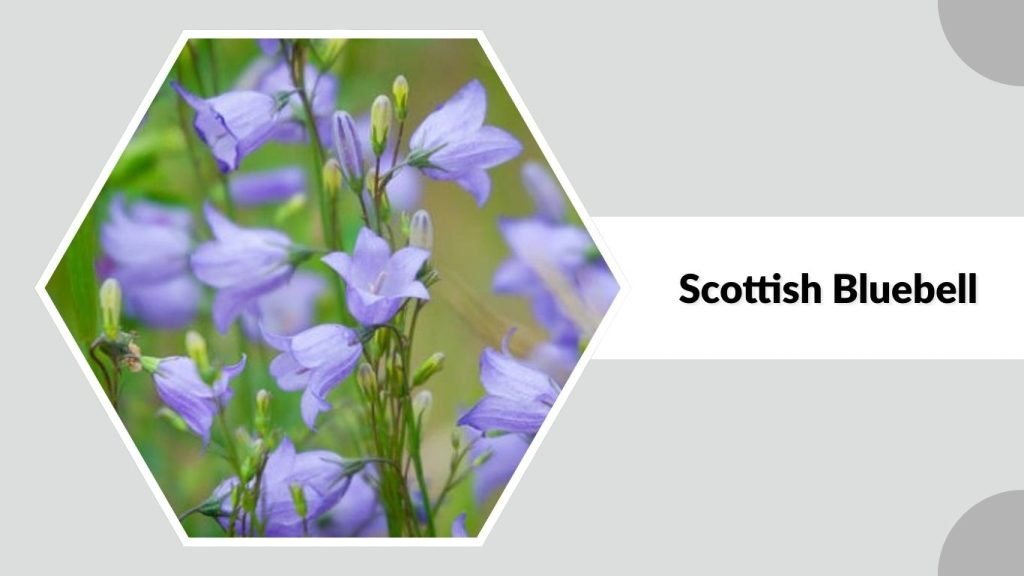
Scottish Bluebells are a native variety found primarily in the woodlands of Scotland. They are closely related to English Bluebells but are usually more slender with slightly paler blue flowers. These bluebells often grow in clusters, creating picturesque woodland carpets in spring. Their delicate appearance and subtle fragrance make them a favorite among botanists and gardeners alike.
Identification
- Slender stems with narrow, bell-shaped blue flowers
- Flowers droop gently to one side of the stem
- Narrow green, strap-like basal leaves
- Slightly paler blue petals compared to English Bluebells
Habitat & Distribution
Scottish Bluebells thrive in shaded woodlands, forest edges, and damp meadows. They prefer well-drained, humus-rich soil and are mostly found in northern and western regions of Scotland.
Blooming Season
They typically bloom from late April to mid-May, with peak flowering creating dense carpets of blue across Scottish forests.
Conservation & Significance
Scottish Bluebells are valued for their ecological role, supporting pollinators like bees and butterflies. Conservation efforts focus on protecting native habitats and preventing hybridization with non-native species.
4. Welsh Bluebell

Welsh Bluebells are native to Wales and surrounding regions, known for their strikingly deep blue, pendulous flowers. They are similar in appearance to English Bluebells but often exhibit more intense coloration. These flowers thrive in shaded woodlands and are an important part of local biodiversity, attracting pollinators and adding vibrant color to forest floors during spring.
Identification
- Deep blue, bell-shaped flowers that droop to one side
- Slender, upright stems with multiple blooms
- Narrow, strap-like green leaves at the base
- Highly fragrant, especially during peak bloom
Habitat & Distribution
Welsh Bluebells prefer deciduous woodlands, shaded valleys, and hedgerows with moist, well-drained soil. They are primarily found in Wales but also occur in neighboring parts of England.
Blooming Season
These bluebells bloom from late April to early June. Peak flowering creates dense blue carpets in woodland areas, which are popular for nature walks and photography.
Conservation & Threats
Welsh Bluebells face threats from habitat loss and hybridization with Spanish Bluebells. Conservation efforts include habitat protection and controlling the spread of non-native species to maintain genetic purity.
5. Virginia Bluebell
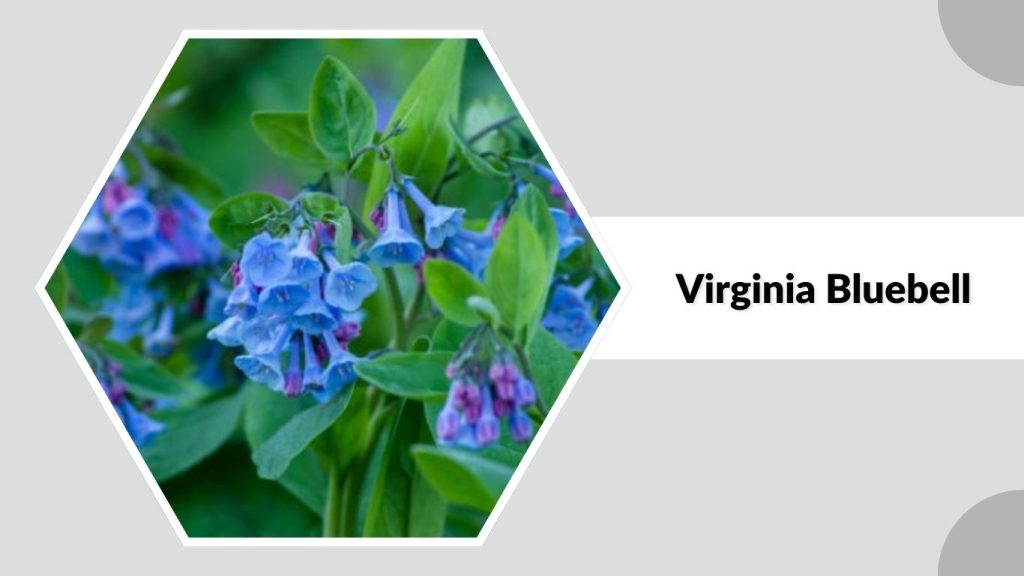
Virginia Bluebells are native to North America and are prized for their vibrant blue, bell-shaped flowers that emerge in early spring. Unlike the European varieties, they have a more rounded flower shape and grow in clusters along woodland streams and moist meadows. These perennial plants are important for early-season pollinators and are widely used in gardens for naturalized spring displays.
Identification
- Rounded, tubular blue flowers, often fading to pink as they age
- Clustered blooms on arching stems
- Large, ovate green leaves forming a basal rosette
- Smooth, hairless stems and leaves
Habitat & Distribution
Virginia Bluebells thrive in moist woodlands, floodplains, and shaded garden areas. They are commonly found across the eastern United States, from Ohio to Georgia.
Blooming Season
They bloom from March to May, with peak flowering in mid-April. The flowers last several weeks, creating spectacular blue displays in shaded areas.
Garden Use & Benefits
Virginia Bluebells attract bees, butterflies, and hummingbirds. They are low-maintenance perennials that naturalize easily and can create beautiful spring ground covers in woodland gardens.
6. Giant Bluebell
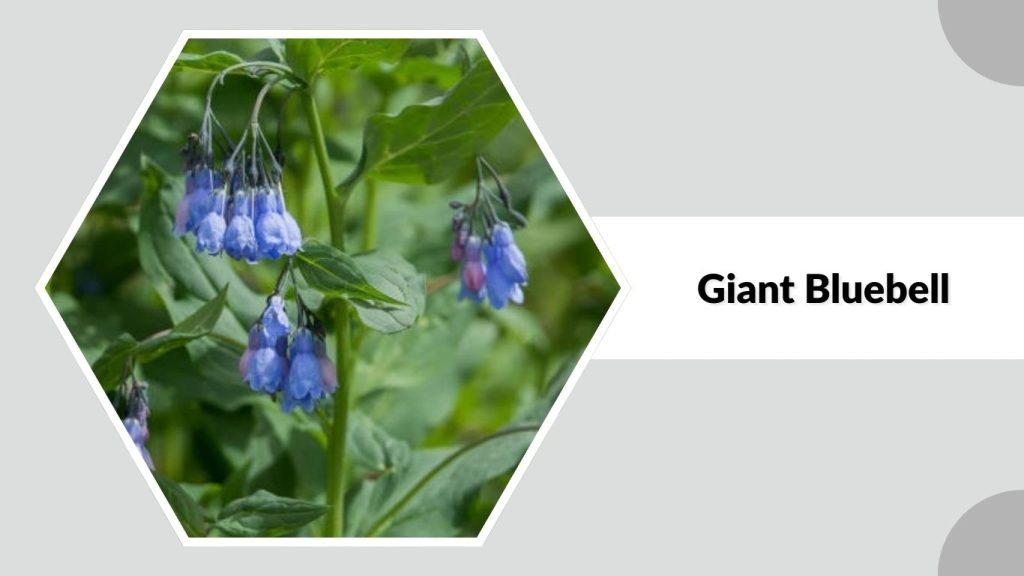
Giant Bluebells are notable for their taller stature and larger flowers compared to other bluebell species. Native to certain parts of Europe, they are often grown as ornamental plants in gardens and parks. Their striking, deep blue flowers and robust growth make them a standout species, adding dramatic color to woodland edges and landscaped areas.
Identification
- Tall, upright stems with large, bell-shaped blue flowers
- Drooping flowers with slightly curled petals
- Broad, strap-like green leaves at the base
- Flowers often appear in clusters of 10–20 per stem
Habitat & Distribution
Giant Bluebells prefer temperate woodlands, shaded meadows, and garden borders. They are commonly found in northern and western Europe, thriving in humus-rich, well-drained soils.
Blooming Season
They typically bloom from late April to early June, producing long-lasting floral displays that attract bees and other pollinators.
Ornamental Use & Care
Giant Bluebells are popular in gardens for their impressive height and vivid color. They require partial shade, regular watering, and well-drained soil to flourish.
7. Hybrid Bluebell
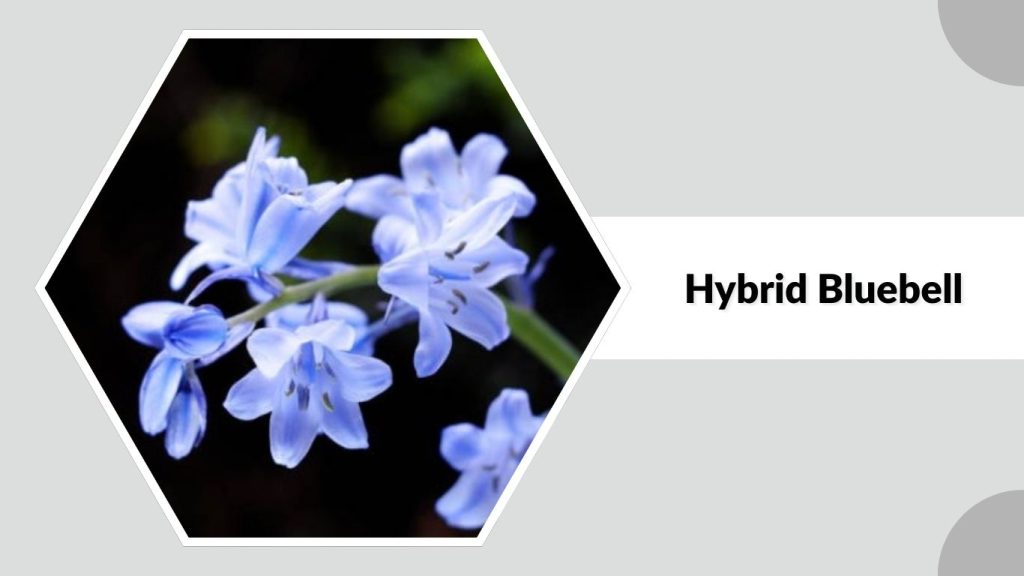
Hybrid Bluebells are the result of crossbreeding between native English Bluebells and non-native Spanish Bluebells. They often exhibit characteristics of both parent species, such as varying shades of blue and slightly larger flowers. Hybrids are commonly found in gardens and sometimes escape into the wild, posing a threat to the genetic purity of native bluebells.
Identification
- Bell-shaped flowers, often lighter blue or violet
- Upright stems with flowers facing in multiple directions
- Leaves wider than English Bluebells but narrower than Spanish Bluebells
- Flowers may have less fragrance than pure English Bluebells
Habitat & Distribution
Hybrid Bluebells are commonly found in gardens, parks, and occasionally in woodlands where native and Spanish Bluebells overlap. They are widespread across the UK and Europe.
Blooming Season
They bloom from April to May, with flowers lasting several weeks. Peak flowering can sometimes coincide with both parent species, leading to mixed floral displays.
Impact & Management
Hybrids can crossbreed with native English Bluebells, threatening their survival. Conservation efforts focus on preventing hybrid spread and encouraging planting of pure native varieties.
8. Atlantic Bluebell
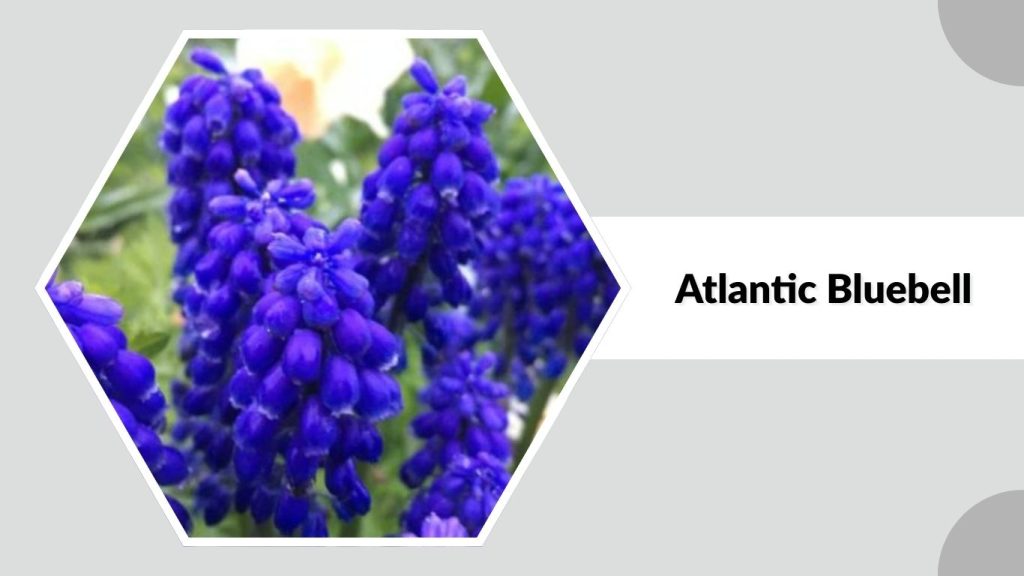
Atlantic Bluebells are native to the coastal regions of western Europe, particularly along the Atlantic seaboard. They are adapted to milder, wetter climates and often grow in damp woodlands and hedgerows. Their vibrant blue, bell-shaped flowers create striking displays in spring, and they are valued both ecologically and ornamentally.
Identification
- Deep blue, pendulous bell-shaped flowers
- Slender stems with multiple blooms
- Narrow, strap-like green leaves forming a basal cluster
- Flowers typically droop to one side of the stem
Habitat & Distribution
Atlantic Bluebells thrive in moist, shaded woodlands, hedgerows, and coastal meadows. They are primarily found in Ireland, western Scotland, and parts of France and Spain along the Atlantic coast.
Blooming Season
They bloom from late April to early June. Peak flowering produces dense blue carpets that enhance woodland landscapes and support pollinators.
Ecological Importance
Atlantic Bluebells provide nectar for bees, butterflies, and other insects. Their presence indicates healthy woodland ecosystems and they contribute to biodiversity in coastal habitats.
9. Spanish Hybrid Bluebell
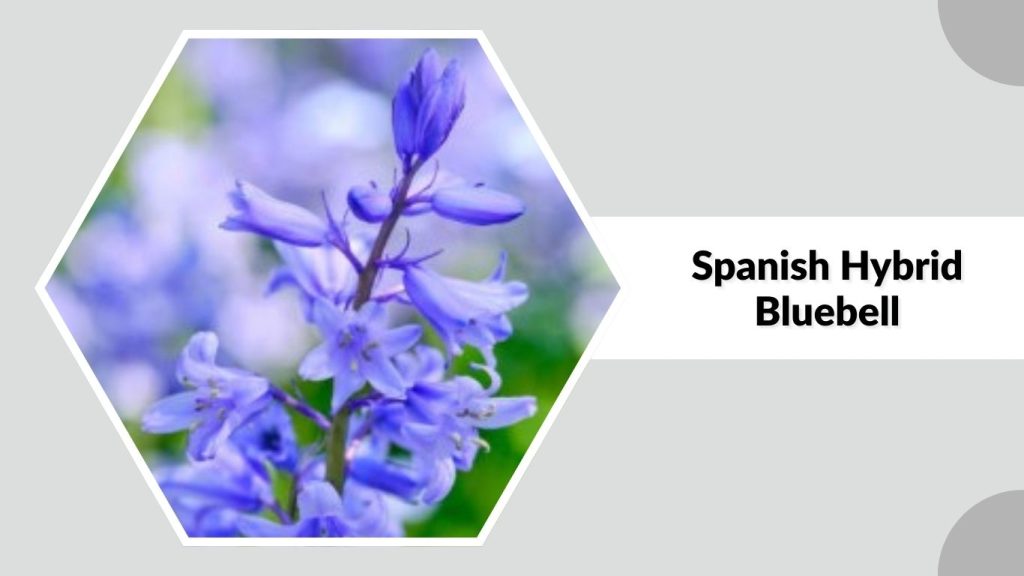
Spanish Hybrid Bluebells are the result of crossbreeding between Spanish Bluebells and native English or Scottish Bluebells. They are often taller and more vigorous than native species, with flowers that may face in multiple directions. These hybrids are increasingly common in gardens and sometimes escape into woodlands, where they can compete with native bluebells.
Identification
- Bell-shaped flowers in pale blue to violet shades
- Upright, robust stems with multiple blooms
- Leaves wider than native English Bluebells
- Flowers may lack strong fragrance compared to native varieties
Habitat & Distribution
Spanish Hybrid Bluebells thrive in gardens, parks, and occasionally woodlands where native and Spanish Bluebells coexist. They are common across the UK, especially in areas where Spanish Bluebells have been introduced.
Blooming Season
They bloom from April to May, producing long-lasting flowers. Peak flowering often overlaps with native species, leading to mixed displays of bluebells.
Impact on Native Species
These hybrids can crossbreed with English and Scottish Bluebells, threatening the genetic integrity of native populations. Conservation measures include planting native bluebells and controlling hybrid spread.
10. Campanula rotundifolia (Harebell)
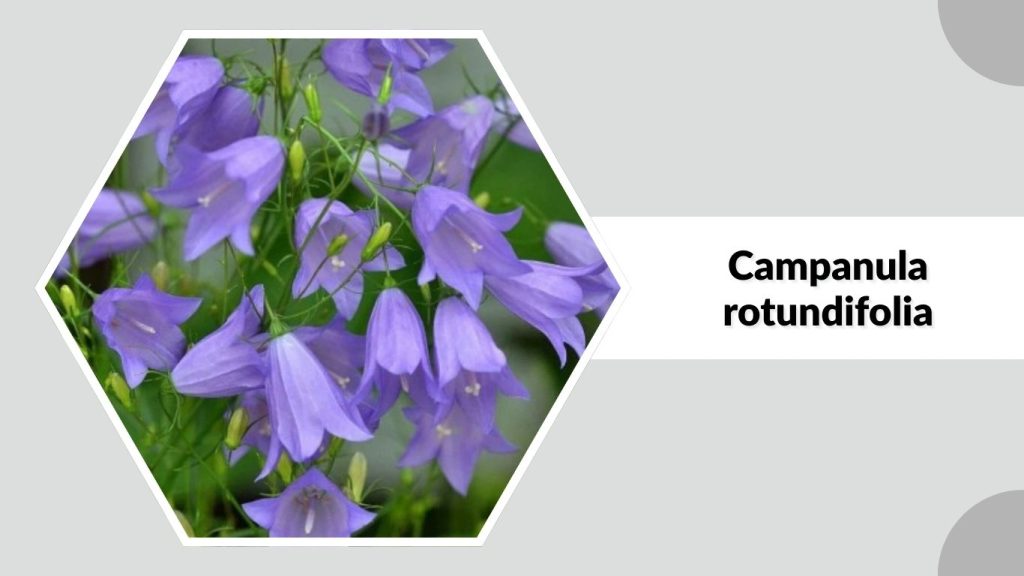
Campanula rotundifolia, commonly known as Harebell, is a delicate bluebell-like flower native to Europe and North America. Unlike typical bluebells, Harebells have thin, wiry stems and small, nodding, bell-shaped flowers that sway in the wind. They are often found in meadows, grasslands, and rocky areas, adding subtle beauty to natural landscapes.
Identification
- Small, nodding, bell-shaped blue flowers
- Thin, wiry stems with few leaves along the stem
- Round or lance-shaped basal leaves
- Flowers are typically light blue and delicate
Habitat & Distribution
Harebells thrive in dry meadows, grassy slopes, coastal cliffs, and rocky terrains. They are widespread across Europe, North America, and parts of Asia, often favoring open, sunny areas.
Blooming Season
They bloom from June to September, producing long-lasting delicate blue flowers that attract bees, butterflies, and other pollinators.
Garden & Ecological Use
Harebells are valued for rock gardens and wildflower meadows. They support pollinators and are drought-tolerant, making them ideal for low-maintenance naturalized planting.
11. Hyacinthoides non-scripta
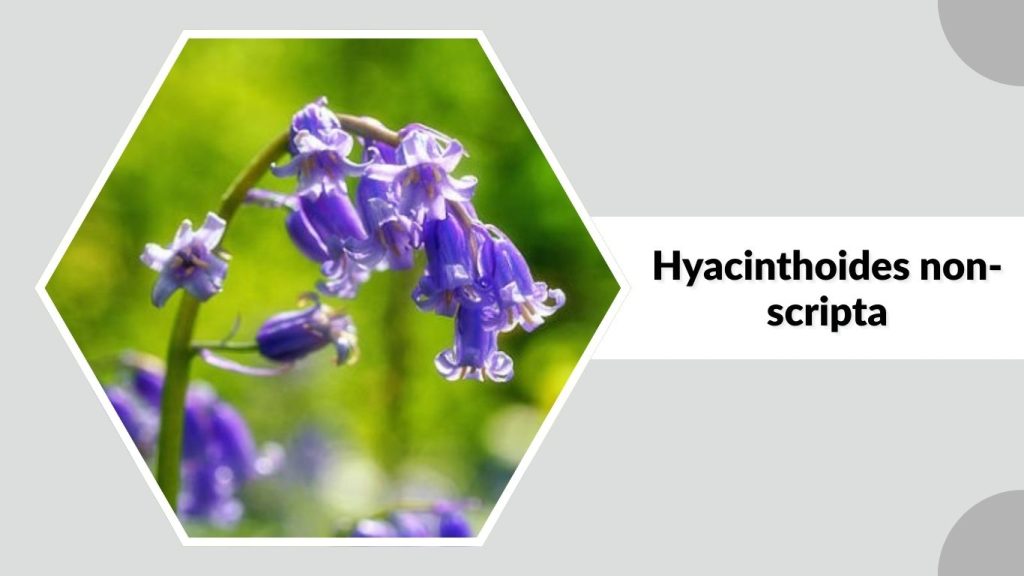
Hyacinthoides non-scripta, commonly known as the True English Bluebell, is a classic bluebell species native to the British Isles. It is famous for its deep violet-blue, fragrant, bell-shaped flowers that droop elegantly to one side. This species is a key feature of ancient woodlands, forming dense carpets that are visually stunning in spring.
Identification
- Deep violet-blue, pendulous bell-shaped flowers
- Slender, upright stems with multiple blooms
- Narrow, strap-like green leaves at the base
- Highly fragrant flowers, usually drooping to one side
Habitat & Distribution
Hyacinthoides non-scripta thrives in shaded woodlands, hedgerows, and damp meadows. It is native to the UK, particularly England, Wales, and parts of Scotland, favoring nutrient-rich, well-drained soils.
Blooming Season
They bloom from late April to early June, creating dense, vibrant carpets of blue in woodlands. Peak flowering typically occurs in May.
Conservation & Importance
This species is protected due to its cultural and ecological value. Conservation efforts aim to prevent hybridization with Spanish Bluebells and preserve native woodland habitats.
12. Hyacinthoides hispanica
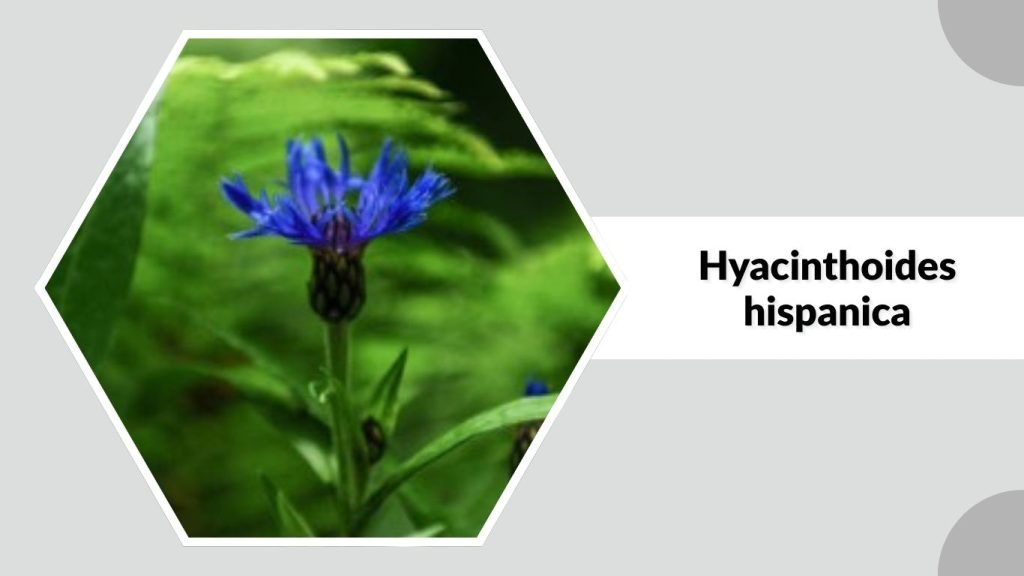
Hyacinthoides hispanica, commonly called the Spanish Bluebell, is native to the Iberian Peninsula and widely cultivated across Europe. It is taller and more robust than the native English Bluebell, with pale blue, violet, or white bell-shaped flowers. This species is popular in gardens but can escape into the wild, sometimes hybridizing with native bluebells.
Identification
- Upright, sturdy stems with multiple bell-shaped flowers
- Pale blue to violet flowers, often facing in all directions
- Broad, strap-like green leaves
- Less fragrant compared to English Bluebells
Habitat & Distribution
Spanish Bluebells thrive in gardens, parks, and occasionally in woodlands where they escape cultivation. They are widespread across Europe and parts of North America.
Blooming Season
They bloom from April to May, producing flowers that last several weeks. Peak flowering often overlaps with native species, sometimes creating hybrid populations.
Impact & Management
While ornamental, Spanish Bluebells can hybridize with English Bluebells, threatening native populations. Gardeners are encouraged to plant native varieties and manage the spread of non-native species to preserve local ecosystems.
FAQs
What is the difference between English and Spanish Bluebells?
English Bluebells are native to the UK, with deep blue, fragrant, drooping flowers, while Spanish Bluebells are taller, more robust, with pale blue or violet flowers that often face in multiple directions and are less fragrant.
When do Bluebells typically bloom?
Most Bluebell species bloom between April and June, depending on the variety and climate. Peak flowering usually occurs in May for European types and mid-April for Virginia Bluebells.
Can Bluebells hybridize?
Yes, native English and Scottish Bluebells can hybridize with non-native Spanish Bluebells, creating hybrid Bluebells that may threaten the genetic purity of native populations.
Where do Bluebells grow best?
Bluebells thrive in shaded woodlands, hedgerows, and damp meadows with well-drained, humus-rich soil. Some species, like Harebells, prefer sunny, rocky, or open meadows.
Are Bluebells harmful to humans or pets?
Bluebells are mildly toxic if ingested, causing stomach upset in humans or pets. Handling them is generally safe, but ingestion should be avoided, especially for children and animals.