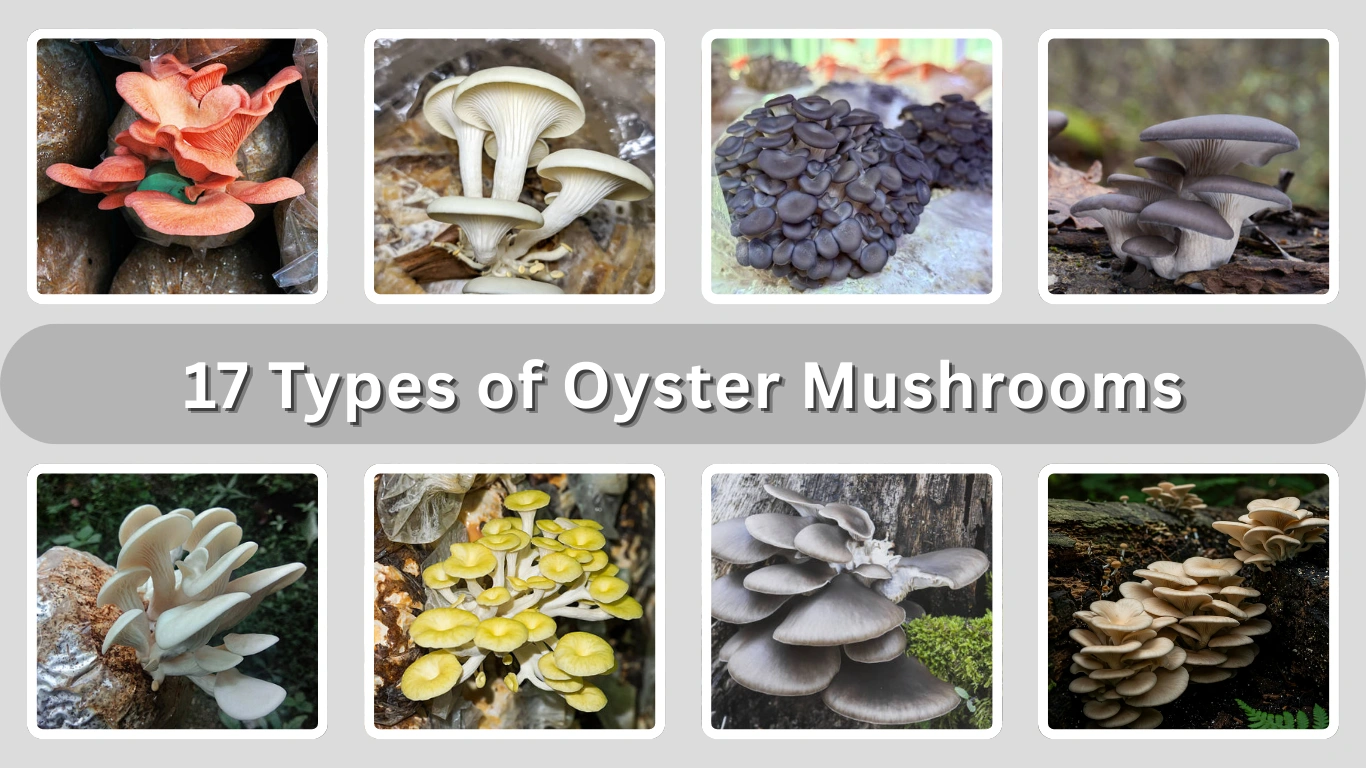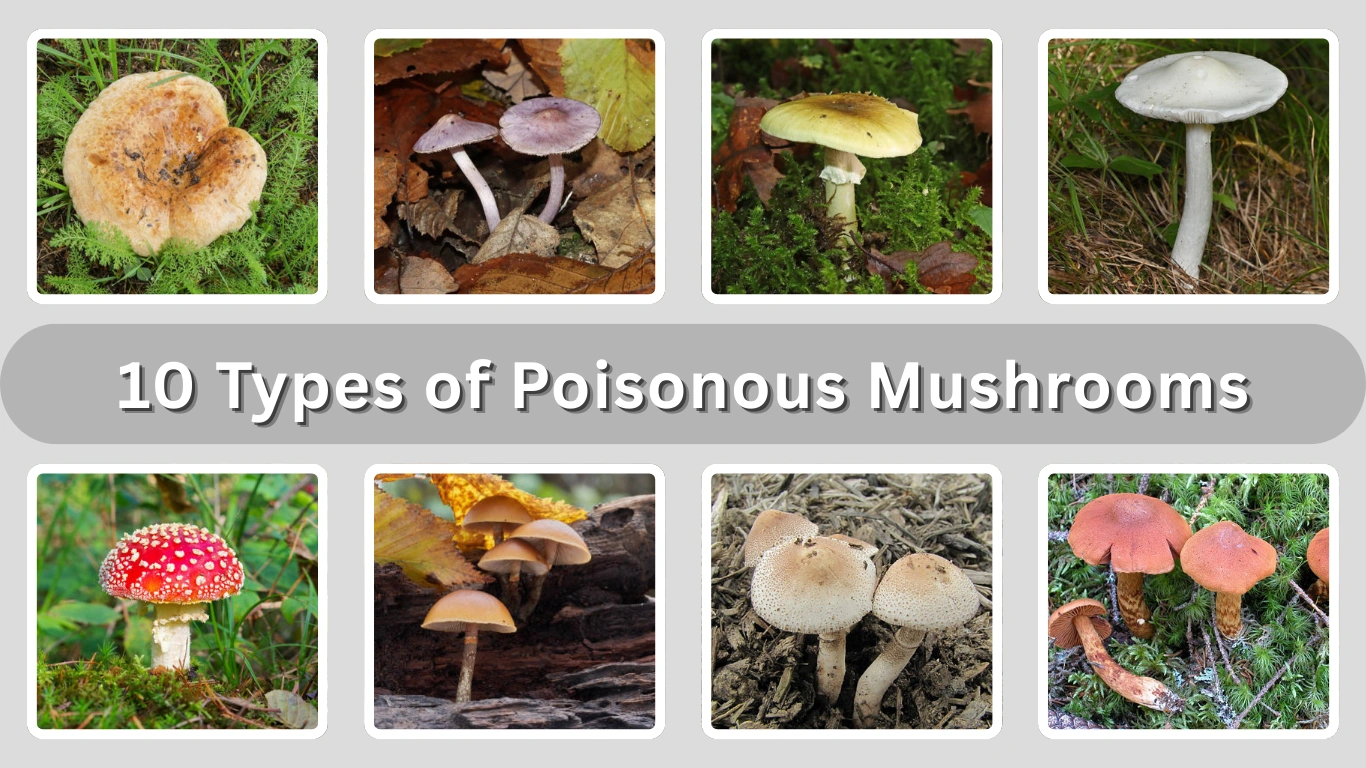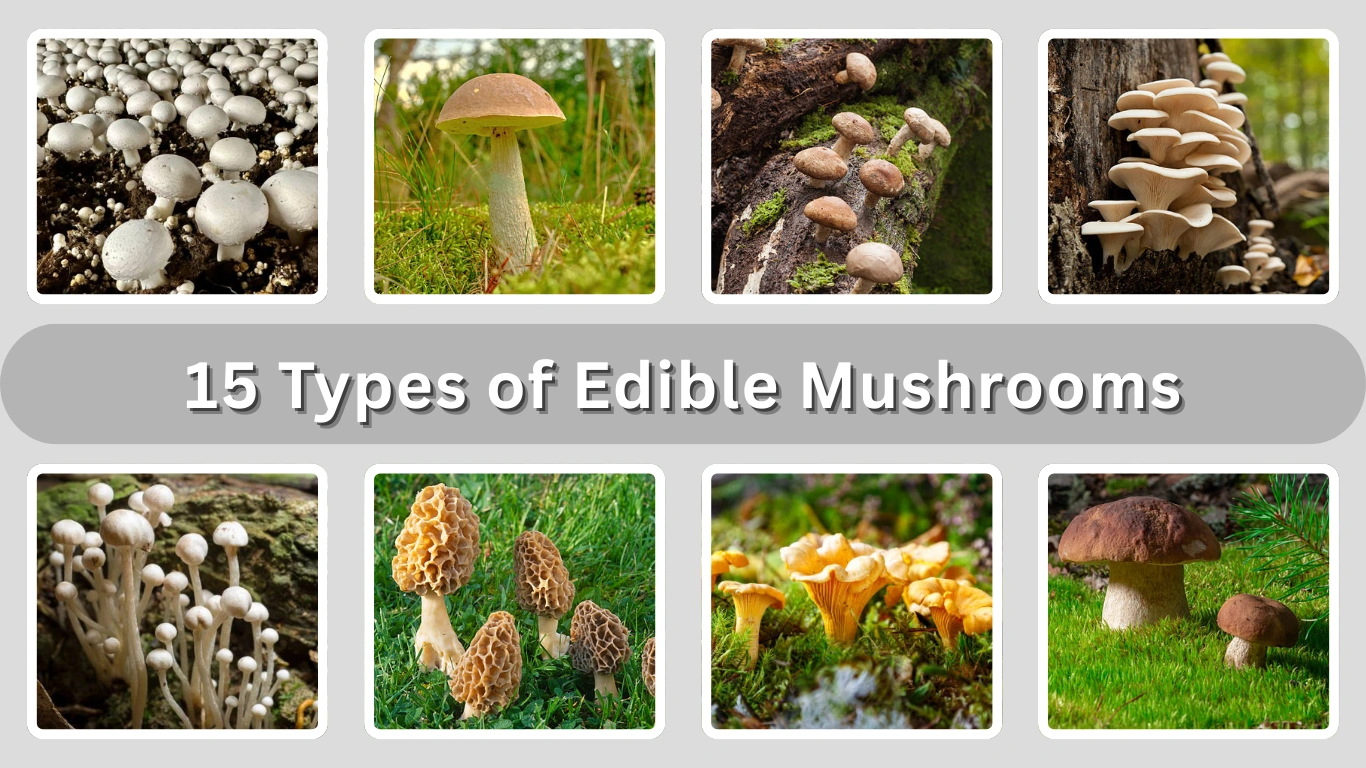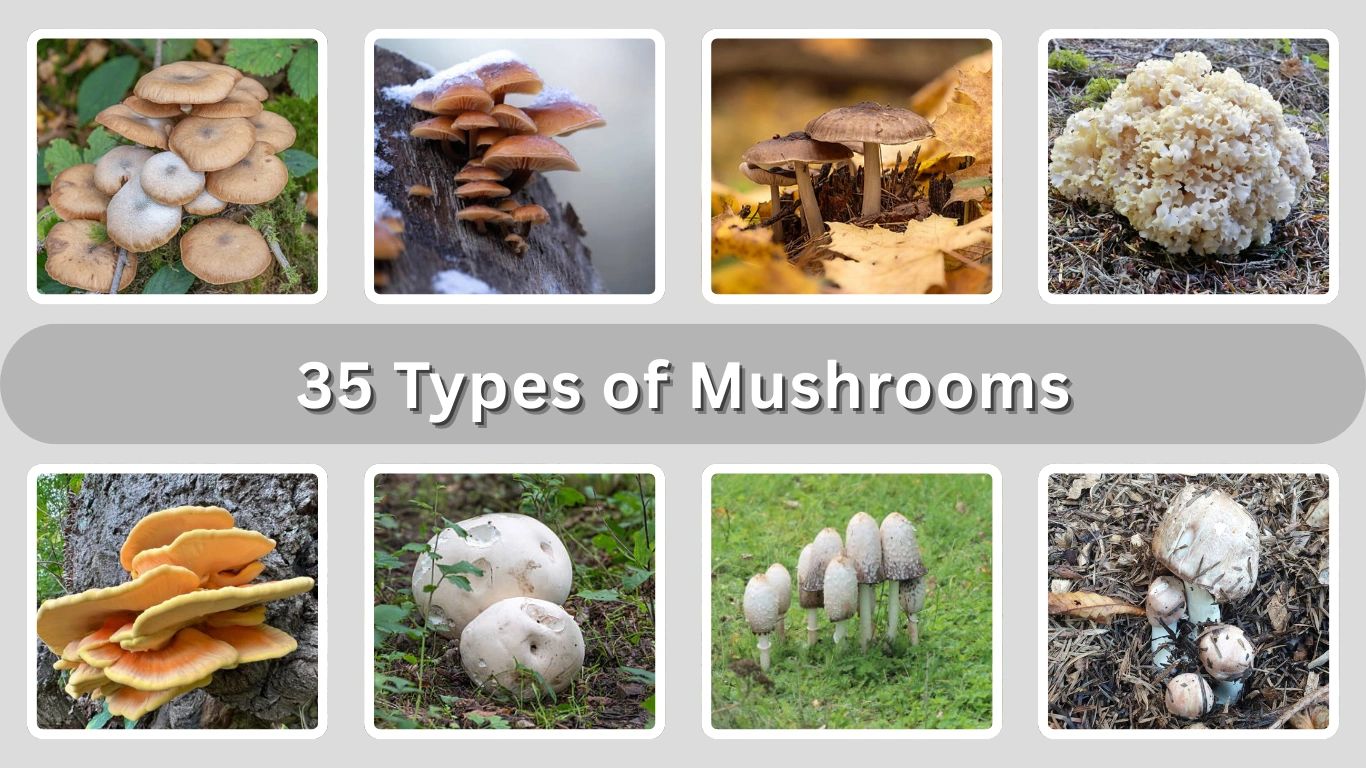




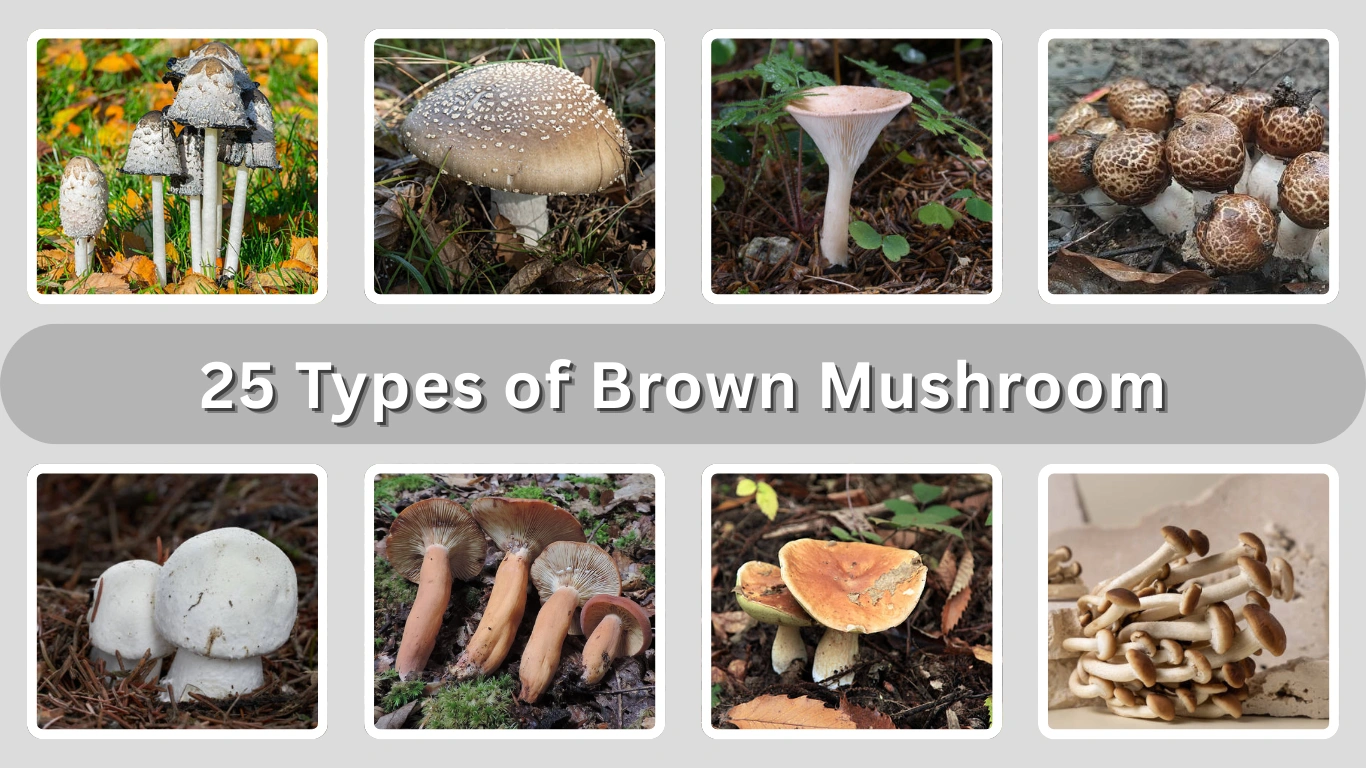
Brown mushrooms are a versatile and popular group of fungi known for their earthy flavor, firm texture, and culinary versatility. From the everyday Cremini and Portobello to exotic varieties like Matsutake and King Bolete, these mushrooms are used in a wide range of dishes, including soups, sautés, stews, and stir-fries. Some brown mushrooms grow in the wild, while others are cultivated for commercial use. Their rich color, distinct shapes, and nutritional benefits make them a favorite choice for chefs and home cooks alike.
1. Cremini Mushroom

Cremini mushrooms, also known as baby bella mushrooms, are a popular brown mushroom variety. They have a firm texture and a slightly nutty flavor, making them versatile for cooking. Cremini mushrooms are the immature version of the portobello mushroom and are commonly used in sautés, soups, and pasta dishes. Their rich brown color distinguishes them from white button mushrooms.
Identification
- Small to medium size with a rounded brown cap
- Firm, dense flesh
- Light to dark brown color
- Short, thick stem
Habitat
Cremini mushrooms are cultivated worldwide and typically grown in controlled environments. They thrive in composted soil and are often found in grocery stores rather than the wild.
Diet
Cremini mushrooms feed on decomposing organic matter. In cultivation, they grow on nutrient-rich compost made from straw, manure, and other organic materials.
Lifespan
Fresh cremini mushrooms can last up to 7–10 days when stored in a cool, dry place or in the refrigerator. They are best consumed within a few days of harvest for optimal flavor and texture.
2. Portobello Mushroom
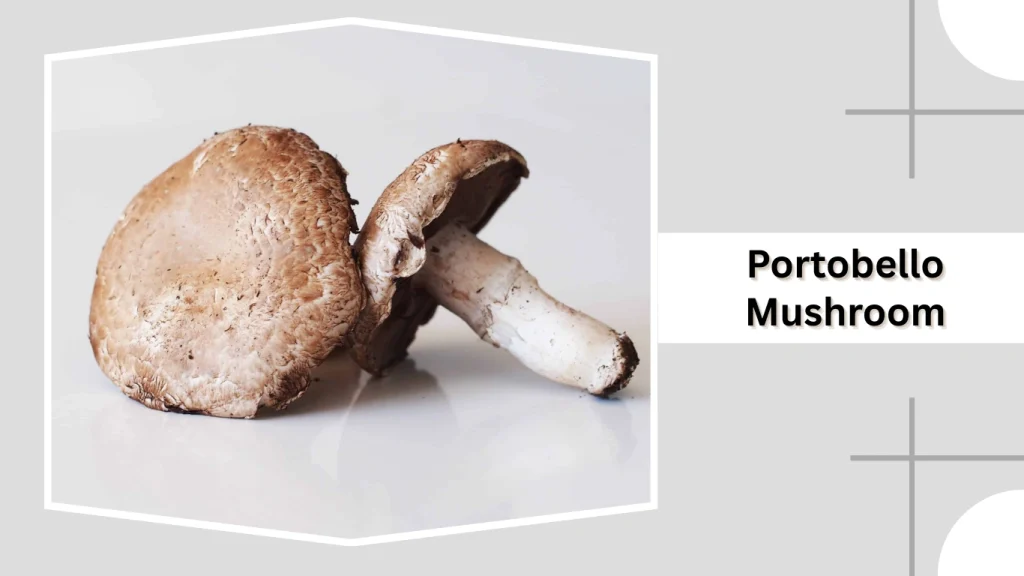
Portobello mushrooms are the mature form of cremini mushrooms, known for their large, meaty caps and robust flavor. They are widely used as a meat substitute in vegetarian dishes due to their hearty texture. Portobellos are perfect for grilling, roasting, or stuffing and are a favorite in sandwiches and burgers. Their deep brown color and large size make them easy to identify.
Identification
- Large, flat, dark brown cap
- Thick, meaty flesh
- Exposed gills underneath the cap
- Short, sturdy stem
Habitat
Portobello mushrooms are cultivated in controlled environments using nutrient-rich compost. While rarely found in the wild, they thrive in shaded, moist conditions.
Diet
These mushrooms feed on decomposing organic matter. In cultivation, they grow on compost made from straw, manure, and other organic substrates.
Lifespan
Fresh portobello mushrooms last up to 7–10 days in the refrigerator. Their flavor and texture are best within a few days after harvest.
3. Shiitake Mushroom
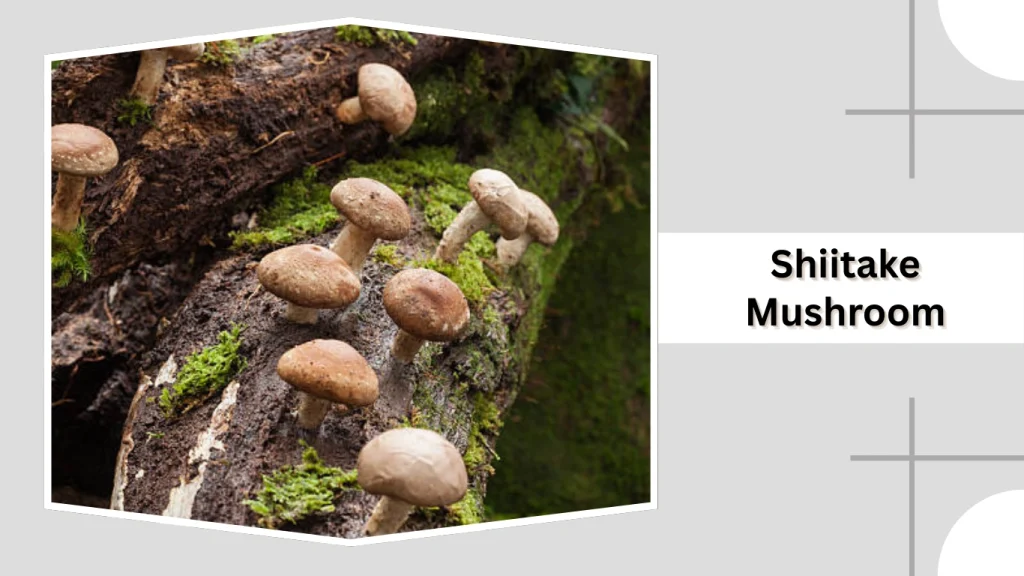
Shiitake mushrooms are a highly prized brown mushroom variety native to East Asia. Known for their rich, savory flavor and slightly chewy texture, they are widely used in Asian cuisine, including soups, stir-fries, and sauces. Shiitake mushrooms are also valued for their medicinal properties, including immune-boosting compounds. They grow naturally on decaying hardwood trees but are also cultivated worldwide.
Identification
- Brown, convex cap with slightly curled edges
- Firm, fleshy texture
- White to light-brown gills underneath
- Short, thick stem
Habitat
Shiitake mushrooms naturally grow on dead or decaying hardwood trees, especially oak. They are cultivated on logs or sawdust blocks under shaded, humid conditions.
Diet
Shiitake mushrooms feed on decomposing wood, extracting nutrients from lignin and cellulose. Cultivated shiitakes rely on nutrient-rich sawdust or hardwood logs.
Lifespan
Fresh shiitake mushrooms last around 5–7 days in the refrigerator. Dried shiitakes can be stored for several months and rehydrated when needed for cooking.
4. Chestnut Mushroom
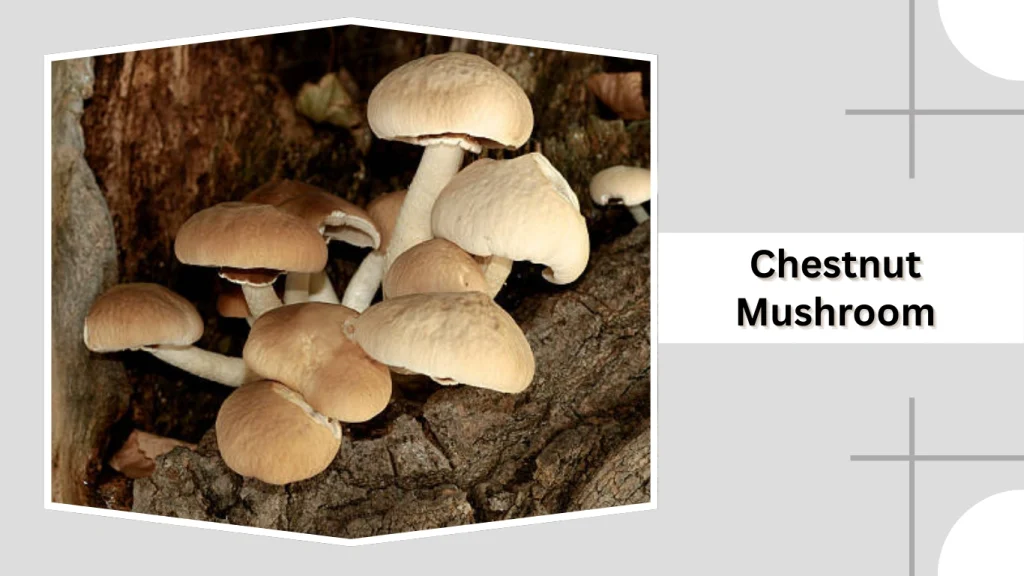
Chestnut mushrooms are a popular brown mushroom variety, similar in taste and texture to cremini mushrooms but with a slightly nutty flavor. They are versatile in cooking, perfect for sautés, soups, and pasta dishes. Chestnut mushrooms have a smooth, brown cap and firm flesh, making them easy to identify and widely used in both home kitchens and restaurants.
Identification
- Medium-sized, rounded brown cap
- Smooth surface with a firm texture
- White to light-brown gills underneath
- Short, thick stem
Habitat
Chestnut mushrooms are primarily cultivated in controlled environments but can also be found growing on composted soil. They thrive in cool, shaded, and humid conditions.
Diet
These mushrooms feed on decomposing organic matter. In cultivation, they grow on nutrient-rich compost made from straw, manure, and other organic materials.
Lifespan
Fresh chestnut mushrooms can last up to 7–10 days in the refrigerator. For optimal taste and texture, they are best consumed within a few days after purchase.
5. Beech Mushroom (Brown Variety)
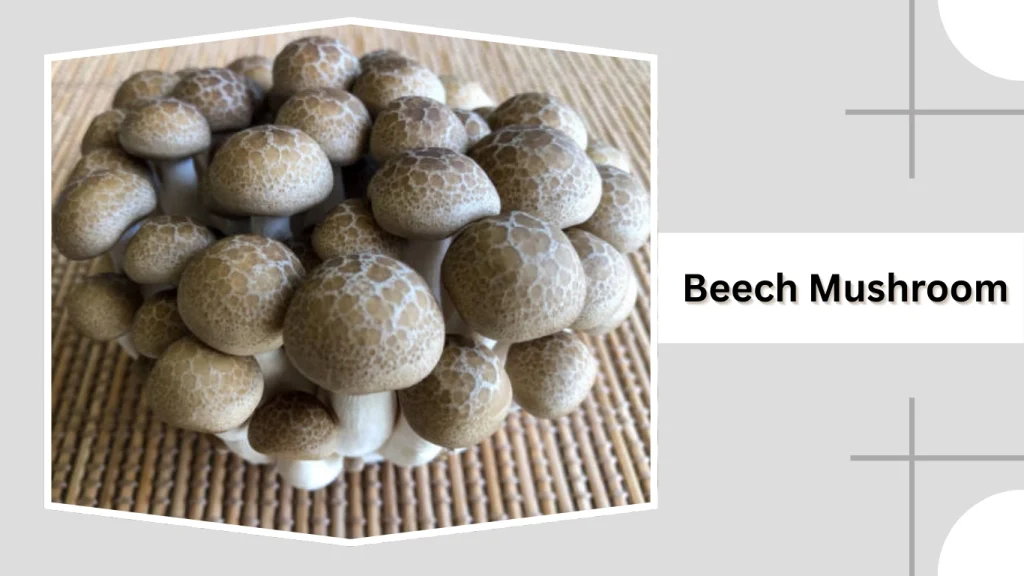
Brown beech mushrooms, also known as Buna-shimeji, are small, clustered mushrooms with a slightly nutty and umami-rich flavor. They are prized in Asian cuisine for stir-fries, soups, and hot pots. Unlike other brown mushrooms, beech mushrooms grow in tight clusters and have long, slender stems, making them distinctive and visually appealing in dishes.
Identification
- Small, clustered brown caps
- Slender, long stems
- Firm texture with a slightly crunchy bite
- White to light-brown gills underneath
Habitat
Brown beech mushrooms naturally grow on decaying hardwood trees, especially beech trees. They are also cultivated on sawdust or wood-based substrates in shaded, humid environments.
Diet
These mushrooms feed on decomposing wood. In cultivation, they thrive on nutrient-rich sawdust or hardwood substrates that provide essential nutrients for growth.
Lifespan
Fresh brown beech mushrooms last about 5–7 days in the refrigerator. Their texture and flavor are best when used within a few days after harvest.
6. Bay Bolete
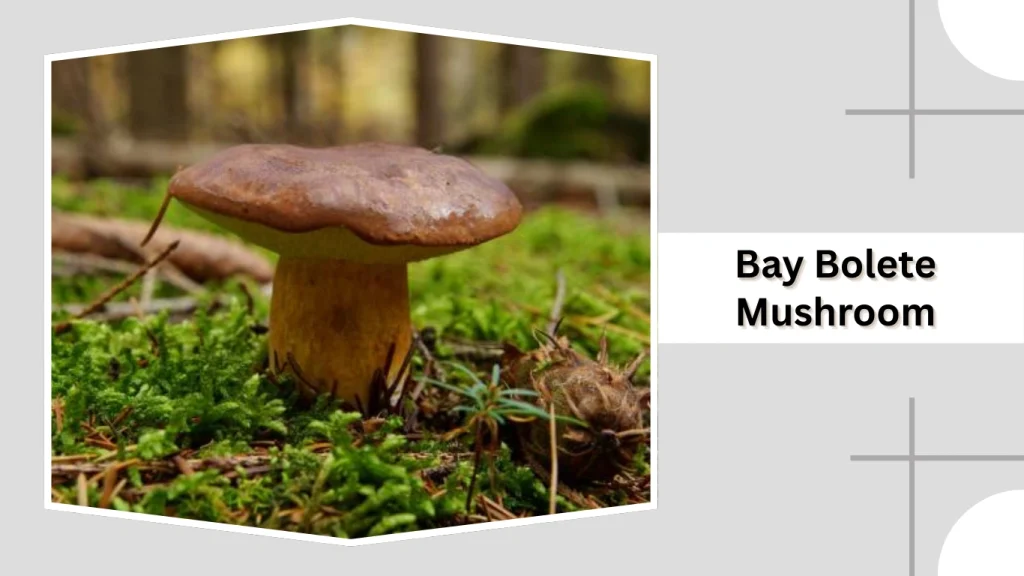
Bay Bolete is a medium to large brown mushroom known for its smooth, bay-colored cap and mild, nutty flavor. It is an edible wild mushroom commonly foraged in forests and prized for soups, sautés, and sauces. The Bay Bolete is easily recognizable by its thick stem and sponge-like pores under the cap instead of gills.
Identification
- Rounded, brownish-bay cap
- Thick, stout stem
- Sponge-like pores under the cap
- Firm, fleshy texture
Habitat
Bay Boletes grow in deciduous and coniferous forests, often near oak, pine, or beech trees. They thrive in moist soil and leaf litter during late summer to autumn.
Diet
These mushrooms feed on decaying organic matter in forest soil, forming symbiotic relationships with tree roots (mycorrhizal).
Lifespan
Fresh Bay Boletes last up to 3–5 days when stored in a cool, dry place. They are best consumed shortly after harvesting to maintain flavor and texture.
7. King Bolete (Porcini)
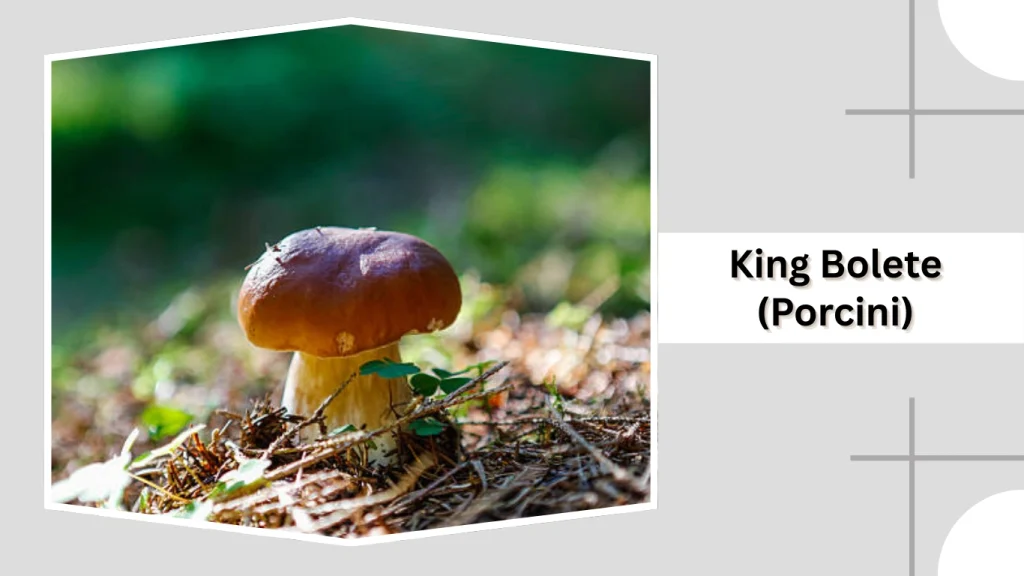
The King Bolete, also known as Porcini, is a highly prized brown mushroom valued for its rich, nutty flavor and meaty texture. It is widely used in European cuisine, especially in risottos, pasta, and soups. This mushroom features a large, rounded brown cap and a thick, bulbous stem, making it one of the most recognizable edible wild mushrooms.
Identification
- Large, rounded brown cap
- Thick, bulbous stem
- Sponge-like pores instead of gills
- Firm, meaty flesh
Habitat
King Boletes grow in temperate forests, often in symbiosis with pine, spruce, or fir trees. They prefer moist, well-drained soil and are commonly found in late summer to autumn.
Diet
These mushrooms are mycorrhizal, feeding through a symbiotic relationship with tree roots, absorbing nutrients from the soil while supporting the host tree.
Lifespan
Fresh King Boletes last about 3–5 days when refrigerated. They can also be dried for long-term storage, which intensifies their flavor and allows use throughout the year.
8. Honey Mushroom
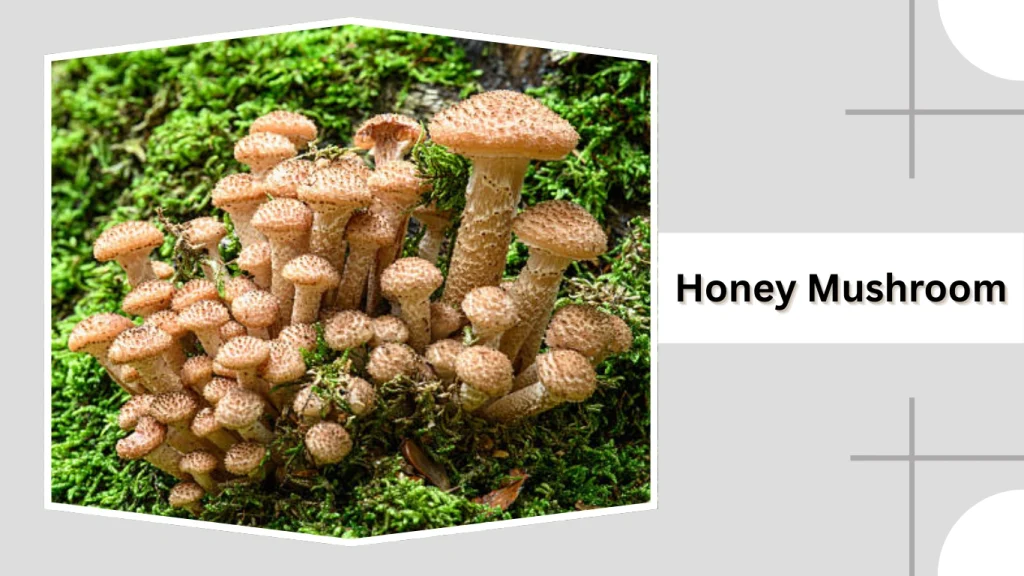
Honey mushrooms are a group of brown mushrooms known for their clustered growth and slightly sweet, earthy flavor. They are edible when cooked and are commonly used in soups, stews, and sautés. These mushrooms have a smooth, honey-brown cap and a fibrous stem, often growing in large groups on tree stumps, logs, or decaying wood.
Identification
- Honey-brown, convex cap
- Fibrous, slender stem
- Grow in dense clusters
- White to light-brown gills underneath
Habitat
Honey mushrooms naturally grow on decaying wood, tree stumps, and logs. They are widely distributed in temperate forests and are both wild foraged and cultivated in some regions.
Diet
These mushrooms feed on decomposing wood, breaking down cellulose and lignin. They are considered parasitic in some cases, as they can infect living trees.
Lifespan
Fresh honey mushrooms last about 5–7 days when stored in a cool, dry environment. Cooking is recommended, as they are mildly toxic when eaten raw.
9. Oak Bolete
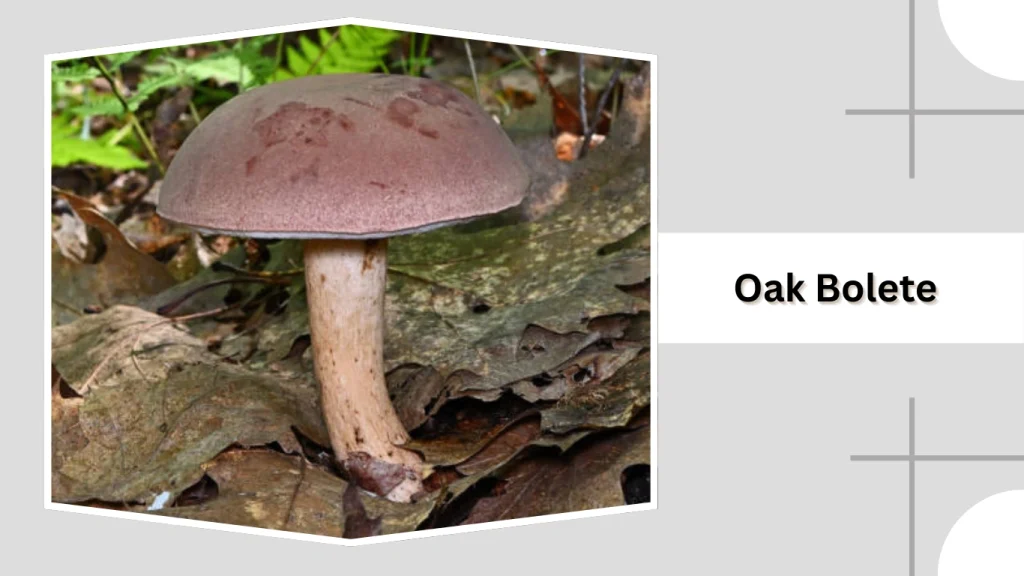
Oak Bolete is a brown mushroom prized for its mild, nutty flavor and firm texture. It is an edible wild mushroom often used in soups, sauces, and sautés. Unlike many mushrooms, Oak Boletes have sponge-like pores under the cap instead of gills, and they are usually found near oak trees, making them relatively easy to identify for foragers.
Identification
- Rounded brown cap with a slightly sticky surface
- Thick, sturdy stem
- Sponge-like pores under the cap
- Firm, meaty texture
Habitat
Oak Boletes grow in deciduous forests, especially near oak trees. They thrive in moist, well-drained soil during late summer and autumn.
Diet
These mushrooms form a symbiotic (mycorrhizal) relationship with oak trees, exchanging nutrients with the host while obtaining essential minerals and carbohydrates from the soil.
Lifespan
Fresh Oak Boletes last around 3–5 days in the refrigerator. They can also be dried to extend shelf life and preserve their rich flavor for later culinary use.
10. Matsutake Mushroom
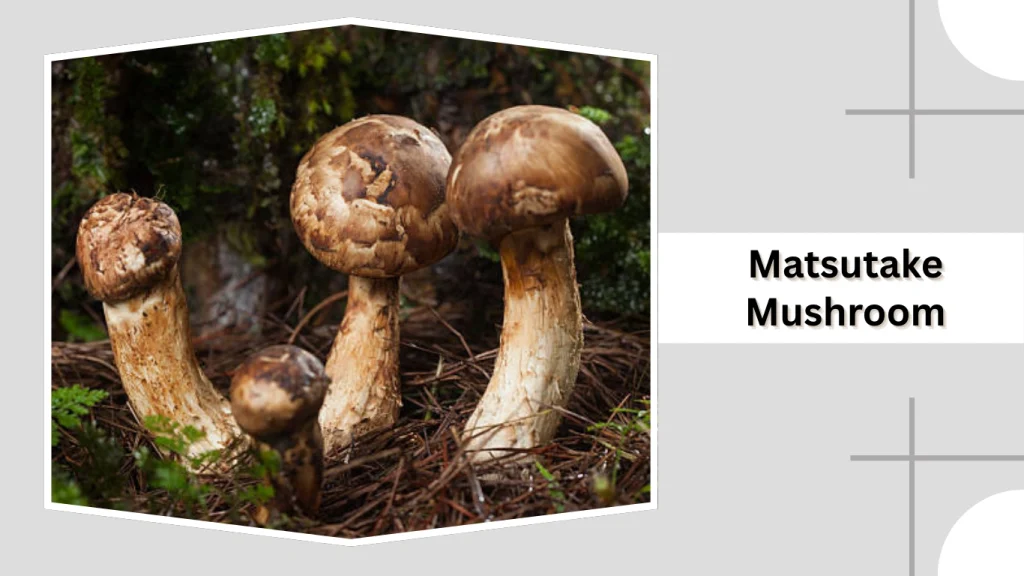
Matsutake mushrooms are highly prized brown mushrooms known for their distinct spicy-aromatic fragrance and firm, meaty texture. They are considered a delicacy in Japanese and Korean cuisine, often used in soups, rice dishes, and grilled preparations. Matsutake mushrooms are rare and grow in symbiosis with specific pine trees, making them one of the most sought-after wild mushrooms.
Identification
- Brown, slightly scaly cap
- Thick, firm stem
- White to light-brown gills underneath
- Strong, aromatic scent
Habitat
Matsutake mushrooms grow in temperate forests, particularly under pine, fir, and other coniferous trees. They prefer sandy, well-drained soil and shaded areas.
Diet
These mushrooms form a mycorrhizal relationship with host trees, absorbing nutrients from the soil while providing essential minerals to the tree roots.
Lifespan
Fresh Matsutake mushrooms last about 3–5 days when refrigerated. Their aroma and flavor are strongest immediately after harvesting, making timely use important.
11. Agaricus Subrufescens (Almond Mushroom)
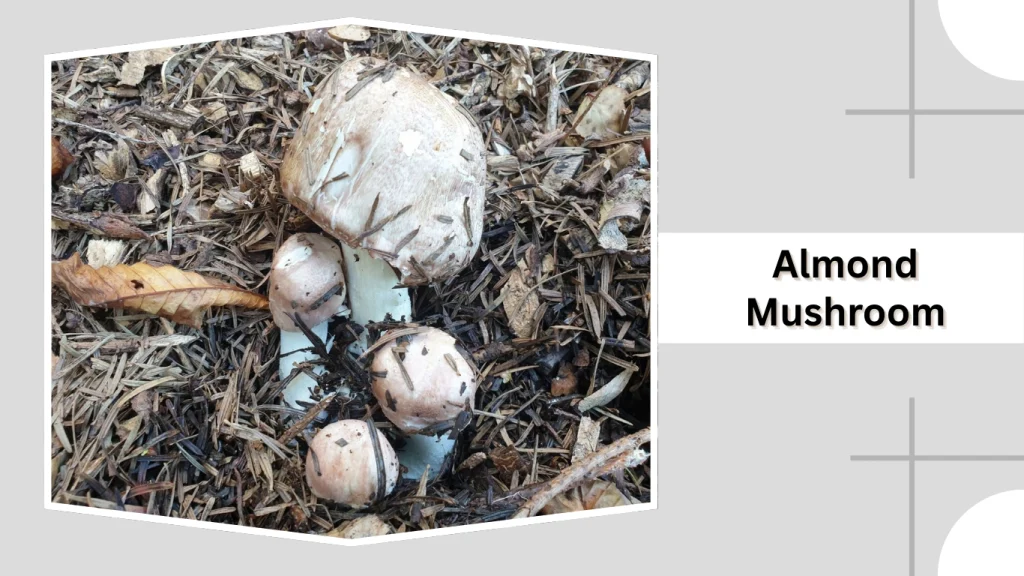
Agaricus Subrufescens, commonly known as the Almond Mushroom, is a brown mushroom valued for its almond-like aroma and mild, nutty flavor. It is edible and often used in sautés, soups, and stir-fries. This mushroom has a smooth brown cap and a sturdy stem, and it is also known for its medicinal properties, including immune-boosting benefits.
Identification
- Medium-sized brown cap
- Smooth surface with firm flesh
- White to light-brown gills underneath
- Sturdy, thick stem
Habitat
Almond Mushrooms are cultivated worldwide but can also grow in grassy areas and compost-rich soils. They prefer shaded, humid environments for optimal growth.
Diet
They feed on decomposing organic matter, especially nutrient-rich composts made from straw, manure, or other organic substrates.
Lifespan
Fresh Almond Mushrooms last around 5–7 days in the refrigerator. Dried forms can be stored for several months and rehydrated for cooking.
12. Cinnamon Cap Mushroom
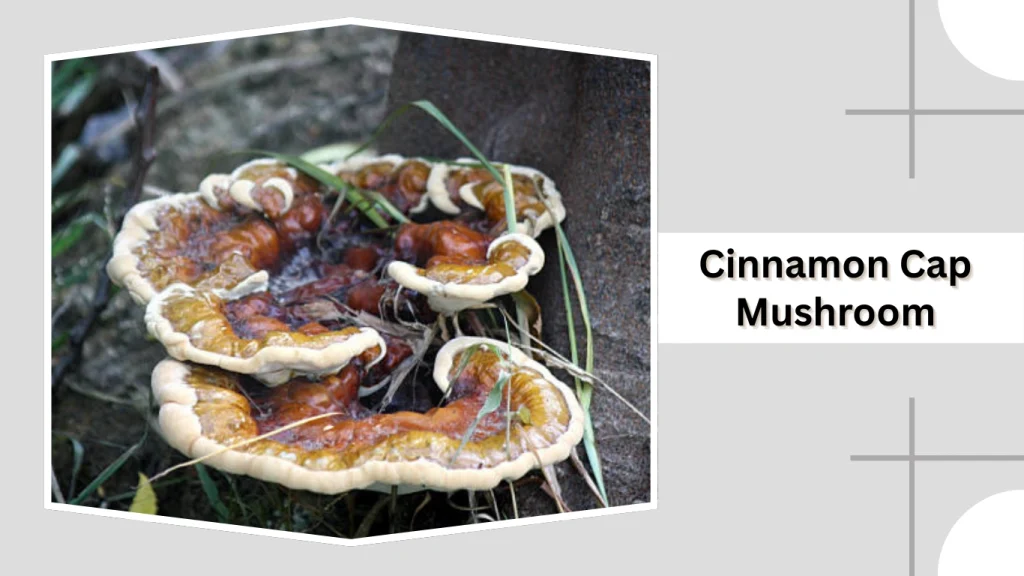
Cinnamon Cap mushrooms are a brown mushroom variety known for their cinnamon-brown caps and mild, earthy flavor. They are edible and commonly used in soups, stews, and sautés. These mushrooms are relatively small, with a smooth convex cap and slender stem, often adding color and texture to culinary dishes.
Identification
- Small to medium-sized cinnamon-brown cap
- Smooth, slightly convex surface
- White to light-brown gills underneath
- Slender, fibrous stem
Habitat
Cinnamon Cap mushrooms grow in grassy areas, woodlands, and compost-rich soil. They prefer shaded, humid environments and are often found in clusters.
Diet
These mushrooms feed on decomposing organic matter, such as leaf litter, wood debris, or nutrient-rich compost.
Lifespan
Fresh Cinnamon Cap mushrooms last about 5–7 days in the refrigerator. For optimal flavor and texture, they should be cooked shortly after harvesting.
13. Meadow Mushroom (Brown Variant)

The brown variant of the Meadow Mushroom is an edible mushroom with a mild, earthy flavor and firm texture. It is versatile in cooking and can be used in soups, stir-fries, and sautés. This mushroom is slightly larger than the white variant and has a smooth brown cap with a short, thick stem.
Identification
- Medium-sized brown cap
- Smooth, rounded surface
- White to light-brown gills underneath
- Short, thick stem
Habitat
Brown Meadow Mushrooms grow in grassy fields, meadows, and compost-rich soil. They prefer shaded, moist areas and often appear in clusters during late summer and autumn.
Diet
These mushrooms feed on decomposing organic matter in soil, including grass, leaves, and composted plant material.
Lifespan
Fresh Meadow Mushrooms last about 5–7 days in the refrigerator. Cooking shortly after harvest ensures the best taste and texture.
14. Blushing Brown Mushroom
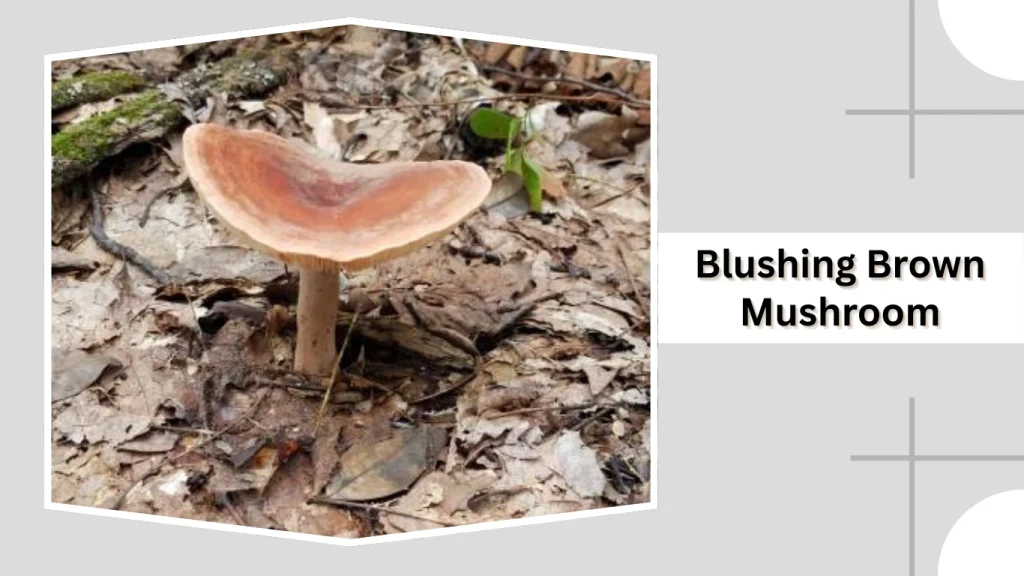
Blushing Brown mushrooms are a distinctive brown mushroom variety known for their subtle reddish-brown hue that “blushes” when bruised. They have a mild, nutty flavor and are edible when cooked. These mushrooms are often used in soups, sautés, and sauces, and their unique color makes them easily identifiable among other brown mushrooms.
Identification
- Medium-sized brown cap with a reddish tint
- Flesh changes color slightly when bruised
- White to light-brown gills underneath
- Short, thick stem
Habitat
Blushing Brown mushrooms grow in deciduous forests, grassy fields, and compost-rich soil. They prefer shaded, humid areas and are commonly found in clusters.
Diet
These mushrooms feed on decomposing organic matter, including leaf litter and nutrient-rich soil.
Lifespan
Fresh Blushing Brown mushrooms last about 5–7 days in the refrigerator. For best flavor, they should be cooked within a few days of harvesting.
15. Wood Mushroom
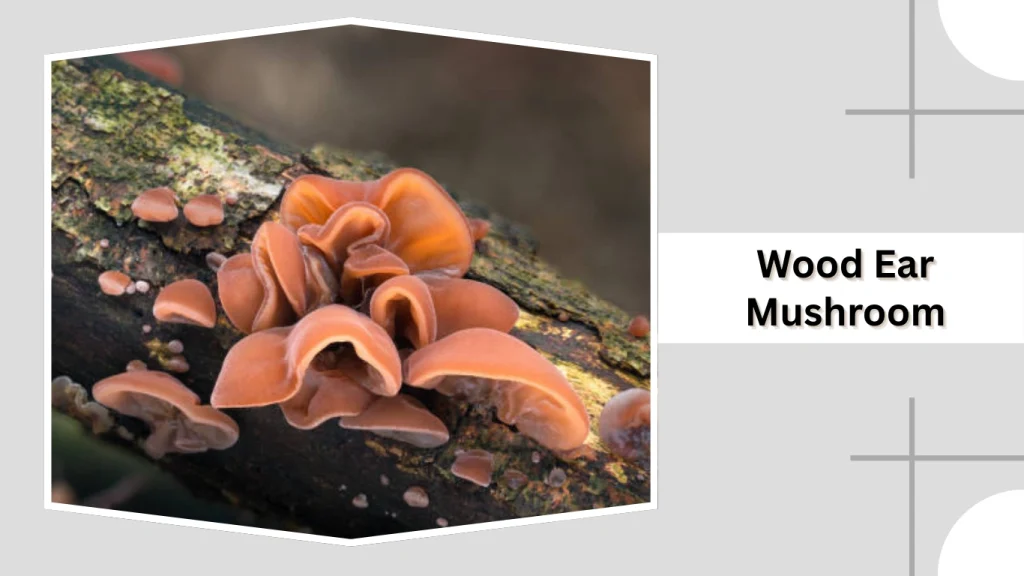
Wood mushrooms are a brown mushroom variety that grows primarily on decaying wood, tree stumps, and logs. They have a firm texture and earthy, nutty flavor, making them suitable for soups, stir-fries, and roasted dishes. Their brown, slightly scaly cap and clustered growth help distinguish them from other edible mushrooms.
Identification
- Brown, slightly scaly cap
- Firm, fleshy texture
- White to light-brown gills underneath
- Short, thick stem
Habitat
Wood mushrooms grow on decaying hardwood or conifer logs and stumps in forests. They thrive in shaded, moist environments and are often found in clusters.
Diet
These mushrooms feed on decomposing wood, extracting nutrients from lignin and cellulose as they break down the substrate.
Lifespan
Fresh wood mushrooms last about 5–7 days when stored in the refrigerator. Cooking shortly after harvest preserves their flavor and texture.
16. Velvet Pioppini
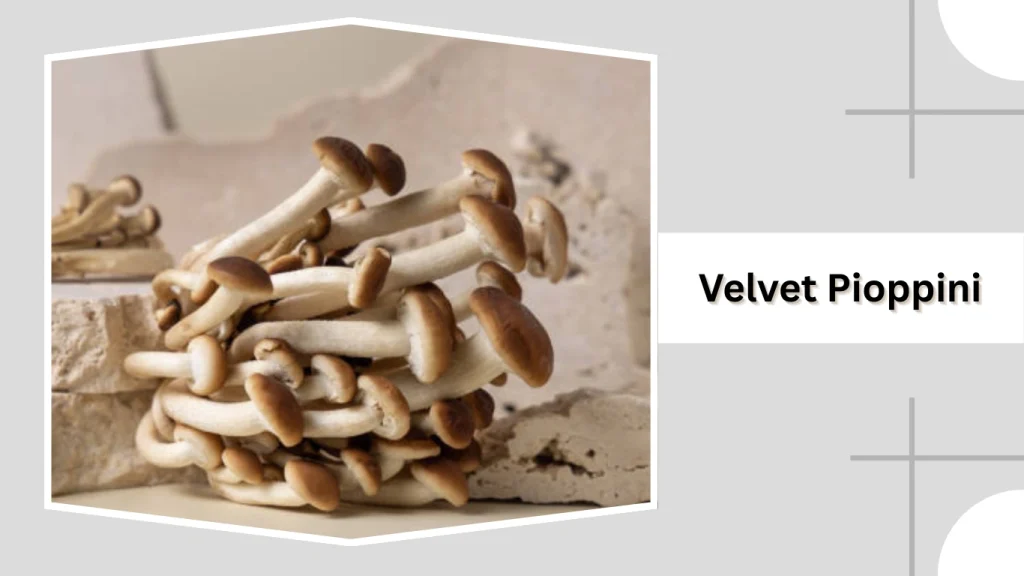
Velvet Pioppini, also known as Velvet Foot mushrooms, are small to medium brown mushrooms prized for their slightly nutty, earthy flavor and firm texture. They are commonly used in sautés, pasta dishes, and stir-fries. These mushrooms grow in clusters and have a smooth, velvety brown cap with slender stems.
Identification
- Small to medium brown cap with a velvety surface
- Slender, fibrous stems
- White to light-brown gills underneath
- Grow in dense clusters
Habitat
Velvet Pioppini mushrooms grow on decaying wood, especially poplar and other hardwood trees. They thrive in shaded, humid forest areas and are often found during late summer and autumn.
Diet
These mushrooms feed on decomposing wood, extracting nutrients from lignin and cellulose. They can also form symbiotic relationships with certain tree roots.
Lifespan
Fresh Velvet Pioppini mushrooms last about 5–7 days in the refrigerator. Cooking soon after harvesting ensures optimal flavor and texture.
17. Elm Oyster Mushroom (Brown Form)
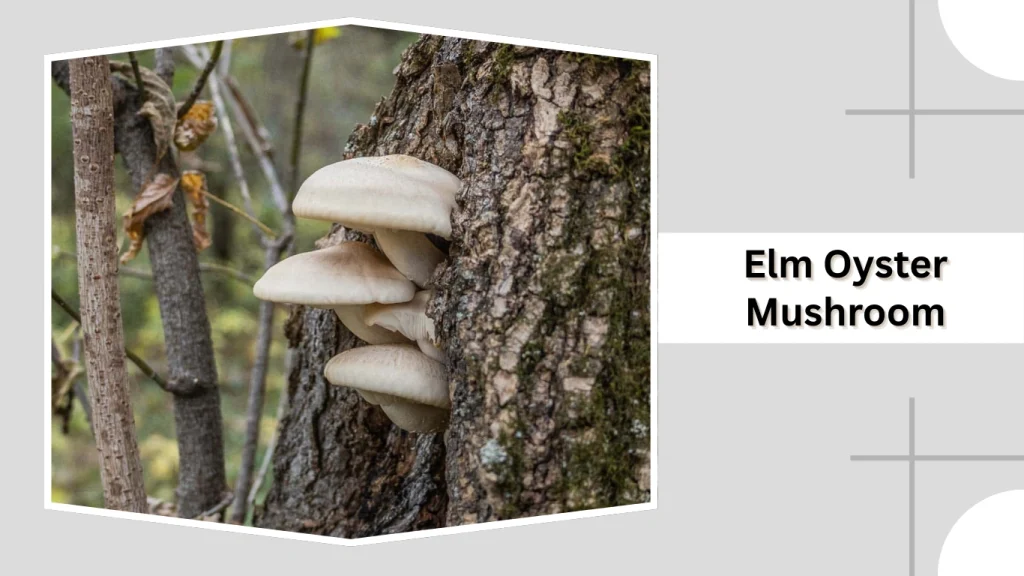
The Brown Elm Oyster Mushroom is an edible mushroom with a delicate, mild flavor and tender texture. Unlike the common white variety, the brown form has a rich brown cap and slightly firmer flesh. It is commonly used in soups, stir-fries, and sautés and grows in overlapping clusters on decaying hardwood trees.
Identification
- Brown, fan-shaped cap
- Thin, soft flesh
- White to light-brown gills running down the stem
- Grows in overlapping clusters
Habitat
Brown Elm Oyster mushrooms grow on decaying hardwood trees, logs, and stumps. They prefer shaded, moist forest environments and are often cultivated on hardwood substrates.
Diet
These mushrooms feed on decomposing wood, breaking down lignin and cellulose to extract nutrients necessary for growth.
Lifespan
Fresh Brown Elm Oyster mushrooms last about 5–7 days in the refrigerator. Cooking soon after harvest preserves their delicate flavor and texture.
18. Brown Roll-Rim
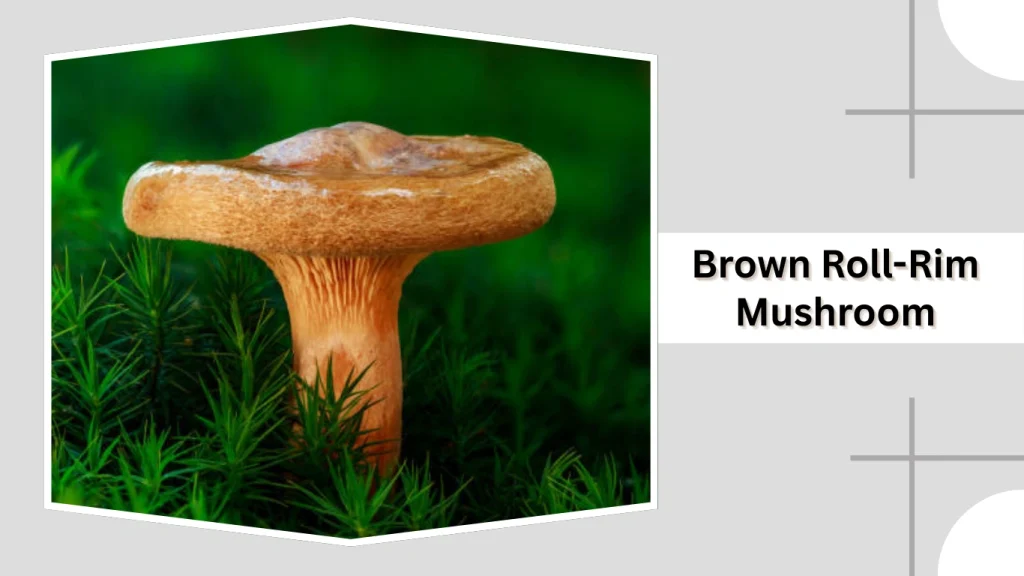
Brown Roll-Rim mushrooms are a medium-sized brown mushroom variety known for their curled cap edges and mild, earthy flavor. They are edible when cooked and are often used in soups, stews, and sautés. Their distinctive rolled rim and smooth brown cap make them easy to identify among forest mushrooms.
Identification
- Medium-sized brown cap with curled edges
- Smooth surface, firm texture
- White to light-brown gills underneath
- Short, thick stem
Habitat
Brown Roll-Rim mushrooms grow on decaying wood, leaf litter, and compost-rich soil in forests. They prefer shaded, humid areas and often appear in clusters.
Diet
These mushrooms feed on decomposing organic matter, including wood debris and nutrient-rich soil.
Lifespan
Fresh Brown Roll-Rim mushrooms last about 5–7 days in the refrigerator. Cooking soon after harvesting ensures the best taste and texture.
19. Chestnut Bolete
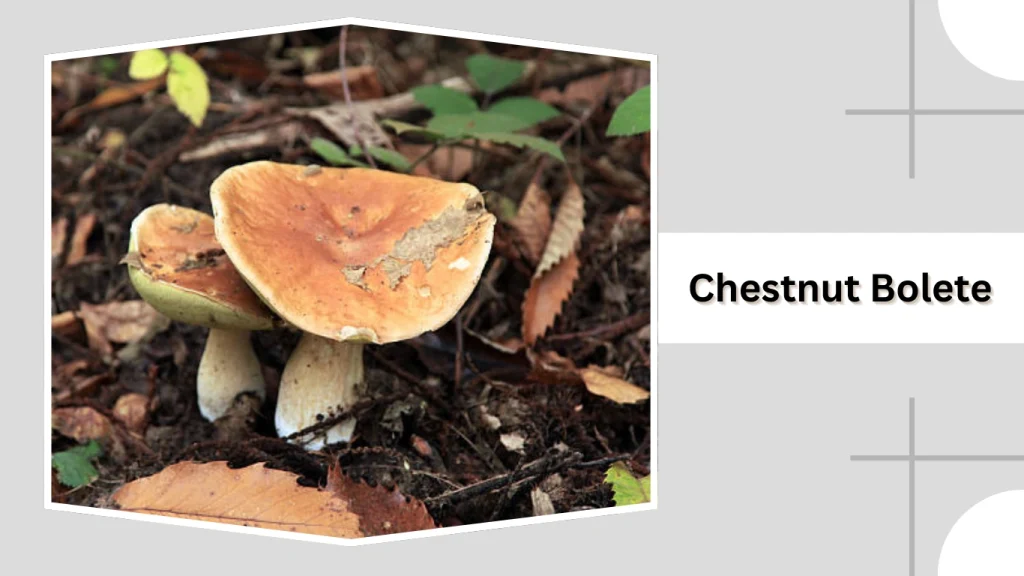
Chestnut Bolete is a brown mushroom valued for its nutty flavor and firm, meaty texture. It is edible and commonly used in soups, sauces, and sautés. This mushroom is characterized by its smooth, chestnut-brown cap and sponge-like pores beneath the cap instead of gills, making it easy to distinguish from other brown mushrooms.
Identification
- Rounded chestnut-brown cap
- Thick, sturdy stem
- Sponge-like pores under the cap
- Firm, meaty flesh
Habitat
Chestnut Boletes grow in deciduous and coniferous forests, often near oak, pine, or beech trees. They prefer moist, well-drained soil and shaded areas during late summer and autumn.
Diet
These mushrooms are mycorrhizal, forming a symbiotic relationship with tree roots while absorbing nutrients from the surrounding soil.
Lifespan
Fresh Chestnut Boletes last about 3–5 days when stored in a refrigerator. Drying them extends their shelf life and enhances their flavor for long-term use.
20. Brown Milky Mushroom
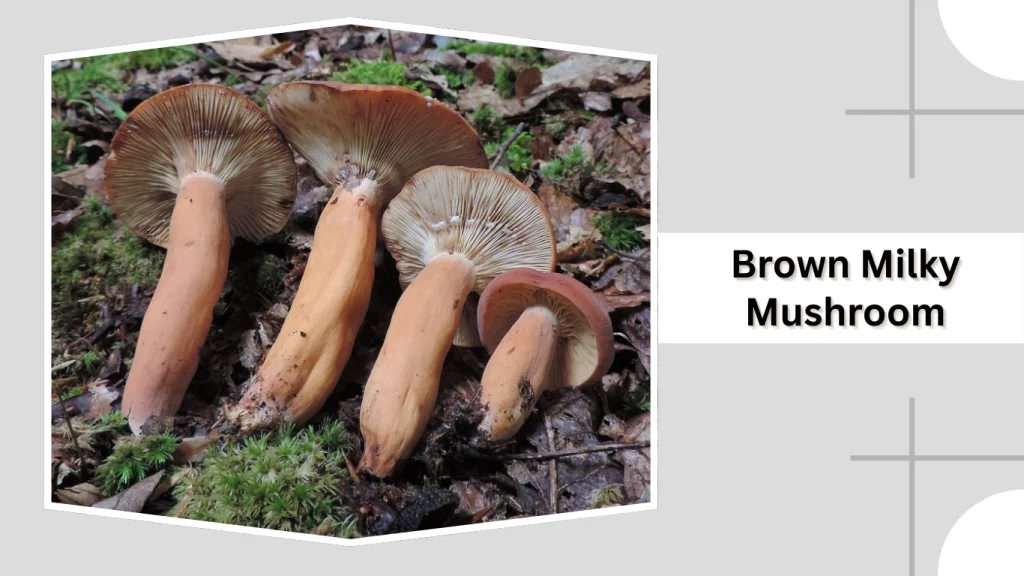
Brown Milky mushrooms are an edible brown mushroom variety known for their mild flavor and firm, meaty texture. They are commonly used in curries, soups, and stir-fries. This mushroom is recognized by its smooth brown cap and white gills that exude a milky latex when cut or bruised.
Identification
- Medium to large brown cap
- Smooth surface with firm flesh
- White gills that release milky latex when damaged
- Short, thick stem
Habitat
Brown Milky mushrooms grow in grassy areas, compost-rich soil, and forest clearings. They thrive in warm, humid conditions and are often cultivated for commercial use.
Diet
These mushrooms feed on decomposing organic matter, including plant debris and compost. They extract nutrients necessary for growth from the soil and surrounding organic material.
Lifespan
Fresh Brown Milky mushrooms last about 5–7 days in the refrigerator. Cooking shortly after harvest preserves their texture and flavor.
21. Horse Mushroom
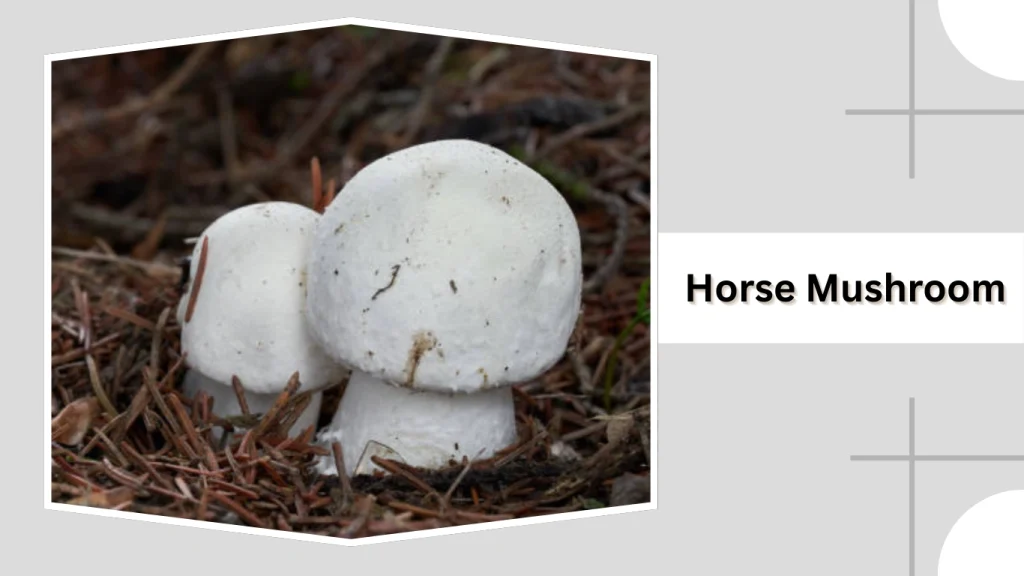
Horse Mushrooms are large brown mushrooms with a mild, earthy flavor and firm texture. They are edible when cooked and often used in soups, stews, and sautés. Their broad brown cap and thick, stout stem make them easy to identify in the wild, and they are commonly found in grassy fields and forest edges.
Identification
- Large, rounded brown cap
- Thick, sturdy stem
- White to light-brown gills underneath
- Firm, meaty flesh
Habitat
Horse Mushrooms grow in grassy areas, meadows, and open woodlands. They thrive in nutrient-rich soil and are most commonly found during late summer and autumn.
Diet
These mushrooms feed on decomposing organic matter in soil, including plant debris and composted material.
Lifespan
Fresh Horse Mushrooms last about 5–7 days in the refrigerator. They are best used shortly after harvest to retain flavor and texture.
22. Pinewood Mushroom
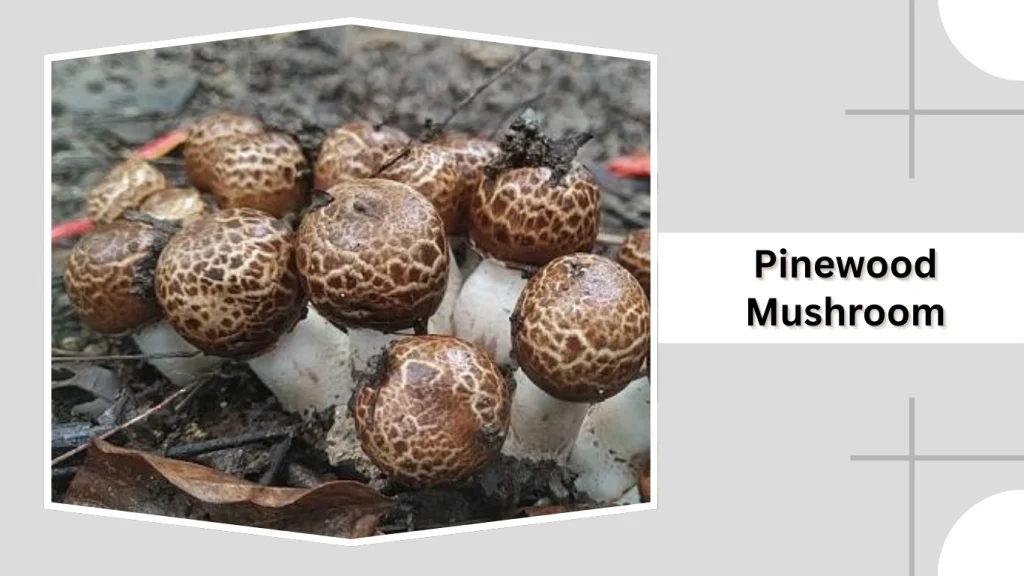
Pinewood Mushrooms are brown mushrooms known for their nutty flavor and firm texture. They are edible and commonly used in soups, sautés, and roasted dishes. These mushrooms are recognizable by their brown, slightly convex cap and slender stem, and they often grow in clusters near pine trees.
Identification
- Brown, convex cap
- Slender, fibrous stem
- White to light-brown gills underneath
- Grow in clusters
Habitat
Pinewood Mushrooms grow in pine forests, often on the forest floor or near decaying pine logs. They thrive in shaded, humid environments.
Diet
These mushrooms feed on decomposing organic matter, especially pine needles, wood debris, and forest litter.
Lifespan
Fresh Pinewood Mushrooms last about 5–7 days in the refrigerator. Cooking soon after harvesting ensures optimal flavor and texture.
23. Conifer Funnel
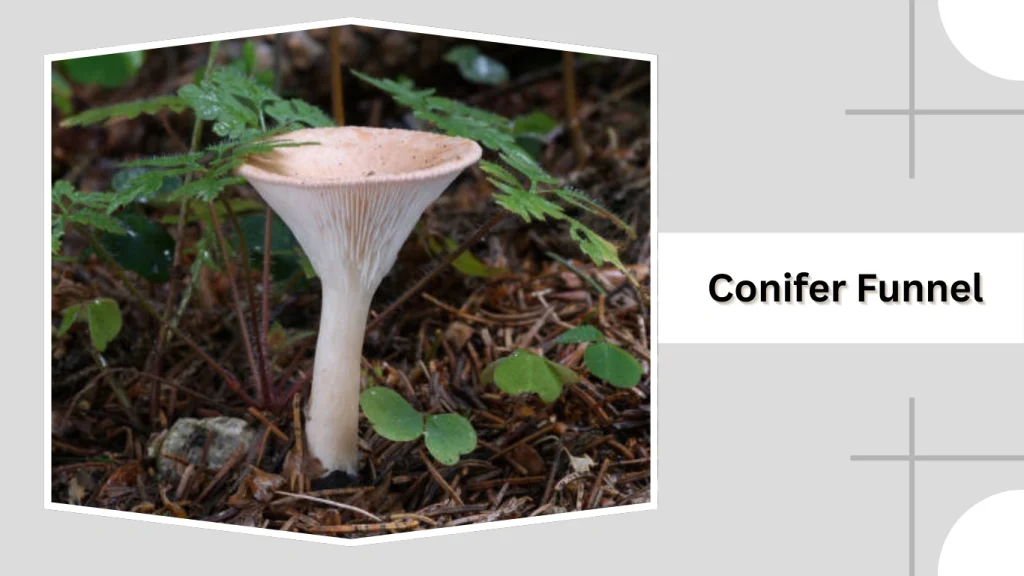
Conifer Funnel mushrooms are brown mushrooms characterized by their funnel-shaped cap and mild, earthy flavor. They are edible when cooked and are commonly used in soups, stews, and sautés. Their distinctive funnel shape and brown coloration make them easy to identify in forested areas.
Identification
- Brown, funnel-shaped cap
- Thin, fibrous stem
- White to light-brown gills running down the stem
- Grow singly or in small groups
Habitat
Conifer Funnel mushrooms grow in coniferous forests, often on the forest floor among needles and decaying wood. They prefer shaded, humid environments.
Diet
These mushrooms feed on decomposing organic matter, breaking down forest litter, fallen needles, and decaying wood to extract nutrients.
Lifespan
Fresh Conifer Funnel mushrooms last about 5–7 days when refrigerated. Cooking soon after harvesting preserves their flavor and texture.
24. Panther Cap (Amanita Pantherina)
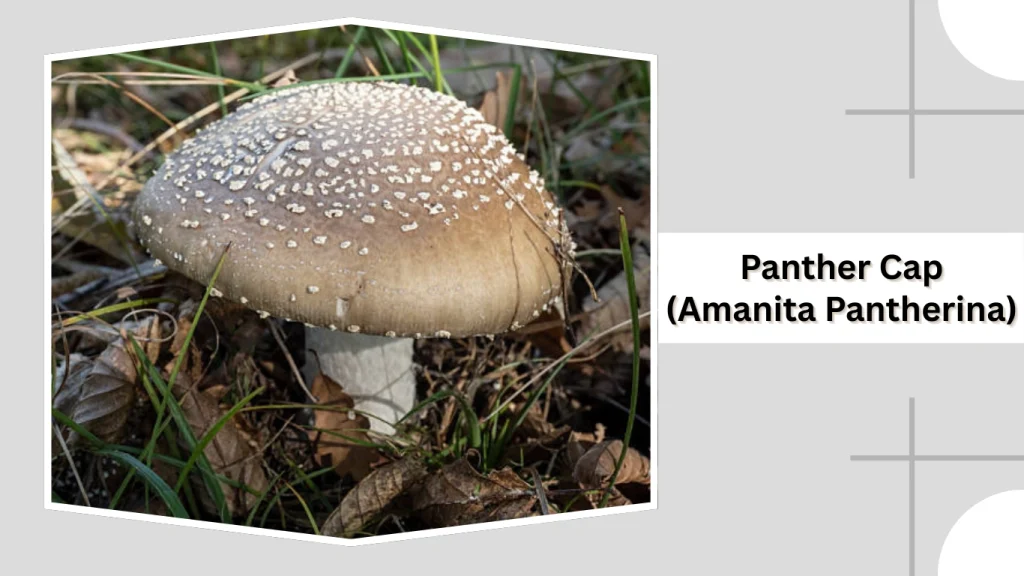
Panther Cap, scientifically known as Amanita Pantherina, is a brown mushroom with a smooth, brown cap and white warts. It is highly toxic and should never be consumed, as it contains dangerous psychoactive compounds. This mushroom is known for its hallucinogenic and poisonous properties, making identification critical for foragers.
Identification
- Brown, smooth cap with white warts
- Thick, bulbous stem with a ring
- White gills underneath
- Bulbous base with a volva
Habitat
Panther Caps grow in deciduous and coniferous forests, often near oak, beech, or pine trees. They prefer moist, shaded soil rich in leaf litter.
Diet
These mushrooms feed on decomposing organic matter in the soil and form mycorrhizal relationships with surrounding trees.
Lifespan
Fresh Panther Caps can last 3–5 days, but they are extremely toxic and should not be harvested for consumption. Awareness and careful identification are essential.
25. Shaggy Brown Inkcap
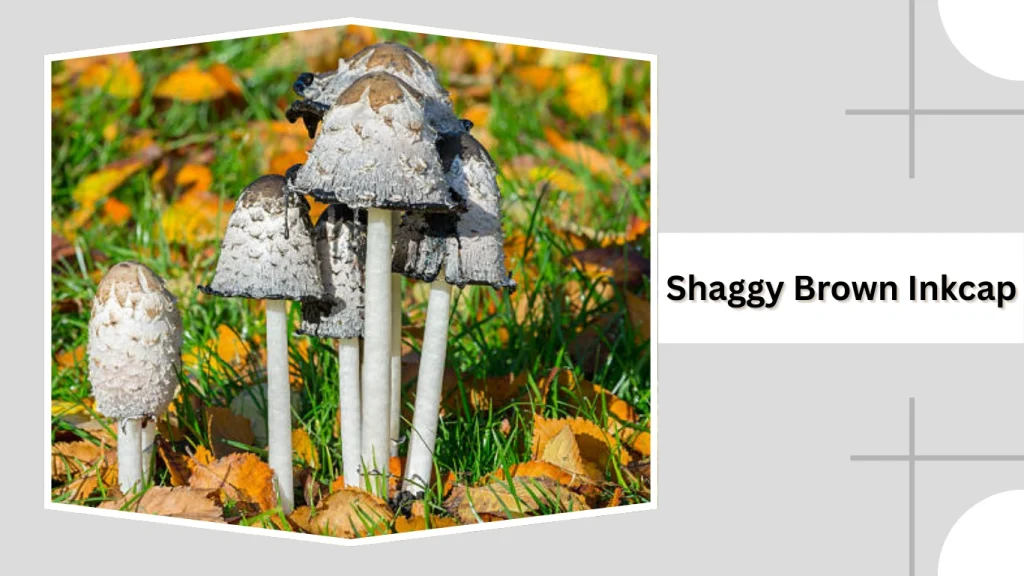
Shaggy Brown Inkcap is a brown mushroom known for its tall, cylindrical cap that often appears shaggy or scaly. It has a mild, delicate flavor when young and is edible, but caution is advised as some inkcap species can cause reactions when consumed with alcohol. These mushrooms are commonly used in soups, sautés, and stir-fries.
Identification
- Tall, cylindrical brown cap with shaggy scales
- Slender, hollow stem
- Gills start white and turn dark brown to black as spores mature
- Often grows in clusters
Habitat
Shaggy Brown Inkcaps grow on grassy areas, compost-rich soil, and woodland edges. They prefer moist, shaded environments and often appear in groups.
Diet
These mushrooms feed on decomposing organic matter, including leaf litter, grass clippings, and nutrient-rich soil.
Lifespan
Fresh Shaggy Brown Inkcaps last about 3–5 days in the refrigerator. They are best used when young, before the gills darken and the texture becomes fragile.
FAQs
What are the most common edible brown mushrooms?
Some of the most common edible brown mushrooms include Cremini, Portobello, Shiitake, Chestnut, and Honey mushrooms. These varieties are widely available in grocery stores and markets and are commonly used in cooking for their firm texture and earthy, nutty flavors.
How should brown mushrooms be stored?
Brown mushrooms should be stored in the refrigerator in a paper bag or ventilated container. They typically last 5–7 days, depending on the variety. Avoid sealing them in plastic, as moisture buildup can cause spoilage.
Are all brown mushrooms safe to eat?
No, not all brown mushrooms are safe. Some, like the Panther Cap (Amanita Pantherina), are highly toxic. Proper identification is essential before consuming wild mushrooms.
Can brown mushrooms be cooked in any dish?
Yes, brown mushrooms are versatile and can be sautéed, grilled, roasted, or added to soups, stews, stir-fries, and pasta dishes. Their firm texture and earthy flavor enhance a wide range of recipes.
What is the nutritional value of brown mushrooms?
Brown mushrooms are low in calories and rich in protein, fiber, vitamins (especially B vitamins), minerals like selenium and potassium, and antioxidants. They support overall health and are a valuable addition to a balanced diet.