





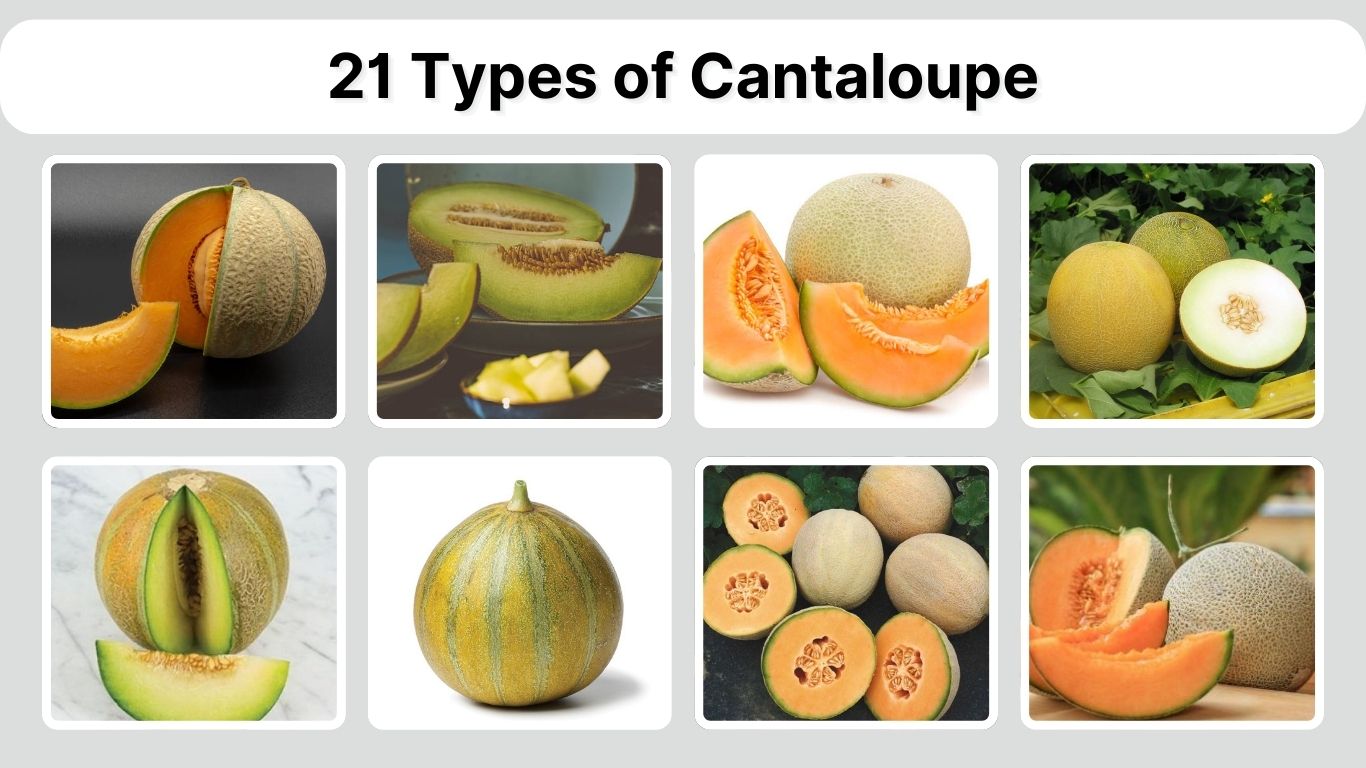
Cantaloupe is a popular and refreshing melon enjoyed around the world for its sweet flavor, juicy texture, and fragrant aroma. Belonging to the muskmelon family, cantaloupes come in many varieties, each differing in size, rind texture, flesh color, and sweetness level. From aromatic European types to durable commercial hybrids, these melons thrive in warm climates and are commonly eaten fresh, added to fruit salads, or paired with savory dishes for a balanced taste experience.
1. Charentais
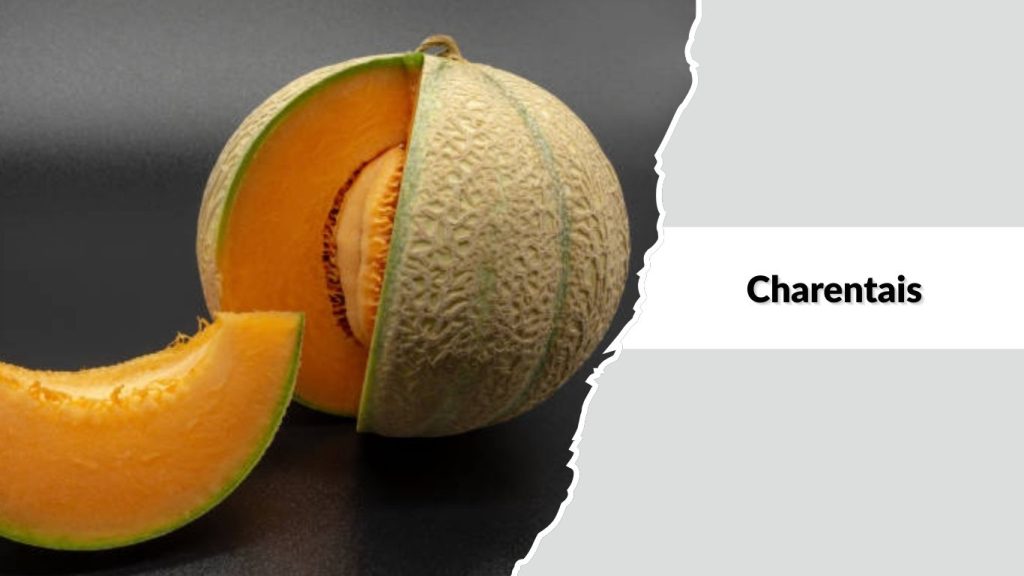
Charentais is a highly prized French cantaloupe variety celebrated for its intense aroma, compact size, and exceptionally sweet flesh. Unlike common netted cantaloupes, it has a smoother rind and a refined, gourmet reputation, especially in European cuisine.
Identification
- Small, round fruit (typically 1–2 pounds)
- Smooth to lightly netted rind
- Pale gray-green skin with well-defined dark green stripes
- Bright deep-orange flesh
- Strong floral and musky aroma when ripe
Growing Characteristics
Charentais melons grow on compact vines and mature relatively quickly, usually within 75–90 days. They thrive in warm climates with full sun and well-drained soil but are more delicate than commercial cantaloupes, making them less suitable for long-distance shipping.
Flavor Profile
The flavor is intensely sweet, fragrant, and complex, often described as richer and more perfumed than standard cantaloupe. The flesh is soft, juicy, and melts easily in the mouth, making it a favorite among chefs and melon enthusiasts.
Storage and Shelf Life
Charentais melons have a short shelf life and are best consumed soon after harvest. They do not store or ship well, which is why they are most commonly found in local markets or grown at home rather than mass-produced commercially.
2. North American Cantaloupe
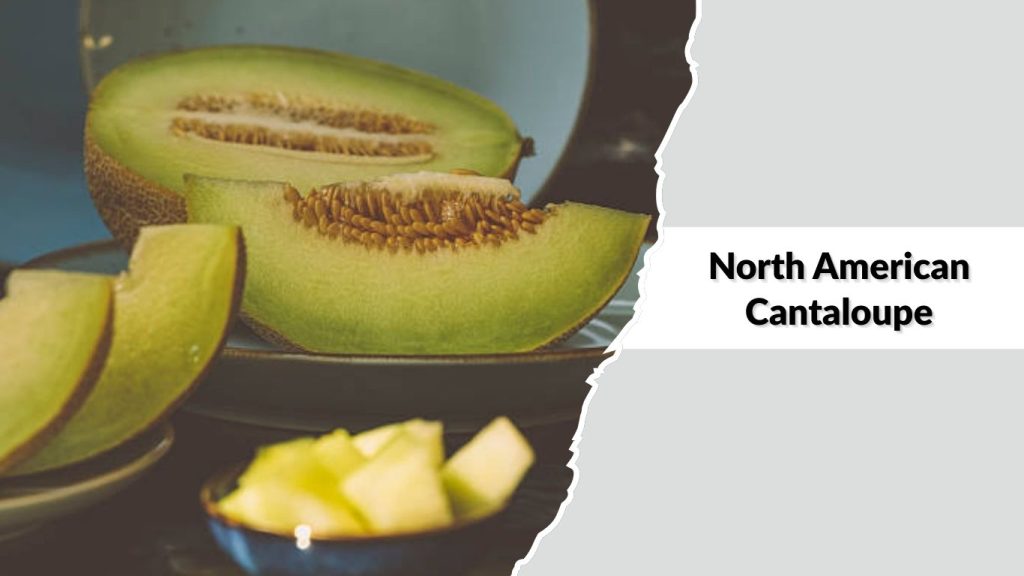
North American cantaloupe is the most commonly consumed cantaloupe variety in the United States and Canada. It is known for its netted rind, firm flesh, and balanced sweetness, making it ideal for commercial production and long-distance transport.
Identification
- Medium to large round fruit
- Thick, beige netted rind
- No distinct surface stripes
- Bright orange flesh
- Central seed cavity
Growing Characteristics
This variety is bred for durability and uniform growth. It grows on vigorous vines, adapts well to different climates, and typically matures in 80–95 days. Its tough rind makes it resistant to handling damage and suitable for large-scale farming.
Flavor Profile
North American cantaloupe has a mildly sweet, refreshing flavor with less aroma compared to European varieties. The flesh is firm and juicy, offering a clean and classic melon taste.
Storage and Shelf Life
Thanks to its thick rind and firm flesh, this cantaloupe has an excellent shelf life. It stores and ships well, making it the dominant variety found in supermarkets year-round.
3. European Cantaloupe
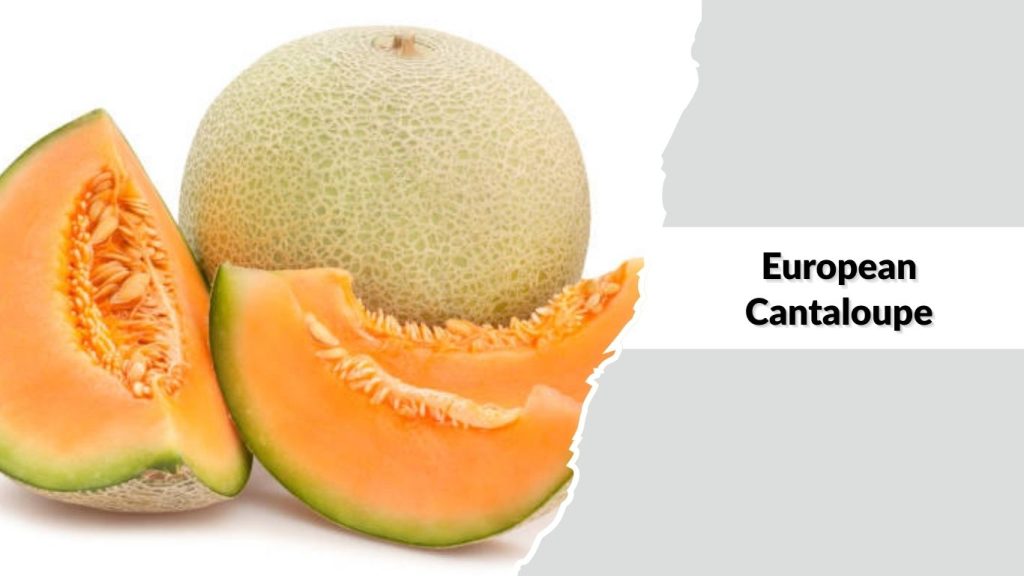
European cantaloupe refers to traditional Old World melon varieties that are prized for aroma, sweetness, and refined flavor. These melons are generally smaller and more delicate than North American types and are often grown for local or specialty markets.
Identification
- Small to medium size
- Smooth or lightly netted rind
- Often ribbed or segmented
- Pale green to gray-green skin
- Deep orange, fragrant flesh
Growing Characteristics
European cantaloupes prefer warm temperatures, long sunny days, and fertile, well-drained soil. They typically mature in 70–90 days and are more sensitive to handling, which limits their suitability for large-scale commercial shipping.
Flavor Profile
The flavor is rich, sweet, and highly aromatic, with a stronger melon scent than most modern hybrids. The flesh is soft, juicy, and intensely flavored, often considered superior in taste to mass-produced varieties.
Storage and Shelf Life
These melons have a short shelf life and are best eaten soon after harvest. Because they bruise easily and lose aroma quickly, they are commonly sold in local markets rather than exported.
4. Galia
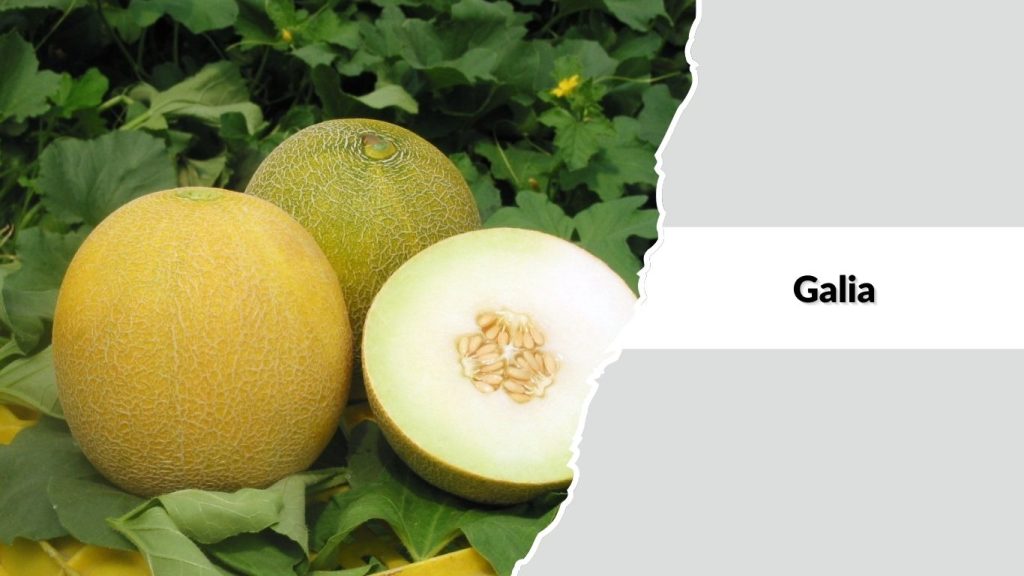
Galia is a popular hybrid cantaloupe developed in Israel, combining the sweetness of European cantaloupes with the durability of netted melons. It is widely grown and appreciated for its balanced flavor and aromatic flesh.
Identification
- Medium-sized, round fruit
- Lightly netted rind
- Pale green to yellowish skin when ripe
- Light green to pale orange flesh
- Noticeable sweet aroma
Growing Characteristics
Galia melons grow on vigorous vines and mature in about 75–85 days. They perform well in warm climates and are more adaptable than traditional European cantaloupes, making them suitable for both commercial farms and home gardens.
Flavor Profile
The flavor is sweet, mildly musky, and refreshing, with a softer aroma than Charentais but more fragrance than standard cantaloupe. The flesh is juicy and tender, appealing to a wide range of consumers.
Storage and Shelf Life
Galia has a moderate shelf life. While it stores better than many European types, it is best consumed shortly after ripening to enjoy its full sweetness and aroma.
5. Ha-Ogen
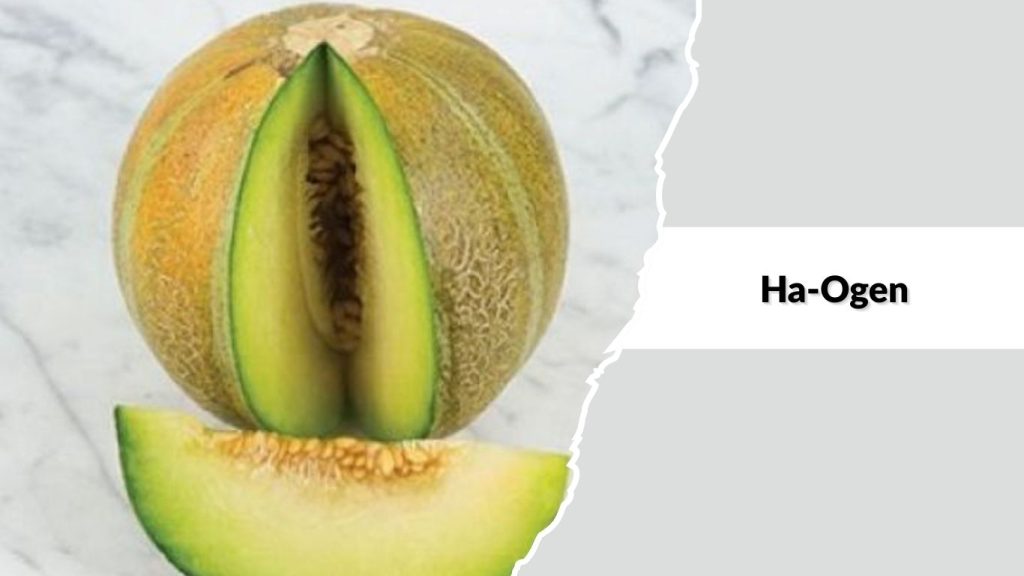
Ha-Ogen is an aromatic Israeli cantaloupe variety known for its smooth rind and exceptionally sweet, juicy flesh. It is especially valued in fresh fruit markets for its rich flavor and pleasant fragrance.
Identification
- Small to medium size
- Smooth, lightly ribbed rind
- Pale green skin turning yellow at maturity
- Light green to pale orange flesh
- Strong, sweet aroma
Growing Characteristics
Ha-Ogen melons grow on compact but productive vines and mature in about 70–80 days. They prefer warm temperatures and full sun and are often grown in home gardens and specialty farms due to their flavor-focused traits.
Flavor Profile
The flesh is very sweet, juicy, and mildly musky with a refreshing taste. Its flavor is softer and less intense than Charentais but richer than many commercial hybrids.
Storage and Shelf Life
Ha-Ogen has a relatively short shelf life and does not ship well. For best quality, it should be eaten soon after harvest, making it ideal for local consumption rather than mass distribution.
6. Ogen
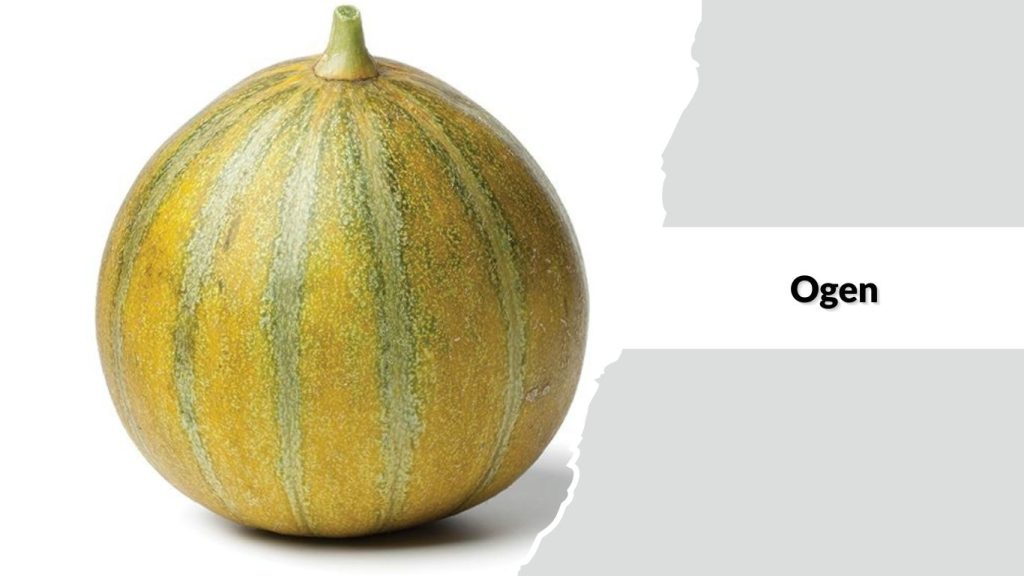
Ogen is a classic Israeli cantaloupe variety appreciated for its smooth rind, pale green flesh, and high sugar content. It is closely related to Ha-Ogen and is especially popular in Mediterranean and Middle Eastern regions.
Identification
- Small to medium round fruit
- Smooth, lightly ribbed rind
- Green skin that turns yellow when ripe
- Pale green flesh
- Sweet, noticeable aroma
Growing Characteristics
Ogen melons grow on compact vines and mature quickly, usually within 70–80 days. They perform best in warm, dry climates and are well suited for small farms and home gardens.
Flavor Profile
The flavor is very sweet, clean, and refreshing with a gentle musky note. The flesh is juicy and tender, making it a favorite for fresh eating.
Storage and Shelf Life
Ogen melons have a short shelf life and are best consumed soon after harvest. They are not ideal for long-distance transport, as their delicate rind and flesh bruise easily.
7. Athena
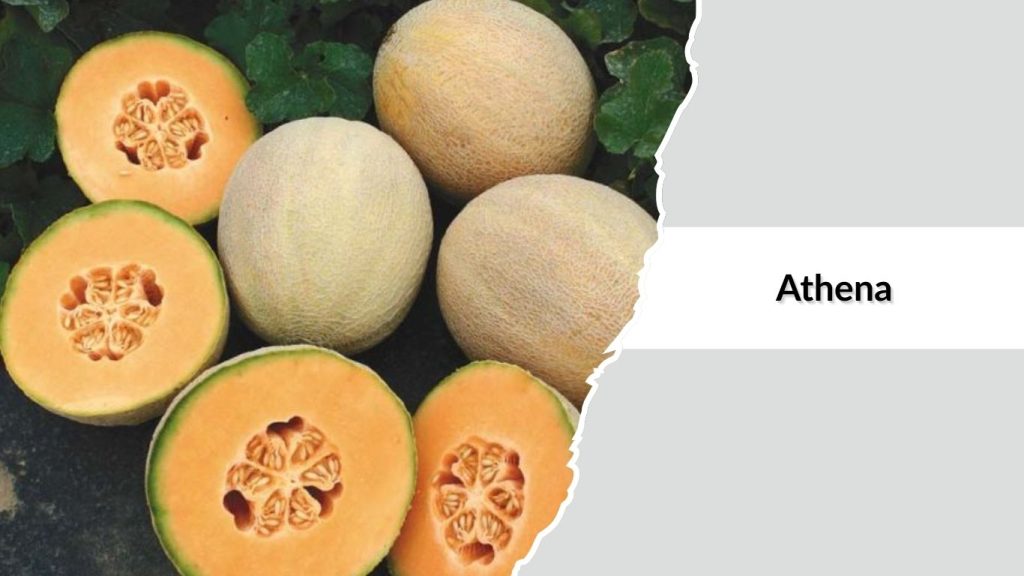
Athena is a modern hybrid cantaloupe developed for high yield, uniform size, and excellent disease resistance. It is widely grown commercially and is known for combining good flavor with strong storage and shipping qualities.
Identification
- Medium to large round fruit
- Thick, heavily netted rind
- Light tan to beige exterior
- Deep orange, firm flesh
- Small central seed cavity
Growing Characteristics
Athena melons grow on vigorous vines and mature in about 75–85 days. They are highly resistant to common melon diseases and perform well in diverse growing conditions, making them a favorite among commercial growers.
Flavor Profile
The flavor is sweet and mild with a clean, refreshing taste. While not as aromatic as European varieties, Athena offers consistent sweetness and firm texture.
Storage and Shelf Life
Athena has an excellent shelf life due to its thick rind and firm flesh. It stores and ships very well, making it ideal for large-scale distribution and supermarket sales.
8. Ambrosia
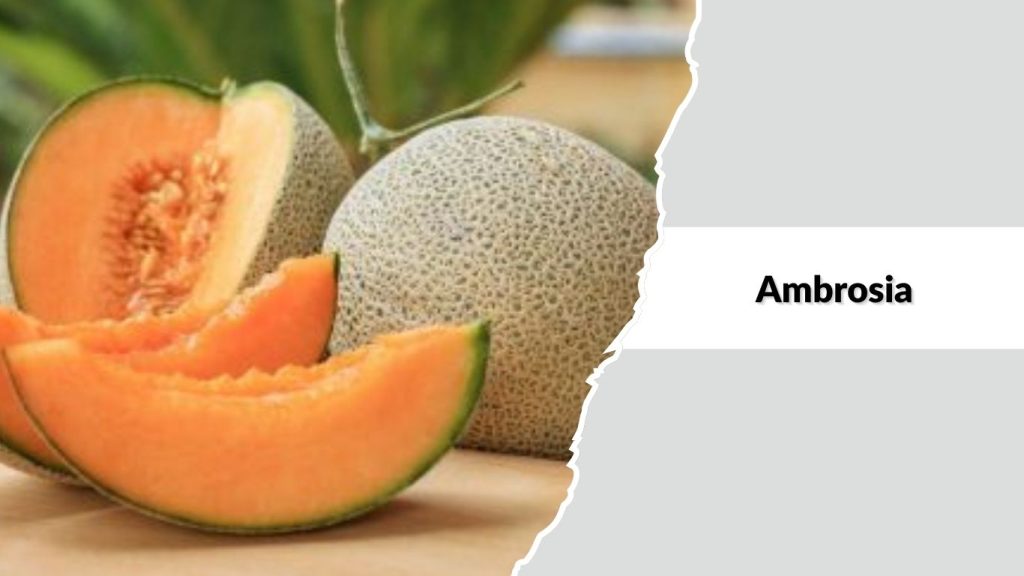
Ambrosia is a popular hybrid cantaloupe known for its exceptionally sweet flavor and smooth, juicy texture. It is often considered a premium cantaloupe in fresh markets due to its reliable sweetness and appealing flesh.
Identification
- Medium-sized, round fruit
- Lightly to moderately netted rind
- Tan to light beige exterior
- Deep orange flesh
- Small seed cavity
Growing Characteristics
Ambrosia melons grow on strong, productive vines and typically mature in 80–90 days. They perform best in warm climates and are commonly grown by both commercial producers and home gardeners.
Flavor Profile
The flavor is very sweet with a rich, honey-like taste. The flesh is tender, juicy, and smooth, offering a more dessert-like eating experience than many standard cantaloupes.
Storage and Shelf Life
Ambrosia has a moderate shelf life. It stores better than delicate European types but should still be consumed relatively soon after ripening for the best flavor and texture.
9. Tuscan
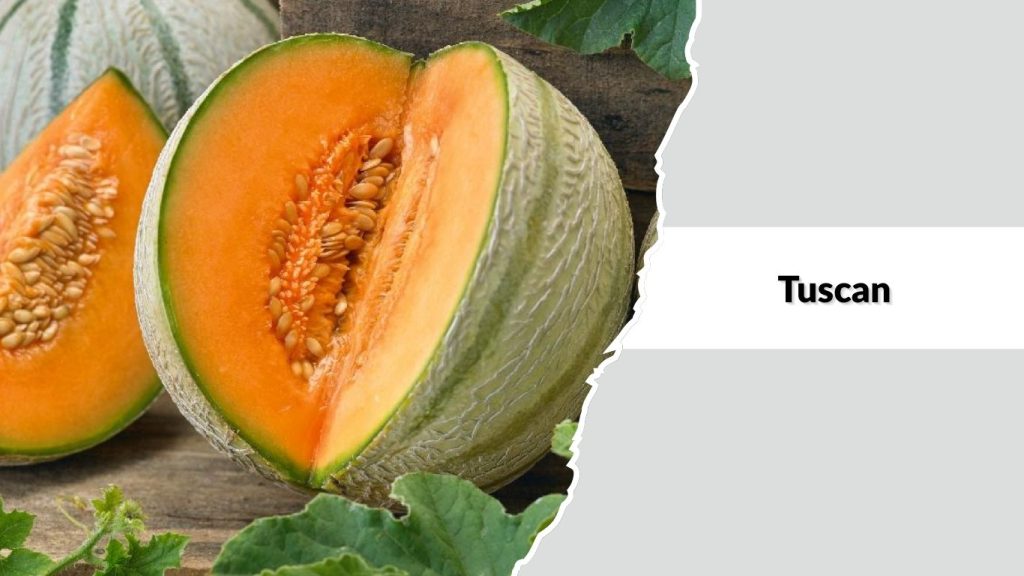
Tuscan cantaloupe is a European-style melon known for its ribbed appearance and rich, aromatic flesh. It is especially popular in Italy and surrounding regions for its refined flavor and traditional character.
Identification
- Medium-sized, round fruit
- Distinct ribbing on the rind
- Light green to gray-green skin
- Deep orange flesh
- Strong, fragrant aroma
Growing Characteristics
Tuscan melons grow on moderately vigorous vines and mature in about 75–85 days. They prefer warm temperatures, full sun, and well-drained soil, and are often grown for local or regional markets.
Flavor Profile
The flavor is sweet, rich, and aromatic, with a pronounced melon fragrance. The flesh is soft, juicy, and more intensely flavored than most commercial hybrids.
Storage and Shelf Life
Tuscan cantaloupes have a short shelf life and are best eaten fresh. Their delicate rind and flesh make them unsuitable for long-distance shipping, favoring local consumption.
10. Prescott Fond Blanc
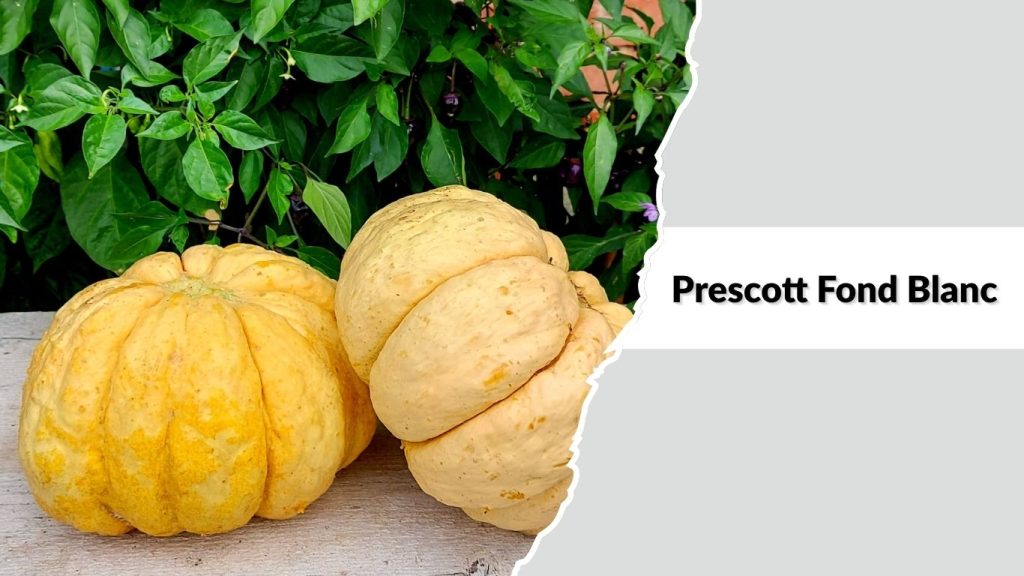
Prescott Fond Blanc is a traditional French cantaloupe variety known for its large size, ribbed rind, and exceptionally sweet, aromatic flesh. It is considered a heritage melon prized by growers and melon enthusiasts.
Identification
- Large, round to slightly flattened fruit
- Deeply ribbed rind
- Pale green to gray-green skin
- Thick, deep orange flesh
- Strong, musky aroma
Growing Characteristics
This variety grows on vigorous vines and requires a long, warm growing season, typically maturing in 85–95 days. It thrives in rich, well-drained soil and is most often grown in home gardens or specialty farms.
Flavor Profile
The flavor is intensely sweet and aromatic with a rich, old-fashioned melon taste. The flesh is juicy and tender, often considered superior to many modern hybrids.
Storage and Shelf Life
Prescott Fond Blanc has a short shelf life and is best consumed soon after harvest. Due to its size and delicate nature, it is rarely used for commercial shipping and is favored for local use.
11. Noir des Carmes
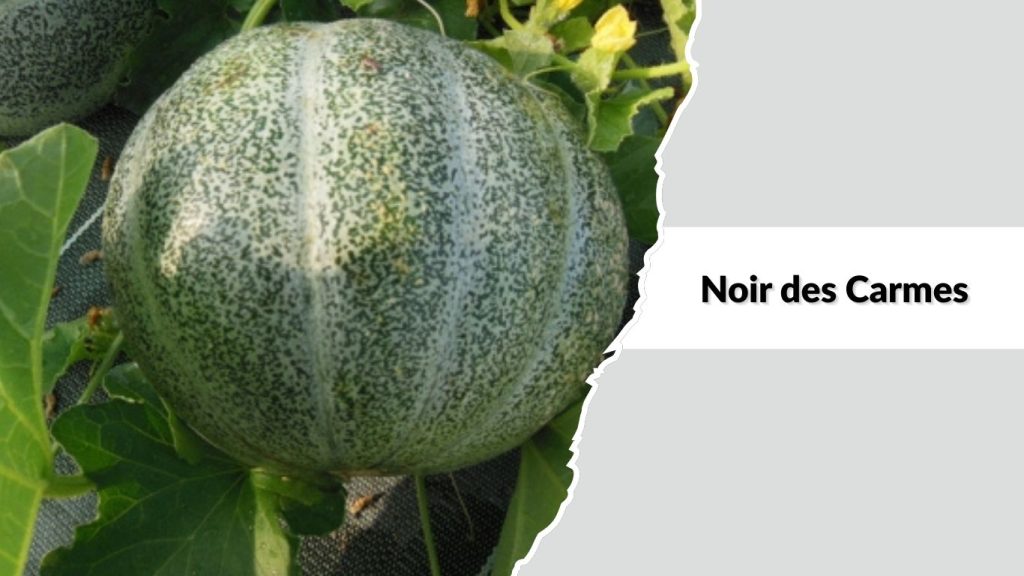
Noir des Carmes is a historic French cantaloupe variety distinguished by its dark rind that turns orange as it ripens. It is valued for its rich aroma, sweet flesh, and unique appearance.
Identification
- Medium-sized, round fruit
- Smooth to lightly ribbed rind
- Dark green skin that ripens to orange
- Bright orange flesh
- Strong, fragrant aroma
Growing Characteristics
This variety matures relatively quickly, usually within 70–80 days, and grows on moderately vigorous vines. It performs best in warm climates and is often cultivated in home gardens and specialty melon collections.
Flavor Profile
The flavor is sweet, rich, and aromatic with a classic musky cantaloupe taste. The flesh is tender and juicy, offering a refined eating experience.
Storage and Shelf Life
Noir des Carmes has a short shelf life and should be eaten soon after ripening. Its delicate skin and soft flesh make it unsuitable for long-term storage or shipping.
12. Early Silver Line
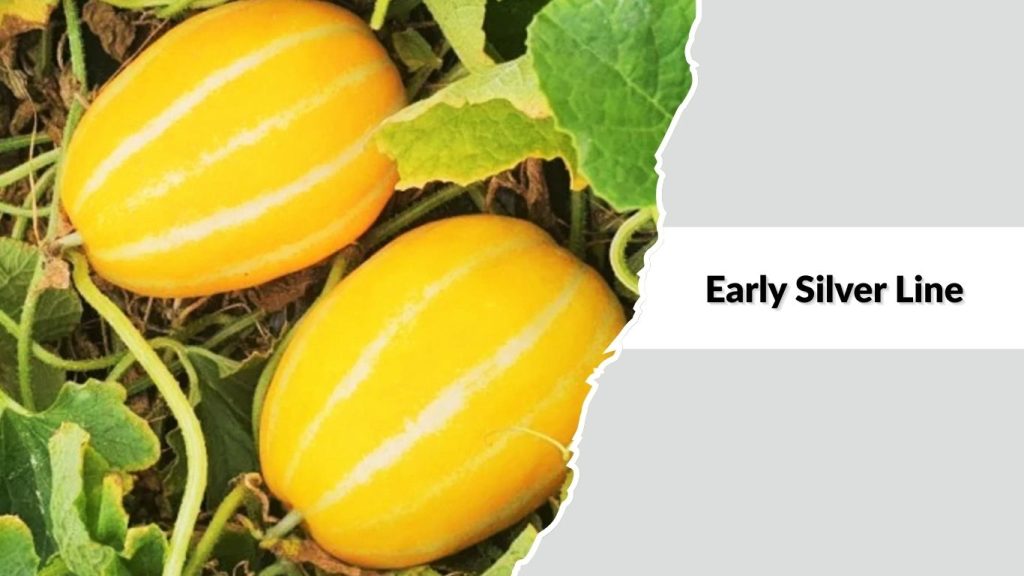
Early Silver Line is an heirloom cantaloupe variety appreciated for its early maturity and dependable sweetness. It is often grown by gardeners who want a flavorful melon in a shorter growing season.
Identification
- Medium-sized, round fruit
- Lightly netted rind
- Pale green to silvery exterior
- Orange flesh
- Mild, sweet aroma
Growing Characteristics
This variety matures quickly, typically within 65–75 days, making it suitable for cooler regions or short summers. The vines are productive and adapt well to different soil conditions.
Flavor Profile
The flavor is sweet and refreshing with a mild musky note. While not as intensely aromatic as some European types, it delivers a pleasant, classic cantaloupe taste.
Storage and Shelf Life
Early Silver Line has a moderate shelf life. It stores better than delicate heirloom varieties but is best enjoyed soon after harvest for optimal flavor.
13. Hale’s Best Jumbo
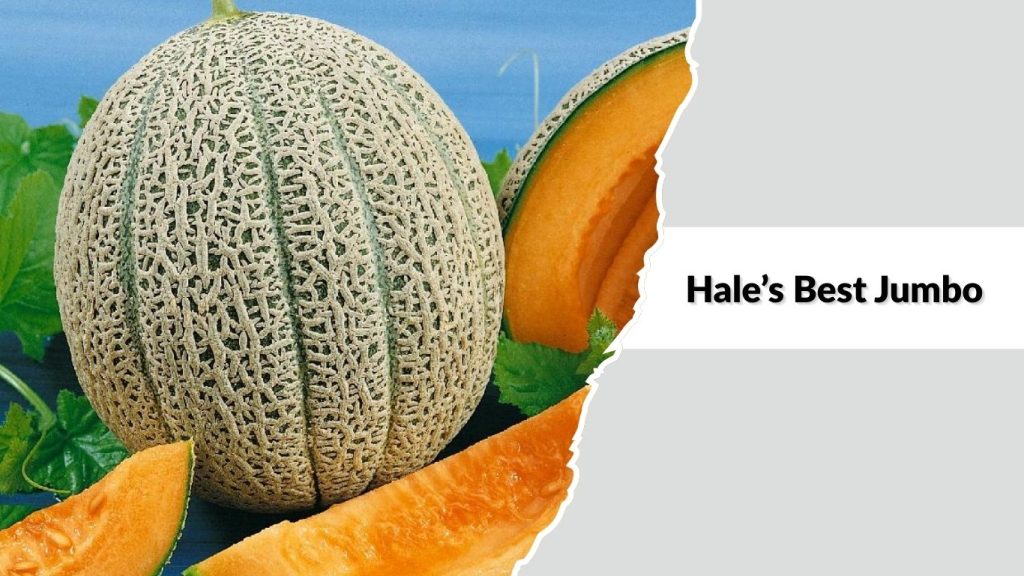
Hale’s Best Jumbo is a classic heirloom cantaloupe widely known for its large size, heavy netting, and dependable sweetness. It has long been a favorite among home gardeners and traditional melon growers.
Identification
- Large, round fruit
- Thick, heavily netted rind
- Light tan exterior
- Deep orange flesh
- Large central seed cavity
Growing Characteristics
This variety grows on vigorous, spreading vines and matures in about 80–90 days. It performs best in warm climates with full sun and ample space, producing high yields under good conditions.
Flavor Profile
The flavor is sweet and rich with a traditional cantaloupe taste. The flesh is juicy and moderately firm, making it well suited for fresh eating.
Storage and Shelf Life
Hale’s Best Jumbo has a moderate shelf life. While it can be stored for a short time, it is primarily valued for fresh, local consumption rather than long-distance shipping.
14. Honey Rock
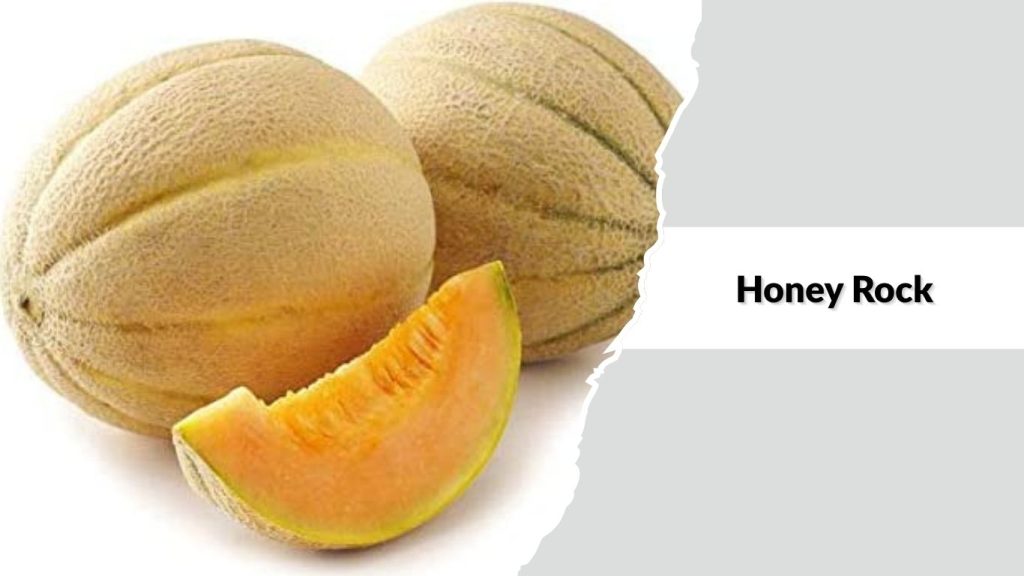
Honey Rock is an heirloom cantaloupe variety celebrated for its dense, sugary flesh and exceptional flavor. It gained popularity in the early 20th century and remains prized by melon enthusiasts.
Identification
- Medium-sized, round fruit
- Coarse, heavily netted rind
- Gray-green to tan exterior
- Thick, deep orange flesh
- Compact seed cavity
Growing Characteristics
Honey Rock melons grow on vigorous vines and mature in about 75–85 days. They thrive in warm, sunny conditions and require well-drained soil for optimal sweetness and texture.
Flavor Profile
The flavor is intensely sweet and rich, often considered one of the best among heirloom cantaloupes. The flesh is firm yet juicy, with a concentrated melon taste.
Storage and Shelf Life
Honey Rock has a moderate to short shelf life. For best quality and flavor, it should be eaten soon after harvest and is not ideal for long-distance transport.
15. Minnesota Midget
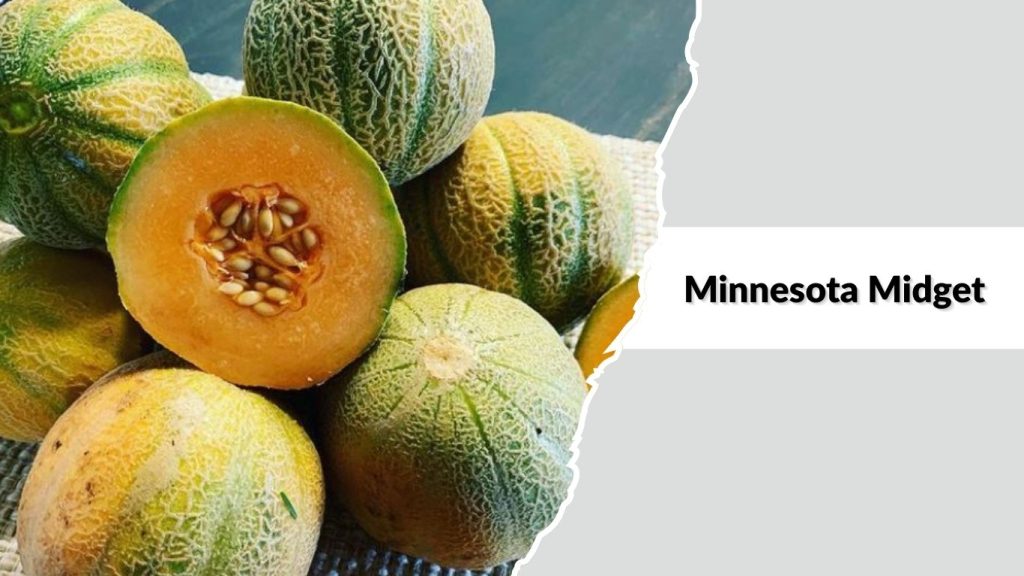
Minnesota Midget is a compact heirloom cantaloupe developed for cooler climates and short growing seasons. Despite its small size, it is well known for its impressive sweetness and aroma.
Identification
- Small, round fruit
- Lightly netted rind
- Pale green skin turning yellow when ripe
- Bright orange flesh
- Strong, sweet aroma
Growing Characteristics
This variety matures quickly, usually within 60–70 days, and grows on compact vines, making it ideal for small gardens and northern regions with shorter summers.
Flavor Profile
The flavor is very sweet and aromatic, rivaling larger melons. The flesh is juicy and tender, offering a rich cantaloupe taste in a small package.
Storage and Shelf Life
Minnesota Midget has a short shelf life and is best consumed shortly after harvest. Its delicate rind and small size make it unsuitable for extended storage or shipping.
16. Divergent
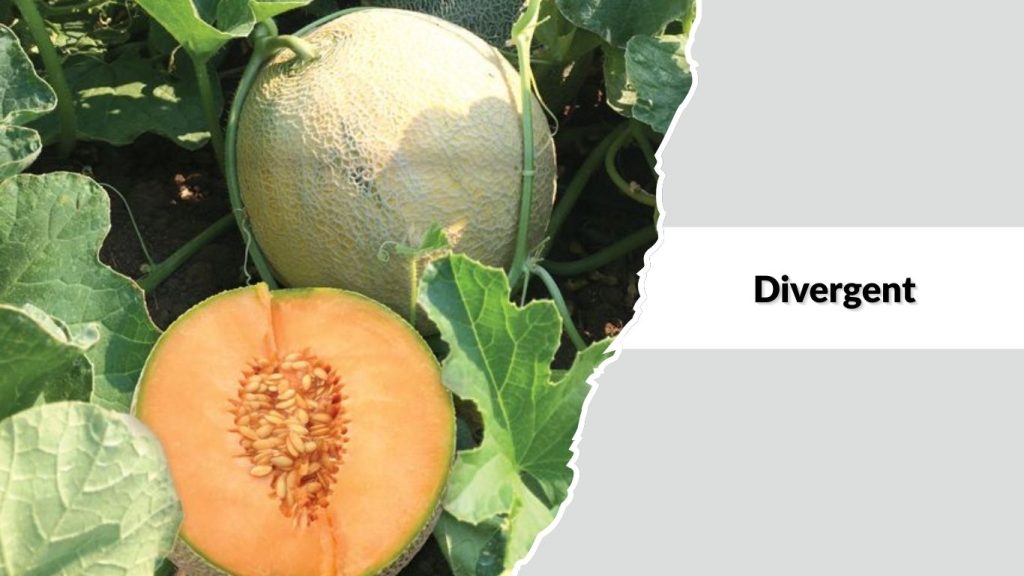
Divergent is a modern hybrid cantaloupe bred for uniformity, strong plant vigor, and reliable sweetness. It is commonly grown in commercial settings where consistency and performance are important.
Identification
- Medium-sized, round fruit
- Dense, uniform netting
- Tan to light beige rind
- Deep orange flesh
- Small to medium seed cavity
Growing Characteristics
Divergent melons grow on strong, productive vines and mature in about 75–85 days. They are bred for disease resistance and adaptability to various growing conditions, making them suitable for large-scale cultivation.
Flavor Profile
The flavor is sweet and clean with a mild aroma. The flesh is firm, juicy, and consistent in texture, appealing to consumers who prefer classic cantaloupe taste.
Storage and Shelf Life
Divergent has a good shelf life and ships well. Its firm flesh and sturdy rind allow it to maintain quality during storage and transportation.
17. Eden Gem
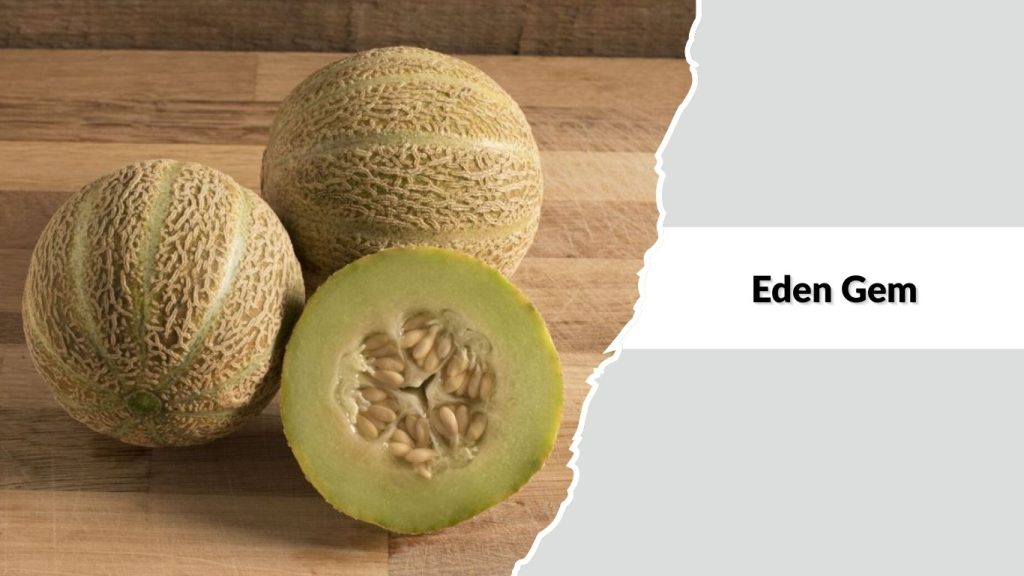
Eden Gem is a small heirloom cantaloupe closely associated with the famous Rocky Ford melons of Colorado. It is prized for its compact size, dense flesh, and rich, sweet flavor.
Identification
- Small, round fruit
- Finely netted rind
- Gray-green to tan exterior
- Thick, deep orange flesh
- Very aromatic
Growing Characteristics
Eden Gem matures in about 70–80 days and grows on moderately vigorous vines. It prefers warm days and cool nights, conditions that help concentrate its sweetness and aroma.
Flavor Profile
The flavor is intensely sweet and richly aromatic, often described as old-fashioned and concentrated. The flesh is firm yet juicy, offering an exceptional eating experience.
Storage and Shelf Life
Eden Gem has a short shelf life and is best enjoyed soon after harvest. It does not ship well, which is why it is commonly grown for local markets and home use.
18. Burpee Hybrid
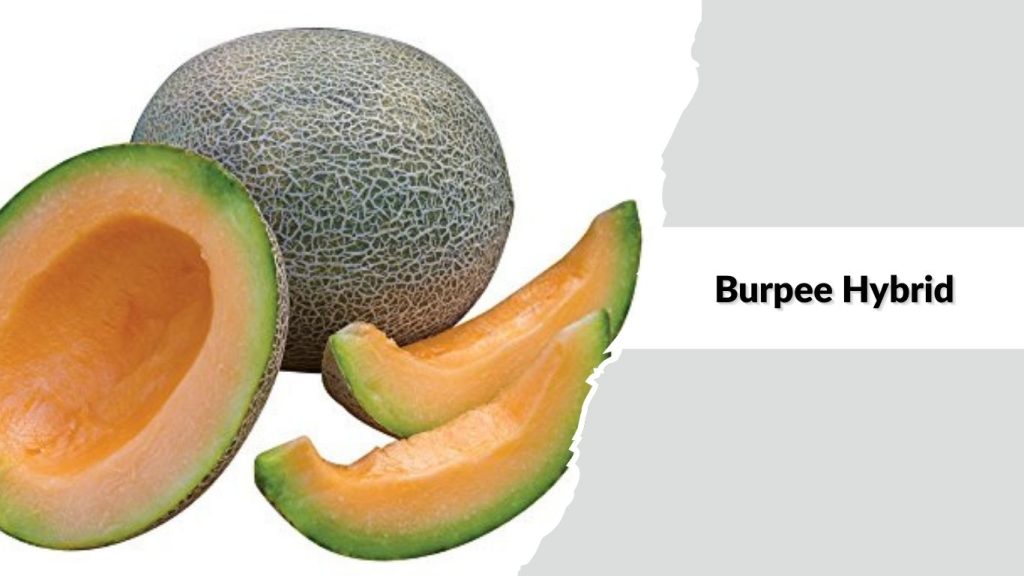
Burpee Hybrid is a reliable cantaloupe variety developed for improved yield, uniform fruit, and dependable sweetness. It is commonly grown by home gardeners seeking consistent performance.
Identification
- Medium-sized, round fruit
- Moderately netted rind
- Tan to light beige skin
- Bright orange flesh
- Medium seed cavity
Growing Characteristics
This hybrid matures in about 80–90 days and grows on strong, productive vines. It adapts well to a range of climates and soil types, making it suitable for both beginners and experienced growers.
Flavor Profile
The flavor is sweet and mild with a classic cantaloupe taste. The flesh is juicy and smooth, offering dependable quality rather than intense aroma.
Storage and Shelf Life
Burpee Hybrid has a moderate shelf life. It stores better than many heirloom varieties but is best consumed relatively soon after ripening for optimal freshness.
19. Golden Perfection
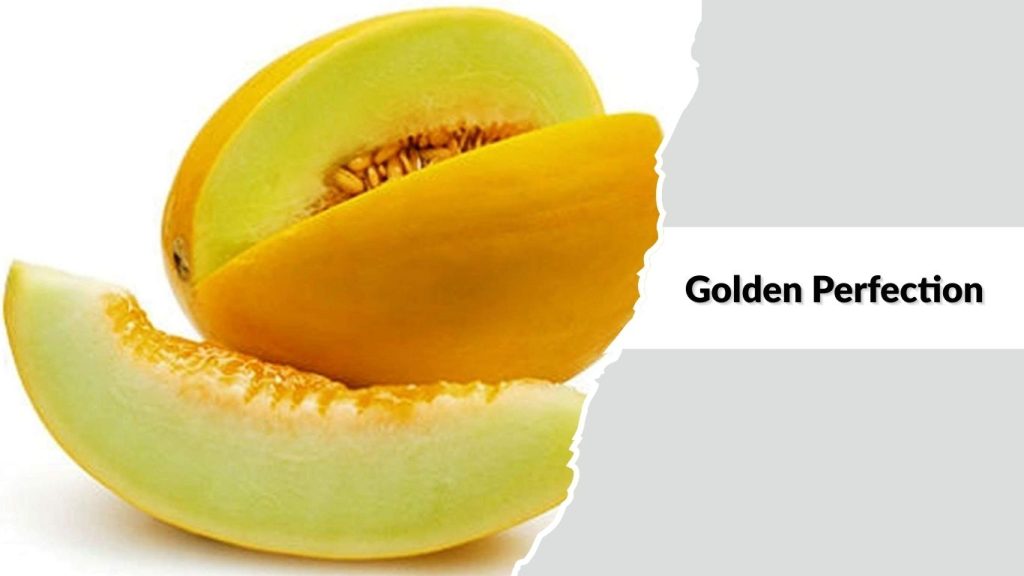
Golden Perfection is a traditional cantaloupe variety known for its attractive golden rind and sweet, juicy flesh. It has been grown historically for both home gardens and local markets.
Identification
- Medium to large round fruit
- Light to moderate netting
- Golden-yellow rind when mature
- Orange flesh
- Pleasant melon aroma
Growing Characteristics
This variety matures in about 80–90 days and grows on vigorous vines. It prefers warm temperatures, full sun, and fertile, well-drained soil to achieve optimal sweetness.
Flavor Profile
The flavor is sweet and smooth with a mild musky note. The flesh is juicy and tender, making it enjoyable for fresh eating.
Storage and Shelf Life
Golden Perfection has a moderate shelf life. While it can be stored briefly, it is best consumed fresh and is not ideal for long-distance shipping.
20. Rocky Ford
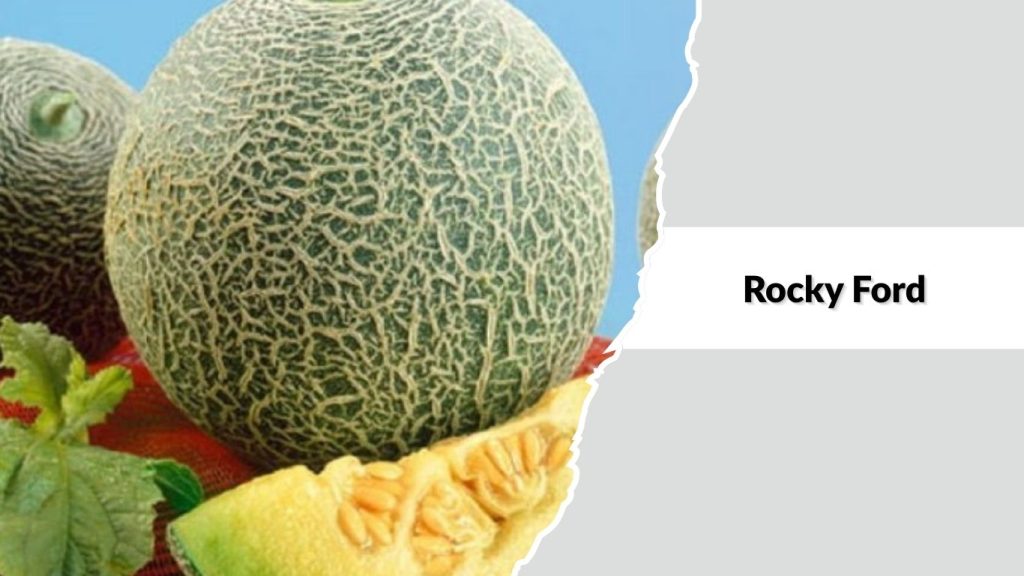
Rocky Ford is a famous heirloom cantaloupe originating from Colorado, renowned for its exceptional sweetness and rich aroma. It helped establish the reputation of American cantaloupes in the early 1900s.
Identification
- Medium-sized, round fruit
- Dense, coarse netting
- Gray-green to tan rind
- Thick, deep orange flesh
- Strong, musky aroma
Growing Characteristics
Rocky Ford melons mature in about 75–85 days and grow best in regions with warm days and cool nights. These conditions enhance sugar development and flavor intensity.
Flavor Profile
The flavor is intensely sweet and aromatic with a classic, old-fashioned cantaloupe taste. The flesh is firm, juicy, and richly colored.
Storage and Shelf Life
Rocky Ford has a short to moderate shelf life and does not ship well. It is best enjoyed fresh, making it ideal for local markets and home gardens.
21. Israeli Cantaloupe
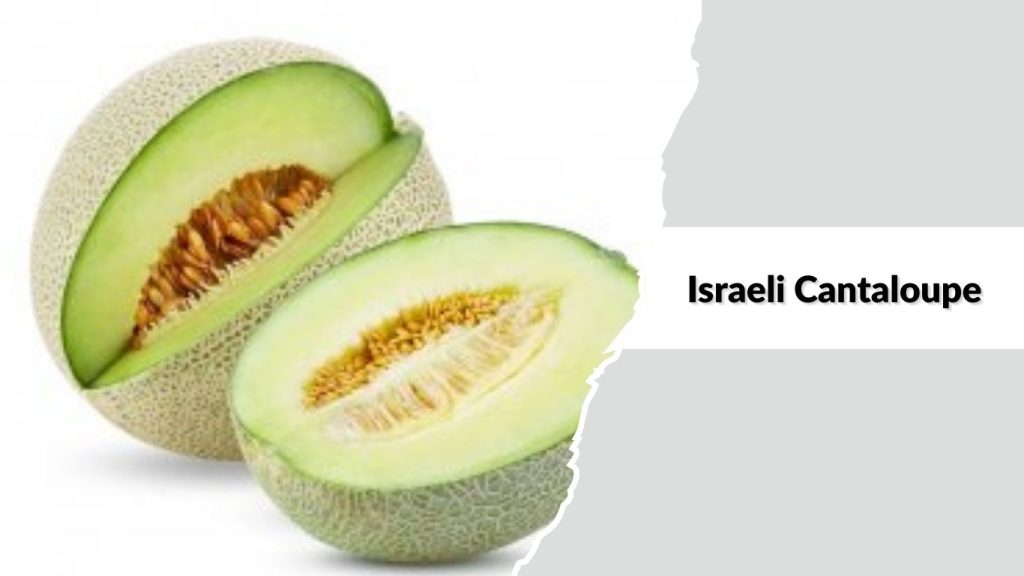
Israeli cantaloupe is a flavorful melon variety developed for hot, dry climates. It is known for its balanced sweetness, refreshing flesh, and adaptability to modern cultivation.
Identification
- Medium-sized, round fruit
- Smooth to lightly netted rind
- Green skin turning yellow when ripe
- Pale green to light orange flesh
- Mild, pleasant aroma
Growing Characteristics
This cantaloupe matures in about 70–85 days and grows on productive vines. It is well adapted to arid and semi-arid regions and performs well under intensive farming conditions.
Flavor Profile
The flavor is sweet, clean, and refreshing with a subtle musky note. The flesh is juicy and tender, making it enjoyable for fresh consumption.
Storage and Shelf Life
Israeli cantaloupe has a moderate shelf life and handles transport better than many traditional European varieties, though it is best consumed while fresh.
FAQs
What is a cantaloupe?
A cantaloupe is a type of muskmelon known for its sweet flesh and aromatic flavor. It belongs to the Cucumis melo species and is commonly eaten fresh.
Are cantaloupe and muskmelon the same?
Cantaloupe is a type of muskmelon. In North America, the term “cantaloupe” usually refers to netted muskmelons, while in Europe it often refers to smoother-skinned varieties.
How can you tell when a cantaloupe is ripe?
A ripe cantaloupe has a sweet aroma, a slightly soft blossom end, and a rind that turns from green to yellow or tan depending on the variety.
What is the sweetest type of cantaloupe?
Sweetness depends on variety and growing conditions, but Charentais, Honey Rock, Eden Gem, and Minnesota Midget are widely considered among the sweetest.
How should cantaloupe be stored?
Whole cantaloupes can be kept at room temperature until ripe, then refrigerated. Cut cantaloupe should be stored in an airtight container in the refrigerator and eaten within a few days.