





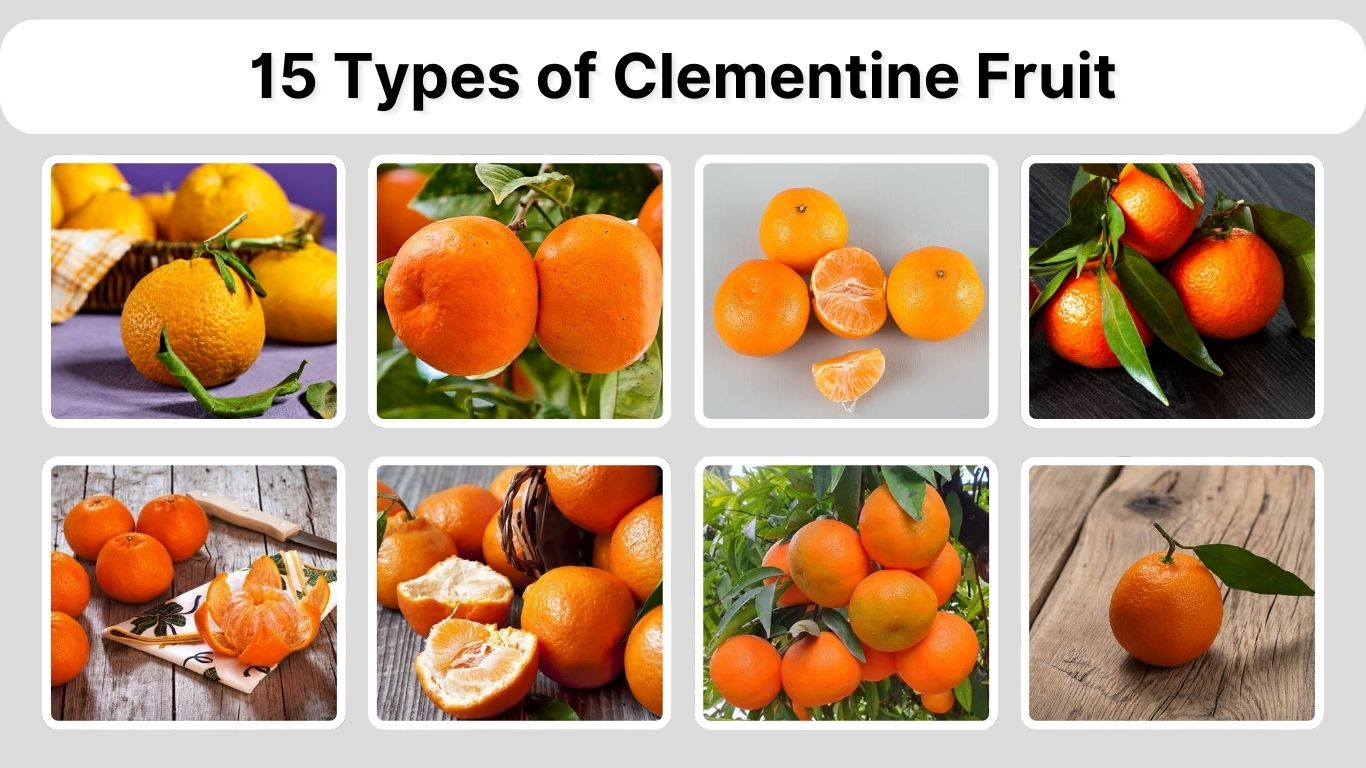
Clementines are small, sweet citrus fruits loved for their bright flavor, easy-to-peel skin, and convenient snack size. Belonging to the mandarin orange family, they come in many varieties that differ slightly in taste, ripening time, and growing regions. From early-season to late-season types, each clementine offers its own unique characteristics. Understanding these varieties helps consumers choose the best fruit for flavor, freshness, and availability throughout the citrus season.
1. Algerian Clementine
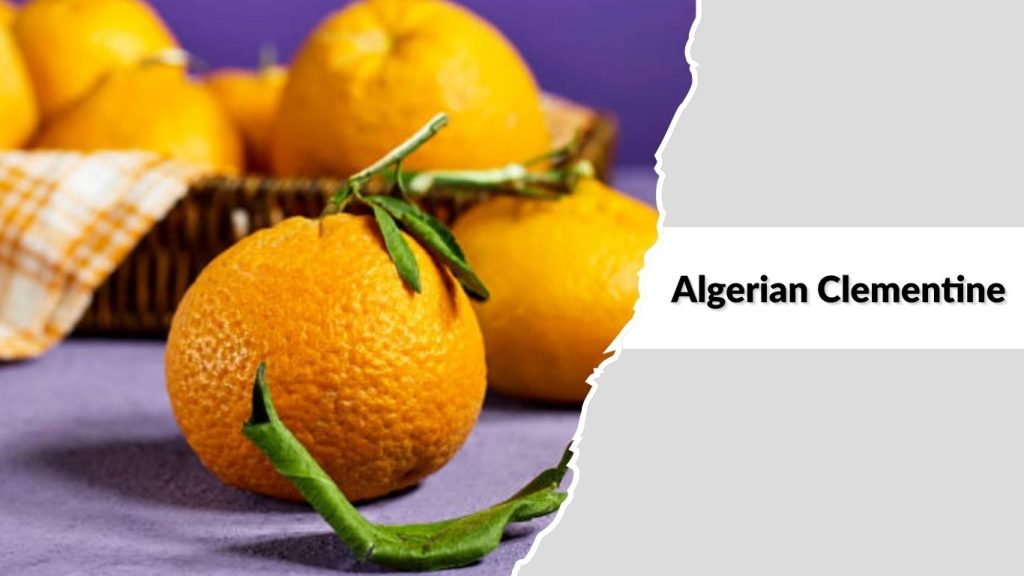
The Algerian Clementine is one of the earliest known and most traditional varieties of clementine oranges. It is prized for its sweet flavor, bright color, and easy-to-peel skin, making it a classic choice among citrus lovers and a foundation variety for many modern clementines.
Identification
- Medium-sized fruit with a slightly flattened shape
- Bright orange, smooth, and glossy peel
- Easy-to-peel skin with little to no bitterness
- Usually seedless or contains very few seeds
Flavor Profile
Algerian Clementines are known for their balanced sweetness with mild acidity. The flesh is juicy, tender, and aromatic, making it enjoyable both fresh and in simple desserts.
Growing Regions
This variety originated in Algeria and is traditionally grown in Mediterranean climates. Today, it is also cultivated in parts of North Africa and Southern Europe with similar warm, sunny conditions.
Seasonal Availability
Algerian Clementines are typically available early in the citrus season, often appearing from late autumn to early winter, depending on the growing region.
2. Spanish Clementine

Spanish Clementines are among the most widely cultivated and exported clementines in the world. They are valued for their consistent quality, pleasant sweetness, and attractive appearance, making them a staple in international citrus markets.
Identification
- Medium-sized fruit with a round to slightly flattened shape
- Smooth, thin, deep orange peel
- Easy to peel with tight segments
- Mostly seedless
Flavor Profile
This variety offers a mild, refreshing sweetness with low acidity. The flesh is juicy and soft, providing a clean, classic clementine taste that appeals to a wide range of consumers.
Growing Regions
Spanish Clementines are primarily grown in Spain, especially in Valencia and Andalusia. The Mediterranean climate supports excellent fruit color, sweetness, and texture.
Seasonal Availability
They are generally harvested from late autumn through mid-winter, making them a popular choice during the peak citrus season.
3. Moroccan Clementine
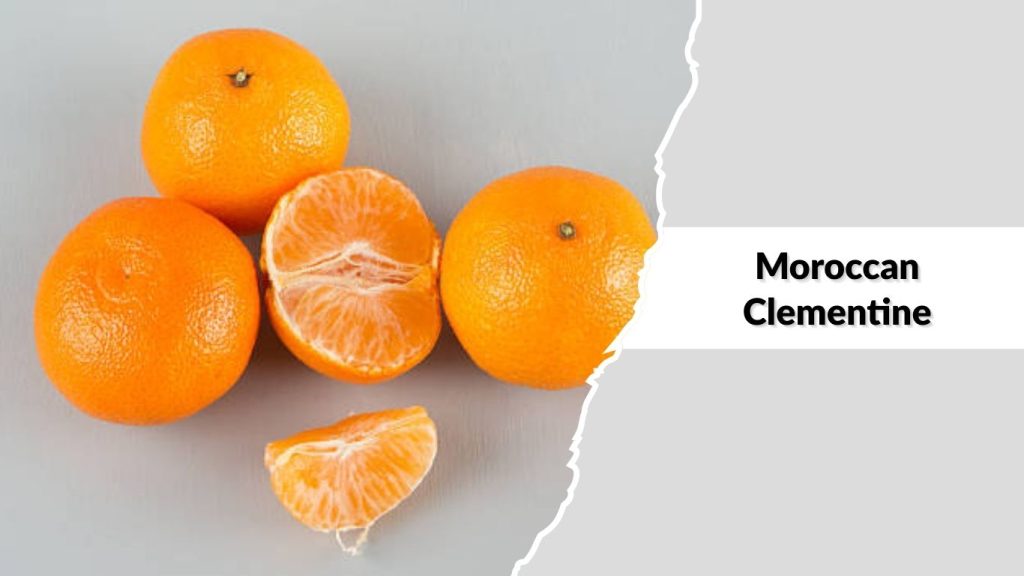
Moroccan Clementines are highly regarded for their vibrant color, rich sweetness, and reliable quality. Morocco is one of the world’s leading exporters of clementines, and this variety has become especially popular in European and global markets due to its flavor consistency and long shelf life.
Identification
- Medium-sized fruit with a round to slightly flattened shape
- Bright to deep orange peel with a smooth texture
- Thin, easy-to-peel skin
- Largely seedless with well-defined segments
Flavor Profile
Moroccan Clementines are sweet and juicy with very low acidity. The flavor is clean and refreshing, making them ideal for fresh eating. Their flesh is tender and aromatic, often considered sweeter than many early-season clementines.
Growing Regions
These clementines are primarily grown across Morocco, especially in regions such as Berkane, Gharb, and Souss-Massa. The combination of warm days, cool nights, and fertile soil contributes to their excellent taste and color development.
Seasonal Availability
Moroccan Clementines are typically available from early winter through late winter. Their extended availability and strong export quality make them a common choice in international markets during the colder months.
4. Corsican Clementine
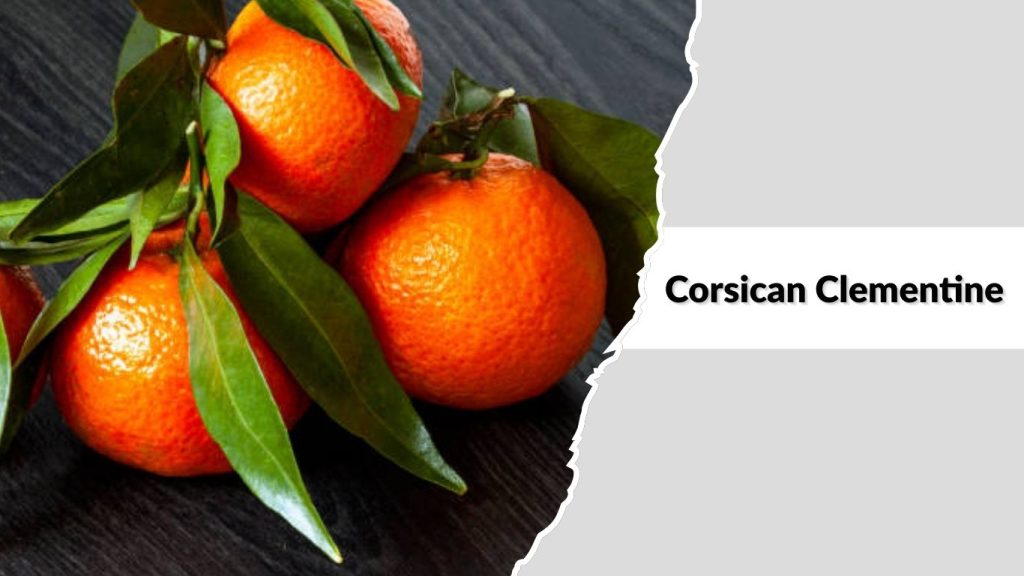
Corsican Clementines are a premium variety known for their exceptional aroma, natural sweetness, and strong regional identity. Often recognized by their distinctive quality standards, these clementines are appreciated for their authentic taste and careful cultivation methods, making them a favorite among citrus connoisseurs.
Identification
- Small to medium-sized fruit with a slightly flattened shape
- Bright orange peel with a smooth, glossy finish
- Easy-to-peel skin with firm yet tender segments
- Typically seedless
Flavor Profile
This variety delivers a rich, well-balanced flavor combining natural sweetness with gentle acidity. The flesh is juicy and fragrant, offering a fresh and intense citrus taste that reflects its high-quality growing conditions.
Growing Regions
Corsican Clementines are exclusively grown on the island of Corsica, France. The Mediterranean climate, mineral-rich soil, and strict production guidelines contribute to their distinctive character and superior quality.
Seasonal Availability
Corsican Clementines are usually available from late autumn to mid-winter. They are often harvested with leaves attached, a sign of freshness and a hallmark of their regional authenticity.
5. Monreal Clementine

The Monreal Clementine is a distinctive and traditional variety known for its rich flavor and historical significance. Unlike many modern clementines, this variety often contains seeds, but it is still valued for its sweetness, juiciness, and classic citrus aroma.
Identification
- Medium-sized fruit with a slightly flattened shape
- Deep orange peel with a smooth surface
- Thin, easy-to-peel skin
- Contains seeds, unlike most clementine varieties
Flavor Profile
Monreal Clementines offer a deep, honey-like sweetness balanced with mild acidity. The flesh is exceptionally juicy and aromatic, delivering a fuller and more intense citrus flavor compared to many seedless types.
Growing Regions
This variety is mainly grown in Mediterranean regions, particularly in Spain and parts of North Africa. Warm climates and traditional cultivation methods help preserve its distinctive taste and texture.
Seasonal Availability
Monreal Clementines are typically harvested early in the citrus season, usually appearing in late autumn. Their early maturity makes them one of the first clementines available each year.
6. Fina Clementine
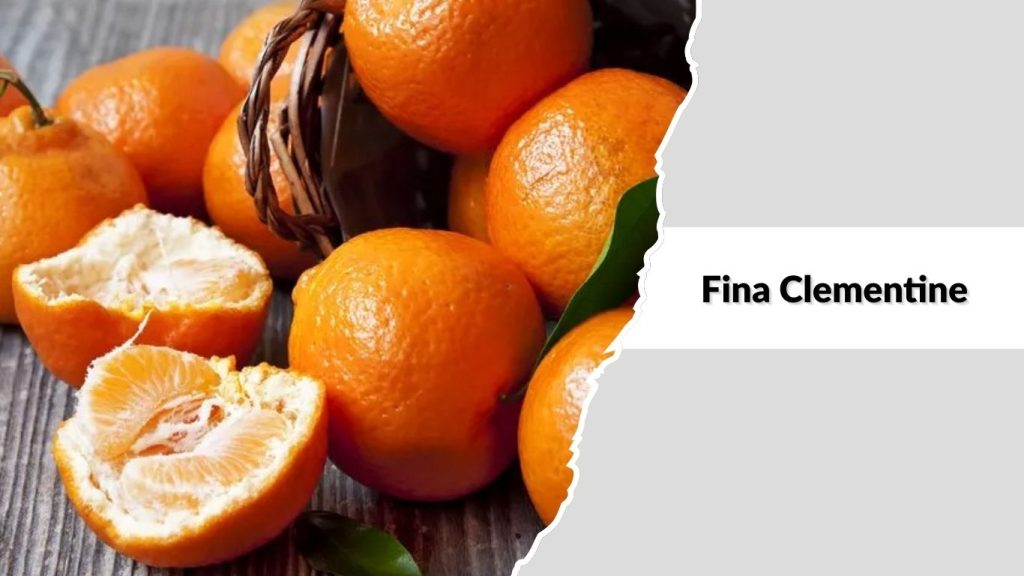
The Fina Clementine is a classic and widely appreciated variety known for its refined sweetness, smooth texture, and reliable quality. It is often used as a benchmark for traditional clementine flavor and is popular in both domestic and export markets.
Identification
- Medium-sized fruit with a round to slightly flattened shape
- Bright orange peel with a smooth, thin texture
- Easy to peel with tightly packed segments
- Mostly seedless
Flavor Profile
Fina Clementines have a balanced, mildly sweet flavor with gentle acidity. The flesh is juicy, tender, and aromatic, offering a clean and refreshing taste that is pleasant without being overpowering.
Growing Regions
This variety is primarily cultivated in Spain, especially in the Valencia region. The Mediterranean climate supports steady ripening, good color development, and consistent fruit quality.
Seasonal Availability
Fina Clementines are generally available from early to mid-winter. Their dependable flavor and texture make them a popular choice throughout the peak citrus season.
7. Clemenules
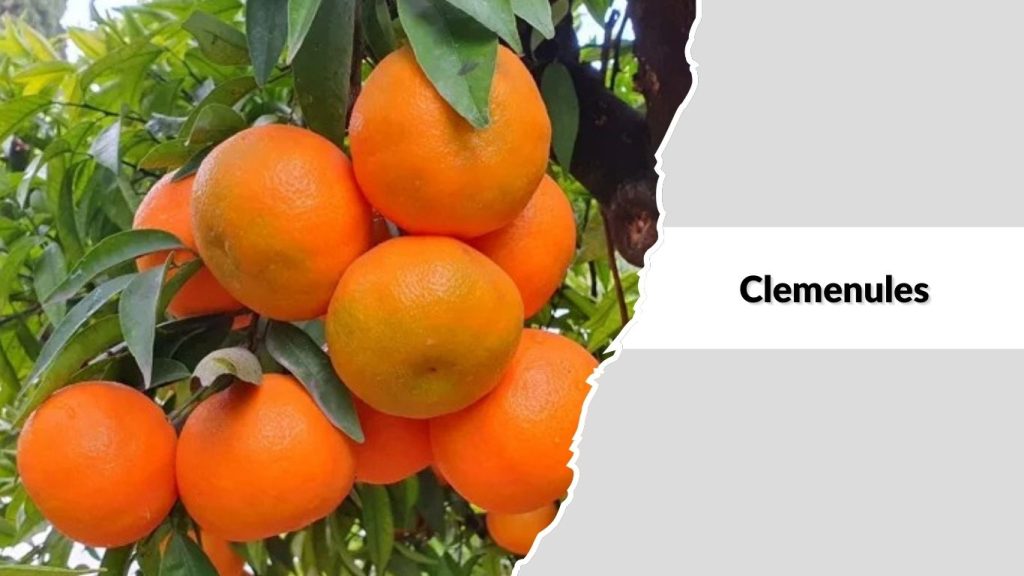
Clemenules is one of the most popular and commercially important clementine varieties, known for its excellent sweetness, juiciness, and attractive appearance. It is often considered a premium clementine due to its consistent quality and consumer-friendly characteristics.
Identification
- Medium to large-sized fruit with a slightly flattened shape
- Deep orange, smooth, and glossy peel
- Easy-to-peel skin with firm, well-defined segments
- Typically seedless when grown in isolation
Flavor Profile
Clemenules offers a rich, sweet flavor with low acidity. The flesh is very juicy, tender, and aromatic, delivering a full-bodied citrus taste that is both refreshing and satisfying.
Growing Regions
This variety originated in Spain and is widely grown in the Valencia region. Due to its success, it is also cultivated in other Mediterranean and subtropical regions around the world.
Seasonal Availability
Clemenules are usually harvested from mid to late winter. Their peak quality during this period makes them a favorite in markets and households during the heart of the citrus season.
8. Oroval Clementine
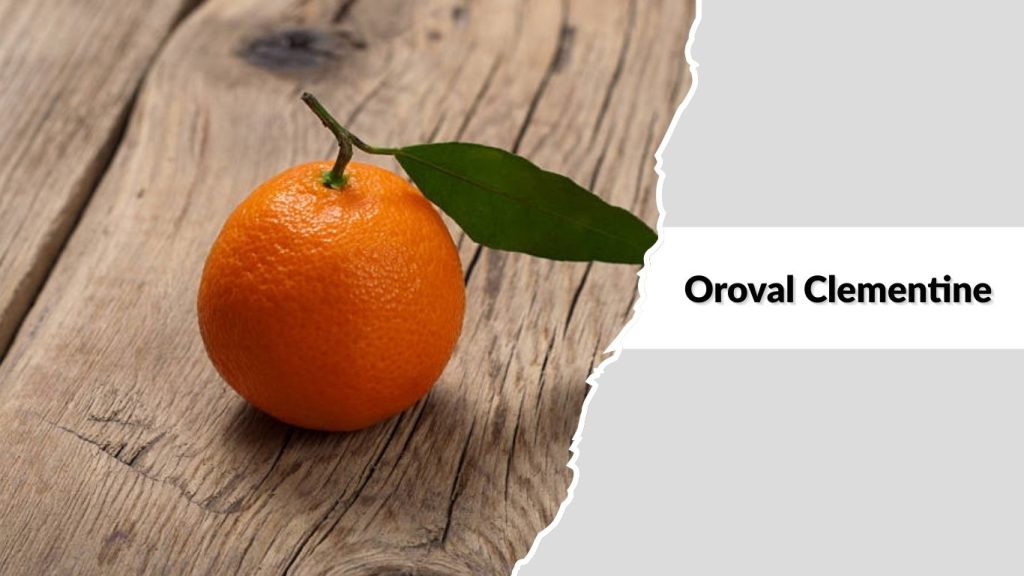
The Oroval Clementine is one of the earliest clementine varieties developed and is valued for its classic citrus aroma and traditional flavor. It played an important role in the development of many modern clementine cultivars and remains appreciated for its natural sweetness and juiciness.
Identification
- Medium-sized fruit with a slightly flattened shape
- Bright orange peel with a smooth, glossy texture
- Easy-to-peel skin
- May contain seeds, especially with cross-pollination
Flavor Profile
Oroval Clementines have a sweet, fragrant flavor with light acidity. The flesh is juicy and tender, offering a traditional clementine taste that is aromatic and refreshing.
Growing Regions
This variety originated in Spain and is mainly grown in Mediterranean regions. It thrives in warm climates with mild winters and is often cultivated in traditional citrus-growing areas.
Seasonal Availability
Oroval Clementines are typically available early in the citrus season, often from early autumn to early winter. Their early ripening makes them a popular choice at the start of the clementine harvest.
9. Marisol Clementine
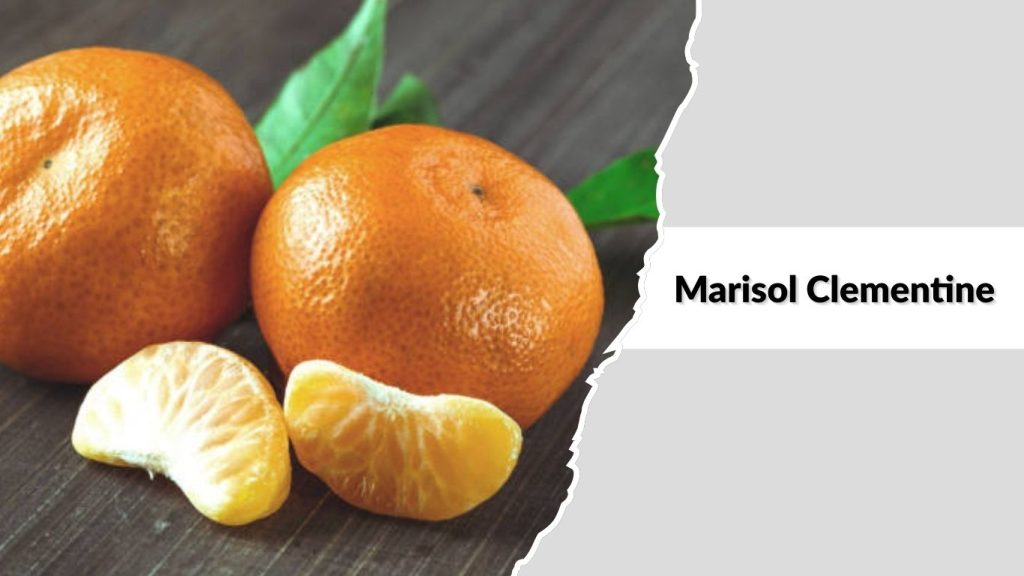
The Marisol Clementine is an early-ripening variety known for its bright color, pleasant sweetness, and market appeal. It is especially valued for reaching maturity early in the season, providing fresh clementines when demand first begins to rise.
Identification
- Medium-sized fruit with a slightly flattened shape
- Bright orange peel with a smooth, attractive finish
- Easy-to-peel skin with soft segments
- Generally seedless
Flavor Profile
Marisol Clementines offer a mild, sweet flavor with low acidity. The flesh is juicy and tender, making them refreshing and easy to enjoy as a fresh snack, particularly early in the season.
Growing Regions
This variety is mainly grown in Spain, particularly in the Valencia region. The Mediterranean climate supports early ripening and good color development.
Seasonal Availability
Marisol Clementines are typically harvested very early, often appearing from early to mid-autumn. Their early availability makes them one of the first clementines to reach markets each year.
10. Hernandina Clementine
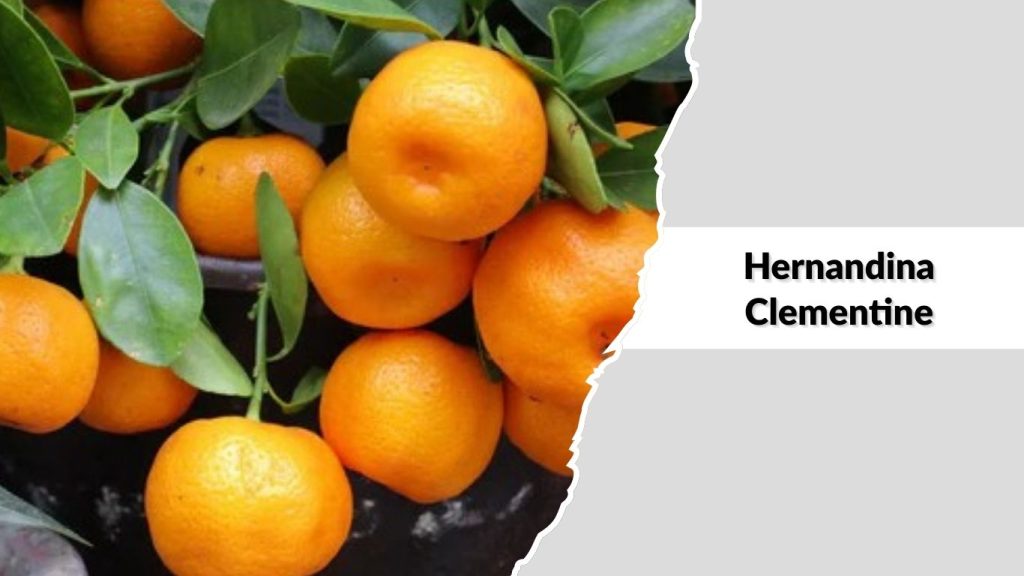
The Hernandina Clementine is a late-season variety valued for its excellent sweetness, juiciness, and ability to remain on the tree without losing quality. It is often chosen to extend the clementine season into the later months.
Identification
- Medium-sized fruit with a round to slightly flattened shape
- Smooth, deep orange peel
- Easy-to-peel skin with firm segments
- Mostly seedless
Flavor Profile
Hernandina Clementines have a rich, sweet flavor with very low acidity. The flesh is juicy, tender, and aromatic, offering a smooth and satisfying citrus taste even late in the season.
Growing Regions
This variety is primarily cultivated in Spain, especially in Valencia and surrounding regions. Favorable Mediterranean conditions allow the fruit to develop high sugar levels while maintaining good texture.
Seasonal Availability
Hernandina Clementines are typically harvested from late winter into early spring. Their late ripening helps bridge the gap between clementines and other late-season citrus varieties.
11. Esbal Clementine

The Esbal Clementine is a traditional variety known for its dependable sweetness and classic clementine character. It is appreciated for its simple, natural flavor and its role as one of the established clementine cultivars in Mediterranean citrus production.
Identification
- Medium-sized fruit with a slightly flattened shape
- Bright orange peel with a smooth surface
- Thin, easy-to-peel skin
- May contain a few seeds
Flavor Profile
Esbal Clementines have a gently sweet flavor with mild acidity. The flesh is juicy and soft, delivering a light, refreshing citrus taste that is pleasant and well-balanced.
Growing Regions
This variety is mainly grown in Mediterranean areas, particularly in Spain and nearby regions. Warm days and moderate winters support good flavor development and fruit quality.
Seasonal Availability
Esbal Clementines are generally available from early to mid-winter. Their steady quality during this period makes them a reliable choice in the heart of the citrus season.
12. Loretina Clementine
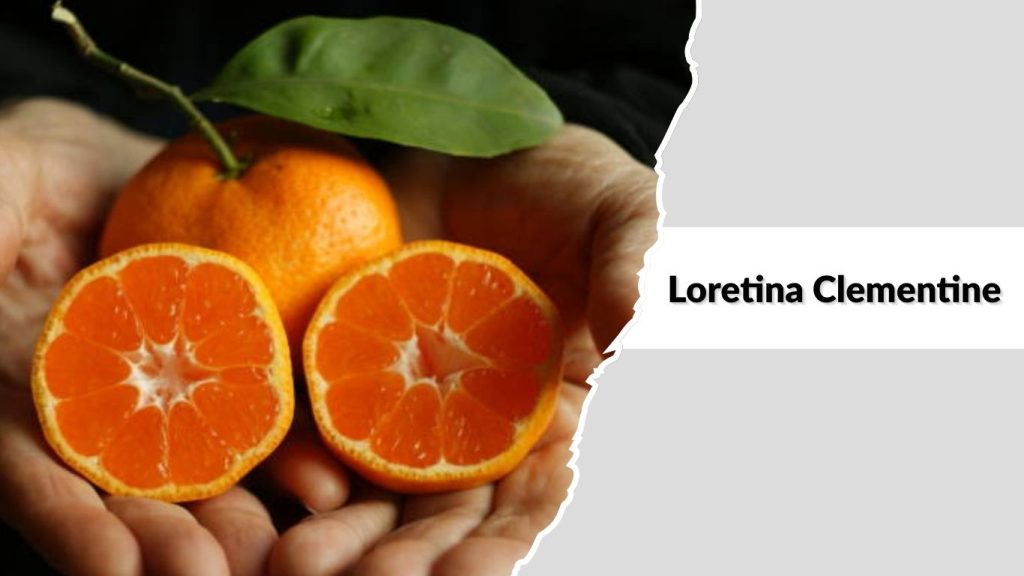
The Loretina Clementine is an early-season variety appreciated for its bright appearance, mild sweetness, and smooth texture. It is often grown to supply markets at the very beginning of the clementine harvest, when fresh citrus is in high demand.
Identification
- Medium-sized fruit with a slightly flattened shape
- Bright orange peel with a smooth, glossy finish
- Easy-to-peel skin with tender segments
- Generally seedless
Flavor Profile
Loretina Clementines offer a mild, pleasant sweetness with low acidity. The flesh is juicy and soft, providing a light and refreshing citrus flavor that is easy to enjoy early in the season.
Growing Regions
This variety is mainly cultivated in Spain, particularly in traditional citrus-growing areas. The warm Mediterranean climate supports early ripening and attractive fruit coloration.
Seasonal Availability
Loretina Clementines are typically harvested very early, often from early to mid-autumn. Their early availability makes them one of the first clementines to appear in markets each year.
13. Nules Clementine
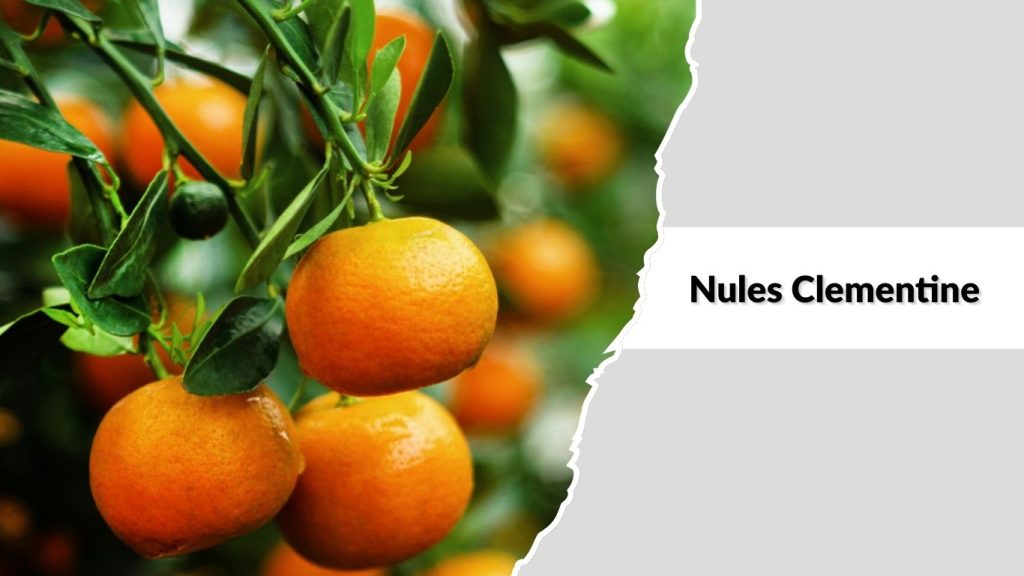
The Nules Clementine is a well-known and widely cultivated variety valued for its excellent eating quality and commercial reliability. It is often considered a standard clementine due to its consistent sweetness, juiciness, and appealing appearance.
Identification
- Medium-sized fruit with a slightly flattened shape
- Deep orange, smooth peel with a glossy look
- Easy-to-peel skin with firm, well-separated segments
- Typically seedless
Flavor Profile
Nules Clementines have a rich, sweet flavor with low acidity. The flesh is very juicy and tender, delivering a classic clementine taste that is both refreshing and satisfying.
Growing Regions
This variety originated in Spain and is primarily grown in the Valencia region. It is also cultivated in other Mediterranean and subtropical areas due to its strong adaptability and high-quality fruit.
Seasonal Availability
Nules Clementines are usually available from mid to late winter. Their peak quality during this time makes them a popular choice throughout the main citrus season.
14. Clemenpons
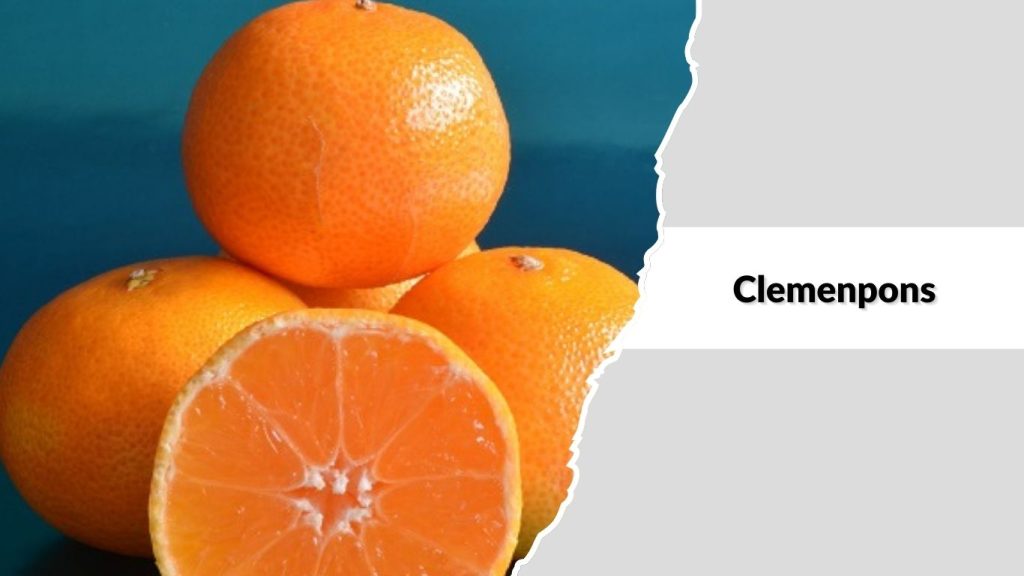
Clemenpons is a late-season clementine variety known for its good sweetness, firm texture, and ability to maintain quality on the tree. It is often cultivated to extend the availability of clementines toward the end of the harvest period.
Identification
- Medium-sized fruit with a slightly flattened shape
- Smooth, deep orange peel
- Easy-to-peel skin with firm segments
- Mostly seedless
Flavor Profile
Clemenpons Clementines offer a pleasant sweetness with low acidity. The flesh is juicy and firm, providing a clean and refreshing citrus flavor that holds up well late in the season.
Growing Regions
This variety is mainly grown in Spain, particularly in Mediterranean citrus-producing regions. The climate allows for slow ripening, which helps enhance flavor and texture.
Seasonal Availability
Clemenpons Clementines are typically harvested from late winter into early spring. Their late maturity makes them useful for extending the clementine season beyond peak winter months.
15. Basol Clementine
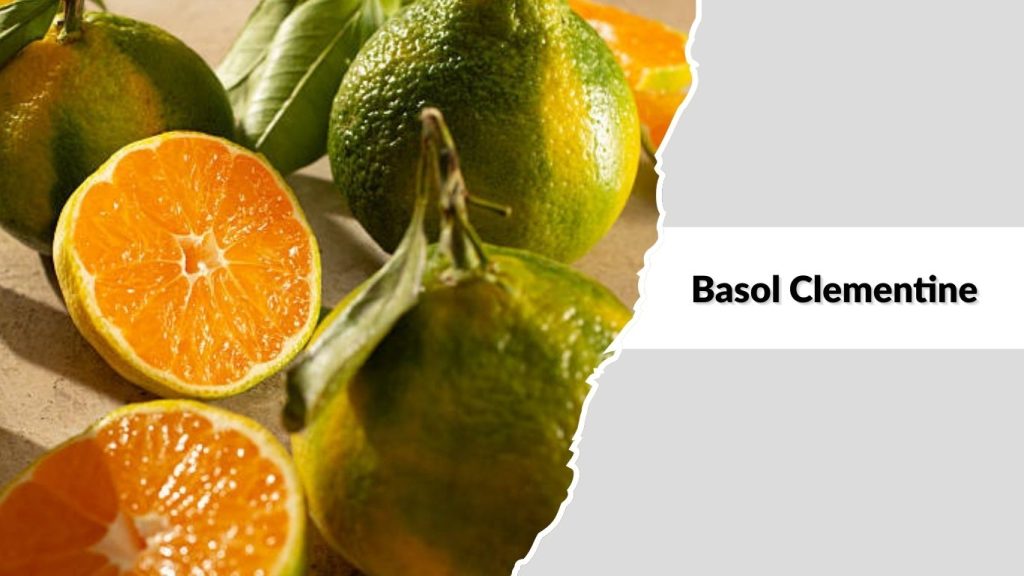
The Basol Clementine is a less common but valued variety known for its reliable sweetness, good juice content, and traditional clementine characteristics. It is appreciated by growers for its steady production and by consumers for its simple, natural citrus flavor.
Identification
- Medium-sized fruit with a slightly flattened shape
- Bright orange peel with a smooth texture
- Thin, easy-to-peel skin
- May contain a small number of seeds
Flavor Profile
Basol Clementines have a gentle, well-balanced sweetness with mild acidity. The flesh is juicy and tender, offering a classic clementine taste that is refreshing and easy to enjoy.
Growing Regions
This variety is primarily cultivated in Mediterranean climates, particularly in parts of Spain and nearby regions. Warm growing conditions support good color and flavor development.
Seasonal Availability
Basol Clementines are generally available from mid to late winter. Their consistent quality during this period makes them a dependable choice within the clementine harvest season.
FAQs
What is a clementine fruit?
A clementine is a small citrus fruit that belongs to the mandarin orange family. It is known for its sweet flavor, easy-to-peel skin, and typically seedless segments, making it a popular snack fruit.
Are clementines and mandarins the same?
Clementines are a type of mandarin, but not all mandarins are clementines. Clementines are generally sweeter, smaller, and have smoother, easier-to-peel skins compared to other mandarin varieties.
When is clementine season?
Clementines are usually in season from late autumn through winter. Some early varieties appear in autumn, while late-season types can be available into early spring.
Are clementines seedless?
Most clementines are seedless, especially when grown in isolation. However, some traditional varieties may contain seeds if cross-pollination occurs.
How should clementines be stored?
Clementines can be stored at room temperature for a few days or kept in the refrigerator for up to two weeks. Storing them in a cool, dry place helps maintain freshness and flavor.