



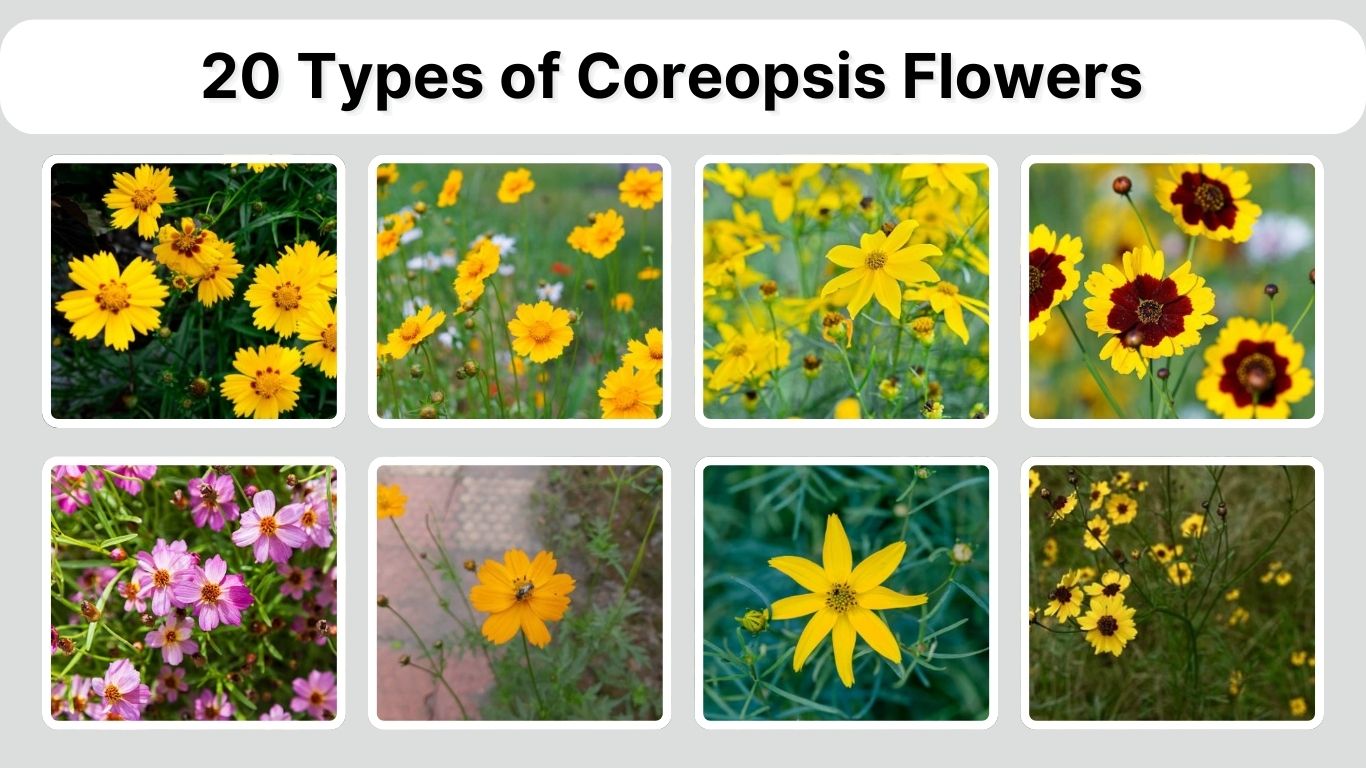
Coreopsis, commonly known as tickseed, is a bright and cheerful group of flowering plants loved for their daisy-like blooms and long-lasting color. These flowers are native mainly to North America and are widely grown in gardens, wildflower meadows, and pollinator landscapes. Coreopsis species range from low, compact plants to tall, airy forms, offering great design flexibility. With their easy care, drought tolerance, and strong appeal to bees and butterflies, coreopsis flowers remain a favorite choice for gardeners.
1. Coreopsis grandiflora (Large-Flowered Tickseed)
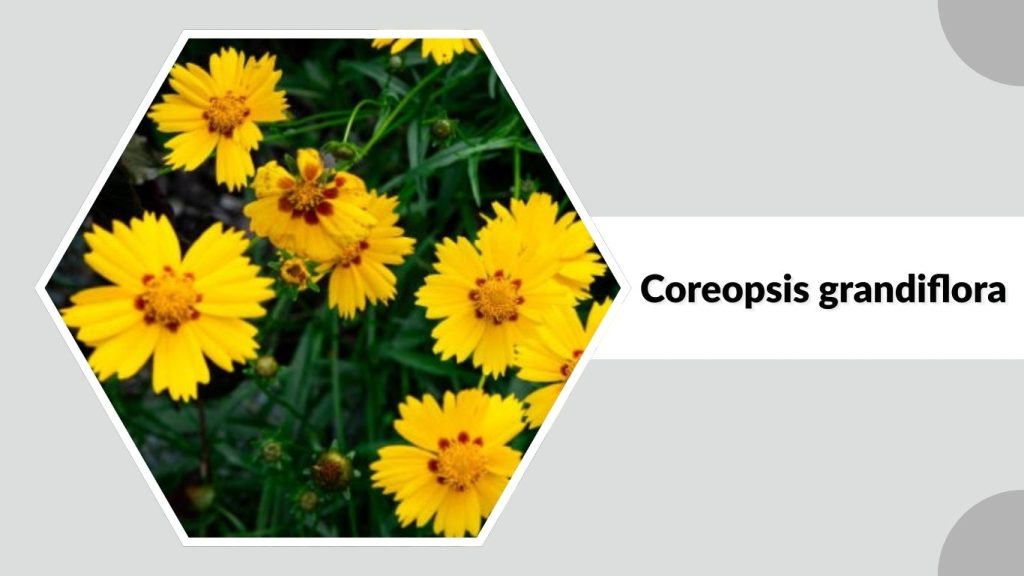
Coreopsis grandiflora is one of the most popular and widely cultivated tickseed species, valued for its large, bright yellow daisy-like blooms and long flowering season. Native to North America, it is a hardy, easy-to-grow plant commonly used in gardens, borders, wildflower meadows, and pollinator landscapes because of its cheerful color and low maintenance needs.
Identification
- Large golden-yellow, daisy-like flowers with slightly toothed petals
- Prominent dark yellow to brown central disk
- Grows about 12–24 inches tall
- Lance-shaped, bright green leaves, often slightly hairy
- Blooms from late spring through summer
Habitat
Coreopsis grandiflora naturally grows in prairies, open woodlands, roadsides, and meadows. It prefers full sun and well-drained soil but can tolerate poor, sandy, or rocky conditions. Because of its adaptability, it is commonly found in home gardens, public landscapes, and restoration projects.
Growth Habit
This species typically forms clumps with upright, branching stems. It grows quickly from seed and often flowers in its first year. While short-lived as a perennial, it readily self-seeds, helping maintain its presence in garden spaces without becoming invasive.
Flowering and Season
The plant produces large, showy flowers from late spring into mid-summer, often continuing into early fall with deadheading. Regular removal of spent blooms encourages longer flowering and a tidier appearance.
Garden Uses
Coreopsis grandiflora is widely used in borders, cottage gardens, and wildflower plantings. It pairs well with coneflowers, black-eyed Susans, and ornamental grasses. Its bright blooms also attract bees, butterflies, and other beneficial pollinators.
2. Coreopsis lanceolata (Lanceleaf Tickseed)
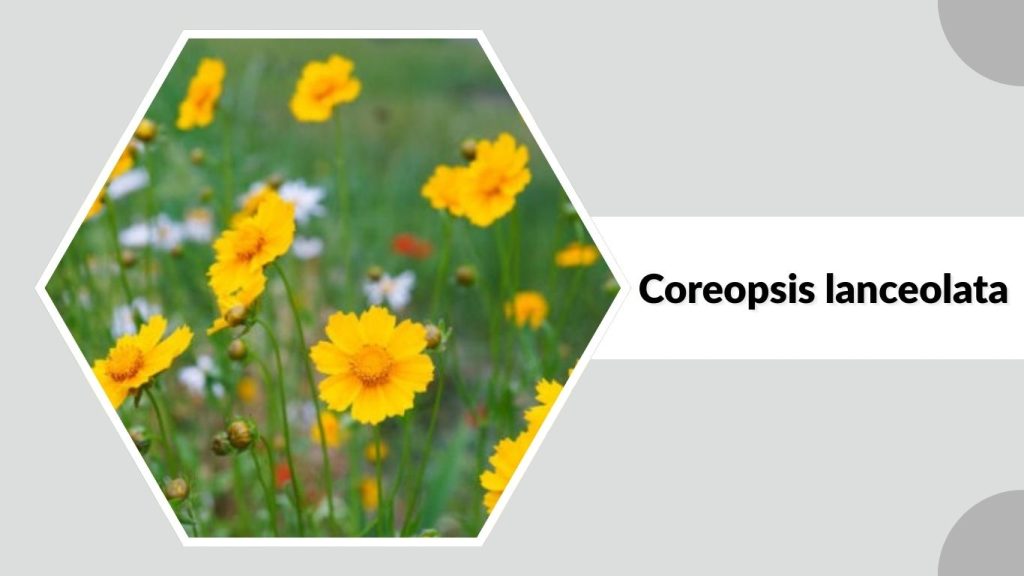
Coreopsis lanceolata is a classic tickseed species known for its bright yellow, sun-like flowers and slender, upright form. Native to North America, it is widely grown in gardens, roadsides, and naturalized meadows. Its long bloom period, drought tolerance, and strong appeal to pollinators make it one of the most dependable and beginner-friendly Coreopsis species.
Identification
- Bright yellow, daisy-like flowers with slightly notched petals
- Golden central disk, often darker toward the center
- Typically grows 12–24 inches tall
- Narrow, lance-shaped basal leaves
- Blooms mainly from late spring to mid-summer
Habitat
Coreopsis lanceolata naturally occurs in prairies, open fields, sandy plains, and along roadsides. It thrives in full sun and well-drained soil, especially sandy or loamy conditions. Once established, it tolerates heat and short dry periods very well.
Growth Habit
This species forms neat clumps with leafless flowering stems rising above the foliage. It spreads slowly by self-seeding and short rhizomes, allowing it to fill spaces without becoming aggressively invasive in most garden settings.
Flowering and Season
Blooming begins in late spring and often continues into summer. Deadheading spent flowers can extend the blooming season and encourage a second flush of flowers later in the year.
Garden Uses
Coreopsis lanceolata is widely used in pollinator gardens, cottage gardens, borders, and wildflower mixes. It combines well with purple coneflower, blanket flower, and ornamental grasses, creating bright, natural-looking displays.
3. Coreopsis verticillata (Threadleaf Tickseed)
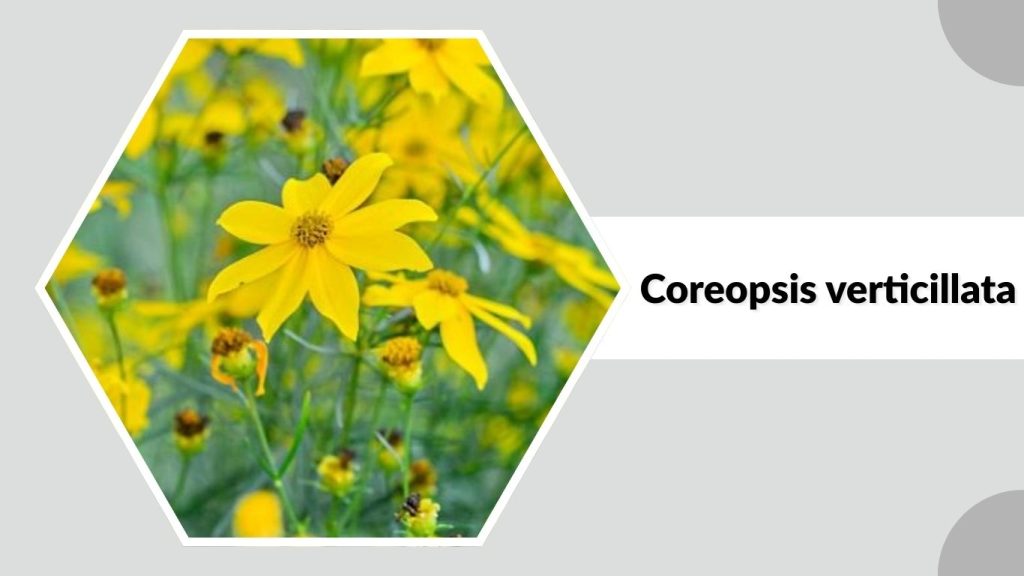
Coreopsis verticillata is admired for its fine, thread-like foliage and masses of small, starry yellow flowers. Native to North America, it creates a soft, airy texture in gardens and landscapes. Its long bloom period, graceful form, and strong drought tolerance make it a favorite choice for borders, rock gardens, and pollinator-friendly plantings.
Identification
- Small, bright yellow, star-shaped flowers
- Rounded golden central disk
- Finely divided, thread-like green leaves
- Grows about 12–30 inches tall
- Blooms from early summer into early fall
Habitat
Coreopsis verticillata grows naturally in open woods, prairies, and rocky slopes. It prefers full sun but can tolerate light shade. Well-drained soil is essential, though it adapts to sandy, rocky, and moderately dry sites.
Growth Habit
This species forms spreading clumps with slender, wiry stems and soft, feathery foliage. It slowly spreads by underground rhizomes, creating attractive colonies over time without becoming overly aggressive.
Flowering and Season
Threadleaf tickseed is known for its exceptionally long flowering season. With regular deadheading, it can bloom continuously from early summer well into fall, making it one of the longest-blooming Coreopsis types.
Garden Uses
Coreopsis verticillata works well in borders, mass plantings, cottage gardens, and along pathways. Its delicate foliage contrasts beautifully with bold plants like echinacea, salvia, and ornamental grasses, while its flowers attract bees and butterflies.
4. Coreopsis tinctoria (Plains Tickseed)
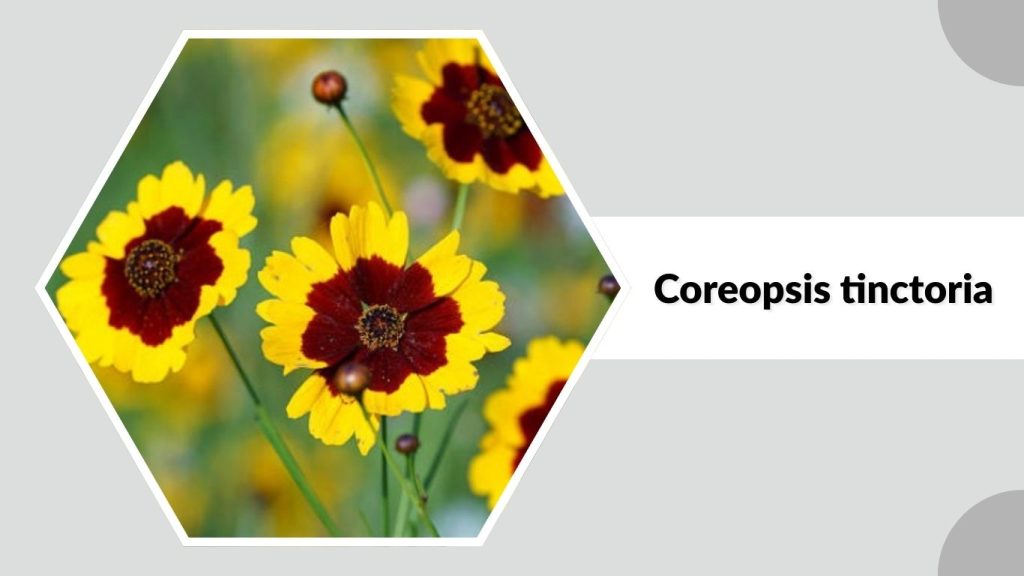
Coreopsis tinctoria is a striking annual tickseed species best known for its bold, two-toned flowers, usually featuring bright yellow petals with deep red or maroon centers. Native to North America, it is commonly found in open fields and wildflower meadows. Its fast growth and vivid colors make it a favorite in wildflower mixes and naturalistic garden designs.
Identification
- Yellow ray petals with dark red or maroon bases
- Deep brown to purplish central disk
- Slender, branching stems
- Grows about 12–36 inches tall
- Finely divided, light green leaves
Habitat
Coreopsis tinctoria naturally grows in plains, prairies, roadsides, and disturbed open ground. It thrives in full sun and adapts well to poor, sandy, or gravelly soils, making it ideal for low-fertility landscapes.
Growth Habit
This species has an upright, airy form with many thin branches. As an annual, it completes its life cycle in one season but readily self-seeds, often returning year after year in suitable conditions.
Flowering and Season
Plains tickseed blooms from early summer through early fall. Continuous flowering is encouraged by deadheading, although many gardeners allow some flowers to go to seed for natural reseeding.
Garden Uses
Coreopsis tinctoria is widely used in wildflower gardens, meadow plantings, and roadside seed mixes. Its colorful blooms attract bees and butterflies and are also popular for cut-flower arrangements.
5. Coreopsis rosea (Pink Tickseed)
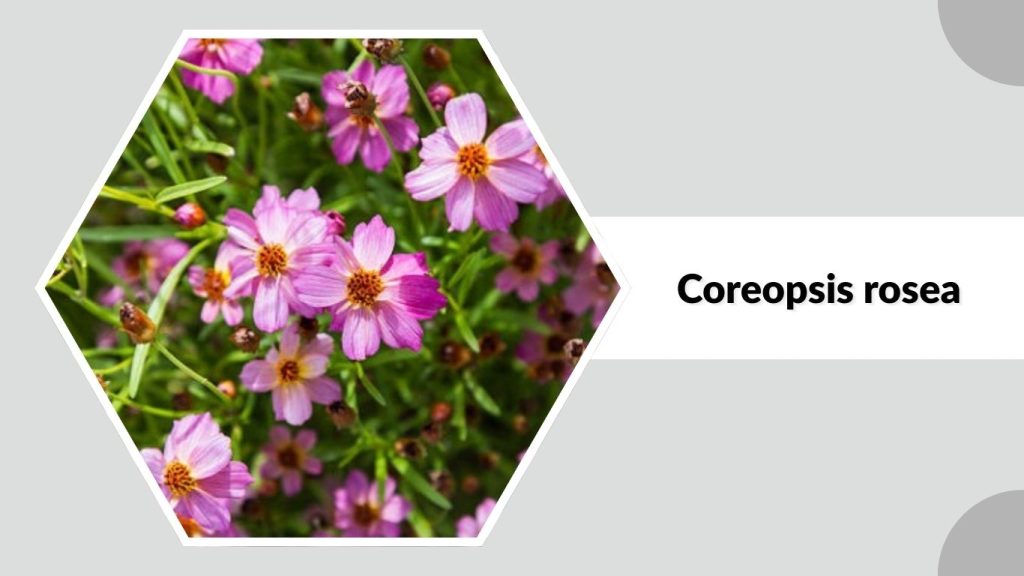
Coreopsis rosea is a delicate and charming tickseed species distinguished by its soft pink flowers and fine, thread-like foliage. Native to eastern North America, it naturally grows in moist coastal plains and wetlands. Its unusual pink coloring and long blooming season make it especially popular in ornamental gardens and pollinator-friendly landscapes.
Identification
- Soft pink to rose-colored petals
- Small yellow central disk
- Slender stems with fine, thread-like leaves
- Grows about 12–24 inches tall
- Light, airy overall appearance
Habitat
Coreopsis rosea typically grows in damp meadows, bog edges, pond margins, and moist open woods. Unlike many other tickseeds, it prefers consistently moist, well-drained soil and performs best where the ground does not completely dry out.
Growth Habit
This species forms loose, spreading clumps and can slowly spread by creeping rhizomes. It creates a soft, flowing look in garden beds and is well suited to naturalistic or waterside plantings.
Flowering and Season
Pink tickseed blooms from early summer through late summer, and often into early fall in cooler climates. Regular deadheading can help extend its flowering period and keep plants looking fresh.
Garden Uses
Coreopsis rosea is ideal for moist borders, rain gardens, pond edges, and pollinator gardens. Its gentle pink flowers pair beautifully with blue and purple perennials, adding lightness and contrast to planting designs.
6. Coreopsis auriculata (Mouse-Ear Tickseed)
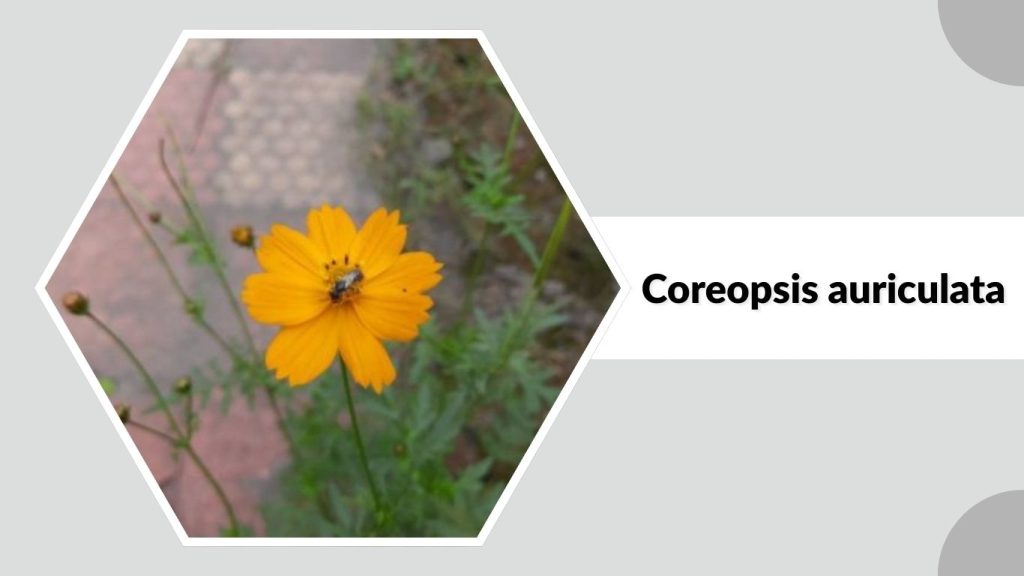
Coreopsis auriculata is a low-growing, clump-forming tickseed valued for its bright yellow flowers and attractive, rounded foliage. Native to the southeastern United States, it is often used as a groundcover-like perennial in sunny gardens. Its early bloom time and tidy growth habit make it especially useful for edging and front-of-border plantings.
Identification
- Bright yellow, daisy-like flowers
- Golden central disk
- Low-growing, spreading habit
- Rounded to spoon-shaped basal leaves
- Typically 8–16 inches tall
Habitat
Coreopsis auriculata naturally occurs in open woods, forest edges, and sunny slopes. It grows best in full sun to light shade and prefers well-drained soil, though it tolerates a range of soil types once established.
Growth Habit
This species forms compact clumps that slowly spread by rhizomes. It creates dense mats of foliage, making it effective for covering bare ground and suppressing weeds in garden settings.
Flowering and Season
Mouse-ear tickseed blooms in mid to late spring, earlier than many other Coreopsis species. With deadheading, it may produce occasional flowers into early summer.
Garden Uses
Coreopsis auriculata is commonly planted along borders, pathways, and rock gardens. Its low stature and bright flowers make it an excellent choice for edging, mass plantings, and sunny slopes.
7. Coreopsis tripteris (Tall Tickseed)
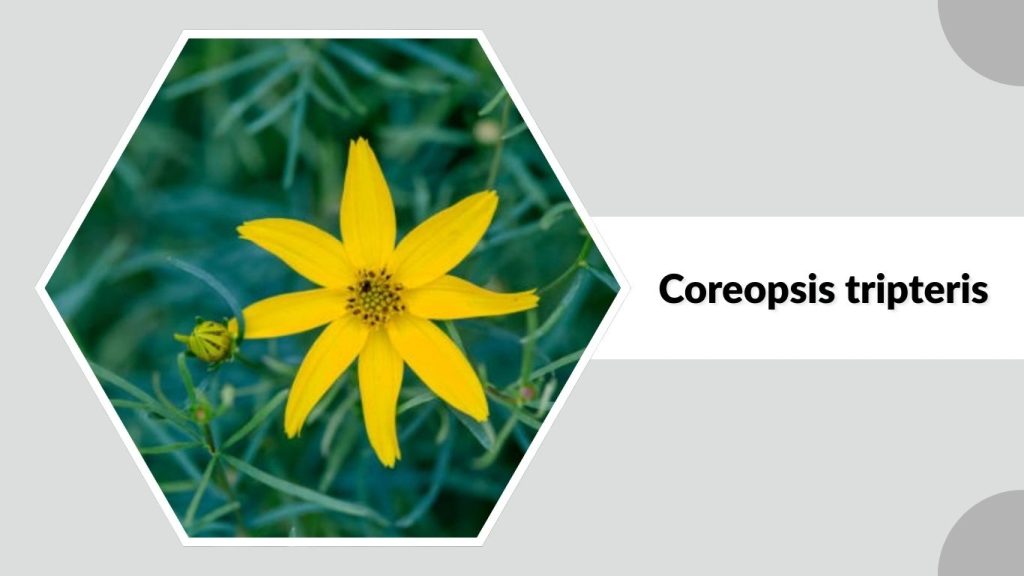
Coreopsis tripteris is a tall, graceful tickseed species known for its airy clusters of small yellow flowers and impressive height. Native to eastern and central North America, it adds vertical interest to naturalistic gardens and prairie-style plantings. Its long stems sway attractively in the wind, making it a striking background or meadow plant.
Identification
- Small, bright yellow flowers with narrow petals
- Rounded dark yellow central disk
- Tall, upright stems often reaching 4–8 feet
- Leaves usually divided into three narrow leaflets
- Light, open overall appearance
Habitat
Coreopsis tripteris naturally grows in moist prairies, open woods, woodland edges, and along streams. It prefers full sun to partial shade and moist, well-drained soil but adapts well to average garden conditions.
Growth Habit
This species forms tall, upright clumps with strong, branching stems. It does not spread aggressively, instead remaining in loose colonies that blend well with grasses and other tall perennials.
Flowering and Season
Tall tickseed blooms from mid-summer into early fall. The flowers appear above the foliage, creating a light, floating effect that lasts well into late summer.
Garden Uses
Coreopsis tripteris is best suited for the back of borders, prairie gardens, wildlife gardens, and meadow-style landscapes. Its height and movement pair beautifully with switchgrass, coneflowers, and tall asters.
8. Coreopsis palmata (Prairie Tickseed)
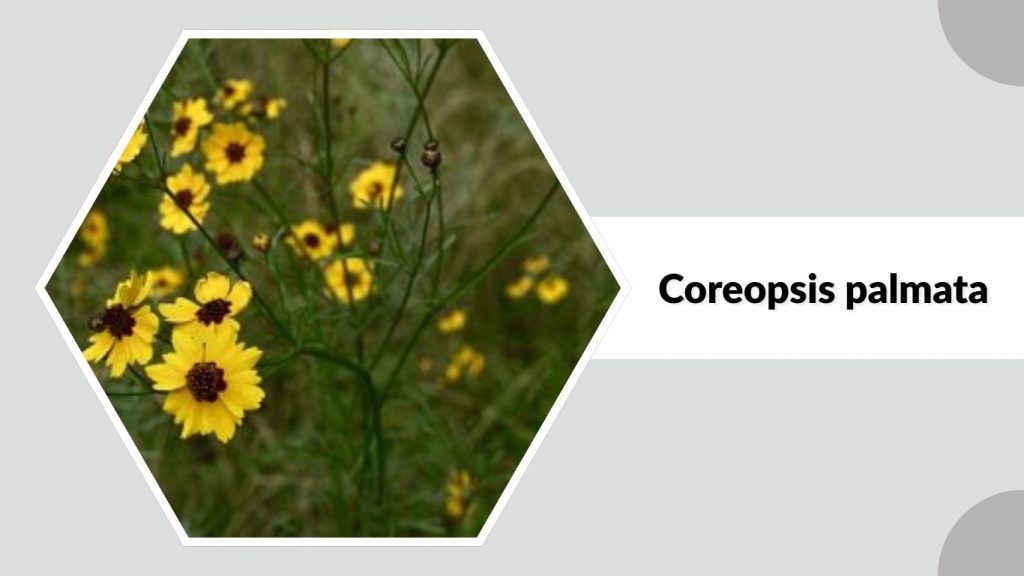
Coreopsis palmata is a prairie-native tickseed known for its bright yellow flowers and deeply lobed, hand-shaped leaves. Native to central North America, it is especially valued in naturalistic gardens and prairie restorations. Its tough nature, drought tolerance, and cheerful summer blooms make it a dependable perennial for open, sunny landscapes.
Identification
- Bright yellow, daisy-like flowers
- Golden central disk
- Deeply lobed, palm-shaped green leaves
- Upright, branching stems
- Typically grows 12–30 inches tall
Habitat
Coreopsis palmata naturally grows in dry to mesic prairies, open fields, and sunny slopes. It thrives in full sun and prefers well-drained soil, particularly sandy or loamy types. Once established, it tolerates heat, wind, and periods of drought very well.
Growth Habit
This species forms upright clumps that slowly spread by short rhizomes. Over time, it can create attractive colonies, making it well suited for prairie plantings and low-maintenance landscapes.
Flowering and Season
Prairie tickseed blooms mainly from early to mid-summer. The bright flowers rise above the foliage, and deadheading can encourage a longer and tidier flowering display.
Garden Uses
Coreopsis palmata works well in prairie gardens, pollinator plantings, wildflower meadows, and sunny borders. It pairs naturally with grasses, coneflowers, and other prairie perennials while attracting bees and butterflies.
9. Coreopsis leavenworthii (Leavenworth’s Tickseed)
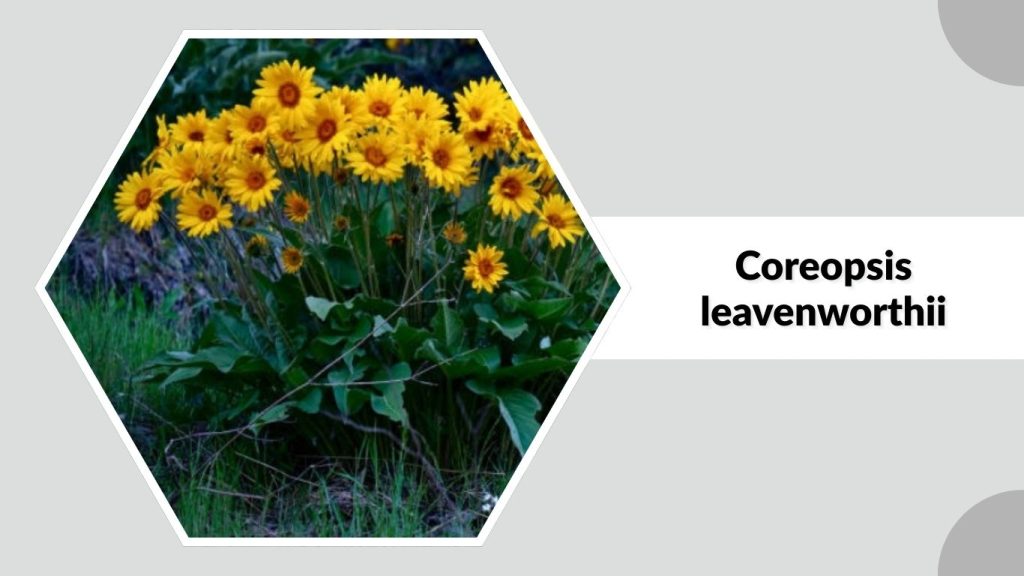
Coreopsis leavenworthii is a slender, free-flowering tickseed species best known as Florida’s state wildflower. It produces clouds of small, bright yellow blooms on airy stems and is widely used in wildflower meadows and roadside plantings. Its fast growth, long bloom period, and strong reseeding ability make it ideal for naturalized landscapes.
Identification
- Small, bright yellow flowers with rounded petals
- Darker yellow to brown central disk
- Thin, branching stems
- Fine, narrow, light green leaves
- Typically grows 12–36 inches tall
Habitat
Coreopsis leavenworthii naturally grows in moist flatwoods, open pinelands, ditches, and roadsides. It prefers full sun and moist to moderately dry soil, adapting well to seasonal wet and dry cycles.
Growth Habit
This species has a light, open growth form and is usually grown as an annual or short-lived perennial. It readily self-seeds, often forming large, colorful colonies when conditions are favorable.
Flowering and Season
Leavenworth’s tickseed blooms from spring through fall, especially in warm climates. Its extended flowering season makes it one of the longest-blooming Coreopsis species.
Garden Uses
Coreopsis leavenworthii is commonly used in wildflower gardens, meadow plantings, roadside mixes, and pollinator landscapes. It is excellent for mass sowing and brings continuous color to large open areas.
10. Coreopsis basalis (Goldenmane Tickseed)
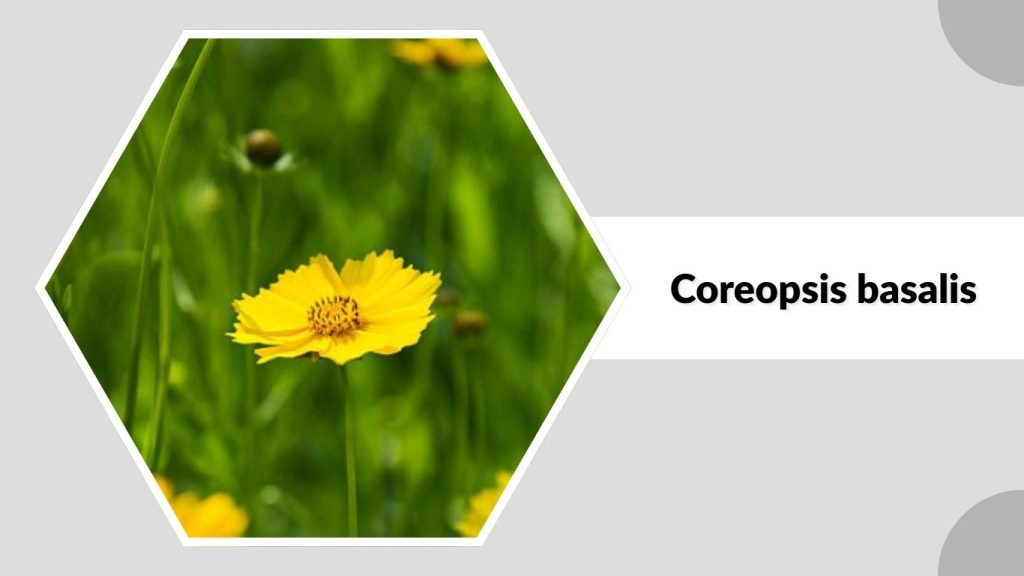
Coreopsis basalis is a compact, colorful tickseed species known for its bright yellow petals edged or blotched with rich red-brown tones near the center. Native to the southern United States, it is often grown as an annual and valued for its long flowering season and neat, mounded habit. Its vivid contrast of colors makes it especially attractive in borders and containers.
Identification
- Bright yellow petals with red-brown markings at the base
- Dark central disk
- Compact, bushy growth form
- Light green, finely divided leaves
- Typically grows 12–24 inches tall
Habitat
Coreopsis basalis naturally grows in sandy soils, open woodlands, and disturbed sunny sites. It thrives in full sun and prefers well-drained soil, especially sandy or light loam conditions.
Growth Habit
This species forms low, rounded mounds with many branching stems. It grows quickly from seed and often blooms within weeks, making it ideal for quick seasonal color.
Flowering and Season
Goldenmane tickseed blooms from late spring through fall, especially when spent flowers are regularly removed. Its continuous flowering habit makes it a reliable summer-long bloomer.
Garden Uses
Coreopsis basalis is widely used in annual beds, borders, containers, and wildflower plantings. Its compact size and bright, bicolored blooms make it suitable for edging and patio displays.
11. Coreopsis gladiata (Coastalplain Tickseed)
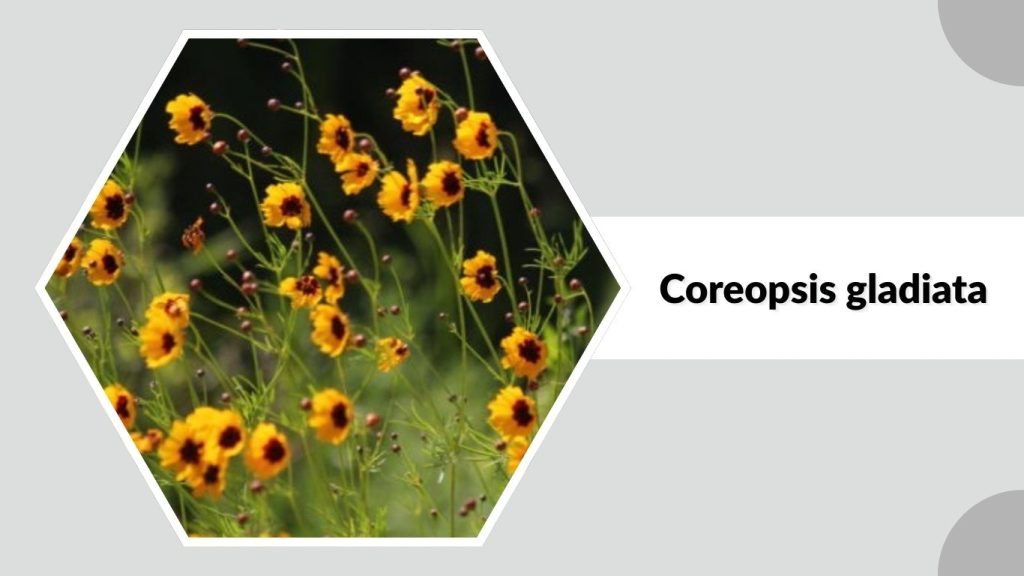
Coreopsis gladiata is a tall, moisture-loving tickseed species recognized for its bright yellow flowers and slender, upright form. Native to the southeastern United States, it naturally grows in wet meadows, savannas, and along pond edges. Its ability to thrive in damp soils makes it especially valuable for rain gardens and moist landscape areas.
Identification
- Bright yellow, daisy-like flowers
- Golden central disk
- Tall, upright stems
- Long, narrow, grass-like leaves
- Typically grows 2–5 feet tall
Habitat
Coreopsis gladiata naturally occurs in wet flatwoods, marsh edges, ditches, and moist savannas. It prefers full sun and consistently moist soil, tolerating seasonal flooding better than many other Coreopsis species.
Growth Habit
This species forms upright clumps with narrow foliage concentrated along the stems. It spreads slowly and remains well-behaved in garden settings, fitting well into mixed perennial plantings.
Flowering and Season
Coastalplain tickseed blooms mainly from late spring through summer. In favorable conditions, flowering may continue into early fall.
Garden Uses
Coreopsis gladiata is ideal for rain gardens, pond margins, wildlife gardens, and moist perennial borders. Its height and bright blooms add vertical interest and attract butterflies and native bees.
12. Coreopsis major (Greater Tickseed)
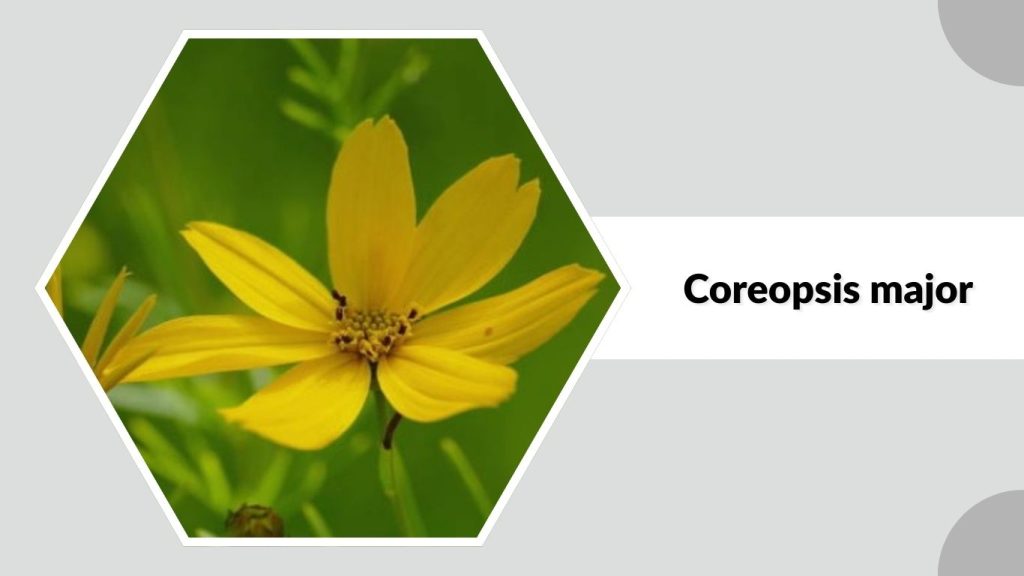
Coreopsis major is a robust, clump-forming tickseed species admired for its bright yellow blooms and strong, upright stems. Native to the southeastern United States, it is often found in open woodlands and along sunny slopes. Its reliability, easy care, and long flowering season make it a good choice for naturalistic gardens.
Identification
- Bright yellow, daisy-like flowers
- Yellow to golden central disk
- Upright, sturdy stems
- Broad, divided green leaves
- Typically grows 2–4 feet tall
Habitat
Coreopsis major naturally grows in open woods, forest clearings, and sunny hillsides. It thrives in full sun to light shade and prefers well-drained soil but adapts to a wide range of garden conditions.
Growth Habit
This species forms upright clumps and gradually increases in size without aggressive spreading. It integrates well into mixed perennial borders and native plant gardens.
Flowering and Season
Greater tickseed blooms from late spring through summer. With deadheading, flowering may continue into early fall.
Garden Uses
Coreopsis major works well in native gardens, woodland edges, pollinator gardens, and sunny to lightly shaded borders. Its height and bright flowers add structure and color to layered plantings.
13. Coreopsis pubescens (Star Tickseed)
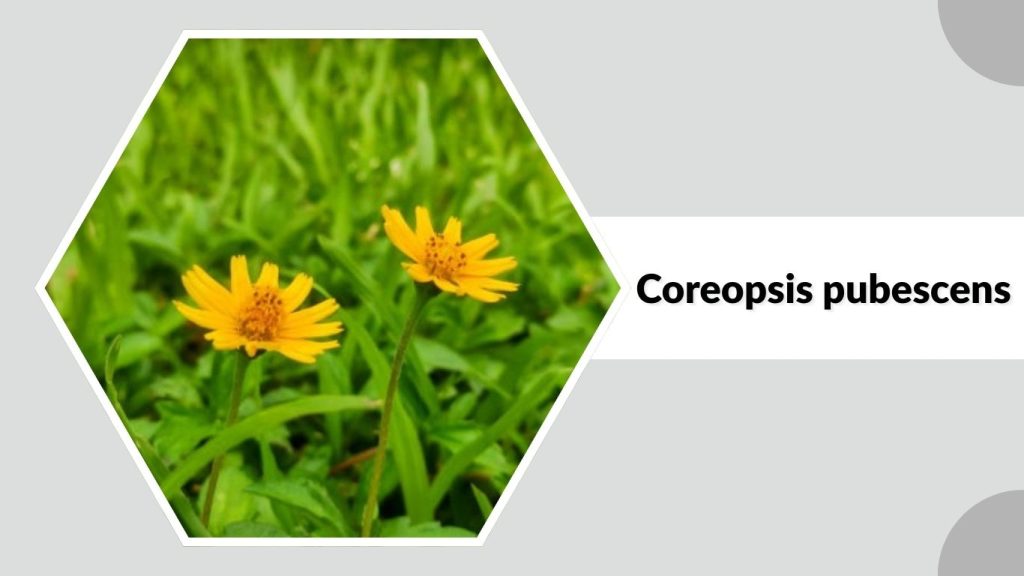
Coreopsis pubescens is a soft-textured, upright tickseed species noted for its bright yellow flowers and slightly hairy stems and leaves. Native to the southeastern United States, it grows naturally in open woodlands and along forest margins. Its tolerance of partial shade makes it especially useful in gardens with mixed light conditions.
Identification
- Bright yellow flowers with slightly toothed petals
- Golden central disk
- Softly hairy stems and foliage
- Lance-shaped to oval green leaves
- Typically grows 1–3 feet tall
Habitat
Coreopsis pubescens naturally occurs in open woods, clearings, and woodland edges. It prefers full sun to partial shade and grows best in well-drained soil with moderate moisture.
Growth Habit
This species forms upright, branching clumps and spreads slowly by seed. Its lightly fuzzy foliage gives it a softer look compared to many other tickseeds.
Flowering and Season
Star tickseed blooms from late spring through summer, sometimes extending into early fall under good growing conditions.
Garden Uses
Coreopsis pubescens is suitable for woodland gardens, native plant beds, pollinator gardens, and mixed borders. It combines well with shade-tolerant perennials while still providing bright summer color.
14. Coreopsis nuecensis (Nueces Tickseed)
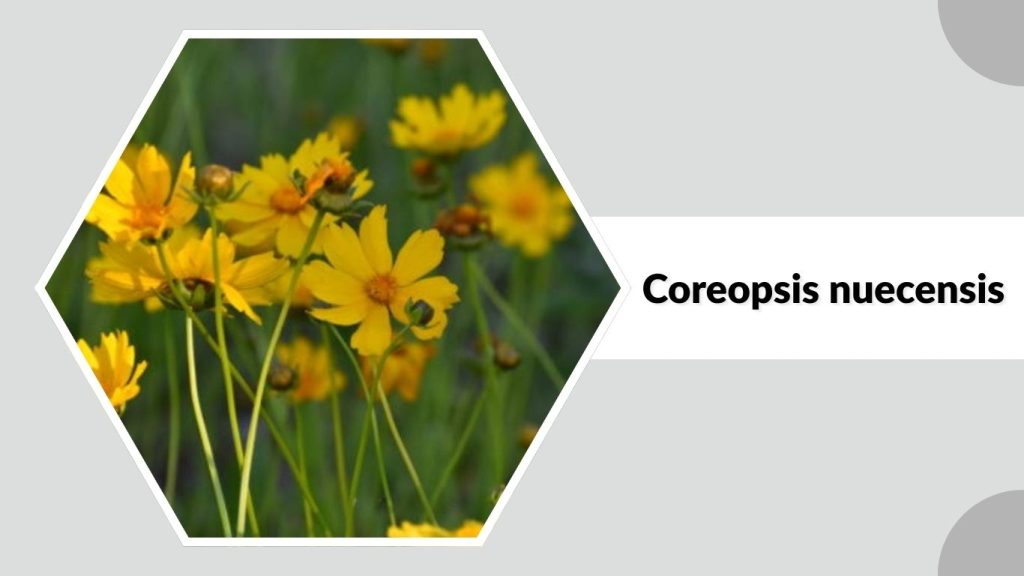
Coreopsis nuecensis is a lesser-known tickseed species native to Texas, valued for its bright yellow flowers and drought-tolerant nature. It naturally inhabits rocky and sandy landscapes, making it well adapted to hot, dry conditions. Its resilience and cheerful blooms make it a good choice for xeriscapes and low-water gardens.
Identification
- Bright yellow, daisy-like flowers
- Yellow central disk
- Slender, upright stems
- Narrow, often slightly lobed leaves
- Typically grows 12–30 inches tall
Habitat
Coreopsis nuecensis naturally grows in rocky prairies, limestone outcrops, and sandy open areas. It thrives in full sun and very well-drained soil, tolerating heat and drought exceptionally well.
Growth Habit
This species forms upright to slightly spreading clumps. It is not aggressive and fits well into dry garden beds and naturalized prairie-style plantings.
Flowering and Season
Nueces tickseed blooms mainly from spring into early summer, with flowering sometimes repeating after rainfall.
Garden Uses
Coreopsis nuecensis is ideal for dry gardens, rock gardens, native plant landscapes, and wildflower plantings where water conservation is important. Its bright flowers also attract native pollinators.
15. Coreopsis mutica (Sharpleaf Tickseed)
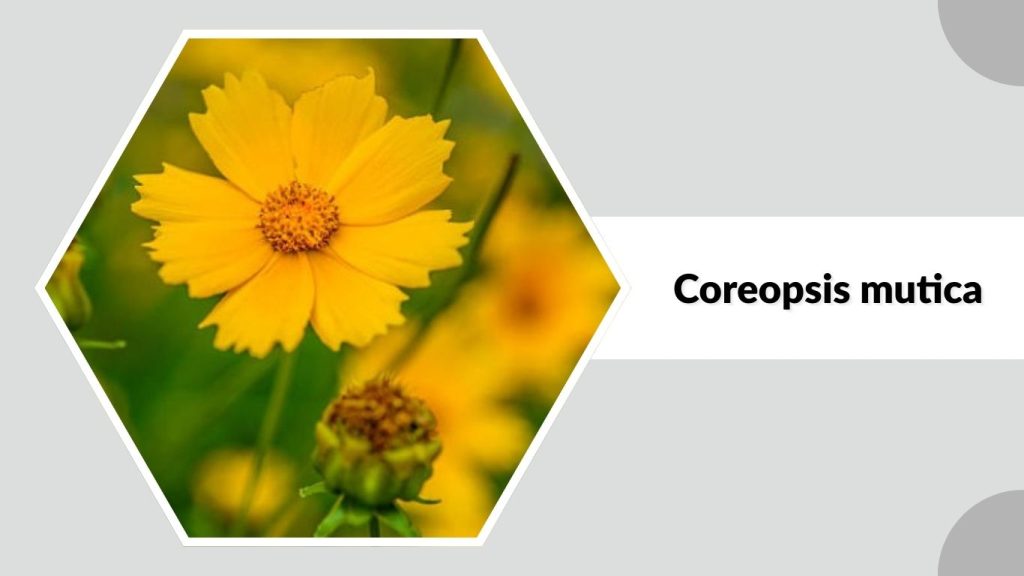
Coreopsis mutica is a rare tickseed species native to the southeastern United States, recognized for its narrow leaves and bright yellow flowers. It is especially adapted to sandy, coastal plain habitats and open pine lands. Because of its habitat specificity, it is less common in gardens but valued in native plant collections and restoration projects.
Identification
- Bright yellow, daisy-like flowers
- Yellow central disk
- Slender, upright stems
- Narrow, pointed green leaves
- Typically grows 12–28 inches tall
Habitat
Coreopsis mutica naturally occurs in sandy pinelands, open savannas, and coastal plain habitats. It prefers full sun and well-drained, sandy soil with low fertility.
Growth Habit
This species forms upright, lightly branched clumps. It remains well-behaved and does not spread aggressively, making it suitable for managed native plantings.
Flowering and Season
Sharpleaf tickseed blooms mainly from late spring into summer. Flowering may vary depending on rainfall and local conditions.
Garden Uses
Coreopsis mutica is best suited for native plant gardens, sandy soil landscapes, and ecological restoration projects. It contributes bright color while supporting local pollinators.
16. Coreopsis drummondii (Drummond’s Tickseed)
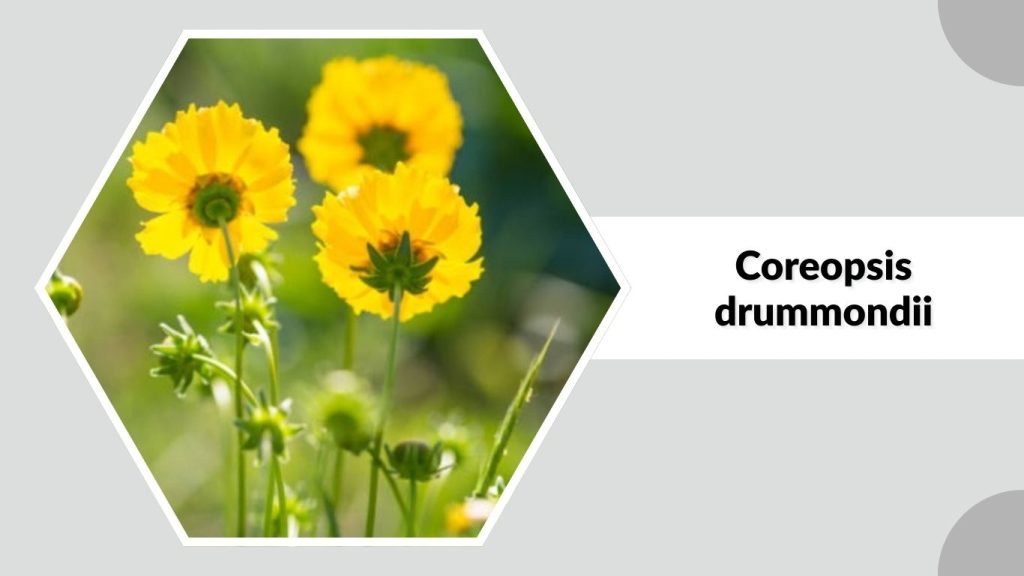
Coreopsis drummondii is a colorful annual tickseed species native to the southern United States, especially Texas and nearby regions. It is well known for its bright yellow flowers often marked with deep red or maroon centers. Its fast growth, heat tolerance, and long blooming season make it a popular choice for wildflower gardens and roadside plantings.
Identification
- Bright yellow petals with red or maroon markings near the center
- Dark central disk
- Slender, branching stems
- Fine, divided green leaves
- Typically grows 12–30 inches tall
Habitat
Coreopsis drummondii naturally grows in prairies, open fields, roadsides, and disturbed sunny areas. It thrives in full sun and prefers well-drained soil, especially sandy or light loam.
Growth Habit
This species has an upright, airy growth form and completes its life cycle in one season. It readily reseeds, often returning each year when grown in suitable open sites.
Flowering and Season
Drummond’s tickseed blooms from spring through summer and often into early fall, providing long-lasting seasonal color.
Garden Uses
Coreopsis drummondii is widely used in wildflower mixes, meadow gardens, annual beds, and pollinator plantings. Its bright, bicolored blooms attract bees and butterflies and add vibrant color to large sunny spaces.
17. Coreopsis californica (California Tickseed)
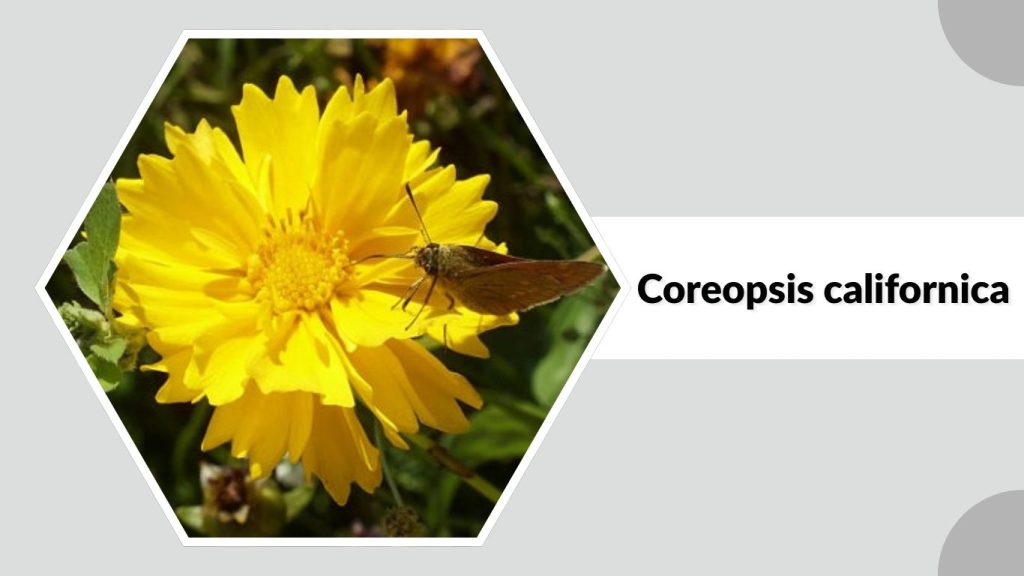
Coreopsis californica is a sun-loving tickseed species native to California and parts of Baja California. It is admired for its bright yellow flowers and strong tolerance of heat and dry conditions. This species is especially suited to coastal gardens, dry landscapes, and native plantings where low-water use is important.
Identification
- Bright yellow, daisy-like flowers
- Golden central disk
- Upright, branching stems
- Narrow to lance-shaped green leaves
- Typically grows 12–36 inches tall
Habitat
Coreopsis californica naturally grows in coastal sage scrub, chaparral, and open slopes. It thrives in full sun and very well-drained soil, tolerating drought, wind, and poor soils.
Growth Habit
This species forms upright, loosely clumping plants. It is not aggressive and blends well with other drought-adapted natives in naturalistic plantings.
Flowering and Season
California tickseed blooms mainly from spring into early summer, with flowering often triggered by winter rains in its native range.
Garden Uses
Coreopsis californica is ideal for native California gardens, xeriscapes, coastal landscapes, and dry borders. Its bright blooms support pollinators while requiring minimal maintenance.
18. Coreopsis cyclocarpa (Roundleaf Tickseed)
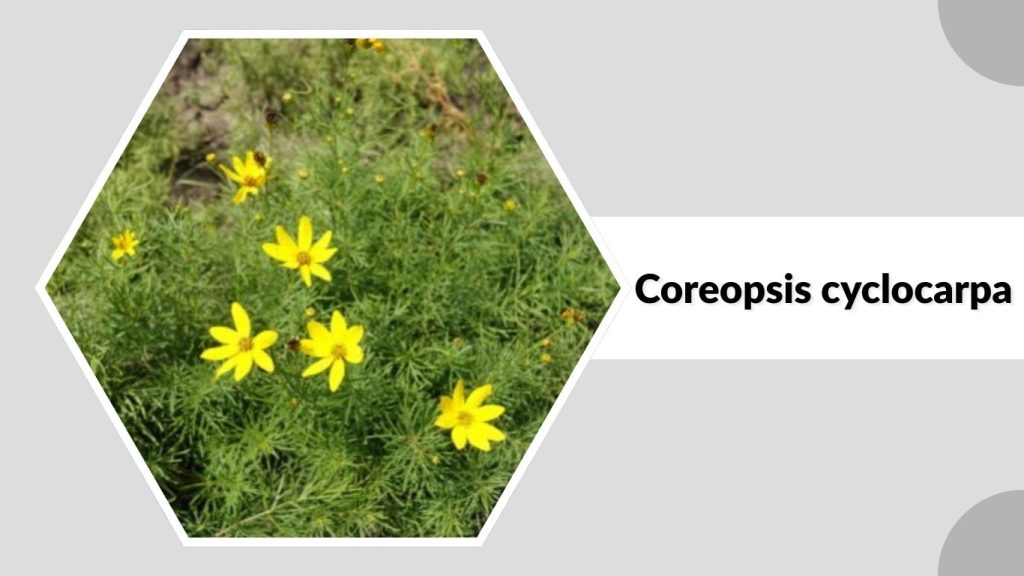
Coreopsis cyclocarpa is a lesser-known tickseed species native to the south-central United States. It is recognized for its bright yellow flowers and distinctive rounded leaves. Naturally adapted to open, sunny habitats, it is valued mainly in native plant gardens and conservation-focused landscapes.
Identification
- Bright yellow, daisy-like flowers
- Golden central disk
- Slender, upright stems
- Rounded to oval green leaves
- Typically grows 12–30 inches tall
Habitat
Coreopsis cyclocarpa naturally grows in open prairies, sandy plains, and lightly disturbed sunny areas. It prefers full sun and well-drained soil, tolerating heat and moderate drought.
Growth Habit
This species forms upright to slightly spreading clumps. It remains well contained and fits well into mixed native plantings.
Flowering and Season
Roundleaf tickseed blooms mainly from late spring into summer. Flowering duration can vary depending on moisture and climate.
Garden Uses
Coreopsis cyclocarpa is best suited for native plant gardens, prairie restorations, and low-maintenance sunny borders. Its bright blooms attract pollinators and add diversity to native collections.
19. Coreopsis integrifolia (Savannah Tickseed)
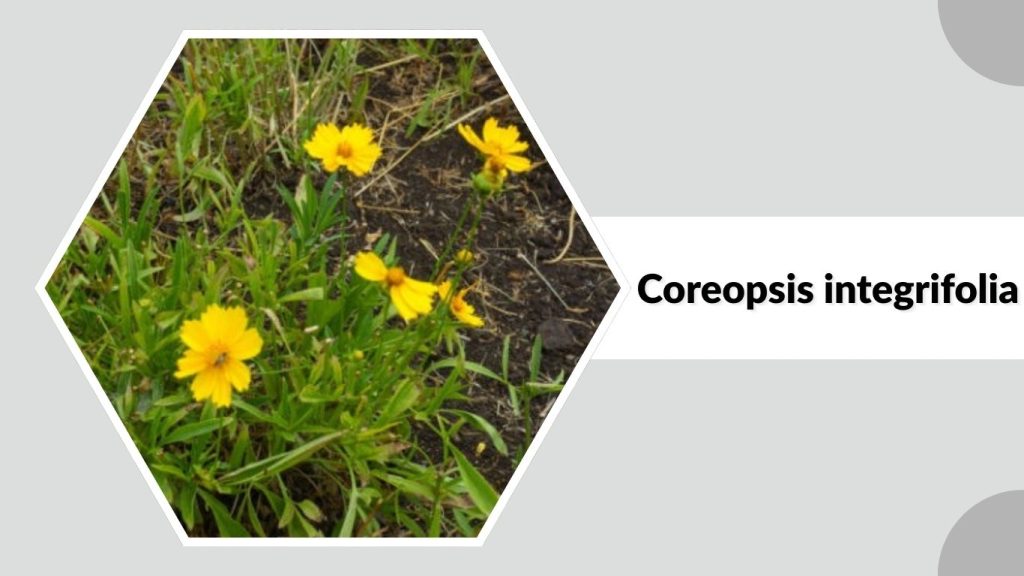
Coreopsis integrifolia is a rare tickseed species native to the southeastern United States, especially associated with wet savannas and boggy flatwoods. It is valued for its bright yellow flowers and adaptation to moist, acidic soils. Because of its specialized habitat, it is mainly used in conservation plantings and native gardens.
Identification
- Bright yellow, daisy-like flowers
- Yellow to golden central disk
- Slender, upright stems
- Smooth, narrow, unlobed leaves
- Typically grows 18–36 inches tall
Habitat
Coreopsis integrifolia naturally occurs in wet pine savannas, bog margins, and seasonally moist flatwoods. It prefers full sun and consistently moist, acidic, well-drained soils.
Growth Habit
This species forms upright clumps and remains well behaved in managed landscapes. It is not aggressive and fits well into moist native plant beds.
Flowering and Season
Savannah tickseed blooms mainly from late spring into summer. Flowering time may vary with rainfall and site conditions.
Garden Uses
Coreopsis integrifolia is ideal for rain gardens, moist native plant landscapes, and ecological restoration projects. It supports pollinators while adding bright color to wetland-style plantings.
20. Coreopsis maritima (Sea Dahlia)
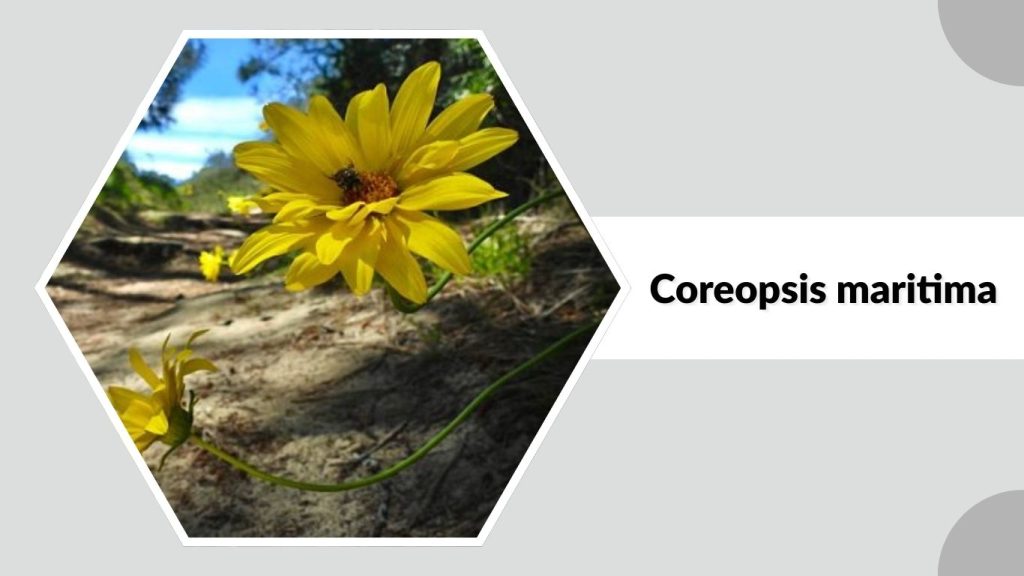
Coreopsis maritima, commonly known as sea dahlia, is a coastal tickseed species native to southern California and Baja California. It is admired for its bright yellow flowers and thick, fleshy foliage adapted to salty, windy seaside conditions. Its natural beauty and toughness make it a standout plant for coastal and native gardens.
Identification
- Bright yellow, daisy-like flowers
- Golden central disk
- Fleshy, lobed gray-green leaves
- Low, spreading, mound-forming habit
- Typically grows 6–18 inches tall
Habitat
Coreopsis maritima naturally grows on coastal bluffs, sandy beaches, and seaside slopes. It thrives in full sun and very well-drained sandy or rocky soil, tolerating salt spray, wind, and drought.
Growth Habit
This species forms low, rounded mounds and slowly spreads outward. Its thick foliage helps it conserve moisture and withstand harsh coastal environments.
Flowering and Season
Sea dahlia blooms mainly from spring into early summer, often covering the plant in vivid yellow flowers.
Garden Uses
Coreopsis maritima is ideal for coastal gardens, rock gardens, native plant landscapes, and xeriscapes. Its compact size and salt tolerance make it perfect for seaside borders and slopes.
FAQs
What are Coreopsis flowers commonly known for?
Coreopsis flowers are best known for their bright, daisy-like blooms and long flowering season. They are often called tickseed and are popular in gardens because they are easy to grow, drought tolerant once established, and excellent at attracting pollinators like bees and butterflies.
Are Coreopsis plants annuals or perennials?
Coreopsis includes both annual and perennial species. Some types, such as Coreopsis tinctoria and Coreopsis drummondii, are annuals, while many others, like Coreopsis grandiflora and Coreopsis lanceolata, are perennials that return year after year in suitable climates.
Do Coreopsis flowers need full sun to grow well?
Yes, most Coreopsis species grow best in full sun. They typically need at least six hours of direct sunlight daily to produce abundant flowers and maintain compact growth, although a few species can tolerate light partial shade.
How long do Coreopsis flowers usually bloom?
Coreopsis flowers are known for their long bloom period. Many species start flowering in late spring or early summer and continue through summer, with some blooming into early fall, especially when spent flowers are regularly removed.
Are Coreopsis flowers good for pollinator gardens?
Coreopsis flowers are excellent for pollinator gardens. Their open, nectar-rich blooms attract bees, butterflies, and other beneficial insects, making them a valuable addition to wildlife-friendly landscapes and native plant gardens.