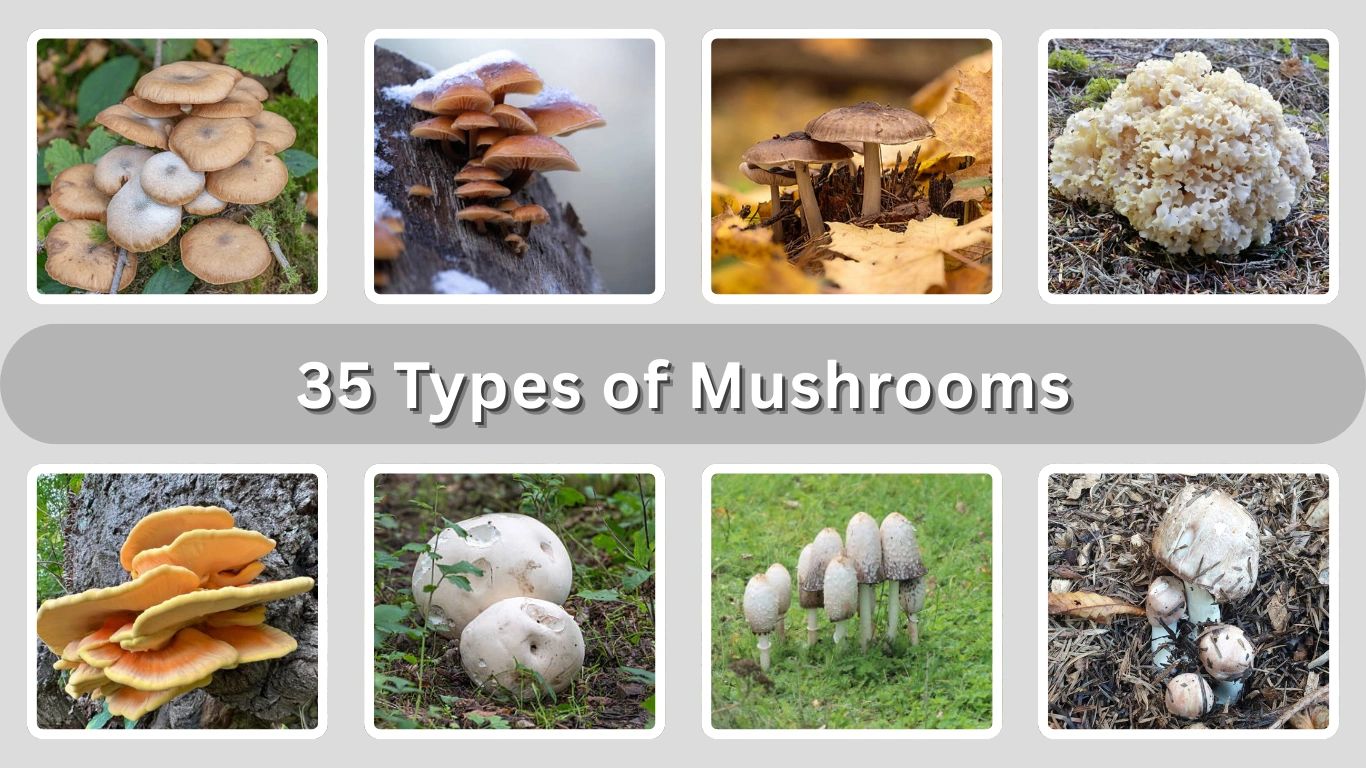






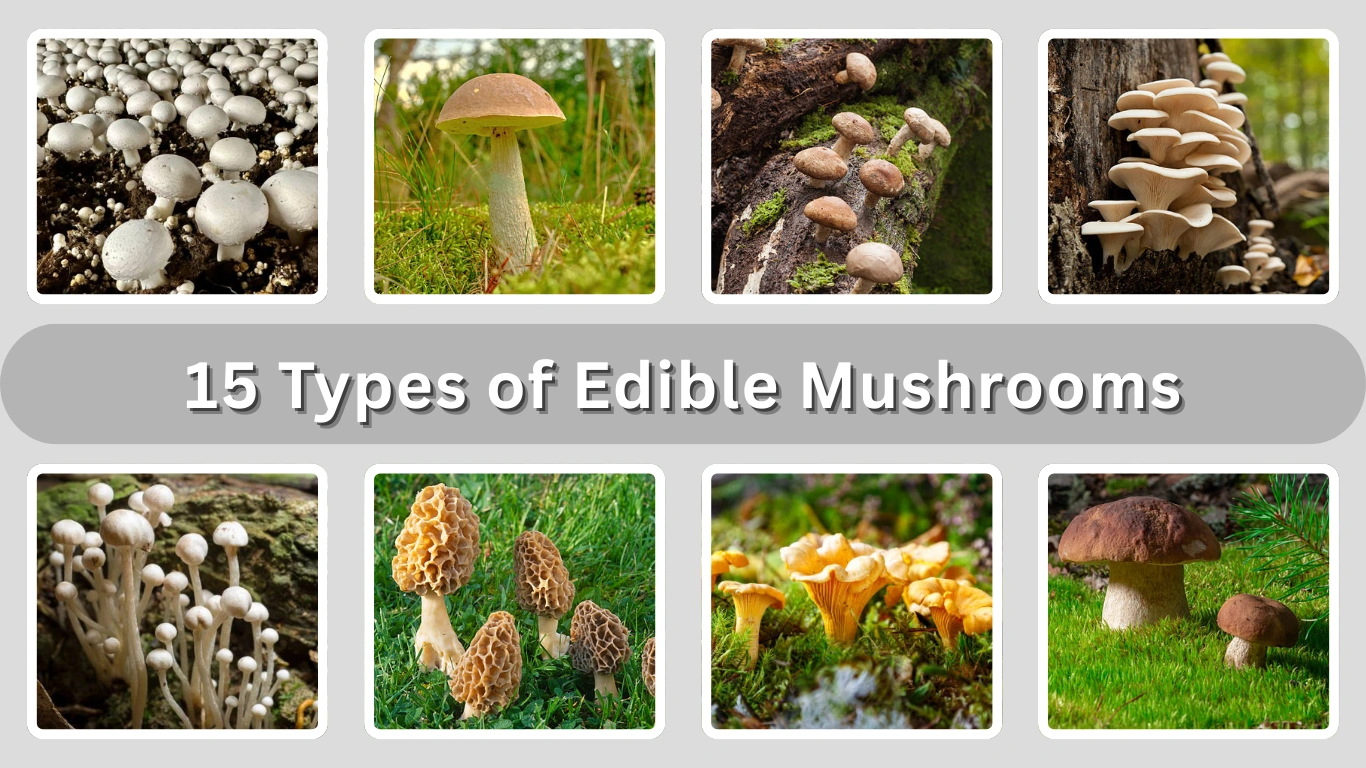
Edible mushrooms are a versatile and nutritious addition to any diet, loved for their unique flavors, textures, and health benefits. From the common Button and Cremini to gourmet varieties like Morel and Chanterelle, each mushroom offers a distinct taste and culinary use. They are rich in protein, fiber, vitamins, and antioxidants, supporting overall wellness while enhancing meals. Whether used in soups, stir-fries, or grilled dishes, these 15 edible mushrooms provide both flavor and nutrition, making them a staple in kitchens worldwide.
1. Button Mushroom
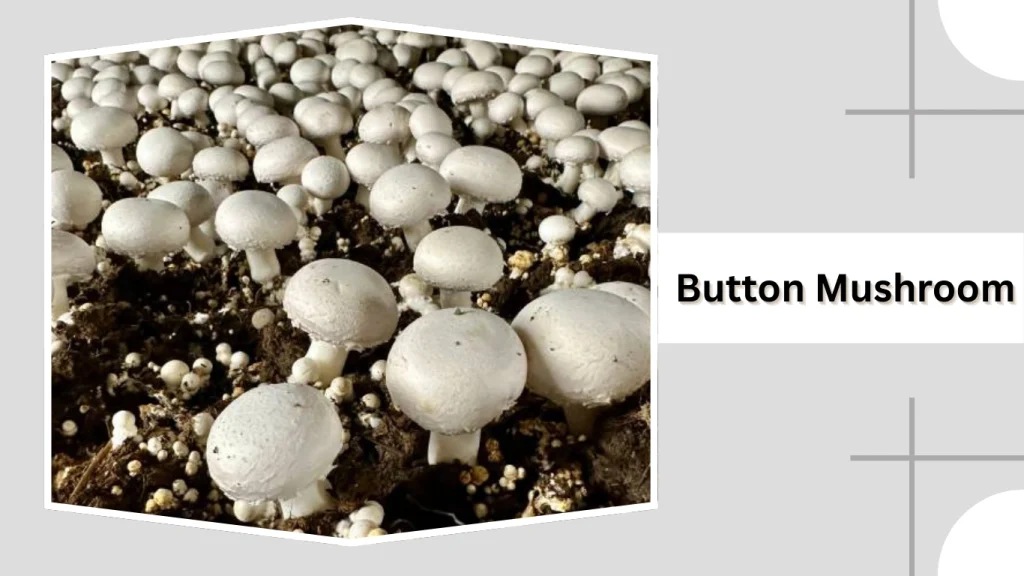
Button mushrooms are one of the most commonly consumed edible mushrooms worldwide. They have a mild flavor, smooth texture, and are versatile in cooking. These mushrooms are often used in salads, soups, and sauces, making them a staple in both home kitchens and restaurants. They are also rich in nutrients like protein, vitamins, and minerals.
Identification
- Small, white to off-white cap
- Smooth surface with a rounded dome shape
- Short, thick stem
- Gills are pink when young and turn brown with age
Habitat
Button mushrooms are typically cultivated in controlled environments, such as mushroom farms, although they can sometimes be found in grassy fields or compost-rich soils in the wild.
Diet and Nutritional Value
These mushrooms are low in calories, high in fiber, and a good source of B vitamins, potassium, and antioxidants. They are often included in vegetarian and low-calorie diets.
Lifespan and Storage
Fresh button mushrooms can last up to one week when stored in a cool, dry place, preferably in a paper bag in the refrigerator. Cooking extends their usability slightly.
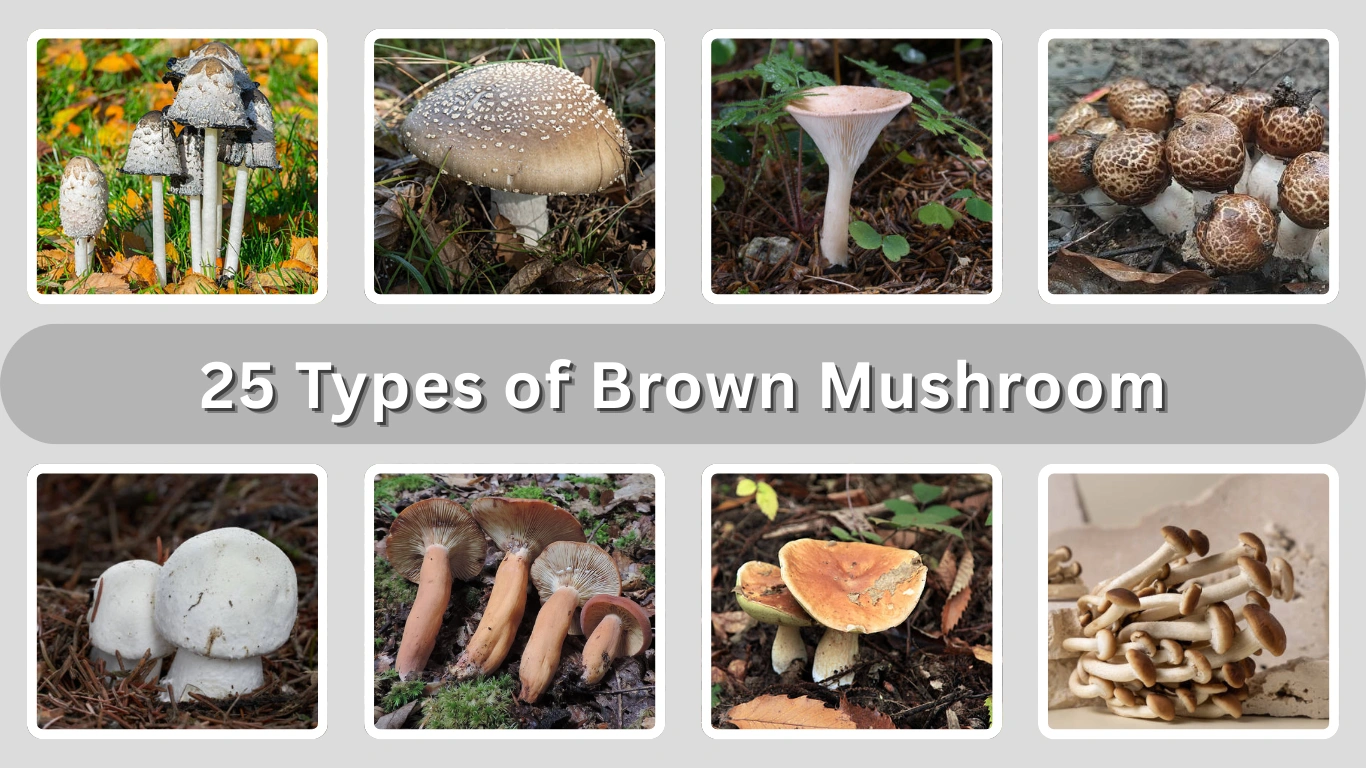
2. Cremini Mushroom

Cremini mushrooms, also known as baby bella mushrooms, are a slightly more mature version of button mushrooms. They have a firmer texture and a deeper, earthier flavor. Creminis are versatile in cooking and can be grilled, sautéed, or added to soups and stews. They are a popular choice for enhancing flavor in dishes while maintaining a meaty texture.
Identification
- Light to dark brown cap
- Smooth, firm surface
- Short, thick stem
- Gills are light brown and more pronounced than button mushrooms
Habitat
Cremini mushrooms are cultivated similarly to button mushrooms, often grown in controlled environments with nutrient-rich compost. They can also occasionally be found in shaded grassy areas.
Diet and Nutritional Value
They are rich in protein, B vitamins, selenium, and antioxidants. Cremini mushrooms support immune function and offer a robust flavor without adding many calories.
Lifespan and Storage
Fresh cremini mushrooms last about 5–7 days in the refrigerator when kept dry in a paper bag. Cooking slightly extends their shelf life.
3. Portobello Mushroom
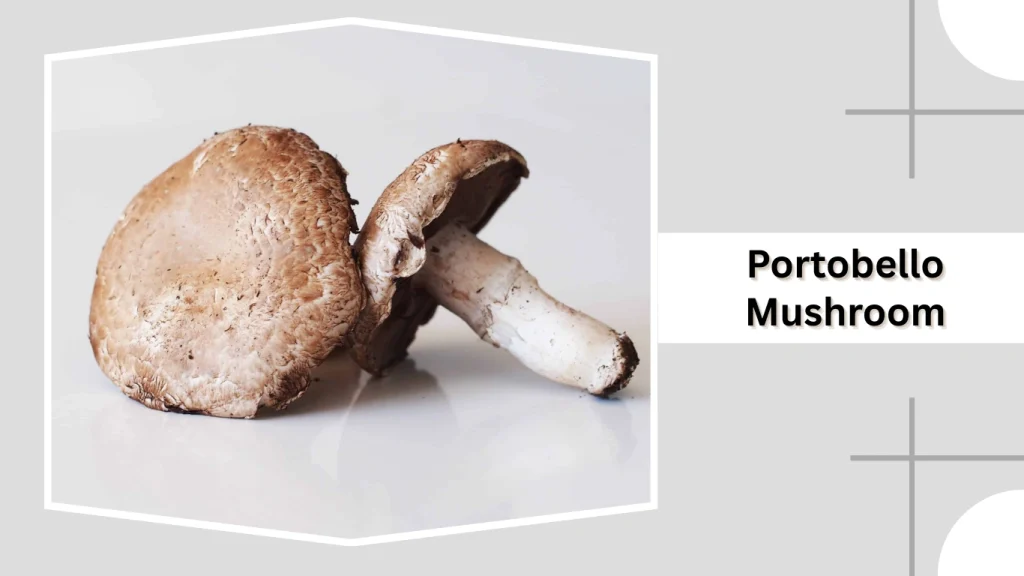
Portobello mushrooms are the fully mature form of cremini mushrooms, known for their large, meaty caps and rich, earthy flavor. They are often used as a meat substitute in vegetarian dishes due to their hearty texture. Portobellos are perfect for grilling, roasting, or stuffing and add depth to sauces and soups.
Identification
- Large, flat, dark brown cap
- Thick, sturdy stem
- Exposed brown gills underneath the cap
- Firm and dense texture
Habitat
Portobello mushrooms are mainly cultivated in controlled farms but can occasionally grow in rich soil or compost in shaded areas. They prefer moderate temperatures and high humidity.
Diet and Nutritional Value
These mushrooms are low in calories, rich in fiber, protein, potassium, and B vitamins. Their meaty texture makes them ideal for vegetarian recipes as a healthy protein source.
Lifespan and Storage
Fresh portobellos can last up to 5–7 days in the refrigerator, stored in a paper bag to prevent moisture buildup. Cooking enhances their flavor and slightly extends their shelf life.
4. Shiitake Mushroom
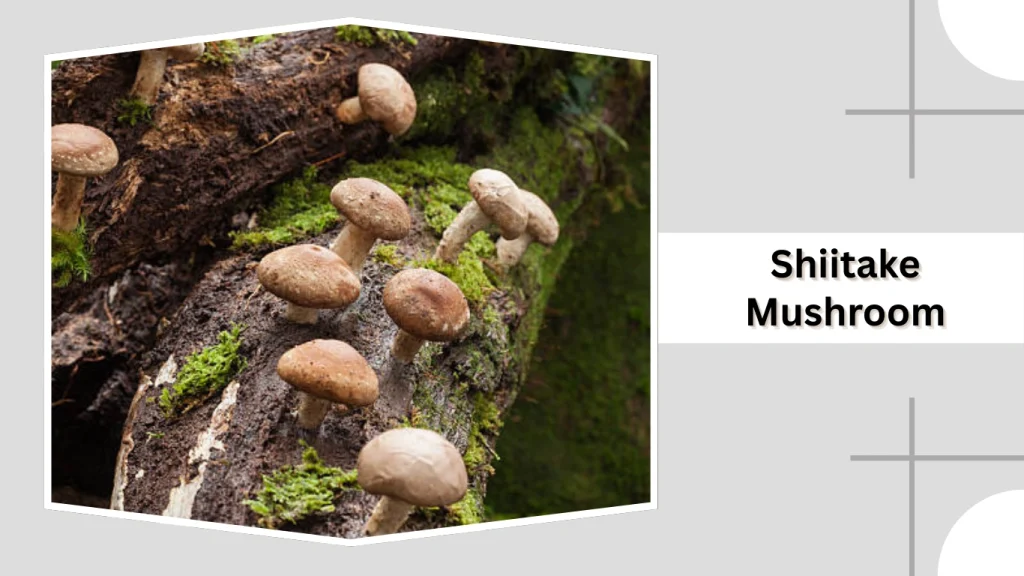
Shiitake mushrooms are prized for their rich, smoky flavor and meaty texture. They are widely used in Asian cuisine, particularly in soups, stir-fries, and sauces. Shiitakes are not only flavorful but also valued for their medicinal properties, including immune-boosting compounds and antioxidants.
Identification
- Brown, umbrella-shaped cap with slightly curled edges
- Light-colored, tough stem (often removed before cooking)
- White to cream gills underneath the cap
- Firm, fleshy texture
Habitat
Shiitake mushrooms are primarily cultivated on hardwood logs or sawdust blocks. They can also grow naturally on decaying hardwood trees in temperate forests.
Diet and Nutritional Value
Shiitakes are rich in protein, fiber, B vitamins, copper, selenium, and polysaccharides that support immune health. They add a deep umami flavor to dishes.
Lifespan and Storage
Fresh shiitake mushrooms can last up to one week in the refrigerator. Dried shiitakes have a much longer shelf life and can be rehydrated before cooking.
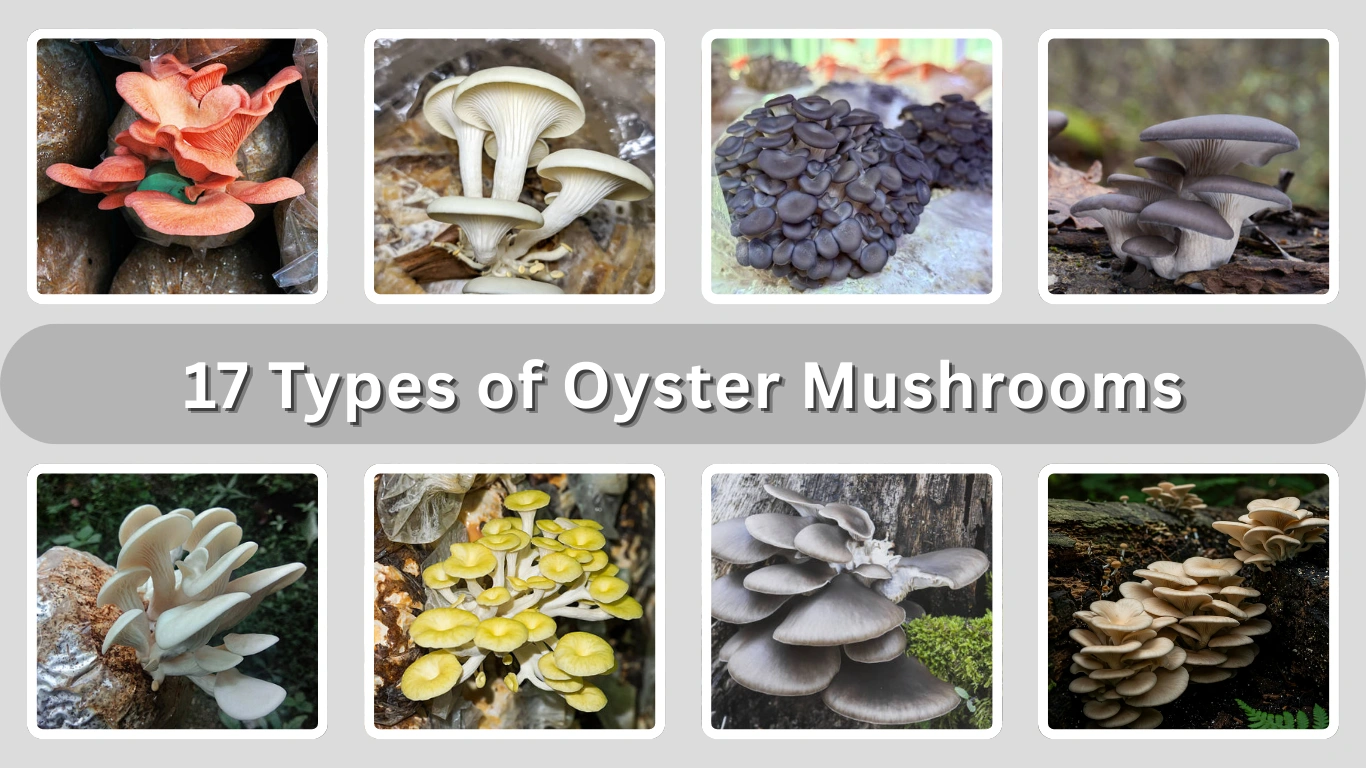
5. Oyster Mushroom
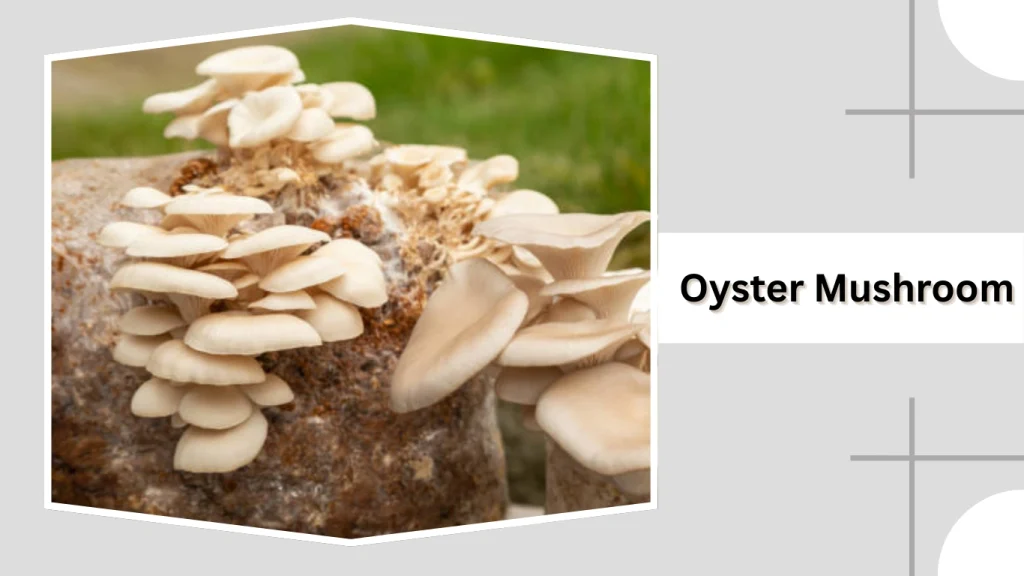
Oyster mushrooms are delicate, fan-shaped mushrooms known for their mild, slightly sweet flavor and tender texture. They are highly versatile in cooking, ideal for stir-fries, soups, sautés, and even deep-frying. These mushrooms also contain beneficial nutrients and compounds that support overall health.
Identification
- Fan-shaped, oyster-like cap
- Smooth surface, colors range from white, gray, to light brown
- Short or absent stem
- White to pale gills running down the cap
Habitat
Oyster mushrooms grow naturally on decaying wood, fallen logs, and tree stumps in forests. They are also widely cultivated on straw, sawdust, or other organic substrates.
Diet and Nutritional Value
Rich in protein, fiber, B vitamins, potassium, and antioxidants, oyster mushrooms help support heart health and the immune system.
Lifespan and Storage
Fresh oyster mushrooms last 3–5 days in the refrigerator. They should be stored in a paper bag to avoid moisture buildup, which can cause spoilage.
6. Enoki Mushroom
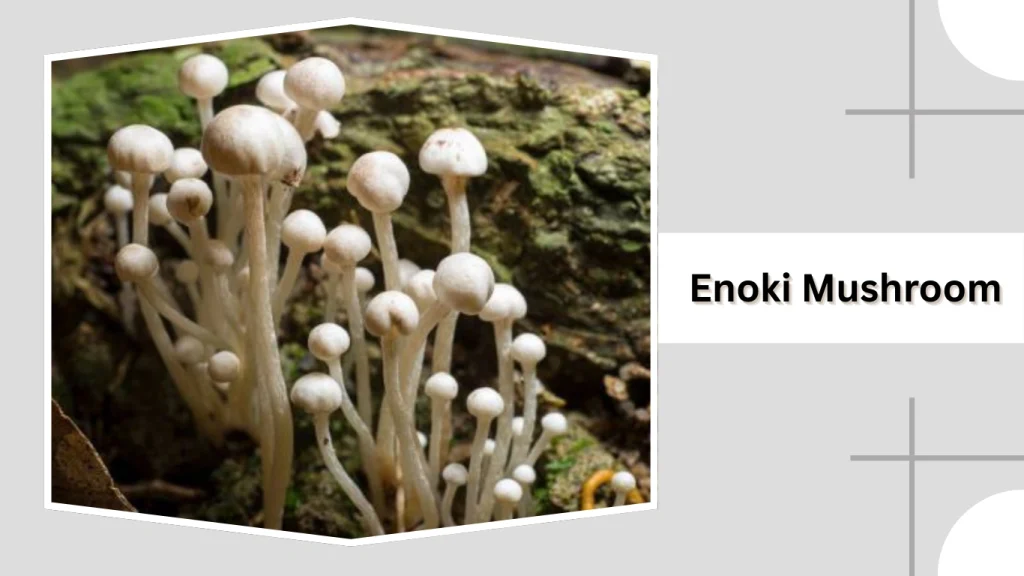
Enoki mushrooms are long, thin-stemmed mushrooms with small white caps, prized for their crunchy texture and mild, slightly fruity flavor. They are commonly used in Asian dishes such as soups, salads, and hot pots, and they cook quickly while retaining their crispness.
Identification
- Long, thin white stems
- Tiny, white, rounded caps
- Clustered growth
- Crisp and tender texture
Habitat
Enoki mushrooms naturally grow on the stumps of elm, oak, or other deciduous trees. They are widely cultivated in controlled, low-light environments to maintain their white color and delicate stems.
Diet and Nutritional Value
Enokis are low in calories and a good source of fiber, B vitamins, antioxidants, and minerals. They support digestive health and immune function.
Lifespan and Storage
Fresh enoki mushrooms last about 7–10 days in the refrigerator. They should be stored in their original packaging or a paper bag to prevent moisture accumulation.
7. Morel Mushroom
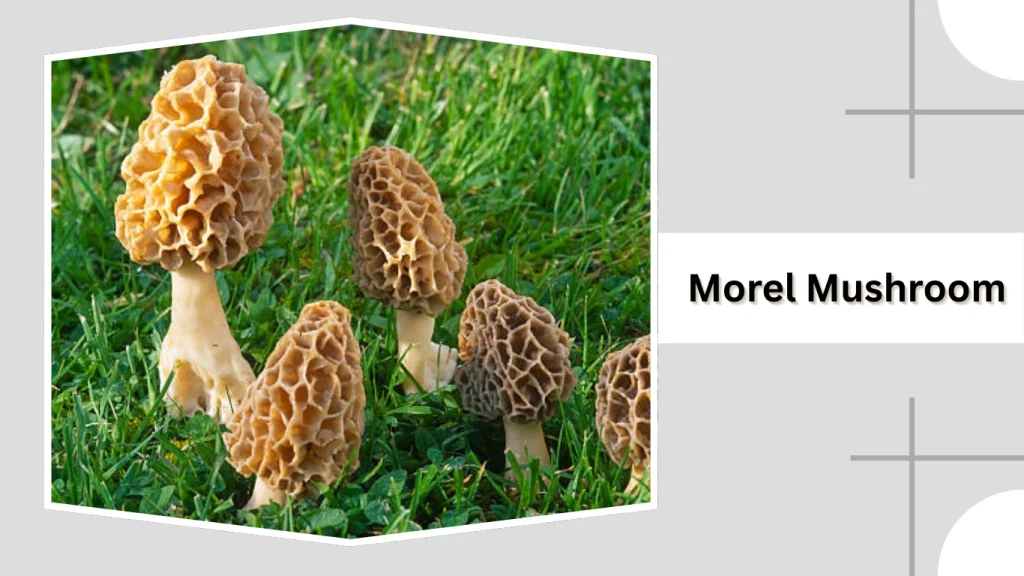
Morel mushrooms are highly sought-after wild mushrooms known for their distinctive honeycomb-like caps and rich, earthy flavor. They are considered a gourmet delicacy and are often sautéed, stuffed, or added to sauces. Morels are prized not only for their taste but also for their unique texture and aroma.
Identification
- Cone-shaped, honeycomb-patterned cap
- Hollow stem
- Colors range from tan to dark brown
- Nutty, meaty texture
Habitat
Morels grow naturally in forests, often near ash, elm, and oak trees, especially in the spring. They are difficult to cultivate commercially, making them mostly a wild-harvested mushroom.
Diet and Nutritional Value
Morels are rich in protein, iron, vitamin D, and antioxidants. They are low in calories and add a flavorful, nutritious element to gourmet dishes.
Lifespan and Storage
Fresh morels are highly perishable and last only 1–2 days in the refrigerator. They can be dried to extend shelf life, then rehydrated before cooking.
8. Chanterelle Mushroom
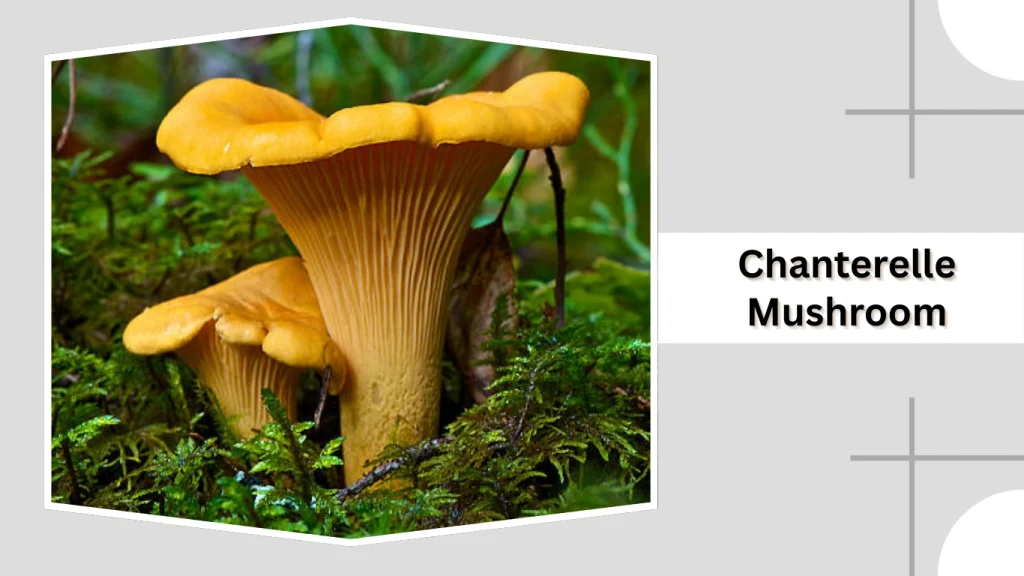
Chanterelle mushrooms are prized for their delicate, fruity aroma and slightly peppery taste. They have a vibrant golden color and a firm texture, making them a favorite in gourmet cooking. Chanterelles are perfect for sautéing, adding to sauces, or pairing with eggs and meats.
Identification
- Funnel-shaped, wavy cap
- Golden yellow to orange color
- Gills are forked, running down the stem
- Firm and meaty texture
Habitat
Chanterelles grow wild in forests, often near oak, pine, and birch trees. They thrive in moist, mossy soil and are commonly foraged in temperate regions during late summer and fall.
Diet and Nutritional Value
These mushrooms are rich in vitamins C and D, potassium, and antioxidants. They are low in calories and support immune health and overall nutrition.
Lifespan and Storage
Fresh chanterelles last about 5–7 days in the refrigerator. Storing them in a paper bag helps prevent moisture buildup and preserves their flavor and texture.
9. Porcini Mushroom
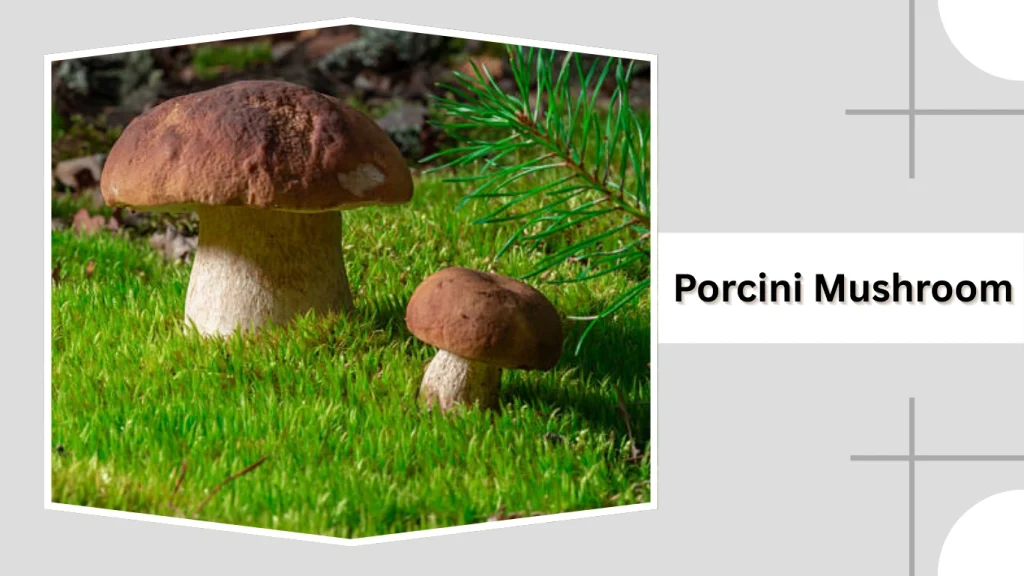
Porcini mushrooms are highly prized for their rich, nutty flavor and meaty texture. They are commonly used in Italian and French cuisine, especially in risottos, soups, and pasta dishes. Porcini mushrooms are both flavorful and nutritious, making them a gourmet favorite.
Identification
- Thick, bulbous stem
- Brown, rounded cap
- White to light brown gills
- Firm, meaty texture
Habitat
Porcini mushrooms grow naturally in forests, particularly near pine, spruce, and fir trees. They are mainly foraged in the wild, as cultivation is challenging.
Diet and Nutritional Value
Porcinis are rich in protein, fiber, B vitamins, potassium, and antioxidants. They are low in calories and provide a hearty, flavorful addition to meals.
Lifespan and Storage
Fresh porcini mushrooms last up to 5 days in the refrigerator. They can also be dried to extend shelf life, then rehydrated before cooking.
10. Maitake Mushroom
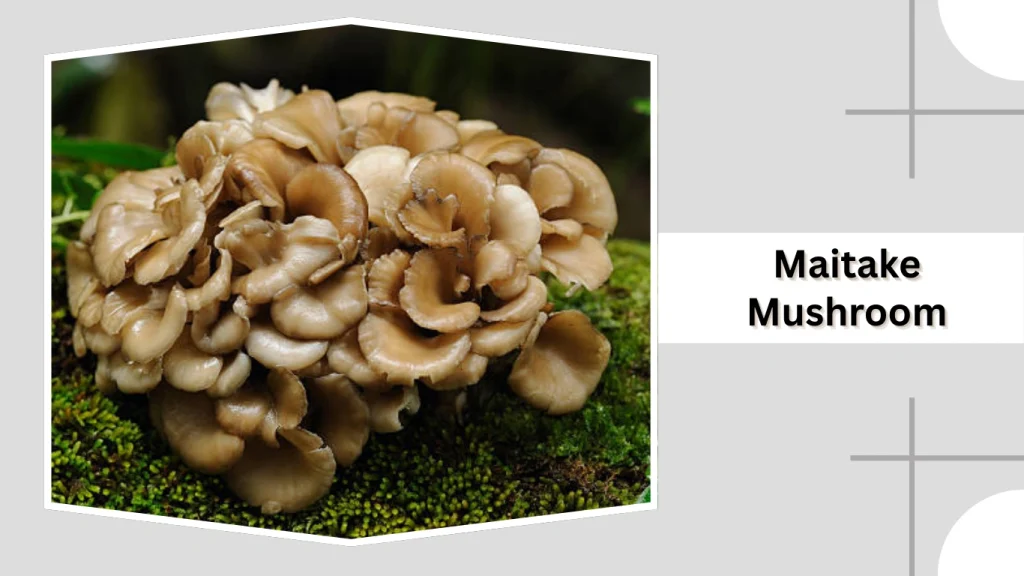
Maitake mushrooms, also known as “Hen of the Woods,” are valued for their rich, earthy flavor and feathery, clustered appearance. They are commonly used in stir-fries, soups, and roasted dishes. Maitakes are also prized for their medicinal properties, supporting immune health and overall wellness.
Identification
- Clustered, ruffled, fan-shaped caps
- Brown to gray color
- Thick, branched stems
- Firm yet tender texture
Habitat
Maitake mushrooms grow at the base of oak, elm, and maple trees, mainly in temperate forests. They are foraged in the wild and can also be cultivated on hardwood logs.
Diet and Nutritional Value
Rich in protein, fiber, B vitamins, antioxidants, and beta-glucans, maitakes support immune function and cardiovascular health. They are low in calories and highly nutritious.
Lifespan and Storage
Fresh maitake mushrooms last about 5–7 days in the refrigerator. Storing them in a paper bag helps maintain freshness and prevents moisture buildup.
11. Lion’s Mane Mushroom
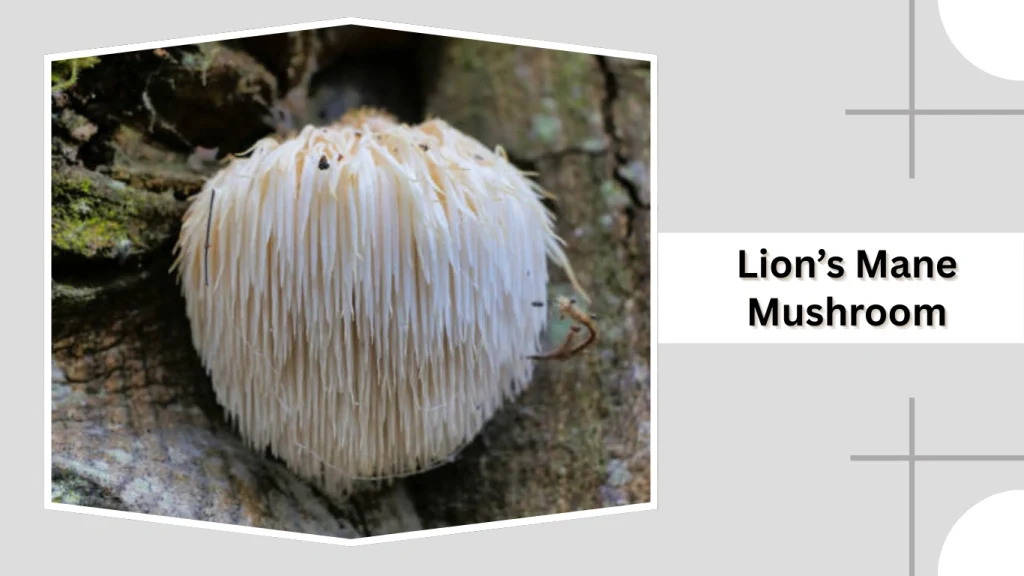
Lion’s Mane mushrooms are distinctive for their white, shaggy, icicle-like appearance and mild, seafood-like flavor. They are often used in soups, teas, and stir-fries. Beyond culinary uses, Lion’s Mane is valued for its potential cognitive and nerve-supporting health benefits.
Identification
- White, cascading spines instead of a traditional cap
- No visible gills or typical stem
- Soft, fluffy texture when fresh
- Turns slightly yellowish when cooked
Habitat
Lion’s Mane mushrooms grow on dead or decaying hardwood trees, especially oak and beech. They are mainly foraged in the wild but can also be cultivated on hardwood logs or sawdust blocks.
Diet and Nutritional Value
These mushrooms are rich in protein, polysaccharides, antioxidants, and bioactive compounds that may support brain and nerve health. They are low in calories and easy to digest.
Lifespan and Storage
Fresh Lion’s Mane mushrooms last 7–10 days in the refrigerator. Keeping them in a paper bag helps prevent moisture accumulation and preserves their delicate texture.
12. Beech Mushroom
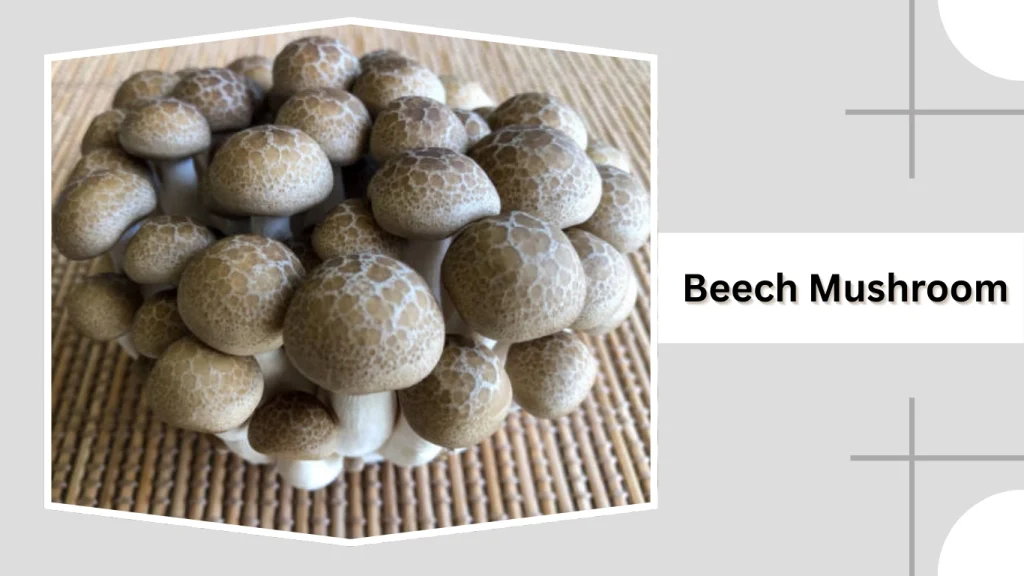
Beech mushrooms, also called Shimeji mushrooms, are small, clustered mushrooms with a firm texture and nutty, slightly bitter flavor. They are popular in Asian cuisine and work well in stir-fries, soups, and sautés, providing both flavor and visual appeal.
Identification
- Small, rounded caps, light brown to beige
- Long, thin stems
- Grow in dense clusters
- Firm, crunchy texture
Habitat
Beech mushrooms naturally grow on decaying hardwood trees, such as beech or oak. They are widely cultivated on sawdust or other organic substrates in controlled environments.
Diet and Nutritional Value
Beech mushrooms are low in calories and rich in protein, fiber, B vitamins, and antioxidants. They support immune health and provide a nutritious addition to meals.
Lifespan and Storage
Fresh beech mushrooms last about 7–10 days in the refrigerator. Storing them in a paper bag prevents moisture buildup and keeps them firm and fresh.
13. King Trumpet Mushroom
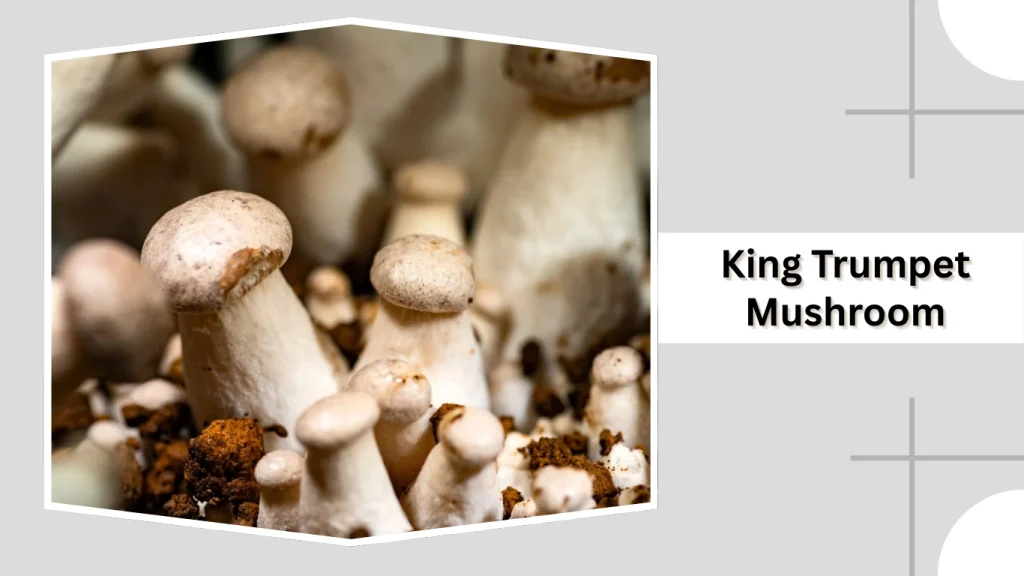
King Trumpet mushrooms, also known as King Oyster mushrooms, are large, meaty mushrooms with thick stems and small caps. They have a mild, savory flavor and a firm, dense texture, making them ideal for grilling, roasting, and stir-frying as a meat substitute.
Identification
- Thick, white, cylindrical stem
- Small, brown to tan cap
- Smooth surface
- Firm and meaty texture
Habitat
King Trumpet mushrooms are mainly cultivated on sawdust or straw in controlled environments. They naturally grow on decaying hardwoods but are rarely found in the wild.
Diet and Nutritional Value
These mushrooms are low in calories, high in fiber, protein, B vitamins, and antioxidants. They support heart health and add a satisfying texture to vegetarian dishes.
Lifespan and Storage
Fresh King Trumpet mushrooms last about 7–10 days in the refrigerator. Keeping them in a paper bag helps prevent moisture buildup and preserves their firm texture.
14. Hedgehog Mushroom
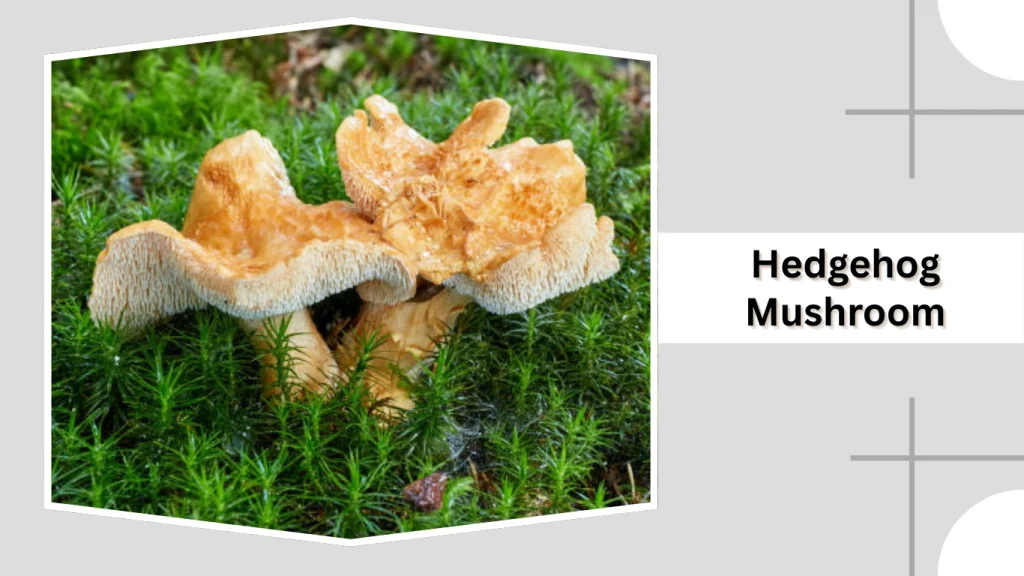
Hedgehog mushrooms, also called Sweet Tooth mushrooms, are easily recognized by their spiny, tooth-like structures under the cap. They have a nutty, slightly sweet flavor and a firm texture, making them excellent for sautéing, roasting, or adding to soups and risottos.
Identification
- Cap with spiny, downward-pointing “teeth” instead of gills
- Light brown to yellowish color
- Thick, firm stem
- Nutty, meaty texture
Habitat
Hedgehog mushrooms grow in forests, often near coniferous and hardwood trees. They prefer moist, mossy soil and are foraged in the wild during late summer and fall.
Diet and Nutritional Value
These mushrooms are low in calories and rich in protein, fiber, B vitamins, and antioxidants. They contribute to a healthy diet and add flavorful texture to dishes.
Lifespan and Storage
Fresh Hedgehog mushrooms last about 5–7 days in the refrigerator. Storing them in a paper bag helps maintain freshness and prevent spoilage.
15. Wood Ear Mushroom
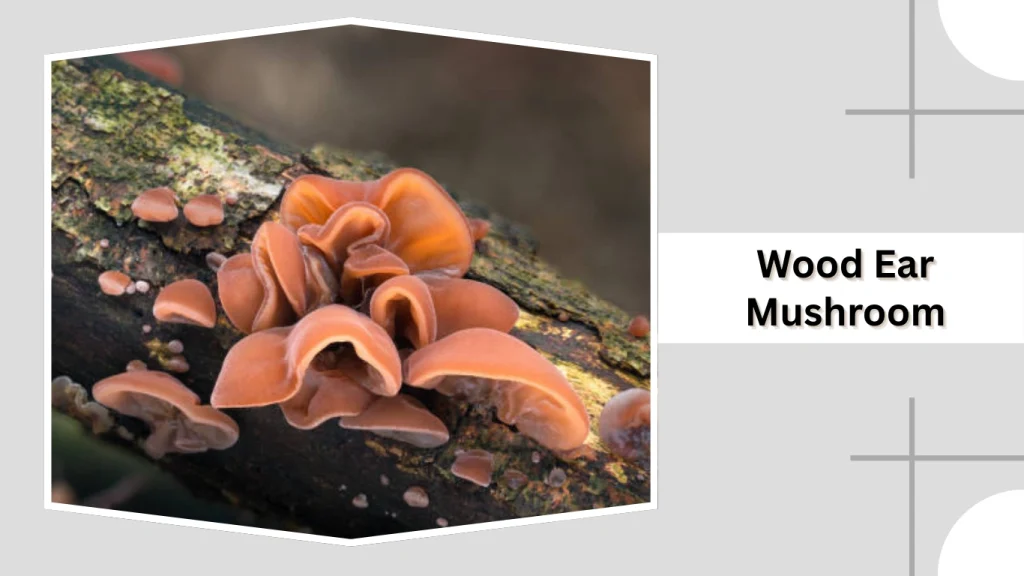
Wood Ear mushrooms, also known as Jelly Ear mushrooms, are thin, ear-shaped fungi with a slightly crunchy texture. They have a mild, neutral flavor, making them ideal for soups, stir-fries, and salads. They are especially popular in Asian cuisine for adding texture rather than taste.
Identification
- Thin, ear-shaped, gelatinous body
- Dark brown to black color
- Smooth to slightly wrinkled surface
- Crunchy, jelly-like texture
Habitat
Wood Ear mushrooms grow on decaying hardwood trees, especially in humid forests. They are also cultivated on logs or sawdust for commercial use.
Diet and Nutritional Value
These mushrooms are low in calories and rich in fiber, iron, and antioxidants. They support digestive health and add a unique texture to dishes without overwhelming flavor.
Lifespan and Storage
Fresh Wood Ear mushrooms last about 5–7 days in the refrigerator. Dried wood ears can last for months and should be rehydrated in water before cooking.
FAQs
What are the most common edible mushrooms?
The most common edible mushrooms include Button, Cremini, Portobello, Shiitake, and Oyster mushrooms. These varieties are widely available in grocery stores and used in a variety of recipes due to their mild flavors and versatility.
How should I store fresh mushrooms?
Fresh mushrooms should be stored in a paper bag in the refrigerator to prevent moisture buildup. Most mushrooms last between 5–10 days, depending on the variety, while dried mushrooms can last for months.
Are all edible mushrooms safe to eat raw?
Not all edible mushrooms are safe to eat raw. Varieties like Button and Cremini can be eaten raw, but others such as Shiitake or Morel are better cooked to improve flavor, texture, and digestibility.
Can edible mushrooms provide health benefits?
Yes, edible mushrooms are low in calories and rich in nutrients like protein, fiber, B vitamins, potassium, and antioxidants. Certain varieties, like Shiitake and Maitake, also offer immune-boosting and heart-supporting benefits.
How can I tell edible mushrooms from wild toxic mushrooms?
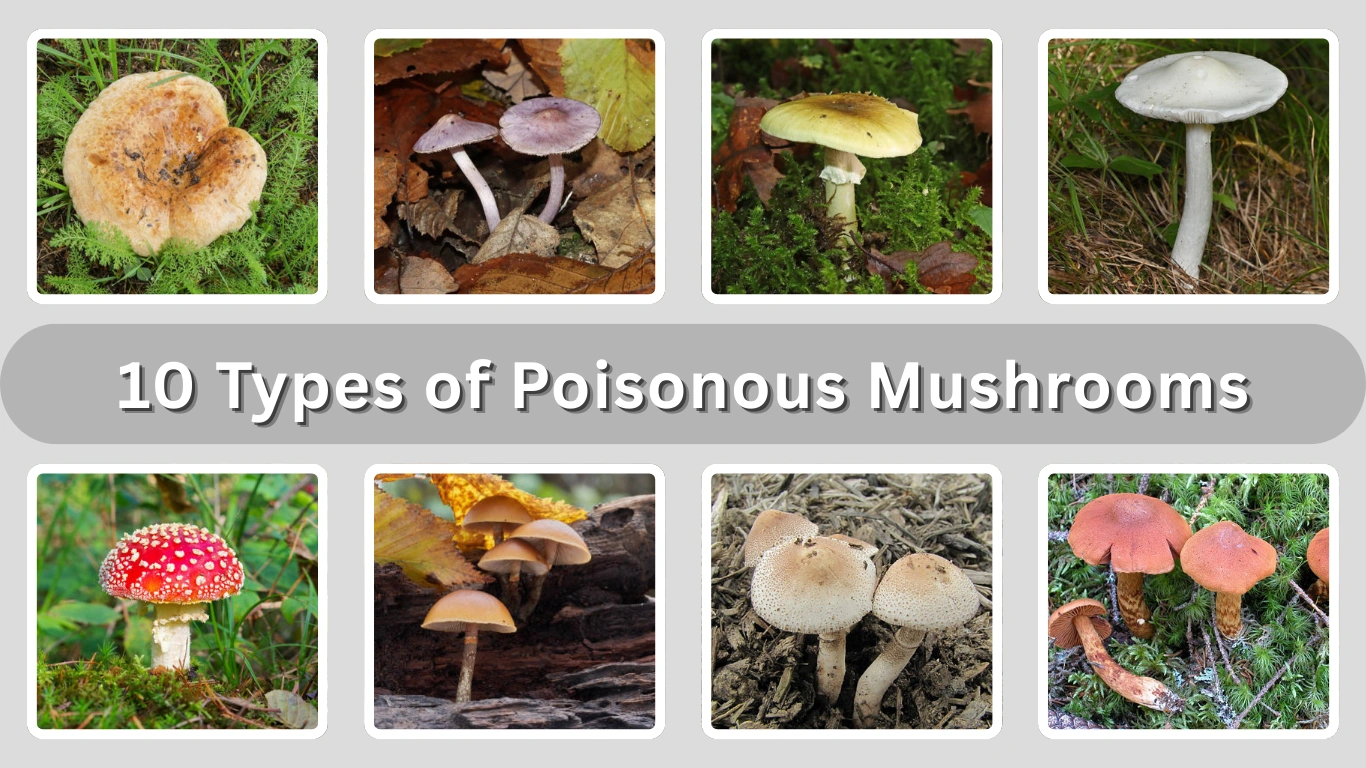
Identifying edible mushrooms in the wild requires careful knowledge. Key features include cap shape, gills, stem, color, and habitat. Foraging beginners should rely on guides or buy cultivated mushrooms, as some toxic species closely resemble edible ones.