






Enoki mushrooms are slender, delicate fungi known for their long stems, tiny caps, and mild, slightly sweet flavor. They are widely used in Asian cuisine and are available in both cultivated and wild forms. Different types of enoki vary in color, texture, and taste depending on how and where they grow. Understanding these variations helps with identification, safe use, and selecting the right type for cooking.
1. Golden Enoki Mushroom
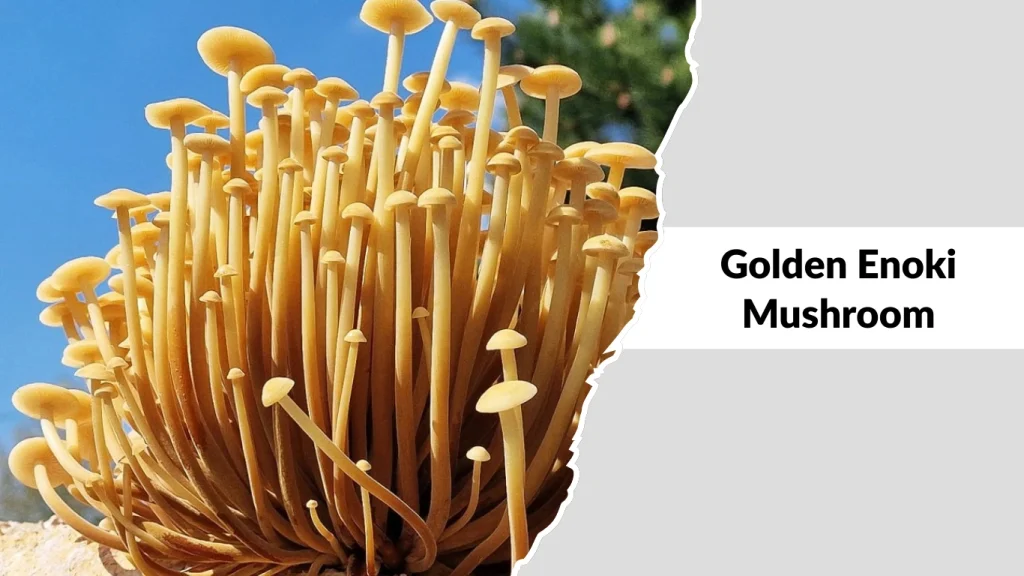
Golden Enoki mushrooms are a naturally occurring variety of enoki that develop their distinctive color and firmer texture in outdoor conditions. Unlike the pale, cultivated enoki commonly sold in supermarkets, golden enoki grow in the wild and are exposed to sunlight, cooler temperatures, and natural airflow. These environmental factors result in darker caps, stronger stems, and a deeper, earthier flavor. They are most often seen growing in clusters on decaying hardwood during late autumn and winter, making them a classic cold-season mushroom.
Identification
- Slender, elongated stems with a golden to yellow-brown hue
- Small caps that are convex when young and flatten slightly with age
- Caps usually darker at the center and lighter at the edges
- Grows in dense clusters rather than individually
- Firm, elastic texture compared to cultivated white enoki
Habitat
Golden enoki mushrooms typically grow on dead or dying hardwood trees such as elm, beech, poplar, and oak. They prefer cool, moist environments and are most commonly found in forests, woodland edges, and shaded parks. Fruiting usually occurs from late fall through early spring, even tolerating frost and near-freezing temperatures. Their ability to grow in cold weather makes them easier to spot when many other mushroom species are no longer present.
Flavor Profile
The flavor of golden enoki is noticeably stronger than that of white enoki. They have a mild sweetness combined with a nutty, earthy undertone and a clean umami finish. The stems remain crisp after cooking, while the caps soften slightly, creating a pleasant contrast in texture. Because of their natural growth conditions, their taste is often described as more complex and robust.
Culinary Use
Golden enoki mushrooms are widely used in Asian and fusion cooking. They work well in soups, hot pots, stir-fries, and noodle dishes, where their crunch adds texture. They can also be lightly sautéed, added to omelets, or used as a topping for rice and vegetable dishes. Due to their wild origin, they should always be thoroughly cleaned and fully cooked before consumption.
2. White Enoki Mushroom
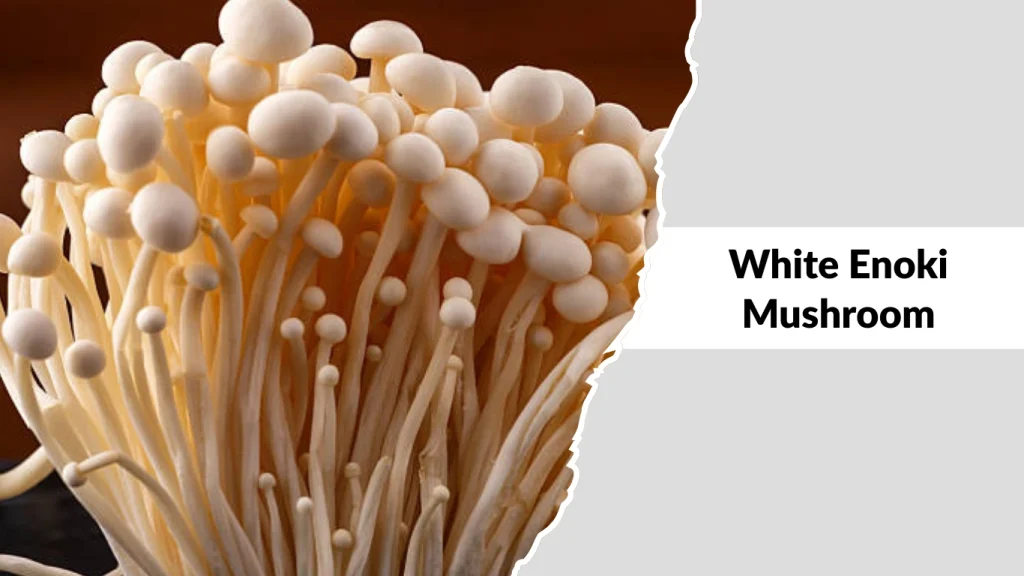
White Enoki mushrooms are the most commonly cultivated and widely consumed type of enoki. They are instantly recognizable by their long, thin white stems and tiny, rounded caps. This pale appearance is achieved through controlled growing conditions where the mushrooms are kept away from light, preventing pigment development. White enoki are popular worldwide, especially in East Asian cuisine, due to their mild flavor, delicate texture, and versatility in cooking.
Identification
- Very long, slender stems with a pure white color
- Small, smooth, button-like caps
- Grows in dense, tightly packed clusters
- Soft, crisp texture that remains slightly crunchy
- Uniform size and shape due to cultivation
Habitat
White enoki mushrooms do not grow naturally in the wild in their common form. They are cultivated indoors under carefully controlled conditions, including low light, high humidity, and cooler temperatures. These environments encourage elongated stems and prevent color formation. Commercial cultivation allows year-round availability, making white enoki a staple ingredient in supermarkets and Asian grocery stores worldwide.
Flavor Profile
White enoki mushrooms have a very mild, slightly sweet flavor with subtle earthy notes. Their taste is less intense than wild or golden enoki, which makes them ideal for absorbing surrounding flavors in soups and sauces. The stems provide a light crunch, while the caps soften quickly during cooking, creating a gentle and balanced mouthfeel.
Culinary Use
White enoki are extremely versatile and commonly used in soups, ramen, hot pots, salads, and stir-fries. They can be eaten lightly cooked or briefly blanched, and are often added near the end of cooking to preserve their texture. White enoki are also popular wrapped in meat, added to omelets, or used as a garnish. They should always be cooked before eating to ensure safety.
3. Wild Enoki Mushroom
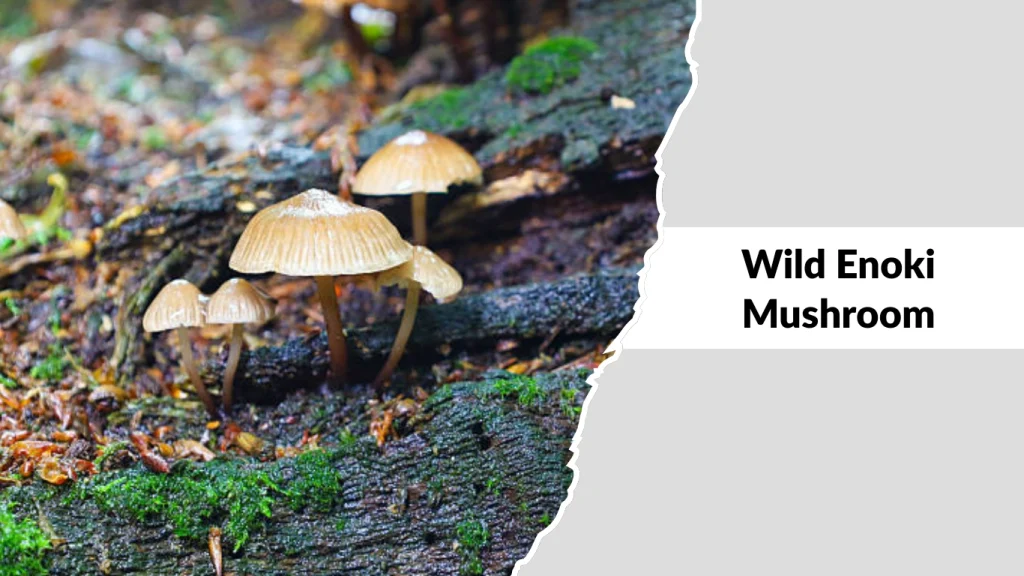
Wild Enoki mushrooms are the naturally occurring form of enoki that grow without human cultivation. Unlike the uniform white varieties found in stores, wild enoki develop darker colors, thicker stems, and more pronounced caps due to natural light and outdoor conditions. They are commonly found during colder seasons and are valued by experienced foragers for their stronger flavor and firmer texture compared to cultivated enoki.
Identification
- Stems are shorter and thicker than cultivated enoki
- Caps are larger, flatter, and range from tan to orange-brown
- Cap centers are usually darker than the edges
- Grows in clusters on decaying wood
- Tougher, more resilient texture
Habitat
Wild enoki mushrooms grow on dead or dying hardwood trees, especially elm, willow, beech, and poplar. They prefer cool temperatures and are most commonly found from late autumn through early spring. These mushrooms can survive frost and even snow, making them one of the few species visible in winter forests. They are typically seen growing at the base of tree trunks or on fallen logs in moist, shaded areas.
Flavor Profile
The flavor of wild enoki is deeper and more complex than cultivated types. They have a mild sweetness combined with earthy, woody notes and a clean umami finish. Their firmer stems provide a chewy bite, while the caps soften when cooked. Because of their stronger flavor, they stand out well in simple dishes without heavy seasoning.
Culinary Use
Wild enoki are used in soups, broths, stir-fries, and sautéed dishes. They pair well with garlic, soy sauce, ginger, and light oils. Due to potential look-alike species, wild enoki should only be harvested by knowledgeable foragers and must always be thoroughly cooked before consumption.
4. Brown Enoki Mushroom
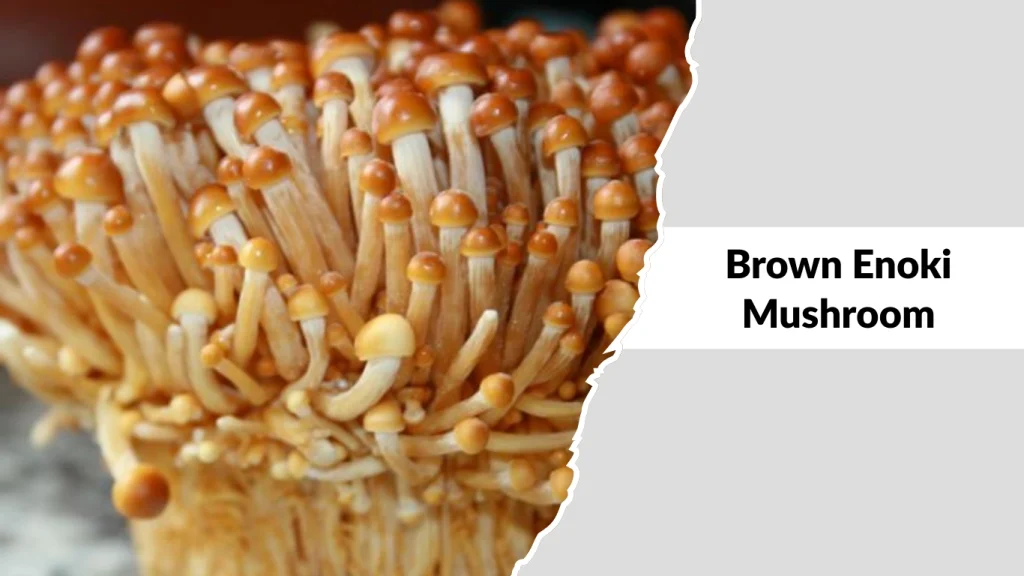
Brown Enoki mushrooms are a naturally pigmented variety of enoki that fall between wild and cultivated forms. They retain the slender shape typical of enoki mushrooms but develop a light to medium brown coloration due to partial exposure to light during growth. Compared to white enoki, brown enoki have slightly thicker stems, firmer texture, and a more noticeable mushroom flavor, making them popular in both home cooking and specialty dishes.
Identification
- Long, thin stems with a light to medium brown color
- Small caps that are slightly darker than the stems
- Grows in tight clusters similar to white enoki
- Firmer and less fragile than white enoki
- More natural color variation across clusters
Habitat
Brown enoki mushrooms are often cultivated under semi-natural conditions or found growing outdoors in cooler climates. In the wild, they grow on decaying hardwood such as oak, elm, and poplar. Cultivated brown enoki are usually grown with limited light exposure, allowing some pigmentation to develop while still maintaining elongated stems. They thrive in cool, humid environments and are commonly available in specialty markets.
Flavor Profile
The flavor of brown enoki is stronger and earthier than white enoki but milder than fully wild enoki. They offer a balanced umami taste with subtle nutty undertones. Their stems stay slightly crunchy after cooking, while the caps soften, creating a pleasant contrast in texture that works well in a wide range of dishes.
Culinary Use
Brown enoki mushrooms are commonly used in stir-fries, noodle dishes, soups, and hot pots. They also work well sautéed with vegetables or added to rice dishes. Their firmer texture allows them to hold up better during longer cooking times, and they readily absorb sauces and seasonings, enhancing overall dish flavor.
5. Velvet Shank Mushroom

Velvet Shank mushrooms are the wild form of enoki and are scientifically known as Flammulina velutipes. They are easily distinguished by their darker caps and velvety, fuzzy stem bases, which give them their common name. Unlike cultivated enoki, velvet shank mushrooms grow naturally in outdoor environments and develop stronger structures and flavors due to exposure to natural light and colder temperatures.
Identification
- Caps are orange-brown to dark brown and slightly sticky
- Stems are thicker and darker toward the base
- Base of the stem has a velvety, fuzzy texture
- Caps are wider and more developed than cultivated enoki
- Grows in clustered formations
Habitat
Velvet shank mushrooms grow on dead or decaying hardwood trees, especially elm, willow, beech, and poplar. They are most commonly found during late fall, winter, and early spring. These mushrooms tolerate freezing temperatures and often appear when few other species are present. They typically grow at the base of tree trunks or on fallen logs in moist woodland areas.
Flavor Profile
Velvet shank mushrooms have a richer and more pronounced flavor compared to cultivated enoki. They offer mild sweetness with earthy and slightly nutty notes. The texture is firmer, with chewy stems and tender caps after cooking, making them well-suited for hearty dishes.
Culinary Use
Velvet shank mushrooms are used in soups, broths, stir-fries, and sautéed dishes. They pair well with garlic, soy sauce, ginger, and simple seasonings. Due to the presence of toxic look-alike species, they should only be harvested by experienced foragers and must always be thoroughly cooked before eating.
6. Yellow Enoki Mushroom
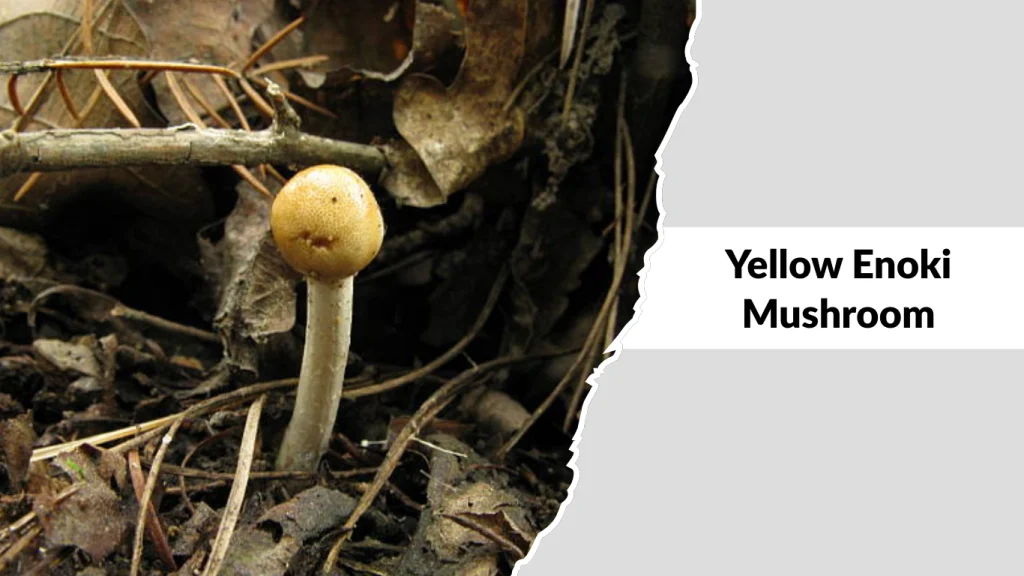
Yellow Enoki mushrooms are a naturally colored variety of enoki that display brighter yellow tones compared to golden or brown types. Their coloration develops due to light exposure during growth, while their structure remains slender and elongated. Yellow enoki are less common than white enoki but are appreciated for their attractive appearance, firmer stems, and slightly stronger flavor.
Identification
- Thin, elongated stems with a pale to bright yellow color
- Small caps that may be slightly darker than the stems
- Grows in dense, upright clusters
- Firmer texture than white enoki
- Color deepens with increased light exposure
Habitat
Yellow enoki mushrooms grow on decaying hardwood such as elm, oak, and poplar in cool environments. They can be found in woodland areas during colder seasons or cultivated under controlled conditions with partial light exposure. Like other enoki varieties, they prefer moist, shaded locations and thrive in low temperatures, often fruiting in late autumn and winter.
Flavor Profile
The flavor of yellow enoki is mild yet more noticeable than white enoki. They offer gentle sweetness with light earthy notes and a clean umami finish. Their stems maintain a pleasant crunch after cooking, while the caps soften quickly, creating a balanced texture suitable for many dishes.
Culinary Use
Yellow enoki mushrooms are commonly used in soups, hot pots, stir-fries, and noodle dishes. Their bright color makes them visually appealing as garnishes or mixed into vegetable dishes. They absorb sauces well and should always be cooked thoroughly before consumption.
7. Cultivated Enoki Mushroom
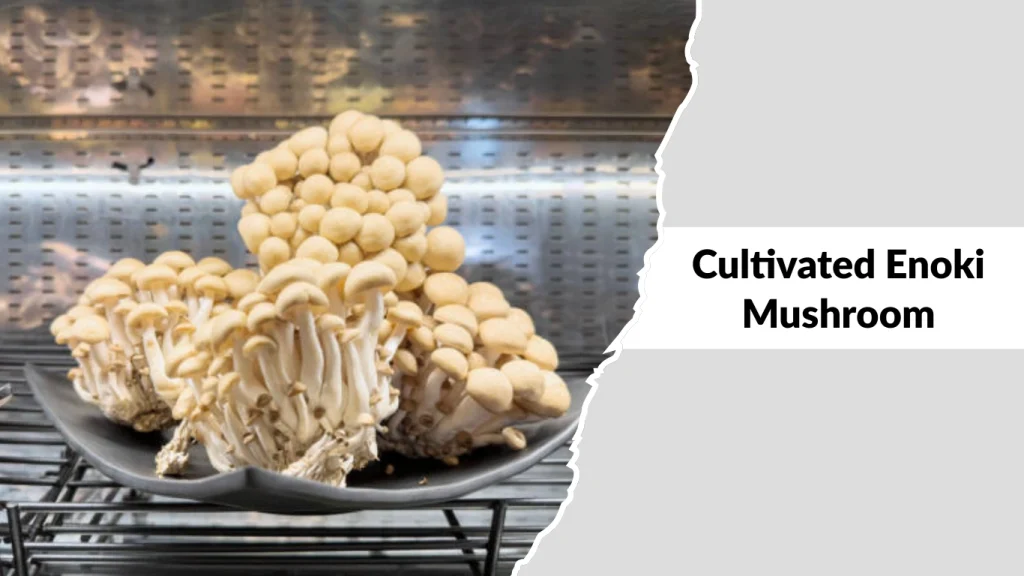
Cultivated Enoki mushrooms are commercially grown enoki produced under controlled indoor conditions. By limiting light and carefully managing temperature and humidity, growers encourage long, thin stems and very small caps. This method results in uniform clusters with a delicate appearance and mild taste. Cultivated enoki are the most widely available type and are commonly found fresh in supermarkets year-round.
Identification
- Very long, slender stems with a pale cream to white color
- Tiny, rounded caps with smooth surfaces
- Grows in tightly packed, uniform clusters
- Soft yet crisp texture
- Clean appearance with minimal color variation
Habitat
Cultivated enoki do not grow naturally in this form. They are produced indoors in sterile growing facilities using specially prepared substrates, usually enriched sawdust. The environment is kept cool, humid, and dark to prevent pigmentation and cap expansion. This controlled habitat allows consistent quality and continuous production regardless of season.
Flavor Profile
The flavor of cultivated enoki is very mild and subtly sweet with light earthy notes. Because the taste is delicate, these mushrooms easily absorb the flavors of broths, sauces, and seasonings. Their stems provide a gentle crunch, while the small caps soften quickly when heated.
Culinary Use
Cultivated enoki are commonly used in soups, ramen, hot pots, salads, and stir-fries. They are often added near the end of cooking to preserve texture. These mushrooms are also used as garnishes, wrapped in meat, or mixed into egg and vegetable dishes. They should always be cooked before eating.
FAQs
What are enoki mushrooms commonly used for?
Enoki mushrooms are widely used in soups, hot pots, stir-fries, ramen, and noodle dishes. Their long stems add a light crunch, while their mild flavor absorbs sauces and broths easily. They are especially popular in East Asian cuisine and are usually added near the end of cooking.
Are all types of enoki mushrooms edible?
Most cultivated enoki mushrooms sold in markets are safe to eat when properly cooked. However, wild enoki have toxic look-alike species, so they should only be harvested by experienced foragers. To ensure safety, all types of enoki mushrooms should always be cooked before consumption.
What is the difference between white enoki and wild enoki?
White enoki are cultivated indoors with little to no light, giving them long white stems and tiny caps. Wild enoki grow outdoors, develop darker caps, thicker stems, and stronger flavor. Wild varieties are firmer and more flavorful but require careful identification before use.
Do enoki mushrooms have nutritional benefits?
Enoki mushrooms are low in calories and contain fiber, protein, vitamins, and antioxidants. They are often included in healthy diets for their light texture and nutritional value. Enoki also contain compounds that support digestion and may contribute to overall immune health.
How should enoki mushrooms be stored?
Fresh enoki mushrooms should be stored in the refrigerator in their original packaging or a paper bag. They are best used within a few days for optimal freshness. Avoid washing them before storage, as excess moisture can cause them to spoil more quickly.