





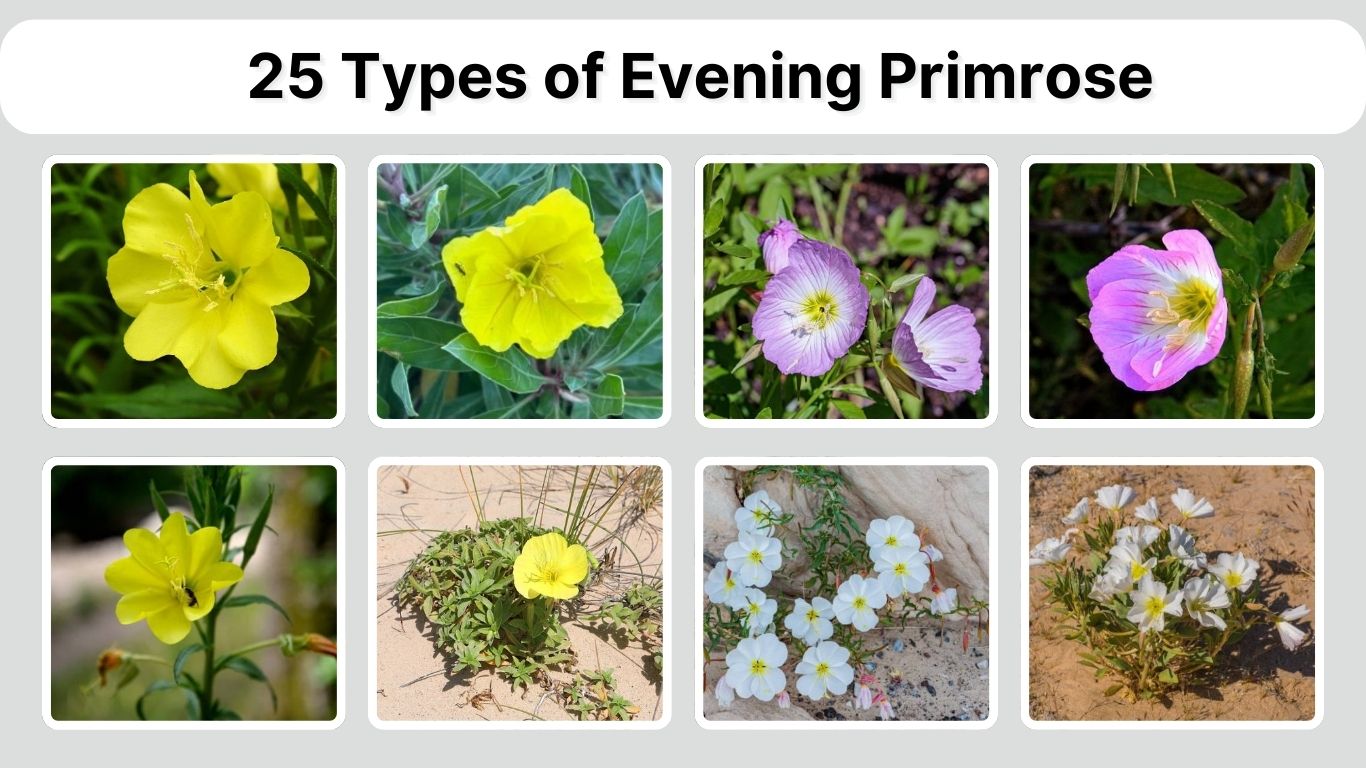
Evening primroses are a diverse group of flowering plants best known for their beautiful blooms that open in the late afternoon or evening. Belonging to the genus Oenothera, these plants are native mainly to the Americas and thrive in a wide range of habitats, from deserts and coastal dunes to prairies and mountain slopes. With colors ranging from bright yellow to soft pink and white, evening primroses are valued for both ornamental gardening and their ecological importance in supporting pollinators.
1. Common Evening Primrose (Oenothera biennis)

Common Evening Primrose is a well-known flowering plant famous for its bright yellow, cup-shaped blooms that open in the evening and often stay open until morning. Native to North America, it thrives in open fields, roadsides, and disturbed soils. The plant is valued not only for its ornamental beauty but also for its traditional medicinal and ecological importance, especially in supporting night-pollinating insects.
Identification
- Upright biennial plant, usually 2–5 feet tall
- Bright yellow, four-petaled flowers that open at dusk
- Long, lance-shaped green leaves with slight toothed edges
- Thick central stem with clustered flower buds
- Produces elongated seed capsules after flowering
Habitat
Common Evening Primrose commonly grows in sunny, open locations such as meadows, prairies, roadsides, gardens, and vacant lots. It prefers well-drained, sandy, or loamy soil and is highly adaptable, often appearing in disturbed areas where other plants struggle to establish.
Flowering Behavior
The flowers typically open rapidly at sunset, releasing a light, sweet fragrance that attracts moths and other nocturnal pollinators. Blooms usually appear from late spring through early fall, with each flower lasting only one night before wilting by the next day.
Uses and Importance
This plant is widely known for evening primrose oil, extracted from its seeds, which is commonly used in herbal and cosmetic products. Ecologically, it plays an important role by providing nectar and pollen for night-flying insects, helping support local biodiversity.
2. Missouri Evening Primrose (Oenothera macrocarpa)

Missouri Evening Primrose is a low-growing, spreading perennial known for its very large, bright yellow flowers and ground-hugging habit. Unlike taller species, it forms wide mats that make it popular in rock gardens and sunny borders. Native to central North America, this plant is highly drought-tolerant and valued for both its ornamental appeal and its ability to thrive in poor soils.
Identification
- Low, trailing perennial that spreads outward rather than upward
- Very large, bright yellow flowers, often 4–5 inches wide
- Thick, lance-shaped, slightly fuzzy green leaves
- Stems that creep along the ground forming broad clumps
- Long, winged seed capsules after flowering
Habitat
Missouri Evening Primrose naturally grows in prairies, rocky slopes, limestone glades, and open plains. It prefers full sun and well-drained, sandy, or gravelly soils. The plant is extremely tolerant of heat and drought, making it well suited for dry landscapes and xeriscaping.
Flowering Behavior
Flowers open in the evening and may remain open into the next morning, especially on cloudy days. Blooming usually occurs from late spring through mid-summer. The large, showy blossoms attract moths at night and bees during early daylight hours.
Uses and Importance
This species is widely used as an ornamental ground cover due to its spreading form and striking blooms. Ecologically, it supports pollinators and helps stabilize soil in dry, open areas. Its deep roots also make it valuable for erosion control in sunny, sloped landscapes.
3. Mexican Evening Primrose (Oenothera speciosa)
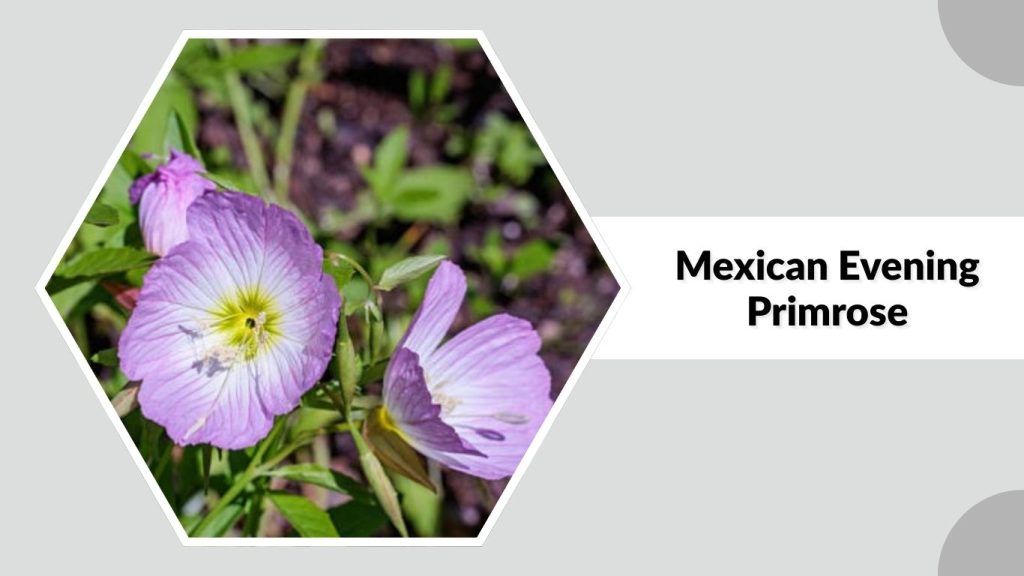
Mexican Evening Primrose is a fast-spreading perennial admired for its soft pink to pale rose-colored flowers and long blooming season. Although native to parts of the southern United States and Mexico, it is widely cultivated as an ornamental ground cover. The plant is known for its delicate appearance, yet it is surprisingly tough, thriving in hot, dry conditions and poor soils.
Identification
- Low-growing, spreading perennial with creeping stems
- Pale pink to light rose flowers with darker veins
- Cup-shaped, four-petaled blooms that open in the evening
- Soft green, slightly toothed leaves along trailing stems
- Produces slender seed capsules after flowering
Habitat
Mexican Evening Primrose commonly grows in open fields, roadsides, prairies, and garden settings. It prefers full sun but tolerates partial shade and adapts well to sandy, rocky, or well-drained soils. Once established, it is drought-tolerant and can spread quickly across open ground.
Flowering Behavior
Flowers usually open in the late afternoon or early evening and may stay open into the morning. Blooming often lasts from spring through early fall, creating long-lasting displays. The flowers attract night-flying moths as well as bees and butterflies during the day.
Uses and Importance
This species is popular in landscaping as a flowering ground cover and border plant. It is also useful for erosion control on slopes. Ecologically, it provides nectar for a wide range of pollinators and adds seasonal color to naturalized areas.
4. Pink Evening Primrose (Oenothera rosea)
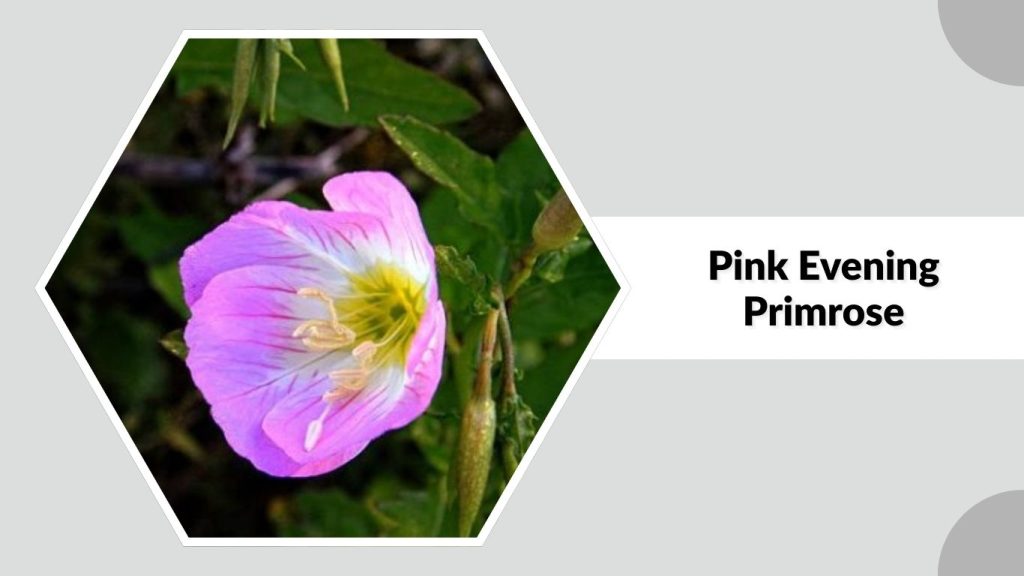
Pink Evening Primrose is a delicate, low-growing species known for its small, soft pink flowers and fine-textured appearance. Native to Mexico and parts of Central America, it has spread to many warm regions of the world as a garden ornamental. Despite its gentle look, this plant is quite hardy and can quickly form attractive ground covers in sunny areas.
Identification
- Low, spreading perennial with thin, creeping stems
- Small, four-petaled flowers in light to bright pink shades
- Fine, narrow green leaves arranged along slender stems
- Compact growth habit, usually under 12 inches tall
- Produces small, elongated seed capsules
Habitat
Pink Evening Primrose grows well in open, sunny environments such as grasslands, roadsides, garden beds, and disturbed soils. It prefers well-drained soil and tolerates sandy or slightly rocky ground. The plant adapts easily to warm climates and can naturalize quickly.
Flowering Behavior
Flowers open in the late afternoon or evening and may stay open into the following morning. Blooming can continue for long periods, often from late spring through fall, especially in warm regions. The blossoms attract small bees, butterflies, and other pollinating insects.
Uses and Importance
This species is commonly planted as an ornamental ground cover due to its extended blooming season and soft coloration. It also supports pollinators and can be used to fill empty garden spaces where low, spreading plants are desired.
5. Hooker’s Evening Primrose (Oenothera elata subsp. hookeri)
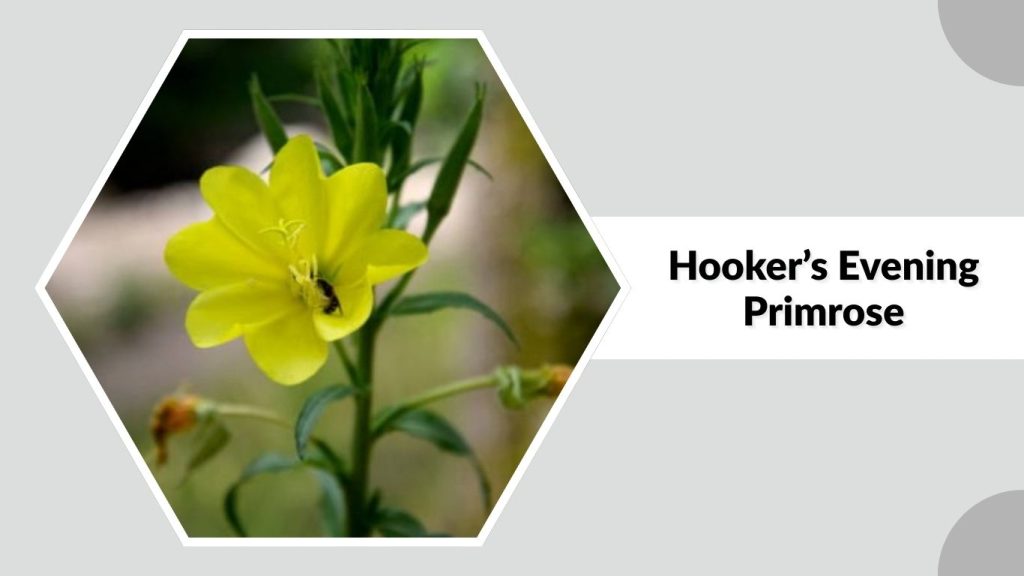
Hooker’s Evening Primrose is a tall, striking species recognized for its large, bright yellow flowers and strong upright growth. Native to western North America, it is often found in natural meadows and open woodland edges. The plant is admired for its showy blooms, which open dramatically in the evening and release a light fragrance that attracts nocturnal pollinators.
Identification
- Tall, upright biennial or short-lived perennial, often 3–6 feet high
- Large, bright yellow, four-petaled flowers
- Long, narrow, lance-shaped leaves along the stem
- Stout central stalk with buds forming along the upper portion
- Produces elongated, four-angled seed capsules
Habitat
Hooker’s Evening Primrose typically grows in open meadows, stream banks, forest edges, and disturbed ground. It prefers full sun to light shade and moist but well-drained soils. The plant is commonly seen in coastal and inland regions of western North America.
Flowering Behavior
The flowers open rapidly at dusk and are most fragrant in the evening. Blooming usually occurs from late spring through summer. Night-flying moths are the primary pollinators, though bees may visit the flowers in the early morning.
Uses and Importance
This species is grown as an ornamental wildflower and is also important ecologically, providing nectar for moths and other pollinators. Its tall structure adds vertical interest to natural gardens and meadow-style landscapes.
6. Beach Evening Primrose (Oenothera humifusa)
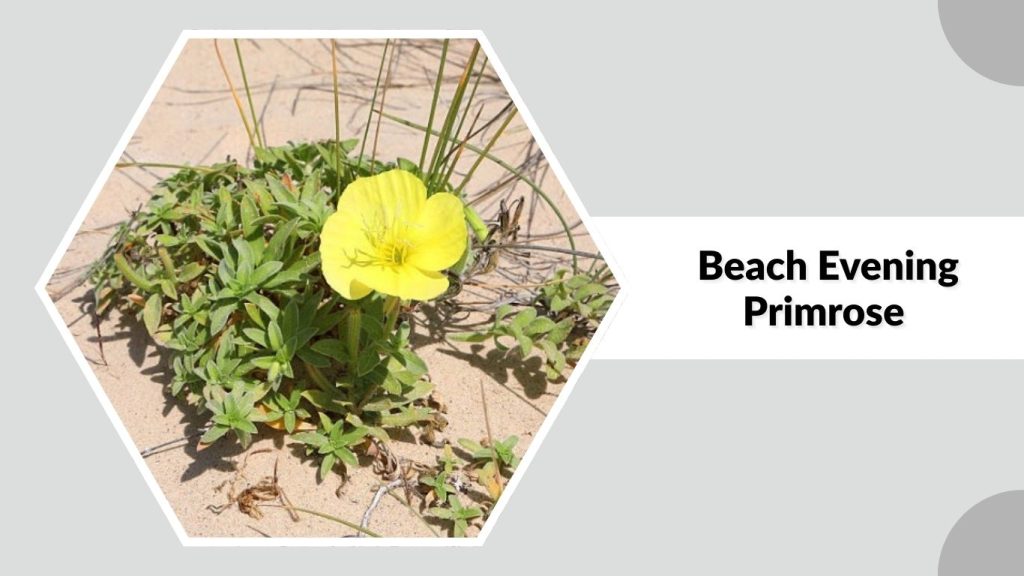
Beach Evening Primrose is a low, trailing species specially adapted to sandy coastal environments. It is known for its bright yellow flowers, thick fleshy leaves, and spreading habit that helps stabilize loose sand. Native to coastal regions of eastern North America, this plant plays an important role in dune ecosystems.
Identification
- Low-growing, trailing perennial that spreads across the ground
- Bright yellow, four-petaled flowers that open in the evening
- Thick, fleshy, oval to elongated green leaves
- Reddish or green creeping stems that root at nodes
- Produces elongated seed capsules close to the ground
Habitat
Beach Evening Primrose grows primarily on coastal dunes, sandy beaches, and seaside grasslands. It prefers full sun and very well-drained, sandy soils. The plant is salt-tolerant and thrives in windy, exposed conditions where few other flowering plants can survive.
Flowering Behavior
Flowers open in the evening and may remain open into the next morning. Blooming generally occurs from late spring through summer. The flowers attract moths at night and bees in the early morning hours.
Uses and Importance
This species is ecologically valuable for dune stabilization, helping prevent erosion with its spreading root system. It is sometimes used in coastal restoration projects and native plant gardens designed to support pollinators and protect fragile shorelines.
7. Tufted Evening Primrose (Oenothera caespitosa)
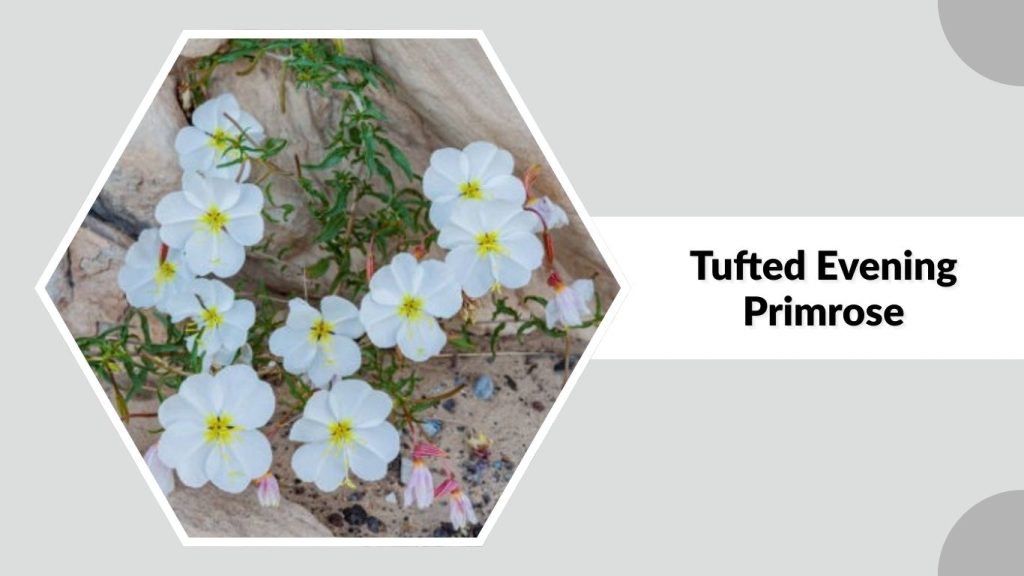
Tufted Evening Primrose is a compact, stemless species admired for its large, white to pale pink flowers that sit close to the ground. Native to the western regions of North America, it is well adapted to dry, rocky landscapes. The blooms are especially striking at dusk, when they open quickly and release a sweet fragrance.
Identification
- Low, stemless perennial forming tight basal clumps
- Large, white to pale pink flowers with yellow centers
- Narrow, gray-green leaves growing in a rosette
- Flowers appear on short stalks close to the ground
- Produces elongated, ribbed seed capsules
Habitat
Tufted Evening Primrose commonly grows in deserts, rocky slopes, sagebrush flats, and open plains. It prefers full sun and well-drained, sandy or gravelly soils. The plant is highly drought-tolerant and thrives in arid and semi-arid environments.
Flowering Behavior
Flowers open in the evening and often fade to pink by morning. Blooming usually occurs from late spring through early summer. The strongly fragrant flowers attract moths and other night pollinators, making them an important nectar source.
Uses and Importance
This species is popular in rock gardens and native plant landscapes because of its compact size and showy flowers. Ecologically, it supports nocturnal pollinators and contributes to the biodiversity of dryland plant communities.
8. Desert Evening Primrose (Oenothera deltoides)
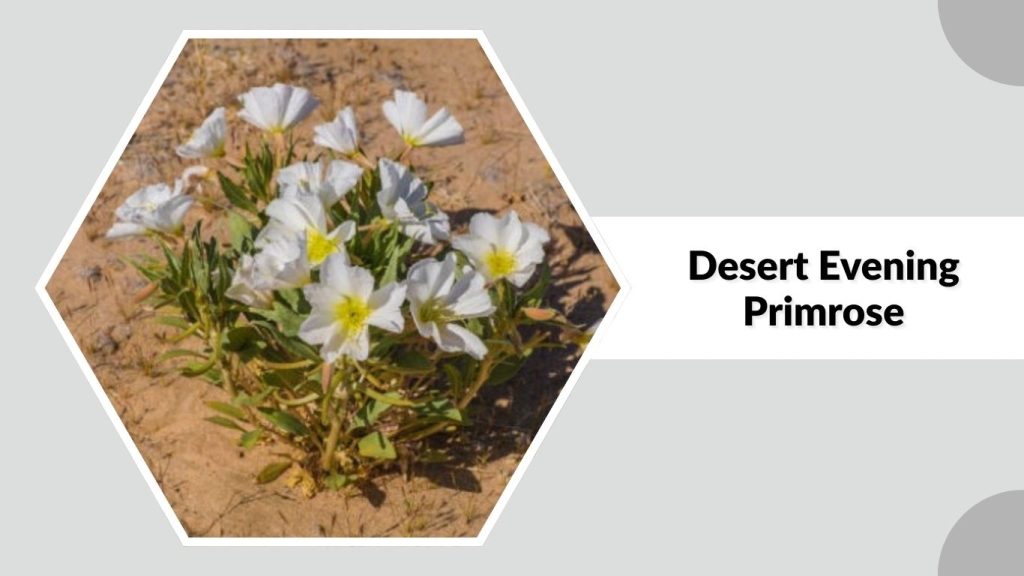
Desert Evening Primrose is a striking plant of arid regions, known for its large, white to pale yellow flowers and silvery foliage. Native to the deserts of the southwestern United States and northern Mexico, it is perfectly adapted to extreme heat, intense sunlight, and dry soils. The flowers often appear luminous at dusk, standing out against barren desert landscapes.
Identification
- Low-growing, spreading perennial with silvery-gray leaves
- Large, white to pale yellow four-petaled flowers
- Soft, hairy foliage that reflects sunlight
- Short, branching stems that trail along the ground
- Produces oval to elongated seed capsules
Habitat
This species grows in sandy deserts, dunes, dry washes, and open flats. It prefers full sun and extremely well-drained, sandy soil. Desert Evening Primrose is highly drought-tolerant and thrives where rainfall is minimal and temperatures are high.
Flowering Behavior
Flowers open in the evening and may stay open through the early morning hours. Blooming typically occurs from spring through early summer, often triggered by seasonal rains. The fragrant blooms attract moths and other nocturnal pollinators.
Uses and Importance
Desert Evening Primrose is valued for native landscaping in dry regions and for desert restoration projects. It plays an ecological role by stabilizing sandy soils and providing nectar for night-active insects.
9. White Evening Primrose (Oenothera albicaulis)
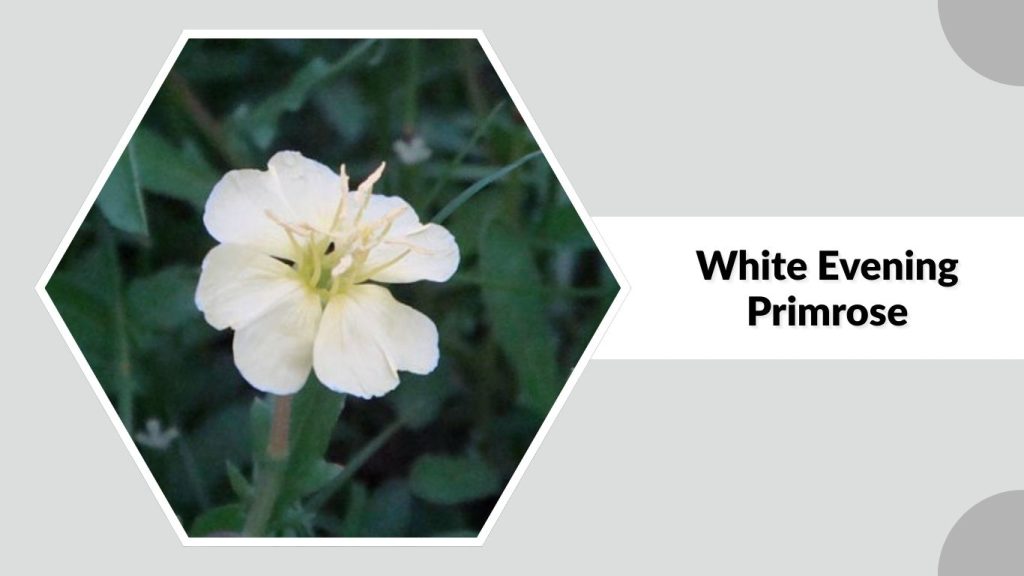
White Evening Primrose is a graceful species known for its pure white flowers and slender, branching stems. Native to western North America, it is often found in dry, open landscapes where its pale blooms stand out at dusk. The plant is well adapted to challenging conditions and brings a subtle beauty to natural and cultivated settings.
Identification
- Slender, branching perennial or biennial with upright to spreading stems
- Pure white, four-petaled flowers that may fade to pale pink
- Narrow, lance-shaped green leaves along the stems
- Lightly hairy foliage and thin flowering stalks
- Produces narrow, elongated seed capsules
Habitat
White Evening Primrose commonly grows in dry plains, foothills, open woodlands, and disturbed sites. It prefers full sun to partial shade and well-drained, sandy or gravelly soils. The plant tolerates drought and poor soil conditions well.
Flowering Behavior
Flowers open in the evening and often turn slightly pink as they age. Blooming usually occurs from late spring through summer. The flowers attract moths at night and small bees during the early morning.
Uses and Importance
This species is used in native plant gardens and naturalized landscapes for its delicate appearance and resilience. Ecologically, it supports nocturnal pollinators and adds diversity to dryland plant communities.
10. Yellow Evening Primrose (Oenothera flava)
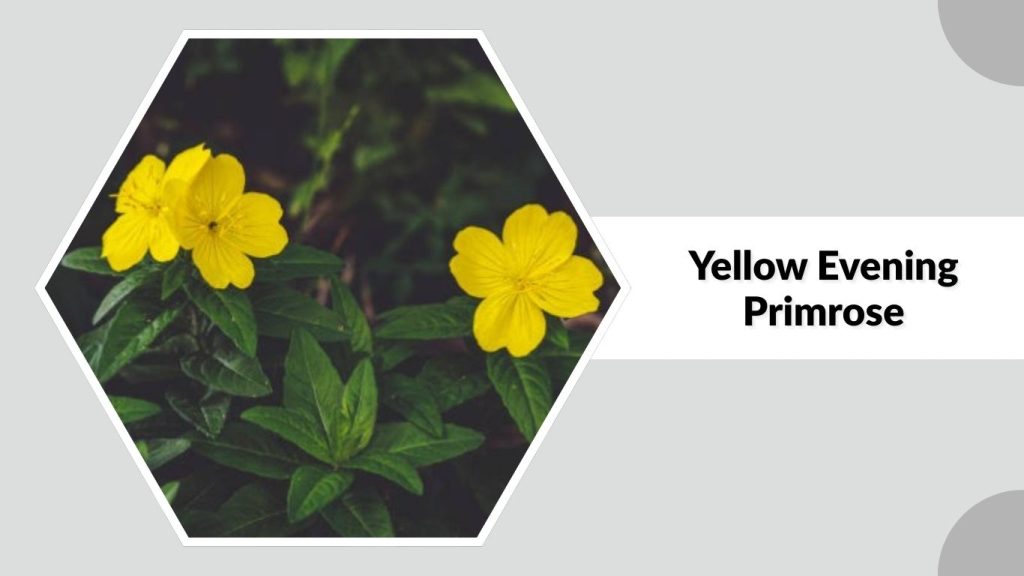
Yellow Evening Primrose is a less common but attractive species recognized for its soft yellow flowers and compact growth. Native to parts of western North America, it is often found in open, dry habitats. The plant blends well into natural landscapes, where its evening-opening blooms provide subtle color and nectar for pollinators.
Identification
- Low to medium-growing perennial with spreading stems
- Soft yellow, four-petaled flowers
- Narrow, lance-shaped green leaves
- Lightly hairy foliage and flexible stems
- Produces slender, elongated seed capsules
Habitat
This species typically grows in open plains, foothills, rocky slopes, and dry meadows. It prefers full sun and well-drained soils, especially sandy or gravelly substrates. Yellow Evening Primrose is adapted to semi-arid conditions and tolerates drought well.
Flowering Behavior
Flowers open in the late afternoon or evening and may remain open into the next morning. Blooming usually takes place from late spring through early summer. The blossoms attract moths at night and bees in the early daylight hours.
Uses and Importance
Yellow Evening Primrose is sometimes used in native plant gardens and restoration projects. Ecologically, it provides nectar for nocturnal insects and contributes to the diversity and stability of dry ecosystem plant communities.
11. Dwarf Evening Primrose (Oenothera pumila)
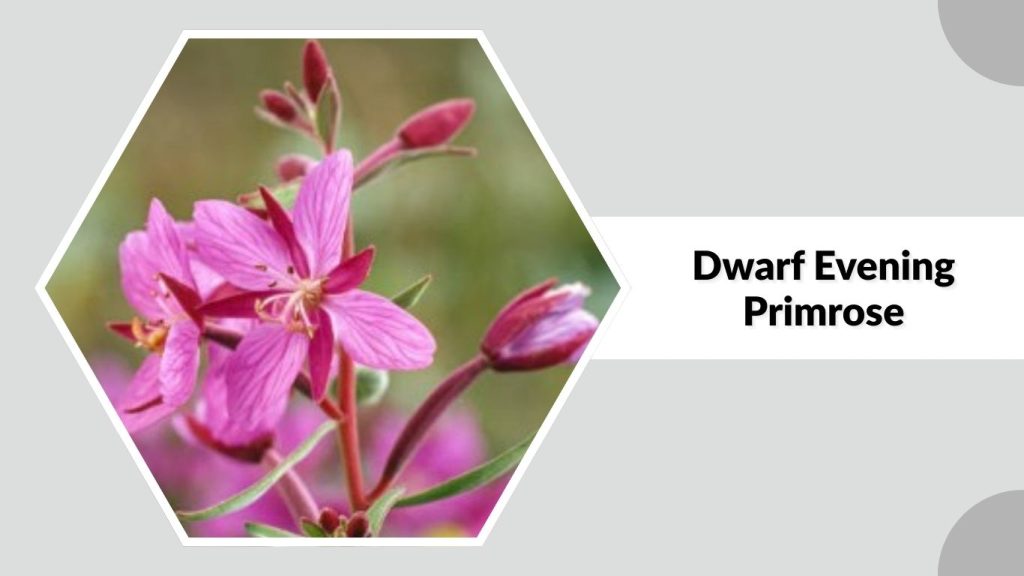
Dwarf Evening Primrose is a small, delicate species valued for its compact size and bright yellow evening-blooming flowers. Unlike taller evening primroses, this plant stays close to the ground, making it ideal for borders, rock gardens, and naturalized spaces. It is native to parts of North America and is well adapted to open, sunny habitats.
Identification
- Low-growing, dwarf perennial, usually under 12 inches tall
- Bright yellow, four-petaled flowers that open in the evening
- Narrow, lance-shaped green leaves forming small clumps
- Slender, lightly branching stems
- Produces small, elongated seed capsules
Habitat
Dwarf Evening Primrose commonly grows in open fields, dry meadows, prairies, and along roadsides. It prefers full sun and well-drained sandy or loamy soils. The plant tolerates drought and can grow in nutrient-poor ground where larger species struggle.
Flowering Behavior
Flowers open in the late afternoon to evening and may stay open into the morning. Blooming generally occurs from late spring through summer. The flowers attract moths at night and small bees during early daylight hours.
Uses and Importance
This species is used in native plant gardens, wildflower mixes, and rock gardens because of its small size and bright blooms. Ecologically, it supports pollinators and adds floral diversity to grassland and meadow ecosystems.
12. Plains Evening Primrose (Oenothera rhombipetala)
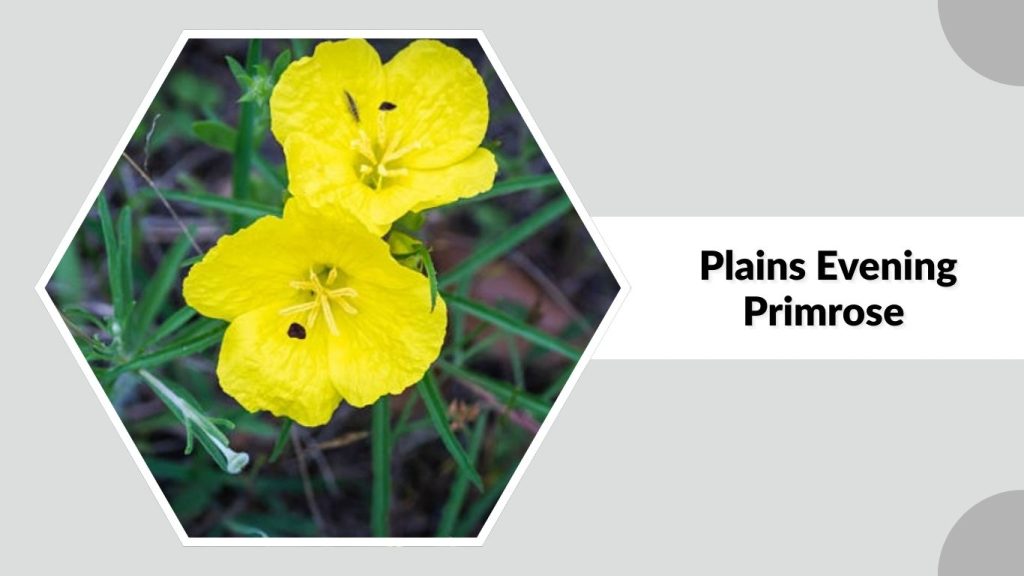
Plains Evening Primrose is a tall, graceful species recognized for its pale yellow flowers and upright, airy growth habit. Native to the central and western regions of North America, it is commonly seen across open prairies and plains. The plant brings soft color and movement to grasslands, especially in the evening when its flowers begin to open.
Identification
- Upright biennial or short-lived perennial, often 2–4 feet tall
- Pale yellow to creamy four-petaled flowers
- Slender, branching stems with narrow green leaves
- Flowers borne along the upper portions of the stems
- Produces long, narrow seed capsules
Habitat
Plains Evening Primrose grows mainly in prairies, open plains, grasslands, and lightly disturbed sites. It prefers full sun and well-drained sandy or loamy soils. The species is drought-tolerant and well adapted to windy, open environments.
Flowering Behavior
Flowers open in the evening and may remain open into the early morning. Blooming typically occurs from late spring through mid-summer. The blossoms attract night-flying moths as well as bees that visit shortly after sunrise.
Uses and Importance
This species is often included in native prairie restorations and wildflower plantings. Ecologically, it plays an important role in supporting nocturnal pollinators and contributes to the overall biodiversity of grassland ecosystems.
13. Coastal Evening Primrose (Oenothera cheiranthifolia)
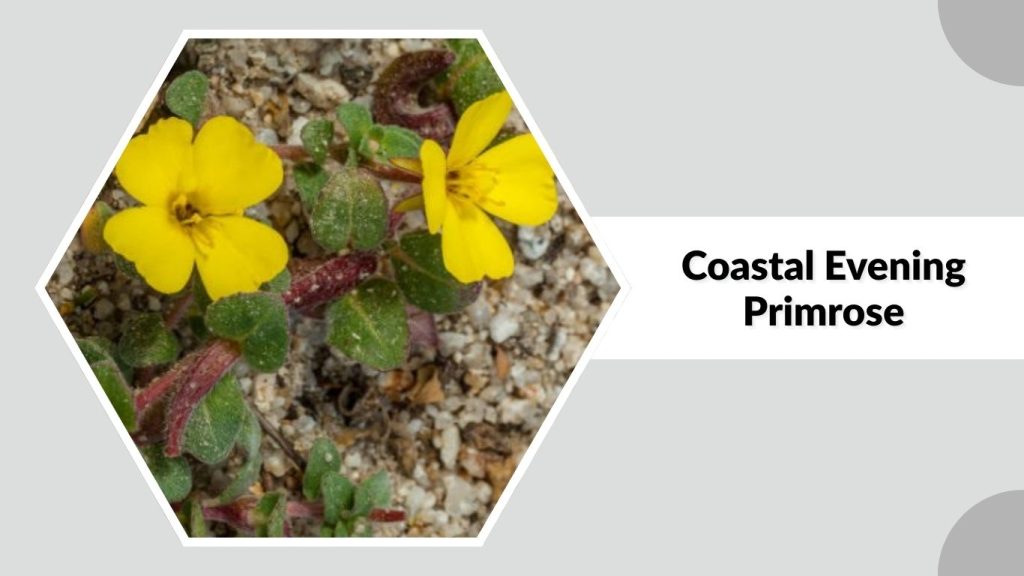
Coastal Evening Primrose is a spreading, salt-tolerant species known for its bright yellow flowers and thick, gray-green leaves. Native to the Pacific coast of North America, it is especially adapted to windy, sandy environments. The plant often forms low mats along beaches and coastal bluffs, where it adds color and stability to fragile shore ecosystems.
Identification
- Low-growing, spreading perennial forming broad mats
- Bright yellow, four-petaled flowers
- Thick, gray-green, slightly fleshy leaves
- Trailing stems that root along the ground
- Produces elongated, ribbed seed capsules
Habitat
This species grows naturally along sandy beaches, coastal dunes, bluffs, and seaside slopes. It prefers full sun and very well-drained sandy soils. Coastal Evening Primrose is highly tolerant of salt spray, wind, and drought.
Flowering Behavior
Flowers open in the evening and may remain open into the following morning. Blooming usually occurs from spring through summer. The blossoms attract moths at night and bees during early daylight hours.
Uses and Importance
Coastal Evening Primrose is widely used in coastal restoration and erosion-control projects. It helps stabilize sand, supports pollinators, and is also planted ornamentally in seaside gardens for its resilience and bright blooms.
14. Narrowleaf Evening Primrose (Oenothera serrulata)
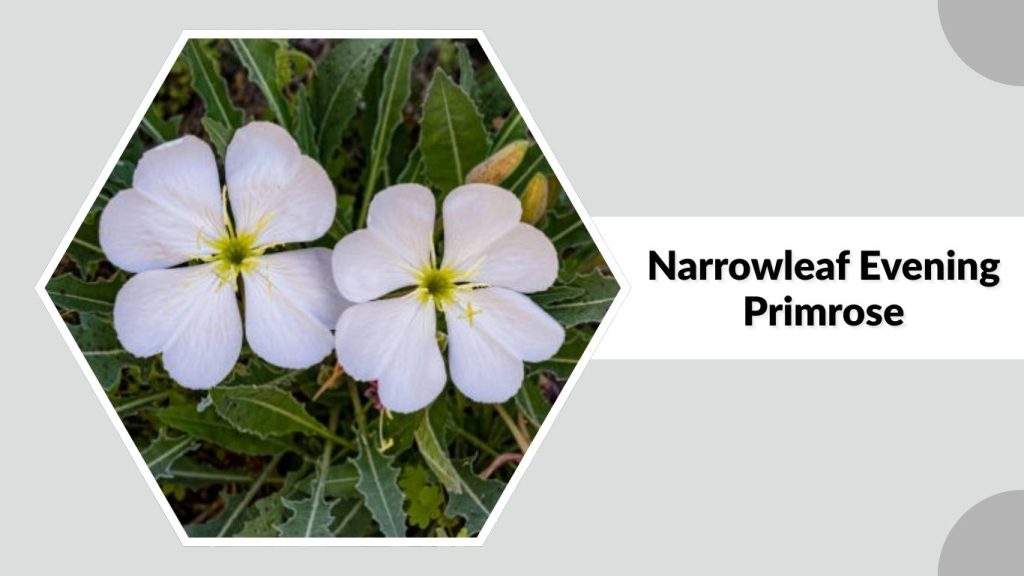
Narrowleaf Evening Primrose is a slender, upright species named for its long, narrow leaves and delicate yellow flowers. Native to central and western North America, it is commonly found in open grasslands and dry prairies. Its airy structure and evening-opening blooms make it a subtle but valuable component of native plant communities.
Identification
- Upright perennial or biennial with thin, branching stems
- Narrow, lance-shaped leaves with slightly serrated edges
- Bright to pale yellow, four-petaled flowers
- Lightly hairy stems and foliage
- Produces long, slender seed capsules
Habitat
Narrowleaf Evening Primrose grows in prairies, open plains, dry meadows, and lightly disturbed sites. It prefers full sun and well-drained sandy or loamy soils. The plant is drought-tolerant and well adapted to dry, open environments.
Flowering Behavior
Flowers open in the evening and may stay open into the next morning. Blooming usually occurs from late spring through summer. The flowers attract moths at night and small bees in the early hours of daylight.
Uses and Importance
This species is often used in native wildflower plantings and prairie restorations. Ecologically, it supports nocturnal pollinators and contributes to the plant diversity and resilience of grassland ecosystems.
15. Stemless Evening Primrose (Oenothera acaulis)
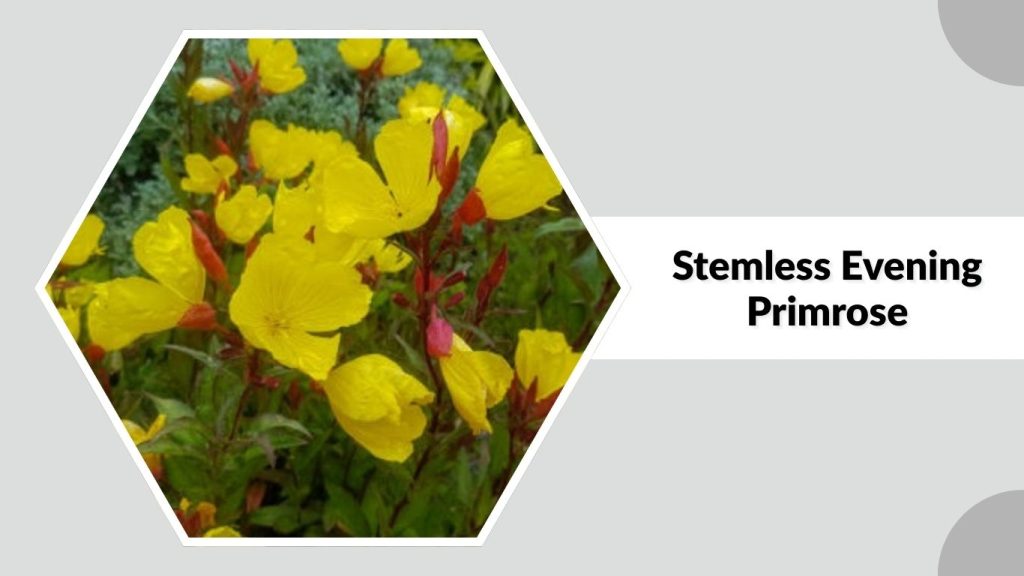
Stemless Evening Primrose is a distinctive, low-growing species characterized by its ground-level rosette of leaves and large, showy flowers that appear to sit directly on the soil. Native to southern South America, it is widely cultivated in gardens for its dramatic blooms and spreading habit. The plant creates an eye-catching display, especially at dusk when its flowers open.
Identification
- Stemless, low-growing perennial forming flat rosettes
- Very large, white to pale yellow flowers with long floral tubes
- Broad, lobed green leaves arranged close to the ground
- Flowers emerge from the center of the rosette
- Produces rounded to elongated seed capsules
Habitat
Stemless Evening Primrose grows best in open, sunny areas with well-drained soil. In cultivation, it thrives in garden beds, borders, and rock gardens. It prefers sandy or loamy soil and tolerates drought once established.
Flowering Behavior
Flowers open in the evening and often fade to pink by morning. Blooming typically occurs from spring through summer. The large, fragrant blossoms attract moths and other nocturnal pollinators.
Uses and Importance
This species is popular as an ornamental ground cover because of its striking flowers and low profile. It also supports night-flying insects and is useful for filling sunny, open garden spaces with minimal maintenance.
16. Golden Evening Primrose (Oenothera fruticosa)
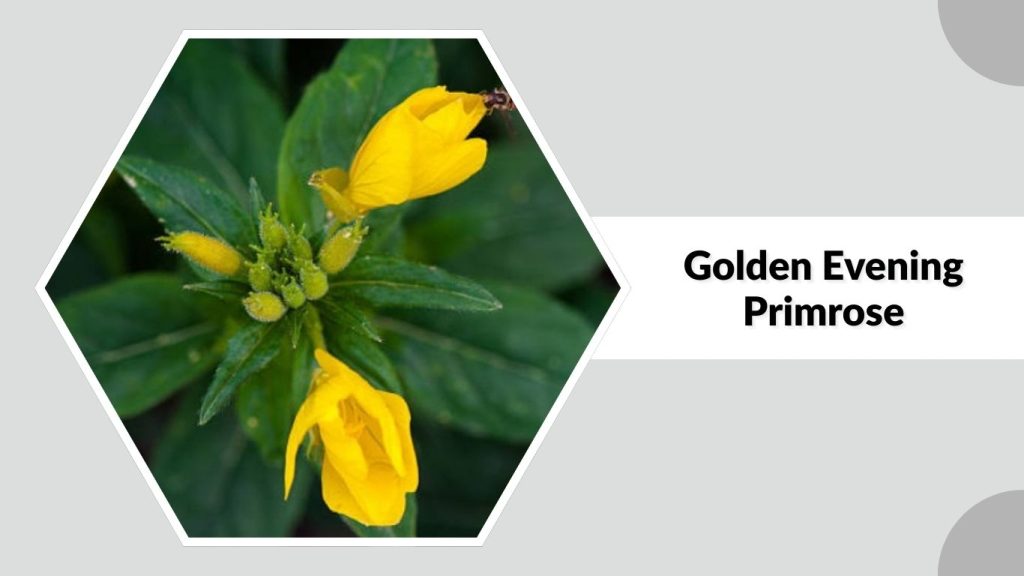
Golden Evening Primrose is a cheerful, upright perennial known for its bright golden-yellow flowers and tidy growth habit. Native to eastern North America, it is often found in open woods, meadows, and prairies. Unlike many evening primroses, its flowers often open during the day as well, making it attractive to a wide range of pollinators.
Identification
- Upright perennial, usually 1–3 feet tall
- Bright golden-yellow, four-petaled flowers
- Lance-shaped, smooth-edged green leaves
- Sturdy, lightly branched stems
- Produces elongated seed capsules after flowering
Habitat
Golden Evening Primrose grows in meadows, open woodlands, prairies, and along woodland edges. It prefers full sun to partial shade and well-drained soils. The plant tolerates moderate drought and adapts well to garden environments.
Flowering Behavior
Flowers may open in the late afternoon, evening, or even during the day, depending on conditions. Blooming typically occurs from late spring through summer. The blossoms attract bees, butterflies, and moths.
Uses and Importance
This species is widely used in ornamental gardening and native plant landscaping. Ecologically, it is valuable for supporting a broad range of pollinators and adding long-lasting seasonal color to natural and cultivated settings.
17. Gaura Evening Primrose (Oenothera lindheimeri)
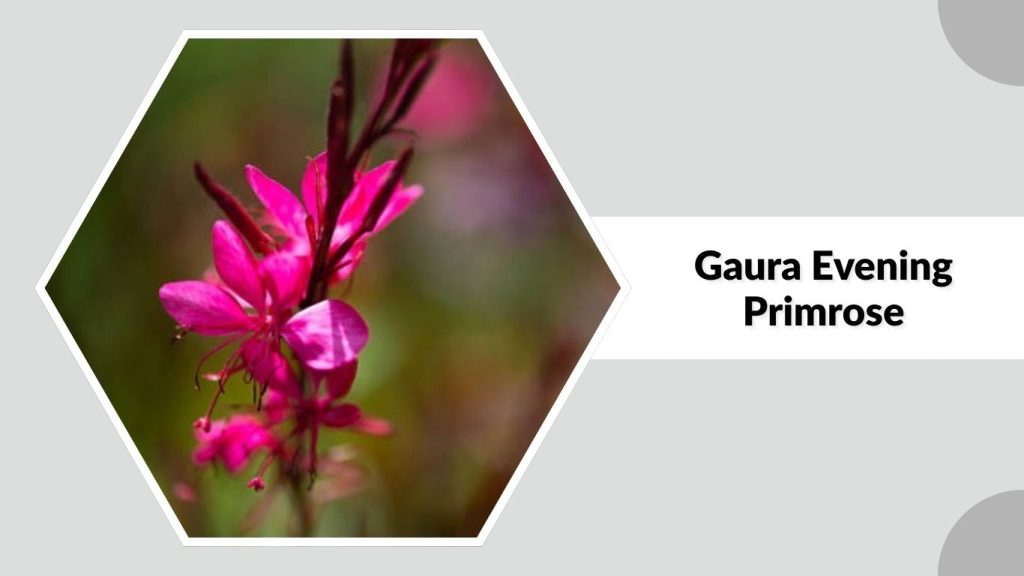
Gaura Evening Primrose, often simply called Gaura or Beeblossom, is a graceful, airy species known for its long, arching stems and delicate pink or white flowers. Native to southern North America, it is admired for its butterfly-like blooms that seem to float above the foliage. It blooms over a long season and adds a soft, wildflower look to gardens.
Identification
- Upright, airy perennial with long, slender, branching stems
- Small, four-petaled flowers in white to soft pink shades
- Narrow, lance-shaped green leaves along thin stems
- Loose, open growth habit with many flowering spikes
- Produces small, nut-like seed capsules
Habitat
Gaura Evening Primrose naturally grows in prairies, open woodlands, and grasslands. It prefers full sun and well-drained soil, especially sandy or loamy types. The plant is drought-tolerant once established and thrives in hot climates.
Flowering Behavior
Flowers open in the evening and early morning and may remain attractive throughout the day. Blooming often lasts from late spring through fall. The long flowering period makes it especially valuable to pollinators.
Uses and Importance
This species is very popular in ornamental landscaping for borders, cottage gardens, and naturalized plantings. Ecologically, it supports bees, butterflies, and moths while adding vertical movement and extended color to planting designs.
18. Red-sepaled Evening Primrose (Oenothera tetraptera)
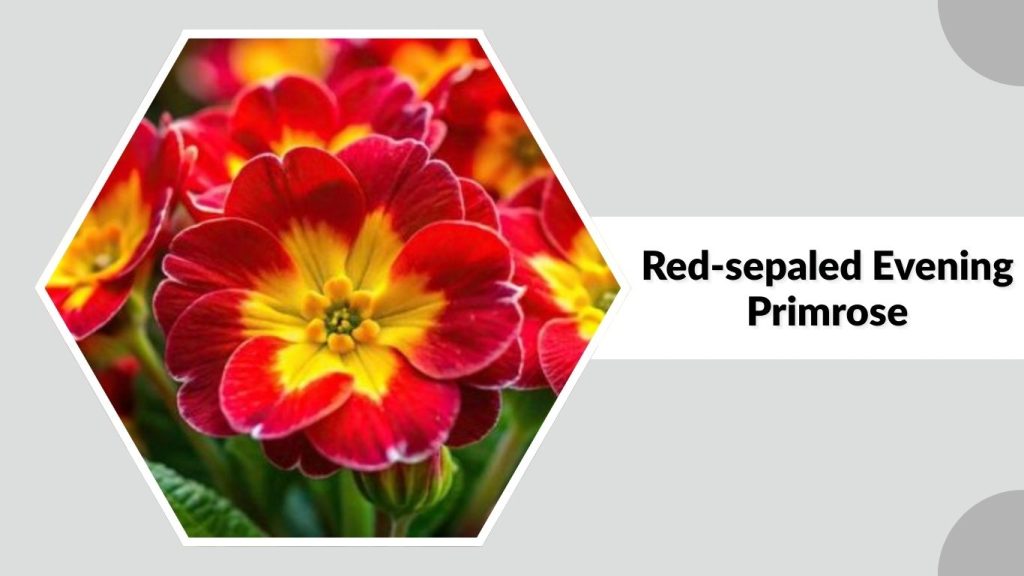
Red-sepaled Evening Primrose is an eye-catching species best known for its white flowers contrasted by deep red buds and sepals. As the flowers age, they often turn soft pink, creating a multicolored effect on a single plant. Native to parts of the southern United States and Mexico, it is widely grown as an ornamental for its unique color changes and evening blooms.
Identification
- Upright, branching perennial or annual, usually 1–3 feet tall
- White four-petaled flowers that fade to pale pink
- Distinctive dark red sepals and flower buds
- Oval to lance-shaped green leaves
- Produces narrow, elongated seed capsules
Habitat
Red-sepaled Evening Primrose grows in open fields, roadsides, gardens, and lightly disturbed ground. It prefers full sun and well-drained soil and tolerates heat and moderate drought. The plant adapts easily to cultivated settings.
Flowering Behavior
Flowers open in the evening and often change color by the next day. Blooming usually occurs from late spring through summer. The flowers attract moths at night and bees during early daylight hours.
Uses and Importance
This species is popular in ornamental gardening because of its dramatic red buds and color-shifting blooms. Ecologically, it provides nectar for both nocturnal and daytime pollinators and adds diversity to wildflower plantings.
19. Pale Evening Primrose (Oenothera pallida)
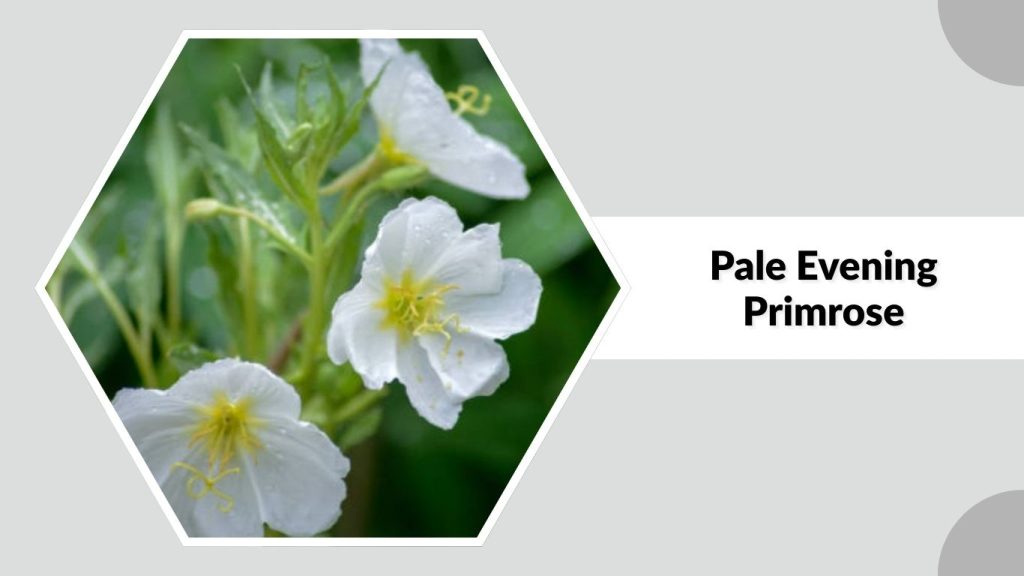
Pale Evening Primrose is a softly colored species recognized for its light, creamy-yellow to almost white flowers and slender growth. Native to western North America, it is commonly found in dry, open landscapes. Its subtle blooms glow gently at dusk, making it especially noticeable in the evening light.
Identification
- Upright to spreading perennial with thin, branching stems
- Pale yellow to creamy white, four-petaled flowers
- Narrow, lance-shaped green leaves
- Lightly hairy foliage
- Produces slender, elongated seed capsules
Habitat
Pale Evening Primrose grows in dry plains, foothills, open woodlands, and sandy or rocky soils. It prefers full sun and well-drained ground. The plant is drought-tolerant and adapted to open, arid, and semi-arid environments.
Flowering Behavior
Flowers open in the evening and may stay open into the next morning. Blooming generally occurs from late spring through summer. The lightly fragrant blossoms attract moths and other nocturnal pollinators.
Uses and Importance
This species is used in native plant gardens and habitat restoration projects. Ecologically, it supports night-flying insects and contributes to the floral diversity of dryland ecosystems.
20. Riverbank Evening Primrose (Oenothera riparia)
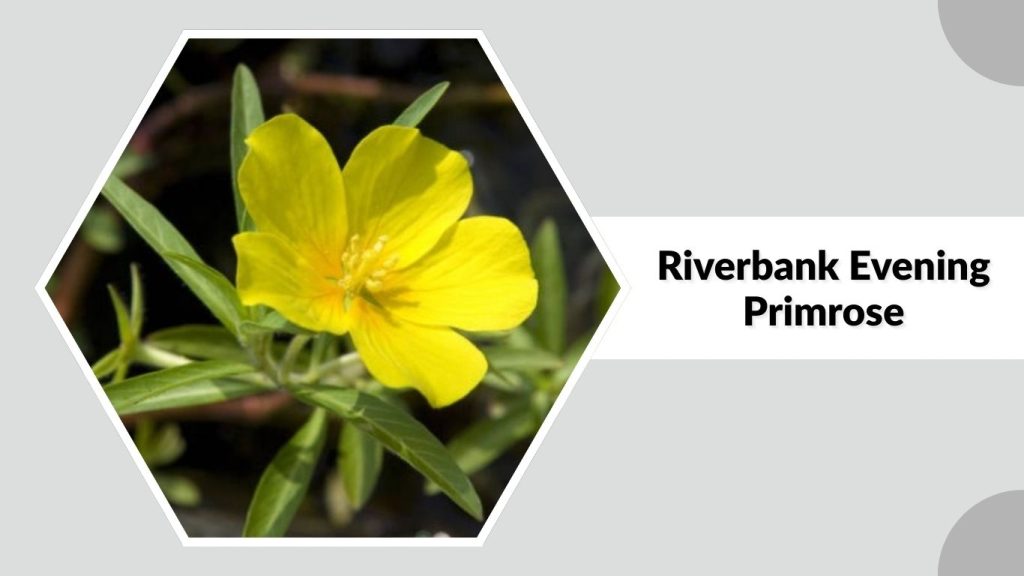
Riverbank Evening Primrose is a moisture-loving species known for its bright yellow flowers and upright, branching form. As its name suggests, it is commonly found along rivers, streams, and seasonally wet areas. Native to parts of North America, this plant stands out by thriving in places that are wetter than the typical evening primrose habitat.
Identification
- Upright perennial with branched stems, usually 2–4 feet tall
- Bright yellow, four-petaled flowers
- Long, lance-shaped green leaves
- Smooth to lightly hairy stems
- Produces elongated, narrow seed capsules
Habitat
Riverbank Evening Primrose naturally grows along stream banks, river edges, wet meadows, and lowland areas that experience periodic flooding. It prefers full sun to partial shade and moist, well-drained soils. Unlike many evening primroses, it tolerates wetter conditions.
Flowering Behavior
Flowers open in the evening and may remain open into the early morning. Blooming typically occurs from late spring through summer. The flowers attract moths at night and bees and other insects shortly after sunrise.
Uses and Importance
This species is useful in riparian restoration and native wetland plantings. Ecologically, it helps stabilize soil along waterways and provides nectar for both nocturnal and daytime pollinators.
21. Alpine Evening Primrose (Oenothera alpina)
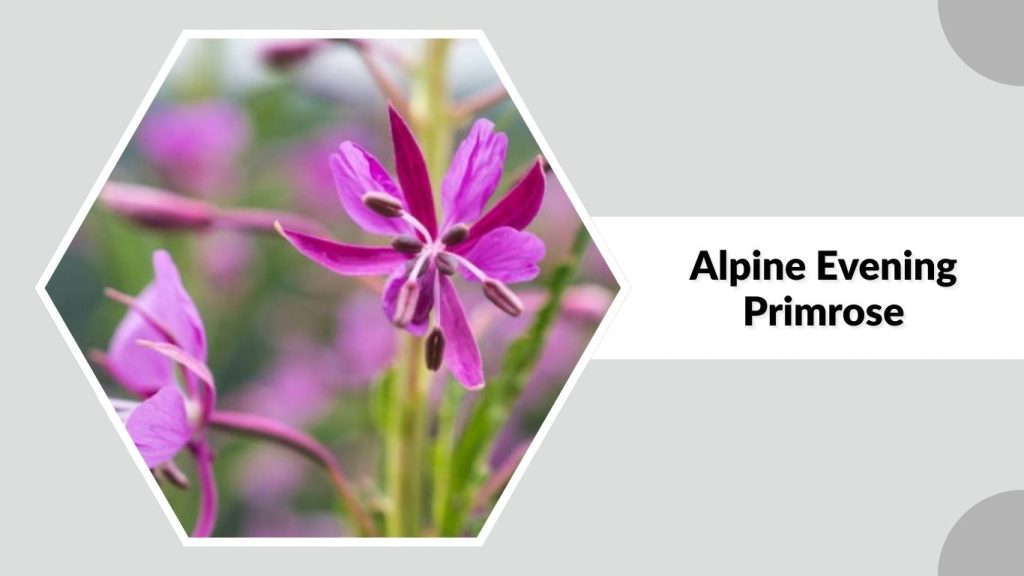
Alpine Evening Primrose is a compact, hardy species adapted to cool, high-elevation environments. It is known for its low growth, soft-colored flowers, and ability to thrive in rocky mountain soils. Native to mountainous regions of western North America, this plant brings subtle beauty to alpine meadows and slopes.
Identification
- Low-growing perennial forming small clumps
- Pale yellow to creamy or light pink four-petaled flowers
- Short stems with narrow, green leaves
- Compact, cushion-like growth habit
- Produces small, elongated seed capsules
Habitat
Alpine Evening Primrose grows in mountain meadows, rocky slopes, alpine flats, and open highland areas. It prefers full sun and well-drained, gravelly or rocky soils. The plant is tolerant of cold temperatures, strong winds, and short growing seasons.
Flowering Behavior
Flowers open in the evening and may remain open into the morning. Blooming usually occurs in late spring and summer, depending on elevation and snowmelt. The flowers attract moths and small alpine pollinators.
Uses and Importance
This species is valued in alpine and rock gardens for its compact form and resilience. Ecologically, it supports pollinators in high-altitude ecosystems and contributes to the floral diversity of mountain environments.
22. Showy Evening Primrose (Oenothera speciosa var. childsii)
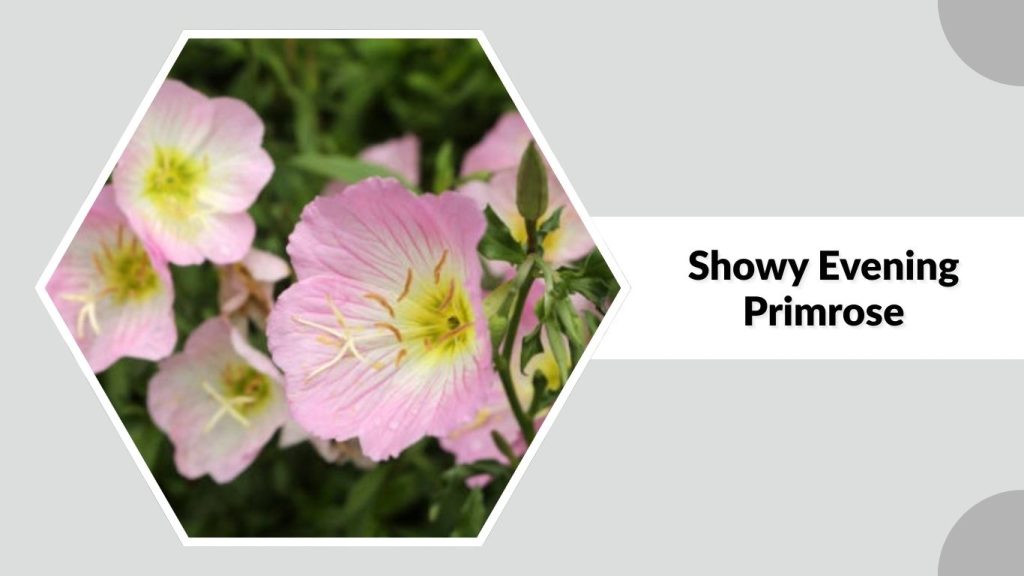
Showy Evening Primrose is a highly ornamental form known for its large, soft pink flowers with darker veins and a long blooming season. It closely resembles Mexican Evening Primrose but is often more vigorous and floriferous. The plant spreads easily, creating broad patches of colorful blooms in sunny landscapes.
Identification
- Low-growing, spreading perennial forming wide mats
- Large pink flowers with darker pink veins
- Four broad petals with a delicate, silky texture
- Soft green, slightly toothed leaves
- Produces slender seed capsules after flowering
Habitat
Showy Evening Primrose grows well in open fields, roadsides, prairies, and gardens. It prefers full sun and well-drained soils but adapts to a range of soil types. The plant tolerates heat and moderate drought and can naturalize quickly.
Flowering Behavior
Flowers open in the late afternoon and evening and may remain open into the next day. Blooming often occurs from spring through early fall, offering a long display period. The flowers attract moths, bees, and butterflies.
Uses and Importance
This species is widely used as an ornamental ground cover and border plant. Ecologically, it supports a wide range of pollinators and is often included in wildflower and native plant gardens.
23. Fragrant Evening Primrose (Oenothera odorata)
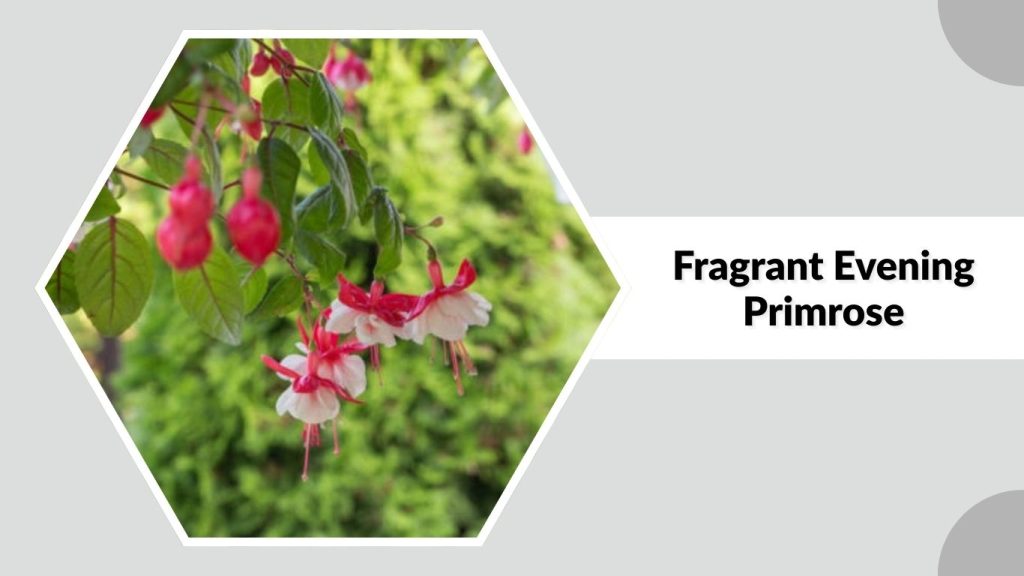
Fragrant Evening Primrose is a charming species best known for its strong, sweet scent and soft yellow flowers that become especially noticeable at dusk. Native to South America and widely cultivated elsewhere, it is valued both for ornamental use and for its pleasant evening fragrance that fills the surrounding air.
Identification
- Upright to spreading perennial, usually 1–3 feet tall
- Soft yellow, four-petaled flowers with a noticeable fragrance
- Lance-shaped, slightly wavy green leaves
- Slender, branching stems
- Produces narrow, elongated seed capsules
Habitat
Fragrant Evening Primrose grows well in open gardens, meadows, roadsides, and lightly disturbed ground. It prefers full sun and well-drained soil but can tolerate partial shade. The plant adapts well to a variety of soil types as long as drainage is good.
Flowering Behavior
Flowers open in the evening and release a strong, sweet scent that attracts night-flying moths. Blooming typically occurs from late spring through summer, with individual flowers lasting only a short time but being replaced continuously.
Uses and Importance
This species is popular in ornamental gardens for its fragrance and evening display. Ecologically, it is valuable for nocturnal pollinators and adds sensory interest to night gardens and wildlife-friendly landscapes.
24. Spreading Evening Primrose (Oenothera coronopifolia)
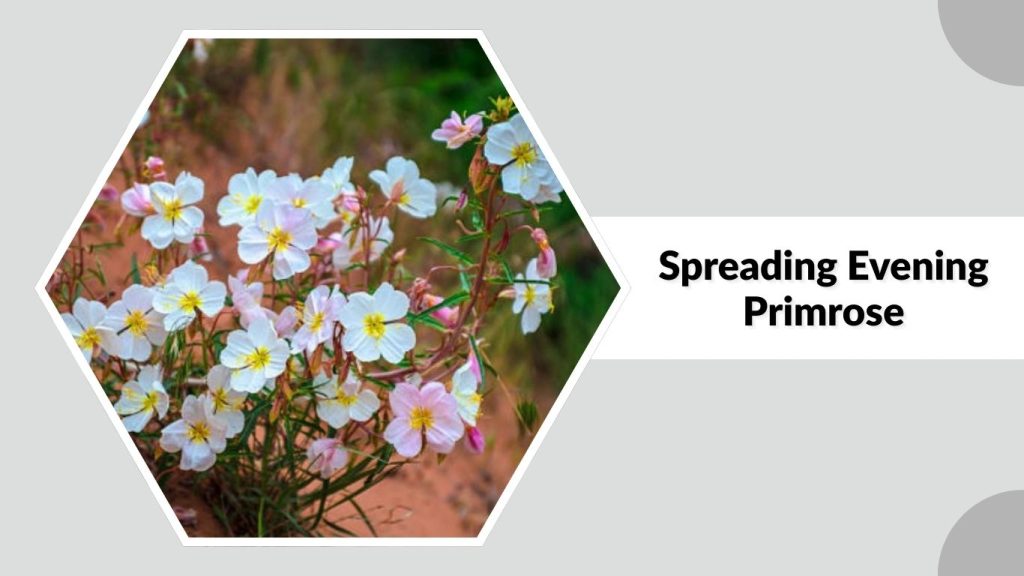
Spreading Evening Primrose is a low, mat-forming species known for its finely divided leaves and bright yellow flowers. Native to South America, it is widely grown as a ground cover because of its fast-spreading habit and long blooming season. Its soft foliage and glowing evening flowers make it especially attractive in sunny landscapes.
Identification
- Low-growing, spreading perennial forming dense mats
- Bright yellow, four-petaled flowers
- Finely divided, feathery-looking green leaves
- Trailing stems that root as they spread
- Produces small, elongated seed capsules
Habitat
Spreading Evening Primrose grows well in open gardens, rocky slopes, and disturbed sites. It prefers full sun and well-drained sandy or loamy soil. The plant tolerates heat and moderate drought once established.
Flowering Behavior
Flowers open in the evening and may remain open into the morning. Blooming often occurs from late spring through fall in warm climates. The blossoms attract moths at night and bees during early daylight hours.
Uses and Importance
This species is commonly used as a ground cover in borders, rock gardens, and erosion-prone areas. Ecologically, it supports pollinators and adds dense floral cover to low-growing plant communities.
25. Mountain Evening Primrose (Oenothera montana)
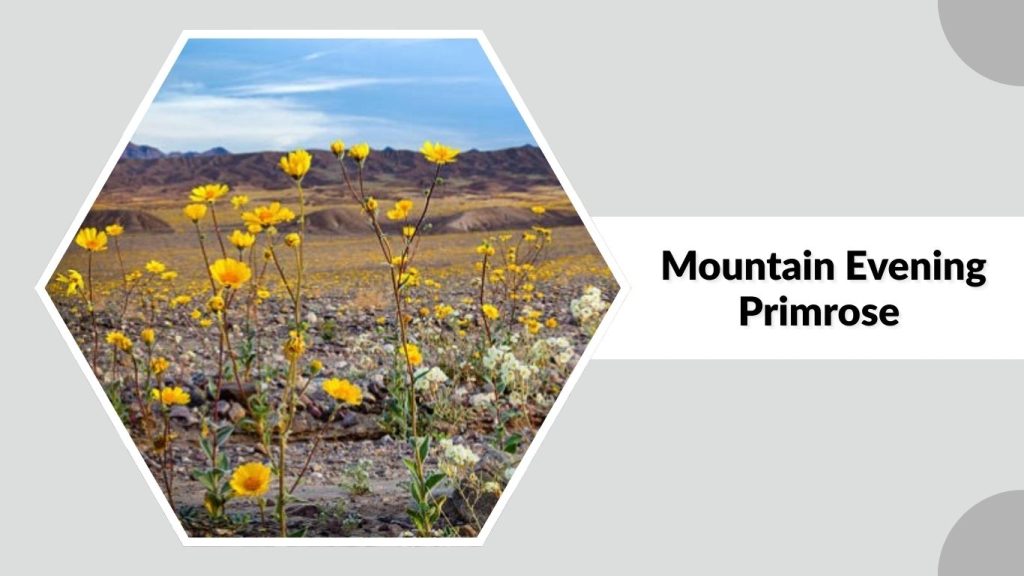
Mountain Evening Primrose is a hardy species adapted to higher elevations and cooler climates. It is known for its soft yellow flowers, sturdy growth, and ability to thrive in rocky, well-drained soils. Native to mountainous regions of western North America, this plant adds gentle color to slopes, meadows, and open upland landscapes.
Identification
- Upright to slightly spreading perennial
- Soft yellow, four-petaled flowers that open in the evening
- Narrow, lance-shaped green leaves
- Strong central stems with light branching
- Produces elongated, ribbed seed capsules
Habitat
Mountain Evening Primrose naturally grows on mountain slopes, open hillsides, upland meadows, and rocky flats. It prefers full sun and well-drained gravelly or sandy soils. The plant tolerates cooler temperatures, wind, and periodic drought.
Flowering Behavior
Flowers open in the evening and may remain open into the early morning. Blooming usually occurs from late spring through summer, depending on elevation. The blossoms attract moths at night and small bees after sunrise.
Uses and Importance
This species is suitable for native gardens, alpine plantings, and slope landscaping. Ecologically, it supports nocturnal pollinators and contributes to the biodiversity and stability of mountain plant communities.
FAQs
What is Evening Primrose best known for?
Evening primrose is best known for its bright, four-petaled flowers that usually open in the late afternoon or evening. Many species release a light fragrance at dusk, attracting night-flying pollinators such as moths. Some species are also valued for evening primrose oil, extracted from their seeds.
Do all evening primrose flowers bloom at night?
Most evening primrose species open their flowers in the late afternoon or evening, but not all are strictly night-blooming. Some varieties, such as golden evening primrose, may also open during the day, especially in cool or cloudy conditions. However, evening blooming remains their most distinctive trait.
Are evening primroses annuals or perennials?
Evening primroses can be annuals, biennials, or perennials depending on the species. Some complete their life cycle in one year, others flower in their second year, and many return year after year. This wide variation makes the group adaptable to many climates and gardening styles.
Where do evening primroses grow naturally?
Evening primroses are native mainly to North, Central, and South America. They naturally grow in habitats such as prairies, deserts, beaches, riverbanks, and mountain slopes. Many species prefer sunny, open areas and well-drained soil, though some are adapted to moist or coastal environments.
Are evening primroses good for pollinators?
Yes, evening primroses are excellent for pollinators. Their night-opening flowers attract moths and other nocturnal insects, while early-morning blooms are visited by bees and butterflies. By flowering at different times of day, they support a wide range of pollinating species.