


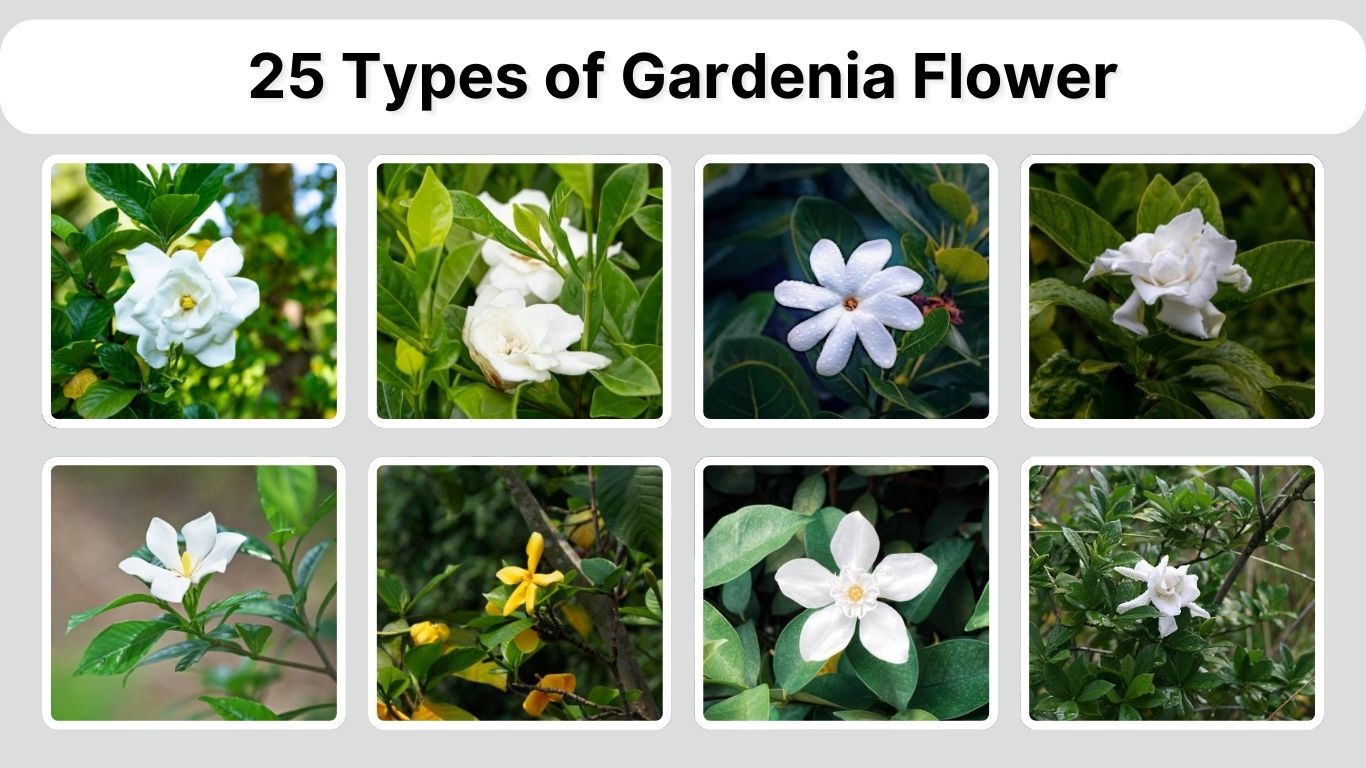
Gardenia flowers are beloved for their elegant beauty, glossy green foliage, and enchanting fragrance. With dozens of varieties, they bring charm and aroma to gardens, patios, and container displays. From low-growing ground covers to tall, upright shrubs, Gardenias offer options for every landscape and climate. Their creamy white or double blooms not only enhance ornamental appeal but also attract pollinators, making them a favorite among gardeners and flower enthusiasts seeking both visual and sensory delight.
1. Gardenia jasminoides
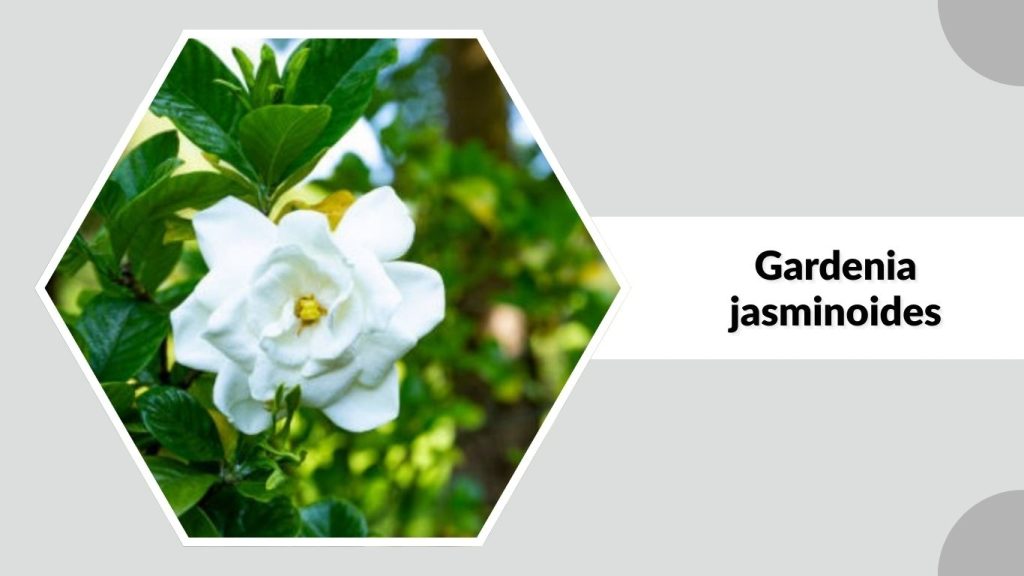
Gardenia jasminoides, commonly known as the Cape Jasmine, is a popular evergreen shrub admired for its glossy green leaves and highly fragrant white flowers. Native to China and Japan, this gardenia variety is widely cultivated in tropical and subtropical regions. Its intoxicating scent and elegant appearance make it a favorite in gardens, patios, and as a potted plant. Gardenia jasminoides blooms mainly in late spring and summer, producing creamy white flowers that can last for several weeks.
Identification
- Evergreen shrub with glossy, dark green leaves
- Fragrant, creamy white flowers
- Typically grows 2–3 feet in height indoors, up to 5 feet outdoors
- Smooth, woody stems with a compact growth habit
Habitat & Growing Conditions
Gardenia jasminoides thrives in well-drained, acidic soil with plenty of organic matter. It prefers partial shade to full sun and requires consistent moisture without waterlogging. This plant is commonly grown in gardens, greenhouses, and as a container plant on patios or indoors where humidity can be maintained.
Flowering & Care
The plant blooms from late spring to summer, producing clusters of creamy white, highly fragrant flowers. Regular fertilization with an acid-loving plant fertilizer promotes healthy growth and abundant flowering. Pruning after blooming helps maintain the shape and encourages new growth. Avoid sudden temperature changes and provide protection from cold drafts.
Common Uses
Gardenia jasminoides is primarily grown for ornamental purposes and its sweet fragrance. It is often used in garden borders, as hedges, in containers, or as a houseplant. The flowers are sometimes used in perfumes, teas, or traditional medicines due to their aromatic and soothing properties.
2. Gardenia augusta
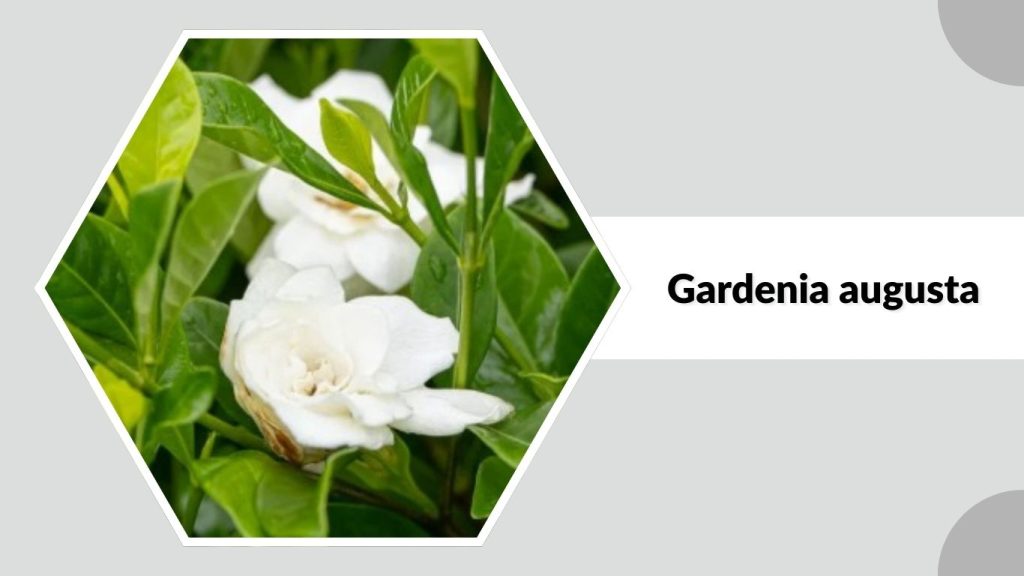
Gardenia augusta, also known as the August Gardenia, is a striking evergreen shrub prized for its large, fragrant white blossoms and glossy foliage. Native to Southeast Asia, it is admired for its showy flowers that bloom mainly in summer. This variety is ideal for garden borders, hedges, and ornamental landscaping, and its sweet fragrance makes it a favorite among gardeners and flower enthusiasts.
Identification
- Large, glossy dark green leaves
- Showy, creamy-white, highly fragrant flowers
- Can grow 3–6 feet tall in optimal conditions
- Upright, bushy growth habit
Habitat & Growing Conditions
Gardenia augusta prefers well-drained, acidic soils rich in organic matter. It thrives in partial shade to full sun and requires consistent watering without waterlogging. Protecting it from frost and cold winds is essential, as it is sensitive to low temperatures.
Flowering & Care
This gardenia blooms during summer, producing clusters of large, fragrant white flowers. Fertilize regularly with acid-loving plant fertilizers to maintain healthy foliage and encourage blooms. Light pruning after flowering helps shape the plant and stimulate new growth.
Common Uses
Gardenia augusta is widely used in ornamental gardening, as hedges, in patios, or in large containers. Its fragrant flowers are also popular in floral arrangements and traditional ceremonies, enhancing both aesthetic and sensory appeal.
3. Gardenia thunbergia
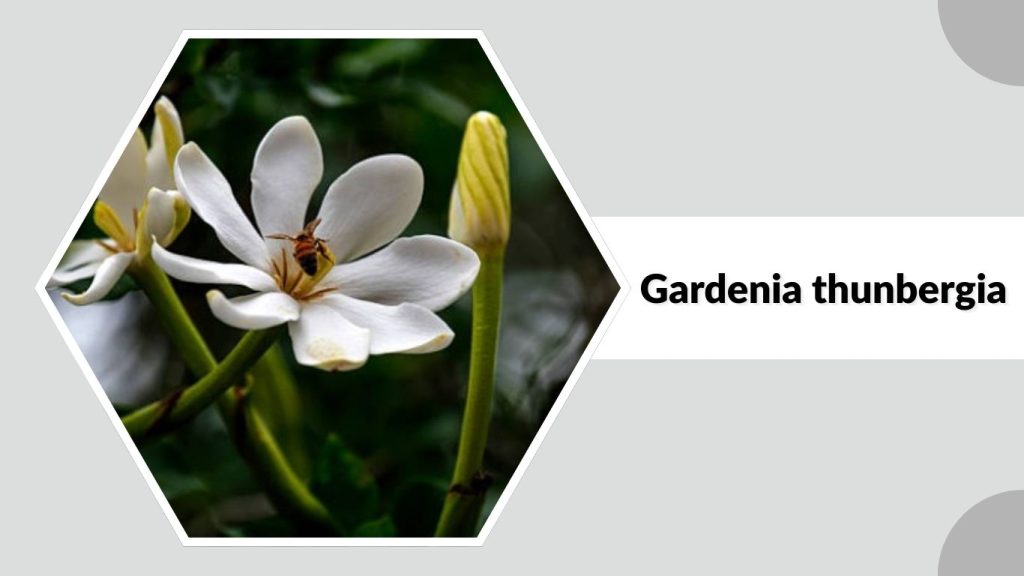
Gardenia thunbergia, commonly called the Wild Gardenia or Forest Gardenia, is a robust flowering shrub native to southern Africa. Known for its large, trumpet-shaped white flowers and strong, sweet fragrance, this species is often found in forest edges and rocky outcrops. It is highly valued for ornamental planting and attracts pollinators such as bees and butterflies, making it an excellent choice for ecological gardens.
Identification
- Large, glossy dark green leaves
- Trumpet-shaped, pure white, fragrant flowers
- Can grow up to 10–12 feet tall in the wild
- Strong, woody stems with a rounded, bushy habit
Habitat & Growing Conditions
Gardenia thunbergia thrives in well-drained soil with moderate fertility. It prefers full sun to partial shade and tolerates a variety of soil types, including rocky substrates. Regular watering helps young plants establish, though mature shrubs are fairly drought-tolerant.
Flowering & Care
This species blooms mainly in late spring to early summer, producing large, fragrant flowers that attract pollinators. Minimal pruning is required, mainly to remove dead or damaged branches. Fertilize occasionally with organic compost to support healthy growth.
Common Uses
Gardenia thunbergia is widely used as a garden specimen plant, in hedges, and for attracting wildlife. Its strong fragrance makes it a favorite for sensory gardens, and the striking flowers are sometimes used in traditional floral arrangements and natural perfumes.
4. Gardenia taitensis
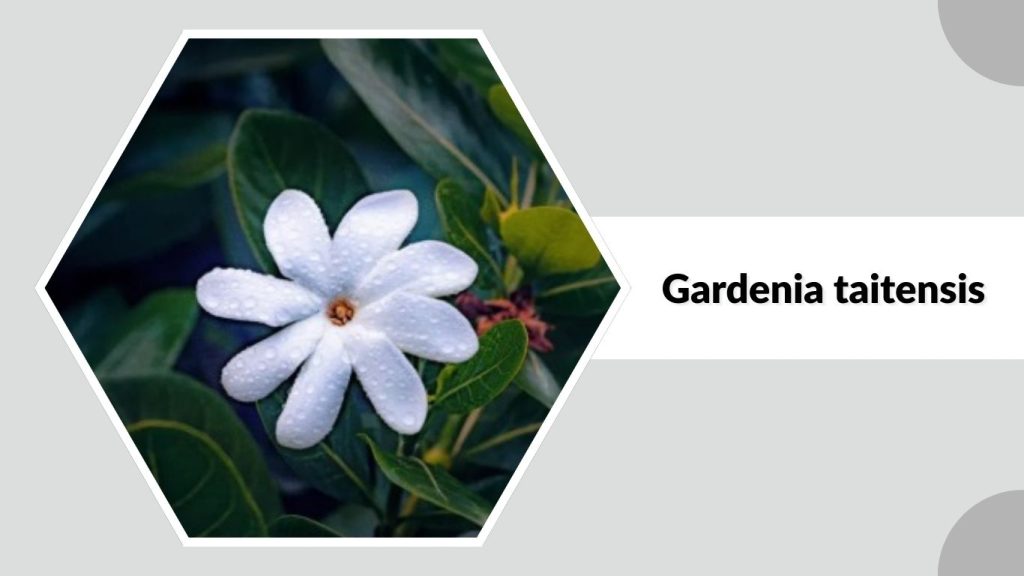
Gardenia taitensis, widely known as Tahitian Gardenia or Tiare Flower, is a tropical flowering plant native to the islands of French Polynesia. Renowned for its pure white, waxy flowers and intoxicating fragrance, it holds cultural significance in Polynesian traditions, often used in leis, perfumes, and ceremonial adornments. Its compact growth and evergreen foliage make it a popular choice for gardens, patios, and indoor containers in tropical climates.
Identification
- Glossy, dark green, ovate leaves
- Pure white, waxy, highly fragrant flowers
- Compact shrub growing 3–5 feet tall
- Smooth stems with dense, bushy foliage
Habitat & Growing Conditions
Gardenia taitensis thrives in tropical and subtropical climates with well-drained, fertile soils. It prefers full sun to partial shade and requires consistent moisture. Protection from strong winds and cold temperatures is essential for optimal growth.
Flowering & Care
This gardenia blooms throughout the year in warm climates, with peak flowering in summer. Regular watering, organic fertilization, and occasional pruning help maintain its shape and encourage continuous blooms. It responds well to container cultivation, making it suitable for patios and indoor displays.
Common Uses
Gardenia taitensis is widely used in ornamental gardening, floral arrangements, and traditional Polynesian ceremonies. Its fragrant flowers are popular in making leis, essential oils, and perfumes, enhancing both cultural and aesthetic value.
5. Gardenia florida
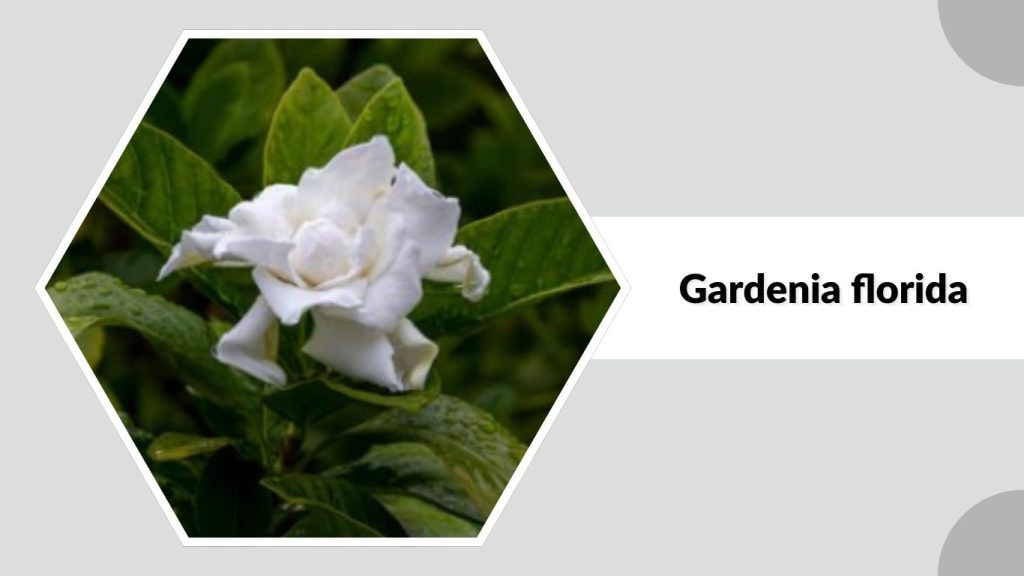
Gardenia florida, commonly called Florida Gardenia, is a fragrant evergreen shrub native to the southeastern United States. It is celebrated for its large, creamy-white flowers and glossy, dark green foliage. This species is highly popular in ornamental landscaping, especially in gardens, patios, and as hedges, thanks to its showy blooms and long-lasting fragrance.
Identification
- Broad, glossy dark green leaves
- Large, creamy-white, fragrant flowers
- Typically grows 3–6 feet tall
- Upright, dense bushy growth habit
Habitat & Growing Conditions
Gardenia florida prefers well-drained, acidic soils rich in organic matter. It thrives in full sun to partial shade and requires regular watering to maintain moisture without waterlogging. Protection from frost and strong winds is essential for healthy growth.
Flowering & Care
This species blooms primarily in late spring to summer, producing fragrant, eye-catching flowers. Fertilize with acid-loving plant fertilizers to encourage lush foliage and abundant blooms. Light pruning after flowering helps maintain shape and promotes new growth.
Common Uses
Gardenia florida is commonly used in ornamental gardens, as hedges, in patios, or in large containers. Its fragrant flowers are also used in floral arrangements, perfumes, and traditional ceremonies, enhancing both beauty and aroma in outdoor and indoor spaces.
6. Gardenia radicans
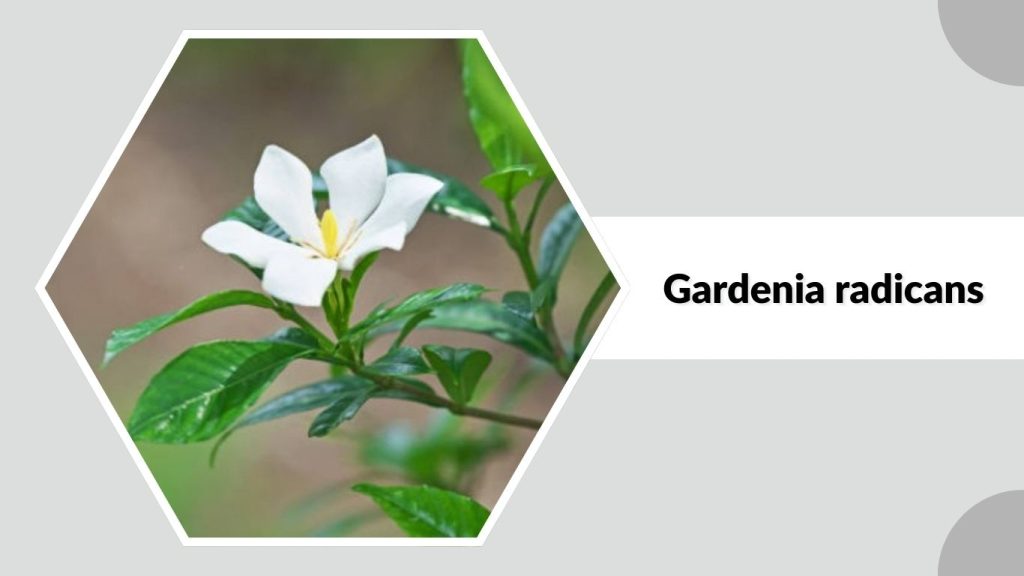
Gardenia radicans, commonly known as Dwarf Gardenia or Creeping Gardenia, is a compact, low-growing shrub prized for its fragrant white flowers and glossy green foliage. Native to China, this variety is ideal for ground cover, rock gardens, and container planting. Its small size and spreading habit make it perfect for patios, borders, and small garden spaces while providing the signature Gardenia fragrance.
Identification
- Small, glossy dark green leaves
- Fragrant, white, star-shaped flowers
- Grows 1–2 feet tall, spreading 2–3 feet wide
- Low-growing, spreading, mat-forming habit
Habitat & Growing Conditions
Gardenia radicans thrives in well-drained, acidic soils enriched with organic matter. It prefers partial shade to full sun and requires regular watering to keep the soil consistently moist but not waterlogged. Its compact growth habit makes it suitable for containers and small garden beds.
Flowering & Care
This gardenia blooms from late spring through summer, producing clusters of fragrant, white flowers. Fertilize with an acid-loving plant fertilizer and prune lightly after flowering to maintain shape and encourage dense growth. Protect it from frost and extreme temperature fluctuations.
Common Uses
Gardenia radicans is widely used as ground cover, in rock gardens, and in small container plantings. Its fragrant flowers are also suitable for cut arrangements. Its compact size and mat-forming habit make it an attractive choice for enhancing small garden spaces and patios.
7. Gardenia coronaria
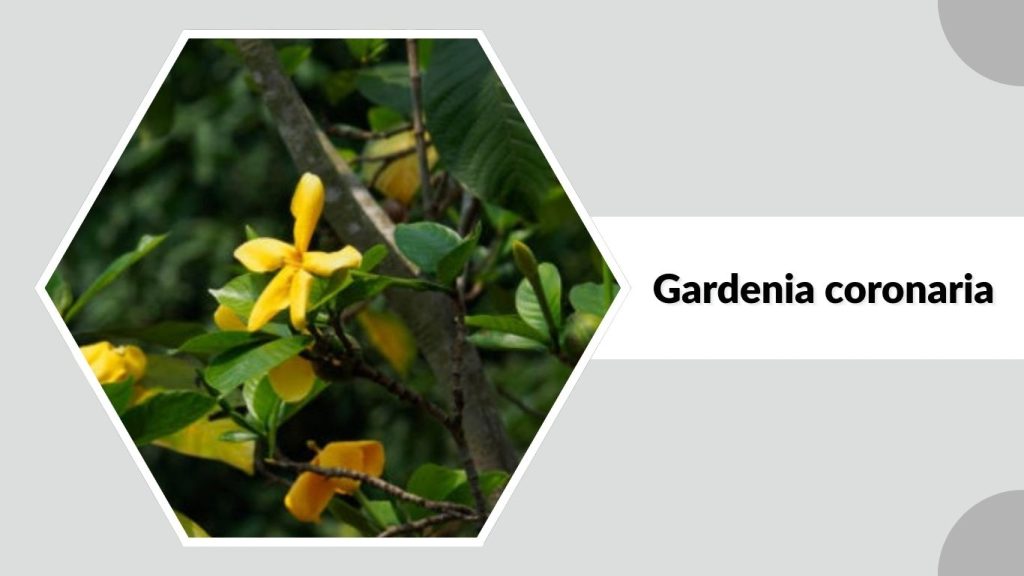
Gardenia coronaria, also known as the Forest Gardenia or Yellow Gardenia, is a tropical shrub native to Southeast Asia. This species is admired for its large, fragrant, creamy-white flowers and dense, glossy green foliage. Gardenia coronaria is ideal for ornamental planting in gardens, parks, and large containers, offering both visual appeal and a sweet fragrance.
Identification
- Large, glossy dark green leaves
- Creamy-white, highly fragrant flowers
- Can grow 6–10 feet tall
- Upright, bushy growth habit
Habitat & Growing Conditions
Gardenia coronaria thrives in well-drained, fertile, slightly acidic soils. It prefers full sun to partial shade and requires consistent moisture, especially during hot, dry periods. Protection from strong winds and frost is essential to prevent damage to flowers and leaves.
Flowering & Care
This gardenia blooms in late spring through summer, producing large, fragrant flowers. Fertilize regularly with an acid-loving plant fertilizer to promote healthy growth and flowering. Prune lightly after blooming to maintain its shape and remove any dead or damaged branches.
Common Uses
Gardenia coronaria is commonly grown as an ornamental plant in gardens, parks, and large containers. Its fragrant flowers are used in floral arrangements, traditional ceremonies, and perfumery. It also serves as an attractive hedging or specimen plant in landscapes.
8. Gardenia gordonii
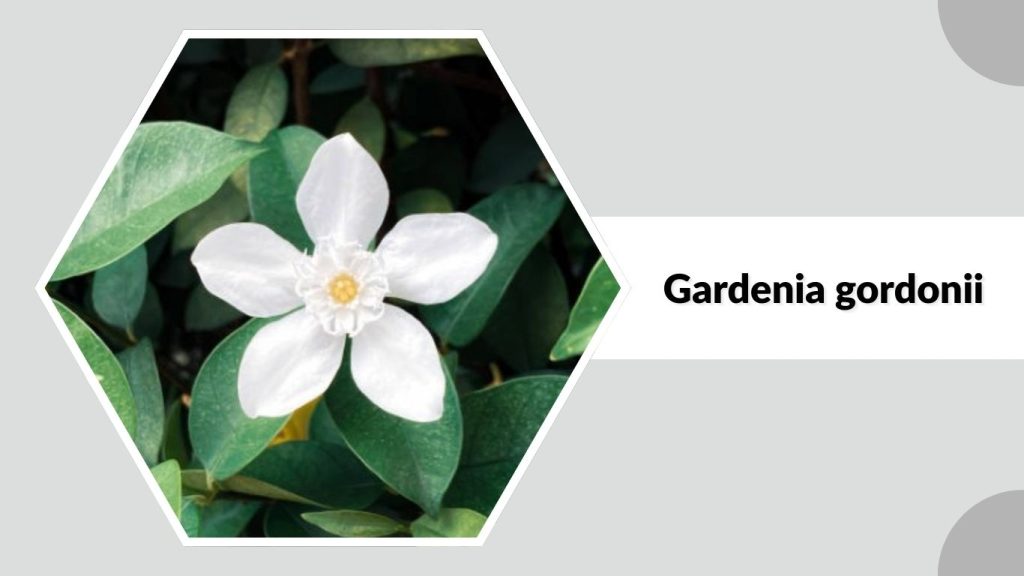
Gardenia gordonii, commonly called Hawaiian Gardenia or Niau, is a rare and fragrant flowering shrub native to Hawaii. Known for its creamy-white, highly fragrant blossoms and glossy dark green leaves, it is cherished in tropical gardens and cultural traditions. This species is particularly valued for its elegant flowers, which are used in leis and ceremonial decorations.
Identification
- Glossy, dark green, leathery leaves
- Creamy-white, tubular, highly fragrant flowers
- Grows 6–12 feet tall in optimal conditions
- Upright, spreading bushy growth habit
Habitat & Growing Conditions
Gardenia gordonii thrives in tropical climates with well-drained, fertile soils. It prefers partial shade to full sun and requires regular watering, especially during dry spells. Protection from strong winds and frost ensures healthy growth and optimal flowering.
Flowering & Care
This gardenia blooms mainly from late spring to summer, producing clusters of fragrant, white flowers. Fertilization with acid-loving plant fertilizers encourages lush foliage and abundant blooms. Pruning after flowering helps maintain shape and stimulate new growth.
Common Uses
Gardenia gordonii is primarily used as an ornamental plant in tropical gardens and cultural settings. Its fragrant flowers are often incorporated into Hawaiian leis and traditional ceremonies. It also serves as an attractive garden specimen, adding both beauty and fragrance to landscapes.
9. Gardenia resinosa
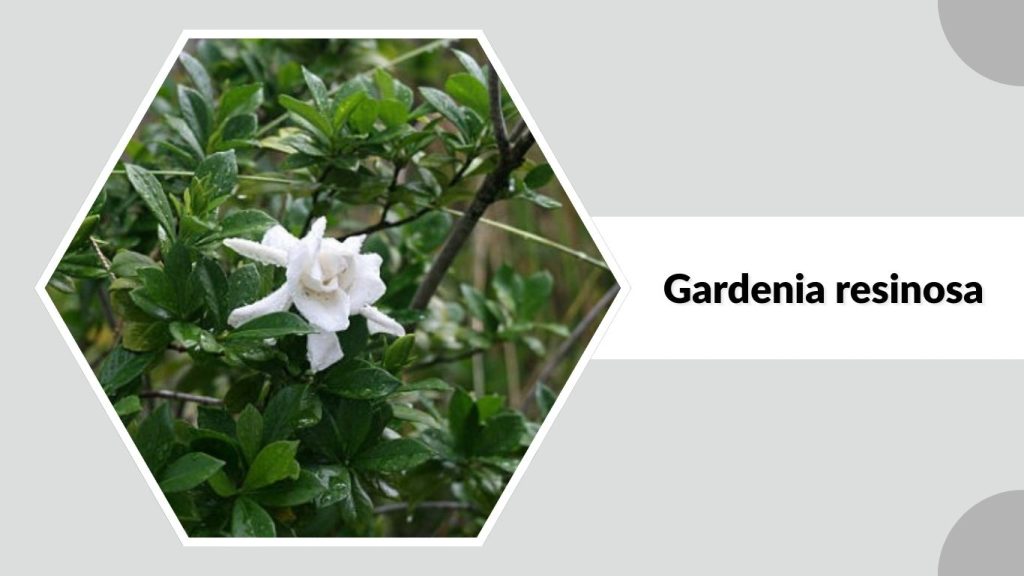
Gardenia resinosa, commonly known as Resinous Gardenia, is a tropical evergreen shrub valued for its fragrant, creamy-white flowers and glossy foliage. Native to Southeast Asia, this species is admired for its ornamental appeal and strong, sweet scent. Gardenia resinosa is suitable for garden borders, patios, and large containers, providing both visual beauty and fragrance.
Identification
- Glossy, dark green leaves
- Creamy-white, highly fragrant flowers
- Typically grows 4–8 feet tall
- Upright, dense bushy growth habit
Habitat & Growing Conditions
Gardenia resinosa thrives in well-drained, fertile, slightly acidic soils. It prefers full sun to partial shade and requires consistent watering without waterlogging. Protecting the plant from frost and strong winds is crucial for maintaining healthy foliage and blooms.
Flowering & Care
This gardenia blooms in late spring through summer, producing clusters of fragrant, white flowers. Regular fertilization with acid-loving plant fertilizer encourages healthy growth and abundant blooms. Light pruning after flowering helps maintain shape and stimulates new growth.
Common Uses
Gardenia resinosa is commonly used in ornamental gardens, as hedges, or in large containers. Its fragrant flowers are used in floral arrangements, traditional ceremonies, and perfumery. The plant also serves as a specimen shrub in tropical and subtropical landscapes.
10. Gardenia volkensii
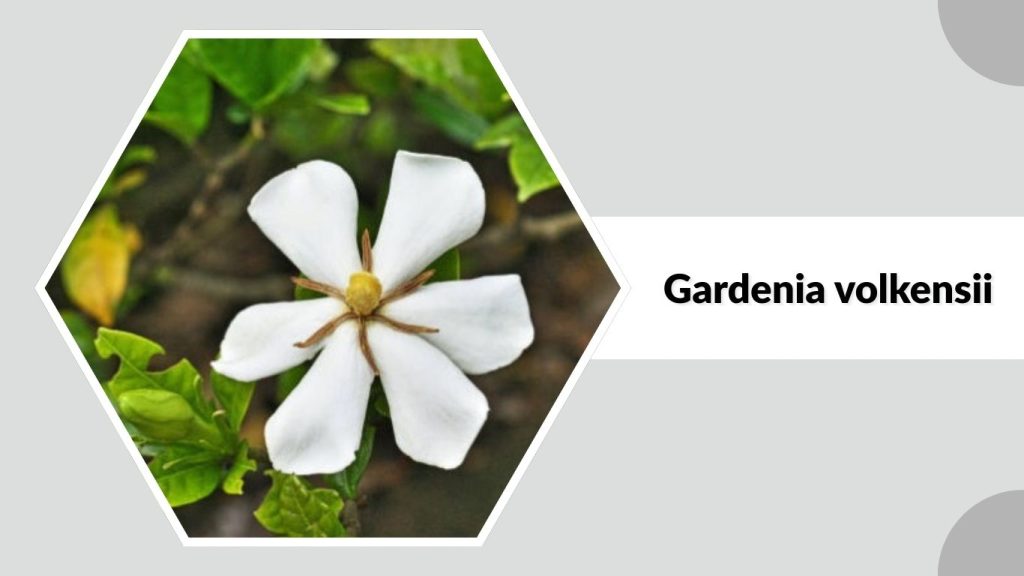
Gardenia volkensii, commonly known as the East African Gardenia, is a hardy flowering shrub native to eastern and southern Africa. This species is prized for its fragrant, creamy-white blooms and glossy, dark green foliage. It is commonly used in ornamental landscaping, ecological gardens, and as a specimen plant in tropical and subtropical regions.
Identification
- Glossy, dark green leaves
- Creamy-white, fragrant flowers
- Can grow 6–15 feet tall
- Upright, bushy growth habit
Habitat & Growing Conditions
Gardenia volkensii thrives in well-drained soils, preferring full sun to partial shade. It is tolerant of a variety of soil types, including sandy and rocky soils, and requires moderate watering. Protection from frost is recommended for young plants.
Flowering & Care
This gardenia blooms mainly in late spring to summer, producing clusters of fragrant flowers. Fertilization with acid-loving fertilizers supports healthy foliage and abundant blooms. Light pruning after flowering helps maintain shape and encourages new growth.
Common Uses
Gardenia volkensii is used as an ornamental garden plant, in parks, and for attracting pollinators. Its fragrant flowers make it suitable for floral arrangements, and its strong growth habit makes it a popular choice for hedges and specimen planting in landscapes.
11. Gardenia carinata
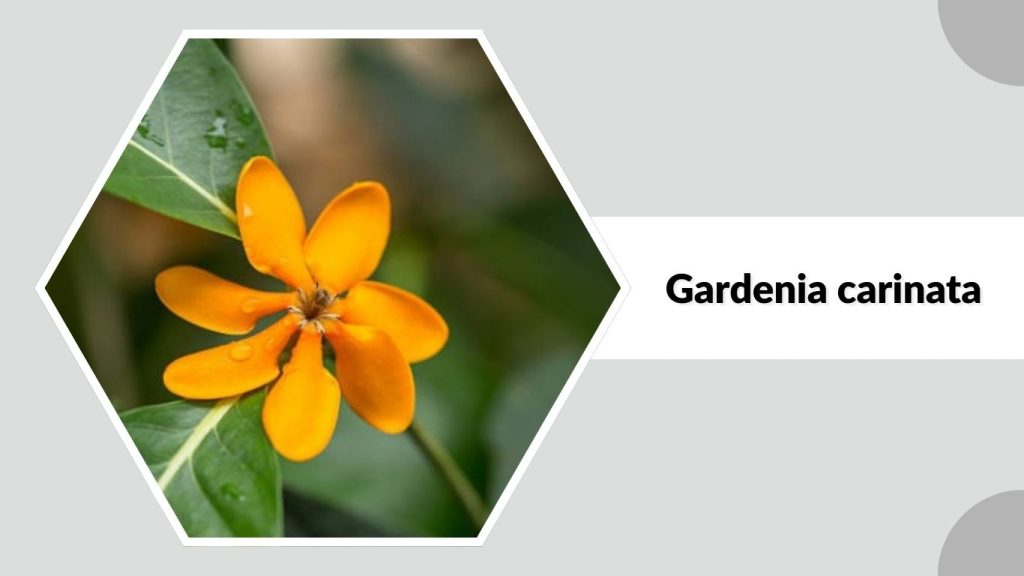
Gardenia carinata, commonly known as the Carinate Gardenia, is a tropical shrub celebrated for its fragrant, creamy-white flowers and glossy foliage. Native to Southeast Asia, it is admired for its ornamental beauty and aromatic blooms. This species is ideal for garden borders, patios, and container planting, adding both elegance and a sweet fragrance to any landscape.
Identification
- Glossy, dark green, elliptical leaves
- Creamy-white, highly fragrant flowers
- Typically grows 4–8 feet tall
- Upright, dense bushy growth habit
Habitat & Growing Conditions
Gardenia carinata thrives in well-drained, fertile soils with slight acidity. It prefers full sun to partial shade and requires consistent watering to maintain moisture without waterlogging. Protection from frost and strong winds ensures healthy growth and optimal flowering.
Flowering & Care
This gardenia blooms primarily in late spring through summer, producing clusters of fragrant, white flowers. Regular fertilization with acid-loving plant fertilizers promotes healthy foliage and abundant blooms. Light pruning after flowering helps maintain shape and stimulates new growth.
Common Uses
Gardenia carinata is widely used as an ornamental plant in gardens, patios, and containers. Its fragrant flowers are suitable for floral arrangements and traditional ceremonies. It also serves as an attractive specimen plant in tropical and subtropical landscapes.
12. Gardenia jasminoides ‘Veitchii’
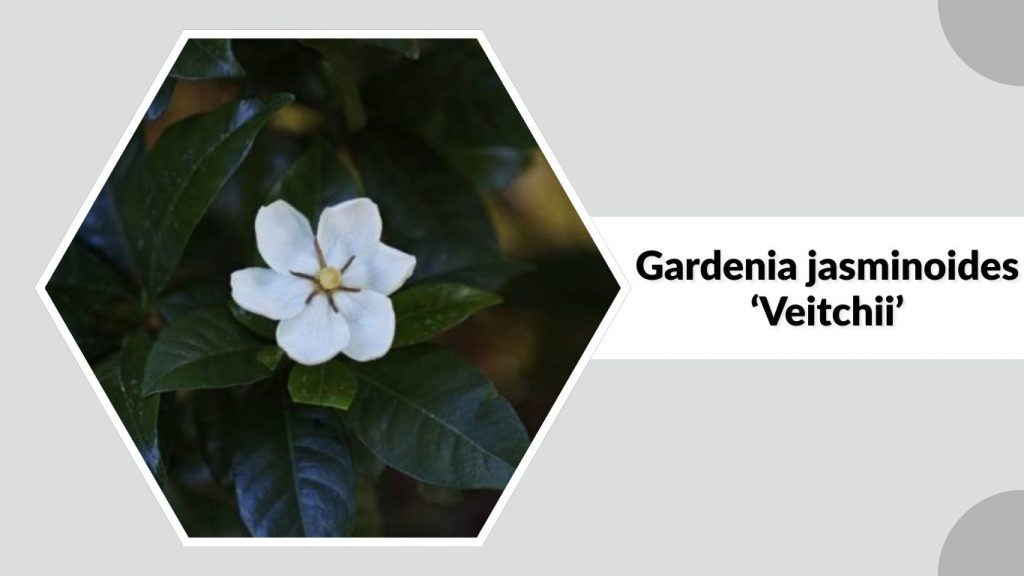
Gardenia jasminoides ‘Veitchii’, commonly called the Veitchii Gardenia, is a compact and highly fragrant cultivar of the popular Cape Jasmine. Native to China, this variety is prized for its pure white, double flowers and glossy, dark green foliage. Its smaller size and continuous blooming make it ideal for container planting, garden borders, and patios.
Identification
- Glossy, dark green leaves
- Double, pure white, highly fragrant flowers
- Compact shrub growing 2–3 feet tall
- Dense, rounded growth habit
Habitat & Growing Conditions
Gardenia jasminoides ‘Veitchii’ thrives in well-drained, slightly acidic soils enriched with organic matter. It prefers partial shade to full sun and requires consistent moisture without waterlogging. This cultivar is sensitive to frost and cold drafts, so protection in cooler climates is recommended.
Flowering & Care
This cultivar blooms primarily from late spring to summer, producing clusters of double, fragrant flowers. Fertilize with acid-loving fertilizers and prune lightly after flowering to maintain shape and encourage new blooms. Regular monitoring for pests like aphids or whiteflies ensures healthy growth.
Common Uses
Gardenia jasminoides ‘Veitchii’ is commonly grown in containers, garden borders, and patios for ornamental appeal. Its fragrant flowers are also suitable for cut arrangements. Its compact size, glossy foliage, and continuous blooms make it a favorite among gardeners seeking an elegant, low-maintenance gardenia.
13. Gardenia jasminoides ‘Radicans’
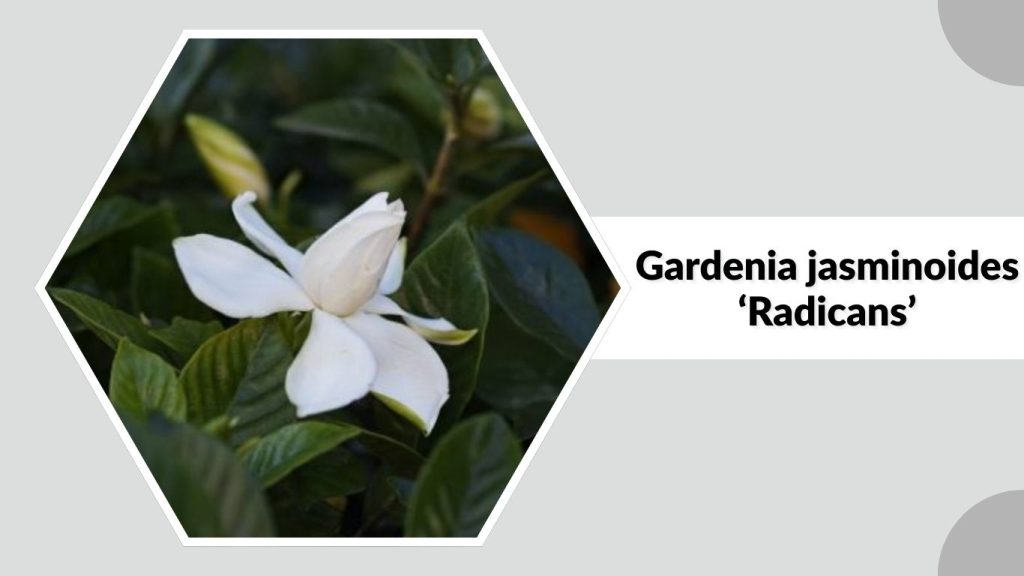
Gardenia jasminoides ‘Radicans’, commonly known as the Dwarf Gardenia or Creeping Gardenia, is a low-growing, spreading cultivar of the Cape Jasmine. Native to China, this variety is highly valued for its fragrant white flowers, glossy green foliage, and compact growth, making it perfect for ground cover, rock gardens, and container planting.
Identification
- Glossy, dark green leaves
- Fragrant, white, star-shaped flowers
- Grows 1–2 feet tall and spreads 2–3 feet wide
- Low-growing, mat-forming habit
Habitat & Growing Conditions
Gardenia jasminoides ‘Radicans’ thrives in well-drained, acidic soils rich in organic matter. It prefers partial shade to full sun and requires regular watering to maintain moist, but not waterlogged, soil. Its compact and spreading habit makes it ideal for small garden beds or container cultivation.
Flowering & Care
This dwarf gardenia blooms from late spring through summer, producing clusters of fragrant white flowers. Regular fertilization with acid-loving plant fertilizers encourages lush foliage and continuous blooms. Light pruning after flowering helps maintain shape and promote dense growth.
Common Uses
Gardenia jasminoides ‘Radicans’ is widely used as ground cover, in rock gardens, and for container planting. Its fragrant flowers are excellent for cut arrangements, while its low, spreading habit adds texture and elegance to small garden spaces or patios.
14. Gardenia jasminoides ‘Kleim’s Hardy’
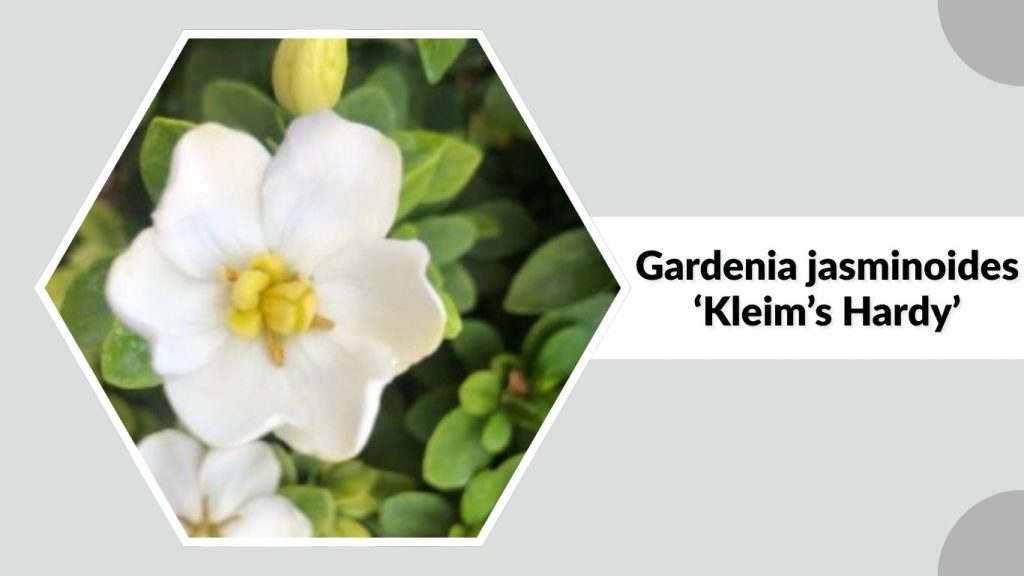
Gardenia jasminoides ‘Kleim’s Hardy’ is a cold-tolerant cultivar of the Cape Jasmine, renowned for its fragrant white flowers and glossy green foliage. This variety is popular in regions with cooler winters, as it can withstand lower temperatures better than many other gardenias. Its compact size and strong fragrance make it ideal for garden beds, patios, and container planting.
Identification
- Glossy, dark green leaves
- Pure white, highly fragrant flowers
- Compact shrub growing 3–4 feet tall
- Dense, upright growth habit
Habitat & Growing Conditions
Gardenia jasminoides ‘Kleim’s Hardy’ thrives in well-drained, slightly acidic soils rich in organic matter. It prefers full sun to partial shade and requires consistent moisture without waterlogging. While more cold-tolerant than other cultivars, protection from frost is still recommended for young plants.
Flowering & Care
This gardenia blooms from late spring to summer, producing clusters of fragrant white flowers. Fertilization with acid-loving plant fertilizers encourages abundant blooms and healthy foliage. Light pruning after flowering maintains shape and promotes new growth.
Common Uses
Gardenia jasminoides ‘Kleim’s Hardy’ is commonly grown in gardens, patios, and containers, particularly in cooler climates. Its fragrant flowers are suitable for cut arrangements and ornamental displays, while its hardy nature makes it a reliable choice for year-round garden appeal.
15. Gardenia jasminoides ‘Mystery’
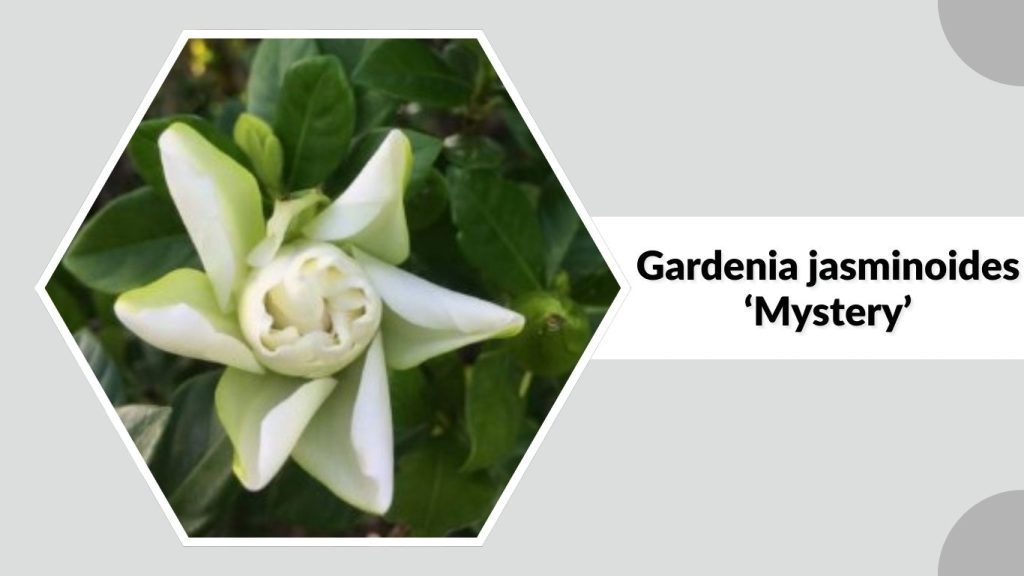
Gardenia jasminoides ‘Mystery’ is a popular cultivar of the Cape Jasmine, admired for its abundant, fragrant white flowers and glossy evergreen foliage. Known for its continuous blooming and compact growth, this variety is ideal for ornamental gardens, patios, and container planting, providing both beauty and a sweet, lingering fragrance.
Identification
- Glossy, dark green leaves
- Fragrant, pure white flowers
- Compact shrub growing 2–3 feet tall
- Dense, rounded growth habit
Habitat & Growing Conditions
Gardenia jasminoides ‘Mystery’ thrives in well-drained, acidic soils rich in organic matter. It prefers full sun to partial shade and requires consistent watering without waterlogging. This cultivar performs well in containers and small garden beds, making it suitable for patios and indoor environments.
Flowering & Care
This gardenia blooms from late spring through summer, often producing multiple flushes of fragrant white flowers. Fertilize regularly with acid-loving fertilizers and prune lightly after flowering to maintain shape and encourage new growth. Monitoring for pests such as aphids or spider mites helps ensure healthy development.
Common Uses
Gardenia jasminoides ‘Mystery’ is commonly used in ornamental gardens, container planting, and patio decoration. Its fragrant flowers are excellent for cut arrangements, while its compact size and dense foliage make it a favorite for gardeners seeking a low-maintenance, elegant gardenia variety.
16. Gardenia jasminoides ‘Chuck Hayes’
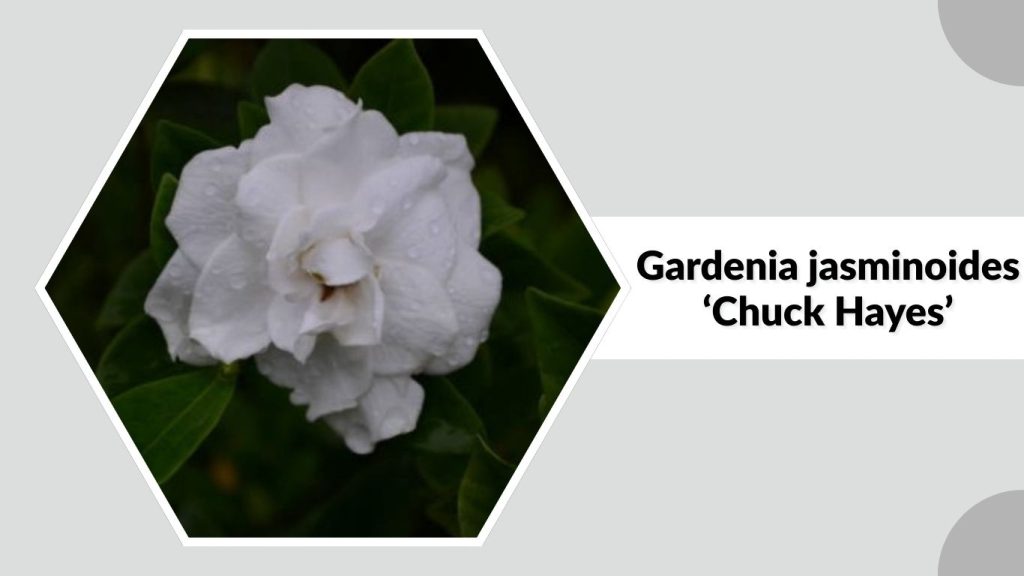
Gardenia jasminoides ‘Chuck Hayes’ is a compact and highly fragrant cultivar of the Cape Jasmine. Known for its pure white, double blooms and glossy, dark green leaves, this variety is ideal for small gardens, patios, and container planting. Its consistent flowering and sweet aroma make it a favorite among gardenia enthusiasts.
Identification
- Glossy, dark green leaves
- Double, pure white, fragrant flowers
- Compact shrub growing 2–3 feet tall
- Dense, rounded growth habit
Habitat & Growing Conditions
Gardenia jasminoides ‘Chuck Hayes’ thrives in well-drained, slightly acidic soils enriched with organic matter. It prefers partial shade to full sun and requires consistent moisture without waterlogging. Protection from frost and cold drafts ensures healthy growth and optimal flowering.
Flowering & Care
This cultivar blooms primarily from late spring to summer, producing clusters of double, fragrant flowers. Fertilize regularly with acid-loving plant fertilizers to promote lush foliage and abundant blooms. Light pruning after flowering helps maintain shape and encourages new growth.
Common Uses
Gardenia jasminoides ‘Chuck Hayes’ is commonly grown in containers, garden beds, and patios. Its fragrant flowers are suitable for floral arrangements, while its compact size and continuous blooms make it a perfect choice for small gardens and decorative spaces.
17. Gardenia jasminoides ‘Fortuniana’
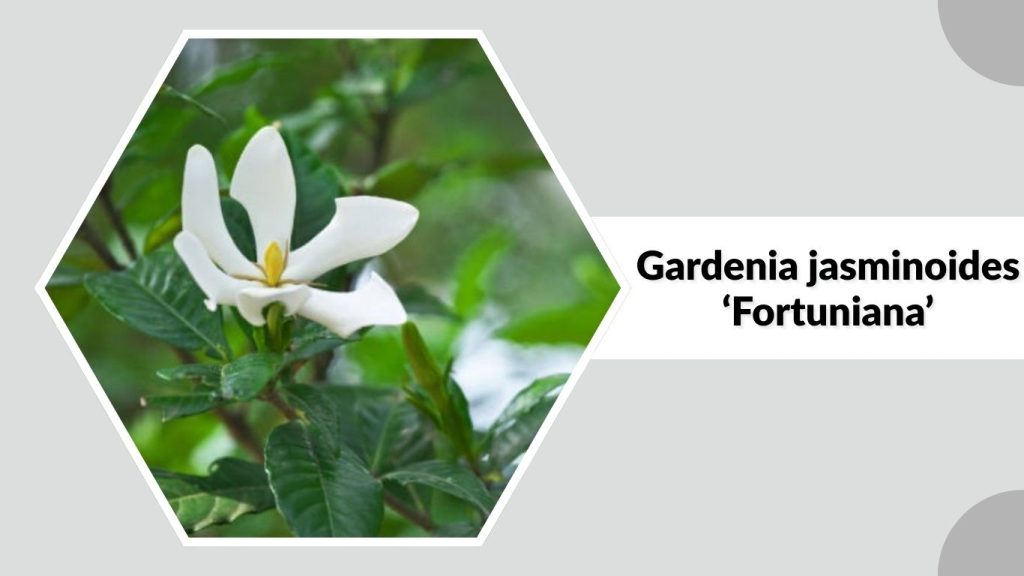
Gardenia jasminoides ‘Fortuniana’ is a popular gardenia cultivar valued for its fragrant white flowers and glossy evergreen leaves. Known for its compact growth and abundant blooms, it is ideal for ornamental gardens, patios, and container planting. This variety is especially appreciated for its resilience and continuous flowering throughout the growing season.
Identification
- Glossy, dark green leaves
- Fragrant, pure white flowers
- Compact shrub growing 2–4 feet tall
- Dense, bushy, upright growth habit
Habitat & Growing Conditions
Gardenia jasminoides ‘Fortuniana’ thrives in well-drained, slightly acidic soils enriched with organic matter. It prefers full sun to partial shade and requires consistent watering without waterlogging. Protection from frost and cold drafts ensures healthy foliage and optimal flowering.
Flowering & Care
This gardenia blooms primarily from late spring through summer, producing clusters of fragrant white flowers. Regular fertilization with acid-loving plant fertilizer supports healthy foliage and abundant blooms. Light pruning after flowering helps maintain shape and stimulates new growth.
Common Uses
Gardenia jasminoides ‘Fortuniana’ is commonly used in garden beds, container planting, and patio decoration. Its fragrant flowers are suitable for floral arrangements, while its compact size and abundant blooms make it a favorite for gardeners seeking low-maintenance, elegant gardenias.
18. Gardenia jasminoides ‘Aimee’
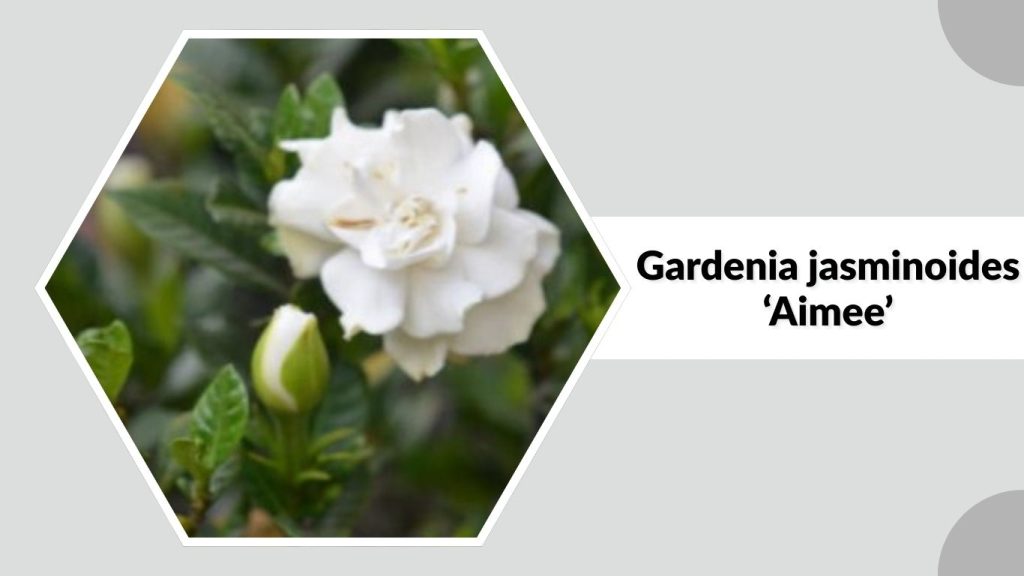
Gardenia jasminoides ‘Aimee’ is a fragrant, compact gardenia cultivar known for its creamy white blooms and glossy green foliage. This variety is highly valued for ornamental gardens, patios, and container planting due to its continuous flowering and manageable size, making it ideal for small spaces and decorative displays.
Identification
- Glossy, dark green leaves
- Creamy white, fragrant flowers
- Compact shrub growing 2–3 feet tall
- Dense, rounded growth habit
Habitat & Growing Conditions
Gardenia jasminoides ‘Aimee’ thrives in well-drained, acidic soils rich in organic matter. It prefers full sun to partial shade and requires regular watering to keep the soil moist without waterlogging. Protection from frost and cold drafts is important for healthy growth.
Flowering & Care
This cultivar blooms from late spring through summer, producing clusters of fragrant white flowers. Fertilization with acid-loving plant fertilizers promotes lush foliage and abundant blooms. Light pruning after flowering helps maintain shape and encourages new growth.
Common Uses
Gardenia jasminoides ‘Aimee’ is commonly grown in gardens, patios, and containers. Its fragrant flowers are excellent for cut arrangements, while its compact size and continuous blooms make it perfect for small garden spaces and decorative planting.
19. Gardenia jasminoides ‘Crown Jewel’
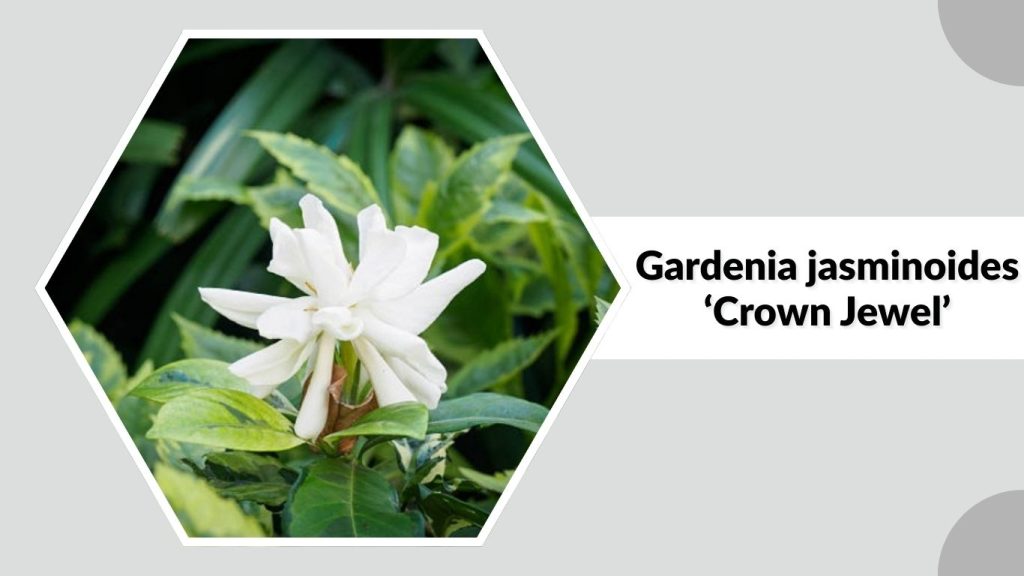
Gardenia jasminoides ‘Crown Jewel’ is an elegant and fragrant gardenia cultivar known for its pure white, double blooms and glossy evergreen foliage. Its compact size and continuous flowering make it a popular choice for ornamental gardens, patios, and container planting, offering both beauty and a sweet, lasting fragrance.
Identification
- Glossy, dark green leaves
- Double, pure white, highly fragrant flowers
- Compact shrub growing 2–3 feet tall
- Dense, rounded growth habit
Habitat & Growing Conditions
Gardenia jasminoides ‘Crown Jewel’ thrives in well-drained, slightly acidic soils enriched with organic matter. It prefers full sun to partial shade and requires consistent watering to maintain soil moisture without waterlogging. Protecting it from frost and cold drafts ensures healthy growth and optimal flowering.
Flowering & Care
This cultivar blooms from late spring to summer, producing clusters of fragrant double flowers. Regular fertilization with acid-loving fertilizers encourages healthy foliage and abundant blooms. Light pruning after flowering helps maintain shape and stimulates new growth.
Common Uses
Gardenia jasminoides ‘Crown Jewel’ is commonly grown in ornamental gardens, patios, and containers. Its fragrant flowers are suitable for cut arrangements, while its compact size and continuous blooms make it ideal for enhancing small garden spaces and decorative planting.
20. Gardenia jasminoides ‘Frostproof’
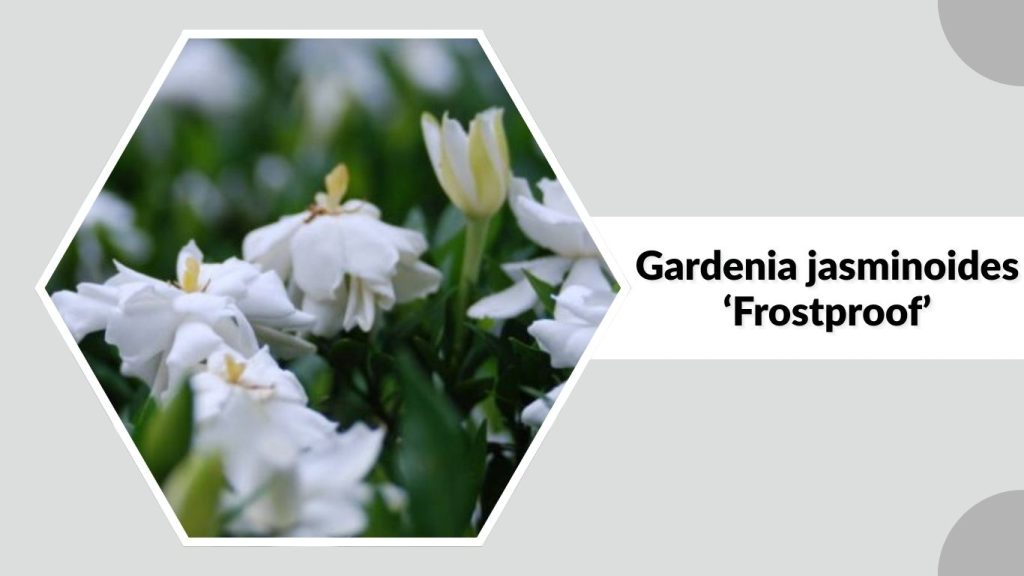
Gardenia jasminoides ‘Frostproof’ is a hardy, cold-tolerant gardenia cultivar prized for its fragrant white blooms and glossy green foliage. Ideal for gardens in cooler climates, this variety maintains its beauty and fragrance even in slightly lower temperatures. Its compact growth and abundant flowering make it perfect for ornamental beds, patios, and containers.
Identification
- Glossy, dark green leaves
- Pure white, fragrant flowers
- Compact shrub growing 2–4 feet tall
- Dense, upright growth habit
Habitat & Growing Conditions
Gardenia jasminoides ‘Frostproof’ thrives in well-drained, slightly acidic soils rich in organic matter. It prefers full sun to partial shade and requires consistent moisture without waterlogging. This cultivar is more tolerant of cold than most gardenias but still benefits from frost protection during harsh winters.
Flowering & Care
This gardenia blooms primarily from late spring through summer, producing clusters of fragrant white flowers. Fertilize with acid-loving plant fertilizers to encourage abundant blooms and healthy foliage. Light pruning after flowering maintains shape and promotes new growth.
Common Uses
Gardenia jasminoides ‘Frostproof’ is commonly grown in gardens, patios, and containers, especially in cooler climates. Its fragrant flowers are suitable for cut arrangements, while its hardiness and compact size make it a reliable choice for year-round ornamental appeal.
21. Gardenia jasminoides ‘Mystery Perfume’
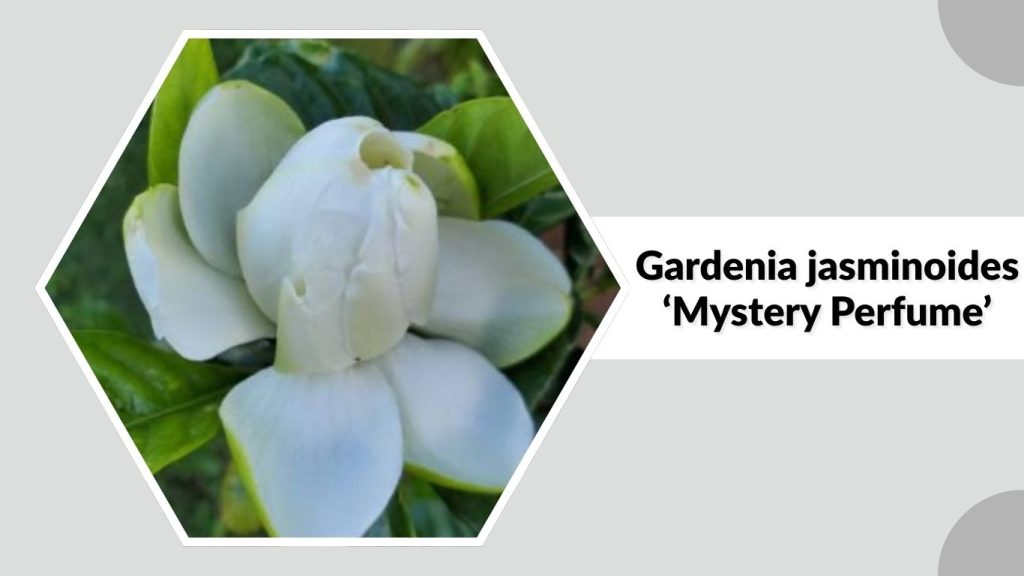
Gardenia jasminoides ‘Mystery Perfume’ is a highly fragrant gardenia cultivar known for its long-lasting, aromatic white flowers and glossy evergreen leaves. This variety is favored for ornamental gardens, patios, and container planting due to its continuous flowering and strong, sweet scent, which enhances both indoor and outdoor spaces.
Identification
- Glossy, dark green leaves
- Pure white, highly fragrant flowers
- Compact shrub growing 2–3 feet tall
- Dense, rounded growth habit
Habitat & Growing Conditions
Gardenia jasminoides ‘Mystery Perfume’ thrives in well-drained, acidic soils rich in organic matter. It prefers full sun to partial shade and requires consistent watering to maintain moisture without waterlogging. Protection from frost and cold drafts is essential for healthy growth.
Flowering & Care
This cultivar blooms from late spring through summer, producing clusters of fragrant white flowers. Fertilization with acid-loving fertilizers supports healthy foliage and abundant blooms. Light pruning after flowering maintains shape and stimulates new growth, ensuring continuous flowering throughout the season.
Common Uses
Gardenia jasminoides ‘Mystery Perfume’ is commonly grown in gardens, patios, and containers. Its highly fragrant flowers are ideal for cut arrangements, while its compact size and continuous blooms make it perfect for decorative planting and enhancing small garden spaces.
22. Gardenia jasminoides ‘Kleim’s Hardy’ (Duplicate Cultivar)
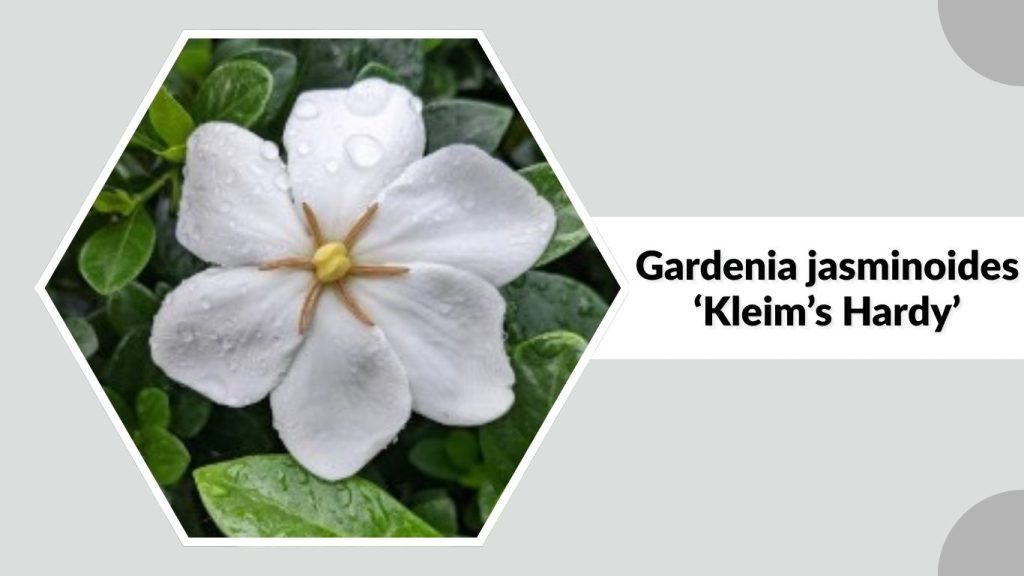
Gardenia jasminoides ‘Kleim’s Hardy’ is a cold-tolerant and fragrant gardenia cultivar known for its pure white flowers and glossy green foliage. This variety is especially suited for cooler climates where other gardenias may struggle. Its compact size and continuous blooming habit make it a reliable choice for ornamental gardens, patios, and container planting.
Identification
- Glossy, dark green leaves
- Pure white, fragrant flowers
- Compact shrub growing 3–4 feet tall
- Dense, upright growth habit
Habitat & Growing Conditions
Gardenia jasminoides ‘Kleim’s Hardy’ thrives in well-drained, slightly acidic soils enriched with organic matter. It prefers full sun to partial shade and requires consistent moisture without waterlogging. Frost protection is recommended, particularly for young plants or during extreme cold spells.
Flowering & Care
This gardenia blooms primarily from late spring through summer, producing clusters of fragrant white flowers. Fertilize with acid-loving plant fertilizers to encourage healthy foliage and abundant blooms. Light pruning after flowering maintains shape and promotes new growth.
Common Uses
Gardenia jasminoides ‘Kleim’s Hardy’ is commonly used in ornamental gardens, container planting, and patios. Its fragrant flowers are excellent for cut arrangements, while its cold tolerance and compact size make it ideal for maintaining year-round garden appeal in cooler climates.
23. Gardenia jasminoides ‘Chuck Hayes’ (Duplicate Cultivar)
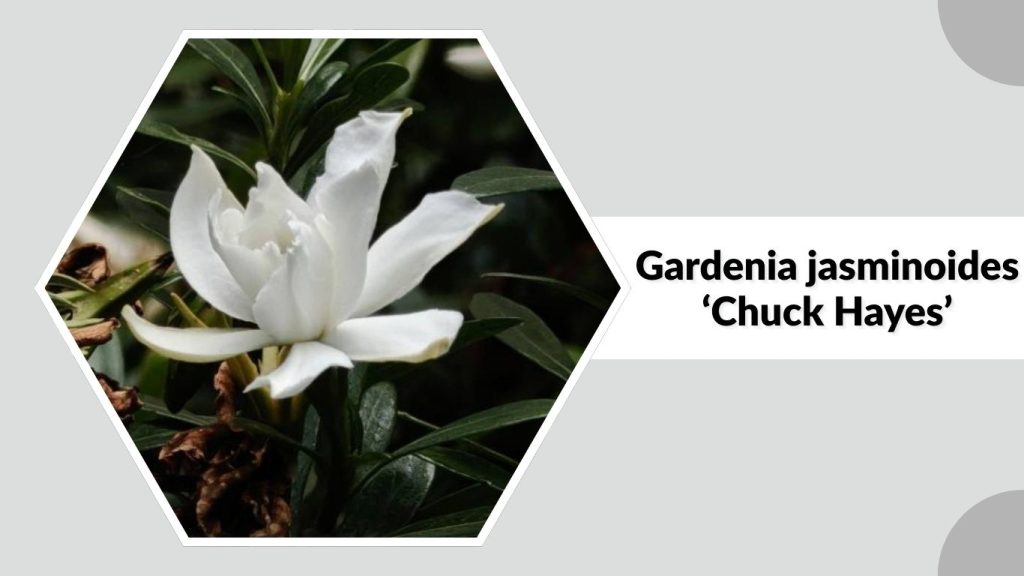
Gardenia jasminoides ‘Chuck Hayes’ is a compact and highly fragrant gardenia cultivar. Known for its double, pure white blooms and glossy green foliage, it is ideal for small gardens, patios, and container planting. Its continuous flowering and sweet scent make it a popular choice among gardenia enthusiasts.
Identification
- Glossy, dark green leaves
- Double, pure white, fragrant flowers
- Compact shrub growing 2–3 feet tall
- Dense, rounded growth habit
Habitat & Growing Conditions
Gardenia jasminoides ‘Chuck Hayes’ thrives in well-drained, slightly acidic soils enriched with organic matter. It prefers partial shade to full sun and requires consistent watering without waterlogging. Protection from frost and cold drafts ensures healthy growth and optimal flowering.
Flowering & Care
This cultivar blooms primarily from late spring to summer, producing clusters of double, fragrant flowers. Regular fertilization with acid-loving fertilizers supports healthy foliage and abundant blooms. Light pruning after flowering helps maintain shape and stimulates new growth.
Common Uses
Gardenia jasminoides ‘Chuck Hayes’ is commonly grown in containers, garden beds, and patios. Its fragrant flowers are suitable for cut arrangements, while its compact size and continuous blooms make it perfect for small gardens and decorative planting.
24. Gardenia jasminoides ‘Summer Snow’
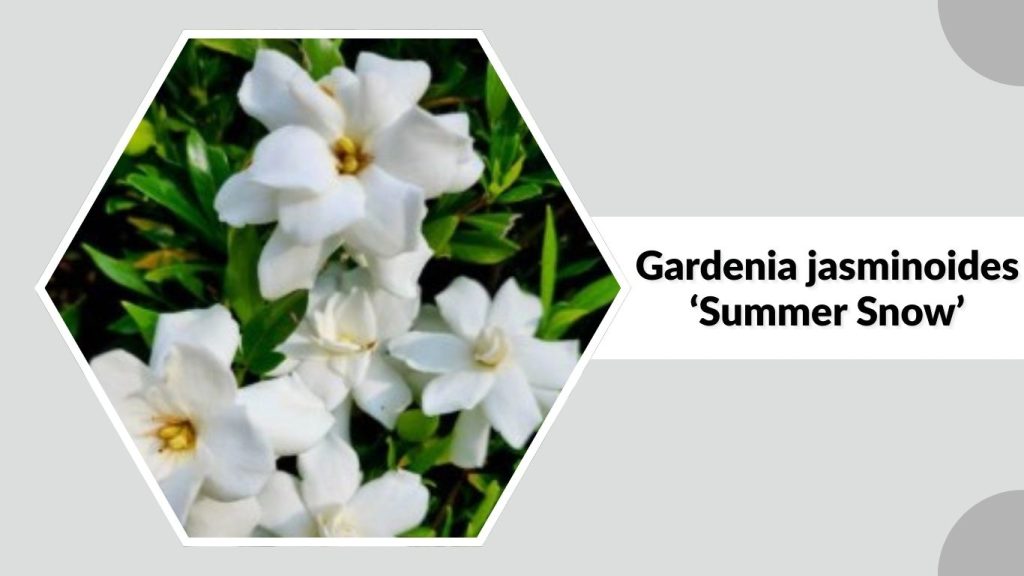
Gardenia jasminoides ‘Summer Snow’ is a fragrant and compact gardenia cultivar known for its pure white flowers and glossy evergreen foliage. This variety blooms profusely during the summer months, making it ideal for ornamental gardens, patios, and container planting. Its manageable size and continuous flowering make it a favorite among gardeners.
Identification
- Glossy, dark green leaves
- Pure white, highly fragrant flowers
- Compact shrub growing 2–3 feet tall
- Dense, rounded growth habit
Habitat & Growing Conditions
Gardenia jasminoides ‘Summer Snow’ thrives in well-drained, acidic soils rich in organic matter. It prefers full sun to partial shade and requires consistent watering without waterlogging. Protection from frost and cold drafts is recommended to maintain healthy growth and abundant flowering.
Flowering & Care
This gardenia blooms mainly in late spring through summer, producing clusters of fragrant white flowers. Fertilization with acid-loving plant fertilizers encourages lush foliage and abundant blooms. Light pruning after flowering helps maintain shape and stimulates new growth.
Common Uses
Gardenia jasminoides ‘Summer Snow’ is commonly grown in garden beds, containers, and patios. Its fragrant flowers are ideal for cut arrangements, while its compact size and continuous blooms make it perfect for decorative planting in small or medium-sized garden spaces.
25. Gardenia jasminoides ‘Radicans Alba’
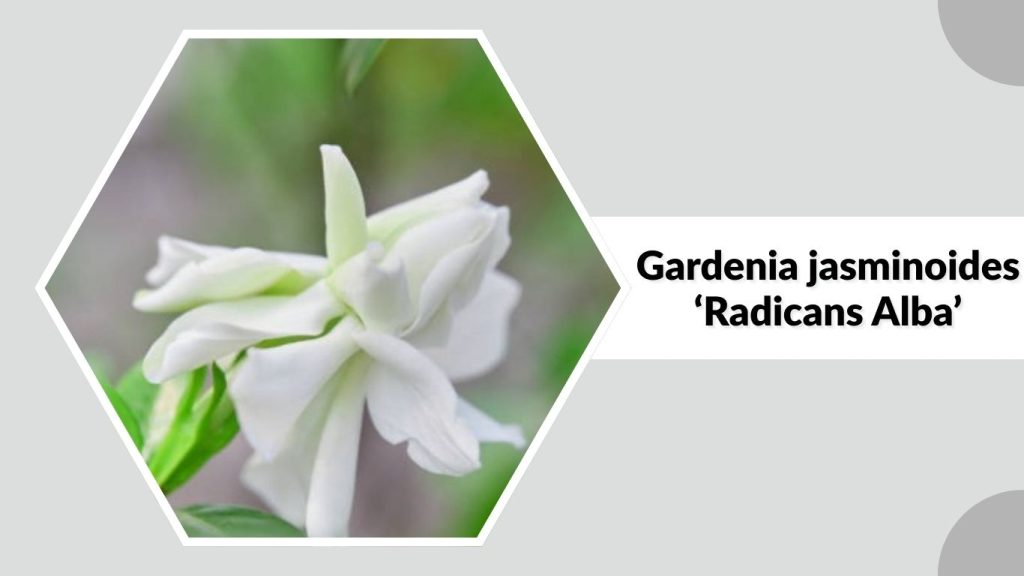
Gardenia jasminoides ‘Radicans Alba’ is a low-growing, creeping cultivar of the Cape Jasmine, known for its fragrant white flowers and glossy green foliage. Ideal as ground cover, in rock gardens, or container planting, this variety combines compact size with the signature sweet scent of gardenias, making it perfect for small spaces and ornamental displays.
Identification
- Glossy, dark green leaves
- Fragrant, pure white, star-shaped flowers
- Grows 1–2 feet tall and spreads 2–3 feet wide
- Low-growing, mat-forming habit
Habitat & Growing Conditions
Gardenia jasminoides ‘Radicans Alba’ thrives in well-drained, slightly acidic soils enriched with organic matter. It prefers partial shade to full sun and requires regular watering to maintain consistent soil moisture without waterlogging. Its creeping habit makes it ideal for ground cover or container planting.
Flowering & Care
This gardenia blooms from late spring through summer, producing clusters of fragrant white flowers. Fertilize with acid-loving fertilizers to encourage lush foliage and abundant blooms. Light pruning after flowering helps maintain a tidy appearance and promotes dense, healthy growth.
Common Uses
Gardenia jasminoides ‘Radicans Alba’ is widely used as ground cover, in rock gardens, and in containers. Its fragrant flowers are excellent for cut arrangements, while its low, spreading growth habit adds texture and elegance to small garden spaces, patios, or ornamental borders.
FAQs
What is the best way to grow Gardenia flowers?
Gardenias thrive in well-drained, slightly acidic soils rich in organic matter. They prefer partial shade to full sun and need consistent moisture without waterlogging. Fertilizing with acid-loving plant fertilizers and pruning after flowering helps maintain shape, encourages blooms, and supports healthy, fragrant growth.
How often do Gardenia flowers bloom?
Most Gardenia cultivars bloom from late spring to summer, while some varieties like Gardenia taitensis can flower year-round in tropical climates. Blooming frequency depends on care, soil quality, sunlight, and watering. Proper fertilization and pruning encourage continuous flowering and enhance both the number and fragrance of blooms.
Are Gardenia flowers fragrant?
Yes, Gardenia flowers are renowned for their strong, sweet fragrance. The scent varies slightly among cultivars, but it is typically highly aromatic and long-lasting. Gardenias are often grown not only for their ornamental beauty but also for their delightful aroma, which enhances gardens, patios, and indoor spaces.
Can Gardenias be grown in containers?
Absolutely. Many Gardenia cultivars, especially dwarf or compact types like Gardenia radicans or Gardenia jasminoides ‘Aimee’, thrive in containers. Container planting allows control over soil type, drainage, and watering. It’s ideal for patios, balconies, or small gardens and enables moving the plant indoors during colder months.
How do I care for Gardenia flowers during winter?
In cooler climates, protect Gardenias from frost and cold drafts by moving container plants indoors or using frost covers. Reduce watering slightly during dormancy but maintain humidity. Hardy cultivars like Gardenia jasminoides ‘Kleim’s Hardy’ and ‘Frostproof’ tolerate lower temperatures, but providing protection ensures healthy foliage and blooms for the next season.