





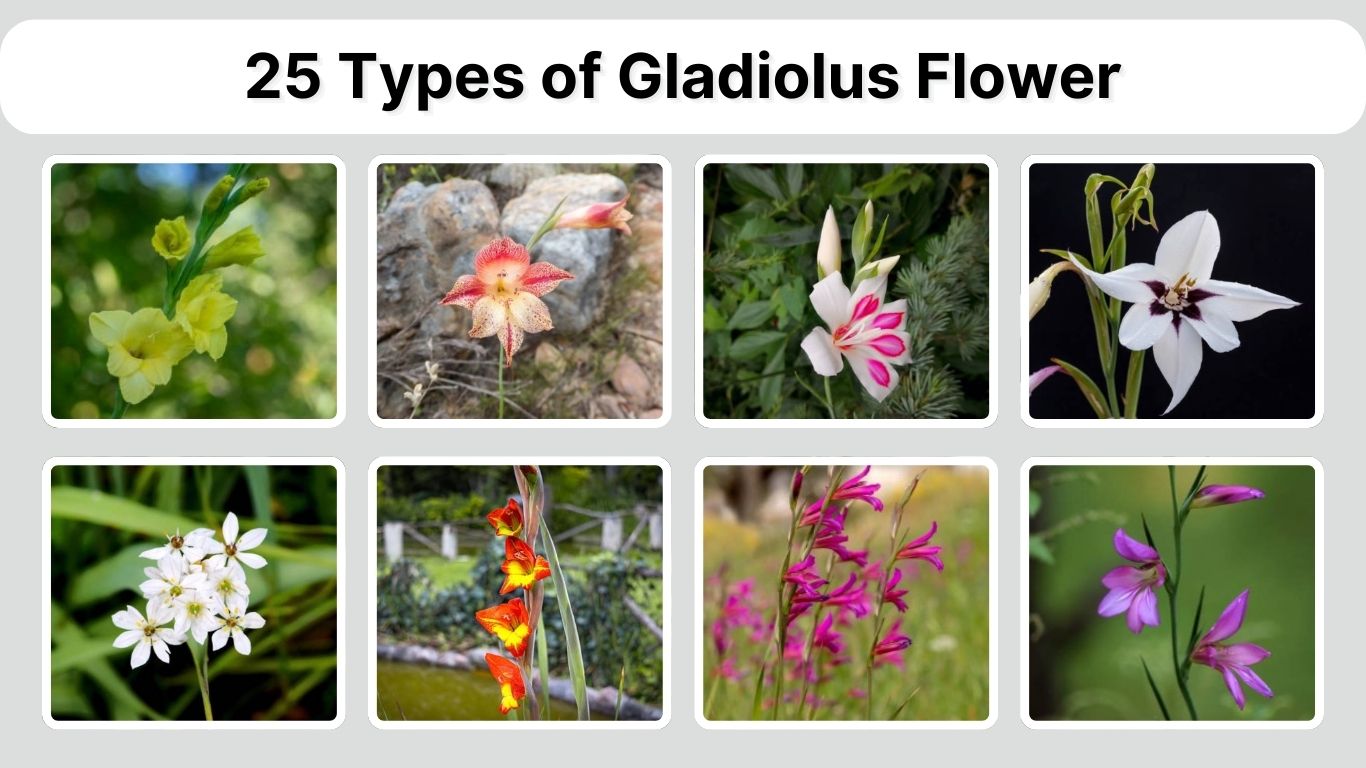
Gladiolus flowers are admired worldwide for their tall spikes, sword-shaped leaves, and beautifully arranged blooms. With hundreds of species and countless hybrids, gladiolus offer an impressive range of colors, sizes, and flower forms, from bold garden varieties to delicate wild types. They are popular in home gardens, landscaping projects, and floral arrangements because of their strong stems and long-lasting flowers. This guide explores different types of gladiolus, highlighting their unique traits and gardening value.
1. Gladiolus grandiflorus
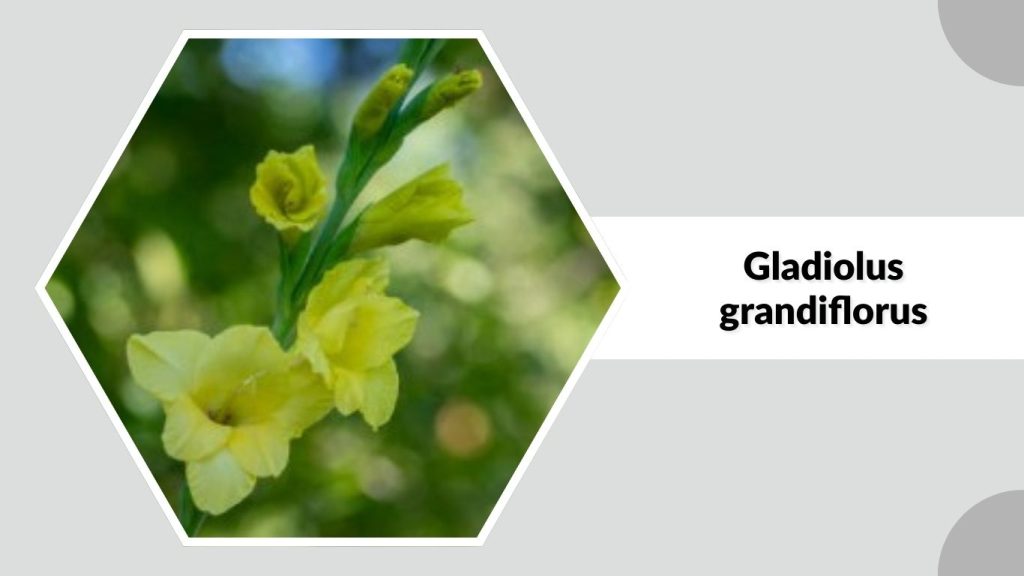
Gladiolus grandiflorus is one of the most popular and widely cultivated gladiolus types, known for its large, showy blooms and tall, elegant flower spikes. It is commonly grown in gardens and used in floral arrangements because of its impressive flower size, wide color range, and long-lasting cut blooms.
Identification
- Large, trumpet-shaped flowers arranged along a tall, upright spike
- Blooms appear in many colors, including red, pink, white, yellow, purple, and bi-colors
- Sword-shaped, bright green leaves with a pointed tip
- Typically grows between 3 to 5 feet tall
- Flowers open gradually from the bottom of the spike upward
Flower Characteristics
Gladiolus grandiflorus produces some of the largest flowers in the gladiolus family. Each spike carries multiple blossoms that create a dramatic vertical display. The petals are often ruffled or smooth, depending on the cultivar, and the blooms are known for their rich, vibrant pigmentation that stands out in both gardens and bouquets.
Growing Habit
This type grows from a corm and develops a single strong central stem. It prefers full sun and well-drained soil, producing the best flower spikes when planted in loose, fertile ground. Regular watering during active growth helps support tall stems and large blooms.
Common Uses
Gladiolus grandiflorus is widely used in ornamental gardening, cut-flower production, and event decorations. Because of its height and bold appearance, it is often planted at the back of flower beds or grown specifically for harvesting as long-stemmed cut flowers.
2. Gladiolus primulinus

Gladiolus primulinus is admired for its graceful, slightly drooping flowers and softer, more natural appearance compared to large hybrid gladiolus. It is often called the “primrose gladiolus” because of its delicate blooms and elegant form, making it popular in cottage gardens and natural-style landscapes.
Identification
- Medium-sized, hooded or slightly drooping flowers
- Softer color tones such as yellow, peach, pink, and light red
- Slender, arching flower spikes rather than rigid upright stems
- Narrow, sword-like green leaves
- Typically grows 2 to 4 feet tall
Flower Characteristics
The flowers of Gladiolus primulinus are more relaxed in shape, often facing slightly downward. Petals may have subtle markings or gentle color blends. This softer structure gives the plant a lighter, more airy look compared to large-flowered gladiolus varieties.
Growing Habit
Gladiolus primulinus grows from corms and prefers full sun to light shade. It thrives in well-drained soil and benefits from moderate watering during the growing season. Its stems are usually thinner, so planting in groups or sheltered areas helps protect them from strong wind.
Common Uses
This type is commonly used in mixed borders, cottage gardens, and naturalized flower beds. It is also grown for cut flowers, especially when a softer, more delicate floral style is desired in arrangements.
3. Gladiolus nanus
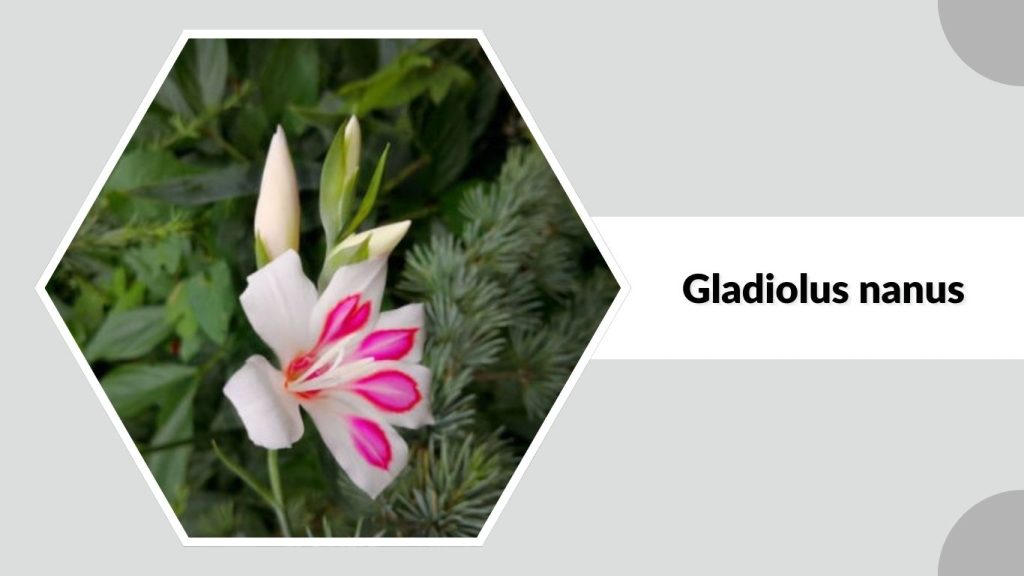
Gladiolus nanus is a charming dwarf type of gladiolus, valued for its compact size and early blooming habit. Unlike tall hybrid gladiolus, this species produces shorter stems with delicate, orchid-like flowers, making it ideal for small gardens, borders, and container planting.
Identification
- Short, compact flower spikes with fewer blooms
- Small to medium-sized, star-shaped flowers
- Colors include white, pink, red, purple, and soft bi-colors
- Thin, sword-shaped green leaves
- Typically grows 12 to 24 inches tall
Flower Characteristics
The flowers of Gladiolus nanus are lighter and more refined in appearance. Many varieties feature contrasting markings or softly blended colors on the petals. Because the blooms are smaller, they create a subtle and elegant display rather than a bold vertical statement.
Growing Habit
Gladiolus nanus grows from corms and blooms earlier than many tall gladiolus types. It prefers full sun and well-drained soil. Its shorter stems usually do not require staking, making it easier to grow in exposed areas or containers.
Common Uses
This type is widely used in rock gardens, front borders, patio containers, and small garden spaces. It is also suitable for cut flowers when shorter, more delicate stems are preferred for indoor arrangements.
4. Gladiolus callianthus
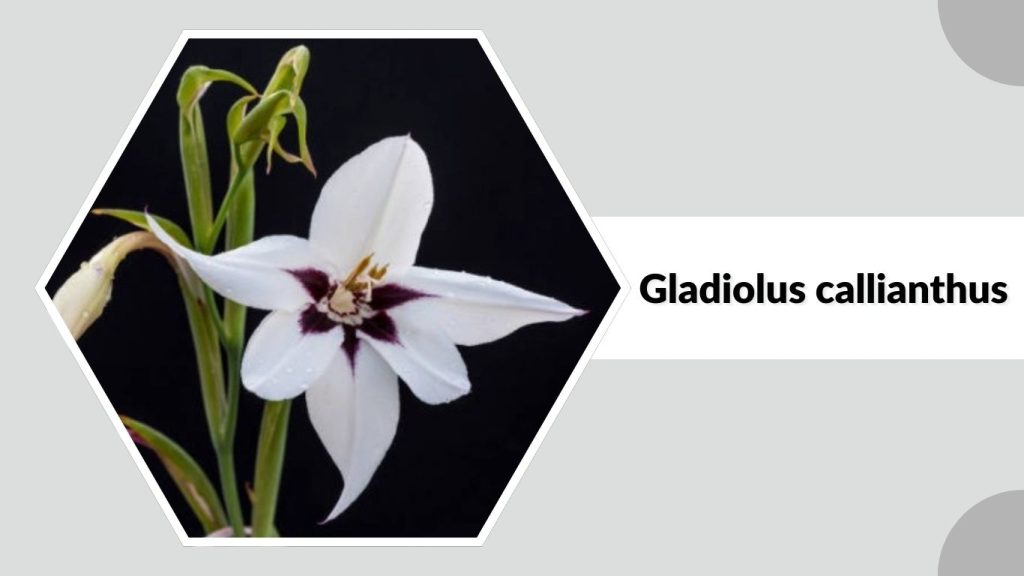
Gladiolus callianthus, often known as the Abyssinian gladiolus, is prized for its elegant white flowers and strong, sweet fragrance. Unlike many brightly colored gladiolus types, this species stands out for its refined beauty and evening scent, making it a favorite for ornamental gardens and scented borders.
Identification
- Pure white, star-shaped flowers with a dark purple center
- Sweet, noticeable fragrance, especially in the evening
- Slender, arching flower spikes
- Narrow, sword-like green leaves
- Typically grows 2 to 3 feet tall
Flower Characteristics
The blooms of Gladiolus callianthus are graceful and delicate, usually opening in late summer. Each flower has six pointed petals surrounding a deep purple or maroon throat, creating a striking contrast. The scent adds an extra sensory appeal that is uncommon among gladiolus species.
Growing Habit
This plant grows from corms and prefers warm conditions, full sun, and well-drained soil. It is less tolerant of frost and is often lifted and stored in colder regions. Regular watering during growth encourages healthy stems and abundant flowering.
Common Uses
Gladiolus callianthus is commonly planted in garden borders, fragrance gardens, and near patios or walkways where its scent can be enjoyed. It is also grown as a cut flower for scented indoor floral arrangements.
5. Gladiolus murielae
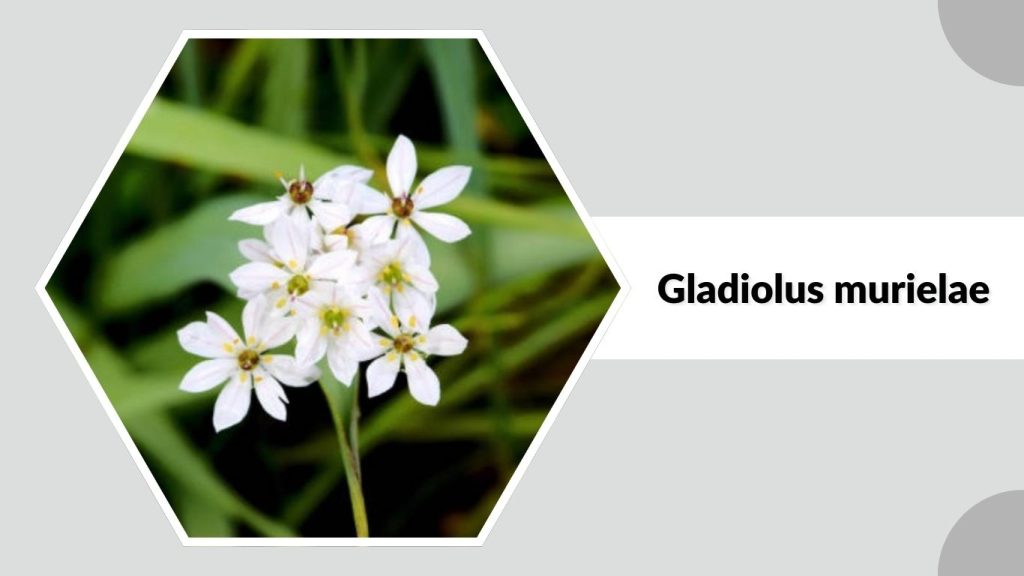
Gladiolus murielae is a graceful and highly fragrant gladiolus type, often called the Abyssinian sword lily. It is especially valued for its pure white flowers, deep-colored centers, and strong, sweet scent that becomes more noticeable in the evening.
Identification
- White, star-like flowers with a dark maroon or purple throat
- Strong, sweet fragrance, especially at dusk
- Slender stems with gently arching blooms
- Narrow, sword-shaped green leaves
- Typically grows 2 to 3 feet tall
Flower Characteristics
The blooms of Gladiolus murielae are delicate yet striking. Each flower opens wide with pointed petals, highlighting the dark central markings. Compared to large hybrid gladiolus, its flowers are lighter and more refined, creating a soft, elegant display in the garden.
Growing Habit
This gladiolus grows from small corms and prefers full sun, warmth, and well-drained soil. It blooms in late summer and early fall. In cooler climates, corms are often lifted and stored over winter to protect them from frost.
Common Uses
Gladiolus murielae is widely planted in fragrance gardens, mixed borders, and container displays. It is also popular for cut flowers, especially when a lightly scented, elegant bloom is desired indoors.
6. Gladiolus dalenii
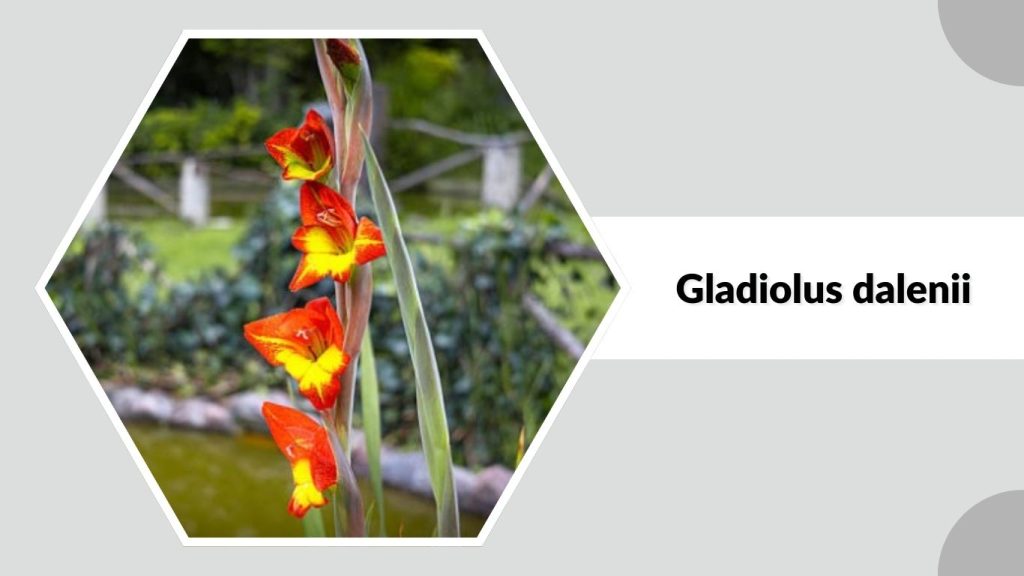
Gladiolus dalenii is a hardy and naturally colorful gladiolus species, known for its bright, warm-toned flowers and strong adaptability. It is one of the parent species of many modern hybrid gladiolus, contributing to their vibrant colors and vigorous growth.
Identification
- Funnel-shaped flowers in red, orange, yellow, or multi-toned patterns
- Prominent markings or blotches on the lower petals
- Upright, sturdy flower spikes
- Long, narrow, sword-like green leaves
- Typically grows 2 to 4 feet tall
Flower Characteristics
The flowers of Gladiolus dalenii are lively and eye-catching, often displaying contrasting colors and bold central markings. Multiple blooms open along a single stem, forming a striking vertical display that attracts attention in both wild and cultivated settings.
Growing Habit
This species grows from corms and is well adapted to warm climates. It prefers full sun and well-drained soil but tolerates a wider range of conditions than many gladiolus types. Its natural resilience makes it easier to grow and maintain.
Common Uses
Gladiolus dalenii is used in ornamental gardens, native plant collections, and breeding programs. It is also suitable for cut flowers and for gardeners who want a more natural, species-type gladiolus with strong colors.
7. Gladiolus communis
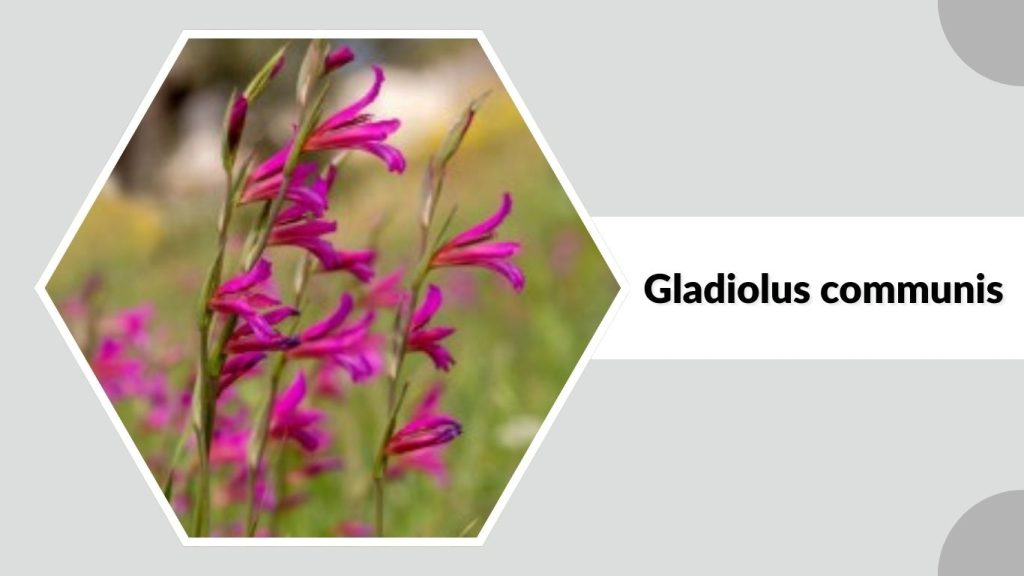
Gladiolus communis is a classic wild gladiolus species native to parts of Europe, North Africa, and the Middle East. It is valued for its natural beauty, slender stems, and soft purple to pink flowers that bring a meadow-like charm to gardens.
Identification
- Narrow, funnel-shaped flowers in pink, purple, or lavender tones
- Flowers arranged along one side of the stem
- Slim, upright to slightly arching flower spikes
- Long, narrow, sword-shaped green leaves
- Typically grows 2 to 3 feet tall
Flower Characteristics
The blooms of Gladiolus communis are lighter and more delicate compared to modern hybrids. They often appear in loose rows along the stem, giving the plant a graceful, natural look. Subtle color variations and soft veining add to their visual appeal.
Growing Habit
This species grows from corms and thrives in full sun and well-drained soil. It is more cold-tolerant than many tropical gladiolus and can naturalize in suitable climates, returning year after year with minimal care.
Common Uses
Gladiolus communis is commonly used in wildflower gardens, naturalized landscapes, and traditional cottage-style plantings. It is also appreciated by gardeners who prefer species plants over heavily bred hybrids.
8. Gladiolus italicus
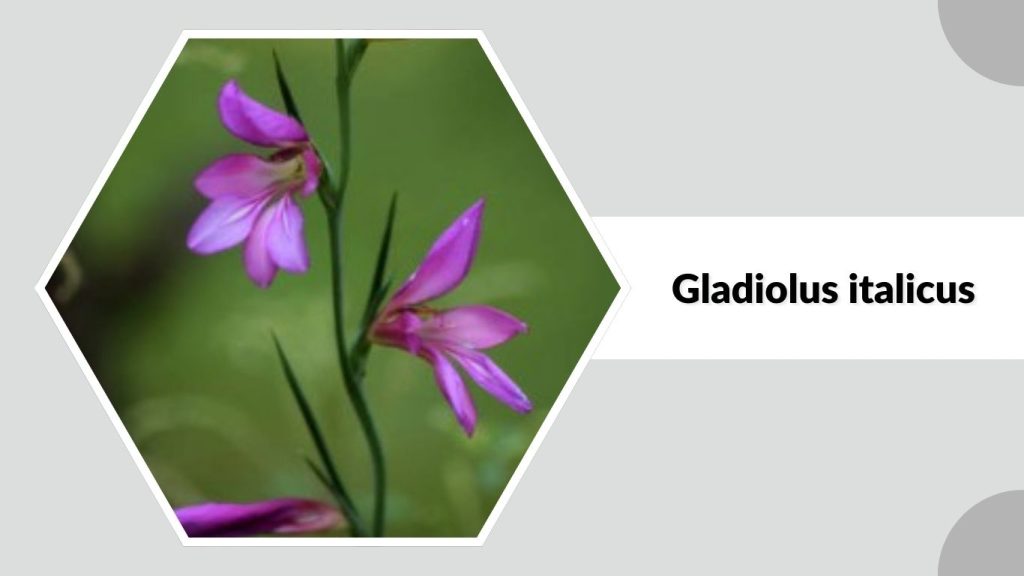
Gladiolus italicus, commonly called the Italian gladiolus, is a hardy wild species recognized for its slender stems and soft magenta-pink blooms. It is often found growing naturally in fields and open landscapes, bringing a delicate, meadow-like beauty rather than a bold garden display.
Identification
- Small to medium-sized funnel-shaped flowers
- Soft pink to magenta coloring, sometimes with pale markings
- Flowers arranged loosely along the spike
- Thin, sword-like green leaves
- Typically grows 1.5 to 3 feet tall
Flower Characteristics
The flowers of Gladiolus italicus are more subtle than hybrid gladiolus. They have a refined shape with gentle color tones and usually bloom in late spring to early summer. Their airy spacing along the stem creates a light, graceful appearance.
Growing Habit
This species grows from corms and is well adapted to Mediterranean-style climates. It prefers full sun and well-drained soil and can naturalize easily in open areas. Once established, it often returns annually with little maintenance.
Common Uses
Gladiolus italicus is popular in wildflower gardens, natural landscapes, and low-maintenance borders. It is also used by gardeners who want a more natural-looking gladiolus that blends easily with grasses and other flowering plants.
9. Gladiolus tristis
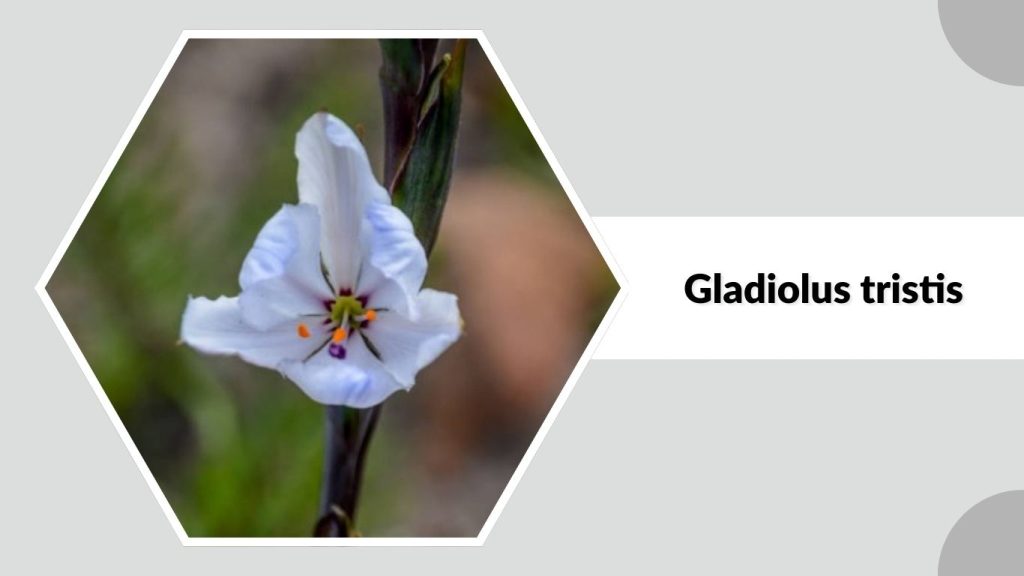
Gladiolus tristis is a uniquely elegant gladiolus species, often called the “evening gladiolus” because of its strong, sweet fragrance released at night. It is known for its pale, creamy flowers and graceful, arching growth habit, which give it a refined and delicate presence in the garden.
Identification
- Pale yellow to creamy-white flowers, sometimes with greenish tones
- Strong, sweet evening fragrance
- Narrow, pointed petals with subtle markings
- Slender, arching stems
- Thin, sword-shaped leaves
- Typically grows 2 to 3 feet tall
Flower Characteristics
The blooms of Gladiolus tristis are softer in color and lighter in form than most gladiolus. The petals may show faint brown or green markings, adding quiet detail. The nighttime fragrance is one of its most distinctive features.
Growing Habit
This species grows from corms and prefers full sun to light shade with well-drained soil. It tolerates mild cold better than many tropical gladiolus and blooms from late spring to summer, depending on climate.
Common Uses
Gladiolus tristis is often planted in fragrance gardens, near patios, or along walkways where its evening scent can be enjoyed. It is also grown for cut flowers, especially for scented indoor displays.
10. Gladiolus cardinalis
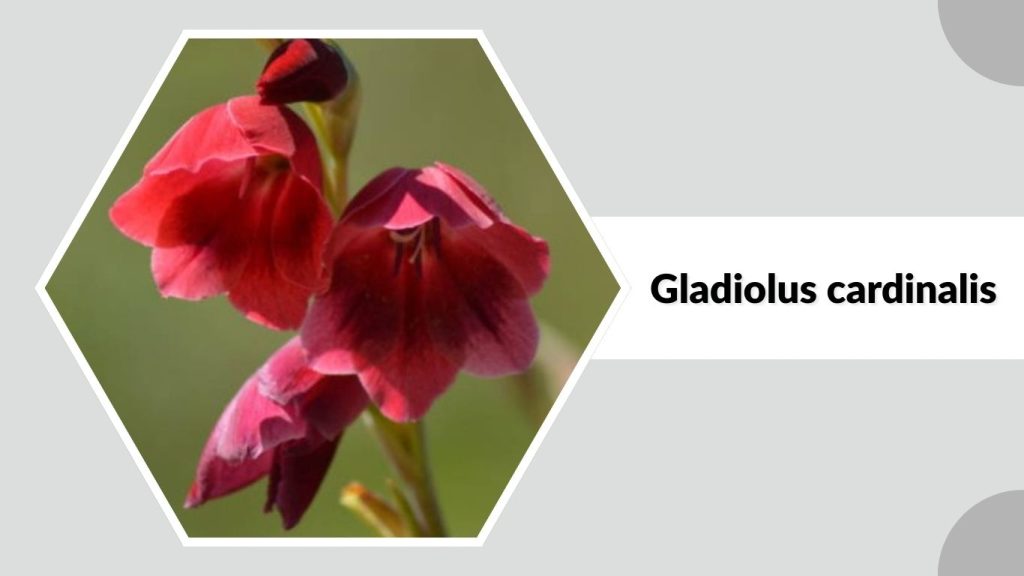
Gladiolus cardinalis is a striking South African species best known for its vivid red flowers and bold presence. It naturally grows near streams and moist habitats, and its bright, showy blooms make it one of the most dramatic species gladiolus available to gardeners.
Identification
- Bright scarlet to deep red, trumpet-shaped flowers
- Pale or white markings inside the throat
- Strong, upright flower spikes
- Long, narrow, sword-like green leaves
- Typically grows 3 to 5 feet tall
Flower Characteristics
The flowers of Gladiolus cardinalis are large, vivid, and highly attractive. Each bloom opens wide, showing off its intense red coloration and contrasting inner markings. Multiple flowers appear along the stem, creating a powerful vertical display.
Growing Habit
This species grows from corms and prefers full sun with consistently moist, well-drained soil. It thrives near water features or in gardens where regular watering is possible. In cooler regions, corms are often lifted and stored during winter.
Common Uses
Gladiolus cardinalis is commonly used as a feature plant in garden beds, near ponds or streams, and in native or collector gardens. It is also valued as a dramatic cut flower for bold floral arrangements.
11. Gladiolus papilio
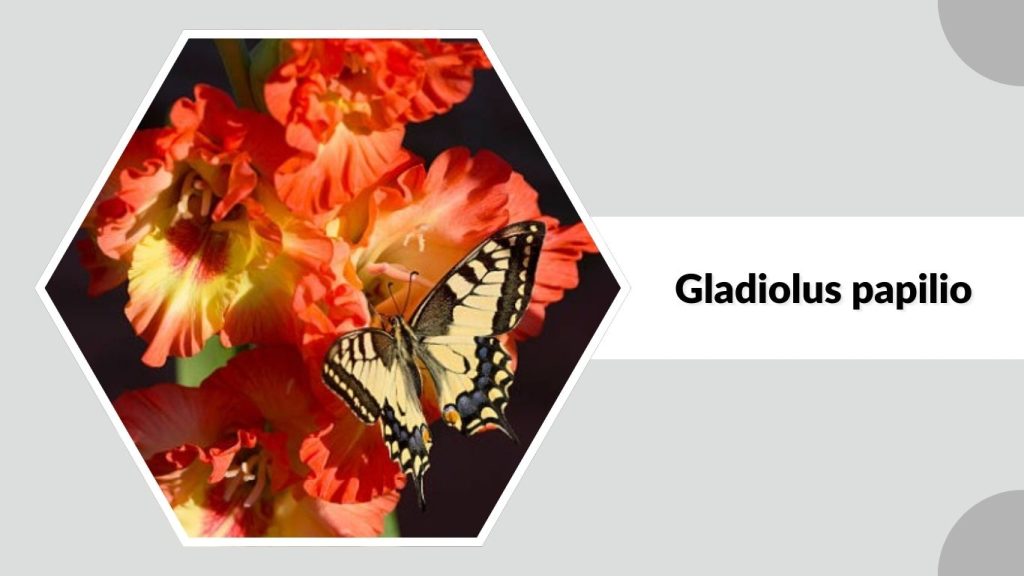
Gladiolus papilio, often called the butterfly gladiolus, is admired for its unusual color patterns and soft, velvety petals. Unlike bright hybrid gladiolus, this species offers smoky, muted tones that create a more natural and artistic look in gardens.
Identification
- Medium-sized flowers with butterfly-like markings
- Colors include smoky purple, brown, green, and maroon blends
- Velvety-textured petals
- Slender, slightly arching flower spikes
- Narrow, sword-shaped leaves
- Typically grows 2 to 3 feet tall
Flower Characteristics
The blooms of Gladiolus papilio are known for their dramatic shading and intricate patterns. Each flower often shows contrasting veins or blotches, giving it a hand-painted appearance. The soft texture of the petals adds to its refined appeal.
Growing Habit
This gladiolus grows from corms and prefers full sun to light shade with well-drained soil. It is fairly hardy and adapts well to garden conditions, blooming in summer with reliable flowering.
Common Uses
Gladiolus papilio is widely used in collector gardens, natural-style borders, and mixed flower beds. It is also valued in floral arrangements where unusual colors and patterns are desired.
12. Gladiolus watsonius
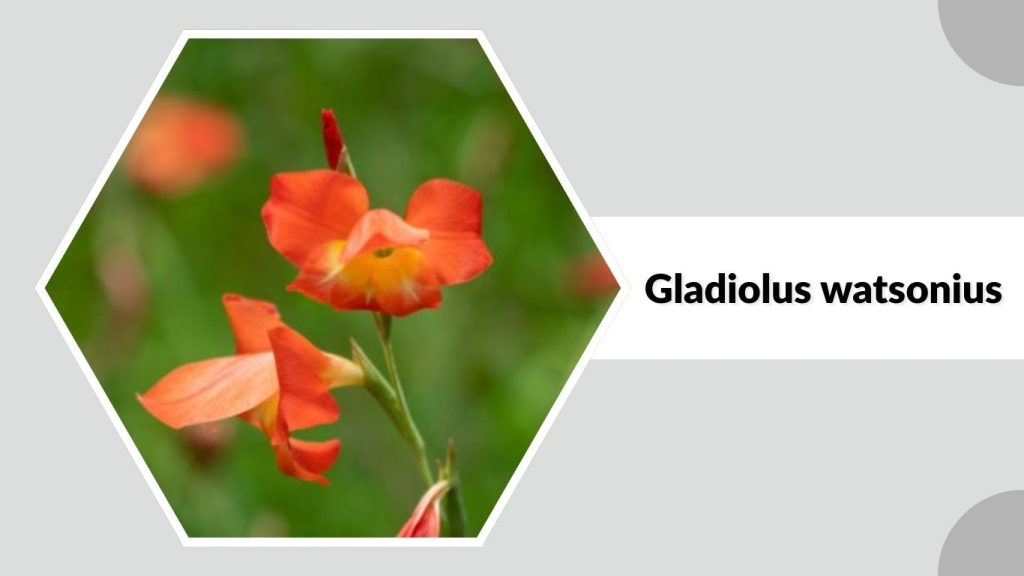
Gladiolus watsonius is a charming species of gladiolus native to South Africa, known for its soft pastel coloring and graceful form. It produces elegant flower spikes with gently flared blooms that bring a light, natural beauty to gardens and mixed borders.
Identification
- Funnel-shaped flowers in pink, lavender, or soft purple shades
- Pale or lightly marked throats
- Slender, upright to slightly arching stems
- Narrow, sword-like green leaves
- Typically grows 1.5 to 3 feet tall
Flower Characteristics
The flowers of Gladiolus watsonius are delicate and subtly colored, often showing gentle gradients from the throat to the petal edges. The blooms open in succession along the stem, creating a refined and airy display rather than a dense spike.
Growing Habit
This species grows from corms and prefers full sun with well-drained soil. It thrives in warm conditions and blooms reliably in late spring to summer. Light staking may be helpful in exposed locations.
Common Uses
Gladiolus watsonius is used in cottage gardens, natural-style borders, and species plant collections. It is also suitable for cut flowers when a softer, less formal look is preferred.
13. Gladiolus byzantinus
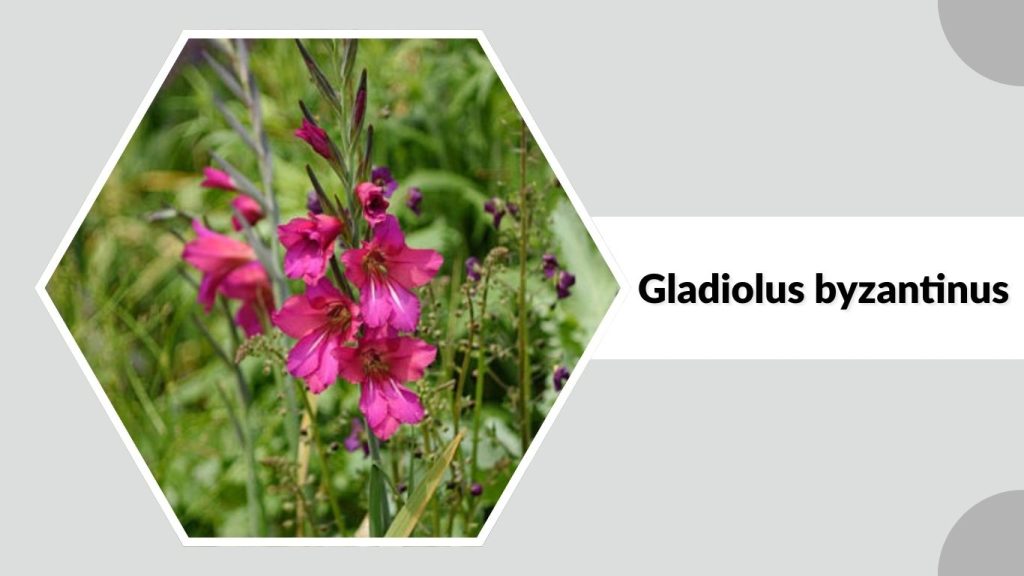
Gladiolus byzantinus, often called the Byzantine gladiolus, is a hardy and eye-catching species valued for its rich magenta flowers and naturalizing ability. It is well known for returning year after year and producing graceful flower spikes without the need for heavy care.
Identification
- Deep magenta to purplish-pink funnel-shaped flowers
- Light markings or pale centers on the petals
- Flowers arranged loosely along the stem
- Slender, upright flower spikes
- Long, sword-shaped green leaves
- Typically grows 2 to 3 feet tall
Flower Characteristics
The blooms of Gladiolus byzantinus are vibrant yet elegant, forming an open, airy spike rather than a tightly packed one. The strong color and soft petal texture give it a striking presence while still maintaining a natural, wildflower look.
Growing Habit
This species grows from corms and prefers full sun and well-drained soil. It is more cold-tolerant than many gladiolus and can naturalize in suitable climates, spreading gradually over time.
Common Uses
Gladiolus byzantinus is commonly planted in wildflower gardens, naturalized meadows, and cottage-style borders. It is also grown for cut flowers, especially where a hardy, low-maintenance gladiolus is desired.
14. Gladiolus oppositiflorus
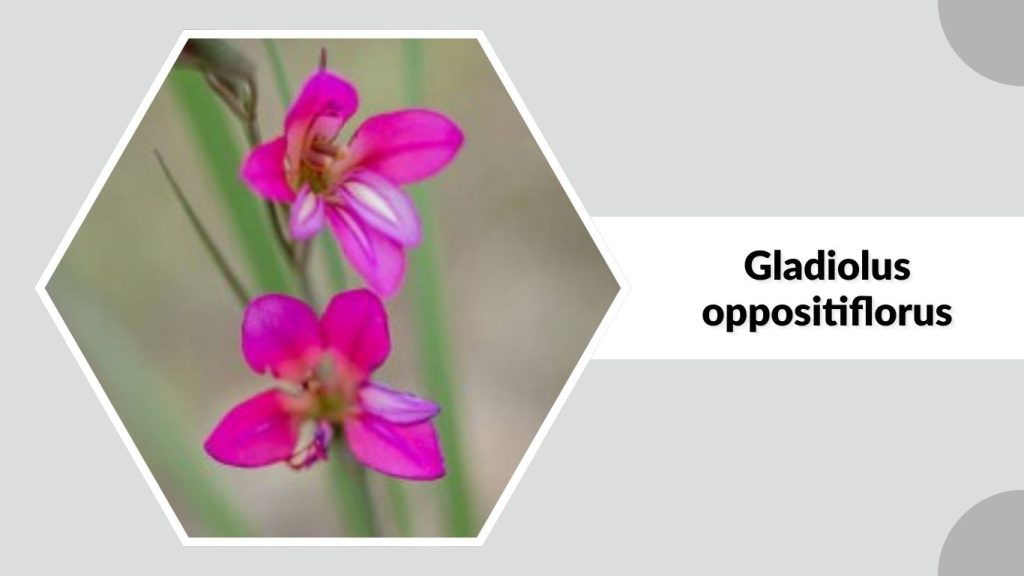
Gladiolus oppositiflorus is a tall and striking gladiolus species known for its long flower spikes and well-spaced blooms. It is admired for its elegant structure and subtle beauty, making it a favorite among gardeners who appreciate species gladiolus with a natural form.
Identification
- Medium to large funnel-shaped flowers
- Colors range from soft pink to mauve and pale purple
- Flowers arranged alternately along a long spike
- Very tall, slender flower stems
- Narrow, sword-like green leaves
- Typically grows 3 to 5 feet tall
Flower Characteristics
The blooms of Gladiolus oppositiflorus are evenly spaced along the stem, giving the plant a refined, architectural look. The flowers often show delicate veining and soft color gradients that add detail without overpowering the garden.
Growing Habit
This species grows from corms and prefers full sun with well-drained soil. It thrives in warm climates and benefits from regular watering during active growth. Because of its height, light staking may be helpful in windy areas.
Common Uses
Gladiolus oppositiflorus is used in mixed borders, species collections, and tall garden plantings where vertical interest is needed. It is also suitable for cut flowers, especially for long-stem arrangements.
15. Gladiolus carneus
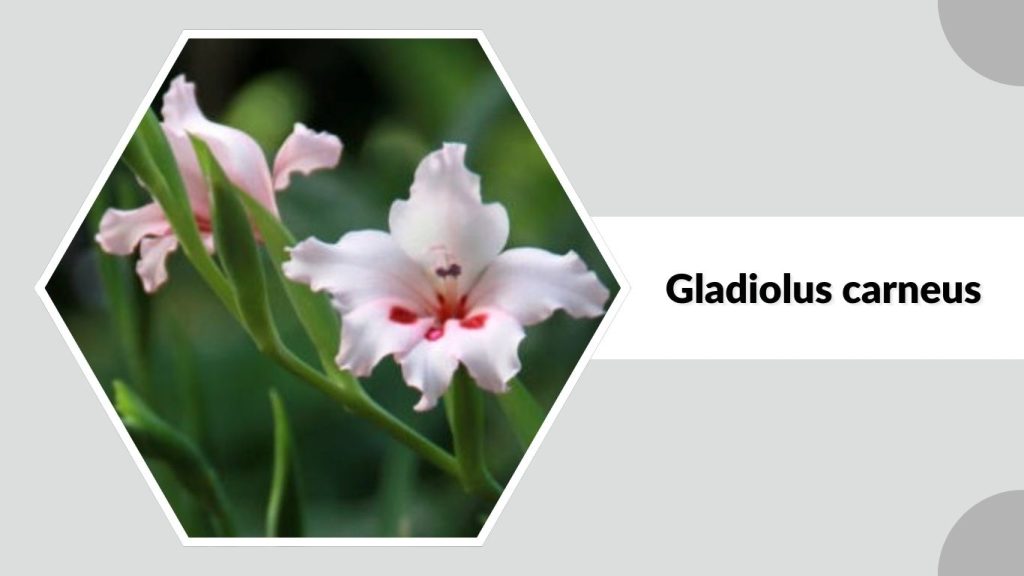
Gladiolus carneus is a delicate and attractive gladiolus species recognized for its soft pink blooms and gentle color transitions. It offers a more subtle beauty than many bold gladiolus types, making it well suited to natural-style and cottage gardens.
Identification
- Soft pink to blush-colored funnel-shaped flowers
- Paler throats, sometimes with faint markings
- Slender, upright to lightly arching stems
- Narrow, sword-shaped green leaves
- Typically grows 2 to 3 feet tall
Flower Characteristics
The flowers of Gladiolus carneus are graceful and lightly textured, often showing gentle shading from the center outward. They open gradually along the spike, creating a soft vertical display that blends well with other garden plants.
Growing Habit
This gladiolus grows from corms and prefers full sun and well-drained soil. It blooms in late spring to early summer in warm climates. Regular watering during growth supports healthy stems and consistent flowering.
Common Uses
Gladiolus carneus is commonly planted in cottage gardens, mixed borders, and species collections. It is also appreciated as a cut flower when soft pastel tones are desired in floral arrangements.
16. Gladiolus cruentus
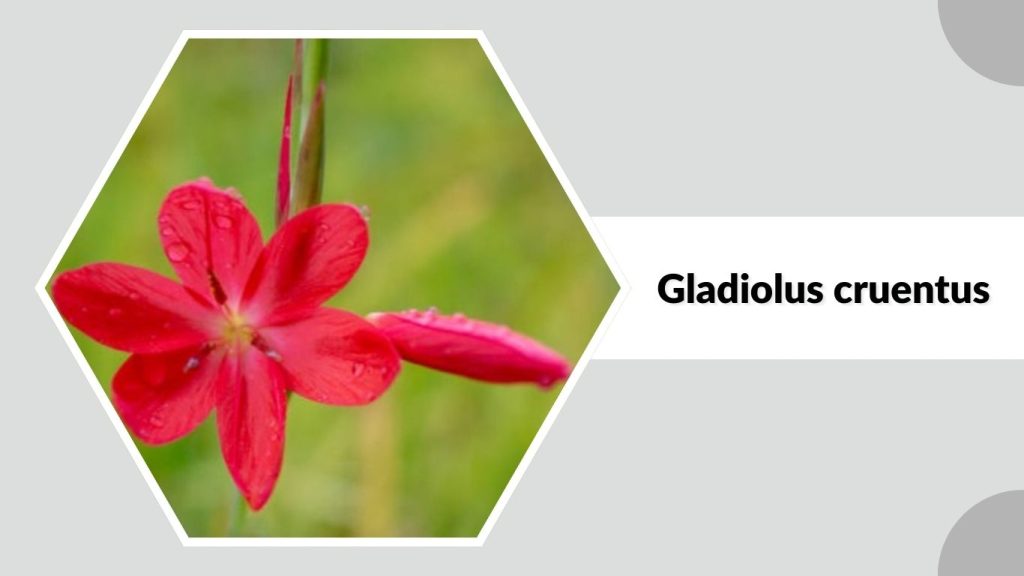
Gladiolus cruentus is a vivid and eye-catching gladiolus species known for its rich red to deep crimson flowers. Its dramatic coloring and strong stems make it a striking addition to gardens, especially where bold floral accents are desired.
Identification
- Deep red to crimson funnel-shaped flowers
- Darker markings on the lower petals
- Upright, sturdy flower spikes
- Narrow, sword-like green leaves
- Typically grows 2 to 4 feet tall
Flower Characteristics
The blooms of Gladiolus cruentus are intense in color and slightly velvety in texture. Multiple flowers open along the stem, creating a strong vertical display. The dark markings on the lower petals add depth and visual interest.
Growing Habit
This species grows from corms and prefers full sun and well-drained soil. It thrives in warm conditions and blooms in summer. Regular watering during active growth encourages taller stems and fuller flower spikes.
Common Uses
Gladiolus cruentus is used in ornamental borders, focal garden plantings, and species collections. It is also suitable for cut flowers, especially in arrangements that call for deep, dramatic color.
17. Gladiolus ochroleucus
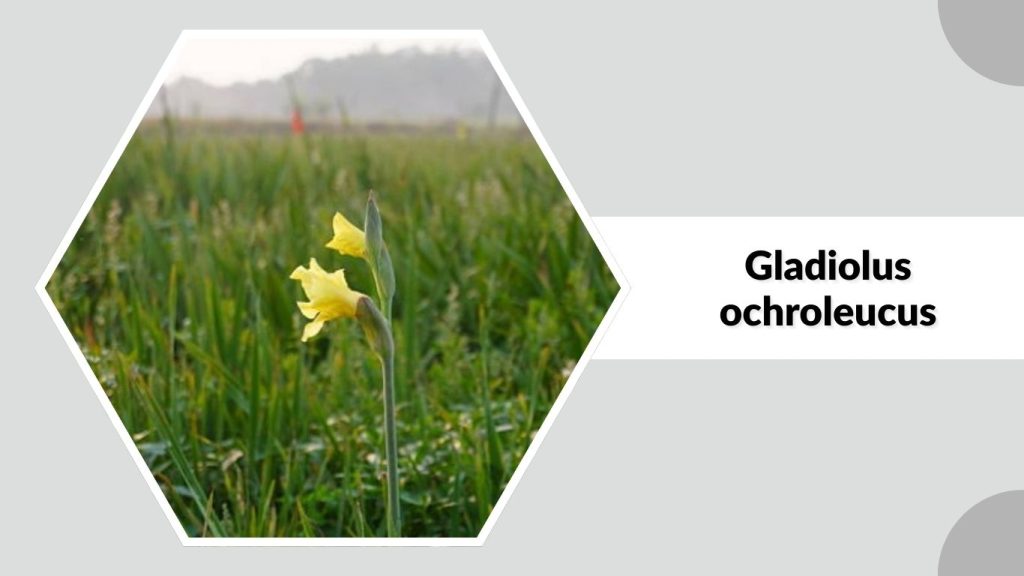
Gladiolus ochroleucus is a refined gladiolus species valued for its pale, creamy-yellow flowers and soft, elegant appearance. Its gentle coloring and graceful spikes make it an excellent choice for gardeners who prefer subtle, calming tones rather than bold displays.
Identification
- Pale yellow to creamy-white funnel-shaped flowers
- Soft, sometimes greenish markings in the throat
- Slender, upright to lightly arching flower stems
- Narrow, sword-like green leaves
- Typically grows 2 to 3 feet tall
Flower Characteristics
The flowers of Gladiolus ochroleucus are delicate and lightly textured, often glowing softly in sunlight. The pale petals may show faint markings that add detail without strong contrast, creating a smooth, refined floral look.
Growing Habit
This species grows from corms and prefers full sun and well-drained soil. It blooms in summer and performs best in warm climates. Consistent watering during the growing season supports healthy growth and flowering.
Common Uses
Gladiolus ochroleucus is commonly used in soft-toned borders, cottage gardens, and species collections. It is also grown as a cut flower for elegant arrangements featuring light or neutral color palettes.
18. Gladiolus saundersii
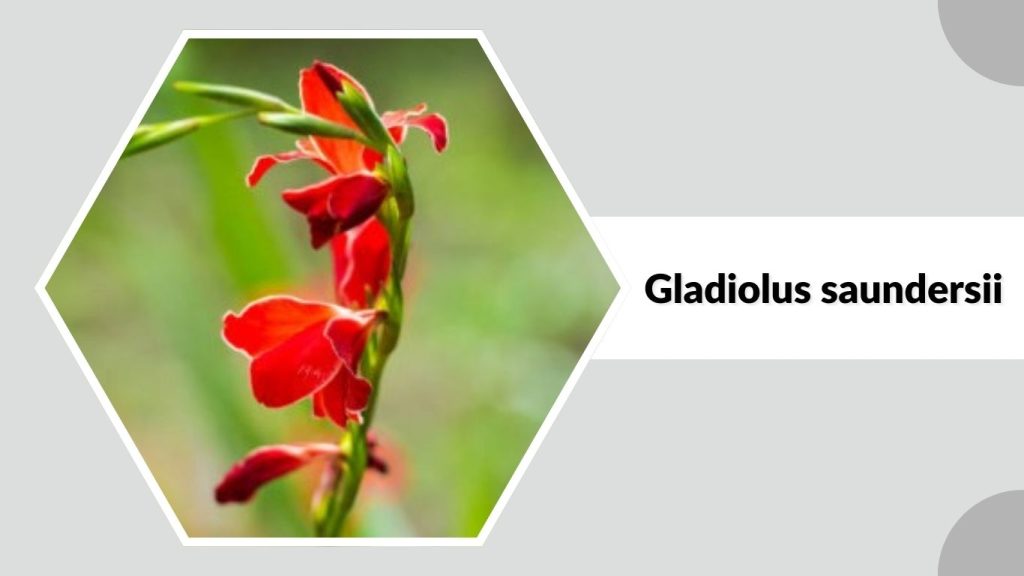
Gladiolus saundersii is a striking South African species gladiolus, admired for its tall stems and fiery, multi-colored blooms. Its bright red and orange flowers with contrasting markings make it a dramatic focal plant in gardens.
Identification
- Bright red to orange funnel-shaped flowers
- Yellow or pale markings on the lower petals
- Tall, upright, and sturdy flower spikes
- Long, sword-shaped green leaves
- Typically grows 3 to 5 feet tall
Flower Characteristics
The blooms of Gladiolus saundersii are bold and vivid, often displaying flame-like color patterns. Each flower opens wide along the stem, creating a strong vertical accent and attracting visual attention from a distance.
Growing Habit
This gladiolus grows from corms and thrives in full sun and well-drained soil. It prefers warm conditions and blooms in summer. Because of its height, it may benefit from light staking in windy areas.
Common Uses
Gladiolus saundersii is used as a feature plant in borders, native or collector gardens, and tall mixed plantings. It is also popular as a cut flower for bold and colorful floral arrangements.
19. Gladiolus angustus
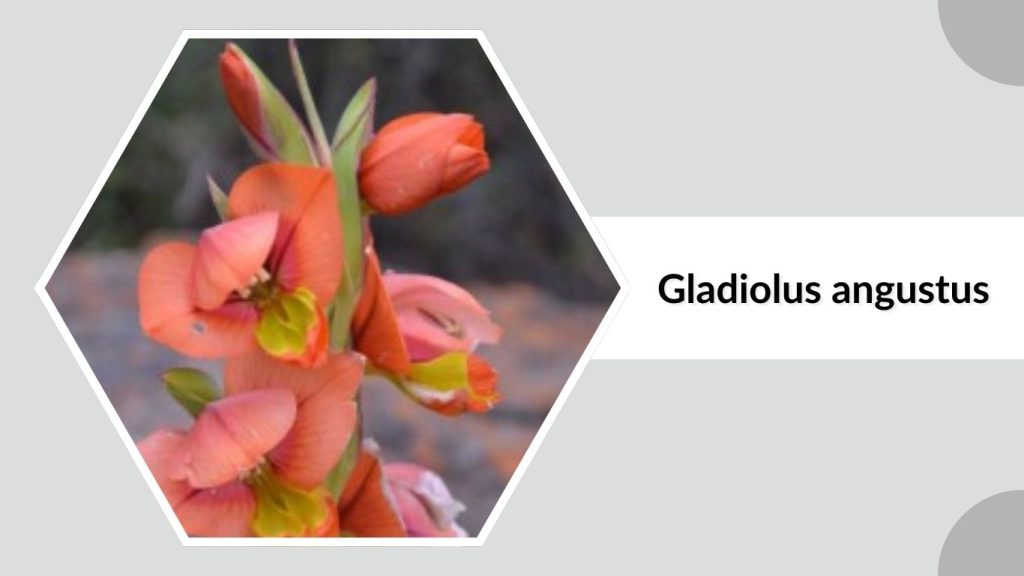
Gladiolus angustus is a slender and elegant gladiolus species known for its narrow leaves and soft-colored flowers. Its light structure and graceful form make it well suited to natural-style gardens and mixed borders where a delicate vertical accent is desired.
Identification
- Small to medium-sized funnel-shaped flowers
- Colors range from soft pink to pale purple
- Slim, upright to slightly arching flower spikes
- Very narrow, sword-like green leaves
- Typically grows 1.5 to 3 feet tall
Flower Characteristics
The blooms of Gladiolus angustus are refined and lightly textured, often showing gentle shading and subtle veining. They open in succession along the stem, giving the plant a soft, airy appearance rather than a dense floral spike.
Growing Habit
This species grows from corms and prefers full sun with well-drained soil. It performs well in warm climates and blooms in late spring to summer. Its narrow foliage and thin stems allow it to blend easily with surrounding plants.
Common Uses
Gladiolus angustus is commonly planted in naturalized gardens, cottage borders, and species collections. It is also suitable for cut flowers when slender, graceful stems are desired.
20. Gladiolus inflatus
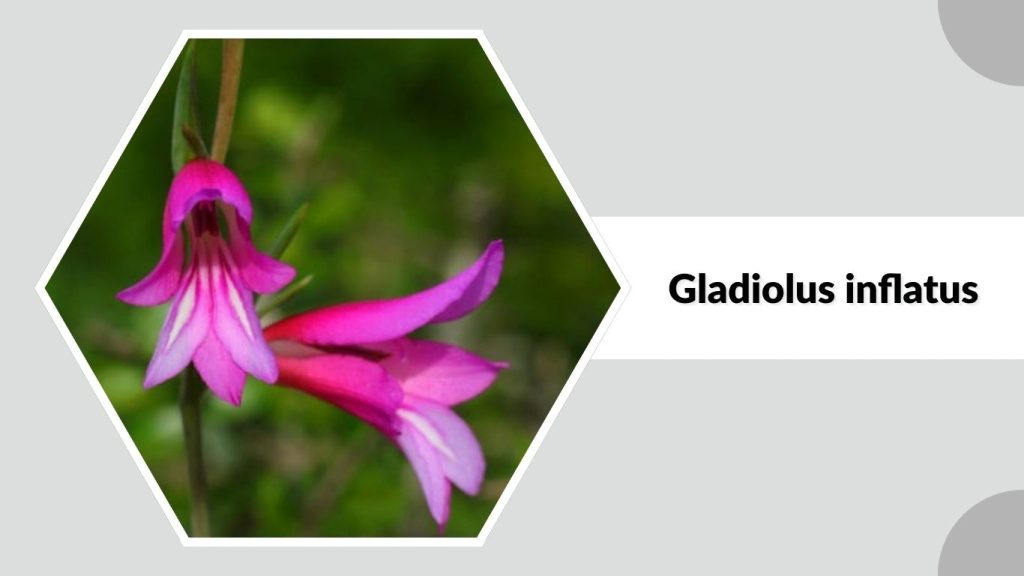
Gladiolus inflatus is an attractive gladiolus species valued for its softly colored flowers and elegant, upright growth. It offers a more natural and less formal appearance than large hybrid gladiolus, making it a good choice for mixed and cottage-style gardens.
Identification
- Funnel-shaped flowers in soft pink, mauve, or light purple tones
- Slightly inflated or rounded flower form
- Slender, upright flower spikes
- Narrow, sword-like green leaves
- Typically grows 2 to 3 feet tall
Flower Characteristics
The flowers of Gladiolus inflatus are gentle in appearance, often showing smooth petal edges and subtle color gradients. The blooms open progressively along the stem, forming a neat but airy spike that blends well with other flowering plants.
Growing Habit
This gladiolus grows from corms and prefers full sun and well-drained soil. It blooms in summer and performs best in warm, sheltered locations. Regular watering during growth helps support healthy flowering.
Common Uses
Gladiolus inflatus is commonly used in mixed borders, species collections, and natural-style garden designs. It is also grown as a cut flower for soft, romantic floral arrangements.
21. Gladiolus alatus
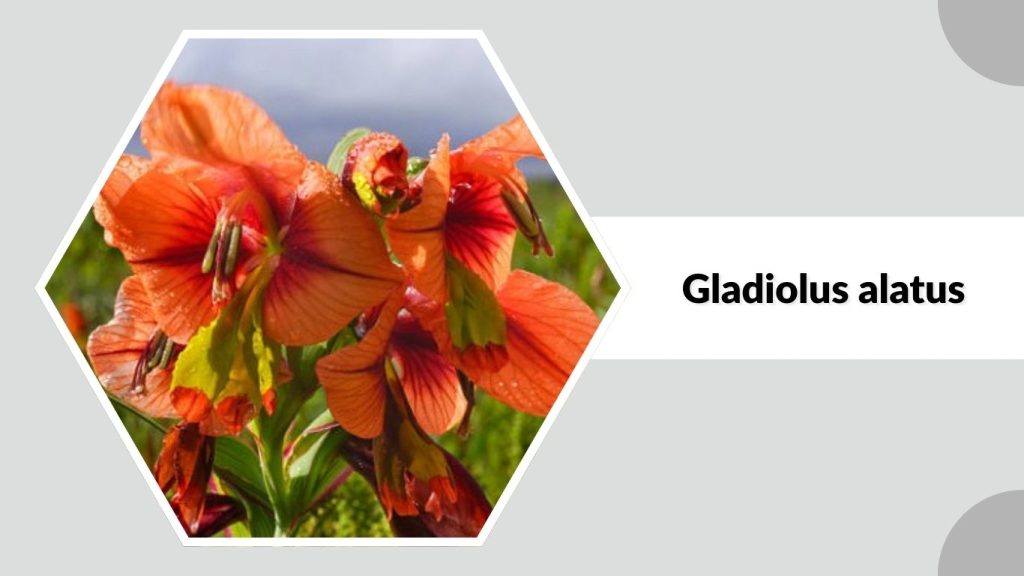
Gladiolus alatus is a distinctive gladiolus species known for its unusual flower shape and subtle coloration. Its name refers to the “winged” appearance of the blooms, which gives this plant a unique and refined look in garden settings.
Identification
- Funnel-shaped flowers with slightly winged or flared petals
- Soft colors such as cream, pale yellow, pink, or light purple
- Slender, upright to gently arching flower spikes
- Narrow, sword-like green leaves
- Typically grows 1.5 to 3 feet tall
Flower Characteristics
The flowers of Gladiolus alatus are elegant and lightly textured, often showing delicate markings near the throat. The winged petal form creates a graceful outline, making each bloom visually interesting even from a distance.
Growing Habit
This species grows from corms and prefers full sun with well-drained soil. It blooms in late spring to summer and performs well in warm, sheltered locations. Moderate watering supports steady growth and flowering.
Common Uses
Gladiolus alatus is commonly planted in species gardens, mixed borders, and collector plantings. It is also suitable for cut flowers when a more unusual and refined gladiolus form is desired.
22. Gladiolus undulatus
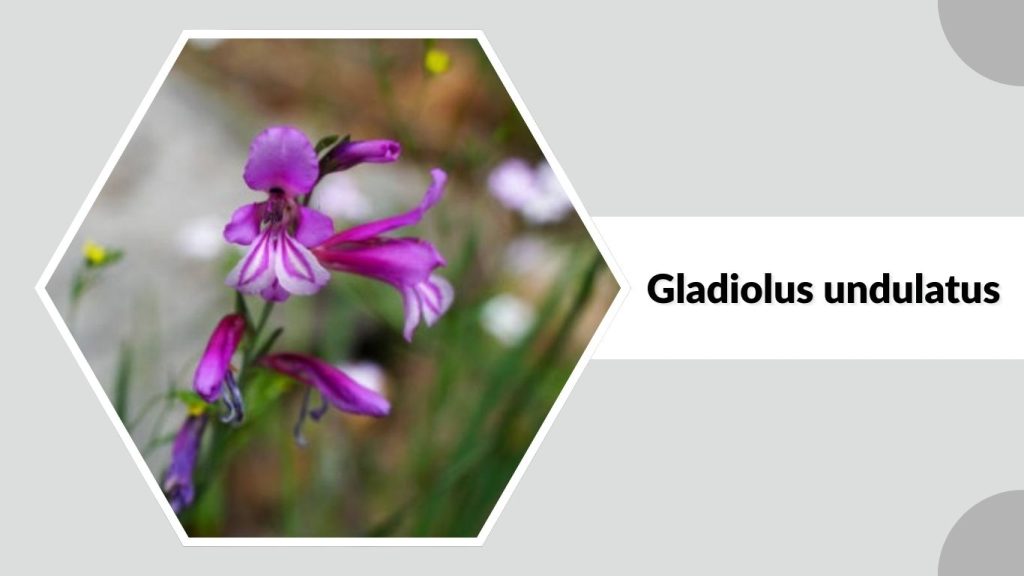
Gladiolus undulatus is a graceful gladiolus species recognized for its gently wavy petals and soft, elegant appearance. Its refined flower form and subtle coloring make it a favorite among gardeners who prefer delicate species gladiolus over bold hybrids.
Identification
- Funnel-shaped flowers with slightly wavy or ruffled petal edges
- Colors range from pale pink to lavender and light purple
- Slender, upright to lightly arching flower spikes
- Narrow, sword-like green leaves
- Typically grows 2 to 3 feet tall
Flower Characteristics
The blooms of Gladiolus undulatus are noted for their softly undulating petal margins, which add texture and movement to the flowers. The gentle colors and fine details create an airy, ornamental effect along the stem.
Growing Habit
This gladiolus grows from corms and prefers full sun and well-drained soil. It blooms in summer and benefits from regular watering during active growth. Light staking may be helpful in windy areas.
Common Uses
Gladiolus undulatus is commonly used in cottage gardens, mixed borders, and species collections. It is also grown as a cut flower when softly textured blooms are desired in floral designs.
23. Gladiolus sericeovillosus
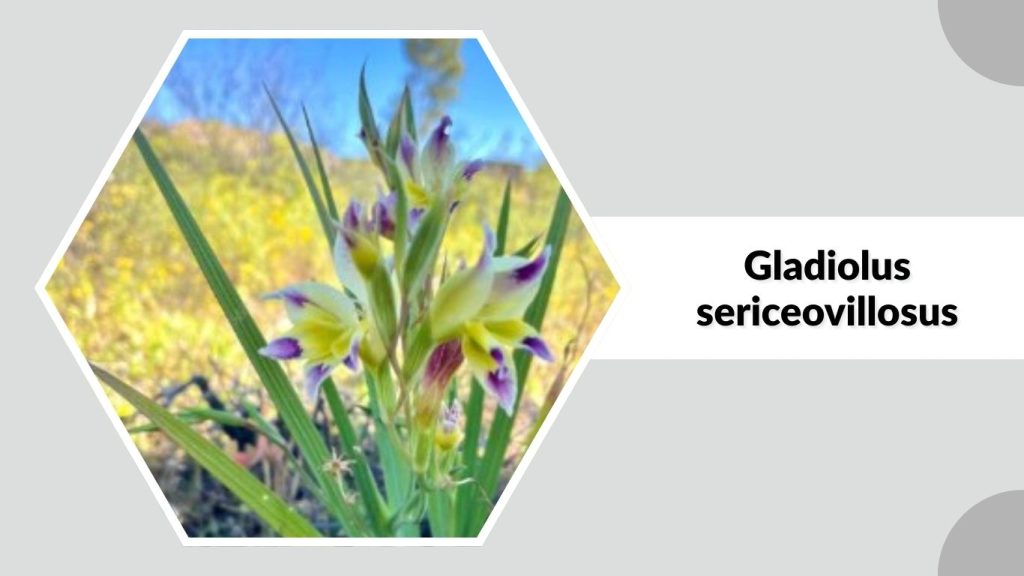
Gladiolus sericeovillosus is a rare and distinctive gladiolus species, valued for its soft-textured flowers and elegant, slender form. Its subtle coloring and refined presence make it especially appealing to collectors and gardeners who enjoy unusual species plants.
Identification
- Medium-sized funnel-shaped flowers with a soft, silky appearance
- Colors often include pale pink, lavender, or muted purple tones
- Slender, upright to gently arching flower spikes
- Narrow, sword-like green leaves
- Typically grows 2 to 3 feet tall
Flower Characteristics
The blooms of Gladiolus sericeovillosus appear slightly silky or velvety, giving them a delicate visual texture. Subtle shading and fine markings often decorate the petals, adding detail without strong contrast.
Growing Habit
This species grows from corms and prefers full sun with well-drained soil. It thrives in warm climates and blooms in summer. Because it is less commonly cultivated, it benefits from careful placement in sheltered garden areas.
Common Uses
Gladiolus sericeovillosus is mainly used in species collections, botanical gardens, and specialty plantings. It is also suitable for cut flowers when unique, refined blooms are desired.
24. Gladiolus gracilis
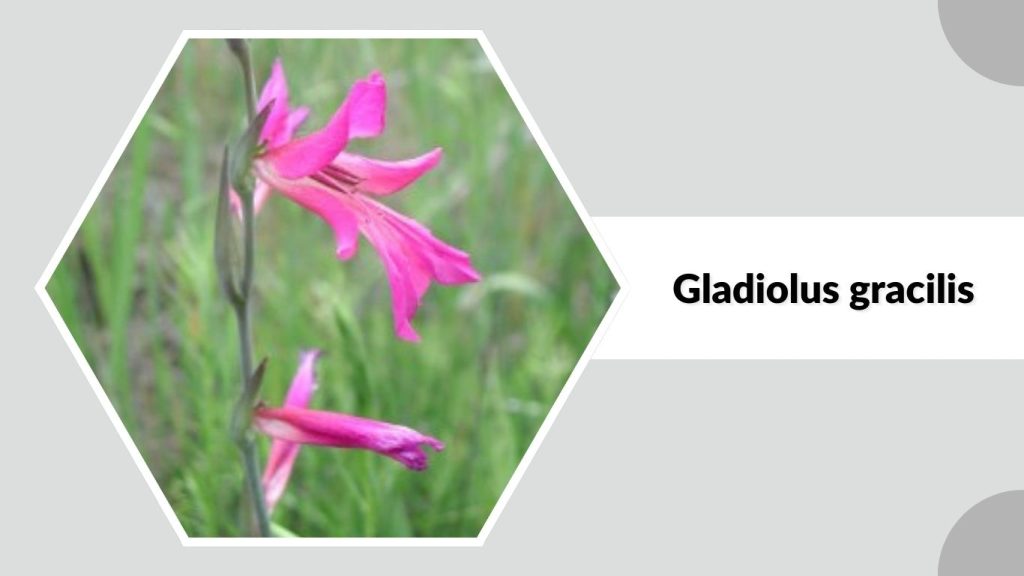
Gladiolus gracilis is a slender and elegant gladiolus species known for its fine stems and delicate flowers. True to its name, it presents a light, graceful appearance that fits beautifully into natural-style and cottage gardens.
Identification
- Small to medium-sized funnel-shaped flowers
- Colors range from soft pink to pale lilac
- Very slender, upright to gently arching flower spikes
- Narrow, sword-like green leaves
- Typically grows 1.5 to 3 feet tall
Flower Characteristics
The flowers of Gladiolus gracilis are refined and lightly textured, often showing gentle veining and subtle color shifts. The blooms are spaced neatly along the stem, giving the plant an airy, balanced look.
Growing Habit
This species grows from corms and prefers full sun and well-drained soil. It blooms in late spring to summer and performs well in warm, open locations. Regular watering supports healthy growth and flowering.
Common Uses
Gladiolus gracilis is commonly planted in naturalized gardens, cottage borders, and species collections. It is also suitable for cut flowers when thin, graceful stems are preferred.
25. Gladiolus recurvus
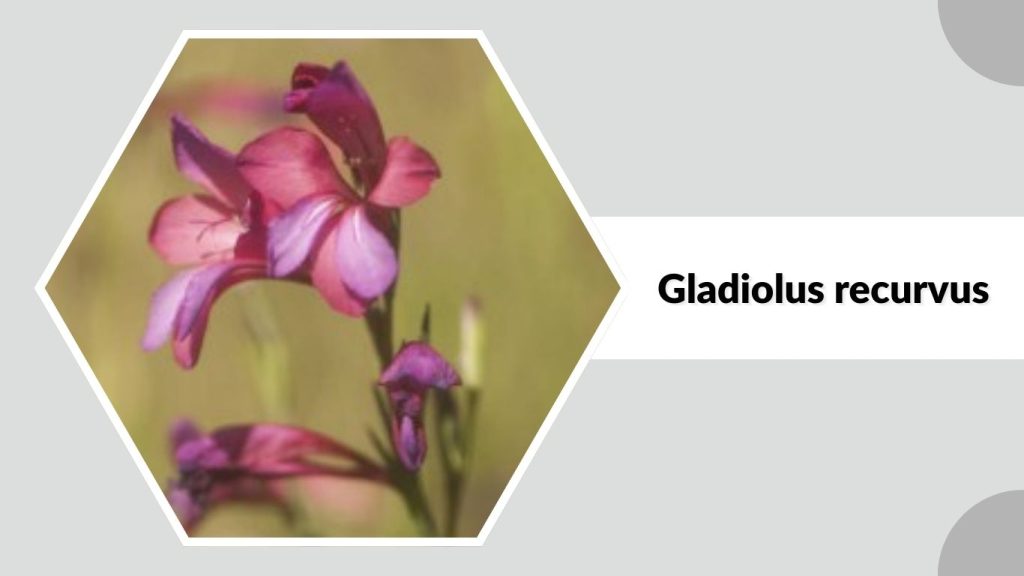
Gladiolus recurvus is a distinctive gladiolus species recognized for its gracefully curved flower stems and softly colored blooms. Its unique form and gentle appearance make it a beautiful choice for gardeners who appreciate elegant, less formal gladiolus types.
Identification
- Medium-sized funnel-shaped flowers
- Soft pink, pale purple, or light lavender coloring
- Characteristically curved or arching flower spikes
- Narrow, sword-like green leaves
- Typically grows 2 to 3 feet tall
Flower Characteristics
The blooms of Gladiolus recurvus are delicate and often lightly veined, giving them a refined look. The naturally arching stems add movement and softness to the garden display, setting this species apart from rigid, upright gladiolus.
Growing Habit
This gladiolus grows from corms and prefers full sun with well-drained soil. It blooms in summer and benefits from consistent watering during active growth. Sheltered placement helps protect its curved stems from strong winds.
Common Uses
Gladiolus recurvus is commonly planted in species gardens, cottage-style borders, and mixed flower beds. It is also suitable for cut flowers when an elegant, gently arching stem is desired.
FAQs
What is the best time to plant gladiolus bulbs?
Gladiolus corms are best planted in spring after the danger of frost has passed and the soil has started to warm. Warm soil encourages faster sprouting and healthier root development. In very warm climates, planting can be staggered every two weeks to extend the blooming season.
How long does it take for gladiolus to bloom after planting?
Most gladiolus varieties bloom about 70 to 100 days after planting, depending on the type and growing conditions. Dwarf and species gladiolus often bloom a little earlier than large hybrid types. Plenty of sunlight and consistent watering help ensure timely flowering.
Do gladiolus come back every year?
In warm climates, many gladiolus can return each year if the corms are left in the ground and protected with mulch. In colder regions, corms are usually lifted in fall and stored indoors to protect them from frost, then replanted the following spring.
Can gladiolus grow in pots or containers?
Yes, gladiolus can grow well in pots as long as the container is deep enough for the roots and tall flower spikes. Dwarf and species types are especially suitable for containers. Use well-drained soil, place the pot in full sun, and water regularly.
How do you make gladiolus flowers last longer after cutting?
To extend vase life, cut gladiolus when the lowest one or two flowers have opened. Place stems immediately in clean water, remove leaves that would sit below the waterline, and change the water every two days. Keeping them in a cool spot also helps prolong freshness.