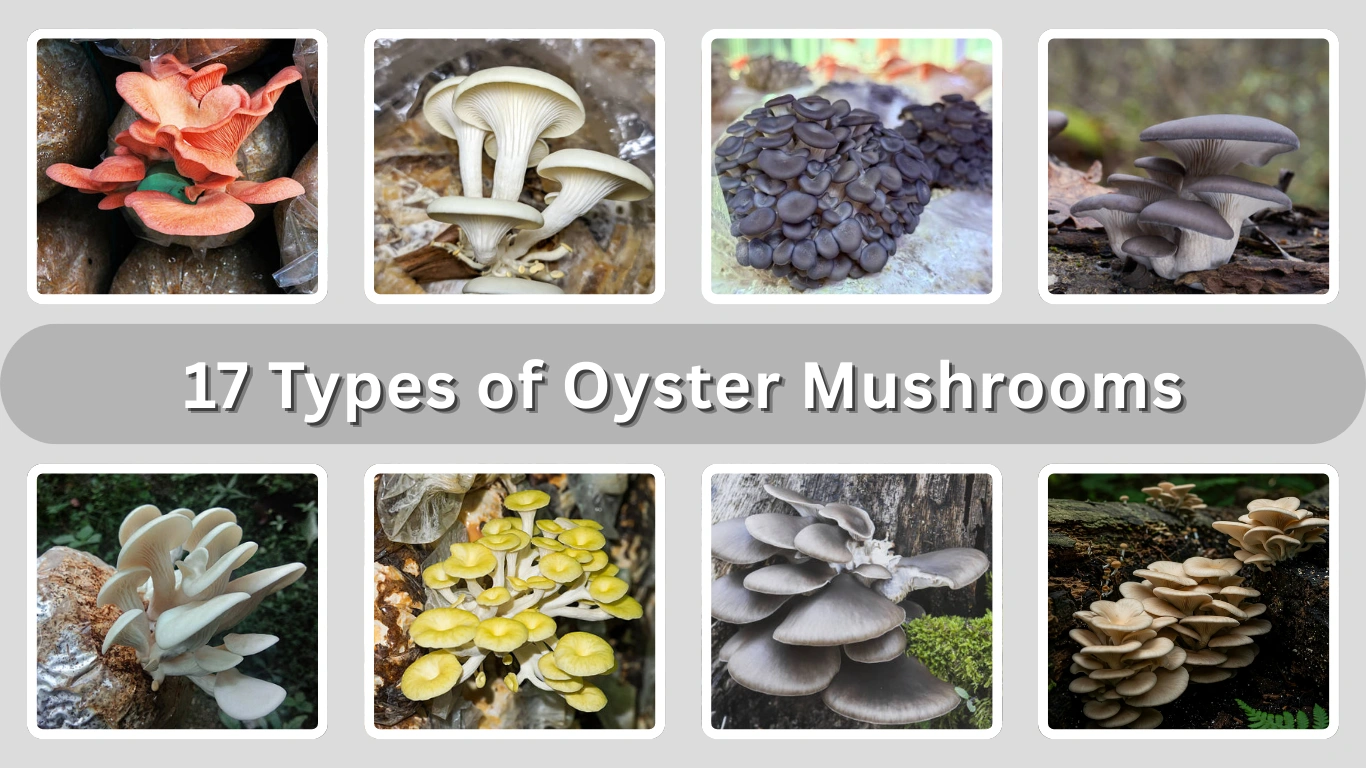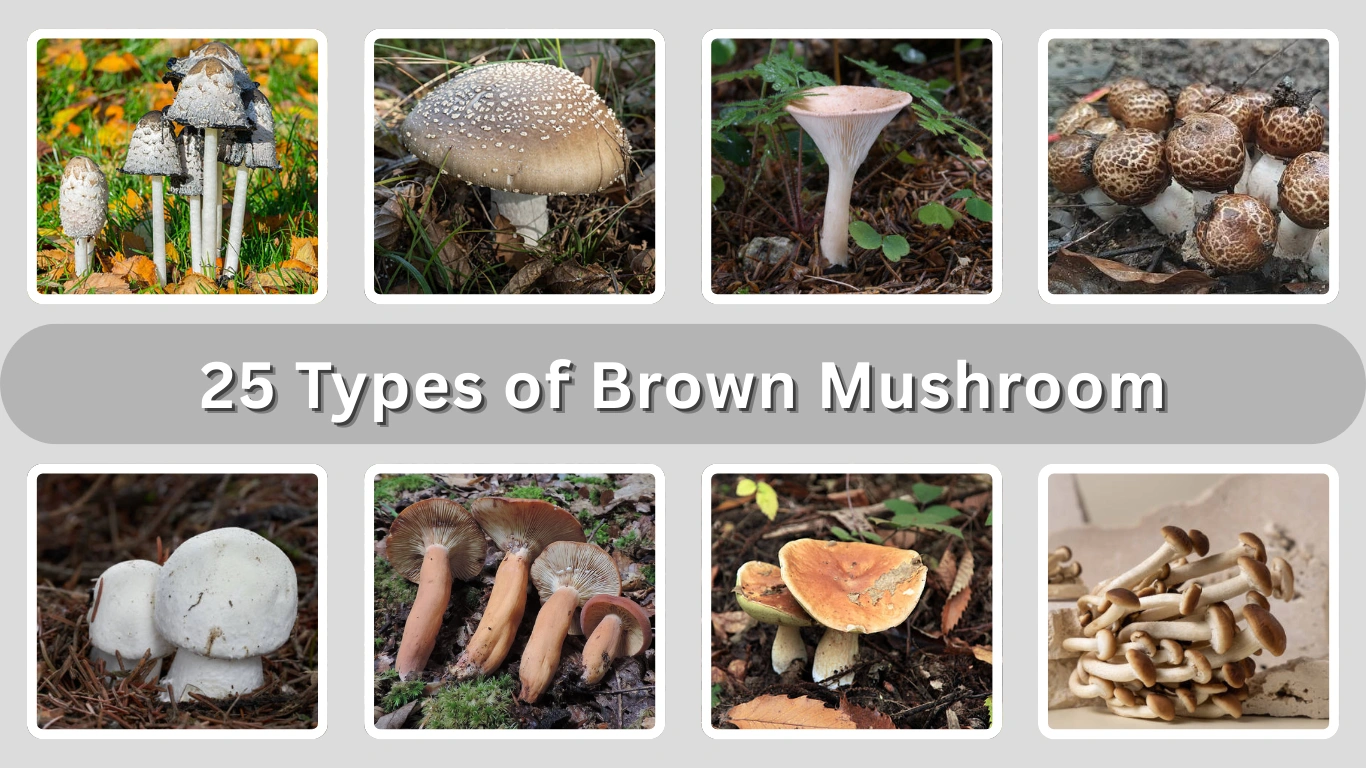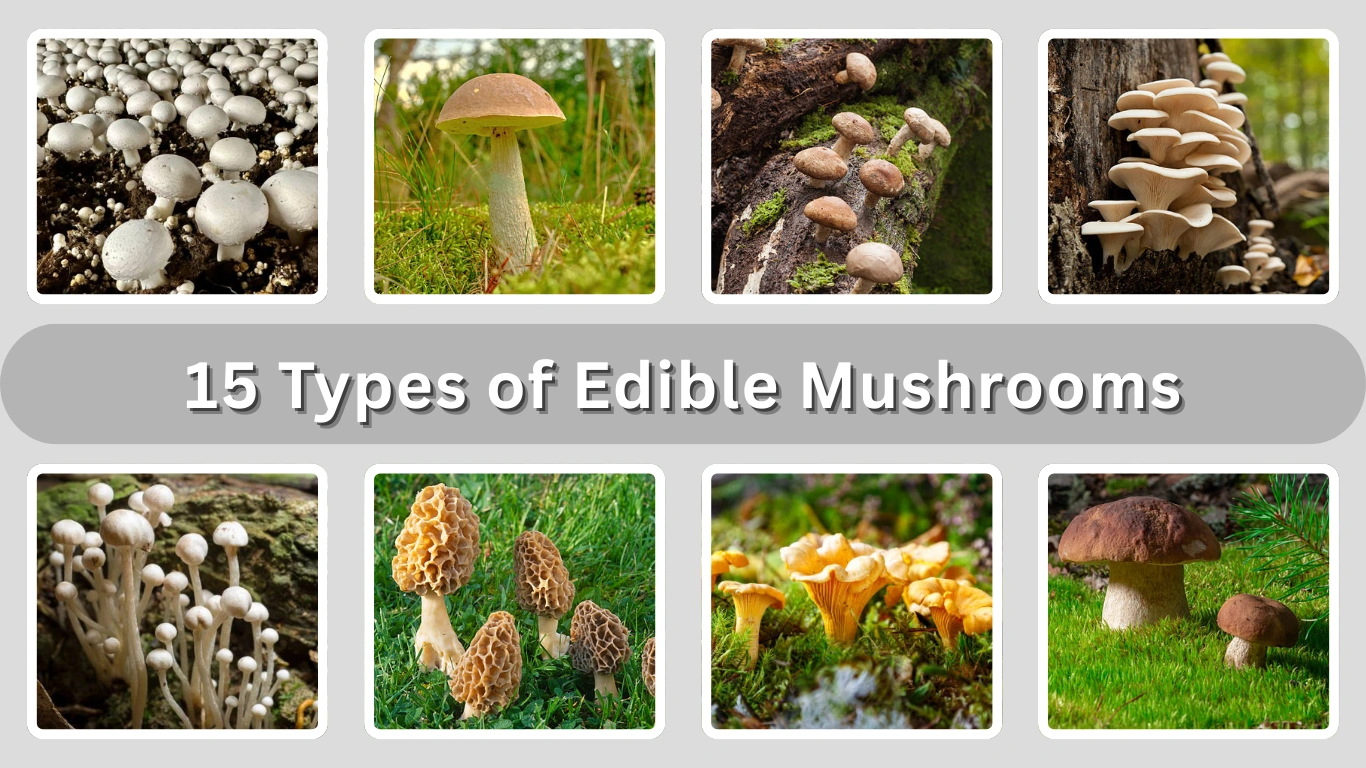






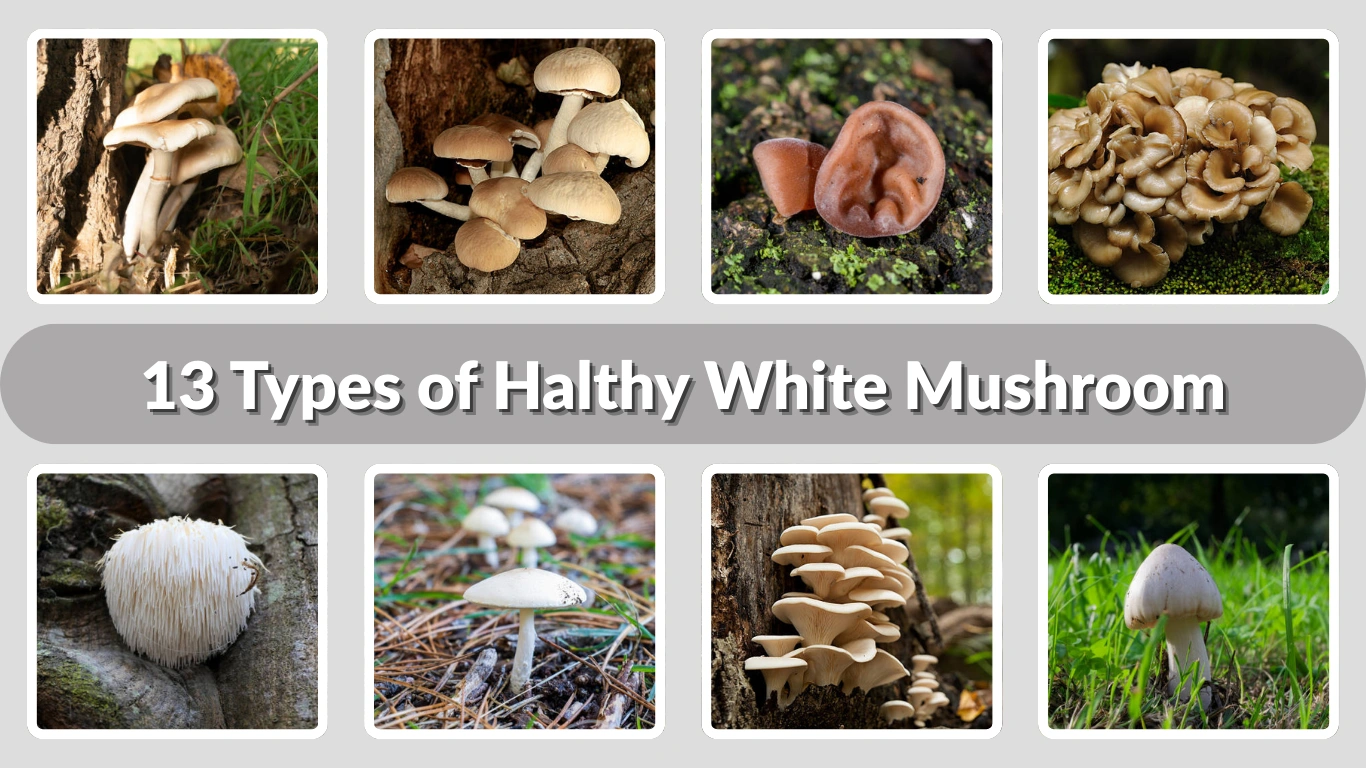
White mushrooms are a versatile and nutritious ingredient commonly used in a variety of dishes. From the mild flavor of White Button mushrooms to the rich taste of Portobellos, these mushrooms offer a range of textures and health benefits. Packed with essential nutrients like fiber, antioxidants, and vitamins, white mushrooms are perfect for enhancing the flavor of meals while supporting overall health. Discover the many types and uses of these delicious fungi.
1. White Button Mushroom
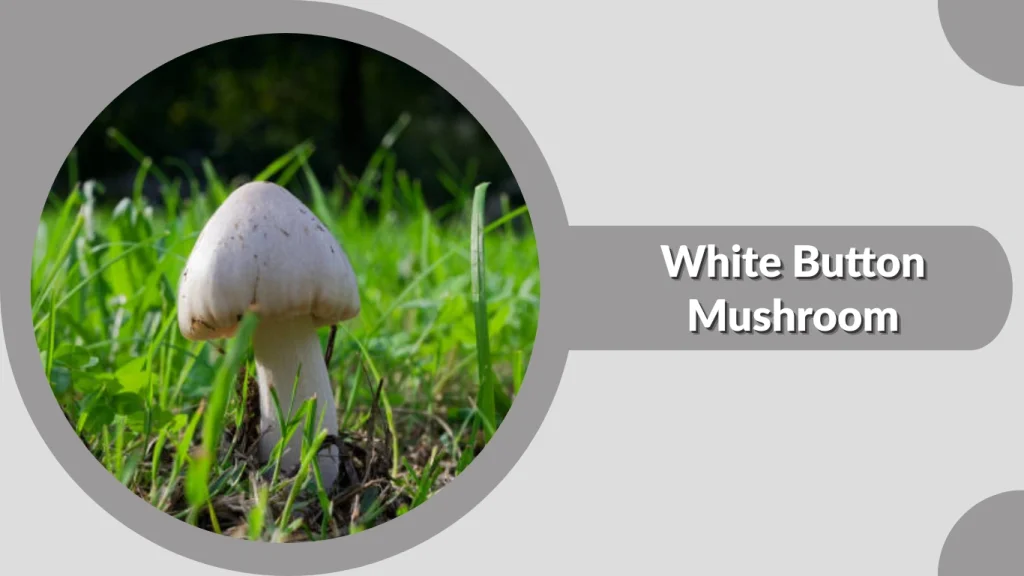
The White Button Mushroom, also known as Agaricus bisporus, is the most common type of mushroom consumed worldwide. It’s widely found in grocery stores and is favored for its mild flavor and versatility in cooking. These mushrooms are not only delicious but also offer several health benefits, making them a popular choice in both home kitchens and restaurants.
Identification
- Small to medium in size, typically 1-3 inches in diameter.
- White, smooth caps with a slight dome shape.
- Firm texture, and pale white to ivory-colored flesh.
- The gills are white and become darker as the mushroom matures.
- Stems are cylindrical and white, with a firm texture.
Health Benefits
The White Button Mushroom is low in calories but high in nutrients such as fiber, antioxidants, and vitamins. It has been linked to improved immune function and may support heart health due to its potassium and vitamin D content.
Culinary Uses
This mushroom is incredibly versatile. It can be used in a variety of dishes, from soups and salads to sauces and stir-fries. Its subtle taste makes it a perfect base for many recipes, and it can be enjoyed both cooked or raw.
2. Cremini Mushroom

The Cremini Mushroom, also known as Agaricus bisporus (same species as the White Button), is a slightly more mature version of the White Button. It has a firmer texture and a deeper, richer flavor. Often referred to as “baby bella” or “brown mushrooms,” Creminis are slightly darker in color and offer an earthier taste compared to their white counterparts. They are frequently used in both raw and cooked dishes.
Identification
- Small to medium-sized, typically 1.5-3 inches in diameter.
- The cap is a light brown to dark brown, with a smooth texture.
- Gills are tan to brown, becoming more visible as the mushroom matures.
- Stems are thick and light brown, with a firm and fibrous texture.
Health Benefits
Cremini mushrooms are a great source of antioxidants, vitamins, and minerals, including selenium and copper. They have anti-inflammatory properties, promote gut health, and may help support immune function due to their high vitamin D content.
Culinary Uses
Cremini mushrooms are perfect for dishes where a richer flavor is desired. They can be sautéed, grilled, roasted, or added to soups, risottos, and pasta dishes. Their heartier taste complements meats and can even be used as a substitute for meat in vegetarian dishes.
3. Portobello Mushroom (White Variant)
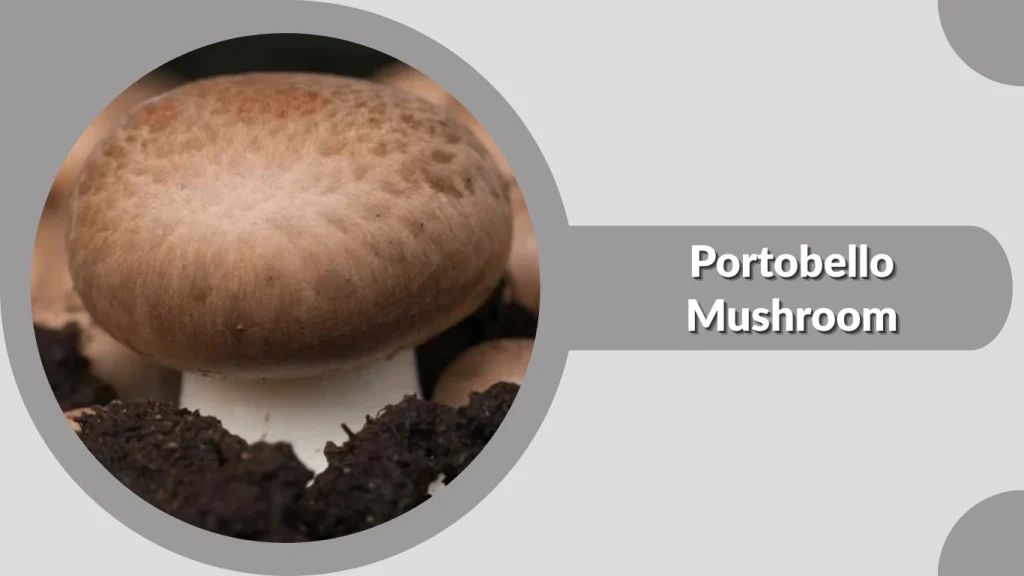
The Portobello Mushroom, particularly the white variety, is the fully mature form of the White Button Mushroom. It is large, with a dense, meaty texture and a robust, savory flavor. While Portobello mushrooms are usually brown, the white variant offers a similar structure and flavor but with a lighter appearance. These mushrooms are a popular meat substitute due to their hearty nature and ability to absorb flavors well.
Identification
- Large caps, typically 4-6 inches in diameter.
- Smooth, white cap that flattens as it matures, with a slight curve at the edge.
- The gills are dark brown, and the stem is thick and sturdy.
- The flesh is firm and white, with a dense and meaty texture.
Health Benefits
Portobello mushrooms are rich in essential nutrients, including fiber, protein, and B vitamins. They are a good source of antioxidants, such as ergothioneine, which helps protect cells from damage. Additionally, they are low in calories, making them a great addition to a healthy diet.
Culinary Uses
Portobello mushrooms are often used as a substitute for meat in burgers, sandwiches, and grilled dishes. They can be stuffed with various fillings, such as cheese, grains, or vegetables, and baked. Their large size makes them an excellent choice for grilling, sautéing, or even making a mushroom steak.
4. Enoki Mushroom
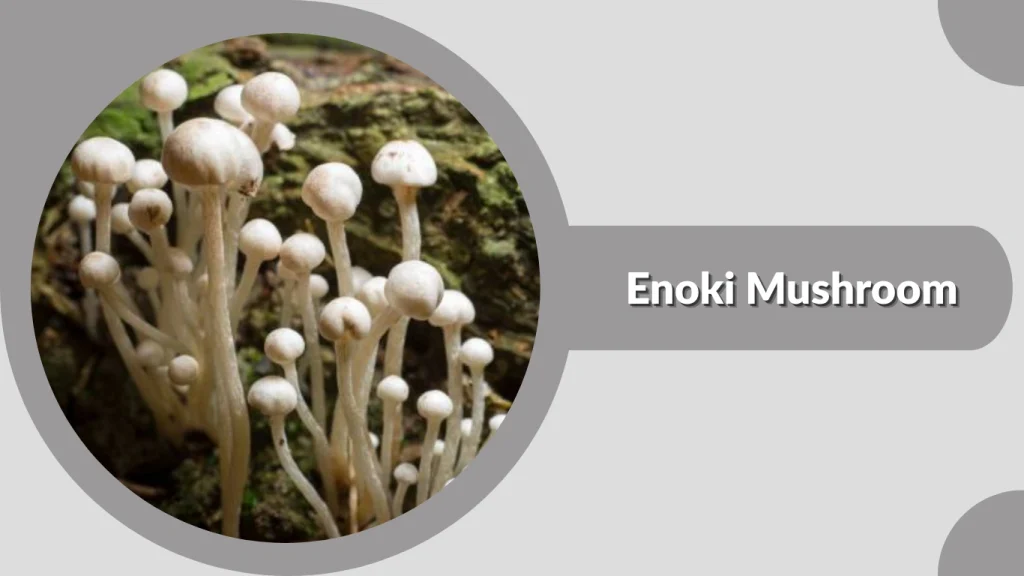
Enoki mushrooms, scientifically known as Flammulina velutipes, are small, delicate mushrooms with long, thin white stems and tiny caps. They are popular in Asian cuisine, especially in soups, salads, and hot pots, thanks to their crunchy texture and mild, slightly fruity flavor. Despite their small size, Enoki mushrooms offer a unique and pleasing texture when cooked.
Identification
- Small, slender stems that are typically 2-4 inches long.
- Tiny white caps, often clustered together in groups.
- The stems are firm and crisp, while the caps are soft and delicate.
- Gills are not very noticeable, as the caps are small and round.
Health Benefits
Enoki mushrooms are packed with nutrients, including fiber, B-vitamins, and antioxidants. They have been linked to boosting immune function and supporting heart health due to their high content of polysaccharides. Additionally, they are low in calories, making them a great addition to a balanced diet.
Culinary Uses
Enoki mushrooms are most commonly used in soups, stews, and broths, where their delicate texture can absorb flavors. They can also be added to stir-fries, salads, or used as a garnish. Their crunchy, yet tender texture makes them a versatile ingredient for both cooked and raw dishes.
5. Oyster Mushroom (White Variety)
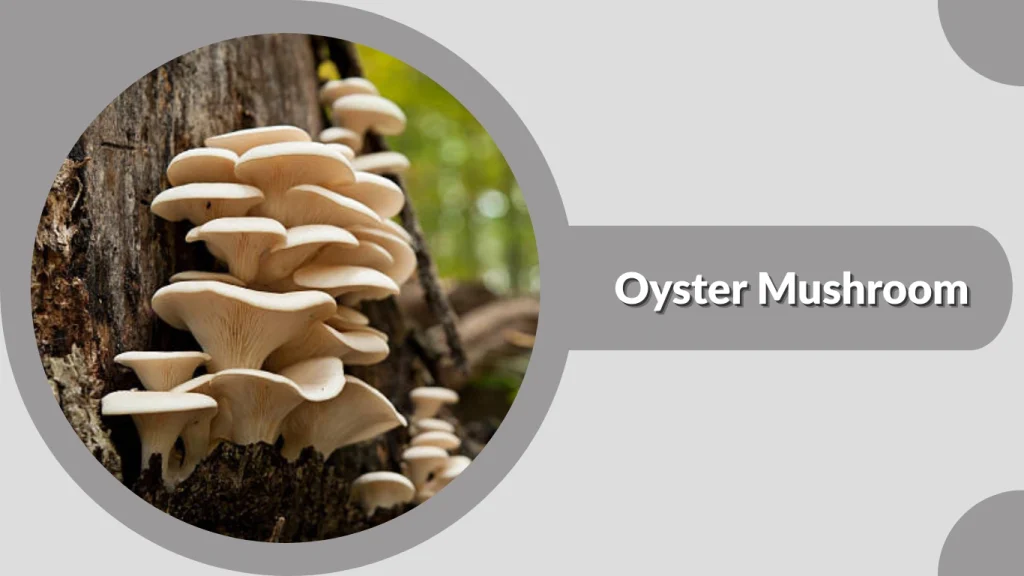
The Oyster Mushroom, specifically the white variety, is a soft, fan-shaped mushroom with a subtle flavor and delicate texture. Known for its oyster-like shape, this mushroom is commonly found in a variety of dishes, particularly in Asian and European cuisines. Its mild, slightly sweet flavor and tender texture make it a popular choice in both vegetarian and non-vegetarian dishes.
Identification
- Fan-shaped cap, typically 2-6 inches in diameter.
- White to pale cream-colored cap with smooth edges that curve downward.
- The gills are white, and the stem is short and often off-center or nonexistent.
- The flesh is tender and creamy white.
Health Benefits
Oyster mushrooms are a great source of protein, fiber, and essential vitamins, including B-vitamins and vitamin D. They contain antioxidants and have been shown to support immune health, reduce inflammation, and potentially lower cholesterol levels. Their nutritional profile makes them a healthy and versatile ingredient in meals.
Culinary Uses
The white Oyster Mushroom is commonly sautéed, stir-fried, or grilled. It can be used in soups, risottos, and sauces, or simply as a side dish. Its delicate texture and mild flavor also make it a great addition to salads or sandwiches. Additionally, it pairs well with a variety of meats, tofu, or grains.
6. Shiitake Mushroom (White Variant)
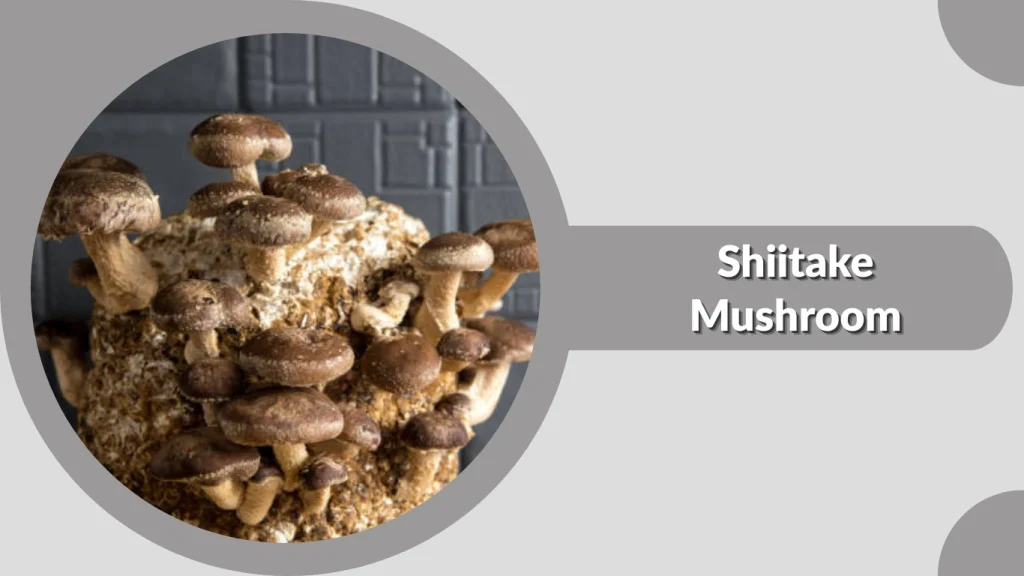
Shiitake mushrooms, Lentinula edodes, are traditionally brown, but the white variant offers a similar rich, savory flavor with a lighter appearance. Popular in East Asian cuisine, these mushrooms are known for their umami flavor and meaty texture. The white variety retains all the same health benefits and versatility in cooking, making them a favorite for soups, stir-fries, and sauces.
Identification
- Cap size ranges from 2 to 5 inches in diameter.
- The white variant has a smooth, pale ivory cap with slight wrinkles.
- Gills are white or light tan, becoming more prominent as the mushroom matures.
- The stem is thick, fibrous, and white to light tan in color, often removed before consumption.
Health Benefits
Shiitake mushrooms, including the white variant, are rich in vitamins B and D, as well as antioxidants like lentinans, which help boost the immune system. They are known to have anti-inflammatory properties and may assist in lowering cholesterol. Additionally, they provide a good source of fiber and essential minerals like copper and selenium.
Culinary Uses
White Shiitake mushrooms are versatile and can be used in a wide range of dishes. They are typically sautéed, grilled, or added to soups and stir-fries. Their rich flavor makes them a popular addition to sauces and broths, and they pair well with meats, vegetables, or tofu.
7. King Oyster Mushroom
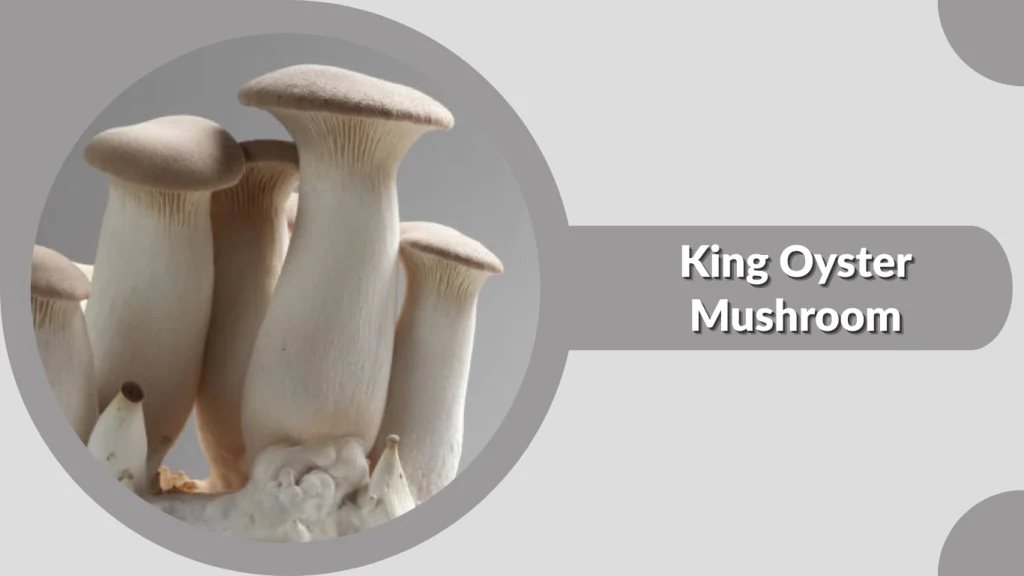
The King Oyster Mushroom, also known as Pleurotus eryngii, is a large, thick mushroom with a robust, meaty texture and rich, savory flavor. While typically beige or light brown, the white variety of King Oyster mushrooms retains the same qualities but with a lighter, more delicate appearance. These mushrooms are often used as a meat substitute in vegetarian and vegan dishes due to their texture and ability to absorb flavors.
Identification
- Large, thick stems that can grow up to 6 inches in length.
- The cap is small and white, with a smooth texture.
- The stem is ivory or light cream, firm and cylindrical.
- Flesh is dense, with a meaty texture that holds up well during cooking.
Health Benefits
King Oyster mushrooms are packed with nutrients, including high-quality protein, fiber, and vitamins such as B-vitamins and vitamin D. They are also a good source of antioxidants and minerals like potassium and phosphorus. These mushrooms are believed to help support immune function and improve cardiovascular health.
Culinary Uses
Due to their thick, meaty texture, King Oyster mushrooms are often sliced and grilled, sautéed, or roasted. They can be used as a meat substitute in dishes like burgers, stir-fries, and stews. Their hearty texture also makes them ideal for grilling, and they absorb marinades well, adding depth to a variety of dishes.
8. Lion’s Mane Mushroom (White Variant)
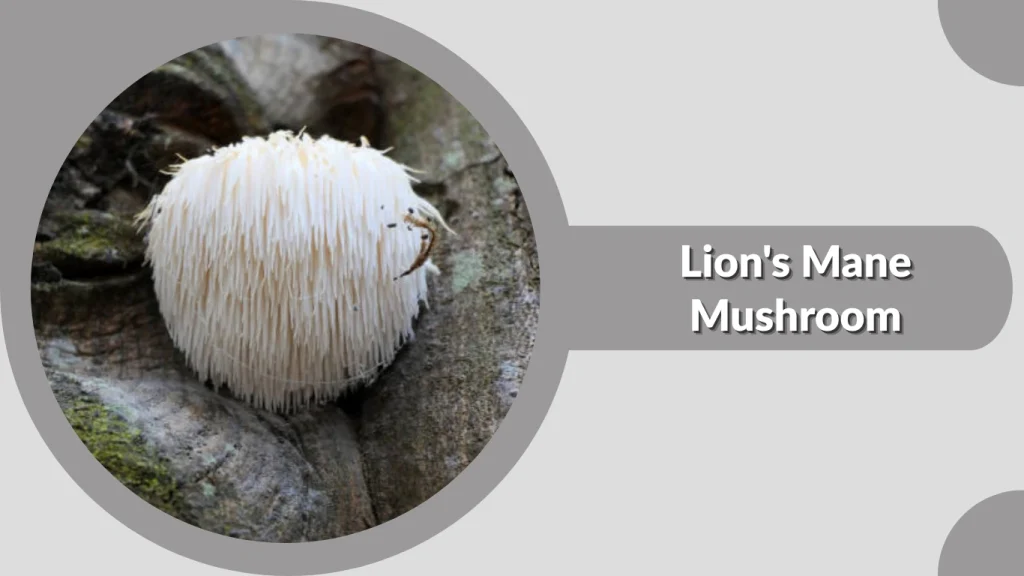
Lion’s Mane Mushroom, or Hericium erinaceus, is a unique, white, shaggy mushroom known for its distinctive appearance, resembling a lion’s mane. This mushroom is celebrated for its potential cognitive health benefits and is becoming increasingly popular in wellness circles. The white variant has the same mild, seafood-like flavor, which makes it a delicious and nutritious addition to various culinary dishes.
Identification
- White, spiky appearance with long, hair-like projections hanging from the cap.
- Caps can range from 3 to 7 inches in diameter.
- Flesh is dense, white, and has a slightly fibrous texture.
- No distinct stem, as the mushroom grows in a dense cluster of “spines.”
Health Benefits
Lion’s Mane mushrooms are known for their cognitive health benefits, including boosting memory and focus. They contain compounds that may stimulate nerve growth factor (NGF) production, which supports brain health. Additionally, they are rich in antioxidants, fiber, and essential vitamins, making them a great choice for overall well-being.
Culinary Uses
Lion’s Mane mushrooms are often sautéed, roasted, or used in soups, where their texture and flavor resemble crab or lobster meat. Their tender, meaty consistency makes them ideal for use in plant-based recipes, such as vegan “seafood” dishes or as a substitute for meat in stir-fries and pastas.
9. Agaricus Mushroom
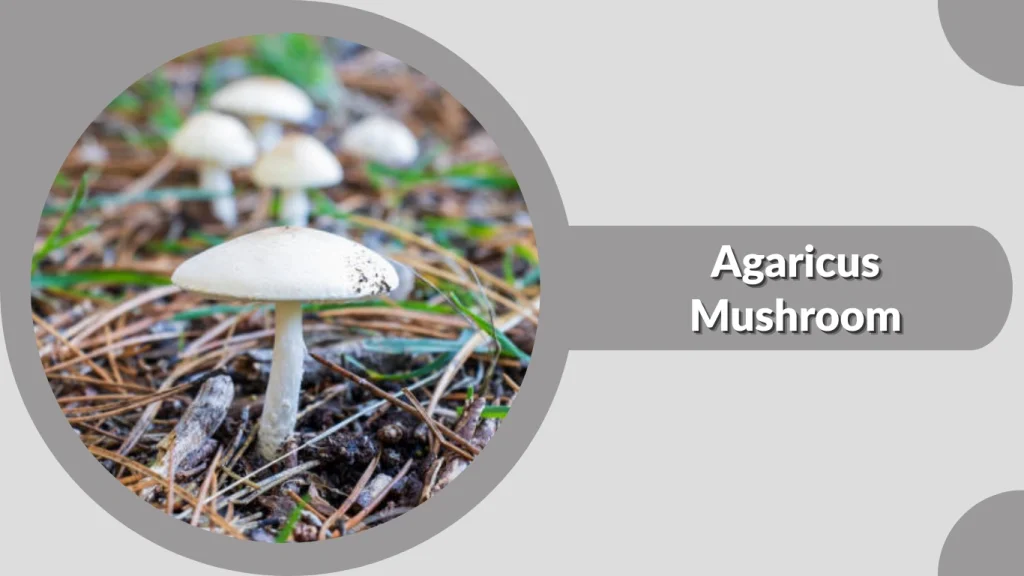
Agaricus mushrooms, belonging to the Agaricus genus, are often referred to as the “common mushroom” or “button mushroom,” though they can come in various colors, including white. These mushrooms are commonly found in grocery stores and are versatile in culinary uses. Their flavor is mild and nutty when raw, and they become richer and more robust when cooked.
Identification
- Small to medium-sized, with caps typically 1-3 inches in diameter.
- White cap, smooth and slightly convex with a pale pinkish tint when young, turning brown as they mature.
- Gills start out pale and gradually darken to brown as they age.
- Stems are firm, white, and slightly thick.
Health Benefits
Agaricus mushrooms are a great source of protein, fiber, and B-vitamins. They also contain antioxidants, including selenium, which can help reduce oxidative stress. These mushrooms have been shown to support immune health and may help lower cholesterol due to their high fiber content.
Culinary Uses
Agaricus mushrooms are incredibly versatile and can be eaten raw in salads or sandwiches. They are also commonly sautéed, grilled, or added to soups, sauces, and stir-fries. Their mild flavor allows them to pair well with a variety of ingredients, from vegetables to meats.
10. Maitake Mushroom (White Variant)
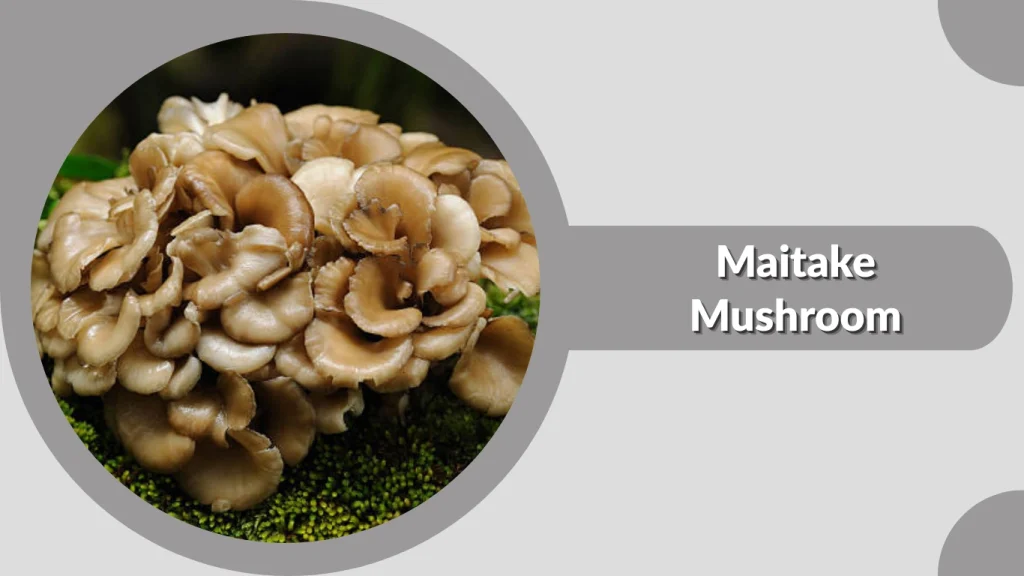
Maitake mushrooms, or Grifola frondosa, are known for their fan-like shape and rich, earthy flavor. The white variant of Maitake retains the same unique texture and flavor but with a lighter appearance. Often referred to as “Hen of the Woods,” these mushrooms are prized for their culinary and medicinal properties, with a history of use in traditional medicine.
Identification
- Clustered caps, typically 3-8 inches across, resembling the fronds of a hen’s plumage.
- The white variant has pale, smooth, and slightly curved caps.
- Gills are white to light cream and are located on the underside of the caps.
- Stems are firm and white, often tough, and typically discarded in cooking.
Health Benefits
Maitake mushrooms are a rich source of vitamins D and B, fiber, and minerals like potassium and phosphorus. They have immune-boosting properties and are known for supporting blood sugar regulation. Additionally, Maitake mushrooms have antioxidant compounds that help reduce inflammation and support overall health.
Culinary Uses
Maitake mushrooms are often sautéed, roasted, or added to soups and stews. Their rich, earthy flavor makes them perfect for pairing with meats, grains, and vegetables. They can also be used in stir-fries, risottos, or as a filling for stuffed dishes. Their texture holds up well in various cooking methods, making them a versatile ingredient in many recipes.
11. Wood Ear Mushroom (White Variant)
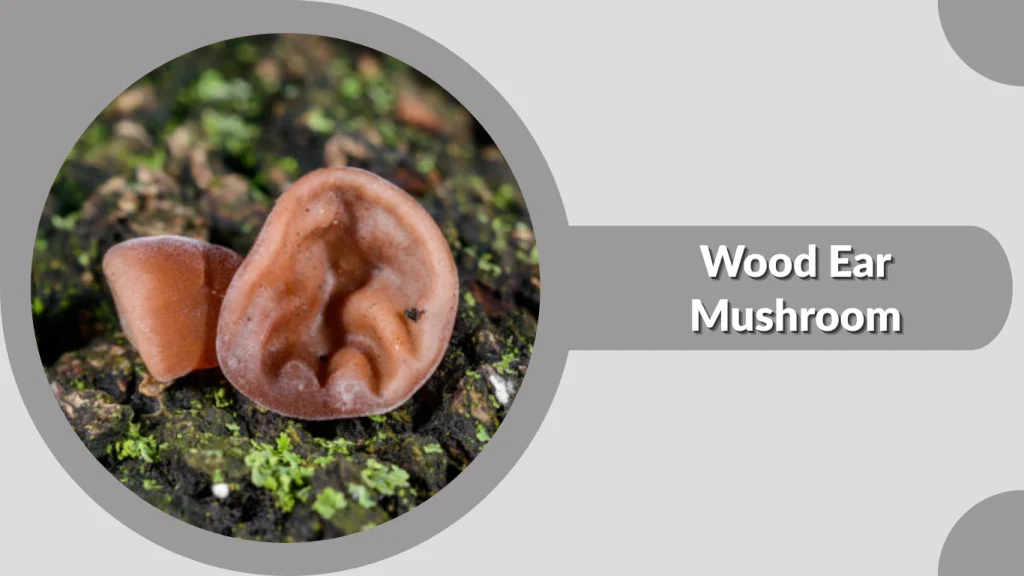
Wood Ear Mushrooms, or Auricularia auricula-judae, are known for their unique, ear-like shape and gelatinous texture. While they are typically dark brown or black, the white variety offers the same distinct texture but with a lighter hue. These mushrooms are a staple in many Asian dishes, known for their ability to absorb flavors while providing a delightful, slightly crunchy bite.
Identification
- Thin, translucent white to pale tan caps that resemble the shape of an ear.
- The caps typically range from 2-5 inches in diameter and are flexible and rubbery.
- Gills are smooth, and the mushrooms often grow in clusters.
- Stems are short and not very pronounced.
Health Benefits
Wood Ear mushrooms are low in calories but rich in fiber, iron, and essential antioxidants. They have been traditionally used for their anti-inflammatory properties and are believed to support heart health and improve circulation. Additionally, they are known to aid digestion and have detoxifying effects.
Culinary Uses
Wood Ear mushrooms are most often used in soups, stir-fries, and salads. Their chewy texture makes them ideal for adding crunch to dishes, especially in combination with meat, tofu, or other vegetables. They can also be used in hot pots or as an ingredient in dumplings and spring rolls.
12. Pioppino Mushroom (White Variant)
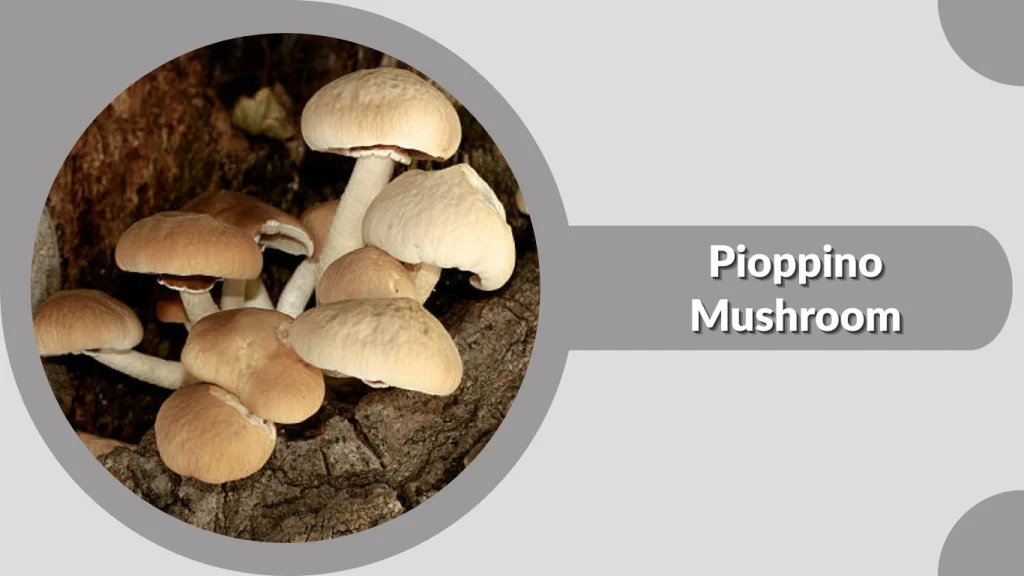
Pioppino mushrooms, also known as Agrocybe aegerita, are small, flavorful mushrooms with a slightly sweet, nutty taste. The white variety offers the same delicate texture and savory flavor, but with a lighter appearance. These mushrooms are often found in Italian cuisine, where they are appreciated for their rich flavor and versatility in cooking.
Identification
- Small to medium-sized, with caps typically 2-3 inches in diameter.
- The white cap is smooth and convex, with a slight inward curl at the edges.
- Gills are white to light cream, becoming darker with age.
- The stems are firm, white, and cylindrical, with a slightly woody texture.
Health Benefits
Pioppino mushrooms are rich in protein, fiber, and antioxidants. They are known to support immune health and have anti-inflammatory properties. These mushrooms also contain essential vitamins and minerals, such as B-vitamins and selenium, which contribute to overall well-being and help protect the body from oxidative stress.
Culinary Uses
Pioppino mushrooms are often sautéed, grilled, or roasted, and they make a delicious addition to pastas, risottos, and soups. Their slightly nutty flavor pairs well with a variety of dishes, including meats, vegetables, and grains. They are also excellent for adding depth and texture to sauces and can be used in stir-fries or as a topping for pizzas and salads.
13. Velvet Pioppini Mushroom
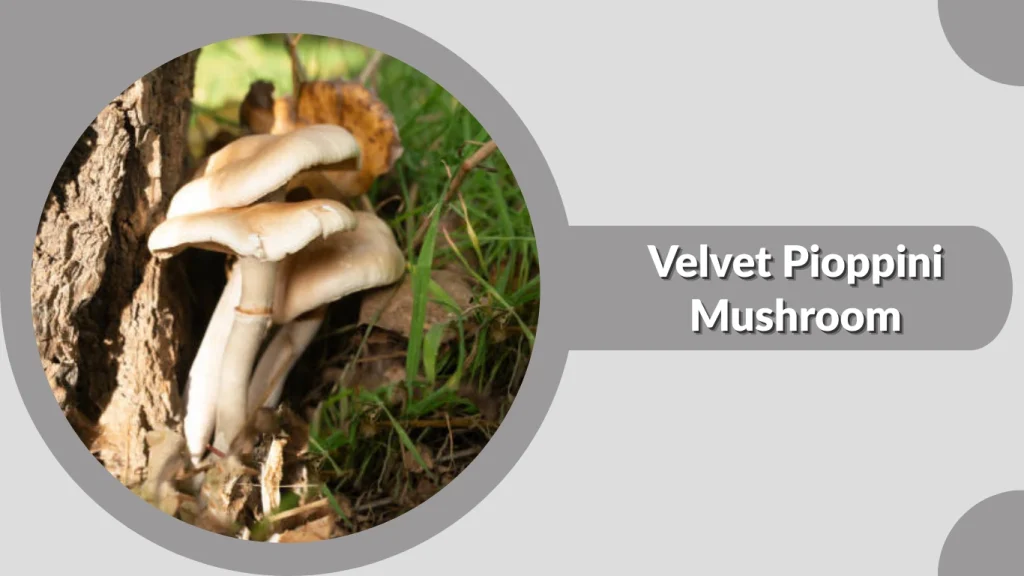
The Velvet Pioppini Mushroom, a variety of Agrocybe aegerita, is known for its smooth, velvety texture and rich, earthy flavor. This mushroom is typically small, with a distinctive dark cap and a slender white stem, although the white variant offers a lighter appearance with the same delectable texture and taste. Velvet Pioppinis are prized for their unique flavor profile and are often featured in gourmet dishes.
Identification
- Small, with caps typically 2-3 inches in diameter.
- The white cap has a smooth, slightly velvety texture and a slight curve.
- Gills are white to light cream, turning darker as the mushroom matures.
- The stem is thin, white, and smooth, with a soft, velvety texture near the top.
Health Benefits
Velvet Pioppini mushrooms are a great source of essential nutrients such as protein, fiber, and B-vitamins. They also contain antioxidants that help fight oxidative stress and support immune health. Additionally, these mushrooms are low in calories, making them a nutritious addition to various dishes while offering numerous health benefits.
Culinary Uses
Velvet Pioppini mushrooms are typically sautéed, grilled, or added to soups and stews. Their velvety texture and mild, earthy flavor make them an excellent addition to risottos, pasta dishes, and vegetable stir-fries. They pair well with a variety of meats and can be used as a garnish or stuffing for vegetables.
FAQs
1. What are the health benefits of white mushrooms?
White mushrooms, like the White Button, Cremini, and Portobello, are packed with nutrients such as fiber, antioxidants, B-vitamins, and vitamin D. They support immune health, improve digestion, and may contribute to better cardiovascular health due to their high potassium and fiber content.
2. How do I store fresh white mushrooms?
Fresh white mushrooms should be stored in a cool, dry place. It’s best to keep them in a paper bag or wrapped in a paper towel inside the refrigerator, as this helps absorb excess moisture. Avoid storing them in plastic bags, as this can cause them to become slimy and spoil faster.
3. Can I eat white mushrooms raw?
Yes, many white mushrooms, such as the White Button and Cremini, are safe to eat raw. They are often used in salads or as a garnish. However, some people may prefer to cook mushrooms to enhance their flavor and texture or to make them easier to digest.
4. What is the difference between White Button and Cremini mushrooms?
The primary difference between White Button and Cremini mushrooms is their color and flavor. White Button mushrooms are milder and lighter in color, while Cremini mushrooms are a slightly more mature version with a deeper, richer flavor and a darker brown hue.
5. How can I cook white mushrooms?
White mushrooms are incredibly versatile and can be sautéed, grilled, roasted, or added to soups, salads, and stir-fries. They can also be stuffed with various fillings or used as a meat substitute in many vegetarian recipes.