





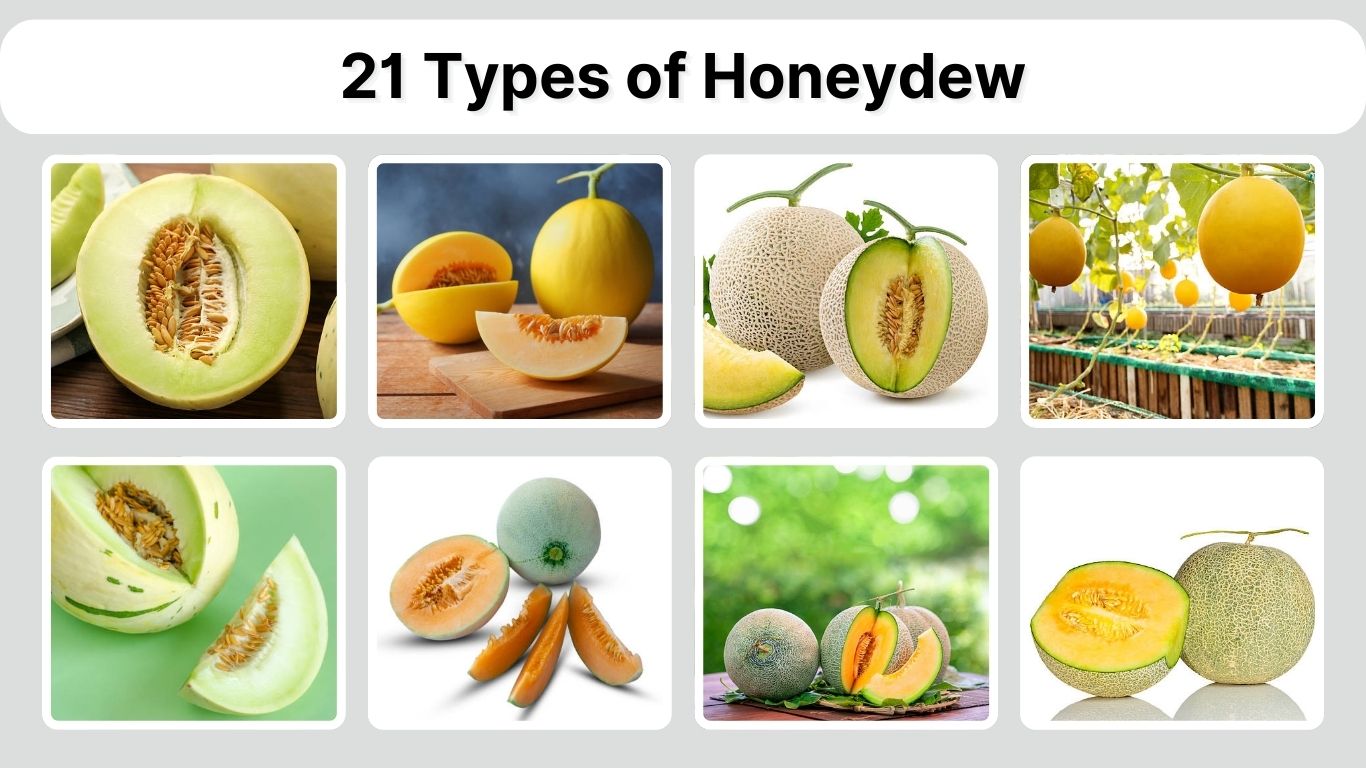
Honeydew melon is a refreshing and naturally sweet fruit enjoyed worldwide for its smooth rind, juicy flesh, and cooling taste. Available in many varieties, honeydew ranges in color, sweetness, and texture, offering something for every preference. From classic green-fleshed types to golden and orange varieties, each has unique characteristics. Rich in water, vitamins, and minerals, honeydew is not only delicious but also nutritious, making it a popular choice for fresh eating, desserts, and summer recipes.
1. Honeydew Melon
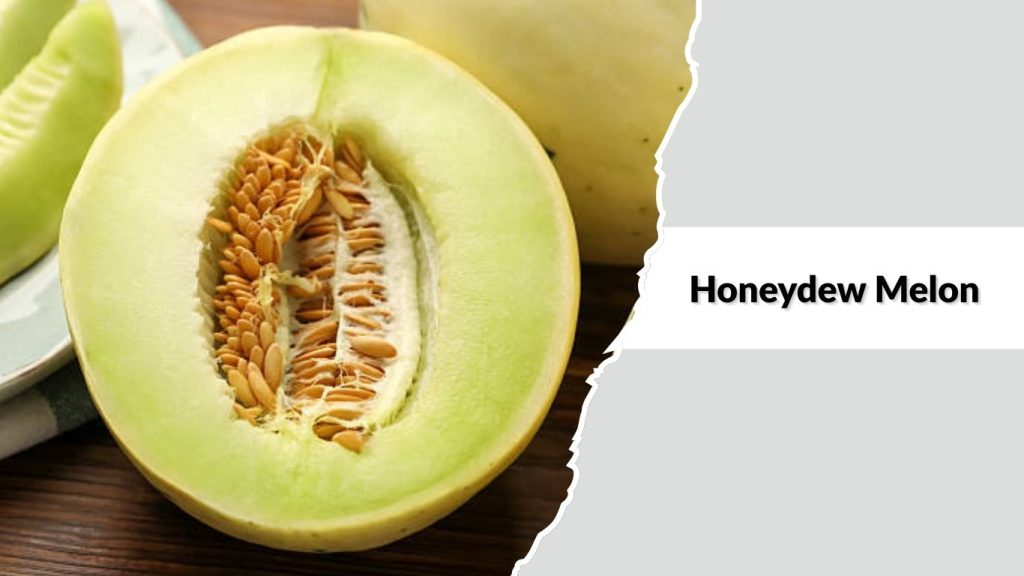
Honeydew melon is a sweet, refreshing fruit known for its smooth rind and juicy flesh. It’s widely enjoyed fresh and is a popular choice in summer dishes, desserts, and beverages.
Identification
- Round to slightly oval shape
- Smooth, pale green to creamy-yellow rind
- Light green or pale orange flesh
- Mild floral aroma when ripe
- Average weight: 1.5–3 kg
Taste and Texture
Honeydew melon has a mildly sweet, honey-like flavor with a crisp yet tender texture. When fully ripe, it is very juicy and refreshing without being overpowering.
Nutritional Value
This melon is low in calories and high in water content. It provides vitamin C, potassium, and small amounts of vitamin B6, making it a hydrating and nutritious fruit.
Culinary Uses
Honeydew melon is commonly eaten fresh but also works well in fruit salads, smoothies, sorbets, and cold soups. It pairs nicely with mint, citrus, yogurt, and cured meats.
Storage and Ripening
Uncut honeydew can be stored at room temperature until ripe. Once cut, it should be refrigerated in an airtight container and consumed within a few days for best flavor and texture.
2. Orange Honeydew
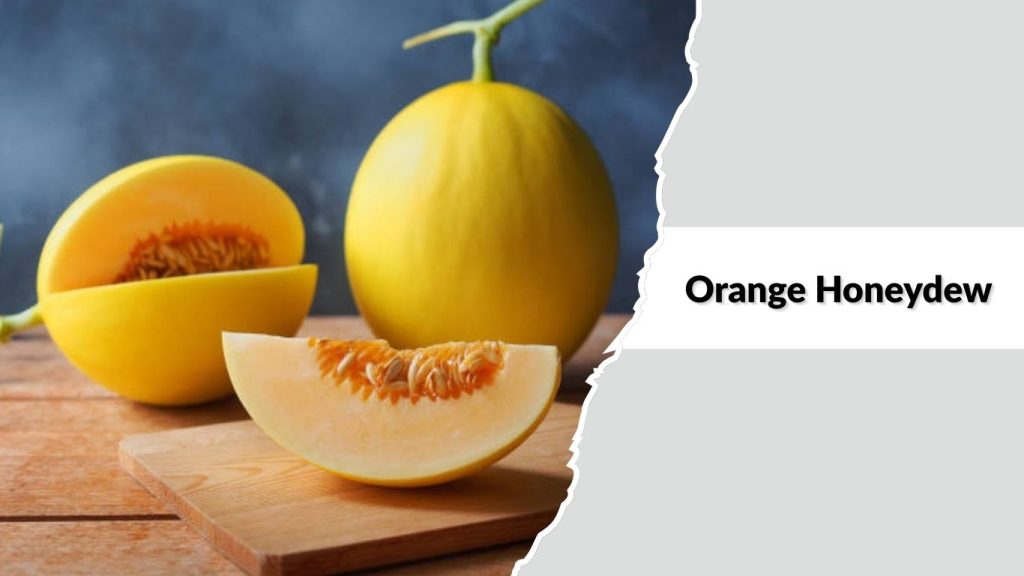
Orange honeydew is a unique variation of the classic honeydew melon, distinguished by its vibrant orange flesh and richer sweetness. It combines the smooth exterior of honeydew with flavor notes closer to cantaloupe.
Identification
- Smooth, pale yellow to light green rind
- Bright orange flesh
- Round to oval shape
- Sweet, fruity aroma when ripe
- Medium to large size
Taste and Texture
Orange honeydew has a sweeter and more pronounced flavor than green honeydew. Its texture is juicy and soft, with a slightly firmer bite near the rind.
Nutritional Value
This variety is rich in vitamin C and vitamin A due to its orange flesh. It also contains potassium and antioxidants that support hydration and overall health.
Culinary Uses
Orange honeydew is excellent for fresh consumption, fruit platters, smoothies, and desserts. Its color makes it visually appealing in salads and chilled summer recipes.
Storage and Ripening
Store whole orange honeydew at room temperature until ripe. After cutting, refrigerate in a sealed container and consume within 2–3 days to maintain freshness and flavor.
3. Green Flesh Honeydew
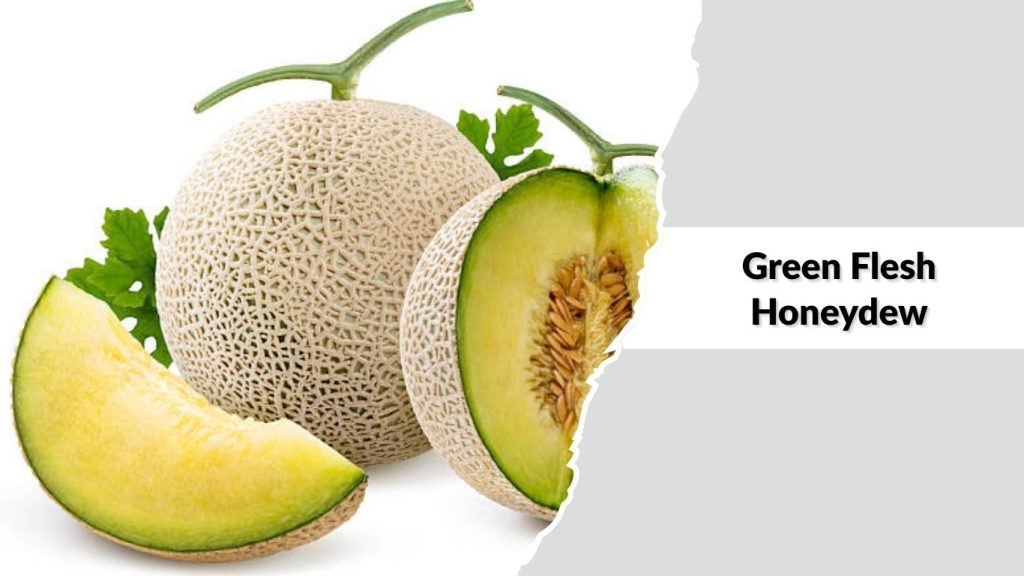
Green flesh honeydew is the most common and widely recognized type of honeydew melon, prized for its subtle sweetness and refreshing juiciness. It is a staple summer fruit enjoyed across the world.
Identification
- Smooth, pale green to creamy-white rind
- Light green flesh
- Round or slightly oval shape
- Mild, fresh aroma when ripe
- Medium to large size
Taste and Texture
This honeydew has a gently sweet, clean flavor with a crisp yet tender texture. The flesh is very juicy and cooling, making it ideal for hot weather.
Nutritional Value
Green flesh honeydew is high in water content and provides vitamin C, potassium, and small amounts of fiber. It supports hydration and contributes to daily micronutrient needs.
Culinary Uses
It is commonly eaten fresh, added to fruit salads, blended into smoothies, or used in chilled soups. Green flesh honeydew pairs well with mint, lime, and soft cheeses.
Storage and Ripening
Uncut melons can be kept at room temperature until ripe. Once sliced, store in the refrigerator in an airtight container and use within a few days for best quality.
4. Golden Honeydew

Golden honeydew is a visually striking variety known for its bright yellow rind and sweet, aromatic flesh. It is often chosen for its attractive appearance and enhanced flavor compared to traditional honeydew.
Identification
- Smooth, golden-yellow rind
- Pale green to light cream flesh
- Round to slightly oval shape
- Noticeable sweet aroma when ripe
- Medium to large size
Taste and Texture
Golden honeydew offers a sweeter and slightly richer taste than standard honeydew. Its texture is juicy and smooth, with a soft bite that melts easily in the mouth.
Nutritional Value
This variety contains vitamin C, potassium, and natural sugars that provide quick energy. Its high water content helps with hydration and digestion.
Culinary Uses
Golden honeydew is ideal for fresh eating, fruit bowls, desserts, and decorative platters. Its bright color makes it popular in gourmet presentations and summer recipes.
Storage and Ripening
Allow the melon to ripen at room temperature until fragrant and slightly soft at the blossom end. Once cut, refrigerate and consume within 2–3 days for best flavor.
5. Snowball Melon
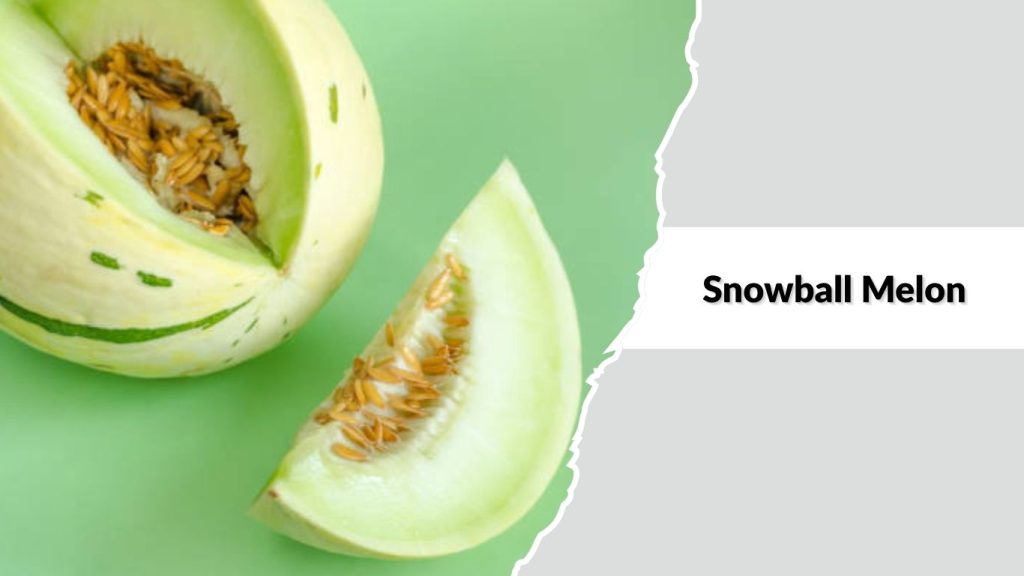
Snowball melon is a lesser-known honeydew variety valued for its pale appearance and delicate sweetness. Its clean look and refreshing flavor make it a favorite in light, cooling dishes.
Identification
- Smooth, white to very pale green rind
- White to faintly green flesh
- Round shape
- Mild, fresh aroma when ripe
- Medium size
Taste and Texture
Snowball melon has a subtle, lightly sweet flavor that is less intense than other honeydew types. The texture is crisp, juicy, and extremely refreshing.
Nutritional Value
This melon is high in water content and low in calories. It provides vitamin C, potassium, and small amounts of fiber, supporting hydration and digestion.
Culinary Uses
Snowball melon is best enjoyed fresh, in fruit salads, or paired with mint and citrus. Its mild flavor also works well in chilled soups and light desserts.
Storage and Ripening
Store whole snowball melons at room temperature until ripe. After cutting, keep refrigerated in an airtight container and consume within a few days for optimal freshness.
6. Honeydew Orange Flesh
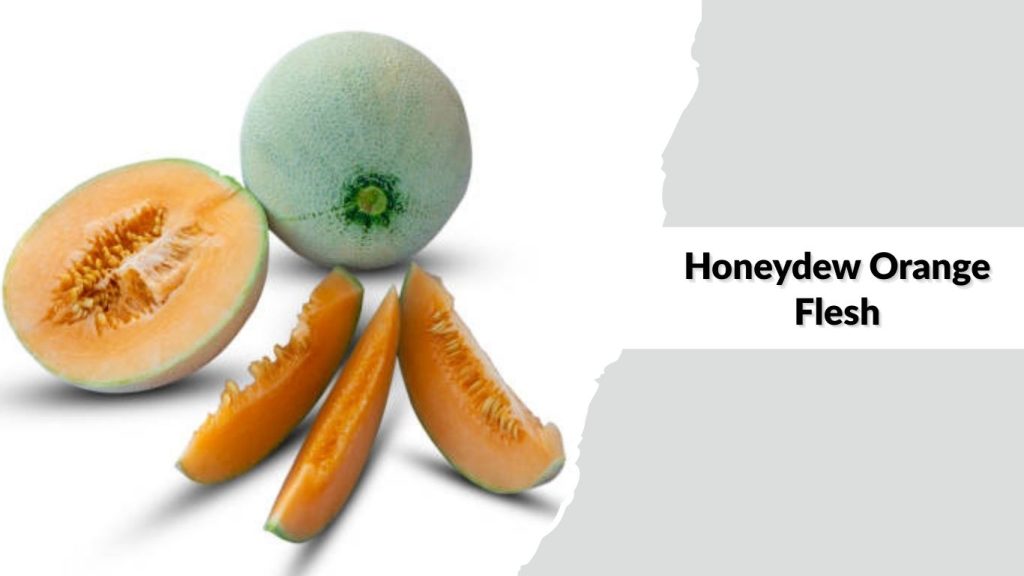
Honeydew orange flesh is a flavorful hybrid-style variety that combines the smooth rind of honeydew with deep orange, aromatic flesh. It is popular for its enhanced sweetness and vibrant color.
Identification
- Smooth, pale yellow to light green rind
- Deep orange flesh
- Round to oval shape
- Strong sweet aroma when ripe
- Medium to large size
Taste and Texture
This variety has a rich, honey-like sweetness with a juicy, tender texture. The flesh is softer than green honeydew and releases more juice when cut.
Nutritional Value
Honeydew orange flesh is high in vitamin A and vitamin C, along with potassium and antioxidants. These nutrients support immunity, skin health, and hydration.
Culinary Uses
It is ideal for fresh eating, smoothies, fruit desserts, and chilled beverages. The bright orange color adds visual appeal to fruit bowls and summer recipes.
Storage and Ripening
Allow the melon to ripen at room temperature until fragrant. Once sliced, store in the refrigerator in a sealed container and consume within 2–3 days for best taste.
7. Honeydew Green Flesh
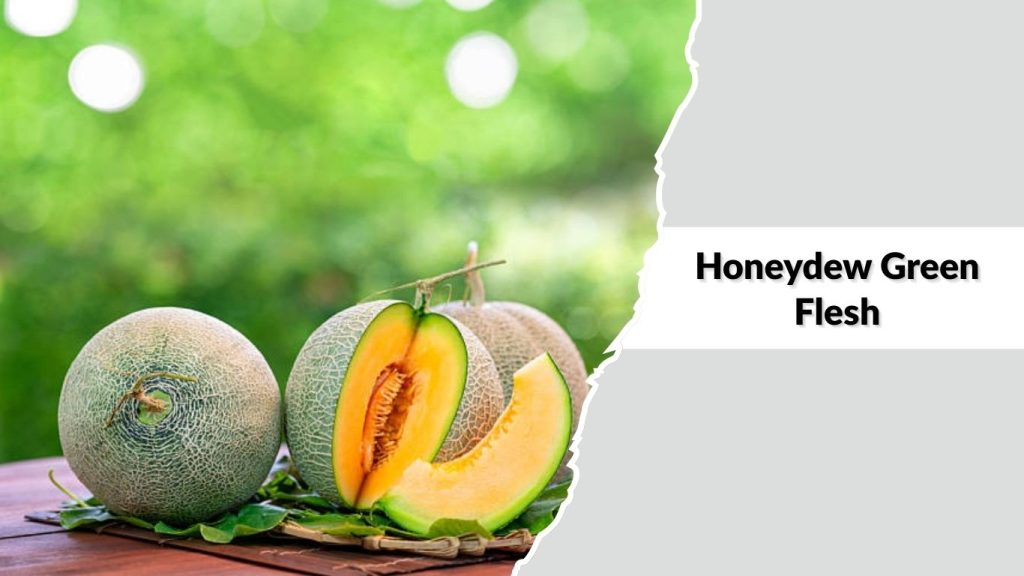
Honeydew green flesh is a classic and reliable variety known for its clean flavor and crisp juiciness. It is widely cultivated and favored for everyday fresh consumption.
Identification
- Smooth, pale green to creamy rind
- Light green flesh
- Round to oval shape
- Mild, fresh aroma when ripe
- Medium to large size
Taste and Texture
This honeydew offers a gently sweet, refreshing flavor with a crisp yet tender texture. The flesh is juicy without being overly soft.
Nutritional Value
It contains vitamin C, potassium, and small amounts of dietary fiber. Its high water content helps maintain hydration and supports overall wellness.
Culinary Uses
Honeydew green flesh is commonly eaten fresh, added to fruit salads, or blended into smoothies. It also pairs well with mint, citrus, and soft cheeses.
Storage and Ripening
Store whole melons at room temperature until ripe. After cutting, refrigerate in an airtight container and consume within a few days for best quality.
8. Canary Honeydew
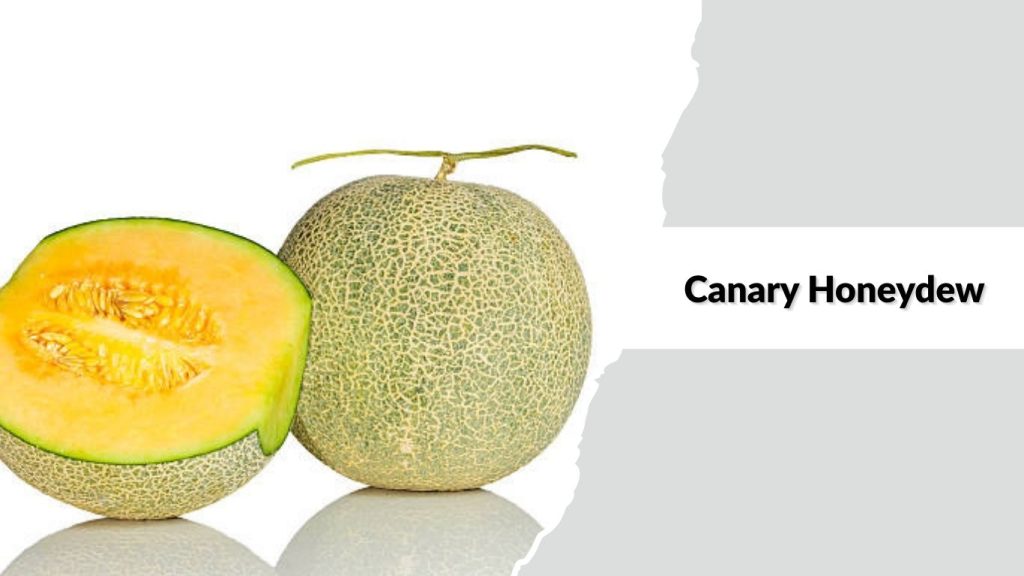
Canary honeydew is a bright, cheerful melon variety recognized for its vivid yellow rind and pleasantly sweet flavor. It is often compared to canary melon but retains honeydew-like smoothness and juiciness.
Identification
- Smooth, bright yellow rind
- Pale green to light cream flesh
- Oval to elongated shape
- Sweet, fruity aroma when ripe
- Medium to large size
Taste and Texture
This variety has a mildly tangy sweetness with a crisp and juicy texture. The flavor is slightly more pronounced than standard honeydew.
Nutritional Value
Canary honeydew provides vitamin C, potassium, and natural sugars. Its high water content supports hydration and helps regulate body temperature.
Culinary Uses
It is excellent for fresh slices, fruit salads, smoothies, and chilled desserts. The bright rind and light flesh make it visually appealing in presentations.
Storage and Ripening
Allow canary honeydew to ripen at room temperature until fragrant. Once cut, refrigerate in a sealed container and consume within 2–3 days for best freshness.
9. Jade Dew Melon
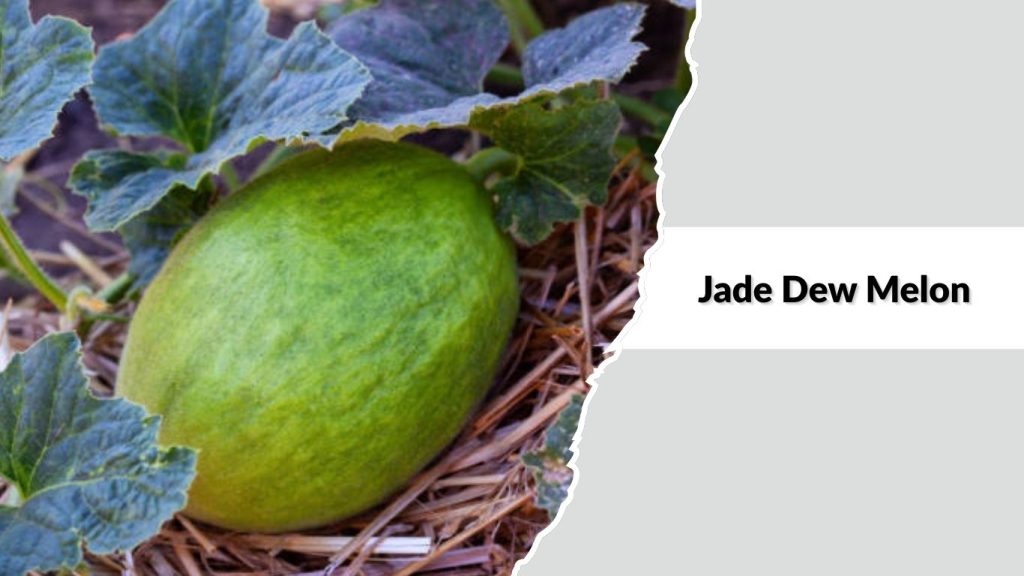
Jade Dew melon is a premium honeydew variety prized for its deep green flesh and refined sweetness. It is often grown for specialty markets due to its rich flavor and smooth texture.
Identification
- Smooth, pale to medium green rind
- Deep jade-green flesh
- Round shape
- Sweet, floral aroma when ripe
- Medium size
Taste and Texture
Jade Dew melon has a noticeably sweeter and more complex flavor than standard honeydew. Its texture is silky, juicy, and tender without being mushy.
Nutritional Value
This melon is rich in vitamin C, potassium, and antioxidants. Its high water content supports hydration and overall cellular health.
Culinary Uses
Jade Dew melon is ideal for fresh eating, gourmet fruit platters, and elegant desserts. It pairs well with citrus, berries, and light creams.
Storage and Ripening
Store whole melons at room temperature until ripe and aromatic. Once cut, refrigerate in an airtight container and consume within a few days for best flavor.
10. Emerald Honeydew
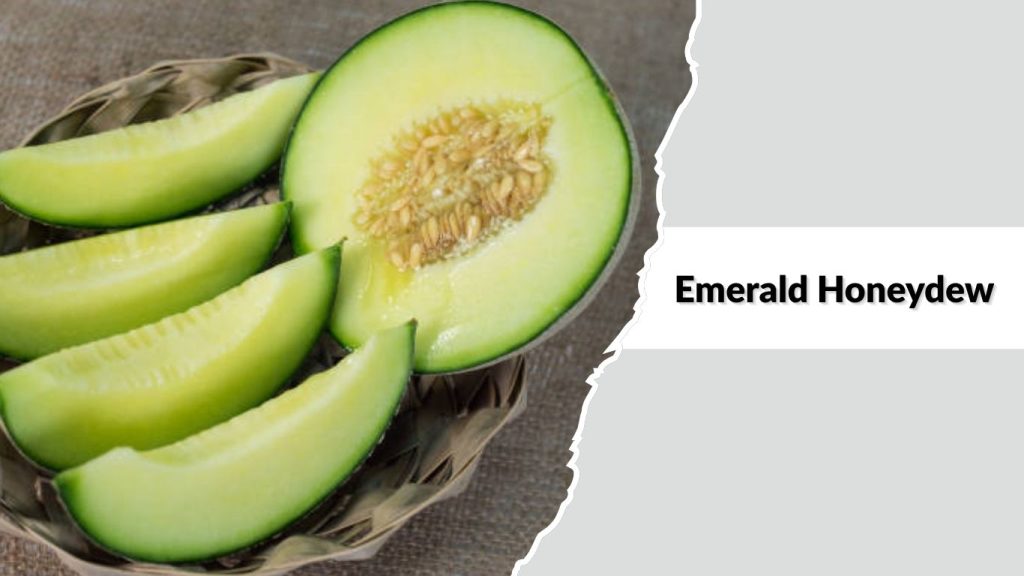
Emerald honeydew is a vibrant variety known for its rich green flesh and refreshing sweetness. It stands out for its bold color and clean, crisp flavor.
Identification
- Smooth, pale green to creamy rind
- Bright emerald-green flesh
- Round to slightly oval shape
- Light, sweet aroma when ripe
- Medium to large size
Taste and Texture
This honeydew has a pleasantly sweet, refreshing taste with a crisp and juicy texture. The flesh is firm yet tender, making it ideal for slicing.
Nutritional Value
Emerald honeydew provides vitamin C, potassium, and hydration-supporting electrolytes. It is low in calories and helps maintain fluid balance.
Culinary Uses
It is commonly enjoyed fresh, in fruit salads, smoothies, and chilled dishes. Its striking green flesh adds visual appeal to summer recipes.
Storage and Ripening
Allow the melon to ripen at room temperature until slightly soft at the ends. Once cut, refrigerate in a sealed container and consume within 2–3 days for best quality.
11. Ivory Honeydew
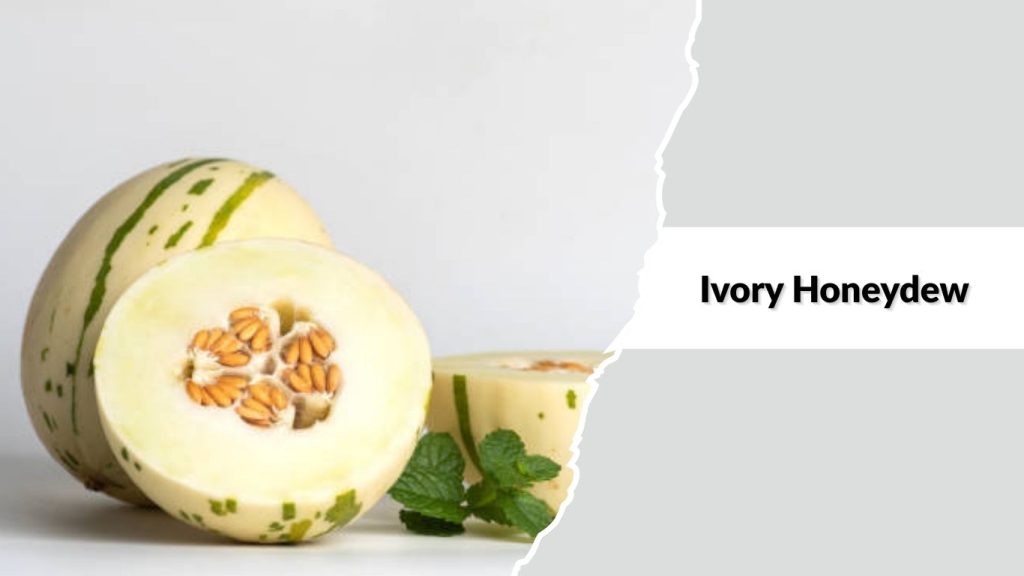
Ivory honeydew is a delicate and elegant variety known for its pale flesh and subtle sweetness. It is appreciated for its mild flavor and smooth, refreshing texture.
Identification
- Smooth, creamy-white to pale yellow rind
- Ivory-white flesh
- Round shape
- Light, clean aroma when ripe
- Medium size
Taste and Texture
This variety offers a gentle, lightly sweet flavor with a crisp and juicy texture. It is less intense than darker-fleshed honeydews, making it very refreshing.
Nutritional Value
Ivory honeydew contains vitamin C, potassium, and a high amount of water. It is low in calories and supports hydration and digestion.
Culinary Uses
It is best enjoyed fresh, in fruit bowls, or paired with herbs like mint. Its mild taste also works well in chilled desserts and light summer dishes.
Storage and Ripening
Store whole ivory honeydew at room temperature until ripe. After slicing, refrigerate in an airtight container and consume within a few days for optimal freshness.
12. White Honeydew
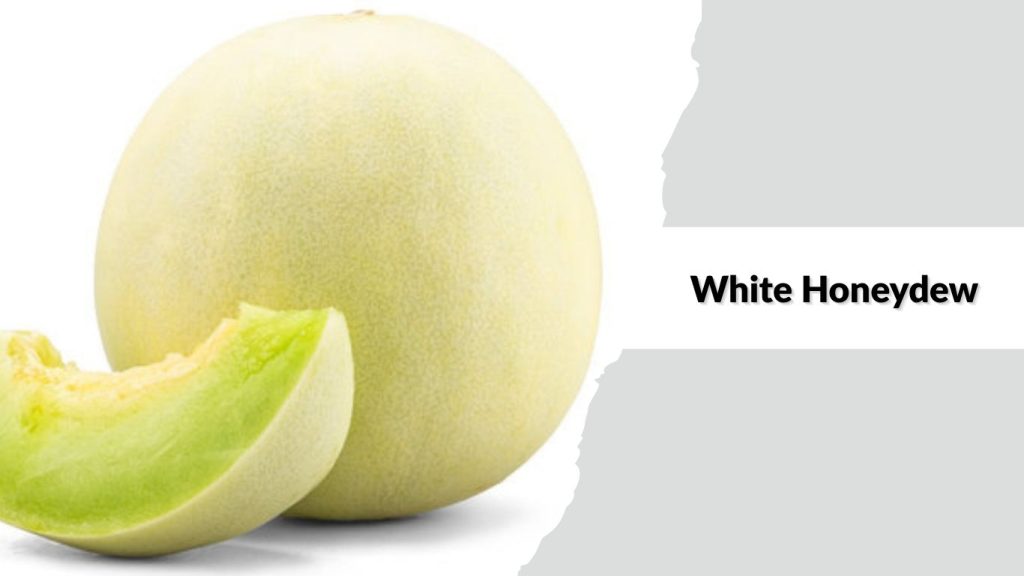
White honeydew is a refined honeydew variety known for its snowy-white flesh and clean, subtly sweet flavor. It is often chosen for its elegant appearance and gentle taste, making it ideal for those who prefer mild fruits.
Identification
- Smooth, creamy-white to pale yellow rind
- Pure white flesh
- Round to slightly oval shape
- Soft, fresh aroma when ripe
- Medium-sized fruit
Taste and Texture
White honeydew has a light, honey-like sweetness that is delicate rather than bold. The texture is crisp at first bite, becoming tender and juicy as it ripens fully.
Nutritional Value
This melon is rich in water and low in calories, making it excellent for hydration. It provides vitamin C, potassium, and trace amounts of magnesium, supporting immunity and muscle function.
Culinary Uses
White honeydew is perfect for fresh slices, fruit salads, and elegant dessert platters. Its neutral sweetness pairs well with berries, citrus, mint, yogurt, and soft cheeses.
Storage and Ripening
Keep uncut white honeydew at room temperature until it develops a slight softness and gentle aroma. Once cut, refrigerate in an airtight container and consume within 2–4 days for best taste and texture.
13. Summer Dew Melon
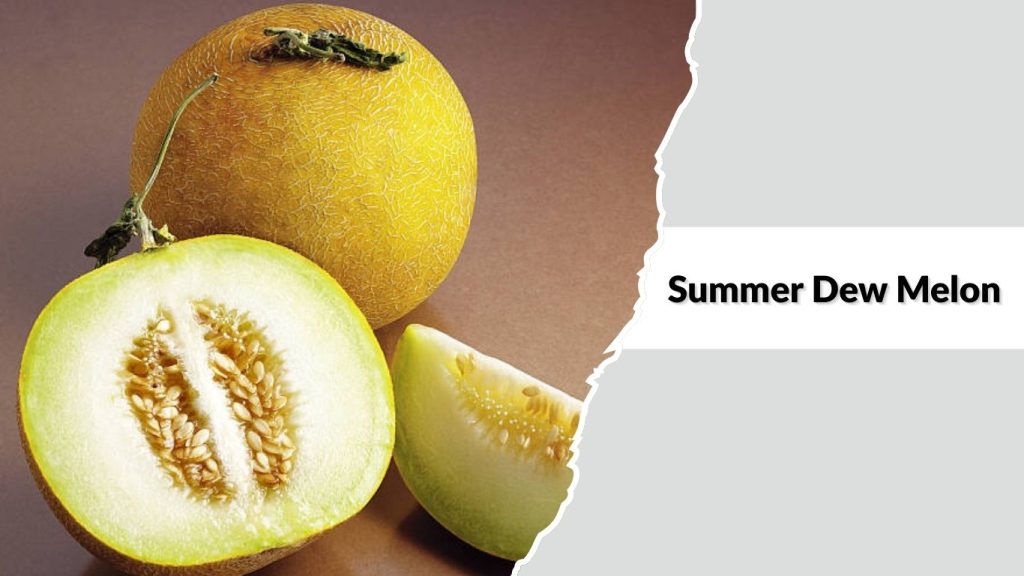
Summer Dew melon is a seasonal honeydew variety celebrated for its refreshing sweetness and high juiciness. It is especially popular during warm months for its cooling and thirst-quenching qualities.
Identification
- Smooth, pale green to light yellow rind
- Light green to creamy flesh
- Round or slightly oval shape
- Fresh, sweet aroma when ripe
- Medium to large size
Taste and Texture
This melon has a bright, lightly sweet flavor with a clean finish. The texture is crisp yet tender, releasing abundant juice with each bite.
Nutritional Value
Summer Dew melon is high in water content and provides vitamin C, potassium, and small amounts of dietary fiber. It supports hydration and helps replenish electrolytes lost in hot weather.
Culinary Uses
It is ideal for fresh eating, fruit salads, chilled soups, and smoothies. Summer Dew melon also pairs well with mint, lime, and light syrups.
Storage and Ripening
Store whole melons at room temperature until ripe and fragrant. After cutting, refrigerate in an airtight container and enjoy within a few days for optimal freshness.
14. Sugar Dew
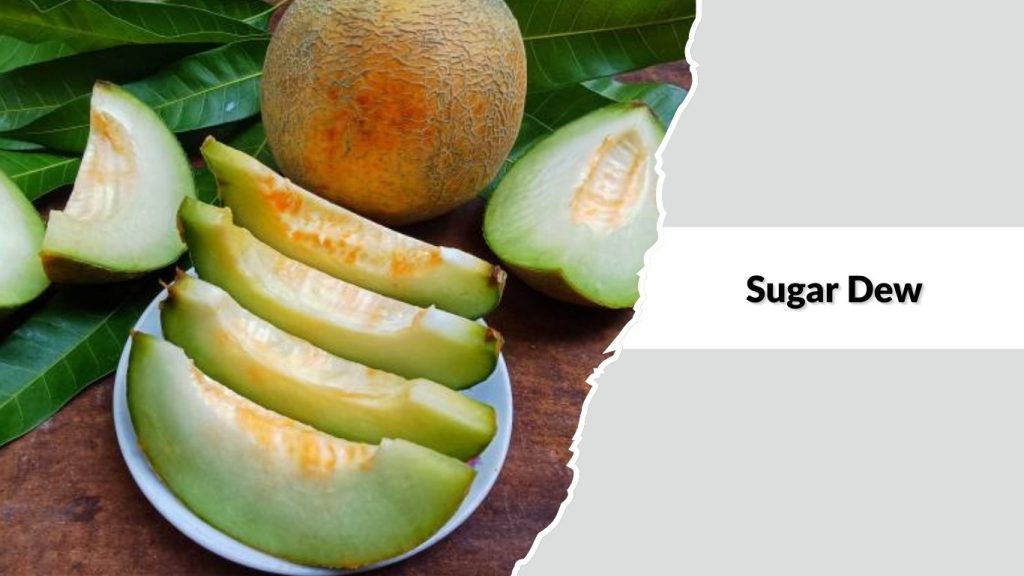
Sugar Dew is a modern honeydew variety bred for extra sweetness and consistent quality. It is especially popular in commercial markets due to its reliable flavor and smooth texture.
Identification
- Smooth, pale green to creamy-yellow rind
- Light green flesh
- Round shape
- Noticeably sweet aroma when ripe
- Medium size
Taste and Texture
Sugar Dew lives up to its name with a higher sugar content than traditional honeydew. The flesh is very juicy, tender, and smooth, with a clean, honey-like finish.
Nutritional Value
This melon provides vitamin C, potassium, and natural sugars for quick energy. Its high water content aids hydration while remaining relatively low in calories.
Culinary Uses
Sugar Dew is excellent for fresh slices, fruit cups, smoothies, and desserts. Its extra sweetness makes it a favorite for kids and for recipes that need minimal added sugar.
Storage and Ripening
Allow Sugar Dew to ripen at room temperature until fragrant and slightly soft. Once cut, store in the refrigerator in an airtight container and consume within 2–3 days for best flavor.
15. Royal Honeydew
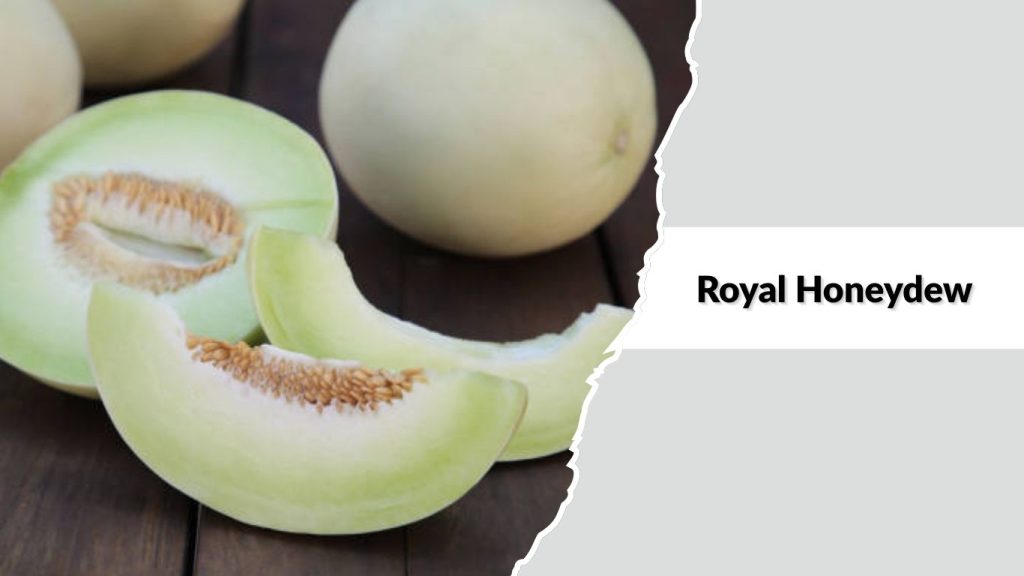
Royal honeydew is a premium variety known for its refined sweetness, smooth texture, and attractive appearance. It is often grown for high-end markets and specialty fruit selections.
Identification
- Smooth, pale green to creamy rind
- Light green to pale ivory flesh
- Round, well-balanced shape
- Sweet, floral aroma when ripe
- Medium to large size
Taste and Texture
This variety offers a balanced sweetness that is rich but not overpowering. The flesh is silky, juicy, and consistently tender throughout.
Nutritional Value
Royal honeydew contains vitamin C, potassium, and hydration-supporting electrolytes. It is low in calories and contributes to immune and heart health.
Culinary Uses
Royal honeydew is ideal for fresh consumption, elegant fruit platters, and gourmet desserts. It pairs well with berries, citrus, and light creams.
Storage and Ripening
Store whole royal honeydew at room temperature until ripe and aromatic. After slicing, refrigerate in a sealed container and consume within a few days for optimal quality.
16. Pearl Honeydew
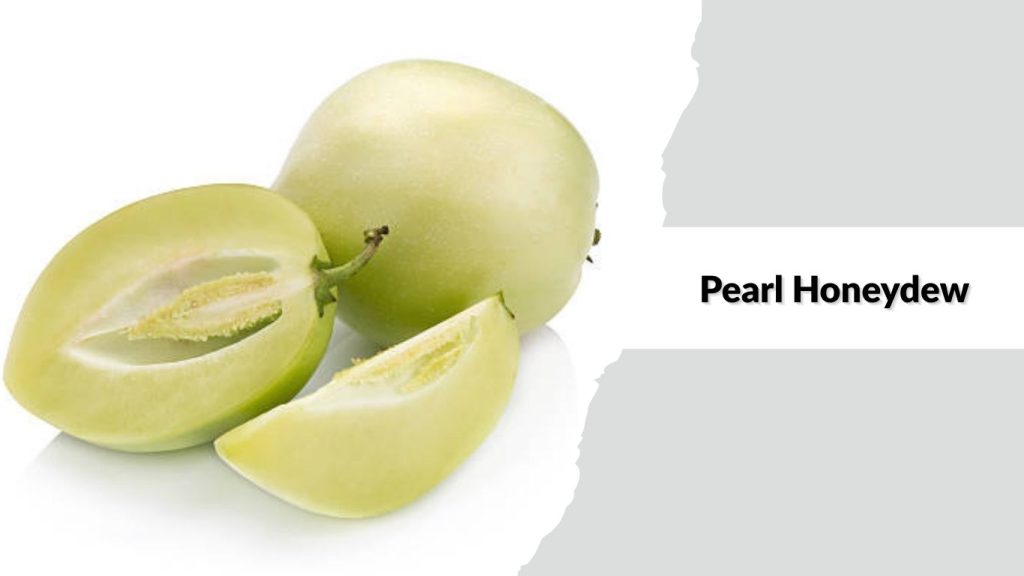
Pearl honeydew is a refined and delicate variety recognized for its luminous flesh and smooth sweetness. Its elegant look and gentle flavor make it popular in premium fruit selections.
Identification
- Smooth, pale ivory to light green rind
- Pearl-white to very pale green flesh
- Round shape
- Soft, clean aroma when ripe
- Medium size
Taste and Texture
Pearl honeydew has a mild, subtly sweet flavor with a silky, juicy texture. The flesh is tender and refreshing without being overly sugary.
Nutritional Value
This melon is high in water content and provides vitamin C, potassium, and trace minerals. It supports hydration, digestion, and overall wellness.
Culinary Uses
Pearl honeydew is best enjoyed fresh, in fruit salads, or as part of elegant dessert presentations. It pairs well with mint, berries, and yogurt.
Storage and Ripening
Allow the melon to ripen at room temperature until slightly soft and fragrant. Once cut, refrigerate in an airtight container and consume within 2–4 days for best quality.
17. Sunrise Honeydew
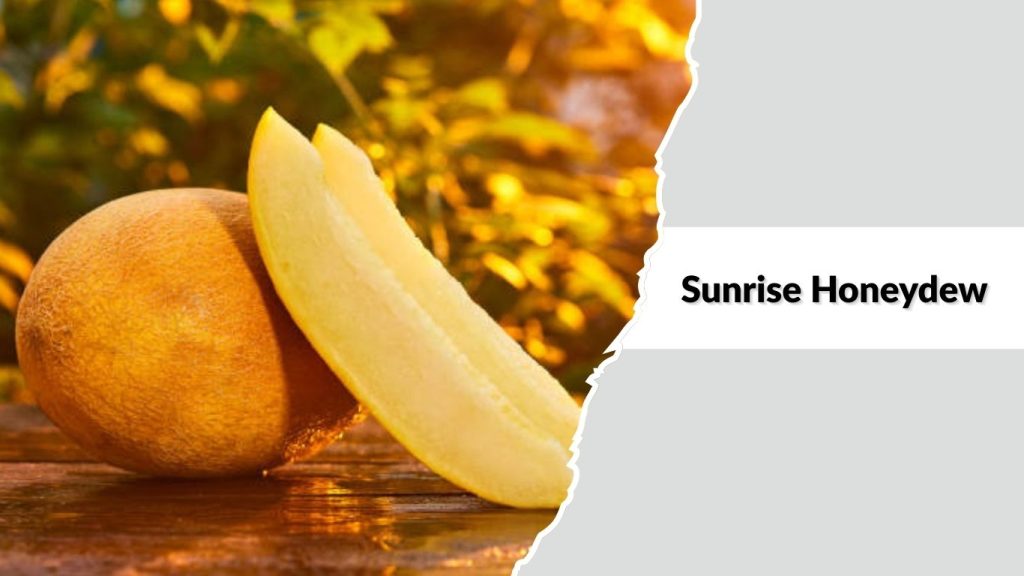
Sunrise honeydew is a visually appealing variety known for its warm-toned flesh and bright, refreshing sweetness. It is named for its soft sunrise-like hues and vibrant flavor.
Identification
- Smooth, pale yellow to light green rind
- Light orange to peach-toned flesh
- Round to slightly oval shape
- Sweet, fruity aroma when ripe
- Medium size
Taste and Texture
This variety offers a pleasantly sweet flavor with subtle tropical notes. The texture is juicy and tender, with a smooth mouthfeel.
Nutritional Value
Sunrise honeydew is rich in vitamin C and vitamin A, along with potassium. These nutrients support immune function, skin health, and hydration.
Culinary Uses
It is ideal for fresh slices, fruit salads, smoothies, and colorful dessert plates. Its warm flesh tone adds visual interest to summer dishes.
Storage and Ripening
Store whole sunrise honeydew at room temperature until ripe and aromatic. After cutting, refrigerate in a sealed container and enjoy within a few days for best flavor.
18. Arctic Honeydew
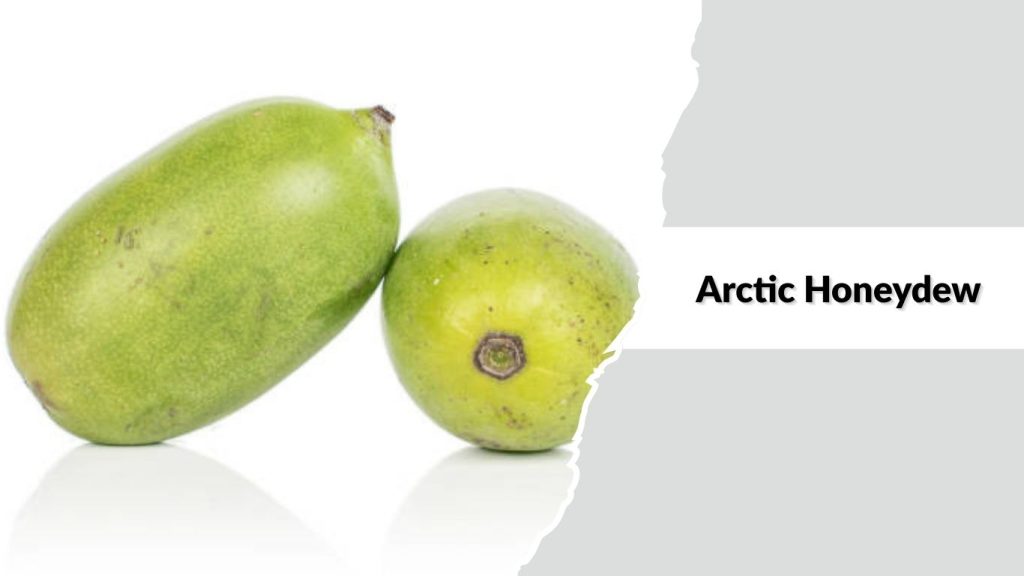
Arctic honeydew is a cool-toned variety valued for its crisp texture, clean sweetness, and exceptionally refreshing quality. It is often associated with a lighter flavor profile and high juiciness.
Identification
- Smooth, pale white to light green rind
- Very light green to icy-white flesh
- Round shape
- Mild, fresh aroma when ripe
- Medium size
Taste and Texture
Arctic honeydew has a clean, lightly sweet flavor with an ultra-refreshing finish. The flesh is crisp, firm, and very juicy, making it especially cooling when served chilled.
Nutritional Value
This melon is high in water content and low in calories. It provides vitamin C, potassium, and electrolytes that help maintain hydration and support muscle function.
Culinary Uses
Arctic honeydew is excellent for fresh eating, chilled fruit bowls, smoothies, and cold summer dishes. It pairs well with mint, cucumber, and citrus flavors.
Storage and Ripening
Allow the melon to ripen at room temperature until slightly soft and fragrant. Once cut, refrigerate in an airtight container and consume within 2–3 days for optimal freshness.
19. Golden Crown Honeydew

Golden Crown honeydew is a premium variety admired for its rich sweetness and striking golden rind. It is often selected for its regal appearance and consistently high-quality flavor.
Identification
- Smooth, deep golden-yellow rind
- Pale green to light cream flesh
- Round, symmetrical shape
- Strong, sweet aroma when ripe
- Medium to large size
Taste and Texture
This honeydew delivers a rich, honey-like sweetness with a smooth, juicy texture. The flesh is tender and succulent, offering a luxurious eating experience.
Nutritional Value
Golden Crown honeydew is a good source of vitamin C, potassium, and natural sugars. Its high water content supports hydration and energy replenishment.
Culinary Uses
It is ideal for fresh consumption, fruit platters, desserts, and decorative presentations. Its golden exterior makes it popular for premium fruit displays.
Storage and Ripening
Store whole golden crown honeydew at room temperature until ripe and fragrant. Once cut, refrigerate in an airtight container and enjoy within a few days for best quality.
20. Sweet Dew Melon
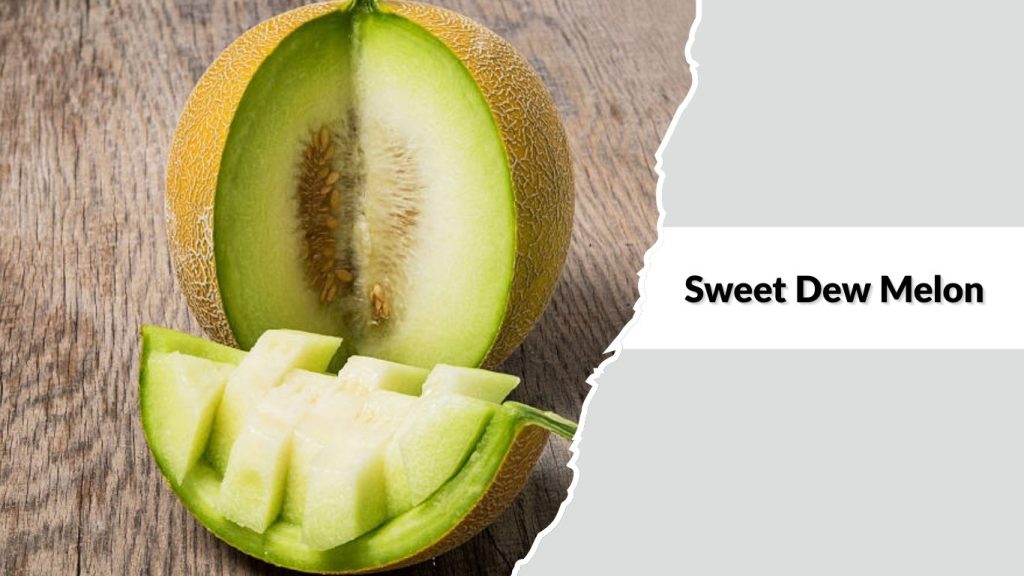
Sweet Dew melon is a flavorful honeydew variety known for its pronounced sweetness and juicy flesh. It is favored by those who enjoy a dessert-like melon with a clean, refreshing finish.
Identification
- Smooth, pale green to creamy-yellow rind
- Light green flesh
- Round to oval shape
- Strongly sweet aroma when ripe
- Medium size
Taste and Texture
Sweet Dew melon has a noticeably sweet, honey-forward flavor. The texture is soft, juicy, and tender, with a pleasant melt-in-the-mouth quality when fully ripe.
Nutritional Value
This melon provides vitamin C, potassium, and natural carbohydrates for quick energy. Its high water content helps maintain hydration while remaining low in fat.
Culinary Uses
Sweet Dew melon is excellent for fresh slices, fruit salads, smoothies, and desserts. Its natural sweetness makes it suitable for recipes without added sugar.
Storage and Ripening
Allow the melon to ripen at room temperature until fragrant and slightly soft at the ends. After cutting, refrigerate in an airtight container and consume within 2–3 days for best taste and texture.
21. Asian Honeydew
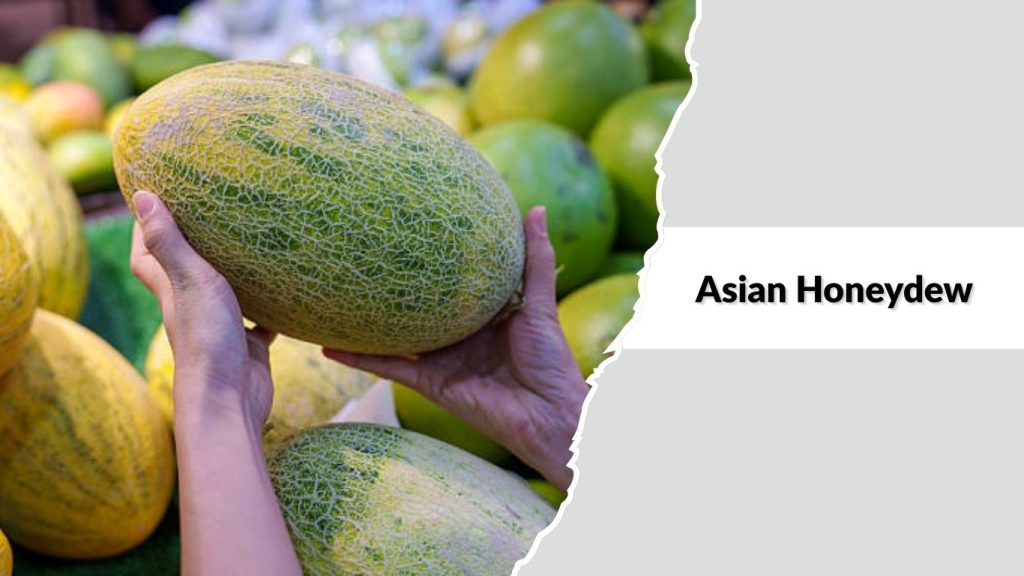
Asian honeydew is a broad category of honeydew varieties cultivated across East and Southeast Asia, valued for their refined sweetness, crisp texture, and aromatic flesh. These melons are often bred for balance rather than extreme sweetness.
Identification
- Smooth to slightly waxy rind, pale green to yellow
- White, light green, or pale orange flesh (varies by cultivar)
- Round or oval shape
- Light floral or sweet aroma when ripe
- Small to medium size
Taste and Texture
Asian honeydew typically has a clean, mildly sweet flavor with subtle floral notes. The texture ranges from crisp to softly juicy, depending on the specific variety.
Nutritional Value
These melons are high in water content and provide vitamin C, potassium, and trace minerals. They support hydration, digestion, and overall metabolic health.
Culinary Uses
Asian honeydew is commonly eaten fresh, used in fruit desserts, shaved ice dishes, beverages, and traditional sweets. It pairs well with coconut, milk-based desserts, and light syrups.
Storage and Ripening
Store whole melons at room temperature until ripe and aromatic. Once cut, refrigerate in a sealed container and consume within a few days for optimal freshness and flavor.
FAQs
How do you know when a honeydew melon is ripe?
A ripe honeydew feels slightly soft at the blossom end, has a sweet aroma, and a creamy (not green) rind color.
Is honeydew melon healthier than cantaloupe?
Both are healthy. Honeydew is slightly higher in potassium, while cantaloupe has more vitamin A. Nutritionally, they complement each other.
Can honeydew melon be eaten every day?
Yes, honeydew can be eaten daily in moderate portions. It is low in calories, hydrating, and rich in vitamins.
How long does honeydew last after cutting?
Cut honeydew lasts about 2–4 days in the refrigerator when stored in an airtight container.
Can honeydew be frozen?
Yes, honeydew can be frozen, but its texture becomes softer after thawing. It’s best used frozen in smoothies or blended drinks.