





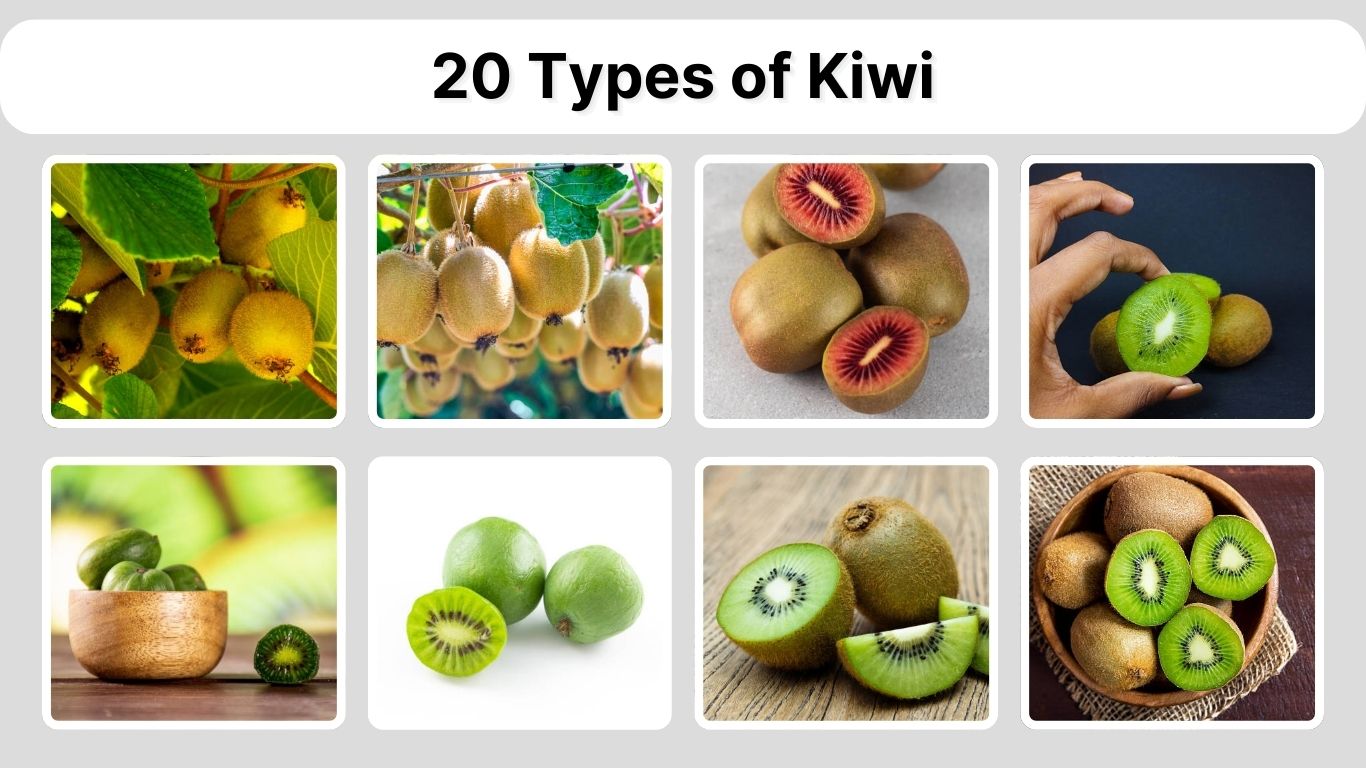
Kiwi is a nutrient-rich fruit known for its vibrant color, refreshing taste, and wide variety of types grown around the world. From the classic green kiwi to sweet golden and hardy cold-climate varieties, each type offers unique characteristics in flavor, texture, and use. Understanding the different kinds of kiwi helps in choosing the right variety for fresh eating, cooking, or gardening, while also appreciating the fruit’s diversity and nutritional benefits.
1. Hayward Kiwi
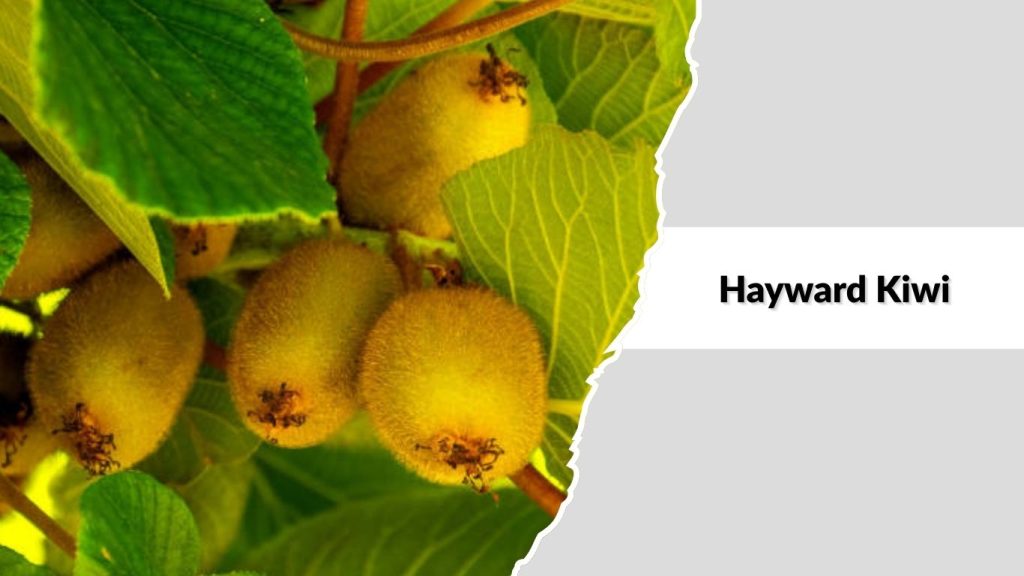
Hayward kiwi is the most popular and commercially important kiwi variety worldwide. It is best known for its large size, fuzzy brown skin, and bright green flesh with a refreshing sweet-tart flavor. This variety is widely cultivated because of its consistent quality, good shelf life, and versatility in both fresh consumption and food preparation.
Identification
- Large, oval to egg-shaped fruit
- Brown skin covered with fine fuzz
- Bright green flesh with a creamy white center
- Numerous tiny black edible seeds
- Thick skin that protects the fruit during transport
Taste and Texture
The flavor of Hayward kiwi is a balanced combination of sweetness and mild acidity. When ripe, the flesh becomes soft, juicy, and smooth while still holding its shape. Unripe fruits are firm and tangy, gradually becoming sweeter as they mature.
Origin
Hayward kiwi was developed in New Zealand in the early 20th century and later named after orchardist Hayward Wright. Its adaptability helped it spread to many kiwi-growing regions across the world.
Uses
This kiwi is commonly eaten fresh, sliced into fruit salads, blended into smoothies, and used in desserts. It is also popular as a decorative topping because of its vibrant color.
Nutritional Value
Hayward kiwi is rich in vitamin C, vitamin K, dietary fiber, and antioxidants. It also contains actinidin, an enzyme that supports digestion.
2. Golden Kiwi
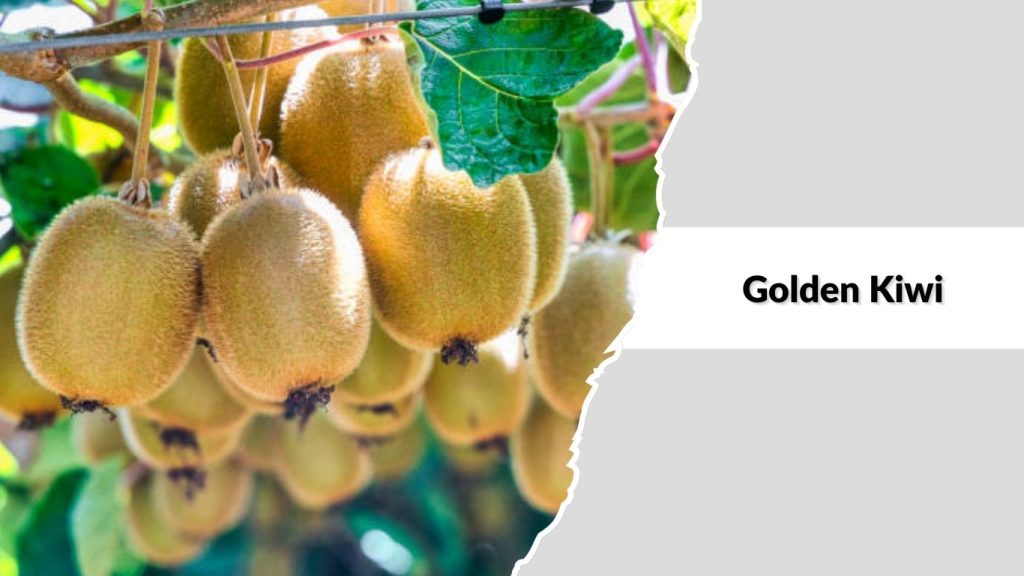
Golden kiwi is a popular kiwi variety known for its smooth bronze skin and golden-yellow flesh. It is sweeter and less acidic than green kiwi, making it appealing to people who prefer a milder, tropical flavor. This variety is widely grown for premium fresh fruit markets.
Identification
- Medium to large oval-shaped fruit
- Smooth, thin bronze-colored skin
- Golden to yellow flesh
- Small black edible seeds
- Softer skin compared to green kiwi
Taste and Texture
Golden kiwi has a noticeably sweeter taste with low acidity and subtle tropical notes. The flesh is tender, juicy, and smooth, offering a melt-in-the-mouth texture when fully ripe.
Origin
Golden kiwi was developed in New Zealand through selective breeding. It gained global popularity due to its unique color, sweetness, and consumer-friendly flavor profile.
Uses
This kiwi is commonly eaten fresh, sliced for fruit bowls, used in smoothies, desserts, and fruit tarts. Its sweet flavor also makes it suitable for sauces and jams.
Nutritional Value
Golden kiwi is high in vitamin C, vitamin E, fiber, and antioxidants. It supports immune health, digestion, and overall wellness while being naturally low in calories.
3. Red Kiwi
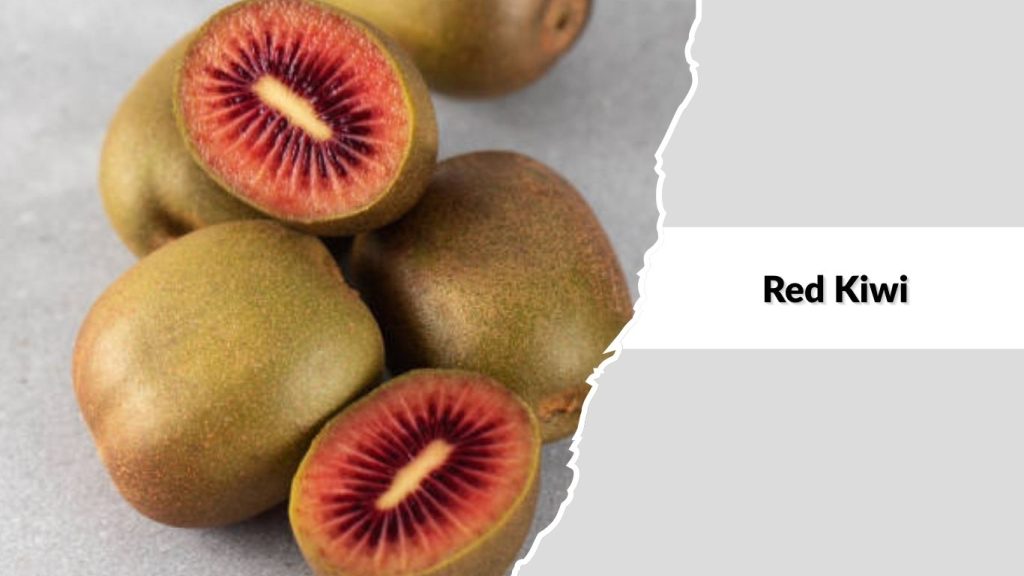
Red kiwi is a visually striking and relatively rare kiwi variety, known for its green flesh highlighted by a red or crimson ring around the center. It combines attractive appearance with a sweeter flavor profile, making it popular in specialty fruit markets and gourmet dishes.
Identification
- Small to medium-sized fruit
- Thin, slightly fuzzy or smooth skin
- Green flesh with a red or purple center
- Tiny black edible seeds
- Softer outer skin than Hayward kiwi
Taste and Texture
Red kiwi has a sweeter and more aromatic flavor than traditional green kiwi, with low acidity. The flesh is soft, juicy, and delicate, offering a smooth texture that is pleasant to eat fresh.
Origin
Red kiwi varieties were developed primarily in China and New Zealand through advanced breeding programs. They are derived from Actinidia chinensis and are still considered premium or niche cultivars.
Uses
Red kiwi is commonly eaten fresh and used in fruit salads, desserts, and decorative plating. Its colorful interior makes it ideal for garnishing cakes, pastries, and upscale dishes.
Nutritional Value
Red kiwi is rich in vitamin C, antioxidants, fiber, and natural plant compounds that support immunity and heart health. Its vibrant pigments indicate a high antioxidant content.
4. Baby Kiwi
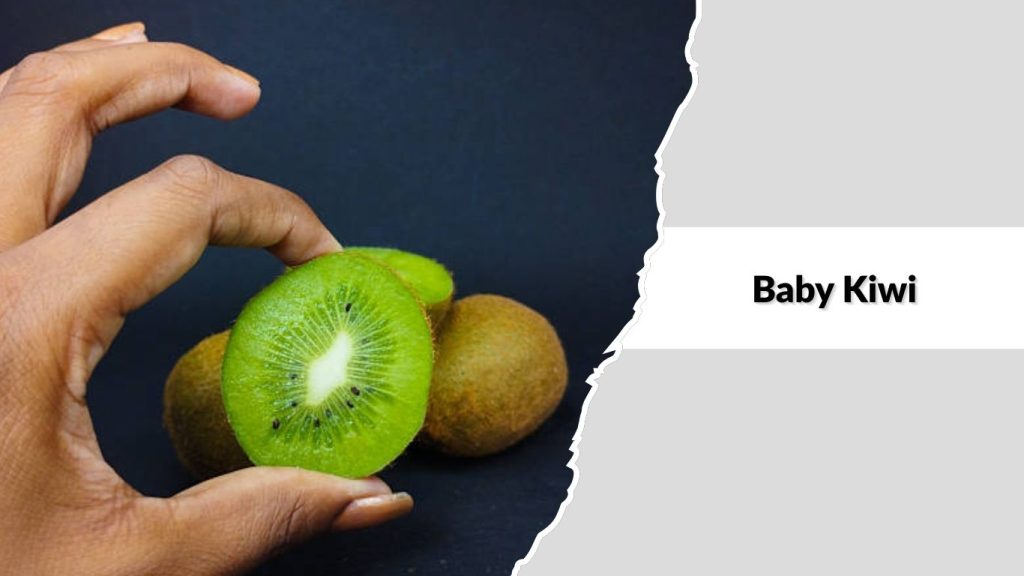
Baby kiwi, also known as kiwi berry, is a small, grape-sized kiwi variety with smooth, edible skin. Unlike traditional kiwis, it can be eaten whole without peeling, making it a convenient and increasingly popular fruit for snacking and fresh consumption.
Identification
- Small, round to oval fruit about the size of a grape
- Smooth, thin, edible skin
- Green flesh inside
- Tiny black seeds
- Grows in clusters on vines
Taste and Texture
Baby kiwi has a sweet, mild flavor with little to no tartness. The texture is tender and juicy, similar to a ripe green kiwi but without the fibrous outer skin.
Origin
Baby kiwi originates from East Asia, particularly regions of China, Korea, and Japan. It has been cultivated for centuries and later introduced to other parts of the world.
Uses
This kiwi is commonly eaten fresh as a snack, added to fruit salads, lunch boxes, and used as a topping for yogurt and desserts. Its edible skin makes preparation quick and easy.
Nutritional Value
Baby kiwi is rich in vitamin C, vitamin E, fiber, and antioxidants. It also provides potassium and supports digestive and immune health.
5. Arctic Kiwi
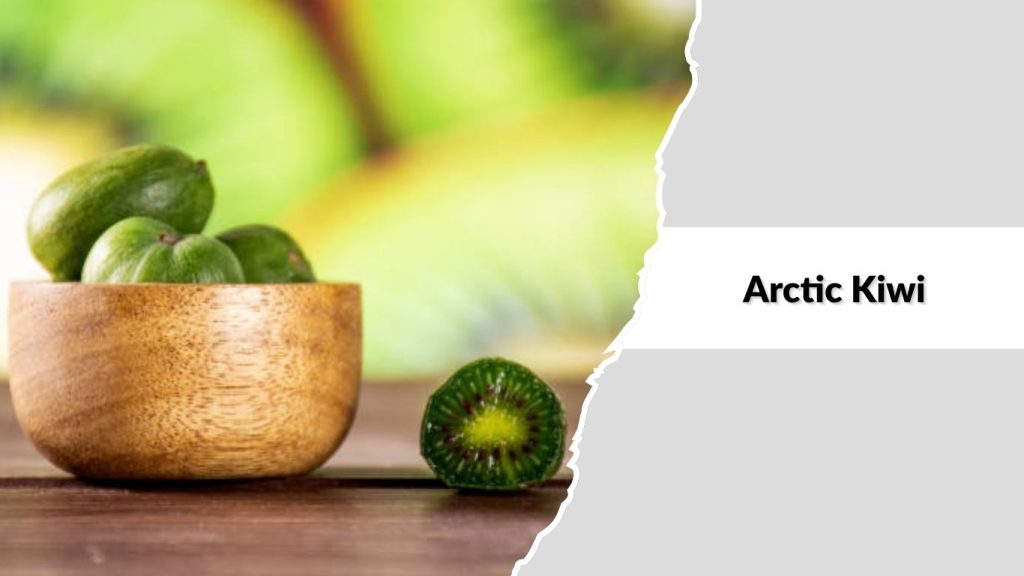
Arctic kiwi is a cold-hardy kiwi variety valued for its ability to grow in cooler climates where traditional kiwis cannot thrive. It produces small fruits and is often cultivated more for resilience and ornamental use than large-scale commercial production.
Identification
- Small to medium-sized oval fruit
- Smooth or lightly fuzzy skin
- Green flesh
- Small black edible seeds
- Vigorous climbing vine
Taste and Texture
Arctic kiwi has a mild, slightly sweet flavor with gentle acidity. The flesh is soft and juicy when ripe, though the taste is generally less intense than common commercial kiwi varieties.
Origin
Arctic kiwi is native to northeastern Asia, including parts of China, Korea, and Siberia. Its natural cold tolerance allows it to survive freezing temperatures.
Uses
The fruit can be eaten fresh, though it is more commonly grown in home gardens for its hardy nature. The vine is also used decoratively for covering fences and trellises.
Nutritional Value
Arctic kiwi contains vitamin C, fiber, and antioxidants. While smaller in size, it still offers nutritional benefits similar to other kiwi varieties.
6. Hardy Kiwi
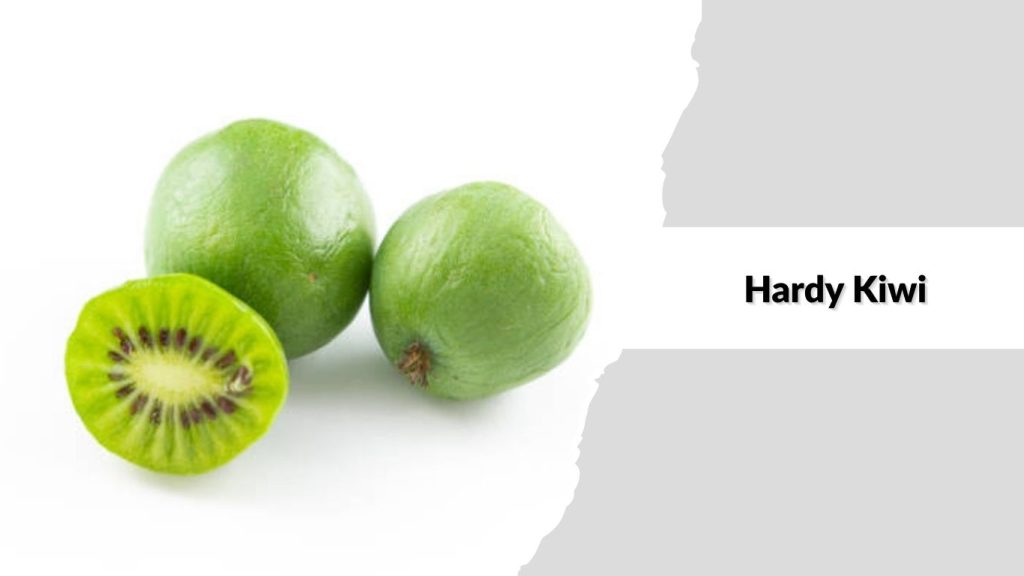
Hardy kiwi is a vigorous, cold-resistant kiwi variety closely related to baby kiwi. It is well known for producing smooth-skinned fruits that can be eaten whole and for its ability to survive harsh winter conditions, making it popular among home gardeners.
Identification
- Small, oval to round fruit
- Smooth, thin, edible skin
- Green flesh
- Tiny black seeds
- Fast-growing climbing vine
Taste and Texture
Hardy kiwi has a sweet flavor with mild tartness, often sweeter than fuzzy kiwi. The flesh is tender, juicy, and soft when ripe, offering a pleasant eating experience without peeling.
Origin
Hardy kiwi originates from northern China, Korea, and parts of Russia. It has been cultivated for its cold tolerance and adaptability to different environments.
Uses
This kiwi is commonly eaten fresh as a snack, added to salads, or used in desserts. It is also grown as an ornamental plant for its lush foliage.
Nutritional Value
Hardy kiwi is rich in vitamin C, vitamin E, fiber, and antioxidants. It supports immune health, digestion, and provides natural energy.
7. Fuzzy Kiwi
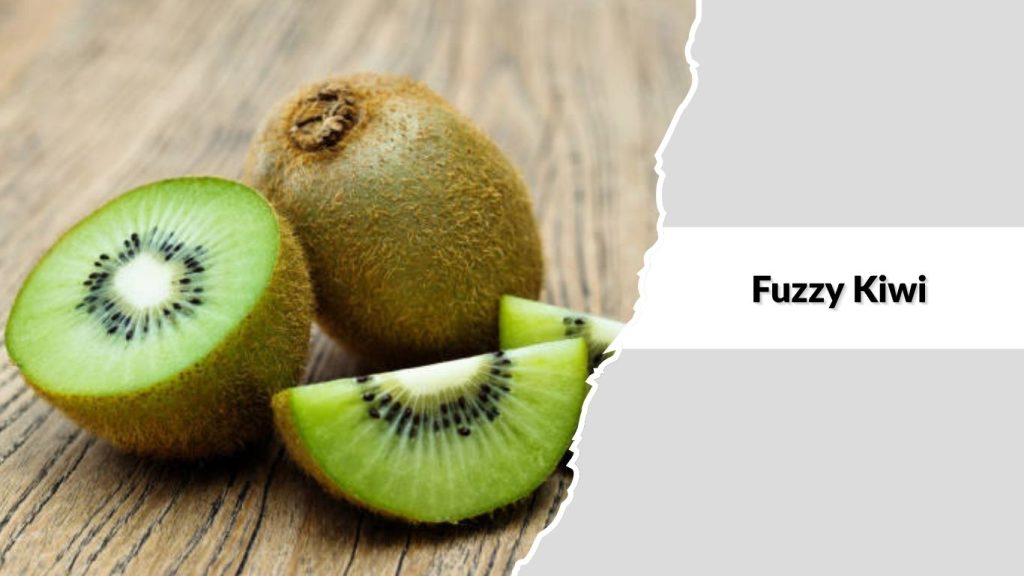
Fuzzy kiwi is the most familiar and widely recognized type of kiwi, named for the fine brown hairs covering its outer skin. It is commonly found in grocery stores and is prized for its refreshing flavor and versatility in culinary use.
Identification
- Medium to large oval-shaped fruit
- Brown skin covered with fine fuzz
- Bright green flesh
- White center with radiating black seeds
- Thick protective outer skin
Taste and Texture
Fuzzy kiwi has a balanced sweet and tangy flavor. The flesh is juicy and tender when ripe, while unripe fruit remains firm and slightly sour, softening as it matures.
Origin
Fuzzy kiwi originates from China but became commercially popular after being cultivated extensively in New Zealand. It is now grown in many temperate regions worldwide.
Uses
This kiwi is typically eaten fresh after peeling, sliced into fruit salads, blended into smoothies, or used in desserts. It is also valued as a garnish.
Nutritional Value
Fuzzy kiwi is high in vitamin C, vitamin K, fiber, and antioxidants. It also contains enzymes that aid digestion and support overall health.
8. Green Kiwi
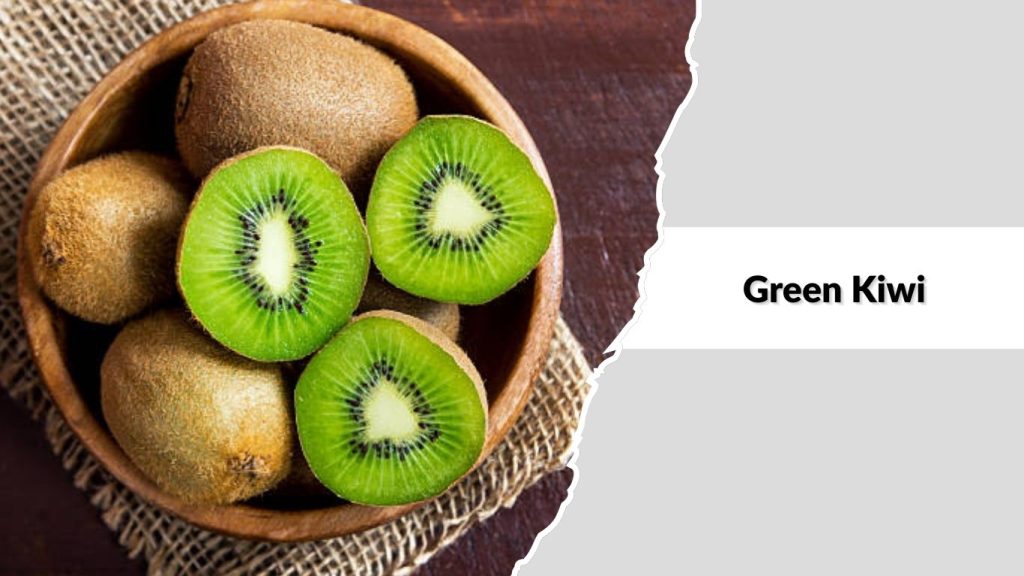
Green kiwi is a classic and widely consumed kiwi variety recognized for its vibrant green flesh and refreshing taste. It is often used as a general term for traditional kiwis with green interiors and a balanced sweet-tart flavor.
Identification
- Medium to large oval fruit
- Brown, slightly fuzzy skin
- Bright green flesh
- Creamy white center
- Numerous small black seeds
Taste and Texture
Green kiwi offers a refreshing mix of sweetness and acidity. The flesh is juicy and soft when ripe, with a smooth texture that contrasts pleasantly with the crunchy seeds.
Origin
Green kiwi traces its roots to China, where wild kiwi species originated. It was later cultivated and commercialized in New Zealand and other kiwi-producing countries.
Uses
This kiwi is commonly eaten fresh, added to fruit salads, smoothies, desserts, and used as a topping for yogurt and pastries.
Nutritional Value
Green kiwi is rich in vitamin C, fiber, antioxidants, and potassium. It supports immune health, digestion, and heart function.
9. SunGold Kiwi
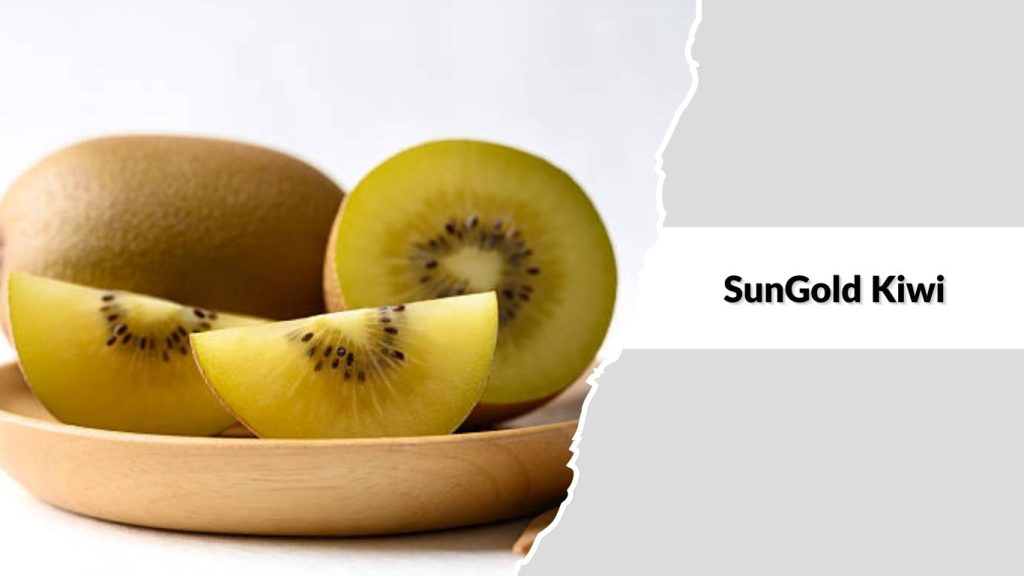
SunGold kiwi is a premium kiwi variety known for its smooth skin and vibrant golden flesh. It is especially popular for its exceptionally sweet flavor and low acidity, making it a favorite among consumers worldwide.
Identification
- Medium to large oval fruit
- Smooth, thin, bronze-colored skin
- Bright golden-yellow flesh
- Small black edible seeds
- Minimal outer fuzz
Taste and Texture
SunGold kiwi has a rich, tropical sweetness with very low tartness. The flesh is tender, juicy, and smooth, offering a luxurious texture when fully ripe.
Origin
SunGold kiwi was developed in New Zealand as an improved golden kiwi variety. It is commercially produced under licensed growing programs.
Uses
This kiwi is commonly eaten fresh, sliced for fruit bowls, smoothies, desserts, and used in premium fruit platters due to its color and flavor.
Nutritional Value
SunGold kiwi is high in vitamin C, vitamin E, antioxidants, and fiber. It supports immunity, skin health, and digestive function.
10. Zespri Green Kiwi
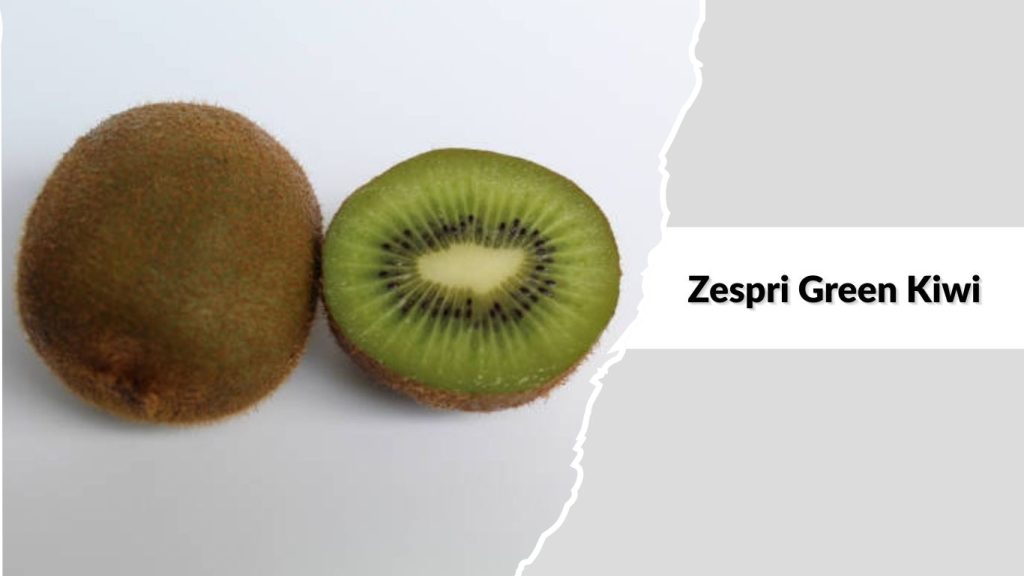
Zespri Green kiwi is a branded green kiwi variety known for its consistent quality, firm texture, and balanced flavor. It is widely available in international markets and represents a high standard of commercial kiwi production.
Identification
- Medium to large oval-shaped fruit
- Brown, fuzzy outer skin
- Bright green flesh
- White center surrounded by black seeds
- Firm texture
Taste and Texture
Zespri Green kiwi has a classic sweet-tart flavor that is refreshing and slightly tangy. The flesh is juicy yet firm, holding its shape well when sliced.
Origin
This kiwi is grown in multiple countries under Zespri’s quality-controlled growing system, with origins tied to New Zealand’s kiwi industry.
Uses
Zespri Green kiwi is eaten fresh, added to fruit salads, smoothies, desserts, and commonly used in breakfast bowls and garnishes.
Nutritional Value
Zespri Green kiwi is rich in vitamin C, dietary fiber, antioxidants, and potassium, supporting digestion, immunity, and overall health.
11. Zespri SunGold Kiwi
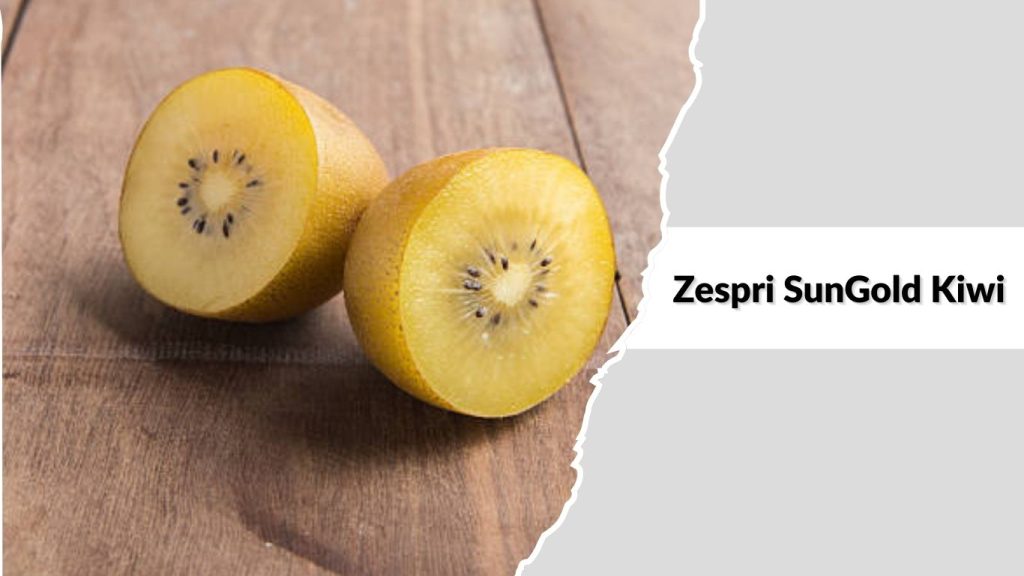
Zespri SunGold kiwi is a premium branded golden kiwi variety celebrated for its smooth skin, bright golden flesh, and naturally sweet taste. It is produced under strict quality standards to ensure consistent flavor and appearance.
Identification
- Medium to large oval fruit
- Smooth, thin bronze skin
- Vibrant golden-yellow flesh
- Small black seeds
- Minimal to no fuzz
Taste and Texture
This kiwi offers an intense sweetness with very low acidity. The flesh is soft, juicy, and smooth, providing a rich and satisfying eating experience.
Origin
Zespri SunGold kiwi was developed in New Zealand and is grown globally through licensed growers to maintain quality and supply standards.
Uses
It is commonly eaten fresh, used in fruit salads, smoothies, desserts, and featured in premium fruit platters due to its bright color.
Nutritional Value
Zespri SunGold kiwi is high in vitamin C, antioxidants, fiber, and vitamin E, supporting immune health, digestion, and skin vitality.
12. Jenny Kiwi
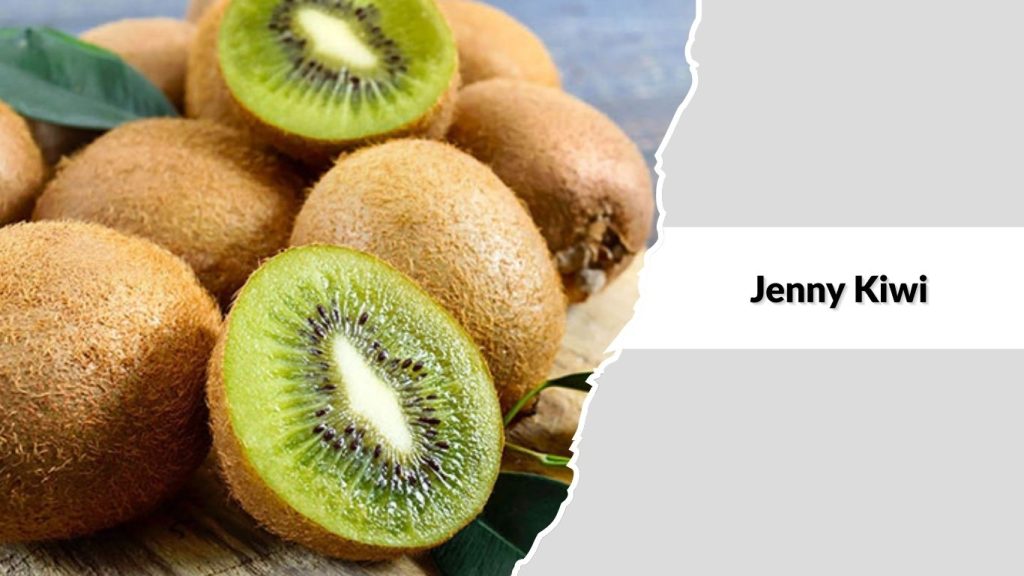
Jenny kiwi is a hardy kiwi variety appreciated for its ability to self-pollinate and produce fruit in cooler climates. It is commonly grown in home gardens rather than large commercial orchards.
Identification
- Small to medium-sized fruit
- Smooth, thin, edible skin
- Green flesh
- Tiny black seeds
- Vigorous climbing vine
Taste and Texture
Jenny kiwi has a sweet, mild flavor with low acidity. The flesh is soft, juicy, and pleasant to eat, especially when fully ripe.
Origin
This kiwi variety was developed in the United States from hardy kiwi species to suit colder growing regions and smaller-scale cultivation.
Uses
Jenny kiwi is typically eaten fresh, added to fruit salads, or enjoyed as a garden snack. Its edible skin makes it convenient for quick consumption.
Nutritional Value
Jenny kiwi provides vitamin C, fiber, antioxidants, and essential minerals that support immune and digestive health.
13. Issai Kiwi
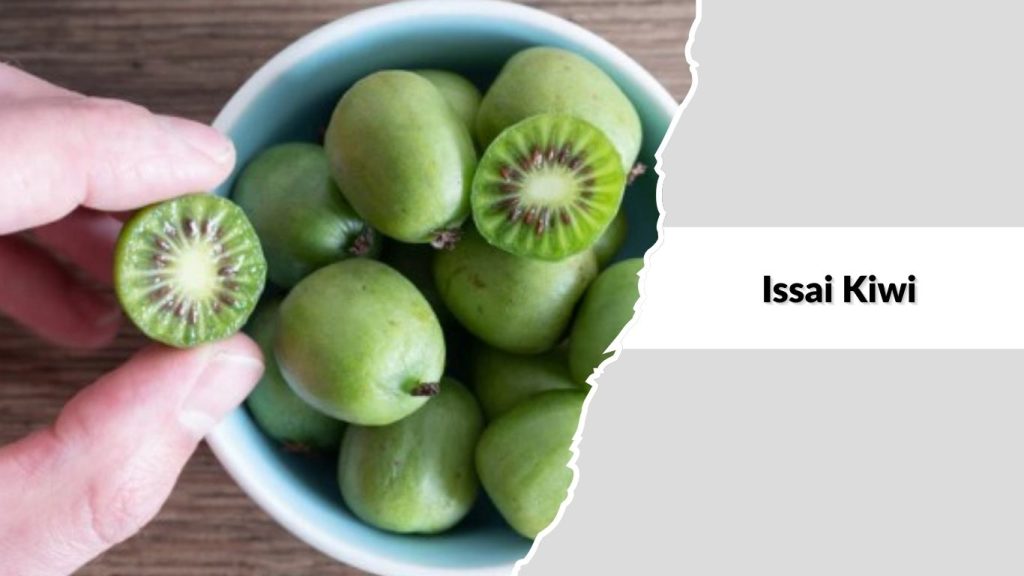
Issai kiwi is a popular hardy kiwi variety known for its compact growth and self-fertile nature. It is especially suitable for small gardens and patios, producing smooth-skinned fruits that can be eaten whole.
Identification
- Small, round to oval fruit
- Smooth, thin, edible skin
- Green flesh
- Tiny black seeds
- Compact climbing vine
Taste and Texture
Issai kiwi has a sweet, mild flavor with very low acidity. The flesh is soft, juicy, and smooth, making it enjoyable for fresh eating.
Origin
This variety originates from Japan and was developed from hardy kiwi species adapted to cooler climates and limited growing spaces.
Uses
Issai kiwi is commonly eaten fresh, added to salads, or enjoyed straight from the vine. It is also grown decoratively on trellises and fences.
Nutritional Value
Issai kiwi is rich in vitamin C, fiber, antioxidants, and potassium, contributing to immune support and digestive health.
14. Ananasnaya Kiwi
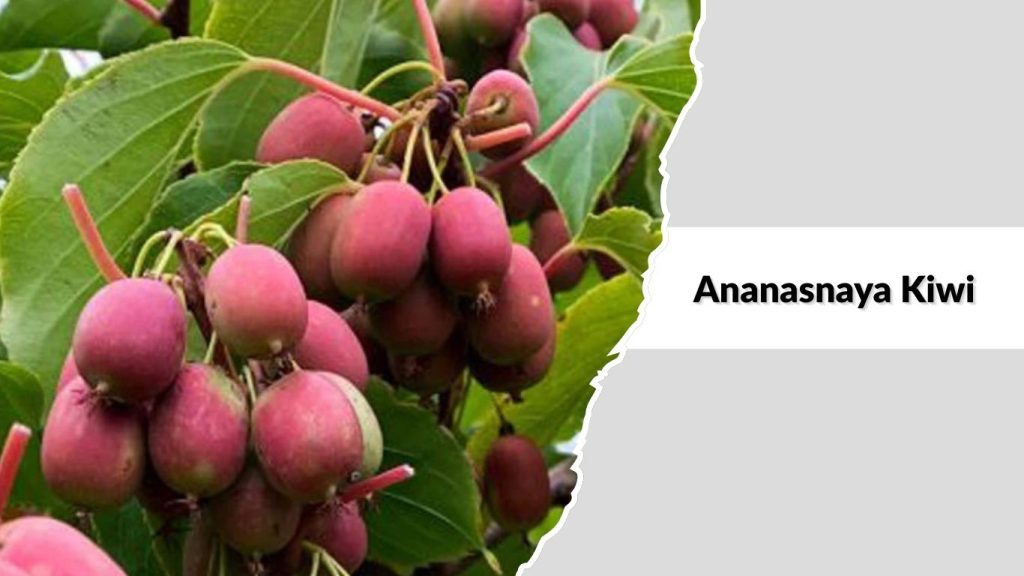
Ananasnaya kiwi is a hardy kiwi variety recognized for its aromatic flavor and strong pineapple-like notes. It is valued for both its taste and its ability to thrive in colder climates, making it popular among home growers.
Identification
- Small, oval-shaped fruit
- Smooth, edible skin
- Green flesh
- Tiny black seeds
- Vigorous climbing vine
Taste and Texture
Ananasnaya kiwi has a sweet, tropical flavor with hints of pineapple. The flesh is juicy, tender, and soft when ripe, offering a refreshing eating experience.
Origin
This variety originates from northern China and Siberian regions. Its name comes from its distinctive pineapple-like aroma and flavor profile.
Uses
Ananasnaya kiwi is commonly eaten fresh, added to fruit salads, desserts, or used as a flavorful snack straight from the vine.
Nutritional Value
Ananasnaya kiwi is high in vitamin C, antioxidants, and fiber. It supports immune function, digestion, and overall wellness.
15. Blake Kiwi
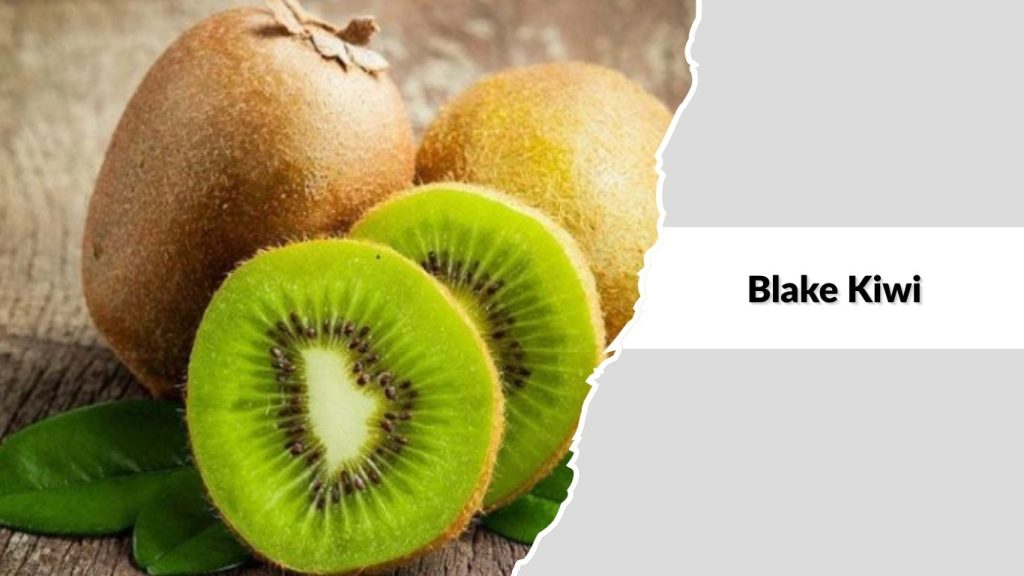
Blake kiwi is a hardy kiwi variety known for its reliable fruit production and adaptability to cooler climates. It is often grown by home gardeners who want a productive vine with flavorful, smooth-skinned fruit.
Identification
- Small to medium-sized oval fruit
- Smooth, thin, edible skin
- Green flesh
- Tiny black seeds
- Strong, fast-growing vine
Taste and Texture
Blake kiwi has a sweet flavor with mild tartness. The flesh is soft, juicy, and tender when ripe, making it enjoyable for fresh eating.
Origin
This variety was developed in North America from hardy kiwi species to improve cold tolerance and fruit yield.
Uses
Blake kiwi is commonly eaten fresh, added to fruit salads, or used in desserts. It is also grown ornamentally for its dense foliage.
Nutritional Value
Blake kiwi provides vitamin C, fiber, antioxidants, and essential minerals that contribute to digestive and immune health.
16. Bruno Kiwi
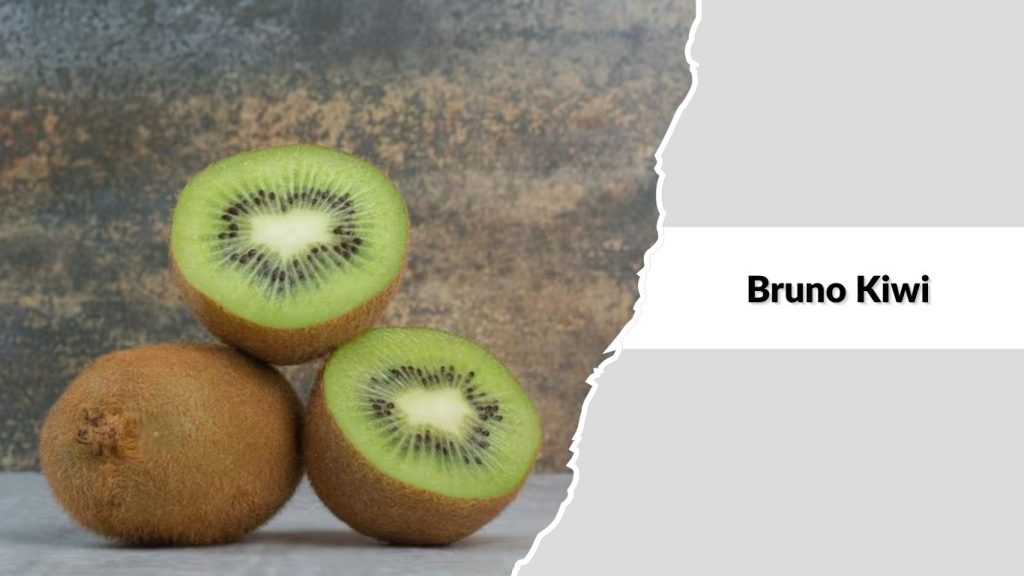
Bruno kiwi is a traditional green kiwi variety valued for its vigorous growth and high fruit yield. It is commonly used in commercial orchards and home gardens, especially in regions with suitable temperate climates.
Identification
- Medium to large elongated fruit
- Brown, fuzzy outer skin
- Bright green flesh
- White center with black seeds
- Thick, firm skin
Taste and Texture
Bruno kiwi has a mildly sweet flavor with noticeable acidity. The flesh is juicy and soft when ripe, offering a refreshing and slightly tangy eating experience.
Origin
This variety originated in New Zealand and was developed for strong growth and dependable production.
Uses
Bruno kiwi is typically eaten fresh, used in fruit salads, smoothies, desserts, and processed products like jams.
Nutritional Value
Bruno kiwi is rich in vitamin C, fiber, antioxidants, and potassium, supporting immunity, digestion, and heart health.
17. Abbott Kiwi
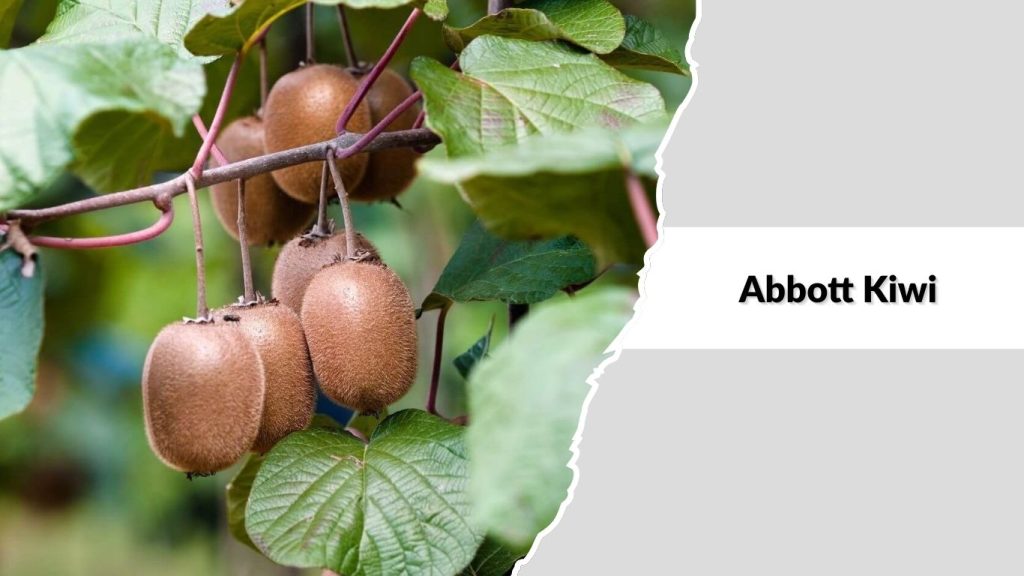
Abbott kiwi is an early-ripening green kiwi variety known for its good productivity and slightly elongated fruit shape. It is often grown in commercial orchards as well as home gardens because it matures earlier than many other kiwi types.
Identification
- Medium-sized, elongated fruit
- Brown skin with fine fuzz
- Bright green flesh
- Creamy white center
- Small black edible seeds
Taste and Texture
Abbott kiwi has a mildly sweet flavor with gentle acidity. The flesh is juicy and tender when ripe, though slightly firmer than some late-season varieties. Its balanced taste makes it suitable for both fresh eating and processing.
Origin
This variety was developed in New Zealand and named after one of the early pioneers of kiwi cultivation. Its early harvest period helped it gain popularity among growers.
Uses
Abbott kiwi is commonly eaten fresh, sliced into fruit salads, blended into smoothies, and used in desserts. Because it ripens early, it is often one of the first kiwis available in the season.
Nutritional Value
Abbott kiwi is a good source of vitamin C, dietary fiber, antioxidants, and potassium. It supports immune health, digestion, and overall vitality.
18. Monty Kiwi
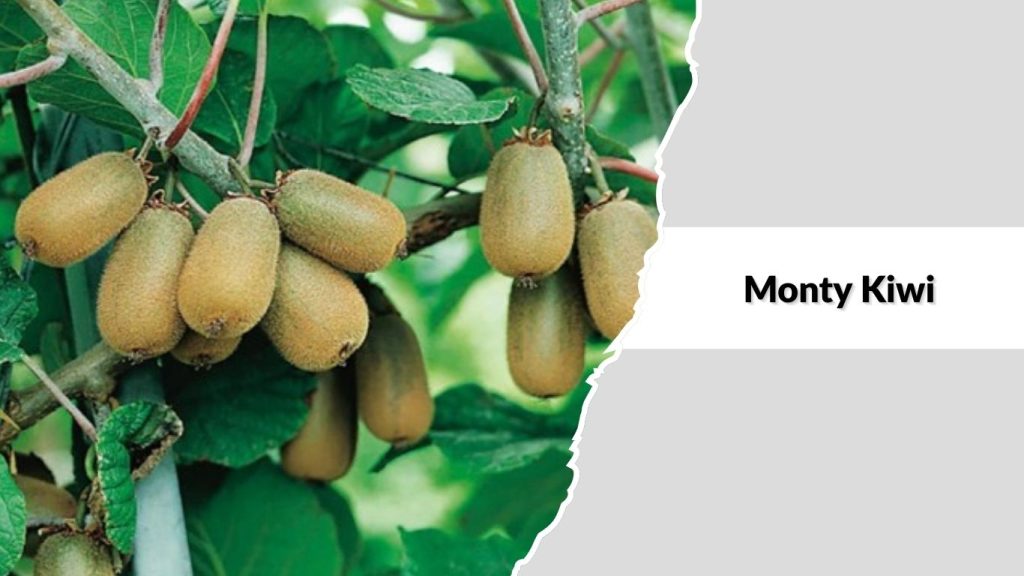
Monty kiwi is a green kiwi variety known for its strong vine growth and reliable fruit production. It is often chosen by growers for its adaptability and consistent yields in suitable temperate climates.
Identification
- Medium to large oval-shaped fruit
- Brown, fuzzy outer skin
- Bright green flesh
- White center with radiating black seeds
- Thick skin that protects the fruit
Taste and Texture
Monty kiwi has a pleasant sweet-tart flavor similar to classic green kiwi varieties. The flesh is juicy and soft when ripe, with a smooth texture that holds up well when sliced.
Origin
This variety was developed in New Zealand during the early stages of commercial kiwi cultivation. It was selected for its vigorous growth and dependable cropping.
Uses
Monty kiwi is commonly eaten fresh, used in fruit salads, smoothies, and desserts. It is also suitable for processing into juices and preserves.
Nutritional Value
Monty kiwi provides high levels of vitamin C, fiber, antioxidants, and essential minerals. Regular consumption supports immune function, digestion, and heart health.
19. Matua Kiwi
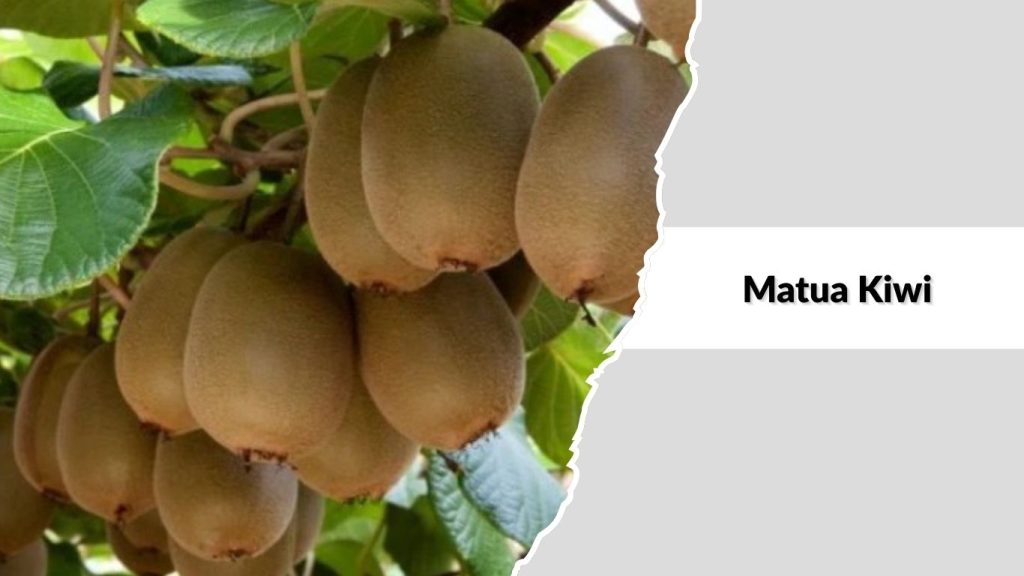
Matua kiwi is a well-known male kiwi variety primarily used for pollination rather than fruit production. It plays a crucial role in kiwi orchards by ensuring proper fertilization of female kiwi vines, which leads to healthy and abundant fruit development.
Identification
- Produces flowers but no edible fruit
- Large, vigorous climbing vine
- Dark green, heart-shaped leaves
- Creamy white fragrant flowers
- Strong pollen-producing capability
Taste and Texture
Matua kiwi does not produce edible fruit, so it is not consumed. Its value lies entirely in its function as a pollinator for female kiwi varieties such as Hayward.
Origin
This variety originated in New Zealand and was developed specifically to support commercial kiwi production through efficient pollination.
Uses
Matua kiwi is planted in orchards alongside female kiwi vines to improve fruit size, shape, and yield. It is essential for large-scale kiwi farming.
Nutritional Value
Since Matua kiwi does not bear edible fruit, it has no direct nutritional value for consumption. However, its agricultural importance is significant.
20. Hort16A Kiwi
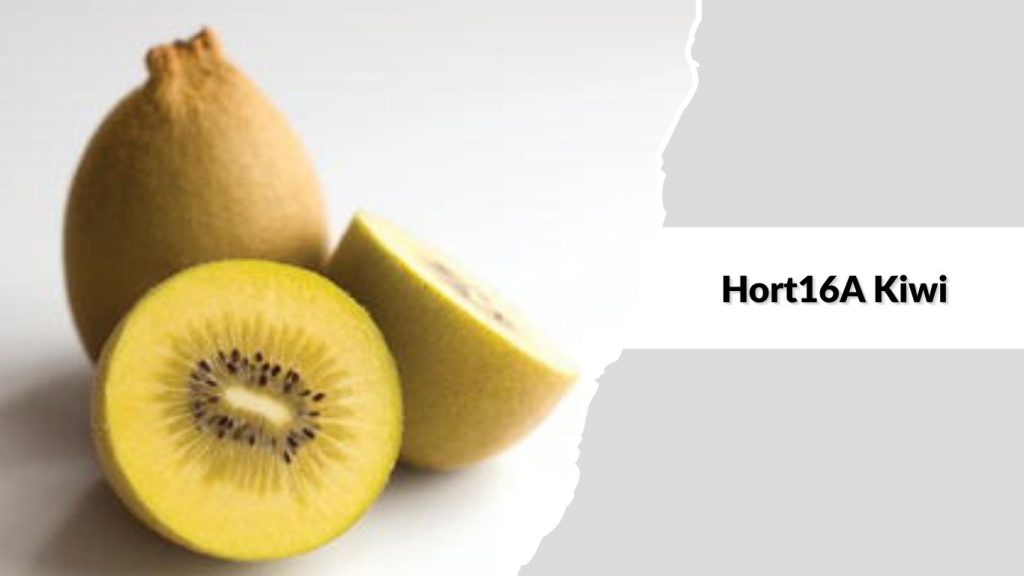
Hort16A kiwi is a well-known golden kiwi variety that played a major role in the global popularity of golden kiwifruit. It is recognized for its smooth skin, golden flesh, and sweet, tropical flavor, although it is no longer widely grown due to disease sensitivity.
Identification
- Medium-sized oval fruit
- Smooth, thin bronze skin
- Golden-yellow flesh
- Small black edible seeds
- Minimal to no fuzz
Taste and Texture
Hort16A kiwi has a rich, sweet flavor with low acidity and subtle tropical notes. The flesh is soft, juicy, and smooth, making it highly appealing for fresh consumption.
Origin
This variety was developed in New Zealand through advanced breeding programs. It was one of the first commercially successful golden kiwis before being replaced by improved varieties.
Uses
Hort16A kiwi was primarily eaten fresh and used in premium fruit products. Today, it is mainly of historical and breeding importance rather than widespread commercial use.
Nutritional Value
Hort16A kiwi is high in vitamin C, antioxidants, fiber, and vitamin E, supporting immune health and digestion.
FAQs
What is the most common type of kiwi?
The most common type of kiwi is the Hayward kiwi. It is widely grown and sold around the world due to its balanced sweet-tart flavor, long shelf life, and suitability for commercial farming.
Are all kiwi varieties edible?
No, not all kiwi varieties are grown for eating. Some types, such as Matua kiwi, are male pollinator plants and do not produce edible fruit. Most female kiwi varieties, however, are edible.
What is the difference between green kiwi and golden kiwi?
Green kiwi has bright green flesh with a tangy, slightly acidic taste, while golden kiwi has yellow flesh and a sweeter, less acidic flavor. Golden kiwi also usually has smoother skin than green kiwi.
Can kiwi be eaten with the skin?
Yes, some kiwi varieties like baby kiwi and hardy kiwi have smooth, edible skin and can be eaten whole. Traditional fuzzy kiwi skin is edible but usually peeled due to its texture.
Which kiwi variety is the sweetest?
Golden kiwi varieties, especially SunGold kiwi, are considered the sweetest. They have low acidity and a tropical, honey-like flavor compared to green kiwi types.