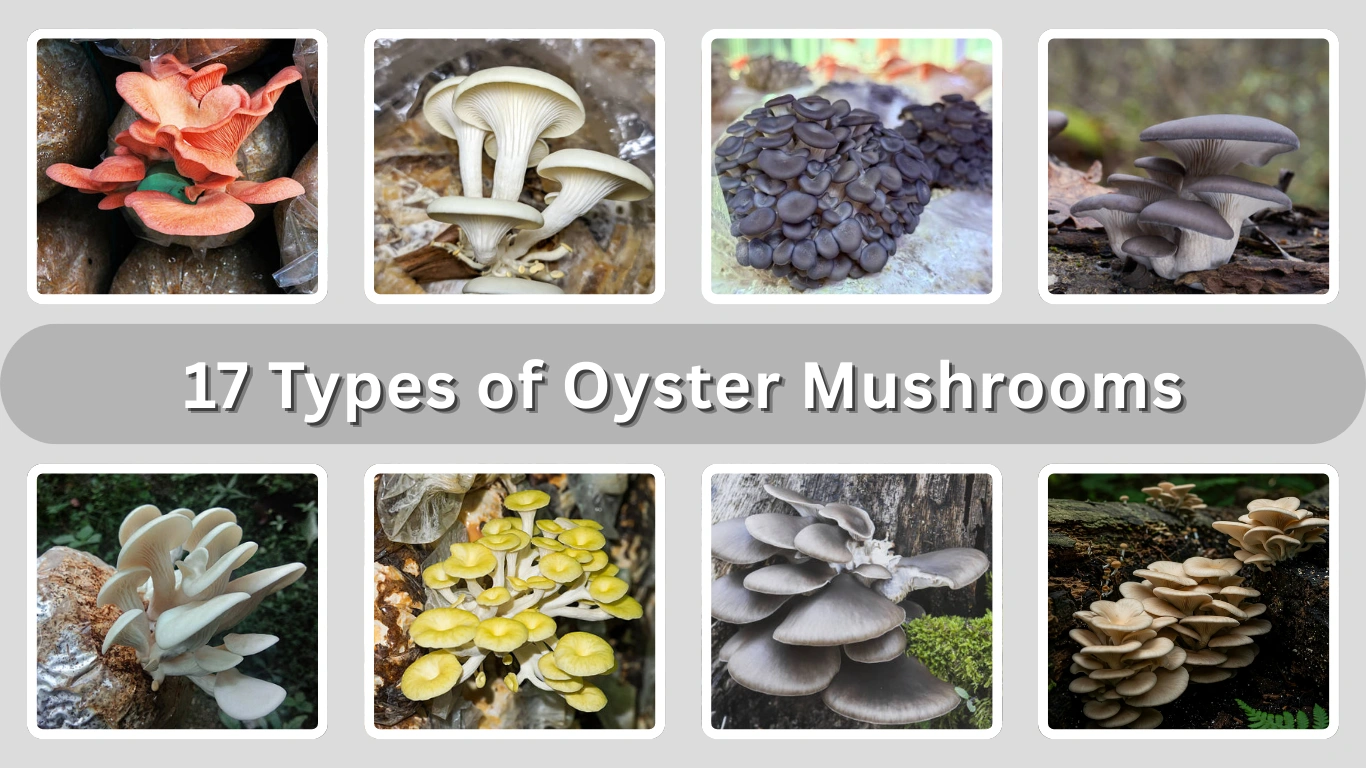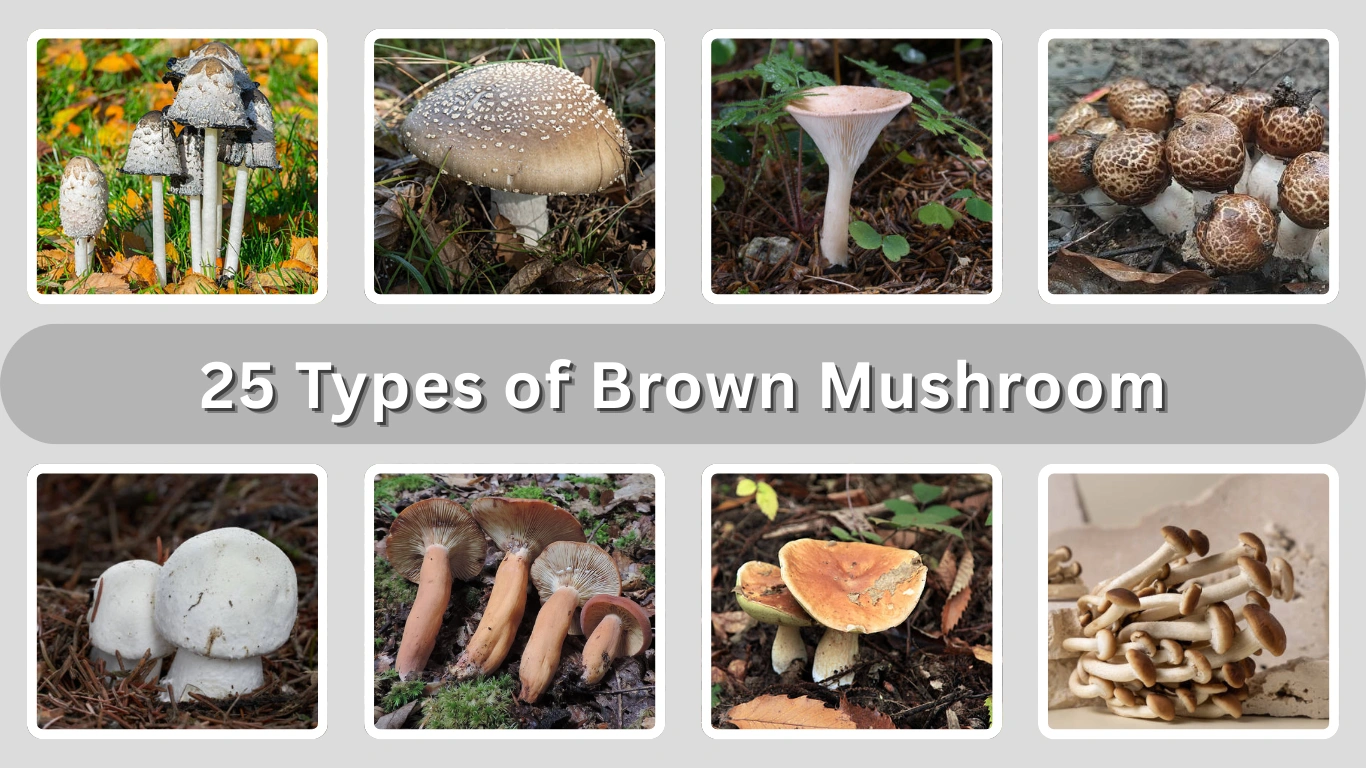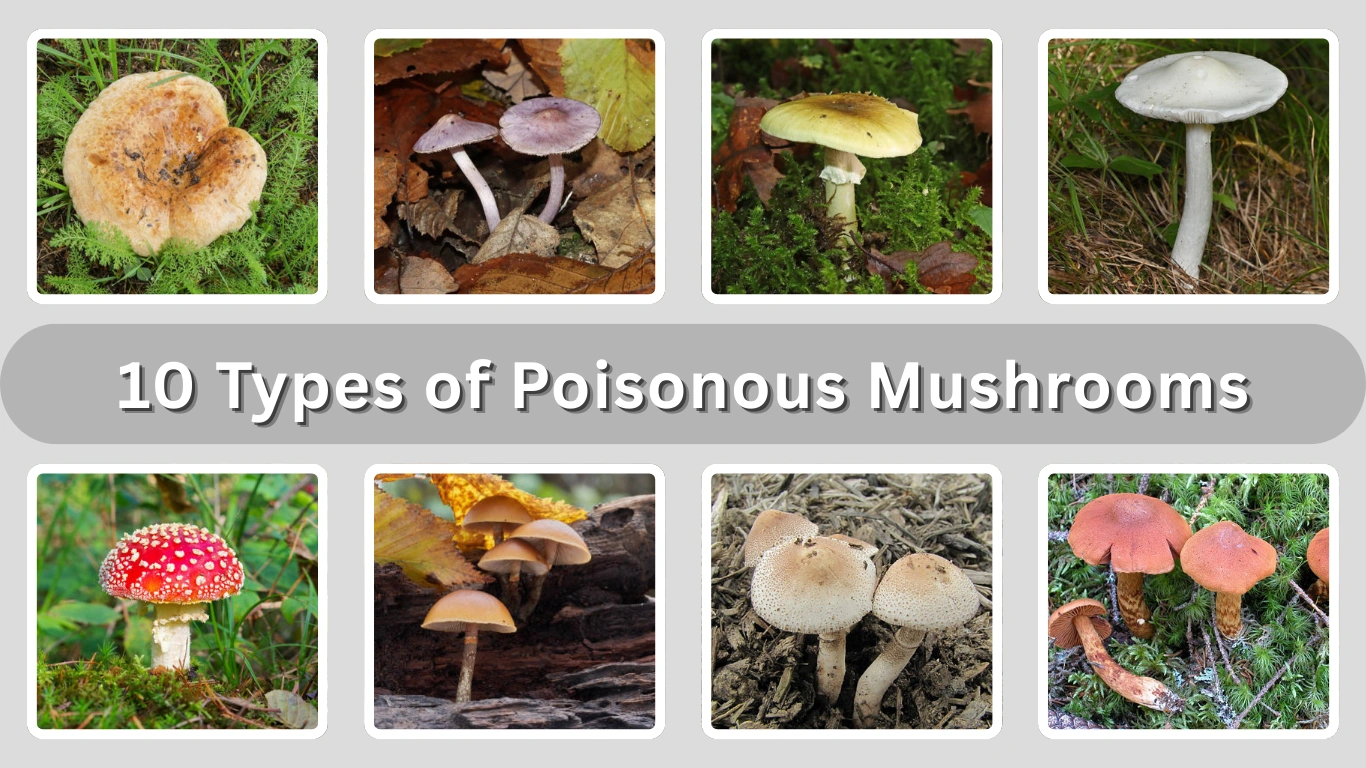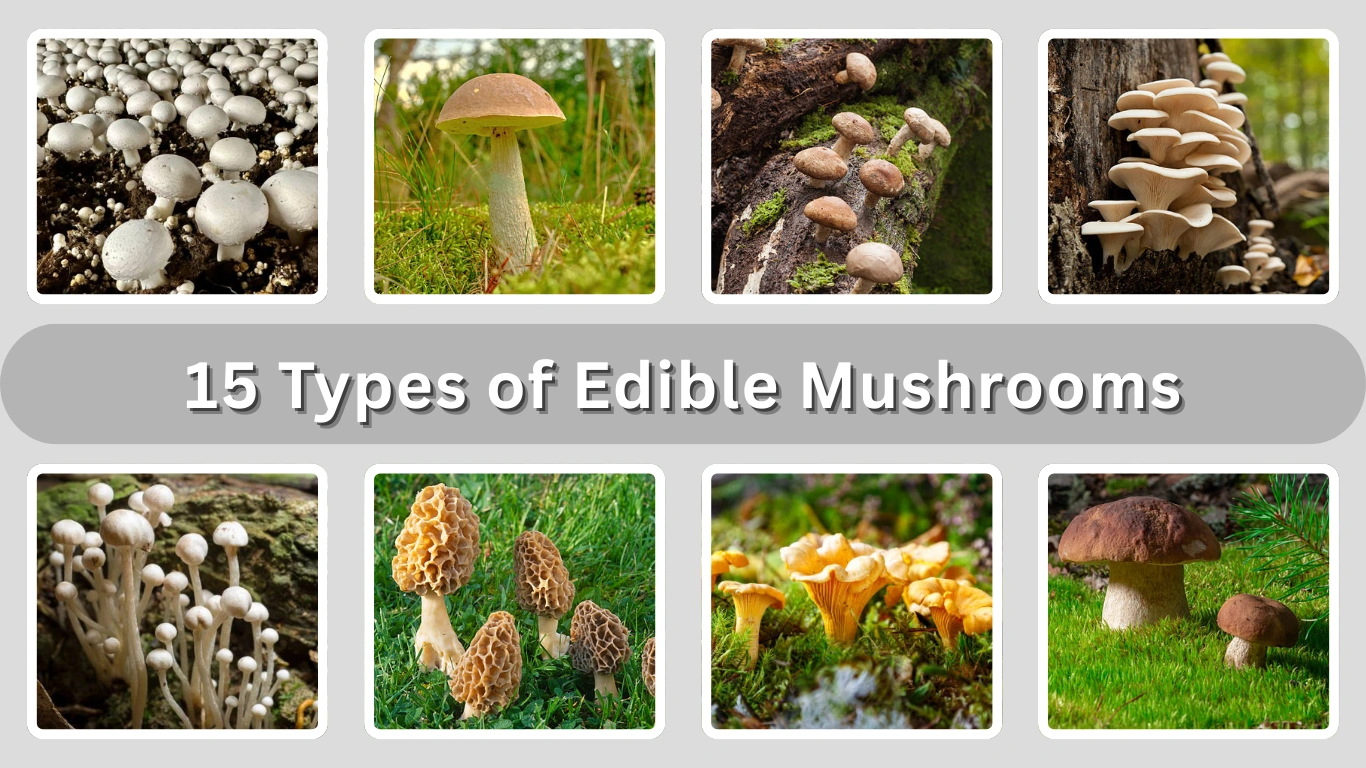



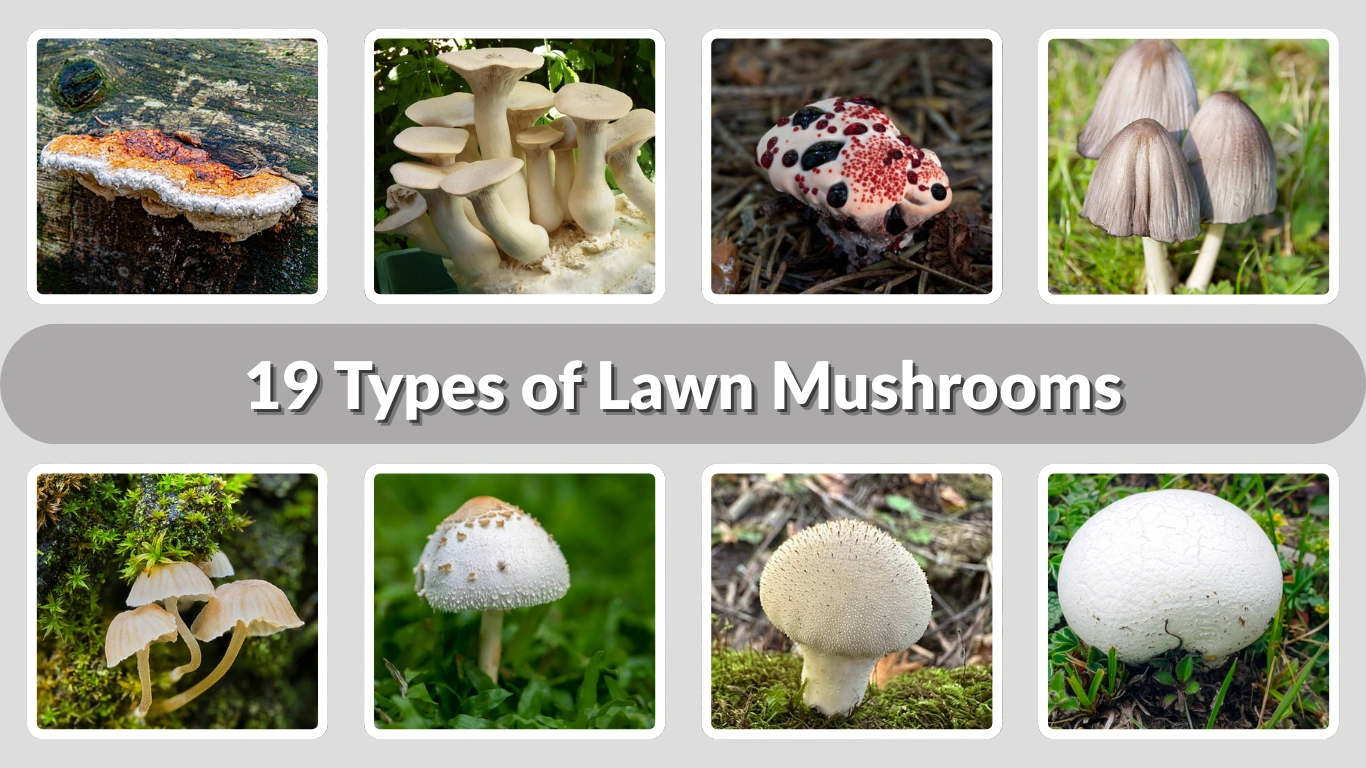
Lawn mushrooms are fascinating organisms that often emerge in grassy areas, such as lawns, meadows, and parks. These mushrooms play an important role in the ecosystem by breaking down organic matter and recycling nutrients. While some species are edible and highly prized, others are toxic and should be avoided. Understanding how to identify the different types of lawn mushrooms is essential for foragers and nature enthusiasts alike.
1. Fairy Ring Mushroom (Marasmius oreades)
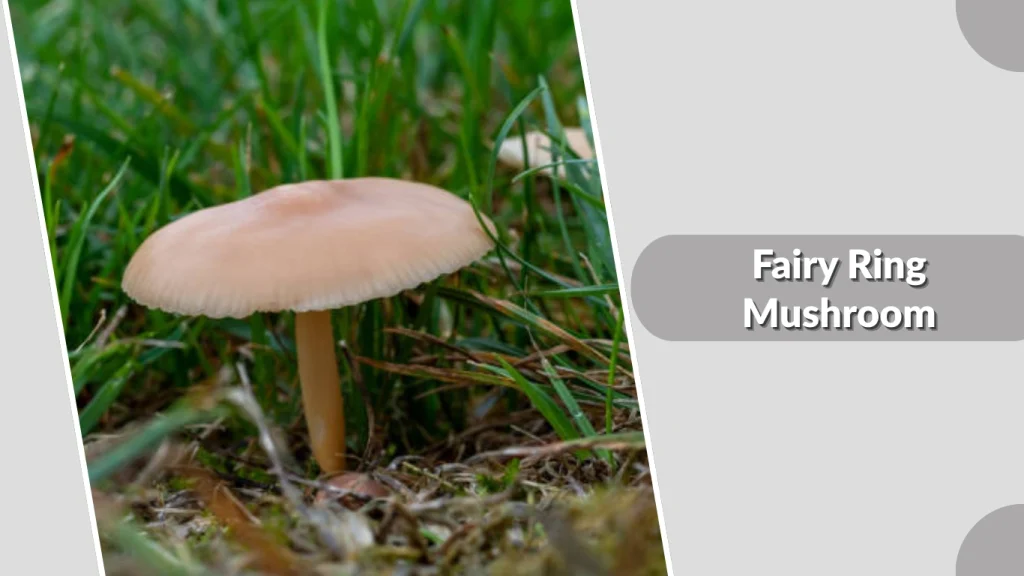
Fairy Ring Mushroom is a small, delicate species commonly found growing in grassy areas, particularly in lawns and meadows. It gets its name from the characteristic rings it forms on the ground, often referred to as “fairy rings.” This mushroom is non-toxic but not typically consumed, as its flavor is mild and not very appetizing. It is fascinating for its role in folklore and its ability to grow in concentric patterns.
Identification
- Cap: Small, tan to brown, often with a slightly rolled edge.
- Shape: Convex or bell-shaped, with a smooth surface.
- Size: Typically 1 to 3 inches in diameter.
- Gills: White to pale, closely spaced.
- Stem: Thin, pale, and slightly flexible.
- Spore Print: White.
Habitat and Distribution
Fairy Ring Mushroom thrives in lawns, meadows, and grassy fields. It typically forms rings or arcs of mushrooms, often in the late summer and fall. These mushrooms are common in temperate regions and can be found in lawns, parks, or golf courses. The rings they form are caused by the spreading mycelium of the fungus beneath the surface of the soil.
Ecological Role
Fairy Ring Mushrooms are mycorrhizal, meaning they form a symbiotic relationship with grasses and other plants. The mycelium beneath the soil helps break down organic matter, enriching the soil and improving the growth of nearby plants. While they don’t typically harm the plants they grow around, their presence can indicate soil health and fungal activity beneath the surface.
Folklore and Symbolism
Fairy Ring Mushrooms have long been associated with folklore and mystical beliefs. In many cultures, these rings were thought to be portals to the fairy realm or the work of magical creatures. Historically, the appearance of a fairy ring was sometimes considered an omen or a sign of supernatural activity, adding an air of mystery and wonder to these fascinating fungi.
2. Common Ink Cap (Coprinopsis atramentaria)
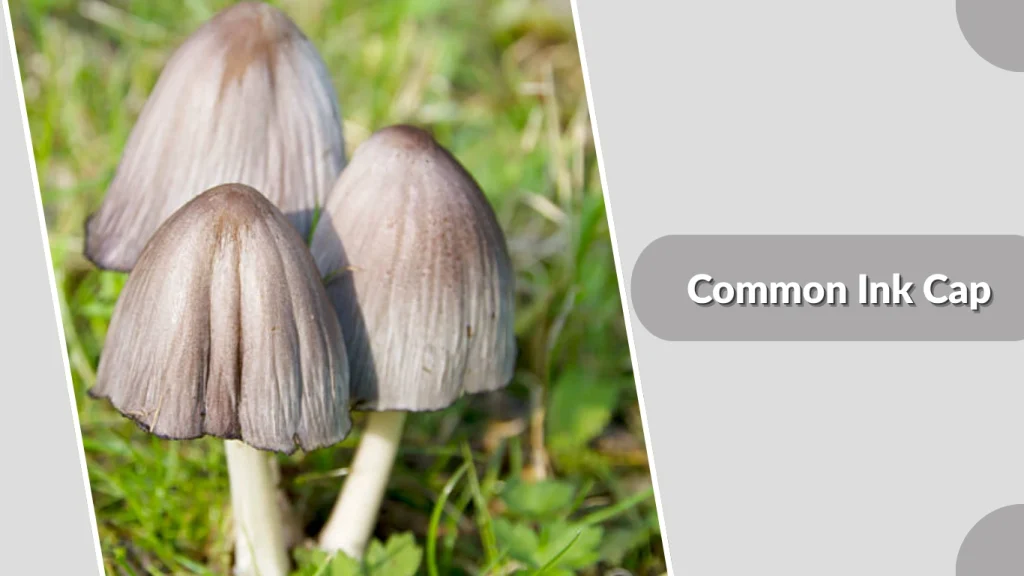
The Common Ink Cap is a distinctive mushroom found in lawns, gardens, and wooded areas. Known for its unique process of “auto-digestion,” this mushroom turns into a black, ink-like liquid as it matures. While it is edible when young, it should not be consumed with alcohol, as it can cause an adverse reaction. Its unusual life cycle and appearance make it an intriguing find for mushroom enthusiasts.
Identification
- Cap: White to pale, conical, with a smooth texture that becomes black and inky with age.
- Shape: Bell-shaped, often becoming more cylindrical as it matures.
- Size: Typically 2 to 4 inches in diameter.
- Gills: Close, turning black and liquefied as the mushroom matures.
- Stem: Long, thin, and white, with a hollow center.
- Spore Print: Black.
Habitat and Distribution
Common Ink Cap is commonly found in lawns, gardens, and grassy areas, particularly where organic material is decomposing. It often appears in the summer and fall, thriving in temperate regions. The mushroom grows solitarily or in small groups, typically found on decaying plant matter or leaf litter.
Edibility and Consumption
The Common Ink Cap is edible when young, with a mild flavor. However, it should not be consumed with alcohol, as it contains a compound that can cause a toxic reaction, leading to symptoms such as nausea, vomiting, and dizziness. It is advisable to wait at least 48 hours after consuming this mushroom before drinking alcohol to avoid any adverse effects.
Unique Characteristics
What sets the Common Ink Cap apart from other mushrooms is its unique process of self-digestion. As it matures, the gills liquefy, turning into a black, ink-like substance. This phenomenon, called “deliquescence,” is not only fascinating but also aids in spreading the spores of the mushroom. This mushroom’s rapid decomposition process is part of its strategy to release spores into the environment efficiently.
3. Shaggy Mane (Coprinus comatus)
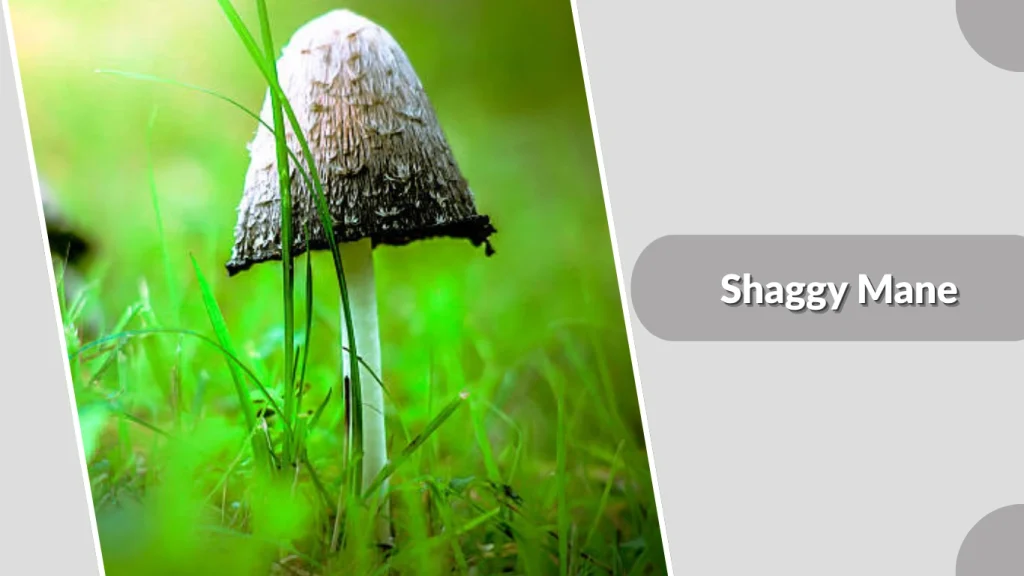
Shaggy Mane is a distinctive mushroom recognized for its unique, shaggy appearance. The mushroom’s cap is covered with long, white, hair-like scales that resemble a shaggy mane, which is where its name comes from. Shaggy Mane is an edible mushroom when harvested early, but it deteriorates quickly, turning into an inky black liquid as it matures. It’s commonly found in lawns, roadsides, and meadows during the fall.
Identification
- Cap: White, shaggy, cylindrical, often becoming black and inky with age.
- Shape: Conical or cylindrical, with long, hair-like scales.
- Size: Typically 4 to 8 inches tall, with caps about 2 to 4 inches in diameter.
- Gills: White, becoming black and liquefied as the mushroom matures.
- Stem: Long, smooth, and white, often hollow.
- Spore Print: Black.
Habitat and Distribution
Shaggy Mane mushrooms are commonly found in lawns, pastures, meadows, and roadsides, particularly in areas with abundant organic matter. They typically appear in late summer and fall, often growing solitarily or in small groups. This species thrives in temperate regions across North America, Europe, and parts of Asia.
Culinary Uses
Shaggy Mane is a delicious edible mushroom when young, offering a mild flavor and tender texture. It is often used in soups, stews, or sautéed dishes. However, it deteriorates rapidly, so it must be harvested at its peak and consumed quickly. The mushroom is not suitable for preservation, as it turns into a black, ink-like substance shortly after reaching maturity.
Unique Characteristics
One of the most distinctive features of Shaggy Mane is its rapid transformation as it matures. The gills turn black and dissolve into a liquid, a process known as “deliquescence.” This unique characteristic is part of its spore-distribution strategy, helping to spread its spores quickly. However, this inky process also makes the mushroom unsuitable for long-term storage.
4. Meadow Mushroom (Agaricus campestris)
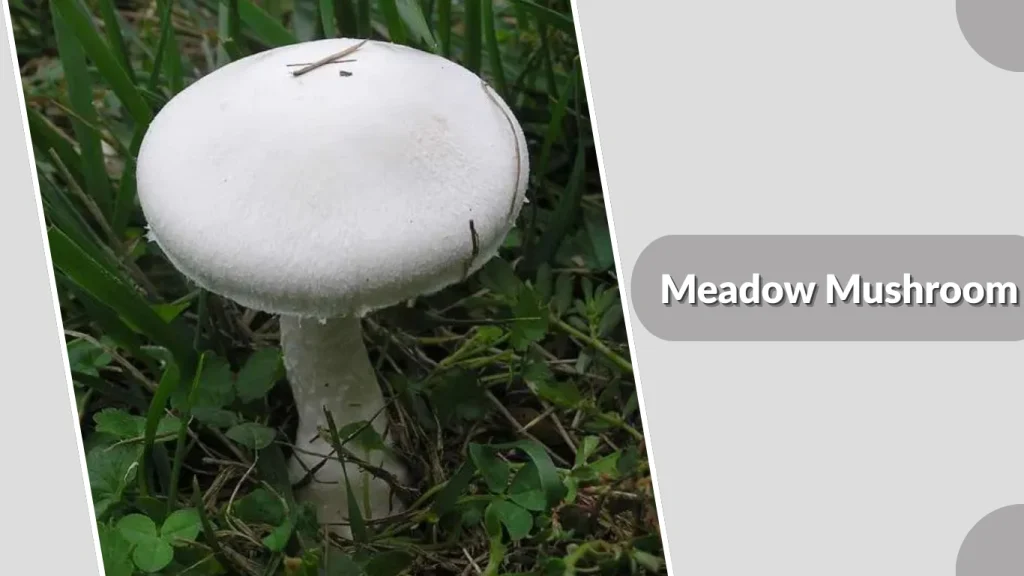
The Meadow Mushroom is one of the most common and widely recognized mushrooms, frequently found in lawns, pastures, and grassy fields. Known for its delicate flavor, it is a popular edible mushroom, often used in culinary dishes. The Meadow Mushroom is easily identifiable by its white cap, pinkish gills, and characteristic smell, similar to anise when young.
Identification
- Cap: White, smooth, and convex, becoming flat as it matures.
- Shape: Round to oval, with a slightly raised center.
- Size: Typically 2 to 5 inches in diameter.
- Gills: Initially pink, turning brown as the mushroom matures.
- Stem: White, thick, and cylindrical, with a ring near the top.
- Spore Print: Brown.
Habitat and Distribution
Meadow Mushrooms are commonly found in lawns, grassy fields, pastures, and meadows, often in late spring through fall. They grow solitarily or in small clusters on nutrient-rich soil. This species is widespread in temperate regions, found across North America, Europe, and parts of Asia. It thrives in environments where organic matter is plentiful.
Culinary Uses
Meadow Mushrooms are highly prized for their mild, nutty flavor and tender texture. They are commonly used in soups, salads, sauces, and various cooked dishes. Since they are closely related to the common white button mushroom, they can be used interchangeably in recipes. It is important to harvest them while their gills are still pink for the best taste and texture.
Toxic Look-Alikes
While Meadow Mushrooms are delicious and edible, they do have look-alikes, such as the poisonous “Fool’s Mushroom” (Agaricus xanthodermus). The Fool’s Mushroom has a yellowish discoloration when bruised or cut, which serves as a warning sign of its toxicity. Always make sure to properly identify the mushroom before consumption.
5. Horse Mushroom (Agaricus arvensis)
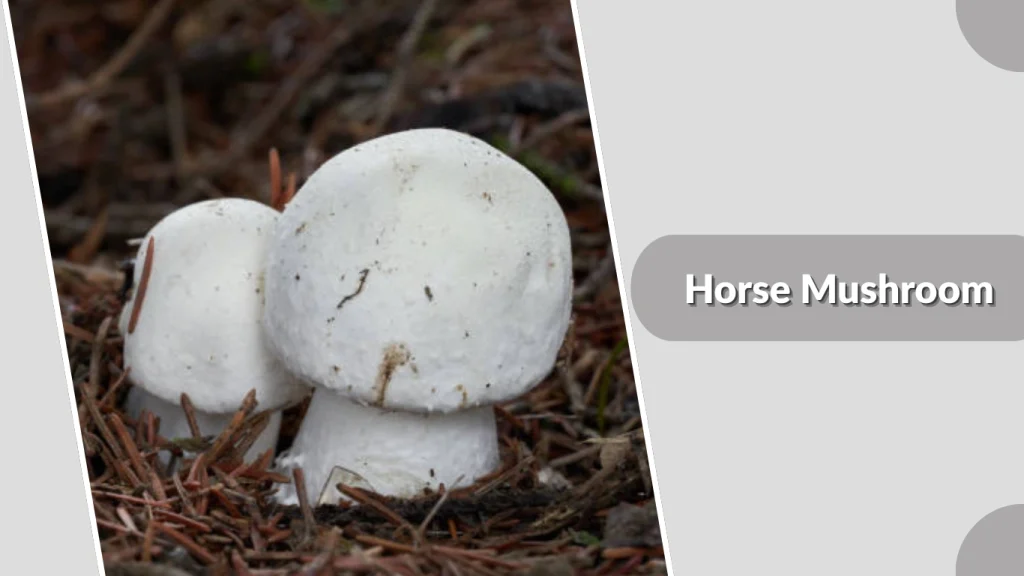
The Horse Mushroom is a large, white mushroom closely related to the common button mushroom but with a slightly stronger flavor. It grows in lawns, meadows, and fields, often in grassy or nutrient-rich soil. This edible species is highly sought after for its robust taste and is often used in various dishes, such as soups, stews, and salads.
Identification
- Cap: White, smooth, and slightly convex, with a more pronounced brownish tinge as it matures.
- Shape: Round, with a broad, smooth surface that flattens out with age.
- Size: Can reach up to 6 inches in diameter.
- Gills: Initially white, becoming pink and eventually brown as the mushroom matures.
- Stem: White, thick, and cylindrical, with a ring near the top.
- Spore Print: Dark brown.
Habitat and Distribution
Horse Mushrooms are typically found in meadows, pastures, and grassy fields, often in areas with nutrient-rich soil. They grow in both cultivated and wild environments, particularly during the late summer and fall. This species is widely distributed in temperate regions, including North America, Europe, and parts of Asia.
Culinary Uses
Horse Mushrooms are known for their strong, meaty flavor and tender texture, making them a popular choice for culinary applications. They can be used in a variety of dishes, including stews, soups, and pasta sauces. Their flavor intensifies when cooked, making them a great addition to hearty dishes. It is important to harvest them when their gills are still white or slightly pink for the best texture and flavor.
Toxic Look-Alikes
While the Horse Mushroom is edible, it is often confused with other similar-looking mushrooms, some of which can be toxic. One such look-alike is the “Yellow Stainer” (Agaricus xanthodermus), which, when bruised or cut, turns yellow and emits a strong, unpleasant odor. It is crucial to properly identify Horse Mushrooms to avoid any potential risks.
6. Giant Puffball (Calvatia gigantea)
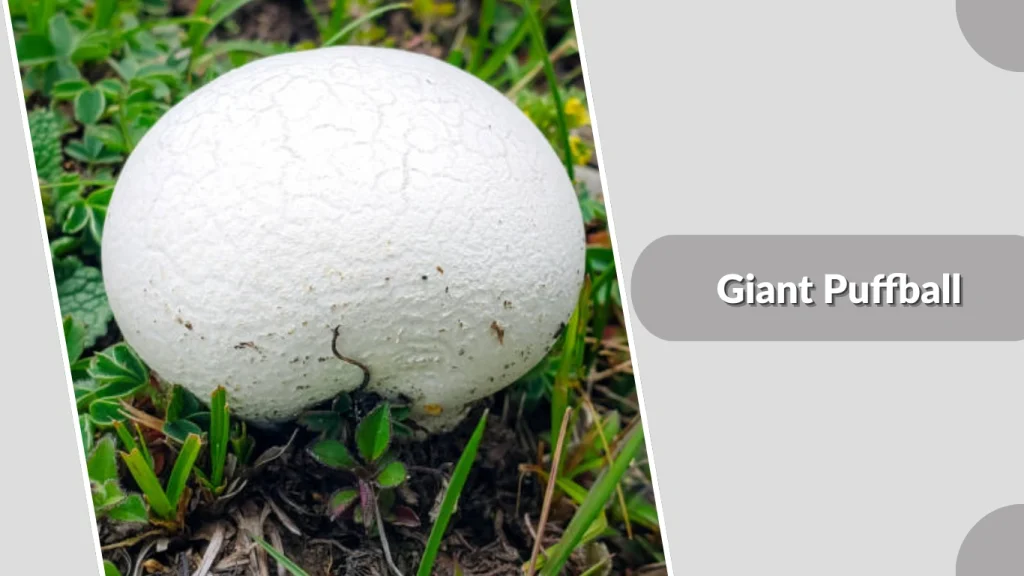
The Giant Puffball is one of the most striking mushrooms, known for its large, round shape and white, smooth skin. Unlike most mushrooms, it has no distinct cap or stem and grows as a single large, globular structure. Found in lawns, meadows, and forests, it is edible when young, prized for its mild flavor and meaty texture, often used in soups, stir-fries, and fritters.
Identification
- Cap: White, smooth, and round, with no stem or gills.
- Shape: Globular or spherical, can grow up to 2 feet in diameter.
- Size: Can reach 20 inches in diameter or more, making it one of the largest mushrooms.
- Gills: Lacking gills; the interior is filled with white, spongy tissue when young.
- Stem: Absent.
- Spore Print: White to yellowish.
Habitat and Distribution
Giant Puffballs are typically found in grassy areas such as lawns, meadows, pastures, and forest clearings. They tend to fruit during late summer and fall, thriving in nutrient-rich soils. This species is found in temperate regions across North America, Europe, and parts of Asia. They are often spotted in solitary or in small clusters.
Culinary Uses
Giant Puffballs are highly valued in culinary circles for their mild, delicate flavor and firm, meaty texture. They are typically eaten while the interior is still pure white and firm. As they mature, the interior turns into a powdery mass, which makes them inedible. The mushroom can be sliced, battered, and fried, or used in soups and stews. They provide a meaty texture similar to tofu or eggplant when cooked.
Caution and Look-Alikes
It is important to correctly identify the Giant Puffball, as some look-alikes, such as the toxic “Earthball” (Scleroderma citrinum), can be harmful if consumed. Earthballs have a similar appearance but have a darker outer skin and are toxic when eaten. Always cut the puffball open to ensure its flesh is pure white and firm before consuming.
7. Common Earthball (Scleroderma citrinum)
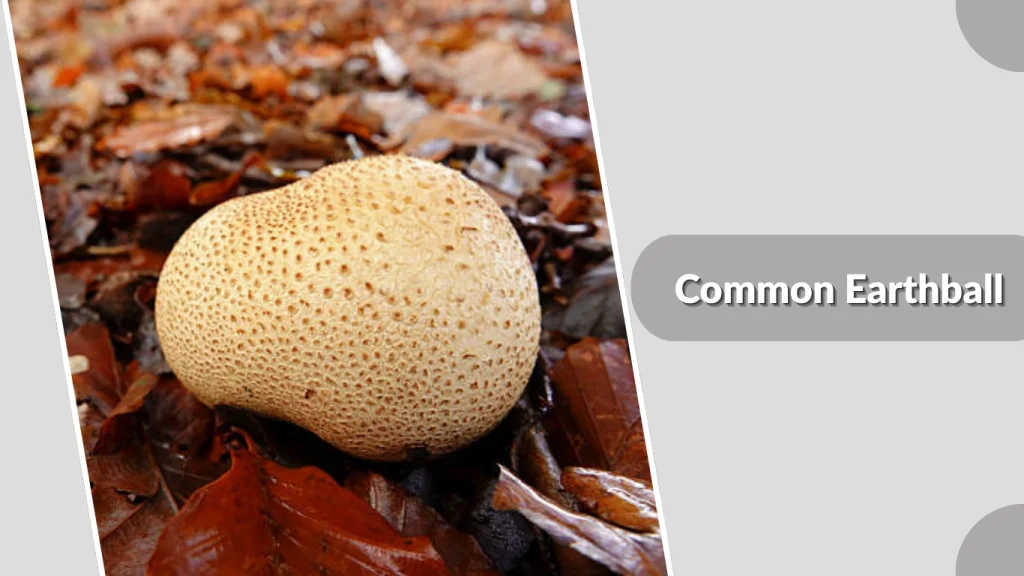
The Common Earthball is a unique and striking mushroom that appears as a large, round ball with a leathery, rough outer skin. Unlike typical mushrooms, the Earthball does not have a cap or stem and instead grows as a solid sphere. Though it may appear similar to edible puffballs, the Earthball is toxic and should not be consumed.
Identification
- Cap: Round, hard, and leathery, with a cracked, warty surface.
- Shape: Spherical, often resembling a large ball.
- Size: Can grow up to 6 inches in diameter.
- Gills: Lacking gills; the interior contains a spongy mass of spores.
- Stem: Absent.
- Spore Print: Dark purple to brownish.
Habitat and Distribution
Common Earthballs are typically found in lawns, meadows, and woodlands, often appearing in late summer to fall. They grow on the ground, often under grassy areas or near decaying plant matter. This species is widespread in temperate regions, including North America, Europe, and parts of Asia.
Toxicity and Warning
Unlike many other mushrooms, Earthballs are toxic, containing harmful substances that can cause severe digestive issues and even organ damage if consumed. The toxic nature of this mushroom is due to the presence of the chemical compound called scleroderma, which is harmful to humans and animals. It is important to exercise caution and never consume mushrooms that have a similar appearance to edible puffballs, especially when their interior is not visible.
Ecological Role
While toxic to humans, the Common Earthball plays an important ecological role in the forest ecosystem. It acts as a decomposer, breaking down organic matter and returning essential nutrients to the soil. This process helps maintain soil fertility, supporting plant growth in the surrounding area.
8. Puffball (Lycoperdon perlatum)
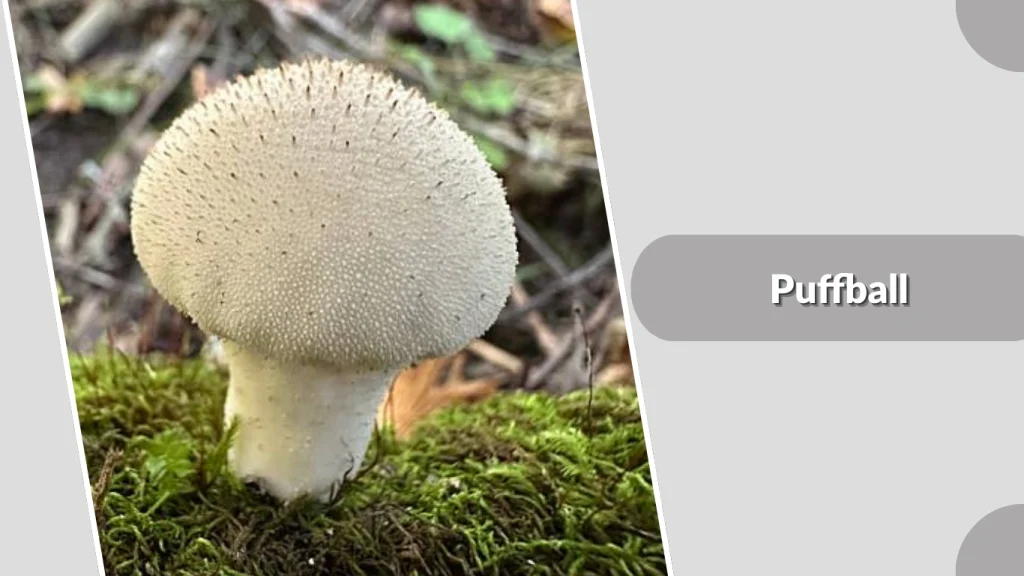
The Puffball is a small, round mushroom that grows in grassy areas, including lawns and meadows. Its distinctive appearance—white, round, and smooth—makes it easily recognizable. Puffballs are edible when young and are prized for their mild, delicate flavor and firm texture. As they mature, they turn brown and eventually release a cloud of spores, making them an interesting species to observe.
Identification
- Cap: White, smooth, and round when young, becoming brown as it matures.
- Shape: Globular or spherical, with a smooth outer skin.
- Size: Typically 2 to 5 inches in diameter.
- Gills: Lacking gills; the interior contains a spongy mass that turns into a powder as the mushroom matures.
- Stem: Absent; attached directly to the ground.
- Spore Print: Brownish, released in a puff of smoke-like spores when the mushroom matures.
Habitat and Distribution
Puffballs are commonly found in lawns, meadows, pastures, and forests, especially in areas with rich, organic soil. They fruit during the late summer and fall months, typically growing on the ground, either solitarily or in clusters. Puffballs are widely distributed in temperate regions across North America, Europe, and parts of Asia.
Culinary Uses
Puffballs are edible when young and tender. Their flavor is mild and they have a firm, meaty texture that works well in various dishes. They can be sautéed, fried, or added to soups and stews. When harvesting Puffballs, it’s important to ensure they are completely white inside and haven’t started to turn brown, as this indicates they are too mature and inedible.
Caution
While Puffballs are edible, it’s essential to correctly identify them before consumption, as they can be confused with other toxic mushrooms, such as the poisonous “Earthballs” or “False Puffballs.” Always cut the mushroom open to check that its interior is solid, white, and free from any signs of spoilage or spores.
9. Green-spored Parasol (Chlorophyllum molybdites)
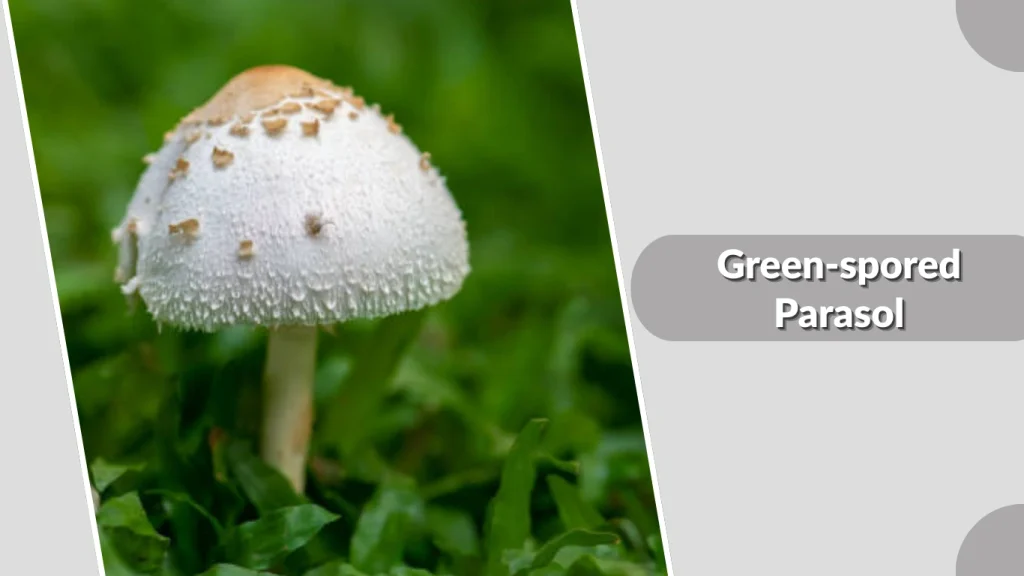
The Green-spored Parasol is a large, distinctive mushroom known for its vibrant green spore print. It is often found in lawns, gardens, and grassy areas. While it may look similar to edible mushrooms like the parasol or the common mushroom, it is highly toxic and should not be consumed. The Green-spored Parasol can cause severe gastrointestinal distress if ingested.
Identification
- Cap: White to pale green with brownish scales, becoming more convex as it matures.
- Shape: Bell-shaped when young, expanding to flat as it ages.
- Size: Typically 4 to 10 inches in diameter.
- Gills: Initially white, turning green as the mushroom matures.
- Stem: Thick, white with a distinct, movable ring near the top.
- Spore Print: Bright green.
Habitat and Distribution
The Green-spored Parasol grows in lawns, gardens, and disturbed grassy areas, particularly in the summer and fall. It is commonly found in temperate regions, often in areas with nutrient-rich soil. This species typically fruits singly or in small groups on the ground.
Toxicity and Poisoning
The Green-spored Parasol is highly toxic and can cause severe gastrointestinal symptoms, including nausea, vomiting, and diarrhea if consumed. It contains a toxin that is not destroyed by cooking or drying, making it dangerous to ingest in any form. Even small amounts of this mushroom can cause harm, and its toxicity makes it crucial to avoid consuming mushrooms that resemble this species.
Precautions
When foraging for mushrooms, it is important to be cautious of the Green-spored Parasol due to its similarity to edible species. Always check the spore print—if it is green, it is best to avoid consuming the mushroom. Additionally, make sure to be familiar with the distinguishing features of this species, such as its thick, white stem with a movable ring.
10. Mycena (Mycena spp.)
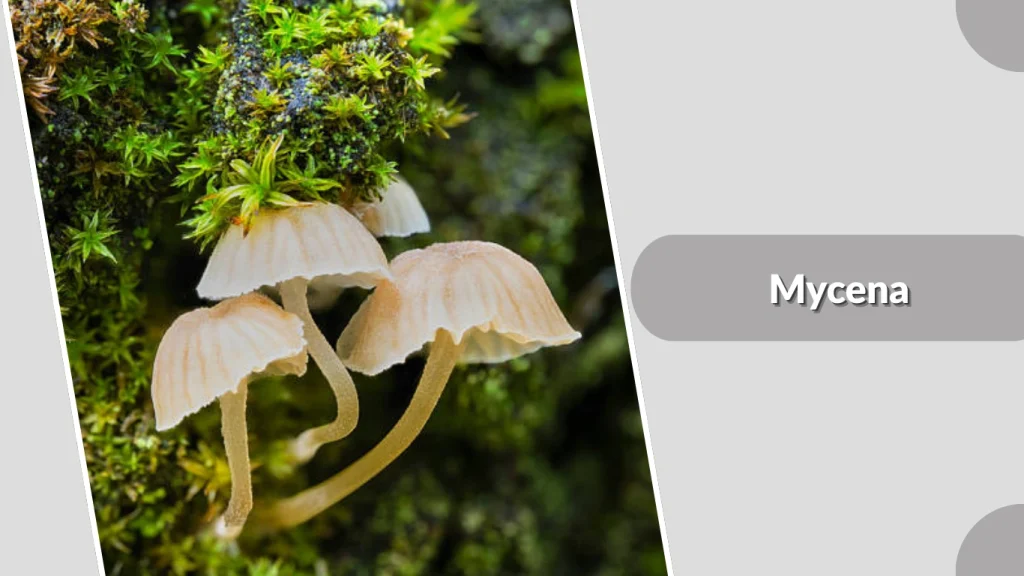
Mycena mushrooms are a diverse group of small, often brightly colored mushrooms that can be found in a variety of habitats, including lawns, forests, and grassy fields. These mushrooms are often overlooked due to their size but are known for their vibrant colors and delicate appearance. While many species of Mycena are harmless, some are toxic and should not be consumed.
Identification
- Cap: Typically small, ranging from white to shades of pink, yellow, or orange, often with a smooth surface.
- Shape: Small, conical to bell-shaped, with a fragile texture.
- Size: Usually 1 to 3 inches in diameter.
- Gills: White, closely spaced, and sometimes slightly attached to the stem.
- Stem: Thin, fragile, and typically white or pale in color.
- Spore Print: White to light cream.
Habitat and Distribution
Mycena mushrooms are commonly found in lawns, forests, and grassy fields, particularly in areas with decaying organic matter. They can be seen in clusters, often growing on decomposing plant material or wood. Mycena species fruit from late spring to fall and are distributed across temperate regions worldwide.
Toxicity and Edibility
While many Mycena species are harmless and do not pose a significant risk, some species are toxic and should not be consumed. The toxicity of Mycena mushrooms can cause symptoms like nausea, vomiting, and diarrhea. It is essential to correctly identify any Mycena species before consumption, as the smaller, less conspicuous mushrooms can sometimes be confused with edible varieties.
Ecological Role
Mycena mushrooms play a key ecological role as decomposers, helping break down organic material such as dead wood, leaves, and other plant matter. This process contributes to nutrient recycling in ecosystems and helps maintain healthy forest and meadow environments. Many Mycena species are important for their role in forest health, breaking down complex organic materials into simpler nutrients.
11. Wood Ear (Auricularia auricula-judae)
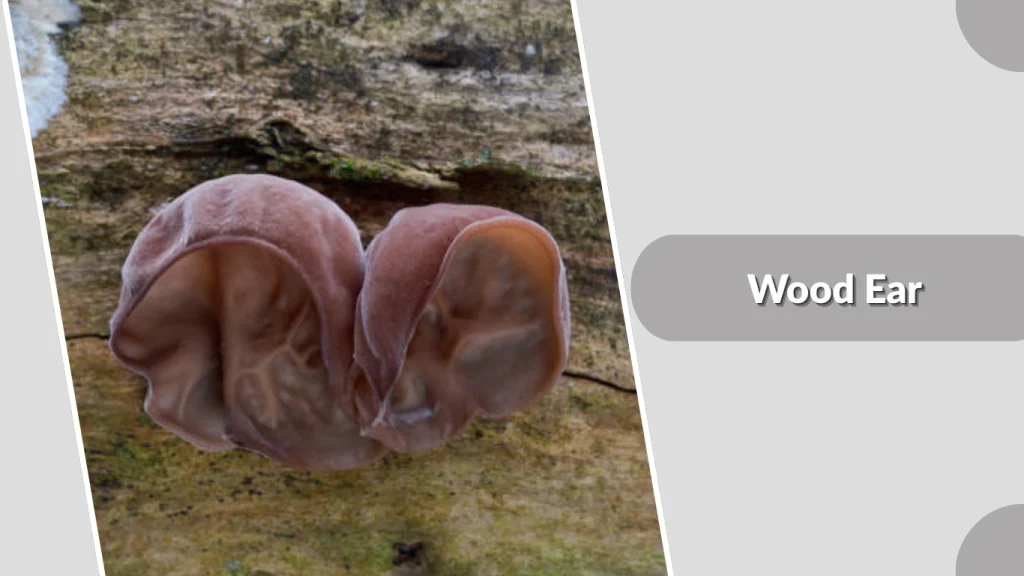
Wood Ear is a gelatinous, ear-shaped mushroom that commonly grows on decaying wood, particularly on species like elder, beech, and oak. It is a popular edible mushroom in many Asian cuisines, where it is used in soups, stir-fries, and salads. Known for its rubbery texture, Wood Ear is prized for its ability to absorb flavors and add a unique texture to dishes.
Identification
- Cap: Brown to dark reddish-brown, ear-shaped, smooth, and gelatinous.
- Shape: Ear-shaped, with a wavy, slightly curled appearance.
- Size: Typically 1 to 4 inches in diameter.
- Gills: Smooth, with a gelatinous texture.
- Stem: Absent or short; the mushroom is attached directly to the wood.
- Spore Print: White to pale cream.
Habitat and Distribution
Wood Ear mushrooms grow on decaying hardwood trees, especially elder, beech, and other broadleaf species. They are found in temperate and subtropical forests and are commonly seen in the spring and fall. Wood Ear mushrooms are widespread across North America, Europe, and Asia, thriving in moist environments with abundant organic material.
Culinary Uses
Wood Ear is a popular ingredient in Chinese, Japanese, and other East Asian cuisines. When rehydrated, it becomes soft and rubbery, providing a crisp texture in soups, stir-fries, and hot pots. It absorbs the flavors of the dishes it is cooked in, making it a versatile addition to many recipes. Wood Ear is often used in salads, especially in combination with other vegetables and proteins.
Medicinal Uses
Wood Ear mushrooms are also known for their potential health benefits. They are believed to have anti-inflammatory and immune-boosting properties. In traditional medicine, Wood Ear has been used to support overall health, improve circulation, and maintain youthful skin. However, while these benefits are widely claimed, further scientific research is needed to fully validate the medicinal properties of Wood Ear mushrooms.
12. False Morel (Gyromitra spp.)
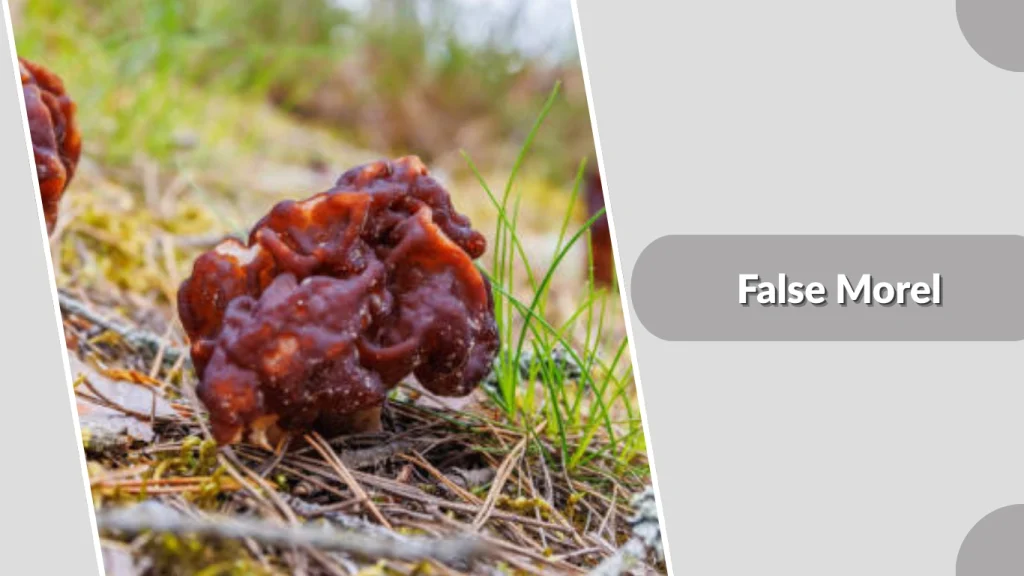
False Morels are a group of mushrooms that resemble the true morel (Morchella spp.) but are toxic and can be dangerous if consumed. They are often found in forested areas and occasionally in lawns, growing on decaying wood and organic matter. False Morels contain toxins that can cause severe poisoning, and even when cooked, they require specific preparation to remove the harmful substances.
Identification
- Cap: Irregular, lobed, and wrinkled with a red, brown, or yellowish appearance.
- Shape: Shaped like a “brain,” with an uneven, bumpy surface.
- Size: Can reach up to 8 inches tall.
- Gills: False Morels have a hollow interior with folds, not true gills.
- Stem: Thick, often pale and sturdy, attached to the cap at the base.
- Spore Print: White to pale yellow.
Habitat and Distribution
False Morels are typically found in forests, often in areas with moist soil or decaying organic matter. They can be found in the spring to early summer, often near conifers or hardwood trees. While not as common as true morels, they are widespread across North America, Europe, and parts of Asia.
Toxicity and Risks
False Morels are highly toxic, containing the compound hydrazine toxin, which can cause symptoms ranging from nausea and vomiting to seizures and even death. Even when cooked, they still pose a risk unless properly prepared to remove the toxins. It’s crucial to never consume mushrooms from the Gyromitra genus without expert identification and proper preparation.
Culinary and Medicinal Uses
While False Morels are toxic and should never be consumed raw, some experienced foragers attempt to eat them after extensive cooking, though the risks remain high. Foragers should avoid eating False Morels altogether, as there is no safe method to eliminate the toxins entirely. In contrast, true Morel mushrooms are highly sought after for their rich flavor and are safe when cooked properly.
13. Inky Cap (Coprinus spp.)
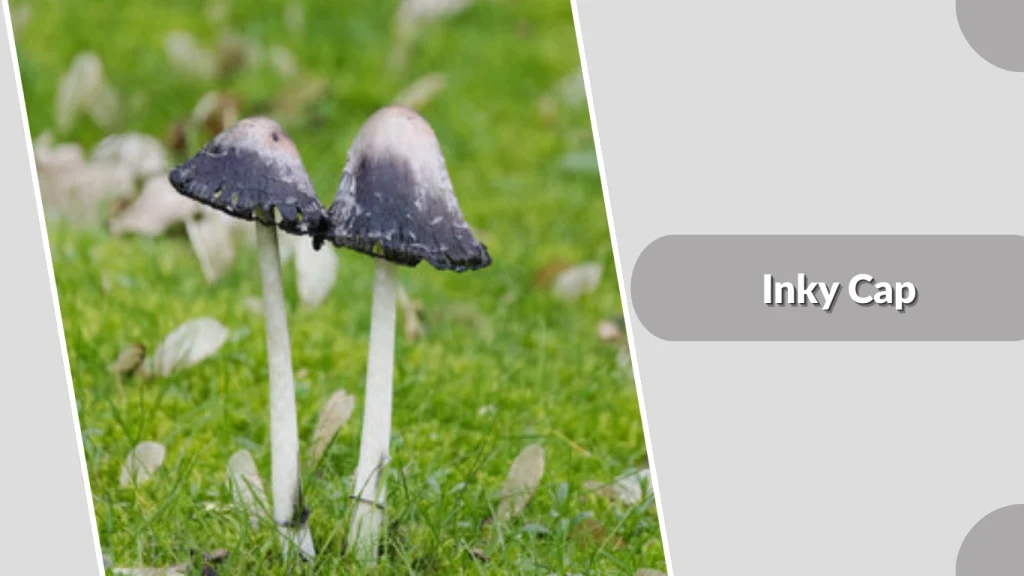
Inky Caps, also known as Ink Caps, are a group of mushrooms recognized for their unique process of deliquescence, where their caps dissolve into an inky liquid as they mature. These mushrooms are commonly found in lawns, meadows, and other grassy areas. Though some species are edible, the Inky Cap group as a whole should be consumed with caution, especially because of their reaction with alcohol.
Identification
- Cap: White to grayish, bell-shaped, often turning black and inky as it matures.
- Shape: Conical to bell-shaped, with a smooth, slimy texture that deteriorates quickly.
- Size: Typically 2 to 4 inches in diameter.
- Gills: White to gray, becoming black and liquefied as the mushroom matures.
- Stem: Long, thin, and white.
- Spore Print: Black.
Habitat and Distribution
Inky Caps are typically found in grassy areas, lawns, meadows, and decaying plant material. They are most commonly seen during the late summer and fall, thriving in temperate regions. These mushrooms often grow solitarily or in small groups on decomposing organic material.
Edibility and Alcohol Warning
Certain species of Inky Caps, such as the Common Ink Cap (Coprinopsis atramentaria), are edible when young and tender. However, they should never be consumed with alcohol, as they contain a compound called coprine, which can cause severe nausea, vomiting, and other symptoms if consumed together. It is recommended to wait at least 48 hours after eating Inky Caps before drinking alcohol to avoid any adverse effects.
Unique Characteristics
Inky Caps are known for their ability to dissolve into a black, inky liquid as they mature, a process called deliquescence. This rapid transformation helps the mushrooms disperse their spores, making them fascinating to observe in their natural environment. While their inky cap is a distinctive feature, it also contributes to the mushroom’s short lifespan. Once the cap liquefies, the mushroom is no longer viable for consumption.
14. Honey Fungus (Armillaria mellea)
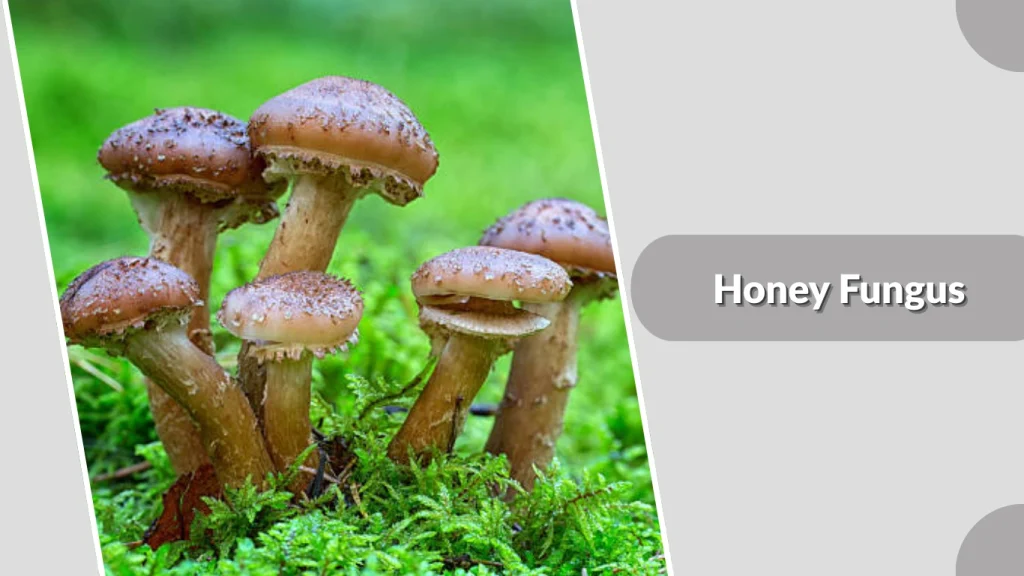
Honey Fungus is a parasitic mushroom that attacks living trees and woody plants, causing significant damage. It is one of the most well-known parasitic fungi and is often found in forests, gardens, and lawns. Though it is sometimes edible, it is generally not consumed due to its tough texture and potential to cause harm to plants.
Identification
- Cap: Yellow to honey-brown, with a sticky or slimy texture.
- Shape: Convex to flat, with a central depression.
- Size: Typically 2 to 8 inches in diameter.
- Gills: White to cream, closely spaced.
- Stem: Thick, pale to yellowish, often with a ring near the top.
- Spore Print: White.
Habitat and Distribution
Honey Fungus is typically found in forests, gardens, and on decaying wood. It grows on the roots or stumps of trees, particularly hardwood species like oak, beech, and birch. The mushroom is most commonly seen in the late summer and fall, as it thrives in moist environments. Honey Fungus has a widespread distribution, occurring in temperate regions across North America, Europe, and parts of Asia.
Ecological Impact
Honey Fungus is a parasitic fungus that can be highly destructive to trees and shrubs. It spreads through underground rhizomorphs, which are root-like structures that infect trees and cause them to decay. This can result in the death of the host plant. In forests and gardens, Honey Fungus can cause significant damage to valuable trees and vegetation.
Culinary Uses and Caution
While Honey Fungus is technically edible, it is generally avoided due to its tough, woody texture and its parasitic nature. It can be toxic in large quantities, and some people may experience allergic reactions. Additionally, it is important to properly identify this mushroom before consumption, as certain species in the Armillaria genus may not be safe to eat. Foragers should be cautious when harvesting and consuming Honey Fungus.
15. Earthstar (Geastrum spp.)
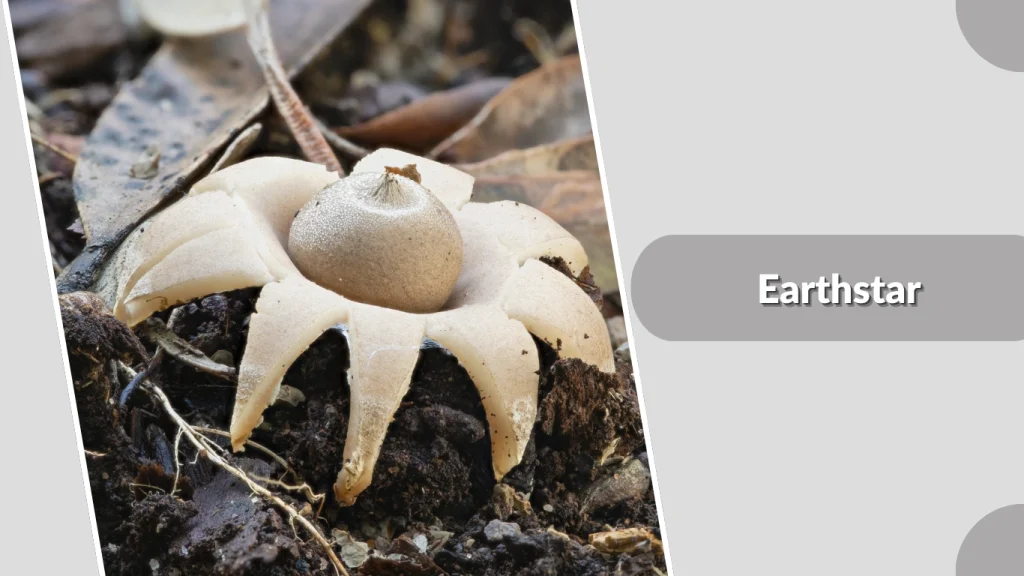
Earthstars are distinctive, star-shaped mushrooms that are typically found in woodlands, meadows, and grassy areas. They are recognized by their unique appearance—when mature, the fruiting body bursts open like a star, revealing the spore sac in the center. Although they are not commonly consumed, Earthstars are interesting to observe and play an important role in the ecosystem by helping to break down organic matter.
Identification
- Cap: Rounded, leathery, and often resembling a small ball or sack.
- Shape: When mature, the outer layers of the mushroom split open in a star-like fashion, revealing the spore sac inside.
- Size: Typically 3 to 6 inches in diameter when fully open.
- Gills: Lacking gills; the spore sac is located in the center.
- Stem: Short or absent; the mushroom is often attached directly to the ground.
- Spore Print: Brown to black.
Habitat and Distribution
Earthstars are typically found in decaying organic matter, such as leaf litter, and in soil with good drainage. They are most commonly seen in forests, meadows, and grasslands. This species is distributed across temperate regions, including North America, Europe, and parts of Asia. Earthstars fruit in the late summer and fall, often emerging after rainfall.
Ecological Role
Earthstars play an important ecological role as decomposers. They break down organic matter, such as dead plant material, and contribute to nutrient recycling in the soil. The spore sac inside the Earthstar releases spores into the air, allowing the fungus to propagate and continue its role in the ecosystem. As decomposers, they help maintain healthy soil and support plant growth.
Edibility and Caution
While Earthstars are not typically consumed, they are not considered toxic. However, they are not particularly palatable due to their tough texture and lack of culinary appeal. The most significant risk comes from misidentifying them as other toxic mushrooms, as they can resemble certain poisonous species when young. Therefore, it’s important to correctly identify Earthstars before handling them.
16. Sulphur Shelf (Laetiporus cincinnatus)
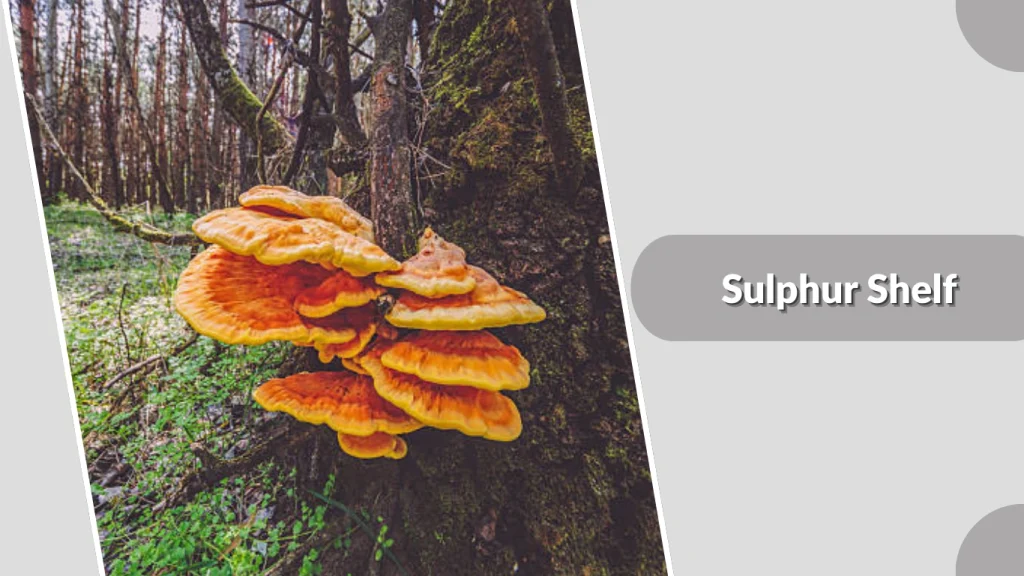
Sulphur Shelf, also known as the Chicken of the Woods, is a brightly colored, shelf-like mushroom that grows on decaying wood, particularly on hardwood trees. It is recognized for its vibrant yellow to orange color, which gives it a striking appearance. This edible mushroom is popular among foragers due to its meaty texture and mild, chicken-like flavor.
Identification
- Cap: Bright yellow to orange, with a smooth, slightly wavy surface.
- Shape: Shelf or fan-like, often growing in overlapping clusters.
- Size: Typically 6 to 12 inches in diameter.
- Gills: White to cream-colored pores on the underside.
- Stem: Lacking a central stem; attached directly to the tree.
- Spore Print: White to pale yellow.
Habitat and Distribution
Sulphur Shelf mushrooms typically grow on decaying hardwood trees, such as oak, beech, and cherry. They are commonly found in temperate forests and fruit from late summer to fall. These mushrooms grow in clusters and are often found on tree trunks, stumps, or fallen logs. Sulphur Shelf mushrooms are distributed widely across North America, Europe, and parts of Asia.
Culinary Uses
Sulphur Shelf is highly valued for its meaty texture and mild, savory flavor, which is similar to chicken. It is commonly used as a substitute for meat in vegetarian and vegan dishes. The mushroom can be sautéed, grilled, or added to soups, stews, and stir-fries. It is important to cook the mushroom thoroughly, as consuming it raw can lead to digestive discomfort for some people.
Medicinal and Ecological Role
In addition to its culinary uses, Sulphur Shelf has been studied for its potential medicinal properties. It is believed to have immune-boosting, anti-inflammatory, and antioxidant effects. Ecologically, this mushroom plays an important role in breaking down decaying wood, helping to recycle nutrients back into the soil.
17. Tooth Fungus (Hydnum repandum)
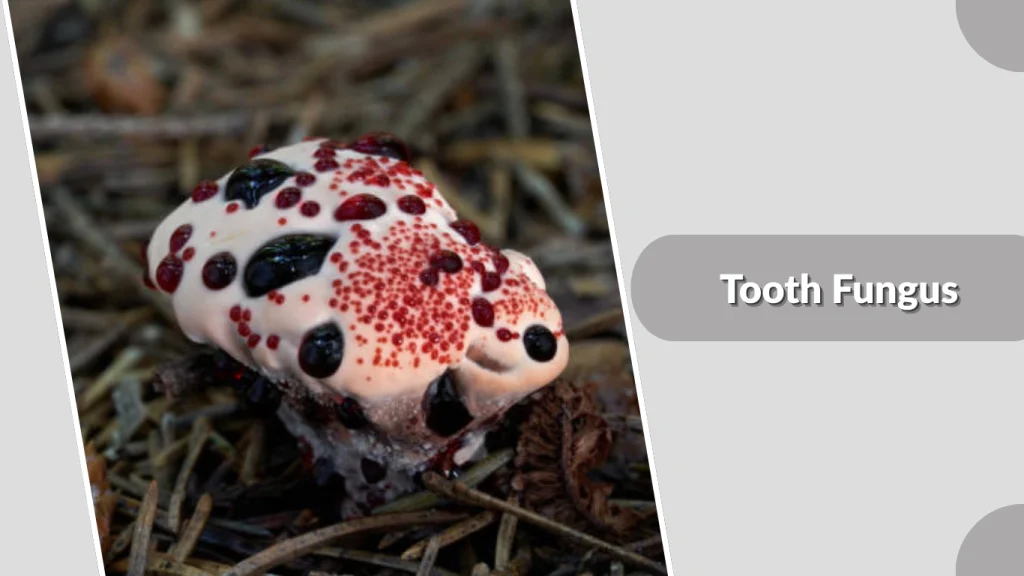
Tooth Fungus, also known as Sweet Tooth, is a distinctive mushroom with tooth-like projections instead of the typical gills or pores found in many other mushrooms. This species is edible and highly regarded for its mild, nutty flavor and firm texture. It is often found in forests, growing on the ground near coniferous or deciduous trees.
Identification
- Cap: White to light brown, with a smooth, slightly convex surface.
- Shape: Funnel-shaped or irregular, often with a wavy edge.
- Size: Typically 3 to 6 inches in diameter.
- Gills: Instead of gills, the mushroom has tooth-like projections on the underside.
- Stem: White, firm, and slightly tapered.
- Spore Print: White.
Habitat and Distribution
Tooth Fungus is commonly found in woodlands and coniferous forests, particularly in moist, shaded areas. It grows on the ground, often near rotting wood or decaying organic matter. This species is found throughout temperate regions of North America, Europe, and parts of Asia, typically fruiting in the late summer to fall.
Culinary Uses
Tooth Fungus is prized for its mild, nutty flavor and meaty texture, making it an excellent addition to a variety of dishes. It can be sautéed, added to soups, or used in stir-fries. When harvested, the mushroom should be firm and white on the inside, as it deteriorates quickly. Tooth Fungus is often compared to chanterelles due to its similar texture and flavor.
Medicinal and Ecological Role
Beyond its culinary appeal, Tooth Fungus plays an important role in forest ecosystems by helping break down organic material, recycling nutrients into the soil. In traditional medicine, it has been used for its potential antimicrobial properties, although scientific studies on its medicinal effects are limited. As a decomposer, it supports the health of its environment by assisting in the breakdown of dead plant material.
18. King Oyster (Pleurotus eryngii)
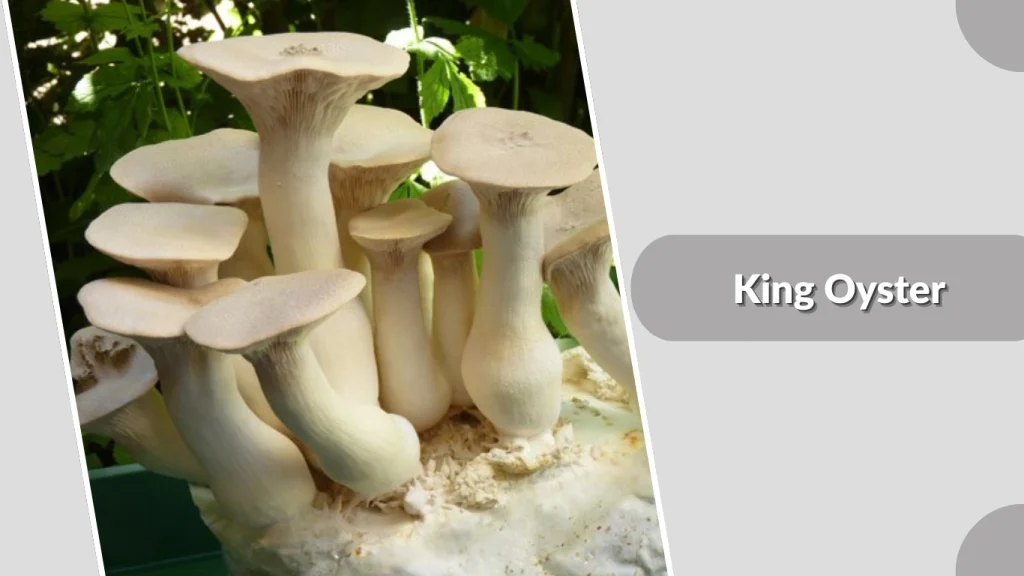
King Oyster, also known as King Trumpet, is a large, meaty mushroom highly prized for its texture and flavor. Known for its thick, white stem and small, tan cap, King Oyster mushrooms are found growing on decaying wood and are often cultivated for culinary use. They are favored for their rich, umami flavor and versatility in cooking.
Identification
- Cap: Small, tan to light brown, and slightly convex.
- Shape: Trumpet-shaped with a thick, cylindrical stem.
- Size: Typically 2 to 10 inches tall, with caps 2 to 4 inches in diameter.
- Gills: White, dense, and closely spaced.
- Stem: Thick, white, and cylindrical.
- Spore Print: White.
Habitat and Distribution
King Oyster mushrooms grow on decaying hardwoods, such as oak, beech, and poplar. While they are commonly cultivated in controlled environments, they can also be found in the wild in temperate forests. This species fruits in late summer through fall, particularly in areas with humid and warm conditions. King Oyster mushrooms are widely distributed across North America, Europe, and parts of Asia.
Culinary Uses
King Oyster mushrooms are known for their thick, meaty texture, which makes them a perfect substitute for meat in vegetarian and vegan dishes. They are often used in stir-fries, soups, and pasta dishes, where they absorb flavors well and add a savory depth to the dish. The thick stems can be sliced and cooked similarly to meat, making them popular for grilling, sautéing, or even roasting.
Medicinal Benefits
King Oyster mushrooms contain a range of bioactive compounds, including antioxidants and polysaccharides, which are believed to have immune-boosting properties. While not as widely studied as other medicinal mushrooms, there is growing interest in the potential health benefits of King Oyster, particularly in terms of boosting overall health and combating inflammation.
19. Fomitopsis pinicola (Red-belted Polypore)
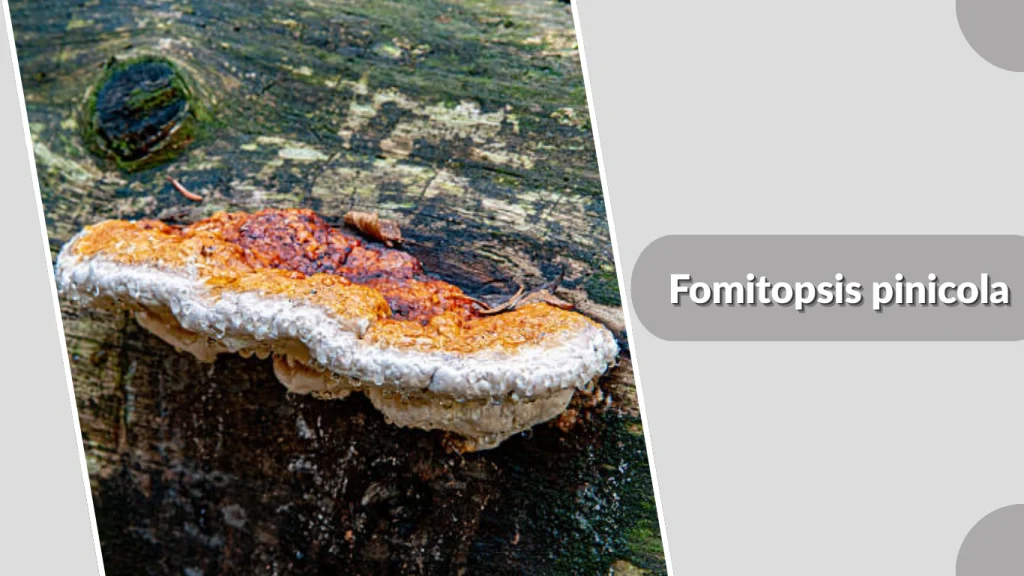
Fomitopsis pinicola, commonly known as the Red-belted Polypore, is a large, woody mushroom that typically grows on decaying coniferous trees. It is characterized by its bright red band around the edge of the cap, making it easily identifiable. Though not typically consumed due to its tough texture, this mushroom is important ecologically for its role in breaking down dead wood.
Identification
- Cap: Red to orange band around the edges, with a yellow to brownish center.
- Shape: Flat, shelf-like, and often overlapping in clusters.
- Size: Can reach up to 12 inches in diameter.
- Gills: Yellow to brown pores on the underside.
- Stem: Typically off-center, short, or absent.
- Spore Print: White.
Habitat and Distribution
The Red-belted Polypore is typically found on decaying coniferous trees, especially pines and spruces. It is most commonly seen in temperate forests, where it grows on tree trunks and stumps. The mushroom fruits year-round, though it is particularly abundant in the fall and spring months.
Ecological Role
As a wood-decaying fungus, Fomitopsis pinicola plays a critical role in breaking down dead wood and recycling nutrients back into the ecosystem. By decomposing the lignin and cellulose in wood, it helps maintain forest health and supports the growth of new plants. It also provides a habitat for various insects and other fungi.
Medicinal Uses
Fomitopsis pinicola has been used in traditional medicine, particularly in Eastern cultures, for its supposed health benefits. It is thought to possess antimicrobial and anti-inflammatory properties, and some studies suggest it may help support immune health. However, more research is needed to confirm these medicinal claims. Despite its tough texture, this mushroom remains a subject of interest in both ecological and medicinal studies.
FAQs
1. What are the most common lawn mushrooms?
Common lawn mushrooms include Fairy Ring Mushroom, Meadow Mushroom, Shaggy Mane, and Common Ink Cap. These mushrooms are often found in grassy areas like lawns, parks, and meadows, where they grow on decaying organic matter.
2. Are all mushrooms found in lawns edible?
No, not all mushrooms in lawns are edible. Some, like the Common Ink Cap and False Morel, are toxic. It’s crucial to properly identify mushrooms before consuming them, as some may cause serious health risks if ingested.
3. How can I identify a toxic mushroom in my lawn?
To identify toxic mushrooms, look for key features such as cap color, gill type, spore print, and habitat. Mushrooms like the Green-spored Parasol or False Morel resemble edible species but contain harmful toxins. Always consult a reliable field guide or expert before foraging.
4. What should I do if I suspect I’ve eaten a toxic lawn mushroom?
If you suspect you’ve eaten a toxic mushroom, seek medical attention immediately. Many mushrooms can cause severe reactions, including nausea, vomiting, and liver damage. Early treatment is crucial, so contact your local poison control center or visit the nearest hospital.
5. Can I cultivate edible mushrooms in my lawn?
Yes, some edible mushrooms, like Oyster Mushrooms and King Oyster Mushrooms, can be cultivated in your lawn or garden. To do so, you’ll need to introduce the right substrate, such as decaying wood or straw, and maintain the proper growing conditions, such as moisture and shade.