





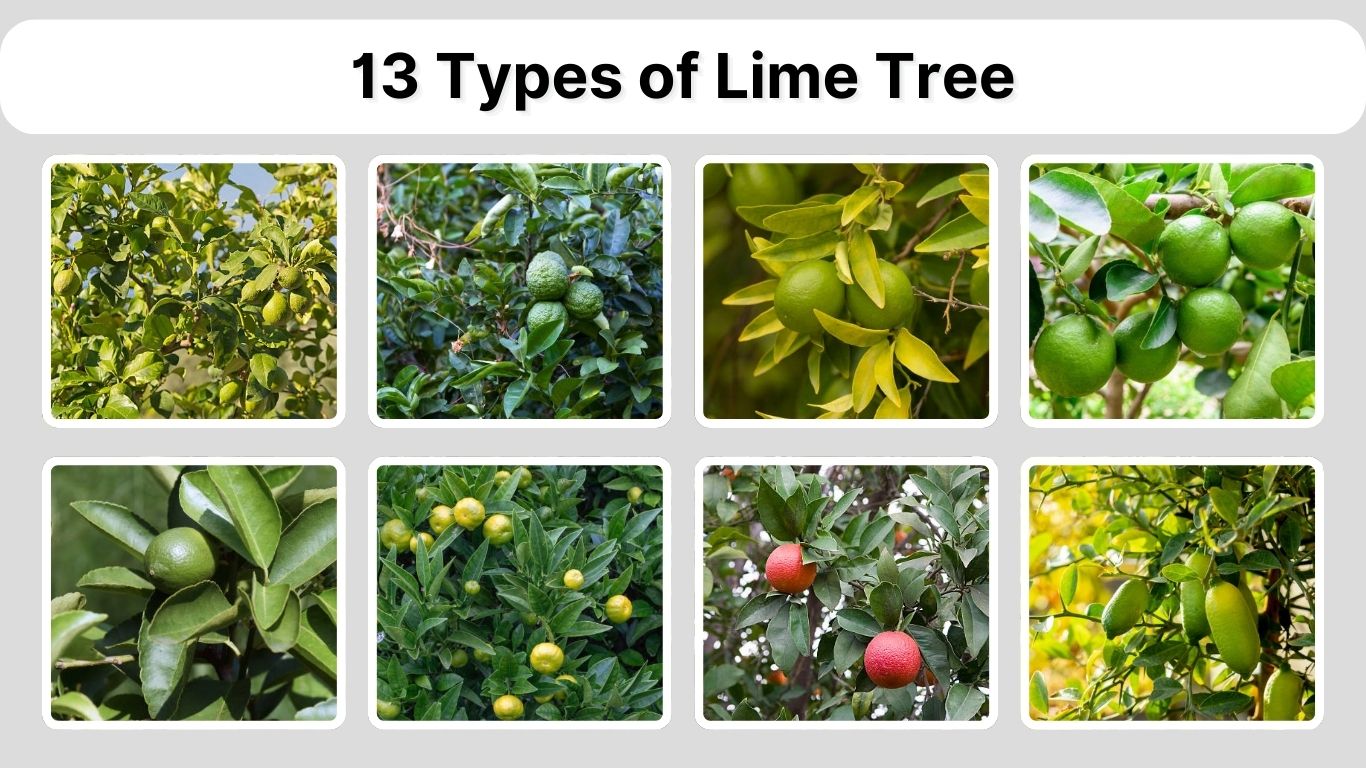
Lime trees are popular citrus plants valued for their fragrant fruit, glossy foliage, and wide range of culinary uses. From intensely sour varieties used in cooking to mild, sweet types enjoyed fresh, lime trees grow in many forms across tropical and subtropical regions. Each type has unique characteristics, including fruit size, flavor, aroma, and growth habits. Understanding the different varieties helps gardeners, growers, and food enthusiasts choose the right lime tree for their climate, space, and intended use.
1. Persian Lime (Citrus × latifolia)
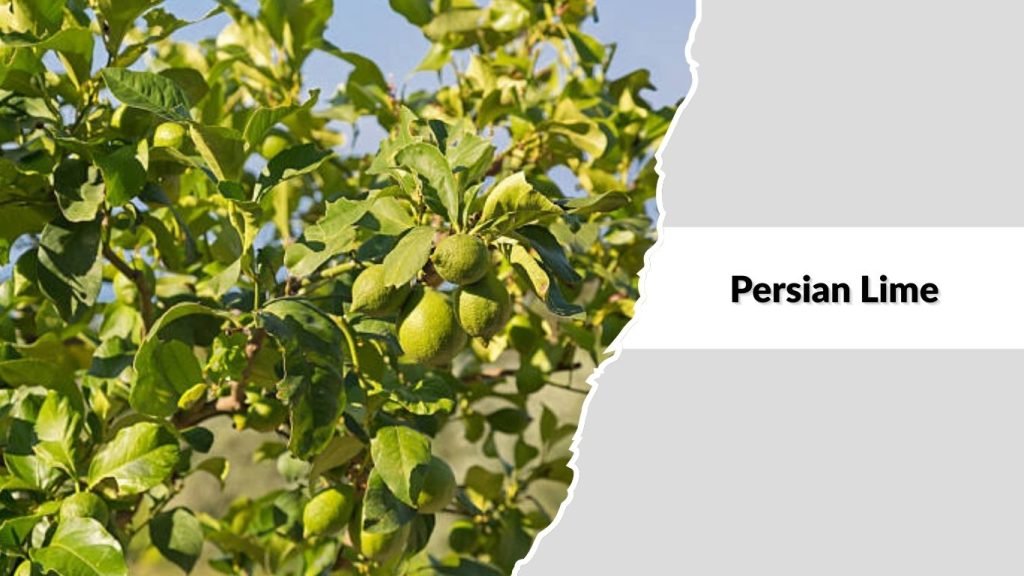
Persian lime is one of the most widely grown lime varieties in the world, valued for its large, juicy fruits and mild acidity. It is commonly used in cooking, beverages, and commercial juice production due to its seedless nature and consistent flavor.
Identification
- Medium to large, oval-shaped fruit
- Smooth, thin, green skin turning yellow when fully ripe
- Nearly seedless flesh
- Vigorous, thornless or nearly thornless tree
Growing Conditions
Persian lime trees thrive in warm, subtropical to tropical climates with full sun exposure. They prefer well-drained soil and moderate watering, and are more cold-sensitive than some other citrus varieties.
Uses
This lime is widely used for fresh juice, garnishing drinks, marinades, and desserts. Its mild flavor makes it especially popular in international cuisine and commercial food products.
Care and Maintenance
Regular pruning helps maintain shape and air circulation. Consistent watering, proper fertilization, and protection from frost are essential for healthy growth and good fruit production.
2. Key Lime (Citrus aurantiifolia)
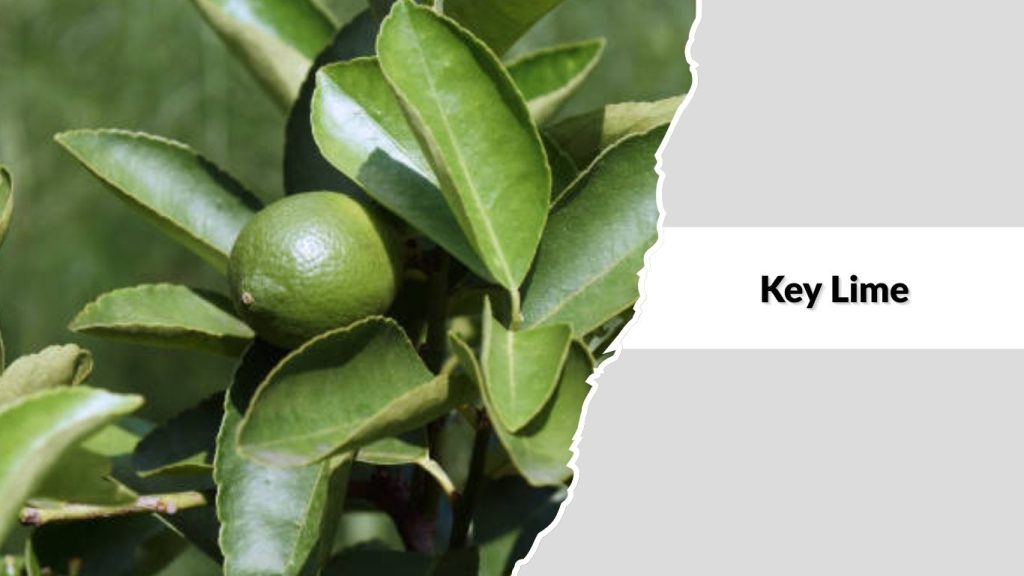
Key lime is a small, highly aromatic lime variety best known for its sharp acidity and intense citrus flavor. It is especially famous for its use in desserts and traditional recipes, making it a prized fruit despite its smaller size.
Identification
- Small, round to oval fruit
- Thin, smooth, green skin that turns yellow when ripe
- Very seedy flesh
- Strong, distinctive aroma
Growing Conditions
Key lime trees grow best in warm, tropical climates with plenty of sunlight. They are more cold-sensitive than Persian limes and require well-drained soil with regular but not excessive watering.
Uses
This lime is commonly used in pies, beverages, marinades, and sauces. Its bold flavor makes it ideal for recipes where strong citrus notes are desired.
Care and Maintenance
Key lime trees benefit from frequent light pruning and protection from cold temperatures. Proper fertilization and pest control help ensure healthy growth and consistent fruiting.
3. Kaffir Lime (Citrus hystrix)
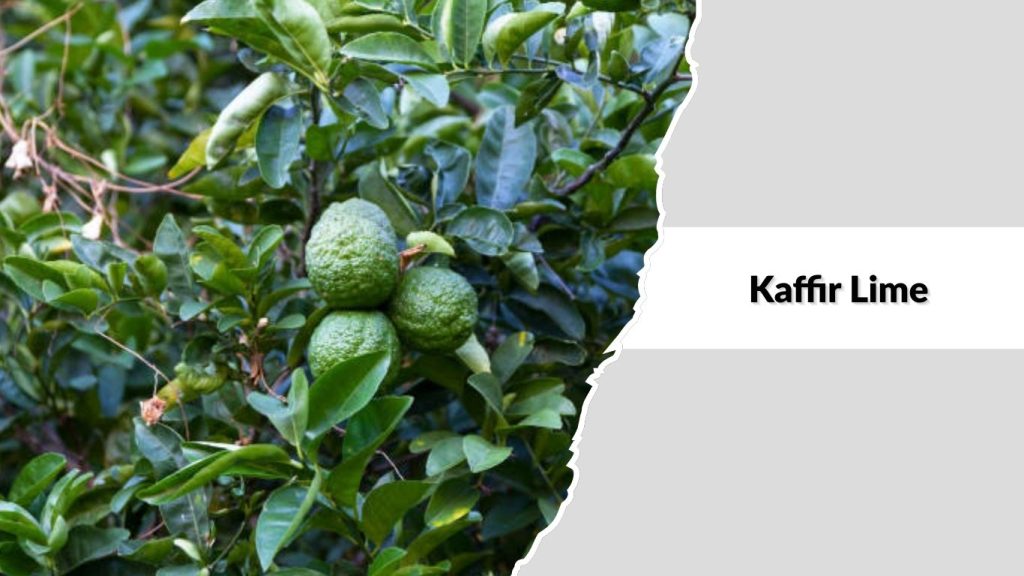
Kaffir lime is a unique citrus tree best known for its intensely fragrant leaves and distinctive, bumpy fruit. It is widely used in Southeast Asian cuisine, especially for flavoring soups, curries, and stir-fries.
Identification
- Small, round fruit with a rough, warty surface
- Dark green, highly aromatic rind
- Distinctive double-lobed, glossy leaves
- Strong citrus fragrance
Growing Conditions
Kaffir lime grows well in warm, tropical to subtropical climates with full sun. It prefers well-drained soil, regular watering, and protection from frost in cooler regions.
Uses
The leaves are the most valued part of the plant and are commonly used fresh or dried in cooking. The rind is also used for flavoring and in traditional remedies.
Care and Maintenance
Regular pruning encourages bushy growth and leaf production. Consistent watering, balanced fertilization, and pest monitoring help keep the tree healthy and productive.
4. Mexican Lime (Citrus aurantiifolia)
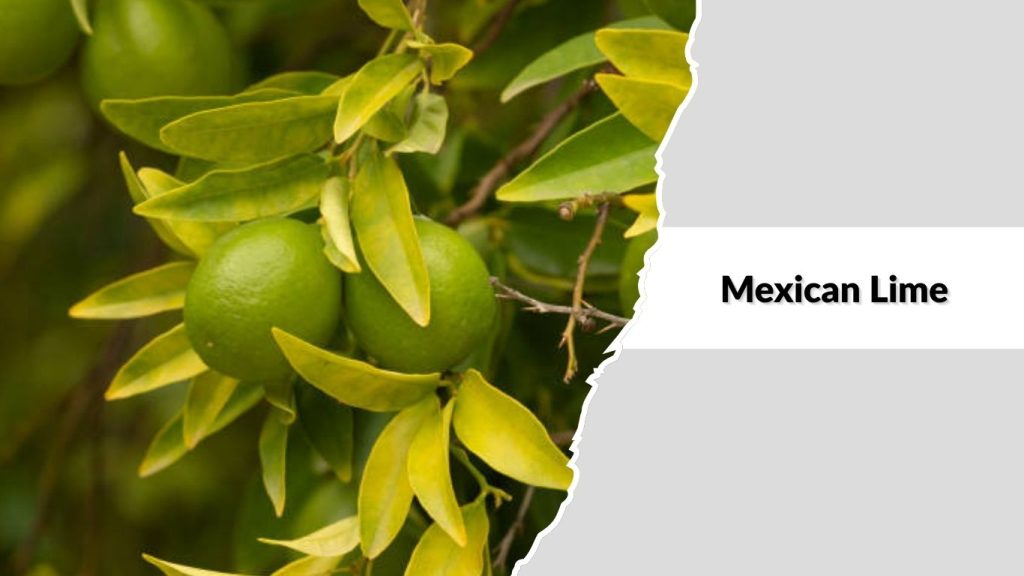
Mexican lime, often called West Indian lime, is a classic lime variety known for its strong acidity and rich aroma. It is one of the most traditional lime types and is widely used in culinary, medicinal, and beverage applications around the world.
Identification
- Small, round to slightly oval fruit
- Thin, smooth, glossy green skin
- Pale green, very juicy flesh
- Numerous small seeds
- Compact tree with thorny branches
Growing Conditions
Mexican lime trees perform best in tropical and subtropical climates with warm temperatures year-round. They require full sun, well-drained soil, and consistent moisture, but do not tolerate frost or prolonged cold conditions.
Uses
This lime is prized for fresh juice, cocktails, marinades, pickling, and traditional dishes. Its intense flavor makes it ideal for recipes that require a sharp citrus kick.
Care and Maintenance
Regular watering during dry periods is essential, especially during flowering and fruiting stages. Light pruning helps control size and improves air circulation. Protection from pests and cold stress will support healthy growth and better fruit yield.
5. Bearss Lime (Citrus × latifolia)
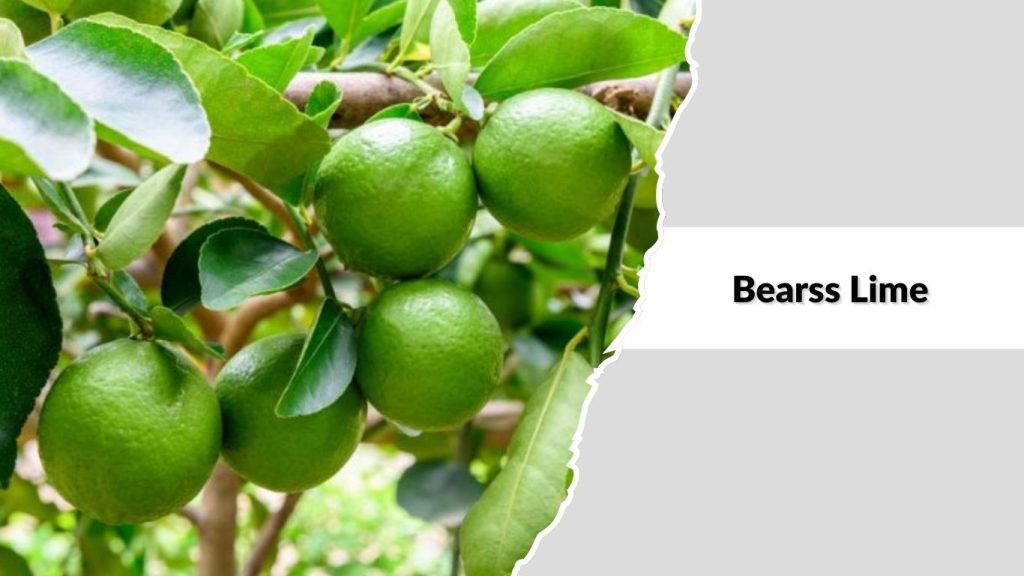
Bearss lime, also known as Tahiti lime, is a popular commercial lime variety appreciated for its large size, high juice content, and mild, balanced acidity. It is widely grown for both home gardens and large-scale production due to its reliability and heavy yields.
Identification
- Medium to large, oval-shaped fruit
- Smooth, glossy green skin
- Pale green, juicy flesh
- Mostly seedless
- Upright, vigorous tree with few thorns
Growing Conditions
Bearss lime trees grow best in warm, frost-free climates with full sun exposure. They prefer well-drained soil and consistent watering, especially during hot and dry periods. While more cold-tolerant than Key lime, they still need protection from low temperatures.
Uses
This lime is commonly used for fresh juice, beverages, cooking, and garnishing. Its less acidic flavor makes it suitable for everyday culinary use and commercial food processing.
Care and Maintenance
Regular fertilization supports steady growth and fruiting. Occasional pruning helps maintain shape and removes dead or overcrowded branches. Adequate watering, pest management, and frost protection ensure long-term health and productivity of the tree.
6. Sweet Lime (Citrus limetta)
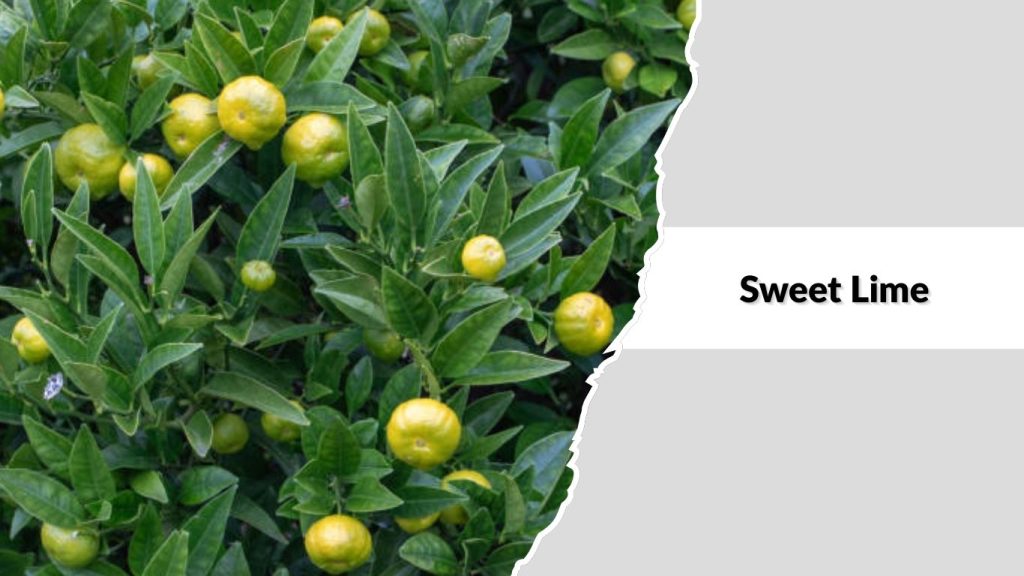
Sweet lime is a mild-flavored citrus variety known for its low acidity and refreshing taste. Unlike most limes, it lacks sharp sourness, making it popular as a fresh fruit and juice, especially in warmer regions.
Identification
- Medium-sized, round to oval fruit
- Smooth, pale green to yellowish skin
- Light-colored, very juicy flesh
- Mild, sweet flavor with minimal acidity
- Medium-sized tree with dense foliage
Growing Conditions
Sweet lime trees thrive in warm, subtropical to tropical climates with plenty of sunlight. They grow best in fertile, well-drained soil and require regular watering, particularly during flowering and fruit development. The tree has moderate tolerance to cooler temperatures but performs best in consistently warm conditions.
Uses
Sweet lime is commonly consumed fresh or juiced and is often valued for its refreshing, hydrating qualities. It is also used in traditional drinks and home remedies due to its gentle flavor.
Care and Maintenance
Consistent watering and balanced fertilization help promote healthy growth and fruit production. Light pruning improves air circulation and maintains tree shape. Protecting the tree from extreme cold and pests ensures better yield and longevity.
7. Rangpur Lime (Citrus × limonia)
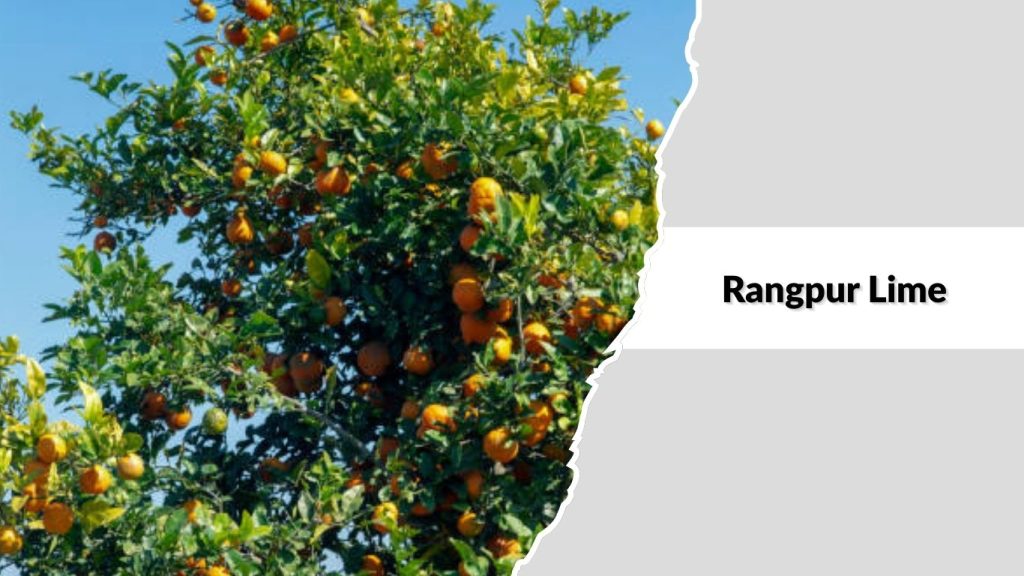
Rangpur lime is a distinctive citrus variety that is technically a hybrid between a mandarin and a citron. It is known for its bright color, strong acidity, and vigorous growth, making it useful for both fruit production and ornamental purposes.
Identification
- Medium-sized, round to slightly oval fruit
- Thin, smooth rind that turns orange to reddish-orange when ripe
- Juicy, highly acidic flesh
- Seedy interior
- Fast-growing, thorny tree
Growing Conditions
Rangpur lime grows well in tropical and subtropical climates and is more cold-tolerant than many other lime varieties. It prefers full sun, well-drained soil, and regular watering, especially during active growth and fruiting seasons.
Uses
The fruit is commonly used for juice, flavoring, and preserving rather than eaten fresh due to its intense acidity. Rangpur lime is also widely used as a rootstock for other citrus varieties because of its hardiness.
Care and Maintenance
Regular pruning helps manage the tree’s vigorous growth. Adequate watering, seasonal fertilization, and pest control support healthy development and consistent fruit production.
8. Tahiti Lime (Citrus × latifolia)
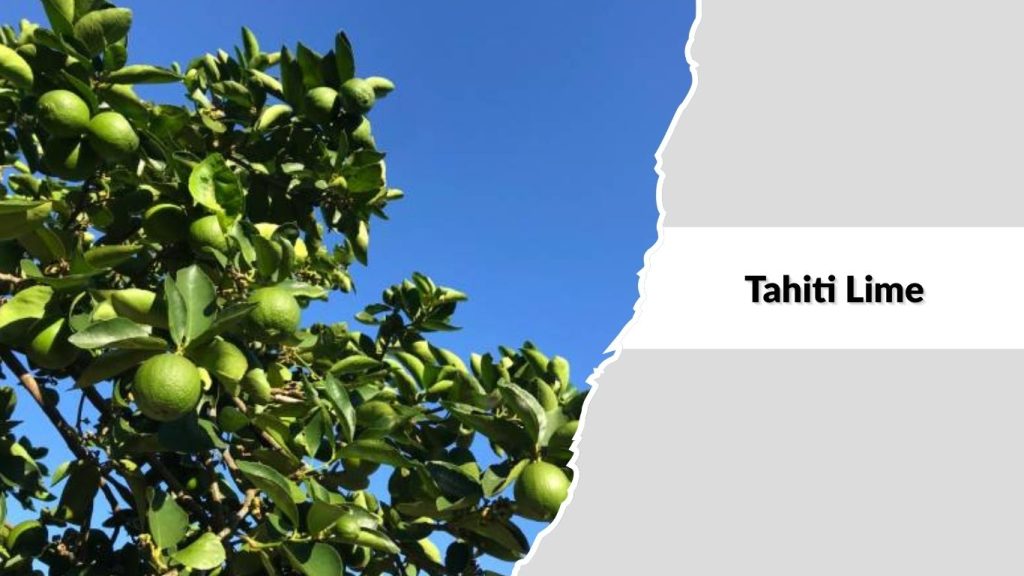
Tahiti lime is a well-known lime variety valued for its large, juicy fruit and mild acidity. It is one of the most commonly cultivated limes for commercial use and is favored for its consistent quality and versatility.
Identification
- Large, oval-shaped fruit
- Smooth, glossy green skin
- Pale green, juicy flesh
- Mostly seedless
- Upright, productive tree with few thorns
Growing Conditions
Tahiti lime trees thrive in warm, subtropical to tropical climates with full sun exposure. They require well-drained soil and regular watering, particularly during flowering and fruiting. While slightly more tolerant of cool temperatures than Key lime, they still need protection from frost.
Uses
This lime is widely used in beverages, cooking, baking, and food processing. Its mild, less acidic flavor makes it suitable for everyday culinary applications and commercial juice production.
Care and Maintenance
Consistent irrigation, balanced fertilization, and occasional pruning help maintain tree health and productivity. Protecting the tree from pests and cold stress ensures steady growth and reliable fruit yields.
9. Finger Lime (Citrus australasica)
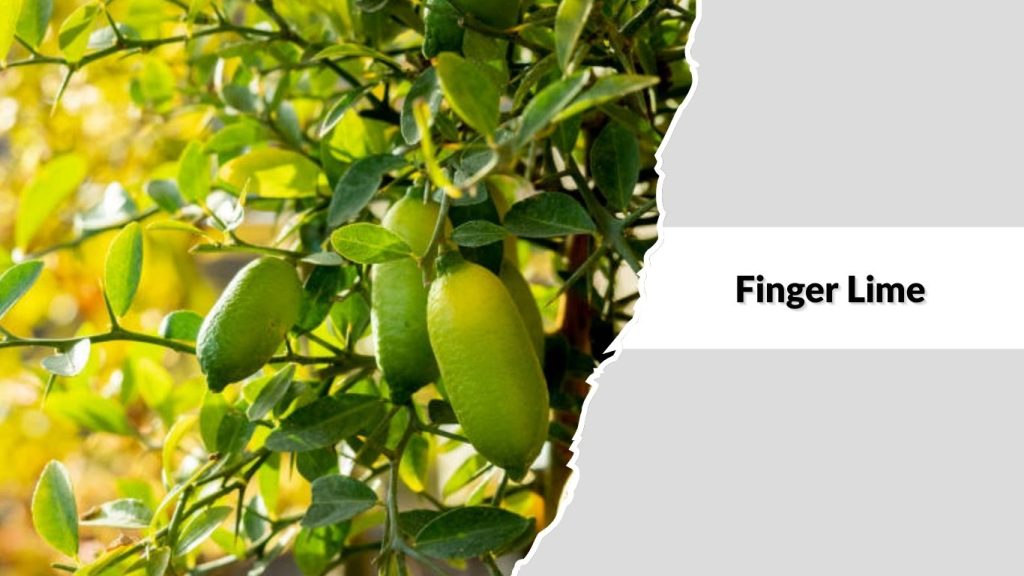
Finger lime is a unique Australian native citrus known for its elongated fruit and caviar-like pulp. It is highly prized in gourmet cuisine for its distinctive texture and vibrant citrus flavor.
Identification
- Long, narrow, finger-shaped fruit
- Rough or slightly bumpy skin in various colors
- Vesicle-filled pulp resembling citrus caviar
- Small seeds embedded in pulp
- Thorny, slow-growing tree
Growing Conditions
Finger lime grows best in warm, subtropical climates and can tolerate partial shade. It prefers well-drained, slightly acidic soil and regular watering, but does not perform well in extreme heat or frost-prone areas.
Uses
The pulp is used as a premium garnish for seafood, desserts, salads, and cocktails. Its popping texture and fresh flavor make it popular in fine dining and specialty food products.
Care and Maintenance
Slow growth means minimal pruning is needed, mainly to remove dead or crossing branches. Consistent moisture, mulching, and protection from extreme temperatures help maintain plant health and fruit quality.
10. Palestine Sweet Lime (Citrus limettioides)
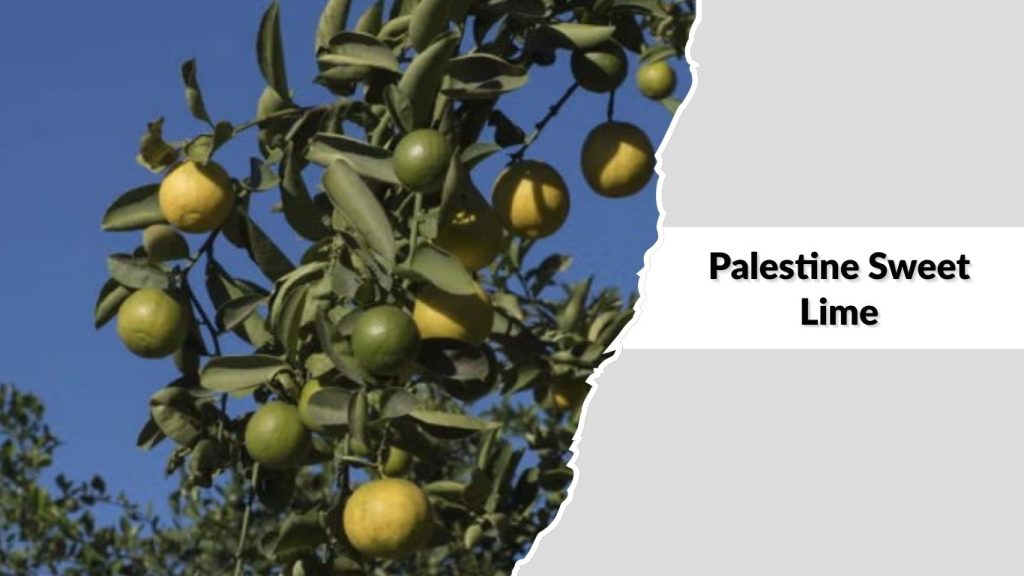
Palestine sweet lime is a low-acid citrus variety known for its gentle flavor and high juice content. It is often consumed fresh or as juice and is appreciated for its mild taste compared to more acidic limes.
Identification
- Medium-sized, round fruit
- Smooth, thin skin ranging from green to yellow
- Very juicy, pale-colored flesh
- Mild, sweet flavor with low acidity
- Medium-sized tree with spreading branches
Growing Conditions
This lime variety thrives in warm, subtropical to tropical climates with full sun. It prefers fertile, well-drained soil and regular watering, especially during dry periods. The tree is moderately sensitive to frost and benefits from a sheltered growing location.
Uses
Palestine sweet lime is commonly used for fresh juice, beverages, and fresh consumption. It is also popular in traditional diets and is often recommended for those who prefer less acidic citrus fruits.
Care and Maintenance
Routine watering, seasonal fertilization, and light pruning support healthy growth. Protecting the tree from cold temperatures and monitoring for pests helps maintain consistent fruit production.
11. Desert Lime (Citrus glauca)
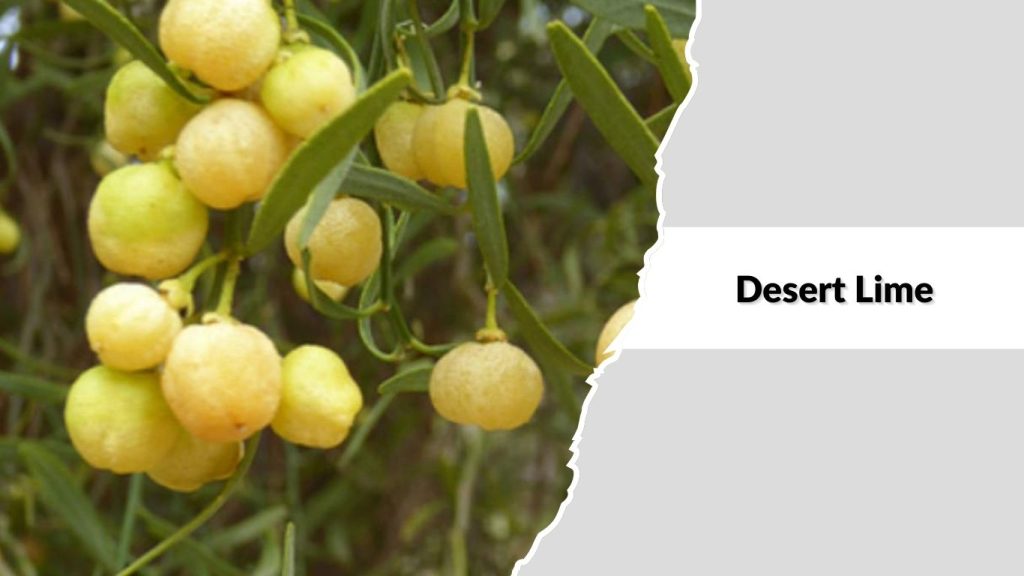
Desert lime is a hardy native Australian citrus species known for its exceptional drought tolerance and intense, tangy flavor. It is well adapted to harsh climates and is increasingly valued in commercial and gourmet food industries.
Identification
- Small, round fruit
- Thin, smooth skin turning yellow when ripe
- Pale green to yellow, very acidic flesh
- Small seeds
- Compact, shrubby tree with thorny branches
Growing Conditions
Desert lime thrives in hot, arid, and semi-arid environments where many other citrus trees struggle. It tolerates poor soils, drought, and high temperatures but prefers well-drained soil and full sun for best growth and fruiting.
Uses
The fruit is commonly used in sauces, marmalades, beverages, and native Australian cuisine. Its strong flavor makes it ideal for preserves and culinary products requiring bold citrus notes.
Care and Maintenance
Minimal watering is required once established, making it a low-maintenance option. Occasional pruning helps shape the plant, while protection from prolonged frost supports healthier growth.
12. Makrut Lime (Citrus hystrix)
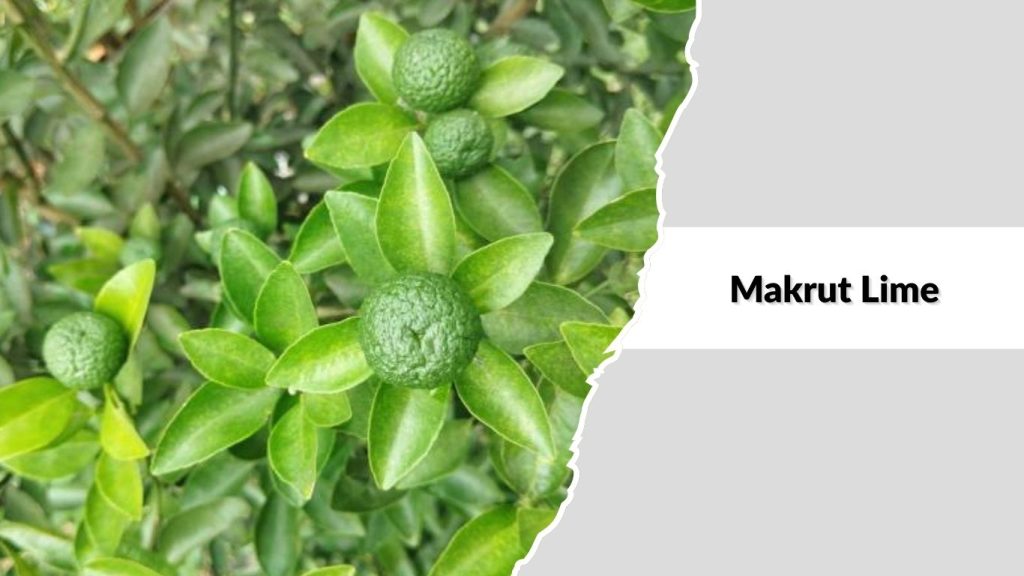
Makrut lime is a highly aromatic citrus variety best known for its intensely fragrant leaves and rough-skinned fruit. It is a staple in Southeast Asian cooking and is valued more for its leaves and rind than its juice.
Identification
- Small to medium, round fruit
- Thick, dark green, bumpy rind
- Very little juice
- Strong citrus aroma
- Distinctive double-lobed, glossy leaves
Growing Conditions
Makrut lime grows best in warm, tropical to subtropical climates with full sun to partial shade. It prefers moist, well-drained soil and regular watering, though it does not tolerate frost or prolonged cold conditions.
Uses
The leaves are widely used fresh or dried in soups, curries, stir-fries, and sauces. The rind is also used for flavoring pastes and traditional remedies due to its strong fragrance.
Care and Maintenance
Frequent harvesting of leaves encourages bushy growth. Regular watering, balanced fertilization, and light pruning help maintain plant health and continuous leaf production.
13. Blood Lime (Citrus australasica × Citrus limon)
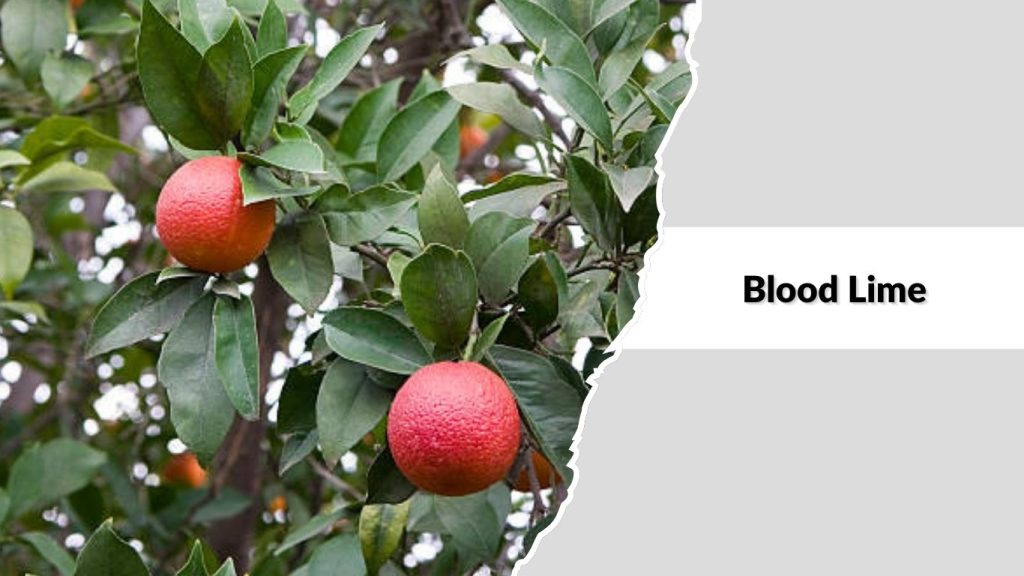
Blood lime is a modern hybrid citrus variety developed in Australia, combining traits of finger lime and red lemon. It is admired for its striking color, strong citrus flavor, and ornamental appeal.
Identification
- Medium-sized, round to oval fruit
- Smooth skin with deep red to burgundy coloration
- Red to pink, juicy flesh
- Tart, complex citrus flavor
- Compact tree with moderate thorns
Growing Conditions
Blood lime grows well in warm, subtropical climates with full sun exposure. It prefers well-drained soil and consistent watering, especially during flowering and fruit development. The tree has moderate tolerance to cooler temperatures compared to other limes.
Uses
This lime is used fresh, juiced, or as a garnish in gourmet dishes, beverages, and desserts. Its vibrant color makes it especially popular in culinary presentation and specialty products.
Care and Maintenance
Regular watering, seasonal fertilization, and light pruning support healthy growth and fruit production. Protecting the tree from frost and monitoring for pests helps ensure long-term vitality and yield.
FAQs
What is the most commonly grown lime tree?
The Persian lime is the most commonly grown lime tree worldwide due to its large, seedless fruit, mild acidity, and suitability for commercial production and home gardens.
Which lime tree is best for cooking?
Kaffir (Makrut) lime is best for cooking when leaves and rind are needed, especially in Southeast Asian cuisine. For juice-based cooking, Key lime and Mexican lime are preferred for their strong acidity.
Can lime trees grow in cold climates?
Most lime trees prefer warm climates, but some varieties like Rangpur lime and Tahiti lime show better tolerance to cooler temperatures. In colder regions, growing lime trees in containers is recommended.
How long does it take for a lime tree to produce fruit?
Most lime trees begin producing fruit within 3 to 5 years after planting, depending on the variety, growing conditions, and care provided.
Are all limes sour?
No, not all limes are sour. Varieties such as Sweet lime and Palestine sweet lime have very low acidity and a mild, sweet flavor, making them suitable for fresh consumption.