





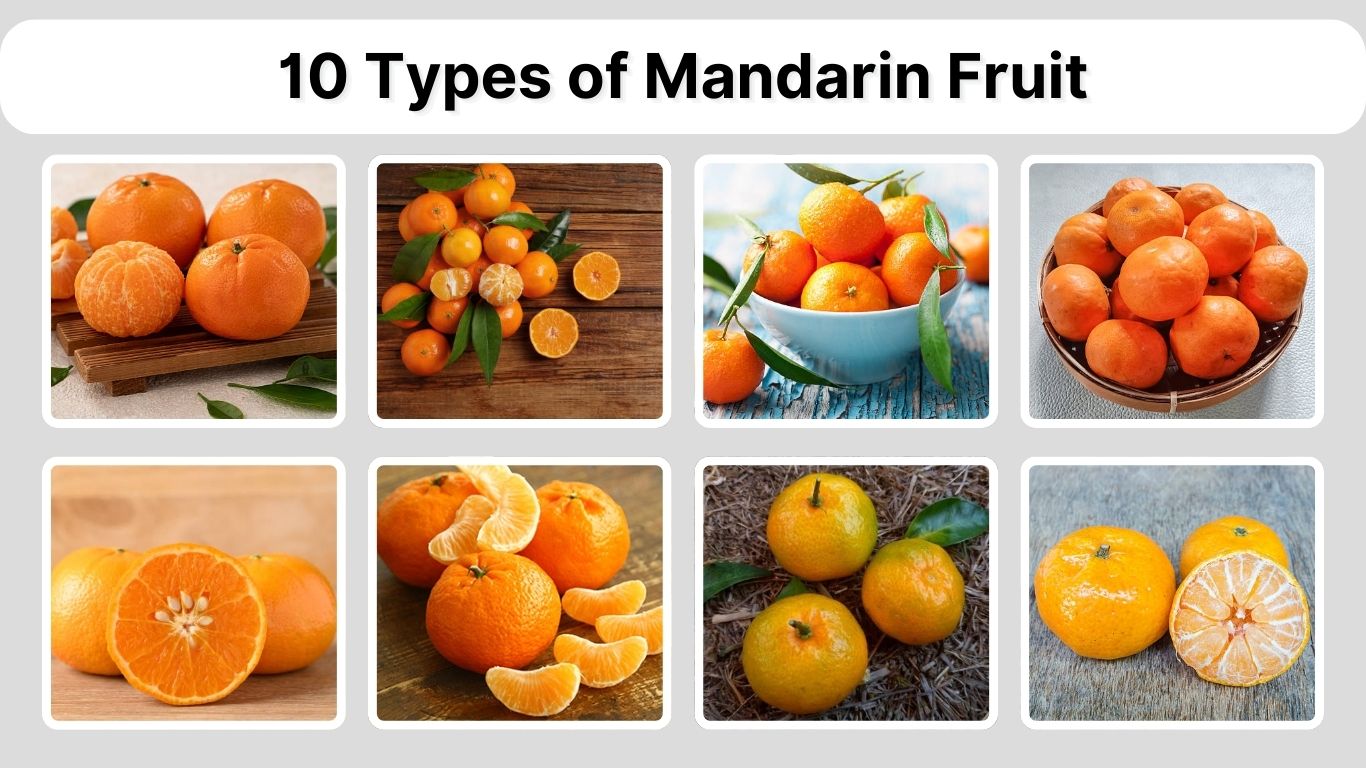
Mandarin fruits are a diverse group of citrus varieties known for their sweet flavor, juicy flesh, and easy-to-peel skin. Loved around the world, they come in many forms, each with its own taste, appearance, and use. From popular snack fruits to juice-rich hybrids, mandarins are enjoyed fresh, in desserts, and in beverages. Their refreshing flavor and nutritional value make them a favorite citrus choice during the winter season and beyond.
1. Mandarin Orange
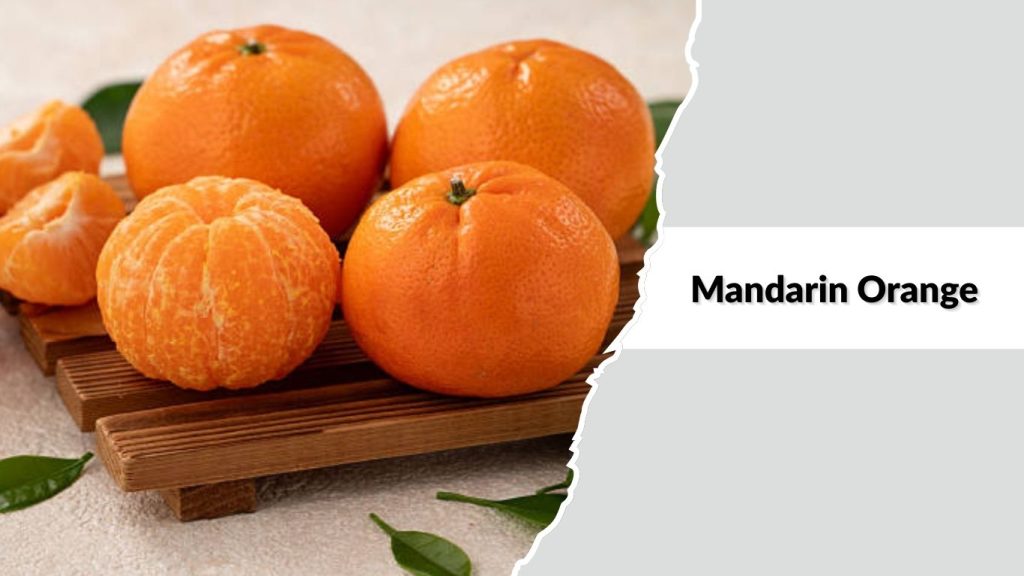
Mandarin orange is a small, flavorful citrus fruit valued for its sweetness, bright color, and easy-to-peel skin. It belongs to the citrus family and is considered one of the foundational citrus fruits from which many modern varieties were developed. Mandarin oranges are commonly eaten fresh and are especially popular during winter due to their refreshing taste and high vitamin C content. Their balance of sweetness and mild acidity makes them widely appealing across different age groups.
Identification
- Small to medium-sized citrus fruit
- Bright orange to deep orange skin
- Thin, loose peel that separates easily from the flesh
- Slightly flattened or round shape
- Segmented interior with minimal seeds
Taste
Mandarin oranges are known for their pleasantly sweet flavor with a gentle citrus tang. Unlike some other oranges, they have very low acidity and almost no bitterness. The flesh is juicy, tender, and aromatic, offering a smooth eating experience that does not overwhelm the palate.
Uses
Mandarin oranges are most often consumed fresh as a snack. They are also used in fruit salads, desserts, jams, and baked goods. In savory dishes, they pair well with poultry and seafood. Their juice is lighter and sweeter than regular orange juice and is often blended with other citrus juices.
Origin
Mandarin oranges originated in ancient China, where they were cultivated for thousands of years. From there, they spread to Japan, Southeast Asia, and eventually to Europe and the Americas through trade and exploration. Today, they are grown in many warm and temperate regions worldwide.
2. Clementine

Clementine is a small, seedless mandarin variety prized for its bright color, smooth skin, and exceptionally sweet flavor. It is a hybrid citrus fruit, often enjoyed as a convenient snack because of its easy peeling and minimal mess. Clementines are especially popular during winter months and are commonly marketed as a kid-friendly fruit due to their lack of seeds and mild taste.
Identification
- Small, round citrus fruit
- Smooth, glossy, deep orange peel
- Thin skin that peels easily
- Seedless or nearly seedless
- Firm yet juicy flesh divided into neat segments
Taste
Clementines have a distinctly sweet flavor with very low acidity. The taste is clean, refreshing, and less tangy than many other mandarins. Their natural sweetness and aromatic juice make them one of the most dessert-like citrus fruits.
Uses
Clementines are mainly eaten fresh as a snack or packed in lunch boxes. They are also used in fruit salads, cakes, marmalades, and chocolate-coated treats. Their segments are often added to salads or used as garnishes because they hold their shape well.
Origin
Clementines originated in the early 20th century in Algeria and are believed to be a hybrid between a mandarin and a sweet orange. They later became widely cultivated in Mediterranean countries and are now grown in many citrus-producing regions around the world.
3. Tangerine
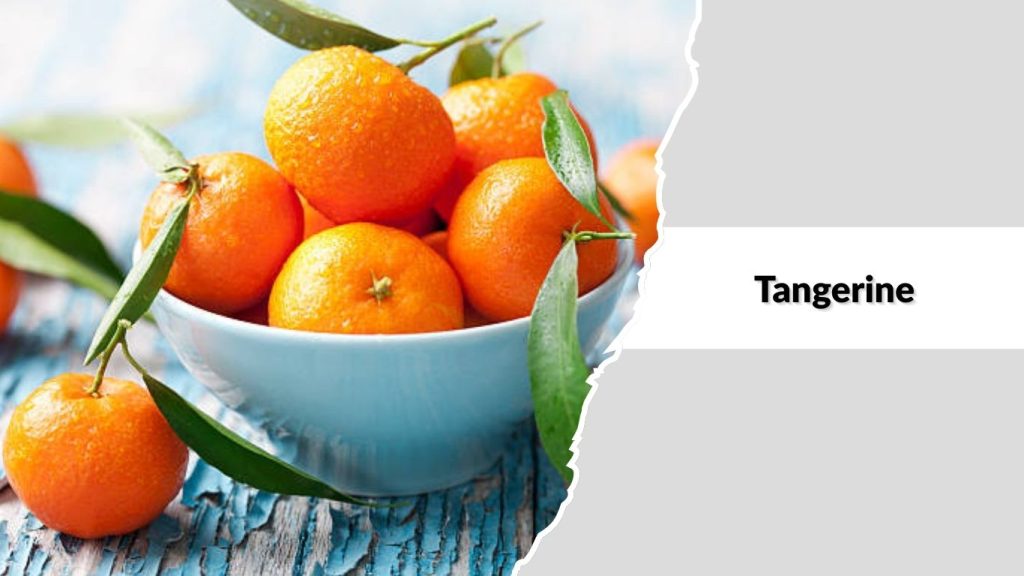
Tangerine is a popular type of mandarin fruit known for its deep orange color and slightly stronger flavor compared to other mandarins. It is often used as a general term for certain mandarin varieties, especially those with reddish-orange skin. Tangerines are easy to peel and are widely consumed fresh, making them a favorite seasonal citrus fruit in many countries.
Identification
- Medium-sized mandarin fruit
- Deep orange to reddish-orange peel
- Thin, slightly loose skin
- Round to slightly flattened shape
- Segmented flesh with occasional seeds
Taste
Tangerines have a balanced flavor that combines sweetness with a noticeable tang. They are slightly more acidic than clementines, which gives them a brighter, sharper citrus taste. The flesh is juicy and aromatic, offering a refreshing bite.
Uses
Tangerines are commonly eaten fresh or used in fruit bowls and salads. They are also popular in marmalades, sauces, and baked desserts. Tangerine zest is frequently used to add fragrance to cakes, cookies, and savory dishes.
Origin
The name “tangerine” comes from Tangier, Morocco, through which the fruit was first exported to Europe. Although mandarins originated in Asia, tangerines became widely recognized in Western markets through North African trade routes and are now grown worldwide.
4. Satsuma
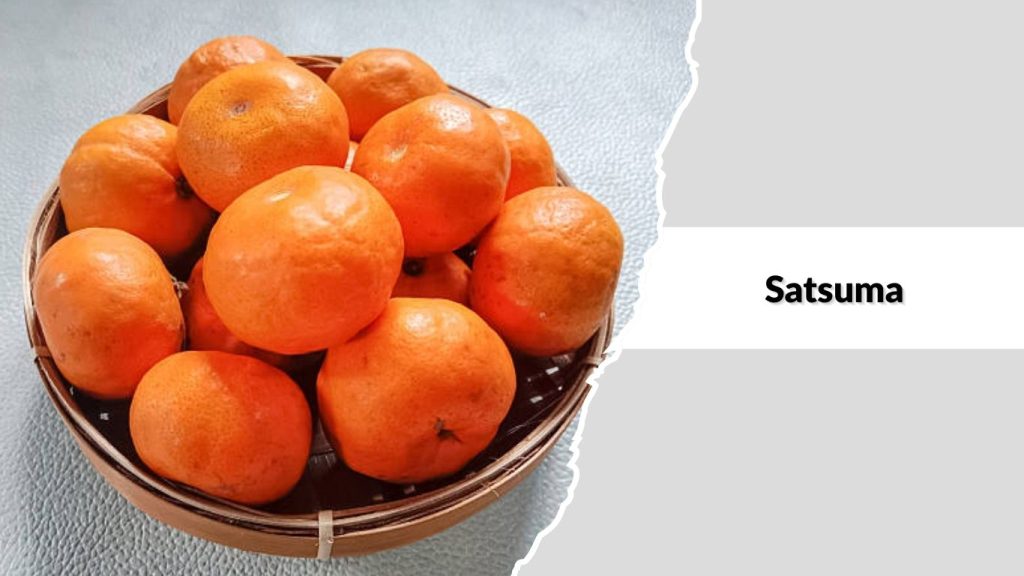
Satsuma is a seedless mandarin variety known for its very easy-to-peel skin and delicate, sweet flavor. It is one of the earliest-ripening mandarins and is especially popular in cooler citrus-growing regions. Satsumas are often slightly flattened in shape and are enjoyed fresh due to their tenderness and mild taste.
Identification
- Medium-sized mandarin fruit
- Pale to bright orange peel
- Very loose, thin skin
- Slightly flattened shape
- Seedless flesh with soft segments
Taste
Satsumas have a mild, gently sweet flavor with very low acidity. The flesh is tender and juicy, almost melting in the mouth. Because they lack sharp tanginess, they are often preferred by people who enjoy softer citrus flavors.
Uses
Satsumas are primarily eaten fresh as a snack because they peel effortlessly and separate easily into segments. They are also used in fruit salads, desserts, and light preserves. Their juice is mild and fragrant, suitable for blending with other fruit juices.
Origin
Satsumas originated in Japan, where they have been cultivated for centuries. The name comes from the former Satsuma Province. From Japan, they spread to China, Europe, and the United States, becoming especially popular in regions with mild winters.
5. Murcott
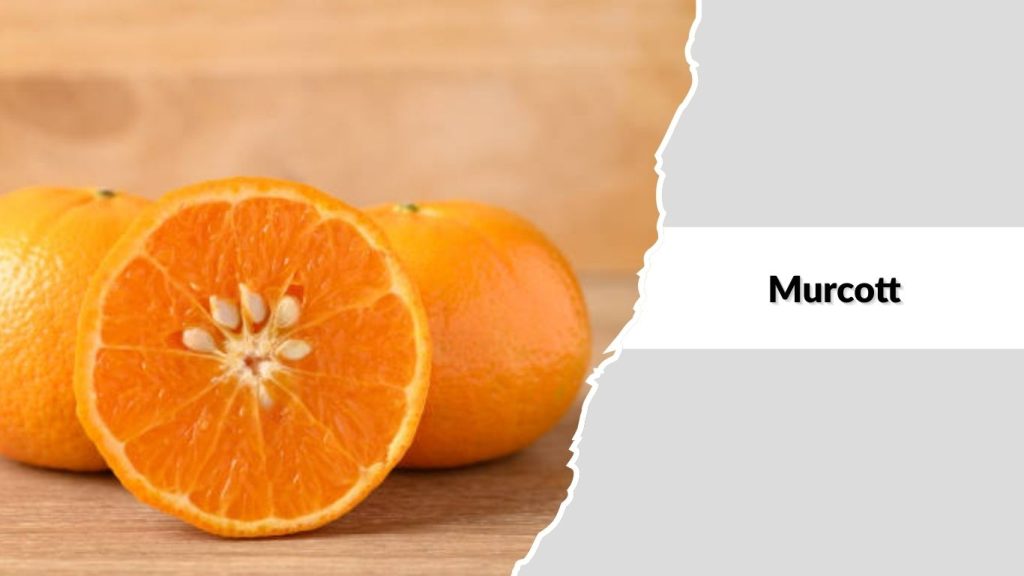
Murcott, often called the Honey Murcott, is a popular mandarin hybrid valued for its rich sweetness and deep orange color. It is slightly larger than many mandarins and has a firmer peel that still removes easily when ripe. Murcotts are widely grown for both fresh consumption and commercial markets due to their attractive appearance and intense flavor.
Identification
- Medium to large mandarin fruit
- Deep orange, smooth peel
- Moderately thin skin that peels with slight effort
- Round to slightly flattened shape
- Juicy segments with a few seeds
Taste
Murcotts are known for their very sweet, honey-like flavor balanced with light acidity. The flesh is extremely juicy, offering a bold citrus taste that is stronger than many other mandarin varieties. This richness makes them especially satisfying as a fresh fruit.
Uses
Murcotts are commonly eaten fresh and are popular in fruit platters and lunch servings. They are also used for juicing because of their high juice content and strong flavor. In desserts, they add natural sweetness to tarts, cakes, and marmalades.
Origin
Murcotts were developed in the early 20th century in the United States as a hybrid mandarin variety. Over time, they gained popularity and are now grown in major citrus-producing regions, including the United States, Australia, and parts of South America.
6. Honey Mandarin
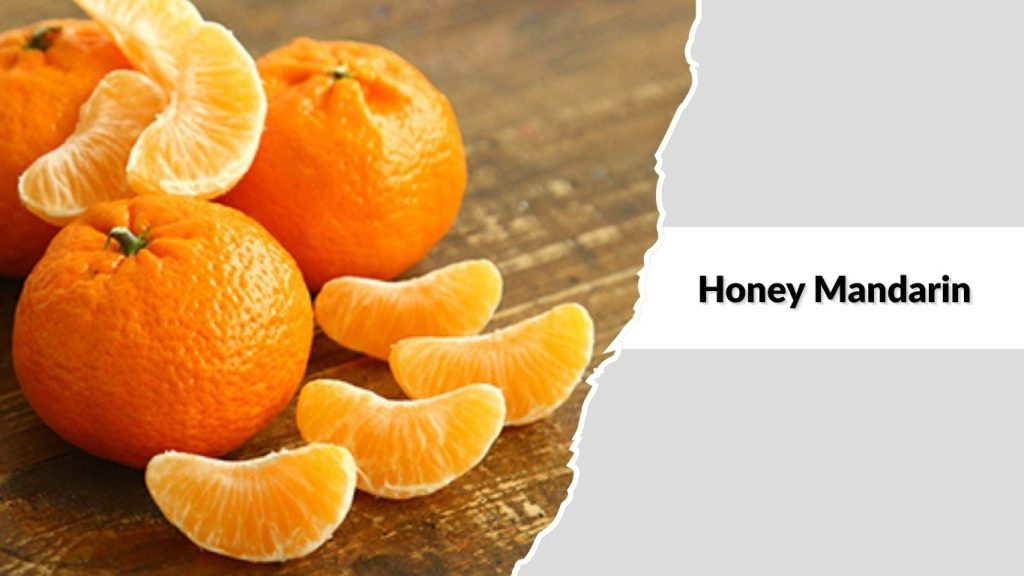
Honey mandarin is a sweet mandarin variety known for its smooth texture, bright appearance, and naturally high sugar content. It is often confused with Murcott mandarins due to similar sweetness, but the term “honey mandarin” is also used more broadly in markets to describe exceptionally sweet mandarin types. This fruit is highly appreciated for fresh eating.
Identification
- Medium-sized mandarin fruit
- Bright orange, glossy peel
- Thin to moderately thin skin
- Round shape with slight flattening
- Juicy flesh with few or no seeds
Taste
Honey mandarins have an intensely sweet flavor with minimal acidity. The taste is smooth and rich, lacking sharp citrus notes. Their honey-like sweetness makes them one of the most flavorful mandarins, especially when fully ripe.
Uses
Honey mandarins are best enjoyed fresh as a snack or dessert fruit. They are also used in fruit salads, smoothies, and sweet sauces. Their juice is naturally sweet and often consumed without added sugar.
Origin
Honey mandarins are believed to have originated from selective breeding of mandarin hybrids in citrus-growing regions such as the United States and Asia. Today, they are cultivated in several warm climates and are widely sold in fresh fruit markets.
7. Pixie Mandarin
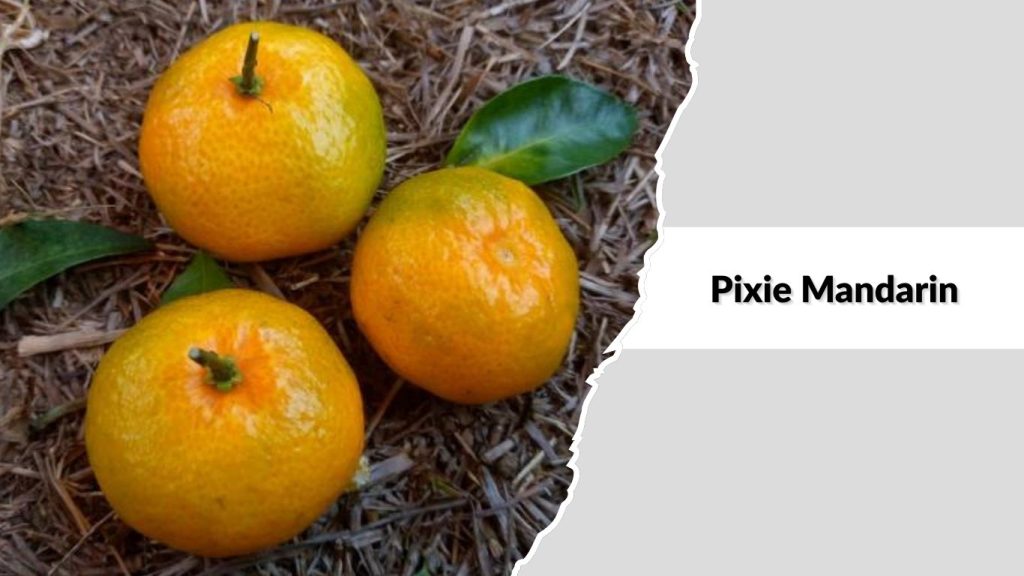
Pixie mandarin is a small, seedless mandarin variety valued for its late-season availability and pleasant sweetness. It has a smooth, thin peel and a compact shape, making it easy to handle and eat. Pixie mandarins are especially popular because they remain sweet even at the end of the citrus season.
Identification
- Small to medium-sized mandarin fruit
- Smooth, thin, bright orange peel
- Easy-to-peel skin
- Round shape
- Seedless, firm segments
Taste
Pixie mandarins have a mild to moderately sweet flavor with low acidity. The taste is clean and refreshing rather than intense, making them easy to eat in larger quantities. Their sweetness remains consistent even when harvested late in the season.
Uses
Pixie mandarins are commonly eaten fresh as a snack. They are also added to fruit salads, lunch boxes, and light desserts. Because of their seedless nature, they are convenient for children and quick meals.
Origin
Pixie mandarins were developed in the United States, specifically in California, through citrus breeding programs. They are now grown mainly in California and other regions with similar climates.
8. Dancy Tangerine
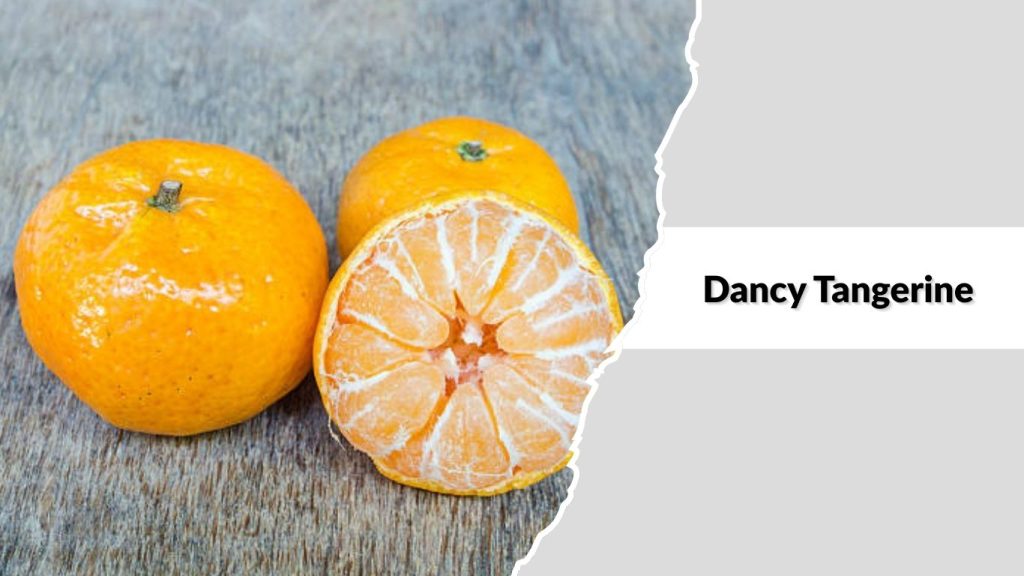
Dancy tangerine is an old and well-known mandarin variety, often referred to as the “Christmas tangerine” because it ripens during the winter holiday season. It is recognized for its rich color and traditional tangerine aroma. Although it contains seeds, its flavor and historical importance keep it popular among citrus lovers.
Identification
- Medium-sized mandarin fruit
- Deep reddish-orange peel
- Thin, loose, easy-to-peel skin
- Slightly flattened round shape
- Soft, juicy segments with many seeds
Taste
Dancy tangerines have a classic sweet-tart flavor with noticeable acidity. The taste is bright, juicy, and aromatic, offering a stronger citrus punch than many modern seedless varieties. This bold flavor is often associated with traditional tangerines.
Uses
Dancy tangerines are commonly eaten fresh despite their seeds. They are also used in marmalades, sauces, and desserts where their strong flavor stands out. The peel is sometimes used for zest due to its fragrance.
Origin
Dancy tangerines originated in Morocco and were introduced to the United States in the 19th century. They became one of the most widely grown tangerine varieties in Florida and played a major role in popularizing tangerines in North America.
9. Kinnow
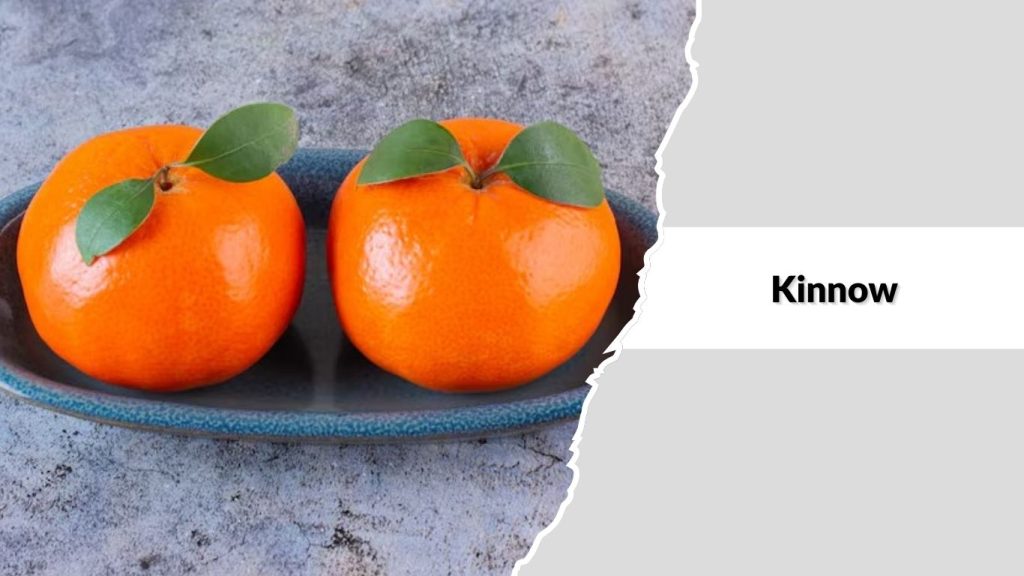
Kinnow is a popular mandarin hybrid known for its large size, bright color, and strong citrus aroma. It is widely cultivated in South Asia and is especially valued for its high juice content. Kinnow mandarins are commonly consumed fresh and are also heavily used in juice production due to their bold flavor.
Identification
- Medium to large mandarin fruit
- Bright orange peel with slight texture
- Moderately thick skin
- Round shape
- Juicy segments with several seeds
Taste
Kinnow mandarins have a sweet-tart flavor with noticeable acidity. The taste is robust and refreshing, offering a stronger citrus punch than many seedless mandarins. Their aroma is intense, adding to their overall appeal.
Uses
Kinnow is widely used for fresh consumption as well as juicing. It is a major ingredient in packaged citrus juices and concentrates. The fruit is also used in desserts, syrups, and traditional beverages in South Asian cuisine.
Origin
Kinnow was developed in the mid-20th century as a hybrid between King and Willowleaf mandarins. It originated in California but became especially popular in India and Pakistan, where it is now one of the most widely grown citrus fruits.
10. Ponkan
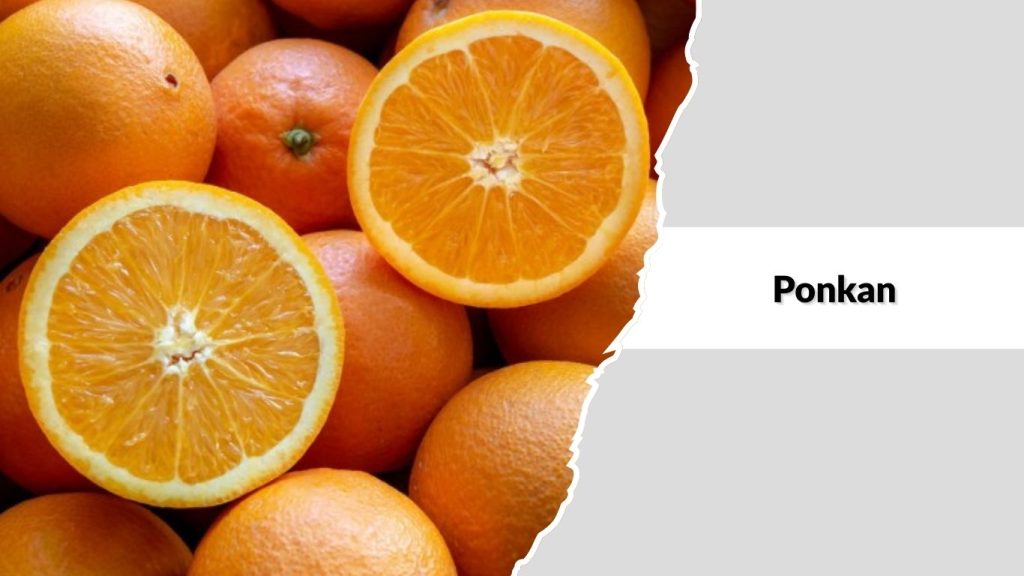
Ponkan is a large, sweet mandarin variety known for its thick, easy-to-peel skin and rich aroma. It is one of the most widely grown mandarins in Asia and is highly valued for its balance of sweetness and mild acidity. Ponkan mandarins are often enjoyed fresh and are considered a premium table fruit in many regions.
Identification
- Medium to large mandarin fruit
- Thick, puffy, orange peel
- Easy-to-peel skin
- Round to slightly flattened shape
- Juicy segments with few seeds
Taste
Ponkan mandarins have a rich, sweet flavor with gentle citrus acidity. The flesh is juicy and aromatic, offering a satisfying balance that is neither too sharp nor too mild. Their sweetness deepens as the fruit fully ripens.
Uses
Ponkan mandarins are mainly eaten fresh as a snack or dessert fruit. They are also used in fruit salads, preserves, and juices. Due to their strong aroma, they are sometimes used to flavor sweets and beverages.
Origin
Ponkan mandarins originated in India and later spread throughout China, Japan, and Southeast Asia. Today, they are cultivated in many citrus-growing regions around the world and are especially popular in Asian markets.
FAQs
What is a mandarin fruit?
Mandarin fruit is a type of citrus known for its small size, thin peel, and sweet flavor. It belongs to the Citrus reticulata group and is one of the most popular citrus fruits worldwide due to its easy peeling and mild taste.
Are mandarins and oranges the same?
Mandarins are a type of orange, but they are smaller, sweeter, and easier to peel than regular oranges. They also have a thinner skin and lower acidity compared to common sweet oranges.
Which mandarin variety is the sweetest?
Clementines, Honey mandarins, and Murcott mandarins are often considered among the sweetest varieties. Their sugar content is high and acidity is low, giving them a smooth, dessert-like flavor.
Are mandarins healthy to eat daily?
Yes, mandarins are healthy for daily consumption. They are rich in vitamin C, antioxidants, and dietary fiber, which support immunity, digestion, and overall health when eaten in moderation.
When is the best season for mandarins?
Mandarins are typically in season from late fall through early spring. The exact timing depends on the variety and growing region, but winter is generally the peak season for most mandarin fruits.