





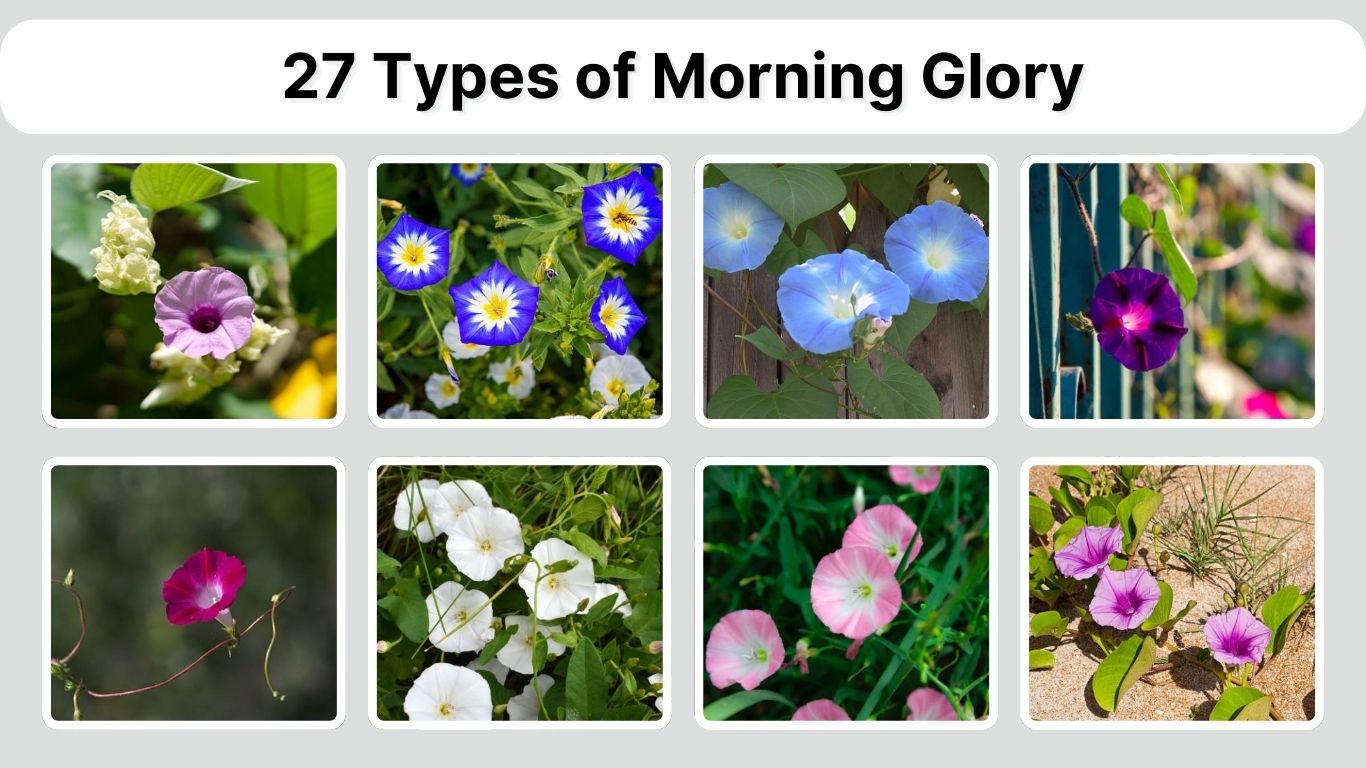
Morning Glory is a popular and fast-growing climbing plant admired for its vibrant, trumpet-shaped flowers and heart-shaped foliage. With over 27 distinct types, this versatile vine adds beauty, color, and vertical interest to gardens, fences, and trellises. From the sky-blue Heavenly Blue to the striking Purple Picotee, each variety offers unique patterns, hues, and growth habits. Morning Glory is easy to cultivate, attracts pollinators like bees and hummingbirds, and provides both ornamental charm and ecological benefits for gardeners of all levels.
1. Common Morning Glory (Ipomoea purpurea)
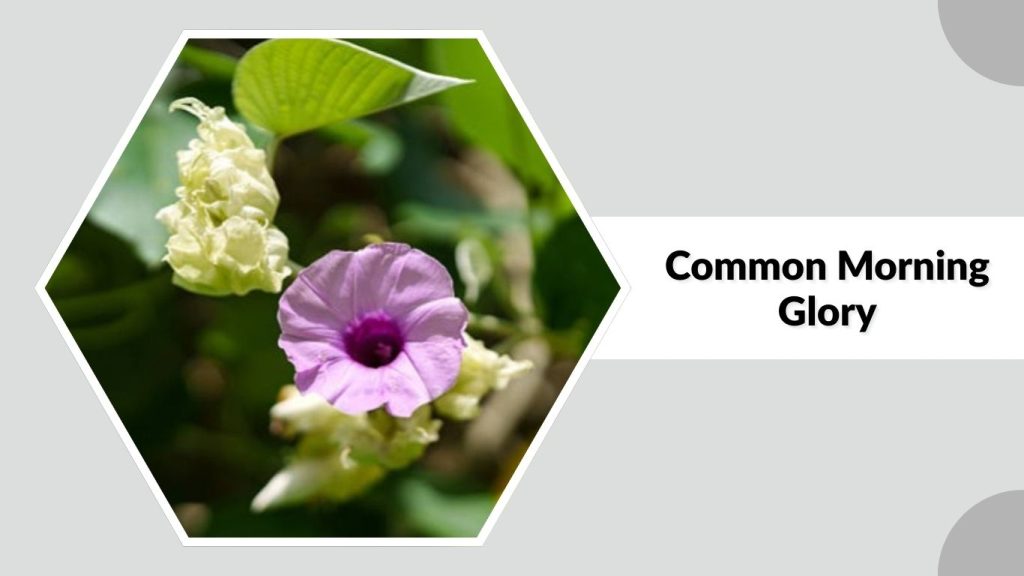
Common Morning Glory is one of the most widely grown and easily recognized morning glory species in the world. It is famous for its fast-growing vines, heart-shaped leaves, and trumpet-shaped flowers that open fresh each morning. Gardeners love it for fences, trellises, and balconies because it quickly creates a colorful, natural screen.
Identification
- Scientific name: Ipomoea purpurea
- Plant type: Annual climbing vine
- Flower shape: Funnel or trumpet-shaped
- Common colors: Purple, blue, pink, white, and mixed patterns
- Leaves: Heart-shaped, soft green
- Growth habit: Twining, fast-spreading vine
Flowers and Color Patterns
The flowers of Common Morning Glory are large, soft, and showy, usually measuring 2 to 3 inches wide. Colors range from deep violet and royal blue to rosy pink and pure white. Many varieties have lighter throats or star-like markings, which make the blooms especially attractive in early morning light.
Habitat and Natural Range
Common Morning Glory is native to tropical regions of Central and South America but is now naturalized in many parts of the world. It grows well in warm, sunny areas and often appears along fences, roadsides, gardens, and open fields. It prefers well-drained soil and plenty of sunlight.
Growth Habit and Vine Behavior
This plant is a vigorous climber that can reach 8 to 12 feet in a single season. The slender stems twist naturally around supports, making it ideal for arches, trellises, and walls. Without support, it spreads along the ground and can form dense, leafy mats.
Uses in Gardening and Landscaping
Common Morning Glory is widely used for ornamental gardening. It is popular for covering unsightly walls, creating privacy screens, and adding vertical color to small spaces. Many gardeners also plant it to attract pollinators like bees, butterflies, and hummingbirds.
2. Blue Morning Glory (Ipomoea indica)

Blue Morning Glory is a striking and vigorous climbing plant known for its large, brilliant blue flowers and long blooming season. It is often grown to quickly cover fences, pergolas, and balconies, creating a dramatic wall of color. Its flowers usually open in the early morning and slowly fade by afternoon.
Identification
- Scientific name: Ipomoea indica
- Plant type: Perennial vine in warm climates, annual in cooler areas
- Flower shape: Large, trumpet-shaped blooms
- Common colors: Bright blue with pale or yellowish centers
- Leaves: Broad, heart-shaped to three-lobed
- Growth habit: Fast-growing, twining climber
Flowers and Visual Appeal
The flowers of Blue Morning Glory are larger than many common types, often reaching up to 4 inches across. Their intense sky-blue color with a lighter throat makes them highly visible from a distance. When grown in full sun, the plant produces masses of blooms that create a bold, eye-catching display.
Habitat and Natural Distribution
Blue Morning Glory is native to tropical and subtropical regions, particularly in the Americas. It thrives in warm, humid climates and grows well along forest edges, coastal areas, and cultivated gardens. In frost-free regions, it can grow year-round and behave like a woody perennial vine.
Growth Pattern and Vine Structure
This species is extremely vigorous and can climb 15 to 30 feet if given strong support. Its thick, twining stems easily wrap around railings, wires, and trees. Because of its rapid growth, regular pruning is often needed to keep it under control in home gardens.
Landscaping and Practical Uses
Blue Morning Glory is widely used for creating living walls, shade covers, and privacy screens. It is also planted to soften hard structures such as fences and sheds. The flowers attract butterflies and bees, adding both beauty and ecological value to gardens.
3. Heavenly Blue Morning Glory (Ipomoea tricolor ‘Heavenly Blue’)
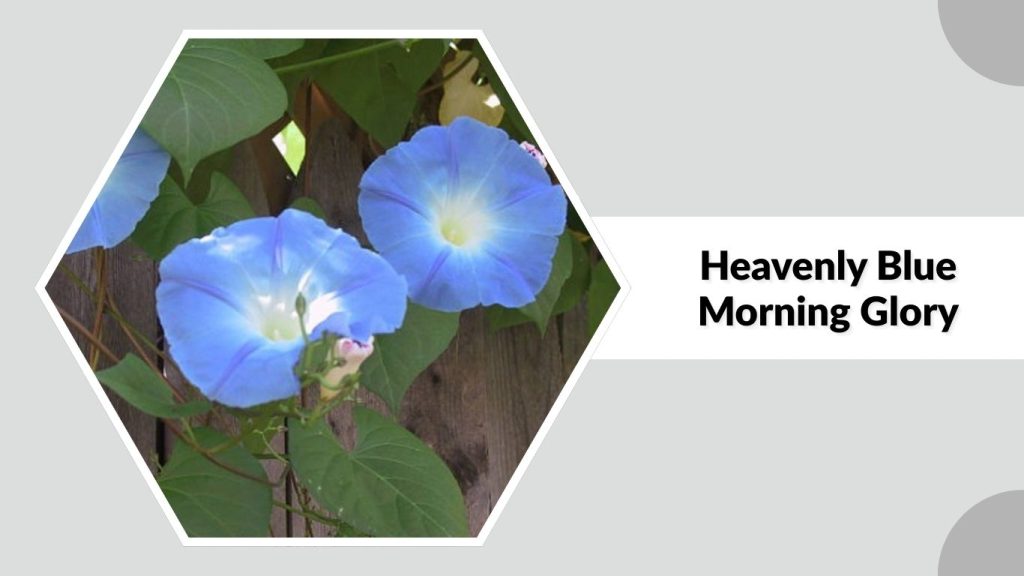
Heavenly Blue Morning Glory is one of the most popular and visually striking morning glory varieties, prized for its large, sky-blue flowers with glowing white and yellow centers. It is especially loved by gardeners because of its reliable blooming, fast growth, and ability to turn plain fences and trellises into vibrant floral displays.
Identification
- Scientific name: Ipomoea tricolor ‘Heavenly Blue’
- Plant type: Annual climbing vine
- Flower shape: Large, trumpet-shaped blooms
- Common colors: Bright sky blue with pale throat
- Leaves: Large, heart-shaped, deep green
- Growth habit: Fast-growing, twining vine
Flower Characteristics
The flowers are usually 3 to 5 inches wide, making them larger than many other morning glory types. Buds open in the early morning, revealing intense blue petals that gradually fade to soft lavender by afternoon. The bright, star-like center adds extra contrast and beauty.
Native Range and Habitat
Heavenly Blue Morning Glory traces its origins to Central America and Mexico, where it grows in warm, sunny environments. It adapts easily to gardens around the world and thrives in open spaces, sunny walls, and well-drained soil with moderate moisture.
Vine Growth and Spread
This variety can grow 10 to 15 feet in a single season. Its thin stems wrap naturally around strings, wires, and trellises, making it ideal for vertical gardening. With enough sunlight, it produces dense foliage and abundant blooms throughout summer and early fall.
Garden Value and Uses
Heavenly Blue Morning Glory is widely planted for ornamental purposes, especially in cottage gardens, balcony gardens, and pollinator-friendly landscapes. Its nectar-rich flowers attract bees, butterflies, and hummingbirds, adding both movement and life to garden spaces.
4. Japanese Morning Glory (Ipomoea nil)
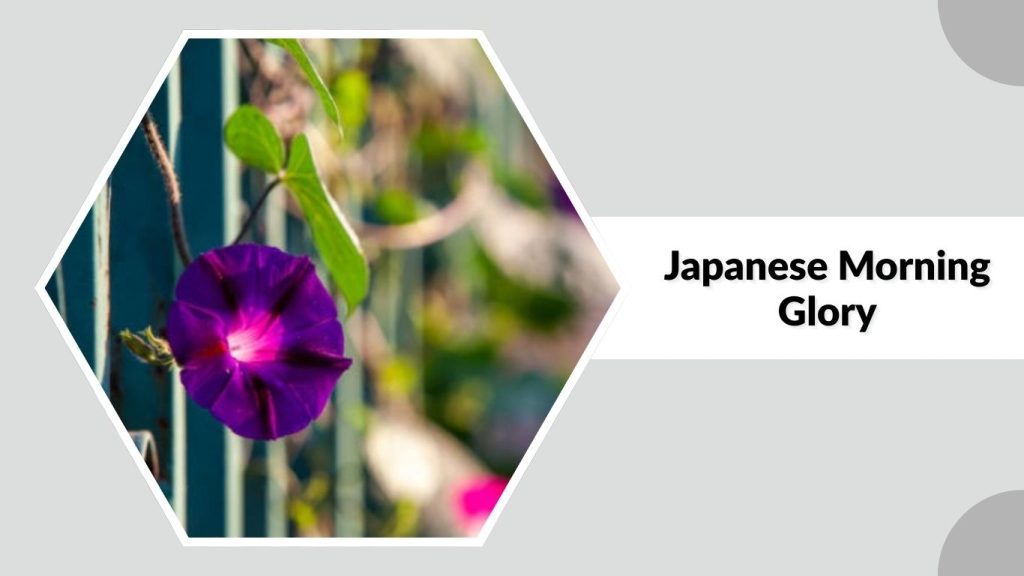
Japanese Morning Glory is a highly valued ornamental type, famous for its wide range of colors, intricate patterns, and beautifully shaped blooms. It has been cultivated in Japan for centuries, where gardeners developed countless unique varieties. This morning glory is admired not only for its flowers but also for its cultural and artistic importance.
Identification
- Scientific name: Ipomoea nil
- Plant type: Annual climbing vine
- Flower shape: Trumpet-shaped, often broad and flat
- Common colors: Blue, purple, red, pink, and white, often with stripes or star patterns
- Leaves: Heart-shaped, sometimes deeply lobed
- Growth habit: Fast-growing twining vine
Flower Forms and Colors
Japanese Morning Glory flowers are known for their diversity. Some are solid-colored, while others display dramatic star shapes, picotee edges, or marbled patterns. Blooms are typically medium to large in size and open in the early morning, creating a fresh and elegant look each day.
Origin and Traditional Cultivation
This species originated in tropical America but became deeply rooted in Japanese horticulture during the Edo period. Over time, selective breeding in Japan produced many ornamental strains, and morning glory exhibitions became popular cultural events.
Growth Behavior and Care
Japanese Morning Glory grows quickly, often reaching 8 to 12 feet in one season. It prefers full sun and well-drained soil. Regular watering and light feeding encourage continuous flowering, while simple supports like bamboo stakes or trellises guide its climbing habit.
Garden and Decorative Uses
It is commonly used in ornamental gardens, balcony planters, and traditional Japanese-style landscapes. Its colorful, artistic flowers make it ideal for decorative displays, living screens, and seasonal garden themes.
5. Scarlet Morning Glory (Ipomoea hederifolia)
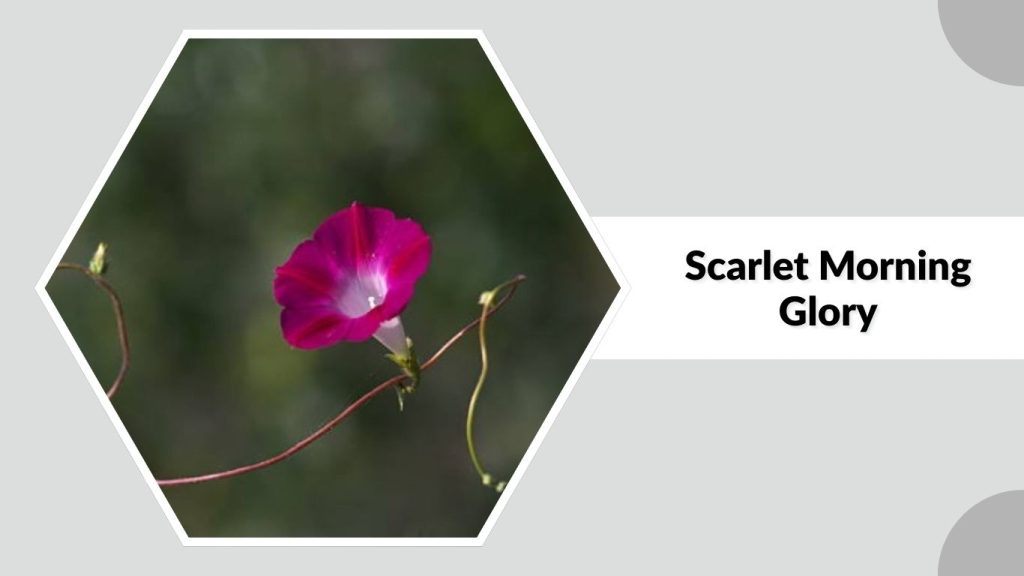
Scarlet Morning Glory is a vivid and eye-catching morning glory type known for its bright red, tubular flowers and graceful climbing habit. Unlike many trumpet-wide morning glories, this species produces slimmer, star-ended blooms that are especially attractive to hummingbirds. It is often grown to add strong contrast and wildlife interest to garden spaces.
Identification
- Scientific name: Ipomoea hederifolia
- Plant type: Annual climbing vine
- Flower shape: Narrow, tubular with small flared tips
- Common colors: Bright scarlet red with pale centers
- Leaves: Three-lobed to heart-shaped, ivy-like
- Growth habit: Fast-growing, twining vine
Flower Structure and Appearance
The flowers are usually about 1 to 2 inches long, forming clusters along thin stems. Their intense red color stands out strongly against green foliage. Unlike broader morning glories, these blooms stay more closed and refined, giving the plant a delicate, elegant look.
Native Habitat and Range
Scarlet Morning Glory is native to tropical regions of the Americas. It grows naturally in open woodlands, forest edges, and sunny clearings. It adapts well to warm climates and is commonly cultivated in home gardens across subtropical and temperate regions.
Vine Growth and Development
This species can climb 10 to 15 feet in one growing season. Its slender stems wrap easily around wires, fences, and trellises. Because of its lighter foliage and flowers, it creates a softer screen compared to heavier morning glory types.
Garden Uses and Benefits
Scarlet Morning Glory is widely planted to attract hummingbirds, butterflies, and other pollinators. It is ideal for fences, arches, and balcony railings where bright color and wildlife activity are desired.
6. Moonflower Morning Glory (Ipomoea alba)
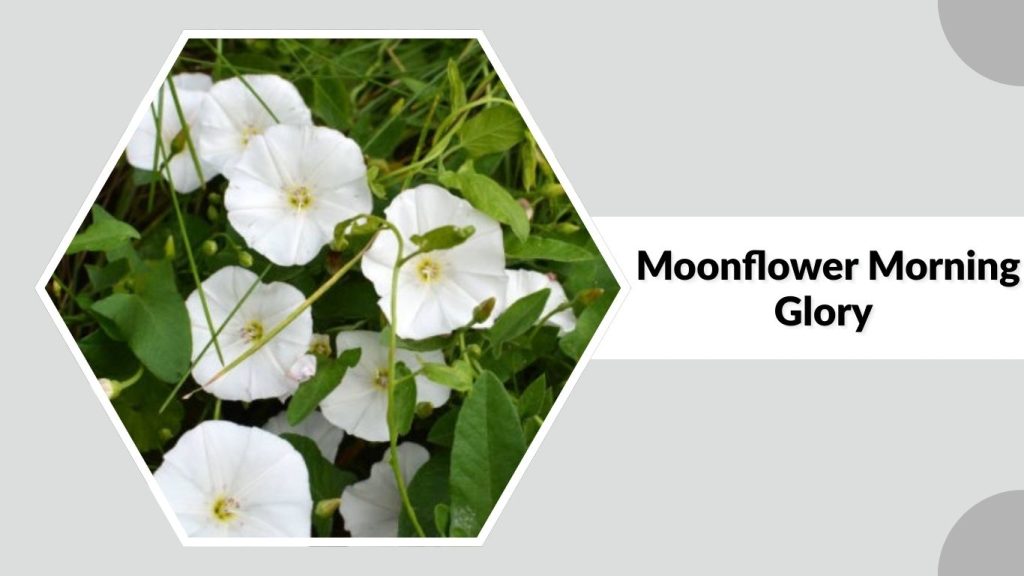
Moonflower Morning Glory is a night-blooming type famous for its large, pure white, sweet-scented flowers that open at dusk instead of morning. It creates a magical effect in evening gardens, patios, and balconies. Because of its strong fragrance and glowing blooms, it is often planted near sitting areas or windows.
Identification
- Scientific name: Ipomoea alba
- Plant type: Annual vine in cool regions, perennial in warm climates
- Flower shape: Very large, trumpet-shaped blooms
- Common colors: White, sometimes with pale green centers
- Leaves: Large, heart-shaped, deep green
- Growth habit: Fast-growing, twining climber
Flowering Habit and Fragrance
The flowers can reach 5 to 6 inches across, making them among the largest of all morning glories. Buds unfurl rapidly in the evening, releasing a strong, pleasant fragrance that attracts nighttime pollinators such as moths. Blooms often remain open until early morning.
Natural Range and Habitat
Moonflower is native to tropical and subtropical regions of the Americas. In nature, it grows along forest edges, riverbanks, and open sunny areas. It thrives in warm temperatures, high humidity, and well-drained soil.
Vine Growth and Structure
Moonflower Morning Glory can grow 10 to 20 feet in a single season. Its thick stems and large leaves allow it to quickly cover trellises, fences, and arbors. With proper support, it forms a lush, green backdrop highlighted by glowing white flowers at night.
Garden and Landscape Uses
This plant is especially popular for moon gardens, evening patios, and romantic outdoor spaces. Its night blooms, fragrance, and rapid growth make it perfect for covering pergolas and creating private, scented garden corners.
7. Bush Morning Glory (Convolvulus cneorum)
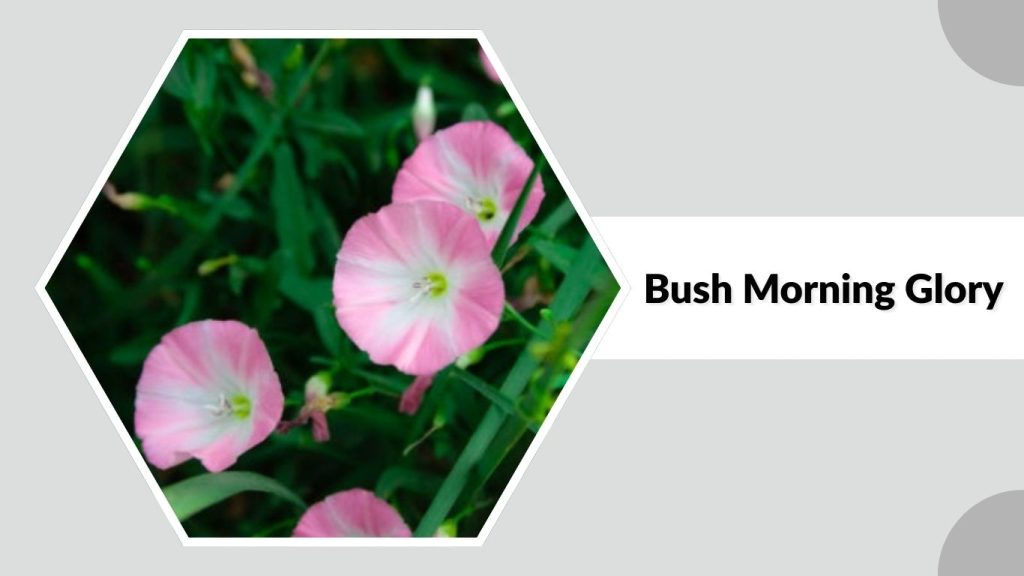
Bush Morning Glory is different from most morning glories because it grows as a compact, shrubby plant instead of a climbing vine. It is valued for its silvery leaves and soft, funnel-shaped flowers, which give gardens a bright, Mediterranean-style appearance. This type is often used as a low hedge or ornamental shrub.
Identification
- Scientific name: Convolvulus cneorum
- Plant type: Evergreen shrub
- Flower shape: Funnel-shaped, open blooms
- Common colors: White to pale pink with yellow centers
- Leaves: Narrow, oval, silvery-gray
- Growth habit: Rounded, bushy form
Flower Appearance and Blooming
The flowers are about 2 inches wide and appear mainly in late spring and early summer. Their white petals with a soft yellow throat contrast beautifully with the silvery foliage. Although individual blooms are short-lived, the plant produces many flowers over its blooming period.
Natural Habitat and Origin
Bush Morning Glory is native to the Mediterranean region, where it grows in dry, rocky soils and sunny coastal areas. It is well adapted to drought conditions and prefers full sun with excellent drainage.
Growth Form and Size
Unlike twining morning glories, this species forms a dense, rounded shrub usually 2 to 4 feet tall and wide. Its woody stems and evergreen leaves make it a long-lasting ornamental feature in warm-climate landscapes.
Uses in Landscaping
Bush Morning Glory is widely used in borders, rock gardens, and low hedges. It is ideal for coastal gardens and dry landscapes, adding both texture and soft color while requiring relatively low maintenance.
8. Seaside Morning Glory (Ipomoea pes-caprae)
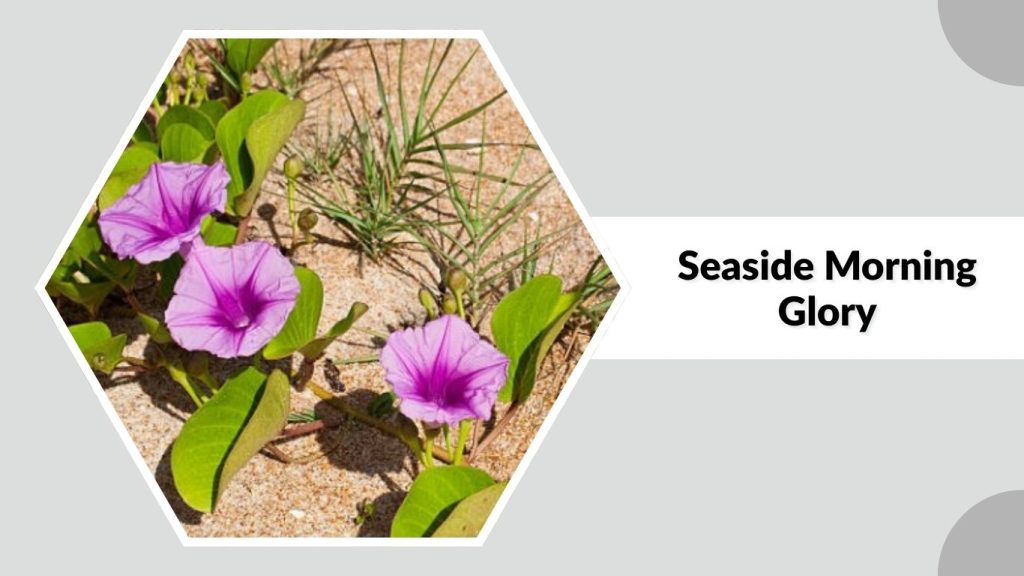
Seaside Morning Glory is a creeping, ground-cover type known for its thick leaves and purple, trumpet-shaped flowers. It is famous for stabilizing sandy soils and thriving in harsh coastal conditions. This plant is commonly seen spreading across beaches, dunes, and seaside cliffs, where few other flowering plants can survive.
Identification
- Scientific name: Ipomoea pes-caprae
- Plant type: Perennial trailing vine
- Flower shape: Large, trumpet-shaped blooms
- Common colors: Pink to purple with darker centers
- Leaves: Thick, glossy, and deeply notched like a goat’s hoof
- Growth habit: Low-growing, fast-spreading ground cover
Flower Features and Blooming
The flowers are usually 2 to 3 inches wide and appear singly along creeping stems. Their soft purple color with a deeper throat gives a gentle but striking look against beach sand. Blooms open in the morning and close by afternoon, following the typical morning glory pattern.
Coastal Habitat and Natural Range
Seaside Morning Glory is native to tropical and subtropical coastlines around the world. It grows naturally on beaches, sand dunes, and salt-sprayed areas. Its deep roots help bind sand, making it important for erosion control.
Growth Pattern and Spread
This species spreads horizontally rather than climbing. Its long runners can stretch many feet, rooting at nodes and forming dense mats. This growth habit allows it to quickly cover open ground and protect soil from wind and water erosion.
Practical and Ornamental Uses
Seaside Morning Glory is planted for dune stabilization, beachfront landscaping, and erosion prevention. It is also valued in coastal gardens for its toughness, glossy leaves, and bright, cheerful flowers.
9. Railroad Vine Morning Glory (Ipomoea pes-caprae subsp. brasiliensis)
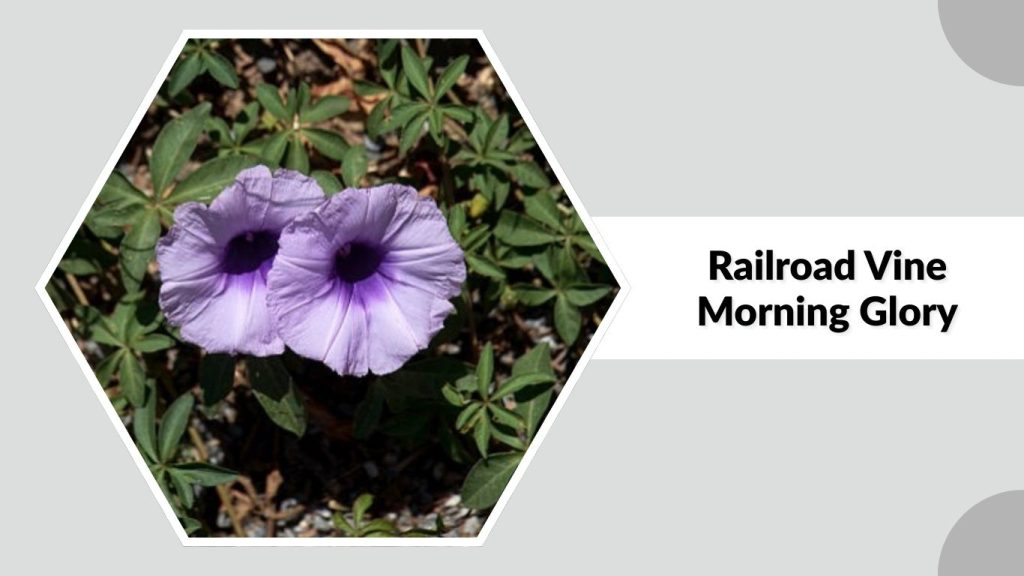
Railroad Vine Morning Glory is a vigorous, creeping morning glory closely related to seaside morning glory. It is named for its habit of spreading rapidly along sandy ground, often near coastal railways and shorelines. This plant is prized for its resilience, glossy leaves, and showy purple flowers.
Identification
- Scientific name: Ipomoea pes-caprae subsp. brasiliensis
- Plant type: Perennial trailing vine
- Flower shape: Funnel-shaped, broad blooms
- Common colors: Pink to deep purple with darker throats
- Leaves: Thick, rounded, deeply notched
- Growth habit: Fast-spreading, ground-hugging vine
Flower Appearance and Color
The flowers are large and soft-textured, usually appearing singly along long runners. Their bright purple to pink petals with darker centers stand out strongly against sand and green foliage. Blooms open in the morning and fade by afternoon.
Natural Habitat and Distribution
Railroad Vine is native to tropical and subtropical coastlines worldwide. It thrives on beaches, dunes, and coastal roadsides, where it tolerates salt spray, intense sunlight, and shifting sands.
Growth and Spreading Habit
This plant spreads aggressively by long, rooting stems that can extend many meters. It forms thick mats that protect soil from erosion. Its tough, flexible vines allow it to survive strong winds and burial by sand.
Uses and Importance
Railroad Vine Morning Glory is widely used in coastal restoration projects to stabilize dunes. In landscaping, it is planted as a tough ornamental ground cover for beachfront properties and sandy gardens.
10. Cypress Vine Morning Glory (Ipomoea quamoclit)
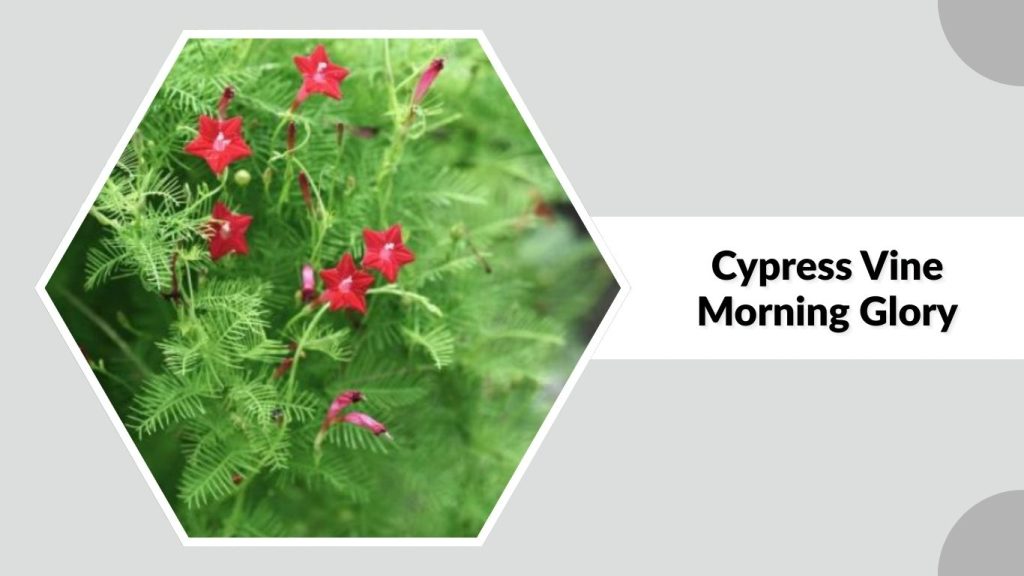
Cypress Vine Morning Glory is a delicate and graceful morning glory type known for its fine, feathery foliage and bright, star-shaped flowers. Unlike broad-leafed morning glories, this species has soft, thread-like leaves that give it a light, airy appearance. It is highly valued for adding texture and color to trellises and fences.
Identification
- Scientific name: Ipomoea quamoclit
- Plant type: Annual climbing vine
- Flower shape: Small, star-shaped to narrow trumpet-like blooms
- Common colors: Red, pink, and white
- Leaves: Deeply divided, feathery, cypress-like
- Growth habit: Slender, fast-growing twining vine
Flower Features and Display
The flowers are usually about 1 inch wide and appear in bright clusters against the soft green foliage. Their vivid red color is most common, though white and pink forms are also grown. The contrast between delicate leaves and intense blooms makes this plant especially eye-catching.
Native Range and Habitat
Cypress Vine Morning Glory is native to tropical regions of the Americas. It naturally grows in open woodlands and sunny clearings, where it climbs over shrubs and small trees. It prefers warm temperatures, full sun, and well-drained soil.
Vine Growth and Development
This species can climb 10 to 20 feet in a single growing season. Its thin stems twine easily around strings, wires, and light supports. Despite its delicate look, it grows quickly and can cover a trellis within weeks.
Garden Uses and Benefits
Cypress Vine Morning Glory is popular for vertical gardens, hanging supports, and wildlife gardens. Its nectar-rich flowers strongly attract hummingbirds and butterflies, making it both decorative and ecologically valuable.
11. Cardinal Climber (Ipomoea × multifida)

Cardinal Climber is a beautiful hybrid morning glory known for its finely cut, fern-like leaves and brilliant red flowers. It combines the delicate foliage of cypress vine with the stronger growth of scarlet morning glory. Gardeners love it for its elegant look, fast growth, and strong appeal to hummingbirds.
Identification
- Scientific name: Ipomoea × multifida
- Plant type: Annual climbing vine
- Flower shape: Narrow, tubular flowers with small flared tips
- Common colors: Bright red, sometimes with pale throats
- Leaves: Deeply divided, lacy, fern-like
- Growth habit: Fast-growing, twining climber
Flower Form and Visual Impact
The flowers are slender and slightly star-shaped at the tips, glowing red against the soft green foliage. Though smaller than classic trumpet morning glories, they appear in large numbers, creating a vivid and lively display throughout summer.
Origin and Background
Cardinal Climber is a cultivated hybrid developed from Ipomoea quamoclit and Ipomoea coccinea. It was created to combine strong climbing ability with decorative foliage and long-lasting blooms.
Growth Habit and Vine Structure
This vine can reach 10 to 15 feet in one season. Its thin stems wrap easily around trellises, wires, and balcony railings. It grows quickly but is lighter and less bulky than many large-flowered morning glories.
Garden Uses and Wildlife Value
Cardinal Climber is widely planted for vertical accents, hummingbird gardens, and colorful screens. Its nectar-rich flowers attract hummingbirds, butterflies, and bees, adding movement and life to garden spaces.
12. Star of Yelta Morning Glory (Ipomoea purpurea ‘Star of Yelta’)
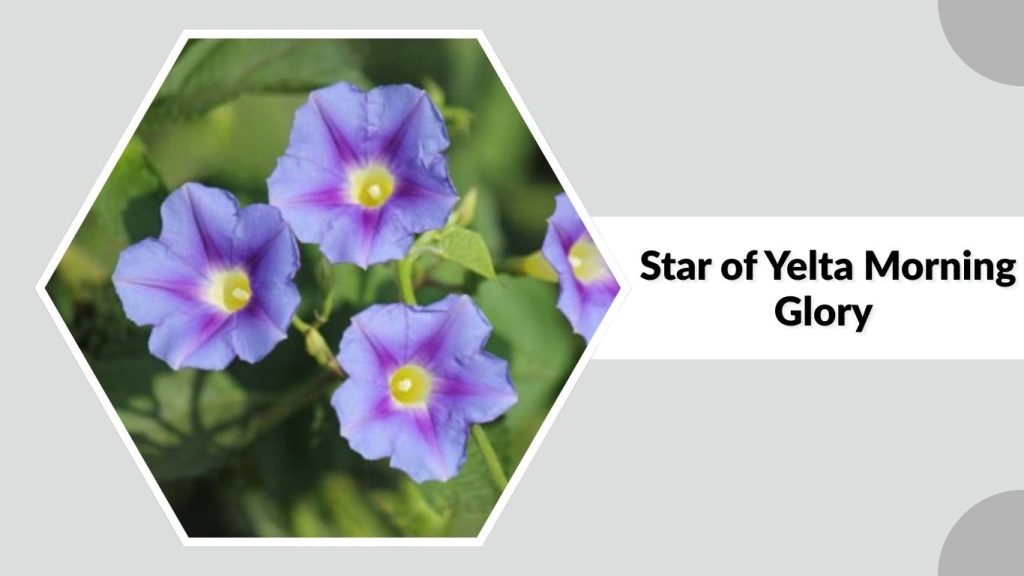
Star of Yelta Morning Glory is a striking cultivar known for its deep purple flowers with a bold, pinkish-red star radiating from the center. This dramatic color contrast makes it one of the most visually distinctive morning glory types. It is a favorite among gardeners who enjoy patterned blooms and strong early-morning color.
Identification
- Scientific name: Ipomoea purpurea ‘Star of Yelta’
- Plant type: Annual climbing vine
- Flower shape: Broad, trumpet-shaped blooms
- Common colors: Dark purple with bright star-shaped markings
- Leaves: Heart-shaped, medium green
- Growth habit: Fast-growing, twining vine
Flower Pattern and Appearance
The flowers are usually 2 to 3 inches wide. Their velvety purple petals are marked by a vivid, reddish-pink star that spreads from the throat outward. This star pattern creates a glowing effect when the flowers open in the morning sunlight.
Origin and Cultivation
Star of Yelta is a cultivated variety selected for its unusual coloration. Like other Ipomoea purpurea types, it is easy to grow from seed and adapts well to many garden conditions.
Vine Growth and Performance
This variety typically reaches 8 to 12 feet in one season. It climbs quickly over trellises, fences, and strings. With regular watering and full sun, it produces continuous blooms from early summer until fall.
Garden and Decorative Uses
Star of Yelta Morning Glory is ideal for ornamental trellises, balcony gardens, and mixed flower walls. Its bold, star-marked blooms make it especially popular for decorative and photography-focused gardens.
13. Grandpa Ott’s Morning Glory (Ipomoea purpurea ‘Grandpa Ott’)

Grandpa Ott’s Morning Glory is a classic heirloom variety admired for its rich, velvety purple flowers and reliable blooming. It is one of the most popular traditional morning glories, often grown for its deep color, strong vines, and nostalgic garden appeal. This variety performs well in many climates and soil types.
Identification
- Scientific name: Ipomoea purpurea ‘Grandpa Ott’
- Plant type: Annual climbing vine
- Flower shape: Large, trumpet-shaped blooms
- Common colors: Deep royal purple with rosy-pink throats
- Leaves: Heart-shaped, soft green
- Growth habit: Vigorous, twining climber
Flower Color and Texture
The blooms are usually 2.5 to 3 inches wide and have a soft, velvety surface. Their deep purple petals contrast beautifully with the glowing pinkish center. Flowers open early in the morning and often remain attractive until midday.
History and Background
This heirloom variety was preserved by the Ott family of Bavaria and later introduced to American gardeners. Its long cultivation history makes it a favorite among collectors of traditional and heritage plants.
Vine Growth and Development
Grandpa Ott’s Morning Glory typically grows 10 to 15 feet in one season. Its strong stems and dense foliage make it excellent for quickly covering fences, trellises, and arches.
Uses in the Garden
This variety is widely used for ornamental screening, cottage gardens, and pollinator-friendly landscapes. Its nectar-rich flowers attract bees and butterflies while providing long-lasting seasonal color.
14. Flying Saucers Morning Glory (Ipomoea tricolor ‘Flying Saucers’)
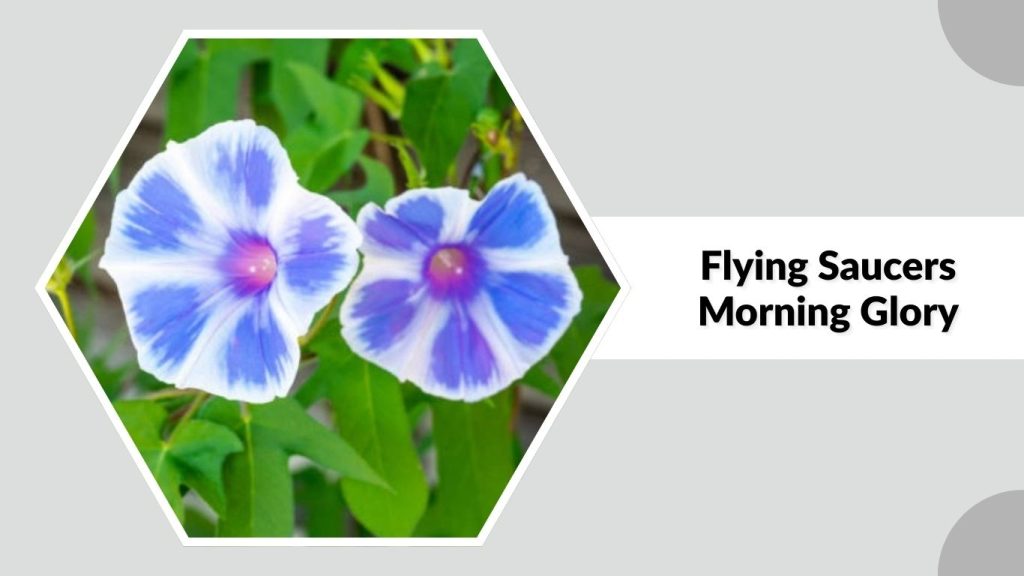
Flying Saucers Morning Glory is a popular ornamental variety known for its dramatic blue-and-white striped flowers that look hand-painted. Each bloom is uniquely patterned, giving the plant a playful and artistic appearance. It is widely grown for decorative trellises, fences, and balcony gardens.
Identification
- Scientific name: Ipomoea tricolor ‘Flying Saucers’
- Plant type: Annual climbing vine
- Flower shape: Large, trumpet-shaped blooms
- Common colors: Sky blue and white with marbled or striped patterns
- Leaves: Large, heart-shaped, bright green
- Growth habit: Fast-growing, twining vine
Flower Patterns and Visual Appeal
The flowers are usually 3 to 4 inches wide and display swirling blue and white stripes, splashes, or star-like markings. No two blooms are exactly the same, making each morning a new visual experience.
Origin and Cultivation
Flying Saucers is a cultivated variety derived from Ipomoea tricolor. It is grown from seed and is known for its strong germination, fast growth, and abundant flowering when planted in full sun.
Vine Growth and Spread
This variety commonly reaches 10 to 15 feet in a single season. It twines easily around supports and quickly fills vertical spaces with lush foliage and colorful blooms.
Landscaping and Garden Uses
Flying Saucers Morning Glory is ideal for artistic garden designs, children’s gardens, and decorative screens. Its bold patterns make it a favorite for patios, arches, and photo-friendly garden corners.
15. Pearly Gates Morning Glory (Ipomoea tricolor ‘Pearly Gates’)
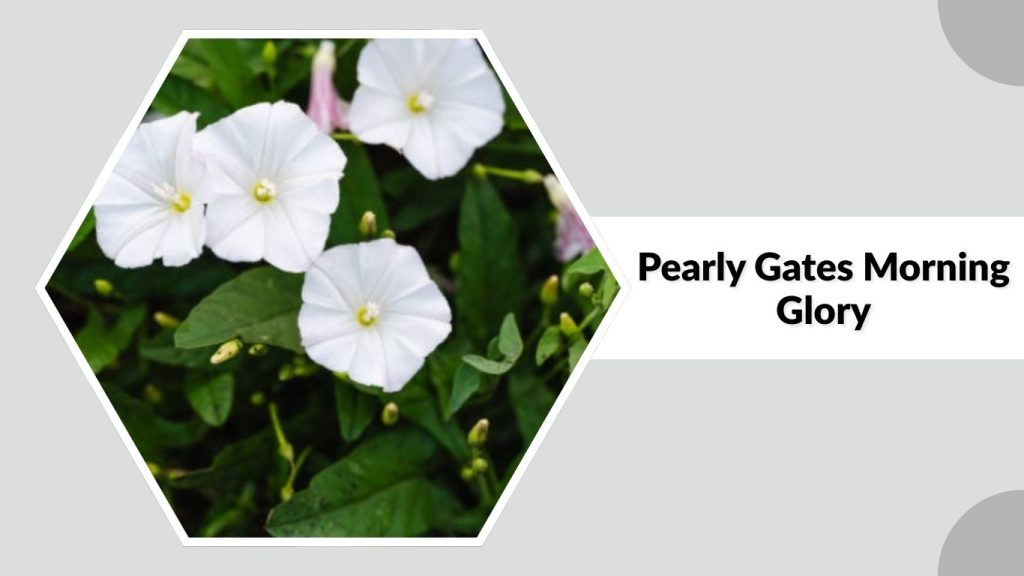
Pearly Gates Morning Glory is a beautiful white-flowered variety prized for its large, glowing blooms and elegant appearance. It is closely related to Heavenly Blue but stands out for its pure white petals and soft, luminous look. This type is especially popular for moon gardens and brightening shaded garden corners.
Identification
- Scientific name: Ipomoea tricolor ‘Pearly Gates’
- Plant type: Annual climbing vine
- Flower shape: Large, trumpet-shaped blooms
- Common colors: White with pale yellow or greenish centers
- Leaves: Broad, heart-shaped, bright green
- Growth habit: Fast-growing, twining vine
Flower Color and Form
The flowers are typically 3 to 4 inches wide and have a silky white surface that reflects early morning light beautifully. Their soft yellowish throat adds subtle contrast and depth. Blooms open in the morning and often remain fresh well into midday.
Origin and Development
Pearly Gates is a cultivated variety developed from Ipomoea tricolor. It was selected to provide a white counterpart to blue morning glory types, making it ideal for mixed plantings and light-themed gardens.
Vine Growth and Performance
This variety can reach 10 to 15 feet in one growing season. It grows vigorously in full sun and climbs readily on trellises, fences, and strings, quickly forming leafy green walls decorated with bright white blooms.
Garden and Decorative Uses
Pearly Gates Morning Glory is widely planted for vertical accents, moon gardens, and elegant floral displays. Its light-colored flowers are excellent for evening viewing and for contrasting with darker-flowered vines.
16. Split-Second Morning Glory (Ipomoea purpurea ‘Split Second’)
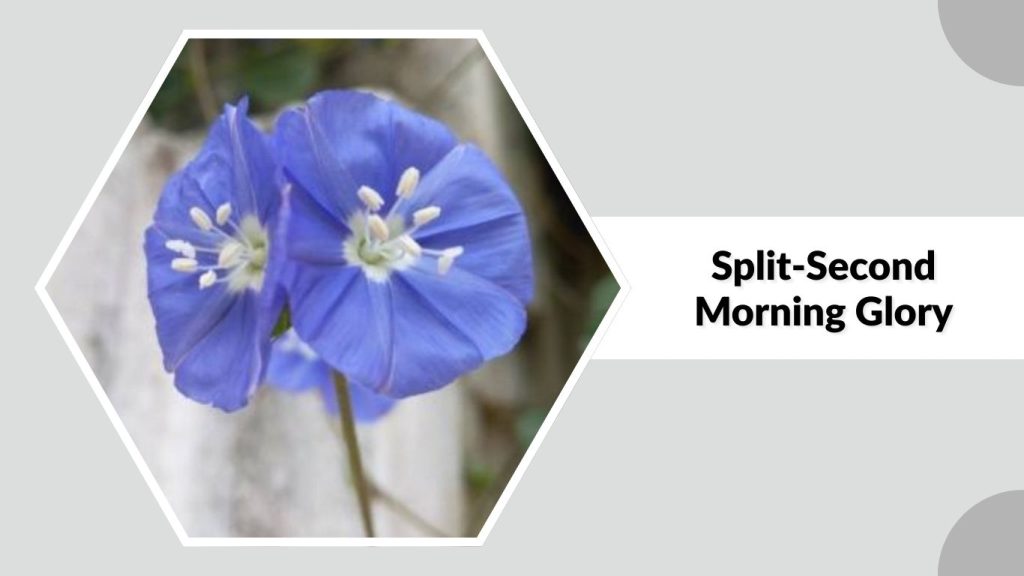
Split-Second Morning Glory is a unique double-flowered variety known for its ruffled, layered blooms that resemble small carnations or peonies. Unlike single trumpet forms, its flowers are densely packed with extra petals, giving the plant a soft, ornamental look. It is highly valued by gardeners who enjoy unusual flower forms.
Identification
- Scientific name: Ipomoea purpurea ‘Split Second’
- Plant type: Annual climbing vine
- Flower shape: Double, ruffled, layered blooms
- Common colors: Lavender, blue, pink, and white shades
- Leaves: Heart-shaped, medium green
- Growth habit: Fast-growing, twining vine
Flower Structure and Appearance
The blooms are about 2 to 3 inches wide and appear fluffy and full due to multiple layers of petals. Their pastel tones and soft texture make them stand out from traditional morning glories. Flowers open in the morning and often hold their shape longer than single forms.
Cultivation Background
Split-Second is a cultivated variety developed from Ipomoea purpurea. It is usually grown from seed and selected specifically for its unusual double flowers rather than typical trumpet shapes.
Vine Growth and Development
This variety generally grows 8 to 12 feet in a season. It climbs easily on light supports and produces a steady supply of blooms throughout summer when grown in full sun and well-drained soil.
Uses in the Garden
Split-Second Morning Glory is perfect for ornamental trellises, cottage gardens, and decorative fences. Its ruffled flowers add texture and softness, making it especially attractive in mixed flower displays.
17. Chocolate Morning Glory (Ipomoea batatas ‘Sweet Caroline Bronze’)
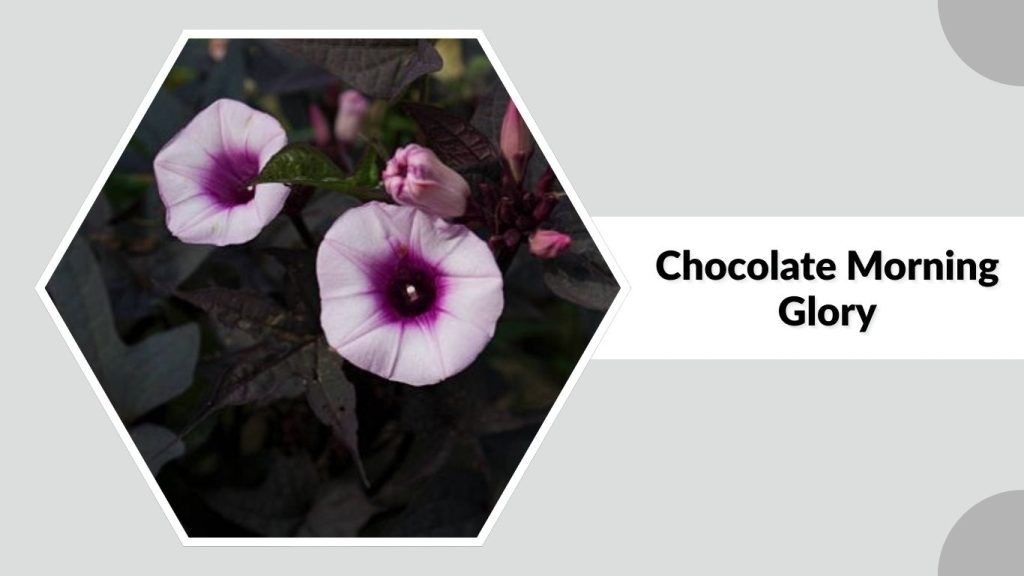
Chocolate Morning Glory is an ornamental morning glory type grown mainly for its rich, dark foliage rather than its flowers. The leaves range from deep bronze to chocolate-purple, giving gardens a dramatic and modern look. Although it may produce small blooms, its main appeal lies in its striking leaf color and trailing habit.
Identification
- Scientific name: Ipomoea batatas ‘Sweet Caroline Bronze’
- Plant type: Tender perennial, often grown as an annual
- Flower shape: Small, funnel-shaped, rarely prominent
- Common colors: Pale lavender flowers, bronze to chocolate leaves
- Leaves: Lobed, maple-like, dark bronze to purple
- Growth habit: Trailing to spreading vine
Foliage Features and Color
The deeply lobed leaves create a soft, flowing texture that contrasts strongly with green plants. Their chocolate-toned color intensifies in full sun, making this plant ideal for bold container designs and landscape accents.
Origin and Cultivation
This type comes from ornamental sweet potato vines, which belong to the same genus (Ipomoea) as morning glories. It was bred for decorative foliage rather than floral display.
Growth Pattern and Spread
Chocolate Morning Glory spreads outward and downward rather than climbing strongly. It can trail several feet from containers or quickly cover ground in warm climates, forming dense, colorful mats.
Garden Uses
Chocolate Morning Glory is widely used in hanging baskets, mixed containers, borders, and ground covers. Its dark foliage adds contrast, depth, and visual interest throughout the growing season.
18. Sunset Shades Morning Glory (Ipomoea purpurea ‘Sunset Shades’)
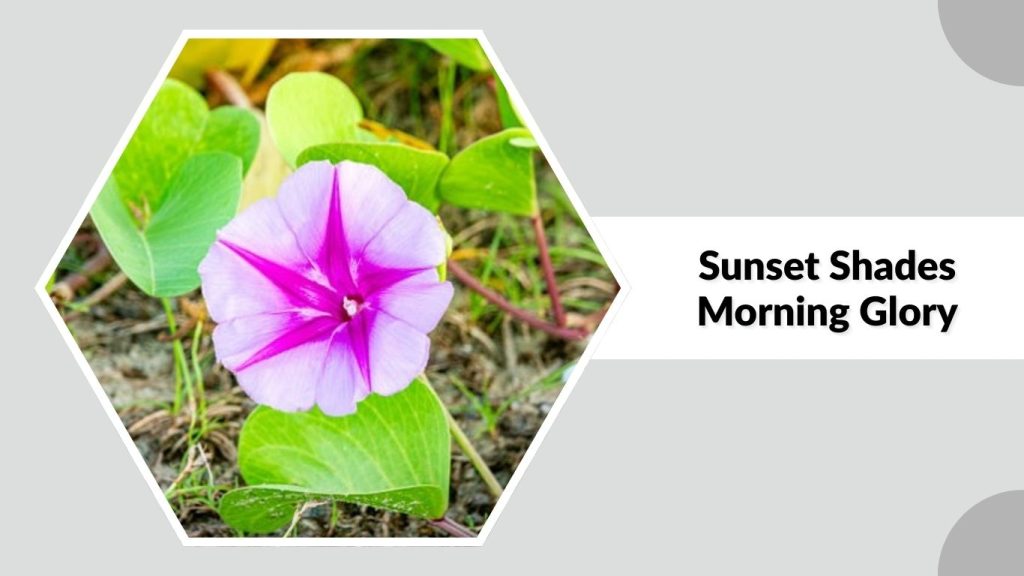
Sunset Shades Morning Glory is a colorful mix variety known for producing blooms in warm, sunset-inspired tones. Instead of a single color, this type displays a blend of rose, salmon, peach, lavender, and soft purple flowers. It is especially popular for gardeners who want natural-looking color variation from a single planting.
Identification
- Scientific name: Ipomoea purpurea ‘Sunset Shades’
- Plant type: Annual climbing vine
- Flower shape: Classic trumpet-shaped blooms
- Common colors: Rose, pink, peach, coral, lavender, and purple
- Leaves: Heart-shaped, medium green
- Growth habit: Fast-growing, twining vine
Flower Color Range
The flowers are about 2 to 3 inches wide and appear in constantly changing shades. Some blooms are softly blended, while others show gentle gradients from throat to edge. This mix creates a painterly effect across fences and trellises.
Development and Background
Sunset Shades is a cultivated seed strain selected for its broad color range rather than uniformity. It is grown from mixed seed that reliably produces warm-toned flowers throughout the season.
Vine Growth and Performance
This variety typically grows 8 to 12 feet tall in one season. It climbs easily on light supports and blooms continuously when grown in full sun with moderate watering.
Garden Design Uses
Sunset Shades Morning Glory is ideal for cottage gardens, naturalistic plantings, and decorative screens. Its blended colors pair beautifully with other soft-toned flowers and create a warm, inviting garden atmosphere.
19. Harlequin Morning Glory (Ipomoea purpurea ‘Harlequin’)
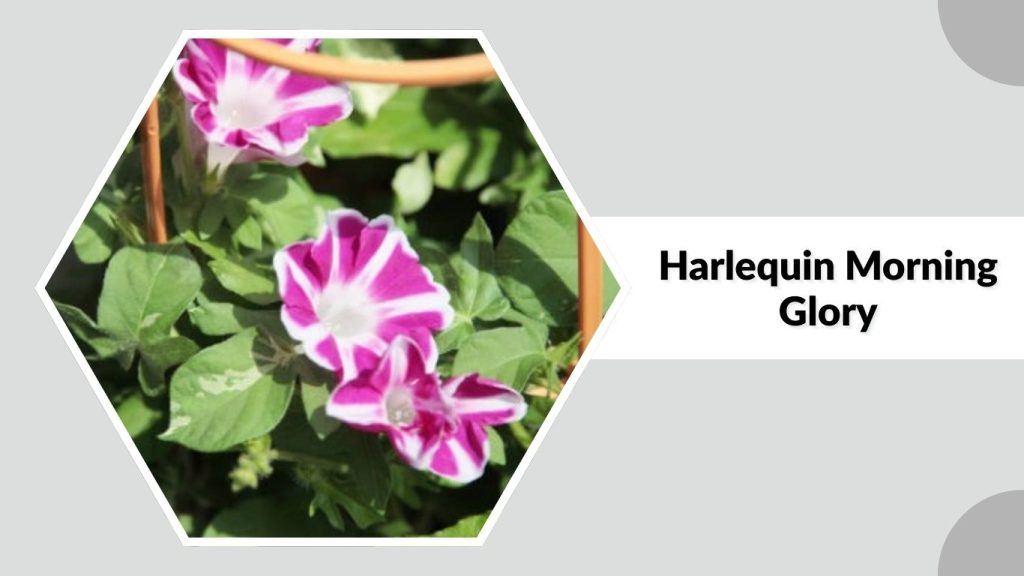
Harlequin Morning Glory is a striking ornamental variety known for its unpredictable, multicolored flowers. Each plant can produce blooms with splashes, stripes, and sectors of contrasting colors, giving it a playful, artistic look. It is especially popular among gardeners who enjoy surprise color patterns.
Identification
- Scientific name: Ipomoea purpurea ‘Harlequin’
- Plant type: Annual climbing vine
- Flower shape: Trumpet-shaped blooms
- Common colors: Purple, blue, pink, and white in mixed patterns
- Leaves: Heart-shaped, medium green
- Growth habit: Vigorous, twining vine
Flower Pattern and Visual Effect
The flowers are usually 2 to 3 inches wide and may appear striped, marbled, or divided into bold color sections. Some blooms show half-and-half coloration, while others have splattered or star-like effects.
Cultivation Background
Harlequin is a selected cultivar of Ipomoea purpurea developed to express unstable color genetics, which causes wide variation in flower appearance from plant to plant.
Vine Growth and Development
This morning glory can reach 8 to 12 feet in one growing season. It climbs quickly and produces continuous blooms throughout summer under sunny conditions.
Ornamental Uses
Harlequin Morning Glory is ideal for decorative trellises, children’s gardens, and artistic garden designs. Its unpredictable blooms make it a favorite for collectors and casual gardeners alike.
20. Milky Way Morning Glory (Ipomoea purpurea ‘Milky Way’)
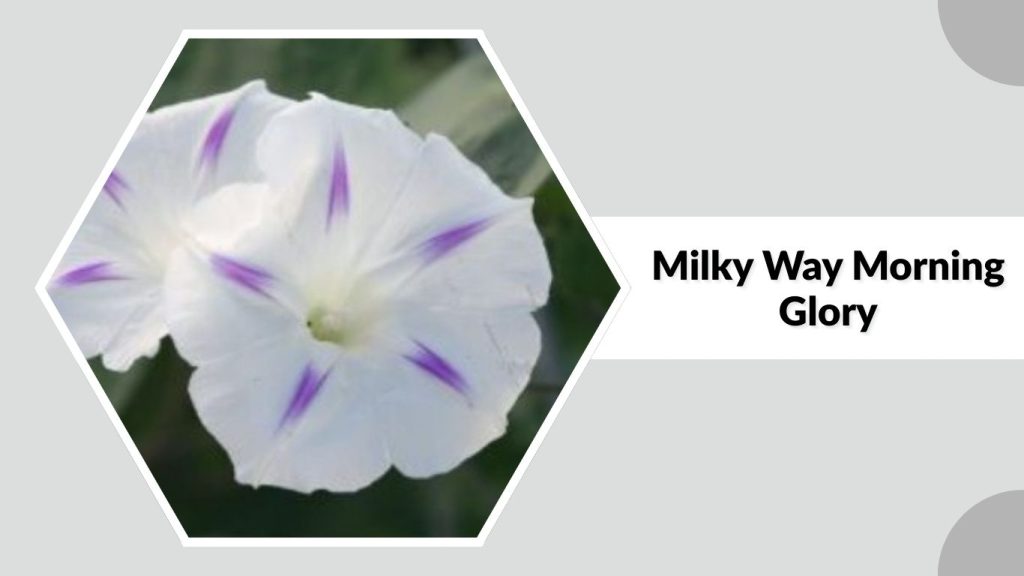
Milky Way Morning Glory is a charming variety recognized for its pale, speckled flowers that look lightly dusted with stars. Its soft white petals are often splashed or streaked with blue, purple, or pink, giving each bloom a delicate, cosmic appearance. This type is ideal for gentle, pastel-themed gardens.
Identification
- Scientific name: Ipomoea purpurea ‘Milky Way’
- Plant type: Annual climbing vine
- Flower shape: Trumpet-shaped blooms
- Common colors: White with blue, lavender, or pink speckles and streaks
- Leaves: Heart-shaped, light to medium green
- Growth habit: Fast-growing, twining vine
Flower Appearance and Pattern
The flowers are typically 2 to 3 inches wide. Their pale background is irregularly marked with soft color splashes, making each bloom slightly different. The effect is subtle rather than bold, giving the plant a light, airy look.
Origin and Cultivation
Milky Way is a cultivated form of Ipomoea purpurea, selected for its unusual speckled and streaked color patterns. It is usually grown from seed and blooms reliably in full sun.
Vine Growth and Performance
This variety grows about 8 to 12 feet in a single season. It twines easily on fences and trellises and produces steady flowers throughout summer.
Garden and Decorative Uses
Milky Way Morning Glory is well suited for cottage gardens, pastel color schemes, and soft decorative screens. Its gentle tones blend beautifully with white, pink, and lavender flowering plants.
21. Blue Star Morning Glory (Ipomoea tricolor ‘Blue Star’)

Blue Star Morning Glory is a distinctive variety known for its bright blue petals marked with a clear white star radiating from the center. This bold contrast gives the flowers a crisp, graphic appearance. It is a popular choice for gardeners who want strong color with defined patterns.
Identification
- Scientific name: Ipomoea tricolor ‘Blue Star’
- Plant type: Annual climbing vine
- Flower shape: Large, trumpet-shaped blooms
- Common colors: Sky blue with white star-shaped centers
- Leaves: Large, heart-shaped, bright green
- Growth habit: Fast-growing, twining vine
Flower Pattern and Beauty
The flowers are typically 3 to 4 inches wide. The bright white star in the center stands out sharply against the blue petals, creating a radiant look when the flowers open in the morning sunlight.
Cultivation and Background
Blue Star is a cultivated selection of Ipomoea tricolor, bred for its clear star pattern and reliable flowering. It grows easily from seed and performs well in full sun.
Vine Growth and Development
This variety can reach 10 to 15 feet in one season. Its vines twine readily around trellises, fences, and balcony railings, quickly forming lush vertical displays.
Garden and Landscape Uses
Blue Star Morning Glory is ideal for decorative trellises, colorful privacy screens, and pollinator gardens. Its bold star-marked blooms make it especially appealing in bright, open garden spaces.
22. Picotee Morning Glory (Ipomoea purpurea ‘Picotee’)
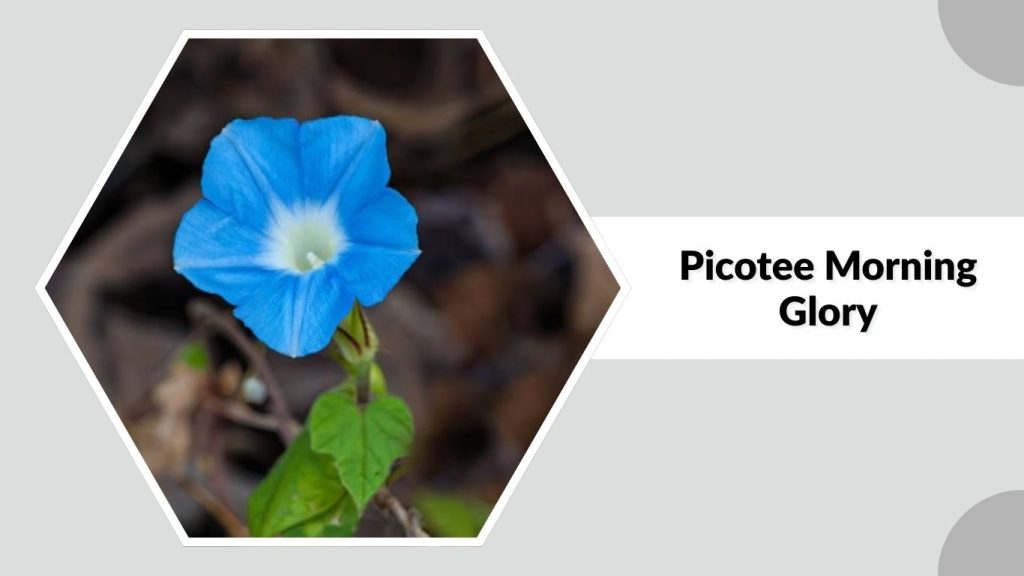
Picotee Morning Glory is an elegant variety admired for its delicately edged petals. The flowers usually have a contrasting white border around richly colored centers, giving them a refined, hand-painted look. This type is especially popular in ornamental gardens where subtle beauty and detail are valued.
Identification
- Scientific name: Ipomoea purpurea ‘Picotee’
- Plant type: Annual climbing vine
- Flower shape: Trumpet-shaped blooms
- Common colors: Blue, purple, or pink with white-edged margins
- Leaves: Heart-shaped, medium green
- Growth habit: Fast-growing, twining vine
Flower Edging and Visual Style
The blooms are about 2 to 3 inches wide and display a soft but distinct white rim around the petal edges. This picotee effect highlights the flower shape and adds a gentle contrast without overpowering the main color.
Origin and Cultivation
Picotee is a cultivated form of Ipomoea purpurea selected for its consistent white margins. It grows easily from seed and blooms freely when planted in sunny locations.
Vine Growth and Performance
This variety usually grows 8 to 12 feet in a season. It twines quickly on light supports and produces flowers continuously through summer and early fall.
Garden Uses
Picotee Morning Glory is ideal for cottage gardens, decorative trellises, and pastel-themed plantings. Its refined flower edges pair beautifully with both bold and soft-colored companion plants.
23. Wedding Bells Morning Glory (Ipomoea tricolor ‘Wedding Bells’)
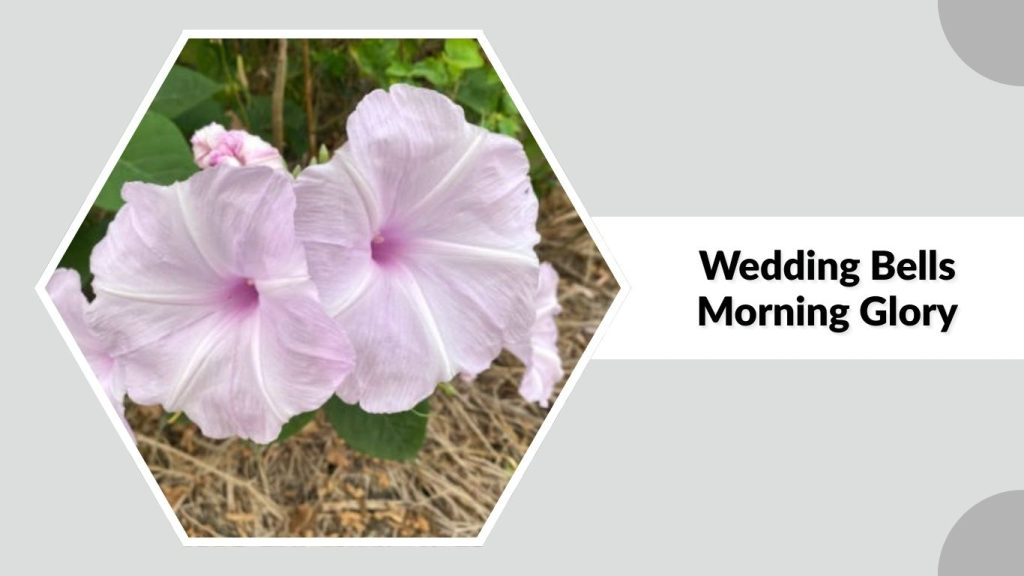
Wedding Bells Morning Glory is a soft, romantic variety known for its pale lavender to bluish-white flowers and gentle appearance. Its blooms are slightly more open and flared than many traditional morning glories, giving them a delicate, bell-like look. This type is often chosen for light-colored and elegant garden themes.
Identification
- Scientific name: Ipomoea tricolor ‘Wedding Bells’
- Plant type: Annual climbing vine
- Flower shape: Wide, open, bell-like blooms
- Common colors: Pale lavender, soft blue, to nearly white
- Leaves: Large, heart-shaped, bright green
- Growth habit: Fast-growing, twining vine
Flower Tone and Structure
The flowers are usually 3 to 4 inches wide and have thin, silky petals that fade from soft lavender to almost white toward the edges. Their open form gives them a light, floating appearance in the morning sun.
Development and Background
Wedding Bells is a cultivated variety of Ipomoea tricolor bred for its gentle coloration and graceful bloom shape. It is easy to grow from seed and performs reliably in warm, sunny gardens.
Vine Growth and Performance
This morning glory commonly grows 10 to 15 feet in one season. It climbs readily on fences, arches, and trellises, forming lush green walls accented with soft-colored blooms.
Ornamental Uses
Wedding Bells Morning Glory is ideal for romantic garden designs, white gardens, and decorative patio trellises. Its pale flowers combine beautifully with roses, clematis, and other soft-toned plants.
24. Crimson Rambler Morning Glory (Ipomoea coccinea)
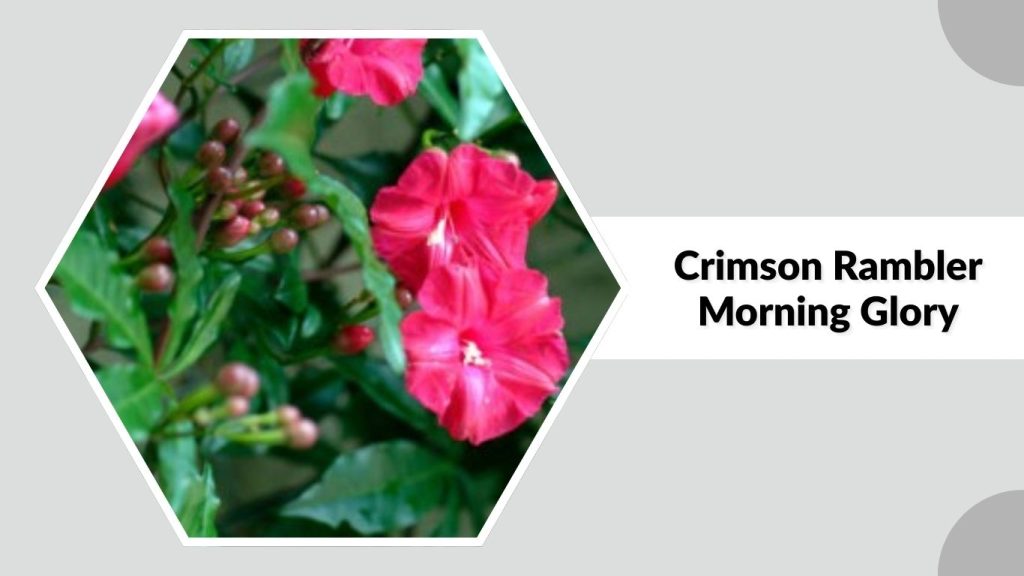
Crimson Rambler Morning Glory is a lively, fast-growing type known for its clusters of small, bright red flowers. Unlike large trumpet morning glories, this species produces narrower, tubular blooms that are extremely attractive to hummingbirds. It is often grown to add intense red accents to vertical garden spaces.
Identification
- Scientific name: Ipomoea coccinea
- Plant type: Annual climbing vine
- Flower shape: Small, tubular to star-ended blooms
- Common colors: Bright crimson red, sometimes orange-red
- Leaves: Heart-shaped to three-lobed, medium green
- Growth habit: Fast-growing, twining vine
Flower Size and Display
The flowers are usually about 1 inch wide and appear in loose clusters. Their brilliant red color stands out strongly against green foliage, creating flashes of color across fences and trellises throughout summer.
Natural Range and Habitat
Crimson Rambler Morning Glory is native to tropical regions of the Americas. It grows naturally in open areas, forest edges, and sunny clearings, where it climbs over shrubs and small trees.
Vine Growth and Development
This species can reach 10 to 15 feet in one season. Its thin, flexible stems twine easily and quickly fill vertical spaces, making it effective for fast coverage.
Garden and Wildlife Uses
Crimson Rambler Morning Glory is especially valued in wildlife gardens. Its nectar-rich flowers attract hummingbirds, butterflies, and bees, making it both decorative and ecologically beneficial.
25. Venice Blue Morning Glory (Ipomoea tricolor ‘Venice Blue’)
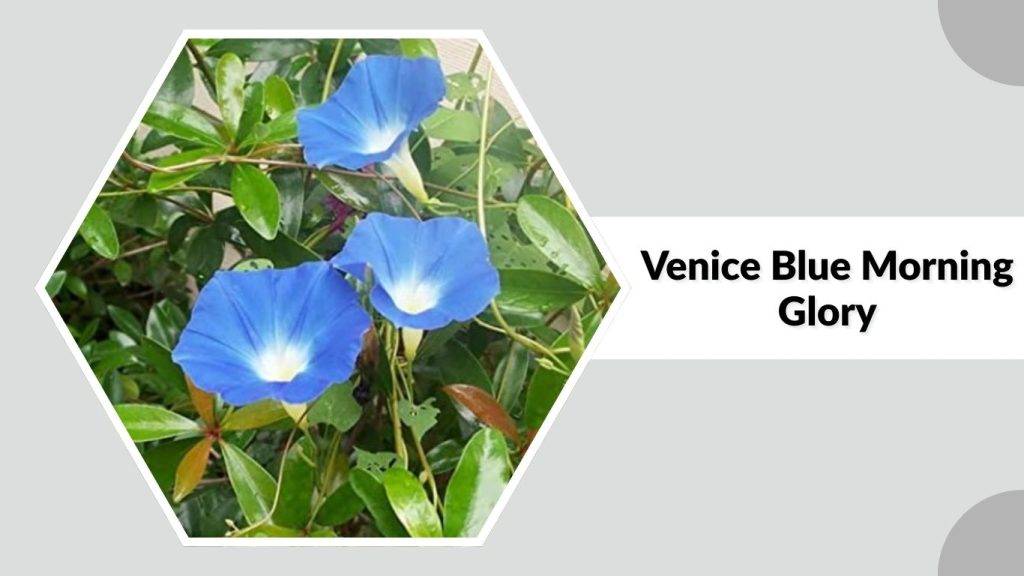
Venice Blue Morning Glory is a refined ornamental variety admired for its soft, pastel blue flowers and graceful appearance. Its blooms are lighter and more delicate in tone than many deep-blue morning glories, making it perfect for gentle, elegant garden color schemes.
Identification
- Scientific name: Ipomoea tricolor ‘Venice Blue’
- Plant type: Annual climbing vine
- Flower shape: Large, trumpet-shaped blooms
- Common colors: Soft sky blue with pale centers
- Leaves: Broad, heart-shaped, bright green
- Growth habit: Fast-growing, twining vine
Flower Color and Texture
The flowers are typically 3 to 4 inches wide, with silky petals that glow softly in early morning light. The pale throat blends gently into the blue petals, creating a smooth, calming color transition.
Cultivation and Background
Venice Blue is a cultivated selection of Ipomoea tricolor, bred for its light coloration and consistent flowering. It grows easily from seed and performs best in full sun.
Vine Growth and Development
This variety commonly grows 10 to 15 feet in one growing season. It twines readily on trellises, fences, and balcony supports, forming lush vertical displays.
Garden and Decorative Uses
Venice Blue Morning Glory is ideal for cottage gardens, pastel-themed plantings, and decorative arches. Its soft blue blooms pair well with white, lavender, and pink flowering plants.
26. Mount Fuji Morning Glory (Ipomoea nil ‘Mount Fuji’)
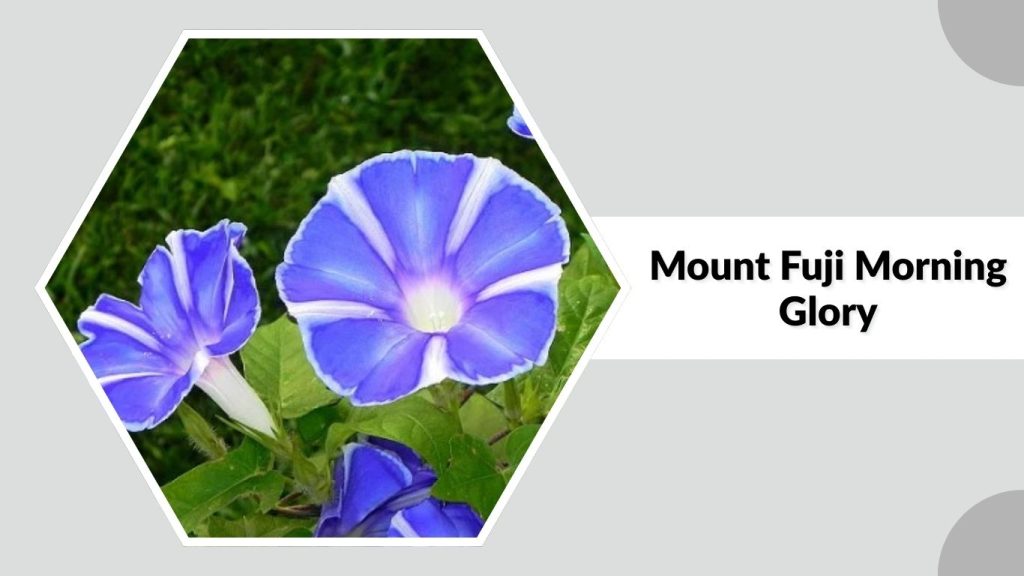
Mount Fuji Morning Glory is a beautiful Japanese variety known for its white petals delicately brushed with blue, purple, or pink markings. The flowers often have a soft, watercolor-like appearance, inspired by traditional Japanese horticultural styles. This type is highly valued for its elegance and artistic look.
Identification
- Scientific name: Ipomoea nil ‘Mount Fuji’
- Plant type: Annual climbing vine
- Flower shape: Broad, trumpet-shaped blooms
- Common colors: White with blue, purple, or pink streaks
- Leaves: Heart-shaped, sometimes lightly lobed
- Growth habit: Fast-growing, twining vine
Flower Pattern and Beauty
The blooms are usually 2 to 3 inches wide and show gentle brush-like markings that radiate from the center. Some flowers appear nearly pure white, while others display stronger splashes of color, making each bloom unique.
Cultural Background
This variety comes from Japanese morning glory breeding traditions, where ornamental forms have been cultivated for centuries. Mount Fuji types are named for their resemblance to snowy peaks touched with color.
Vine Growth and Performance
Mount Fuji Morning Glory typically grows 8 to 12 feet in a single season. It climbs easily on light supports and blooms continuously when provided with full sun and moderate watering.
Garden and Decorative Uses
Mount Fuji Morning Glory is perfect for decorative trellises, balcony gardens, and traditional-style landscapes. Its soft, artistic flowers make it especially attractive for collectors and display gardens.
27. Purple Picotee Morning Glory (Ipomoea purpurea ‘Purple Picotee’)
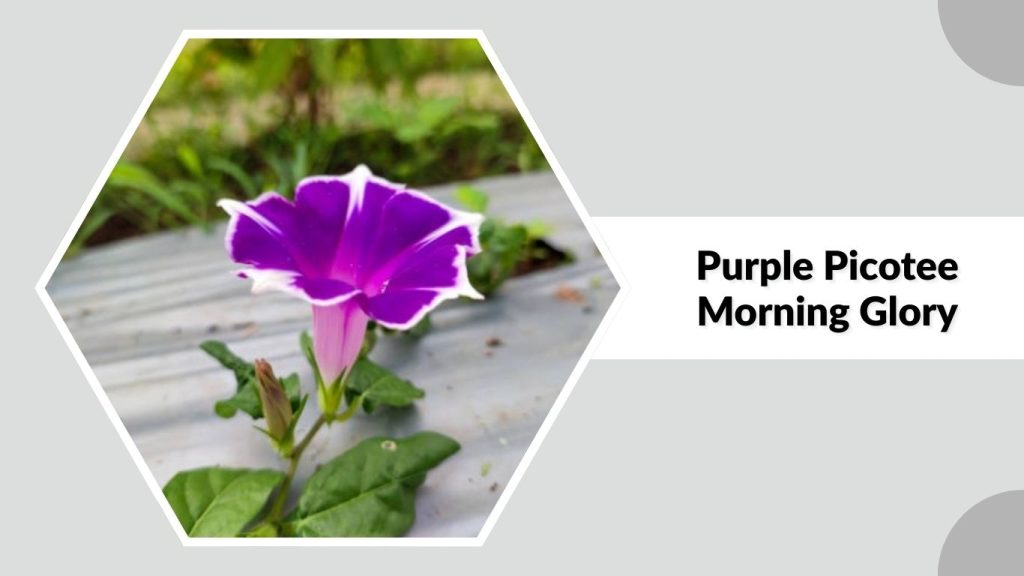
Purple Picotee Morning Glory is an ornamental variety admired for its deep purple petals edged with a distinct white border. The contrast between the rich central color and the delicate margin gives the flowers a refined, eye-catching appearance. It is a favorite for vertical garden displays and decorative trellises.
Identification
- Scientific name: Ipomoea purpurea ‘Purple Picotee’
- Plant type: Annual climbing vine
- Flower shape: Trumpet-shaped blooms
- Common colors: Deep purple with white-edged petals
- Leaves: Heart-shaped, medium green
- Growth habit: Fast-growing, twining vine
Flower Appearance and Contrast
The flowers are usually 2 to 3 inches wide. The bold purple center draws attention, while the crisp white border highlights the bloom shape, creating a striking visual effect in the morning sunlight.
Cultivation Background
Purple Picotee is a cultivated selection of Ipomoea purpurea, specifically bred for its decorative edge coloration. It is easy to grow from seed and thrives in sunny, well-drained garden spaces.
Vine Growth and Performance
This variety grows rapidly, reaching 8 to 12 feet in one season. Its twining stems climb fences, trellises, and balcony supports, producing a continuous display of beautifully edged flowers.
Garden and Decorative Uses
Purple Picotee Morning Glory is ideal for decorative trellises, cottage gardens, and pollinator-friendly plantings. Its bold-edged blooms add elegance, contrast, and vertical color to any garden design.
FAQs
What is the best way to grow Morning Glory from seeds?
Morning Glory seeds should be soaked in water for 24 hours before planting to soften the hard outer coat. Plant them in well-drained soil with full sun exposure. Regular watering and a support structure like a trellis or fence will help the vines climb and bloom successfully.
How long does it take for Morning Glory to bloom?
Morning Glory typically blooms within 60 to 90 days after planting. The exact timing depends on the variety, sunlight, and growing conditions. Warmer climates and full sun exposure usually encourage faster growth and earlier flowering.
Can Morning Glory grow in containers or small spaces?
Yes, Morning Glory grows well in containers, hanging baskets, or small garden areas. Use a large pot with trellis support for climbing varieties. Ensure adequate sunlight, well-draining soil, and regular watering for healthy growth.
Are Morning Glory flowers attractive to pollinators?
Yes, Morning Glory flowers attract bees, butterflies, and hummingbirds. The bright colors and tubular or trumpet-shaped blooms make them ideal for pollinator-friendly gardens, providing nectar while enhancing garden aesthetics.
How do I control invasive Morning Glory varieties?
Some Morning Glory types, especially vigorous vines, can spread aggressively. To control them, prune regularly, remove unwanted seedlings, and provide proper support to guide growth. Container planting is also an effective method to prevent spreading in open garden areas.