



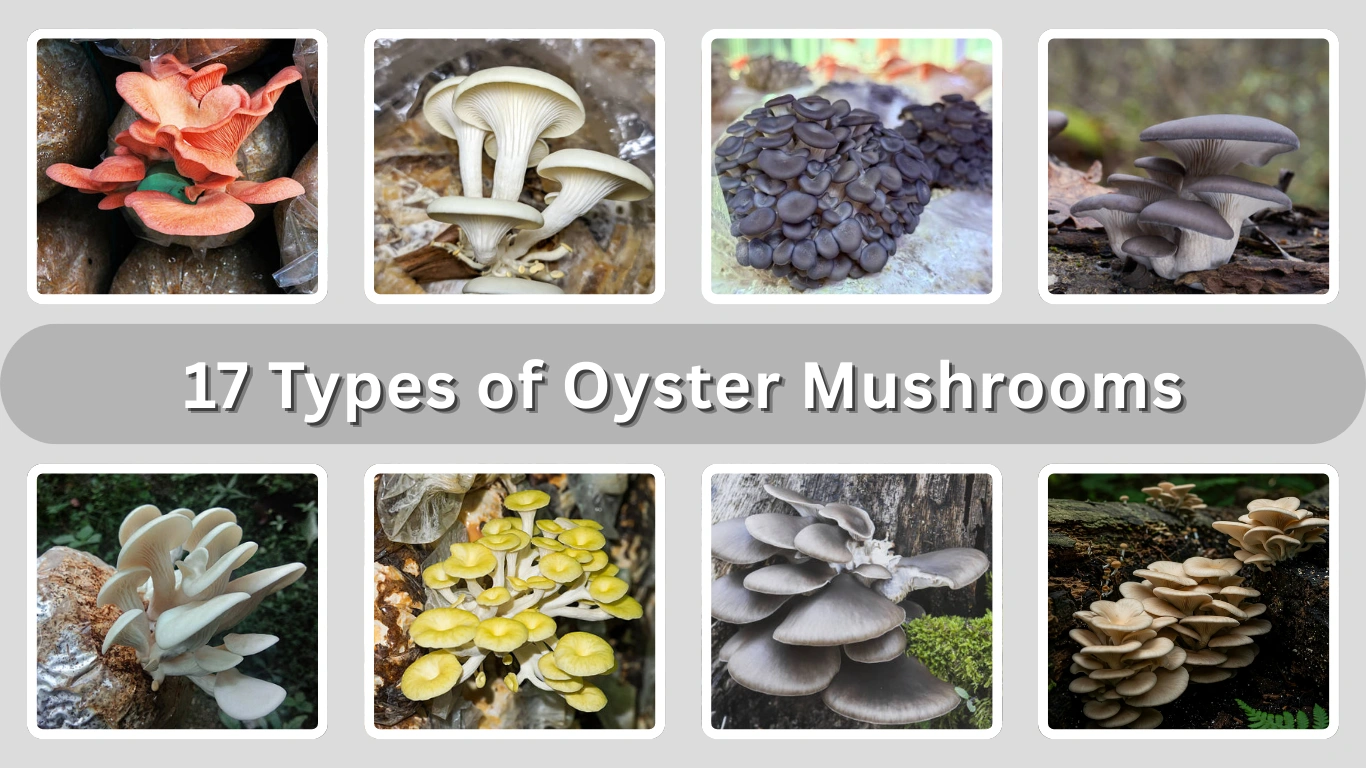
Oyster mushrooms are a popular and versatile group of edible fungi, cherished for their delicate texture, mild flavor, and nutritional benefits. With a variety of types ranging from Pearl and Pink to King and Golden Oysters, each brings unique colors, shapes, and culinary uses to the table. These mushrooms grow naturally on decaying wood but are also widely cultivated for home and commercial use. Rich in protein, fiber, vitamins, and minerals, oyster mushrooms are both delicious and healthful additions to any meal.
1. Pearl Oyster Mushroom

Pearl Oyster Mushroom is one of the most commonly cultivated and consumed oyster mushrooms worldwide. Known for its delicate flavor and tender texture, it thrives on a variety of substrates, including straw and sawdust. This mushroom is popular in culinary dishes due to its quick growth, nutritional value, and mild, slightly sweet taste. Its silvery-gray color and fan-shaped caps make it easily recognizable among other oyster mushroom varieties.
Identification
- Cap: Silvery-gray, fan-shaped, smooth surface
- Gills: White to pale gray, descending the short stem
- Stem: Short, off-center or lateral attachment
- Spore Print: White to lilac-gray
Habitat
Pearl Oyster Mushrooms are saprophytic and commonly grow on dead or decaying hardwood logs, sawdust, and straw in temperate regions. They can also be cultivated indoors under controlled conditions.
Diet and Nutrition
These mushrooms are rich in protein, fiber, vitamins (B and D), and minerals such as potassium and iron. They are low in calories and can boost immunity and overall health.
Lifespan and Growth
Under optimal conditions, Pearl Oyster Mushrooms can fruit within 3–4 weeks of inoculation. They have a rapid growth cycle but remain edible only for a few days after reaching full maturity.
2. Pink Oyster Mushroom

Pink Oyster Mushroom is a vibrant and striking variety of oyster mushroom, known for its bright pink color and delicate texture. It grows quickly and produces abundant clusters, making it popular among gourmet chefs and home cultivators. Its flavor is mild and slightly woody, and it pairs well with a variety of dishes, from stir-fries to soups.
Identification
- Cap: Bright pink, fan-shaped, slightly curled edges
- Gills: White to pale pink, running down the short stem
- Stem: Short and lateral attachment
- Spore Print: White to pinkish
Habitat
Pink Oyster Mushrooms thrive on hardwood sawdust, straw, and agricultural waste. They are fast-growing and prefer warm, humid environments.
Diet and Nutrition
These mushrooms are low in calories but rich in protein, fiber, and antioxidants. They also contain essential vitamins like B-complex and minerals such as potassium.
Lifespan and Growth
Pink Oyster Mushrooms grow rapidly and can fruit within 2–3 weeks. They are best harvested when caps are fully opened but still vibrant in color.
3. Blue Oyster Mushroom

Blue Oyster Mushroom is a visually striking variety with bluish-gray caps that fade to silver as they mature. It is prized for its tender texture and mild, slightly earthy flavor. This mushroom is popular in gourmet cooking and grows well on various substrates, including straw, sawdust, and paper-based materials.
Identification
- Cap: Bluish-gray, fan-shaped, smooth and slightly wavy
- Gills: White to pale gray, descending the short stem
- Stem: Short and lateral attachment
- Spore Print: White to lilac-gray
Habitat
Blue Oyster Mushrooms grow on decaying hardwood, straw, and other organic substrates. They prefer cooler temperatures compared to other oyster varieties and thrive in humid environments.
Diet and Nutrition
Rich in protein, fiber, and vitamins (especially B and D), Blue Oyster Mushrooms are low in calories and contain antioxidants that support overall health.
Lifespan and Growth
This variety fruits within 3–4 weeks under optimal conditions. The mushrooms are best harvested while the caps are fully expanded but still firm.
4. Golden Oyster Mushroom

Golden Oyster Mushroom is a bright yellow, visually appealing variety of oyster mushroom. It is known for its delicate, slightly nutty flavor and tender texture. This mushroom is popular among chefs for adding both color and taste to dishes like stir-fries, soups, and sautés. It grows rapidly and forms dense clusters.
Identification
- Cap: Vibrant golden yellow, fan-shaped, slightly wavy edges
- Gills: White to pale yellow, descending the short stem
- Stem: Short, lateral attachment
- Spore Print: White to creamy
Habitat
Golden Oyster Mushrooms grow on hardwood logs, sawdust, and straw. They prefer warm, humid conditions and are commonly cultivated indoors for consistent yields.
Diet and Nutrition
These mushrooms are rich in protein, fiber, vitamins (B-complex and D), and minerals like potassium. They are low in calories and have antioxidant properties beneficial for health.
Lifespan and Growth
Golden Oyster Mushrooms fruit quickly, typically within 2–3 weeks. They are best harvested while caps are vibrant and edges have not started curling.
5. King Oyster Mushroom
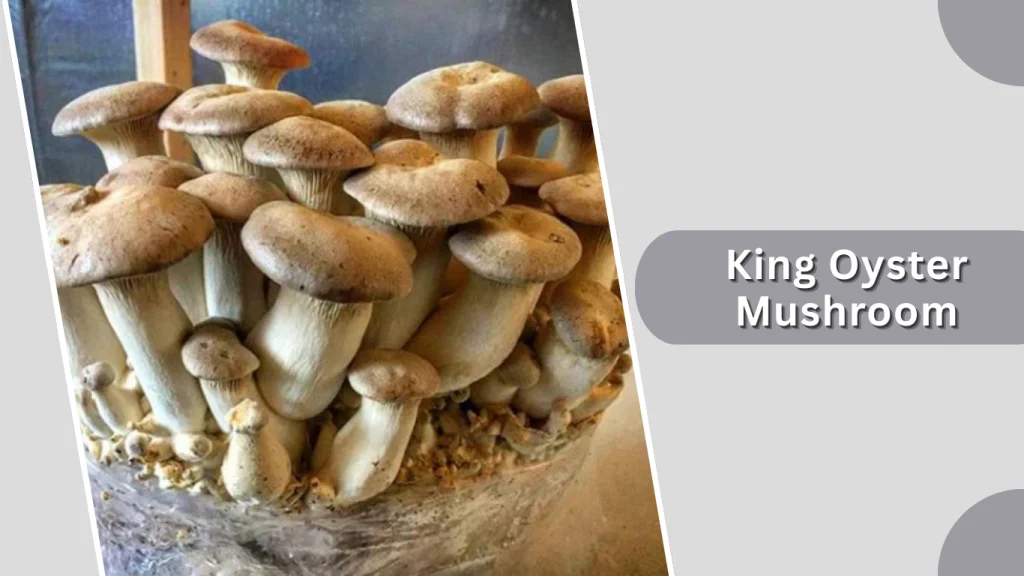
King Oyster Mushroom, also known as Pleurotus eryngii, is the largest and most robust of the oyster mushrooms. It has thick, meaty stems and small caps, making it ideal for grilling, roasting, and sautéing. Its flavor is mild, slightly sweet, and earthy, and it holds up well in cooking due to its firm texture.
Identification
- Cap: Small to medium, brownish-gray, convex
- Gills: White, running slightly down the thick stem
- Stem: Thick, cylindrical, firm, off-center attachment
- Spore Print: White to pale pink
Habitat
King Oyster Mushrooms naturally grow on the roots of herbaceous plants, decaying wood, and sometimes in grasslands. They are widely cultivated on sawdust and grain-based substrates in controlled indoor environments.
Diet and Nutrition
These mushrooms are high in protein, fiber, and essential vitamins like B-complex and D. They are low in fat and calories and contain compounds that support heart and immune health.
Lifespan and Growth
King Oyster Mushrooms take slightly longer to fruit compared to other oysters, typically 4–6 weeks. They remain firm and edible for several days after harvesting due to their dense stems.
6. Phoenix Oyster Mushroom

Phoenix Oyster Mushroom is a fast-growing variety known for its delicate texture and mild, slightly sweet flavor. Its caps are typically gray to brown and form cascading clusters, making it visually appealing for culinary presentations. This mushroom is favored for stir-fries, soups, and sautéed dishes.
Identification
- Cap: Gray to brown, fan-shaped, slightly wavy edges
- Gills: White to pale gray, descending the short stem
- Stem: Short, lateral attachment
- Spore Print: White to gray
Habitat
Phoenix Oyster Mushrooms grow on hardwood logs, sawdust, and agricultural waste. They prefer warm, humid environments and can be cultivated both indoors and outdoors.
Diet and Nutrition
These mushrooms are rich in protein, dietary fiber, and essential vitamins like B-complex and D. They also contain antioxidants and minerals such as potassium and iron.
Lifespan and Growth
Phoenix Oyster Mushrooms fruit quickly, usually within 2–3 weeks. They are best harvested when the caps are fully opened but still firm to maintain texture and flavor.
7. Yellow Oyster Mushroom
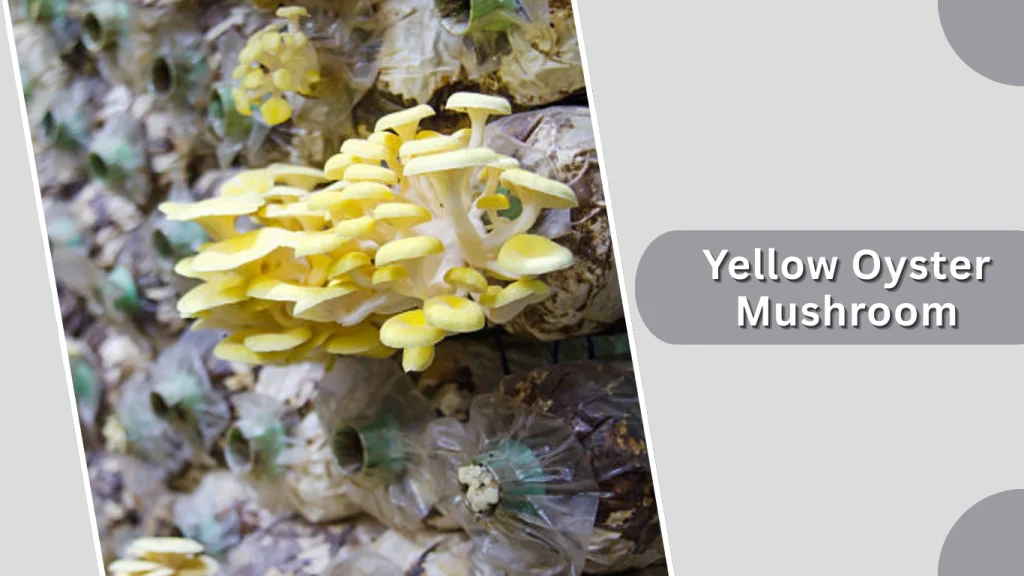
Yellow Oyster Mushroom is a vibrant and colorful variety with bright yellow caps that add visual appeal to any dish. It has a delicate, slightly nutty flavor and tender texture, making it popular for sautéing, stir-fries, and soups. This mushroom grows rapidly and forms large clusters.
Identification
- Cap: Bright yellow, fan-shaped, wavy edges
- Gills: White to pale yellow, descending the short stem
- Stem: Short, lateral attachment
- Spore Print: White to creamy
Habitat
Yellow Oyster Mushrooms thrive on hardwood logs, straw, and sawdust. They prefer warm and humid environments and are widely cultivated indoors for consistent yields.
Diet and Nutrition
These mushrooms are rich in protein, fiber, vitamins (B-complex and D), and minerals such as potassium. They are low in calories and provide antioxidant benefits.
Lifespan and Growth
Yellow Oyster Mushrooms fruit quickly, usually within 2–3 weeks. Harvesting is ideal when the caps are fully opened but still firm, ensuring optimal flavor and texture.
8. Gray Oyster Mushroom
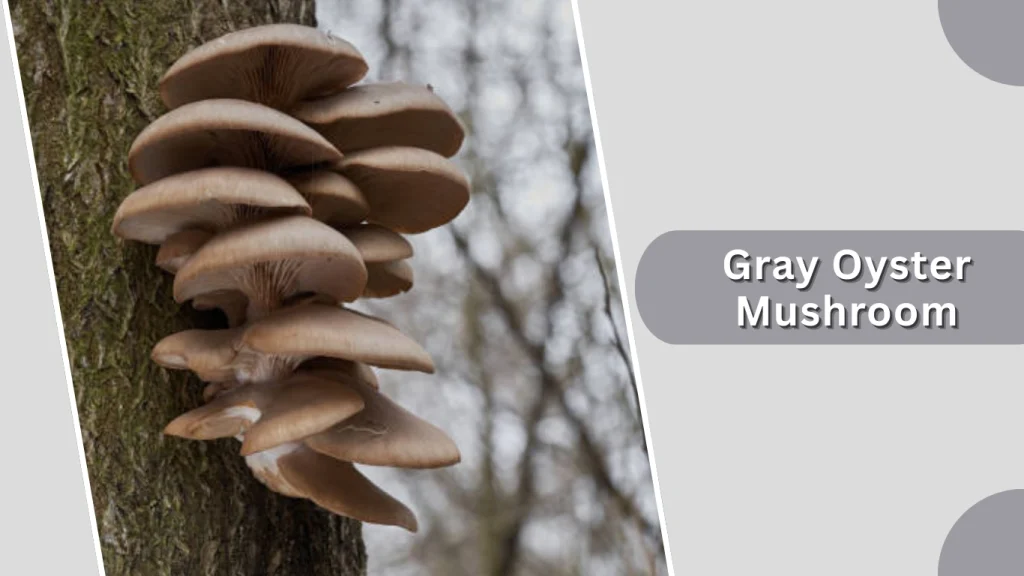
Gray Oyster Mushroom is a popular variety of oyster mushrooms, recognized for its silvery-gray, fan-shaped caps and tender texture. It has a mild, slightly earthy flavor that works well in soups, stir-fries, and pasta dishes. Its fast growth and adaptability make it ideal for both indoor and outdoor cultivation.
Identification
- Cap: Silvery-gray, fan-shaped, smooth surface
- Gills: White to pale gray, descending the short stem
- Stem: Short, lateral attachment
- Spore Print: White to lilac-gray
Habitat
Gray Oyster Mushrooms grow on decaying hardwood, straw, and agricultural waste. They prefer temperate climates with high humidity and can be cultivated on sawdust or logs.
Diet and Nutrition
These mushrooms are low in calories but rich in protein, dietary fiber, vitamins B and D, and minerals such as potassium and iron. They also have antioxidant properties.
Lifespan and Growth
Gray Oyster Mushrooms typically fruit within 3–4 weeks under optimal conditions. They are best harvested when the caps are fully expanded but still firm for maximum freshness.
9. Elm Oyster Mushroom
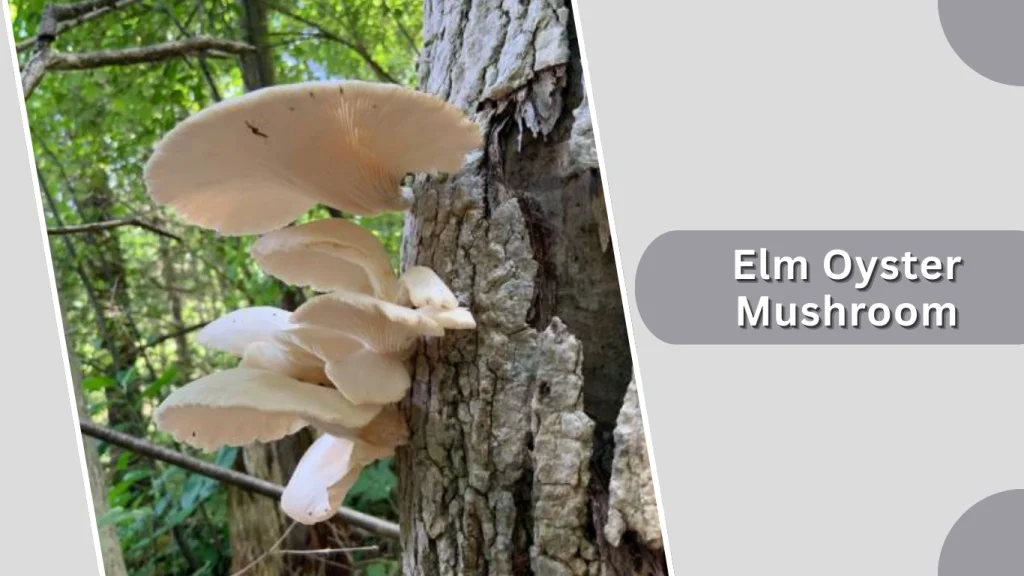
Elm Oyster Mushroom, also known as Hypsizygus ulmarius, is a firm and meaty variety of oyster mushroom. It is valued for its mild, nutty flavor and long, thick stems that hold up well during cooking. This mushroom is often used in stir-fries, soups, and roasting dishes.
Identification
- Cap: Pale gray to brown, convex, smooth surface
- Gills: White, slightly descending the stem
- Stem: Thick, long, central or slightly off-center
- Spore Print: White to cream
Habitat
Elm Oyster Mushrooms grow naturally on elm and other hardwood trees, particularly on dead or decaying logs. They can also be cultivated on sawdust and grain-based substrates indoors.
Diet and Nutrition
Rich in protein, dietary fiber, vitamins (B-complex and D), and minerals like potassium, Elm Oyster Mushrooms are low in calories and support immune and digestive health.
Lifespan and Growth
These mushrooms fruit within 3–5 weeks under optimal conditions. Their thick stems allow them to remain edible longer than most other oyster varieties.
10. Indian Oyster Mushroom
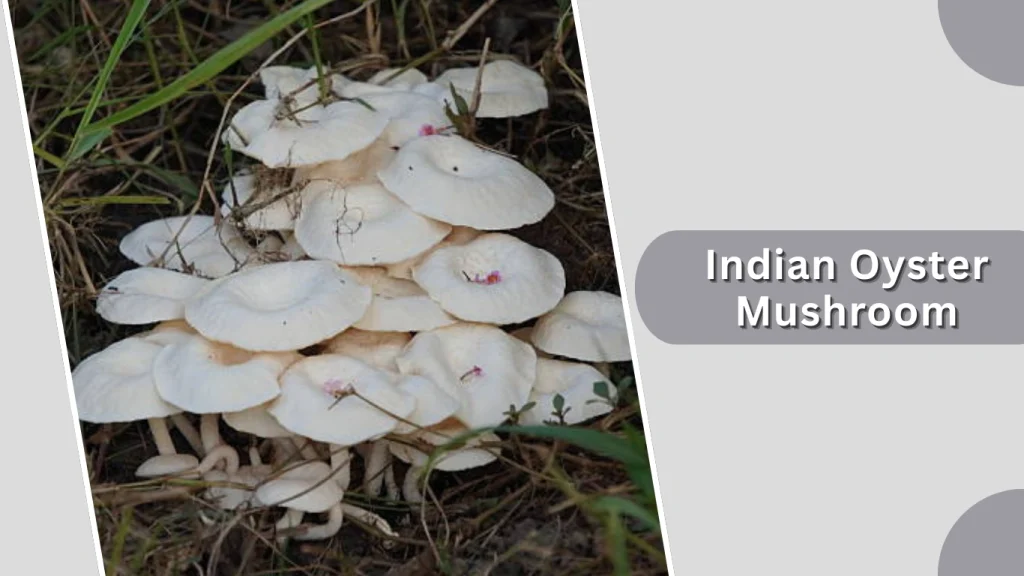
Indian Oyster Mushroom, also known as Pleurotus pulmonarius, is a versatile and fast-growing variety. It has pale gray to light brown caps and a mild, slightly sweet flavor. This mushroom is commonly used in stir-fries, soups, and curries, and it adapts well to a variety of substrates for cultivation.
Identification
- Cap: Pale gray to light brown, fan-shaped, smooth
- Gills: White to pale gray, descending the short stem
- Stem: Short, lateral attachment
- Spore Print: White to cream
Habitat
Indian Oyster Mushrooms grow on decaying hardwood, straw, and agricultural waste. They thrive in warm, humid conditions and are widely cultivated indoors for consistent yields.
Diet and Nutrition
These mushrooms are rich in protein, fiber, vitamins (B-complex and D), and minerals such as potassium and iron. They are low in calories and offer antioxidant and immune-boosting benefits.
Lifespan and Growth
Indian Oyster Mushrooms fruit quickly, usually within 2–3 weeks. They are best harvested when the caps are fully opened but still firm to retain their delicate texture and flavor.
11. Branching Oyster Mushroom
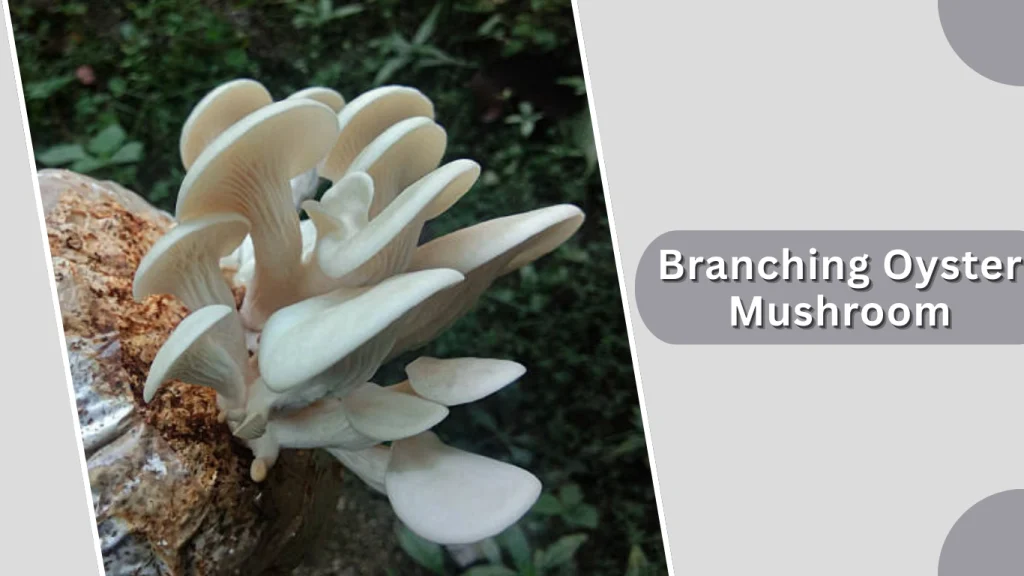
Branching Oyster Mushroom, also known as Pleurotus cornucopiae, is recognized for its unique, coral-like clustered growth. It has a mild, delicate flavor and a tender texture, making it ideal for soups, stir-fries, and sautéed dishes. Its distinctive branching structure makes it visually appealing on plates.
Identification
- Cap: Pale beige to light brown, fan-shaped, forming multiple branching clusters
- Gills: White to cream, descending the short stems
- Stem: Short, multiple stems branching from a common base
- Spore Print: White to cream
Habitat
Branching Oyster Mushrooms grow naturally on decaying hardwood logs and stumps. They can also be cultivated on straw, sawdust, and agricultural byproducts in humid conditions.
Diet and Nutrition
Rich in protein, dietary fiber, vitamins (B-complex and D), and essential minerals like potassium, these mushrooms are low in calories and have antioxidant properties.
Lifespan and Growth
Branching Oyster Mushrooms grow relatively quickly, fruiting within 2–3 weeks. They are best harvested when the branches are fully expanded but still tender.
12. Tree Oyster Mushroom
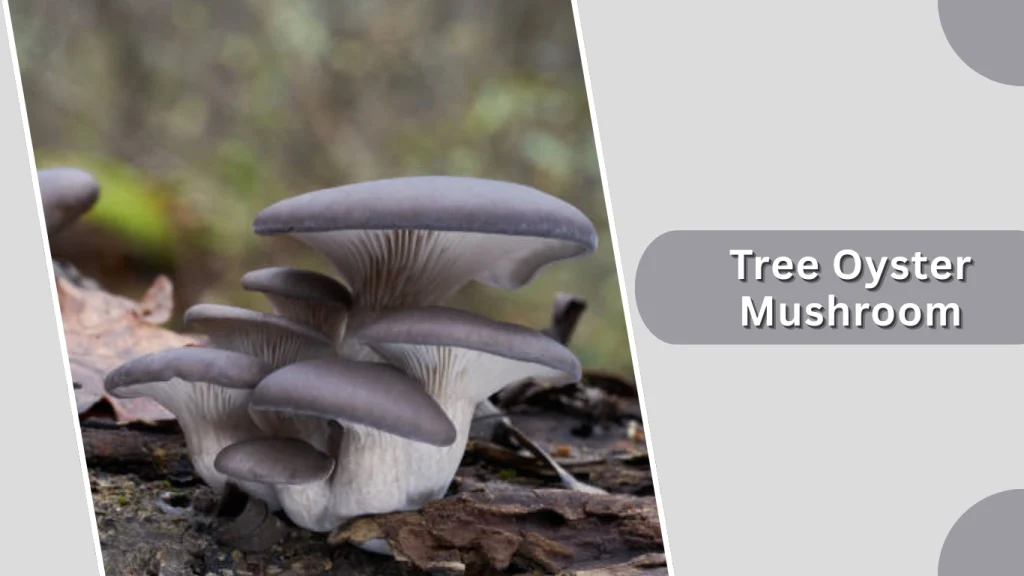
Tree Oyster Mushroom, also known as Pleurotus ostreatus var. tuber-regium, is a variety that grows in clusters on tree trunks and decaying wood. It has a mild, slightly earthy flavor and a firm texture, making it suitable for stir-fries, soups, and roasting. Its adaptability to various substrates makes it popular among cultivators.
Identification
- Cap: Light gray to brown, fan-shaped, smooth surface
- Gills: White to pale gray, descending the short stem
- Stem: Short, lateral attachment, often clustered
- Spore Print: White to cream
Habitat
Tree Oyster Mushrooms naturally grow on hardwood trees, particularly on dead or decaying trunks. They can also be cultivated on sawdust, straw, or wood chips in controlled environments.
Diet and Nutrition
These mushrooms are rich in protein, fiber, vitamins (B-complex and D), and minerals like potassium and iron. They are low in calories and offer antioxidant and immune-supporting benefits.
Lifespan and Growth
Tree Oyster Mushrooms fruit within 3–4 weeks. They are best harvested while the caps are fully expanded but still firm to maintain texture and flavor.
13. Italian Oyster Mushroom
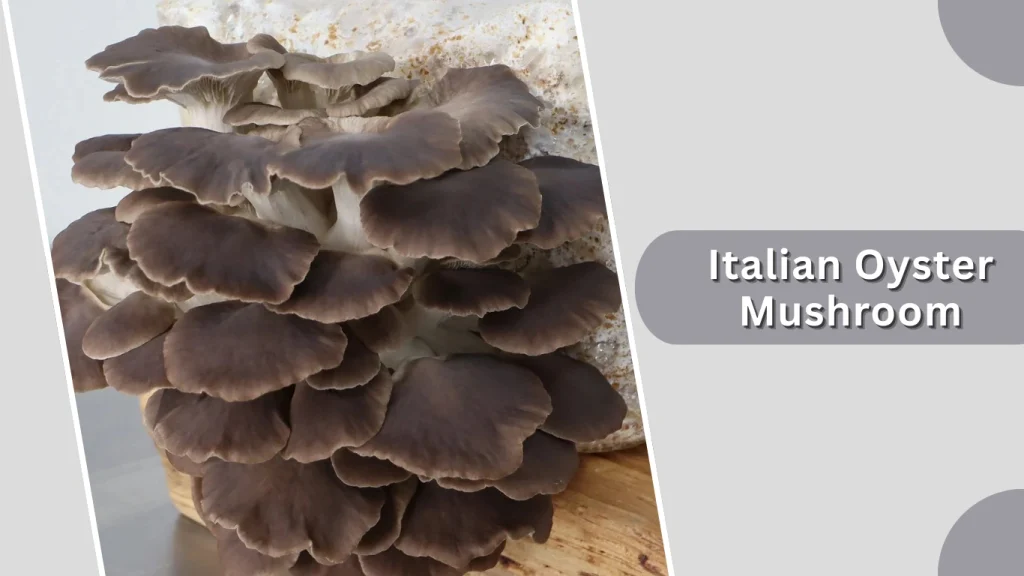
Italian Oyster Mushroom, also called Pleurotus pulmonarius var. italicus, is a delicate and flavorful variety popular in Mediterranean cuisine. It has pale gray to light brown caps and a tender, meaty texture. Its mild, slightly sweet flavor makes it ideal for sautéing, soups, and pasta dishes.
Identification
- Cap: Pale gray to light brown, fan-shaped, smooth surface
- Gills: White to pale gray, descending the short stem
- Stem: Short, lateral attachment
- Spore Print: White to cream
Habitat
Italian Oyster Mushrooms grow on decaying hardwood logs, straw, and sawdust. They prefer warm, humid environments and are widely cultivated indoors for consistent production.
Diet and Nutrition
These mushrooms are rich in protein, dietary fiber, vitamins (B-complex and D), and essential minerals such as potassium and iron. They are low in calories and provide antioxidant benefits.
Lifespan and Growth
Italian Oyster Mushrooms fruit quickly, usually within 2–3 weeks. They are best harvested when the caps are fully opened but still firm to retain optimal flavor and texture.
14. White Elm Oyster Mushroom
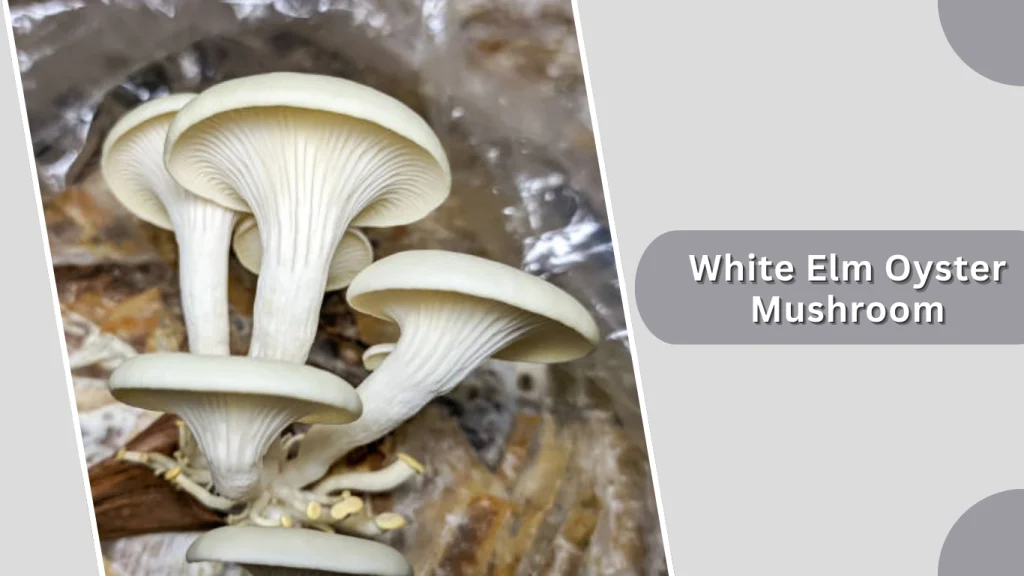
White Elm Oyster Mushroom is a firm and meaty variety known for its pale white to cream-colored caps. It has a mild, slightly nutty flavor and a tender texture, making it ideal for stir-fries, soups, and roasting. Its dense stems allow it to hold up well during cooking.
Identification
- Cap: White to cream, convex to fan-shaped, smooth surface
- Gills: White, descending the short stem
- Stem: Thick, short, central or slightly off-center attachment
- Spore Print: White to cream
Habitat
White Elm Oyster Mushrooms naturally grow on elm and other hardwood trees, particularly on dead or decaying logs. They can also be cultivated on sawdust and grain-based substrates indoors.
Diet and Nutrition
These mushrooms are high in protein, fiber, vitamins (B-complex and D), and minerals such as potassium. They are low in calories and support immune and digestive health.
Lifespan and Growth
White Elm Oyster Mushrooms fruit within 3–5 weeks under optimal conditions. Their thick stems allow them to remain edible longer than most other oyster varieties.
15. Black Pearl Oyster Mushroom
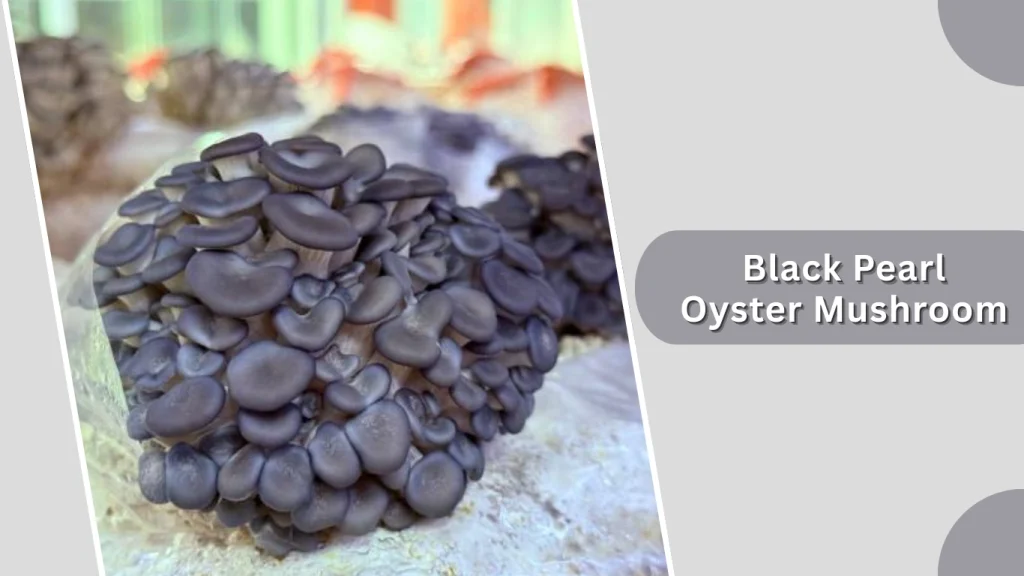
Black Pearl Oyster Mushroom is a striking variety known for its dark, almost black caps and tender, slightly chewy texture. It has a mild, earthy flavor that enhances stir-fries, soups, and roasted dishes. Its unique coloration makes it visually appealing for gourmet presentations.
Identification
- Cap: Dark black to deep gray, fan-shaped, smooth surface
- Gills: White to pale gray, descending the short stem
- Stem: Short, lateral attachment
- Spore Print: White to gray
Habitat
Black Pearl Oyster Mushrooms grow on decaying hardwood, straw, and other plant-based substrates. They thrive in warm, humid conditions and are commonly cultivated indoors for reliable yields.
Diet and Nutrition
These mushrooms are rich in protein, dietary fiber, vitamins (B-complex and D), and essential minerals like potassium. They are low in calories and offer antioxidant and immune-supporting benefits.
Lifespan and Growth
Black Pearl Oyster Mushrooms fruit within 2–3 weeks under optimal conditions. They are best harvested while the caps are fully expanded but still firm to maintain texture and flavor.
16. Tangerine Oyster Mushroom
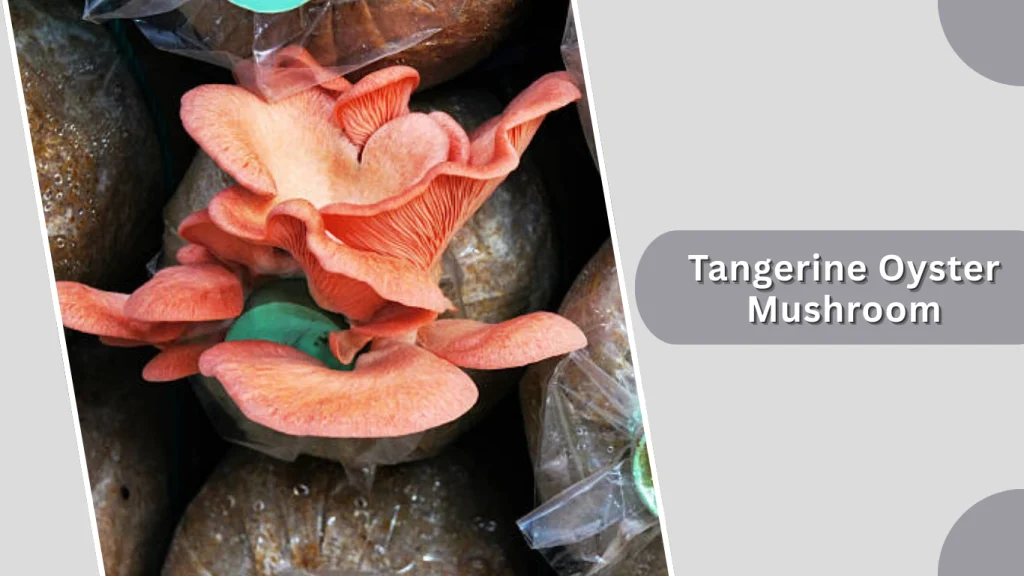
Tangerine Oyster Mushroom is a vibrant variety with bright orange to tangerine-colored caps. It has a delicate, slightly sweet flavor and tender texture, making it ideal for sautéing, stir-fries, and soups. Its striking color adds visual appeal to dishes.
Identification
- Cap: Bright orange to tangerine, fan-shaped, smooth surface
- Gills: White to pale orange, descending the short stem
- Stem: Short, lateral attachment
- Spore Print: White to creamy
Habitat
Tangerine Oyster Mushrooms grow on hardwood logs, straw, and sawdust. They prefer warm, humid conditions and are widely cultivated indoors for consistent growth.
Diet and Nutrition
These mushrooms are rich in protein, dietary fiber, vitamins (B-complex and D), and minerals like potassium. They are low in calories and contain antioxidants beneficial for health.
Lifespan and Growth
Tangerine Oyster Mushrooms fruit rapidly, usually within 2–3 weeks. They are best harvested when the caps are fully opened but still firm to preserve flavor and texture.
17. Cloud Oyster Mushroom
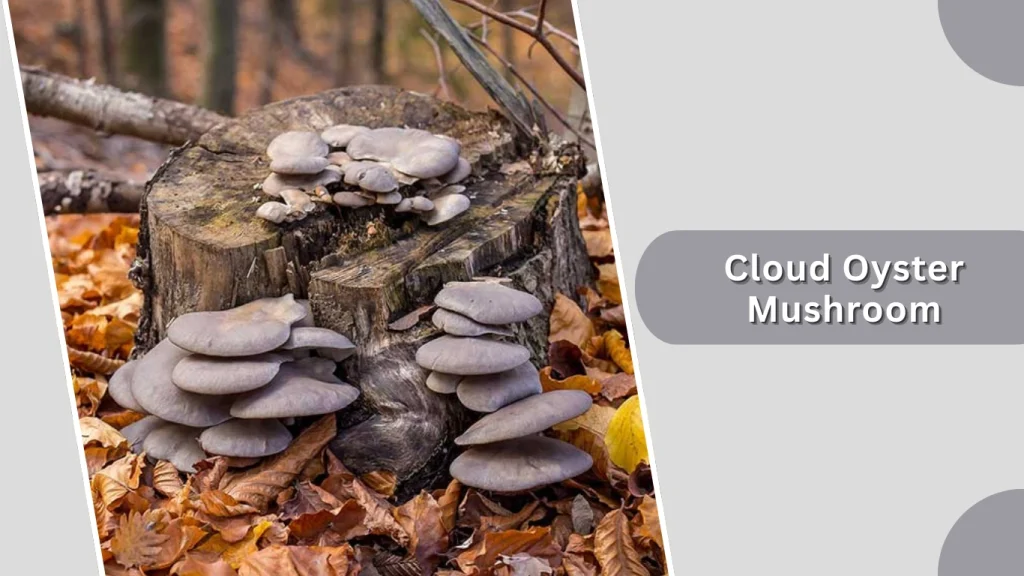
Cloud Oyster Mushroom is a delicate and fluffy variety of oyster mushroom, named for its light, cloud-like clusters. It has a mild, slightly sweet flavor and tender texture, making it perfect for soups, stir-fries, and sautés. Its ornamental appearance also makes it appealing for gourmet plating.
Identification
- Cap: White to pale cream, fan-shaped, soft and delicate
- Gills: White, descending the short stem
- Stem: Short, lateral attachment, often clustered
- Spore Print: White to cream
Habitat
Cloud Oyster Mushrooms grow naturally on decaying hardwood and tree stumps. They can also be cultivated on straw, sawdust, and other organic substrates in humid conditions.
Diet and Nutrition
These mushrooms are rich in protein, dietary fiber, vitamins (B-complex and D), and minerals such as potassium and iron. They are low in calories and have antioxidant properties that support overall health.
Lifespan and Growth
Cloud Oyster Mushrooms fruit quickly, typically within 2–3 weeks. They are best harvested when clusters are fully formed but still tender to maintain their delicate texture and flavor.
FAQs
What is the most common type of Oyster Mushroom?
The most common type is the Pearl Oyster Mushroom, known for its silvery-gray, fan-shaped caps and mild, delicate flavor. It is widely cultivated due to its fast growth, adaptability, and culinary versatility.
How do Oyster Mushrooms grow?
Oyster Mushrooms grow on decaying hardwood, straw, or sawdust. They prefer warm, humid conditions and can be cultivated both indoors and outdoors, depending on the variety. They form clusters and fruit within 2–5 weeks.
Are all Oyster Mushrooms edible?
Yes, all 17 varieties of Oyster Mushrooms are edible. They are mild in flavor, tender in texture, and suitable for various cooking methods like stir-frying, sautéing, roasting, and soups.
What nutrients do Oyster Mushrooms contain?
Oyster Mushrooms are rich in protein, dietary fiber, vitamins B and D, and minerals such as potassium and iron. They are low in calories and provide antioxidants that support overall health.
How do I store Oyster Mushrooms?
Fresh Oyster Mushrooms should be stored in a paper bag in the refrigerator and used within 3–5 days. Avoid plastic bags, as they trap moisture and can cause the mushrooms to spoil quickly.