



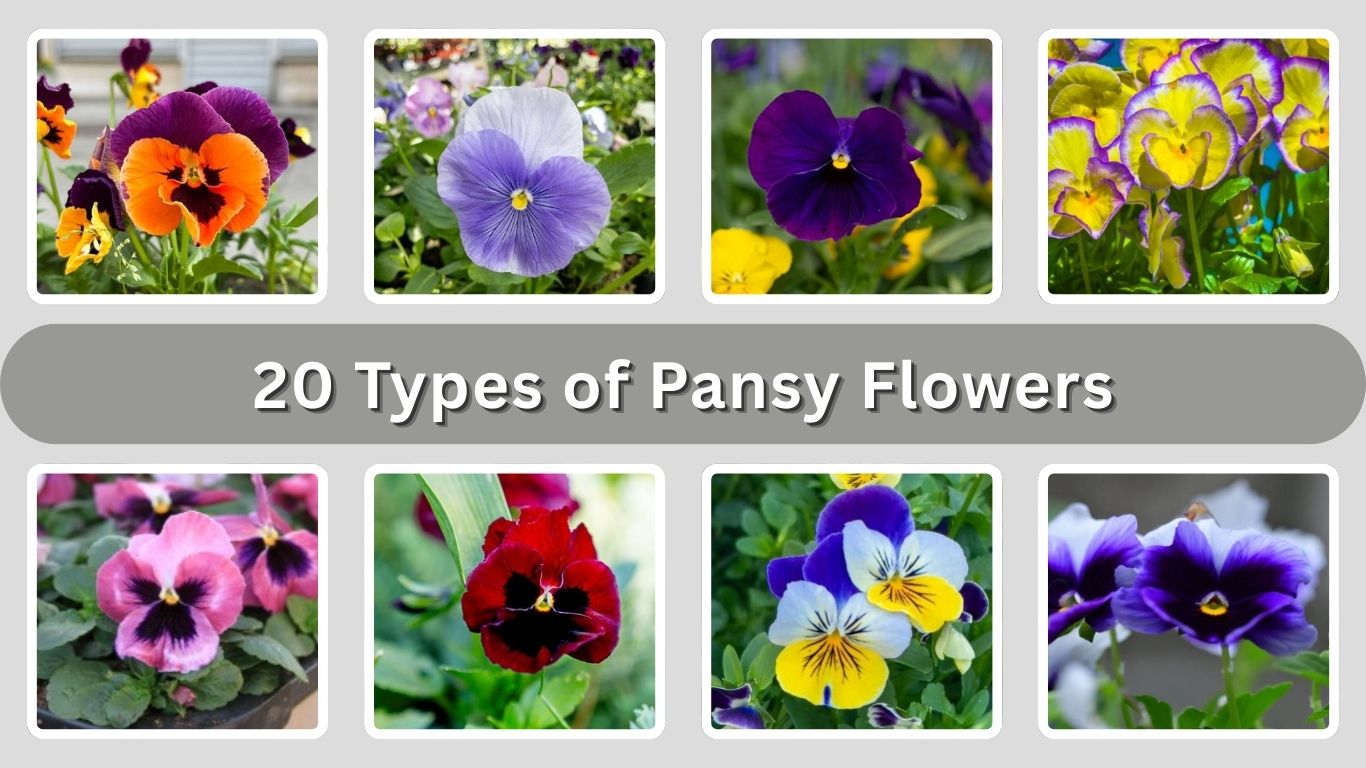
Pansy flowers are among the most popular cool-season blooms, admired for their cheerful “faces,” rich colors, and impressive ability to thrive in chilly weather. They are widely used in garden beds, borders, hanging baskets, and containers because they bloom early, grow easily, and create strong visual impact. With hundreds of varieties available, pansies range from giant-flowered types to trailing forms, offering gardeners endless choices for both formal designs and casual landscapes.
1. Swiss Giants Pansy

Swiss Giants pansies are one of the most popular large-flowered pansy groups, known for their oversized blooms, bold blotches, and wide color range. They are cool-season favorites in gardens and containers, valued for strong stems, excellent weather tolerance, and vibrant spring and fall displays.
Identification
- Large flowers (3–4 inches wide) with rounded overlapping petals
- Bright, high-contrast colors with classic “face” blotches
- Compact to medium growth habit
- Velvety petal texture
- Typically grows 6–9 inches tall
Flower Colors and Patterns
Swiss Giants come in deep purple, royal blue, yellow, white, orange, red, and multicolor blends. Many varieties feature dark central blotches, while others are clear-faced. The colors remain vivid even in cool, cloudy weather, making them ideal for early-season planting.
Growth Habit and Size
These pansies form tidy, mounded plants with sturdy stems that support their heavy blooms. They usually spread 6–8 inches wide, creating dense patches of color. Their balanced growth makes them suitable for borders, window boxes, and mixed flower beds.
Blooming Season
Swiss Giants perform best in cool conditions. They bloom heavily in early spring and fall, and in mild climates, they can flower throughout winter. Cooler temperatures intensify their colors and extend bloom life significantly.
Best Growing Conditions
They prefer full sun to partial shade, well-drained soil, and regular moisture. Swiss Giants tolerate light frost and cool nights very well. Removing spent flowers encourages continuous blooming and keeps plants compact and healthy.
2. Majestic Giants Pansy

Majestic Giants pansies are prized for their extra-large blooms, thick petals, and strong garden performance. This group is specially bred for uniform growth, rich coloration, and impressive flower size, making them a favorite choice for mass planting, edging, and decorative containers.
Identification
- Extra-large flowers, often reaching 4 inches across
- Broad, rounded petals with a soft velvety surface
- Strong central “face” blotches on many varieties
- Compact, well-branched plants
- Average height of 6–8 inches
Flower Colors and Patterns
Majestic Giants are available in deep purple, midnight blue, golden yellow, creamy white, orange, rose, and striking bicolors. Many flowers show dramatic dark faces, while others are clear-colored. Their pigments stay intense even in cool, low-light conditions.
Growth Habit and Size
These pansies grow in neat, symmetrical mounds that hold flowers well above the foliage. The plants spread evenly, making them excellent for carpet-style planting. Thick stems help support the oversized blooms against light rain and wind.
Blooming Season
Majestic Giants thrive in cool seasons. They bloom from early spring through late spring and again in fall. In mild winter regions, they may continue flowering throughout winter with minimal protection.
Best Growing Conditions
They perform best in full sun to partial shade with fertile, well-drained soil. Regular watering and occasional feeding support continuous blooming. Deadheading faded flowers helps maintain a long, colorful display.
3. Universal Series Pansy
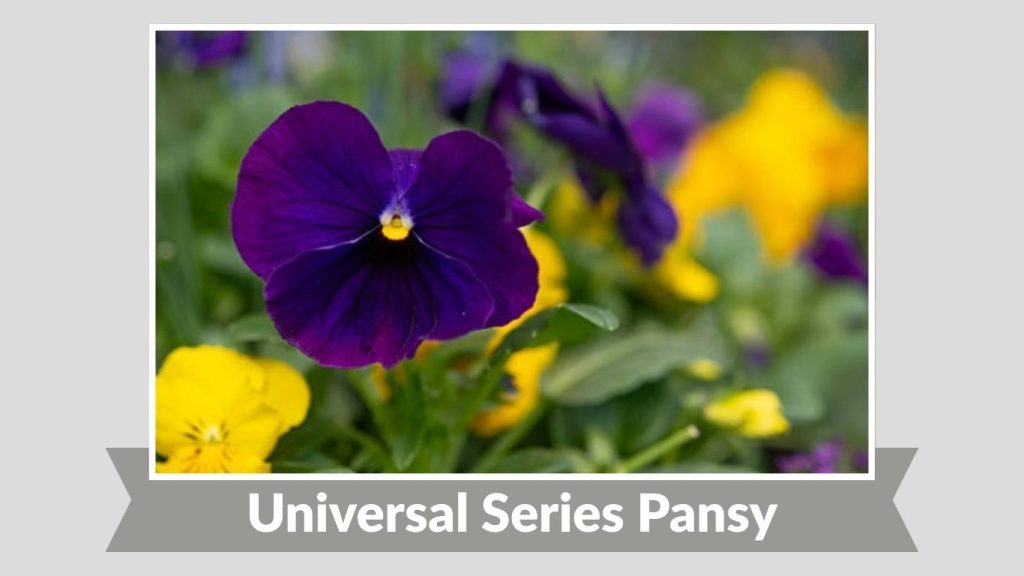
Universal Series pansies are known for their reliability, weather tolerance, and wide range of uniform colors. They are bred for consistent performance in gardens and landscapes, producing medium-to-large blooms that hold up well in both cool and slightly warmer conditions.
Identification
- Medium to large flowers with rounded petals
- Smooth, velvety texture
- Available in clear colors and classic blotched forms
- Compact, bushy growth habit
- Typically grows 6–8 inches tall
Flower Colors and Patterns
The Universal Series includes blue, purple, yellow, orange, red, white, and many bicolor combinations. Some varieties feature bold central faces, while others are clear-faced. The series is valued for even coloration and excellent flower uniformity.
Growth Habit and Size
Plants form low, spreading mounds that fill beds and containers evenly. Flowers are held just above the foliage, creating a dense carpet of color. Their balanced structure makes them easy to combine with other cool-season flowers.
Blooming Season
Universal Series pansies bloom heavily in early spring and fall. In cool, mild climates, they may continue flowering through winter. They are slower to stretch in warming temperatures compared to many older pansy types.
Best Growing Conditions
They prefer full sun to light shade and loose, well-drained soil. Consistent moisture and regular removal of faded blooms encourage long-lasting flowering and healthy growth.
4. Matrix Series Pansy

Matrix Series pansies are bred for superior uniformity, early flowering, and strong garden performance. They are especially popular in professional landscaping because the plants stay compact, bloom heavily, and maintain consistent size and color across large plantings.
Identification
- Medium to large flowers with thick, rounded petals
- Strong stems that hold blooms upright
- Excellent uniformity in plant size and flower shape
- Compact, dense growth habit
- Average height of 6–8 inches
Flower Colors and Patterns
The Matrix Series offers a wide spectrum of colors, including deep blues, purples, yellows, oranges, reds, and whites. Both clear-faced and blotched varieties are available. The blooms are known for rich saturation and long-lasting color.
Growth Habit and Size
Plants form tight, mounded clumps with excellent branching. Flowers are displayed evenly above the foliage, creating a full, professional-looking bed. Their sturdy structure makes them suitable for borders, containers, and mass displays.
Blooming Season
Matrix pansies bloom early in the cool season and continue steadily through spring and fall. In mild climates, they often provide winter color as well, with blooms holding well through light frosts.
Best Growing Conditions
They grow best in full sun to partial shade with moist, well-drained soil. Regular feeding supports heavy blooming, and removing spent flowers keeps plants compact and productive.
5. Delta Series Pansy
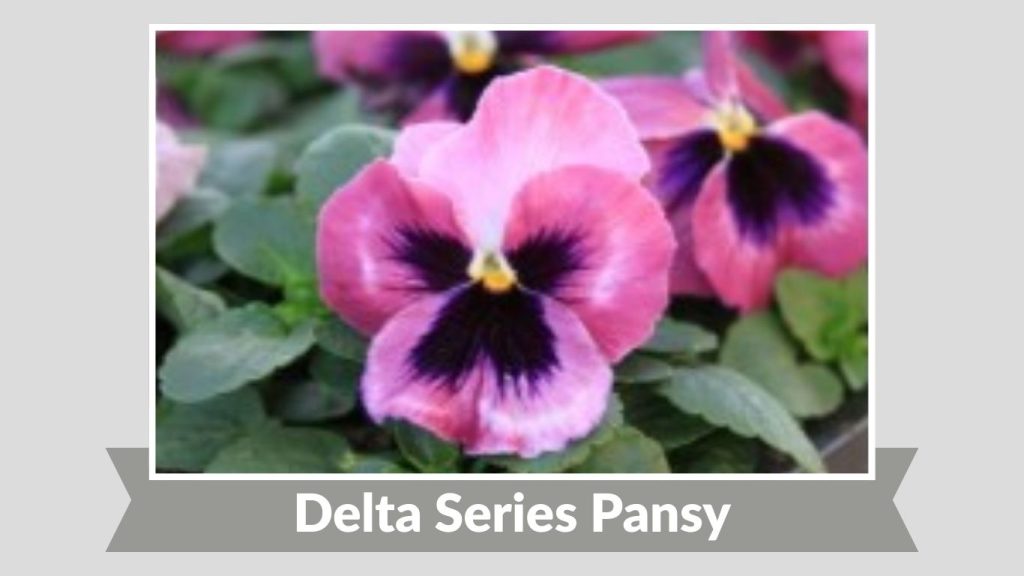
Delta Series pansies are valued for their adaptability, early flowering, and excellent temperature tolerance. They perform reliably across a wide range of climates, producing medium-to-large blooms that remain vibrant even as conditions shift between cool and mild.
Identification
- Medium to large flowers with smooth, rounded petals
- Strong, upright flower stems
- Uniform plant shape and size
- Compact, mounded growth habit
- Typically grows 6–8 inches tall
Flower Colors and Patterns
The Delta Series includes clear shades of yellow, white, blue, purple, orange, and red, along with many striking bicolors. Both blotched and clear-faced types are available. Colors stay bright and well-defined throughout the blooming period.
Growth Habit and Size
Delta pansies form neat, low mounds that fill in quickly. Their flowers are evenly spaced across the plant, creating a balanced, full appearance. This makes them especially suitable for bedding schemes and large container arrangements.
Blooming Season
They bloom very early in the season and continue through cool spring and fall weather. In mild winter regions, Delta pansies can flower almost continuously, providing long-lasting seasonal color.
Best Growing Conditions
They prefer full sun to partial shade and fertile, well-drained soil. Consistent watering, light feeding, and regular deadheading help maintain heavy flowering and healthy growth.
6. Bingo Series Pansy

Bingo Series pansies are known for their early flowering, compact size, and excellent uniformity. They are often chosen for cool-season bedding and container displays because they establish quickly and deliver bright, consistent color across large plantings.
Identification
- Medium-sized blooms with rounded, overlapping petals
- Smooth, velvety flower texture
- Clear-faced and blotched varieties available
- Compact, low-growing plant form
- Average height of 4–6 inches
Flower Colors and Patterns
The Bingo Series features rich blues, purples, yellows, whites, reds, and orange tones, along with eye-catching bicolors. Many selections show classic dark central faces, while others offer clean, single-color blooms that work well in color-themed beds.
Growth Habit and Size
Plants grow in tight, uniform mounds that stay low and dense. Flowers appear evenly across the plant, creating a carpet-like effect. Their smaller size makes them ideal for edging, window boxes, and detailed garden designs.
Blooming Season
Bingo pansies bloom very early in the cool season. They perform best in spring and fall and can continue flowering through winter in mild climates, maintaining good form and color in cool temperatures.
Best Growing Conditions
They grow well in full sun to partial shade with loose, well-drained soil. Regular moisture and removal of faded blooms help extend flowering and keep plants compact.
7. Crown Series Pansy
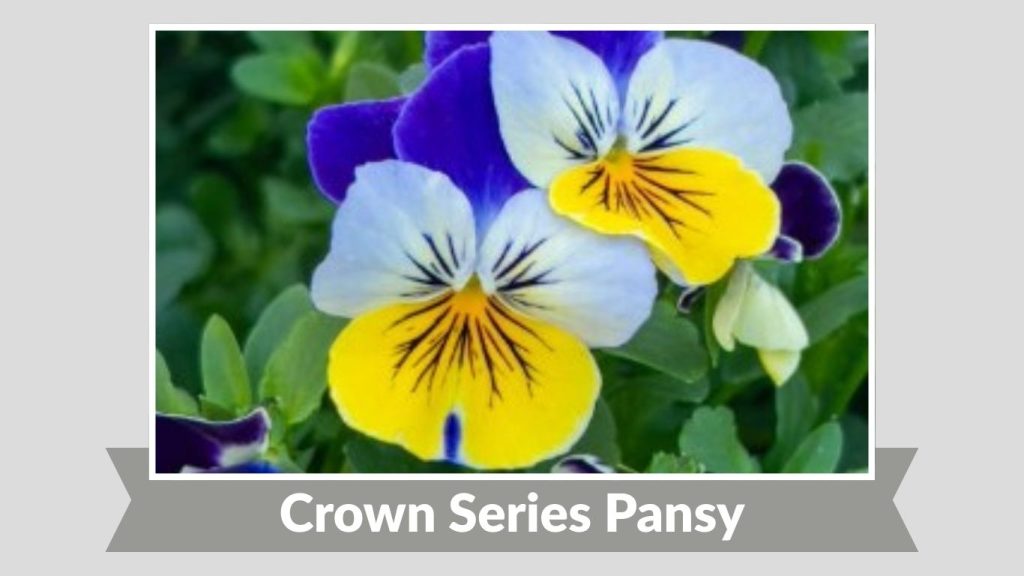
Crown Series pansies are bred for cold tolerance, early blooming, and compact, well-branched plants. They are especially valued for autumn planting, where they establish quickly and provide strong flowering performance through cool weather.
Identification
- Medium-sized flowers with thick, rounded petals
- Strong, upright flower stems
- Excellent cold tolerance
- Dense, compact plant habit
- Typically grows 6–8 inches tall
Flower Colors and Patterns
The Crown Series includes deep purple, violet, blue, yellow, white, red, and orange shades. Both clear and blotched varieties are available, with colors remaining stable and bright even under cold and cloudy conditions.
Growth Habit and Size
Plants develop into neat, rounded mounds with excellent branching. Flowers are held slightly above the foliage, creating a tidy and colorful display. Their uniform structure makes them suitable for mass bedding and formal garden layouts.
Blooming Season
Crown pansies are early bloomers, especially in fall plantings. They continue flowering through winter in mild regions and burst into heavy bloom again in early spring.
Best Growing Conditions
They prefer full sun to light shade and moist, well-drained soil. Regular watering and occasional feeding support continuous flowering and healthy plant development.
8. Cats Series Pansy
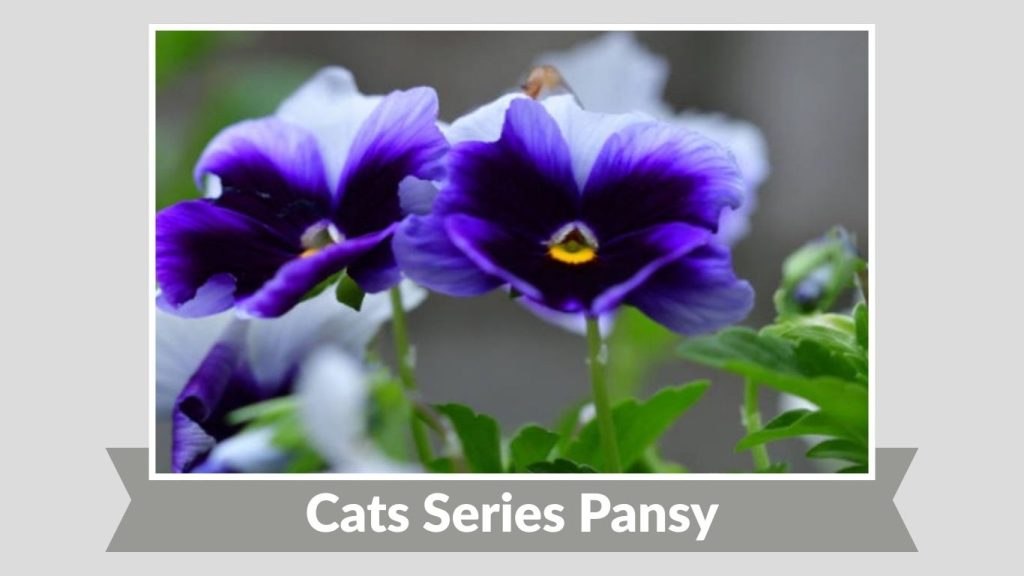
Cats Series pansies are famous for their unique whisker-like markings that resemble cat faces. These novelty pansies are grown mainly for ornamental appeal, adding playful character and distinctive patterns to flower beds and container gardens.
Identification
- Medium-sized flowers with rounded petals
- Distinctive dark “whisker” lines radiating from the center
- Soft, velvety petal surface
- Compact, bushy plant habit
- Usually grows 6–8 inches tall
Flower Colors and Patterns
Cats Series pansies come in shades of yellow, white, lavender, blue, purple, and rose. The signature feature is the fine dark lines that form cat-like faces on the petals. These markings make each bloom appear slightly different and highly decorative.
Growth Habit and Size
Plants form tidy mounds with good branching. Flowers sit just above the foliage, giving the plant a full and lively appearance. Their manageable size makes them ideal for pots, hanging baskets, and front-of-border plantings.
Blooming Season
They bloom best in cool weather, producing abundant flowers in early spring and fall. In mild climates, Cats Series pansies may continue flowering through winter with consistent care.
Best Growing Conditions
They grow well in full sun to partial shade with fertile, well-drained soil. Even moisture, cool temperatures, and regular deadheading encourage long-lasting blooms and vibrant patterns.
9. Cool Wave Series Pansy
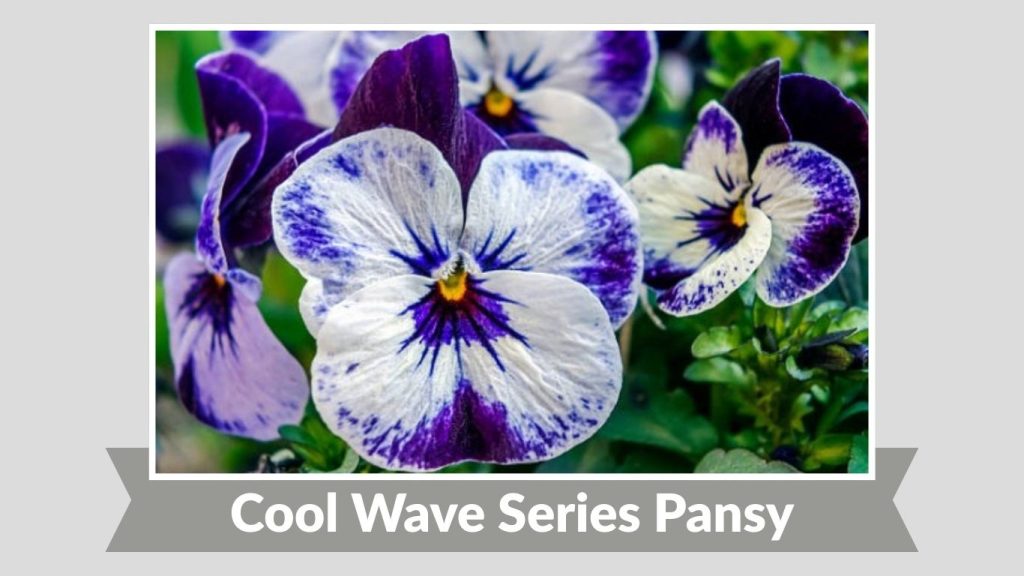
Cool Wave Series pansies are specially bred for spreading and trailing growth, making them ideal for hanging baskets, window boxes, and groundcover-style plantings. They combine vigorous growth with large, colorful blooms and strong weather tolerance.
Identification
- Medium to large flowers with rounded petals
- Naturally spreading and trailing growth habit
- Strong, flexible stems
- Excellent weather tolerance
- Can spread 18–24 inches wide
Flower Colors and Patterns
Cool Wave pansies are available in deep blue, purple, violet, yellow, white, red, and striking multicolor blends. Both blotched and clear-faced forms exist. Their flowers maintain bright color even after rain and light frosts.
Growth Habit and Size
Unlike traditional mound-forming pansies, Cool Wave types trail outward and gently cascade over containers. They form broad, low-growing mats when planted in the ground, making them useful as cool-season flowering groundcovers.
Blooming Season
They bloom very early and continue flowering from fall through spring in cool climates. Cool Wave pansies are especially valued for long-season performance and strong flowering during cooler months.
Best Growing Conditions
They prefer full sun to partial shade and rich, well-drained soil. Regular watering, light feeding, and trimming back long stems help maintain dense growth and continuous blooming.
10. Freefall Series Pansy
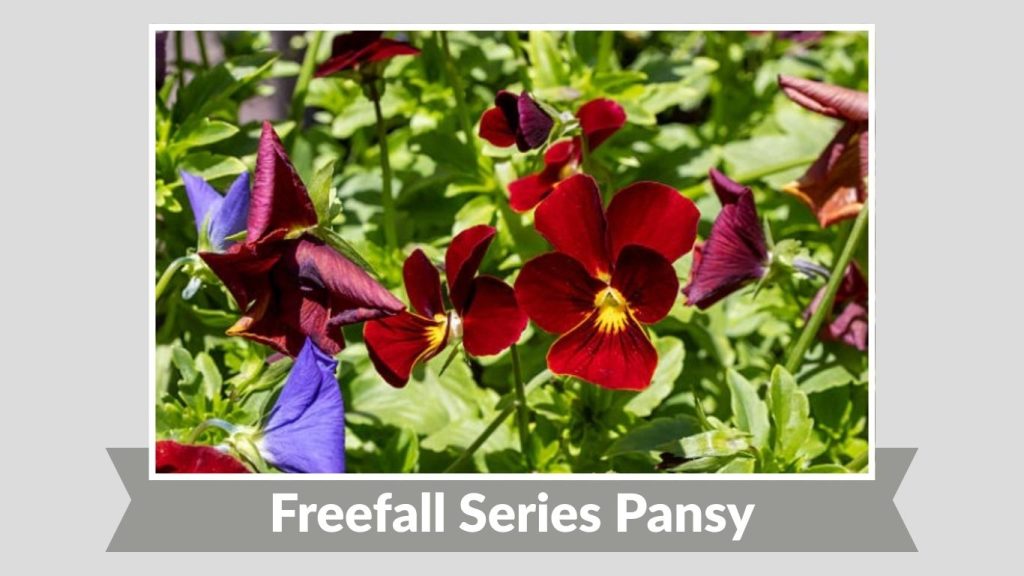
Freefall Series pansies are trailing pansies developed for dramatic cascading displays. They are similar to Cool Wave types but are bred for even stronger downward growth, making them excellent for hanging baskets, tall containers, and raised planters.
Identification
- Medium-sized flowers with rounded petals
- Strong trailing and cascading growth habit
- Flexible, spreading stems
- Heavy flowering along the stems
- Can trail 20–24 inches or more
Flower Colors and Patterns
Freefall pansies are available in purple, blue, yellow, white, rose, orange, and multicolor combinations. Many varieties have classic dark faces, while others are clear-colored. Their blooms appear along the entire trailing stems, creating a waterfall-like effect.
Growth Habit and Size
Plants quickly spill over the edges of containers, forming long, flowering trails. When planted in beds, they spread outward to create colorful mats. Their vigorous habit makes them ideal focal plants in cool-season container designs.
Blooming Season
They bloom from fall through spring in cool climates and perform best in mild temperatures. Freefall pansies are known for early establishment and continuous flowering in cool weather.
Best Growing Conditions
They grow best in full sun to partial shade with loose, well-drained soil. Regular watering and occasional trimming help control length and encourage fuller growth and more blooms.
11. Panola Series Pansy
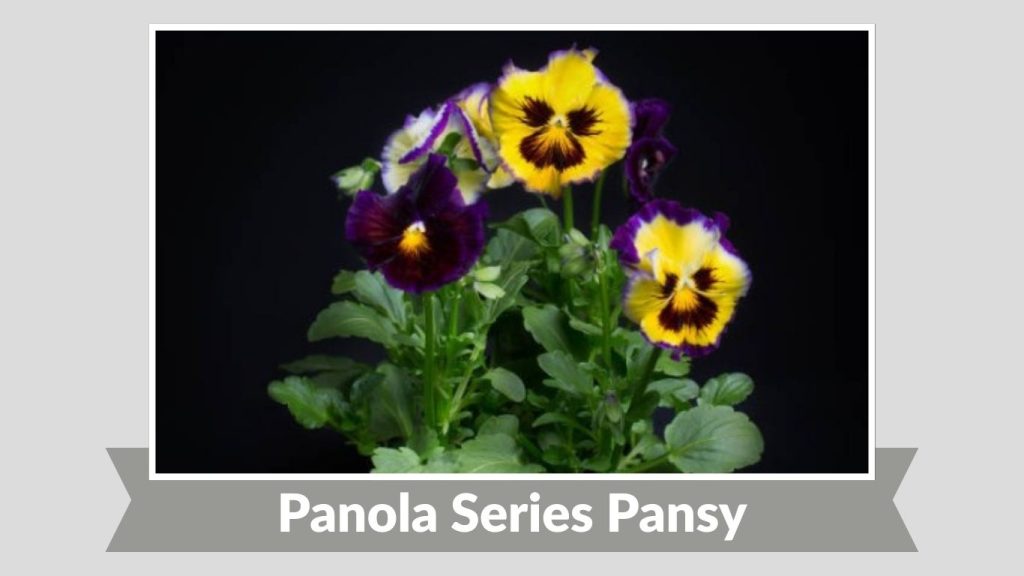
Panola Series pansies are compact, early-flowering pansies bred from Viola cornuta lines. They are known for their smaller plant size, excellent branching, and strong tolerance to cold, making them ideal for tight garden spaces and detailed planting designs.
Identification
- Small to medium flowers with rounded petals
- Compact, low-growing plant form
- Excellent branching and dense foliage
- Strong cold tolerance
- Typically grows 4–6 inches tall
Flower Colors and Patterns
Panola pansies come in blue, purple, yellow, white, rose, and various bicolors. Both blotched and clear-faced forms are available. Their flowers are slightly smaller than giant pansies but appear in great numbers, giving a rich, full look.
Growth Habit and Size
Plants form tight, cushion-like mounds that fill in quickly. Because of their small size and dense growth, they are especially suitable for edging, containers, and mixed plantings where space is limited.
Blooming Season
Panola pansies bloom very early and perform well in fall, winter, and early spring. In mild climates, they can flower continuously through the cool season with minimal interruption.
Best Growing Conditions
They prefer full sun to light shade and well-drained, fertile soil. Regular watering and light feeding encourage heavy flowering and compact, healthy growth.
12. Colossus Series Pansy
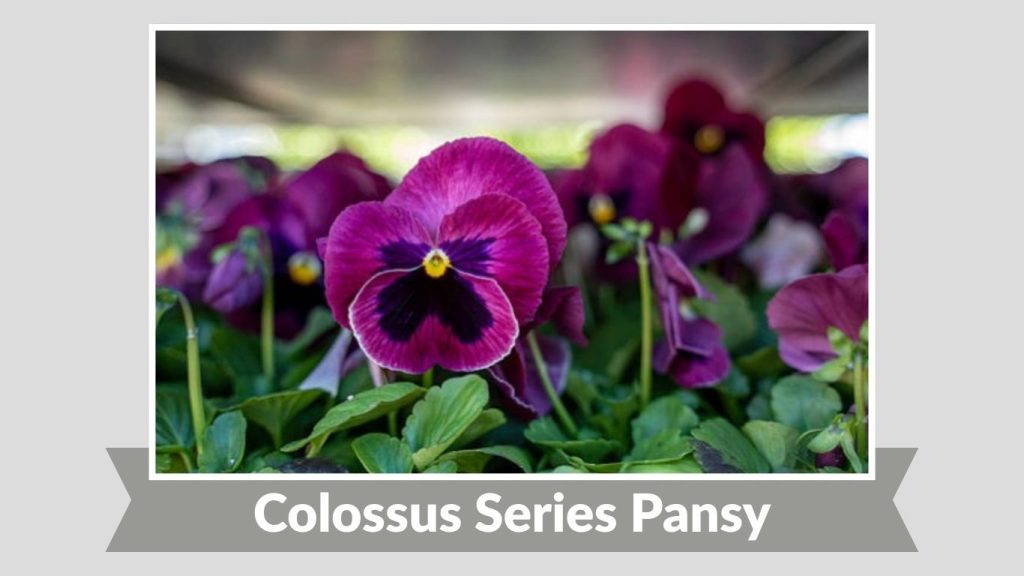
Colossus Series pansies are bred for extremely large flowers, strong stems, and high-impact garden displays. They are popular for landscapes where bold color and oversized blooms are desired, performing well in cool-season beds and containers.
Identification
- Very large flowers, often over 4 inches wide
- Thick, overlapping petals with a velvety surface
- Strong, upright flower stems
- Compact but sturdy growth habit
- Typically grows 6–8 inches tall
Flower Colors and Patterns
Colossus pansies come in rich shades of blue, purple, yellow, white, orange, red, and many bicolor blends. Both blotched and clear varieties are available. Their oversized blooms create a strong visual impact even from a distance.
Growth Habit and Size
Plants form neat, well-branched mounds that support the heavy flowers. Blooms are held above the foliage, giving a clean, upright appearance. Their balanced structure works well in formal beds, borders, and statement containers.
Blooming Season
They bloom heavily in early spring and fall and continue flowering in mild winter climates. Cooler temperatures enhance bloom size and color intensity.
Best Growing Conditions
They prefer full sun to partial shade and fertile, well-drained soil. Consistent moisture, regular feeding, and removal of faded flowers help maintain large blooms and long flowering periods.
13. Inspire Plus Series Pansy
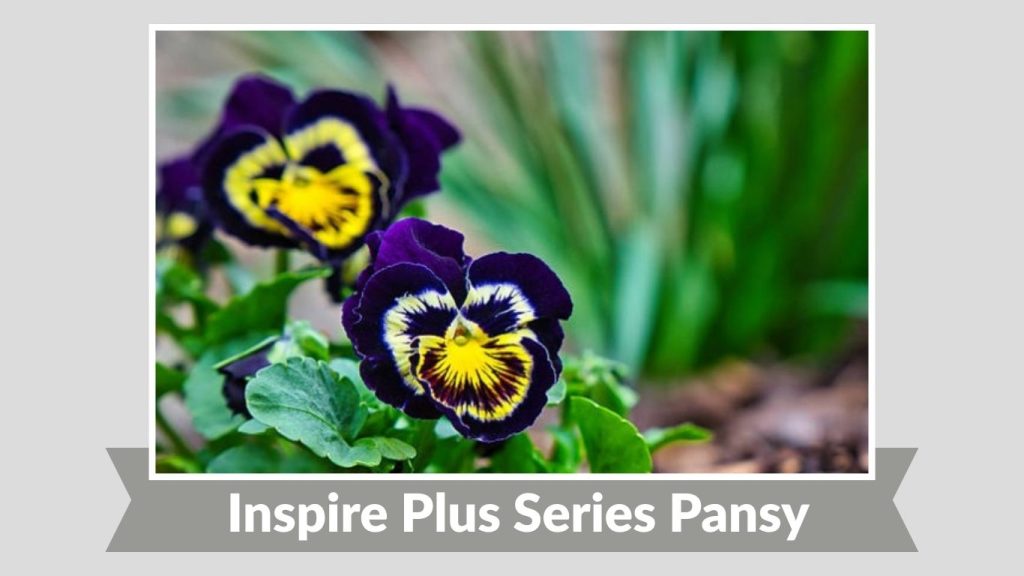
Inspire Plus Series pansies are modern hybrid pansies bred for early flowering, strong garden performance, and excellent uniformity. They are especially popular in professional and home landscapes because they establish quickly and maintain consistent size and color.
Identification
- Medium to large flowers with smooth, rounded petals
- Thick petals with good weather resistance
- Compact, well-branched plants
- Strong, upright flower presentation
- Typically grows 6–8 inches tall
Flower Colors and Patterns
The Inspire Plus Series includes a broad range of colors such as deep blue, purple, yellow, white, red, orange, and many striking bicolors. Both blotched and clear-faced selections are available, offering flexibility in garden color schemes.
Growth Habit and Size
Plants form tidy, symmetrical mounds that stay compact while producing abundant blooms. Flowers are evenly distributed across the plant, creating a full and professional display in beds, borders, and containers.
Blooming Season
They bloom early in the cool season and continue through spring and fall. In mild climates, Inspire Plus pansies may flower throughout winter, maintaining good color and plant structure.
Best Growing Conditions
They perform best in full sun to partial shade and rich, well-drained soil. Regular watering, light fertilization, and deadheading encourage continuous flowering and healthy growth.
14. Nature Series Pansy
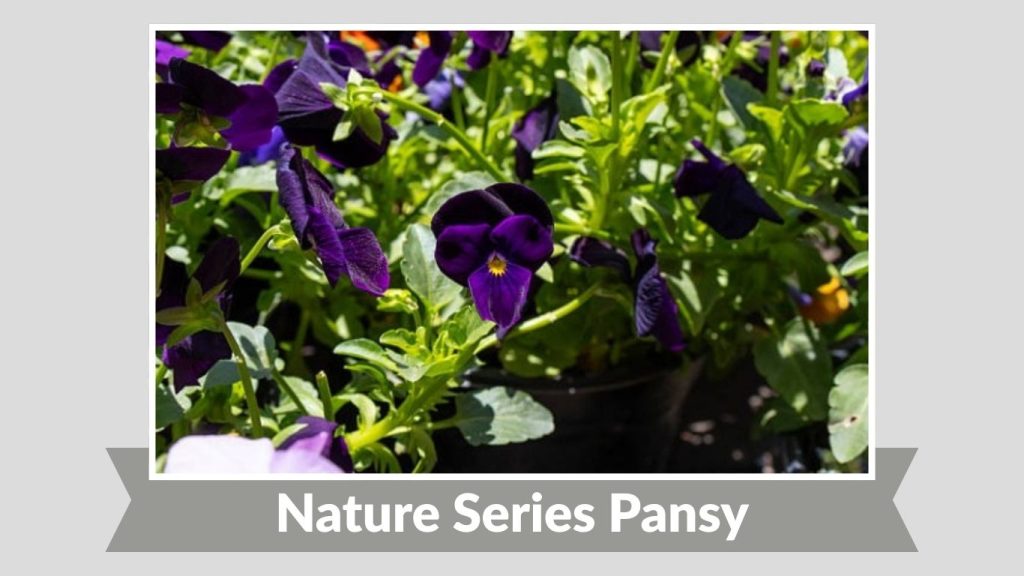
Nature Series pansies are valued for their compact growth, free-flowering habit, and natural-looking color tones. They are bred to perform well in cool conditions and are often chosen for garden beds where a softer, blended appearance is desired.
Identification
- Medium-sized flowers with rounded petals
- Soft, natural color shades
- Compact, well-branched plant habit
- Good cold tolerance
- Typically grows 6–8 inches tall
Flower Colors and Patterns
Nature Series pansies feature blues, lavenders, yellows, creams, and gentle bicolor combinations. Many varieties have subtle blotches or lightly shaded faces rather than bold, high-contrast markings, giving them a more natural, cottage-garden look.
Growth Habit and Size
Plants grow into neat, rounded mounds with excellent branching. Blooms are held evenly across the plant, creating a soft blanket of color rather than isolated flowers. They blend well with other cool-season flowers.
Blooming Season
They bloom reliably in early spring and fall. In mild winter regions, Nature Series pansies may continue flowering through winter, maintaining steady color during cooler months.
Best Growing Conditions
They grow best in full sun to light shade with moist, well-drained soil. Regular watering and occasional feeding support continuous blooming and healthy plant form.
15. Ultima Morpho Series Pansy
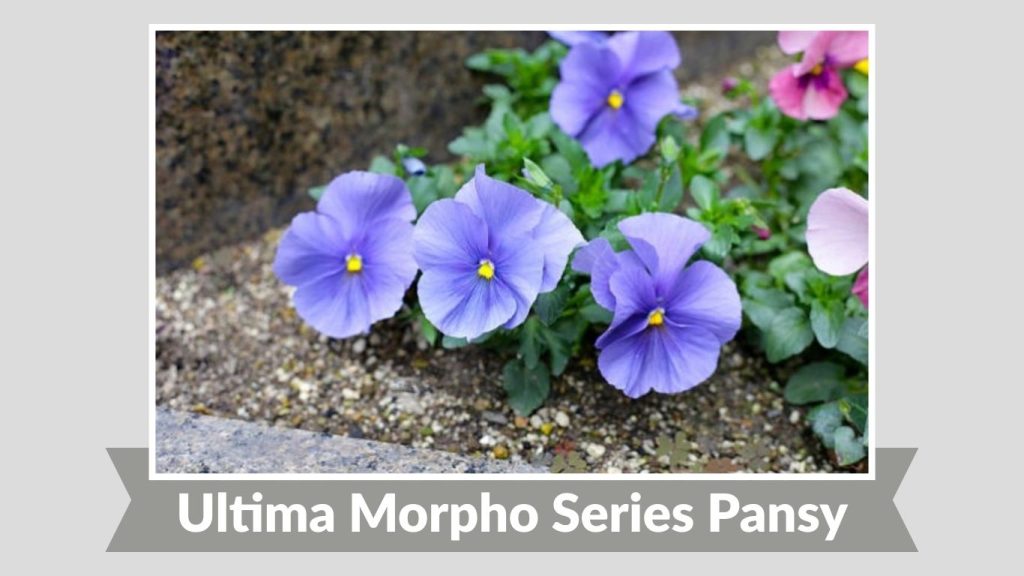
Ultima Morpho Series pansies are distinctive for their shimmering, iridescent color patterns and strong garden performance. They are bred to produce medium-to-large blooms with unique tonal blends that appear to shift under different light conditions.
Identification
- Medium to large flowers with rounded petals
- Unique iridescent or blended color patterns
- Smooth, velvety petal texture
- Compact, well-branched plants
- Typically grows 6–8 inches tall
Flower Colors and Patterns
Ultima Morpho pansies are known for striking blends of blue, violet, lavender, bronze, and gold tones. Rather than solid colors, many blooms show layered or feathered effects that give them a luminous, artistic appearance.
Growth Habit and Size
Plants form tidy mounds with strong stems that support the decorative blooms. Flowers are evenly spaced, creating a refined and eye-catching display in both garden beds and containers.
Blooming Season
They bloom in early spring and fall and can continue flowering through mild winters. Cool temperatures enhance their complex color patterns and prolong bloom life.
Best Growing Conditions
They prefer full sun to partial shade and fertile, well-drained soil. Consistent moisture and regular removal of faded blooms help maintain strong flowering and vibrant coloration.
16. Mammoth Series Pansy
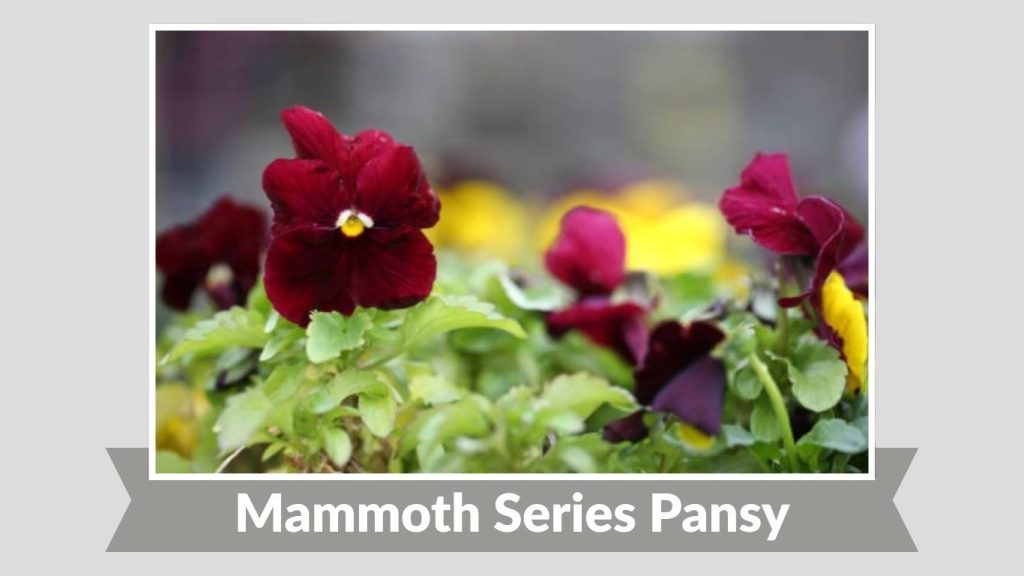
Mammoth Series pansies are bred for vigorous growth, very large flowers, and outstanding garden strength. They are designed to perform better in fluctuating temperatures while still producing oversized blooms.
Identification
- Very large flowers with broad, overlapping petals
- Thick, velvety flower texture
- Strong, upright stems
- Vigorous, well-branched growth habit
- Typically grows 8–10 inches tall
Flower Colors and Patterns
Mammoth pansies are available in deep blue, purple, yellow, white, orange, red, and many bold bicolors. Many varieties feature large central blotches, while others are clear-faced. Their intense colors remain strong even in variable spring weather.
Growth Habit and Size
Plants grow slightly taller and more vigorous than standard pansies. They form full mounds that support continuous blooming. Their strength and size make them suitable for both landscape beds and large decorative containers.
Blooming Season
They bloom from early spring through late spring and again in fall. In mild climates, Mammoth pansies may continue flowering into winter, especially with light protection.
Best Growing Conditions
They perform best in full sun to partial shade and rich, well-drained soil. Regular watering, feeding, and deadheading help sustain their large blooms and vigorous growth.
17. Moulin Rouge Pansy
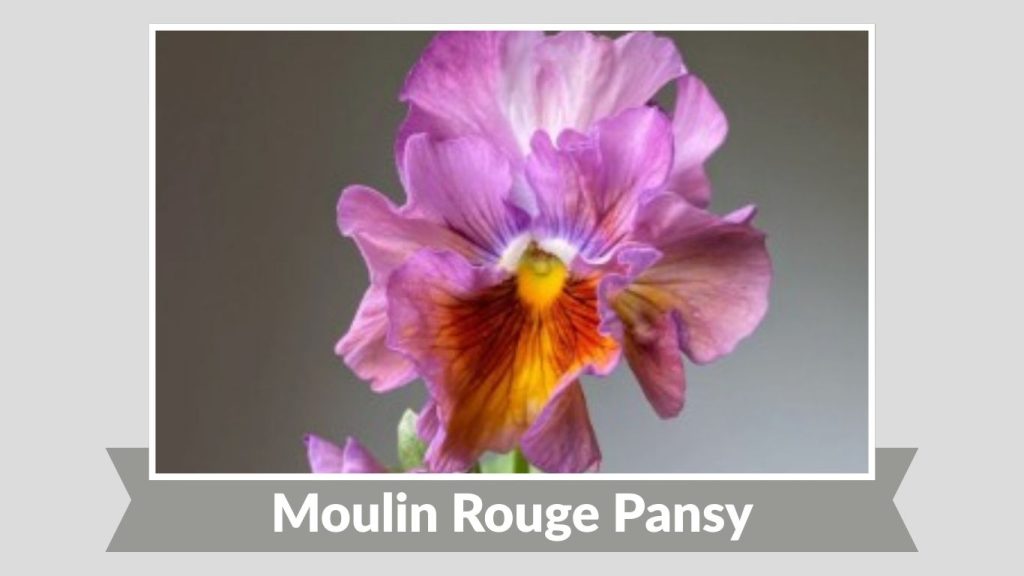
Moulin Rouge pansies are known for their dramatic ruffled petals and antique-style color blends. They are often chosen for decorative and specialty plantings where unique flower form and rich tones are desired.
Identification
- Medium-sized flowers with heavily ruffled edges
- Distinct frilled, vintage-style appearance
- Velvety petal surface
- Compact, well-branched plants
- Typically grows 6–8 inches tall
Flower Colors and Patterns
Moulin Rouge pansies feature smoky purples, wine reds, bronzes, apricots, and blended pastel tones. Many blooms show marbled or shaded effects rather than solid colors, giving them an old-fashioned, ornamental character.
Growth Habit and Size
Plants form neat mounds with excellent branching. The frilled blooms are displayed evenly across the plant, creating a textured, romantic look in borders, containers, and floral arrangements.
Blooming Season
They bloom in early spring and fall and can continue flowering in mild winters. Cooler weather enhances both petal ruffling and depth of color.
Best Growing Conditions
They grow best in full sun to light shade with fertile, well-drained soil. Regular moisture and removal of faded flowers help prolong blooming and maintain plant health.
18. Black King Pansy
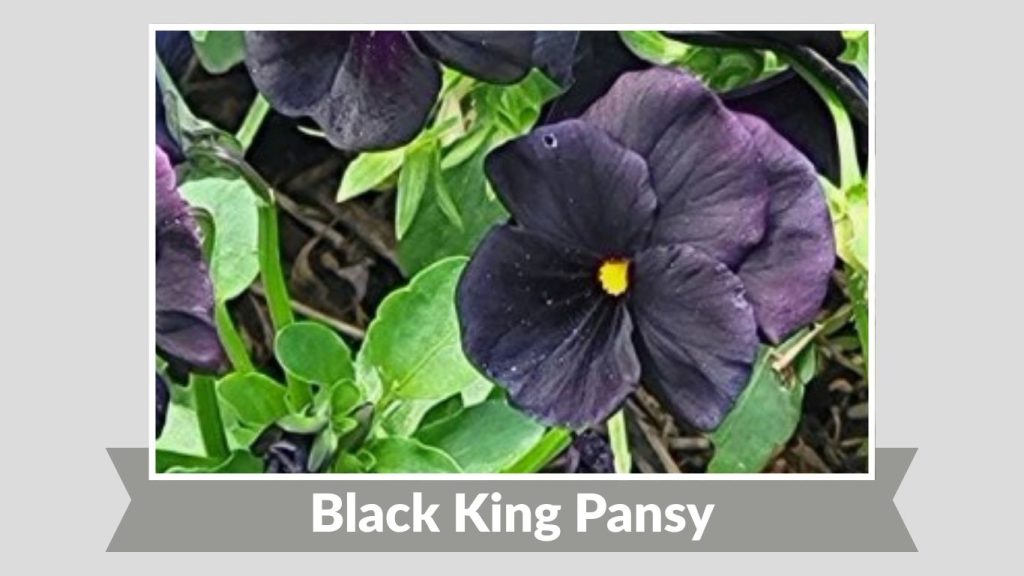
Black King pansies are famous for their deep, nearly black flowers, making them one of the most striking and dramatic pansy types. They are often used as accent plants to create contrast in garden beds and containers.
Identification
- Medium-sized flowers with rounded petals
- Extremely dark purple to almost black coloration
- Soft, velvety petal texture
- Compact, well-branched growth habit
- Typically grows 6–8 inches tall
Flower Colors and Patterns
Black King pansies appear jet black from a distance, but up close they usually reveal deep purple or maroon undertones. Some flowers have faint yellow centers, while others are solid dark, creating a bold, mysterious garden effect.
Growth Habit and Size
Plants form neat, low mounds with good branching. The dark blooms stand out strongly against green foliage and nearby lighter-colored flowers, making them excellent focal or border-contrast plants.
Blooming Season
They bloom in cool seasons, mainly early spring and fall. In mild climates, Black King pansies may continue flowering through winter, with cool temperatures intensifying their dark coloration.
Best Growing Conditions
They prefer full sun to partial shade and well-drained, fertile soil. Regular watering and deadheading support continuous blooming and help maintain strong plant form.
19. Clear Crystal Series Pansy
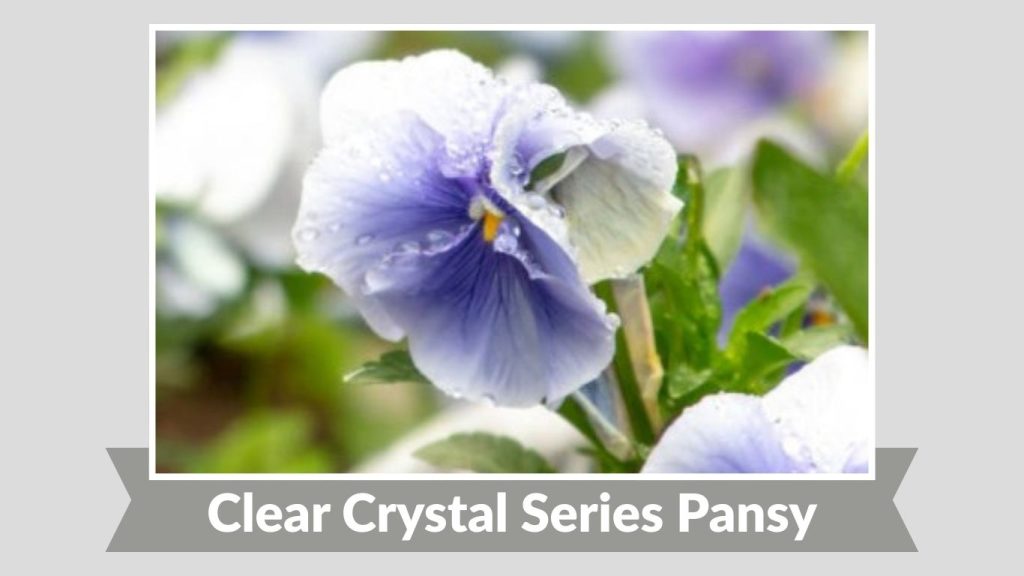
Clear Crystal Series pansies are bred for pure, face-free colors and excellent uniformity. Unlike many traditional pansies, these varieties lack dark blotches, making them ideal for clean, solid-color garden designs and professional bedding schemes.
Identification
- Medium to large flowers with smooth, rounded petals
- Clear, blotch-free coloration
- Strong, upright flower presentation
- Compact, well-branched plant habit
- Typically grows 6–8 inches tall
Flower Colors and Patterns
Clear Crystal pansies are available in bright yellow, white, light blue, deep blue, purple, rose, orange, and red shades. Their uniform, single-color blooms create a refined and modern look in both containers and mass plantings.
Growth Habit and Size
Plants form tidy mounds with even growth and good branching. Flowers are held just above the foliage, producing a smooth, carpet-like appearance when planted in groups.
Blooming Season
They bloom heavily in early spring and fall and may continue flowering through winter in mild climates. Their colors remain clear and bright under cool growing conditions.
Best Growing Conditions
They grow best in full sun to light shade and moist, well-drained soil. Regular watering, balanced feeding, and removal of spent blooms encourage long-lasting flowering.
20. Dynamite Series Pansy
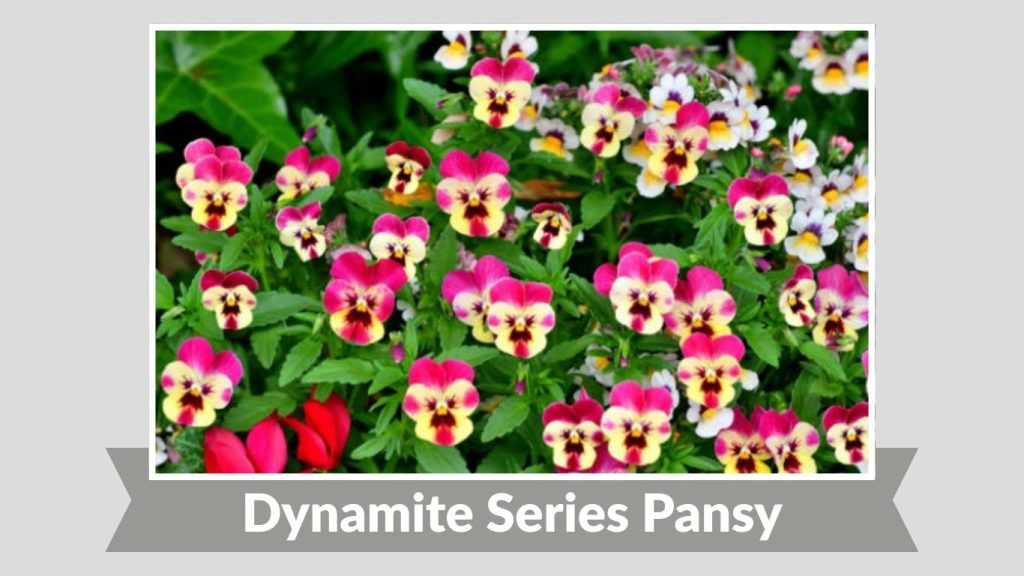
Dynamite Series pansies are bred for strong vigor, rapid growth, and reliable flowering performance. They are designed to establish quickly and produce abundant blooms, making them suitable for large garden beds and seasonal color displays.
Identification
- Medium to large flowers with rounded petals
- Strong, fast-growing plants
- Thick petals with good weather resistance
- Compact to semi-compact growth habit
- Typically grows 6–9 inches tall
Flower Colors and Patterns
Dynamite pansies come in vibrant shades of blue, purple, yellow, white, orange, red, and many eye-catching bicolors. Both clear-faced and blotched types are available, providing flexibility for bright, high-impact plantings.
Growth Habit and Size
Plants grow vigorously into full, well-branched mounds. Flowers are produced continuously across the plant, creating dense, colorful displays ideal for borders, containers, and mass plantings.
Blooming Season
They bloom early in cool seasons and continue through spring and fall. In mild climates, Dynamite pansies may flower into winter, maintaining strong color and form.
Best Growing Conditions
They prefer full sun to partial shade and fertile, well-drained soil. Consistent moisture, light fertilization, and regular deadheading help sustain rapid growth and heavy blooming.
FAQs
What are pansy flowers best known for?
Pansies are best known for their bright, expressive “face-like” flowers, wide range of colors, and excellent performance in cool seasons. They are popular in gardens because they bloom early, tolerate light frost, and provide long-lasting color in beds, borders, and containers.
When is the best time to plant pansies?
The best time to plant pansies is during fall or early spring. Cool temperatures help them establish strong roots and produce more flowers. In mild climates, fall planting often results in winter blooms and an even stronger flowering display in early spring.
Do pansies prefer sun or shade?
Pansies grow best in full sun to partial shade. They flower most heavily with at least 4–6 hours of sunlight per day. In warmer regions, light afternoon shade helps protect plants and extends the blooming season.
How long do pansy flowers usually last?
Individual pansy flowers typically last one to two weeks, but the plants continuously produce new blooms for several months. With proper care, including deadheading and watering, pansies can flower from fall through spring in many climates.
Are pansies easy to grow for beginners?
Yes, pansies are considered very easy to grow. They adapt well to containers and garden beds, tolerate cool weather, and respond well to basic care like regular watering, light feeding, and removing faded flowers.
Can pansies survive frost or light snow?
Pansies are very cold-tolerant and can survive light frosts and even brief snowfall. While flowers may droop temporarily, plants often recover once temperatures rise slightly, making them excellent cool-season ornamentals.