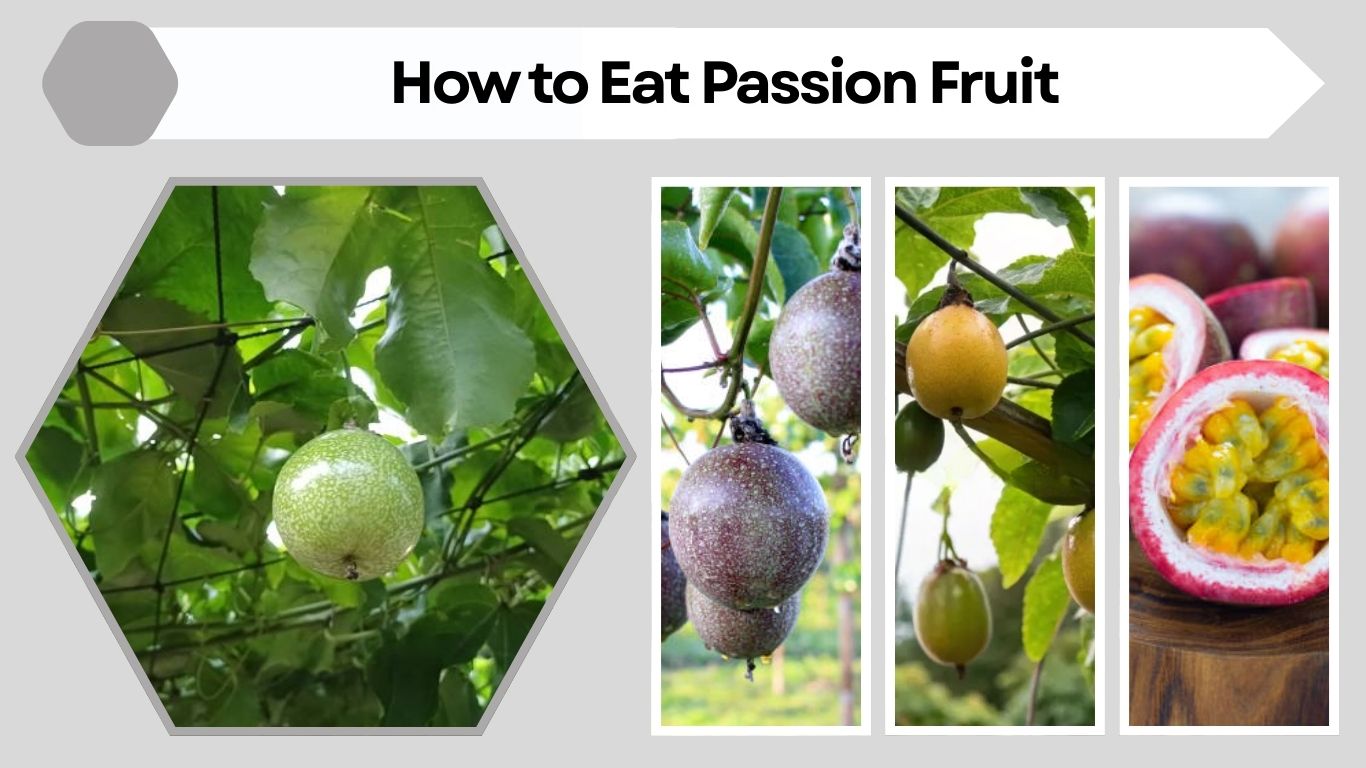






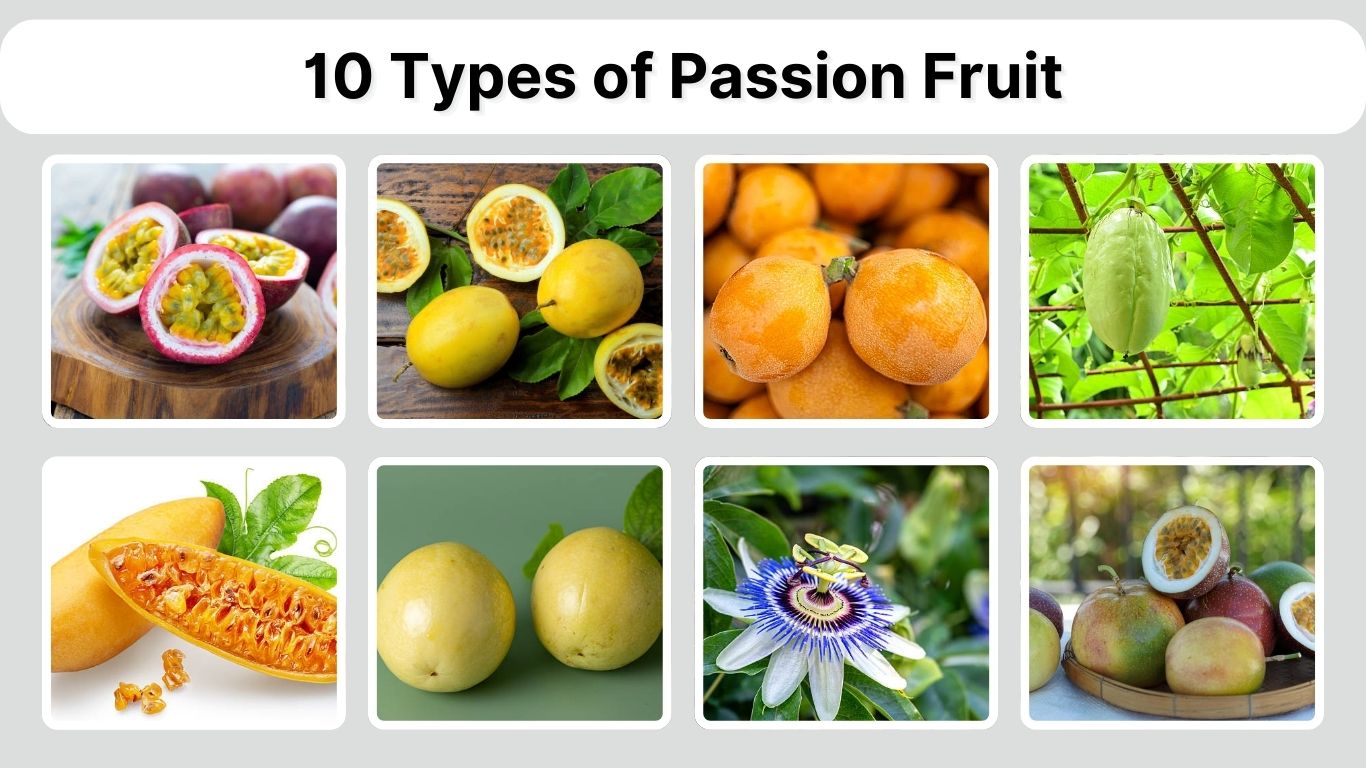
Passion fruit is a diverse and fascinating group of tropical fruits known for their aromatic pulp, bold flavors, and wide range of uses. From sweet and mild varieties to tangy and highly aromatic types, each passion fruit offers its own unique taste, appearance, and growing requirements. These fruits are enjoyed fresh, blended into juices, used in desserts, or processed for commercial products. Understanding the different types of passion fruit helps growers, consumers, and food lovers choose the right variety for eating, cooking, or cultivation.
1. Purple Passion Fruit
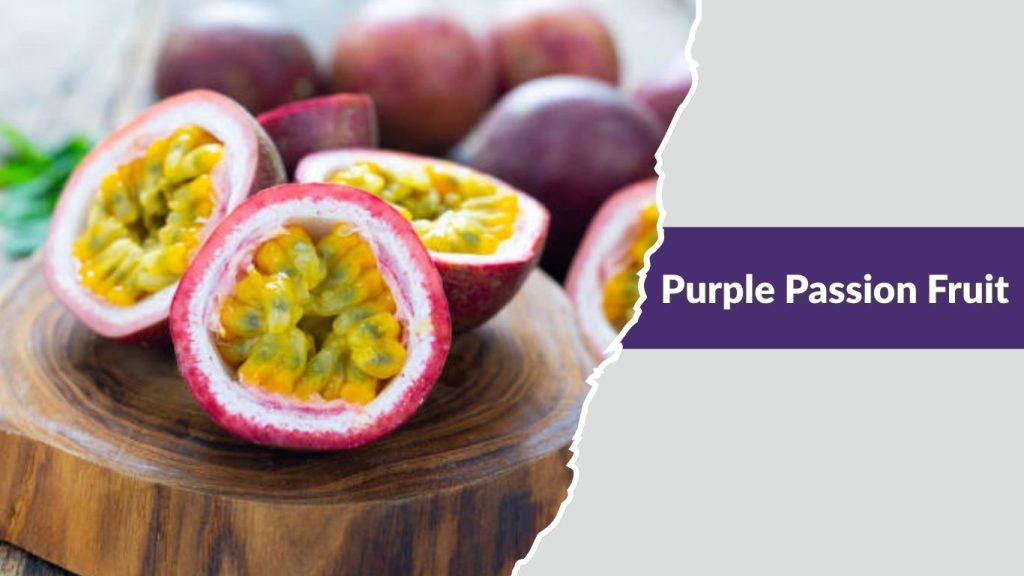
Purple passion fruit is one of the most well-known and widely consumed varieties of passion fruit. It is prized for its intense fragrance, balanced sweetness, and slightly tangy flavor. Compared to other types, it is generally smaller in size but richer in aroma. The fruit is most commonly eaten fresh by cutting it open and scooping out the pulp, though it is also popular in drinks and desserts. Its attractive color and strong flavor make it a favorite in both home kitchens and commercial food production.
Identification
- Small to medium-sized, round to oval fruit
- Deep purple to dark violet skin when ripe
- Outer rind becomes wrinkled at full maturity
- Bright yellow to orange juicy pulp
- Numerous small black edible seeds inside
Taste and Flavor
Purple passion fruit has a sweet, aromatic taste with mild acidity. It is less sour than yellow passion fruit and is often preferred for fresh consumption.
Culinary Uses
This variety is used in juices, smoothies, ice creams, desserts, jams, salad dressings, and as a flavoring for cakes and pastries.
Growing Regions
Purple passion fruit thrives in subtropical and mild tropical climates. It is commonly grown in South America, Australia, New Zealand, South Africa, and parts of India and Southeast Asia.
2. Yellow Passion Fruit
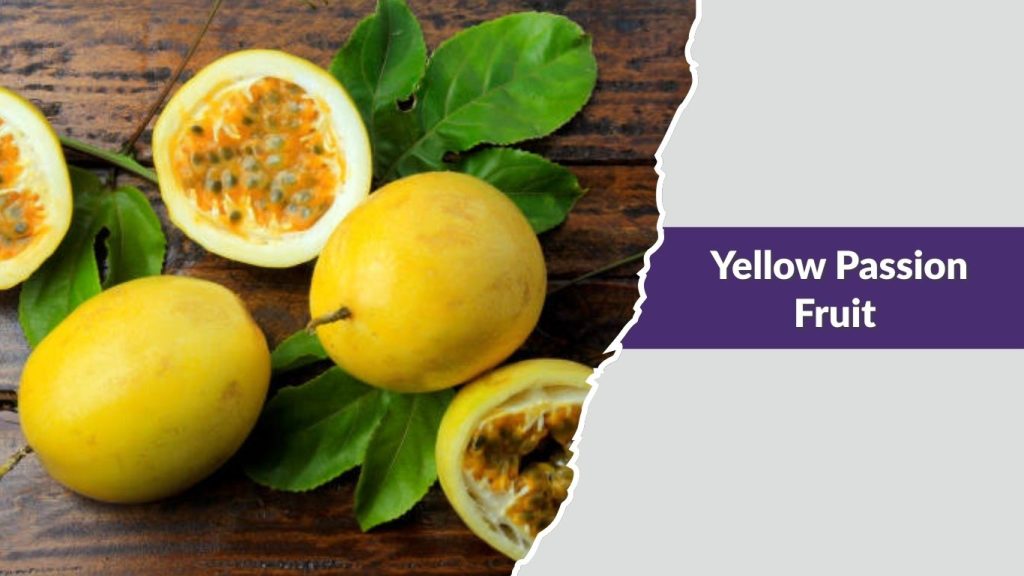
Yellow passion fruit is a larger and more vigorous variety, widely grown for commercial juice production. It is known for its bright yellow skin, high juice content, and strong, tangy flavor. Compared to the purple type, this variety is more acidic and aromatic, making it especially popular in tropical regions. The plant is highly productive and more resistant to pests and diseases, which makes it a preferred choice for large-scale cultivation.
Identification
- Medium to large round or oval fruit
- Bright yellow, smooth outer skin when ripe
- Thicker rind compared to purple varieties
- Deep yellow to orange pulp
- High juice content with black edible seeds
Taste and Flavor
Yellow passion fruit has a bold, tangy, and slightly sour flavor. It is more acidic than purple passion fruit, with a strong tropical aroma that stands out in beverages.
Culinary Uses
This variety is mainly used for juices, concentrates, syrups, sauces, cocktails, and flavoring for ice creams and desserts. It is less commonly eaten fresh due to its acidity.
Growing Regions
Yellow passion fruit grows best in hot tropical climates. It is widely cultivated in Brazil, Colombia, Peru, Kenya, Sri Lanka, and many other tropical countries around the world.
3. Sweet Granadilla
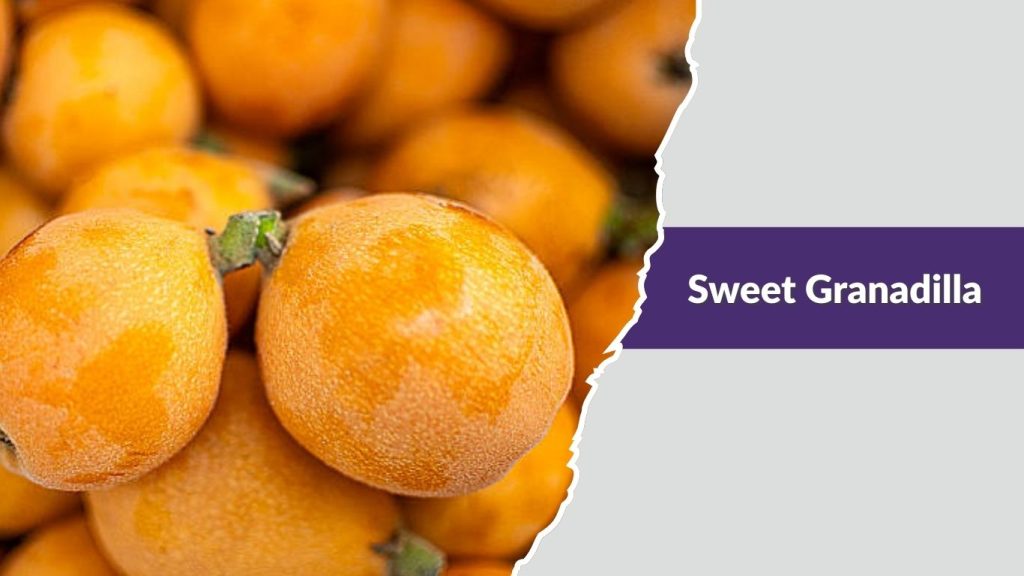
Sweet granadilla is a popular passion fruit variety valued for its mild sweetness and pleasant fragrance. Unlike more acidic types, it is often eaten fresh as a snack due to its gentle, sugary flavor. The fruit has a hard outer shell that protects the juicy interior, making it easy to transport and store. Its appealing taste and texture make it a favorite in local markets where it is grown.
Identification
- Round to slightly oval fruit shape
- Hard, brittle outer shell
- Orange to yellow rind with pale speckles
- Translucent, jelly-like pulp inside
- Black edible seeds surrounded by aromatic juice
Taste and Flavor
Sweet granadilla has a mild, sweet flavor with very low acidity. The taste is refreshing and less intense than other passion fruit varieties.
Culinary Uses
It is commonly eaten fresh by cracking the shell and scooping out the pulp. It can also be used in fruit salads, desserts, and light beverages.
Growing Regions
Sweet granadilla thrives in tropical to subtropical climates, especially at higher elevations. It is widely grown in South America, Central America, East Africa, and parts of Southeast Asia.
4. Giant Granadilla
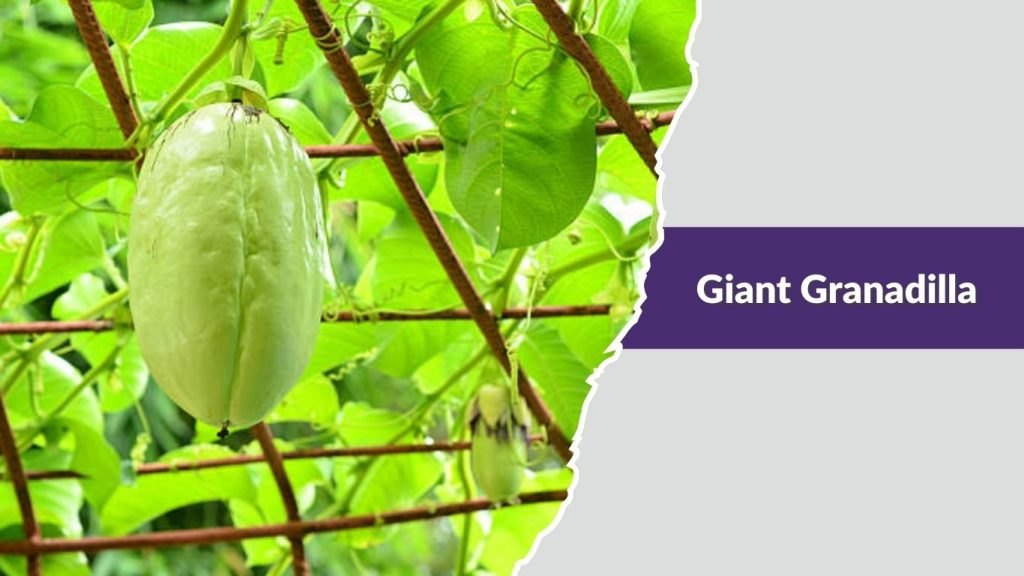
Giant granadilla is one of the largest passion fruit varieties and is known for its impressive size and thick rind. The fruit is milder in flavor compared to smaller types, but it is highly valued for its edible pulp and sometimes even its inner rind. Because of its size, a single fruit can provide a substantial amount of flesh, making it popular in traditional dishes and local cuisines.
Identification
- Very large, round to oval fruit
- Thick, hard outer shell
- Greenish-yellow to pale yellow rind when ripe
- Whitish to light orange pulp inside
- Numerous black seeds embedded in soft flesh
Taste and Flavor
The flavor is mildly sweet with low acidity. It is less aromatic than purple or yellow passion fruit and has a gentle, refreshing taste.
Culinary Uses
Giant granadilla is used in juices, desserts, and traditional sweets. In some regions, the inner rind is cooked or candied and eaten as a vegetable.
Growing Regions
This variety grows well in tropical lowland climates. It is commonly cultivated in South America, particularly in Brazil, Colombia, and Peru, as well as in parts of the Caribbean.
5. Banana Passion Fruit
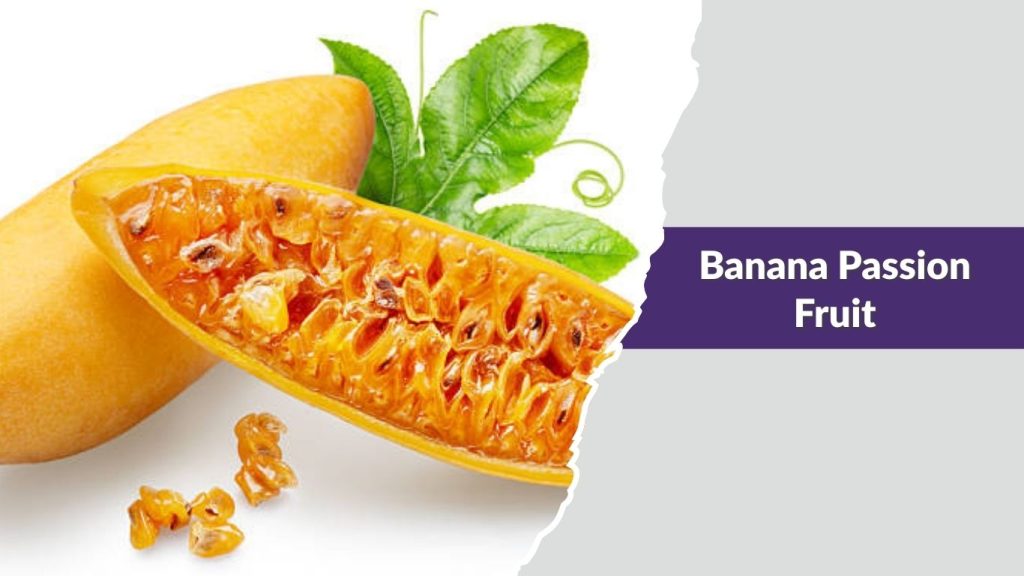
Banana passion fruit is a distinctive variety recognized for its elongated shape and smooth skin. The fruit resembles a small banana, which is how it gets its common name. It is appreciated for its pleasant aroma and balanced sweetness, making it popular for both fresh eating and processing. The plant is a vigorous climber and produces fruit abundantly in suitable climates.
Identification
- Long, cylindrical, banana-like shape
- Smooth outer skin
- Yellow to orange rind when ripe
- Soft, juicy pulp inside
- Black edible seeds suspended in aromatic juice
Taste and Flavor
Banana passion fruit has a sweet, mildly tangy flavor with a tropical fragrance. It is less acidic than yellow passion fruit and easy to enjoy fresh.
Culinary Uses
This variety is used in fresh fruit consumption, juices, smoothies, desserts, jams, and sauces. It blends well with other fruits in beverages.
Growing Regions
Banana passion fruit thrives in cool tropical and subtropical highland regions. It is commonly grown in South America, New Zealand, Australia, and parts of East Africa.
6. Water Lemon
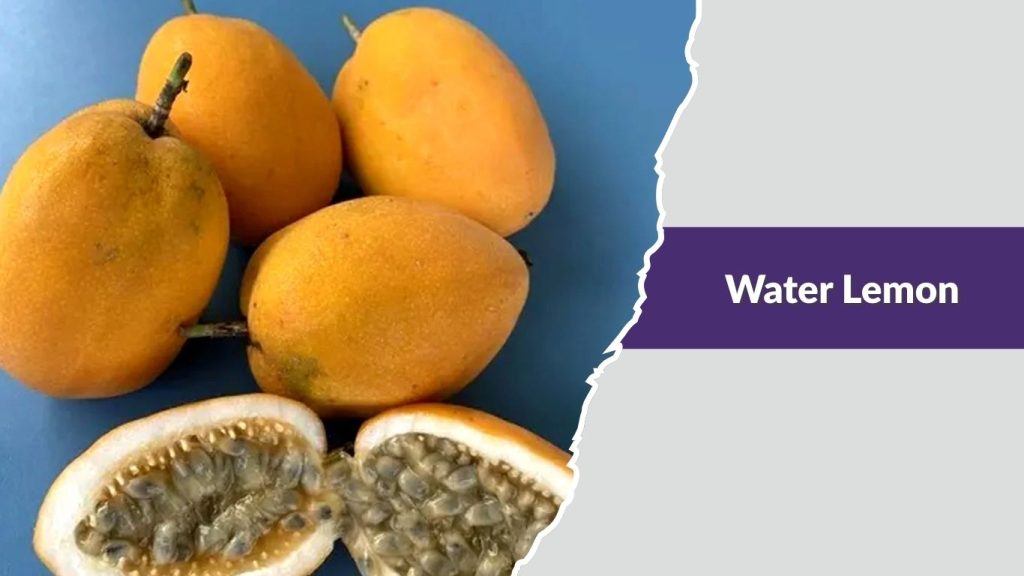
Water lemon is a lesser-known type of passion fruit that gets its name from its refreshing, citrus-like juiciness. It has a light, pleasant aroma and a softer flavor compared to more intense varieties. The fruit is often consumed fresh in regions where it is locally grown and is appreciated for its hydrating quality and mild taste.
Identification
- Round to slightly oval fruit
- Smooth to slightly textured outer skin
- Yellowish-green to pale yellow rind
- Very juicy, translucent pulp
- Black edible seeds mixed with watery flesh
Taste and Flavor
Water lemon has a mildly sweet and lightly tangy flavor. It is less acidic than yellow passion fruit and tastes refreshing, similar to diluted citrus.
Culinary Uses
It is mainly eaten fresh or used in refreshing drinks and light juices. It can also be added to fruit salads for a subtle tropical note.
Growing Regions
Water lemon grows well in warm tropical climates. It is found in parts of South America, the Caribbean, and some regions of Southeast Asia, often cultivated on a small scale.
7. Jamaican Honeysuckle
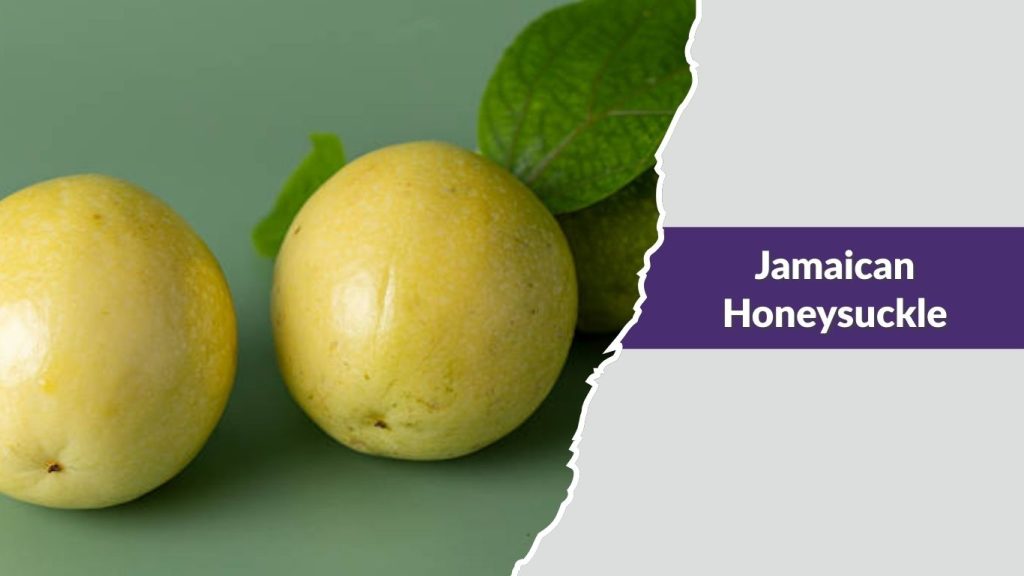
Jamaican honeysuckle is a fragrant passion fruit variety known more for its aromatic qualities and ornamental value, though its fruit is also edible. The plant produces attractive flowers and moderately sized fruit with a pleasant scent. While it is not as commercially widespread as other varieties, it is locally valued for fresh use and traditional preparations.
Identification
- Medium-sized round or oval fruit
- Smooth to slightly thick outer skin
- Green turning yellow or orange when ripe
- Soft, juicy pulp with black edible seeds
- Strong floral aroma
Taste and Flavor
The flavor is mildly sweet with gentle acidity. It is not as intense as purple or yellow passion fruit but has a smooth, pleasant taste.
Culinary Uses
Jamaican honeysuckle is eaten fresh or used in homemade juices and traditional drinks. In some areas, it is also added to desserts for light flavoring.
Growing Regions
This variety grows well in tropical climates. It is commonly found in the Caribbean, especially Jamaica, as well as parts of Central America and northern South America.
8. Blue Passion Flower
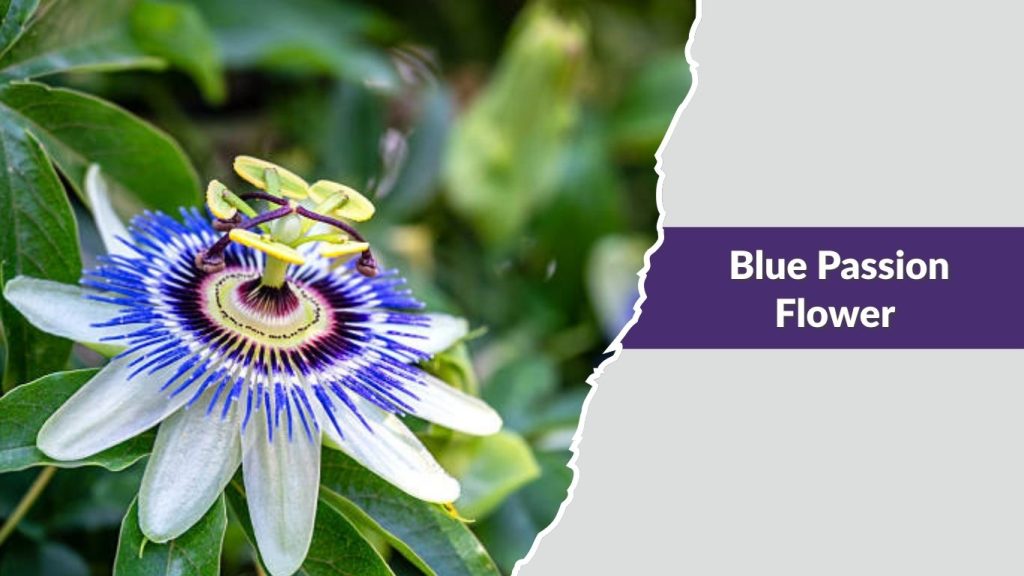
Blue passion flower is best known for its striking blue and white blossoms, but it also produces edible fruit. The fruit is smaller and less flavorful than commercial passion fruit varieties, yet it is still consumed in some regions. This type is often grown as an ornamental vine as well as for its traditional and medicinal associations.
Identification
- Small, round to oval fruit
- Green turning yellow-orange when ripe
- Thin outer skin
- Soft pulp with black edible seeds
- Distinctive fragrant flowers on the vine
Taste and Flavor
The flavor is mild and slightly sweet with low acidity. It lacks the strong aroma typical of commercial passion fruit varieties.
Culinary Uses
The fruit is occasionally eaten fresh or used in small quantities for jams and preserves. It is not widely used in large-scale food production.
Growing Regions
Blue passion flower grows in subtropical and temperate regions. It is native to South America and is now cultivated in Europe, North America, and parts of Asia as an ornamental and garden plant.
9. Red Banana Passion Fruit
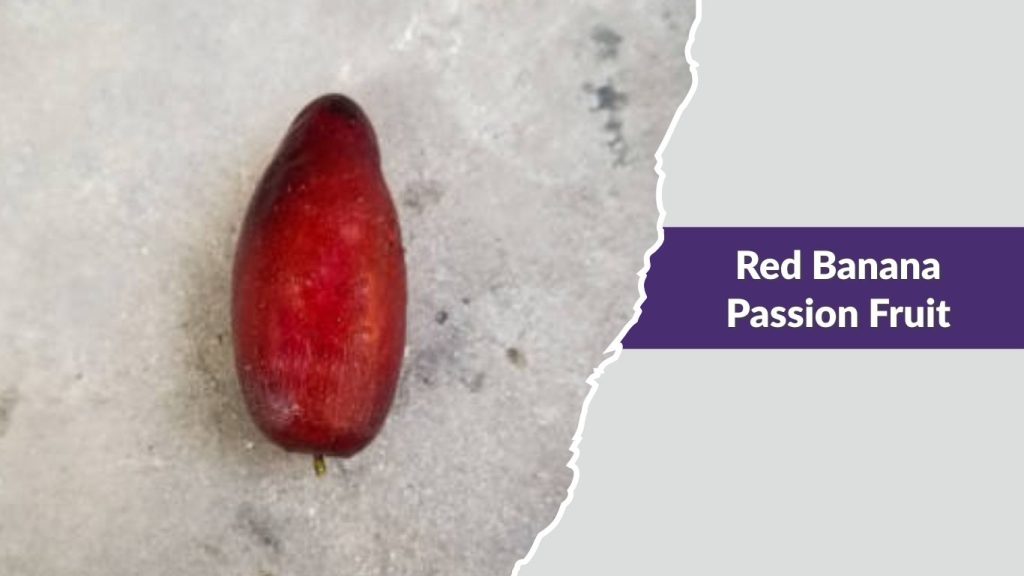
Red banana passion fruit is a visually striking variety known for its elongated shape and reddish outer skin. It combines the banana-like form of banana passion fruit with a deeper color and richer aroma. This variety is less common commercially but is valued in local markets for its unique appearance and pleasant flavor.
Identification
- Long, cylindrical, banana-like shape
- Reddish to deep orange outer skin
- Smooth rind surface
- Juicy pulp with black edible seeds
- Strong tropical aroma
Taste and Flavor
The flavor is sweet with mild acidity and a fruity fragrance. It is slightly richer in taste than the yellow banana passion fruit.
Culinary Uses
Red banana passion fruit is eaten fresh and used in juices, smoothies, desserts, and fruit-based sauces. Its color makes it attractive for decorative culinary uses.
Growing Regions
This variety grows best in tropical and subtropical climates. It is mainly cultivated in parts of South America and is also found in limited areas of Southeast Asia and Africa.
10. Apple Passion Fruit
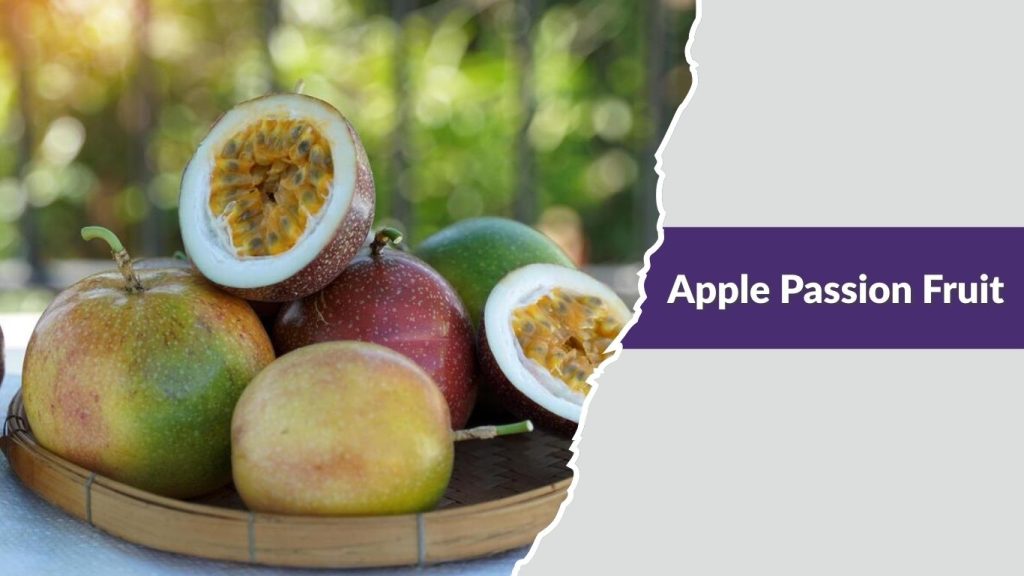
Apple passion fruit is named for its round shape and firm outer rind, which resembles an apple in appearance. It is a lesser-known variety but appreciated for its balanced flavor and versatility. The fruit contains a generous amount of pulp and is suitable for both fresh consumption and processing.
Identification
- Round, apple-like fruit shape
- Firm outer rind
- Green turning yellow or orange when ripe
- Juicy pulp with black edible seeds
- Smooth surface texture
Taste and Flavor
Apple passion fruit has a mildly sweet and slightly tangy flavor. The taste is well balanced, without overpowering acidity.
Culinary Uses
This variety is used in fresh fruit dishes, juices, jams, desserts, and sauces. It works well in both sweet and lightly savory preparations.
Growing Regions
Apple passion fruit grows in tropical to subtropical climates. It is found in parts of South America, Central America, and some regions of Asia where passion fruit is cultivated.
FAQs
What is the most commonly eaten type of passion fruit?
Purple passion fruit is the most commonly eaten type worldwide. It is preferred for fresh consumption because of its sweet aroma, balanced flavor, and lower acidity compared to other varieties.
Which passion fruit is best for juice making?
Yellow passion fruit is considered the best for juice production. It has high juice content, strong aroma, and higher acidity, which gives beverages a bold tropical flavor.
Are all passion fruit varieties edible?
Most passion fruit varieties produce edible fruit, but not all are grown primarily for eating. Some types, like blue passion flower, are mainly ornamental and have milder, less desirable fruit.
Which passion fruit is the sweetest?
Sweet granadilla is the sweetest variety among passion fruits. It has very low acidity and is commonly eaten fresh as a snack.
Can passion fruit grow in cool climates?
Certain varieties, such as purple passion fruit and banana passion fruit, can grow in subtropical or cooler highland regions, but most passion fruits prefer warm tropical climates.