


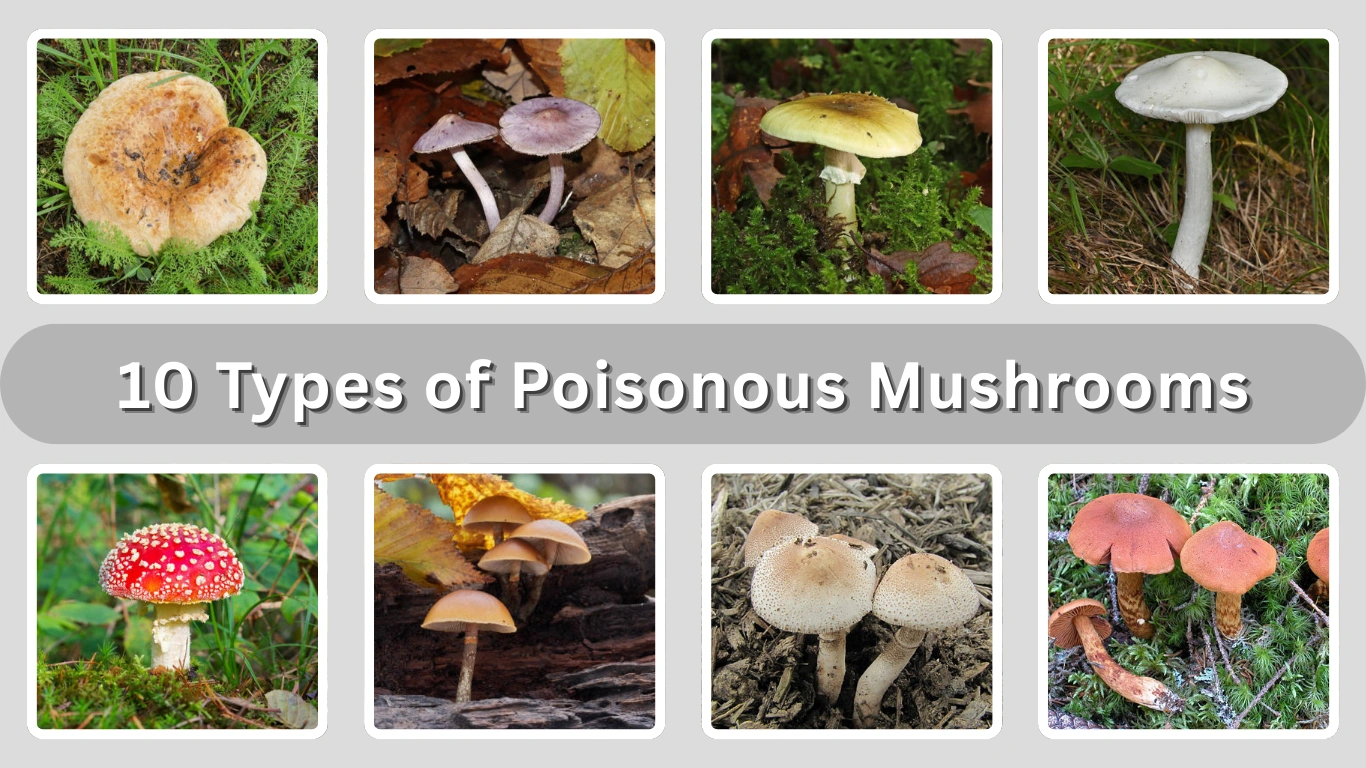
Poisonous mushrooms pose a serious risk to foragers and nature enthusiasts worldwide. Many species contain powerful toxins that can cause severe illness, organ failure, or even death if ingested. Some, like the Death Cap and Destroying Angel, are highly lethal, while others, such as the Fly Agaric, produce dangerous neurological effects. Correct identification is crucial, as many toxic mushrooms closely resemble edible varieties. Understanding their appearance, habitat, and symptoms can help prevent accidental poisoning and ensure safety in the wild.
1. Amanita phalloides
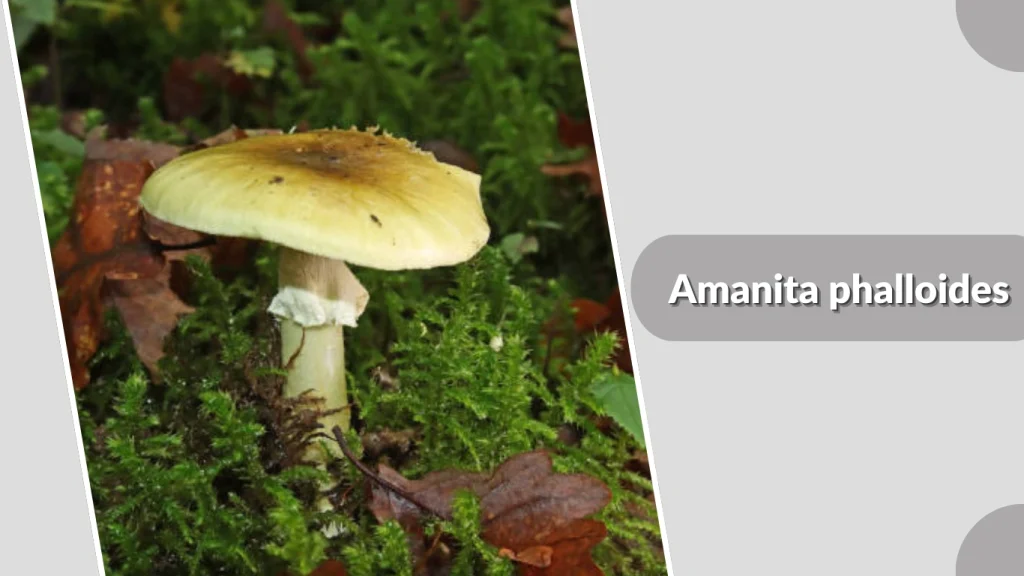
Amanita phalloides, commonly known as the “Death Cap,” is one of the most toxic mushrooms in the world. It is responsible for the majority of fatal mushroom poisonings globally. Its striking appearance, often mistaken for edible varieties, makes it particularly dangerous for foragers. The mushroom contains potent toxins called amatoxins that can cause severe liver and kidney damage if ingested.
Identification
- Cap: Smooth, greenish to yellowish, sometimes olive, 5–15 cm wide
- Gills: White, free from the stem
- Stem: White with a bulbous base and a distinctive volva
- Spore print: White
Habitat
Found in deciduous and mixed forests, often near oak, chestnut, or pine trees, primarily in Europe but also in North America and other regions.
Toxicity and Symptoms
Contains amatoxins that cause delayed gastrointestinal symptoms, liver and kidney failure, and can be fatal if untreated.
Treatment
Immediate medical attention is critical. Activated charcoal, supportive care, and in severe cases, liver transplantation may be necessary.
2. Amanita virosa
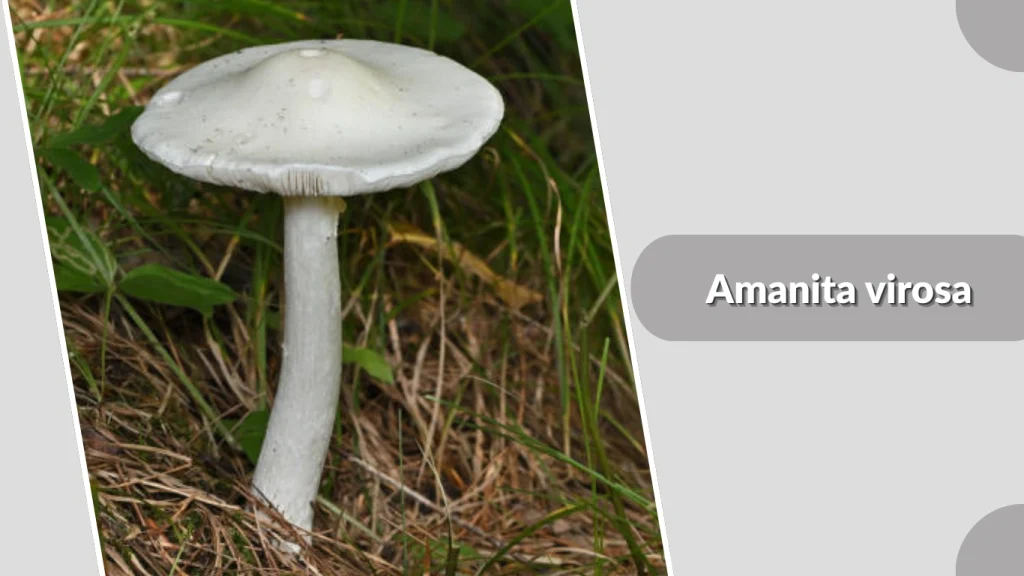
Amanita virosa, commonly called the “Destroying Angel,” is an extremely poisonous mushroom. Like other deadly Amanitas, it contains amatoxins that can cause severe liver and kidney failure. Its pure white appearance makes it deceptively attractive, often leading to accidental ingestion by foragers who mistake it for edible species.
Identification
- Cap: Smooth, white, 5–12 cm wide
- Gills: White, free from the stem
- Stem: White with a bulbous base and prominent volva
- Spore print: White
Habitat
Grows in deciduous forests, particularly near beech and oak trees, mainly in Europe, North America, and parts of Asia.
Toxicity and Symptoms
Amatoxins cause vomiting, diarrhea, abdominal pain, followed by severe liver and kidney damage; symptoms appear 6–12 hours after ingestion.
Treatment
Urgent hospitalization is required. Treatments include activated charcoal, intravenous fluids, and in severe cases, liver transplantation.
3. Amanita muscaria
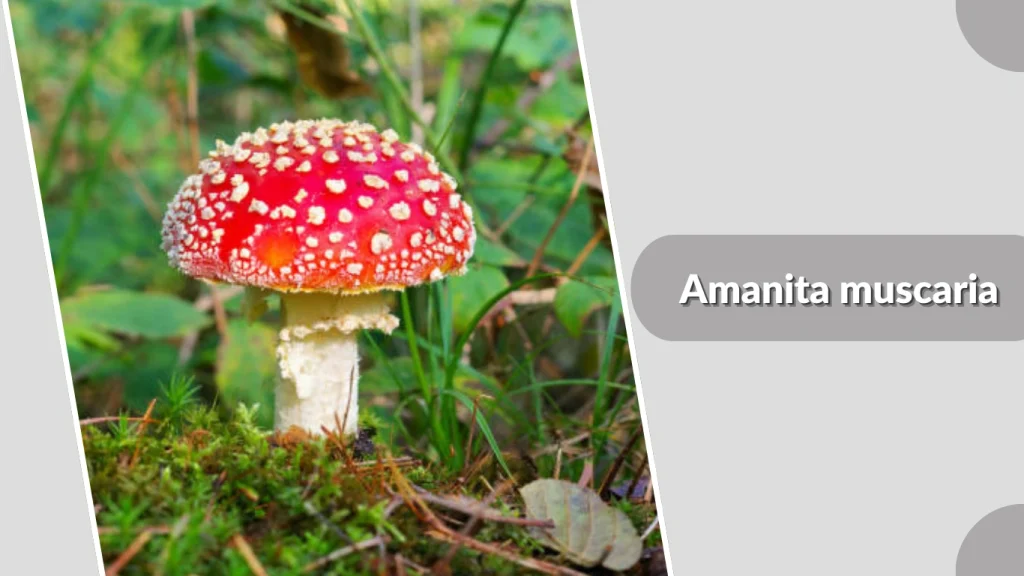
Amanita muscaria, commonly known as the “Fly Agaric,” is a highly toxic mushroom famous for its bright red cap with white spots. While not as deadly as the Death Cap, it contains psychoactive compounds like ibotenic acid and muscimol, which can cause hallucinations, nausea, and other neurological effects. Its iconic appearance makes it widely recognized in popular culture.
Identification
- Cap: Bright red to orange-red, covered with white warts, 8–20 cm wide
- Gills: White, free from the stem
- Stem: White with a ring and bulbous base, often with a volva
- Spore print: White
Habitat
Commonly found in coniferous and deciduous forests, often near birch, pine, or spruce trees, across Europe, Asia, and North America.
Toxicity and Symptoms
Causes nausea, vomiting, dizziness, hallucinations, and in rare cases, seizures; symptoms usually appear within 30 minutes to 2 hours after ingestion.
Treatment
Treatment focuses on supportive care, including hydration, monitoring of neurological symptoms, and in severe cases, hospitalization.
4. Galerina marginata
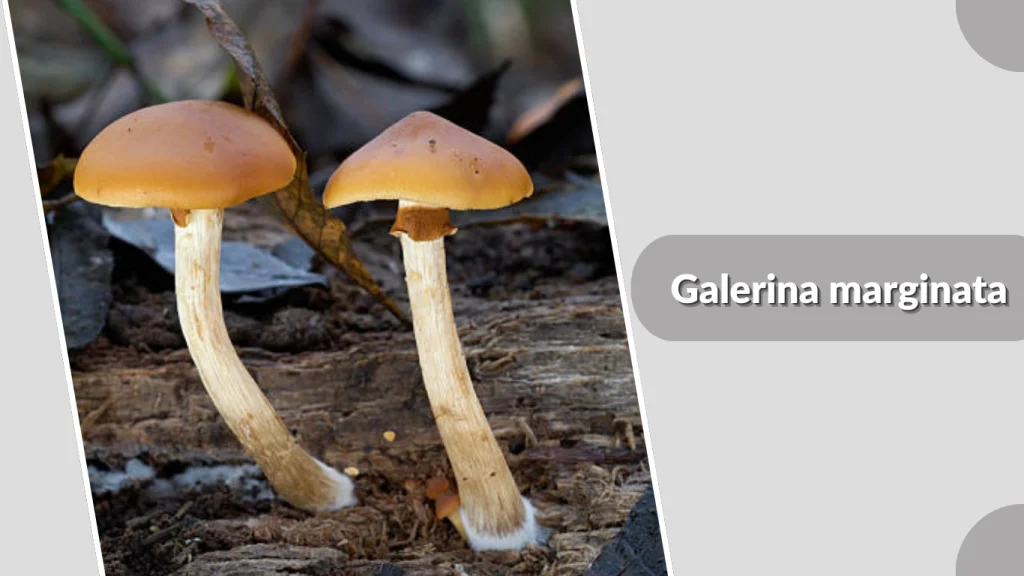
Galerina marginata, also known as the “Funeral Bell” or “Deadly Galerina,” is a small but highly poisonous mushroom. It contains amatoxins similar to those in Amanita species, which can cause severe liver and kidney damage. Its brownish-orange color and small size make it easy to mistake for edible mushrooms like honey fungus.
Identification
- Cap: Brown to orange-brown, 1–5 cm wide, convex to flat
- Gills: Rusty brown, attached to the stem
- Stem: Thin, brownish, sometimes with a ring
- Spore print: Rusty brown
Habitat
Grows on decaying wood, particularly on fallen logs, stumps, or mossy forest floors, commonly in temperate regions of North America, Europe, and Asia.
Toxicity and Symptoms
Amatoxin poisoning leads to delayed gastrointestinal distress, liver and kidney failure, and can be fatal if untreated. Symptoms may take 6–24 hours to appear.
Treatment
Immediate medical attention is crucial. Treatments include activated charcoal, intravenous fluids, and monitoring liver function; liver transplantation may be needed in severe cases.
5. Lepiota brunneoincarnata
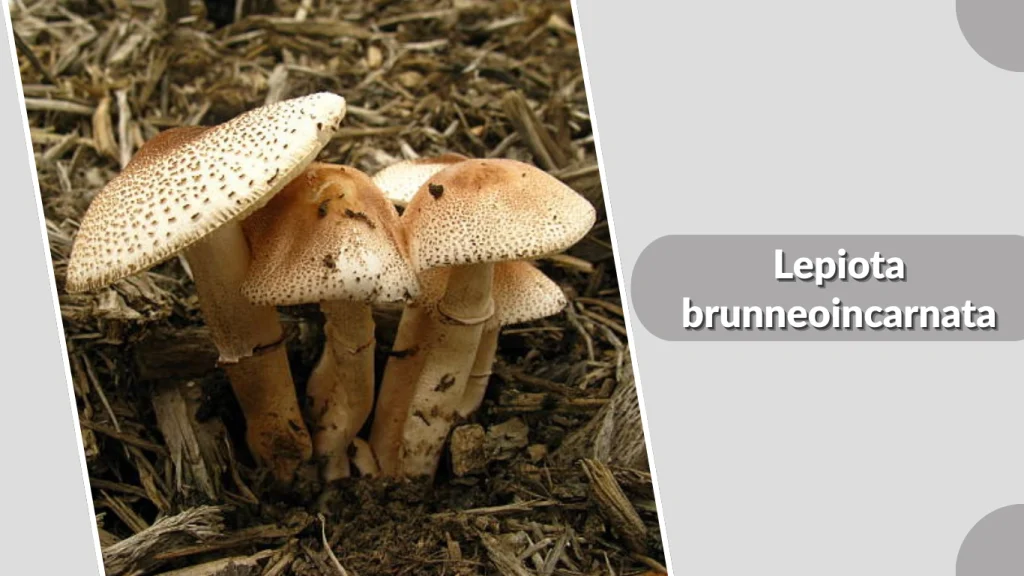
Lepiota brunneoincarnata, often called the “Deadly Dapperling,” is a small but extremely toxic mushroom. It contains amatoxins that can cause severe liver damage and potentially be fatal. Its small size and light-colored cap make it easy to confuse with edible Lepiota species, posing a significant risk to foragers.
Identification
- Cap: Light brown to reddish-brown, 3–7 cm wide, convex to flat
- Gills: White, free from the stem
- Stem: White, slender, with a small ring
- Spore print: White
Habitat
Typically found in grassy areas, gardens, and woodland clearings, mainly in Europe and parts of North America.
Toxicity and Symptoms
Ingestion leads to nausea, vomiting, abdominal pain, and severe liver and kidney failure. Symptoms usually appear 6–12 hours after consumption.
Treatment
Immediate hospitalization is essential. Supportive care, activated charcoal, intravenous fluids, and in severe poisoning, liver transplantation may be required.
6. Cortinarius rubellus
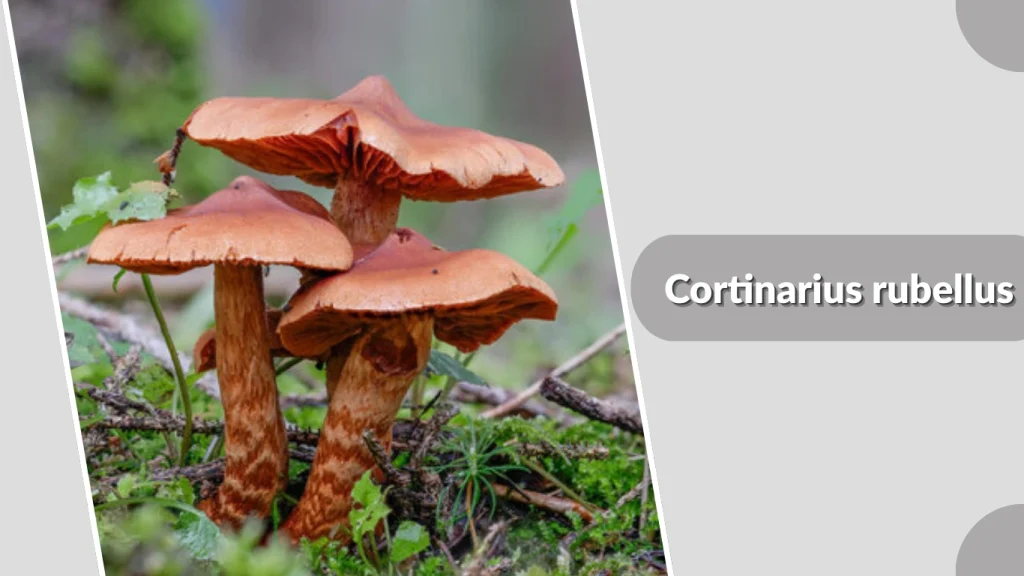
Cortinarius rubellus, commonly known as the “Deadly Webcap,” is a highly poisonous mushroom containing orellanine, a toxin that can cause delayed kidney failure. Its brownish appearance and resemblance to some edible mushrooms make it particularly dangerous, as symptoms may not appear until several days after ingestion.
Identification
- Cap: Brown to reddish-brown, 3–8 cm wide, convex to flat
- Gills: Rusty brown, attached to the stem
- Stem: Slim, brownish, often with remnants of a cortina (web-like veil)
- Spore print: Rusty brown
Habitat
Found in coniferous and mixed forests, growing on the ground, often in mossy areas across Europe and North America.
Toxicity and Symptoms
Orellanine poisoning leads to delayed kidney failure, excessive thirst, frequent urination, and in severe cases, permanent renal damage. Symptoms may appear 2–3 days after ingestion.
Treatment
Immediate medical intervention is necessary. Treatments include hemodialysis, supportive care, and monitoring of kidney function; kidney transplantation may be required in severe cases.
7. Inocybe geophylla
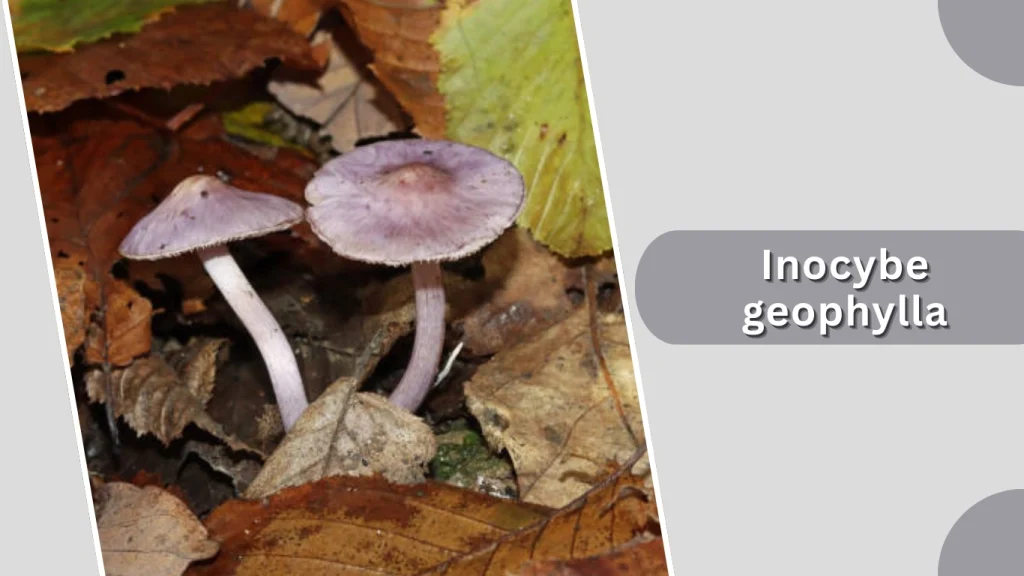
Inocybe geophylla, commonly known as the “White Fibercap,” is a small but poisonous mushroom containing muscarine, a potent neurotoxin. While not usually fatal in small amounts, ingestion can cause severe symptoms affecting the nervous system. Its plain white appearance often leads to confusion with edible mushrooms.
Identification
- Cap: White to pale gray, 2–5 cm wide, conical to bell-shaped
- Gills: White to gray, becoming brownish with age, adnexed to free
- Stem: Slender, white, fibrous, sometimes with a small bulb at the base
- Spore print: Brownish
Habitat
Grows on the ground in deciduous and coniferous forests, often in mossy areas and leaf litter, widespread across Europe, North America, and parts of Asia.
Toxicity and Symptoms
Muscarine causes excessive salivation, sweating, nausea, abdominal pain, diarrhea, and slowed heart rate. Symptoms appear within 15–60 minutes of ingestion.
Treatment
Treatment includes immediate medical care, administration of atropine in severe cases, and supportive care to manage gastrointestinal and neurological symptoms.
8. Clitocybe dealbata
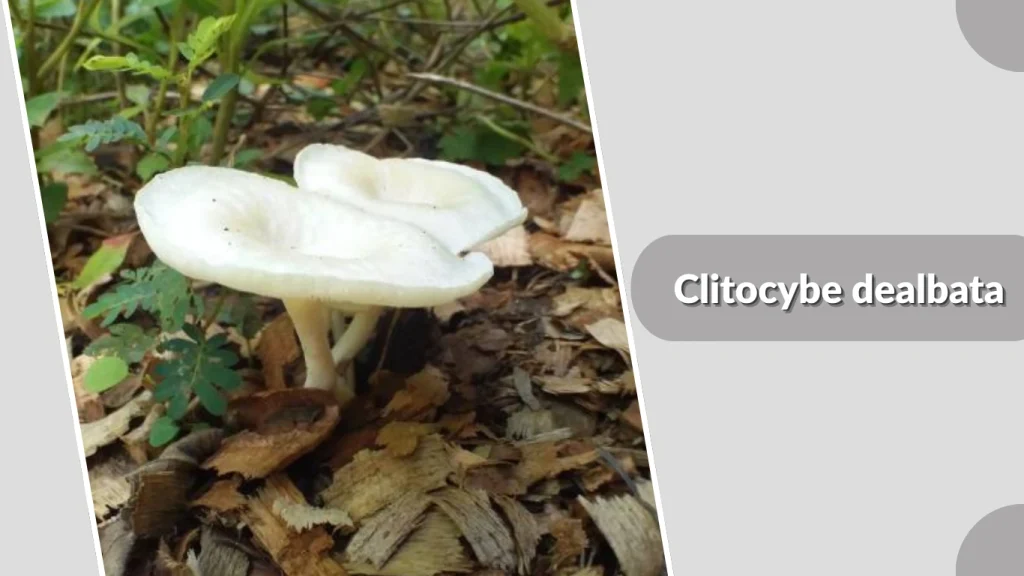
Clitocybe dealbata, commonly called the “Ivory Funnel” or “Sweating Mushroom,” is a small but highly toxic mushroom. It contains muscarine, which affects the nervous system and can cause severe poisoning. Its white to cream-colored appearance makes it easy to confuse with edible species, posing a risk to inexperienced foragers.
Identification
- Cap: White to pale cream, 2–5 cm wide, funnel-shaped
- Gills: White, decurrent (running down the stem)
- Stem: Slender, white, smooth, often hollow
- Spore print: White
Habitat
Grows in grassy areas, lawns, and meadows, especially in temperate regions of Europe and North America.
Toxicity and Symptoms
Muscarine poisoning leads to profuse sweating, salivation, tearing, nausea, vomiting, and slowed heart rate. Symptoms usually appear within 15–60 minutes after ingestion.
Treatment
Immediate medical attention is essential. Atropine may be administered to counteract muscarine effects, along with supportive care to manage gastrointestinal and neurological symptoms.
9. Gyromitra esculenta
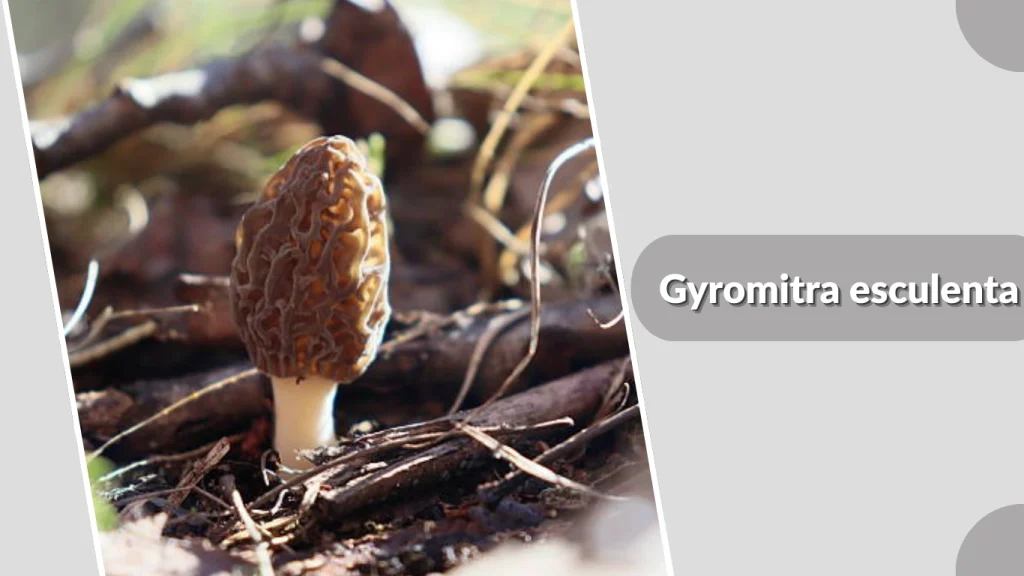
Gyromitra esculenta, commonly known as the “False Morel,” is a highly poisonous mushroom containing gyromitrin, which is metabolized into toxic compounds affecting the liver and nervous system. While sometimes eaten after careful preparation in certain regions, improper handling or consumption can be fatal.
Identification
- Cap: Reddish-brown to dark brown, brain-like, wrinkled, 4–10 cm wide
- Gills: Irregular or absent; cap is convoluted
- Stem: White to pale, stout, often hollow
- Spore print: Cream to yellowish
Habitat
Found in sandy soils, under coniferous trees, and forest clearings in North America and Europe, often appearing in spring.
Toxicity and Symptoms
Gyromitrin causes nausea, vomiting, dizziness, seizures, liver toxicity, and in severe cases, death. Symptoms may appear 6–12 hours after ingestion.
Treatment
Immediate hospitalization is crucial. Treatments include activated charcoal, supportive care, intravenous fluids, and in severe poisoning, liver function monitoring or transplantation.
10. Paxillus involutus
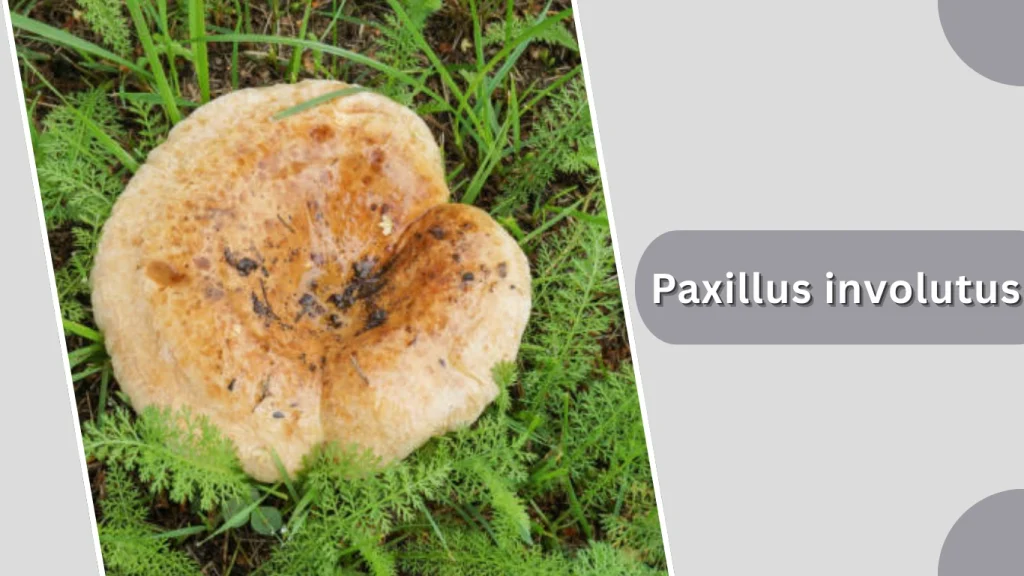
Paxillus involutus, commonly known as the “Brown Roll-Rim,” is a poisonous mushroom that can cause severe immune-mediated hemolytic anemia. Once considered edible in some regions, it is now recognized as toxic due to its potential to trigger life-threatening reactions, even after cooking.
Identification
- Cap: Brown, rolled edges, 5–15 cm wide, convex to flat
- Gills: Decurrent, brown, crowded
- Stem: Brown, stout, often tapering downward
- Spore print: Brown
Habitat
Grows in mixed and coniferous forests, often forming mycorrhizal associations with trees, widespread in Europe, North America, and parts of Asia.
Toxicity and Symptoms
Ingestion can lead to nausea, vomiting, abdominal pain, and severe hemolytic anemia. Symptoms may appear gradually, sometimes days after consumption.
Treatment
Immediate medical care is essential. Treatment focuses on supportive care, blood transfusions in severe anemia, and monitoring for kidney complications.
FAQs
What makes Amanita phalloides so deadly?
Amanita phalloides contain amatoxins that damage the liver and kidneys. Even a small amount can be fatal, and symptoms often appear 6–12 hours after ingestion, making early detection difficult. Immediate medical care is essential for survival.
Can Amanita muscaria be fatal?
While Amanita muscaria is toxic and can cause hallucinations, nausea, and neurological effects, it is rarely fatal. Severe cases may require hospitalization, but deaths are uncommon compared to other Amanita species like the Death Cap.
How can I identify Galerina marginata safely?
Galerina marginata is small, brown to orange-brown, and grows on decaying wood. Its rusty brown gills and spore print help distinguish it from edible mushrooms. Foragers should avoid collecting small brown mushrooms unless absolutely certain of identification.
Are all Lepiota mushrooms poisonous?
Not all Lepiota mushrooms are toxic, but species like Lepiota brunneoincarnata are deadly due to amatoxins. Because many small Lepiota look similar, it is safest to avoid consuming any wild Lepiota mushrooms.
What should I do if I ingest a poisonous mushroom?
Seek immediate medical attention, even if symptoms are not yet present. Do not induce vomiting unless instructed by a professional. Treatment may include activated charcoal, intravenous fluids, and in severe cases, liver or kidney support or transplantation.