





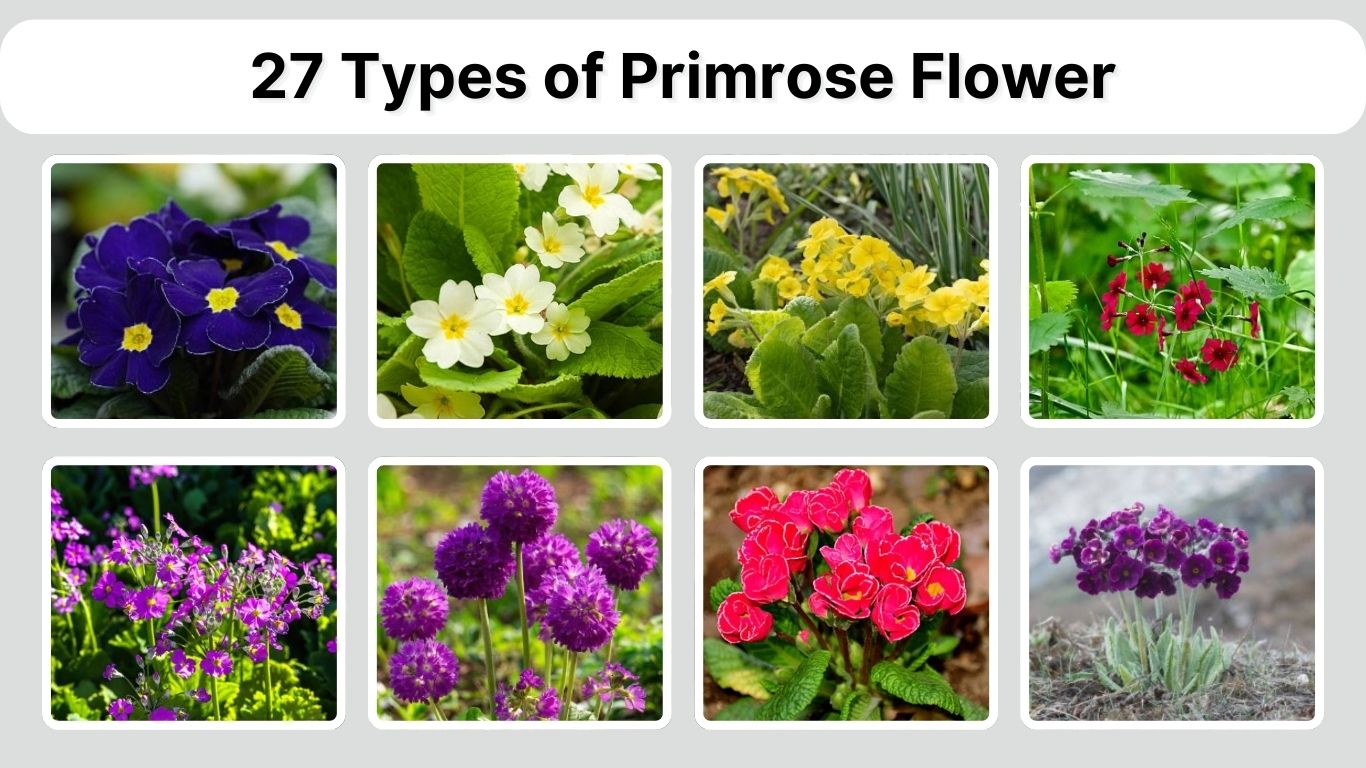
Primrose flowers are among the earliest and most beloved signs of spring, admired for their soft colors, delicate forms, and wide diversity of species. From woodland primroses and alpine varieties to moisture-loving candelabra types, primroses thrive across many climates and landscapes. They are popular in gardens, containers, and natural settings because of their easy care and early blooming habit. This guide explores different types of primrose flowers, highlighting their unique beauty, growth patterns, and natural appeal.
1. Common Primrose
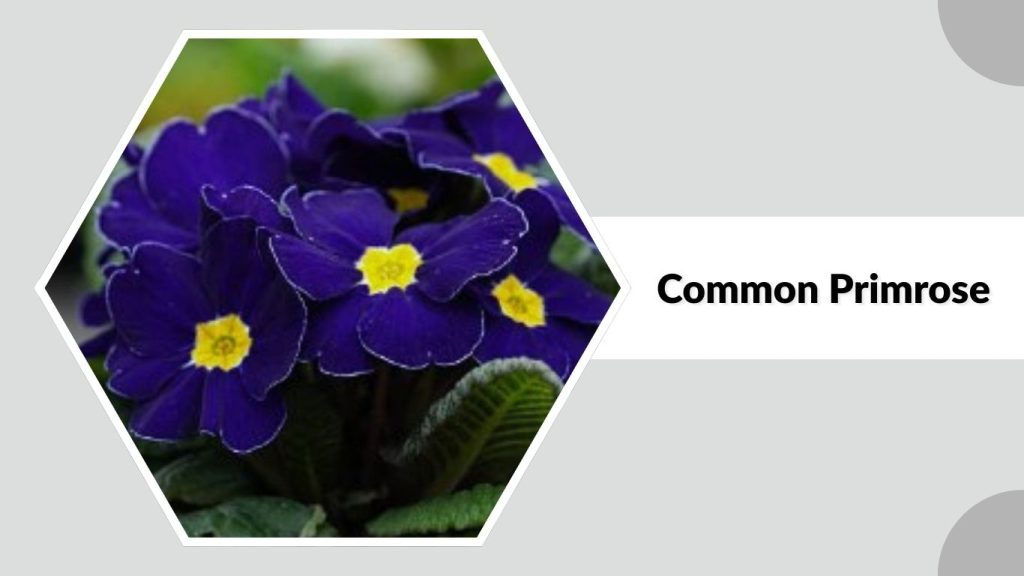
The common primrose (Primula vulgaris) is one of the most well-known and widely loved primrose species. It is native to Europe and parts of western Asia and is especially admired for its soft yellow flowers that bloom in early spring. This low-growing plant is often found in woodlands, grasslands, and gardens, bringing gentle color when most plants are still dormant.
Identification
- Scientific name: Primula vulgaris
- Common names: Common primrose, English primrose
- Flower color: Pale yellow, sometimes cream or light pink
- Blooming season: Late winter to early spring
- Plant type: Perennial flowering plant
- Height: Usually 10–20 cm (4–8 inches)
- Leaves: Wrinkled, oval, forming a basal rosette
Habitat
Common primrose naturally grows in moist woodlands, hedgerows, grassy banks, and shaded meadows. It prefers cool climates and partial shade, thriving in humus-rich, well-drained soil. In gardens, it is often planted along borders, under trees, or in rock gardens where moisture is consistent.
Flowering Behavior
The flowers appear singly on short stems, usually close to the ground. Each bloom has five rounded petals forming a soft, open face. Primroses are among the earliest spring flowers, often blooming when snow has just melted, making them important early nectar sources for insects.
Growth and Care
Common primrose grows best in cool, slightly shaded areas with consistently moist soil. It does not tolerate extreme heat or drought well. Regular watering, organic mulch, and protection from strong midday sun help maintain healthy growth and longer flowering periods.
2. English Primrose
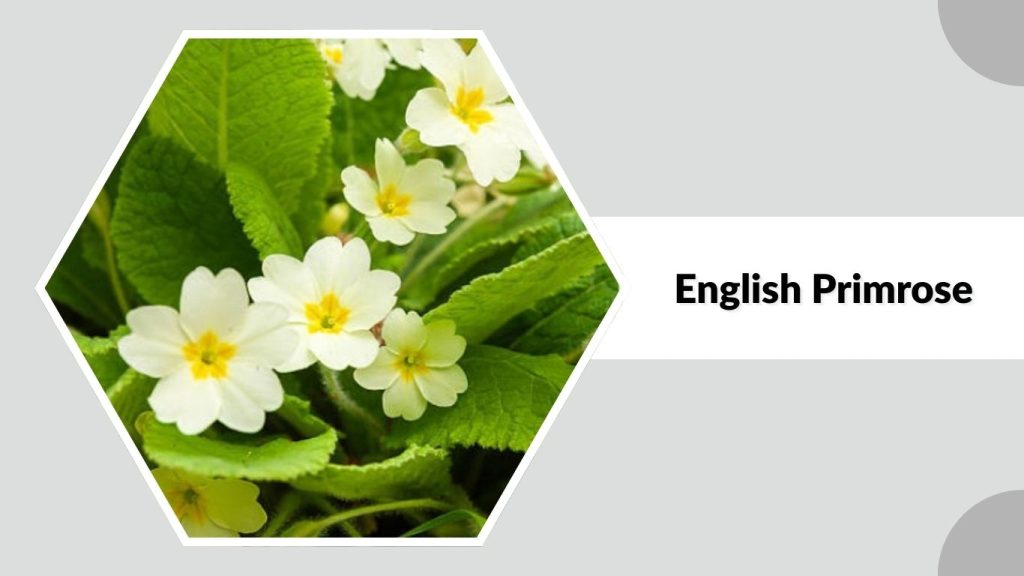
English primrose (Primula vulgaris ‘English forms’) is a classic cottage-garden flower prized for its delicate appearance and early spring blooms. It is closely related to the common primrose but is often used to describe cultivated garden varieties that feature broader color ranges, including soft yellow, white, pink, and lavender. These flowers are widely grown across Europe and many temperate regions for ornamental use.
Identification
- Scientific name: Primula vulgaris
- Common names: English primrose, garden primrose
- Flower colors: Yellow, white, pink, lavender, pale purple
- Blooming season: Late winter to early spring
- Plant type: Perennial
- Height: About 10–20 cm (4–8 inches)
- Leaves: Light green, crinkled, arranged in a basal rosette
Habitat
English primrose thrives in cool, moist environments. In nature and gardens, it grows well in woodland edges, shaded borders, and damp meadows. It prefers partial shade and soil that is rich in organic matter, making it ideal for planting under shrubs or deciduous trees.
Flowering Behavior
The flowers usually grow singly from the center of the plant, creating a low, neat display. Blooms open early in the year and can continue for several weeks. Their gentle fragrance and bright centers attract early pollinators such as bees.
Growth and Care
English primrose is easy to grow in gardens. It prefers consistently moist but well-drained soil and benefits from compost or leaf mulch. Protection from strong sun and dry conditions encourages longer flowering and healthier foliage.
3. Cowslip Primrose
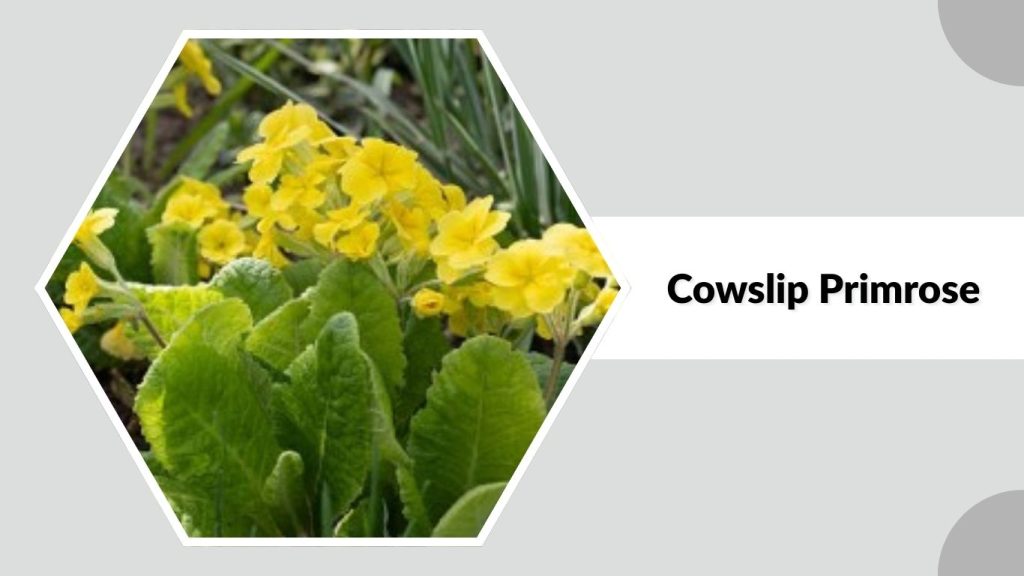
Cowslip primrose (Primula veris) is a charming wild primrose species known for its nodding, bell-shaped yellow flowers and sweet fragrance. Unlike the common primrose, cowslip produces clusters of blooms held on upright stems, giving it a more noticeable presence in meadows and open grasslands. It is native to Europe and parts of Asia and has long been associated with traditional spring landscapes.
Identification
- Scientific name: Primula veris
- Common names: Cowslip, cowslip primrose
- Flower color: Deep yellow with orange markings
- Blooming season: Mid to late spring
- Plant type: Perennial
- Height: About 15–30 cm (6–12 inches)
- Leaves: Wrinkled, oval, forming a low rosette
Habitat
Cowslip primrose naturally grows in open meadows, grassy hillsides, woodland clearings, and calcareous grasslands. It prefers full sun to light shade and well-drained soil. Unlike some primroses, cowslip tolerates slightly drier conditions once established.
Flowering Behavior
The flowers hang in one-sided clusters at the top of slender stems. Each bloom is tubular and lightly scented, making it attractive to bees and butterflies. Flowering usually begins after common primroses fade, extending the primrose season into late spring.
Growth and Care
Cowslip primrose is relatively low maintenance. It grows best in sunny to lightly shaded spots with good drainage. Occasional watering during dry spells and avoiding heavy, waterlogged soil will support healthy growth and annual flowering.
4. Oxlip Primrose
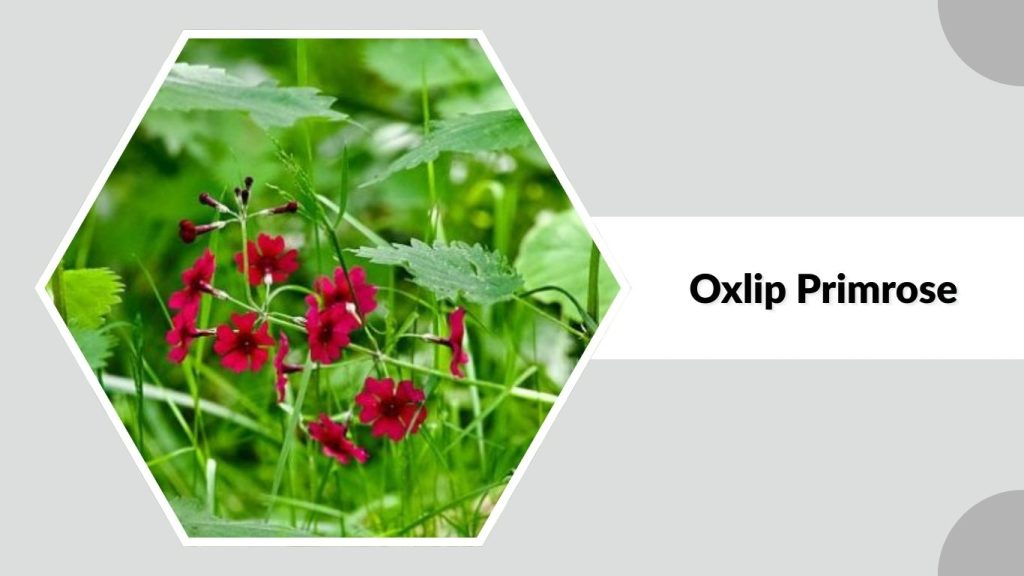
Oxlip primrose (Primula elatior) is a graceful primrose species that stands between cowslip and common primrose in both appearance and habitat. It is recognized for its soft, pale yellow flowers arranged in loose clusters on slender stems. Native to Europe, oxlip is often found in damp woodlands and forest margins, where it brings gentle color to shaded spring landscapes.
Identification
- Scientific name: Primula elatior
- Common names: Oxlip, true oxlip, oxlip primrose
- Flower color: Pale yellow with deeper yellow center
- Blooming season: Early to mid-spring
- Plant type: Perennial
- Height: About 15–30 cm (6–12 inches)
- Leaves: Light green, elongated, slightly wrinkled
Habitat
Oxlip primrose grows naturally in moist deciduous woodlands, forest clearings, and shaded riverbanks. It prefers cool conditions, partial shade, and humus-rich soil that drains well but stays evenly moist.
Flowering Behavior
The flowers are carried in drooping clusters on upright stems, each bloom forming a narrow, open bell shape. They appear slightly later than common primroses and are visited by early pollinating insects.
Growth and Care
Oxlip primrose thrives in woodland-style gardens. Regular watering during dry periods, organic mulching, and shelter from harsh sunlight help maintain healthy foliage and reliable spring blooms.
5. Fairy Primrose
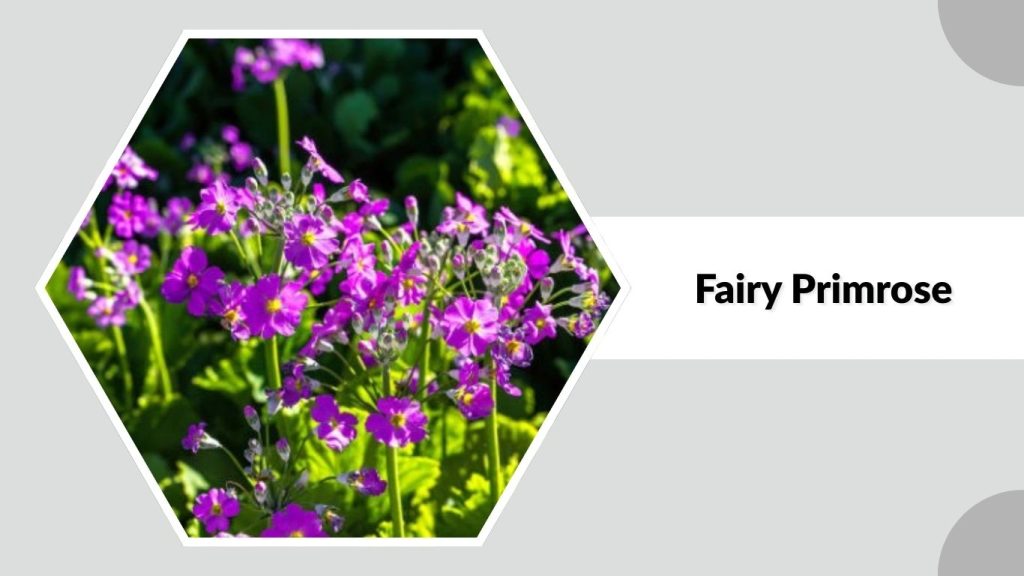
Fairy primrose (Primula malacoides) is a delicate, airy primrose species admired for its small, pastel-colored flowers arranged in soft, layered clusters. Unlike many hardy woodland primroses, fairy primrose is often grown as an annual or cool-season ornamental, especially in containers and indoor displays. It is native to China and valued for its long-lasting winter and early spring blooms.
Identification
- Scientific name: Primula malacoides
- Common names: Fairy primrose, baby primrose
- Flower colors: Pink, lavender, white, soft purple
- Blooming season: Winter to early spring
- Plant type: Annual or short-lived perennial
- Height: About 15–30 cm (6–12 inches)
- Leaves: Soft, rounded, lightly toothed, slightly fuzzy
Habitat
In the wild, fairy primrose grows in cool, moist mountain regions of southern China. In cultivation, it prefers bright, indirect light and cool indoor or outdoor conditions. It thrives in pots, shaded patios, and greenhouse environments where temperatures remain mild.
Flowering Behavior
The plant produces multiple tiers of tiny flowers along upright stems, creating a floating, cloud-like appearance above the foliage. Blooming can continue for many weeks, especially in cool temperatures.
Growth and Care
Fairy primrose grows best in well-drained but consistently moist soil. It dislikes heat and direct sun. Regular watering, good air circulation, and cool conditions encourage compact growth and extended flowering.
6. Drumstick Primrose
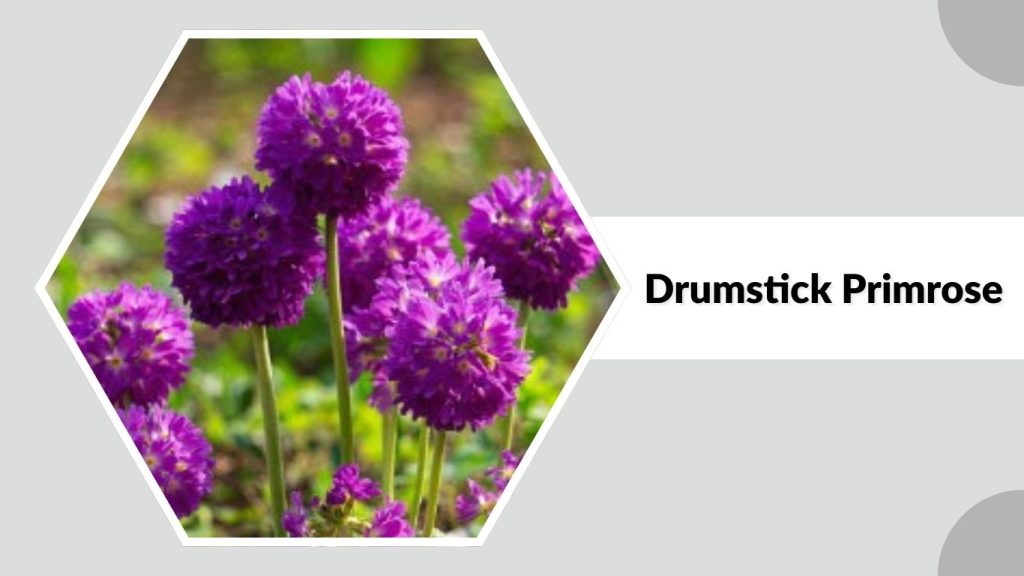
Drumstick primrose (Primula denticulata) is a striking primrose species named for its perfectly round, ball-shaped flower clusters. These colorful spheres rise on sturdy stems above low rosettes of leaves, making the plant stand out in spring gardens. Native to the Himalayas and parts of western China, drumstick primrose is popular for borders, woodland gardens, and moist garden beds.
Identification
- Scientific name: Primula denticulata
- Common names: Drumstick primrose, ball primrose
- Flower colors: Purple, lavender, pink, white, blue
- Blooming season: Early to mid-spring
- Plant type: Perennial
- Height: About 20–45 cm (8–18 inches)
- Leaves: Long, crinkled, light green, forming a basal rosette
Habitat
Drumstick primrose naturally grows along mountain streams, damp meadows, and woodland edges. It prefers moist, well-drained soil and partial shade, though it can tolerate gentle morning sun. Consistent moisture is key for healthy growth.
Flowering Behavior
The flowers form dense, spherical heads that gradually rise higher as the stems elongate. Each globe is made up of dozens of tiny star-shaped blooms, creating a bold visual effect in early spring.
Growth and Care
This primrose thrives in cool climates. Regular watering, rich organic soil, and protection from hot afternoon sun support strong growth and vivid flowering. Mulching helps keep roots cool and moist.
7. Japanese Primrose
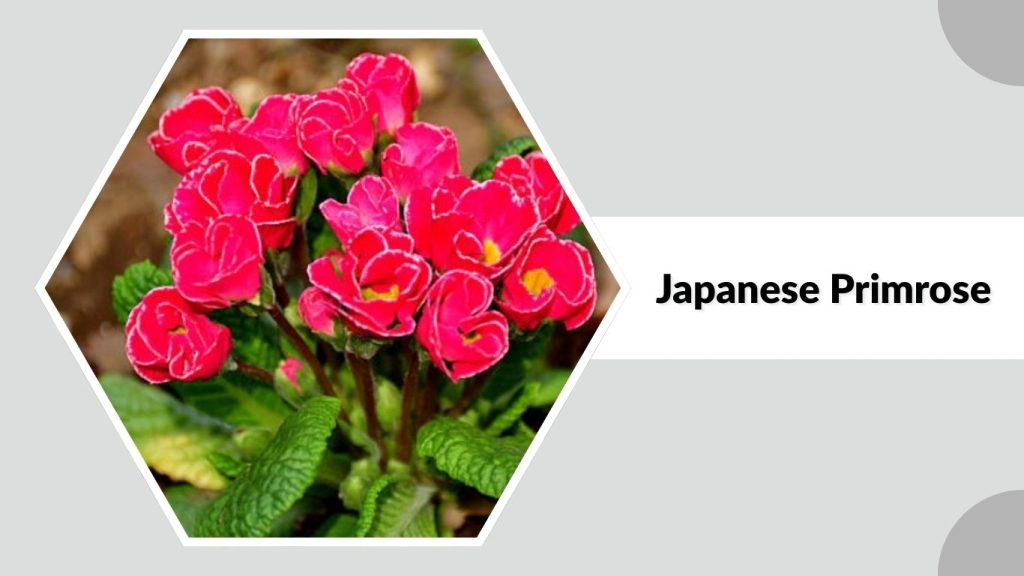
Japanese primrose (Primula japonica) is a beautiful moisture-loving primrose known for its tiered rings of bright flowers arranged along tall stems. These elegant whorls give the plant a candelabra-like appearance, making it a favorite for pond edges, shaded borders, and woodland-style gardens. It is native to Japan and parts of eastern Asia and blooms reliably in late spring.
Identification
- Scientific name: Primula japonica
- Common names: Japanese primrose, candelabra primrose
- Flower colors: Crimson, magenta, pink, white
- Blooming season: Late spring to early summer
- Plant type: Perennial
- Height: About 30–60 cm (12–24 inches)
- Leaves: Large, wrinkled, bright green, forming a basal clump
Habitat
Japanese primrose naturally grows in damp woodland clearings, stream banks, and mountain meadows. It thrives in consistently moist, humus-rich soil and partial shade. It is especially well-suited to bog gardens and areas that remain cool and wet.
Flowering Behavior
Flowers appear in horizontal tiers around upright stems, creating a stacked, layered look. Each tier carries multiple small blooms, providing long-lasting color and attracting bees and other pollinators.
Growth and Care
Japanese primrose requires steady moisture and does not tolerate drought well. Mulching, regular watering, and planting in sheltered, shaded spots help ensure healthy foliage and abundant flowering each year.
8. Himalayan Primrose
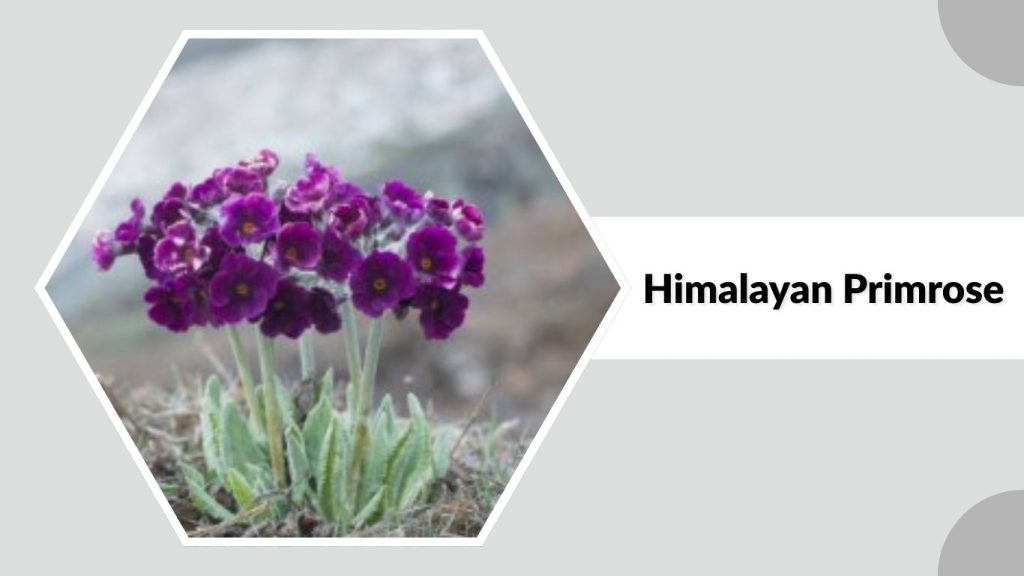
Himalayan primrose (Primula sikkimensis) is a tall, elegant primrose species valued for its fragrant, drooping yellow flowers and soft, powdery foliage. Native to the Himalayan regions, it thrives in cool, moist conditions and brings a graceful, wildflower look to shaded gardens. Its soft color and gentle scent make it especially attractive in woodland and bog-style plantings.
Identification
- Scientific name: Primula sikkimensis
- Common names: Himalayan primrose, Sikkim primrose
- Flower color: Soft yellow, sometimes with orange markings
- Blooming season: Late spring to early summer
- Plant type: Perennial
- Height: About 30–60 cm (12–24 inches)
- Leaves: Long, pale green, lightly coated with white farina
Habitat
In nature, Himalayan primrose grows along mountain streams, wet meadows, and forest margins at high elevations. It prefers cool temperatures, partial shade, and soil that stays consistently moist but not stagnant.
Flowering Behavior
The flowers hang in loose, umbrella-like clusters from the tops of tall stems. Each bloom is tubular and sweetly scented, attracting bees and other insects. Flowering continues for several weeks in favorable conditions.
Growth and Care
Himalayan primrose performs best in moist, humus-rich soil. Regular watering, protection from direct midday sun, and cool surroundings are essential for strong growth and long-lasting blooms.
9. Polyanthus Primrose
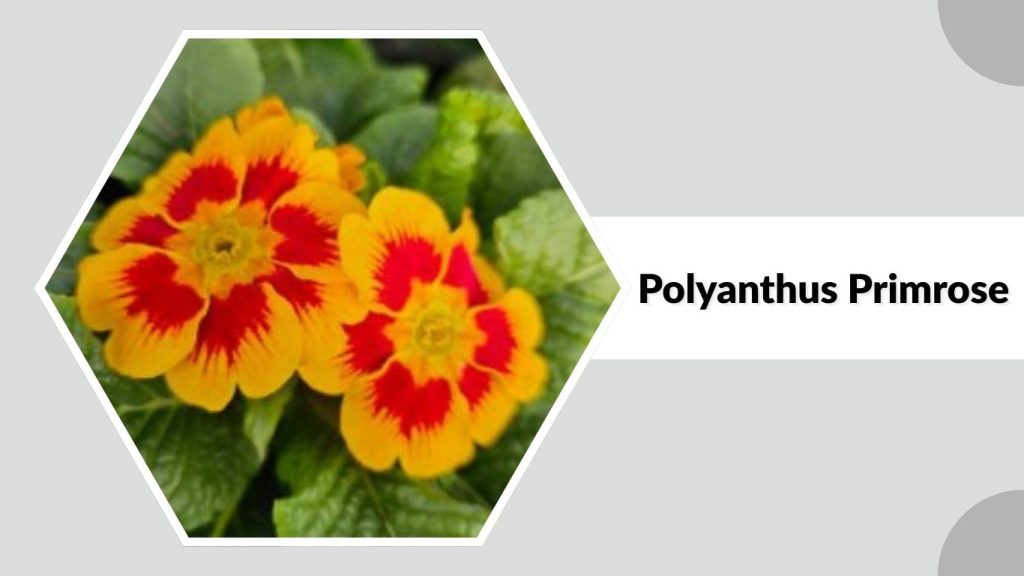
Polyanthus primrose (Primula × polyantha) is a popular garden hybrid known for its large, brightly colored flowers held in rounded clusters above the foliage. It is the result of crosses between the common primrose and cowslip, combining strong garden performance with vivid ornamental appeal. Polyanthus primroses are widely used in borders, containers, and spring displays.
Identification
- Scientific name: Primula × polyantha
- Common names: Polyanthus primrose, polyanthus
- Flower colors: Yellow, red, pink, purple, blue, orange, bi-color
- Blooming season: Early to mid-spring
- Plant type: Perennial
- Height: About 15–30 cm (6–12 inches)
- Leaves: Broad, wrinkled, forming a dense basal rosette
Habitat
Polyanthus primrose does not occur naturally in the wild, as it is a cultivated hybrid. In gardens, it grows well in cool climates, preferring partial shade and moist, fertile, well-drained soil.
Flowering Behavior
The flowers appear in tight clusters on short, upright stems. Each bloom is larger and more vividly colored than many wild primroses, making polyanthus especially eye-catching in spring garden beds and pots.
Growth and Care
Polyanthus primrose is easy to grow. It needs regular watering, rich organic soil, and shelter from strong sun and heat. Deadheading spent flowers can help extend the blooming period.
10. Alpine Primrose
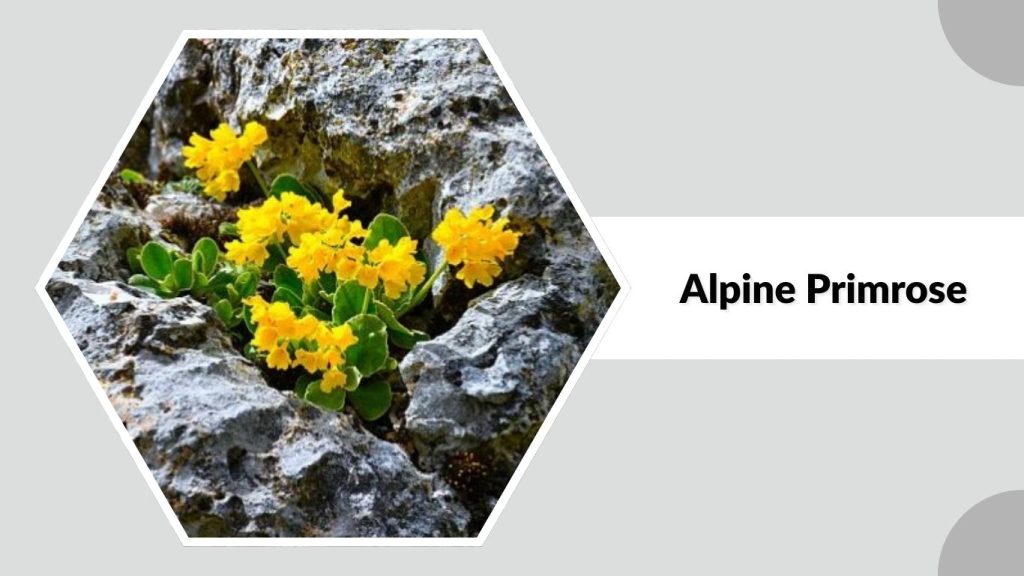
Alpine primrose (Primula auricula and related alpine species) is a compact, hardy primrose adapted to rocky mountain environments. It is admired for its thick, smooth leaves and often vividly colored flowers, many of which display striking eye patterns. Alpine primroses are especially popular in rock gardens and alpine plant collections due to their neat growth and cold tolerance.
Identification
- Scientific name: Primula auricula (common alpine type)
- Common names: Alpine primrose, auricula primrose
- Flower colors: Yellow, maroon, purple, green, bi-color
- Blooming season: Mid to late spring
- Plant type: Perennial
- Height: About 10–25 cm (4–10 inches)
- Leaves: Thick, leathery, smooth-edged, forming tight rosettes
Habitat
In nature, alpine primroses grow on rocky slopes, limestone cliffs, and high mountain ledges across central Europe. They prefer cool air, excellent drainage, and bright light with some protection from intense midday sun.
Flowering Behavior
Flowers are carried in small clusters on short stems above the foliage. Many varieties have bold contrasting centers, giving them a distinctive, ornamental look that stands out in rock gardens.
Growth and Care
Alpine primroses require sharp drainage and cool conditions. They grow well in gritty soil mixes, raised beds, or troughs. Overwatering and excessive heat should be avoided to prevent crown rot.
11. Bird’s-eye Primrose
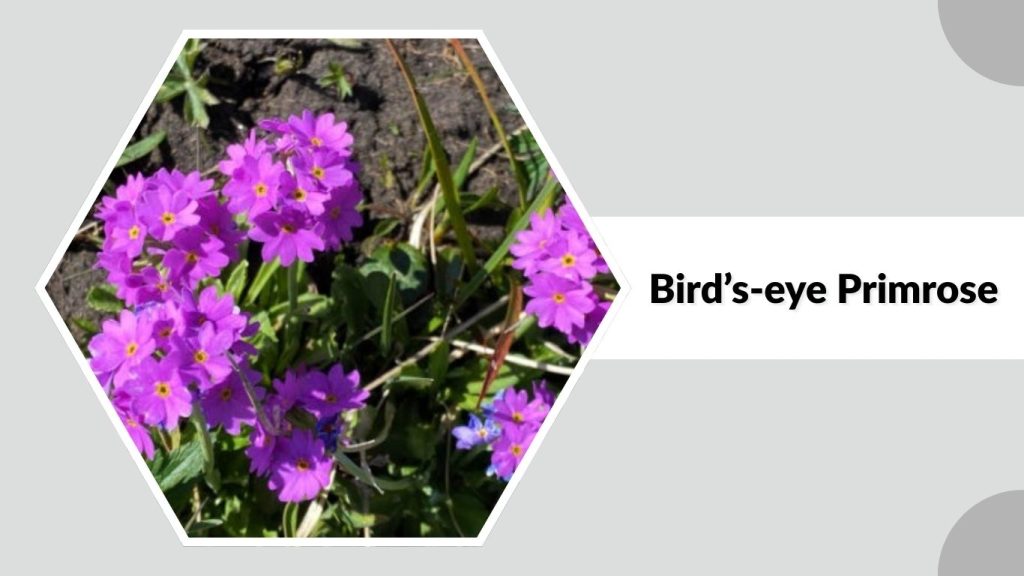
Bird’s-eye primrose (Primula farinosa) is a delicate, low-growing primrose species recognized for its soft lavender-pink flowers and bright yellow centers. A fine white powder, called farina, often dusts the leaves and stems, giving the plant a pale, frosted look. It is native to Europe and parts of northern Asia and is treasured for alpine and bog gardens.
Identification
- Scientific name: Primula farinosa
- Common names: Bird’s-eye primrose
- Flower colors: Pale pink to lilac with yellow eye
- Blooming season: Late spring to early summer
- Plant type: Perennial
- Height: About 5–20 cm (2–8 inches)
- Leaves: Narrow, wrinkled, often coated with white farina
Habitat
Bird’s-eye primrose naturally grows in damp alpine meadows, fens, and calcareous grasslands. It prefers full sun to light shade and soil that remains consistently moist but well-drained.
Flowering Behavior
Small, flat-faced flowers are carried on slender stems above the leaf rosette. The bright yellow centers contrast strongly with the pale petals, creating the “bird’s-eye” effect.
Growth and Care
This primrose thrives in cool climates with moist soil. It does best in bog gardens, near streams, or in containers kept evenly damp. Dryness and high heat can quickly weaken the plant.
12. Siebold’s Primrose
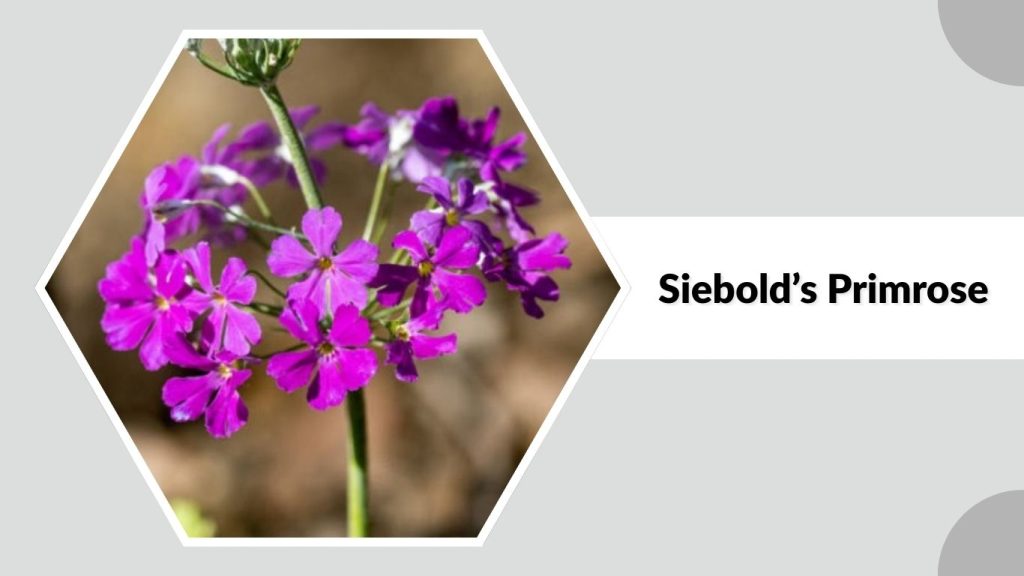
Siebold’s primrose (Primula sieboldii) is a graceful East Asian species admired for its soft, papery flowers and finely toothed foliage. The blooms appear in gentle clusters and often display delicate color variations, ranging from pale pink to deep rose and lavender. Native to Japan, Korea, and parts of China, this primrose is highly valued in woodland and shade gardens.
Identification
- Scientific name: Primula sieboldii
- Common names: Siebold’s primrose, Japanese woodland primrose
- Flower colors: Pink, rose, lavender, white, sometimes bi-colored
- Blooming season: Mid to late spring
- Plant type: Perennial
- Height: About 20–40 cm (8–16 inches)
- Leaves: Soft, heart-shaped, lightly hairy, forming a loose rosette
Habitat
Siebold’s primrose naturally grows in moist woodland floors, grassy riverbanks, and forest edges. It prefers partial shade and rich, moist, well-drained soil with good organic content.
Flowering Behavior
The flowers rise on thin stems above the foliage, forming airy clusters. Many varieties have notched or deeply cut petals, giving the blooms a refined, ornamental appearance.
Growth and Care
This primrose benefits from consistent moisture and cool conditions. It often goes dormant in summer after flowering, so mulching and avoiding soil disturbance help protect the resting crowns.
13. Rock Primrose
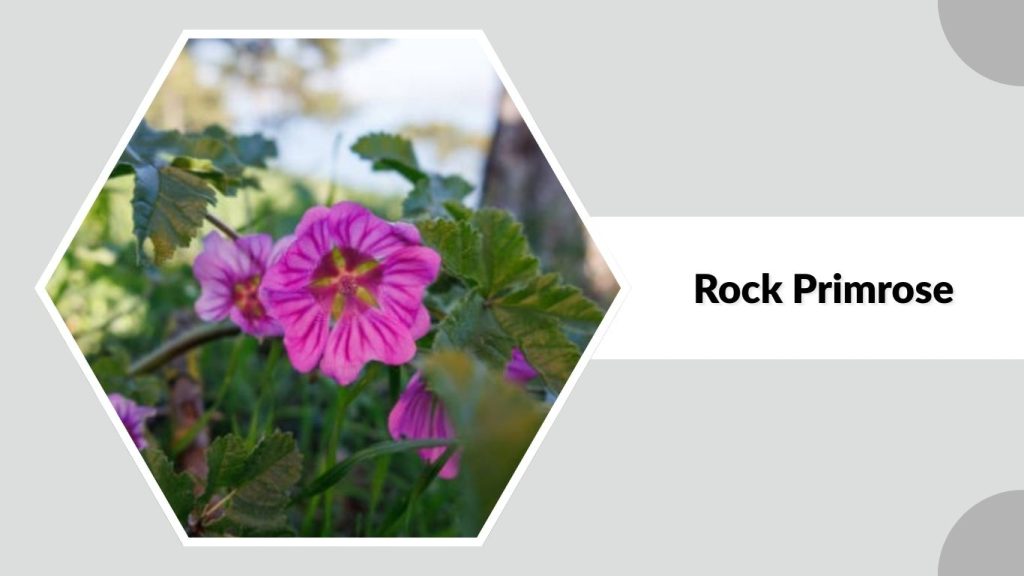
Rock primrose (Primula marginata) is a compact alpine primrose known for its silvery, toothed leaves and soft violet flowers. The foliage is often edged with white farina, giving it a frosted appearance that contrasts beautifully with the colorful blooms. Native to the rocky mountain regions of southern Europe, rock primrose is especially suited to rock gardens and trough plantings.
Identification
- Scientific name: Primula marginata
- Common names: Rock primrose, silver-edged primrose
- Flower colors: Violet, lavender, pale purple
- Blooming season: Mid to late spring
- Plant type: Perennial
- Height: About 10–20 cm (4–8 inches)
- Leaves: Gray-green, toothed, heavily farinose along the margins
Habitat
In the wild, rock primrose grows in limestone crevices, rocky slopes, and alpine cliffs. It prefers excellent drainage, cool temperatures, and bright light with some protection from intense midday sun.
Flowering Behavior
Flowers are borne in small clusters just above the foliage. Their soft colors and rounded petals create a gentle contrast with the sharp, textured leaves.
Growth and Care
Rock primrose thrives in gritty, well-drained soil. It should be planted in raised beds, rock gardens, or containers where water does not collect. Cool roots and good air circulation help prevent rot.
14. Orchid Primrose
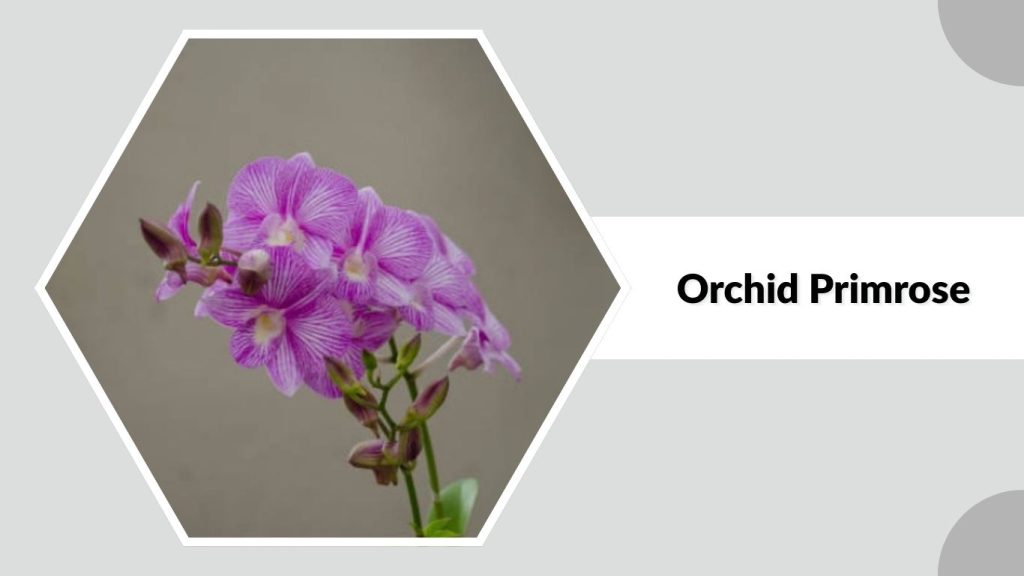
Orchid primrose (Primula vialii) is one of the most unusual primrose species, instantly recognized by its tall, spike-like flower heads that resemble miniature orchids. The buds emerge deep red and gradually open into small lavender-purple flowers, creating a striking two-tone effect. Native to southwestern China, this primrose adds dramatic form to moist garden beds and borders.
Identification
- Scientific name: Primula vialii
- Common names: Orchid primrose, Chinese pagoda primrose
- Flower colors: Red buds with purple-lavender flowers
- Blooming season: Late spring to early summer
- Plant type: Perennial
- Height: About 30–45 cm (12–18 inches)
- Leaves: Long, narrow, light green, forming a basal rosette
Habitat
In nature, orchid primrose grows in damp meadows and along mountain streams. It prefers cool conditions, partial shade, and soil that remains consistently moist but not waterlogged.
Flowering Behavior
The flower spikes emerge upright from the center of the plant. As the buds open from the bottom upward, the color gradually shifts, giving the plant its distinctive, multi-colored appearance.
Growth and Care
Orchid primrose requires steady moisture and rich, humus-based soil. It does best in sheltered, cool garden positions and benefits from mulching and regular watering during dry periods.
15. Tibetan Primrose
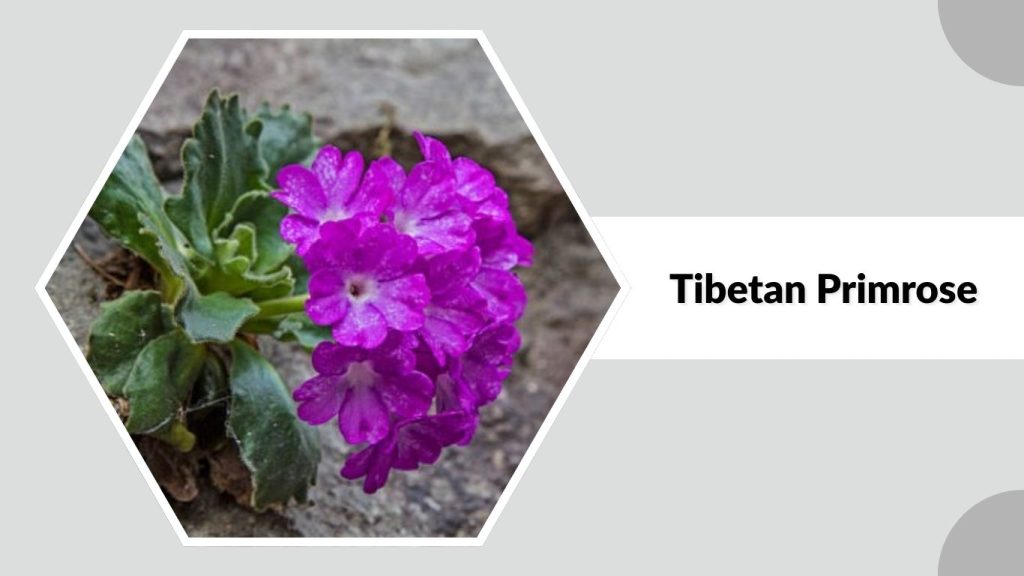
Tibetan primrose (Primula florindae) is a tall, elegant primrose species prized for its nodding, bell-shaped yellow flowers and sweet honey-like fragrance. Native to Tibet and surrounding Himalayan regions, it is one of the larger primroses and creates a striking display in moist, shaded gardens. Its tall stems and graceful blooms make it a favorite for woodland and waterside planting.
Identification
- Scientific name: Primula florindae
- Common names: Tibetan primrose, giant cowslip
- Flower color: Golden yellow, sometimes with orange eye
- Blooming season: Early to mid-summer
- Plant type: Perennial
- Height: About 60–120 cm (24–48 inches)
- Leaves: Large, soft, light green, forming bold basal clumps
Habitat
Tibetan primrose naturally grows along streams, wet meadows, and damp mountain slopes. It prefers consistently moist, fertile soil and partial shade, though it can tolerate gentle sun if the soil never dries out.
Flowering Behavior
Flowers are carried in drooping clusters at the top of tall stems. Each bloom is tubular and strongly scented, attracting bees and other pollinators throughout its long flowering period.
Growth and Care
This primrose needs constant moisture to thrive. Rich organic soil, regular watering, and mulching are essential. It is ideal for bog gardens, pond margins, and naturally damp landscapes.
16. Giant Himalayan Primrose
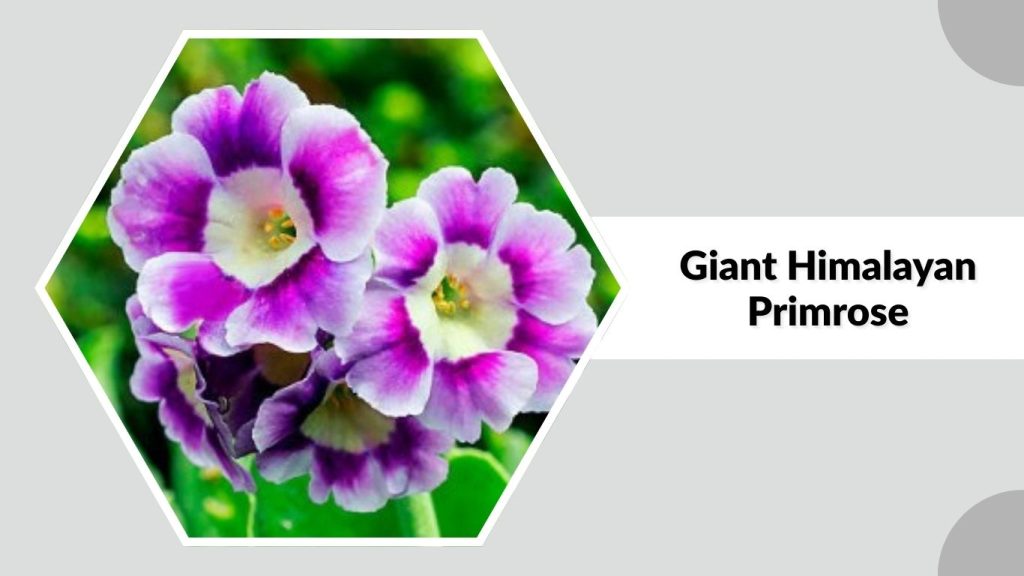
Giant Himalayan primrose (Primula denticulata var. gigantea and related tall Himalayan forms) is a larger, more robust form of Himalayan primroses, admired for its bold foliage and oversized, rounded flower heads. These impressive blooms rise well above the leaves, making the plant a strong visual feature in cool, moist gardens. It originates from high-altitude regions of the Himalayas.
Identification
- Scientific name: Primula denticulata var. gigantea
- Common names: Giant Himalayan primrose, giant drumstick primrose
- Flower colors: Purple, violet, lilac, white
- Blooming season: Early to mid-spring
- Plant type: Perennial
- Height: About 40–70 cm (16–28 inches)
- Leaves: Large, crinkled, light green, forming wide rosettes
Habitat
In the wild, this primrose grows in damp alpine meadows and along mountain streams. It thrives in cool climates with consistently moist, fertile soil and partial shade.
Flowering Behavior
The flowers form large, spherical heads made of many tiny blooms. These globe-like clusters are held high on strong stems, creating a dramatic spring display.
Growth and Care
Giant Himalayan primrose benefits from rich, humus-heavy soil and steady watering. Shelter from hot sun, mulching, and cool root conditions support vigorous growth and reliable flowering.
17. Purple-rimmed Primrose
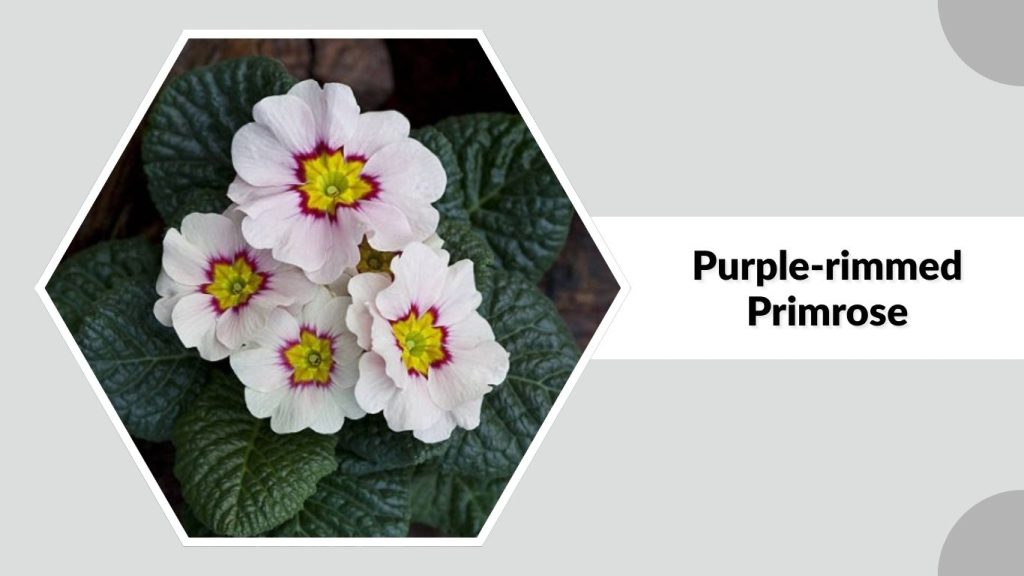
Purple-rimmed primrose (Primula marginata and closely related forms) is named for the striking violet flowers and the white, powdery coating that often outlines its leaves. This farina gives the plant a silver-edged appearance that contrasts beautifully with its soft purple blooms. Native to the alpine regions of southern Europe, it is a favorite for collectors and rock-garden enthusiasts.
Identification
- Scientific name: Primula marginata
- Common names: Purple-rimmed primrose, silver-edged primrose
- Flower colors: Violet, lavender, pale purple
- Blooming season: Mid to late spring
- Plant type: Perennial
- Height: About 10–20 cm (4–8 inches)
- Leaves: Gray-green, toothed, with white farinose margins
Habitat
This primrose naturally grows on limestone cliffs, rocky ledges, and alpine slopes. It prefers cool air, sharp drainage, and bright light without intense heat.
Flowering Behavior
Flowers are borne in small clusters just above the rosettes. Their soft purple shades stand out against the silvery foliage, giving the plant its decorative appeal.
Growth and Care
Purple-rimmed primrose requires gritty, fast-draining soil and protection from excessive moisture in winter. Raised beds, rock gardens, and troughs provide ideal conditions.
18. Golden Primrose
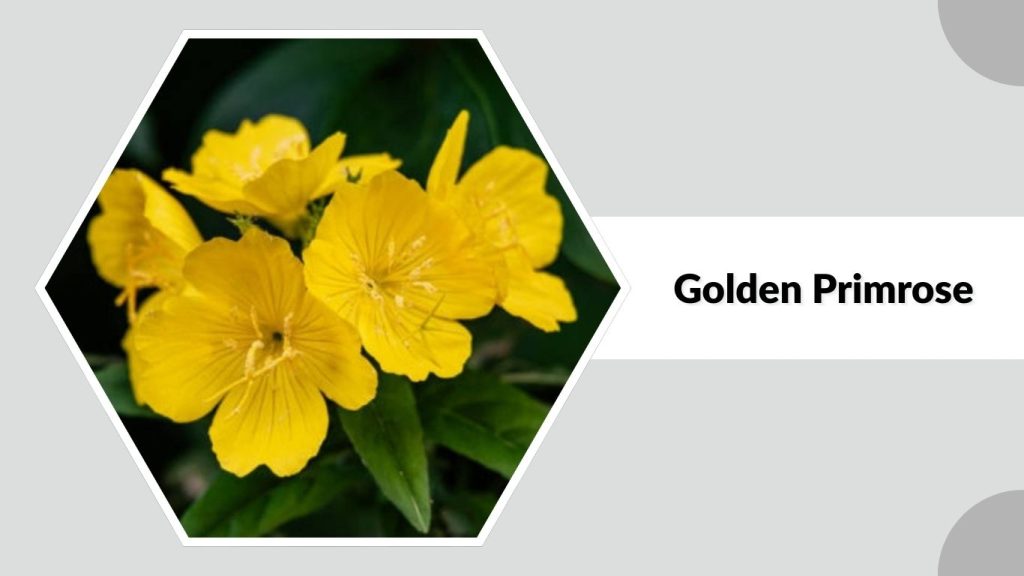
Golden primrose (Primula aureata and related golden-yellow species) is admired for its rich yellow flowers and soft, powder-dusted foliage. Many golden primroses display farina on the leaves and stems, giving them a subtle silvery glow. Native to parts of Asia, these primroses brighten cool, moist gardens with their warm-colored blooms.
Identification
- Scientific name: Primula aureata
- Common names: Golden primrose
- Flower color: Deep yellow to golden orange
- Blooming season: Mid to late spring
- Plant type: Perennial
- Height: About 15–35 cm (6–14 inches)
- Leaves: Oblong, wrinkled, often lightly farinose
Habitat
Golden primrose naturally grows in alpine meadows, moist slopes, and open woodland margins. It prefers cool temperatures, partial shade, and soil that stays consistently moist but drains well.
Flowering Behavior
Flowers are produced in loose clusters above the foliage. Their strong yellow tones make them stand out among softer-colored spring plants and attract early pollinators.
Growth and Care
Golden primrose performs best in humus-rich, well-drained soil. Regular watering, mulching, and protection from strong sun encourage healthy growth and bright seasonal blooms.
19. Pagoda Primrose
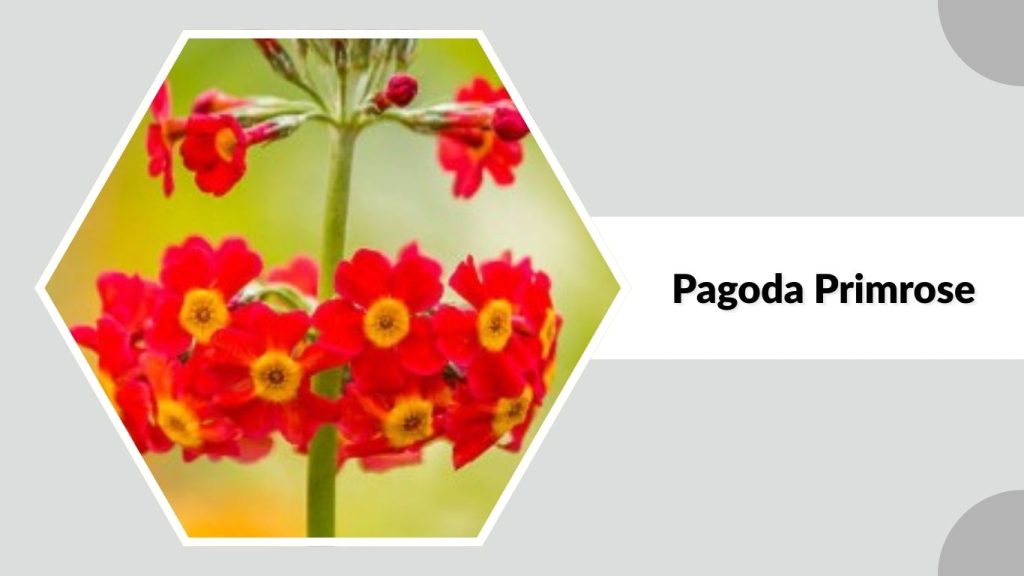
Pagoda primrose (Primula japonica and related candelabra-type primroses) is named for its tiered, stacked rings of flowers that resemble the levels of a pagoda. These bold, upright plants produce bright blooms in well-defined whorls along tall stems, creating a strong architectural effect in spring and early summer gardens.
Identification
- Scientific name: Primula japonica
- Common names: Pagoda primrose, candelabra primrose
- Flower colors: Crimson, magenta, pink, white, purple
- Blooming season: Late spring to early summer
- Plant type: Perennial
- Height: About 30–60 cm (12–24 inches)
- Leaves: Large, wrinkled, bright green, forming basal clumps
Habitat
Pagoda primrose naturally grows in moist woodland clearings, stream sides, and mountain meadows. It prefers consistently damp, fertile soil and partial shade, making it ideal for bog gardens and shaded borders.
Flowering Behavior
Flowers appear in distinct horizontal tiers around upright stems. Each level holds multiple small blooms, producing a long-lasting, eye-catching floral display.
Growth and Care
This primrose thrives in cool, moisture-retentive soil. Regular watering, organic mulching, and protection from drying winds and hot sun help ensure vigorous growth and reliable flowering.
20. Swiss Primrose
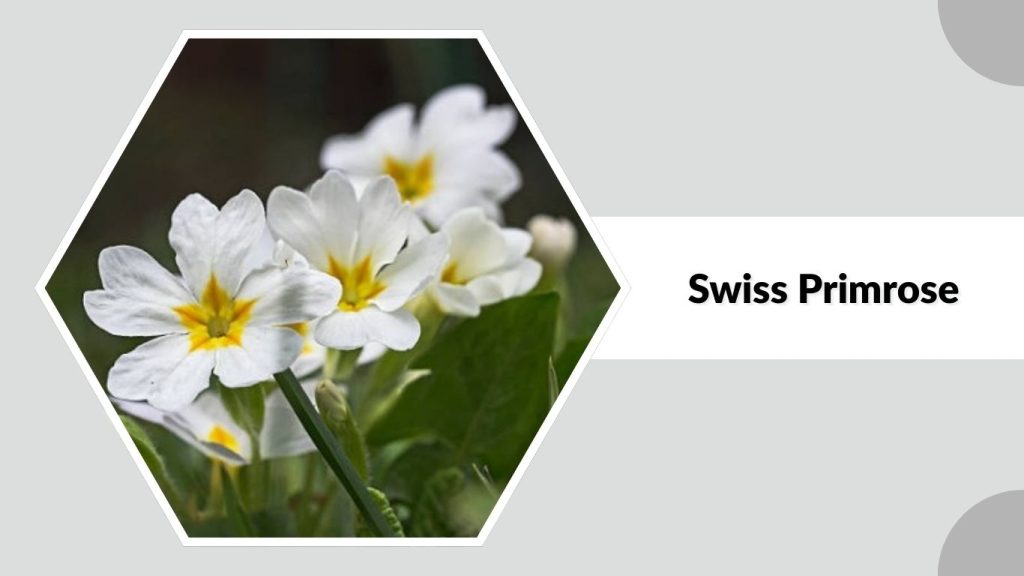
Swiss primrose (Primula hirsuta) is a compact alpine primrose known for its bright rose-purple flowers and softly hairy leaves. It is one of the classic mountain primroses of the European Alps and is valued for its toughness, cold tolerance, and vivid color in rock and alpine gardens.
Identification
- Scientific name: Primula hirsuta
- Common names: Swiss primrose, hairy primrose
- Flower colors: Rose, magenta, purple-pink
- Blooming season: Late spring to early summer
- Plant type: Perennial
- Height: About 5–15 cm (2–6 inches)
- Leaves: Small, oval, softly hairy, forming tight rosettes
Habitat
In nature, Swiss primrose grows on rocky slopes, cliff ledges, and alpine scree, often where snow melts late. It prefers excellent drainage, cool temperatures, and bright light without strong heat.
Flowering Behavior
The flowers are relatively large compared to the plant’s size and are held just above the foliage. Their intense coloring makes them stand out strongly against rock and gravel settings.
Growth and Care
Swiss primrose needs sharply drained, gritty soil and good air circulation. It grows best in rock gardens, troughs, and raised beds where excess moisture can drain away quickly.
21. Yellow Primrose
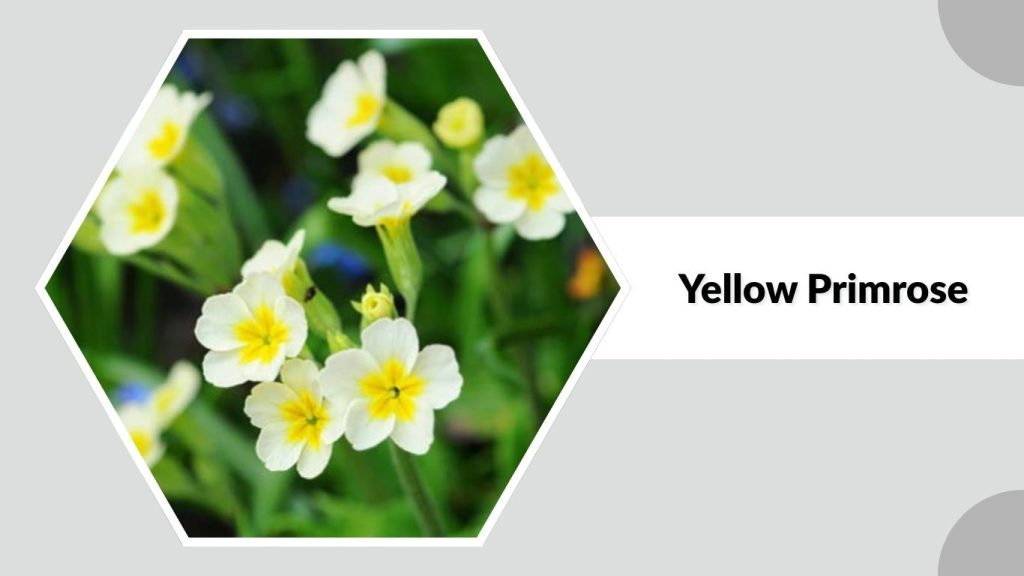
Yellow primrose (Primula elatior, Primula veris, and other naturally yellow-flowering primroses) refers to primrose types known mainly for their soft to bright yellow blooms. These primroses are among the most recognizable spring wildflowers and are closely associated with woodland edges, meadows, and traditional cottage gardens.
Identification
- Scientific name: Commonly Primula veris or Primula elatior
- Common names: Yellow primrose
- Flower color: Pale yellow to deep golden yellow
- Blooming season: Early to mid-spring
- Plant type: Perennial
- Height: About 10–30 cm (4–12 inches)
- Leaves: Wrinkled, oval, forming low basal rosettes
Habitat
Yellow primroses naturally grow in grassy meadows, woodland margins, hedgerows, and open hillsides. They prefer cool climates, partial sun, and soil that is moderately moist and well-drained.
Flowering Behavior
Flowers may appear singly or in small clusters depending on the species. Their bright centers and soft petals attract early pollinating insects during the spring season.
Growth and Care
Yellow primroses grow well in garden borders and naturalized areas. They benefit from organic-rich soil, light shade, and steady moisture, especially during active growth and flowering.
22. Creeping Primrose
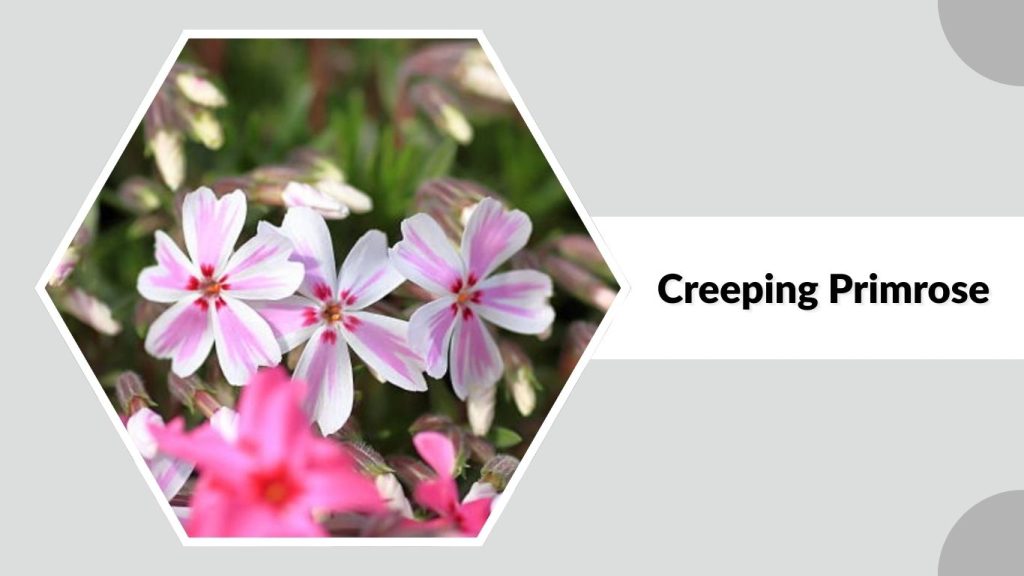
Creeping primrose (Primula juliae) is a low-growing, mat-forming primrose valued for its bright flowers and spreading habit. It is often used as a ground cover in cool gardens, where it can slowly carpet moist soil with colorful spring blooms. Native to the Caucasus region, creeping primrose is popular for rock gardens, borders, and woodland edges.
Identification
- Scientific name: Primula juliae
- Common names: Creeping primrose, Julia’s primrose
- Flower colors: Crimson, magenta, pink, sometimes purple
- Blooming season: Early to mid-spring
- Plant type: Perennial
- Height: About 5–10 cm (2–4 inches)
- Leaves: Small, rounded, slightly toothed, forming dense mats
Habitat
In the wild, creeping primrose grows in moist woodland areas and mountain slopes. It prefers partial shade, cool temperatures, and humus-rich soil that stays evenly moist.
Flowering Behavior
The flowers are produced singly on short stems, sitting just above the foliage. When in full bloom, plants form a colorful carpet effect across the ground.
Growth and Care
Creeping primrose thrives in cool, shaded gardens. Regular watering, organic mulch, and protection from hot sun help maintain its spreading growth and prolonged flowering.
23. Chinese Primrose
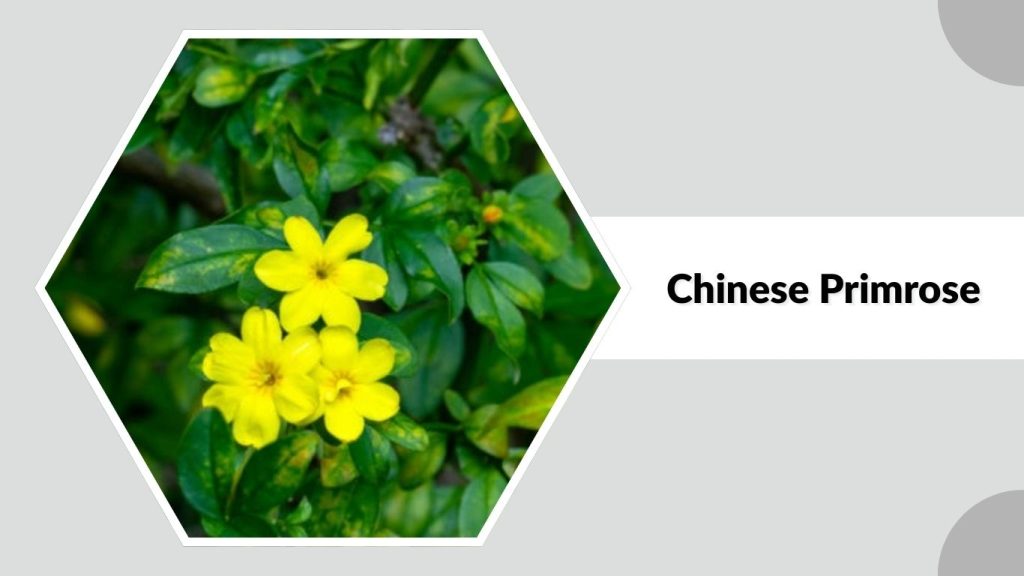
Chinese primrose (Primula sinensis) is a popular ornamental primrose widely grown as a houseplant and cool-season garden flower. It is admired for its soft, velvety leaves and clusters of brightly colored blooms that appear in winter and early spring. Native to China, this species has long been cultivated for indoor displays and greenhouse production.
Identification
- Scientific name: Primula sinensis
- Common names: Chinese primrose
- Flower colors: Pink, red, white, purple, bi-color
- Blooming season: Winter to early spring
- Plant type: Annual or short-lived perennial
- Height: About 15–30 cm (6–12 inches)
- Leaves: Rounded, deeply veined, softly hairy
Habitat
In nature, Chinese primrose grows in cool, moist woodland regions. In cultivation, it prefers bright, indirect light and cool indoor temperatures, making it ideal for windowsills and conservatories.
Flowering Behavior
Flowers are carried in loose clusters above the foliage. With proper cool conditions, blooming can continue for many weeks, providing long-lasting indoor color.
Growth and Care
Chinese primrose prefers evenly moist, well-drained soil and cool air. It does not tolerate heat well. Regular watering and good ventilation help prevent disease and extend flowering.
24. Scottish Primrose
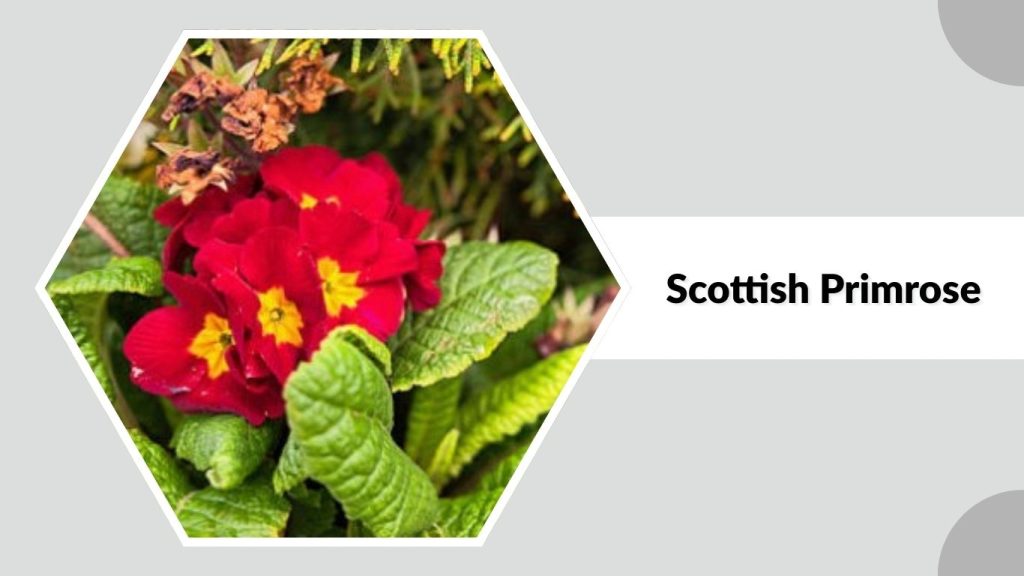
Scottish primrose (Primula scotica) is a rare and charming primrose species known for its tiny size and delicate purple flowers. It is native to the far north of Scotland, where it grows in cool, windswept coastal grasslands. Because of its limited natural range, Scottish primrose is considered one of the most distinctive and treasured wild primroses in Europe.
Identification
- Scientific name: Primula scotica
- Common names: Scottish primrose
- Flower colors: Soft purple to lilac with yellow eye
- Blooming season: Late spring to summer
- Plant type: Perennial
- Height: About 2–8 cm (1–3 inches)
- Leaves: Very small, rounded, forming tight rosettes
Habitat
Scottish primrose naturally grows in short coastal turf, sandy grasslands, and moist, open sites exposed to cool air. It prefers neutral to slightly alkaline soil and constant moisture without waterlogging.
Flowering Behavior
The flowers are small but vivid, standing just above the tiny leaf rosettes. Plants may flower more than once a year if conditions are cool and moist.
Growth and Care
Scottish primrose is difficult to cultivate outside specialized alpine collections. It needs cool temperatures, excellent drainage, and consistently moist soil to survive and flower well.
25. American Primrose
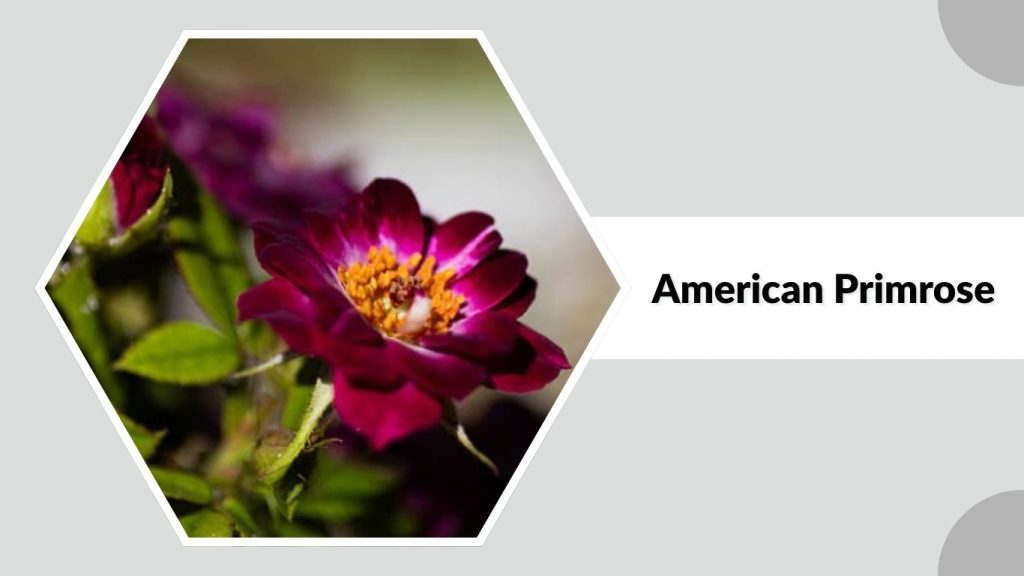
American primrose (Primula mistassinica) is a delicate North American primrose species known for its soft lavender-pink flowers and slender growth. It is naturally found in cool, moist habitats and is admired for its subtle beauty rather than bold color. This primrose is often associated with wild, undisturbed landscapes and is valued by native plant enthusiasts.
Identification
- Scientific name: Primula mistassinica
- Common names: American primrose, bird’s-eye primrose (American)
- Flower colors: Pale pink to light lavender with yellow eye
- Blooming season: Late spring to early summer
- Plant type: Perennial
- Height: About 10–25 cm (4–10 inches)
- Leaves: Narrow, smooth, forming small basal rosettes
Habitat
American primrose naturally grows along lake shores, moist meadows, stream banks, and open wetlands across northern North America. It prefers cool climates, full sun to light shade, and consistently moist, well-drained soil.
Flowering Behavior
The flowers are borne in loose clusters on thin stems. Each bloom is flat-faced with a bright yellow center, attracting small pollinators during the short northern growing season.
Growth and Care
American primrose grows best in bog gardens, damp borders, and near water features. Steady moisture, organic-rich soil, and cool conditions are essential for healthy growth and flowering.
26. Rose Primrose
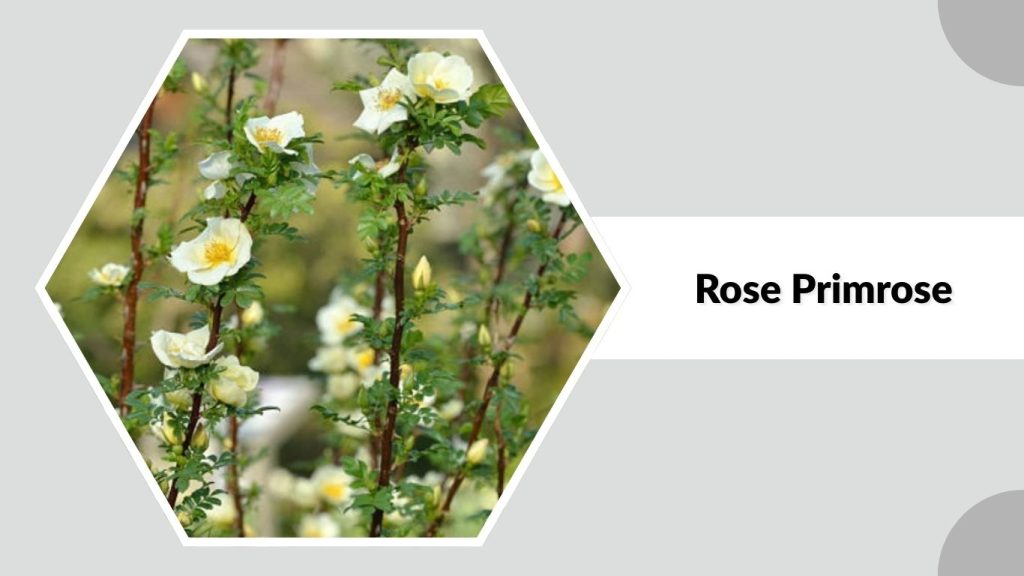
Rose primrose (Primula rosea) is a striking primrose species famous for its intense rose-pink flowers that appear before the leaves are fully developed. This early burst of color makes it especially noticeable in spring gardens. Native to the Himalayan region, rose primrose thrives in cool, moist environments and is widely planted near streams, ponds, and damp garden beds.
Identification
- Scientific name: Primula rosea
- Common names: Rose primrose, rosy primrose
- Flower color: Bright rose-pink to deep magenta
- Blooming season: Early spring
- Plant type: Perennial
- Height: About 10–25 cm (4–10 inches)
- Leaves: Bright green, elongated, emerging after flowering
Habitat
In the wild, rose primrose grows along melting snow lines, wet alpine meadows, and stream edges. It prefers full sun to partial shade and soil that remains constantly moist.
Flowering Behavior
Flowers appear very early, often when little foliage is visible. As flowering progresses, fresh green leaves expand, creating a vivid contrast with the fading blooms.
Growth and Care
Rose primrose needs abundant moisture during active growth. Rich soil, regular watering, and cool conditions support healthy development and strong annual flowering.
27. Woolly Primrose
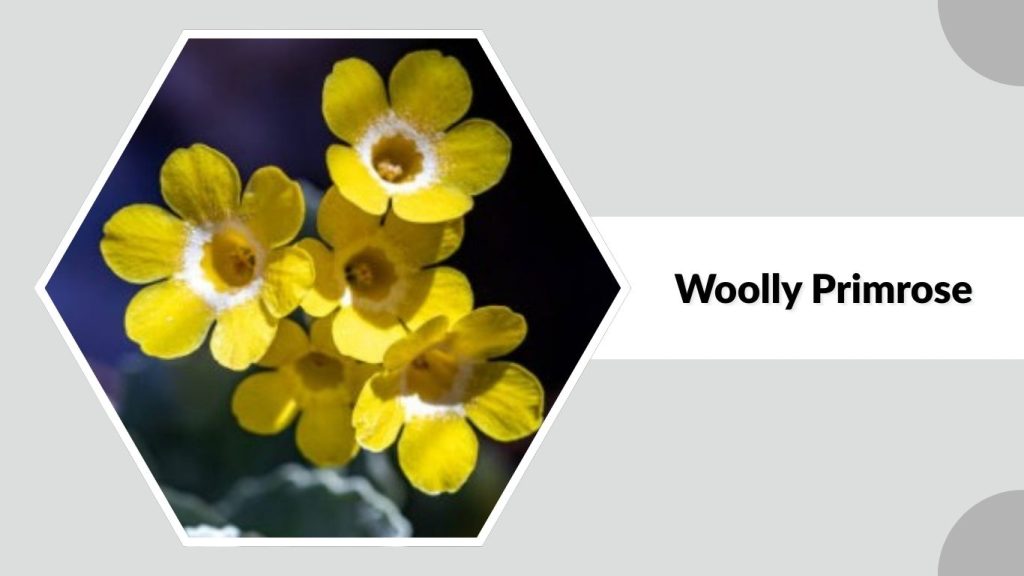
Woolly primrose (Primula pulverulenta and closely related woolly-stemmed primroses) is known for its tall stems dusted with a white, powdery coating and its rich, deep-colored flowers. This “woolly” farina gives the plant a soft, frosted look that contrasts beautifully with its bold blooms. Native to China, it is a classic choice for moist woodland and waterside gardens.
Identification
- Scientific name: Primula pulverulenta
- Common names: Woolly primrose, mealy primrose
- Flower colors: Deep crimson, purple-red, sometimes pink
- Blooming season: Late spring to early summer
- Plant type: Perennial
- Height: About 30–60 cm (12–24 inches)
- Leaves: Large, wrinkled, light green, often farinose beneath
Habitat
Woolly primrose naturally grows in damp meadows, stream margins, and mountain valleys. It prefers cool climates, partial shade, and soil that remains consistently moist and fertile.
Flowering Behavior
Flowers are produced in distinct tiers around upright, powder-dusted stems. This candelabra-like structure creates a dramatic and long-lasting floral display.
Growth and Care
Woolly primrose thrives in moisture-retentive, humus-rich soil. Regular watering, mulching, and protection from hot sun are essential for healthy growth and abundant flowering.
FAQs
What is the best time to plant primrose flowers?
Primroses are best planted in early autumn or early spring. Cool temperatures help the roots establish before active growth. Fall planting allows primroses to develop strong root systems, leading to earlier and healthier flowering the following spring, especially in cool or temperate climates.
Do primrose flowers prefer sun or shade?
Most primrose species prefer partial shade, especially protection from hot afternoon sun. They naturally grow in woodland edges and moist meadows. Some alpine primroses tolerate more sunlight, but nearly all primroses perform best where the soil stays cool and evenly moist.
How often should primrose plants be watered?
Primroses like consistently moist soil but not waterlogged conditions. Water regularly, especially during dry periods and active growth. Allowing the soil to dry out completely can weaken plants and reduce flowering, while good drainage prevents root and crown rot.
Are primrose flowers annuals or perennials?
Most outdoor primroses are perennials that return each year. However, some types like Chinese primrose and fairy primrose are often grown as annuals or short-lived houseplants. The lifespan depends on the species, climate, and how well growing conditions match their natural habitat.
Can primroses be grown indoors?
Yes, certain primroses, such as Chinese primrose and fairy primrose, grow well indoors in cool, bright conditions. They need indirect light, regular watering, and good air circulation. Outdoor garden primroses usually perform better outside where temperatures remain cool.