






Raspberries come in a vibrant variety of colors, flavors, and growth habits—ranging from classic red and golden yellow to rich black and even rare purple types. Whether you’re a home gardener or a berry enthusiast, understanding the different types can help you choose the best varieties for your climate, taste preferences, and harvest goals. In this guide, you’ll find 25 types of raspberries, including everbearing and summer-bearing varieties, along with their names, identification details, and growing characteristics. From Heritage and Fallgold to Jewel and Honey Queen, discover the delicious diversity of raspberry plants.
1. Heritage Raspberry

Heritage raspberry is one of the most popular and reliable everbearing (fall-bearing) red raspberry varieties. Known for its rich flavor, firm texture, and high yields, it’s a favorite among both home gardeners and commercial growers. This variety produces two crops per year—one in early summer and another in fall.
Identification
- Berry Color: Deep red
- Berry Shape: Medium-sized, round to conical
- Cane Type: Erect and vigorous
- Thorns: Light to moderate
- Taste: Sweet with a classic raspberry flavor
- Fruit Texture: Firm and juicy
Growth and Seasonality
Heritage raspberries thrive in full sun and well-drained soil. The first crop appears in early summer on second-year canes, and a second, heavier crop comes in late summer to early fall on first-year canes. They are hardy in USDA zones 4–8.
Uses and Benefits
Ideal for fresh eating, freezing, or making jams, jellies, and desserts. Heritage raspberries are rich in dietary fiber, vitamin C, and powerful antioxidants that support immune health and cell repair.
2. Fallgold Raspberry

Fallgold raspberry is a unique golden-yellow variety known for its sweet, honey-like flavor and soft, juicy texture. As an everbearing type, it produces fruit in both summer and fall, making it a beautiful and delicious addition to any berry patch.
Identification
- Berry Color: Golden yellow
- Berry Shape: Medium-sized, round
- Cane Type: Upright and productive
- Thorns: Few to moderate
- Taste: Exceptionally sweet and mild
- Fruit Texture: Soft and tender
Growth and Seasonality
Fallgold grows well in cool climates and thrives in USDA zones 4–8. It produces a light summer crop on second-year canes and a heavier fall crop on new canes. Full sun and well-drained soil are ideal for best yields.
Uses and Benefits
Perfect for fresh eating and dessert garnishes. Fallgold raspberries are rich in vitamin A and C and offer a unique visual appeal, especially in fruit salads or preserves.
3. Meeker Raspberry
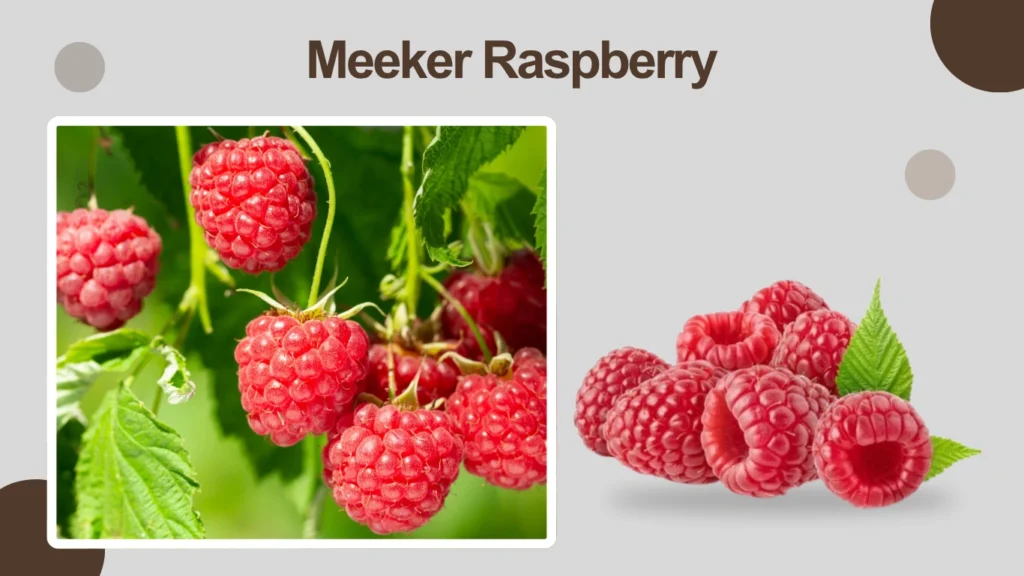
Meeker raspberry is a high-yielding summer-bearing red variety known for its intense flavor and deep red color. It’s a top choice for both fresh markets and processing due to its excellent taste and firm structure.
Identification
- Berry Color: Deep ruby red
- Berry Shape: Cone-shaped, medium to large
- Cane Type: Vigorous and upright
- Thorns: Present but moderate
- Taste: Sweet and rich with a classic tang
- Fruit Texture: Firm and dense
Growth and Seasonality
This floricane-bearing variety fruits once per season, typically in mid to late summer. Best grown in USDA zones 5–8, Meeker raspberries prefer full sun and well-aerated soil.
Uses and Benefits
Excellent for eating fresh, making jam, or freezing. Meeker raspberries are high in vitamin C, manganese, and antioxidants, supporting heart and immune health.
4. Caroline Raspberry

Caroline raspberry is a vigorous, everbearing red variety prized for its large, flavorful berries and high productivity. It ripens earlier than Heritage and offers one of the richest, most intense raspberry flavors available.
Identification
- Berry Color: Deep red
- Berry Shape: Large and conical
- Cane Type: Tall, bushy, and vigorous
- Thorns: Moderate
- Taste: Very sweet with rich, full raspberry flavor
- Fruit Texture: Soft and juicy
Growth and Seasonality
Caroline produces two crops—an early fall crop on new canes and a smaller summer crop on older canes. It performs well in USDA zones 5–8, especially in sunny, well-drained locations.
Uses and Benefits
Ideal for fresh eating, baking, and preserving. Caroline raspberries are packed with vitamin C, dietary fiber, and antioxidants, making them a powerful immune-boosting fruit.
5. Anne Raspberry

Anne raspberry is one of the best yellow everbearing varieties available, known for its exceptionally sweet, mild flavor and attractive golden color. It’s a favorite for gardeners looking for a unique raspberry experience.
Identification
- Berry Color: Pale yellow to golden
- Berry Shape: Large and conical
- Cane Type: Upright and strong
- Thorns: Light
- Taste: Very sweet and delicate
- Fruit Texture: Soft and smooth
Growth and Seasonality
Anne raspberries produce a fall crop on first-year canes and a smaller early summer crop on second-year canes. Best suited for USDA zones 4–9, they need full sun and good air circulation for optimal health.
Uses and Benefits
Perfect for eating fresh or using in colorful fruit dishes and jams. They’re rich in vitamin C, folate, and bioactive compounds that help fight inflammation.
6. Jewel Raspberry

Jewel raspberry is a leading black raspberry variety known for its glossy black fruit, rich flavor, and high disease resistance. It’s a summer-bearing type and one of the most widely planted black raspberries in the U.S.
Identification
- Berry Color: Shiny black
- Berry Shape: Medium-sized, round
- Cane Type: Semi-erect with arching canes
- Thorns: Present
- Taste: Sweet, rich, and slightly earthy
- Fruit Texture: Firm and seedy
Growth and Seasonality
Jewel produces one main crop in early to mid-summer on second-year canes. It thrives in USDA zones 4–8 and prefers well-drained soil and full sunlight.
Uses and Benefits
Excellent for fresh eating, pies, jams, and freezing. Black raspberries like Jewel are rich in anthocyanins and ellagic acid, offering strong antioxidant and anti-cancer properties.
7. Bristol Raspberry

Bristol is one of the earliest ripening black raspberry varieties and is prized for its excellent flavor and cold hardiness. It’s a vigorous grower and an ideal choice for both home and commercial planting.
Identification
- Berry Color: Jet black with a dull finish
- Berry Shape: Medium and round
- Cane Type: Erect and productive
- Thorns: Moderate
- Taste: Sweet and aromatic
- Fruit Texture: Firm with a slightly dry bite
Growth and Seasonality
Bristol produces a single crop in early summer and is best suited for USDA zones 5–8. It grows well in full sun with rich, well-draining soil.
Uses and Benefits
Popular for eating fresh, preserving, or freezing. Bristol black raspberries contain high levels of vitamins C and K, which help support immunity and bone strength.
8. Amity Raspberry

Amity raspberry is an everbearing red variety known for its sweetness, productivity, and thornless canes. It’s a favorite among home gardeners who want easy harvesting and excellent flavor across multiple seasons.
Identification
- Berry Color: Bright red
- Berry Shape: Medium, round to conical
- Cane Type: Upright and nearly thornless
- Thorns: Very few or none
- Taste: Sweet and smooth with low acidity
- Fruit Texture: Tender and juicy
Growth and Seasonality
Amity produces two crops: a light one in early summer and a heavier one in the fall. It thrives in USDA zones 4–8 and prefers full sun and well-drained soil.
Uses and Benefits
Great for fresh snacking, baking, and freezing. Amity raspberries offer vitamin C, fiber, and antioxidants, helping with digestion and immune support.
9. Royalty Raspberry

Royalty raspberry is a unique purple variety created by crossing red and black raspberries. It produces large, sweet-tart berries that are highly aromatic and excellent for eating fresh or preserving.
Identification
- Berry Color: Dark purple
- Berry Shape: Large and round
- Cane Type: Tall and arching
- Thorns: Moderate
- Taste: Sweet with a subtle tartness
- Fruit Texture: Juicy and firm
Growth and Seasonality
Royalty is a summer-bearing variety, producing one main crop on second-year canes in mid to late summer. It grows well in USDA zones 4–8.
Uses and Benefits
Perfect for jams, jellies, juices, and fresh eating. Purple raspberries like Royalty are packed with anthocyanins and ellagitannins, offering strong antioxidant and anti-inflammatory effects.
10. Prelude Raspberry

Prelude raspberry is one of the earliest ripening red raspberry varieties available, often producing fruit weeks before others. It also offers a light fall crop, making it a versatile and productive choice.
Identification
- Berry Color: Medium red
- Berry Shape: Medium, round to slightly conical
- Cane Type: Upright and sturdy
- Thorns: Light to moderate
- Taste: Mildly sweet with subtle tang
- Fruit Texture: Firm and juicy
Growth and Seasonality
Prelude produces its main crop in late spring to early summer, with a smaller fall crop on first-year canes. It grows best in USDA zones 4–8.
Uses and Benefits
Great for early-season fresh eating and freezing. Prelude raspberries are rich in vitamin C, manganese, and antioxidants that help fight oxidative stress.
11. Tulameen Raspberry

Tulameen raspberry is a premium red summer-bearing variety famous for its large, glossy fruit and excellent flavor. It’s highly favored in fresh markets and home gardens alike.
Identification
- Berry Color: Bright red
- Berry Shape: Large, long, and conical
- Cane Type: Tall and upright
- Thorns: Light
- Taste: Sweet, rich, and fragrant
- Fruit Texture: Firm and smooth
Growth and Seasonality
Tulameen is a floricane-bearing type that produces a single, abundant crop in mid to late summer. It thrives in USDA zones 6–9 and performs best in sunny, temperate areas.
Uses and Benefits
Perfect for fresh eating, display, and gourmet desserts. Tulameen raspberries are high in fiber, vitamin C, and polyphenols, promoting digestive and immune health.
12. Canby Raspberry

Canby raspberry is a popular thornless red raspberry variety known for its sweet, mild flavor and easy harvesting. It’s an excellent choice for home gardens due to its lack of thorns and high productivity.
Identification
- Berry Color: Light to medium red
- Berry Shape: Large and conical
- Cane Type: Erect and thornless
- Thorns: None
- Taste: Sweet and mild
- Fruit Texture: Firm and smooth
Growth and Seasonality
Canby is a summer-bearing (floricane) variety, producing one main crop in early to mid-summer. It thrives in USDA zones 4–8 with full sun and well-drained soil.
Uses and Benefits
Ideal for fresh eating, freezing, and desserts. Canby raspberries are packed with antioxidants, vitamin C, and manganese, helping maintain strong bones and healthy skin.
13. Encore Raspberry

Encore raspberry is a late-season summer-bearing red raspberry known for its sweet taste and long harvest window. It produces consistent, firm berries perfect for both home and market growers.
Identification
- Berry Color: Bright red
- Berry Shape: Medium to large, round
- Cane Type: Upright and strong
- Thorns: Light
- Taste: Sweet and slightly tangy
- Fruit Texture: Firm and juicy
Growth and Seasonality
Encore produces fruit on second-year canes (floricane) and ripens later than most summer varieties—usually from mid to late summer. Best suited for USDA zones 4–7.
Uses and Benefits
Great for fresh eating, baking, and freezing. Encore raspberries are rich in dietary fiber, vitamin K, and ellagic acid, supporting digestive health and reducing inflammation.
14. Boyne Raspberry
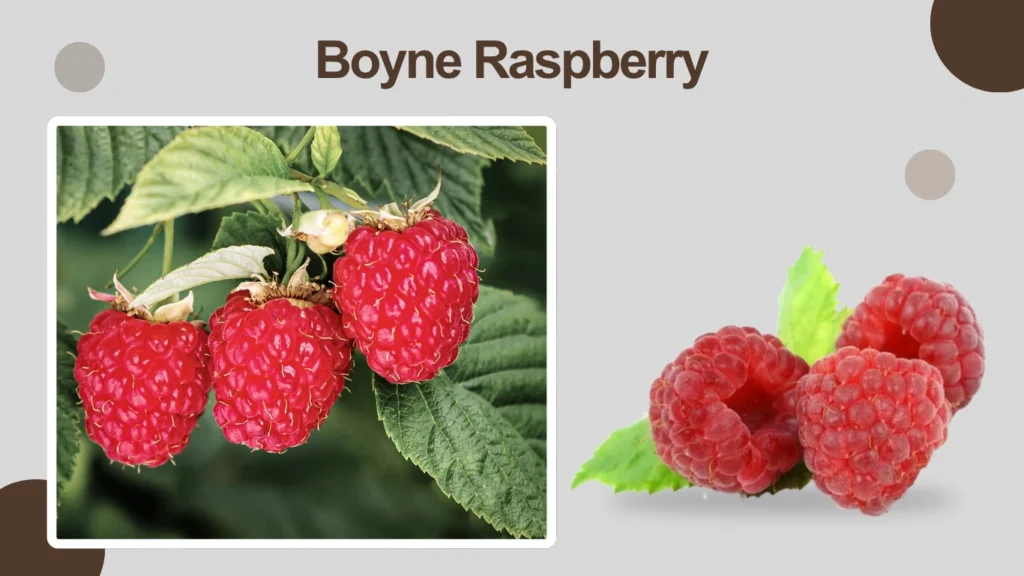
Boyne raspberry is a hardy, early-season red variety developed in Canada. It’s known for its cold tolerance, high yields, and sweet, aromatic berries—making it ideal for northern climates.
Identification
- Berry Color: Medium red
- Berry Shape: Small to medium, round
- Cane Type: Vigorous and productive
- Thorns: Moderate
- Taste: Sweet with intense raspberry flavor
- Fruit Texture: Tender and juicy
Growth and Seasonality
Boyne produces a single summer crop on floricanes, typically ripening in early to mid-summer. It performs well in USDA zones 3–7, especially in cooler regions.
Uses and Benefits
Perfect for fresh use, freezing, or jam-making. Boyne raspberries are rich in vitamin C, fiber, and antioxidants, supporting immune health and digestion.
15. Killarney Raspberry

Killarney raspberry is another cold-hardy red variety developed in Canada. It produces firm, flavorful berries and is well-suited for short growing seasons.
Identification
- Berry Color: Bright red
- Berry Shape: Medium and round
- Cane Type: Upright and compact
- Thorns: Moderate
- Taste: Sweet with a subtle tang
- Fruit Texture: Firm and smooth
Growth and Seasonality
Killarney is a floricane type that fruits in early to mid-summer. It thrives in USDA zones 3–7 and tolerates cold winters exceptionally well.
Uses and Benefits
Great for eating fresh or preserving. Killarney raspberries provide antioxidants, vitamin E, and potassium—promoting heart health and cellular repair.
16. Latham Raspberry

Latham raspberry is a classic red summer-bearing variety cherished for its adaptability, disease resistance, and balanced flavor. It’s a go-to choice for home gardeners in colder climates.
Identification
- Berry Color: Medium red
- Berry Shape: Medium, rounded cone
- Cane Type: Strong and upright
- Thorns: Present, but manageable
- Taste: Mildly sweet and slightly tart
- Fruit Texture: Firm and juicy
Growth and Seasonality
Latham produces one crop in early to mid-summer on second-year canes (floricanes). It performs well in USDA zones 3–8 and is tolerant of frost and common raspberry diseases.
Uses and Benefits
Perfect for eating fresh, making jam, or freezing. Latham raspberries are rich in vitamin C and phytonutrients that support immune function and overall wellness.
17. Red River Raspberry

Red River is a hybrid raspberry variety bred for cold tolerance and strong disease resistance. It yields attractive, flavorful red berries that perform well in northern zones.
Identification
- Berry Color: Bright red
- Berry Shape: Medium, round
- Cane Type: Upright and sturdy
- Thorns: Moderate
- Taste: Sweet-tart and refreshing
- Fruit Texture: Firm
Growth and Seasonality
Red River raspberries are summer-bearing and ripen in mid-season. They thrive in USDA zones 3–7 and are well-suited for short growing seasons.
Uses and Benefits
Great for fresh use, preserves, and freezing. These berries are packed with antioxidants and dietary fiber, supporting metabolism and cardiovascular health.
18. Cumberland Raspberry

Cumberland is a well-known black raspberry variety valued for its sweet, rich flavor and excellent hardiness. It’s one of the oldest cultivated black raspberries in the U.S. and remains a favorite for home growers.
Identification
- Berry Color: Dark black with a whitish bloom
- Berry Shape: Small to medium, round
- Cane Type: Arching and vigorous
- Thorns: Sharp and numerous
- Taste: Sweet, rich, and slightly tangy
- Fruit Texture: Firm and seedy
Growth and Seasonality
Cumberland produces a single summer crop on second-year canes, typically ripening in early to mid-summer. It performs well in USDA zones 5–8.
Uses and Benefits
Excellent for jams, jellies, and fresh eating. Cumberland raspberries are loaded with anthocyanins and vitamin K, promoting brain, bone, and heart health.
19. Cascade Delight Raspberry
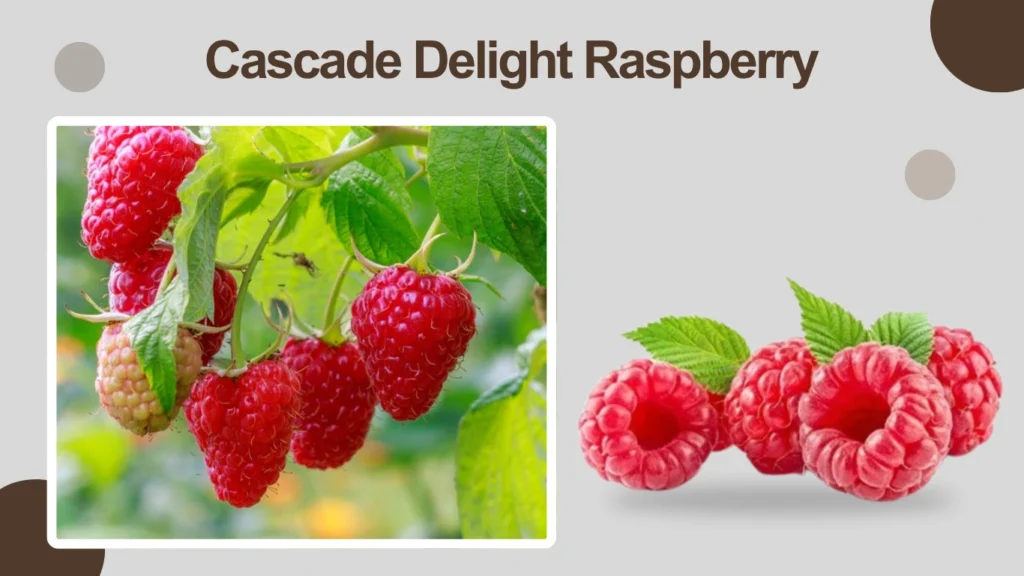
Cascade Delight is a high-yielding red raspberry variety known for its large berries, excellent flavor, and resistance to root rot. It’s a summer-bearing type developed in the Pacific Northwest.
Identification
- Berry Color: Bright to dark red
- Berry Shape: Large, long-conical
- Cane Type: Tall, strong, and upright
- Thorns: Light
- Taste: Sweet with mild tartness
- Fruit Texture: Firm and juicy
Growth and Seasonality
Cascade Delight fruits in mid to late summer on floricanes. Best suited for USDA zones 6–8, it performs especially well in moist, well-drained soils.
Uses and Benefits
Great for fresh eating, market sales, and desserts. Rich in vitamin C and antioxidants, these berries help reduce oxidative stress and support skin and immune health.
20. Nova Raspberry
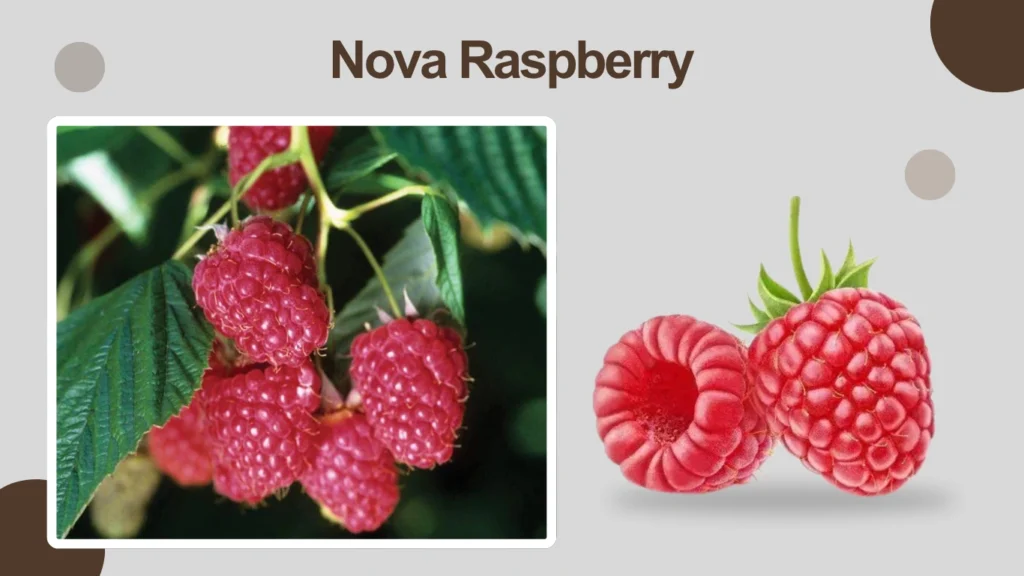
Nova raspberry is a hardy, productive red raspberry variety known for its firm fruit and mild, sweet flavor. It performs well in both northern and southern climates and is popular for fresh market and home use.
Identification
- Berry Color: Bright red
- Berry Shape: Medium-sized, round
- Cane Type: Upright and vigorous
- Thorns: Very few or nearly thornless
- Taste: Mildly sweet and well-balanced
- Fruit Texture: Firm and uniform
Growth and Seasonality
Nova is a summer-bearing (floricane) variety, ripening in mid-season. It grows well in USDA zones 3–8 and tolerates cold and heat effectively.
Uses and Benefits
Ideal for fresh use and processing. Nova raspberries are high in fiber, vitamin C, and folate, supporting heart health and digestive regularity.
21. Summit Raspberry

Summit raspberry is a hybrid yellow variety with large, flavorful berries and excellent productivity. It combines the sweetness of golden raspberries with the vigor of red types.
Identification
- Berry Color: Yellow to golden orange
- Berry Shape: Large and conical
- Cane Type: Upright and strong
- Thorns: Moderate
- Taste: Very sweet with low acidity
- Fruit Texture: Soft and juicy
Growth and Seasonality
Summit produces fruit in mid to late summer, primarily on second-year canes. It performs well in USDA zones 4–8 with proper sun and drainage.
Uses and Benefits
Best used fresh or in desserts. Summit raspberries offer a unique look and taste and provide vitamin A, antioxidants, and minerals to support overall health.
22. Josephine Raspberry

Josephine raspberry is a premium everbearing red variety known for its large, flavorful berries and resistance to late-season diseases. It continues producing well into the fall, making it a favorite for extended harvests.
Identification
- Berry Color: Bright red
- Berry Shape: Large, round to conical
- Cane Type: Upright and vigorous
- Thorns: Light
- Taste: Exceptionally sweet and aromatic
- Fruit Texture: Firm and slightly seedy
Growth and Seasonality
Josephine produces a heavy fall crop on first-year canes, with some light summer production on second-year canes. It performs best in USDA zones 4–8 with full sun and rich, well-drained soil.
Uses and Benefits
Excellent for fresh eating, desserts, and freezing. Josephine raspberries are rich in vitamin C, potassium, and antioxidants, supporting skin, nerve, and heart health.
23. Honey Queen Raspberry

Honey Queen raspberry is a rare golden-yellow variety native to Canada, valued for its honey-like flavor and cold hardiness. It’s a treat for gardeners looking for something unique and flavorful.
Identification
- Berry Color: Light yellow to golden
- Berry Shape: Medium, round
- Cane Type: Hardy and spreading
- Thorns: Moderate
- Taste: Very sweet with a honeyed flavor
- Fruit Texture: Soft and delicate
Growth and Seasonality
Honey Queen is a summer-bearing variety that ripens in mid to late summer. It thrives in USDA zones 3–7, making it ideal for cooler climates.
Uses and Benefits
Best enjoyed fresh or in fruit salads. These berries are rich in natural sugars and vitamin C, supporting energy and immune system function.
24. Bababerry Raspberry

Bababerry is a heat-tolerant everbearing raspberry variety known for its excellent flavor and adaptability to warmer climates. It’s especially popular with home gardeners in the western United States.
Identification
- Berry Color: Deep red
- Berry Shape: Large and conical
- Cane Type: Upright and drought-tolerant
- Thorns: Present but light
- Taste: Sweet and full-bodied
- Fruit Texture: Juicy and tender
Growth and Seasonality
Bababerry produces two crops annually—an early summer crop and a heavier fall crop. It thrives in USDA zones 6–9, particularly in areas with hot, dry summers.
Uses and Benefits
Great for fresh eating and preserves. Bababerry raspberries are high in vitamin C and bioflavonoids, helping to protect against cell damage and inflammation.
25. Dorman Red Raspberry

Dorman Red is a southern-adapted raspberry variety that tolerates heat and humidity better than most others. It produces vibrant red berries and is ideal for gardeners in warmer climates.
Identification
- Berry Color: Bright red
- Berry Shape: Medium, rounded
- Cane Type: Semi-trailing and hardy
- Thorns: Moderate
- Taste: Mild and sweet, less tart than northern varieties
- Fruit Texture: Soft and slightly seedy
Growth and Seasonality
Dorman Red ripens in mid to late summer and performs best in USDA zones 6–9. It prefers full sun and regular moisture for optimal yields.
Uses and Benefits
Best used for jams, jellies, and fresh eating. While less flavorful than northern varieties, Dorman Red is reliable in hot climates and provides vitamins A, C, and antioxidants.