




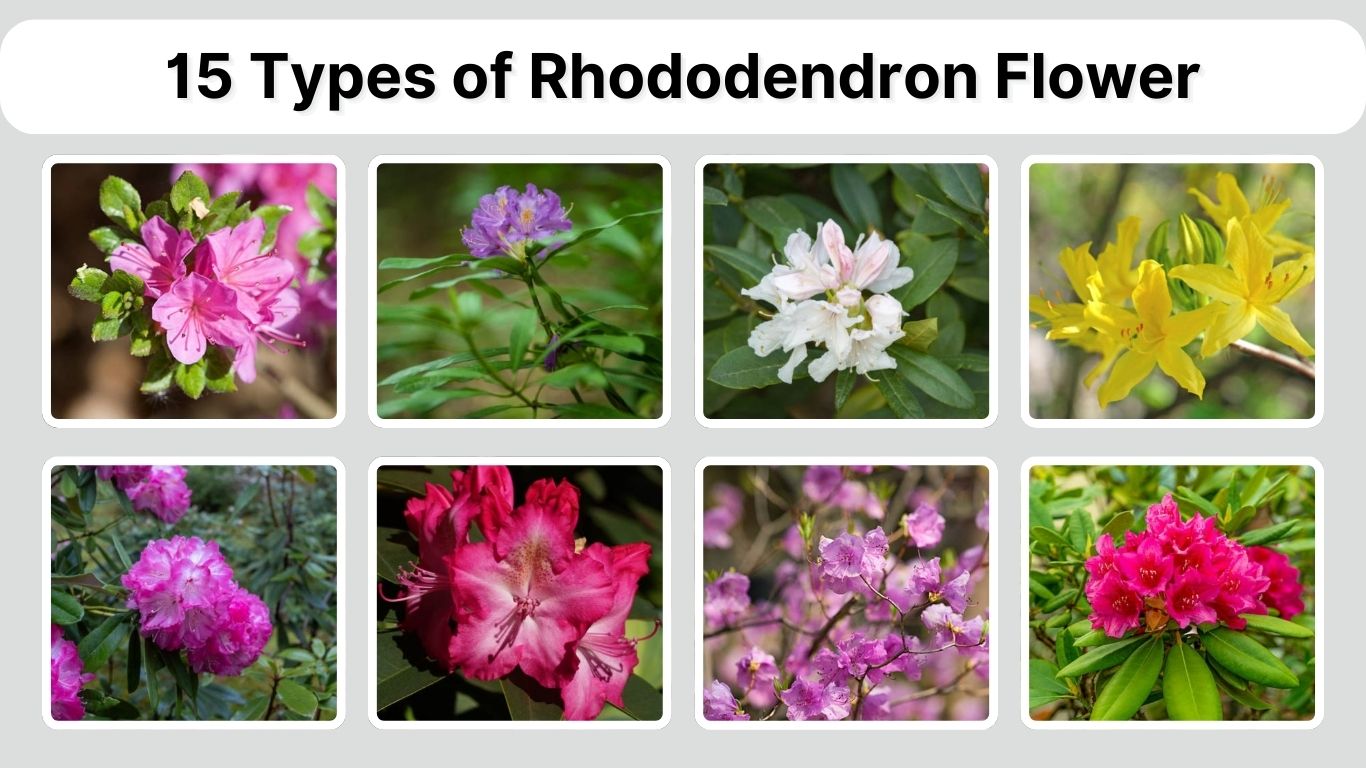
Rhododendrons are among the most popular and diverse flowering shrubs, admired for their vibrant colors, lush foliage, and striking blooms. With species ranging from compact garden varieties to towering Himalayan trees, they add beauty to landscapes, parks, and woodlands worldwide. Thriving in acidic, well-drained soils and partial shade, these plants attract pollinators like bees and butterflies while providing shelter for wildlife. From fragrant yellow flowers to bold crimson blooms, Rhododendrons offer both ornamental charm and ecological benefits for gardeners and nature enthusiasts alike.
1. Rhododendron catawbiense

Rhododendron catawbiense, commonly known as the Catawba rhododendron, is a hardy flowering shrub native to the Appalachian Mountains of the eastern United States. Known for its vibrant purple to violet blooms, this species thrives in acidic soils and cooler climates. It is often planted in gardens and parks for its striking summer flowers and dense evergreen foliage.
Identification
- Large evergreen shrub, typically 6–12 feet tall
- Leaves: Broad, leathery, dark green
- Flowers: Purple to violet, clustered in large trusses
- Blooming season: Late spring to early summer
Habitat and Growth
Rhododendron catawbiense prefers mountainous regions and well-drained acidic soils. It grows best in partial shade and can tolerate cold winters, making it a popular choice in temperate regions.
Care and Maintenance
This rhododendron requires regular watering, especially during dry periods, and benefits from mulching to maintain soil moisture. Pruning after flowering encourages bushier growth and more vibrant blooms the following season.
Uses and Benefits
Catawbiense rhododendrons are mainly ornamental, used in landscaping, gardens, and public parks. They provide aesthetic appeal with their striking flowers and evergreen foliage, and they also attract pollinators like bees and butterflies.
2. Rhododendron ponticum

Rhododendron ponticum, also known as the Pontic rhododendron, is an evergreen shrub native to parts of southern Europe and Asia. It is admired for its large, showy purple to pink flowers and glossy green leaves. While beautiful, it can be invasive in some regions, spreading quickly if not managed properly.
Identification
- Evergreen shrub, 6–20 feet tall
- Leaves: Glossy, dark green, oblong
- Flowers: Purple to pink, funnel-shaped, clustered
- Blooming season: Late spring
Habitat and Growth
Rhododendron ponticum thrives in woodlands, hillsides, and garden settings with well-drained acidic soil. It prefers partial shade and moderate moisture levels.
Care and Maintenance
Regular watering and mulching are essential, particularly during dry spells. Pruning after flowering helps control size and encourages more blooms in the next season.
Uses and Benefits
Primarily ornamental, this species adds vibrant color to gardens and parks. Its flowers attract pollinators, and its dense foliage provides shelter for small wildlife.
3. Rhododendron maximum
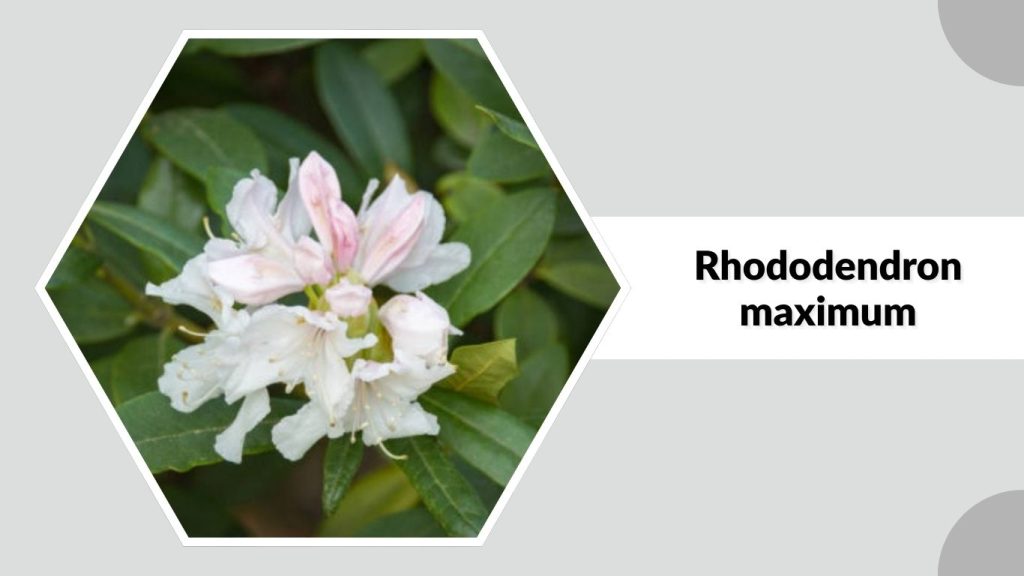
Rhododendron maximum, commonly called the Great Laurel or Rosebay rhododendron, is a large evergreen shrub native to eastern North America. It is known for its impressive size, glossy leaves, and fragrant clusters of white to pink flowers. This species often forms dense thickets in forests, providing both beauty and wildlife habitat.
Identification
- Large evergreen shrub, 10–20 feet tall
- Leaves: Long, leathery, dark green
- Flowers: White to pale pink, fragrant, in large clusters
- Blooming season: Late spring to early summer
Habitat and Growth
Rhododendron maximum thrives in moist, acidic soils of woodland areas, riverbanks, and mountainous regions. It prefers partial shade and can tolerate cold temperatures, making it common in temperate forests.
Care and Maintenance
Mulching helps retain soil moisture and protects roots in winter. Minimal pruning is required, mostly to remove dead or damaged branches and maintain shape.
Uses and Benefits
This species is highly valued for ornamental landscaping, particularly in large gardens and naturalized settings. It provides shelter and food for birds and pollinators, contributing to local biodiversity.
4. Rhododendron luteum
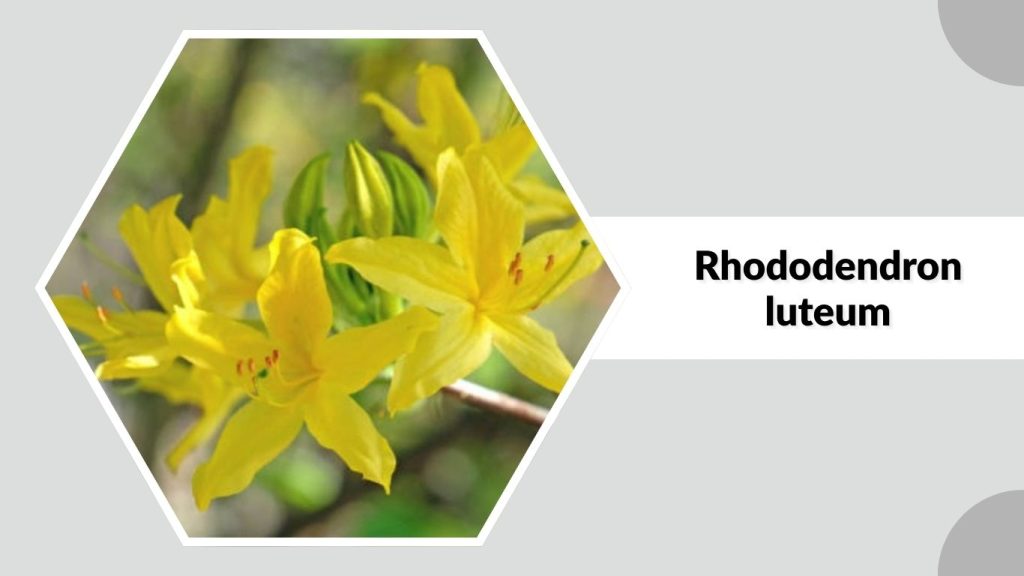
Rhododendron luteum, also known as the Yellow Azalea or Pontic Azalea, is a deciduous rhododendron species celebrated for its bright yellow, fragrant flowers. Native to southeastern Europe and parts of Asia, it adds a splash of color to gardens and woodland areas during its blooming season. Its striking scent makes it a favorite among gardeners and pollinators alike.
Identification
- Deciduous shrub, 6–12 feet tall
- Leaves: Elliptical, dark green, turning yellow in fall
- Flowers: Bright yellow, highly fragrant, in clusters
- Blooming season: Late spring to early summer
Habitat and Growth
Rhododendron luteum thrives in moist, well-drained, acidic soils and prefers full sun to partial shade. It is hardy in temperate climates and often planted along garden borders or woodland edges.
Care and Maintenance
Regular watering is important, especially during dry periods. Mulching helps retain soil moisture, while pruning after flowering encourages bushier growth and more abundant blooms the following year.
Uses and Benefits
This species is mainly ornamental, valued for its vibrant yellow flowers and sweet fragrance. It also attracts bees, butterflies, and other pollinators, supporting local ecosystems.
5. Rhododendron arboreum
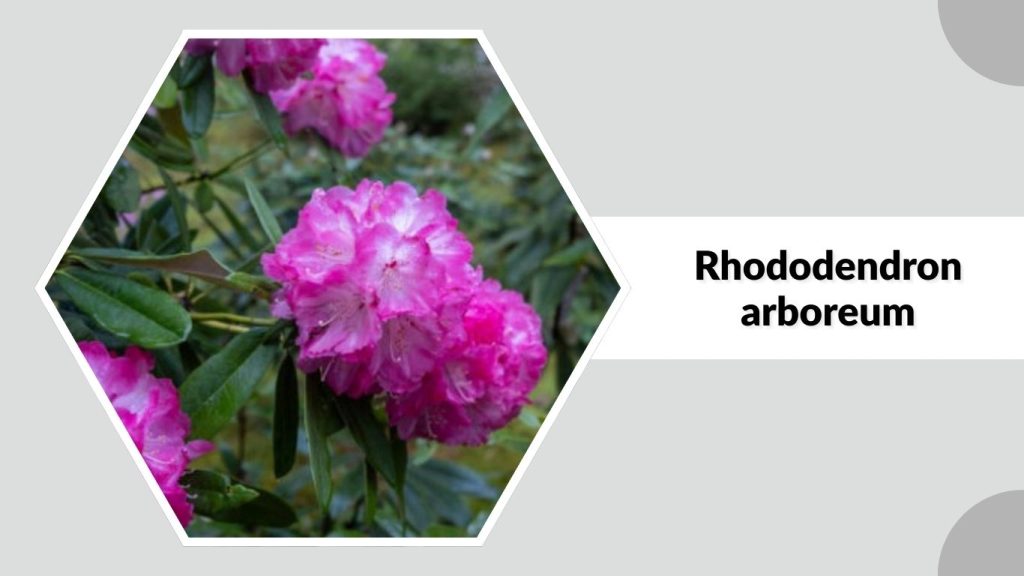
Rhododendron arboreum, commonly known as the Tree Rhododendron, is a majestic evergreen tree native to the Himalayas. It is celebrated for its bright red to crimson flowers, large glossy leaves, and striking presence in mountainous landscapes. This species is also culturally significant in regions like Nepal and India, where it is admired for its beauty and symbolism.
Identification
- Evergreen tree/shrub, 10–20 feet tall (can grow taller in the wild)
- Leaves: Large, leathery, dark green
- Flowers: Bright red to crimson, tubular, clustered
- Blooming season: Spring
Habitat and Growth
Rhododendron arboreum thrives in cool, mountainous regions with well-drained, acidic soil. It prefers partial shade but can tolerate full sun at higher elevations.
Care and Maintenance
Regular watering is essential, especially in dry conditions. Mulching helps preserve moisture, and occasional pruning maintains shape and removes dead growth. Fertilizing in early spring encourages healthy flowering.
Uses and Benefits
This species is primarily ornamental, often planted in gardens, parks, and along mountain trails. Its flowers attract pollinators like bees and butterflies, and in some cultures, parts of the plant are used for traditional medicine or ceremonial purposes.
6. Rhododendron yakushimanum
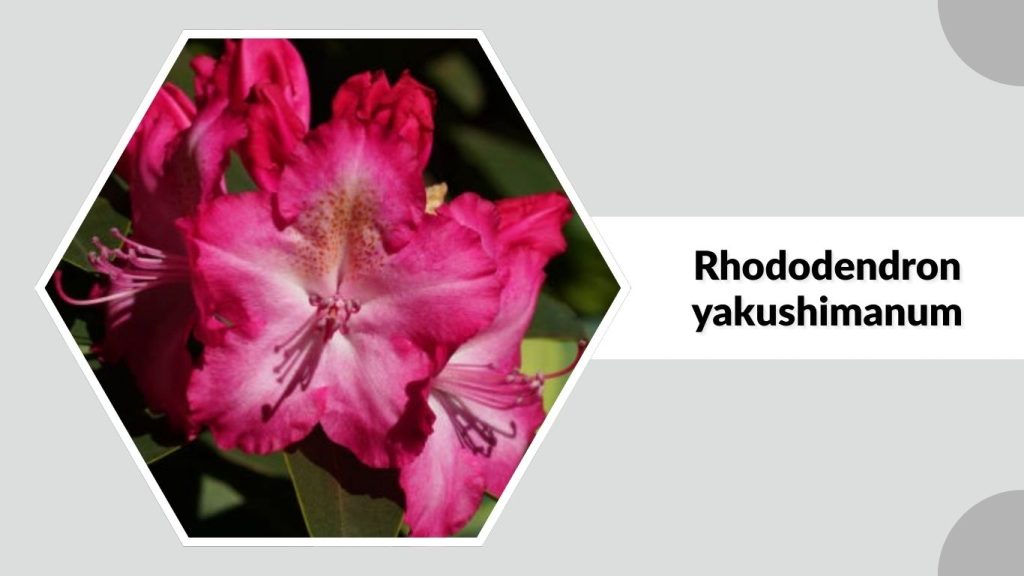
Rhododendron yakushimanum, also known as the Yakushima Rhododendron, is a compact evergreen shrub native to Japan’s Yakushima Island. Renowned for its beautifully rounded flower buds and soft pink to white blooms, this species is highly prized in ornamental gardening. Its smaller size and dense growth make it ideal for borders, containers, and rock gardens.
Identification
- Compact evergreen shrub, 3–6 feet tall
- Leaves: Small, rounded, dark green with a fuzzy underside
- Flowers: Soft pink to white, bell-shaped, in tight clusters
- Blooming season: Late spring to early summer
Habitat and Growth
Rhododendron yakushimanum prefers well-drained, acidic soils and thrives in partial shade. It is hardy in temperate climates and adapts well to garden cultivation, resisting harsh winter conditions better than many other rhododendron species.
Care and Maintenance
Regular watering is important, particularly in dry spells. Mulching helps maintain soil moisture and protect roots. Pruning after flowering encourages bushier growth and promotes more abundant blooms in the next season.
Uses and Benefits
This species is mainly used for ornamental purposes in gardens and parks. Its compact form, attractive foliage, and delicate flowers make it a favorite for enhancing aesthetic appeal and attracting pollinators.
7. Rhododendron ferrugineum
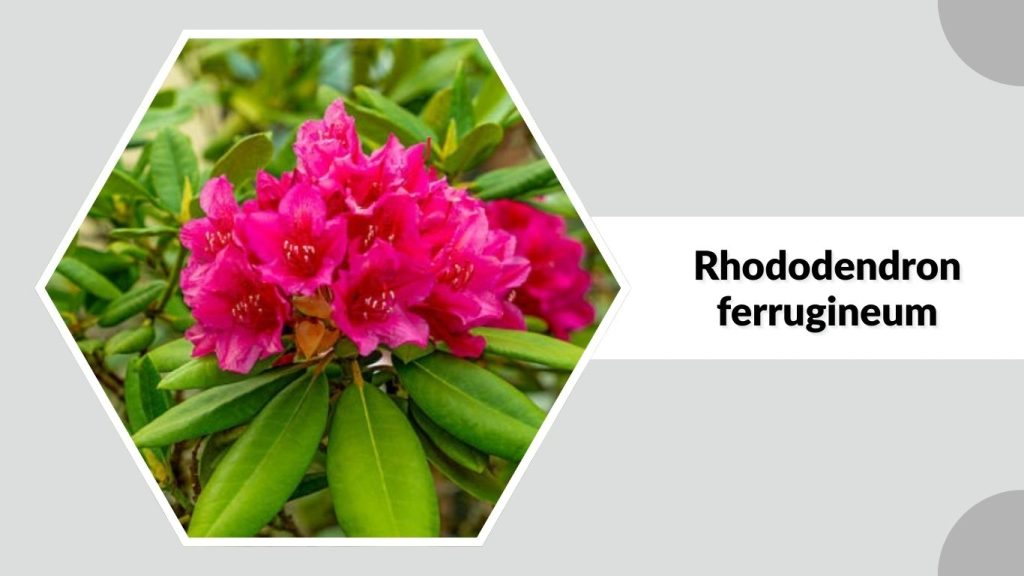
Rhododendron ferrugineum, commonly known as the Alpine Rose, is an evergreen shrub native to the mountainous regions of Europe, particularly the Alps and Pyrenees. It is admired for its vibrant pink to red flowers and its ability to thrive in rocky, acidic soils at high altitudes. This hardy species adds color to alpine landscapes and attracts pollinators in its natural habitat.
Identification
- Evergreen shrub, 1–3 feet tall
- Leaves: Narrow, leathery, dark green with rusty undersides
- Flowers: Bright pink to red, bell-shaped, in clusters
- Blooming season: Late spring to early summer
Habitat and Growth
Rhododendron ferrugineum grows in alpine meadows, rocky slopes, and acidic soils. It prefers full sun to partial shade and is adapted to withstand cold temperatures and harsh mountain conditions.
Care and Maintenance
Minimal care is needed in its natural habitat. In gardens, it requires well-drained acidic soil, regular watering, and mulching to maintain soil moisture. Pruning after flowering keeps the shrub compact and encourages next season’s blooms.
Uses and Benefits
This species is primarily ornamental in rock gardens and alpine landscapes. Its colorful flowers attract bees and butterflies, supporting local pollination. Additionally, it contributes to the biodiversity and visual appeal of mountainous regions.
8. Rhododendron schlippenbachii
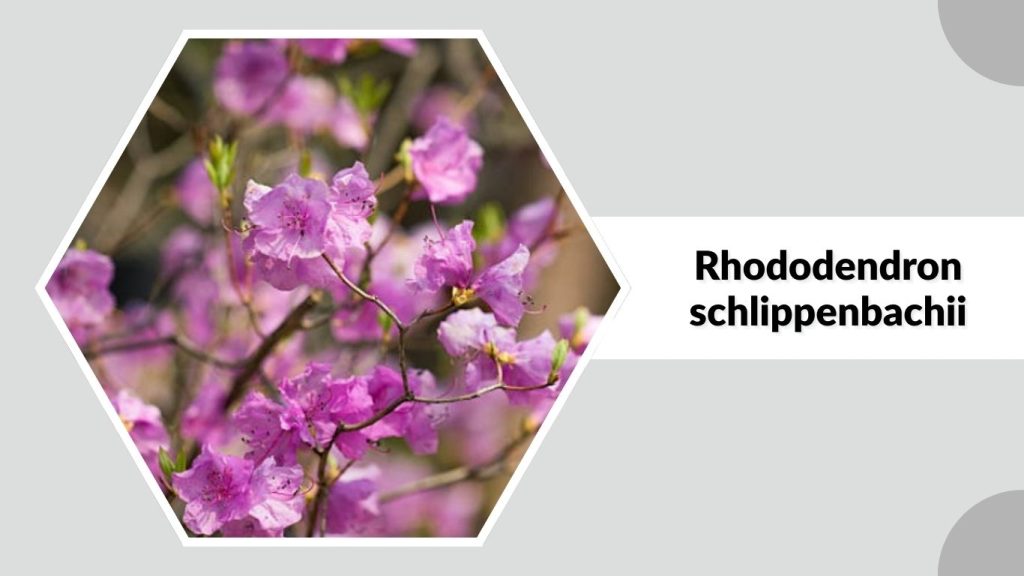
Rhododendron schlippenbachii, commonly called the Royal Azalea, is a deciduous rhododendron native to Korea, Japan, and parts of China. It is highly prized for its stunning pink to white flowers that bloom in spring, creating a striking display. Its adaptability to various garden settings makes it a popular choice for ornamental landscaping.
Identification
- Deciduous shrub, 6–10 feet tall
- Leaves: Elliptical, bright green, turning red or orange in fall
- Flowers: Pink to white, funnel-shaped, in clusters
- Blooming season: Late spring
Habitat and Growth
Rhododendron schlippenbachii thrives in well-drained, acidic soils with partial shade. It prefers temperate climates and can tolerate colder conditions, making it suitable for gardens and parks in diverse regions.
Care and Maintenance
Regular watering, particularly in dry periods, is essential. Mulching helps retain soil moisture and protect roots. Light pruning after flowering maintains shape and encourages healthy new growth.
Uses and Benefits
This species is mainly ornamental, enhancing garden aesthetics with its colorful blooms and autumn foliage. It also attracts pollinators such as bees and butterflies, supporting local biodiversity and contributing to a healthy ecosystem.
9. Rhododendron indicum
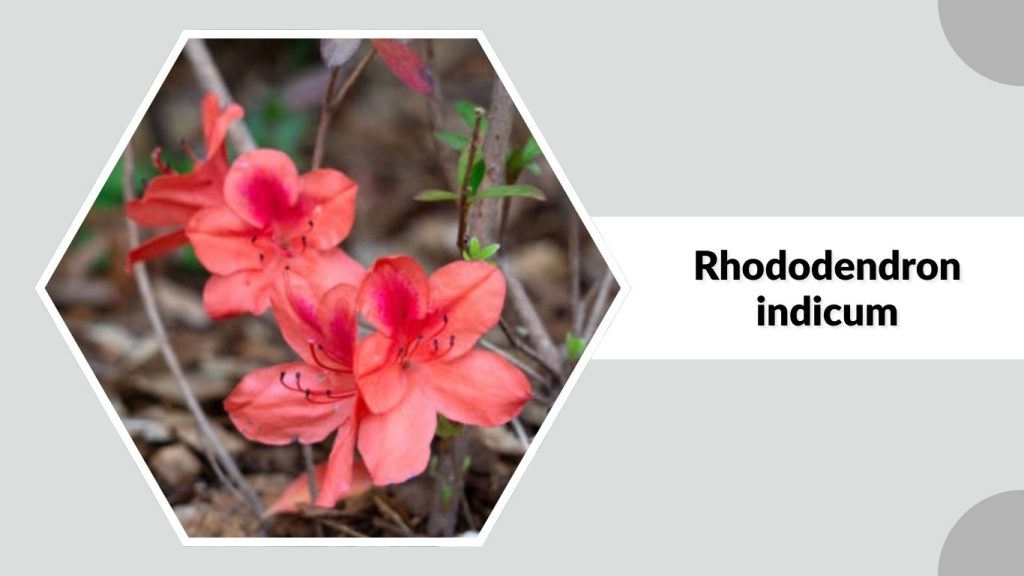
Rhododendron indicum, commonly known as the Indian Azalea, is a popular evergreen rhododendron species native to Japan. Celebrated for its vibrant, trumpet-shaped flowers, it comes in a variety of colors including pink, red, and white. This species is widely cultivated in gardens, bonsai collections, and landscapes for its compact size and long-lasting blooms.
Identification
- Evergreen shrub, 3–6 feet tall
- Leaves: Small, glossy, dark green
- Flowers: Trumpet-shaped, pink, red, or white, in clusters
- Blooming season: Spring to early summer
Habitat and Growth
Rhododendron indicum thrives in well-drained, acidic soils and prefers partial shade. It adapts well to temperate climates and is commonly grown in pots, garden beds, or as hedges in landscaped areas.
Care and Maintenance
Consistent watering is essential, especially during dry spells. Mulching maintains soil moisture and regulates temperature. Pruning after flowering helps promote bushier growth and enhances future blooms.
Uses and Benefits
This species is mainly ornamental, ideal for gardens, bonsai, and landscape designs. Its bright flowers attract pollinators like bees and butterflies, while its evergreen foliage provides year-round greenery.
10. Rhododendron degronianum

Rhododendron degronianum, commonly called the Degronian Rhododendron, is a deciduous species native to Japan. Known for its delicate, bell-shaped flowers that range from white to pale pink, it thrives in cooler climates and mountainous regions. This rhododendron is appreciated for its early spring blooms and attractive autumn foliage.
Identification
- Deciduous shrub, 4–8 feet tall
- Leaves: Oval, medium green, turning yellow in fall
- Flowers: White to pale pink, bell-shaped, in clusters
- Blooming season: Early to mid-spring
Habitat and Growth
Rhododendron degronianum prefers well-drained, acidic soils with partial shade. It naturally grows in mountainous forests and is hardy in temperate climates, making it suitable for rock gardens and shaded garden areas.
Care and Maintenance
Regular watering is important, particularly during dry spells. Mulching helps retain soil moisture and protect roots. Light pruning after flowering encourages new growth and maintains a compact shape.
Uses and Benefits
This species is mainly ornamental, valued for its early blooms and aesthetic foliage. It attracts pollinators such as bees and butterflies and is often used in garden landscapes, rockeries, and woodland plantings.
11. Rhododendron sinogrande

Rhododendron sinogrande, commonly known as the Giant Himalayan Rhododendron, is an impressive evergreen species native to the eastern Himalayas. It is renowned for its large, leathery leaves and spectacular clusters of white to pale pink flowers, making it a standout in gardens and mountainous landscapes. Its grandeur and size make it a favorite among rhododendron enthusiasts.
Identification
- Evergreen shrub/tree, 10–20 feet tall (can grow taller in the wild)
- Leaves: Very large, leathery, dark green
- Flowers: White to pale pink, bell-shaped, in large clusters
- Blooming season: Late spring to early summer
Habitat and Growth
Rhododendron sinogrande thrives in cool, moist, well-drained acidic soils. It prefers partial shade and is commonly found in mountainous regions, adapting well to temperate climates and high-altitude environments.
Care and Maintenance
Consistent watering is essential, especially during dry periods. Mulching helps maintain soil moisture and protects roots. Pruning is minimal, mainly to remove dead branches and maintain shape, as the plant naturally grows large and majestic.
Uses and Benefits
This species is primarily ornamental, used in large gardens, parks, and naturalized landscapes. Its massive blooms attract pollinators, and its dense foliage provides shelter for birds and small wildlife.
12. Rhododendron dauricum
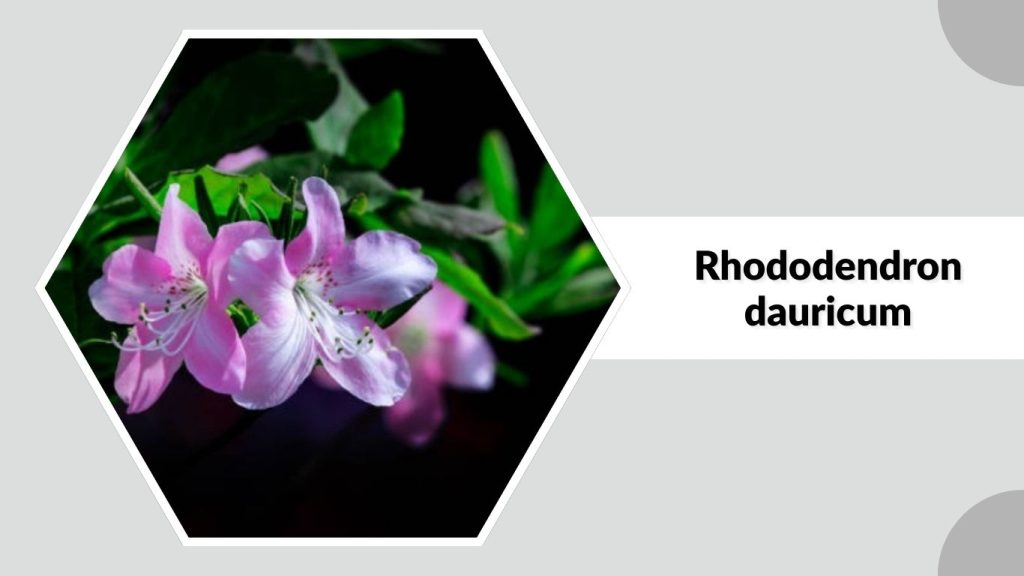
Rhododendron dauricum, commonly known as the Daurian Rhododendron, is a deciduous species native to Siberia, Mongolia, and northeastern Asia. It is admired for its early spring blooms, which appear before the leaves, displaying shades of pink to purple. Its compact size and hardiness make it ideal for cold-climate gardens and rockeries.
Identification
- Deciduous shrub, 3–6 feet tall
- Leaves: Small, oblong, dark green
- Flowers: Pink to purple, bell-shaped, in clusters
- Blooming season: Early spring
Habitat and Growth
Rhododendron dauricum thrives in well-drained, acidic soils and prefers partial shade. It is extremely cold-hardy, tolerating harsh winters, and is often found in rocky slopes, open forests, and alpine areas.
Care and Maintenance
Regular watering is important, particularly in dry conditions. Mulching helps retain moisture and protect roots during winter. Light pruning after flowering maintains shape and encourages denser growth and more abundant blooms.
Uses and Benefits
This species is primarily ornamental, adding early spring color to gardens and rockeries. Its flowers attract bees and other pollinators, while its compact form is ideal for small garden spaces and cold-climate landscapes.
13. Rhododendron macrophyllum
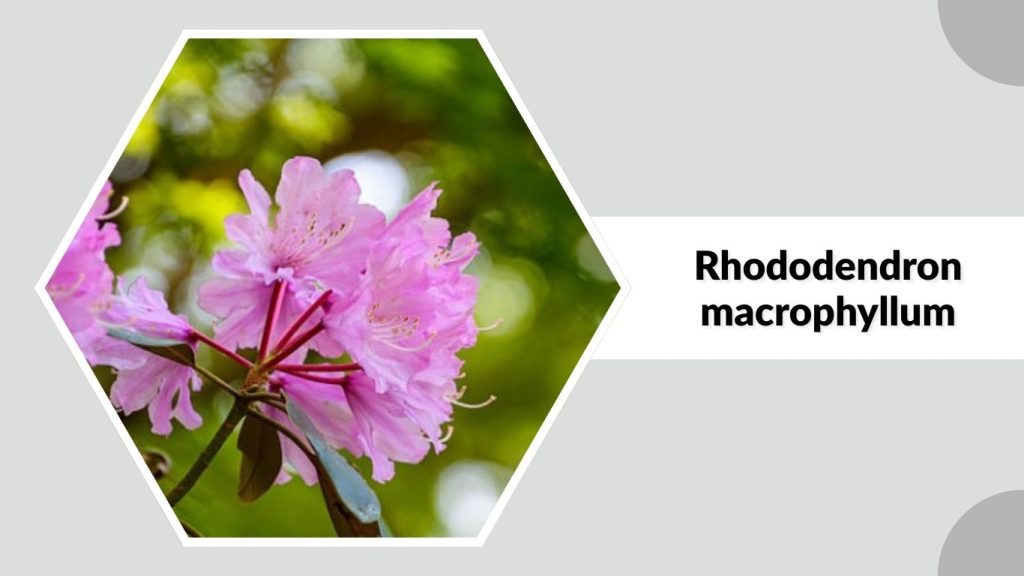
Rhododendron macrophyllum, commonly known as the Pacific Rhododendron, is an evergreen shrub native to the Pacific Northwest of the United States. It is celebrated for its large, showy pink to lavender flowers and broad, glossy leaves. This species thrives in temperate forests and is the state flower of Washington.
Identification
- Evergreen shrub, 6–15 feet tall
- Leaves: Large, leathery, dark green
- Flowers: Pink to lavender, bell-shaped, in clusters
- Blooming season: Late spring to early summer
Habitat and Growth
Rhododendron macrophyllum prefers acidic, well-drained soils and partial shade. It naturally grows in forest understories and mountainous areas, thriving in moist, temperate climates.
Care and Maintenance
Regular watering and mulching are important to maintain soil moisture. Pruning after flowering helps shape the shrub and encourages fuller blooms in the next season. Fertilizing with acid-loving plant fertilizer enhances growth and flowering.
Uses and Benefits
This species is mainly ornamental, ideal for large gardens, woodland landscapes, and parks. Its flowers attract pollinators, and its dense foliage provides shelter for birds and small wildlife, contributing to biodiversity.
14. Rhododendron albiflorum
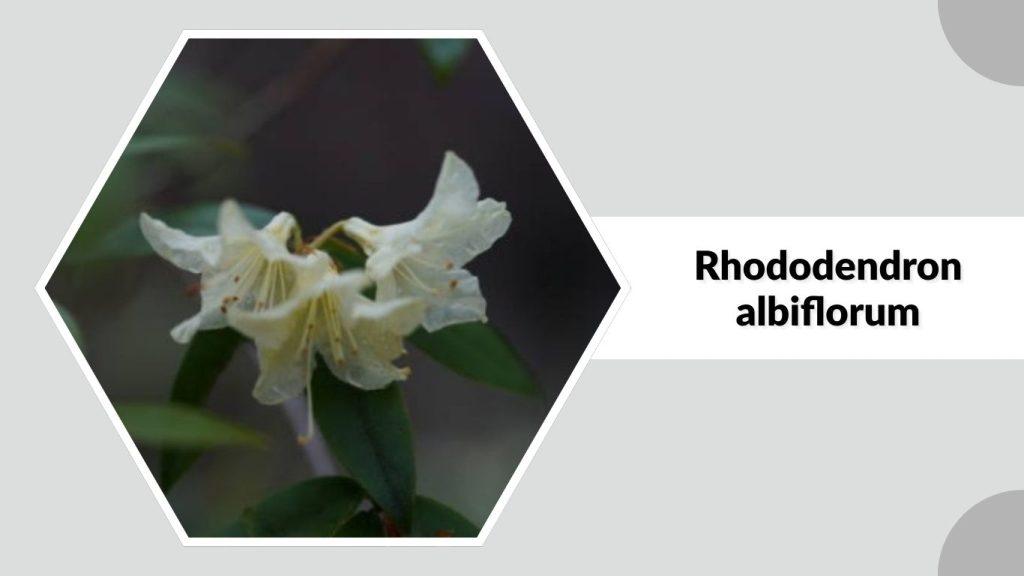
Rhododendron albiflorum, commonly known as the White-flowered Rhododendron or Cascade Rhododendron, is an evergreen shrub native to the mountainous regions of western North America. It is prized for its pure white, bell-shaped flowers that bloom in late spring, offering a striking contrast against its dark green foliage.
Identification
- Evergreen shrub, 3–6 feet tall
- Leaves: Broad, leathery, dark green
- Flowers: White, bell-shaped, in clusters
- Blooming season: Late spring
Habitat and Growth
Rhododendron albiflorum thrives in moist, acidic soils with partial shade. It is commonly found in forested areas, along streams, and on mountain slopes, preferring cooler, temperate climates.
Care and Maintenance
Regular watering and mulching help maintain soil moisture and protect the roots. Light pruning after flowering encourages denser growth and enhances blooming the following season. Fertilization with acid-loving plant fertilizer supports healthy development.
Uses and Benefits
This species is mainly ornamental, perfect for woodland gardens and naturalized landscapes. Its white flowers attract pollinators, and its evergreen foliage provides year-round greenery and shelter for birds and other small wildlife.
15. Rhododendron tomentosum
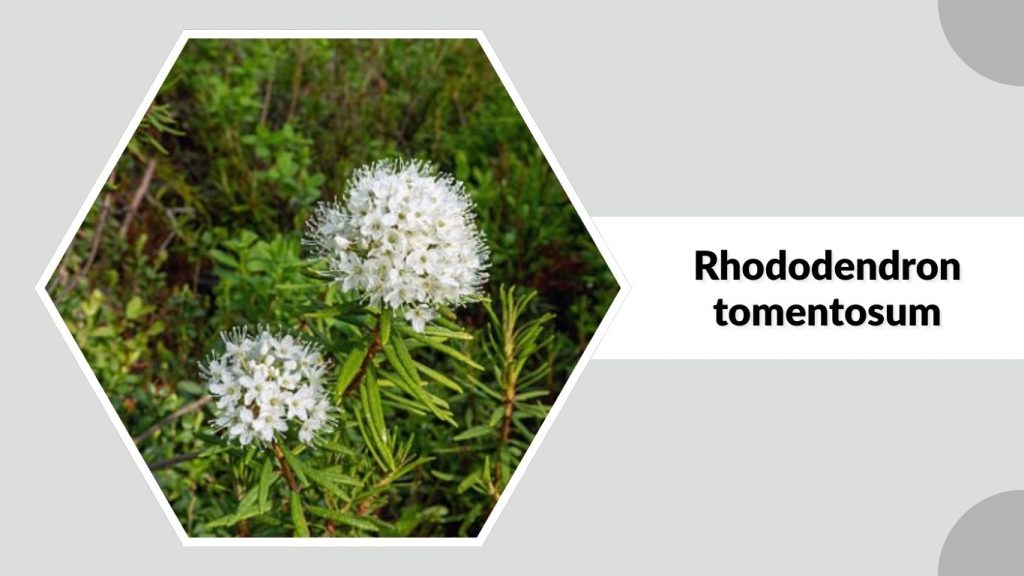
Rhododendron tomentosum, commonly known as the Marsh Labrador Tea, is a low-growing evergreen shrub native to northern Europe, Asia, and North America. It is recognized for its aromatic leaves and small, creamy-white flowers. This hardy species typically grows in boggy or marshy areas, adding unique texture and fragrance to natural landscapes.
Identification
- Evergreen shrub, 1–3 feet tall
- Leaves: Narrow, leathery, green with white hairy undersides
- Flowers: Small, creamy-white, in clusters
- Blooming season: Late spring to early summer
Habitat and Growth
Rhododendron tomentosum thrives in wet, acidic soils such as bogs, marshes, and peatlands. It prefers full sun to partial shade and is extremely cold-hardy, making it suitable for northern climates.
Care and Maintenance
Minimal care is needed in its natural habitat. In gardens, it requires consistently moist, acidic soil. Light pruning after flowering can help maintain shape and remove any dead growth.
Uses and Benefits
This species is primarily ornamental and ecological, providing ground cover in wetland areas. Its aromatic leaves are sometimes used in traditional herbal remedies, and the flowers attract pollinators such as bees and butterflies.
FAQs
What is the best soil for Rhododendrons?
Rhododendrons thrive in well-drained, acidic soils with a pH between 4.5 and 6.0. Loamy or sandy soils enriched with organic matter, like compost or peat, provide ideal conditions for healthy growth and vibrant blooms.
How often should Rhododendrons be watered?
Rhododendrons require regular watering, especially during dry periods. The soil should remain consistently moist but not waterlogged, and mulching helps retain moisture and protect the roots.
When do Rhododendrons bloom?
Most Rhododendron species bloom in late spring to early summer, though some varieties, like Rhododendron dauricum, can bloom in early spring. Bloom timing may vary depending on species and climate.
How can I prune Rhododendrons?
Pruning should be done after flowering to remove dead or damaged branches. Light pruning encourages bushier growth and promotes more abundant blooms in the following season without affecting next year’s flowers.
Are Rhododendrons safe for pets?
Many Rhododendron species are toxic to cats, dogs, and other animals if ingested. Keep pets away from leaves, flowers, and stems to prevent poisoning, and consult a veterinarian if ingestion occurs.