





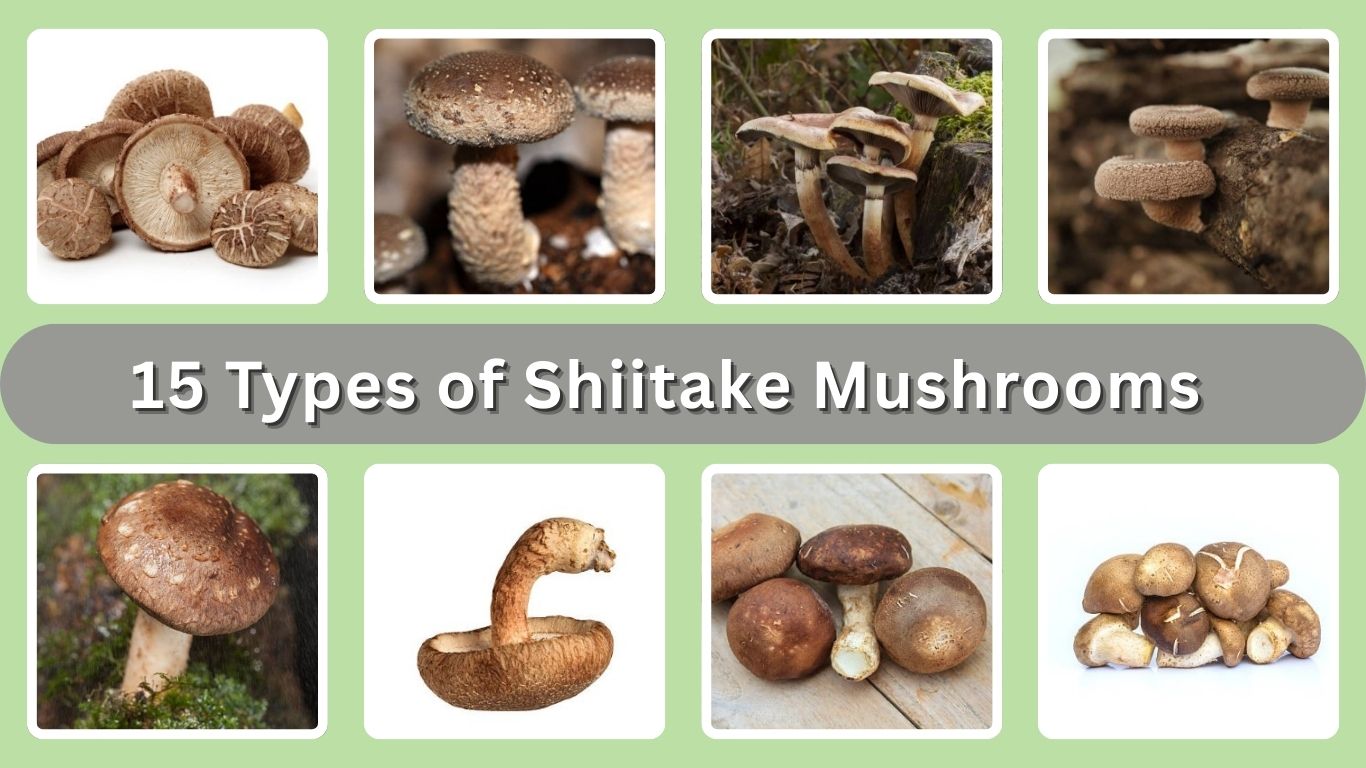
Shiitake mushrooms are among the most popular and widely used edible mushrooms in the world, valued for their rich umami flavor, meaty texture, and nutritional benefits. Originating in East Asia, shiitakes are now cultivated globally using both traditional and modern methods. They appear in several forms based on growing conditions, cap thickness, season, and processing methods. This guide highlights different types of shiitake mushrooms, helping readers understand their characteristics, uses, and culinary importance.
1. Donko Shiitake Mushroom
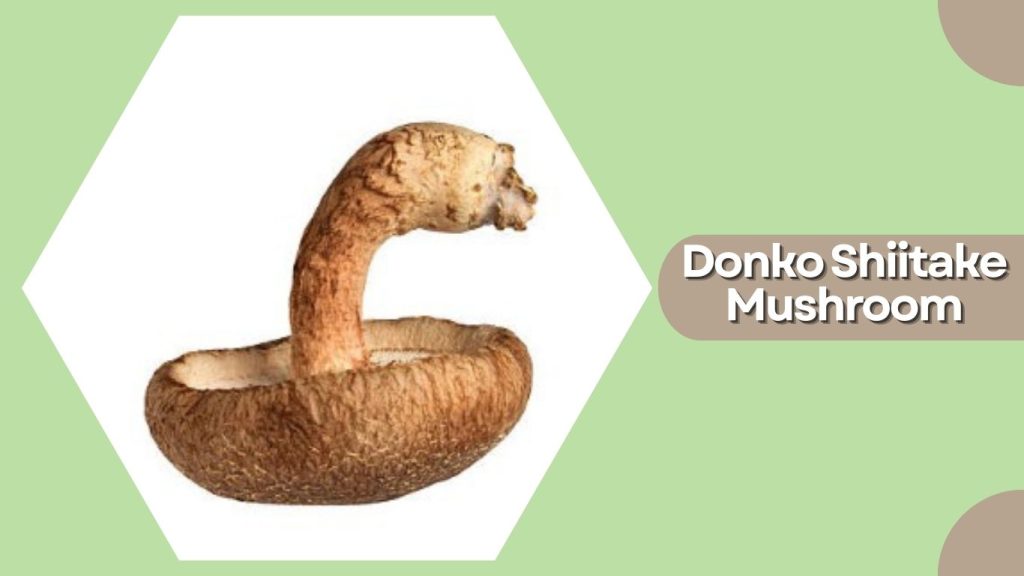
Donko shiitake mushrooms are a premium variety of shiitake, highly valued for their thick caps, dense texture, and rich umami flavor. They are typically harvested during colder growing conditions, which slows growth and results in a meatier mushroom. Because of their quality and appearance, donko shiitakes are often considered a luxury ingredient, especially in Asian cuisine.
Identification
- Thick, rounded cap with a domed shape
- Cap surface dark brown and slightly cracked
- Cap edges curled inward when young
- Short, sturdy stem
- Firm, dense flesh
- Strong earthy and umami aroma
Growing Conditions
Donko shiitake mushrooms grow slowly, usually on hardwood logs or controlled substrates during cooler temperatures. The slow growth allows the caps to thicken and develop concentrated flavor. They are commonly produced in winter or cool seasons, which is why they are sometimes called winter shiitake.
Culinary Uses
Due to their firm texture, donko shiitakes are ideal for slow-cooked dishes. They are commonly used in soups, broths, stews, stir-fries, and braised dishes. When dried, they develop an even deeper flavor and are often rehydrated for use in traditional recipes.
Nutritional Value
Donko shiitake mushrooms are low in calories and rich in dietary fiber. They provide B vitamins, minerals such as copper and selenium, and natural compounds that contribute to their savory taste. Their dense texture also makes them a popular plant-based meat alternative in many dishes.
2. Koshin Shiitake Mushroom
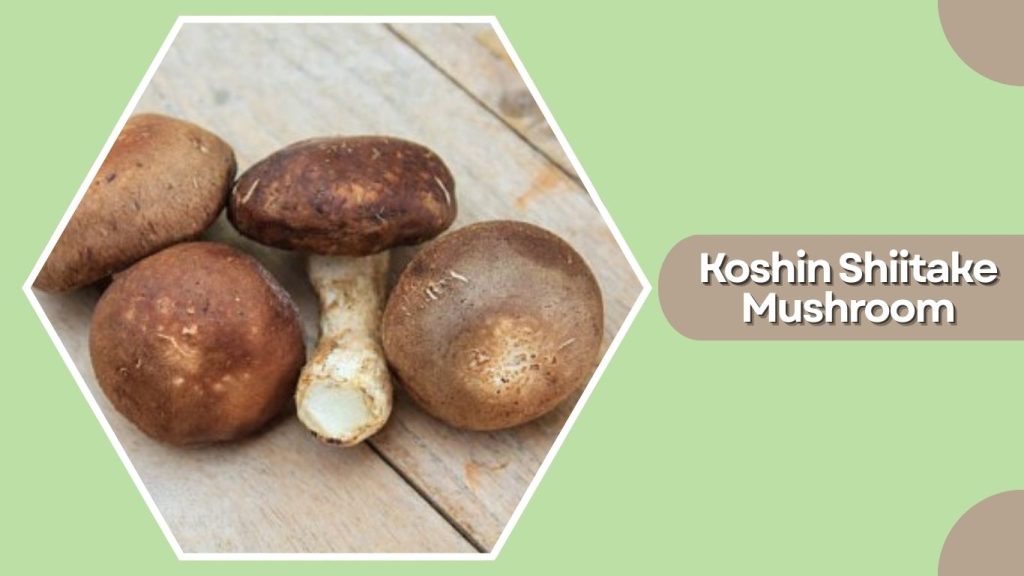
Koshin shiitake mushrooms are a more common and affordable variety of shiitake, known for their thinner caps and lighter texture. They grow faster than donko shiitakes and are widely used in everyday cooking due to their versatility and balanced flavor.
Identification
- Thin, flatter cap compared to donko
- Light to medium brown cap color
- Cap surface smooth, rarely cracked
- Longer, slimmer stem
- Softer flesh
- Mild, pleasant earthy aroma
Growing Conditions
Koshin shiitakes grow in warmer conditions and mature more quickly. They are commonly cultivated on logs or sawdust blocks and are available fresh or dried throughout the year.
Culinary Uses
These mushrooms are ideal for quick-cooking methods such as stir-frying, sautéing, and adding to noodles, rice dishes, and vegetables. They absorb sauces well and soften easily when cooked.
Nutritional Value
Koshin shiitakes provide fiber, B vitamins, and minerals while remaining low in calories. Their lighter texture makes them easy to digest and suitable for frequent use.
3. Hua Gu Shiitake Mushroom
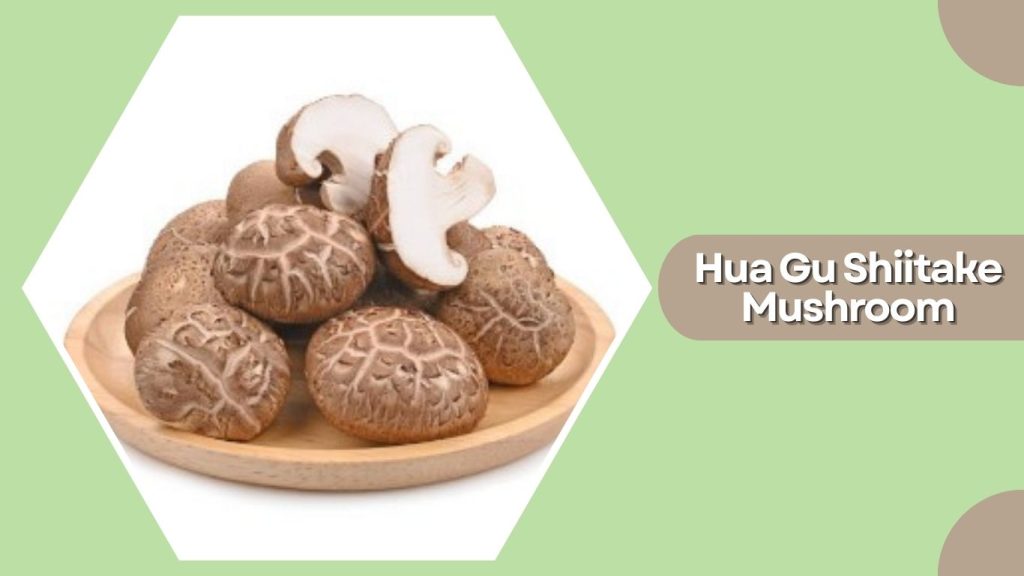
Hua Gu shiitake mushrooms are easily recognized by their decorative cracked caps, which form natural white patterns against a dark brown surface. They are highly valued for both appearance and flavor, especially in traditional Asian cuisine.
Identification
- Thick cap with distinct white cracked patterns
- Dark brown cap background
- Rounded, slightly domed shape
- Short to medium stem
- Firm, meaty texture
- Rich umami aroma
Growing Conditions
Hua Gu shiitakes are typically grown in cool temperatures with controlled humidity. The cracking occurs naturally due to slower growth, which enhances cap thickness and flavor.
Culinary Uses
They are commonly used in festive dishes, soups, braises, and premium stir-fries. Their attractive appearance makes them popular in restaurant and celebratory meals.
Nutritional Value
Hua Gu shiitakes are nutrient-dense, providing fiber, antioxidants, and essential minerals. Their strong flavor allows smaller amounts to enhance dishes effectively.
4. Xiang Gu Shiitake Mushroom
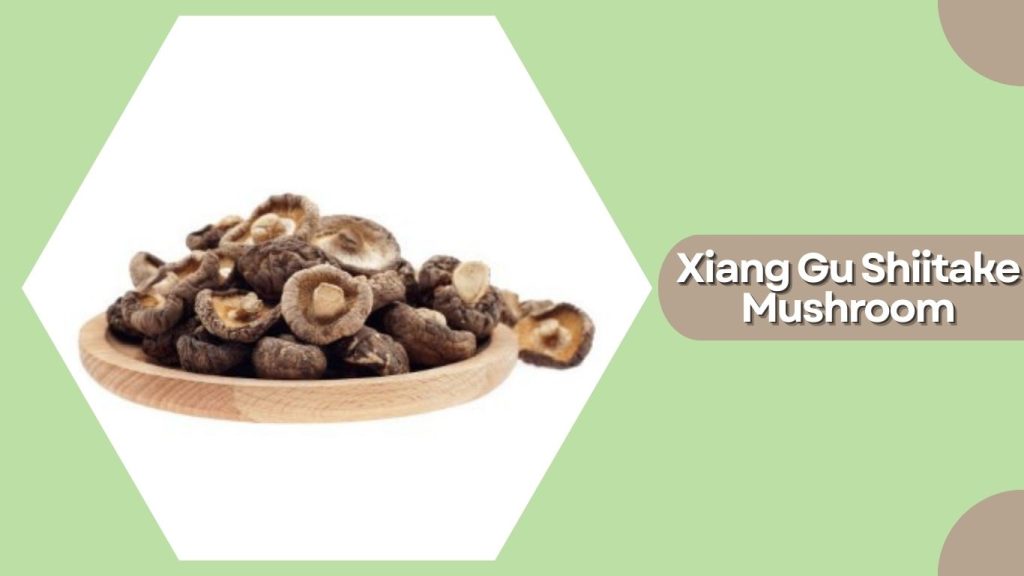
Xiang Gu shiitake mushrooms are known for their strong fragrance and well-developed umami flavor. The name “Xiang” refers to their rich aroma, which becomes especially pronounced when the mushrooms are dried. They are commonly used in traditional Asian cooking.
Identification
- Medium to large brown cap
- Cap surface smooth or lightly cracked
- Cap slightly domed, flattening with age
- Firm flesh
- Medium-length stem
- Strong, fragrant aroma
Growing Conditions
Xiang Gu shiitakes are typically cultivated on hardwood logs or compressed growing blocks. They develop best under moderate temperatures and controlled humidity, allowing their aroma compounds to fully form.
Culinary Uses
These mushrooms are ideal for soups, stocks, sauces, and braised dishes. Drying intensifies their flavor, making them a staple in dried mushroom assortments.
Nutritional Value
Xiang Gu shiitakes provide dietary fiber, B vitamins, and minerals such as copper and potassium. Their aromatic compounds contribute to both flavor and nutritional appeal.
5. Black Forest Shiitake Mushroom
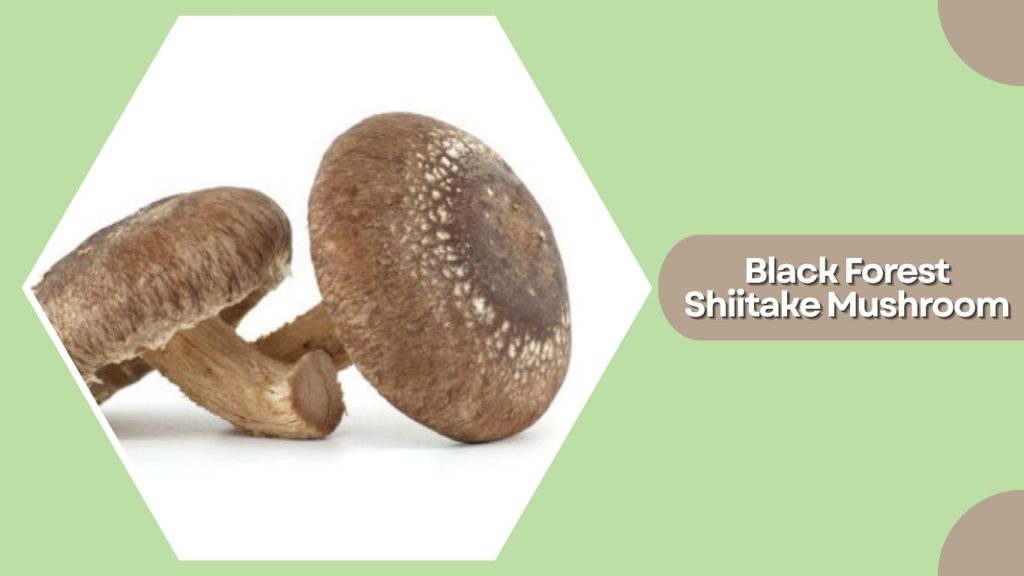
Black Forest shiitake mushrooms are a darker-colored variety known for their deep, earthy flavor and attractive appearance. They are often associated with forest-style cultivation and are valued for their robust taste.
Identification
- Dark brown to almost black cap
- Cap thick and firm
- Surface smooth or slightly textured
- Short, sturdy stem
- Dense flesh
- Deep earthy aroma
Growing Conditions
These shiitakes are commonly grown on hardwood logs in shaded, forest-like environments. Slower growth contributes to their dark coloration and intensified flavor.
Culinary Uses
Black Forest shiitakes are well suited for grilling, roasting, and hearty dishes such as stews and noodle soups. Their strong flavor pairs well with rich sauces.
Nutritional Value
They are a good source of fiber, essential minerals, and natural compounds that enhance savory taste, making them popular in both home and professional kitchens.
6. White Flower Shiitake Mushroom
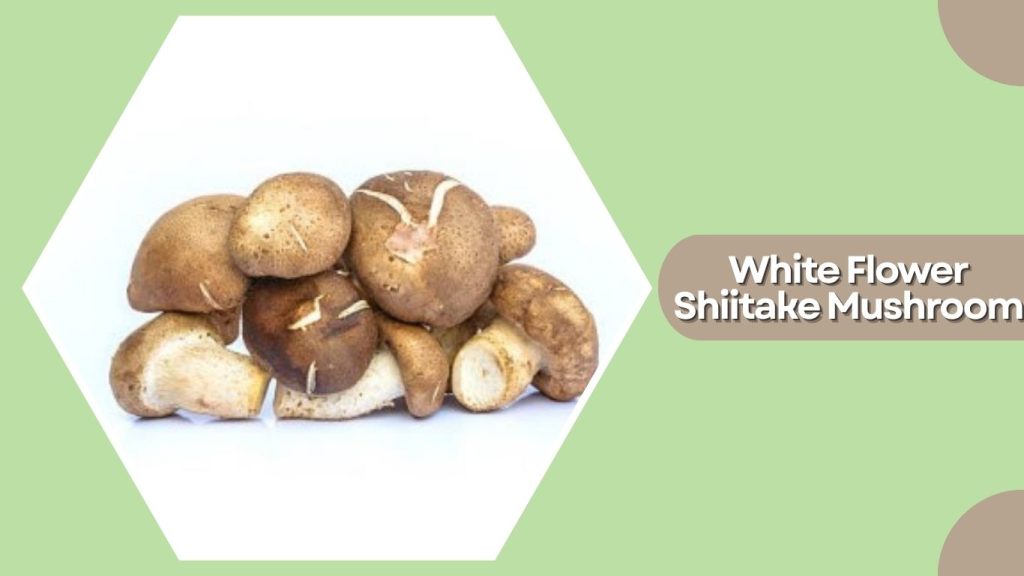
White flower shiitake mushrooms are prized for their striking appearance, featuring natural white cracking patterns on the cap surface. These patterns resemble flowers, making them visually appealing as well as flavorful. They are often considered a premium form of shiitake.
Identification
- Thick brown cap with white flower-like cracks
- Rounded, domed cap shape
- Short, firm stem
- Dense, meaty flesh
- Smooth underside with pale gills
- Rich, earthy aroma
Growing Conditions
White flower shiitakes develop under cool temperatures and controlled humidity. The slow growth process causes the cap surface to crack naturally, enhancing both texture and flavor.
Culinary Uses
They are commonly used in soups, braised dishes, and special-occasion meals. Their firm texture allows them to hold shape well during long cooking.
Nutritional Value
These mushrooms are rich in dietary fiber, B vitamins, and minerals such as copper. Their concentrated flavor means smaller portions can enhance dishes.
7. Thick-Cap Shiitake Mushroom
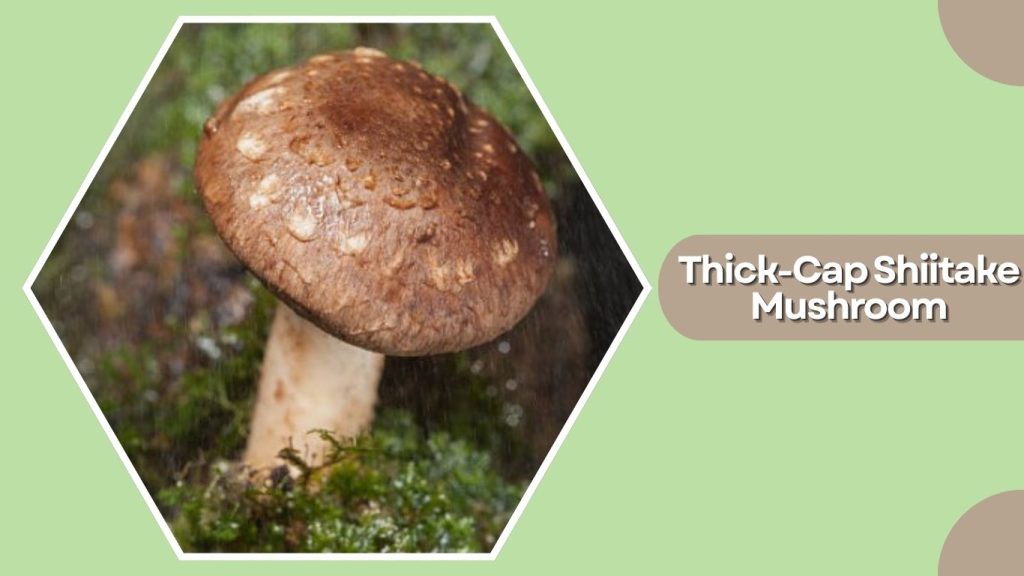
Thick-cap shiitake mushrooms are characterized by their substantial cap thickness and chewy texture. They are favored for dishes that require mushrooms to remain firm after cooking.
Identification
- Large, thick, fleshy cap
- Cap color ranges from light to dark brown
- Cap slightly domed
- Short to medium stem
- Firm, chewy texture
- Mild to rich shiitake aroma
Growing Conditions
This type grows slowly, often in cooler conditions or on hardwood logs. Slow development allows the cap to thicken and concentrate flavor.
Culinary Uses
Thick-cap shiitakes are excellent for grilling, roasting, and stir-frying. They are also used as a meat substitute in plant-based dishes due to their texture.
Nutritional Value
They provide fiber, plant-based protein, and essential minerals, supporting their popularity in nutritious, hearty meals.
8. Thin-Cap Shiitake Mushroom
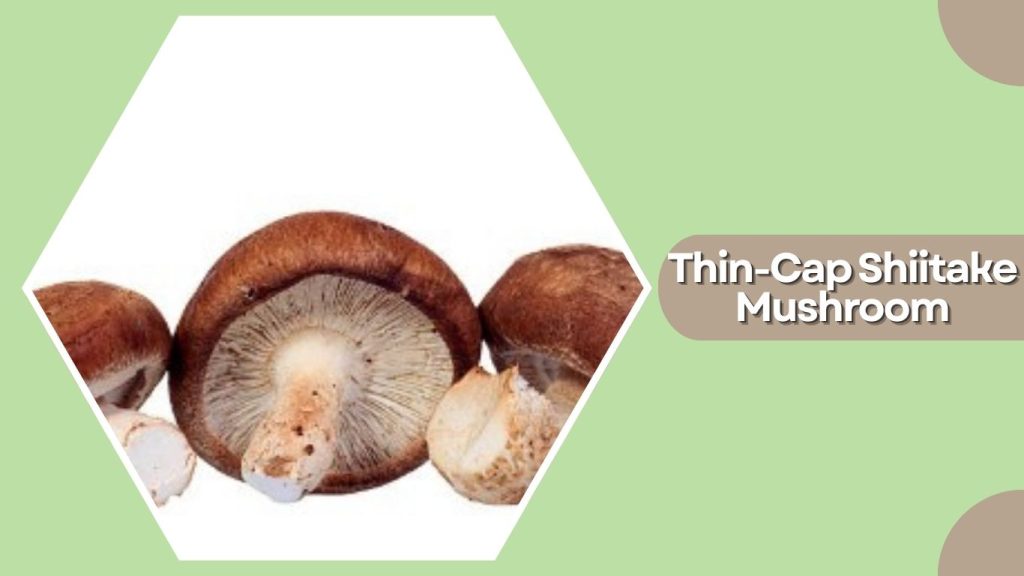
Thin-cap shiitake mushrooms are lighter and more delicate compared to thick-cap varieties. They cook quickly and are commonly used in everyday dishes where a softer texture is preferred.
Identification
- Thin, flatter brown cap
- Cap smooth with slight curvature
- Longer, slender stem
- Softer flesh
- Flexible cap texture
- Mild, earthy aroma
Growing Conditions
These mushrooms grow faster, often in warmer conditions or on sawdust-based substrates. Rapid growth results in thinner caps and a lighter structure.
Culinary Uses
Thin-cap shiitakes are ideal for quick stir-fries, soups, noodles, and omelets. They absorb sauces easily and blend well with other ingredients.
Nutritional Value
They are low in calories and provide fiber, B vitamins, and trace minerals, making them suitable for regular consumption.
9. Winter Shiitake Mushroom
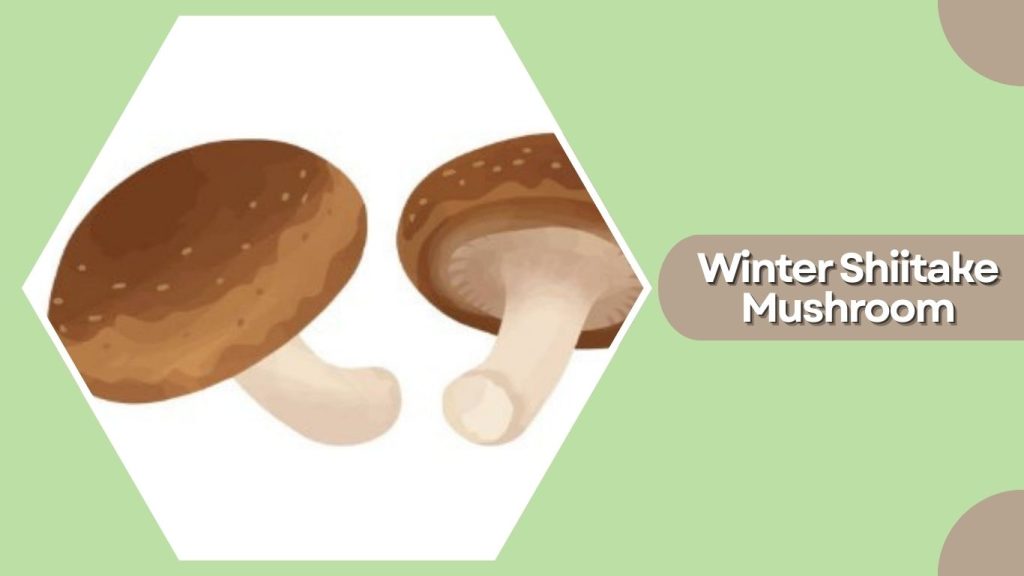
Winter shiitake mushrooms are grown or harvested during colder months, resulting in thicker caps and more concentrated flavor. Cooler temperatures slow growth, improving texture and aroma.
Identification
- Thick, rounded cap
- Dark brown cap color
- Firm, dense flesh
- Short stem
- Slightly curled cap edges
- Strong umami aroma
Growing Conditions
These shiitakes grow in low temperatures, either outdoors on logs or in temperature-controlled environments. The cold conditions enhance cap thickness and flavor.
Culinary Uses
Winter shiitakes are excellent for soups, stews, hot pots, and slow-cooked dishes where their rich flavor can fully develop.
Nutritional Value
They are rich in fiber, antioxidants, and essential minerals, offering both culinary and nutritional benefits.
10. Summer Shiitake Mushroom
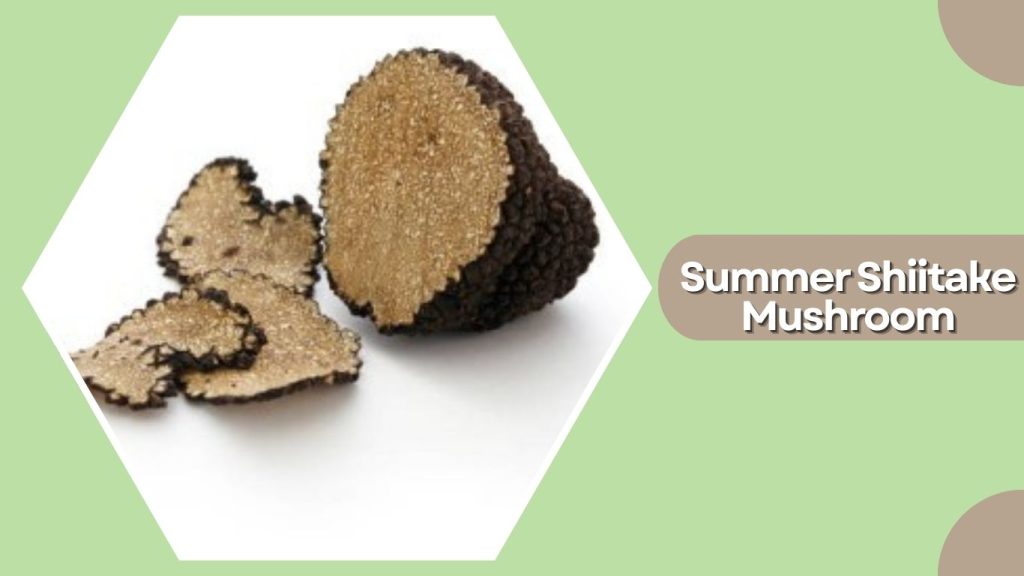
Summer shiitake mushrooms grow in warmer conditions and mature more quickly than winter varieties. They tend to have thinner caps and a lighter flavor, making them suitable for fast cooking and everyday meals.
Identification
- Medium-sized, light brown cap
- Cap flatter and thinner than winter types
- Smooth cap surface
- Longer stem
- Softer texture
- Mild, earthy aroma
Growing Conditions
These shiitakes are cultivated during warm seasons or in warm indoor environments. Faster growth results in lighter texture and less dense flesh.
Culinary Uses
Summer shiitakes are ideal for stir-fries, sautés, and quick soups. They blend well with vegetables and light sauces without overpowering other ingredients.
Nutritional Value
They provide dietary fiber, B vitamins, and minerals while remaining low in calories, supporting balanced daily diets.
11. Log-Grown Shiitake Mushroom
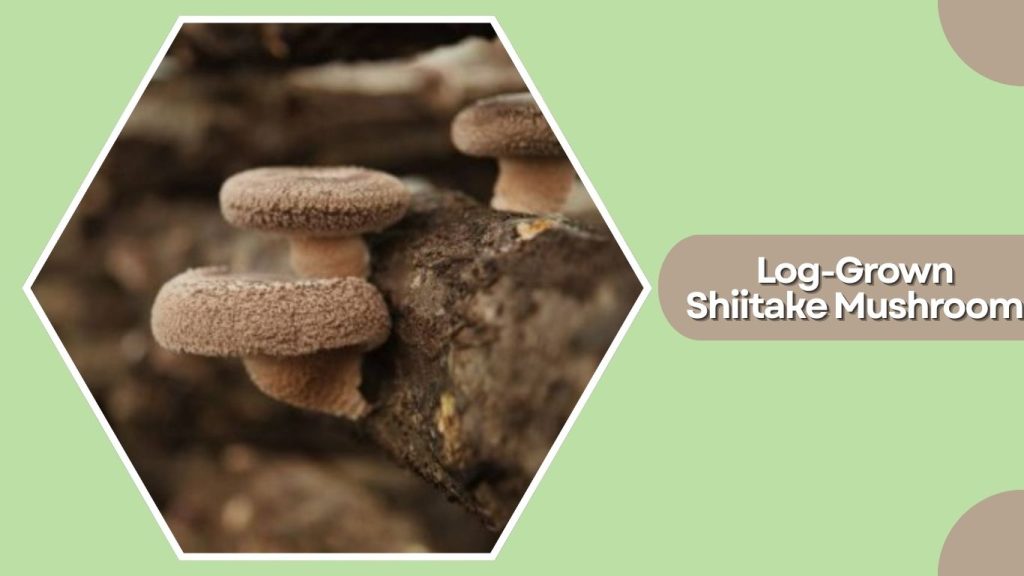
Log-grown shiitake mushrooms are cultivated on natural hardwood logs, closely mimicking wild growing conditions. This traditional method is known for producing mushrooms with superior flavor and texture.
Identification
- Medium to large brown cap
- Cap firm and well-shaped
- Natural surface texture
- Short to medium stem
- Dense, meaty flesh
- Rich, earthy aroma
Growing Conditions
Hardwood logs such as oak are inoculated and left to fruit over several years. Growth is slower than artificial methods, allowing complex flavors to develop.
Culinary Uses
Log-grown shiitakes are excellent for grilling, roasting, soups, and gourmet dishes. Their robust flavor stands out even in simple preparations.
Nutritional Value
They are rich in fiber, minerals, and beneficial compounds, making them popular in both culinary and traditional diets.
12. Sawdust-Grown Shiitake Mushroom
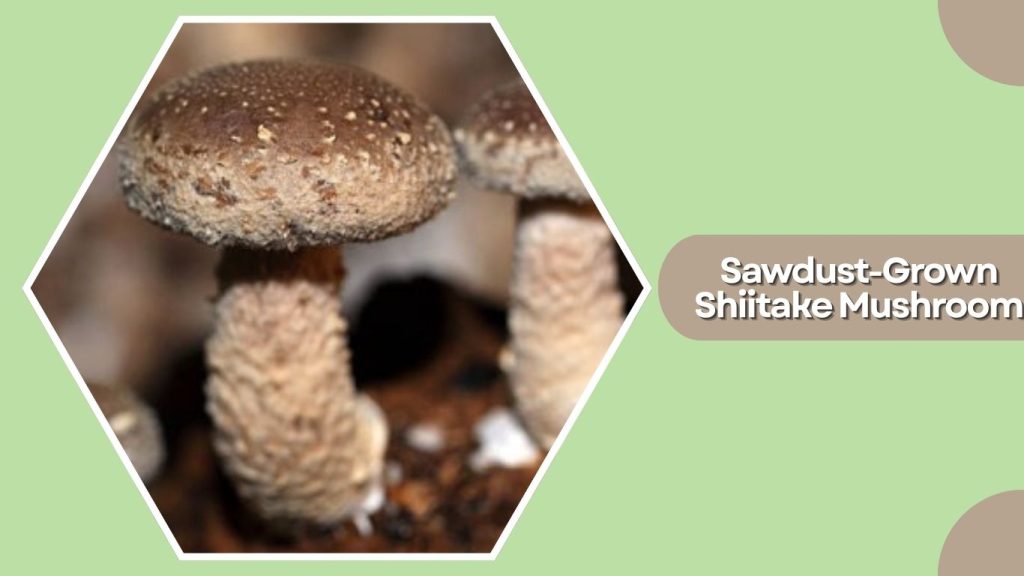
Sawdust-grown shiitake mushrooms are produced using compressed blocks of hardwood sawdust and nutrients. This modern cultivation method allows for efficient, large-scale production and consistent quality.
Identification
- Medium-sized brown cap
- Cap smooth and evenly shaped
- Moderate cap thickness
- Medium-length stem
- Tender flesh
- Mild to moderate aroma
Growing Conditions
These mushrooms are grown indoors under carefully controlled temperature and humidity. They mature faster than log-grown shiitakes, making them widely available year-round.
Culinary Uses
Sawdust-grown shiitakes are versatile and suitable for stir-fries, soups, noodles, and sauces. Their softer texture works well in quick-cooking dishes.
Nutritional Value
They provide fiber, B vitamins, and essential minerals, supporting everyday nutritional needs.
13. Wild Shiitake Mushroom
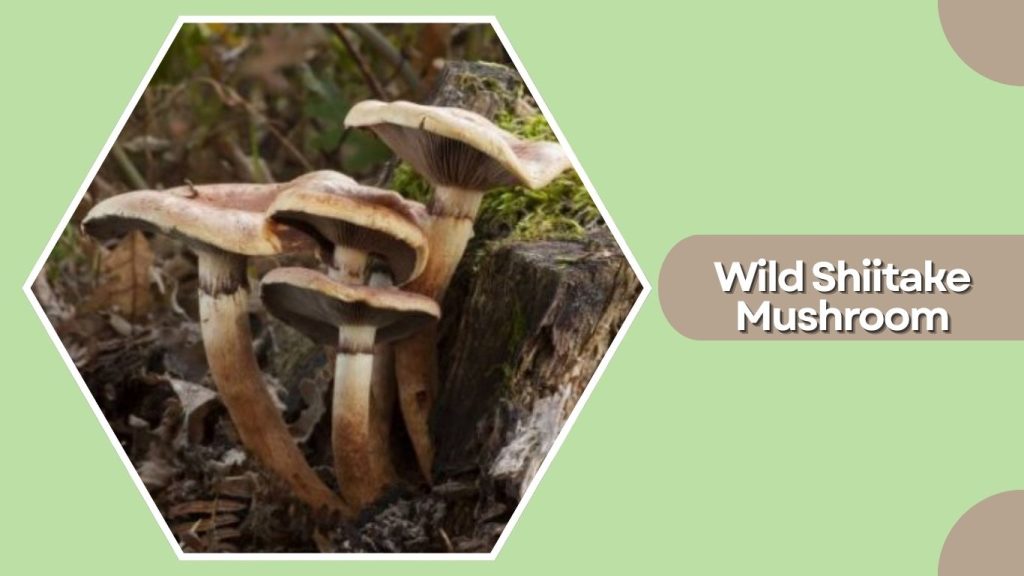
Wild shiitake mushrooms grow naturally on hardwood trees in forest environments. They are less common than cultivated varieties and are mainly valued for ecological and traditional significance.
Identification
- Brown cap with natural texture
- Cap irregular in shape
- Firm flesh
- Short stem
- Strong earthy aroma
- Natural color variations
Habitat and Growth
Wild shiitakes grow on decaying hardwoods in forested regions. Their appearance depends on climate and tree species, making them unpredictable in size and shape.
Notes
Due to rarity and identification challenges, wild shiitakes are not commonly harvested and are best appreciated for study rather than consumption.
14. Organic Shiitake Mushroom
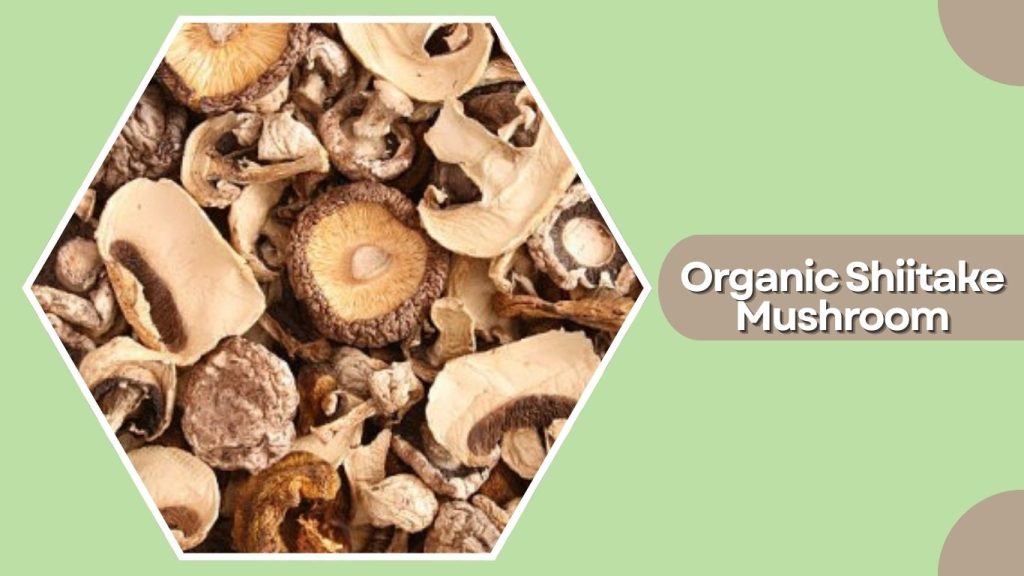
Organic shiitake mushrooms are grown without synthetic chemicals, pesticides, or artificial fertilizers. They are produced using natural substrates and methods that follow organic farming standards, making them popular among health-conscious consumers.
Identification
- Medium to large brown cap
- Cap surface smooth or lightly textured
- Well-formed, rounded shape
- Medium-length stem
- Firm but tender flesh
- Clean, earthy aroma
Growing Conditions
Organic shiitakes are cultivated on certified organic logs or sawdust blocks under controlled conditions. Emphasis is placed on natural growth cycles and environmental balance.
Culinary Uses
They are suitable for all common shiitake preparations, including stir-fries, soups, grilling, and roasting. Their clean flavor works well in both simple and complex dishes.
Nutritional Value
Organic shiitakes provide fiber, B vitamins, minerals, and natural compounds while meeting organic dietary preferences.
15. Dried Shiitake Mushroom
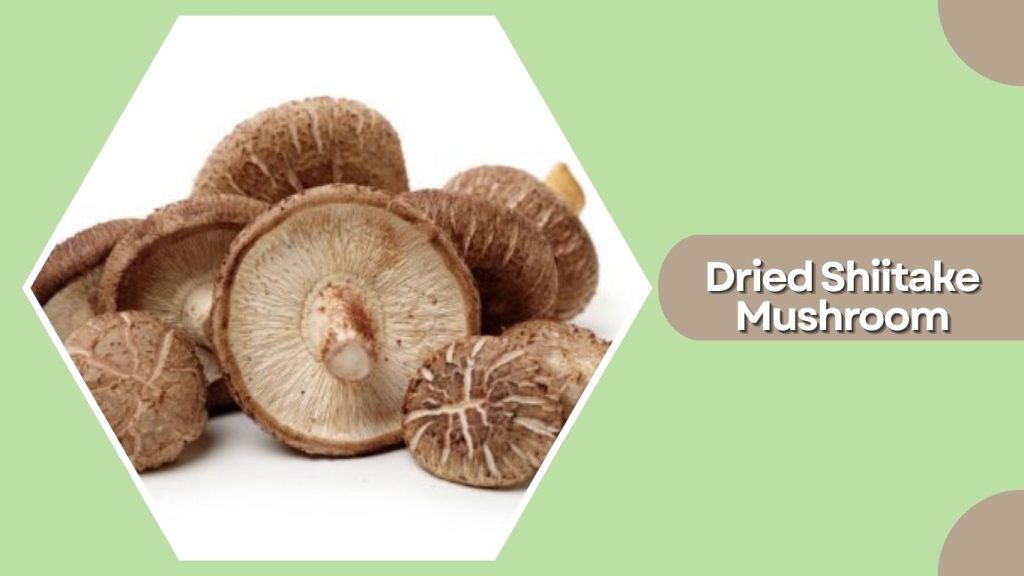
Dried shiitake mushrooms are a preserved form of fresh shiitakes, known for their intense flavor and long shelf life. Drying concentrates their natural umami, making them a staple in many cuisines.
Identification
- Wrinkled, shrunken cap
- Dark brown to black color
- Hard, dry texture
- Strong concentrated aroma
- Firm structure before soaking
Processing and Storage
Fresh shiitakes are air-dried or dehydrated under controlled conditions. Before use, they are soaked in warm water to rehydrate and soften.
Culinary Uses
Dried shiitakes are widely used in soups, broths, sauces, and braised dishes. The soaking liquid is often used as a flavorful stock.
Nutritional Value
They are rich in fiber, minerals, and flavor compounds, offering enhanced taste and good nutritional value even in small amounts.