


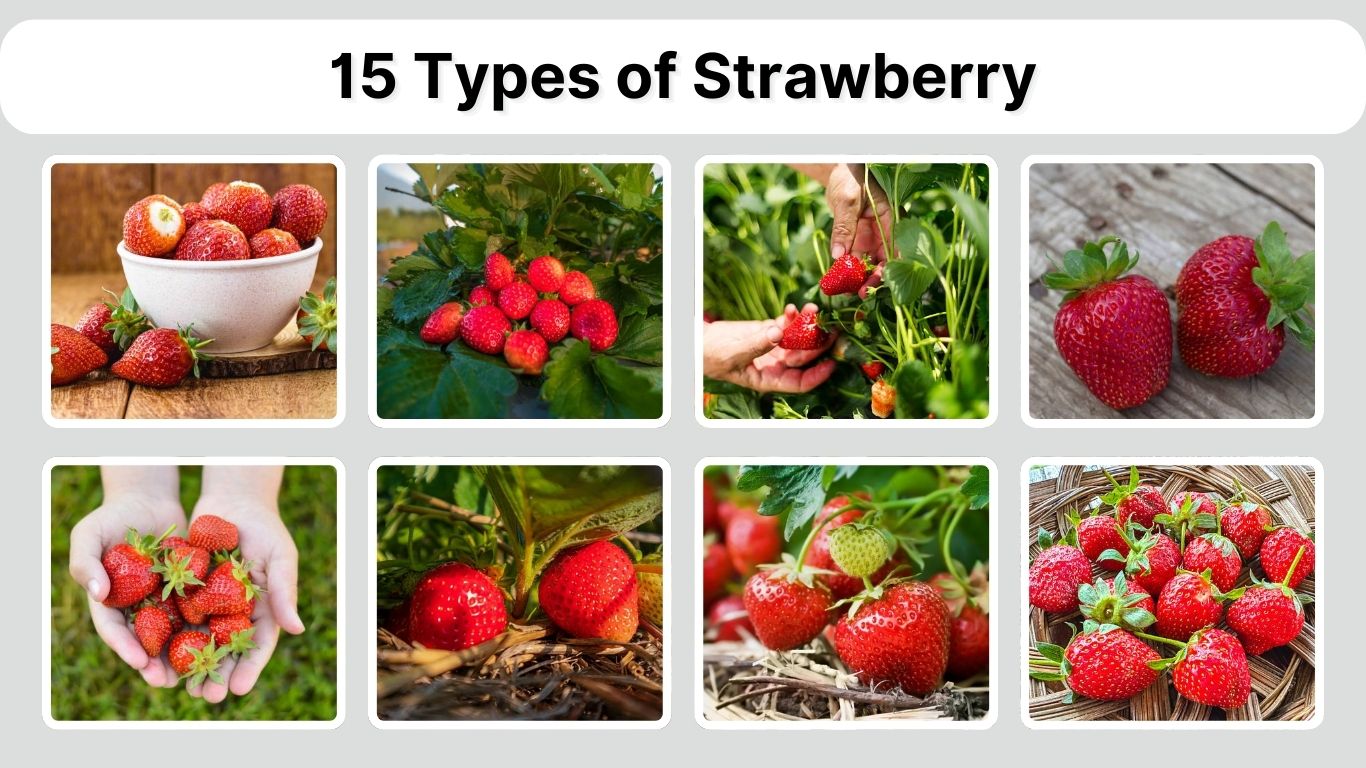
Strawberries are one of the most popular and widely grown fruits in the world, loved for their bright color, sweet flavor, and versatility. With many different varieties available, strawberries vary in size, taste, growing habits, and harvest seasons. Some types are ideal for home gardens, while others are preferred for commercial farming due to their high yield and shelf life. Understanding the different strawberry varieties helps growers and consumers choose the best option for their needs.
1. Albion Strawberry
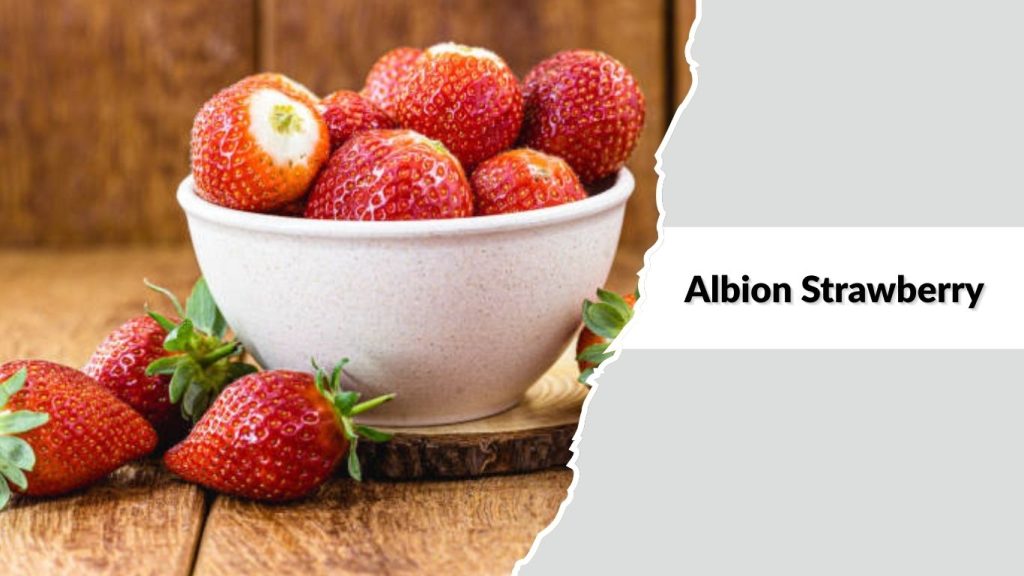
Albion is a high-quality everbearing strawberry variety valued for its consistent yields, attractive appearance, and exceptional flavor. It produces fruit from late spring through fall, making it a favorite among home gardeners and commercial growers.
Identification
- Fruit size: Large to very large
- Shape: Long conical, uniform
- Color: Deep red outside and inside
- Flavor profile: Sweet, aromatic, low acidity
- Plant habit: Upright growth with strong crowns
Growing Conditions
Albion performs best in full sun, requiring at least 6–8 hours of direct sunlight daily. It prefers sandy loam or well-drained soil with a slightly acidic pH (5.5–6.5). Regular watering is essential, especially during flowering and fruit development, but overwatering should be avoided to prevent root diseases.
Taste and Texture
The fruit has a dense, firm flesh with a smooth bite and minimal wateriness. Its balanced sweetness and aroma remain consistent even in warmer climates, unlike many other varieties that lose flavor under heat stress.
Uses
Due to its firmness and shelf stability, Albion strawberries are excellent for fresh markets, refrigeration, and transportation. They are also well suited for freezing, jams, sauces, desserts, and decorative garnishing.
Productivity and Harvest
Albion is an everbearing type, producing multiple flushes of fruit throughout the growing season. With proper care, plants can yield high-quality berries continuously from late spring until the first frost.
Disease Resistance
This variety shows strong resistance to common strawberry diseases such as verticillium wilt and phytophthora crown rot, making it a reliable choice for long-term cultivation.
2. Camarosa Strawberry
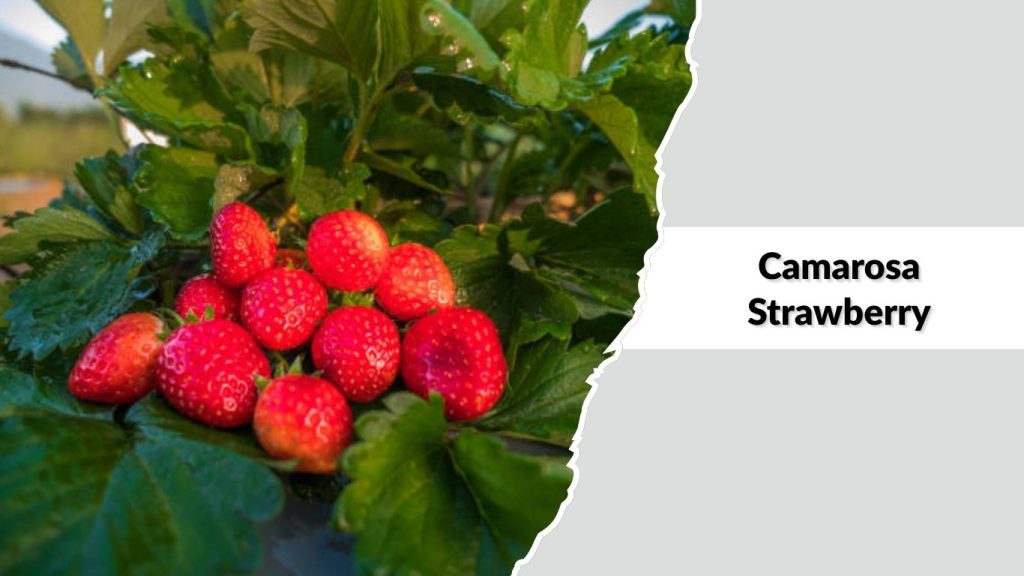
Camarosa is a short-day strawberry variety widely grown for its high yield, large fruit size, and early production. It is especially popular in commercial farming due to its strong plant vigor and uniform berries.
Identification
- Fruit size: Large to extra-large
- Shape: Broad conical
- Color: Bright red exterior with lighter interior
- Flavor profile: Mildly sweet with light acidity
- Plant habit: Vigorous, dense foliage
Growing Conditions
Camarosa thrives in full sun and adapts well to a range of soil types, provided they are well-drained. It prefers cool to mild climates and performs best when planted in early fall or late winter. Consistent irrigation and balanced fertilization help maximize fruit size and yield.
Taste and Texture
The berries have a firm texture with a clean bite. While the flavor is milder compared to some premium varieties, it remains pleasant and refreshing, especially when harvested at full ripeness.
Uses
Camarosa strawberries are commonly used for fresh markets, slicing, and short-term storage. Their firmness makes them suitable for transport and large-scale distribution.
Productivity and Harvest
As a short-day variety, Camarosa produces a heavy, concentrated harvest in early to mid-season. Under optimal conditions, it delivers very high yields over a relatively short harvesting period.
Disease Resistance
Camarosa shows moderate resistance to common strawberry diseases but may require preventive management against fungal issues in humid conditions.
3. Chandler Strawberry

Chandler is a short-day strawberry variety famous for its rich flavor and large, juicy fruits. It is especially popular in regions with mild winters and is often grown for fresh consumption.
Identification
- Fruit size: Large
- Shape: Long conical
- Color: Deep red exterior and interior
- Flavor profile: Very sweet, rich strawberry aroma
- Plant habit: Moderately vigorous with spreading growth
Growing Conditions
Chandler strawberries perform best in full sun and well-drained, fertile soil. They prefer cool to moderate climates and are commonly planted in fall for spring harvest. Adequate spacing and good air circulation help reduce disease pressure.
Taste and Texture
This variety is well known for its exceptional sweetness and juicy flesh. The texture is softer than many commercial varieties, which enhances flavor but reduces long-distance shipping ability.
Uses
Chandler strawberries are ideal for fresh eating, desserts, jams, and homemade preserves. Their strong flavor makes them a favorite for local markets and home gardens.
Productivity and Harvest
Chandler produces a heavy crop during a concentrated mid-season harvest. Although the harvest window is shorter, the fruit quality during this period is consistently high.
Disease Resistance
Chandler has moderate disease resistance but can be susceptible to fungal diseases if grown in overly wet or humid conditions. Proper field management is recommended.
4. Earliglow Strawberry
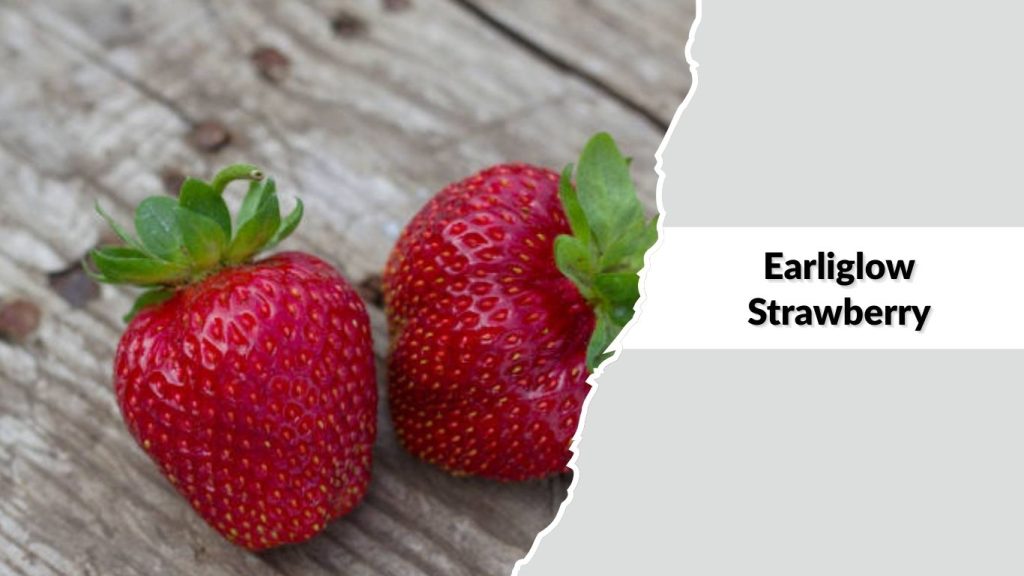
Earliglow is an early-season June-bearing strawberry variety admired for its outstanding flavor and reliable performance. It is especially popular among home gardeners who value taste over sheer fruit size.
Identification
- Fruit size: Medium
- Shape: Classic conical
- Color: Bright red exterior with deep red interior
- Flavor profile: Very sweet, rich, traditional strawberry taste
- Plant habit: Compact, upright growth
Growing Conditions
Earliglow grows best in full sun with well-drained, loamy soil rich in organic matter. It prefers cooler climates and tolerates cold winters better than many other varieties. Regular watering and good air circulation help maintain healthy plants and consistent fruit quality.
Taste and Texture
This variety is renowned for its intense strawberry flavor. The flesh is tender yet not overly soft, delivering a juicy bite that is often considered superior to many commercial strawberries.
Uses
Earliglow strawberries are excellent for fresh eating, homemade jams, jellies, pies, and freezing. Their strong flavor holds up well in processed products.
Productivity and Harvest
As an early June-bearing variety, Earliglow produces a concentrated harvest at the beginning of the strawberry season. While yields are moderate, fruit quality is exceptionally high.
Disease Resistance
Earliglow has good resistance to red stele root rot and moderate resistance to other common strawberry diseases, making it a dependable choice for long-term cultivation.
5. Festival Strawberry
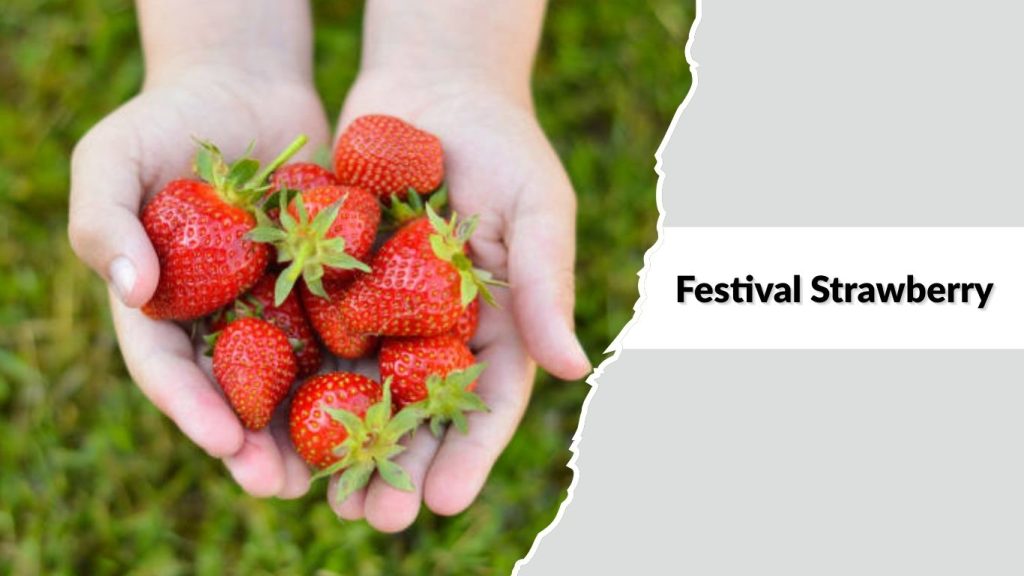
Festival is a short-day strawberry variety known for its uniform shape, bright color, and dependable yields. It is widely cultivated in warm and subtropical regions due to its adaptability and consistent performance.
Identification
- Fruit size: Medium to large
- Shape: Uniform conical
- Color: Bright glossy red
- Flavor profile: Sweet with mild tanginess
- Plant habit: Vigorous with strong leaf canopy
Growing Conditions
Festival strawberries grow best in full sun and well-drained soil with good organic content. They perform particularly well in warmer climates and show good tolerance to heat. Regular irrigation and proper nutrient management help maintain fruit size and color.
Taste and Texture
The fruit has a firm texture with a balanced sweet-tart flavor. While not as aromatic as some premium varieties, it offers a pleasant taste suitable for a wide range of uses.
Uses
Festival strawberries are commonly used for fresh markets, fruit salads, desserts, and short-term storage. Their firmness and attractive appearance make them ideal for commercial sales.
Productivity and Harvest
As a short-day variety, Festival produces a heavy and uniform harvest in early to mid-season. It is valued for stable yields and consistent fruit quality throughout the harvest period.
Disease Resistance
The festival shows good resistance to several common strawberry diseases and has strong tolerance to root and crown problems, especially in warm growing conditions.
6. Honeoye Strawberry

Honeoye is an early-season June-bearing strawberry variety known for its high yields and strong plant vigor. It is commonly grown in cooler regions and valued for its reliable early harvest.
Identification
- Fruit size: Medium to large
- Shape: Round to conical
- Color: Dark red exterior with red interior
- Flavor profile: Sweet with noticeable acidity
- Plant habit: Very vigorous with strong runners
Growing Conditions
Honeoye performs best in full sun and well-drained soil with moderate fertility. It is highly cold-hardy and adapts well to northern climates. Consistent moisture is important, especially during flowering and fruit development.
Taste and Texture
The berries have a firm texture and a bright, tangy flavor. When fully ripe, sweetness increases, balancing the natural acidity and giving a refreshing taste.
Uses
Honeoye strawberries are suitable for fresh eating, freezing, jams, and baking. Their firmness makes them particularly good for processing and storage.
Productivity and Harvest
As an early June-bearing variety, Honeoye produces a large, concentrated crop early in the season. It is well known for heavy yields under proper growing conditions.
Disease Resistance
Honeoye has good resistance to red stele root rot but may be susceptible to some leaf diseases if grown in humid or poorly ventilated areas.
7. Jewel Strawberry
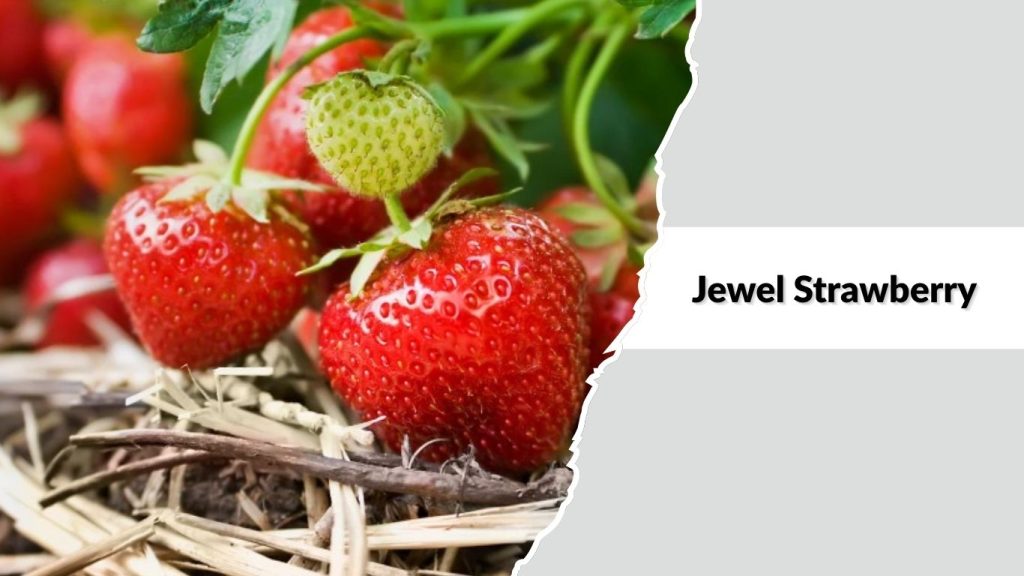
Jewel is a mid-season June-bearing strawberry variety recognized for its large, attractive fruit and excellent eating quality. It is popular among both commercial growers and home gardeners.
Identification
- Fruit size: Large
- Shape: Broad conical
- Color: Bright red with glossy finish
- Flavor profile: Sweet, well-balanced
- Plant habit: Vigorous with upright growth
Growing Conditions
Jewel strawberries grow best in full sun and fertile, well-drained soil. They perform well in cooler climates and require consistent watering during flowering and fruiting. Good spacing helps improve air circulation and fruit quality.
Taste and Texture
The berries have a firm yet juicy texture with a pleasant sweetness. Their flavor remains stable even when fruits are large, making them desirable for fresh consumption.
Uses
Jewel strawberries are ideal for fresh eating, desserts, freezing, and preserves. Their attractive appearance and good firmness make them suitable for local market sales.
Productivity and Harvest
As a mid-season June-bearing variety, Jewel produces a heavy and consistent harvest. With proper care, plants yield large quantities of high-quality fruit.
Disease Resistance
Jewel shows good resistance to red stele and moderate resistance to other common strawberry diseases, contributing to its reliability in many growing regions.
8. Mara des Bois Strawberry
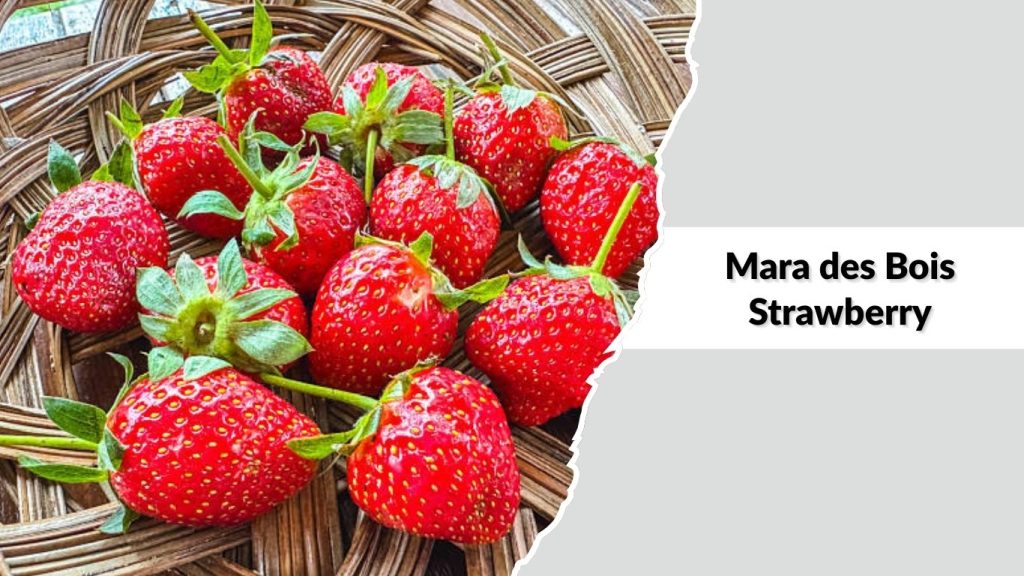
Mara des Bois is a day-neutral strawberry variety celebrated for its intense aroma and flavor, often compared to wild strawberries. It is especially valued by gourmet growers and home gardeners.
Identification
- Fruit size: Small to medium
- Shape: Round to conical
- Color: Deep red
- Flavor profile: Very sweet, highly aromatic
- Plant habit: Compact with moderate vigor
Growing Conditions
Mara des Bois grows best in full sun with well-drained, fertile soil. It prefers mild temperatures and benefits from regular watering, as drought stress can reduce fruit quality. Mulching helps maintain soil moisture and fruit cleanliness.
Taste and Texture
This variety is prized for its exceptional fragrance and rich, complex sweetness. The flesh is tender and juicy, offering a dessert-quality eating experience.
Uses
Mara des Bois strawberries are ideal for fresh eating, gourmet desserts, pastries, and specialty jams. Their intense flavor makes them less suitable for long-distance transport but perfect for local use.
Productivity and Harvest
As a day-neutral variety, Mara des Bois produces fruit continuously from late spring through fall. While yields are moderate, fruit quality is consistently high.
Disease Resistance
Mara des Bois has moderate disease resistance but requires good cultural practices to prevent fungal issues, especially in humid conditions.
9. Ozark Beauty Strawberry
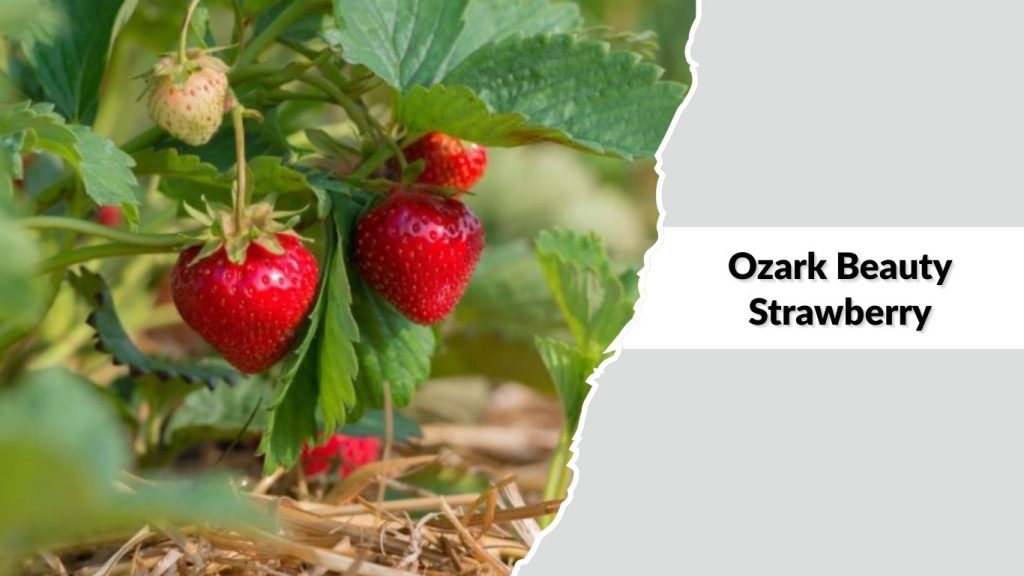
Ozark Beauty is an everbearing strawberry variety known for its adaptability and dependable performance across different climates. It is a favorite among home gardeners due to its ease of growth.
Identification
- Fruit size: Medium to large
- Shape: Conical
- Color: Bright red
- Flavor profile: Sweet with mild acidity
- Plant habit: Upright with strong runners
Growing Conditions
Ozark Beauty grows well in full sun and well-drained soil with moderate fertility. It tolerates both heat and cold better than many varieties and benefits from regular watering and seasonal fertilization.
Taste and Texture
The berries have a firm yet juicy texture with a pleasant, balanced flavor. Sweetness improves as the fruit fully ripens.
Uses
Ozark Beauty strawberries are suitable for fresh eating, freezing, jams, and baking. Their versatility makes them popular for home kitchens.
Productivity and Harvest
As an everbearing variety, Ozark Beauty produces fruit in multiple flushes, typically in spring, summer, and fall. Yields are moderate but consistent.
Disease Resistance
Ozark Beauty shows good resistance to common strawberry diseases, though proper spacing and airflow help prevent leaf spot and fungal problems.
10. Seascape Strawberry
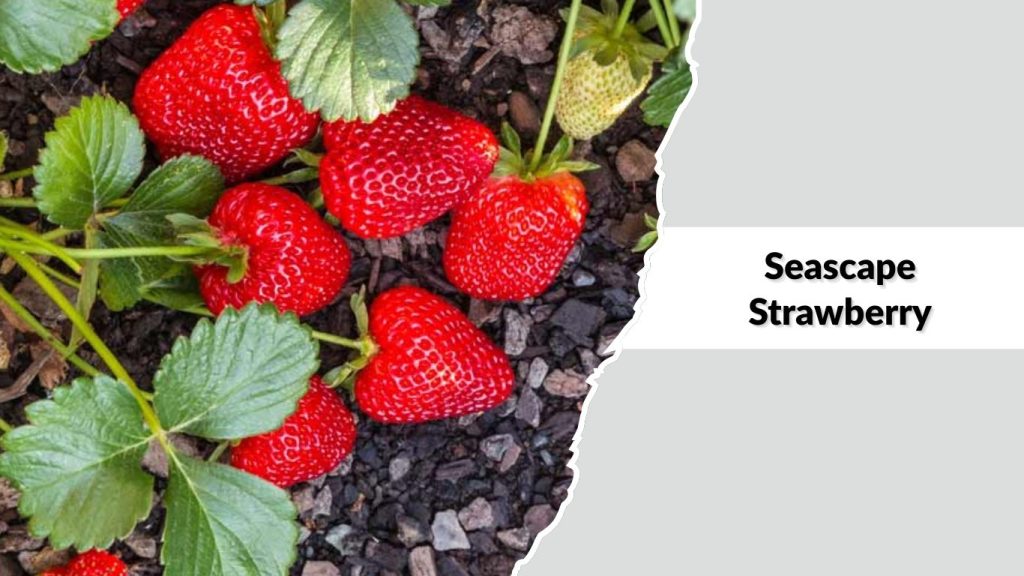
Seascape is a day-neutral strawberry variety valued for its large fruit size, reliable yields, and excellent adaptability to different growing conditions. It is widely grown for both home gardening and commercial production.
Identification
- Fruit size: Large
- Shape: Conical to slightly elongated
- Color: Bright red
- Flavor profile: Sweet with mild acidity
- Plant habit: Vigorous and upright
Growing Conditions
Seascape strawberries perform best in full sun and well-drained, fertile soil. They tolerate a wide range of climates, including coastal and warm regions. Consistent watering and balanced fertilization support continuous fruit production.
Taste and Texture
The fruit has a firm, juicy texture with a clean, sweet flavor. Its taste remains stable throughout the growing season, even during warmer periods.
Uses
Seascape strawberries are ideal for fresh eating, market sales, freezing, and desserts. Their firmness allows for good shelf life and transport.
Productivity and Harvest
As a day-neutral variety, Seascape produces fruit continuously from late spring until fall. It is known for high yields and uniform fruit quality.
Disease Resistance
Seascape shows good resistance to common strawberry diseases, including verticillium wilt, making it a dependable choice for long-term cultivation.
11. Sweet Charlie Strawberry
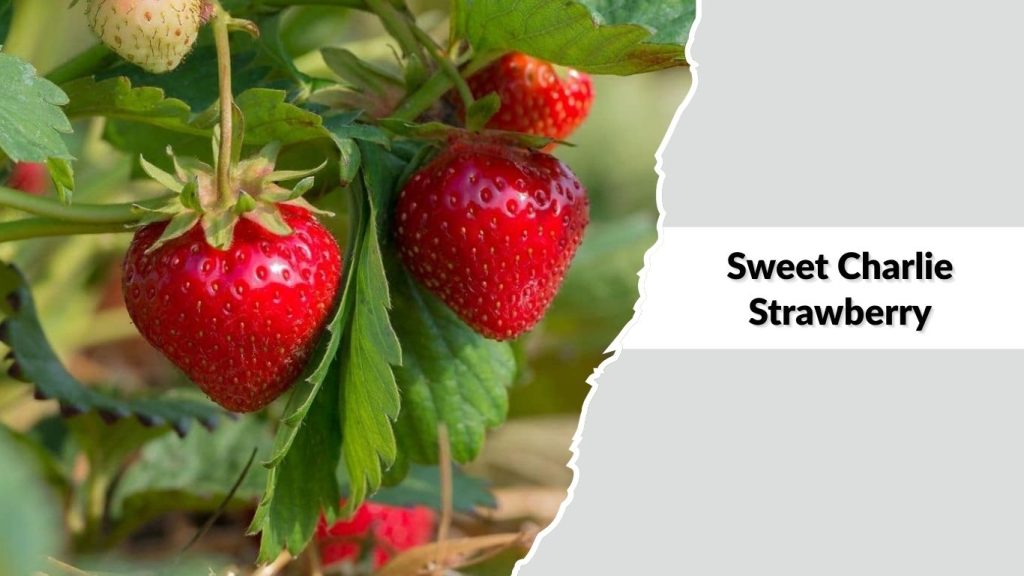
Sweet Charlie is a short-day strawberry variety known for its early maturity and naturally high sugar content. It is especially popular in warm and subtropical regions.
Identification
- Fruit size: Medium
- Shape: Conical
- Color: Bright red
- Flavor profile: Very sweet, low acidity
- Plant habit: Compact with moderate vigor
Growing Conditions
Sweet Charlie grows best in full sun and well-drained soil rich in organic matter. It performs well in warm climates and requires regular watering to maintain fruit sweetness and size.
Taste and Texture
The berries are juicy with a soft to medium-firm texture. Their low acidity enhances the perception of sweetness, making them very appealing for fresh consumption.
Uses
Sweet Charlie strawberries are ideal for fresh eating, fruit salads, desserts, and smoothies. Due to their softer texture, they are best used locally rather than for long-distance transport.
Productivity and Harvest
As an early short-day variety, Sweet Charlie produces fruit early in the season with moderate to high yields under proper growing conditions.
Disease Resistance
Sweet Charlie shows moderate resistance to common strawberry diseases but benefits from good field management to reduce fungal problems.
12. Tristar Strawberry
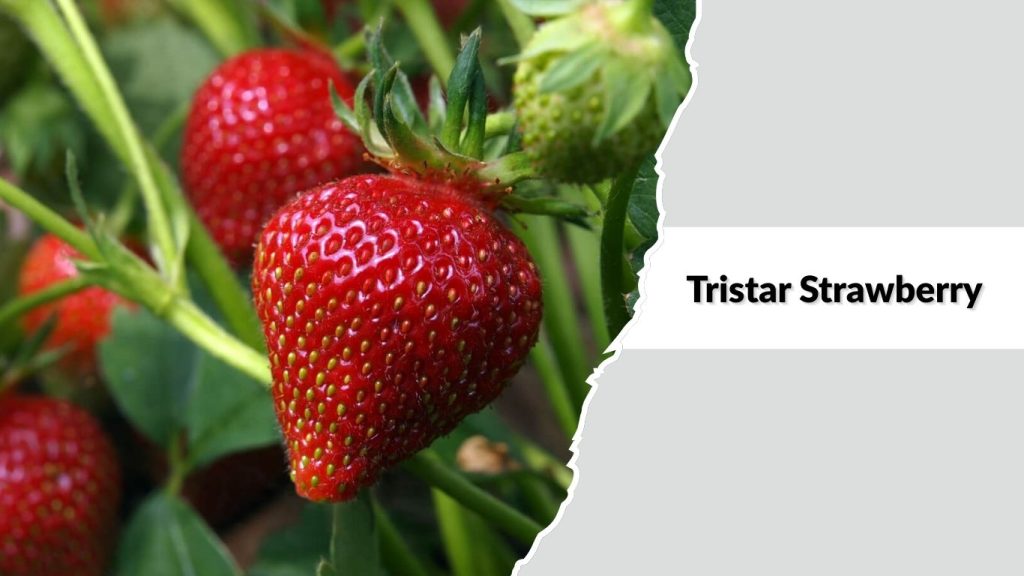
Tristar is a day-neutral strawberry variety prized for its exceptional flavor and continuous fruit production. It is especially popular among home gardeners and organic growers.
Identification
- Fruit size: Small to medium
- Shape: Conical
- Color: Deep red
- Flavor profile: Very sweet, aromatic
- Plant habit: Compact and tidy
Growing Conditions
Tristar strawberries grow best in full sun and well-drained, fertile soil. They perform well in cooler climates but can adapt to a range of growing conditions. Regular watering and light fertilization support steady production.
Taste and Texture
The fruit has a tender, juicy texture with a rich, classic strawberry flavor. Its sweetness and aroma are often compared to wild strawberries.
Uses
Tristar strawberries are excellent for fresh eating, home desserts, and preserves. Their strong flavor makes them ideal for small-scale and home use.
Productivity and Harvest
As a day-neutral variety, Tristar produces fruit consistently from late spring through fall. While individual berries are smaller, overall yields are steady.
Disease Resistance
Tristar has good resistance to common strawberry diseases and is often grown successfully in organic systems.
13. Ventana Strawberry
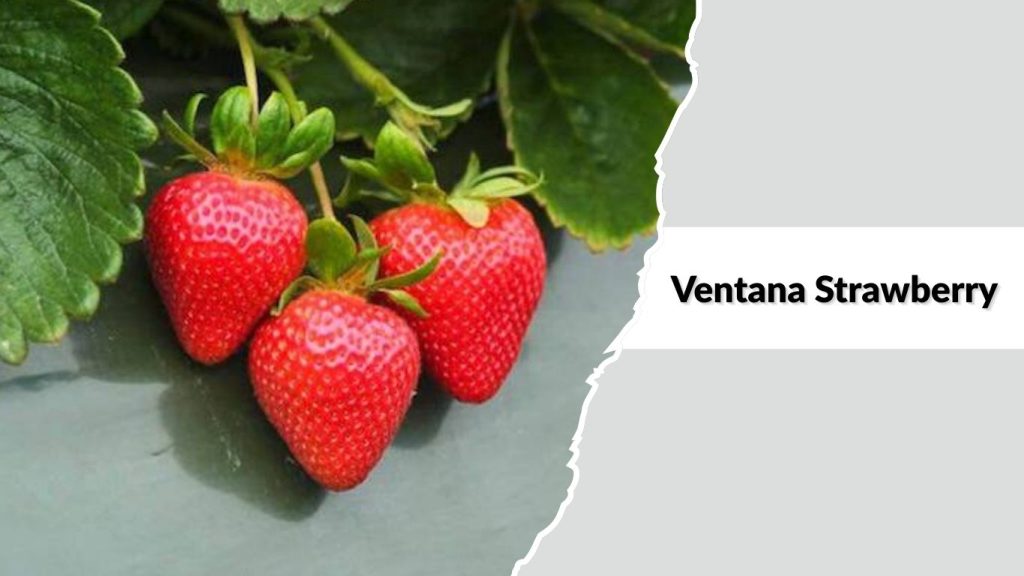
Ventana is a short-day strawberry variety known for its very early production and large, attractive fruits. It is commonly grown in mild winter regions for early-season markets.
Identification
- Fruit size: Large
- Shape: Broad conical
- Color: Bright red
- Flavor profile: Mildly sweet with light acidity
- Plant habit: Upright and vigorous
Growing Conditions
Ventana performs best in full sun and well-drained soil with good fertility. It prefers mild climates and benefits from early planting to maximize early-season yields. Consistent irrigation supports fruit size and quality.
Taste and Texture
The berries have a firm texture with a clean, mild flavor. While not intensely aromatic, they are pleasant and refreshing when fully ripe.
Uses
Ventana strawberries are suitable for fresh markets, slicing, and short-term storage. Their firmness makes them good for transport and commercial distribution.
Productivity and Harvest
As an early short-day variety, Ventana produces a concentrated and heavy harvest at the start of the strawberry season.
Disease Resistance
Ventana shows moderate resistance to common strawberry diseases but requires good field management to avoid fungal issues in cool, wet conditions.
14. Elsanta Strawberry
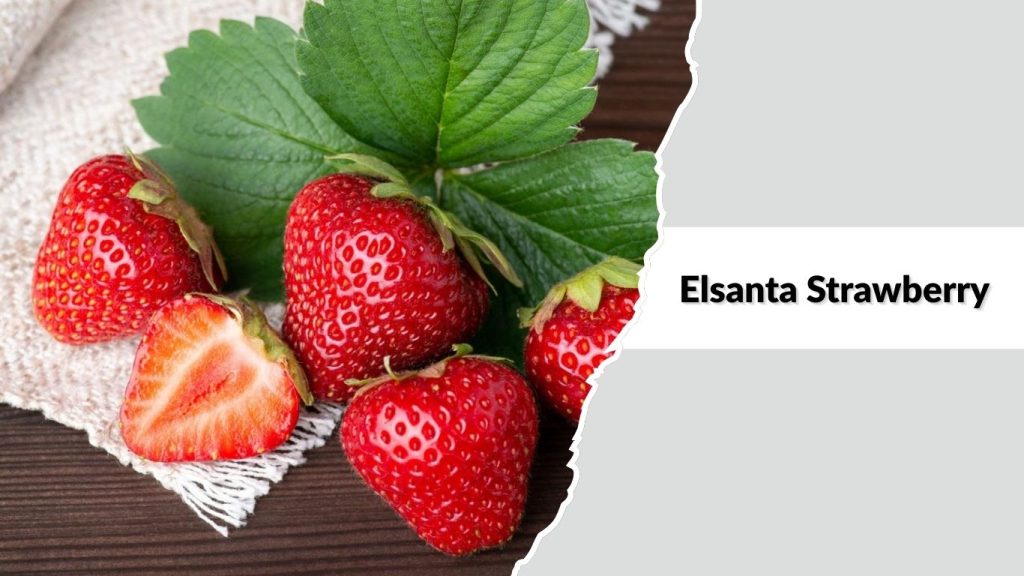
Elsanta is a short-day strawberry variety widely grown in Europe for its uniform shape, bright color, and good shelf life. It is especially popular in commercial production systems.
Identification
- Fruit size: Medium to large
- Shape: Regular conical
- Color: Bright red with glossy skin
- Flavor profile: Mildly sweet with light acidity
- Plant habit: Upright and moderately vigorous
Growing Conditions
Elsanta grows best in full sun and well-drained, fertile soil. It prefers cool to moderate climates and is often cultivated in protected environments such as greenhouses or tunnels to improve fruit quality.
Taste and Texture
The fruit has a firm texture with a clean, slightly sweet taste. While the flavor is milder than some traditional varieties, its consistency and appearance are highly valued.
Uses
Elsanta strawberries are commonly used for fresh markets, retail sales, and short-term storage. Their firmness and uniformity make them suitable for transport.
Productivity and Harvest
As a short-day variety, Elsanta produces a concentrated mid-season harvest with reliable yields and uniform fruit size.
Disease Resistance
Elsanta has moderate disease resistance but can be susceptible to root and crown diseases, requiring careful soil and water management.
15. Portola Strawberry
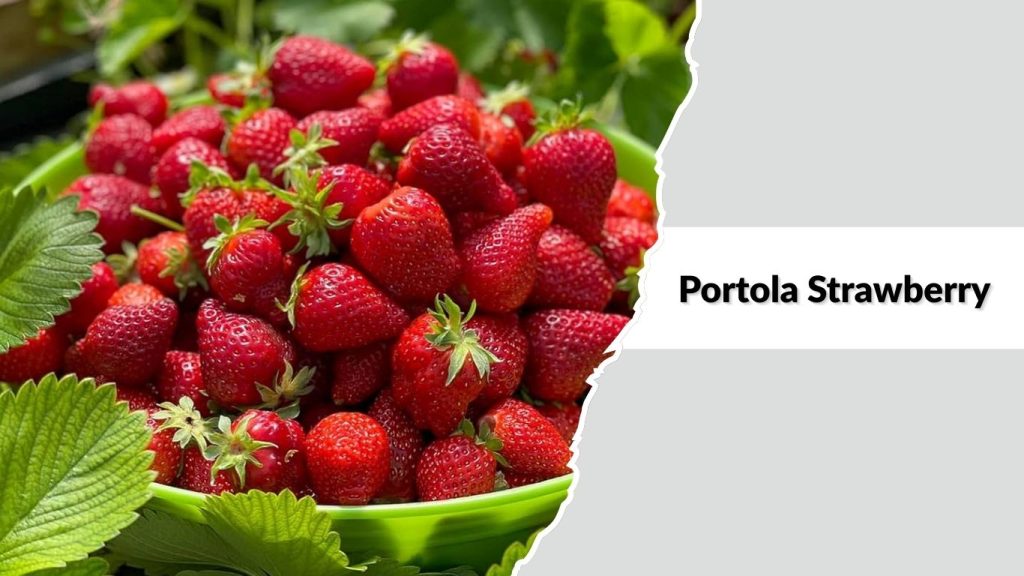
Portola is a day-neutral strawberry variety developed for high productivity and large fruit size. It is widely grown in commercial systems where yield and fruit firmness are priorities.
Identification
- Fruit size: Very large
- Shape: Broad conical
- Color: Bright red
- Flavor profile: Mildly sweet with low acidity
- Plant habit: Very vigorous and upright
Growing Conditions
Portola grows best in full sun with well-drained, fertile soil. It performs well in a wide range of climates, including warm regions, and requires consistent watering and nutrient management to sustain heavy production.
Taste and Texture
The berries have a very firm texture, making them excellent for handling and transport. Flavor is mild compared to some aromatic varieties but improves when fruit is fully ripe.
Uses
Portola strawberries are ideal for fresh markets, commercial sales, slicing, and processing. Their firmness and size make them suitable for long-distance shipping.
Productivity and Harvest
As a day-neutral variety, Portola produces fruit continuously from late spring through fall. It is known for very high yields and uniform fruit size.
Disease Resistance
Portola shows good resistance to several common strawberry diseases but may require monitoring for leaf diseases under high-density planting conditions.
FAQs
What is the best strawberry variety for home gardening?
The best variety depends on climate and purpose, but everbearing and day-neutral types like Albion, Tristar, and Ozark Beauty are popular for home gardens because they produce fruit over a long season.
Which strawberry variety is the sweetest?
Varieties such as Mara des Bois, Sweet Charlie, and Tristar are known for their high sugar content and rich aroma, making them among the sweetest strawberries.
What is the difference between June-bearing and everbearing strawberries?
June-bearing strawberries produce one large crop in early to mid-season, while everbearing and day-neutral varieties produce multiple harvests throughout the growing season.
Which strawberry varieties are best for commercial farming?
Commercial growers often choose varieties like Camarosa, Festival, Albion, and Portola because of their high yields, firm fruit, and good shelf life.
How long does a strawberry plant produce fruit?
Most strawberry plants produce well for 2–3 years. After this period, productivity declines, and plants are usually replaced for best yields.