Blackberries are versatile, flavorful fruits enjoyed fresh or used in a wide range of recipes. With many varieties available, each type of blackberry differs in growth habit, flavor, fruit size, and climate adaptability. Some are ideal for home gardens, while others are better suited for commercial production or specific growing conditions. Understanding the characteristics of different blackberry varieties helps gardeners and growers choose the right type for higher yields, easier maintenance, and better-tasting fruit throughout the growing season.
1. Apache Blackberry
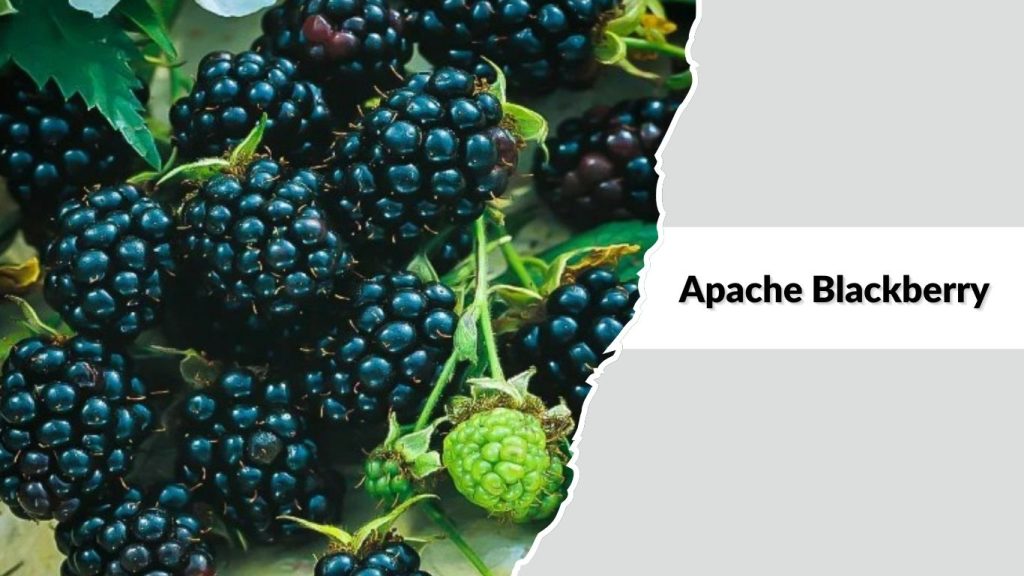
Apache Blackberry is a popular thornless blackberry variety known for its large, firm fruits and high productivity. Developed for commercial and home gardening, it performs well in warm climates and is valued for its excellent shelf life and strong disease resistance.
Identification
- Large, glossy black berries
- Thornless, upright canes
- Firm fruit with a mildly sweet flavor
- Late-season ripening variety
Growth Habit
Apache Blackberry grows in an upright, thornless form, making it easier to manage and harvest. The canes are strong and generally do not require extensive trellising compared to trailing varieties.
Flavor Profile
The berries have a balanced, mildly sweet taste with low acidity. Their firm texture makes them ideal for fresh eating as well as storage and transport.
Uses
Apache Blackberries are commonly used for fresh consumption, jams, jellies, baking, and freezing due to their size and firmness.
Climate and Cultivation
This variety thrives best in warm to moderate climates and prefers full sun. It shows good tolerance to heat and common blackberry diseases, making it a reliable choice for many growers.
2. Arapaho Blackberry
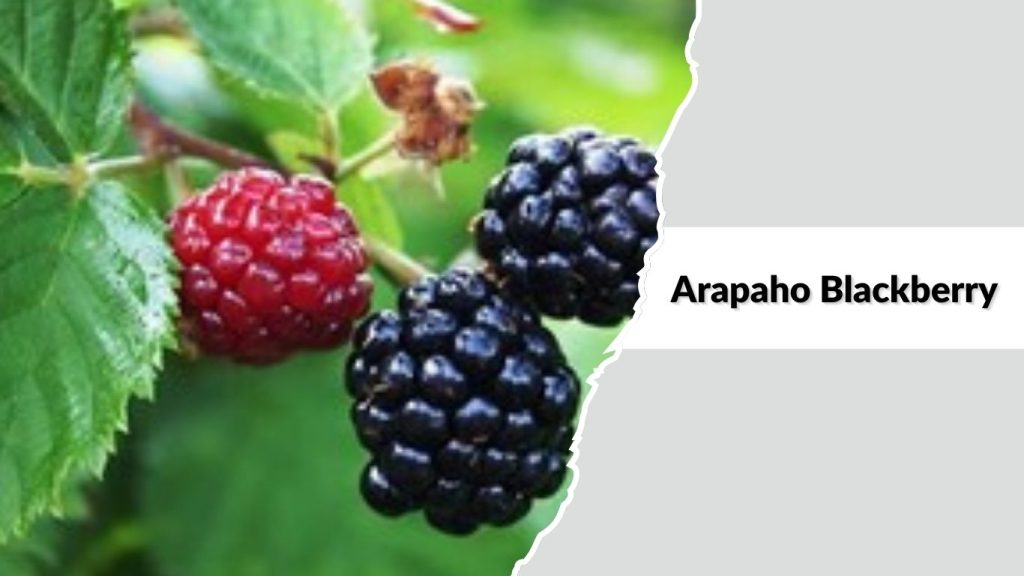
Arapaho Blackberry is an early-ripening, thornless blackberry variety prized for its sweet flavor and dependable yields. It is well suited for home gardens and small farms, especially where an early harvest is desired.
Identification
- Medium to large, shiny black berries
- Thornless, upright canes
- Sweet flavor with low acidity
- Early-season ripening variety
Growth Habit
Arapaho Blackberry has an upright growth habit with strong, thornless canes. Its compact structure makes it easy to train and maintain, often requiring minimal support.
Flavor Profile
The fruit is sweet and mild, making it especially enjoyable for fresh eating. The berries are less acidic than many other varieties.
Uses
This variety is ideal for fresh consumption, desserts, jams, and preserves. Its early harvest makes it popular for local markets.
Climate and Cultivation
Arapaho Blackberry performs best in full sun and adapts well to a range of climates. It has good disease resistance and is known for consistent productivity.
3. Black Satin Blackberry
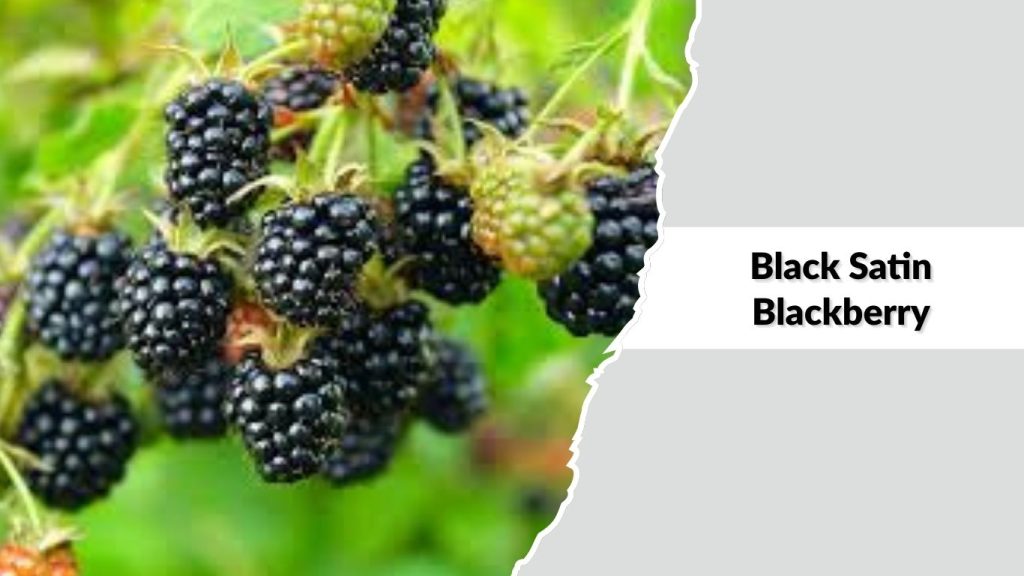
Black Satin Blackberry is a vigorous, semi-erect blackberry variety known for its high yields and glossy, dark fruit. It is widely grown for both home and commercial use due to its productivity and adaptability.
Identification
- Medium to large, deep black berries
- Semi-erect, thornless canes
- Soft, juicy fruit texture
- Mid- to late-season ripening
Growth Habit
Black Satin Blackberry produces long, semi-erect canes that benefit from trellising for better support and airflow. The plant is fast-growing and highly productive.
Flavor Profile
The berries have a sweet-tart flavor with a juicy consistency. They are best enjoyed fully ripe to achieve maximum sweetness.
Uses
This variety is commonly used for fresh eating, jams, juices, baking, and freezing. Its juiciness makes it especially suitable for processing.
Climate and Cultivation
Black Satin Blackberry grows well in full sun and tolerates a wide range of soil types. It is hardy and performs well in both warm and moderate climates.
4. Boysenberry Blackberry
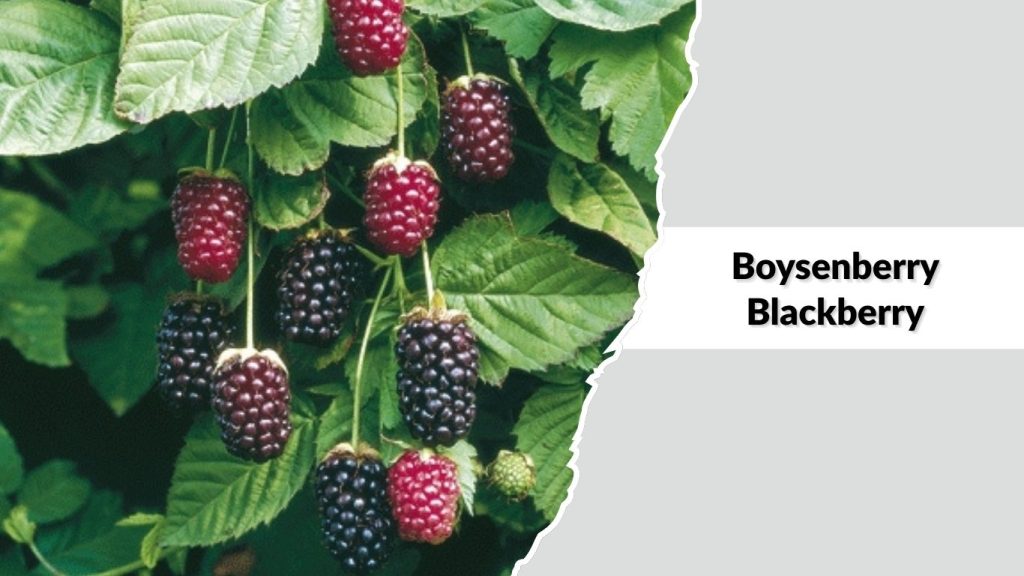
Boysenberry Blackberry is a well-known hybrid blackberry variety celebrated for its large size, deep color, and rich, complex flavor. It is a cross between blackberry, raspberry, and loganberry, making it especially popular for desserts and preserves.
Identification
- Large, dark maroon to nearly black berries
- Trailing, thorny canes
- Soft, juicy fruit with a rich aroma
- Mid-season ripening variety
Growth Habit
Boysenberry Blackberry has a trailing growth habit and requires trellising or support for healthy development. The long canes spread easily, making regular pruning important for good airflow and fruit production.
Flavor Profile
This variety is known for its bold, sweet-tart flavor with wine-like undertones. The taste is more complex than standard blackberries, making it a favorite for gourmet uses.
Uses
Boysenberries are widely used in pies, syrups, jams, sauces, ice creams, and baked goods. Due to their soft texture, they are less suited for long-distance transport but excellent for fresh processing.
Climate and Cultivation
Boysenberry Blackberry thrives in mild to warm climates with full sun exposure. It prefers well-drained soil and consistent watering, especially during fruit development, to ensure large, flavorful berries.
5. Chester Thornless Blackberry
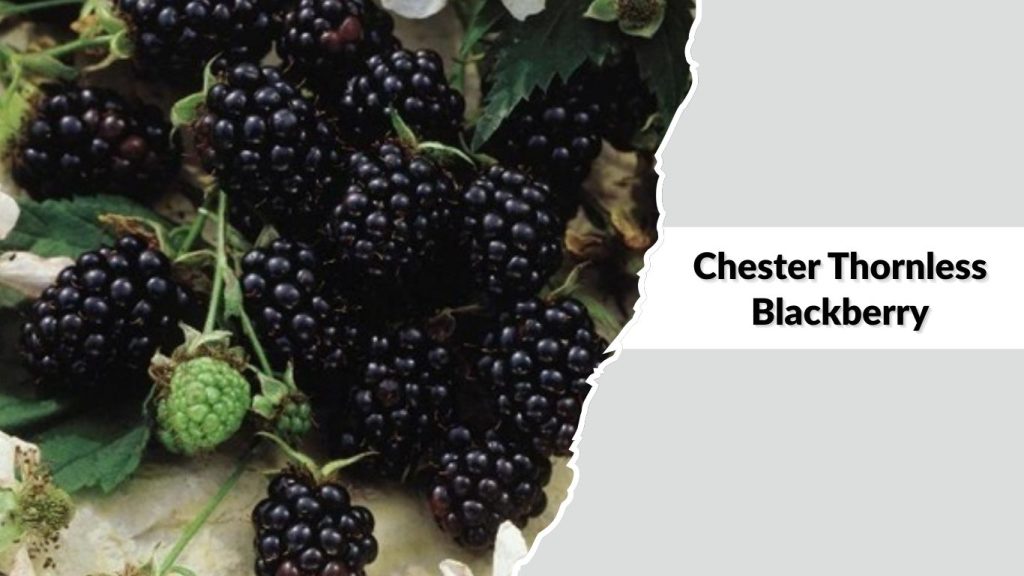
Chester Thornless Blackberry is a late-season, thornless variety valued for its heavy yields, firm fruit, and excellent storage quality. It is one of the most reliable blackberries for both commercial production and home gardens.
Identification
- Medium to large, jet-black berries
- Thornless, semi-erect canes
- Firm texture with good shelf life
- Late-season ripening variety
Growth Habit
Chester Thornless Blackberry produces strong, semi-erect canes that benefit from light trellising. The plant is vigorous and known for consistent, high productivity.
Flavor Profile
The berries have a mildly sweet flavor with balanced acidity. While not overly aromatic, they are pleasant and versatile for many uses.
Uses
This variety is excellent for fresh eating, freezing, jams, and commercial shipping due to its firmness and long storage life.
Climate and Cultivation
Chester Thornless Blackberry adapts well to a wide range of climates, including cooler regions. It shows good resistance to diseases and tolerates winter cold better than many other blackberry varieties.
6. Columbia Star Blackberry
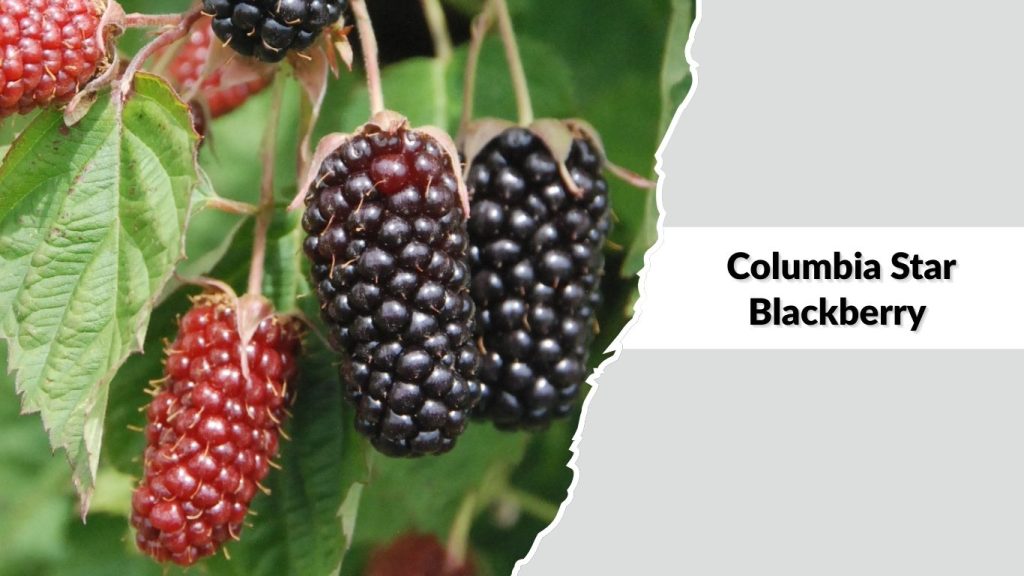
Columbia Star Blackberry is a modern, high-quality blackberry variety known for its exceptionally sweet flavor and smooth, seedless texture. It is especially popular in commercial markets due to its uniform fruit and excellent eating quality.
Identification
- Large, uniform, deep-black berries
- Thornless, trailing canes
- Very small, nearly seedless drupelets
- Mid-season ripening variety
Growth Habit
Columbia Star Blackberry has a trailing growth habit and requires trellising for proper support. The canes are flexible and easy to train, making maintenance more manageable despite its spreading nature.
Flavor Profile
This variety stands out for its rich sweetness and low acidity. The berries have a smooth mouthfeel, making them one of the best-tasting blackberries for fresh consumption.
Uses
Columbia Star Blackberries are ideal for fresh eating, desserts, premium jams, and commercial fresh markets. Their attractive appearance and flavor make them highly marketable.
Climate and Cultivation
Columbia Star Blackberry thrives in mild climates with full sun. It prefers well-drained soil and benefits from regular pruning and consistent watering to maintain fruit quality and yield.
7. Darrow Blackberry
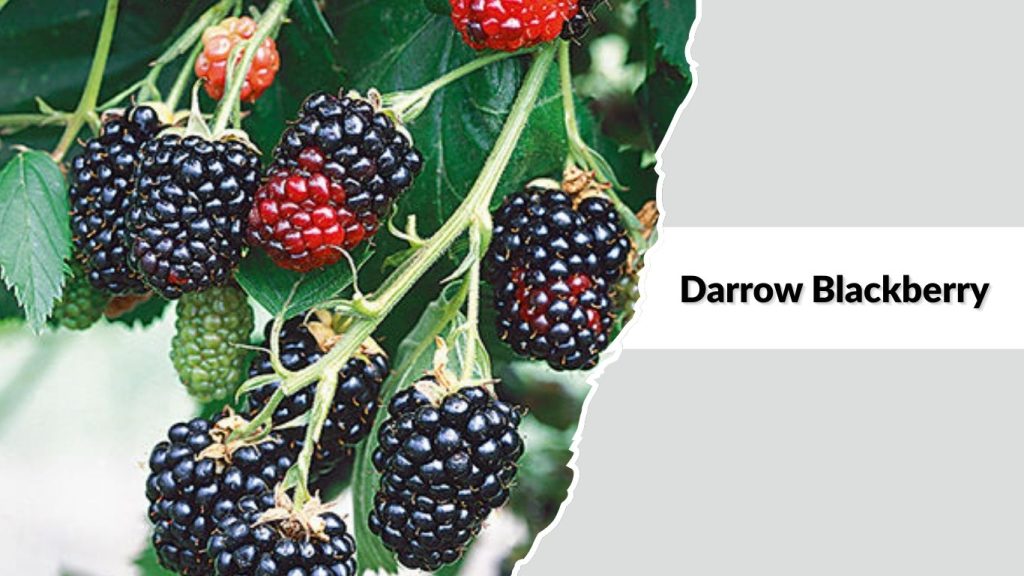
Darrow Blackberry is a cold-hardy blackberry variety known for its large fruit size and dependable performance in cooler climates. It is a traditional variety often grown in home gardens for its resilience and productivity.
Identification
- Large, glossy black berries
- Thorny, erect canes
- Firm fruit with a mildly sweet flavor
- Late-season ripening variety
Growth Habit
Darrow Blackberry grows in an upright, erect form with strong canes. Because the canes are thorny, careful handling is needed during pruning and harvesting, but the plant generally requires minimal trellising.
Flavor Profile
The berries have a mildly sweet taste with light acidity. Flavor improves significantly when fruits are allowed to fully ripen on the plant.
Uses
This variety is suitable for fresh eating, jams, freezing, and baking. Its firmness also makes it good for short-term storage.
Climate and Cultivation
Darrow Blackberry is especially valued for its cold tolerance and performs well in northern regions. It prefers full sun and well-drained soil, with regular pruning to maintain plant health and productivity.
8. Doyle’s Thornless Blackberry
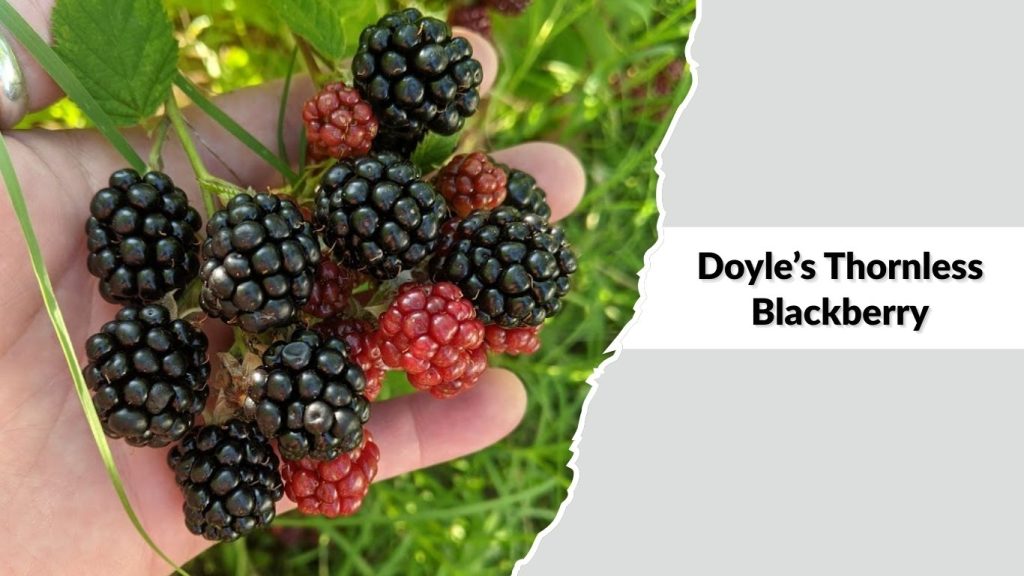
Doyle’s Thornless Blackberry is a highly productive blackberry variety famous for its massive yields and long fruiting season. It is especially popular with home gardeners who want abundant harvests from a single plant.
Identification
- Medium-sized, deep black berries
- Thornless, trailing canes
- Juicy fruit with a sweet flavor
- Extended ripening period
Growth Habit
Doyle’s Thornless Blackberry produces long, trailing canes that require sturdy trellising or support. The plant is extremely vigorous and can spread widely if not pruned regularly.
Flavor Profile
The berries are sweet and juicy, with a classic blackberry taste. While not as firm as some commercial varieties, they are excellent when eaten fresh.
Uses
This variety is ideal for fresh eating, jams, jellies, juices, and freezing. Its heavy production makes it well suited for home processing and preserves.
Climate and Cultivation
Doyle’s Thornless Blackberry grows best in full sun and adapts to a range of climates. Regular pruning and adequate spacing are important to manage its vigorous growth and maximize fruit quality.
9. Ebony King Blackberry
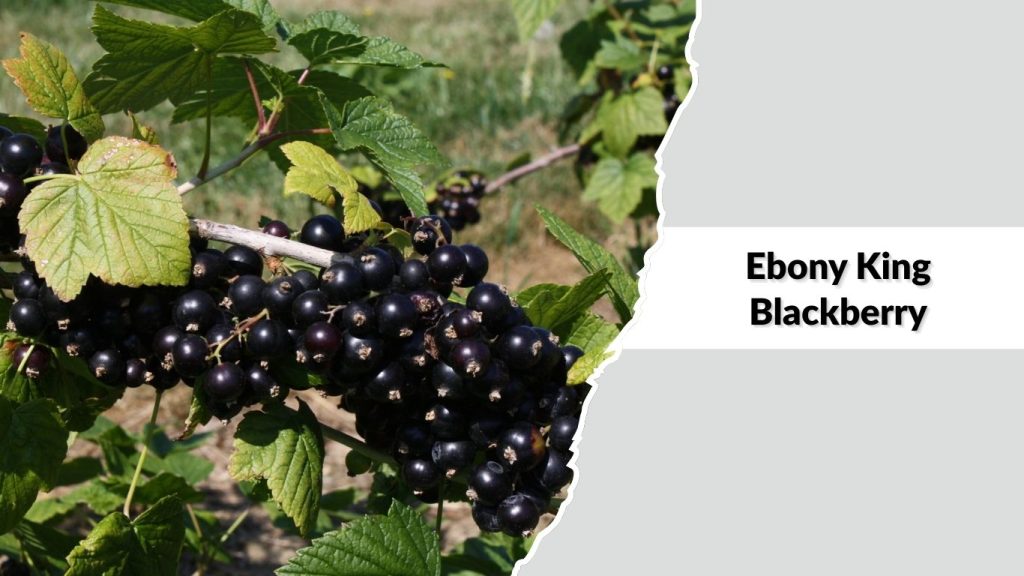
Ebony King Blackberry is a vigorous, early-bearing blackberry variety known for its glossy fruit and strong growth. It is often grown in home gardens for its reliability and attractive berries.
Identification
- Medium to large, shiny black berries
- Thorny, upright canes
- Firm fruit with mild sweetness
- Early- to mid-season ripening
Growth Habit
Ebony King Blackberry grows in an upright form with strong, thorny canes. It establishes quickly and produces fruit early, making it a dependable choice for consistent harvests.
Flavor Profile
The berries have a mildly sweet flavor with light acidity. They are best harvested fully ripe to enhance sweetness and overall taste.
Uses
This variety is suitable for fresh eating, baking, jams, and freezing. Its firm texture also allows for short-term storage after harvest.
Climate and Cultivation
Ebony King Blackberry performs well in warm to moderate climates. It prefers full sun and well-drained soil, along with regular pruning to maintain healthy growth and fruit production.
10. Evergreen Blackberry
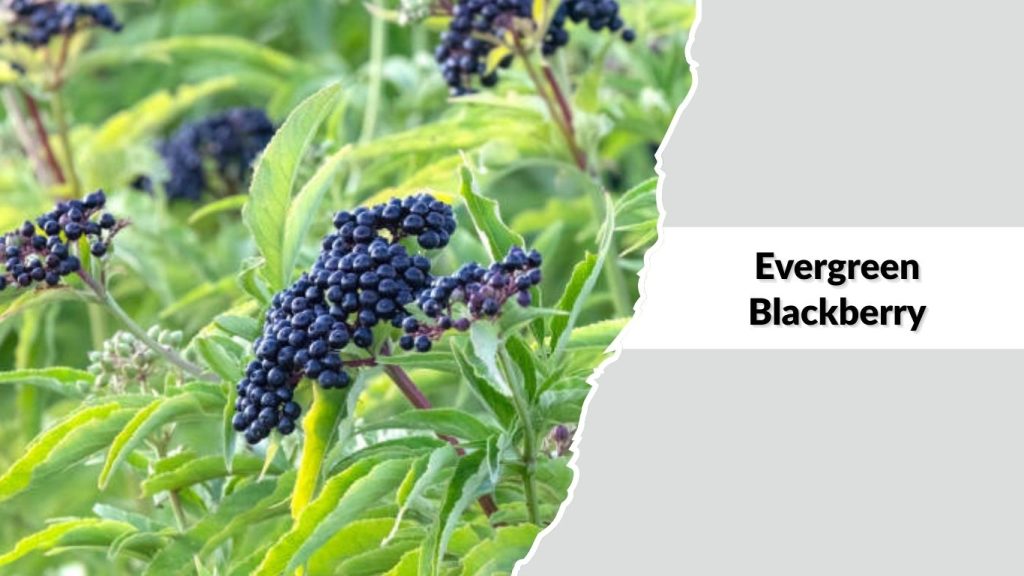
Evergreen Blackberry is a vigorous, long-living blackberry variety known for its persistent green foliage and adaptability. It is often found growing wild as well as cultivated in home gardens.
Identification
- Medium-sized, black berries
- Thorny, trailing canes
- Deeply cut, evergreen leaves
- Late-season ripening variety
Growth Habit
Evergreen Blackberry has a trailing, spreading growth habit and can become dense if left unmanaged. The thorny canes require careful handling and benefit from regular pruning and trellising.
Flavor Profile
The berries have a mild to moderately sweet flavor. While not as rich as some modern hybrids, they are pleasant for general use.
Uses
This variety is commonly used for fresh eating, jams, jellies, and baking. It is also valued for hedgerows and naturalized planting areas.
Climate and Cultivation
Evergreen Blackberry thrives in mild, coastal, and temperate climates. It is hardy and adaptable but should be managed carefully, as it can become invasive in some regions.
11. Freedom Blackberry
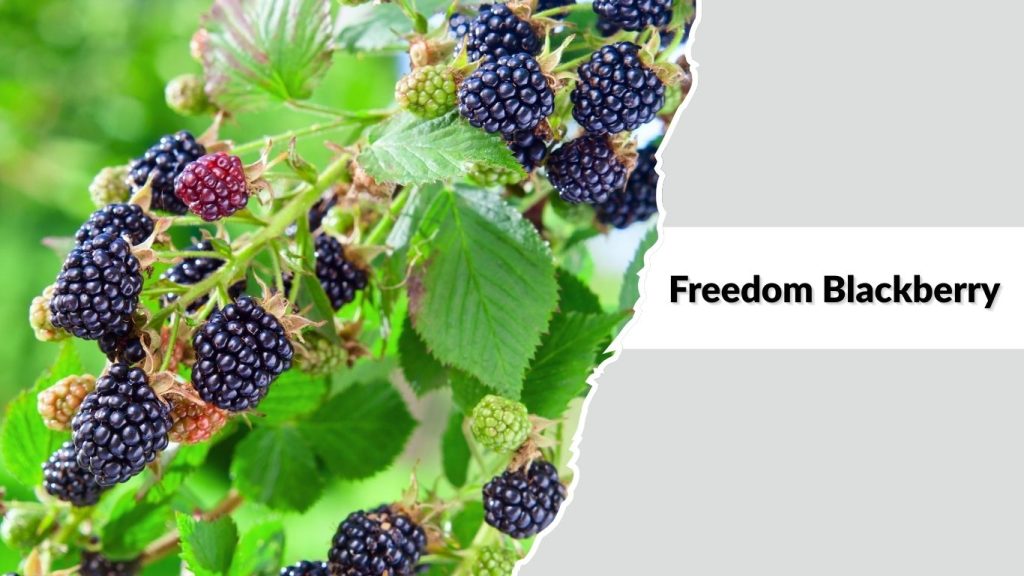
Freedom Blackberry is a modern, primocane-fruiting blackberry variety that produces fruit on both first- and second-year canes. It is valued for its large berries, thornless canes, and extended harvest season.
Identification
- Large, glossy black berries
- Thornless, upright canes
- Sweet, juicy fruit
- Primocane and floricane fruiting
Growth Habit
Freedom Blackberry grows in an upright form with strong, thornless canes. Its dual-fruiting nature allows for flexible pruning and the potential for two harvests in a single growing season.
Flavor Profile
The berries have a sweet, rich flavor with low acidity. They are enjoyable fresh and maintain good quality when used in recipes.
Uses
This variety is excellent for fresh eating, desserts, jams, and freezing. Its extended harvest makes it especially appealing for home gardeners.
Climate and Cultivation
Freedom Blackberry performs best in full sun and well-drained soil. It thrives in moderate to warm climates and benefits from regular watering and seasonal pruning to support continuous production.
12. Hull Thornless Blackberry
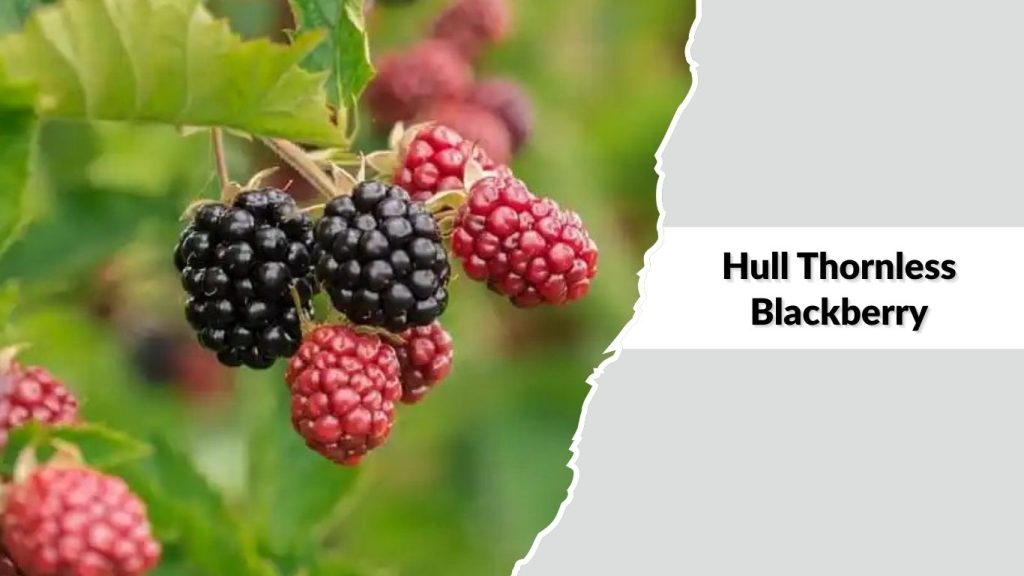
Hull Thornless Blackberry is a dependable, mid-season blackberry variety known for its thornless canes and good fruit quality. It is widely grown in home gardens for ease of maintenance and harvesting.
Identification
- Medium-sized, glossy black berries
- Thornless, semi-erect canes
- Soft to medium-firm fruit texture
- Mid-season ripening variety
Growth Habit
Hull Thornless Blackberry has a semi-erect growth habit and produces vigorous canes. Light trellising helps support the plant and improves air circulation for healthier growth.
Flavor Profile
The berries offer a sweet flavor with mild acidity. They are best harvested when fully ripe for optimal taste.
Uses
This variety is suitable for fresh eating, jams, jellies, and baking. It is especially popular with home gardeners due to its manageable growth.
Climate and Cultivation
Hull Thornless Blackberry grows well in full sun and adapts to a range of soil types. Regular pruning and consistent watering help maintain fruit quality and plant health.
13. Illini Hardy Blackberry
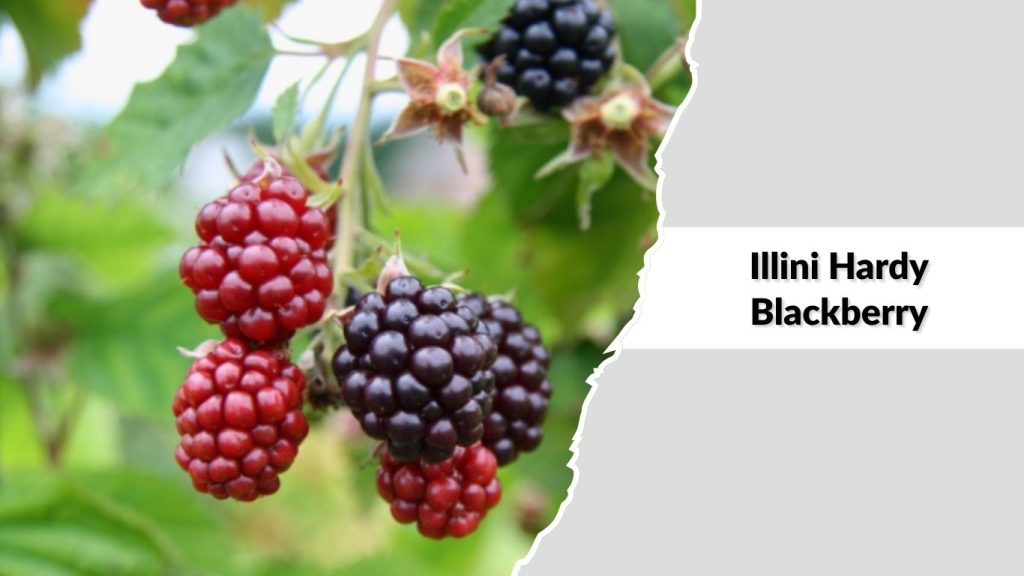
Illini Hardy Blackberry is a cold-tolerant blackberry variety developed for regions with harsh winters. It is known for its strong canes, dependable yields, and adaptability to challenging climates.
Identification
- Medium-sized, black berries
- Thorny, semi-erect canes
- Firm fruit with balanced flavor
- Mid- to late-season ripening
Growth Habit
Illini Hardy Blackberry grows in a semi-erect form with sturdy, thorny canes. The plant is vigorous and benefits from light trellising to support heavy fruit loads.
Flavor Profile
The berries have a balanced sweet-tart flavor. While not overly sweet, they are pleasant and improve in taste when fully ripe.
Uses
This variety is suitable for fresh eating, jams, jellies, baking, and freezing. Its firmness makes it good for processing and short-term storage.
Climate and Cultivation
Illini Hardy Blackberry excels in cold climates and withstands winter temperatures better than many other varieties. It prefers full sun, well-drained soil, and regular pruning for best performance.
14. Kiowa Blackberry
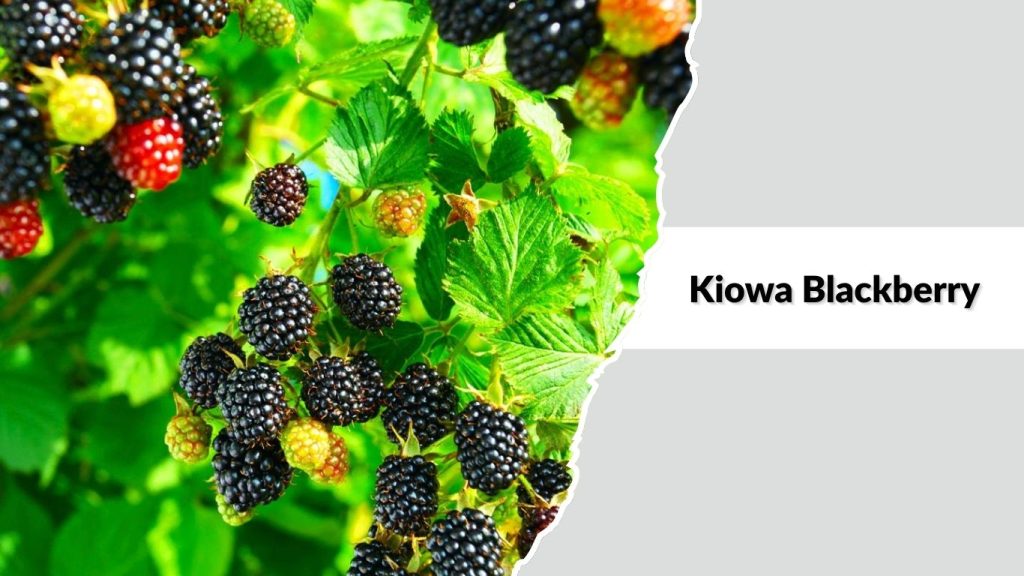
Kiowa Blackberry is a standout blackberry variety famous for producing some of the largest berries available. It is especially popular in home gardens where fruit size and visual appeal are priorities.
Identification
- Extra-large, glossy black berries
- Thorny, erect canes
- Firm fruit with mild sweetness
- Mid- to late-season ripening
Growth Habit
Kiowa Blackberry grows in an upright, erect form with strong but thorny canes. Due to the heavy fruit load, trellising or support is recommended to prevent cane breakage.
Flavor Profile
The berries have a mildly sweet flavor with moderate acidity. While not the sweetest variety, their large size and firm texture make them impressive and versatile.
Uses
This variety is excellent for fresh eating, desserts, jams, and freezing. The large berries also make harvesting faster and easier.
Climate and Cultivation
Kiowa Blackberry performs best in warm to moderate climates. It prefers full sun and fertile, well-drained soil, along with regular watering and pruning to support large fruit development.
15. Loch Ness Blackberry
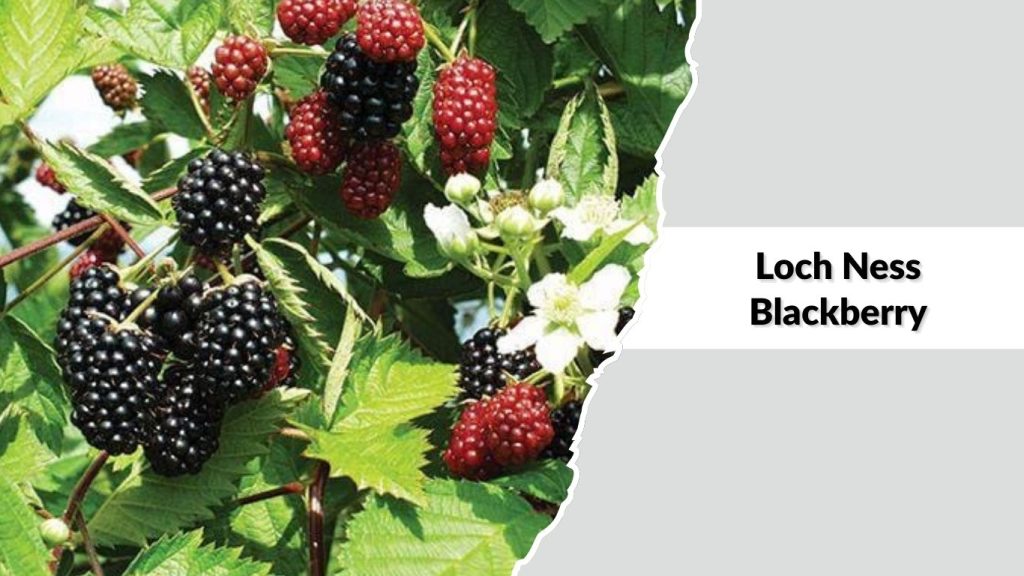
Loch Ness Blackberry is a thornless, high-yielding blackberry variety widely grown for its excellent fruit quality and ease of care. It is especially popular in commercial production and home gardens due to its uniform berries and reliable performance.
Identification
- Large, elongated, deep-black berries
- Thornless, semi-erect canes
- Firm fruit with glossy skin
- Mid- to late-season ripening variety
Growth Habit
Loch Ness Blackberry grows in a semi-erect form with strong, thornless canes. While more upright than trailing types, light trellising is recommended to support heavy crops and improve airflow.
Flavor Profile
The berries have a pleasantly sweet flavor with mild acidity. Their firm texture helps them hold shape well after harvest, making them suitable for fresh use and storage.
Uses
This variety is excellent for fresh eating, freezing, jams, desserts, and commercial fresh markets. Its firmness and attractive appearance make it ideal for transport and selling.
Climate and Cultivation
Loch Ness Blackberry thrives in full sun and prefers well-drained, fertile soil. It performs best in mild to moderate climates and benefits from regular pruning to maintain productivity and plant health.
16. Marionberry Blackberry
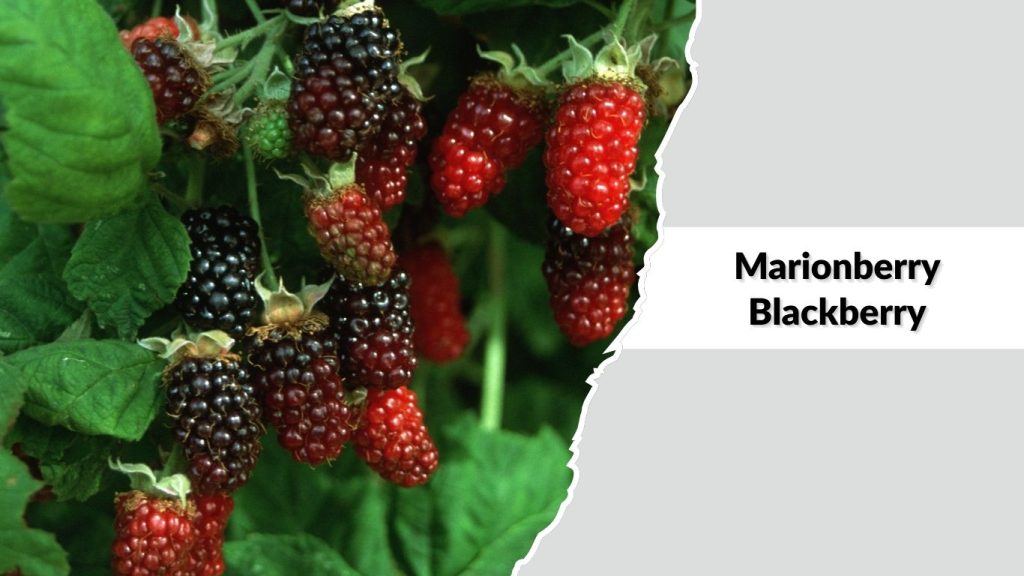
Marionberry Blackberry is a renowned trailing blackberry variety often considered the gold standard for flavor. It is especially famous in the Pacific Northwest and highly prized for its rich, complex taste.
Identification
- Medium to large, dark purple-black berries
- Thorny, trailing canes
- Soft, juicy fruit texture
- Mid-season ripening variety
Growth Habit
Marionberry Blackberry has a trailing growth habit and requires trellising for proper support and air circulation. The canes are vigorous and flexible, making training essential for healthy growth and consistent yields.
Flavor Profile
This variety is celebrated for its intense, rich flavor with a perfect balance of sweetness and acidity. The berries have deep, earthy undertones that make them superior for gourmet uses.
Uses
Marionberries are widely used in pies, jams, syrups, sauces, ice creams, and baked goods. Due to their soft texture, they are less suitable for long-distance shipping but ideal for processing.
Climate and Cultivation
Marionberry Blackberry thrives in cool, mild climates with moderate summers. It prefers full sun, well-drained soil, and regular pruning to manage growth and enhance fruit quality.
17. Navaho Blackberry
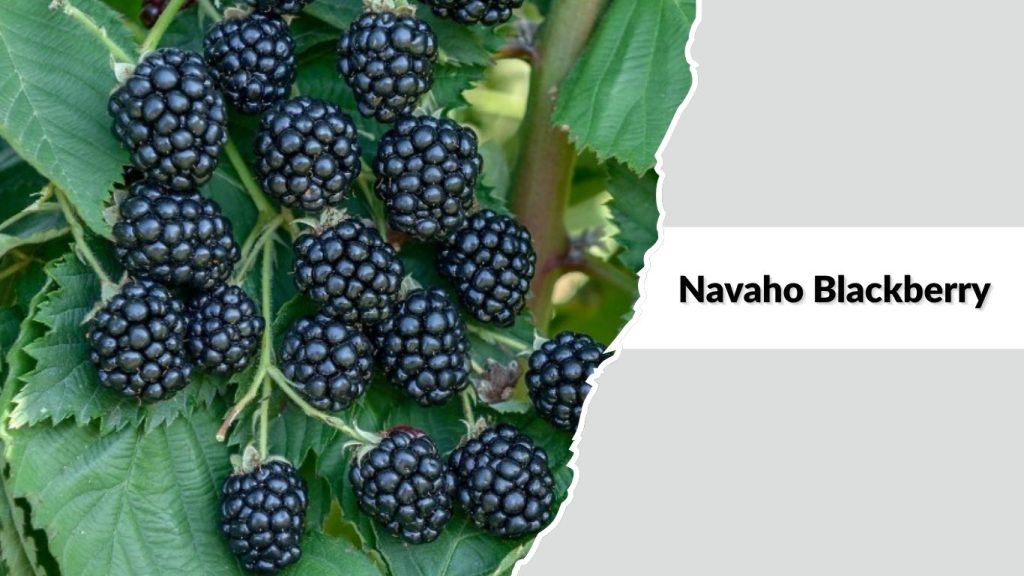
Navaho Blackberry is a thornless, upright blackberry variety valued for its excellent flavor, neat growth habit, and extended harvest period. It was one of the first thornless upright blackberries released and remains a favorite among home gardeners.
Identification
- Medium-sized, glossy black berries
- Thornless, upright canes
- Firm fruit with a sweet flavor
- Late-season ripening variety
Growth Habit
Navaho Blackberry grows in a very upright and compact form, making it ideal for smaller gardens. The strong, thornless canes usually require little to no trellising, though support can help under heavy fruit loads.
Flavor Profile
The berries are notably sweet with low acidity, offering one of the best flavors among thornless blackberry varieties. The firm texture also enhances the eating experience.
Uses
This variety is excellent for fresh eating, desserts, jams, and freezing. Its firmness and sweetness make it well suited for home use and local markets.
Climate and Cultivation
Navaho Blackberry performs best in full sun and well-drained soil. It thrives in warm to moderate climates and benefits from regular pruning to maintain airflow, shape, and consistent fruit production.
18. Ouachita Blackberry
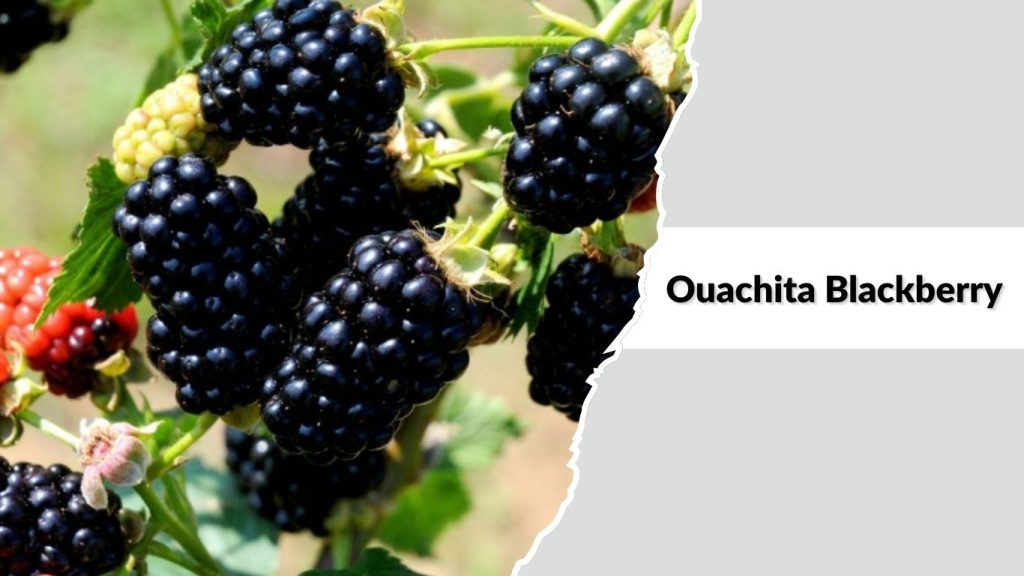
Ouachita Blackberry is a thornless, upright blackberry variety known for its excellent balance of flavor, yield, and disease resistance. It is widely grown by both commercial producers and home gardeners due to its reliability and attractive fruit.
Identification
- Medium to large, shiny black berries
- Thornless, upright canes
- Firm fruit with a sweet taste
- Mid-season ripening variety
Growth Habit
Ouachita Blackberry has a strong upright growth habit with sturdy, thornless canes. It is easier to manage than trailing varieties and typically requires minimal trellising, though support can improve performance during heavy fruiting.
Flavor Profile
The berries offer a well-balanced flavor with good sweetness and mild acidity. Their firmness makes them pleasant to eat fresh and helps maintain quality after harvest.
Uses
This variety is suitable for fresh eating, desserts, jams, jellies, and freezing. Its firmness and uniform size also make it popular for local markets and short-distance shipping.
Climate and Cultivation
Ouachita Blackberry thrives in full sun and adapts well to a range of climates, including hot summers. It shows strong resistance to common blackberry diseases and benefits from regular pruning and well-drained soil for optimal growth and productivity.
19. Prime-Ark Freedom Blackberry
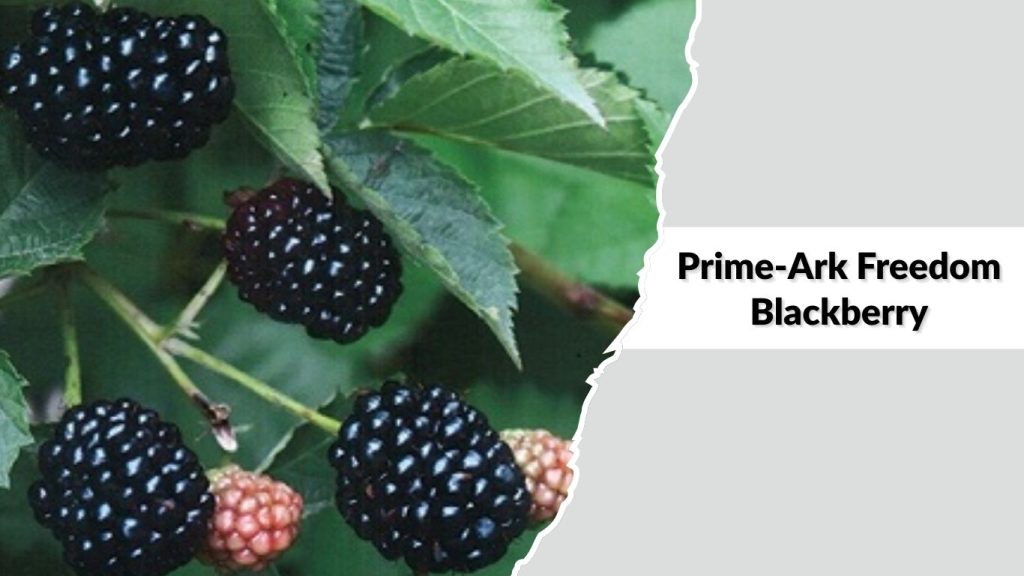
Prime-Ark Freedom Blackberry is a groundbreaking primocane-fruiting variety that produces fruit on first-year canes, allowing harvest in the same year of planting. It is valued for its large fruit, thornless canes, and flexible growing options.
Identification
- Very large, glossy black berries
- Thornless, upright canes
- Juicy fruit with rich sweetness
- Primocane and floricane fruiting
Growth Habit
Prime-Ark Freedom Blackberry grows in an upright form with vigorous, thornless canes. Because it fruits on new growth, growers can choose to harvest one large crop or two smaller crops by adjusting pruning methods.
Flavor Profile
The berries are sweet and flavorful with low acidity. When fully ripe, they develop a rich blackberry taste that is excellent for fresh eating.
Uses
This variety is ideal for fresh consumption, desserts, jams, and freezing. Its large size and early fruiting make it especially attractive for home gardens and extended harvests.
Climate and Cultivation
Prime-Ark Freedom Blackberry performs best in full sun and fertile, well-drained soil. It thrives in moderate to warm climates and benefits from consistent watering and seasonal pruning to support heavy fruit production.
20. Prime-Ark Traveler Blackberry
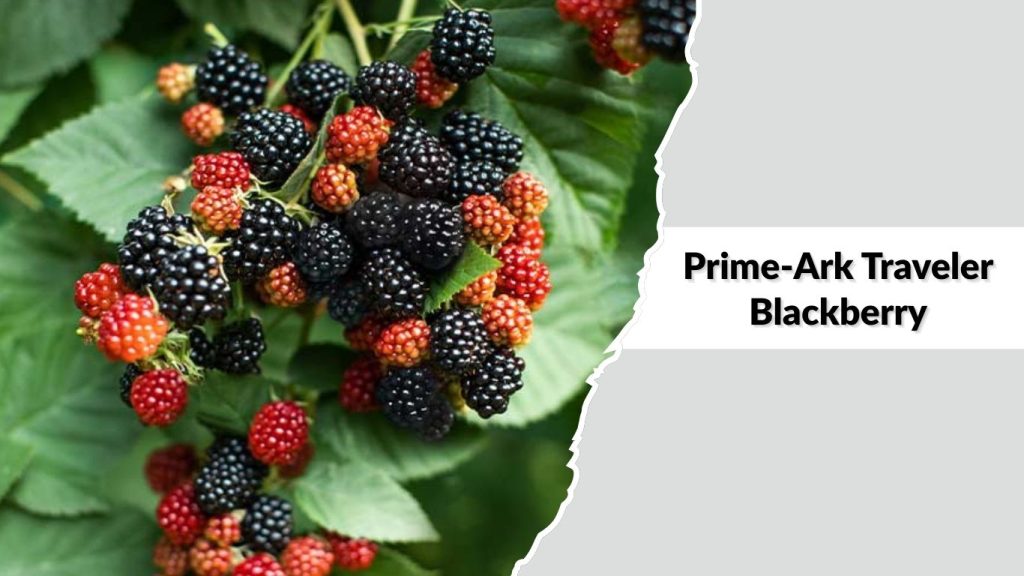
Prime-Ark Traveler Blackberry is a primocane-fruiting blackberry variety developed for improved firmness and shipping quality. It is especially valued by growers who want early production combined with durable fruit.
Identification
- Medium to large, deep black berries
- Thornless, upright canes
- Very firm fruit texture
- Primocane and floricane fruiting
Growth Habit
Prime-Ark Traveler Blackberry grows upright with strong, thornless canes. Its controlled growth habit makes it easier to manage in both home gardens and commercial plantings.
Flavor Profile
The berries have a balanced sweet flavor with mild acidity. While slightly less sweet than some varieties, their firmness makes them excellent for handling and storage.
Uses
This variety is ideal for fresh markets, short-distance shipping, freezing, and processing. Its firm berries hold shape well after harvest.
Climate and Cultivation
Prime-Ark Traveler Blackberry thrives in full sun and well-drained soil. It performs well in warm climates and benefits from regular watering and pruning to maximize fruit quality and yield.
21. Shawnee Blackberry
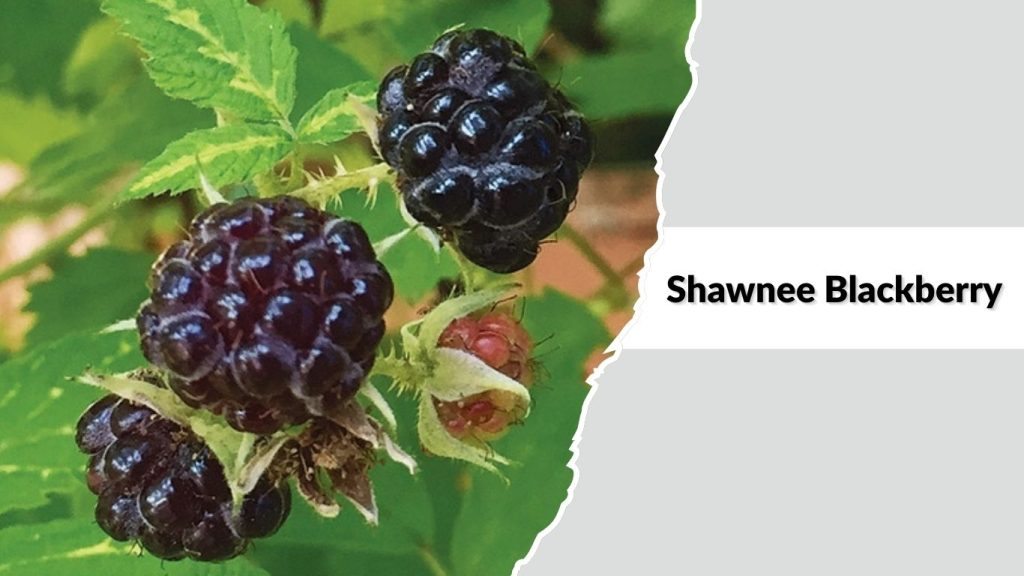
Shawnee Blackberry is a productive blackberry variety known for its large berries and extended harvest period. It is often grown in home gardens where yield and fruit size are important considerations.
Identification
- Large, dark black berries
- Thorny, erect canes
- Juicy fruit with mild sweetness
- Mid- to late-season ripening
Growth Habit
Shawnee Blackberry grows in an erect form with strong but thorny canes. Due to its heavy fruiting habit, trellising or support is recommended to prevent canes from bending or breaking.
Flavor Profile
The berries have a mild, slightly sweet flavor with moderate acidity. They are best harvested when fully ripe for improved taste and texture.
Uses
This variety is suitable for fresh eating, jams, jellies, baking, and freezing. Its large berry size makes harvesting efficient and convenient.
Climate and Cultivation
Shawnee Blackberry performs best in full sun and well-drained soil. It adapts well to warm climates and benefits from regular pruning and proper spacing to ensure healthy growth and good air circulation.
22. Triple Crown Blackberry
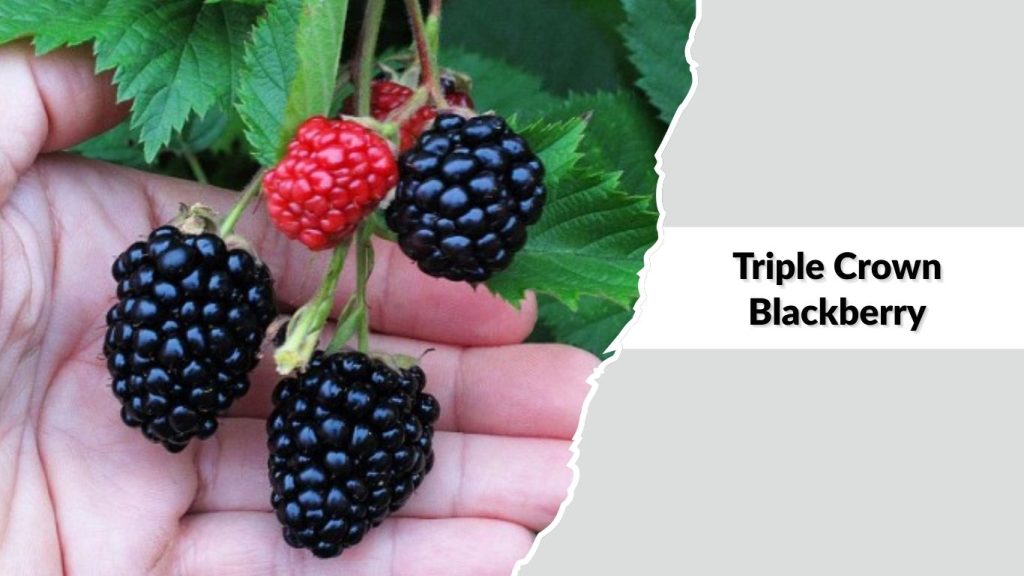
Triple Crown Blackberry is a popular thornless blackberry variety known for its exceptional flavor, large berries, and high yields. It is widely grown in home gardens and commercial plantings due to its productivity and ease of care.
Identification
- Large, glossy, jet-black berries
- Thornless, semi-erect canes
- Juicy fruit with excellent flavor
- Late-season ripening variety
Growth Habit
Triple Crown Blackberry has a semi-erect to trailing growth habit with long, flexible canes. Trellising is recommended to support heavy crops and improve air circulation.
Flavor Profile
This variety is highly regarded for its rich, sweet flavor with low acidity. The berries are aromatic and among the best-tasting thornless blackberries available.
Uses
Triple Crown Blackberries are excellent for fresh eating, desserts, jams, freezing, and local market sales. Their outstanding flavor makes them a favorite for direct consumption.
Climate and Cultivation
Triple Crown Blackberry thrives in full sun and fertile, well-drained soil. It performs well in moderate climates and benefits from consistent watering and regular pruning to maintain high yields and fruit quality.
23. Wilson’s Early Blackberry
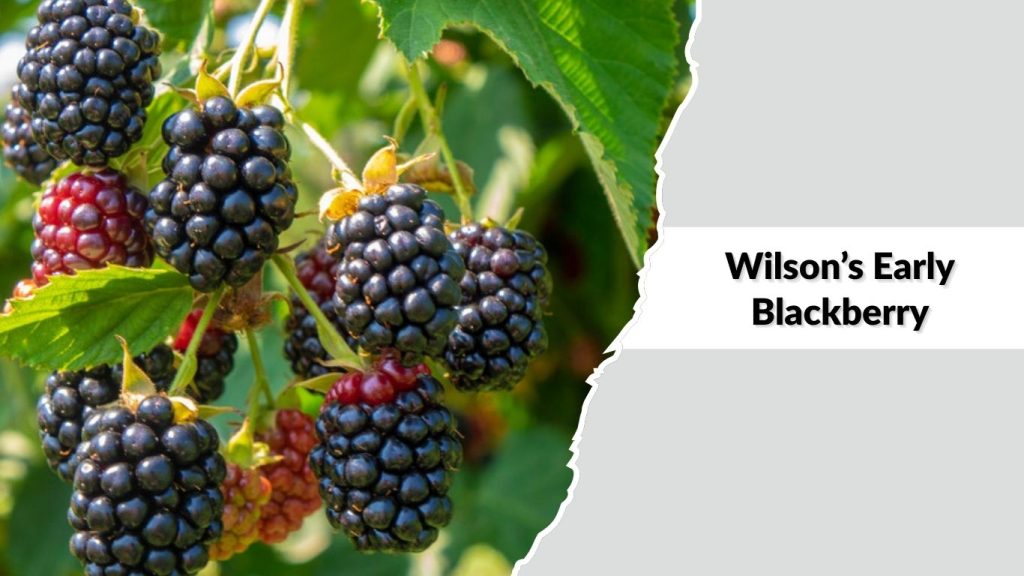
Wilson’s Early Blackberry is an old, well-established blackberry variety valued for its early ripening and dependable harvest. It has been grown for generations and remains popular in traditional gardens.
Identification
- Medium-sized, dark black berries
- Thorny, trailing to semi-erect canes
- Soft fruit texture
- Early-season ripening variety
Growth Habit
Wilson’s Early Blackberry has a trailing to semi-erect growth habit and produces vigorous, thorny canes. Trellising or support helps manage growth and improves fruit exposure to sunlight.
Flavor Profile
The berries have a mild, slightly tart flavor with moderate sweetness. They are best used soon after harvest due to their softer texture.
Uses
This variety is commonly used for jams, jellies, pies, and baking. Its early harvest makes it valuable for extending the blackberry season.
Climate and Cultivation
Wilson’s Early Blackberry adapts well to a variety of climates, especially cooler regions. It prefers full sun and well-drained soil, with regular pruning to control growth and encourage consistent fruiting.
FAQs
What is the best blackberry variety for home gardens?
Thornless and upright varieties such as Apache, Arapaho, Navaho, and Triple Crown are excellent choices for home gardens. They are easier to maintain, safer to harvest, and produce reliable yields with good flavor.
Which blackberry variety has the best flavor?
Marionberry is widely considered to have the best and most complex flavor. For thornless options, Triple Crown and Columbia Star are highly rated for sweetness and overall taste.
Are there blackberry varieties that fruit in the first year?
Yes, primocane-fruiting varieties like Prime-Ark Freedom and Prime-Ark Traveler can produce fruit on first-year canes, allowing harvest in the same year they are planted.
Which blackberry varieties are best for cold climates?
Cold-hardy varieties such as Darrow, Illini Hardy, and Chester Thornless perform well in regions with harsh winters and lower temperatures.
Do blackberry plants need trellising?
It depends on the variety. Trailing and semi-erect types usually need trellising for support, while upright varieties may grow well with little or no support, especially in home garden settings.