





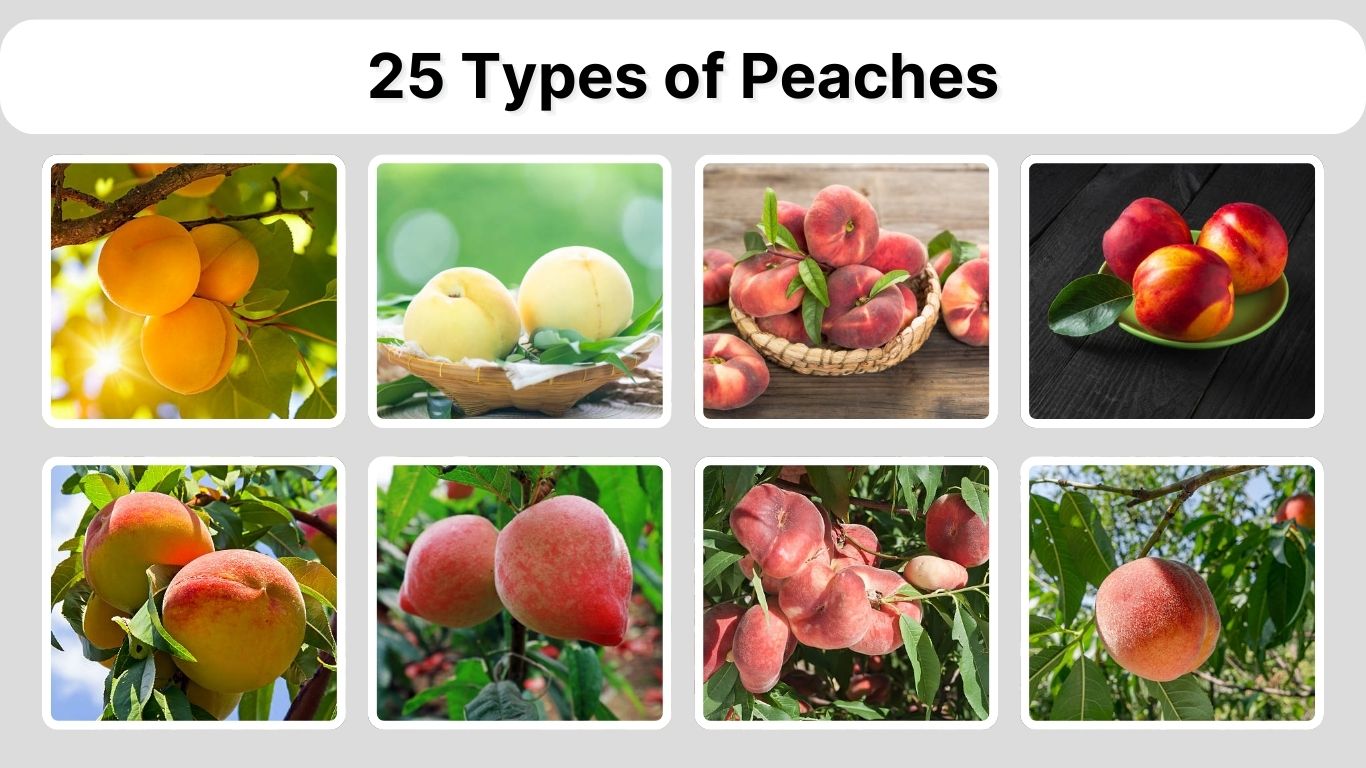
Peaches are one of the most beloved summer fruits, known for their juicy flesh, fragrant aroma, and natural sweetness. With a wide range of varieties available, peaches differ in flavor, texture, color, and use. From classic yellow peaches to delicate white and uniquely shaped donut peaches, each type offers something special. Understanding the different types of peaches helps in choosing the best variety for fresh eating, baking, preserving, or growing at home.
1. Yellow Peach
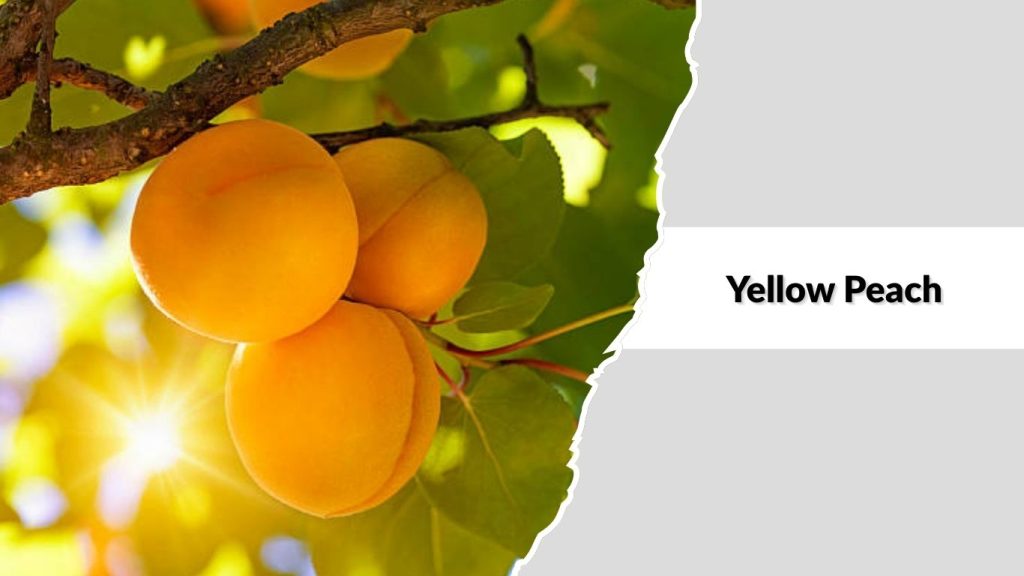
Yellow peaches are among the most popular and widely grown peach varieties in the world. They are easily recognized by their bright yellow flesh and classic peach aroma. Known for their balanced sweetness and slight acidity, yellow peaches are valued for both fresh consumption and culinary uses.
Identification
- Bright yellow flesh
- Red to orange blush over yellow skin
- Fuzzy outer skin
- Round to slightly oval shape
- Medium to large size
Flavor and Texture
Yellow peaches have a rich, sweet-tart flavor that becomes more pronounced as they fully ripen. The flesh is firm yet juicy, making it less prone to bruising compared to softer peach types. This firmness also helps them hold their shape well during cooking.
Common Uses
Because of their sturdy texture and bold flavor, yellow peaches are commonly used in pies, cobblers, tarts, jams, and preserves. They are also enjoyed fresh, sliced into salads, or grilled for desserts and savory dishes.
Growing Season
Yellow peaches are typically harvested from late spring through late summer. The exact season varies depending on the cultivar and climate, with peak availability often occurring in mid-summer.
2. White Peach

White peaches are prized for their delicate sweetness and fragrant aroma. Unlike yellow peaches, they have pale white to cream-colored flesh with a softer, juicier texture. They are especially popular for fresh eating due to their low acidity and honey-like flavor.
Identification
- White to pale cream flesh
- Light pink or red blush on skin
- Fuzzy, thin skin
- Round shape
- Medium size
Flavor and Texture
White peaches are noticeably sweeter than yellow peaches, with very low acidity. Their flesh is soft, melting, and extremely juicy when ripe, making them feel almost buttery. Because of this tenderness, they bruise more easily and are best handled gently.
Common Uses
These peaches are most often eaten fresh, sliced, or added to fruit bowls and salads. They are also used in smoothies, light desserts, and fresh salsas. Due to their softness, they are less commonly used in baking but shine in raw or lightly prepared dishes.
Growing Season
White peaches are usually harvested from early to mid-summer. Availability depends on the variety and growing region, but they tend to have a slightly shorter season than yellow peaches.
3. Donut Peach
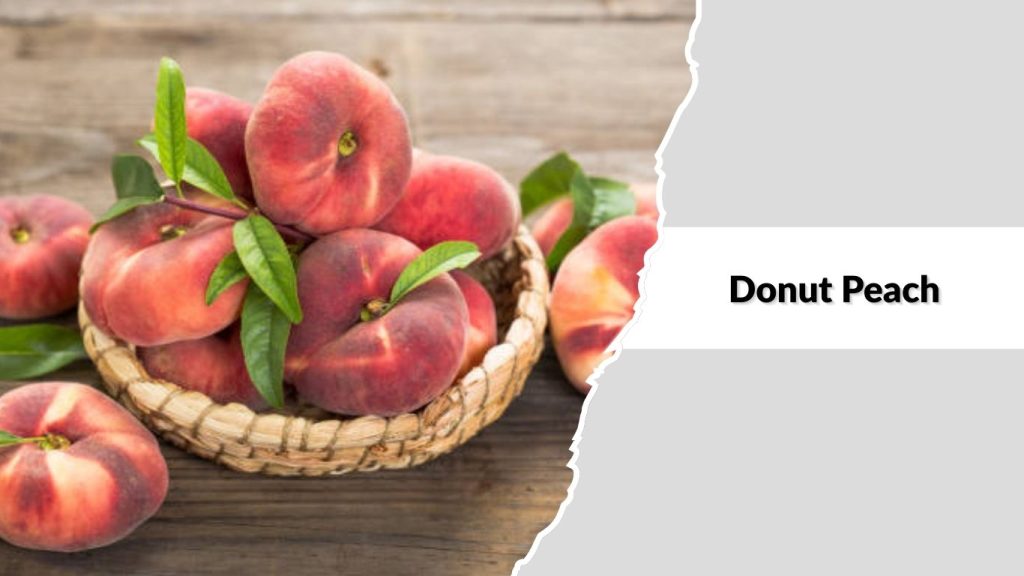
Donut peaches, also known as Saturn peaches, are easily recognized by their flat, disc-like shape. They are popular for their unique appearance, small pit, and very sweet flavor. These peaches are often favored for fresh eating and are especially appealing to children and specialty fruit markets.
Identification
- Flat, donut-like shape
- White to pale yellow flesh
- Thin skin with red and yellow tones
- Small pit in the center
- Medium to small size
Flavor and Texture
Donut peaches are exceptionally sweet with very low acidity, giving them a mild, pleasant flavor. The flesh is soft, juicy, and tender, making them easy to bite into. Their texture is less fibrous than many round peach varieties.
Common Uses
They are best enjoyed fresh, eaten out of hand, or sliced for fruit platters. Donut peaches are also used in salads, light desserts, and as garnishes. Because of their softness, they are not ideal for heavy baking but work well in no-cook or lightly cooked recipes.
Growing Season
Donut peaches are typically harvested from early to mid-summer. Their season is relatively short, which adds to their appeal and makes them a sought-after seasonal fruit.
4. Clingstone Peach
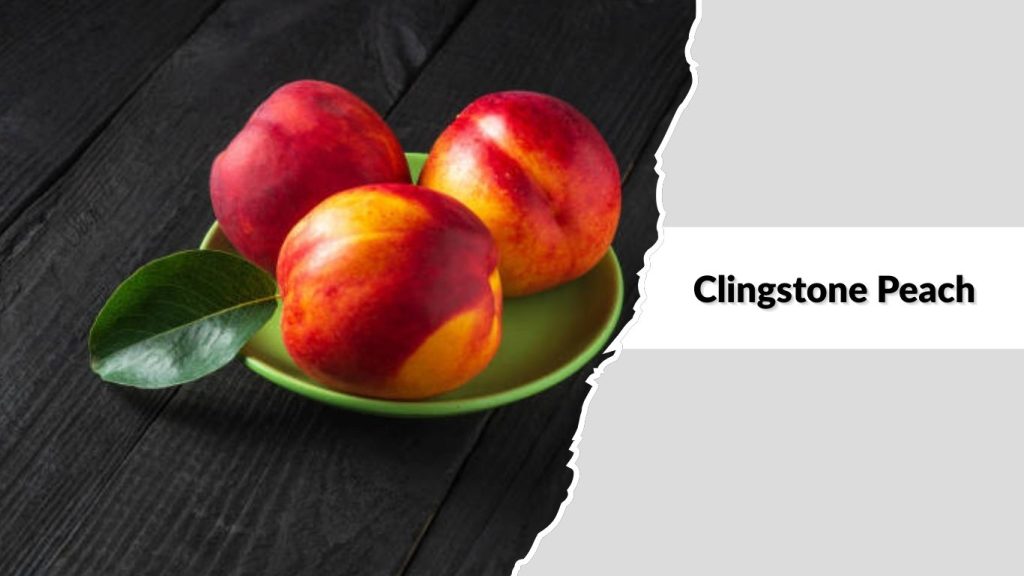
Clingstone peaches are named for the way their flesh firmly clings to the pit. They are one of the oldest and most traditional peach types, commonly grown for processing as well as fresh use. Their juicy flesh and intense flavor make them a classic favorite.
Identification
- Flesh tightly attached to the pit
- Yellow or white flesh varieties
- Fuzzy skin with red and yellow hues
- Round shape
- Medium to large size
Flavor and Texture
Clingstone peaches are known for their rich, full peach flavor and high juiciness. The flesh is soft, tender, and often sweeter when fully ripe. Because the pit is difficult to remove, they are less convenient to slice but deliver excellent taste.
Common Uses
These peaches are widely used in canning, jams, preserves, and desserts where cutting around the pit is acceptable. They are also enjoyed fresh, especially when fully ripe and eaten by hand. Their juicy nature makes them ideal for sauces and purees.
Growing Season
Clingstone peaches are usually harvested earlier than freestone varieties, often from late spring to early summer. Their early availability makes them one of the first peaches to appear in markets each year.
5. Freestone Peach
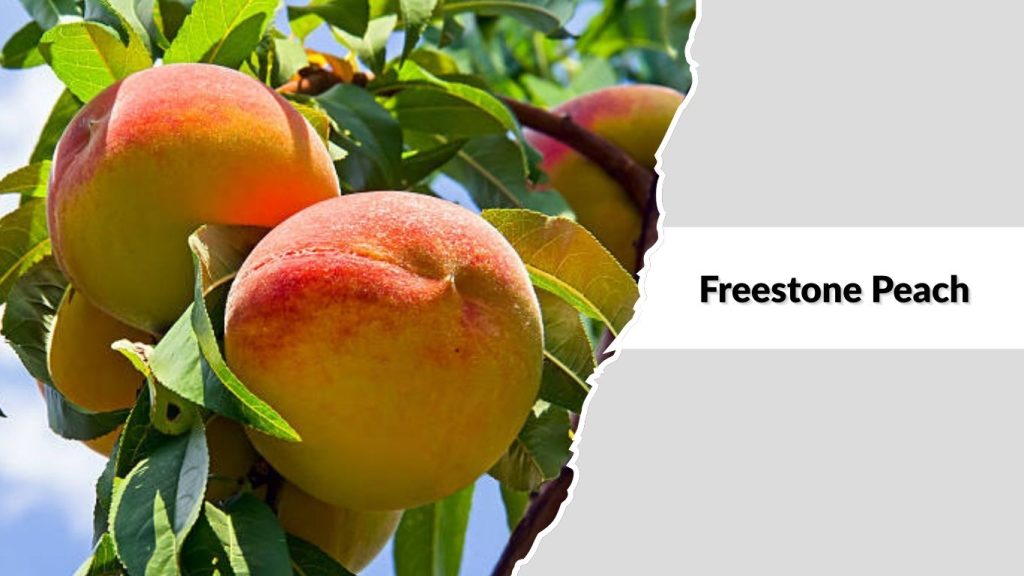
Freestone peaches are named for their easily removable pit, which separates cleanly from the flesh. This feature makes them one of the most convenient peach types for slicing and cooking. They are extremely popular in home kitchens and commercial food preparation.
Identification
- Pit separates easily from the flesh
- Yellow or white flesh
- Fuzzy skin with red and orange blush
- Round to slightly oval shape
- Medium to large size
Flavor and Texture
Freestone peaches offer a balanced combination of sweetness and mild acidity. The flesh is firm yet juicy, holding its shape well when cut or cooked. This texture makes them less messy to eat and ideal for recipes that require neat slices.
Common Uses
Because of their easy-to-remove pit, freestone peaches are widely used in pies, cobblers, crisps, and tarts. They are also excellent for grilling, freezing, and eating fresh. Their versatility makes them one of the most preferred peach types.
Growing Season
Freestone peaches are generally harvested from mid-summer to late summer. Many late-season peach varieties fall into this category, extending peach availability well into the warmer months.
6. Semi-Freestone Peach
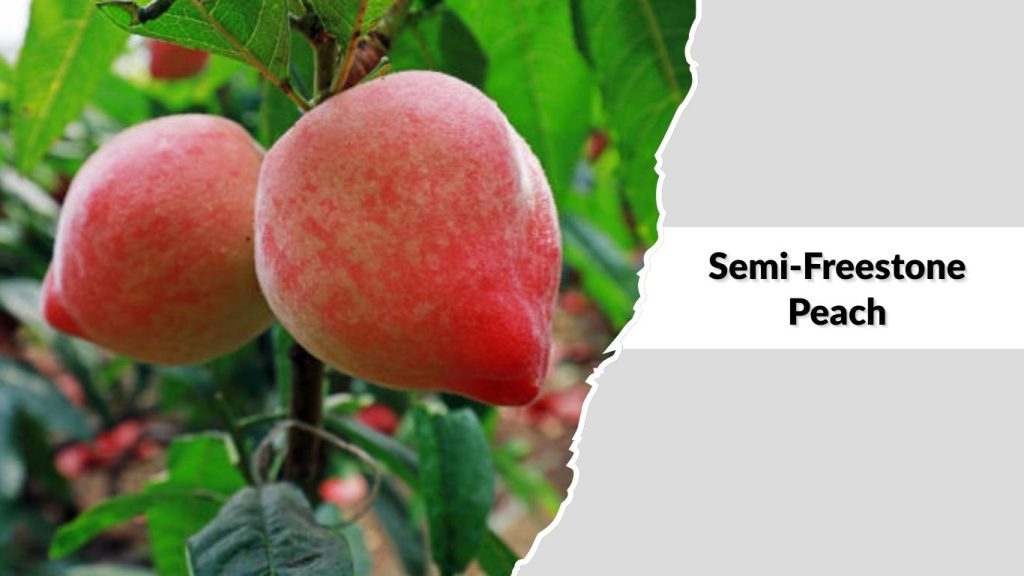
Semi-freestone peaches are a hybrid type that falls between clingstone and freestone peaches. As the name suggests, the flesh partially separates from the pit, becoming easier to remove as the fruit fully ripens. They combine good flavor with moderate convenience.
Identification
- Flesh partially attached to the pit
- Yellow or white flesh
- Fuzzy skin with red and yellow coloring
- Round shape
- Medium size
Flavor and Texture
Semi-freestone peaches have a sweet, well-rounded flavor with mild acidity. The flesh is juicy and slightly firm, softening as it ripens. When fully mature, the pit loosens more easily, making them more practical for slicing than clingstone varieties.
Common Uses
These peaches are suitable for both fresh eating and cooking. They work well in desserts, jams, and baked dishes, while still being enjoyable eaten fresh. Their balanced texture allows them to adapt to a variety of culinary uses.
Growing Season
Semi-freestone peaches are typically harvested in early to mid-summer. They often bridge the seasonal gap between early clingstone peaches and later freestone varieties, making them a transitional peach type.
7. Saturn Peach
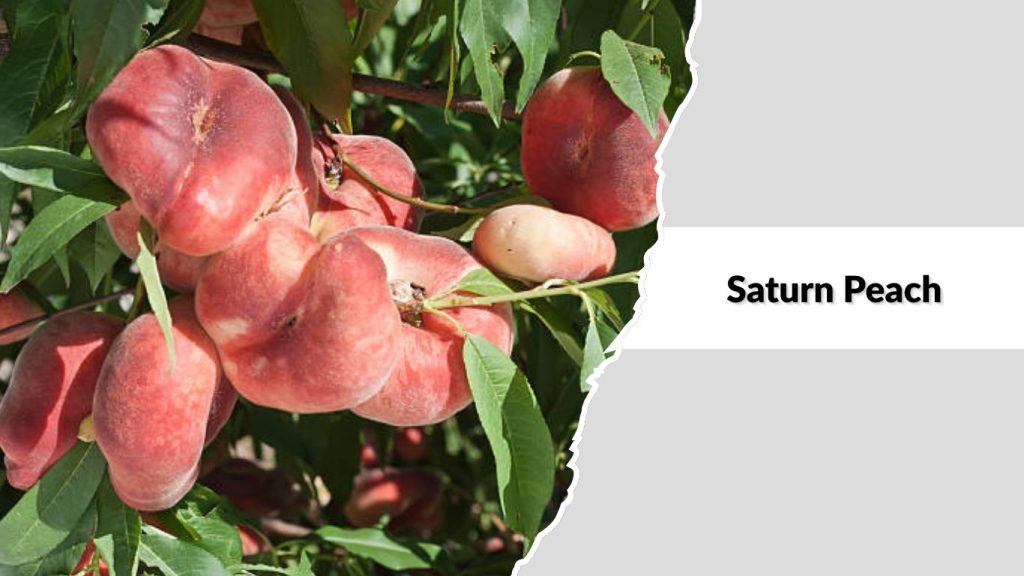
Saturn peaches are a distinctive variety best known for their flat, saucer-like shape. Often grouped with donut peaches, they stand out for their attractive appearance and naturally sweet taste. Saturn peaches are especially popular for snacking and fresh consumption.
Identification
- Flat, disc-shaped fruit
- White to pale yellow flesh
- Thin skin with red and yellow blush
- Small central pit
- Small to medium size
Flavor and Texture
Saturn peaches have a very sweet flavor with low acidity, making them mild and pleasant on the palate. The flesh is soft, juicy, and tender, with a smooth texture that melts easily when ripe. Their sweetness intensifies as they reach peak ripeness.
Common Uses
These peaches are best eaten fresh, straight from the hand, or sliced for fruit platters. They are also used in light desserts, salads, and as decorative garnishes. Because of their delicate texture, they are not ideal for heavy cooking or long storage.
Growing Season
Saturn peaches are typically harvested from early to mid-summer. Their availability is usually limited, which makes them a sought-after seasonal specialty in farmers’ markets and grocery stores.
8. Elberta Peach
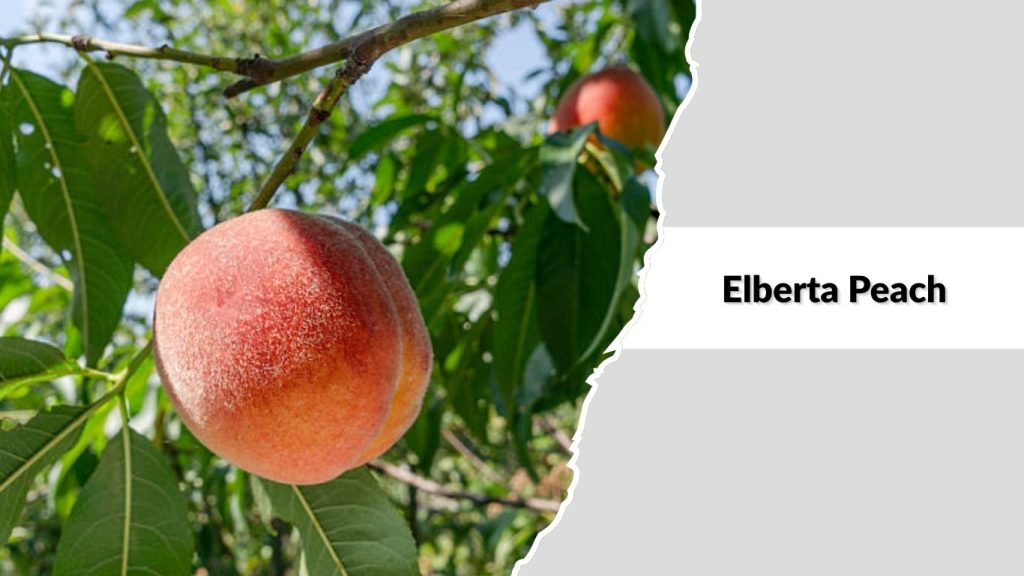
Elberta peaches are one of the most well-known and widely grown peach varieties, especially in the United States. Introduced in the late 19th century, they are valued for their large size, reliable production, and classic peach flavor.
Identification
- Large, round to slightly oval fruit
- Yellow flesh
- Fuzzy skin with bright red blush over yellow
- Freestone pit
- Firm texture
Flavor and Texture
Elberta peaches have a rich, sweet flavor with mild acidity that represents the traditional peach taste many people recognize. The flesh is firm yet juicy, allowing the fruit to hold its shape well when sliced or cooked.
Common Uses
These peaches are extremely versatile and are commonly used in baking, canning, freezing, and preserves. They are also enjoyed fresh due to their size and satisfying texture. Elberta peaches are a favorite choice for pies and cobblers.
Growing Season
Elberta peaches are usually harvested in mid to late summer. Their dependable yield and long harvest window make them a staple variety for both commercial orchards and home growers.
9. Redhaven Peach
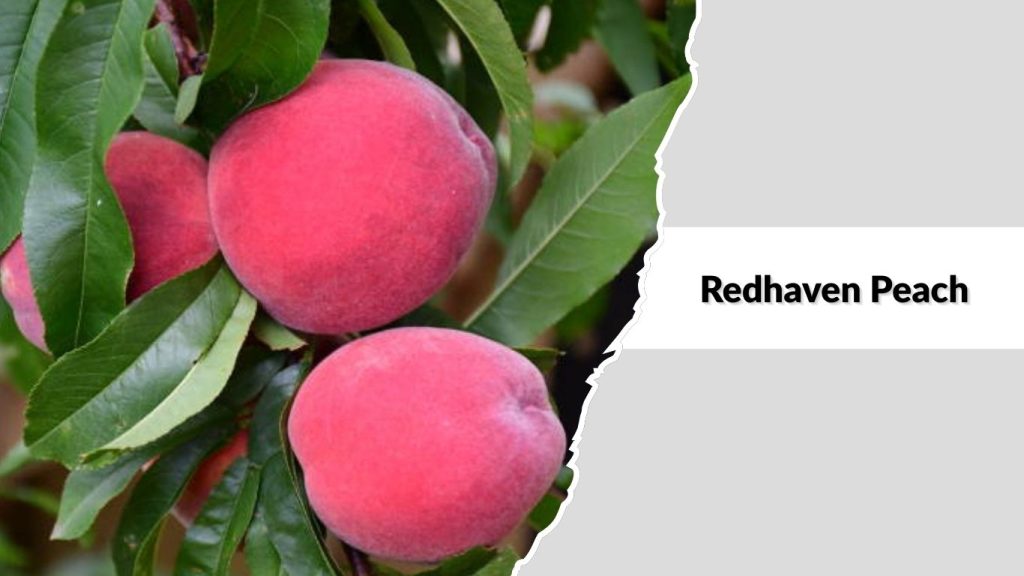
Redhaven peaches are one of the most popular commercial peach varieties due to their excellent flavor and cold tolerance. They are widely grown in many regions and are often considered a standard for high-quality peaches.
Identification
- Medium-sized, round fruit
- Yellow flesh
- Red blush covering much of the skin
- Freestone pit
- Smooth, firm texture
Flavor and Texture
Redhaven peaches have a well-balanced sweet and slightly tangy flavor. The flesh is firm, fine-textured, and juicy, making it pleasant to eat fresh while also holding up well during cooking and baking.
Common Uses
These peaches are commonly eaten fresh, sliced into desserts, or used in baking recipes such as pies and crisps. They are also suitable for freezing and canning due to their firm flesh and reliable quality.
Growing Season
Redhaven peaches are typically harvested in mid-summer. They ripen evenly and have a relatively short harvest window, making timing important to enjoy them at peak flavor.
10. O’Henry Peach
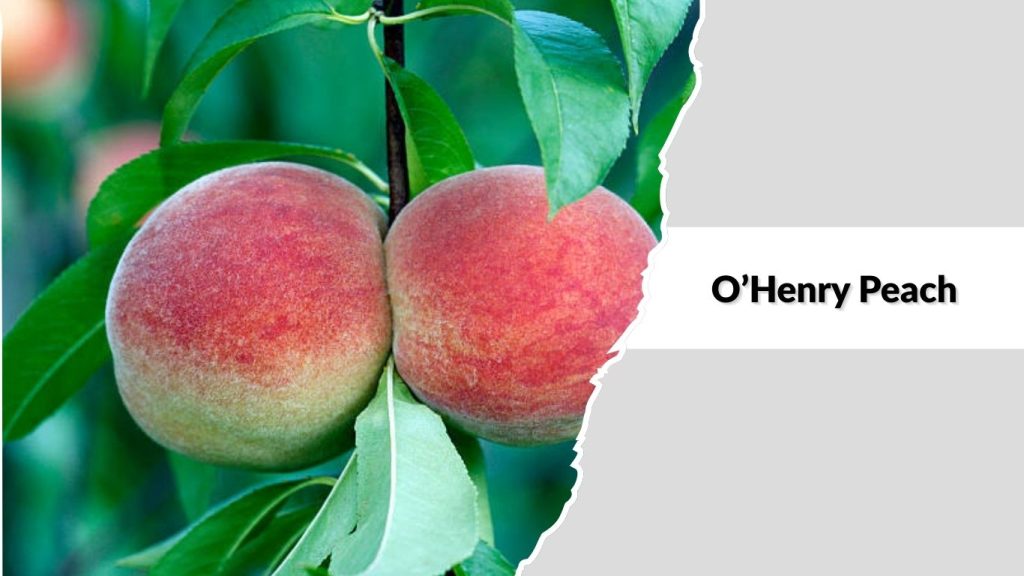
O’Henry peaches are a late-season variety known for their large size and deep, rich flavor. They are especially popular among peach lovers who enjoy bold sweetness and firm flesh. This variety is often grown in warmer climates.
Identification
- Large, round fruit
- Deep yellow flesh
- Dark red blush covering most of the skin
- Freestone pit
- Firm texture
Flavor and Texture
O’Henry peaches have an intense, sweet flavor with low acidity. The flesh is dense, firm, and very juicy when ripe, making them satisfying to eat and easy to slice without falling apart.
Common Uses
These peaches are excellent for fresh eating, baking, and grilling. Their firm texture makes them ideal for pies, tarts, and desserts that require well-defined peach slices. They are also good for preserving and freezing.
Growing Season
O’Henry peaches are typically harvested in late summer. As a late-ripening variety, they help extend the peach season when earlier varieties are no longer available.
11. Belle of Georgia Peach
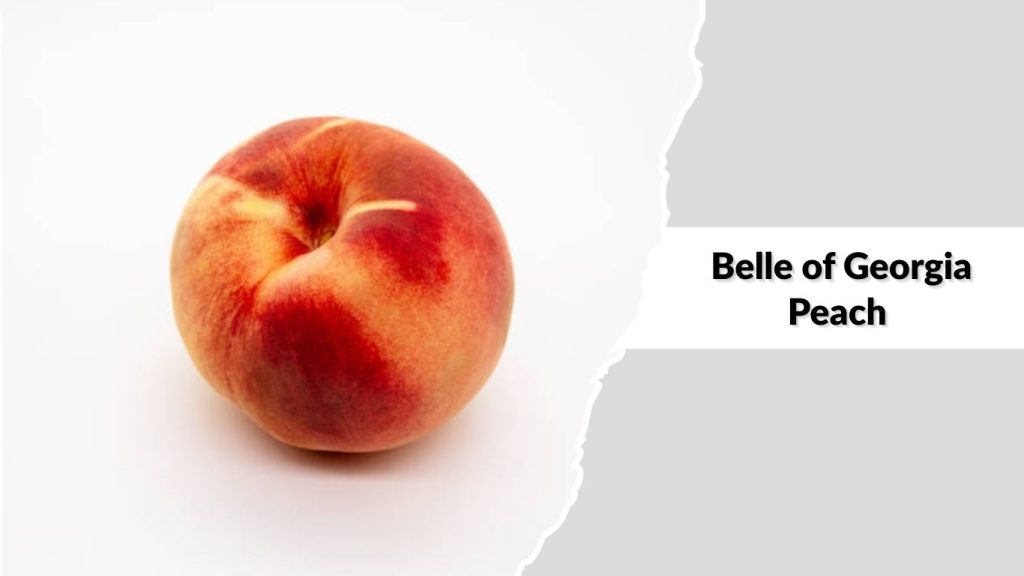
Belle of Georgia peaches are a classic heirloom variety known for their large size and attractive appearance. They have been grown for over a century and are appreciated for their mild sweetness and dependable productivity.
Identification
- Very large, round fruit
- White flesh
- Creamy skin with a soft red blush
- Freestone pit
- Fuzzy outer skin
Flavor and Texture
Belle of Georgia peaches have a gentle, sweet flavor with low acidity, making them smooth and pleasant to eat. The flesh is tender and juicy, softening quickly as the fruit ripens. Their mild taste appeals to those who prefer less tangy peaches.
Common Uses
These peaches are excellent for fresh eating and slicing. They are also used in light desserts, fruit salads, and preserves. Because of their soft flesh, they are best handled carefully and used soon after harvest.
Growing Season
Belle of Georgia peaches are typically harvested in mid-summer. They perform well in warm climates and are commonly grown in home orchards as well as small-scale commercial farms.
12. Cresthaven Peach
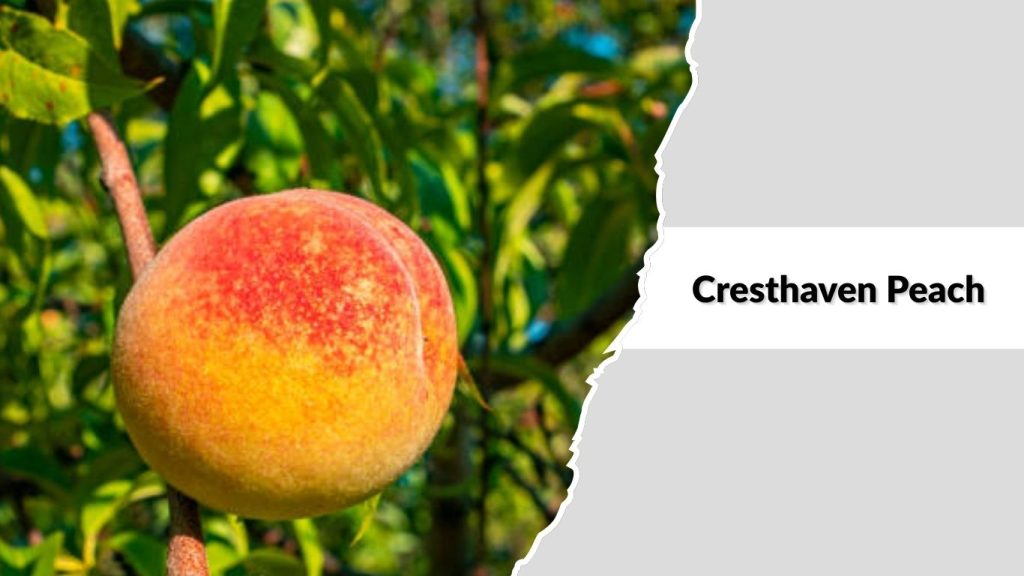
Cresthaven peaches are a dependable late-season variety valued for their firm flesh and consistent quality. They are often grown for both fresh markets and processing due to their strong texture and pleasant flavor.
Identification
- Medium to large fruit
- Yellow flesh
- Red blush over golden-yellow skin
- Freestone pit
- Firm, dense texture
Flavor and Texture
Cresthaven peaches have a balanced sweet flavor with mild acidity. The flesh is firm and less watery than many other varieties, which helps it maintain structure when sliced or cooked. This makes them especially reliable for culinary use.
Common Uses
These peaches are widely used for canning, baking, and freezing. They are also enjoyable when eaten fresh, though their firm texture is particularly suited to recipes that require peaches to hold their shape, such as pies and cobblers.
Growing Season
Cresthaven peaches are usually harvested in late summer. As a late-ripening variety, they help extend peach availability toward the end of the season.
13. June Gold Peach
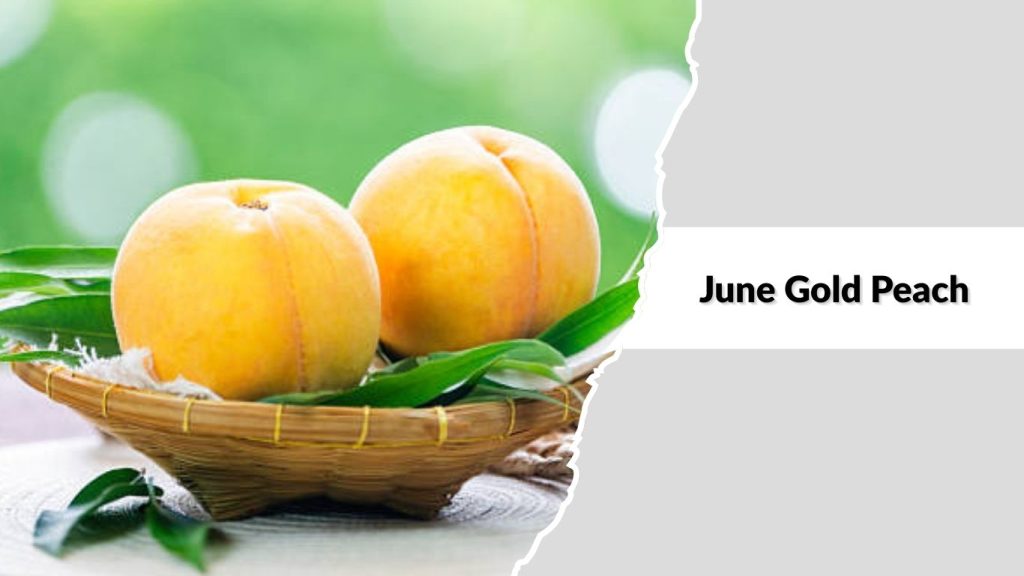
June Gold peaches are an early-season variety prized for bringing peach flavor to markets at the start of summer. They are known for their attractive color and refreshing taste.
Identification
- Medium-sized fruit
- Yellow flesh
- Bright red blush over yellow skin
- Clingstone to semi-freestone pit
- Round shape
Flavor and Texture
June Gold peaches have a sweet flavor with noticeable acidity, giving them a lively, refreshing taste. The flesh is juicy and moderately firm, softening as it ripens. Their early harvest means the flavor continues to improve quickly after picking.
Common Uses
These peaches are enjoyed fresh, sliced, or used in early-season desserts. They also work well in jams and sauces. Because they ripen early and have a softer texture, they are best used soon after purchase.
Growing Season
June Gold peaches are typically harvested in early summer, often in June, as the name suggests. They are among the first peaches available each year.
14. Suncrest Peach
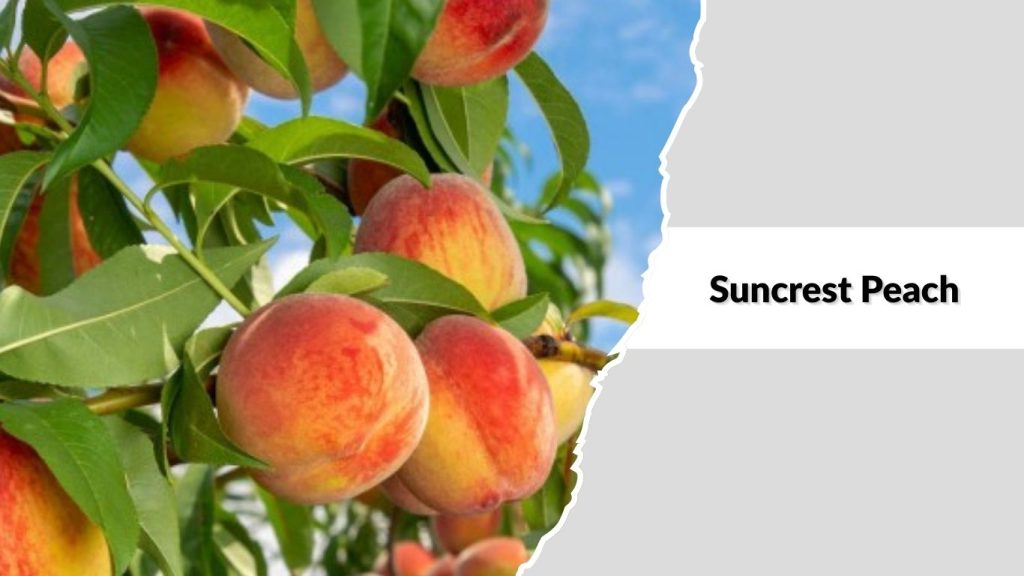
Suncrest peaches are a popular freestone variety known for their bright color and excellent eating quality. They are widely grown for fresh markets and are appreciated for their large size and consistent flavor.
Identification
- Large, round fruit
- Yellow flesh
- Deep red blush over golden skin
- Freestone pit
- Slightly fuzzy skin
Flavor and Texture
Suncrest peaches have a rich, sweet flavor with mild acidity. The flesh is firm, juicy, and aromatic, making them enjoyable to eat fresh while also holding up well in cooking and baking applications.
Common Uses
These peaches are ideal for fresh eating, baking, grilling, and freezing. Their firm flesh allows them to maintain shape in pies, tarts, and cobblers, while their sweetness shines in simple preparations.
Growing Season
Suncrest peaches are typically harvested in mid-summer. They are often considered a peak-season peach due to their excellent balance of flavor, texture, and availability.
15. Reliance Peach
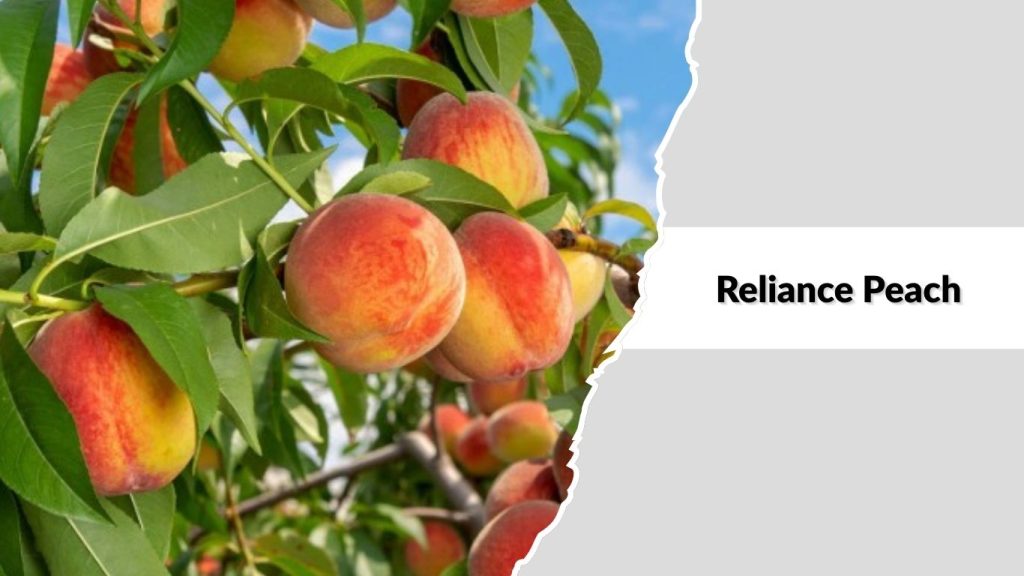
Reliance peaches are best known for their exceptional cold hardiness, making them a reliable choice in cooler climates where many peach varieties struggle. Despite their resilience, they still offer good flavor and attractive fruit.
Identification
- Medium-sized, round fruit
- Yellow flesh
- Red blush over yellow skin
- Freestone pit
- Fuzzy skin
Flavor and Texture
Reliance peaches have a mildly sweet flavor with gentle acidity. The flesh is tender and juicy, becoming softer as it fully ripens. While the flavor is not as intense as some late-season varieties, it is pleasant and well-balanced.
Common Uses
These peaches are suitable for fresh eating, baking, and preserving. They are often used in pies, jams, and canned goods, especially in regions with shorter growing seasons. Their adaptability makes them popular with home gardeners.
Growing Season
Reliance peaches are typically harvested in mid-summer. Their ability to withstand colder winters allows them to produce fruit consistently in northern and high-altitude regions.
16. Madison Peach
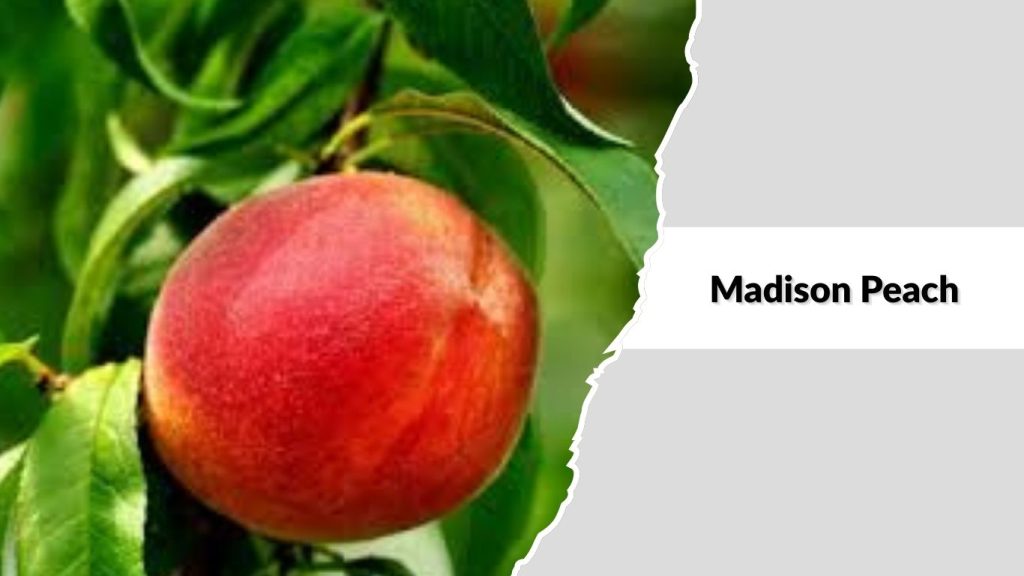
Madison peaches are a late-season variety developed for cold tolerance and reliable production. They are especially valued in regions with harsh winters and shorter summers, offering good-quality fruit when other varieties may fail.
Identification
- Medium-sized fruit
- Yellow flesh
- Red blush over yellow skin
- Freestone pit
- Firm texture
Flavor and Texture
Madison peaches have a sweet, mildly tangy flavor that develops fully when tree-ripened. The flesh is firm yet juicy, making them pleasant to eat fresh and durable enough for cooking and baking.
Common Uses
These peaches are commonly used for fresh eating, pies, preserves, and freezing. Their firm flesh allows them to hold up well in baked desserts, while their balanced flavor works nicely in jams and sauces.
Growing Season
Madison peaches are usually harvested in late summer. Their late ripening and cold hardiness make them a dependable option for growers in cooler climates.
17. Arctic Supreme Peach
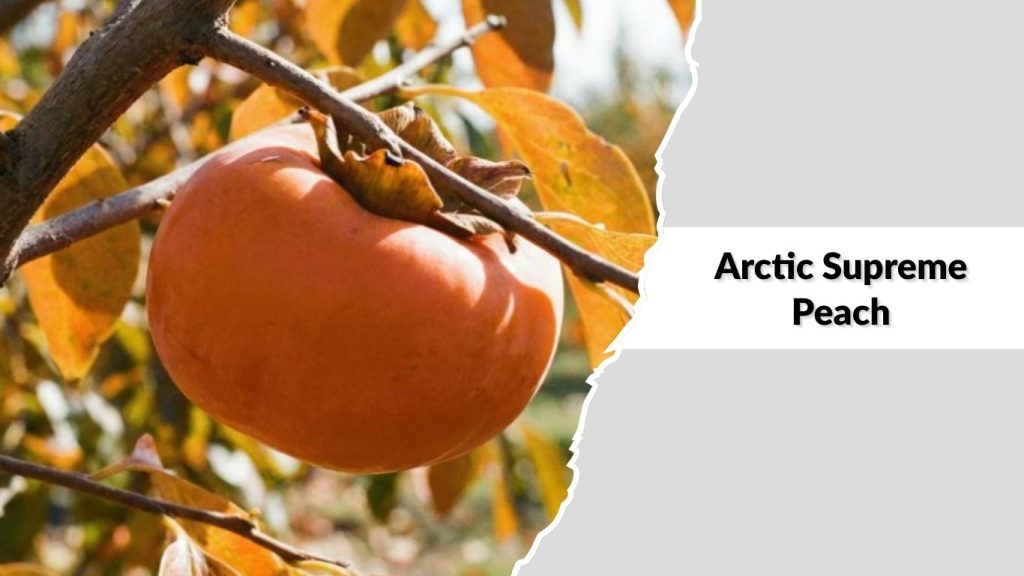
Arctic Supreme peaches are a premium white-flesh variety known for their exceptional sweetness and rich aroma. They are often considered a high-quality dessert peach and are especially popular in fresh markets.
Identification
- Medium to large fruit
- White flesh
- Light red to pink blush on pale skin
- Freestone pit
- Smooth, tender flesh
Flavor and Texture
Arctic Supreme peaches have an intensely sweet, low-acid flavor with a fragrant, floral aroma. The flesh is soft, melting, and extremely juicy when ripe, offering a luxurious eating experience.
Common Uses
These peaches are best enjoyed fresh to fully appreciate their sweetness and delicate texture. They are also used in fruit salads, fresh desserts, and as a topping for yogurt or pastries. Heavy cooking is usually avoided to preserve their flavor.
Growing Season
Arctic Supreme peaches are typically harvested in mid to late summer. They are more delicate than yellow-flesh varieties and are usually handled carefully to maintain quality.
18. Autumn Flame Peach
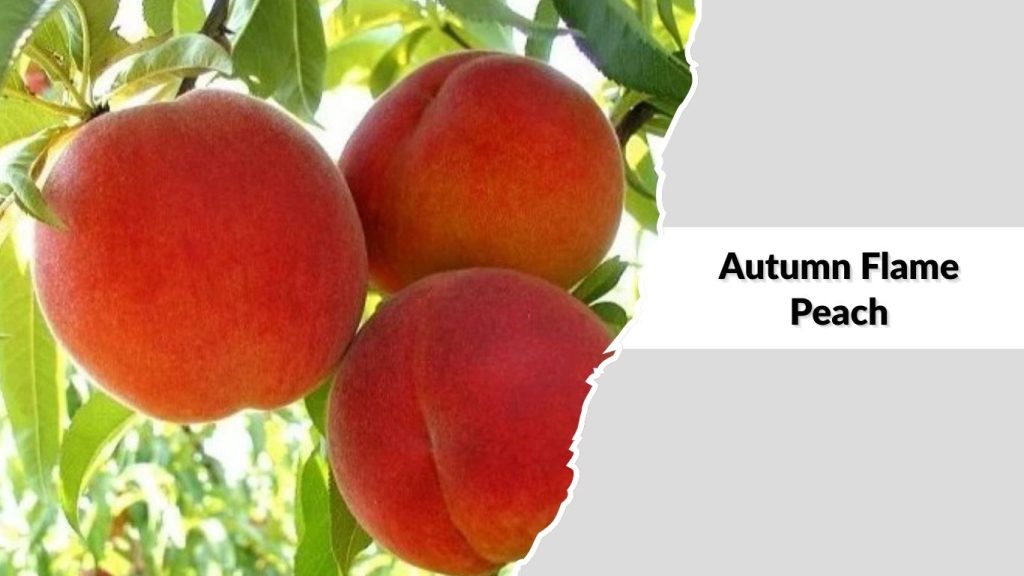
Autumn Flame peaches are a late-season variety appreciated for their vibrant color and dependable flavor. They help extend the peach season into the later part of summer when early varieties are no longer available.
Identification
- Medium to large fruit
- Yellow flesh
- Bright red skin covering most of the surface
- Freestone pit
- Firm texture
Flavor and Texture
Autumn Flame peaches have a sweet flavor with mild acidity. The flesh is firm, juicy, and holds its shape well, making it suitable for both fresh eating and cooking applications.
Common Uses
These peaches are used for fresh consumption, baking, and preserving. Their firmness makes them ideal for pies, cobblers, and grilling, while their sweetness works well in jams and desserts.
Growing Season
Autumn Flame peaches are typically harvested in late summer. As a late-ripening variety, they are valued for providing quality fruit toward the end of the peach season.
19. Indian Blood Peach
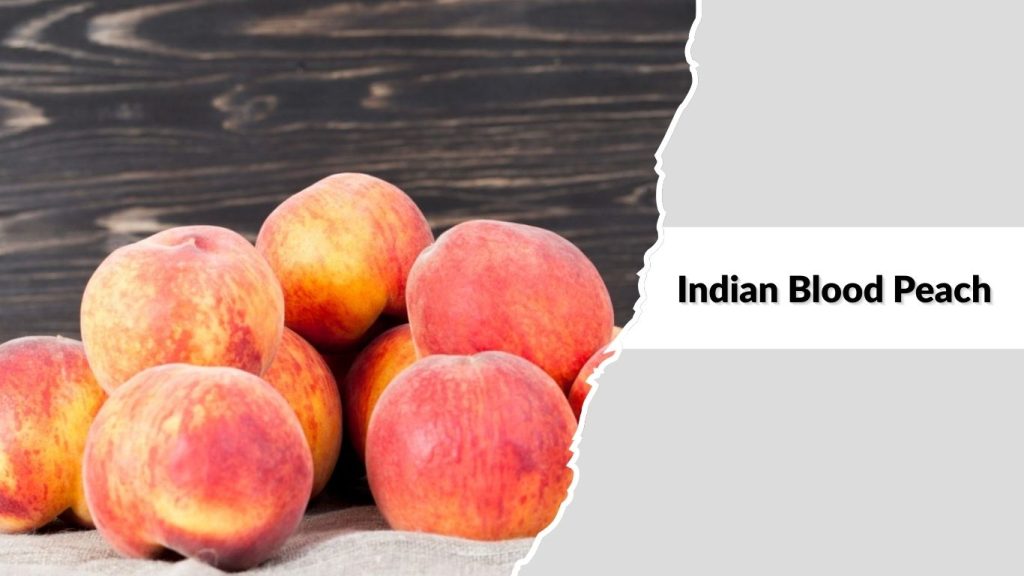
Indian Blood peaches are a striking heirloom variety known for their deep red flesh and bold appearance. They are also called blood peaches and are valued for their unique color and strong, rich flavor.
Identification
- Deep red to burgundy flesh
- Dark red skin with heavy coloring
- Freestone or semi-freestone pit
- Round shape
- Medium size
Flavor and Texture
Indian Blood peaches have a robust, slightly tart flavor with noticeable sweetness. The flesh is firm, juicy, and aromatic, offering a more intense taste compared to common yellow or white peaches.
Common Uses
These peaches are commonly used in baking, preserves, and specialty desserts where their dramatic color can stand out. They are also enjoyed fresh by those who appreciate their bold flavor profile.
Growing Season
Indian Blood peaches are typically harvested in mid to late summer. As an heirloom variety, they are often found in specialty orchards and local markets rather than large commercial stores.
20. Cardinal Peach
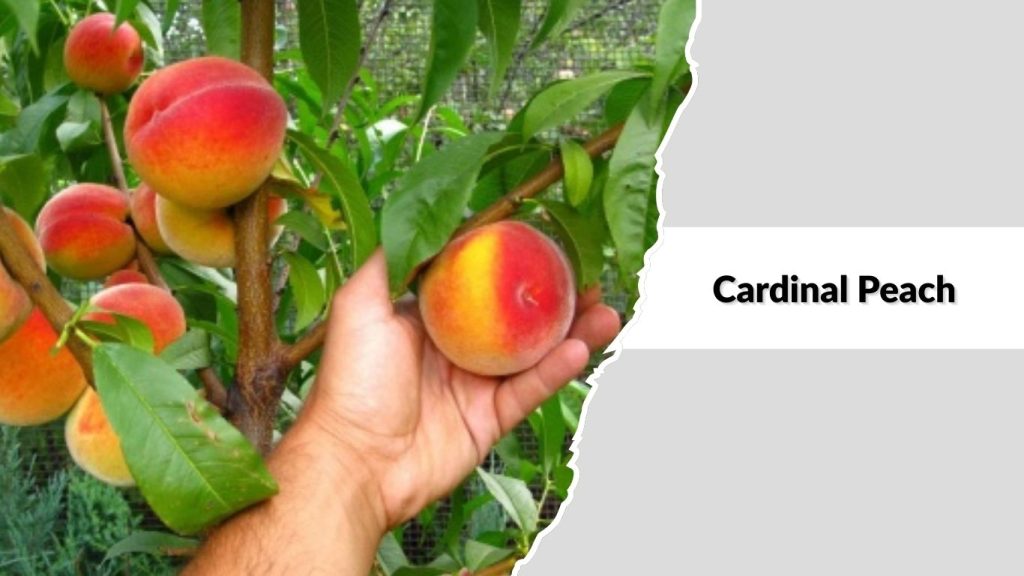
Cardinal peaches are an early-season variety known for their attractive color and refreshing flavor. They are often grown to provide peaches at the beginning of the summer harvest.
Identification
- Medium-sized fruit
- Yellow flesh
- Bright red skin covering much of the surface
- Clingstone pit
- Round shape
Flavor and Texture
Cardinal peaches have a sweet flavor with noticeable acidity, giving them a lively, fresh taste. The flesh is juicy and moderately firm, becoming softer as the fruit ripens.
Common Uses
These peaches are enjoyed fresh and are also used in early-season desserts, sauces, and jams. Because they ripen quickly, they are best consumed soon after harvesting.
Growing Season
Cardinal peaches are typically harvested in early summer. Their early availability makes them a popular choice for growers looking to enter the market at the start of the peach season.
21. Fantasia Peach
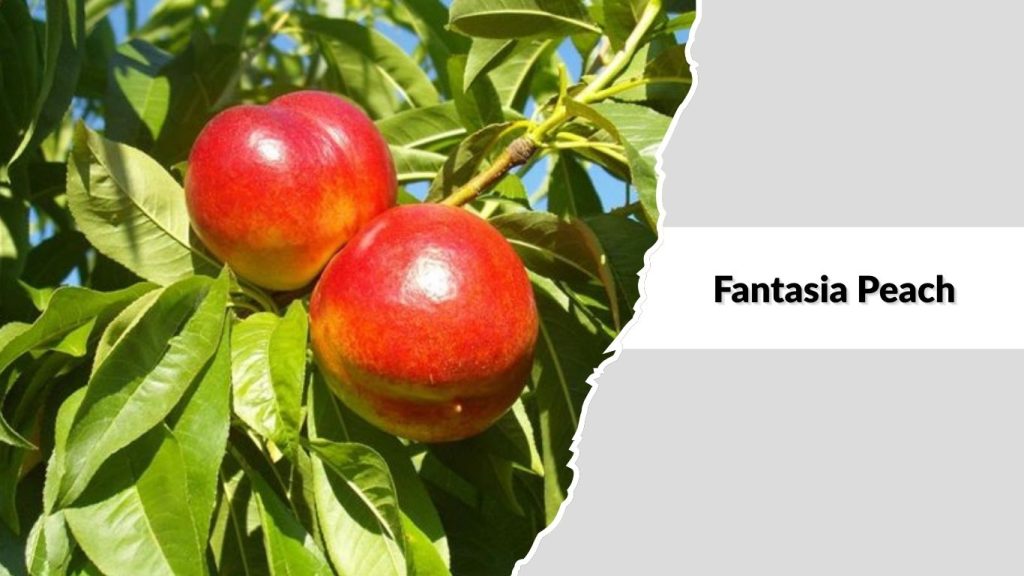
Fantasia peaches are a white-flesh nectarine-type peach variety known for their smooth skin and rich sweetness. They are often favored for fresh eating due to their dessert-quality flavor.
Identification
- White flesh
- Smooth, non-fuzzy skin
- Red to deep pink blush
- Freestone pit
- Medium size
Flavor and Texture
Fantasia peaches have a very sweet, low-acid flavor with a hint of floral aroma. The flesh is firm yet juicy, offering a crisp bite when perfectly ripe. Their smooth skin sets them apart from traditional fuzzy peaches.
Common Uses
These peaches are best enjoyed fresh, sliced, or added to fruit salads. They are also used in light desserts and as a fresh garnish. Heavy cooking is usually avoided to preserve their delicate sweetness.
Growing Season
Fantasia peaches are typically harvested in mid-summer. They are more commonly found in specialty markets due to their smooth skin and premium eating quality.
22. Coral Star Peach
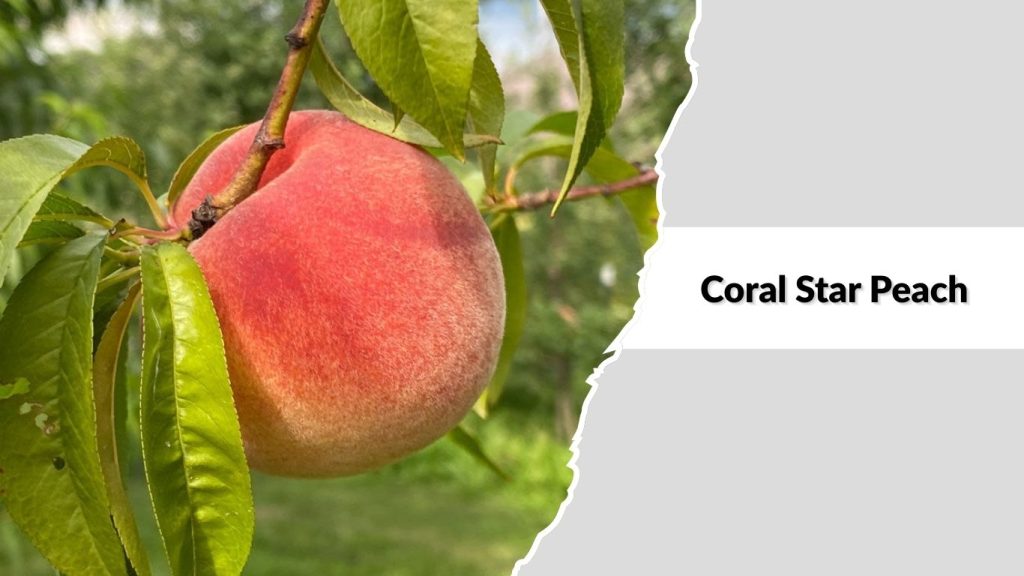
Coral Star peaches are a modern freestone variety appreciated for their bright appearance and reliable quality. They are commonly grown for fresh markets due to their attractive color and consistent flavor.
Identification
- Medium to large fruit
- Yellow flesh
- Bright red blush over golden skin
- Freestone pit
- Firm texture
Flavor and Texture
Coral Star peaches have a sweet, mildly tangy flavor that is well balanced. The flesh is firm, juicy, and fine-textured, allowing the fruit to hold up well during slicing and handling while still being pleasant to eat fresh.
Common Uses
These peaches are ideal for fresh eating, baking, and grilling. Their firmness makes them suitable for pies, cobblers, and desserts where defined peach slices are desired. They also freeze well.
Growing Season
Coral Star peaches are typically harvested in mid to late summer. Their dependable ripening and attractive appearance make them a popular choice for commercial growers.
23. Hale Haven Peach
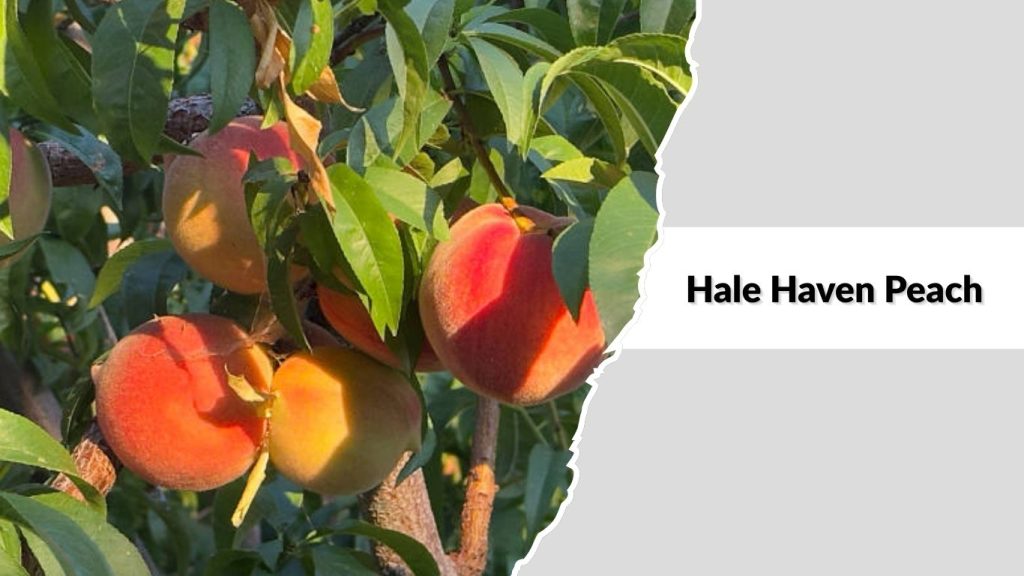
Hale Haven peaches are a classic variety known for their dependable yield and traditional peach flavor. They are often grown in home orchards and commercial farms due to their adaptability and consistent fruit quality.
Identification
- Medium to large fruit
- Yellow flesh
- Red blush over golden-yellow skin
- Freestone pit
- Round shape
Flavor and Texture
Hale Haven peaches have a sweet, slightly tangy flavor that represents a classic peach taste. The flesh is firm, juicy, and smooth, making them enjoyable to eat fresh while also holding up well in cooking and baking.
Common Uses
These peaches are commonly used for fresh eating, pies, cobblers, and preserves. Their balanced flavor and firm texture make them versatile for both raw and cooked preparations.
Growing Season
Hale Haven peaches are typically harvested in mid-summer. They are valued for their reliability and are often chosen as a dependable mid-season peach variety.
24. Glohaven Peach
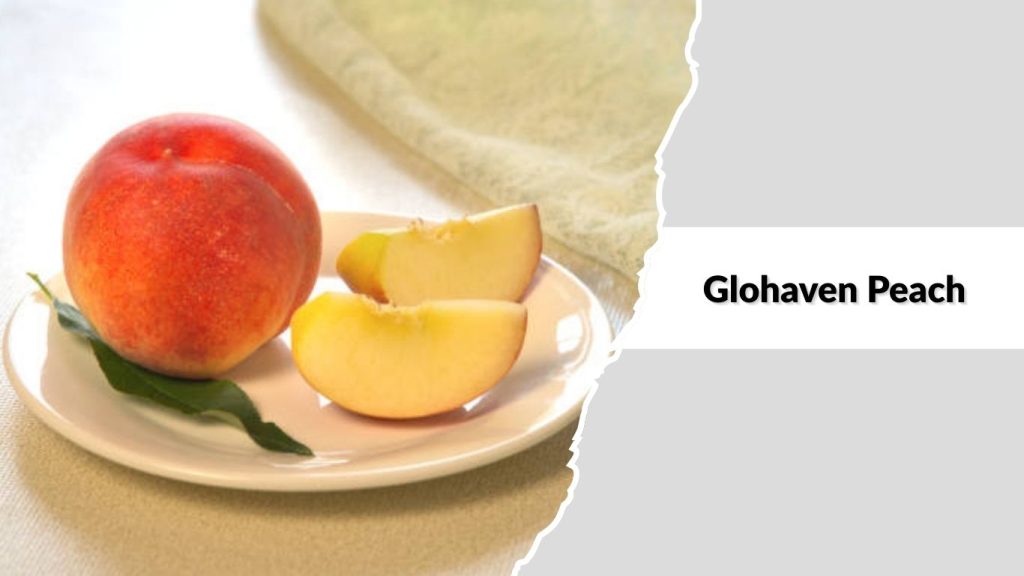
Glohaven peaches are a widely grown variety known for their large size and vibrant color. They are especially popular in commercial orchards due to their attractive appearance and strong market appeal.
Identification
- Large fruit
- Yellow flesh
- Deep red blush over bright yellow skin
- Freestone pit
- Firm texture
Flavor and Texture
Glohaven peaches have a sweet, mildly acidic flavor that becomes richer as the fruit ripens. The flesh is firm, juicy, and smooth, making them easy to slice and handle without breaking apart.
Common Uses
These peaches are used for fresh eating, baking, and canning. Their firmness makes them suitable for pies, tarts, and cobblers, while their attractive color enhances presentation in desserts.
Growing Season
Glohaven peaches are typically harvested in mid to late summer. Their consistent quality and visual appeal make them a popular choice for growers and markets alike.
25. Snow King Peach
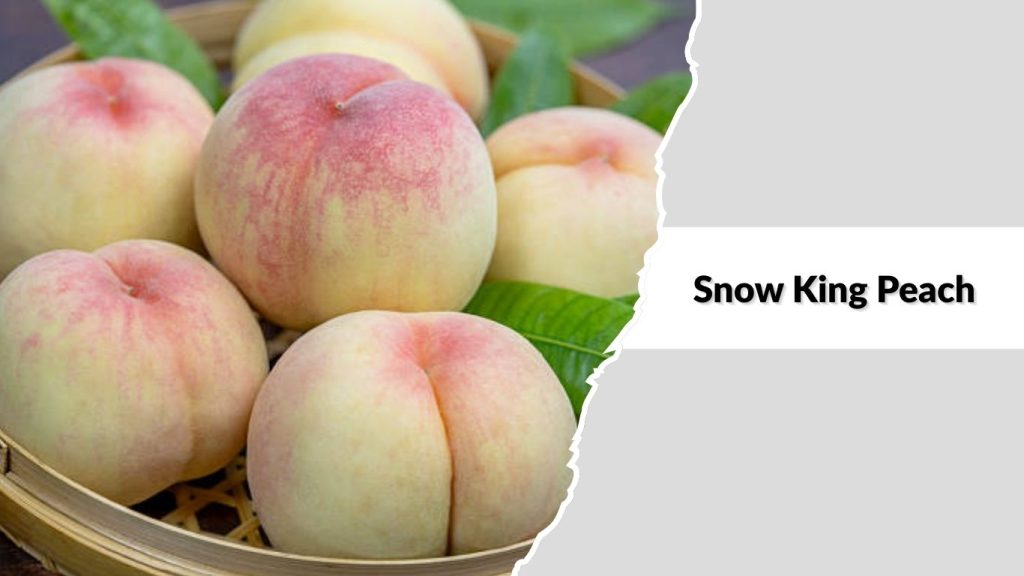
Snow King peaches are a premium white-flesh variety prized for their intense sweetness and attractive appearance. They are often considered a top-quality dessert peach and are especially popular in fresh fruit markets.
Identification
- White flesh
- Bright red to pink blush on pale skin
- Freestone pit
- Round shape
- Medium size
Flavor and Texture
Snow King peaches have a very sweet, low-acid flavor with a crisp yet juicy texture. The flesh is firm for a white peach, providing a satisfying bite while still being refreshing and aromatic.
Common Uses
These peaches are best enjoyed fresh to fully appreciate their sweetness. They are also used in fruit salads, fresh desserts, and as a topping for yogurt, cereals, and pastries. Cooking is usually minimal to preserve their delicate flavor.
Growing Season
Snow King peaches are typically harvested in mid-summer. Their premium quality and limited availability make them a favorite choice among peach enthusiasts. 🍑
FAQs
What is the most popular type of peach?
Yellow peaches are the most popular type of peach worldwide. They are widely grown, easy to find in markets, and commonly used for fresh eating, baking, and preserving due to their balanced sweet-tart flavor.
What is the difference between clingstone and freestone peaches?
The main difference lies in how the flesh attaches to the pit. Clingstone peaches have flesh that sticks tightly to the pit, while freestone peaches separate easily, making freestone varieties more convenient for slicing and cooking.
Which peaches are the sweetest?
White peaches, such as Snow King and Arctic Supreme, are generally the sweetest. They have lower acidity than yellow peaches, resulting in a mild, honey-like flavor that is ideal for fresh consumption.
When is peach season?
Peach season typically runs from late spring through late summer. Early varieties appear in late spring, while mid- and late-season peaches are harvested throughout summer, depending on climate and region.
What are the best peaches for baking?
Freestone yellow peaches are considered the best for baking. Their firm texture allows them to hold their shape, and their slightly tangy flavor balances well with sugar in pies, cobblers, and crisps.