



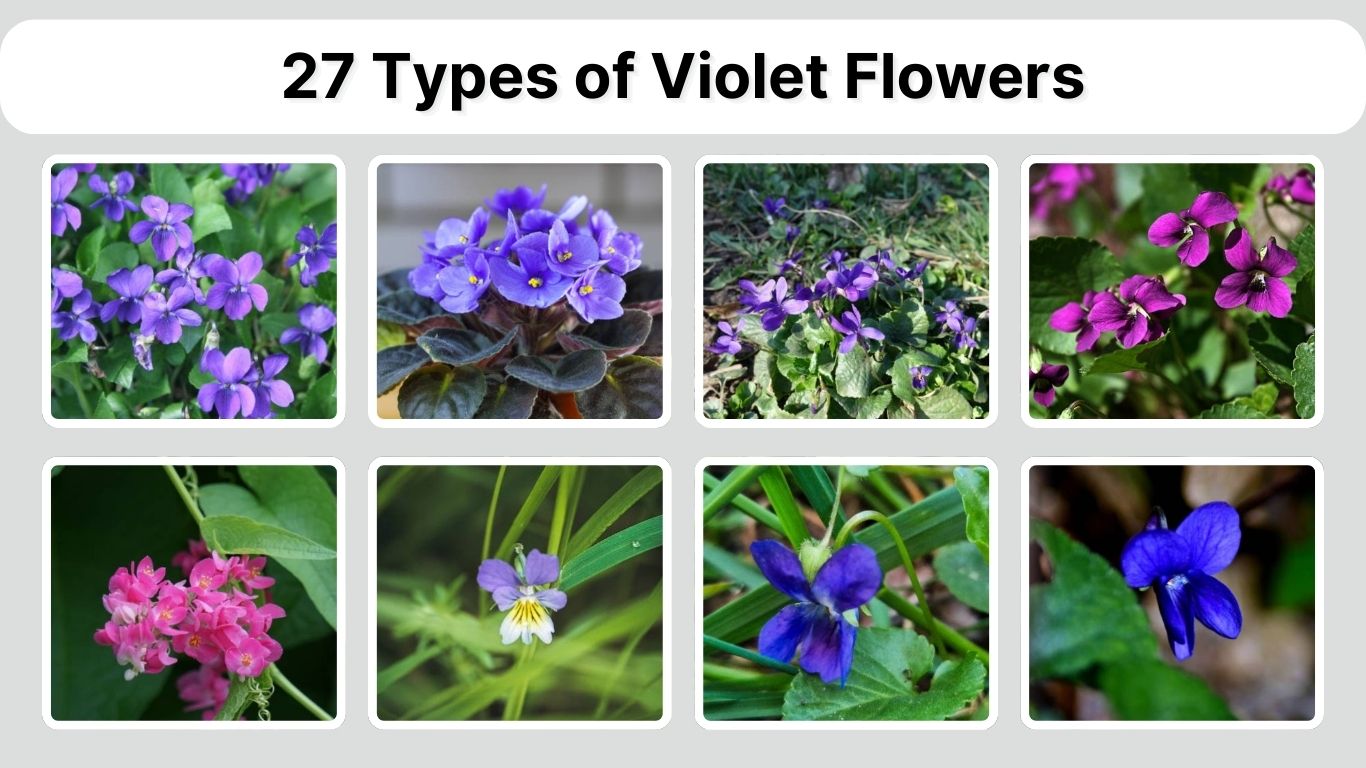
Violets are charming, low-growing flowers celebrated for their vibrant colors, delicate petals, and heart-shaped leaves. Found in gardens, woodlands, meadows, and wetlands, these perennials offer early spring blooms that brighten shaded and open landscapes alike. From fragrant sweet violets to hardy alpine and prairie species, each type has unique features, habitats, and blooming patterns. Appreciated for their beauty, ecological benefits, and ability to attract pollinators, violets are a favorite in ornamental gardening, naturalized plantings, and woodland landscapes.
1. Sweet Violet (Viola odorata)
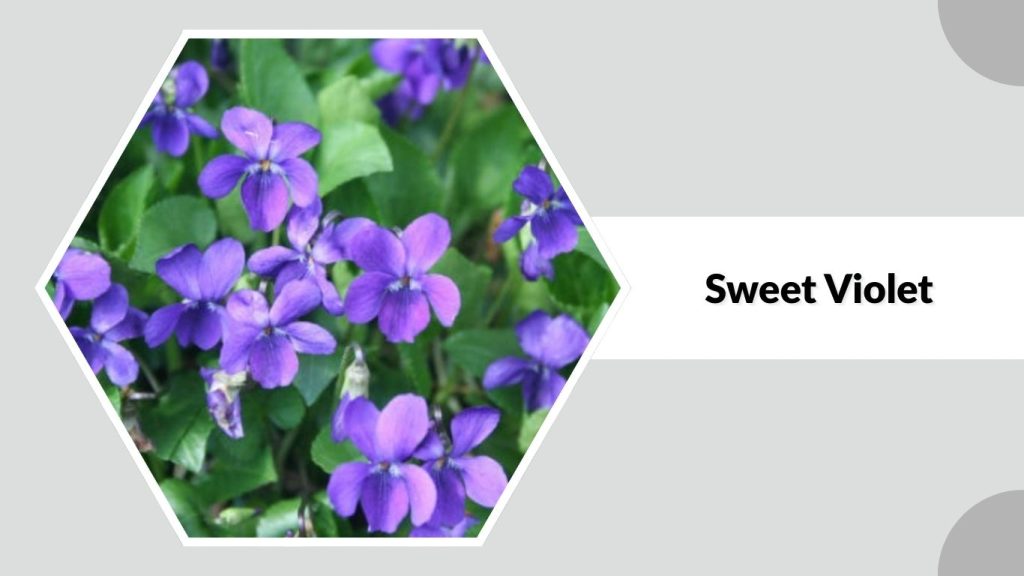
Sweet violet is a small, low-growing perennial flower admired for its deep violet color and distinctive fragrance. It naturally spreads across woodland floors, shaded gardens, and grassy edges, forming soft green mats dotted with delicate flowers. Because of its scent and early blooming habit, sweet violet has been cultivated for centuries and is often associated with spring, freshness, and traditional herbal gardens.
Identification
- Low-growing perennial with creeping stems
- Heart-shaped, soft green leaves
- Deep violet to purple flowers, sometimes white or pale pink
- Five petals, with the lower petal usually marked by fine veins
- Strong, sweet fragrance
- Typically grows 4–6 inches tall
Habitat
Sweet violet prefers cool, moist, and well-drained soil. It grows best in partial to full shade and is commonly found in woodlands, shaded lawns, garden borders, and along stream banks.
Blooming Season
Sweet violet usually blooms from late winter through early spring. In mild climates, it may flower even earlier, often becoming one of the first signs of the new growing season.
Color and Appearance
The flowers are most often deep purple or bluish-violet, though cultivated varieties may appear white, pale lavender, or soft pink. The blooms are small but noticeable against the dense green leaves.
Fragrance
Sweet violet is famous for its soft, powdery floral scent. The fragrance is strong yet gentle, which is why the flower has long been used in perfumes and scented products.
Uses and Significance
Sweet violet has been traditionally used in herbal preparations, teas, syrups, and natural cosmetics. It is also valued as an ornamental ground cover for shaded landscapes.
2. African Violet (Saintpaulia spp.)
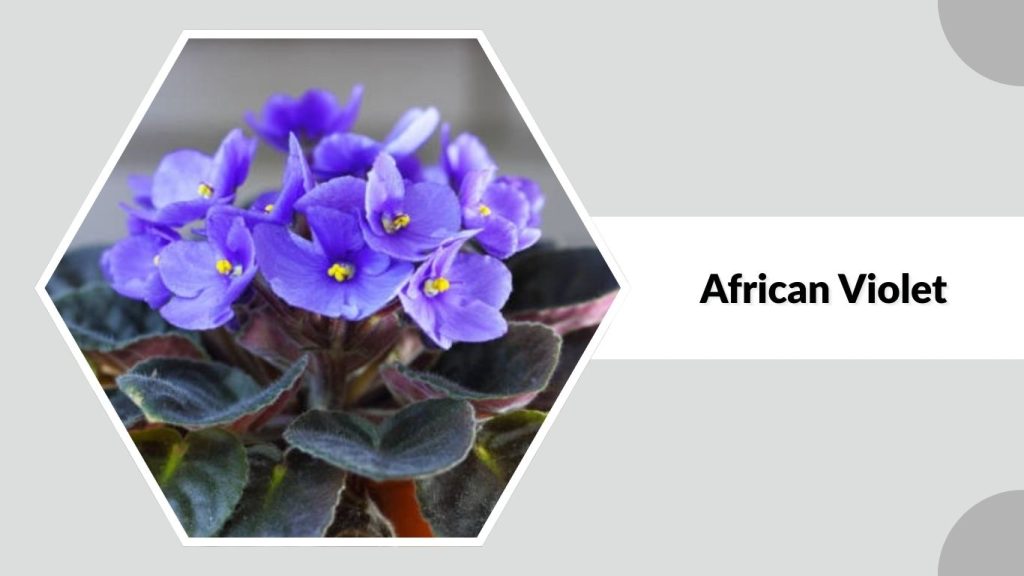
African violet is a compact, evergreen flowering plant widely grown as a houseplant. Although it is not a true violet, it is grouped with violets because of its similar flower shape and rich purple coloration. Native to East Africa, African violets are prized for their soft, fuzzy leaves and their ability to bloom indoors throughout the year with proper care.
Identification
- Small, rosette-forming houseplant
- Thick, fuzzy, dark green leaves
- Clusters of small violet, purple, pink, or white flowers
- Five rounded petals with a yellow center
- Short stems and a compact growth habit
Habitat
In the wild, African violets grow in warm, humid environments, often on shaded forest floors or rocky crevices near waterfalls. As houseplants, they thrive indoors in bright, indirect light with stable temperatures.
Blooming Season
African violets can bloom several times a year and may flower almost continuously indoors when given consistent light, warmth, and proper watering.
Color and Appearance
The flowers are most commonly violet or purple, but cultivated varieties range from blue and lavender to pink, red, and pure white. The velvety leaves create an attractive contrast with the bright blooms.
Fragrance
Most African violets are lightly scented or fragrance-free. They are grown primarily for visual beauty rather than scent.
Uses and Significance
African violets are among the most popular indoor flowering plants worldwide. They are valued for decorating homes, offices, and indoor gardens, and they symbolize devotion, loyalty, and gentle beauty.
3. Dog Violet (Viola riviniana)
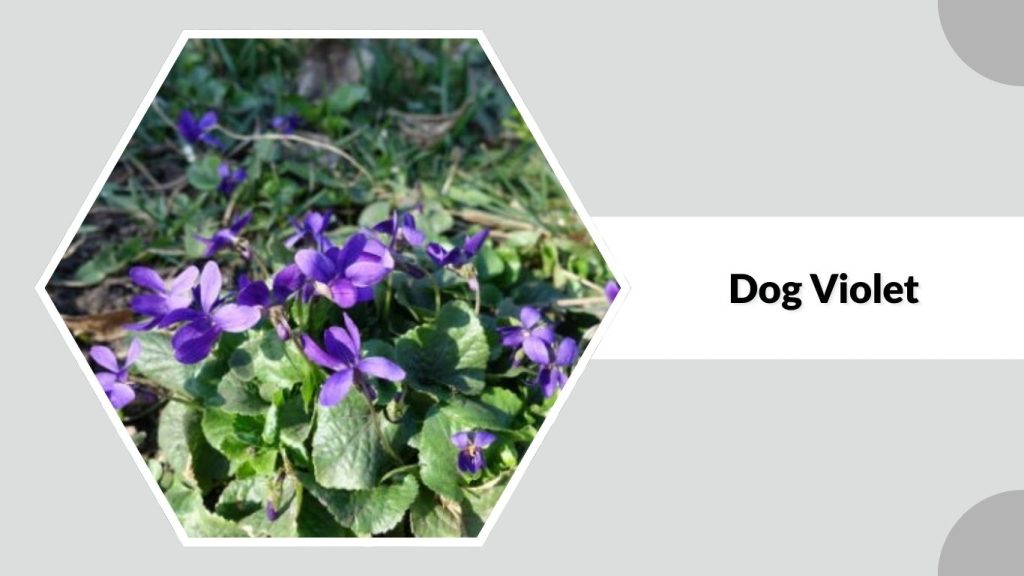
Dog violet is a delicate wildflower commonly found across Europe and parts of Asia. Unlike sweet violet, it usually has little to no fragrance, but it is admired for its soft purple flowers and heart-shaped leaves. Dog violet often carpets woodland floors and grassy banks, adding gentle color to natural landscapes.
Identification
- Low-growing perennial wildflower
- Heart-shaped to oval green leaves
- Pale to medium violet flowers
- Five petals with a narrow spur at the back
- Slender stems, usually 4–8 inches tall
- Little to no noticeable fragrance
Habitat
Dog violet thrives in woodlands, hedgerows, meadows, shaded grasslands, and roadside banks. It prefers well-drained soil and grows well in both partial shade and gentle sunlight.
Blooming Season
Dog violet typically blooms from early to late spring. In cooler regions, flowering may extend into early summer.
Color and Appearance
The flowers are usually light purple to bluish-violet, sometimes fading to pale lavender. The petals are narrow and delicate, giving the plant a soft, natural look.
Fragrance
Unlike sweet violet, dog violet usually lacks a strong scent. Any fragrance present is very faint and often unnoticeable.
Uses and Significance
Dog violet is ecologically important as a food plant for fritillary butterfly caterpillars. It is also valued in wild gardens and natural landscaping for its ability to spread gently and support pollinators.
4. Wood Violet (Viola reichenbachiana)
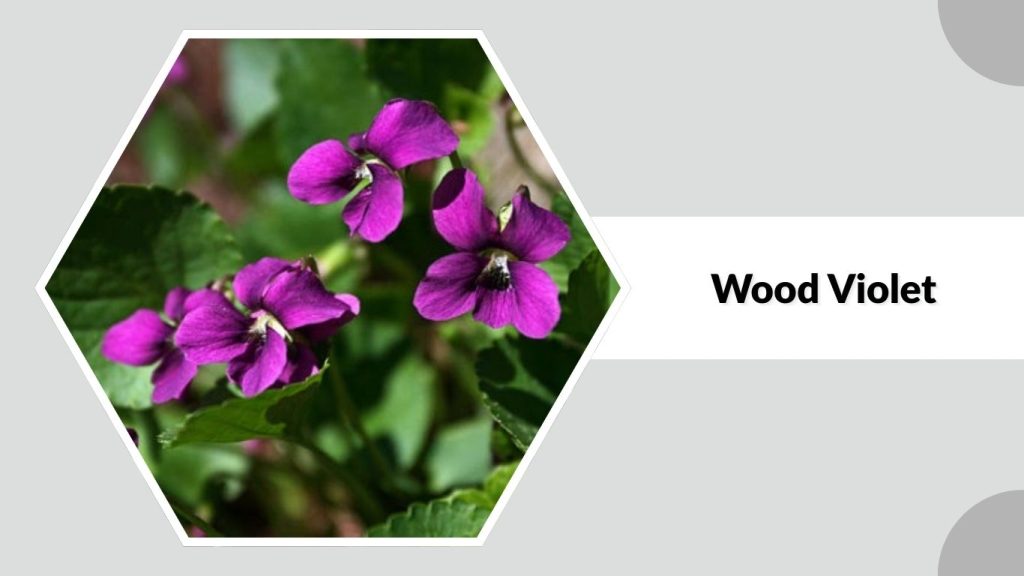
Wood violet is a charming perennial wildflower that thrives in shaded woodlands and forest edges. Known for its vibrant purple flowers and slightly larger size compared to dog violet, it adds early spring color to natural landscapes. Wood violet is less fragrant than sweet violet but is appreciated for its beauty and adaptability in shaded areas.
Identification
- Perennial with a low-growing, clumping habit
- Heart-shaped or oval leaves with slightly toothed edges
- Bright violet to deep purple flowers, sometimes pale lavender
- Five petals, with the lower petal slightly elongated
- Stems grow close to the ground, typically 4–6 inches tall
- Minimal fragrance
Habitat
Wood violet thrives in shaded or partially shaded environments such as deciduous forests, woodland edges, and shaded garden borders. Prefers moist, well-drained soil rich in organic matter.
Blooming Season
The flowering period usually spans from mid to late spring, sometimes extending into early summer in mild climates.
Color and Appearance
Flowers range from vivid violet to soft lavender. The petals are rounded, and the flower forms a classic five-petal shape common to violets. Leaves create a dense green mat, providing a beautiful contrast to the blooms.
Fragrance
Wood violet is generally low in fragrance. Its subtle scent is often unnoticeable compared to the sweet violet, making it more valued for its visual appeal.
Uses and Significance
Wood violet supports local ecosystems by providing nectar for early pollinators like bees. It is also used in woodland gardens and shaded landscaping for ground cover and spring color.
5. Marsh Violet (Viola palustris)
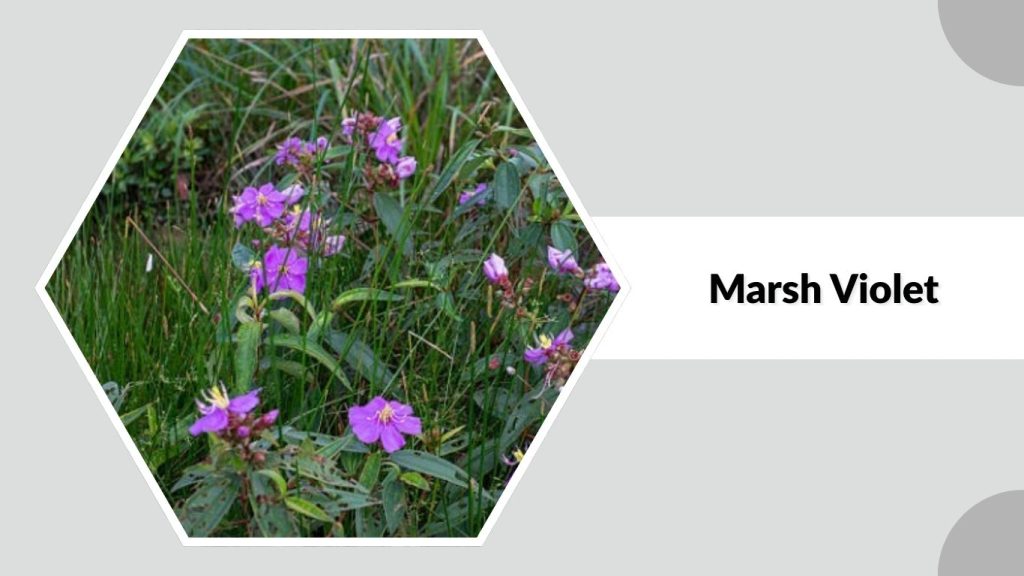
Marsh violet is a delicate, moisture-loving perennial that thrives in wetland areas, marshes, and damp meadows. Its light violet blooms and slender stems make it a subtle but charming addition to natural landscapes. Unlike garden violets, marsh violet prefers consistently wet soil and cooler environments.
Identification
- Perennial with thin, upright stems
- Rounded or heart-shaped green leaves
- Pale violet to light purple flowers with five petals
- Lower petal slightly elongated with fine veins
- Stems grow 4–10 inches tall
- Fragrance is very faint or absent
Habitat
Marsh violet thrives in bogs, marshes, wet meadows, and along stream banks. It prefers acidic, consistently moist soil and partial shade but can tolerate open wet areas.
Blooming Season
It typically blooms from late spring to early summer, depending on the region and moisture levels.
Color and Appearance
The flowers are soft violet to pale purple, often appearing in small clusters. The plant’s slender stems and subtle coloration give it a delicate, airy appearance. Leaves form a low basal rosette, complementing the flowers.
Fragrance
Marsh violet is usually fragrance-free. Its appeal is primarily visual, highlighting early summer wetlands with gentle violet hues.
Uses and Significance
Marsh violet plays an important role in wetland ecosystems by providing nectar for pollinators like bees and butterflies. It is also appreciated in naturalistic landscaping and conservation projects for wet areas, supporting biodiversity while adding seasonal color.
6. Bird’s-foot Violet (Viola pedata)
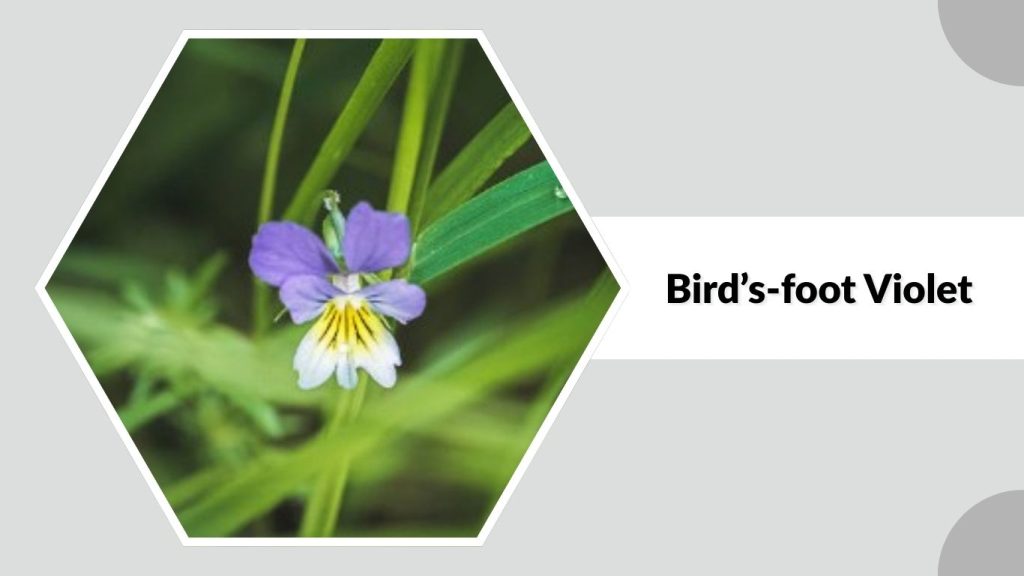
Bird’s-foot violet is a striking wildflower native to North America, named for its deeply divided leaves that resemble a bird’s foot. Unlike many violets, it grows in open, sandy soils and dry prairies, making it highly adaptable to sunny, well-drained habitats. Its unique foliage and vibrant flowers make it a standout among native violets.
Identification
- Perennial with erect or spreading stems
- Leaves deeply divided into narrow, lance-shaped lobes (bird’s-foot appearance)
- Bright violet to deep purple flowers, sometimes white-centered
- Five petals with a subtle spur on the lower petal
- Grows 6–12 inches tall
- Light fragrance, often faint
Habitat
Bird’s-foot violet prefers dry, sandy soils, open woodlands, and prairie environments. It thrives in full sun to partial shade and is often found in well-drained, low-nutrient soils.
Blooming Season
The flowering season typically spans from late spring to early summer. Its colorful blooms attract attention in natural prairies and gardens alike.
Color and Appearance
Flowers are vivid violet or purple, usually with darker veining near the center. The deeply lobed leaves give the plant a distinct texture, making it easy to identify even without flowers.
Fragrance
This violet has a mild or nearly undetectable scent, so it is mainly appreciated for its visual beauty rather than fragrance.
Uses and Significance
Bird’s-foot violet is valued in native plant gardens, xeriscaping, and prairie restoration projects. Its distinctive foliage and bright blooms provide aesthetic appeal while supporting native pollinators and butterflies.
7. Common Blue Violet (Viola sororia)
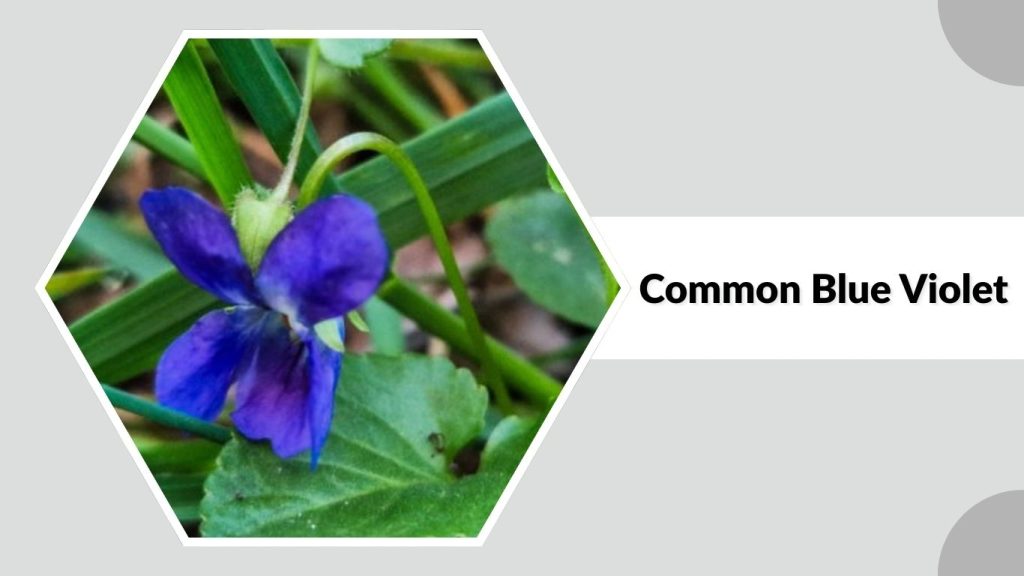
Common blue violet is a widespread perennial wildflower native to North America. It is recognized for its heart-shaped leaves and bright violet-blue flowers. This hardy species adapts well to lawns, gardens, and woodlands, often forming dense colonies. It is a familiar sight in spring, bringing vibrant color to natural and cultivated areas.
Identification
- Low-growing perennial forming spreading clumps
- Heart-shaped, medium-green leaves
- Bright violet-blue flowers with five rounded petals
- Lower petal often marked with dark veins
- Stems 4–8 inches tall
- Light, subtle fragrance
Habitat
Common blue violet thrives in moist, well-drained soils. It can grow in full sun to partial shade and is commonly found in meadows, woodlands, gardens, and lawns.
Blooming Season
This species blooms from mid to late spring, sometimes continuing sporadically into early summer in favorable conditions.
Color and Appearance
Flowers are vivid blue to violet, with darker lines or veins on the lower petal guiding pollinators. Leaves form a dense basal rosette, providing a lush green backdrop to the blooms.
Fragrance
The fragrance of common blue violet is faint and often unnoticeable. Its main appeal lies in its vibrant flowers and ground-covering habit.
Uses and Significance
Common blue violet serves as an important host plant for fritillary butterflies and attracts bees and other pollinators. It is also popular in naturalistic gardens, borders, and shaded lawns for early spring color.
8. Early Blue Violet (Viola adunca)
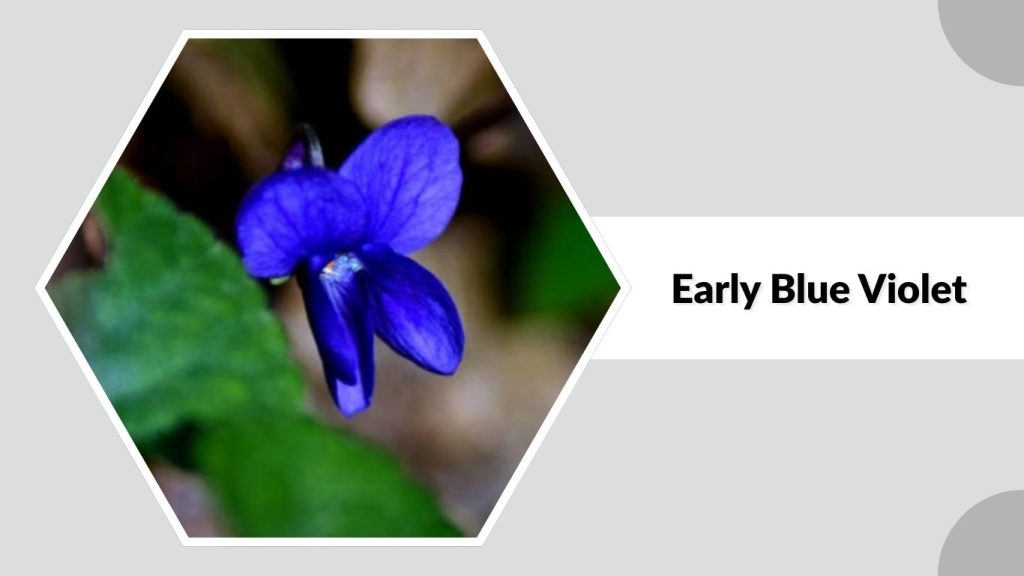
Early blue violet is a delicate wildflower native to North America, known for its small, vibrant blue to violet flowers and early spring bloom. It often appears before other wildflowers, signaling the arrival of warmer weather. Its compact size and charming color make it a favorite in natural landscapes and woodland gardens.
Identification
- Low-growing perennial with spreading habit
- Heart-shaped to oval green leaves
- Small violet-blue flowers with five petals
- Lower petal sometimes slightly veined
- Stems 3–6 inches tall
- Minimal fragrance
Habitat
Early blue violet prefers moist, well-drained soils and thrives in shaded or partially shaded areas such as forest floors, meadows, and stream banks. It adapts well to cool climates and open woodland environments.
Blooming Season
As its name suggests, early blue violet blooms in early spring, often one of the first violets to appear, providing early nectar for emerging pollinators.
Color and Appearance
Flowers range from deep violet to bluish-purple, with a soft and delicate appearance. The plant forms a low mat of green leaves, providing a lush background to the early blooms.
Fragrance
The fragrance is very faint or absent, so this violet is appreciated mainly for its color and early seasonal bloom rather than scent.
Uses and Significance
Early blue violet is valued in wildflower gardens, woodland restoration, and natural landscaping. It supports early-season pollinators, including bees and butterflies, and enhances biodiversity while adding soft violet hues to shaded areas.
9. Confederate Violet (Viola sororia ‘Confederata’)
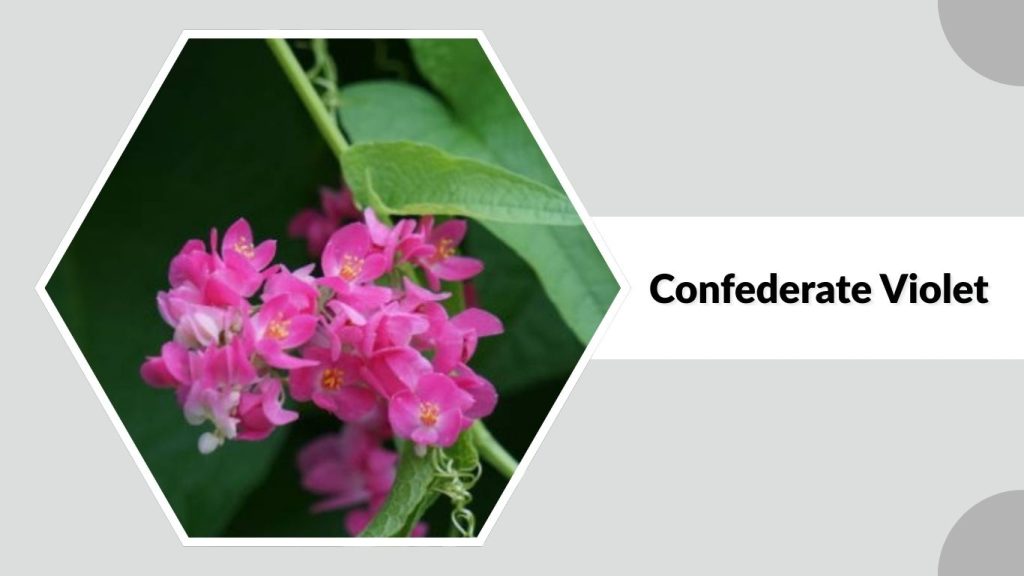
Confederate violet is a cultivated variety of the common blue violet, prized for its vibrant violet flowers and vigorous growth. It is widely grown in gardens and naturalized areas for its ability to spread quickly, forming attractive carpets of blooms in spring. This variety is hardy and adaptable, making it popular in temperate climates.
Identification
- Perennial with spreading, clumping habit
- Heart-shaped green leaves forming a low rosette
- Rich violet to purple flowers with five petals
- Lower petal often darker with fine veins
- Stems 4–8 inches tall
- Very faint fragrance
Habitat
Confederate violet thrives in moist, well-drained soils with partial shade to full sun. It is often found in lawns, gardens, woodland edges, and meadows, and adapts well to temperate climates.
Blooming Season
This violet blooms from mid to late spring, producing dense clusters of vibrant flowers. In favorable conditions, it may rebloom sporadically into early summer.
Color and Appearance
Flowers are a vivid violet-purple, often darker at the petal base, contrasting nicely with lush green leaves. The plant forms a dense carpet, creating an attractive ground cover effect.
Fragrance
Fragrance is minimal and usually undetectable. Its main appeal is visual, with a strong, rich color and abundant blooms.
Uses and Significance
Confederate violet is used in naturalistic gardens, shaded lawns, and woodland landscaping. It provides nectar for bees and butterflies and is valued for its ability to establish quickly, enhancing biodiversity and springtime color.
10. Sand Violet (Viola tricolor var. curtisii)
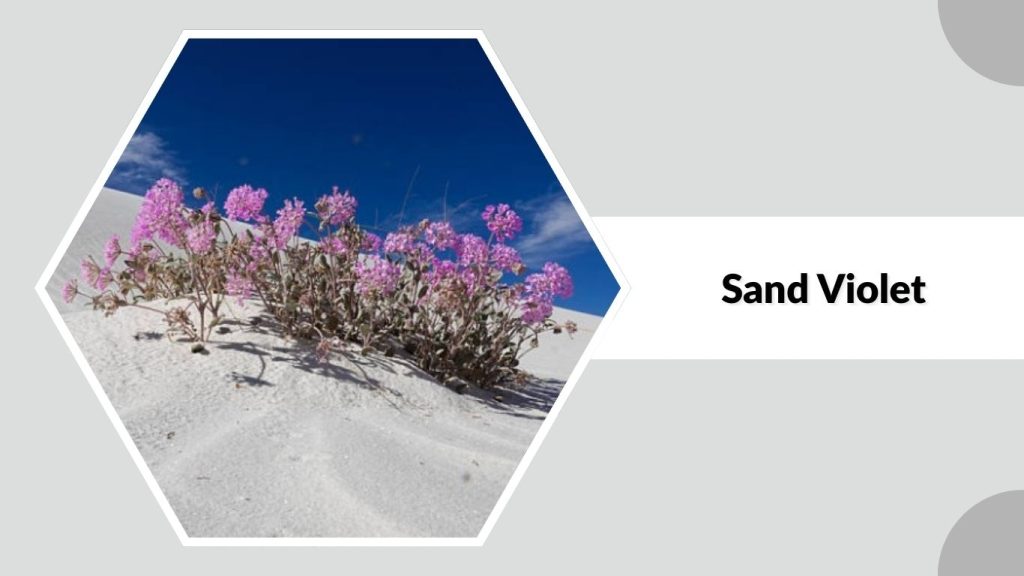
Sand violet is a small, hardy perennial known for its delicate violet-blue flowers and preference for sandy, well-drained soils. It is a variety of the wild pansy and is often found in open meadows, dunes, and grassy areas. Its subtle beauty makes it a charming addition to natural landscapes and rock gardens.
Identification
- Low-growing perennial forming small clumps
- Heart-shaped or oval green leaves
- Violet-blue flowers with five petals, sometimes with white or yellow centers
- Lower petal slightly elongated and veined
- Stems 3–6 inches tall
- Light or faint fragrance
Habitat
Sand violet thrives in sandy, well-drained soils, often in open meadows, dunes, and dry grassy areas. It prefers full sun to partial shade and can tolerate low-nutrient soils.
Blooming Season
This violet blooms from spring to early summer, providing soft violet tones in natural landscapes when many other flowers are just beginning to appear.
Color and Appearance
Flowers are soft violet to bluish-purple, sometimes with subtle yellow or white accents at the center. Its small size and low habit create a delicate appearance, ideal for naturalistic or rock garden settings.
Fragrance
Sand violet has little to no noticeable fragrance. Its appeal is primarily visual, with gentle violet hues and a natural, understated charm.
Uses and Significance
Sand violet is valued for natural landscaping, meadow restoration, and rock gardens. It supports pollinators like bees and butterflies and contributes to biodiversity in sandy, open habitats while adding early spring color.
11. Prairie Violet (Viola pedatifida)
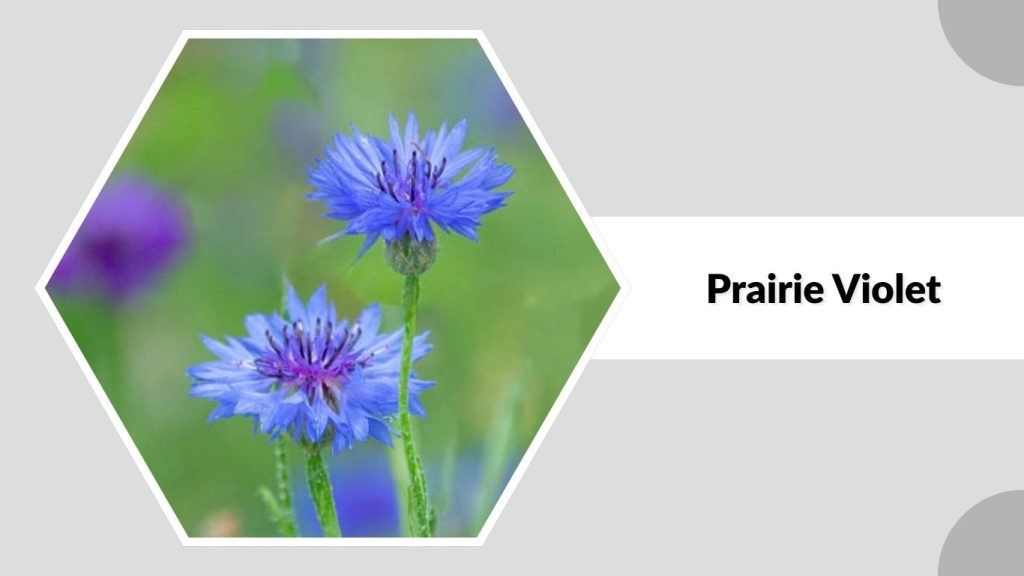
Prairie violet is a striking wildflower native to North American prairies and open grasslands. It is easily recognizable for its deeply lobed, bird’s-foot-like leaves and vivid violet blooms. This hardy species thrives in sunny, well-drained soils and is often used in native plant gardens and prairie restoration projects.
Identification
- Perennial with upright or spreading stems
- Deeply divided, narrow leaves resembling a bird’s foot
- Bright violet to purple flowers with five petals
- Lower petal slightly elongated with fine veins
- Grows 6–12 inches tall
- Mild or faint fragrance
Habitat
Prairie violet thrives in dry, open prairie lands, meadows, and well-drained soils. It prefers full sun but can tolerate partial shade. Its drought tolerance makes it suitable for sunny gardens and restoration areas.
Blooming Season
This violet blooms from late spring to early summer, adding vibrant color to prairies when many grasses and other flowers are still emerging.
Color and Appearance
Flowers are vivid violet or deep purple, sometimes with a white center. The deeply divided foliage and upright habit make prairie violet a visually distinctive species.
Fragrance
Prairie violet generally has a faint or almost undetectable scent. Its primary appeal is its striking foliage and bright, eye-catching flowers.
Uses and Significance
Prairie violet is valuable in prairie restoration, native plant landscaping, and pollinator-friendly gardens. It supports bees, butterflies, and other pollinators while adding vibrant color and unique foliage to open landscapes.
12. Arrow-leaved Violet (Viola sagittata)
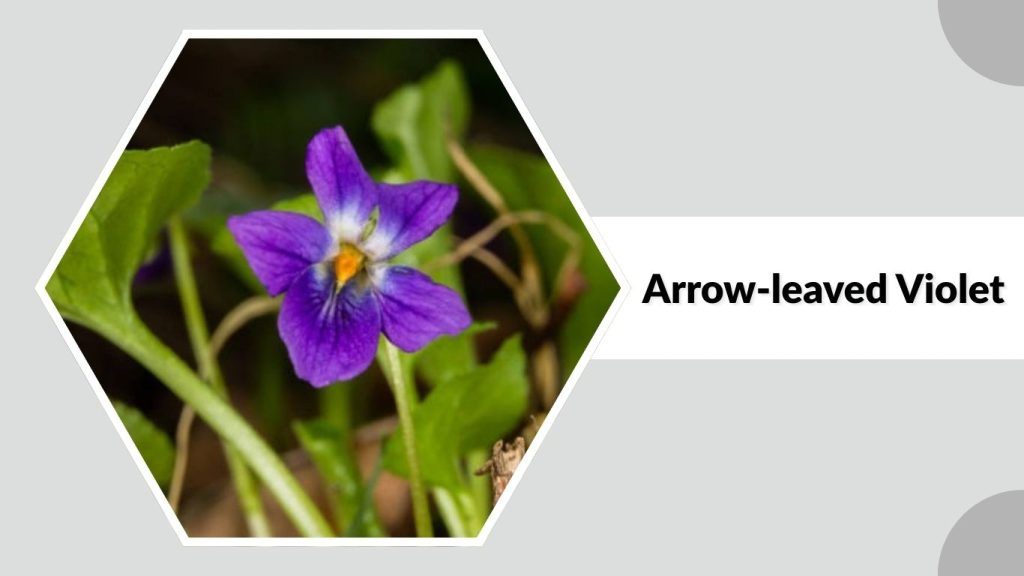
Arrow-leaved violet is a perennial wildflower recognized for its distinctive arrow-shaped leaves and delicate violet blooms. Native to North America, it grows in dry woods, meadows, and open slopes. Its unique foliage and early spring flowers make it an attractive choice for naturalized gardens and woodland landscaping.
Identification
- Perennial with low-growing, spreading stems
- Arrow-shaped green leaves with pointed tips
- Small violet to purple flowers with five petals
- Lower petal often veined
- Stems 3–8 inches tall
- Minimal fragrance
Habitat
Arrow-leaved violet prefers dry to moderately moist soils in open woods, meadows, and grassy slopes. It grows best in partial shade to full sun and can tolerate sandy or rocky soils.
Blooming Season
This violet blooms from early to mid-spring, providing early color in natural landscapes before many other plants emerge.
Color and Appearance
Flowers are soft violet to medium purple, with subtle veining. Its distinctive arrow-shaped leaves make it easily identifiable even when not in bloom, adding visual interest to the plant’s low mat.
Fragrance
Arrow-leaved violet has little to no noticeable scent. Its appeal is primarily its foliage shape and early violet blooms.
Uses and Significance
Arrow-leaved violet is valued in native plant gardens, woodland landscapes, and naturalized areas. It supports pollinators such as bees and butterflies while providing aesthetic interest through both its unique leaves and early-season flowers.
13. Canada Violet (Viola canadensis)
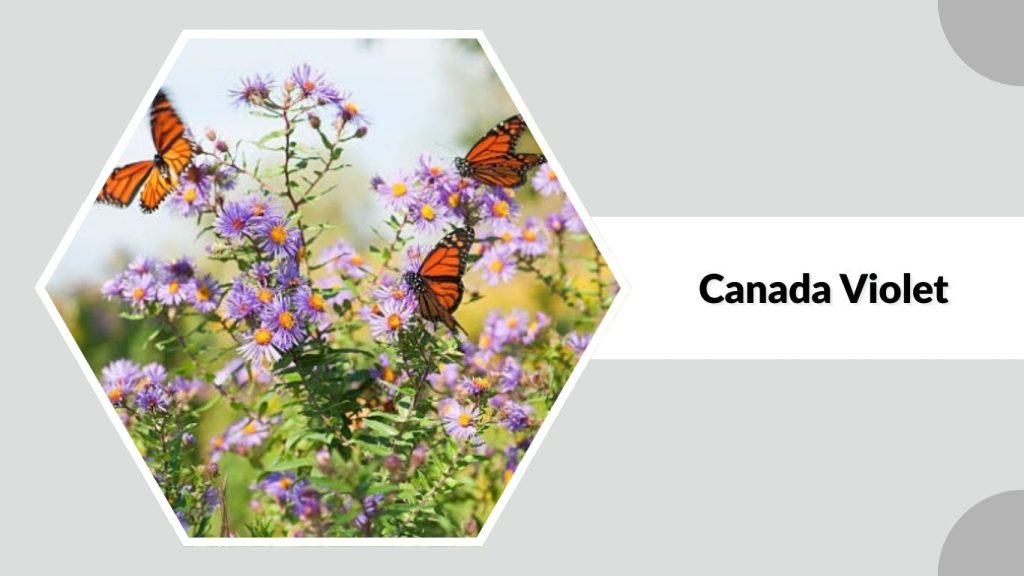
Canada violet is a tall, elegant wildflower native to North America, known for its creamy white to pale violet flowers with delicate purple veins. Unlike many low-growing violets, it has an upright growth habit and thrives in moist, shaded environments. Its graceful appearance makes it a favorite in woodland gardens and natural landscapes.
Identification
- Perennial with upright stems reaching 8–18 inches tall
- Broad, heart-shaped green leaves
- Creamy white to pale violet flowers with five petals and darker veining
- Lower petal elongated and often veined
- Stems slender but sturdy
- Light, subtle fragrance
Habitat
Canada violet grows in moist woods, shaded slopes, and along stream banks. It prefers rich, well-drained soil and partial to full shade, thriving in cool, temperate climates.
Blooming Season
The flowering season occurs from mid to late spring, providing soft, understated color in shaded woodland areas.
Color and Appearance
Flowers are creamy white to pale violet with fine purple veins on the lower petal. The upright stems and broad leaves give it a stately appearance compared to low-growing violets.
Fragrance
Fragrance is very faint or absent. The plant is appreciated mainly for its visual appeal rather than scent.
Uses and Significance
Canada violet is valued in woodland gardens, shaded natural landscapes, and native plant restorations. It provides nectar for bees and other early pollinators, enhancing biodiversity while adding soft, elegant blooms to shaded habitats.
14. Hairy Violet (Viola hirta)
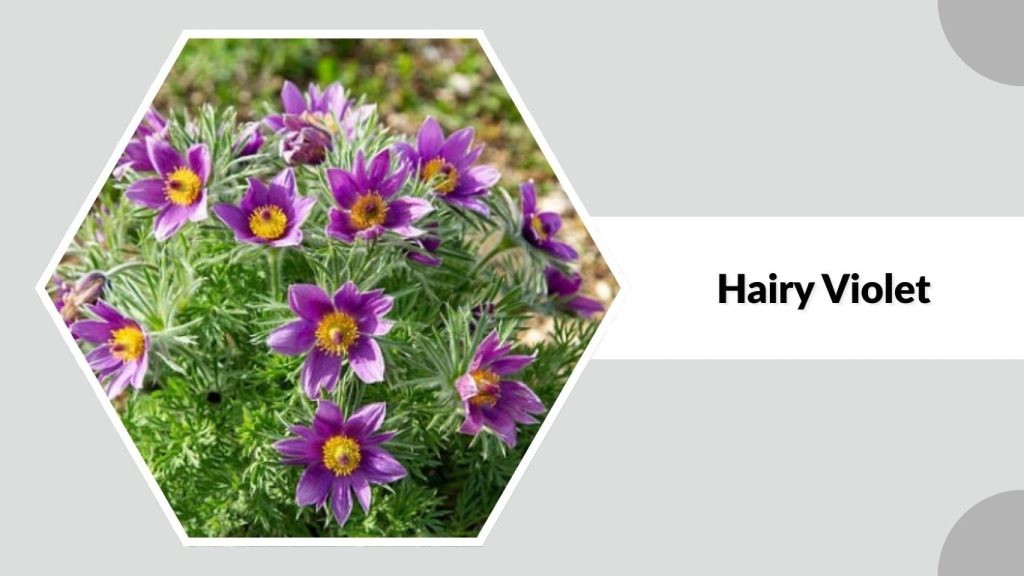
Hairy violet is a perennial wildflower native to Europe, distinguished by its soft, hairy leaves and stems. Its small violet-purple flowers add subtle color to meadows, woodland edges, and grassy banks. The fine hairs on the leaves help reduce moisture loss, making it more drought-tolerant than some other violet species.
Identification
- Low-growing perennial forming small clumps
- Oval to heart-shaped green leaves covered with fine hairs
- Violet-purple flowers with five petals
- Lower petal slightly veined
- Stems 3–6 inches tall
- Light or faint fragrance
Habitat
Hairy violet thrives in meadows, woodland edges, and grassy slopes. It prefers well-drained soil, partial shade to full sun, and is often found in moderately dry environments.
Blooming Season
This violet blooms from late spring to early summer, providing soft violet hues in natural or semi-natural landscapes.
Color and Appearance
Flowers are violet to purple with subtle veining on the lower petal. The hairy foliage gives the plant a textured appearance, making it easy to identify even when flowers are not present.
Fragrance
Hairy violet has minimal fragrance. Its main appeal is the combination of delicate blooms and unique hairy leaves.
Uses and Significance
Hairy violet is used in naturalistic gardens, meadow restorations, and shaded landscaping. It supports early-season pollinators and adds understated beauty to woodland and open grassy areas.
15. Long-spurred Violet (Viola rostrata)
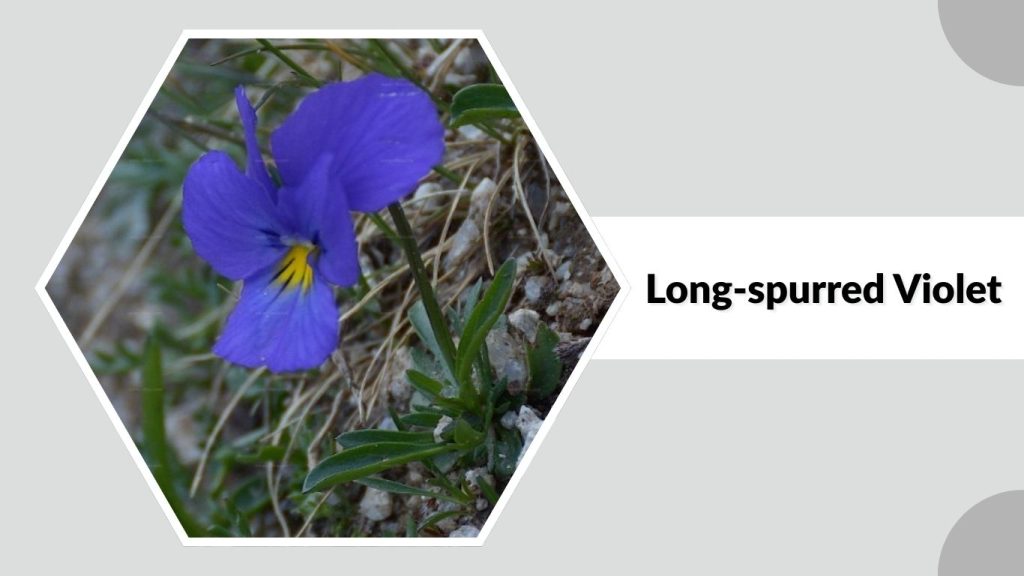
Long-spurred violet is a striking woodland wildflower native to North America, notable for its elongated spur on the lower petal. Its vibrant purple flowers and upright growth make it visually distinct among violets. It thrives in moist, shaded environments and adds elegance to forest floors and shaded garden areas.
Identification
- Perennial with upright stems, 6–12 inches tall
- Heart-shaped green leaves forming a low rosette
- Violet to deep purple flowers with a pronounced long spur on the lower petal
- Five petals, with the lower petal veined
- Light fragrance, often faint
Habitat
Long-spurred violet grows in shaded woodlands, forest edges, and moist slopes. Prefers rich, well-drained soil and partial to full shade, thriving in cool, temperate regions.
Blooming Season
The plant blooms from mid to late spring, providing early color in shaded habitats before the forest canopy becomes dense.
Color and Appearance
Flowers are vivid violet to deep purple, with a characteristic long spur that makes it easily identifiable. The upright stems and heart-shaped leaves add structure and texture to woodland plantings.
Fragrance
The fragrance is faint and subtle, making the violet more visually than aromatically appealing.
Uses and Significance
Long-spurred violet is valued in woodland gardens, shaded landscaping, and native plant restorations. Its flowers provide nectar for early pollinators, while the unique spur adds a distinctive feature that sets it apart from other violet species.
16. Kidney-leaved Violet (Viola renifolia)
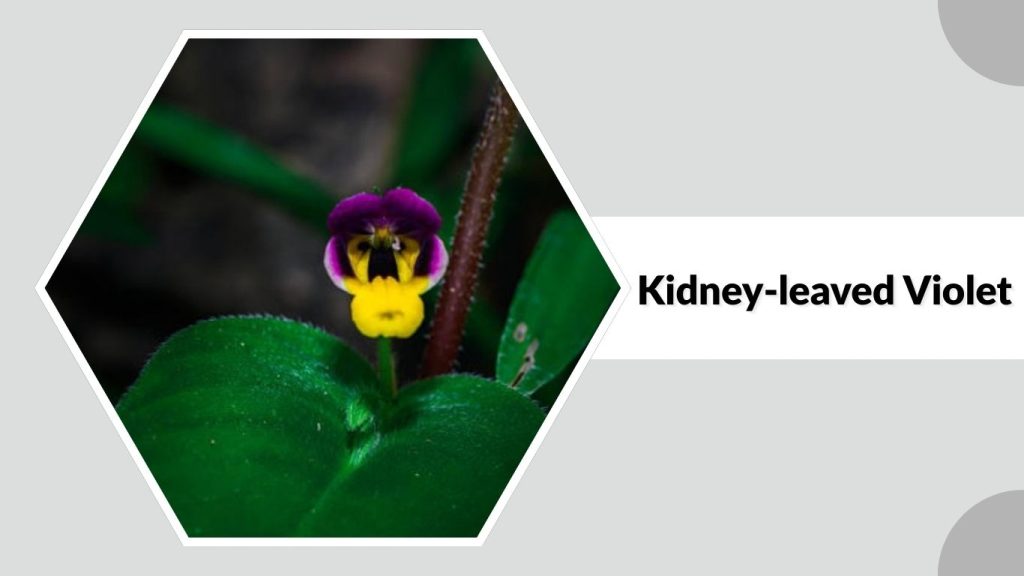
Kidney-leaved violet is a small, delicate wildflower native to North America, named for its kidney-shaped leaves. It grows low to the ground and produces soft violet to light purple flowers. This species thrives in moist, shaded areas, often in forests, bogs, and along stream banks, adding subtle color to natural landscapes.
Identification
- Low-growing perennial forming small clumps
- Kidney-shaped green leaves with smooth edges
- Violet to pale purple flowers with five petals
- Lower petal sometimes veined
- Stems 2–5 inches tall
- Little to no fragrance
Habitat
Kidney-leaved violet prefers moist, well-drained soil in shaded or partially shaded environments. It is commonly found in forests, bogs, wetlands, and along stream banks.
Blooming Season
The flowering period occurs from late spring to early summer, offering a soft splash of color in damp woodland areas.
Color and Appearance
Flowers are pale violet to light purple with delicate veining. The kidney-shaped leaves form a compact rosette, providing a lush green backdrop to the subtle blooms.
Fragrance
Fragrance is minimal or absent. The violet is appreciated primarily for its shape, subtle flowers, and its role in natural landscapes.
Uses and Significance
Kidney-leaved violet supports native pollinators like bees and butterflies. It is suitable for woodland gardens, wetland restoration, and shaded naturalized areas, contributing to biodiversity while enhancing early summer color.
17. Hooded Violet (Viola cucullata)
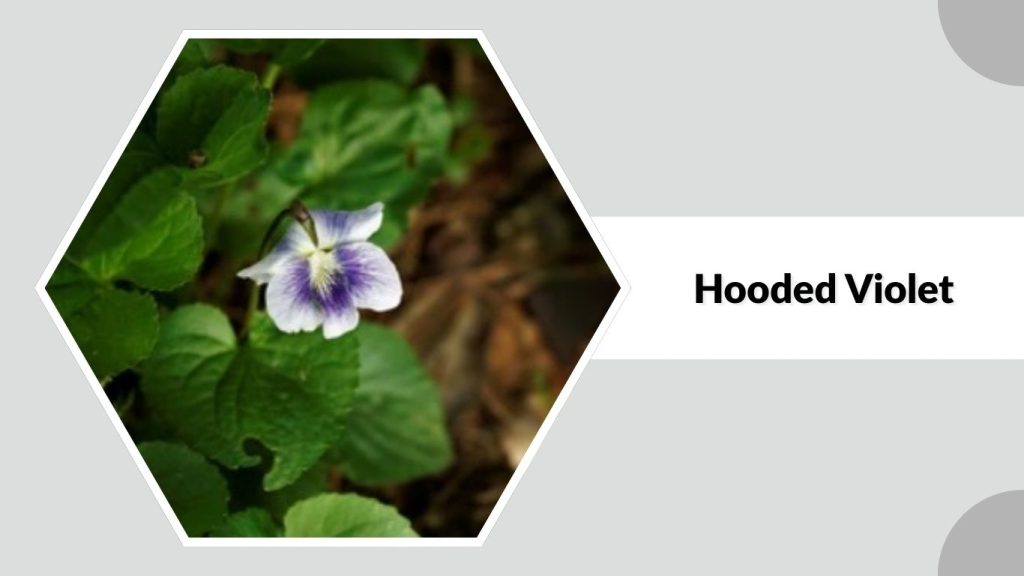
Hooded violet is a perennial wildflower native to North America, named for the hood-like shape of its upper petals. It is a robust, low-growing plant with vibrant violet to deep purple flowers. Hooded violet is commonly found in wetlands, damp meadows, and along stream banks, making it an important species in moist habitats.
Identification
- Perennial with low, spreading stems
- Rounded to heart-shaped green leaves
- Violet to deep purple flowers with a hooded upper petal
- Five petals, lower petal veined and slightly elongated
- Stems 4–8 inches tall
- Very faint fragrance
Habitat
Hooded violet thrives in wet meadows, marshes, damp woodlands, and along streams. Prefers moist, rich soils and partial shade to full sun.
Blooming Season
The plant blooms from late spring to early summer, providing vibrant color in moist, shaded habitats.
Color and Appearance
Flowers range from violet to deep purple with a distinctive hooded shape on the upper petals. Leaves form a basal rosette, and the plant spreads gently to cover damp areas.
Fragrance
Fragrance is minimal, and the plant is primarily grown for its attractive flowers and foliage.
Uses and Significance
Hooded violet supports wetland ecosystems by providing nectar for pollinators and habitat for small insects. It is valued in native plant gardens, wetland restoration projects, and naturalized landscaping for its beauty and ecological benefits.
18. Downy Yellow Violet (Viola pubescens)
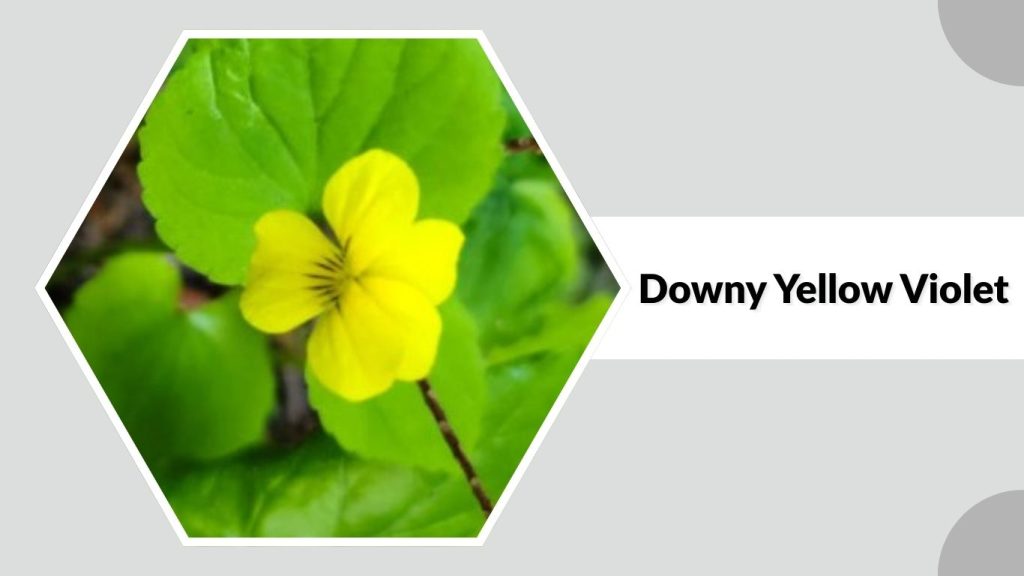
Downy yellow violet is a perennial wildflower native to North America, notable for its soft yellow flowers and fine downy hairs on leaves and stems. Unlike the typical purple violets, this species stands out with its sunny yellow blooms. It thrives in moist woodlands and shaded areas, providing early spring color in natural landscapes.
Identification
- Low-growing perennial forming small clumps
- Heart-shaped to oval green leaves covered with fine hairs
- Pale yellow flowers with five petals, sometimes veined
- Lower petal slightly elongated
- Stems 3–8 inches tall
- Light fragrance, often faint
Habitat
Downy yellow violet grows in moist, rich soils under partial to full shade. It is commonly found in woodlands, forest edges, shaded meadows, and along stream banks.
Blooming Season
This violet blooms in early to mid-spring, often appearing before many other woodland wildflowers.
Color and Appearance
Flowers are pale yellow with subtle veining on the lower petal. The downy leaves add texture and softness to the plant’s low mat, enhancing its visual appeal.
Fragrance
The fragrance is faint or absent. The primary attraction is its unique yellow flowers and soft foliage.
Uses and Significance
Downy yellow violet is valued in woodland gardens, shaded landscaping, and native plant restoration. It provides nectar for early pollinators and adds biodiversity while introducing cheerful yellow blooms to spring woodland habitats.
19. Alpine Violet (Viola alpina)
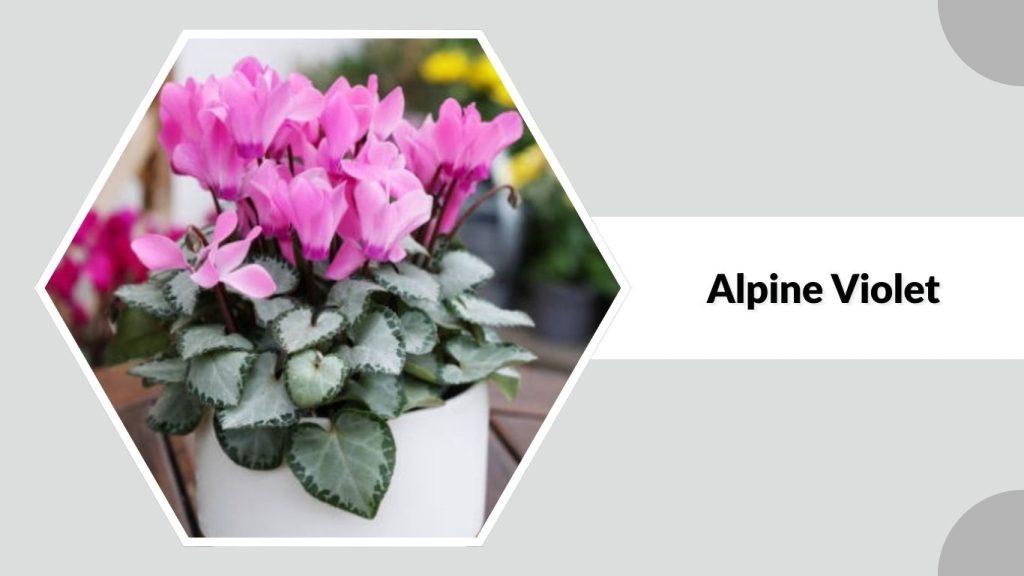
Alpine violet is a hardy perennial wildflower native to mountainous regions of Europe and North America. It thrives in cold, high-altitude environments and rocky soils. Despite its small size, its vibrant violet-blue flowers create striking patches of color among alpine meadows and rocky slopes during the short growing season.
Identification
- Low-growing perennial forming compact mats
- Small, rounded or heart-shaped green leaves
- Violet-blue flowers with five petals
- Lower petal sometimes veined and slightly elongated
- Stems 2–6 inches tall
- Minimal fragrance
Habitat
Alpine violet thrives in alpine meadows, rocky slopes, and well-drained mountainous soils. It prefers full sun to partial shade and cooler climates typical of high altitudes.
Blooming Season
This species blooms in late spring to early summer, taking advantage of the brief alpine growing season.
Color and Appearance
Flowers are violet to blue-purple with delicate veining. The plant forms tight mats of foliage, providing a low, dense cover that highlights the small, vibrant flowers against rocky or grassy terrain.
Fragrance
Fragrance is minimal or absent. The plant is appreciated for its bright color and resilience in harsh alpine conditions rather than scent.
Uses and Significance
Alpine violet is used in rock gardens, alpine plant collections, and naturalistic mountain landscaping. It supports pollinators in high-altitude ecosystems and adds early seasonal color to rugged terrains.
20. Japanese Violet (Viola japonica)
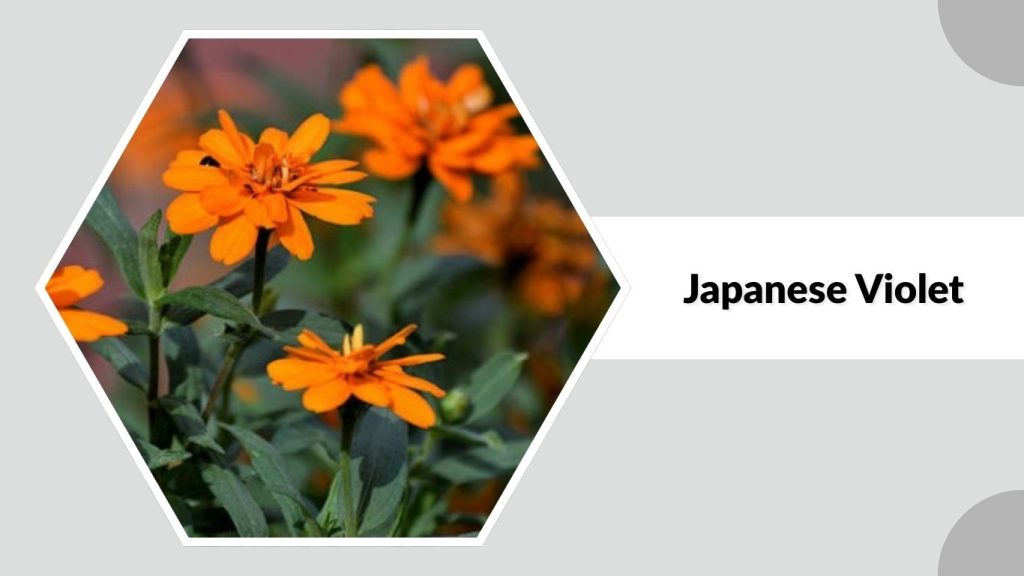
Japanese violet is a perennial flowering plant native to Japan and East Asia, admired for its vibrant purple flowers and lush green foliage. It thrives in shaded gardens and woodland areas, making it a popular ornamental plant in temperate regions. Its compact growth and attractive blooms make it ideal for naturalized landscaping.
Identification
- Perennial with low, spreading stems
- Heart-shaped to slightly rounded dark green leaves
- Violet to deep purple flowers with five petals
- Lower petal often veined
- Stems 3–6 inches tall
- Light or faint fragrance
Habitat
Japanese violet prefers moist, well-drained soil and grows best in partial to full shade. It is commonly found in woodland gardens, shaded slopes, and garden borders.
Blooming Season
This violet blooms from early to mid-spring, producing small clusters of vibrant purple flowers that stand out against its dense foliage.
Color and Appearance
Flowers range from violet to deep purple, with delicate veining on the lower petals. Its compact growth habit creates a lush, low mat of greenery punctuated by colorful blooms.
Fragrance
Fragrance is minimal and generally faint, making this plant more visually appealing than aromatic.
Uses and Significance
Japanese violet is valued in shaded garden landscapes, woodland plantings, and ornamental naturalized areas. It attracts early-season pollinators and enhances garden aesthetics with its vibrant violet flowers and rich green foliage.
21. Labrador Violet (Viola labradorica)
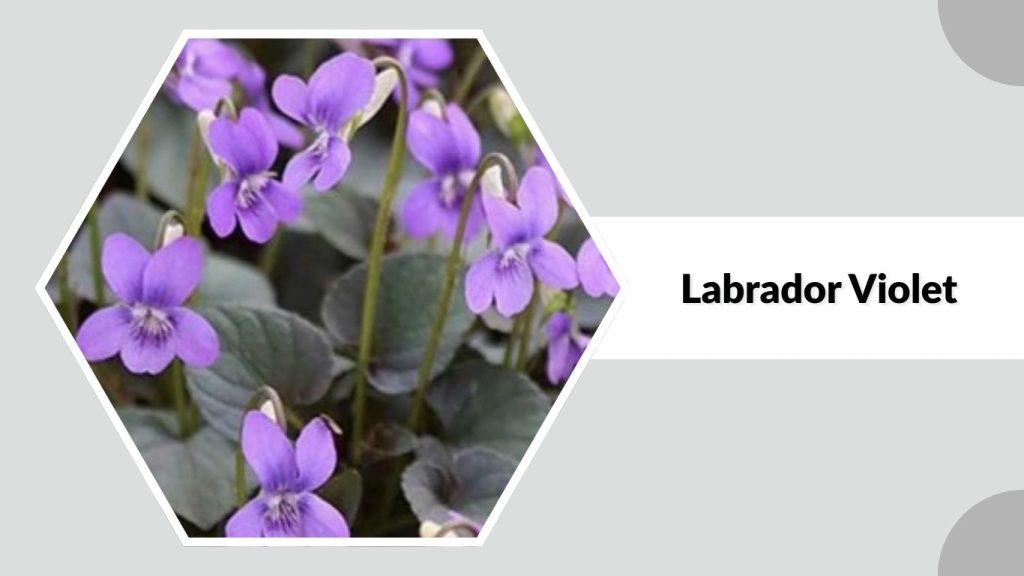
Labrador violet is a perennial wildflower native to North America, known for its deep purple flowers and dark green to purplish foliage. It is a hardy plant that thrives in woodland areas, rocky slopes, and shaded gardens. Its striking foliage and vibrant blooms make it a popular choice for ornamental planting and natural landscaping.
Identification
- Perennial with low, spreading stems
- Heart-shaped green to purplish leaves
- Deep violet to purple flowers with five petals
- Lower petal veined and slightly elongated
- Stems 4–8 inches tall
- Minimal fragrance
Habitat
Labrador violet prefers moist, well-drained soil and partial shade. It grows naturally in forest edges, rocky slopes, and shaded meadows, and adapts well to garden environments with similar conditions.
Blooming Season
This violet blooms from late spring to early summer, creating bright violet spots across shaded areas.
Color and Appearance
Flowers are deep violet to purple with delicate veining on the lower petals. The contrasting darker foliage enhances the plant’s visual appeal in shaded or woodland landscapes.
Fragrance
Fragrance is very faint or absent. The plant’s primary attraction is its striking color and dense foliage.
Uses and Significance
Labrador violet is commonly used in woodland gardens, shaded landscaping, and native plant restorations. It provides nectar for pollinators and adds visual interest with its dark foliage and bright violet blooms.
22. Western Dog Violet (Viola occidentalis)
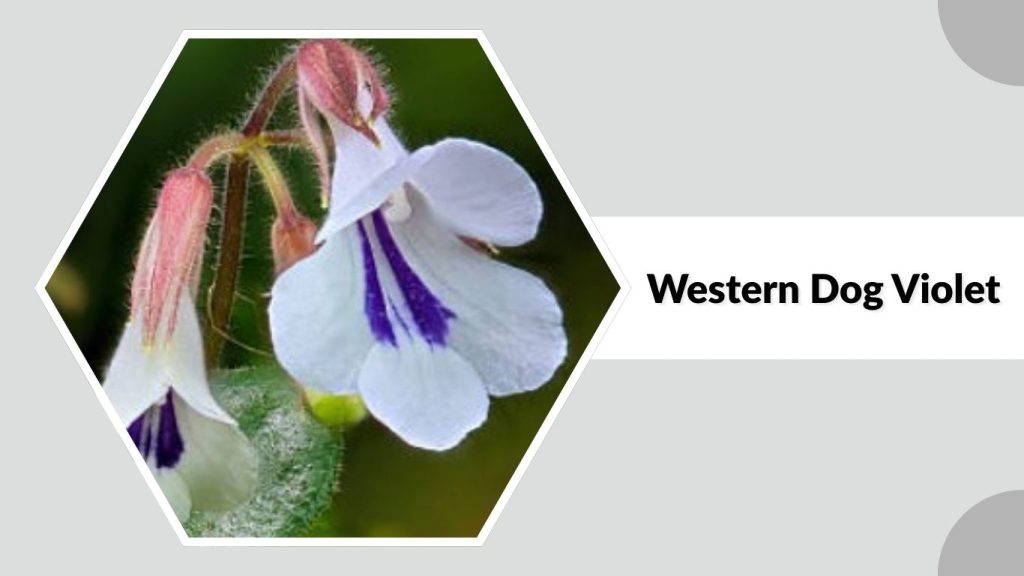
Western dog violet is a hardy perennial wildflower native to western North America. It is known for its soft violet to purple flowers and low-growing, spreading habit. This species often forms small colonies in shaded woodlands and moist meadows, adding subtle spring color to natural landscapes.
Identification
- Low-growing perennial forming clumps
- Heart-shaped green leaves
- Violet to purple flowers with five petals
- Lower petal slightly veined and elongated
- Stems 3–6 inches tall
- Minimal fragrance
Habitat
Western dog violet thrives in moist, well-drained soils under partial to full shade. It is commonly found in woodlands, forest edges, and shaded meadows, particularly in cooler, temperate climates.
Blooming Season
The plant blooms from early to mid-spring, often appearing alongside other early spring wildflowers to brighten shaded forest floors.
Color and Appearance
Flowers are soft violet to medium purple, with subtle veining on the lower petal. Leaves form a low basal rosette, providing a lush green backdrop to the blooms.
Fragrance
Fragrance is faint or absent. The species is valued primarily for its visual appeal and ground-covering habit rather than aroma.
Uses and Significance
Western dog violet is used in woodland gardens, naturalized landscaping, and native plant restorations. It supports early-season pollinators and adds biodiversity to shaded habitats while offering gentle violet blooms in spring.
23. Pale Violet (Viola pallens)
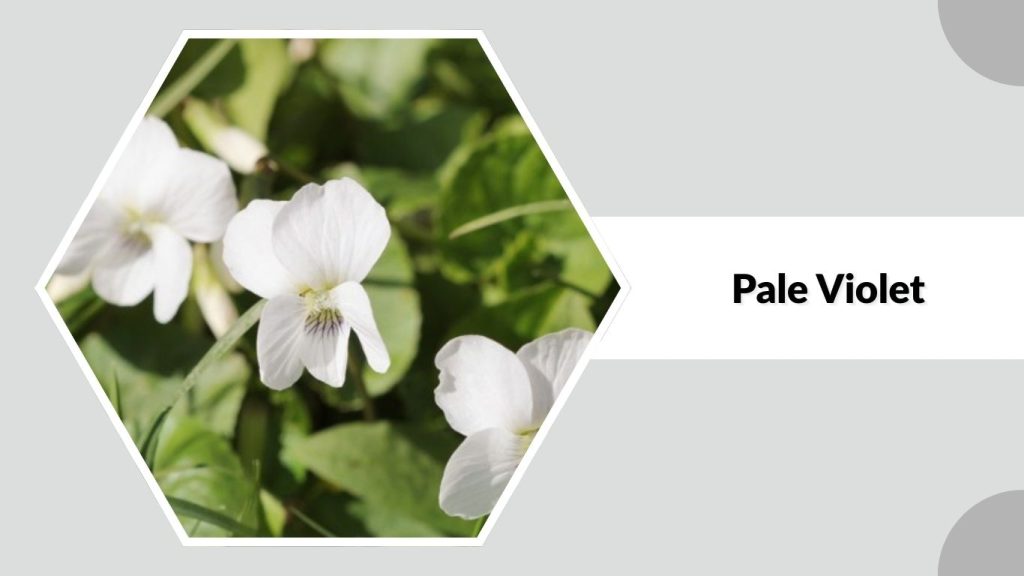
Pale violet is a delicate perennial wildflower native to North America, recognized for its soft, pale lavender to almost white flowers. It is a low-growing species that thrives in shaded woodlands, moist meadows, and along streams. Its subtle coloration and early spring bloom make it a charming addition to natural landscapes.
Identification
- Low-growing perennial forming small clumps
- Heart-shaped or oval green leaves
- Pale violet to almost white flowers with five petals
- Lower petal slightly veined
- Stems 3–5 inches tall
- Very faint fragrance
Habitat
Pale violet prefers moist, well-drained soils in shaded or partially shaded areas. It is commonly found in forest floors, woodland edges, and shaded meadows where soil moisture is consistent.
Blooming Season
The plant blooms from early to mid-spring, often emerging before many other woodland plants, providing gentle spring color.
Color and Appearance
Flowers are pale violet to soft lavender, sometimes nearly white, with subtle veining on the lower petal. Leaves form a dense basal rosette, giving a lush green backdrop to the soft blooms.
Fragrance
Fragrance is minimal or absent. The species is primarily appreciated for its visual appeal, delicate flowers, and early seasonal bloom.
Uses and Significance
Pale violet is valued in woodland gardens, shaded landscaping, and naturalized plantings. It provides nectar for early-season pollinators and enhances biodiversity while adding understated beauty to spring woodland habitats.
24. Stream Violet (Viola primulifolia)
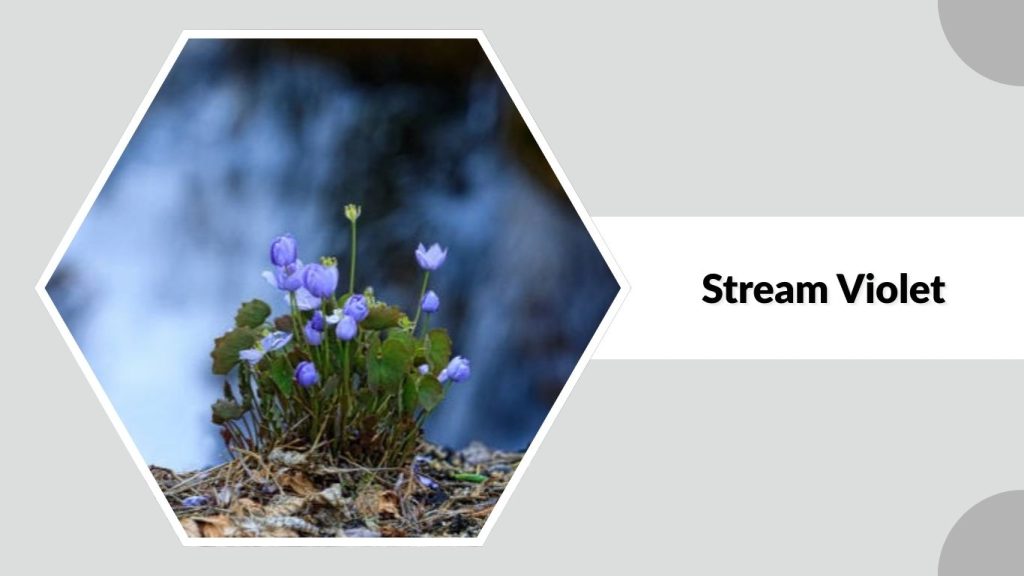
Stream violet is a small perennial wildflower native to North America, recognized for its violet-blue flowers and preference for wet, shaded environments. It typically grows along streams, in bogs, and in damp meadows, adding early spring color to moist landscapes.
Identification
- Low-growing perennial forming small clumps
- Heart-shaped to oval green leaves
- Violet-blue flowers with five petals
- Lower petal slightly veined and elongated
- Stems 3–6 inches tall
- Very faint fragrance
Habitat
Stream violet thrives in consistently moist or wet soils, often near streams, bogs, and damp meadows. It prefers partial shade and cool, temperate climates.
Blooming Season
The flowering period occurs from early to mid-spring, coinciding with the emergence of other moisture-loving wildflowers.
Color and Appearance
Flowers are violet-blue, delicate, and slightly veined. Leaves form a low, dense basal rosette, creating a lush green backdrop for the soft blooms.
Fragrance
Fragrance is minimal or absent. Stream violet is valued more for its early blooms and adaptability to moist habitats than for scent.
Uses and Significance
Stream violet is used in wetland gardens, shaded naturalized areas, and conservation projects. It provides nectar for early pollinators, supports wetland biodiversity, and adds subtle spring color to damp landscapes.
25. Rooster Violet (Viola rostrata var. alba)
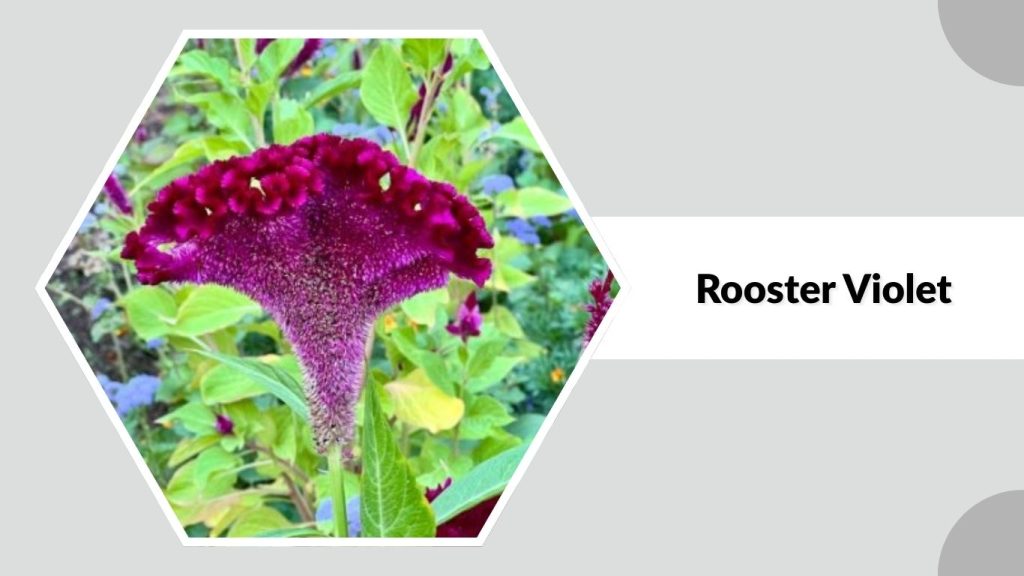
Rooster violet is a perennial wildflower native to North America, notable for its vibrant violet to purple flowers and slightly elongated lower petal resembling a rooster’s spur. It thrives in shaded woodlands, moist meadows, and forest edges, making it an attractive species for natural landscapes and woodland gardens.
Identification
- Perennial with low, spreading stems
- Heart-shaped green leaves
- Violet to deep purple flowers with five petals
- Lower petal elongated, sometimes spur-like
- Stems 4–8 inches tall
- Faint fragrance
Habitat
Rooster violet prefers moist, well-drained soils in shaded or partially shaded areas. It is commonly found in forest edges, woodlands, and damp meadows.
Blooming Season
The plant blooms from mid to late spring, providing vivid color among early woodland foliage.
Color and Appearance
Flowers are violet to deep purple with a subtly elongated lower petal. The compact growth habit and heart-shaped leaves create a lush, low mat that complements shaded landscapes.
Fragrance
Fragrance is minimal, making the plant primarily appreciated for its visual appeal rather than scent.
Uses and Significance
Rooster violet is used in woodland gardens, shaded landscaping, and native plant restoration. Its flowers provide nectar for pollinators while adding vibrant spring color and supporting biodiversity in natural habitats.
26. Violet Queen (Viola ‘Queen Victoria’)
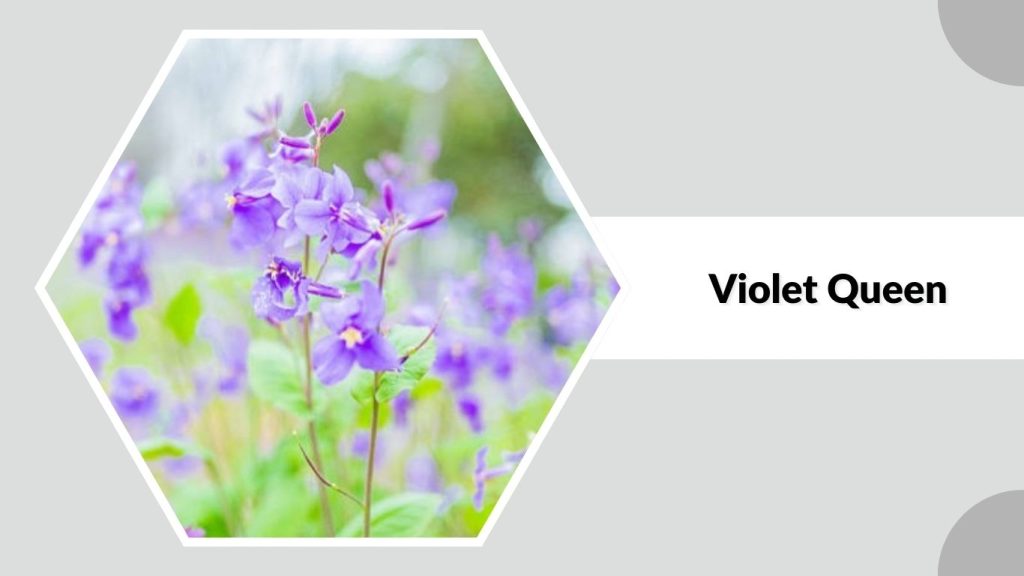
Violet Queen is a cultivated perennial violet prized for its large, showy purple flowers and compact growth habit. It is often grown in gardens, borders, and containers, adding vivid color and elegance to ornamental landscapes. This variety is especially valued for its prolonged blooming period and striking visual appeal.
Identification
- Perennial with compact, low-growing stems
- Heart-shaped green leaves forming a dense rosette
- Large violet to deep purple flowers with five petals
- Lower petal sometimes veined or slightly ruffled
- Stems 4–6 inches tall
- Minimal fragrance
Habitat
Violet Queen thrives in well-drained, fertile soil with partial to full shade. It is commonly grown in garden beds, borders, containers, and shaded outdoor spaces.
Blooming Season
This violet blooms from spring to early summer and may rebloom under favorable conditions, providing an extended display of color.
Color and Appearance
Flowers are deep violet to purple with slightly ruffled petals and prominent veining on the lower petal. Its dense rosette of leaves enhances the visual impact of the blooms.
Fragrance
Fragrance is faint or nearly absent. The plant is cultivated mainly for its vibrant flowers and ornamental foliage.
Uses and Significance
Violet Queen is popular in ornamental gardens, container plantings, and shaded landscapes. It attracts pollinators, adds rich color to early-season gardens, and serves as a decorative ground cover in naturalized or formal garden settings.
27. Russian Violet (Viola lactea)
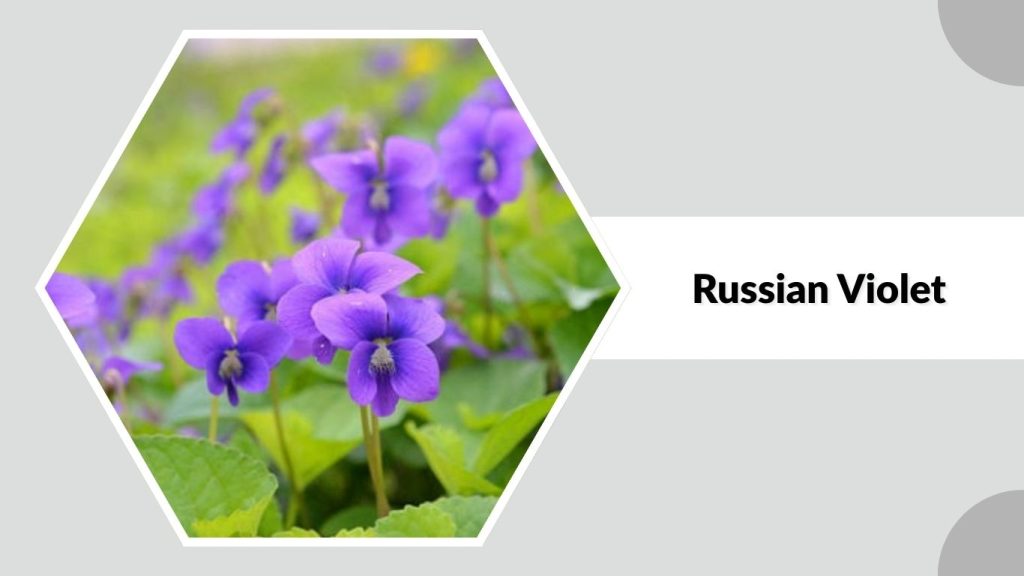
Russian violet is a hardy perennial wildflower native to Eurasia, known for its soft violet-blue flowers and low-growing habit. It typically grows in meadows, grassy slopes, and woodland edges, creating subtle color in natural landscapes. Its resilience to cooler climates makes it a valuable species for temperate gardens and wildflower plantings.
Identification
- Low-growing perennial forming small clumps
- Oval to heart-shaped green leaves
- Violet-blue flowers with five petals
- Lower petal slightly veined and elongated
- Stems 3–6 inches tall
- Very faint fragrance
Habitat
Russian violet thrives in well-drained soils in meadows, grasslands, and shaded woodland edges. Prefers partial shade but can tolerate full sun in cooler climates.
Blooming Season
This violet blooms from late spring to early summer, providing early color in natural or garden landscapes.
Color and Appearance
Flowers are soft violet to blue-purple with subtle veining. Leaves form a dense basal rosette, giving a lush green background to the delicate blooms.
Fragrance
Fragrance is minimal or absent. Its appeal is visual, highlighting its gentle violet flowers and compact foliage.
Uses and Significance
Russian violet is valued in wildflower gardens, woodland landscapes, and temperate naturalized plantings. It supports pollinators, enhances biodiversity, and adds subtle beauty to meadows and shaded areas.
FAQs
What is the best soil for growing violets?
Violets generally prefer well-drained, fertile soil rich in organic matter. Most species thrive in partial shade, while some cultivated varieties can tolerate full sun if the soil remains consistently moist. Avoid waterlogged soil, as it can lead to root rot.
How often should violets be watered?
Violets require moderate watering. Keep the soil consistently moist but not soggy. Water at the base of the plant to avoid wetting the leaves, which can cause fungal issues. Indoor violets may need more frequent monitoring compared to outdoor varieties.
Do violets attract pollinators?
Yes, many violet species attract bees, butterflies, and other pollinators. Native and wild violets provide nectar early in the growing season, supporting biodiversity and contributing to local ecosystems.
Can violets bloom all year round?
Most wild violets bloom in spring or early summer. However, cultivated varieties like African violet or Violet Queen can bloom almost year-round indoors with proper light, temperature, and care.
Are violets safe for pets and children?
Most violet species are non-toxic and safe for humans. However, some cultivated varieties or hybrids may cause mild gastrointestinal upset if ingested by pets. It’s best to check the specific species and monitor children or animals around the plants.