





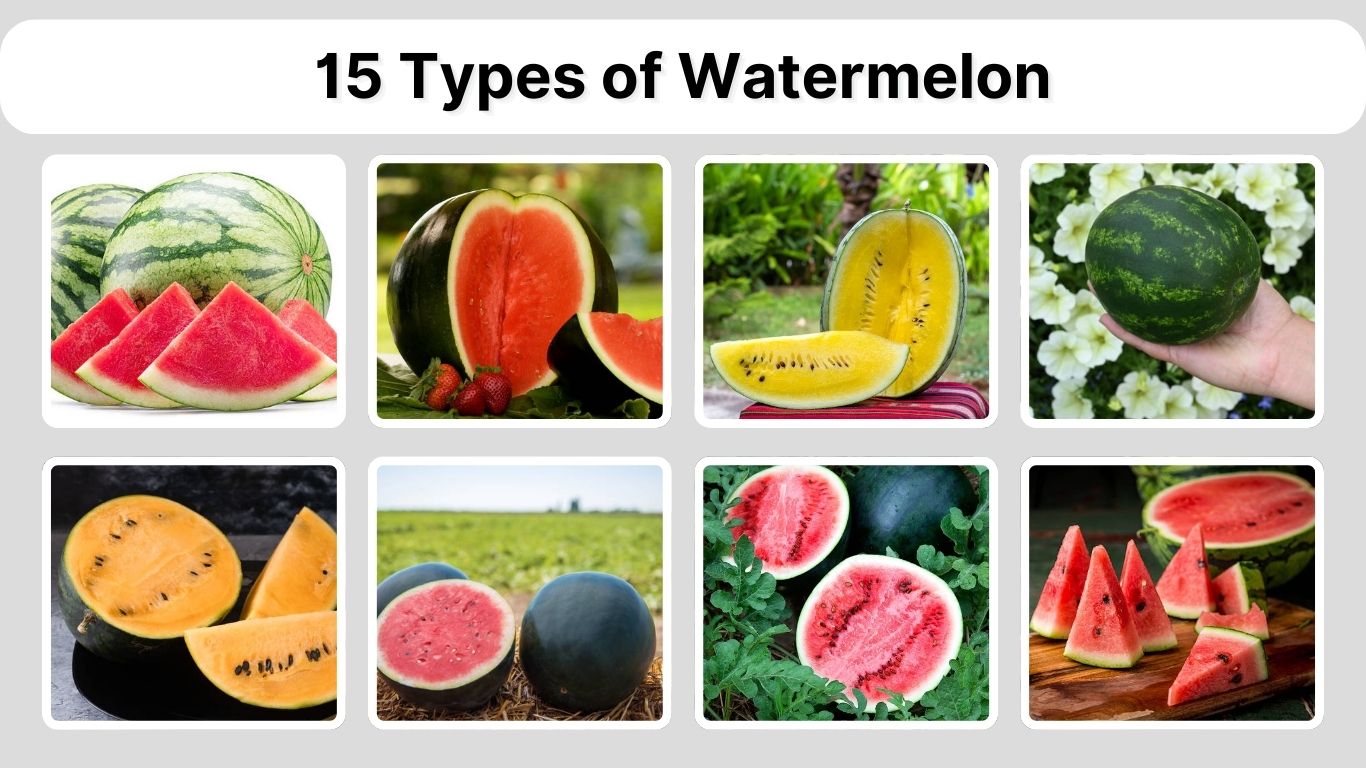
Watermelon is one of the most refreshing and popular fruits enjoyed around the world, especially during hot summer months. Known for its juicy flesh, natural sweetness, and high water content, watermelon comes in a wide variety of types, sizes, colors, and flavors. From classic red-fleshed varieties to vibrant yellow and orange types, each watermelon offers unique characteristics. Understanding different watermelon varieties helps gardeners, farmers, and consumers choose the best option for taste, climate, and usage.
1. Crimson Sweet
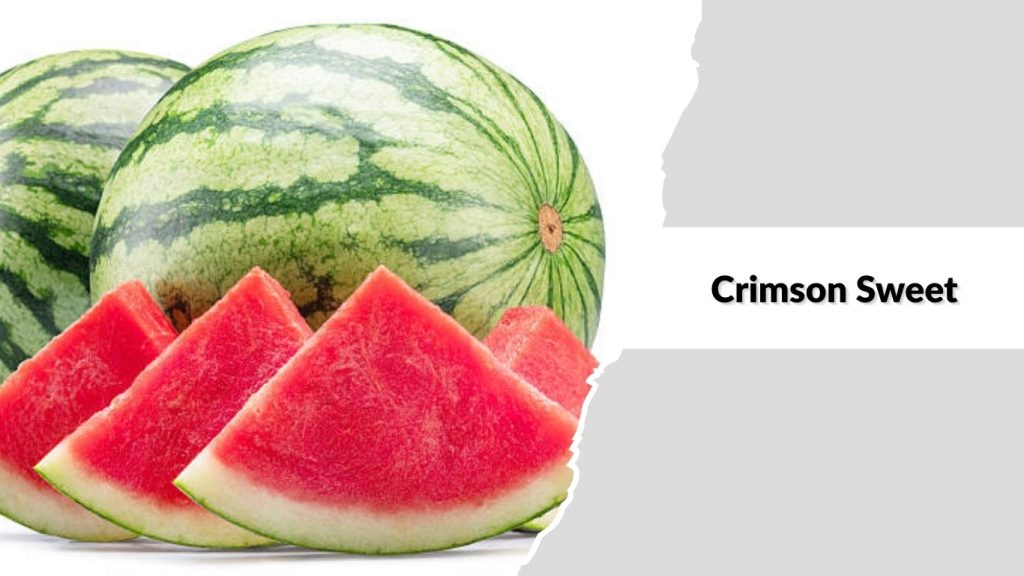
Crimson Sweet is a classic, high-quality watermelon variety prized for its dependable growth, attractive appearance, and consistently sweet flavor. It is widely cultivated in warm climates and performs well in both commercial farms and home gardens.
Identification
- Medium to large, round to slightly oblong shape
- Rind is light green with clearly defined dark green stripes
- Smooth, thick rind that provides good protection during transport
- Flesh is deep red and firm
- Typically contains black seeds
- Average weight ranges between 20–25 pounds
Flavor
The flavor is rich and naturally sweet with a high sugar content. The flesh is crisp yet tender, offering a refreshing juiciness that holds well even after slicing. Its balanced sweetness makes it appealing to a wide range of consumers.
Growing Characteristics
Crimson Sweet matures in about 80–90 days under optimal conditions. The vines are vigorous and spread widely, requiring ample space. It shows good resistance to common diseases such as anthracnose and fusarium wilt, contributing to stable yields. The plant prefers full sun, warm temperatures, and well-drained soil.
Common Uses
This watermelon is most often consumed fresh but is also suitable for juices, smoothies, fruit bowls, and chilled desserts. Due to its sturdy rind and uniform shape, it is frequently used for market sales, roadside stands, and shipping over moderate distances.
2. Sugar Baby
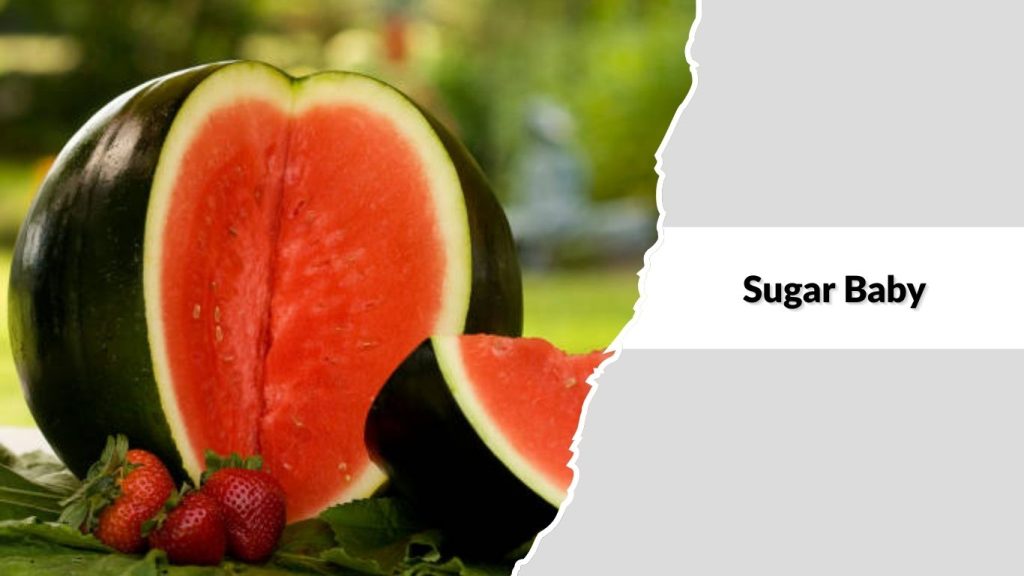
Sugar Baby is a well-known icebox watermelon variety valued for its compact size, deep red flesh, and exceptionally sweet taste. It is especially popular among home gardeners and small farms due to its manageable growth and reliable performance.
Identification
- Small to medium, round shape
- Dark green rind with little to no striping
- Thin but firm rind
- Deep red flesh
- Small black seeds
- Average weight: 8–12 pounds
Flavor
Sugar Baby is famous for its intense sweetness and rich watermelon flavor. The flesh is very juicy with a fine, tender texture, making it one of the best-tasting small watermelon varieties.
Growing Characteristics
This variety matures relatively early, usually within 75–80 days. The vines are moderately vigorous and require less space compared to larger watermelon types, making them suitable for smaller gardens. Sugar Baby thrives in warm temperatures, full sun, and well-drained soil, and performs best with consistent watering.
Common Uses
Sugar Baby is ideal for fresh consumption, especially for small households due to its convenient size. It is commonly used for slicing, chilling whole in refrigerators, fruit salads, and fresh juices. Its compact shape also makes it easy to transport and store.
3. Charleston Gray
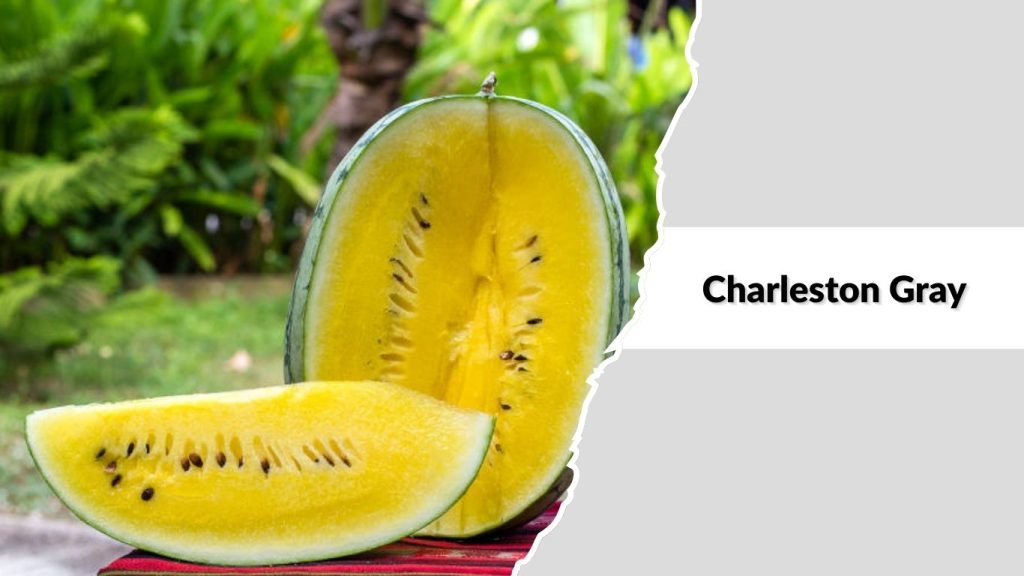
Charleston Gray is a classic, large watermelon variety recognized for its elongated shape, tough rind, and excellent shipping quality. It has long been a favorite in commercial production due to its durability and uniform appearance.
Identification
- Large, oblong to elongated shape
- Light grayish-green rind with a smooth surface
- Thick, tough rind suitable for transport
- Bright red flesh
- Black seeds
- Average weight: 25–35 pounds
Flavor
Charleston Gray offers a mild yet pleasantly sweet flavor with a refreshing juiciness. The flesh is firm and crisp, holding its texture well after cutting, which makes it appealing for markets and large gatherings.
Growing Characteristics
This variety typically matures in 85–95 days. The vines are vigorous and require plenty of growing space. Charleston Gray performs best in warm climates with full sun and fertile, well-drained soil. Its strong rind provides good resistance to cracking and handling damage.
Common Uses
Charleston Gray is widely used for fresh slicing, roadside market sales, and commercial distribution. Its large size makes it ideal for serving many people at events, while its durability supports long-distance transportation and storage.
4. Jubilee
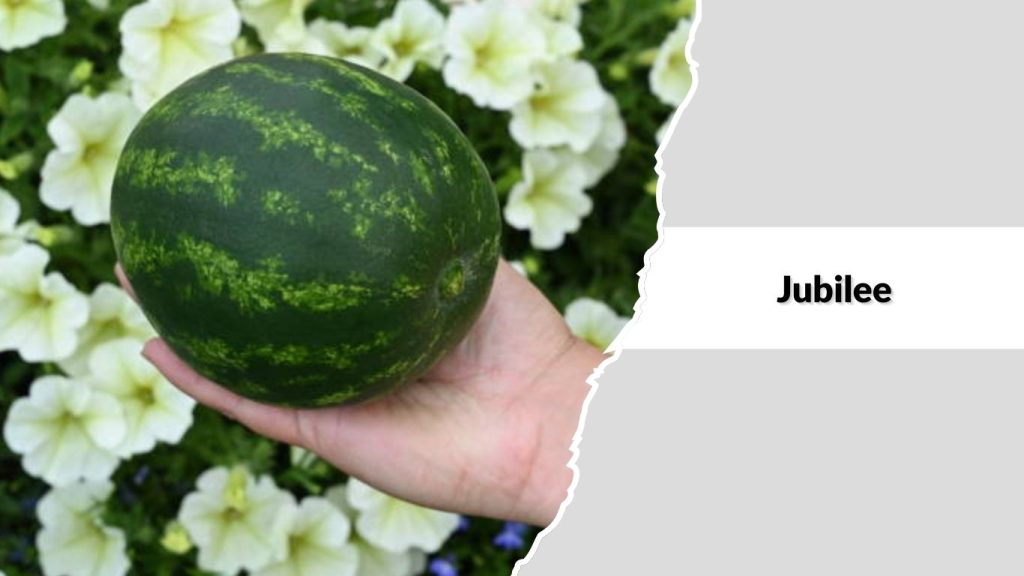
Jubilee is a popular heirloom watermelon variety known for its large size, attractive striped rind, and excellent sweetness. It is commonly grown for both home use and commercial markets due to its high yield and appealing appearance.
Identification
- Large, oblong shape
- Light green rind with bold dark green stripes
- Thick rind that offers good protection
- Deep red flesh
- Black seeds
- Average weight: 25–40 pounds
Flavor
Jubilee has a rich, sweet flavor with high sugar content and a juicy, crisp texture. The flesh is refreshing and holds up well when sliced, making it a favorite for summer consumption.
Growing Characteristics
This variety matures in approximately 85–95 days. The vines are strong and sprawling, requiring ample space to grow. Jubilee performs best in warm climates with full sun and fertile, well-drained soil. It is known for producing consistent yields under proper growing conditions.
Common Uses
Jubilee is ideal for fresh eating, large family gatherings, picnics, and community events. Its large size and attractive look also make it suitable for farmers’ markets and roadside stands.
5. Moon and Stars
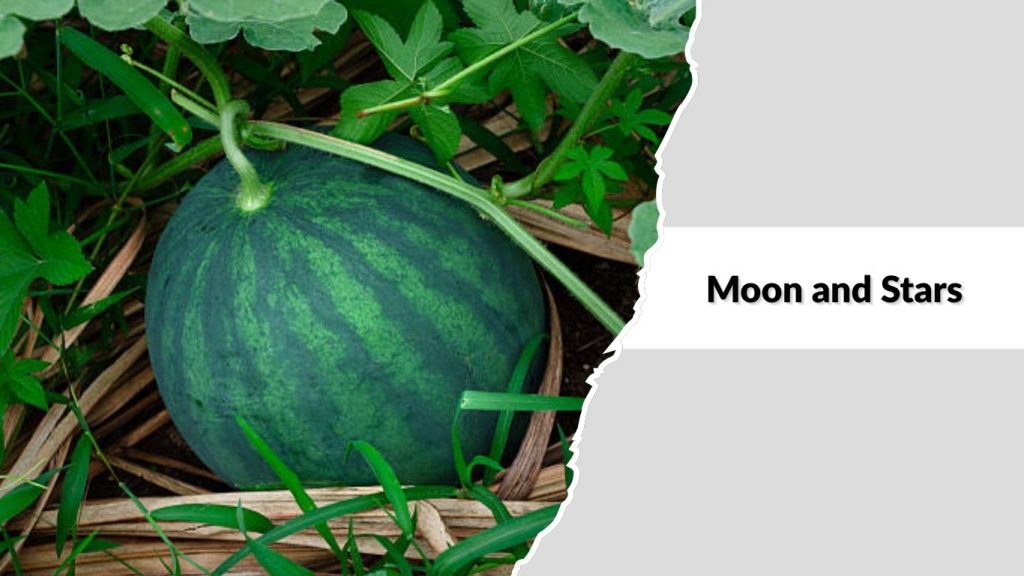
Moon and Stars is a distinctive heirloom watermelon variety famous for its unique rind pattern and nostalgic appeal. It is easily recognizable and valued by gardeners and collectors for its visual beauty as well as its sweet flesh.
Identification
- Medium to large, round to oblong shape
- Dark green rind covered with yellow spots (“stars”)
- One or more large yellow patches (“moon”)
- Thick rind
- Bright red or sometimes yellow flesh (depending on strain)
- Black seeds
- Average weight: 20–30 pounds
Flavor
Moon and Stars offers a pleasantly sweet, classic watermelon flavor. The flesh is juicy and moderately crisp, providing a refreshing taste that balances sweetness without being overpowering.
Growing Characteristics
This variety matures in about 90–100 days. The vines are vigorous and require plenty of space to spread. It grows best in warm temperatures, full sun, and rich, well-drained soil. As an heirloom variety, it is open-pollinated and popular for seed saving.
Common Uses
Moon and Stars is primarily used for fresh consumption and decorative display. Its striking appearance makes it a favorite for garden showcases, farmers’ markets, and specialty produce sales, as well as traditional slicing and serving.
6. Yellow Crimson
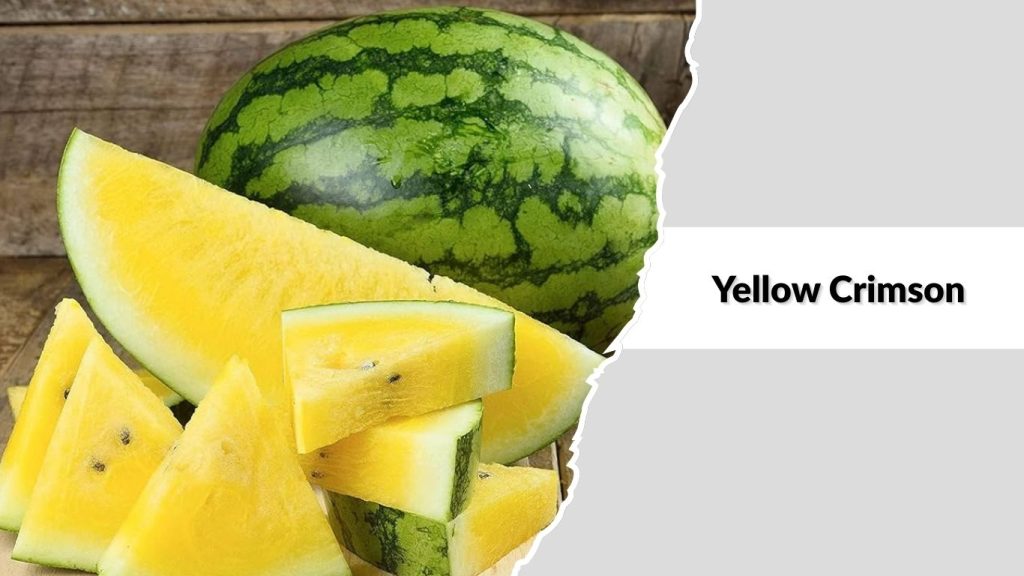
Yellow Crimson is a vibrant watermelon variety known for its striking yellow flesh and sweet, tropical-like flavor. It is a variation of the classic Crimson Sweet, offering a colorful twist while maintaining excellent eating quality.
Identification
- Medium to large, round shape
- Light green rind with dark green stripes
- Smooth and moderately thick rind
- Bright yellow flesh
- Black seeds
- Average weight: 18–25 pounds
Flavor
Yellow Crimson has a rich sweetness with subtle honey and citrus notes. The flesh is juicy and crisp, offering a refreshing taste that is slightly less acidic than red-fleshed watermelons.
Growing Characteristics
This variety matures in approximately 80–90 days. The vines are vigorous and productive, similar to Crimson Sweet. Yellow Crimson prefers warm climates, full sun, and well-drained, fertile soil. It performs well in both home gardens and commercial fields.
Common Uses
Yellow Crimson is ideal for fresh slicing, fruit salads, and decorative platters. Its bright yellow flesh makes it popular for mixed fruit displays, specialty markets, and summer desserts.
7. Orangeglo
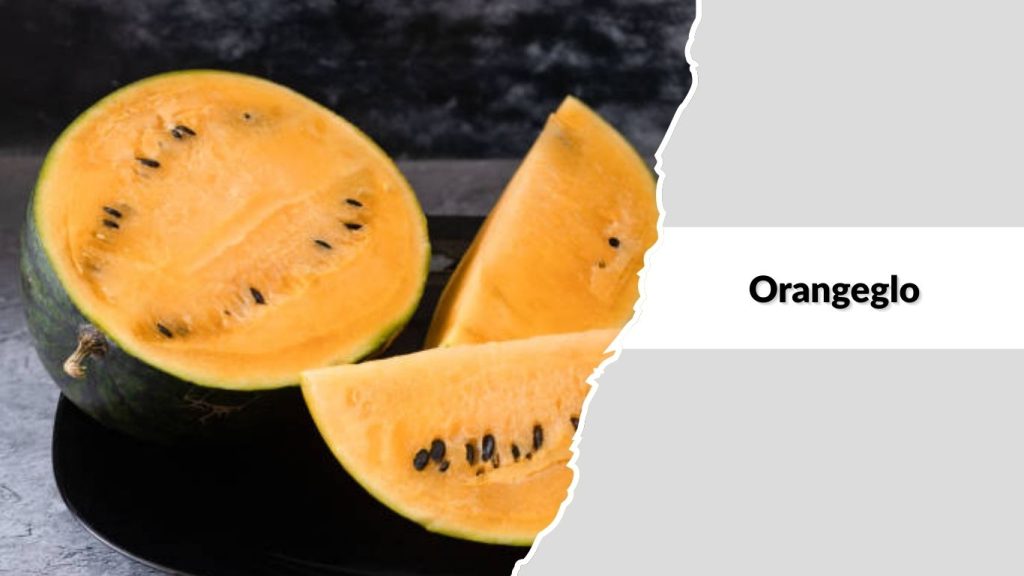
Orangeglo is a unique watermelon variety celebrated for its vivid orange flesh and exceptionally sweet flavor. It stands out among watermelon types for its tropical appearance and rich taste, making it a favorite for specialty growers.
Identification
- Large, oblong shape
- Light green rind with dark green stripes
- Smooth, thick rind
- Bright orange flesh
- Black seeds
- Average weight: 25–30 pounds
Flavor
Orangeglo is extremely sweet with a smooth, almost tropical flavor profile. The flesh is tender, juicy, and less watery than many standard red varieties, giving it a rich and satisfying taste.
Growing Characteristics
This variety matures in about 90–100 days. The vines are vigorous and require ample growing space. Orangeglo thrives in warm temperatures, full sun, and nutrient-rich, well-drained soil. It is often grown as a specialty or heirloom variety.
Common Uses
Orangeglo is best enjoyed fresh and is especially popular for fruit platters, specialty markets, and unique summer desserts. Its bright color makes it ideal for visual presentation and gourmet fruit selections.
8. Black Diamond
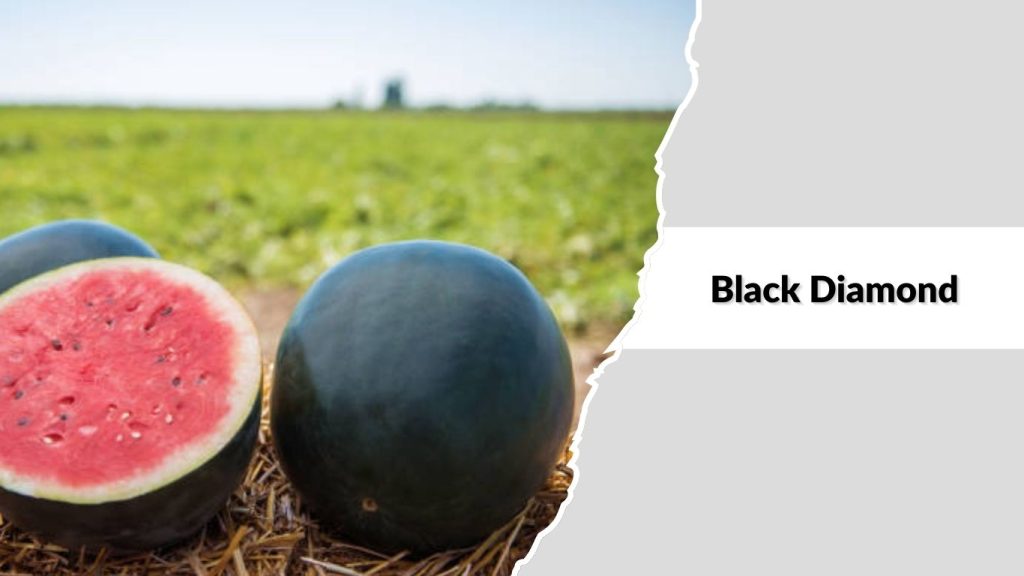
Black Diamond is a large, heirloom watermelon variety known for its dark rind, high sugar content, and impressive size. It is often grown for competitions, markets, and home gardens where large fruits are desired.
Identification
- Large, round to slightly oval shape
- Very dark green rind, almost black in appearance
- Thick and tough rind
- Deep red flesh
- Black seeds
- Average weight: 30–50 pounds
Flavor
Black Diamond has a rich, classic watermelon flavor with excellent sweetness. The flesh is juicy and firm, offering a satisfying crunch while maintaining high moisture content.
Growing Characteristics
This variety matures in approximately 90–100 days. The vines are strong and sprawling, requiring plenty of space to grow. Black Diamond performs best in warm climates with full sun and fertile, well-drained soil. Its thick rind helps protect the fruit during growth and transport.
Common Uses
Black Diamond is commonly used for fresh slicing, large gatherings, and market sales. Its size makes it ideal for feeding many people, while its dark rind gives it strong visual appeal at farmers’ markets and produce stands.
9. Icebox
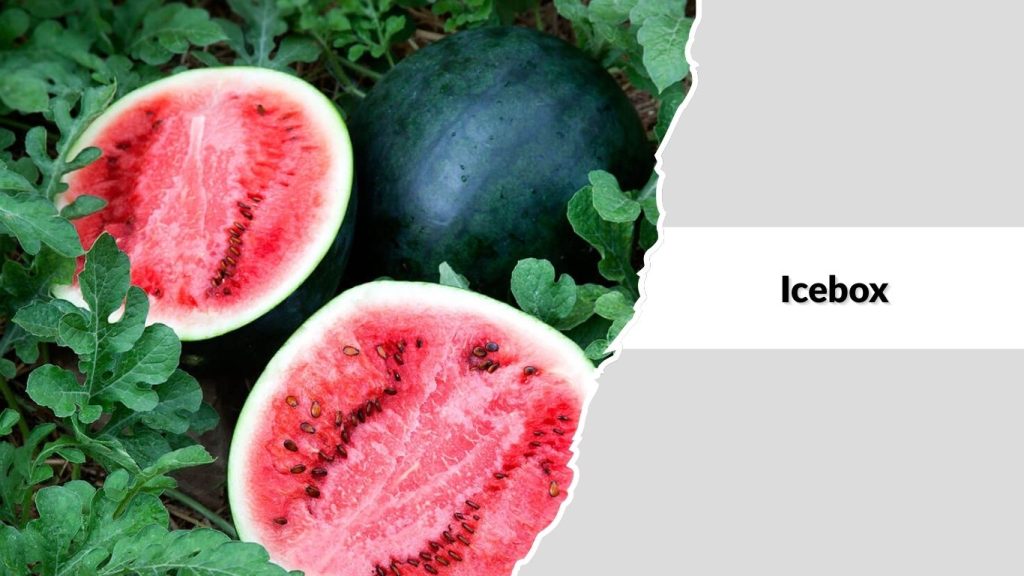
Icebox watermelons are a group of compact watermelon varieties specifically bred for small size and convenience. They are ideal for limited garden spaces and easy refrigeration, living up to their name.
Identification
- Small, round shape
- Green rind, often with subtle striping
- Thin to moderately thick rind
- Bright red or yellow flesh (varies by cultivar)
- Seeds may be black or seedless, depending on variety
- Average weight: 6–12 pounds
Flavor
Icebox watermelons are known for their concentrated sweetness and juicy flesh. Despite their smaller size, they deliver a full, refreshing watermelon flavor with a crisp texture.
Growing Characteristics
These varieties mature relatively quickly, usually within 70–80 days. The vines are compact compared to larger watermelons, making them suitable for small gardens and container growing. Icebox watermelons prefer warm weather, full sun, and well-drained soil.
Common Uses
Icebox watermelons are perfect for small households, picnics, and personal consumption. Their size allows them to fit easily into refrigerators, making them convenient for chilling and serving whole or in halves.
10. Allsweet
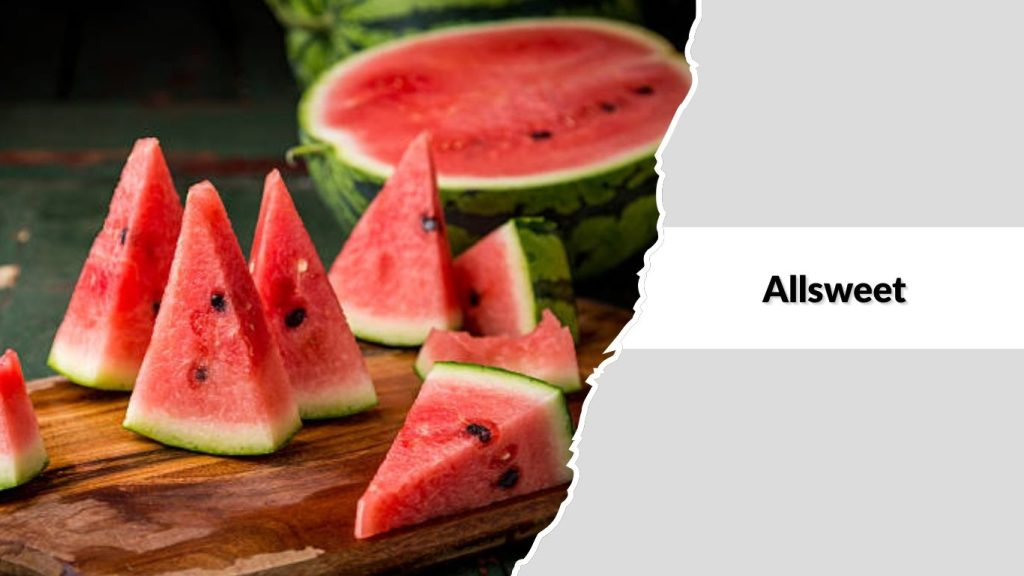
Allsweet is a high-yielding watermelon variety valued for its uniform shape, attractive appearance, and excellent sweetness. It is commonly grown for commercial production due to its consistency and market appeal.
Identification
- Large, elongated to oblong shape
- Light green rind with dark green stripes
- Smooth, thick rind
- Bright red flesh
- Black seeds
- Average weight: 25–35 pounds
Flavor
Allsweet delivers a clean, classic watermelon flavor with high sugar content. The flesh is crisp, juicy, and refreshing, maintaining good texture even after slicing.
Growing Characteristics
This variety matures in about 85–95 days. The vines are vigorous and productive, requiring ample space. Allsweet grows best in warm climates with full sun and fertile, well-drained soil. It is known for producing uniform fruits that are well-suited for market sales.
Common Uses
Allsweet is ideal for fresh consumption, roadside markets, and commercial distribution. Its consistent size and shape make it popular for slicing, display, and transport over moderate distances.
11. Royal Majesty
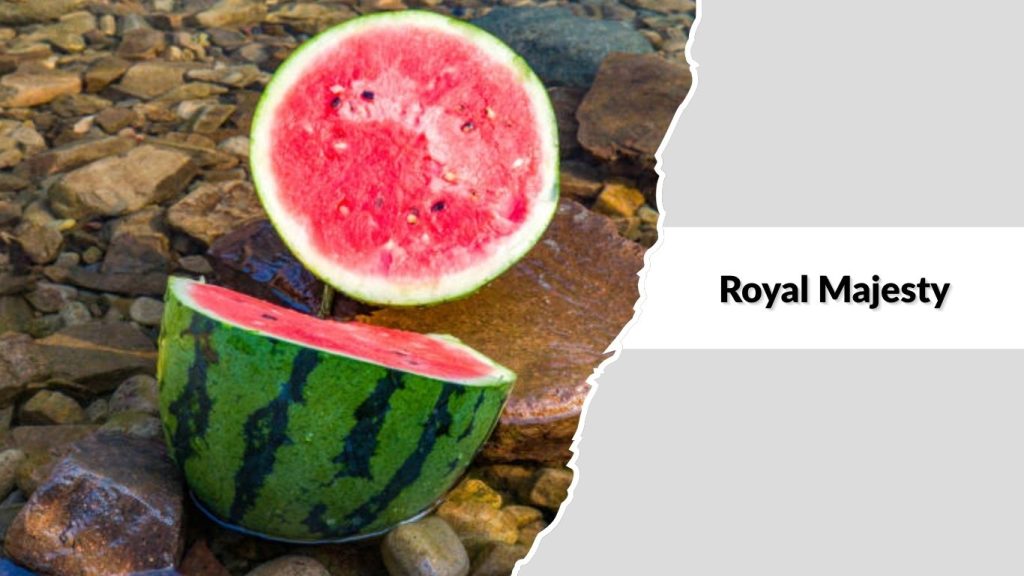
Royal Majesty is a hybrid watermelon variety known for its impressive size, strong rind, and dependable performance in commercial growing conditions. It is especially valued for its uniform fruits and high-quality flesh.
Identification
- Large, oblong shape
- Medium green rind with darker green striping
- Thick, durable rind
- Bright red flesh
- Black seeds
- Average weight: 25–40 pounds
Flavor
Royal Majesty has a sweet, clean watermelon flavor with a crisp and juicy texture. The flesh maintains firmness, making it appealing for both fresh consumption and market display.
Growing Characteristics
This variety matures in approximately 85–95 days. The vines are vigorous and highly productive, performing well in warm climates with full sun. Royal Majesty prefers rich, well-drained soil and consistent watering for optimal fruit development.
Common Uses
Royal Majesty is commonly used for fresh slicing, commercial sales, and large-scale distribution. Its size, durability, and visual appeal make it a strong choice for farmers’ markets and wholesale produce channels.
12. Yellow Doll
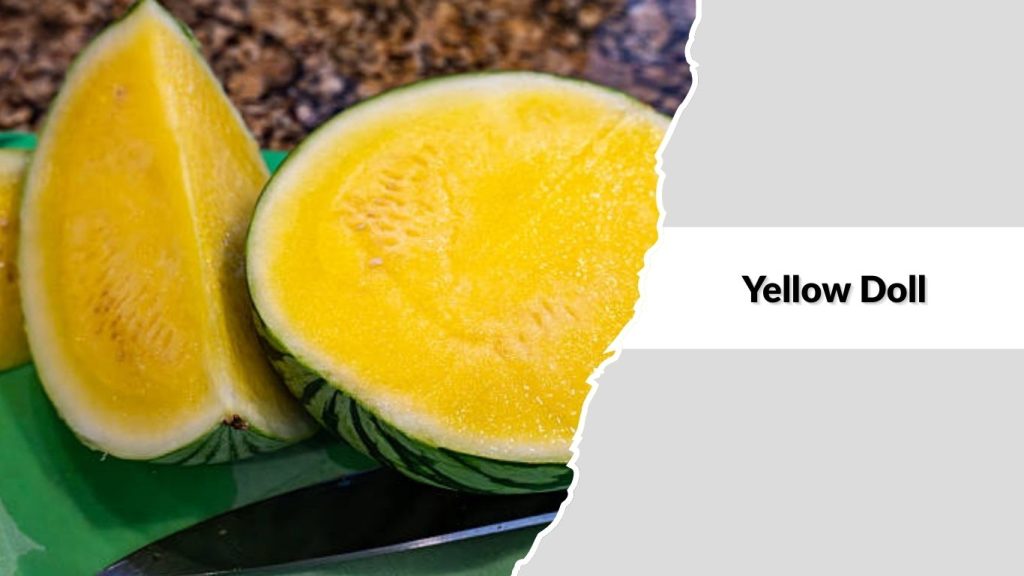
Yellow Doll is a compact, early-maturing watermelon variety prized for its bright yellow flesh and convenient size. It is especially popular with home gardeners and small-space growers.
Identification
- Small, round shape
- Light green rind with dark green stripes
- Thin but firm rind
- Bright yellow flesh
- Small black seeds or seedless types
- Average weight: 5–7 pounds
Flavor
Yellow Doll has a very sweet, honey-like flavor with a crisp and juicy texture. The flesh is refreshing and mild, making it appealing even to those who prefer less acidic fruit.
Growing Characteristics
This variety matures quickly, usually within 65–70 days. The vines are compact and manageable, making them suitable for small gardens and container growing. Yellow Doll thrives in warm temperatures, full sun, and well-drained soil.
Common Uses
Yellow Doll is ideal for personal consumption, fresh slicing, fruit bowls, and decorative platters. Its small size makes it easy to store, chill, and serve without waste.
13. Desert King
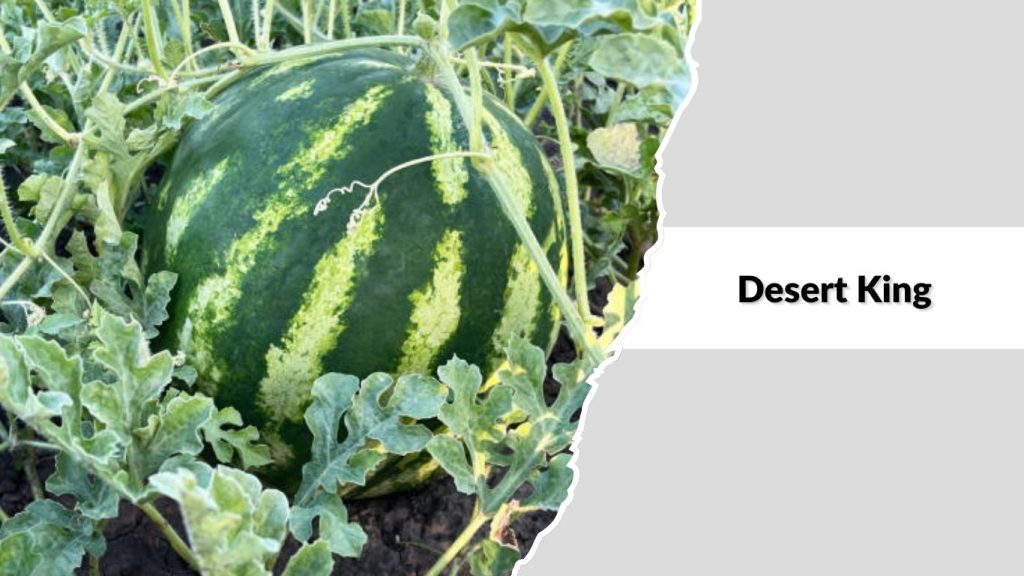
Desert King is a drought-tolerant watermelon variety well adapted to hot, dry climates. It is known for its pale rind, refreshing sweetness, and reliable performance under challenging growing conditions.
Identification
- Medium to large, round to slightly oblong shape
- Pale green to whitish rind
- Smooth, thick rind
- Bright yellow flesh
- Black seeds
- Average weight: 20–30 pounds
Flavor
Desert King has a mild but pleasantly sweet flavor with a clean, refreshing taste. The flesh is juicy and crisp, making it especially enjoyable in very hot weather.
Growing Characteristics
This variety matures in about 85–95 days. The vines are vigorous and well-suited to arid regions, showing good tolerance to heat and limited water. Desert King performs best in full sun and well-drained soil, making it ideal for desert and semi-desert areas.
Common Uses
Desert King is primarily used for fresh eating, chilled slices, and summer refreshments. Its heat tolerance and unique pale appearance also make it popular among specialty growers in hot climates.
14. Peacock
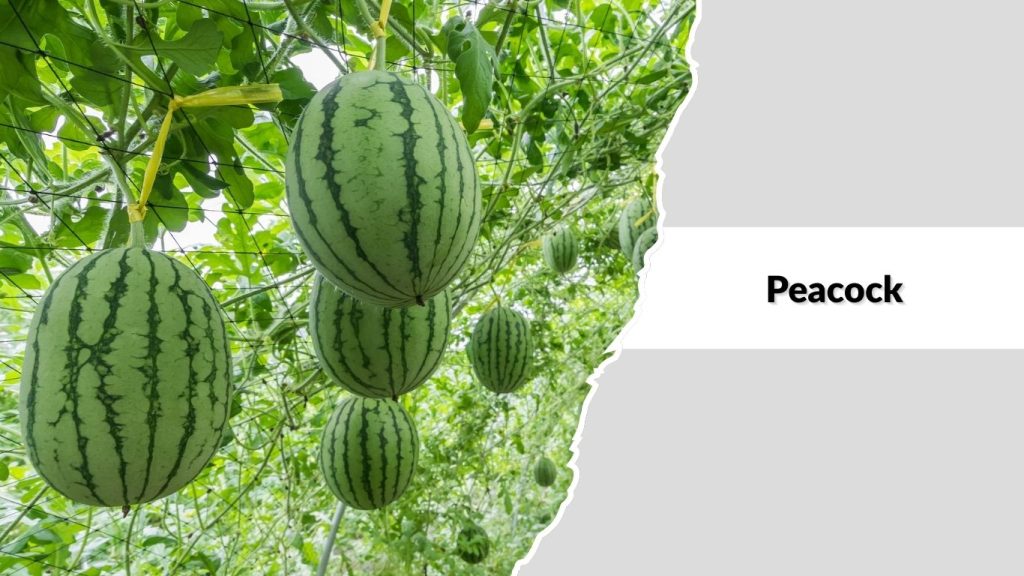
Peacock is a lesser-known but attractive watermelon variety appreciated for its appealing rind pattern and sweet, juicy flesh. It is often grown in home gardens and specialty farms for its visual appeal and reliable taste.
Identification
- Medium to large, round to oblong shape
- Green rind with distinctive dark striping
- Smooth, moderately thick rind
- Bright red flesh
- Black seeds
- Average weight: 18–28 pounds
Flavor
Peacock has a pleasantly sweet flavor with a refreshing juiciness. The flesh is crisp and tender, offering a classic watermelon taste suitable for a wide range of preferences.
Growing Characteristics
This variety matures in approximately 85–95 days. The vines are vigorous and require adequate space to spread. Peacock grows best in warm climates with full sun and fertile, well-drained soil.
Common Uses
Peacock is commonly enjoyed fresh and is suitable for fruit platters, family meals, and local market sales. Its attractive rind makes it appealing for display and direct-to-consumer produce stands.
15. Sweet Princess
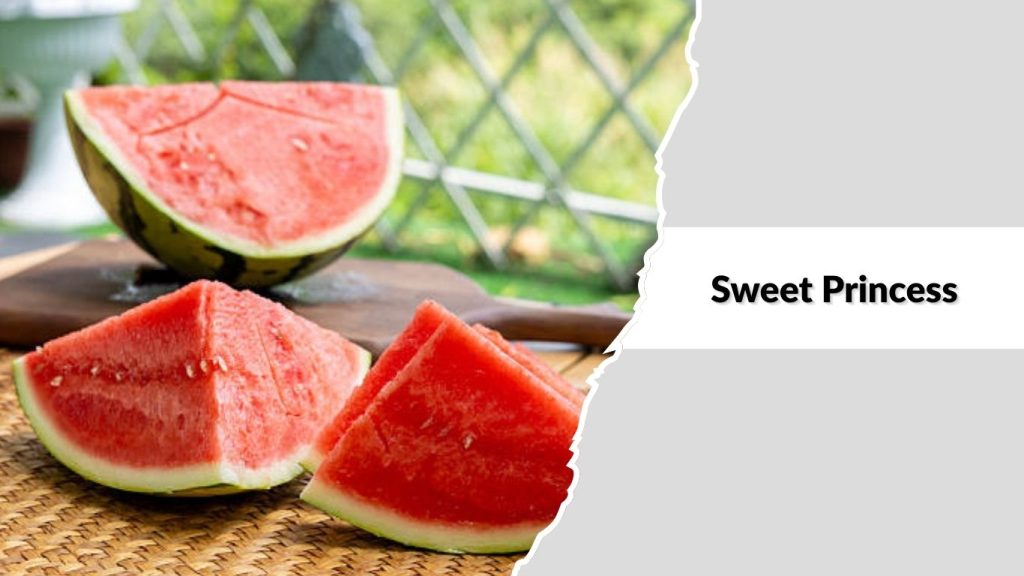
Sweet Princess is a popular hybrid watermelon variety valued for its uniform shape, high sugar content, and reliable performance. It is widely grown for both home use and commercial production.
Identification
- Medium to large, round to slightly oblong shape
- Light green rind with dark green stripes
- Smooth, durable rind
- Deep red flesh
- Black seeds
- Average weight: 20–30 pounds
Flavor
Sweet Princess has a rich, very sweet flavor with a crisp and juicy texture. The flesh is refreshing and holds its quality well after slicing.
Growing Characteristics
This variety matures in about 80–90 days. The vines are vigorous and productive, thriving in warm climates with full sun. Sweet Princess prefers fertile, well-drained soil and consistent watering for optimal fruit development.
Common Uses
Sweet Princess is ideal for fresh eating, slicing, fruit salads, and market sales. Its balanced size, sweetness, and attractive appearance make it a favorite for farmers’ markets and home gardens alike.
FAQs
What is the sweetest type of watermelon?
Sweetness depends on the variety and growing conditions, but popular sweet varieties include Sugar Baby, Crimson Sweet, and Sweet Princess due to their naturally high sugar content.
What is the difference between red and yellow watermelons?
Red and yellow watermelons come from the same species, but yellow varieties lack lycopene and instead contain beta-carotene, giving them their yellow color and a slightly honey-like flavor.
Which watermelon variety is best for small gardens?
Icebox-type watermelons such as Sugar Baby and Yellow Doll are best for small gardens because of their compact vines and smaller fruit size.
How long does it take for watermelons to mature?
Most watermelon varieties take between 70 and 95 days to mature, depending on the type, climate, and growing conditions.
Can watermelons grow in hot and dry climates?
Yes, varieties like Desert King are well-suited for hot and dry climates due to their heat and drought tolerance.