

Spider mites are tiny but destructive pests that can silently damage your favorite plants. They often go unnoticed until you see speckled leaves, fine webbing, or sudden wilting. Whether you’re dealing with white or black spider mites, early identification is key. In this guide, I’ll share how to spot spider mites on plants, treat infestations using home remedies or organic methods, and prevent them from coming back.
What Are Spider Mites?

Spider mites are minuscule arachnids that feed on plant sap, weakening the plant over time. Though they resemble insects, they are more closely related to spiders and ticks. A single infestation can spread rapidly, especially in dry, warm environments, making them a major threat to both houseplants and garden crops.
Tiny Arachnid Pests
- Belong to the Tetranychidae family
- Typically less than 1 millimeter in size
- Reproduce quickly—eggs hatch in just a few days
- Thrive in hot, dry, dusty conditions
- Often remain hidden beneath the leaves
What Do Spider Mites on Plants Look Like?

Because of their small size, spider mites are hard to detect with the naked eye until damage is visible. However, once you know what to look for, spotting them becomes much easier.
Physical Appearance
- Oval-shaped bodies, often reddish, yellow, green, black, or translucent white
- Fine, silken webbing on the undersides of leaves or between stems
- Move slowly and often cluster together
- Need a magnifying glass for clear visibility
Common Types by Color
- White Spider Mites – Often appear pale or translucent and blend into lighter foliage
- Black Spider Mites – Dark-colored, slightly larger, more visible on light-colored leaves
- Red Spider Mites – Bright red and often found on indoor plants or greenhouse crops
Signs of Spider Mites on Plants

Spider mites often go undetected until significant damage occurs. Recognizing the early signs can help you stop the infestation before it spreads.
Early and Advanced Symptoms
- Tiny yellow, white, or bronze speckles on leaves
- Fine, silken webbing on the undersides of leaves or between stems
- Leaves curling, drying out, or dropping prematurely
- Slowed plant growth or stunted new leaves
- A dusty or dirty look on the plant, especially near leaf joints
- Visible movement of mites with a magnifying glass
Causes and Spread of Spider Mite Infestations
Understanding why spider mites appear can help you avoid repeated problems. These pests flourish in specific conditions that are often unintentionally created by plant owners.
How Spider Mites Infest Your Plants
Spider mite infestations often start silently, spreading before you realize there’s a problem. These pests typically find their way onto plants through infested soil, gardening tools, or nearby plants already carrying mites. Once introduced, they settle on the undersides of leaves where they’re shielded from view and start feeding by piercing plant cells and sucking out their contents. This weakens the plant and leaves behind tiny discolored spots.
Their population grows fast, especially in dry, warm conditions with little humidity. A single female can lay hundreds of eggs during her short life, making infestations difficult to control once they take hold. Poor air circulation, plant stress, and dusty surfaces all contribute to their rapid spread across indoor and outdoor plants.
How to Get Rid of Spider Mites on Plants
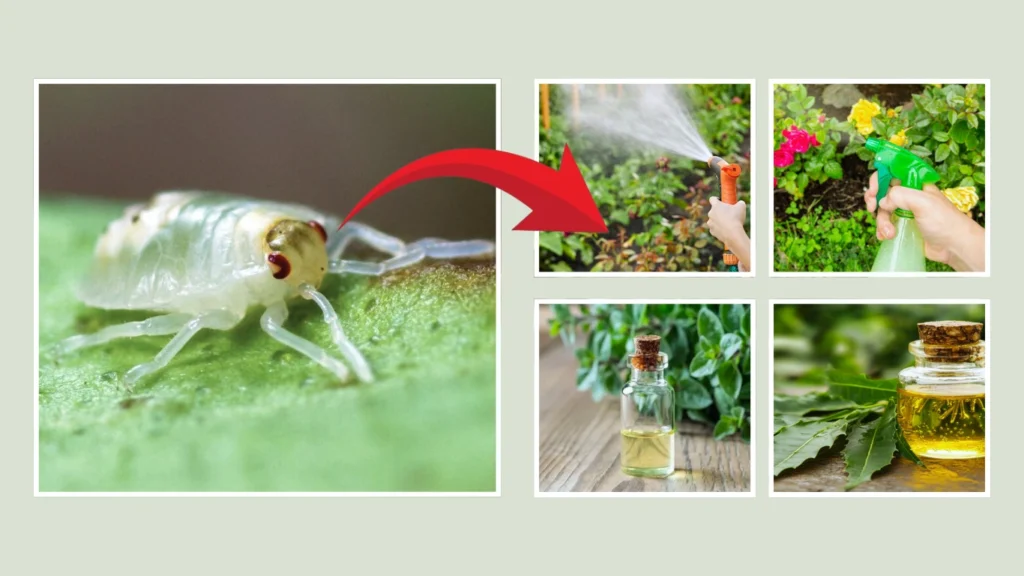
Once you spot spider mites, quick action is essential. Early treatment can save your plant and stop the pests from spreading to others. There are several effective methods—ranging from simple cleaning techniques to natural remedies—that you can use at home without harsh chemicals.
Immediate Removal Methods
Start by isolating the affected plant to prevent the mites from spreading. Use a strong stream of water to rinse the leaves, especially the undersides where mites hide and lay eggs. This can dislodge many of the pests. Prune and dispose of heavily infested leaves or stems, sealing them in a bag before discarding. Clean the area around the plant thoroughly, including pots, shelves, and nearby surfaces.
Spider Mites on Plants Treatment Options
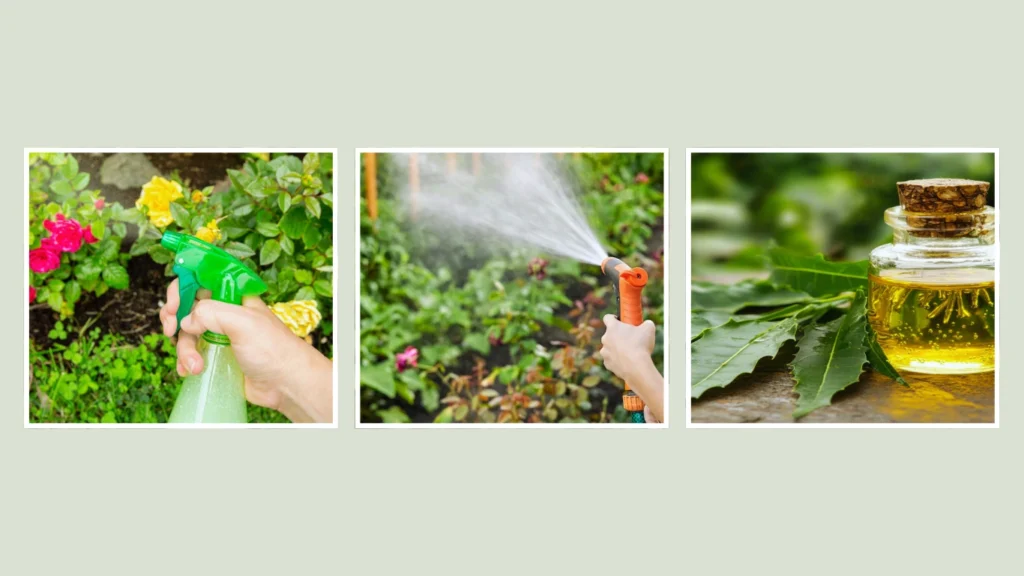
Treating spider mites effectively often requires more than just rinsing the plant. Depending on the severity of the infestation, you may need to use organic or chemical solutions. Choosing the right method depends on the type of plant, level of damage, and your preference for natural or synthetic treatments.
Organic Treatments
Organic options are safer for both plants and the environment, especially if you’re growing herbs or vegetables. Insecticidal soap is a gentle yet effective solution that breaks down the outer coating of spider mites, leading to dehydration and death. Horticultural oils, such as neem oil or canola oil, work by smothering the mites and their eggs. These treatments should be applied in the early morning or evening to avoid leaf burn from sunlight. Diatomaceous earth, a fine powder made from fossilized algae, can also be dusted on the soil surface to deter mites crawling up the plant.
Chemical Options (Use with Caution)
For severe infestations, miticides are sometimes necessary. These chemical treatments are specifically formulated to target spider mites without harming the plant. However, overuse can lead to resistance, so it’s crucial to rotate products if repeated applications are needed. Always follow label instructions carefully and avoid spraying during the hottest part of the day.
How to Kill Spider Mites on Plants Permanently:
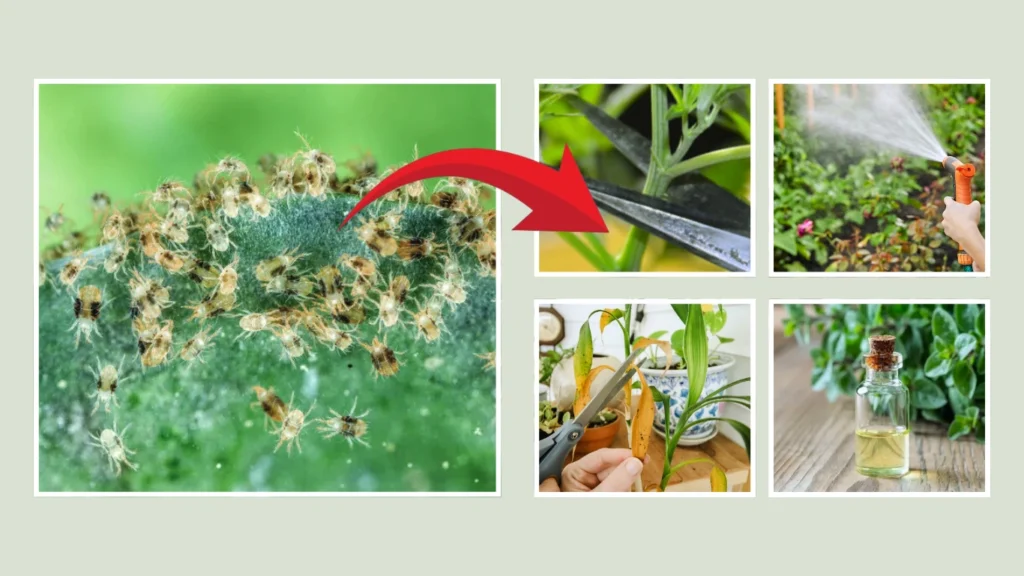
Step 1: Isolate the Infected Plant
Move the affected plant away from other houseplants or garden beds immediately to prevent the mites from spreading.
Step 2: Rinse Thoroughly with Water
Use a strong but gentle stream of water to spray down the entire plant, focusing on the undersides of leaves. This will wash away many of the spider mites and their webs.
Step 3: Prune Damaged Leaves
Trim off leaves or stems that are heavily infested or visibly damaged. Dispose of them in a sealed plastic bag to avoid spreading mites.
Step 4: Apply a Natural Treatment
Spray the plant with a natural solution like neem oil, insecticidal soap, or a homemade garlic or chili spray. Make sure to coat both sides of the leaves and stems.
Suggested natural spray:
- 1 tsp neem oil
- ½ tsp liquid soap
- 1 liter of water
Shake and spray every 3–5 days for 2 weeks.
Step 5: Reapply Treatments Consistently
Spider mites reproduce quickly. Repeat your treatment every 3–5 days for at least 2–3 weeks, even if mites seem gone. This helps destroy eggs and prevent re-infestation.
Step 6: Increase Humidity Around the Plant
Spider mites hate moist environments. Mist your plants daily or use a humidifier nearby to create conditions they dislike. Grouping plants together can also raise humidity naturally.
Step 7: Clean Surrounding Area
Wipe down pots, shelves, and nearby plant stands. Wash gardening tools with soapy water or rubbing alcohol to kill any lingering mites or eggs.
Step 8: Monitor Closely for Recurrence
Check the plant every few days with a magnifying glass. Look for signs like speckled leaves or new webbing. If signs return, resume treatment immediately.
Step 9: Introduce Natural Predators (Optional)
For outdoor plants or greenhouses, release predatory insects like ladybugs, lacewings, or Phytoseiulus persimilis mites. They feed on spider mites and help control their population naturally.
Step 10: Quarantine and Inspect New Plants
Before introducing new plants to your collection, isolate them for a few days and inspect carefully for mites or other pests.
FAQs
1. Can spider mites kill a plant?
Yes, if left untreated, spider mites can severely weaken or even kill a plant. They feed on plant sap, which disrupts photosynthesis, leading to leaf drop, stunted growth, and eventually plant death.
2. Are spider mites harmful to humans or pets?
Spider mites do not bite humans or pets and aren’t directly harmful to them. However, they can cause skin irritation for sensitive individuals when handling infested plants. The primary concern is plant damage.
3. How fast do spider mites reproduce?
Very fast. A single female can lay dozens of eggs per day, and the eggs hatch in just 3–5 days. Under warm, dry conditions, a full generation can mature in under a week.
4. Will neem oil kill spider mite eggs?
Neem oil disrupts the life cycle of spider mites, including eggs. While it may not always kill eggs instantly, it interferes with hatching and prevents larvae from developing into adults when applied consistently.
5. What is the best home remedy for white spider mites?
A neem oil and soap solution is one of the most effective home remedies. You can also use diluted rubbing alcohol, or a garlic and water spray to kill white spider mites and deter re-infestation naturally.